Latest Editorial, Portrait & Commercial Photography Projects
A selection of my most recent commissions and ongoing projects.
The work shown here spans editorial assignments, portrait commissions, documentary projects and commercial photography for organisations and publishers. It reflects current areas of focus and the range of contexts in which I am working.
New projects are added regularly.
EarthSonic Live at Manchester Museum: Documentary Event Photography by David Oates
EarthSonic Live at Manchester Museum
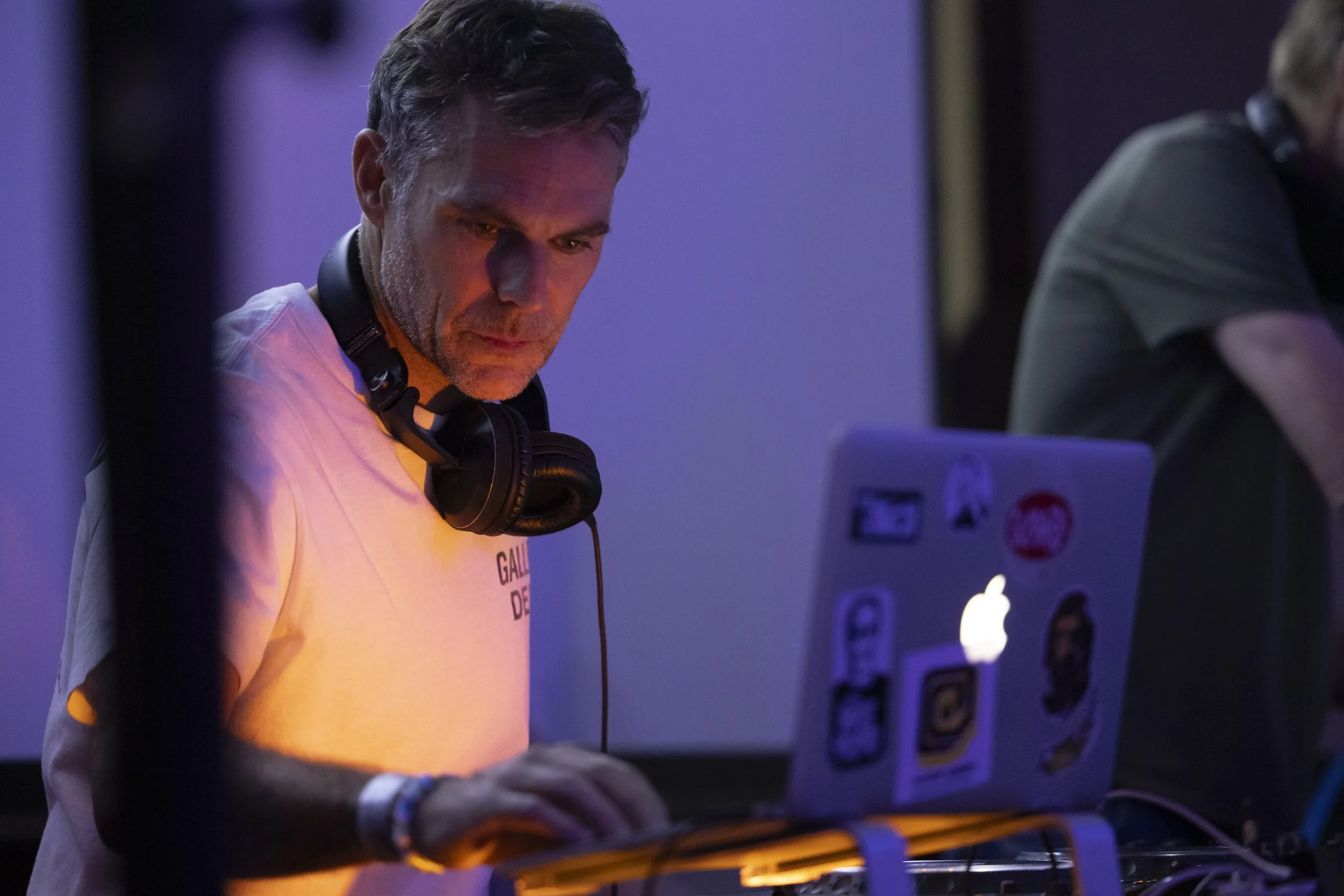
EarthSonic Live at Manchester Museum was a full-day and evening programme of talks, workshops, performances and installations exploring the relationship between music, nature and climate. The event brought together artists, scientists, activists and audiences in a shared space, combining cultural programming with environmental themes.
The event was part of the wider EarthSonic project, which focuses on using sound and music as a way to engage people with biodiversity and climate issues.
EarthSonic Live at Manchester Museum
EarthSonic Live at Manchester Museum was a full-day and evening programme of talks, workshops, performances and installations exploring the relationship between music, nature and climate. The event brought together artists, scientists, activists and audiences in a shared space, combining cultural programming with environmental themes.
The event was part of the wider EarthSonic project, which focuses on using sound and music as a way to engage people with biodiversity and climate issues.
The EarthSonic Project and Its Organisers
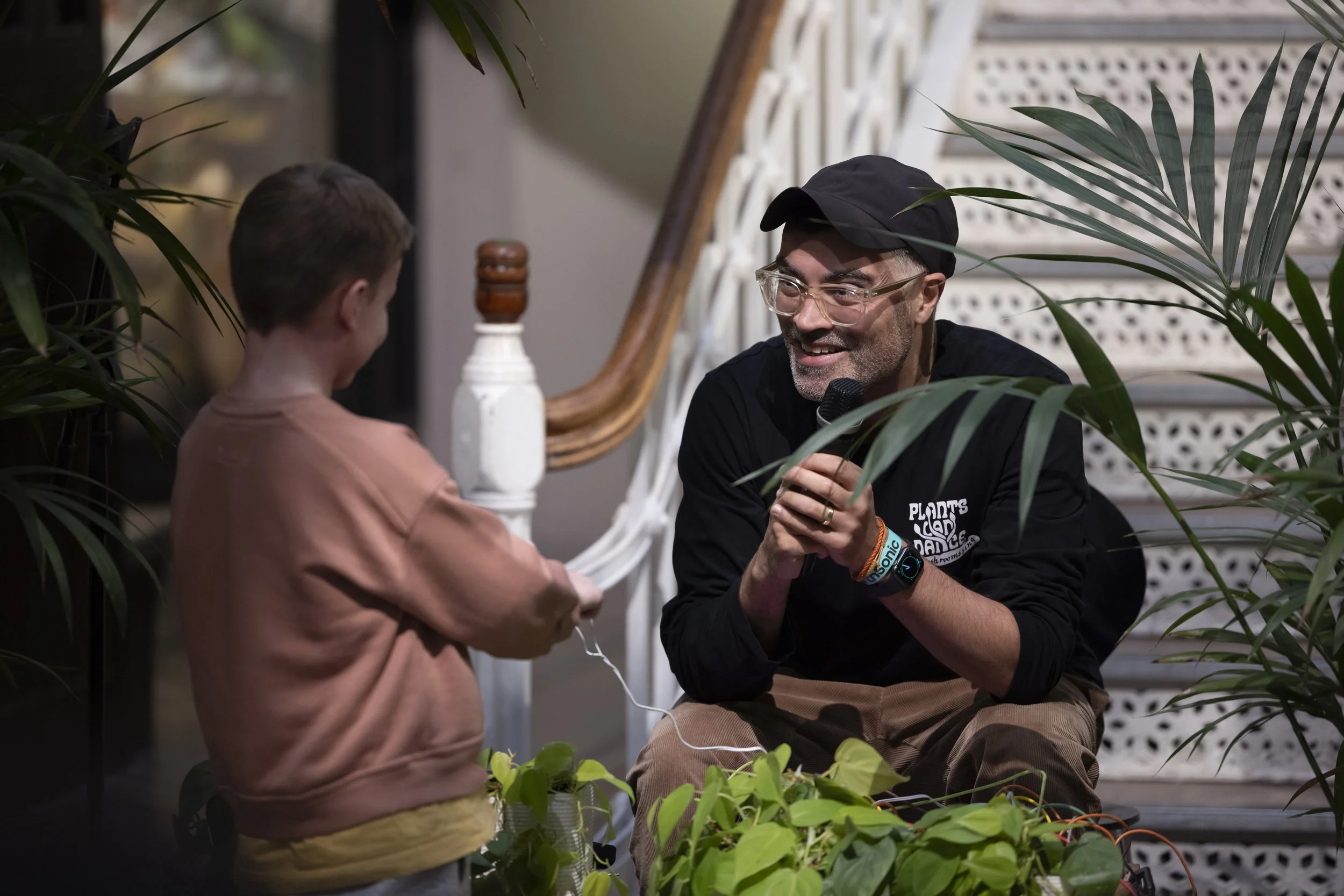
EarthSonic Live is developed through the EarthSonic initiative, connected to the Manchester-based organisation In Place of War. The project brings together global artists, researchers and communities to explore how sound can communicate environmental change and inspire action.
The programme is supported by organisations including Arts Council England, Wellcome Trust and Ableton, alongside a network of environmental and cultural partners.
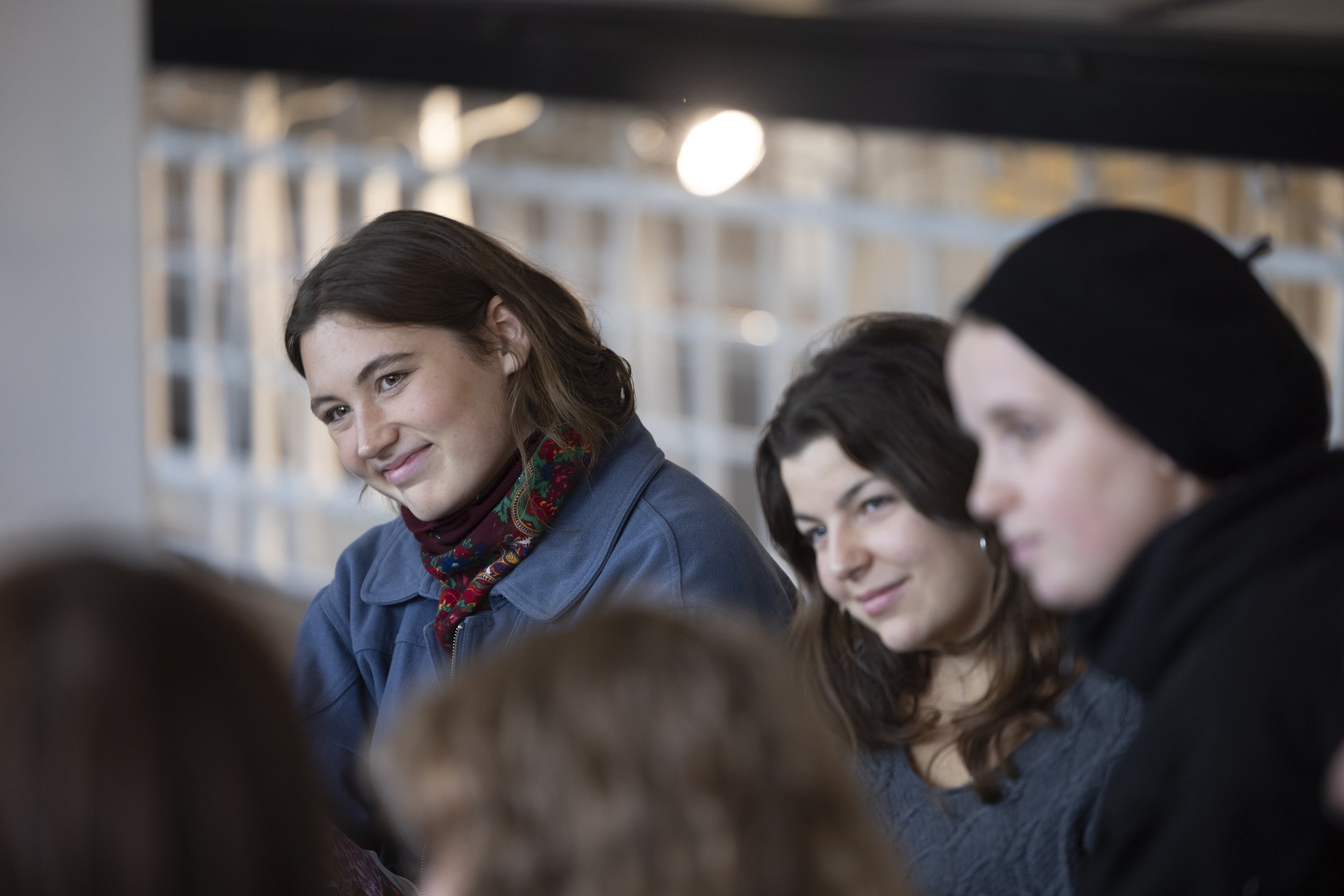
A Full Day of Talks, Workshops and Performances
The structure of EarthSonic Live moved across the entire museum, with activity running throughout the day before transitioning into an evening performance programme. Visitors engaged with talks, installations and hands-on workshops exploring sound, ecology and climate.
The scale of the event was significant, with thousands of attendees moving through the museum across the day.
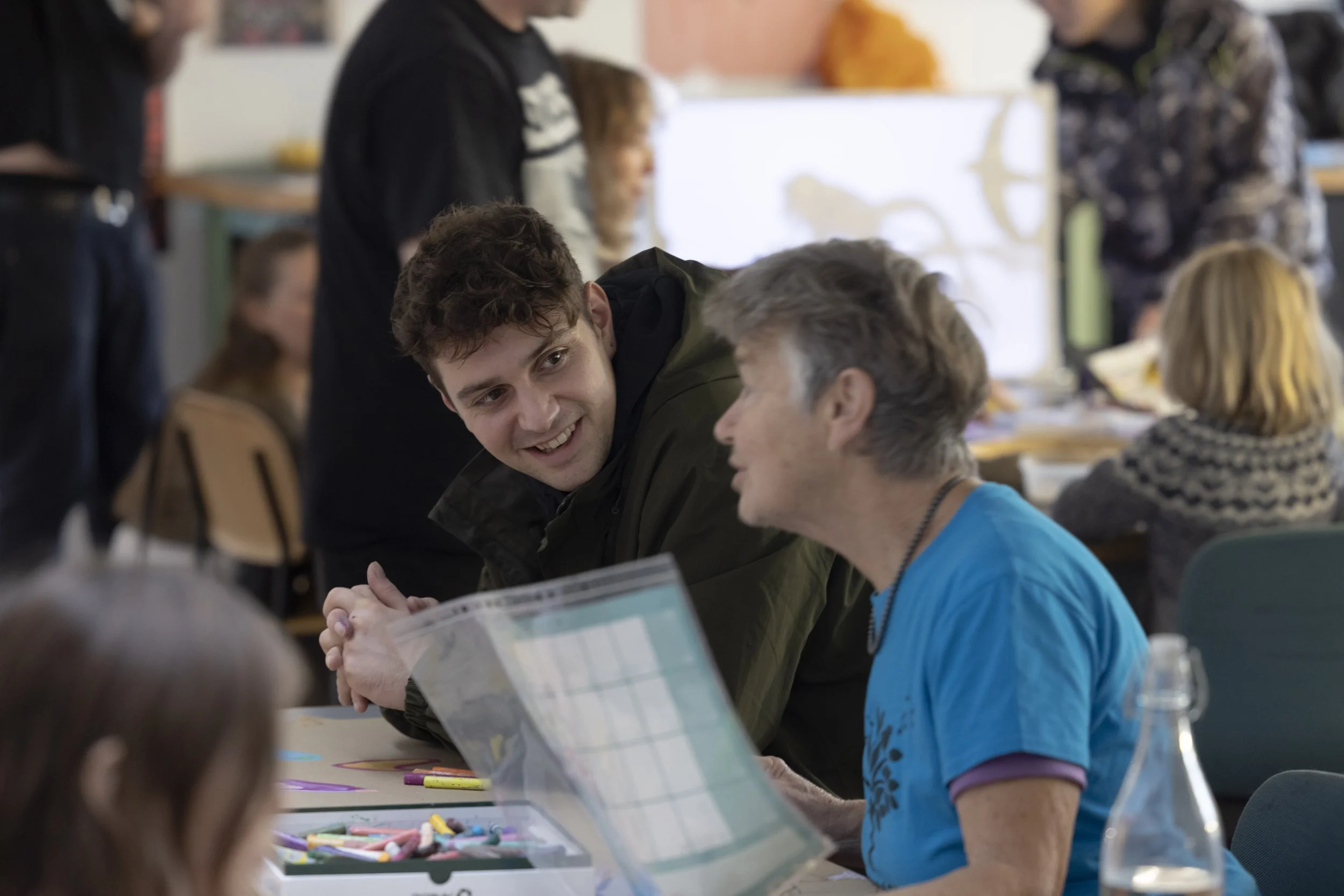
Artists, Speakers and Contributors
The programme included a wide range of contributors working across music, environmental activism and research. Participants included Andy Cato of Groove Armada, broadcaster Nihal Arthanayake, climate activist Tori Tsui, and artist Jason Williams, known as The Cloud Gardener.
Other contributors included Luke Wallace, Brian d’Souza (Auntie Flo), Sam Lee, Werkha, and a range of artists and researchers exploring sound and ecology through performance and discussion.
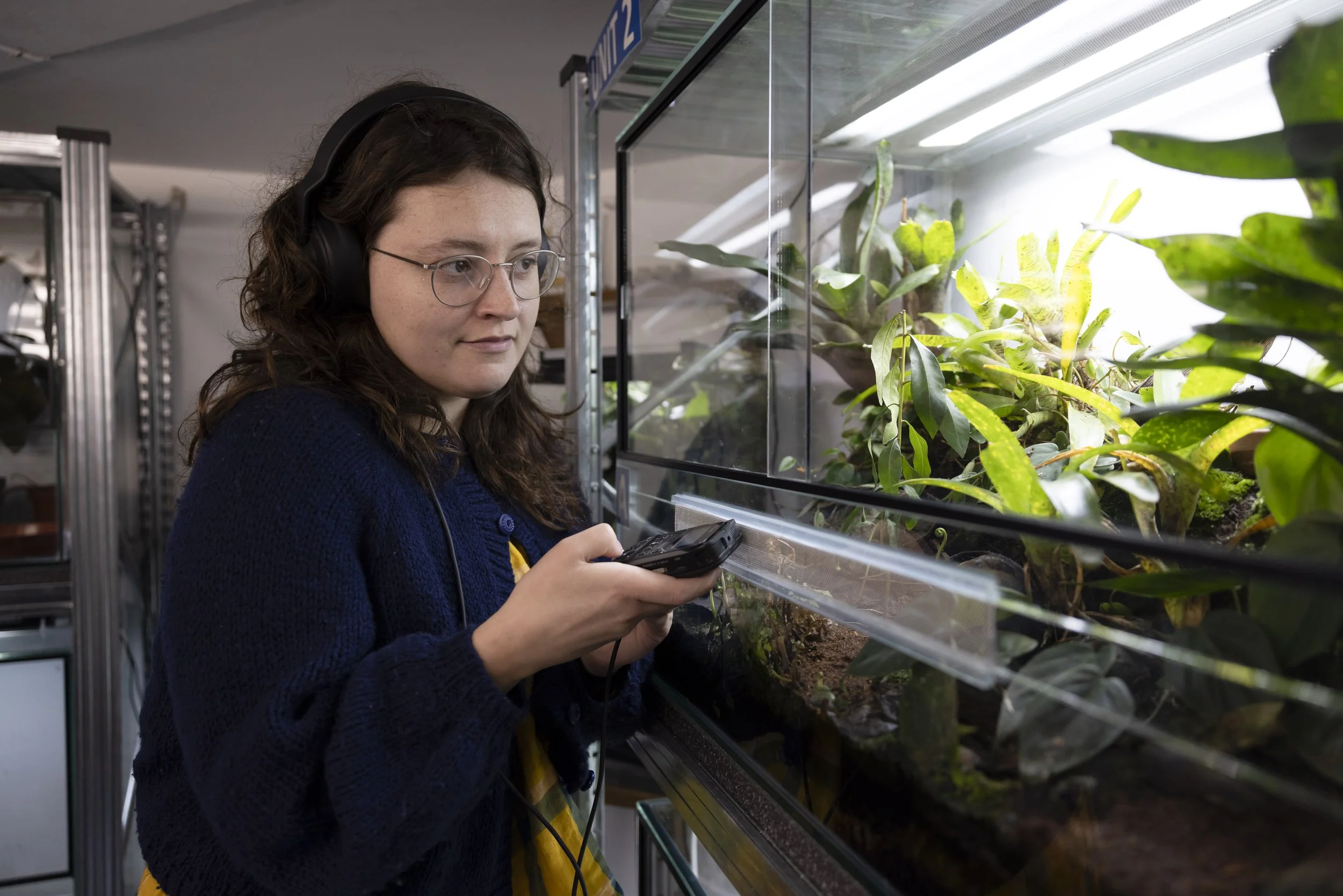
Installations, Performances and Live Work
Throughout the museum, installations and performances ran continuously. Sam Lee’s nightingale-based sound installation, D-FUSE’s immersive work Nine Earths, and Flow’s live vocal performances created a constantly shifting environment.
The Climate Choir appeared across the building in a series of moving performances, while projects such as biosonification workshops explored how plant data could be translated into sound.
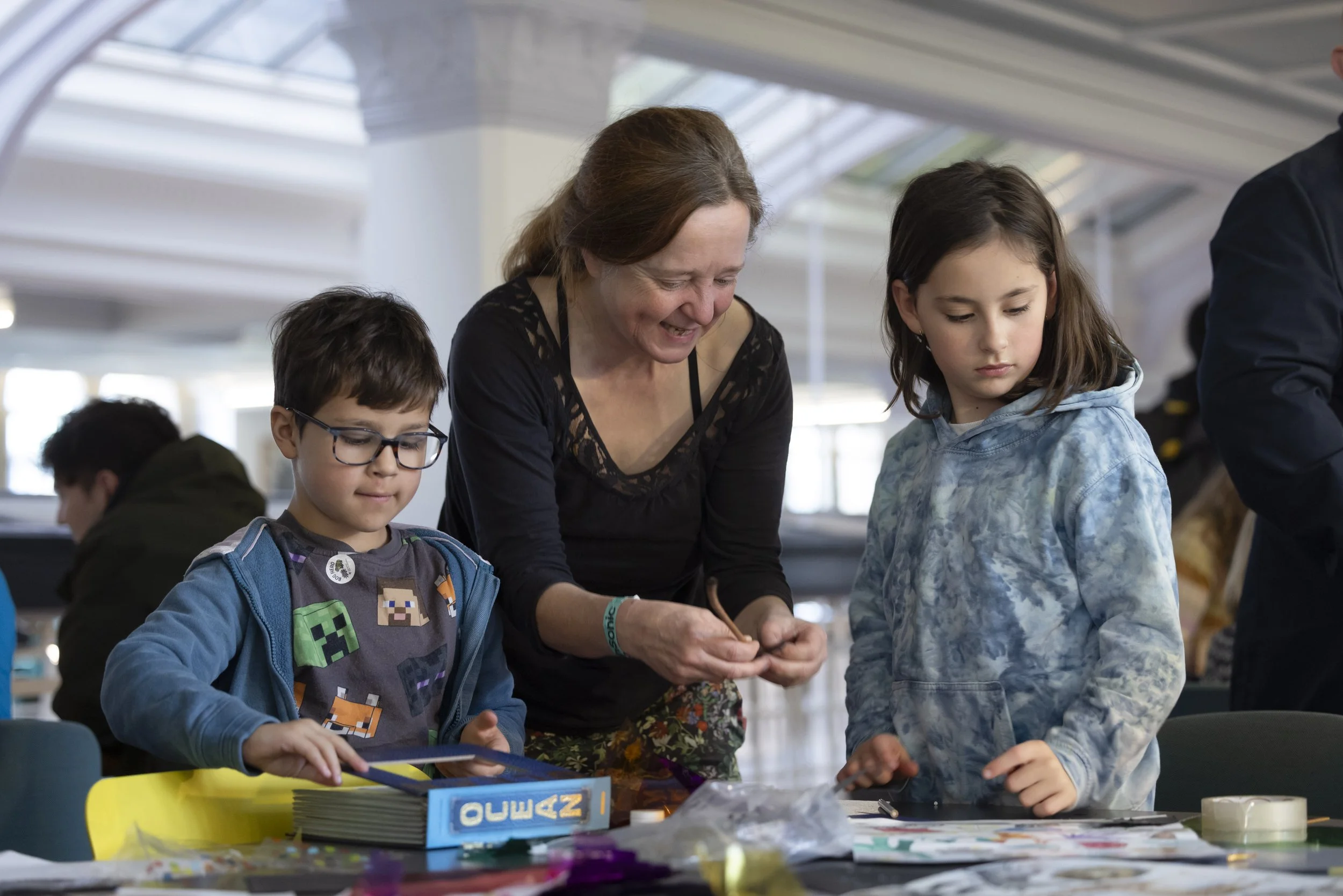
Environmental Organisations and Public Engagement
Alongside the artistic programme, a large number of organisations were present, including the RSPB, The Wildlife Trusts, Music Declares Emergency, Young Wilders and the Woodland Trust.
These groups created a layer of direct public engagement, allowing visitors to connect creative work with practical climate action and environmental advocacy.
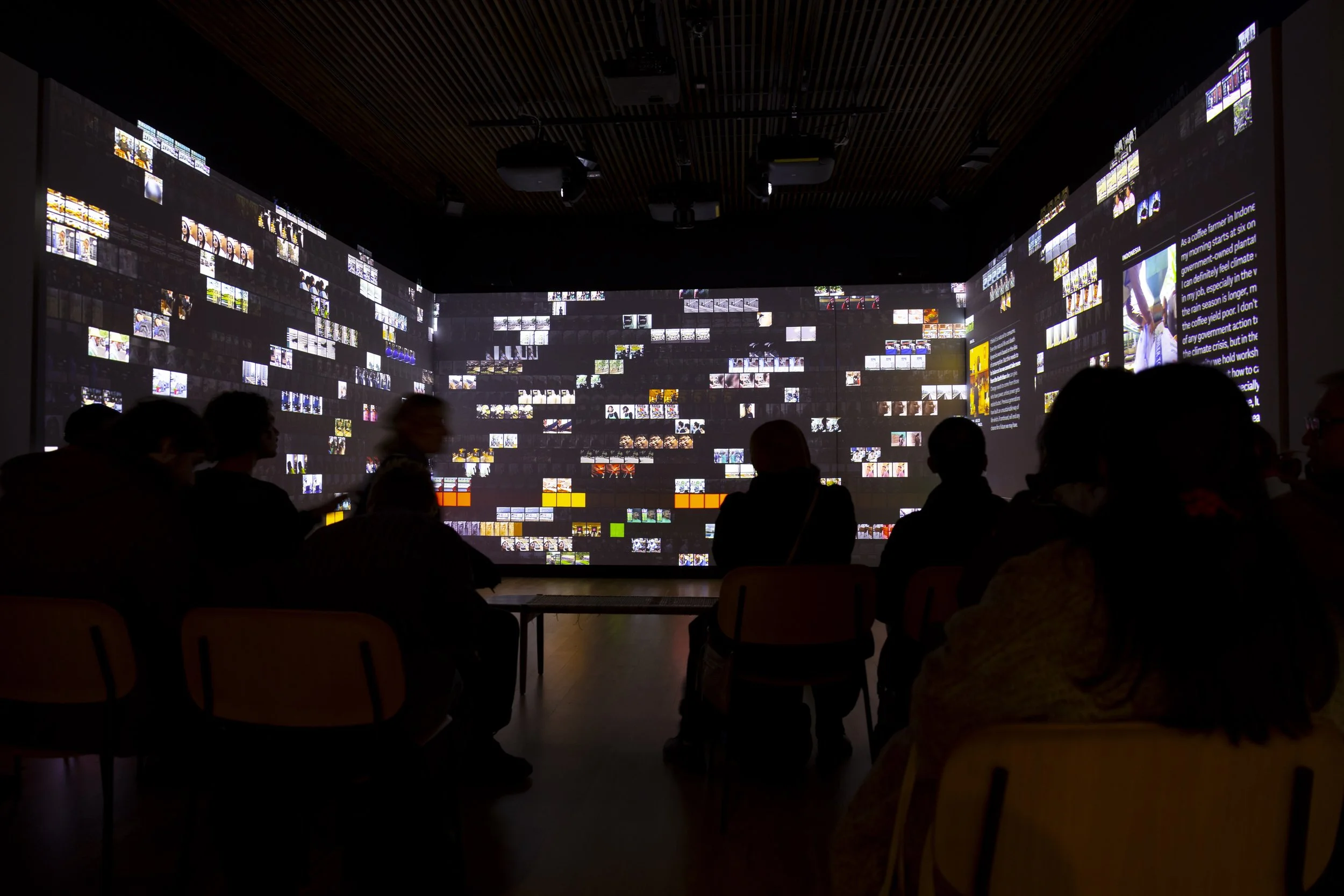
The Evening Programme and Live Music
The evening transformed the museum into a live music venue, culminating in a DJ set from Groove Armada. The programme also included a screening of BICEP’s TAKKUUK, Werkha’s Saturama installation and performances from Natural Symphony.
This shift from daytime programme to evening event created a different photographic environment, with changes in lighting, energy and audience behaviour.
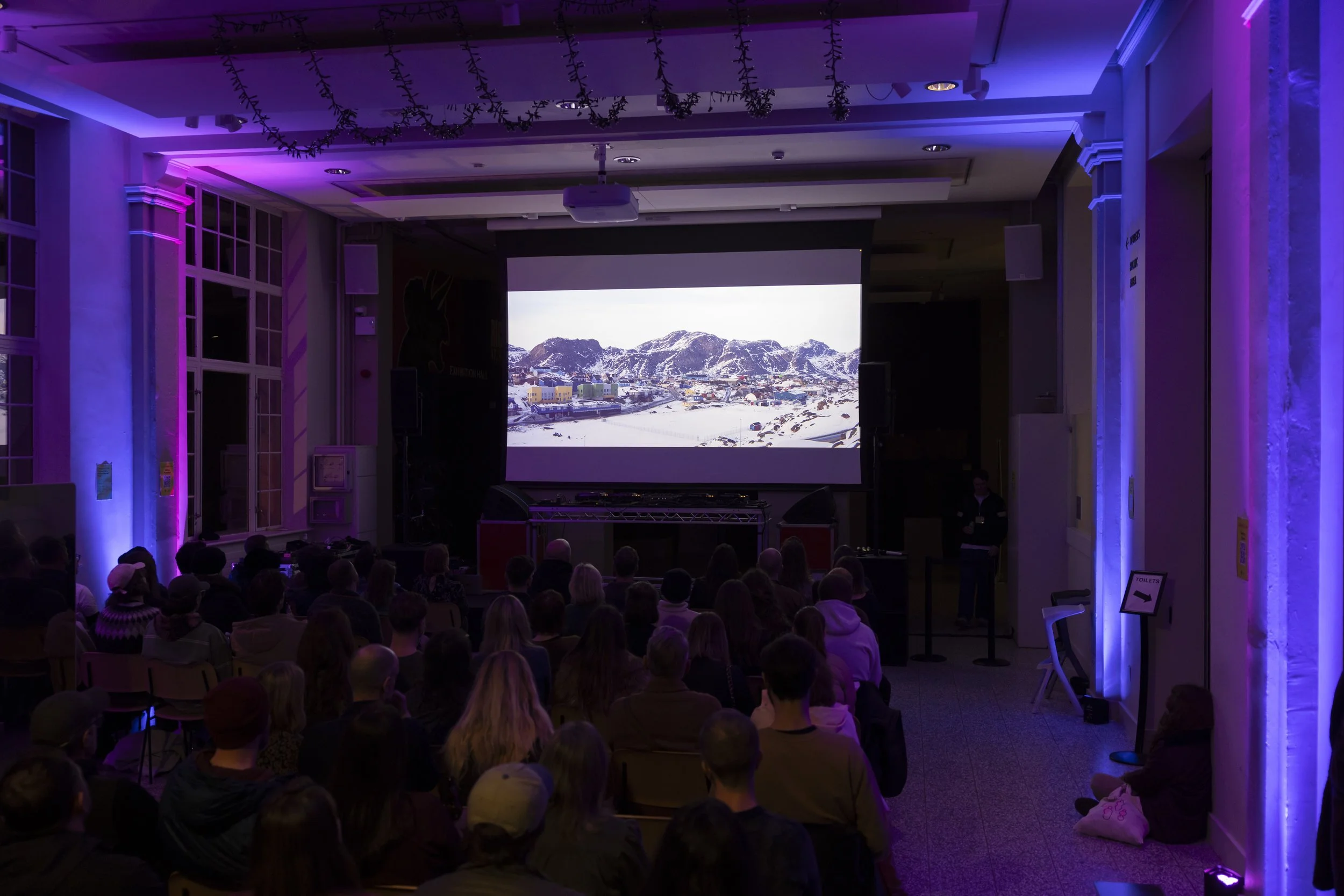
Photographing EarthSonic Live as a Documentary Event
My approach to photographing EarthSonic Live was based on documentary principles, working across multiple spaces and responding to what was happening in real time. The event required continuous movement between talks, installations, performances and audience interactions.
Rather than directing or staging images, the focus was on observing and capturing the event as it unfolded.
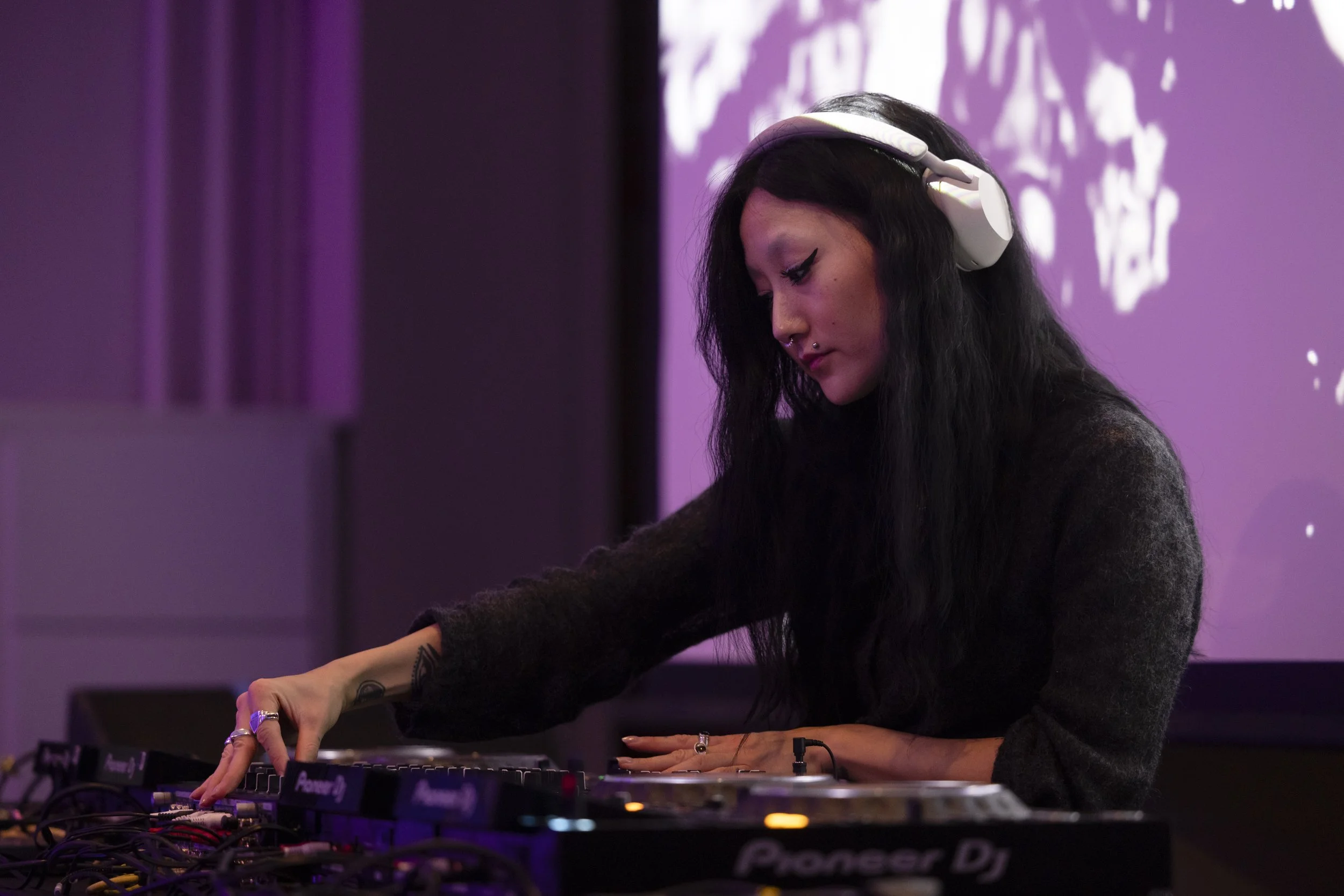
Working Across Multiple Spaces and Conditions
The event took place across the full museum, from gallery spaces to lecture theatres and large open halls. Each space presented different lighting conditions and ways of working, from quiet talks to fast-moving performances.
This required a flexible approach, adapting quickly while maintaining consistency in the visual narrative.
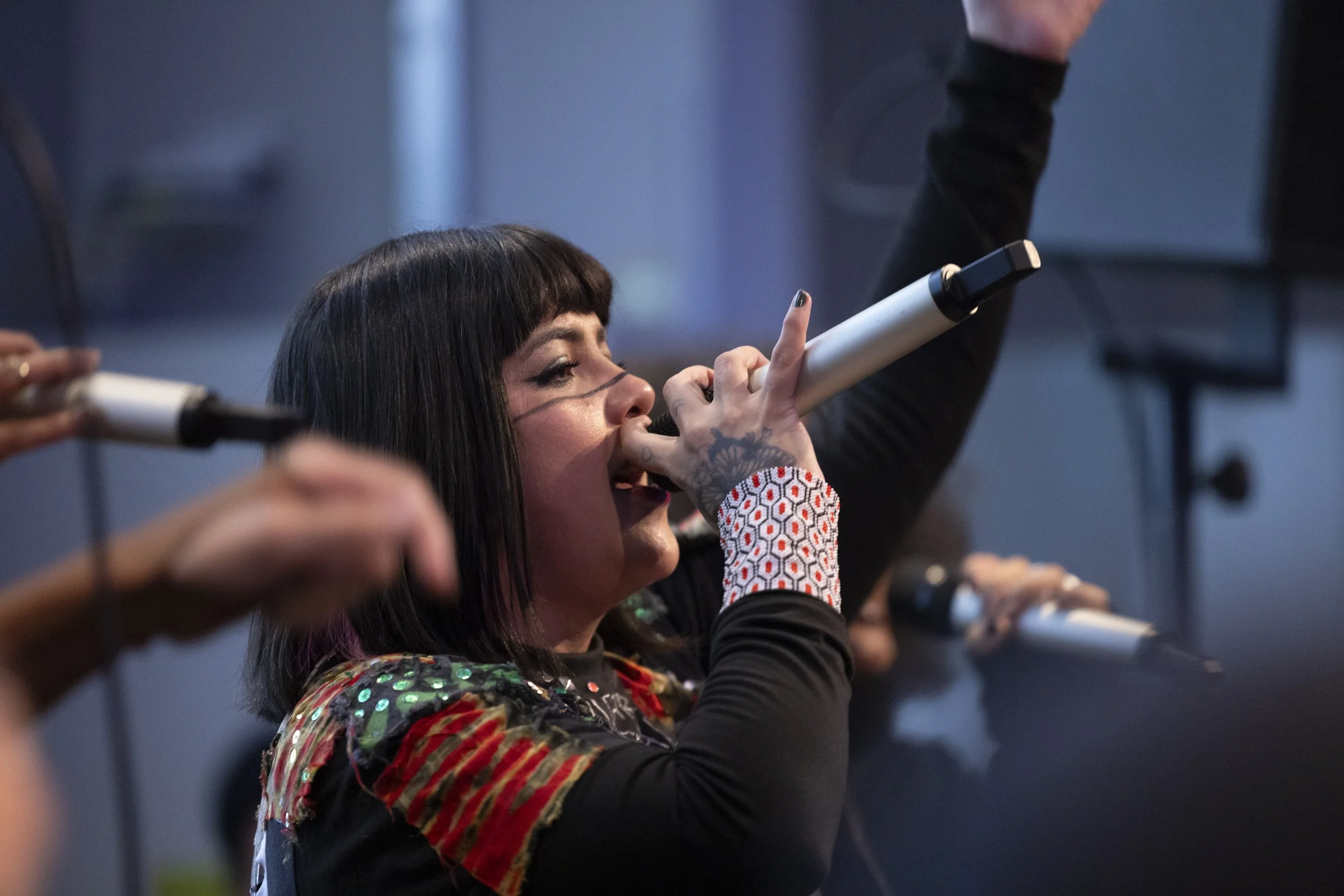
Capturing Audience Interaction and Atmosphere
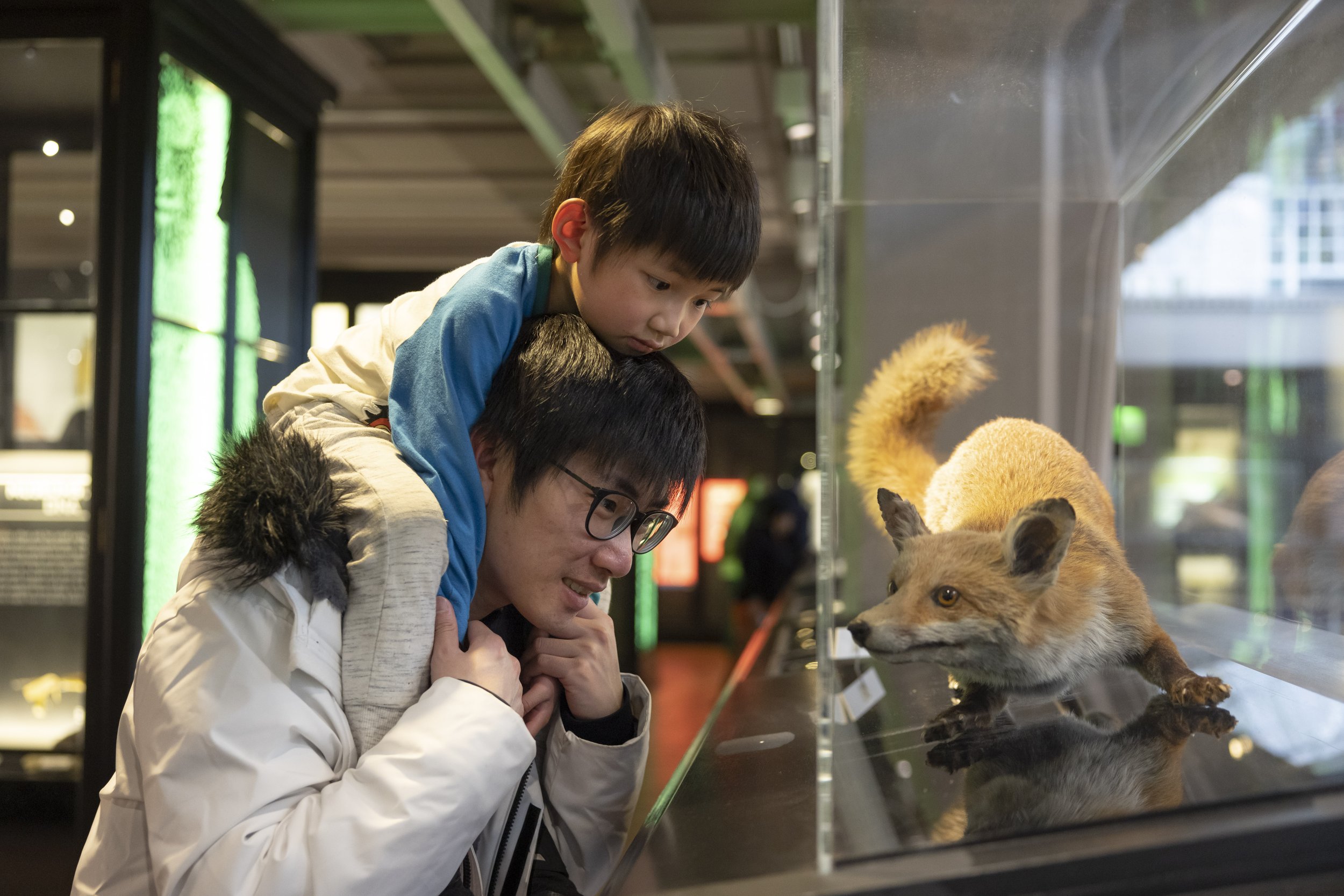
A key part of documenting EarthSonic Live was the interaction between people and the event itself. Audiences were not passive, moving between installations, taking part in workshops and engaging directly with performers and organisations.
Photographing these interactions helps communicate the scale and purpose of the event beyond individual performances.
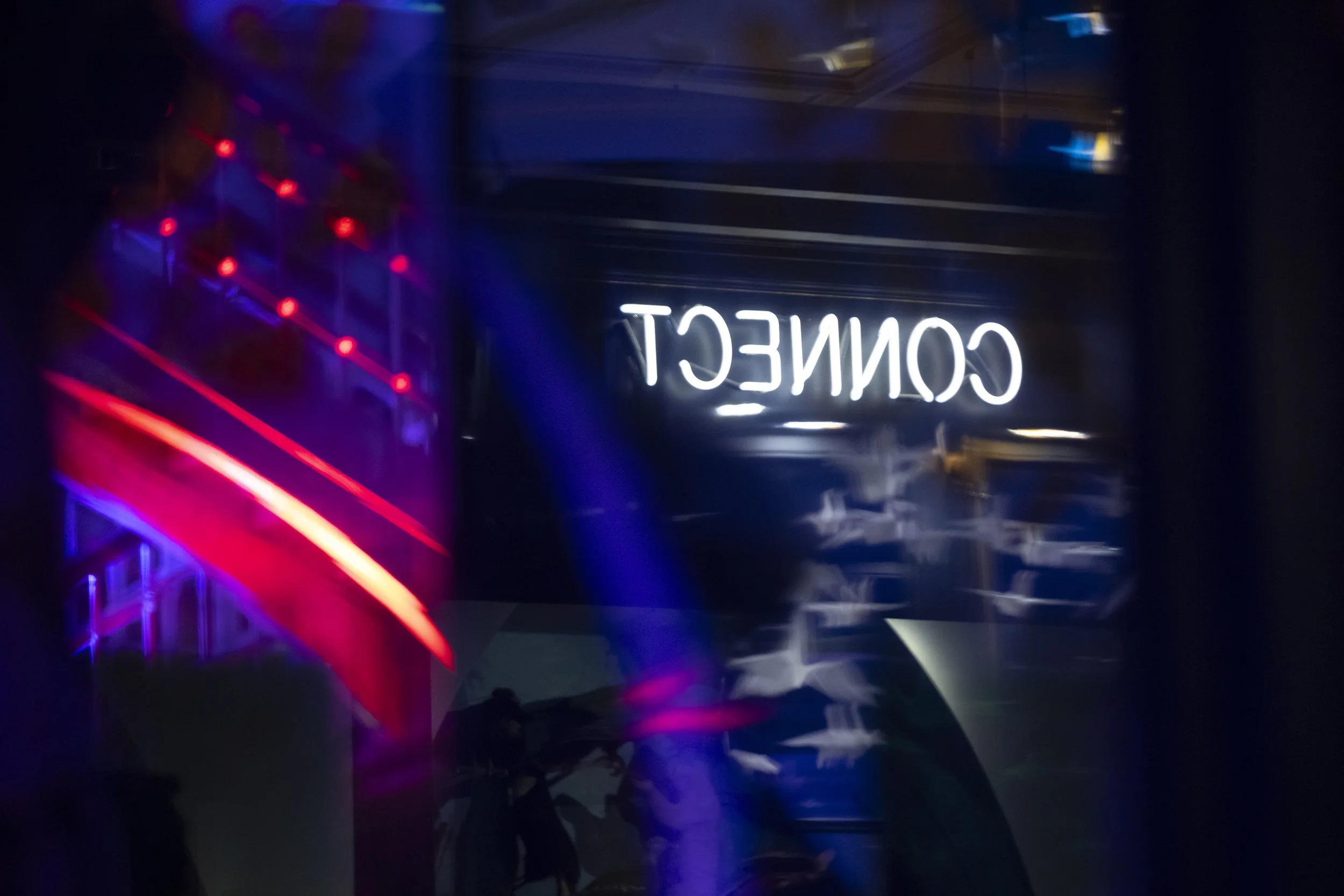
Ongoing Work with Manchester Museum
EarthSonic Live builds on my ongoing work with Manchester Museum, documenting exhibitions, public programmes and live events.
Working regularly with the museum allows for a clear understanding of how events function within the space and how imagery is used across press, marketing and archive.
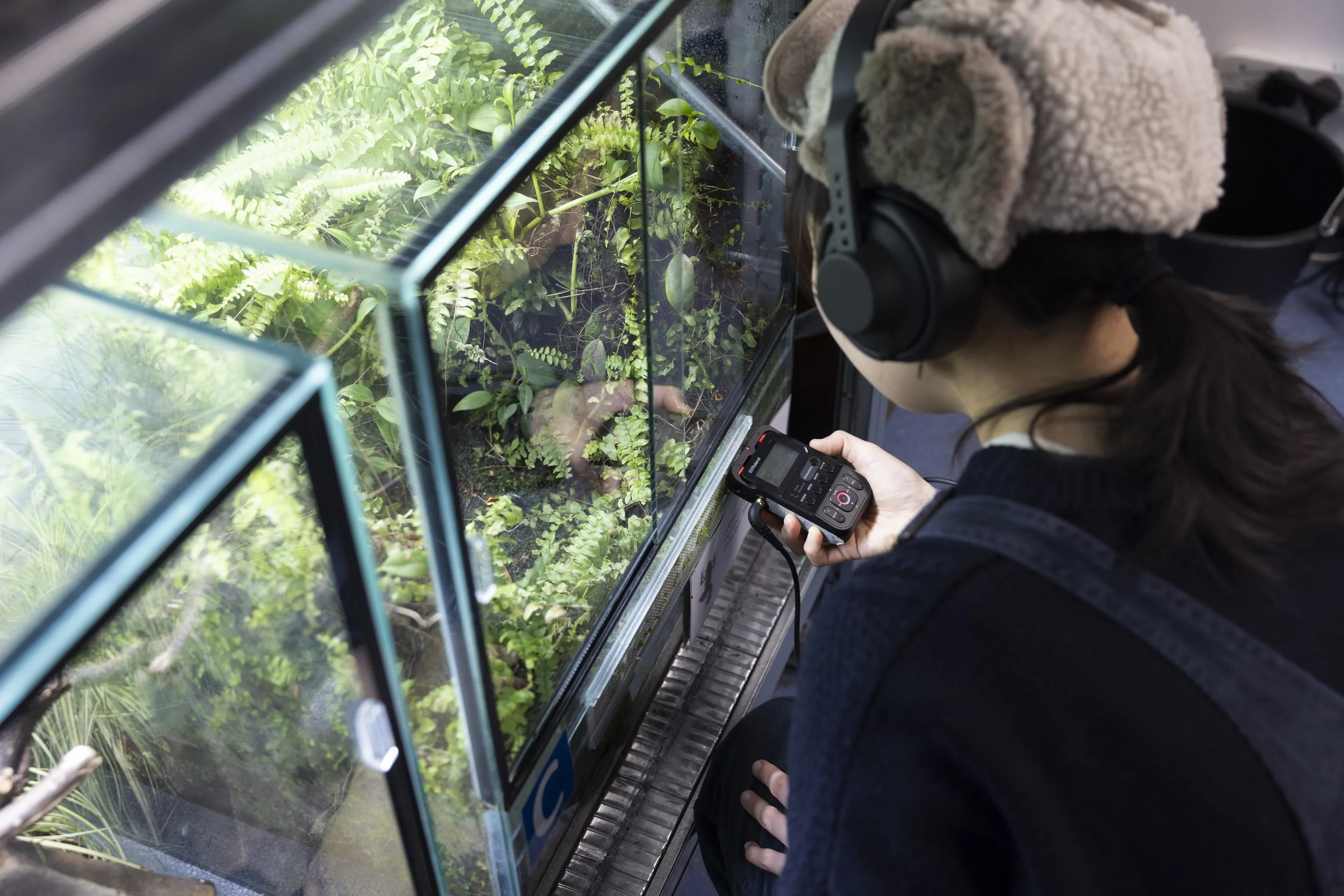
Documenting Cultural Events Through Photography
Events like EarthSonic Live bring together multiple disciplines, audiences and ideas in a single space. Photography plays a role in recording that complexity, creating a visual record that can be used long after the event itself.
For large-scale public programmes, this kind of documentation supports future programming, communication and wider engagement.
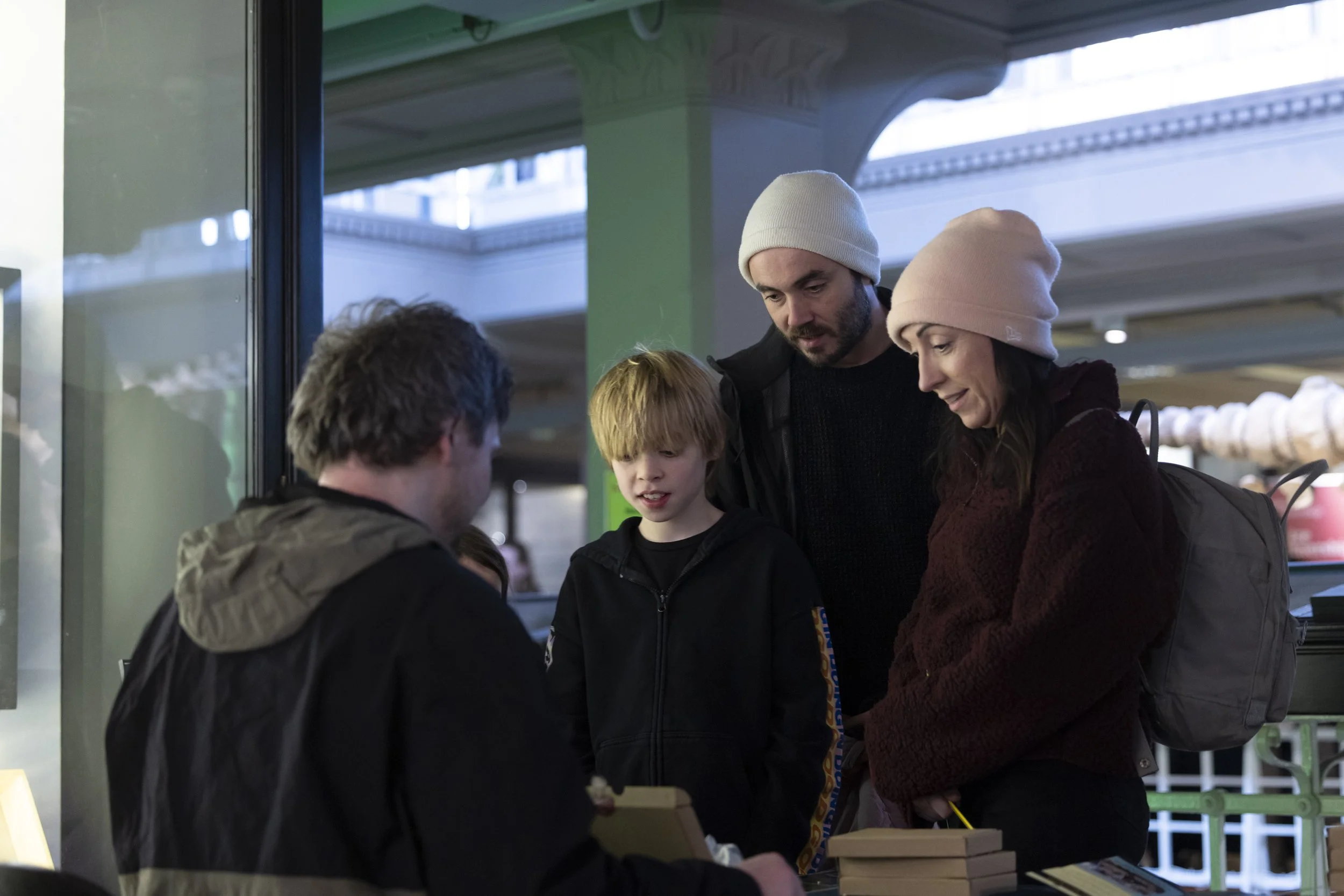
Manchester Event Photography and Documentary Approach
As a Manchester-based photographer specialising in documentary event photography, my work focuses on capturing real moments within live environments.
EarthSonic Live is an example of how this approach can be applied to complex, multi-layered events, documenting not just performances but the wider context in which they take place.
Professional Headshot Photography to Build Your Personal Brand
As a freelance photographer specializing in headshot photography, I am dedicated to helping you create a strong personal brand that stands out in today’s competitive marketplace. Whether you're an actor, corporate professional, entrepreneur, or creative artist, a high-quality headshot can make a significant impact on how you're perceived.

As a freelance photographer specializing in headshot photography, I am dedicated to helping you create a strong personal brand that stands out in today’s competitive marketplace. Whether you're an actor, corporate professional, entrepreneur, or creative artist, a high-quality headshot can make a significant impact on how you're perceived.
Why Choose Professional Headshots?
In a digital world where first impressions often happen online, a professional headshot is more important than ever. It serves as your visual introduction, giving potential clients, employers, or collaborators a glimpse of your personality and professionalism. With years of experience in portrait photography, I understand the nuances that make a headshot truly exceptional. Here are a few reasons to invest in professional headshot photography:
1. Build Trust and Credibility
A well-crafted headshot conveys trustworthiness and professionalism. It can enhance your personal brand and increase your chances of being remembered. In a sea of profiles, a standout image can make all the difference.

2. Tailored to Your Needs
Every client is unique, and I take the time to understand your specific requirements and vision. Whether you prefer a corporate look for LinkedIn, a creative vibe for your portfolio, or a friendly appearance for networking events, I tailor the session to capture your individuality.
3. High-Quality Results
Using professional-grade equipment and techniques, I ensure that each headshot is of the highest quality. From lighting and composition to post-processing, every detail is meticulously handled to deliver stunning results.

The Headshot Photography Process
Consultation
Before we start, I offer a consultation to discuss your goals, preferred styles, and any specific locations you have in mind. This initial conversation is crucial in ensuring that we capture the essence of who you are.
Photoshoot
During the shoot, I create a relaxed atmosphere to help you feel comfortable. Whether in my studio or on location, I guide you through poses and expressions to showcase your personality effectively.

Editing and Delivery
Post-session, I carefully edit the images to enhance their quality while maintaining authenticity. You’ll receive your headshots in various formats, perfect for both online and print use.
Perfect for All Professions
I cater to a diverse clientele, including:
Corporate Professionals: Elevate your LinkedIn profile and company website with polished headshots that reflect your professionalism.
Actors and Performers: Showcase your unique character with compelling headshots that resonate with casting directors.
Entrepreneurs and Freelancers: Establish your brand identity with dynamic images that convey your passion and expertise.
Creatives and Artists: Capture your artistic essence in headshots that tell your story.

Booking Your Headshot Session
Ready to elevate your image? Booking your headshot session is easy! Visit my Contact Page to schedule a consultation or inquire about pricing and packages.
By investing in professional headshot photography, you’re taking a crucial step toward building your brand and making a lasting impression. Explore the gallery of my recent work to see examples of how I help clients like you shine.
Let’s work together to create a headshot that truly represents you and opens doors to new opportunities!

Photographing Manchester Museum for Art Fund
The newly remodelled Manchester Museum has officially opened its doors, and as a professional photographer, I had the pleasure of capturing the energy, excitement, and intricate details of this incredible space. Commissioned by Art Fund, I spent several hours documenting the museum’s refreshed galleries and exhibits, and I left inspired by both the design and the crowds.

The newly remodelled Manchester Museum has officially opened its doors, and as a professional photographer, I had the pleasure of capturing the energy, excitement, and intricate details of this incredible space. Commissioned by Art Fund, I spent several hours documenting the museum’s refreshed galleries and exhibits, and I left inspired by both the design and the crowds.

Capturing the Energy of a Busy Museum
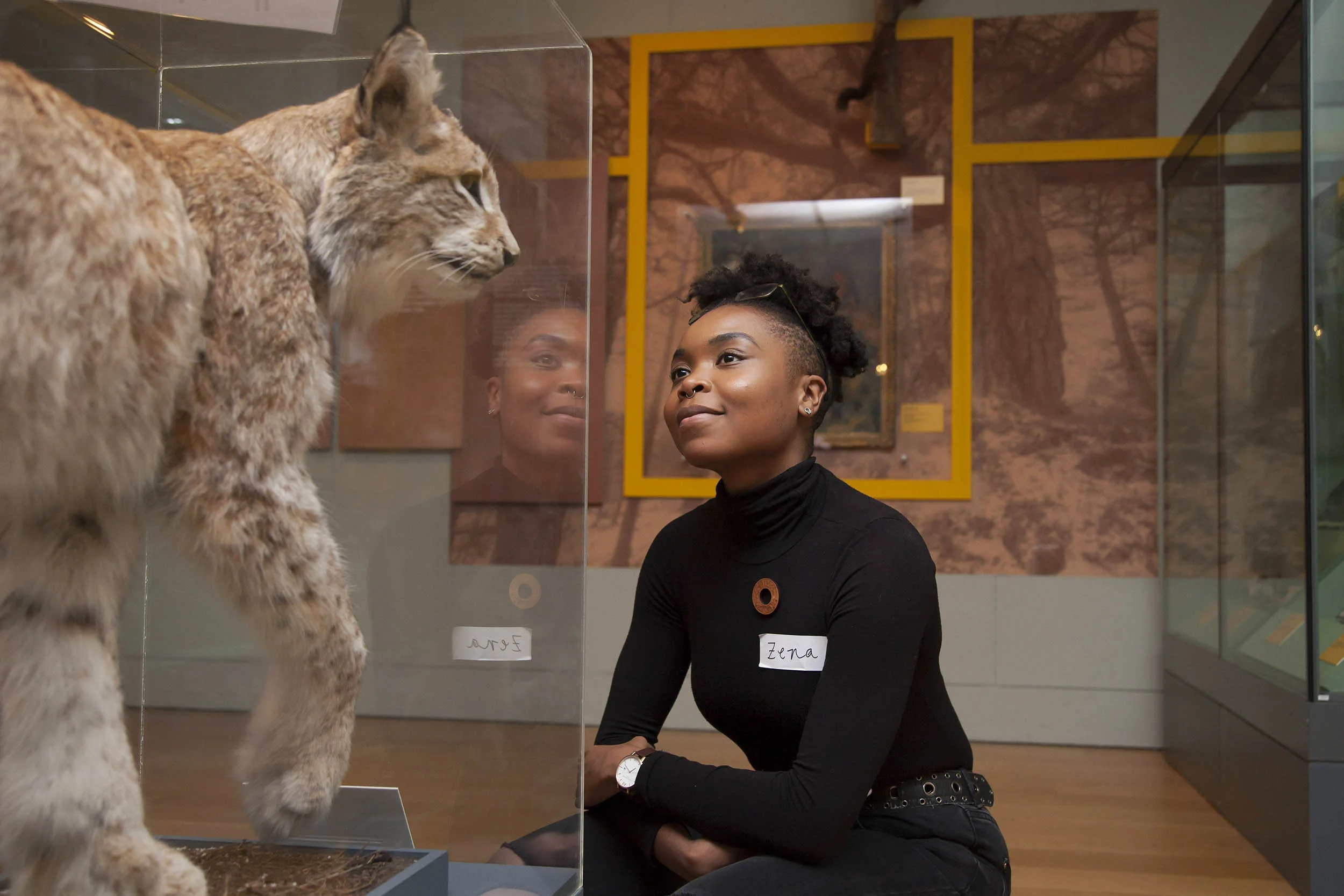
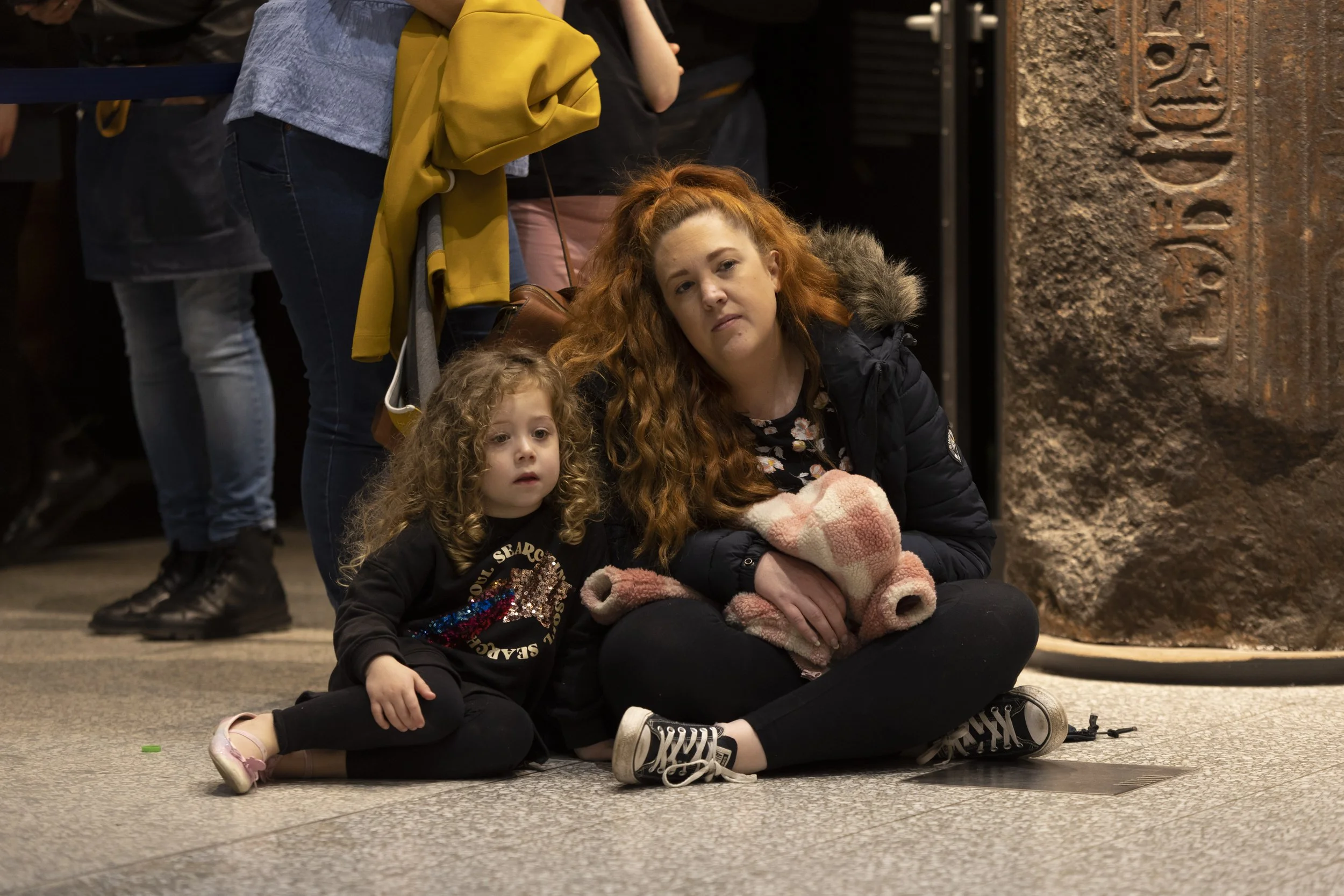
Visiting a museum packed with enthusiastic guests is a dream for any photographer. The Manchester Museum reopening was buzzing with visitors, families, and art enthusiasts, providing a perfect opportunity to photograph candid moments and dynamic interactions. The lighting, architectural renovations, and open gallery spaces made it ideal for both wide-angle shots and detailed close-ups.

Photography Tips Inside the Manchester Museum
Museums present unique challenges and opportunities for photography. During my visit to the Manchester Museum, I focused on using natural and ambient lighting, which the galleries provide in abundance, creating excellent conditions for photography without harsh shadows. I also concentrated on capturing intricate details and textures in the artifacts and architectural elements, which are ideal for close-up photography. Including people interacting with exhibits added life and scale to the images, helping viewers experience the museum vicariously through my photographs.

Highlights from the Remodeled Galleries
The Manchester Museum renovation has made the galleries more immersive and visitor-friendly. From interactive displays to carefully curated collections, every corner offers an opportunity for engaging photography. During my visit, I focused on the central atrium and entrance areas to capture the architectural makeover, explored the gallery layouts to show how visitors engage with exhibits naturally, and documented the diverse collections of natural history specimens, cultural artifacts, and art pieces.

Looking Forward: The Egyptian Mummies Exhibition
One of the most anticipated upcoming attractions is the Egyptian Mummies exhibition. I plan to return next week to photograph this fascinating display, which promises not only historical insight but also visually compelling opportunities for photography enthusiasts. Capturing the textures, lighting, and intricate details of the mummies will be a highlight for my portfolio and an engaging story for museum visitors.

Why Visit the Manchester Museum
Whether you’re a photographer, history enthusiast, or family looking for an educational day out, the remodelled Manchester Museum offers a rich experience. The updated galleries, dynamic exhibitions, and beautifully curated spaces make it a must-see destination in Manchester. For photographers, this museum is particularly rewarding: the combination of architectural renovations, diverse exhibits, and lively visitor interactions makes it an ideal place to practice composition, lighting, and storytelling through images.




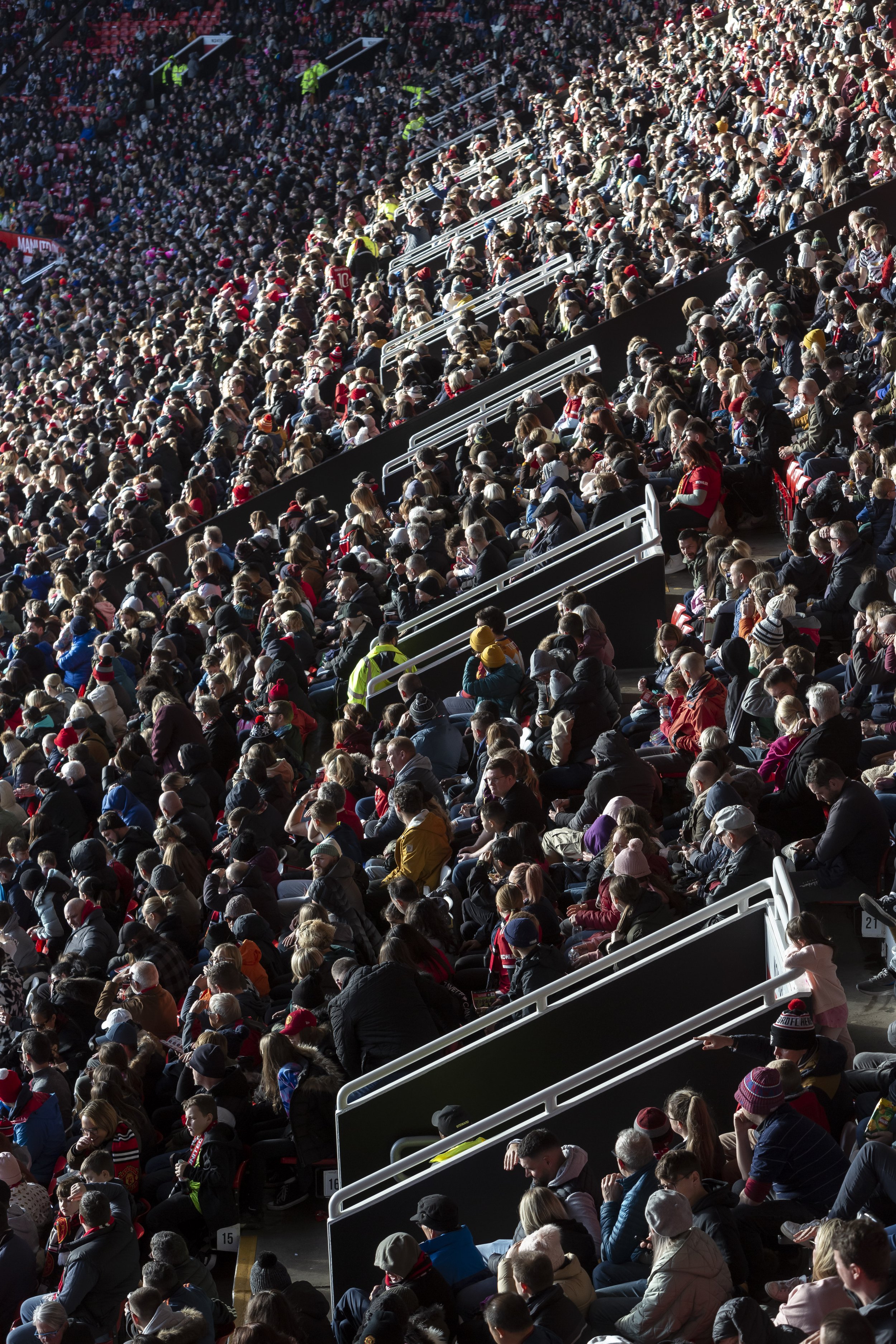
Event Photography - Adidas and Versus at Manchester United
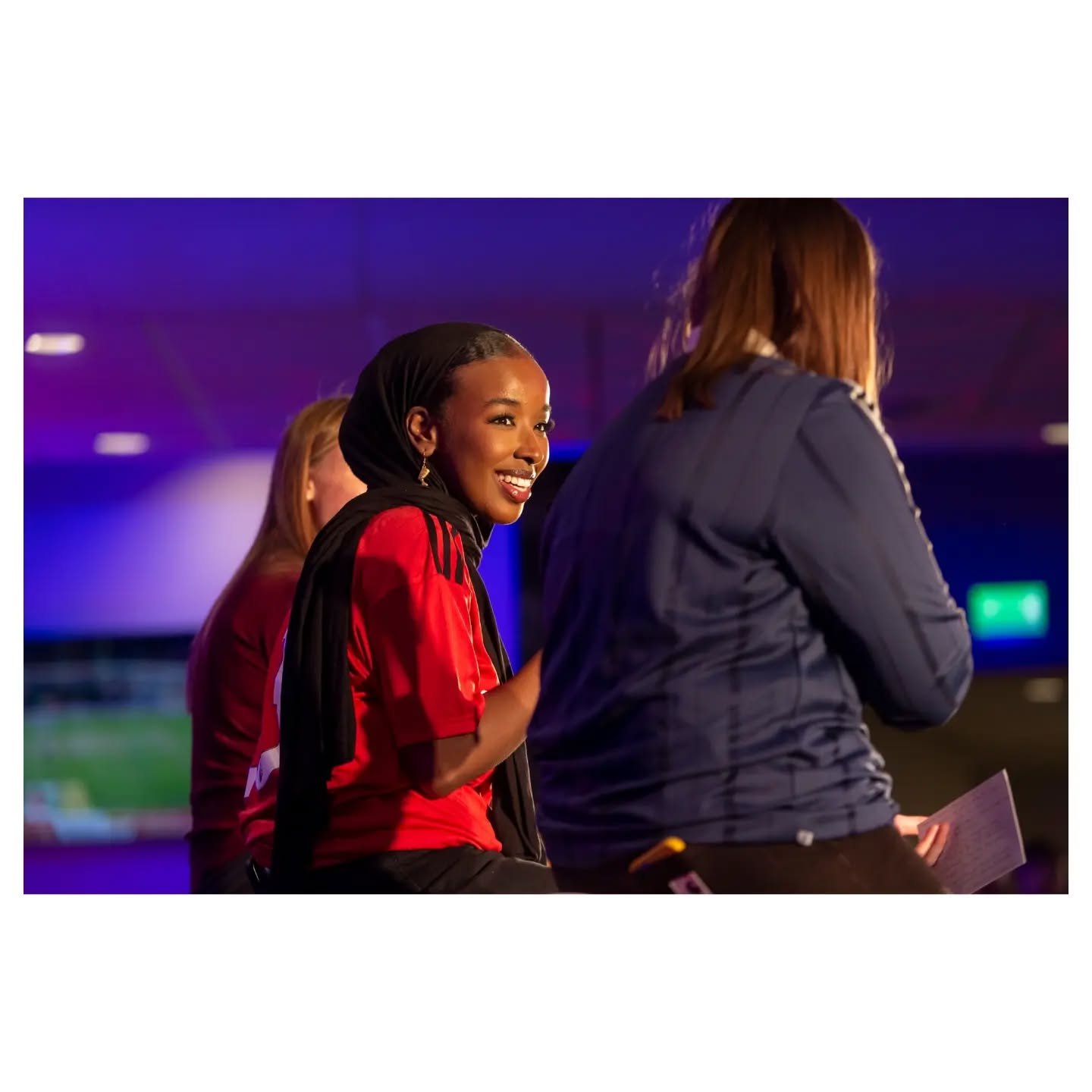
VERSUS is the platform championing the future of football and its rising influence on new music and culture. Adidas is well, Adidas. On commission for the wonderful TO Events, I photographed the launch of a collaboration between the two brands on the occasion of a games between Manchester United and Aston Villa’s women’s teams.
VERSUS is the platform championing the future of football and its rising influence on new music and culture. Adidas is well, Adidas. On commission for the wonderful TO Events, I photographed the launch of a collaboration between the two brands on the occasion of a games between Manchester United and Aston Villa’s women’s teams.




Suzanne Lacy at Whitworth Art Gallery
Suzanne Lacy
What kind of city?
A manual for social change
The Whitworth presents the first major UK presentation of multiple works of US artist Suzanne Lacy, a pioneer of social practice and community organising for almost five decades. In the wake of the Coronavirus pandemic, What kind of city? has been conceived with the artist as a project that is more than an exhibition, one that takes key works with relevance to our current context and uses them to convene people in order to start new initiatives that will actively help rebuild our city. Working around fundamental themes such as youth agency, borders, social cohesion, and work prospects for older women, the exhibition is designed to operate as an evolving manual for how we create equitable transformation. This underpins a new direction of travel for the Whitworth, as an institution that actively works for and with people across the city, one that begins with the question: after Covid, what kind of city can we make together?
Thanks again to my friends at the Whitworth for asking me to document the event opening and associated artist’s talk.
Event Photography: Suzanne Lacy – What Kind of City? A Manual for Social Change | The Whitworth, Manchester
I had the privilege of working with The Whitworth to photograph the opening of What Kind of City? A Manual for Social Change, the first major UK presentation of works by US artist Suzanne Lacy, a pioneer of socially engaged practice and community organising for nearly five decades.
The exhibition brings together multiple projects from Lacy’s extensive career, highlighting her commitment to using art as a tool for social change. Across her work, Lacy has consistently explored issues such as youth engagement, gender equity, social cohesion, and civic participation. What Kind of City? continues this focus by presenting works that encourage dialogue and collective action around the structures, challenges, and opportunities that shape urban life.

Photographing the Exhibition Opening and Artist’s Talk
Documenting exhibition openings requires capturing the atmosphere of the event, the artist in conversation, and audience engagement with the works. At the Suzanne Lacy opening, I photographed Lacy interacting with attendees, leading discussions during her artist’s talk, and engaging with curators and participants.
Event photography in this context provides a record that serves multiple purposes. Images are used for press coverage, marketing, social media, and archival documentation while conveying the essence of the exhibition: its ideas, engagement, and impact on the public.

Situating What Kind of City? in Suzanne Lacy’s Oeuvre
Suzanne Lacy has spent decades exploring the intersection of art, activism, and social practice. From her early performances in the 1970s addressing gender and public space, to large-scale public interventions in the 1990s and 2000s, her work consistently involves collaboration with communities, creating participatory experiences that address societal issues directly.
What Kind of City? reflects this legacy by focusing on pressing themes including youth agency, borders, social cohesion, and opportunities for older women. The exhibition frames these issues through Lacy’s lens of engagement and empowerment, presenting her work as both artistic practice and a guide for social action. Photography captures this interplay between artwork, artist, and audience, showing the exhibition not just as a collection of objects but as an active space of dialogue and reflection.

The Whitworth’s Role in Community Engagement
The Whitworth has long been committed to socially engaged programming and public participation. By presenting Suzanne Lacy’s work, the institution positions itself as a space where art intersects with civic dialogue.
Documenting the exhibition opening and artist’s talk demonstrates the Whitworth’s dedication to fostering connections between artists, communities, and audiences. Professional photography captures the human dimension of the event, reflecting both the ideas of the exhibition and the engagement of participants.

Why Professional Photography Matters for Exhibitions
High-quality photography is essential for institutions to communicate the significance of exhibitions. Images capture the artworks themselves, audience responses, and the environment in which these interactions take place. For socially engaged work like Lacy’s, photography is particularly important, as it records collaborative, performative, and participatory elements that might otherwise exist only in the moment.
Photographs from What Kind of City? provide a visual record for press, marketing, social media, and archives while highlighting the ways in which art can inspire dialogue and social action. By documenting both the artist and the audience, photography demonstrates the exhibition’s reach and impact.

Capturing the Dialogue Between Art and Community
What Kind of City? is designed to operate as a manual for equitable transformation. Photographing the opening involved documenting Lacy’s talk, audience interactions, and the curatorial context of the exhibition. These images show how art can facilitate civic engagement, prompt discussion, and provide insight into the challenges and opportunities facing urban communities.
Through careful observation and composition, the photographs preserve the exhibition’s central idea: that art can be a catalyst for dialogue, reflection, and action, situating Lacy’s practice as both relevant and influential within contemporary socially engaged art.
Conclusion
Thanks again to The Whitworth for inviting me to document this important exhibition. Photographing What Kind of City? A Manual for Social Change offered an opportunity to capture Suzanne Lacy’s longstanding commitment to social practice while highlighting the interaction between her work, the audience, and the wider community. The images serve as a professional record of an exhibition that exemplifies the power of art to foster dialogue, participation, and meaningful social engagement.

Langfields
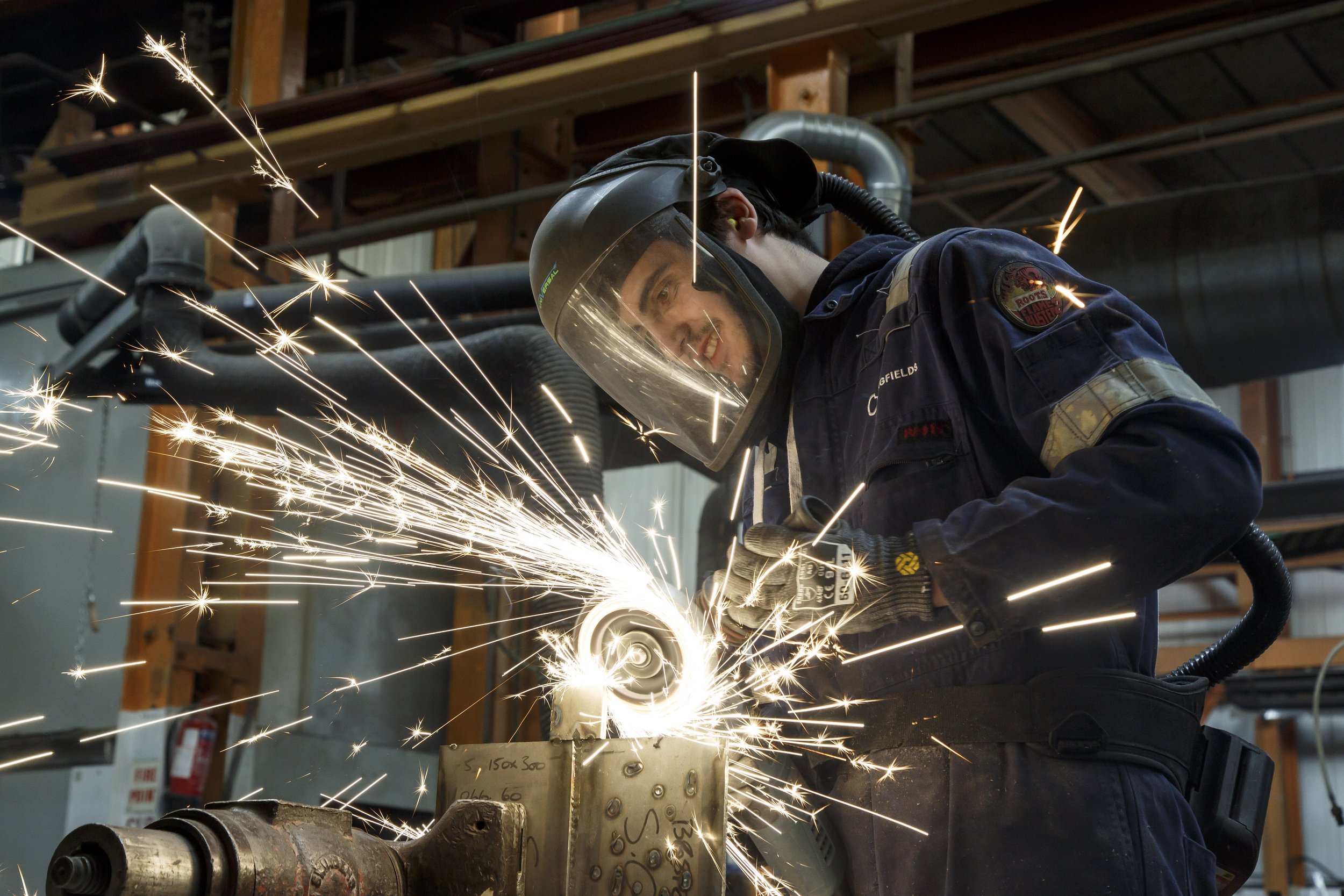
Langfields are specialist fabricators of process plant for the Pharmaceutical, Chemical, Offshore, Oil & Gas, Marine, Defence, Nuclear and other process industries. Based only one mile from Deansgate they demonstrate that there is still some manufacturing industry in the post-industrial city.
As a former engineer, I love visiting these places and finding out what’s being made and the techniques used.
The fabricators at Langfields receive giant 18mm Aluminium plates and within the space of only 20 metres, cut, bend and weld it into complex, water-jacketed vessels according to the exacting specifications of high tech industries.
Langfields Process Plant Fabrication Photography | Manchester Industrial Photography
I recently visited Langfields, specialist fabricators of process plant equipment for the pharmaceutical, chemical, offshore, oil and gas, marine, defence, and nuclear industries. Based just one mile from Deansgate in Manchester, Langfields demonstrates that advanced manufacturing continues to play an important role in the city’s economy and industrial heritage.

As a former engineer, visiting facilities like Langfields is particularly rewarding. Photographing industrial operations captures both the technical processes and the human skill involved in producing high-specification equipment.

Advanced Industrial Fabrication at Langfields
Langfields transforms large 18mm aluminium plates into complex, water-jacketed vessels, following precise specifications required by some of the most demanding industries in the world. Within a compact production space, the plates are cut, bent, and welded with exceptional precision, showing the combination of craftsmanship and engineering expertise required for modern process plant fabrication.

The process highlights both the machinery and the skilled fabricators who operate it, demonstrating the scale, precision, and professionalism of high-tech industrial fabrication.

Precision Engineering for Pharmaceutical and Chemical Industries
The vessels and plant components produced at Langfields are used in critical applications across pharmaceutical production, chemical processing, offshore energy, nuclear technology, and other high-spec industries. Photography captures the company’s technical capabilities, quality standards, and expertise.
Every stage of fabrication, from cutting and bending to welding and finishing, reflects the attention to detail and precision engineering that underpin Langfields’ operations. These processes illustrate the combination of modern technology and human skill required to meet exacting industry standards.

Manchester’s Post-Industrial Manufacturing Scene
Langfields’ location near the centre of Manchester highlights the ongoing relevance of manufacturing in a post-industrial city. Facilities like this provide skilled technical employment while maintaining advanced production capabilities that support a wide range of industries. Capturing these processes visually helps tell the story of a city that continues to innovate and manufacture complex equipment.

Documenting Industrial Expertise and Human Skill
Visiting Langfields provides an opportunity to record the intersection of engineering excellence, technical innovation, and human skill. From raw aluminium plates to fully fabricated vessels, the facility offers a rich visual narrative of high-tech industrial processes. The images reflect both the technical and human dimensions of manufacturing, illustrating the expertise and care involved in producing equipment for demanding industries.


Adidas Superstar Awards
The Superstar Awards are where Adidas Europe recognise the outstanding contributions of their staff over the previous 12 months. I documented the event at their UK headquarters. Many thanks to the superb event managers at TOL Events for bringing me on board.

Adidas Superstar Awards Event Photography at Adidas UK Headquarters
I was commissioned to provide professional event photography for the Adidas Superstar Awards, held at the Adidas UK headquarters. The Superstar Awards are an annual ceremony where Adidas Europe recognises the outstanding contributions of its staff, celebrating achievements across teams and departments. This high-profile corporate awards event brings together employees from across Europe to highlight excellence, commitment, and innovation within the company.

Providing photography for an event of this scale is always rewarding, but working for a globally recognised brand like Adidas adds a unique dimension. Adidas is not just a sportswear company; it is a brand with significant cultural influence. Its impact stretches across sport, music, fashion, and lifestyle, making it one of the most aspirational and respected brands worldwide. Being involved in documenting their events allows me to connect with a company whose reputation for innovation and quality is synonymous with excellence in global culture.

Corporate Event Photography at Adidas
The Superstar Awards combine formal presentations with social and celebratory moments, creating ideal conditions for corporate event photography. Award presentations, stage ceremonies, and staff recognition moments provide opportunities for structured imagery, while candid interactions, networking, and celebration offer a natural, documentary style. These photographs capture both the achievements being celebrated and the energetic atmosphere of the event.

Events at Adidas UK headquarters are particularly well-organised, providing a professional environment with high-quality lighting, staging, and design. This allows for high-quality images that can be used for internal communications, social media campaigns, corporate reporting, and marketing materials. Documenting such an event contributes to Adidas’ broader brand narrative, showing both the recognition of staff and the brand’s commitment to excellence.

The Significance of the Superstar Awards
The Superstar Awards are an important part of Adidas’ corporate culture. They reinforce the company’s commitment to recognising talent and rewarding excellence across Europe. From a photography perspective, capturing these moments is about more than documenting trophies being handed out—it’s about reflecting the company’s values, professionalism, and culture.

Adidas’ influence extends far beyond corporate achievements. The brand has shaped sportswear innovation, influenced music and street culture, and consistently collaborated with designers and artists to push boundaries in fashion and lifestyle. Photographing events for a company with this kind of global recognition allows me to contribute to their visual legacy and document a brand that resonates culturally and professionally.

Why Working with Adidas is Distinctive
For a photographer, working for Adidas is both rewarding and prestigious. The brand carries cultural and professional authority that few companies can match. Their products are of high quality, their events are carefully executed, and their staff embody a dynamic and creative ethos. Being associated with a brand of this stature reflects positively on the work itself, enhancing the perceived value and reach of the photography.
The Superstar Awards event was managed by the professional team at TOL Events, whose coordination ensured the evening ran smoothly. This level of organisation, combined with the high-profile nature of Adidas as a global brand, provides the ideal context for professional, high-impact event photography.

Capturing Staff Recognition and Corporate Culture
Event photography for Adidas is not simply about recording awards; it is about capturing moments that tell the story of the brand, the culture, and the people behind it. From winners’ reactions to team interactions, candid photographs convey energy, engagement, and the celebratory atmosphere of the Superstar Awards. These images form part of Adidas’ visual identity, used in corporate communications, online campaigns, and internal reporting to showcase excellence and achievement.

By documenting the Superstar Awards, I contribute to a record of one of the most influential brands in sport, fashion, and culture. Each photograph not only highlights the award recipients but also reflects the professionalism and prestige that make Adidas a global leader.

Mark Radcliffe for Art Fund
I was very pleased to be asked to contribute stills for a forthcoming episode of Art Fund’s Meet Me at the Museum podcast, in which radio presenter Mark Radcliffe and his bandmate Paul Langley tour Manchester’s Museum of Science and Industry.
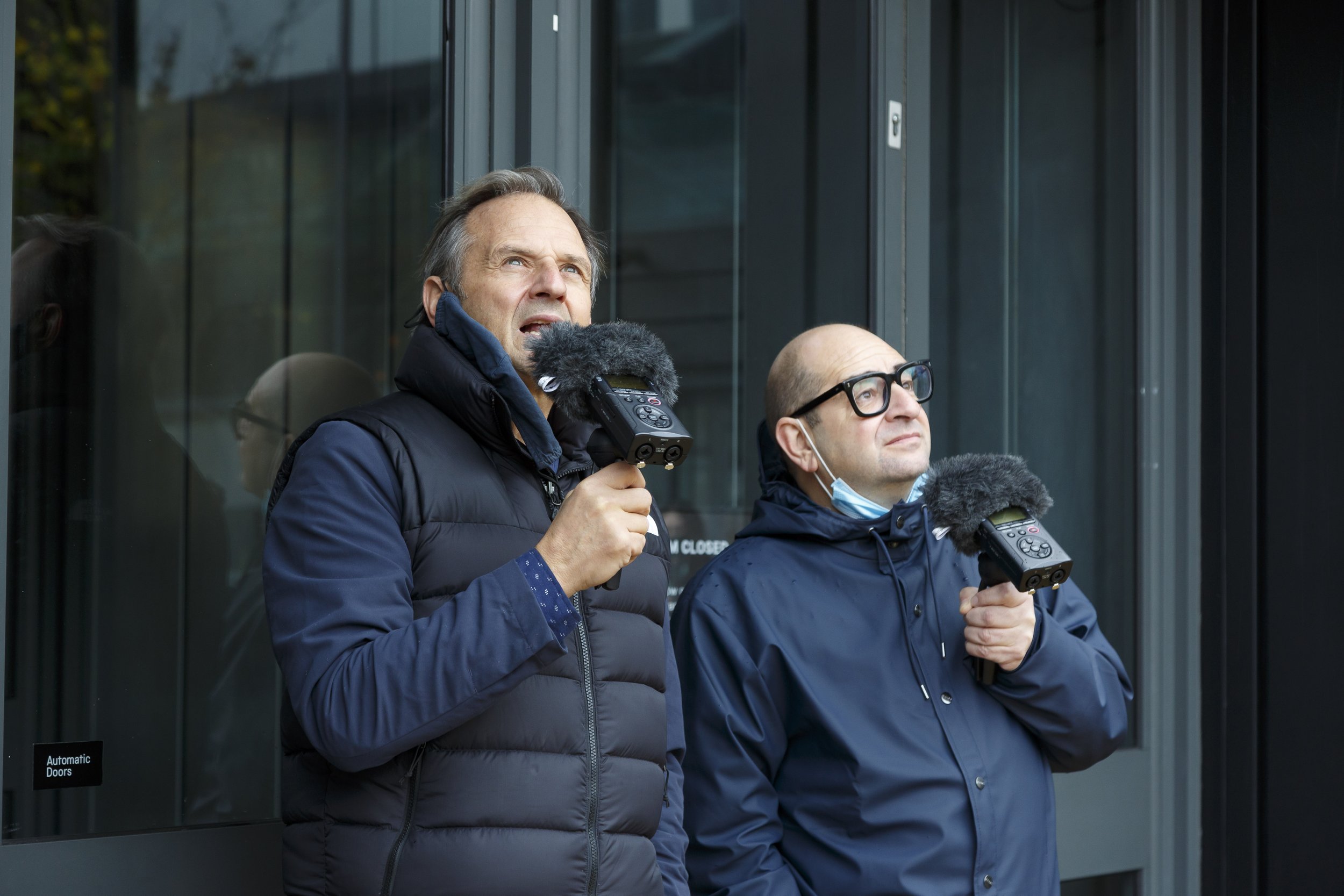
Photography for Art Fund Podcast Recording at the Science and Industry Museum, Manchester
I was very pleased to be asked to contribute still photographs for a forthcoming episode of the Meet Me at the Museum podcast produced by the Art Fund. The episode features broadcaster Mark Radcliffe and musician Paul Langley as they explore the galleries of the Science and Industry Museum in Manchester.
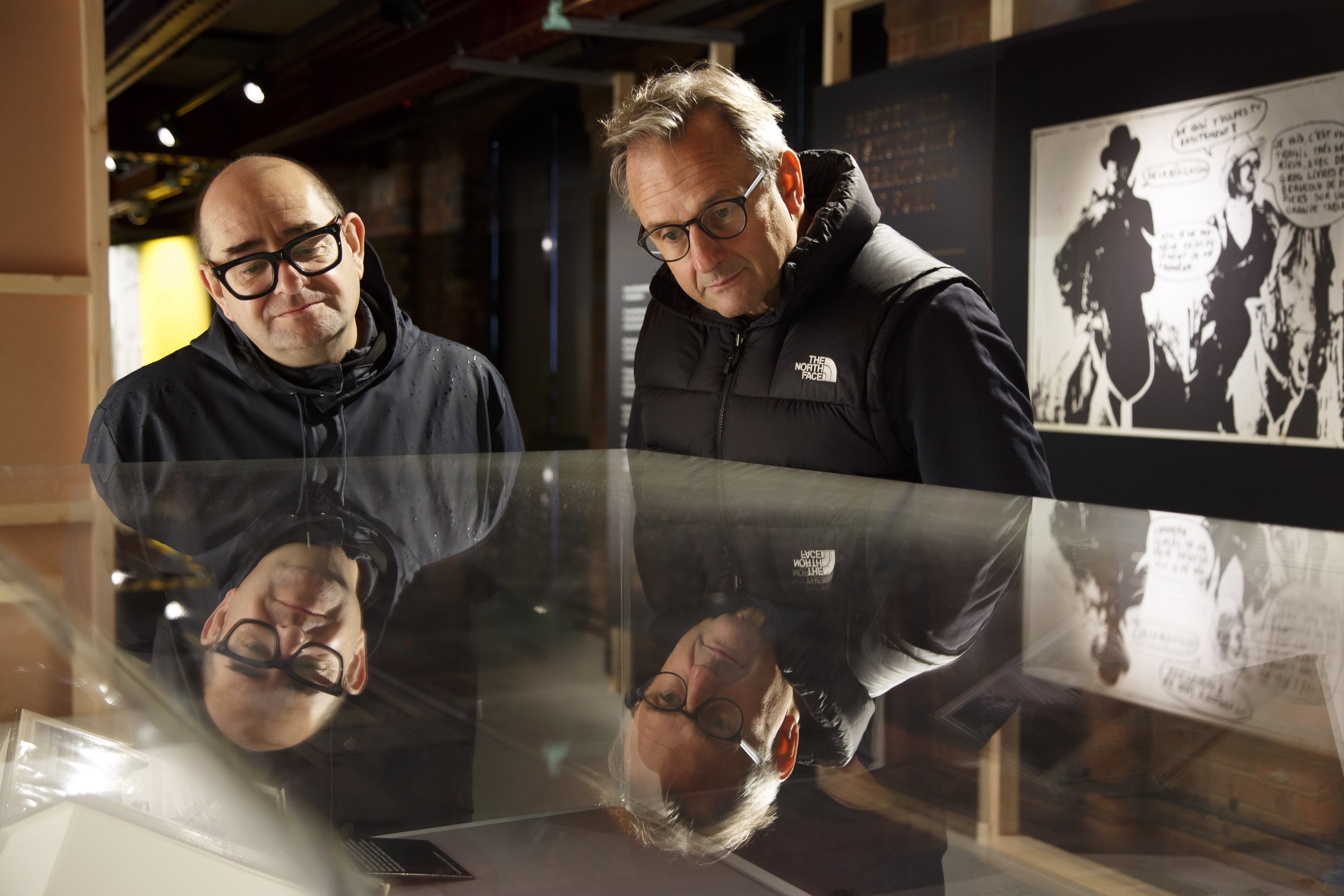
My role was to photograph the recording session and create a set of images documenting the presenters’ visit to the museum. These photographs accompany the podcast and provide visual material for promotion, editorial use and online publication.

Mark Radcliffe and Paul Langley at the Museum
Mark Radcliffe is widely known for his long career in broadcasting, particularly through programmes on BBC radio devoted to music and culture. I have photographed Mark a couple of times before, once memorably for a Daily Telegraph motoring feature in which he appeared alongside a vintage Volkswagen Beetle at Tatton Park in Cheshire.
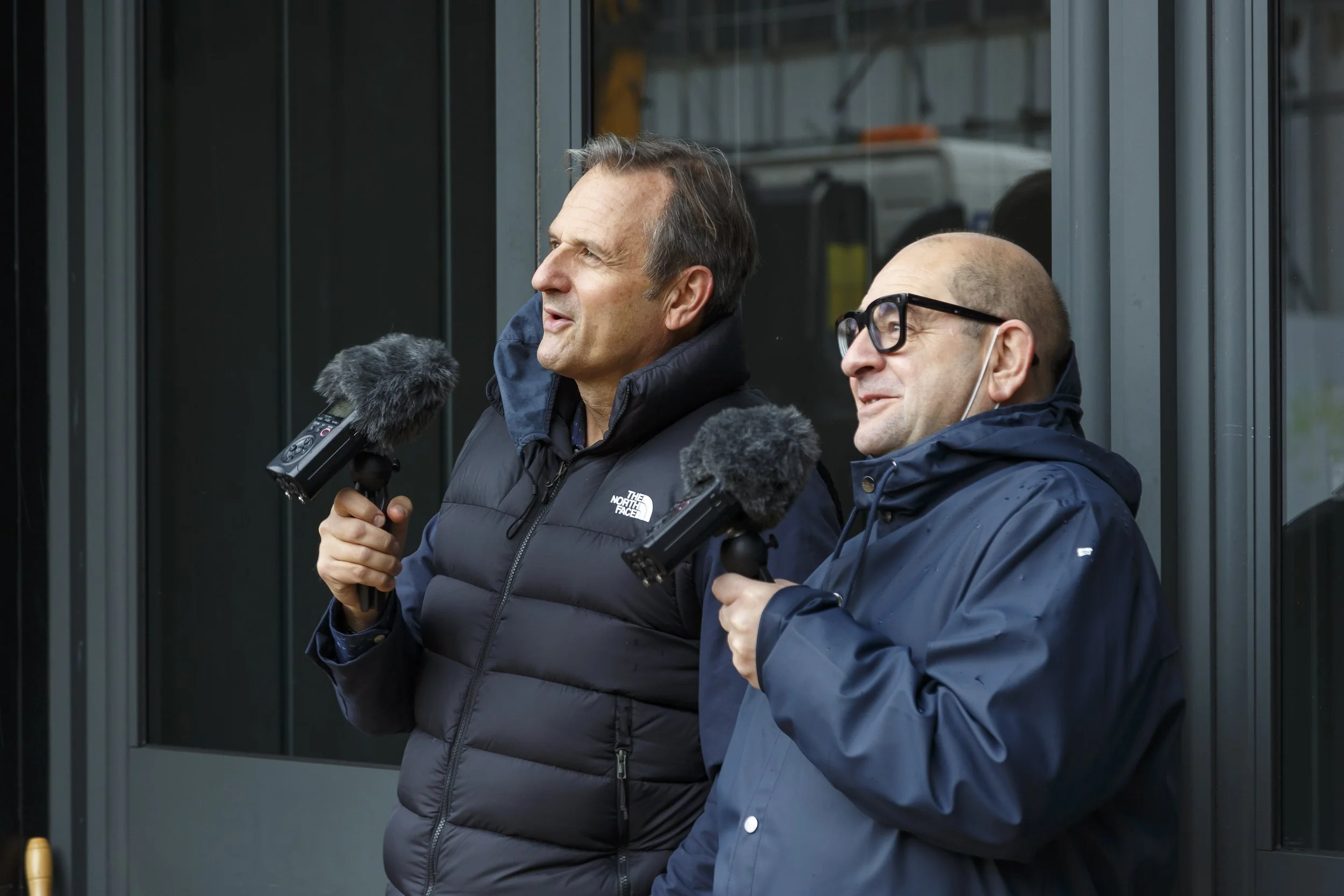
On this occasion the setting was rather different. Together with Paul Langley, Radcliffe toured the Science and Industry Museum while recording their discussion for the podcast. The format of the series combines informal conversation with reflections on objects, exhibitions and cultural history within museums across the UK.
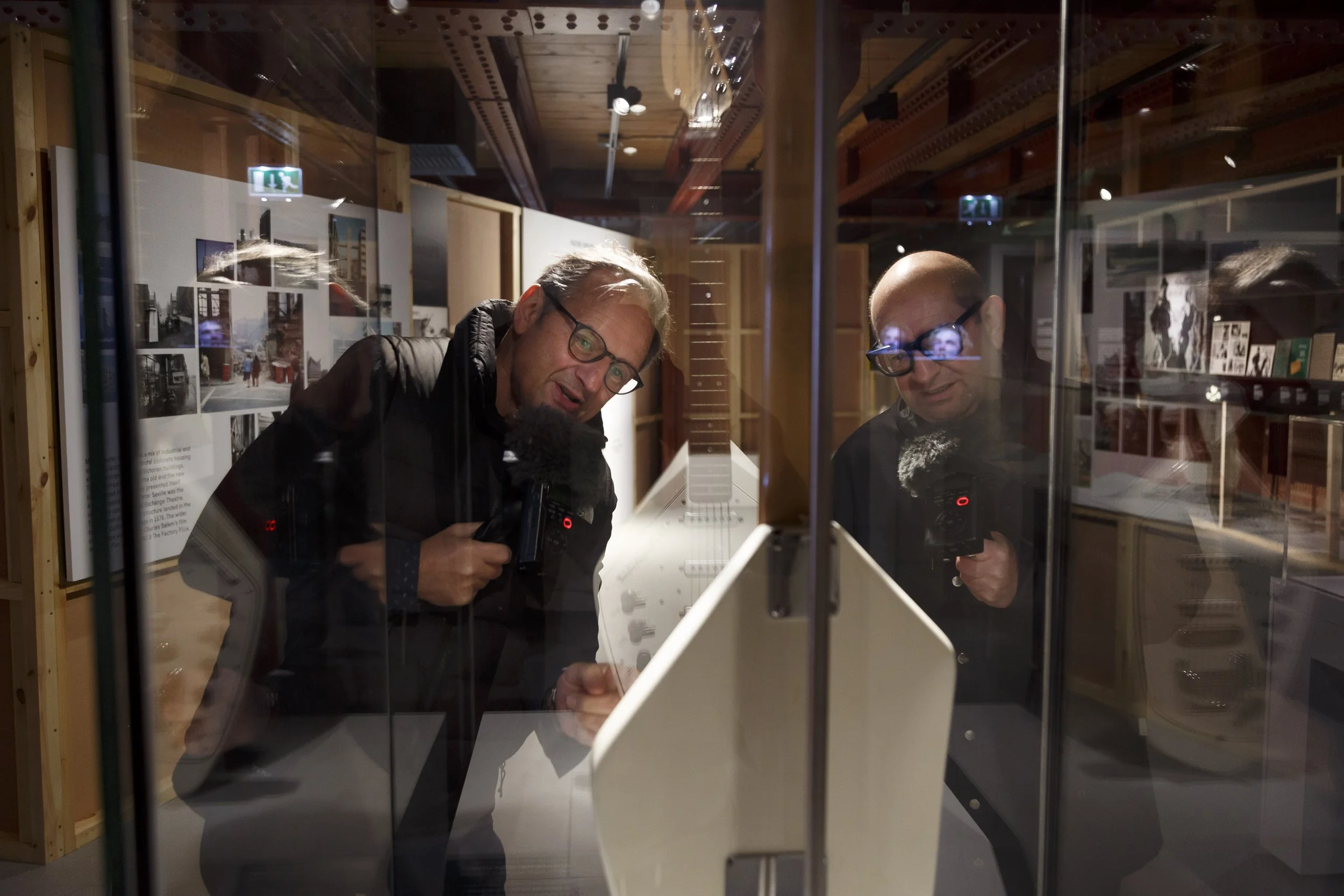
Exploring Manchester’s Musical History
During the recording we spent time in the exhibition Use Hearing Protection, which explores the formative years of Factory Records between 1978 and 1982.
Factory Records played a crucial role in shaping Manchester’s musical identity during this period. The label became internationally recognised for its roster of influential artists, including bands associated with the city’s post-punk scene, while also developing a distinctive visual language through collaborations with designers and photographers.
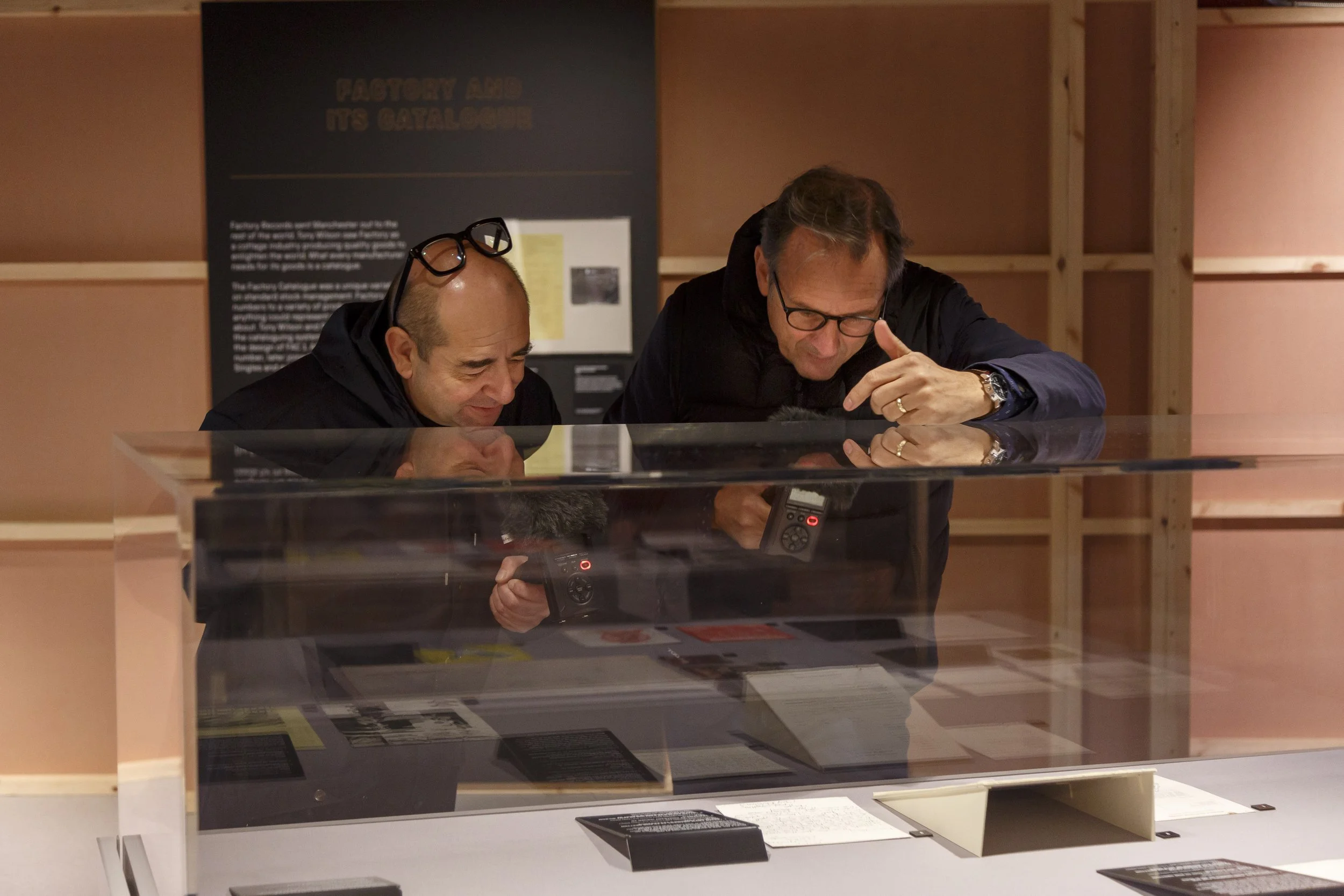
The exhibition at the Science and Industry Museum examines how Factory Records combined music, graphic design, technology and cultural experimentation to create a unique identity for Manchester. Through artefacts, recordings and archival material it tells the story of a label whose influence continues to shape perceptions of the city’s creative history.
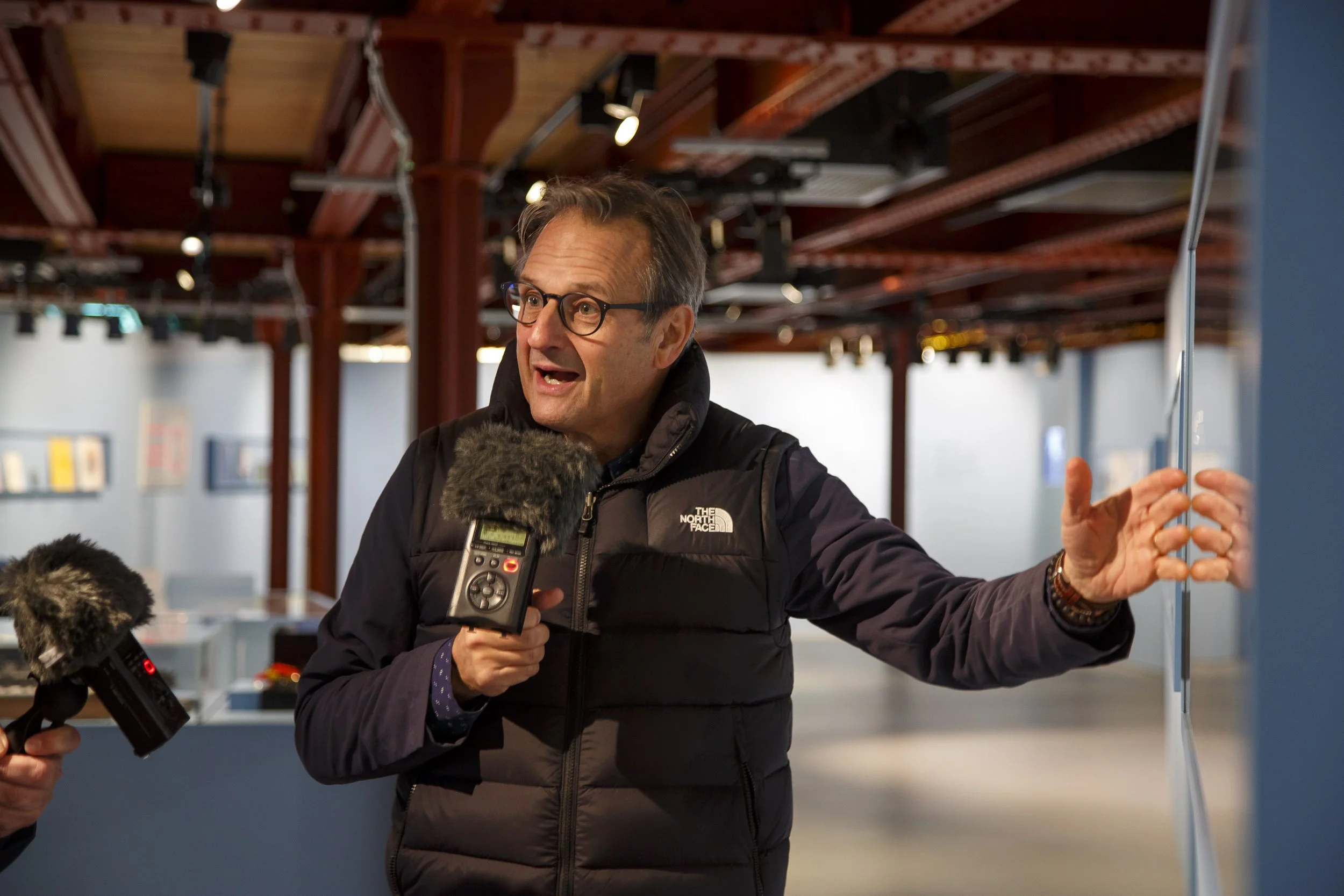
Photographing Podcast Production in a Museum Environment
Photographing a podcast recording inside a museum presents its own set of challenges. The aim is to document the interaction between presenters and exhibits without disrupting the recording process or the experience of other visitors.
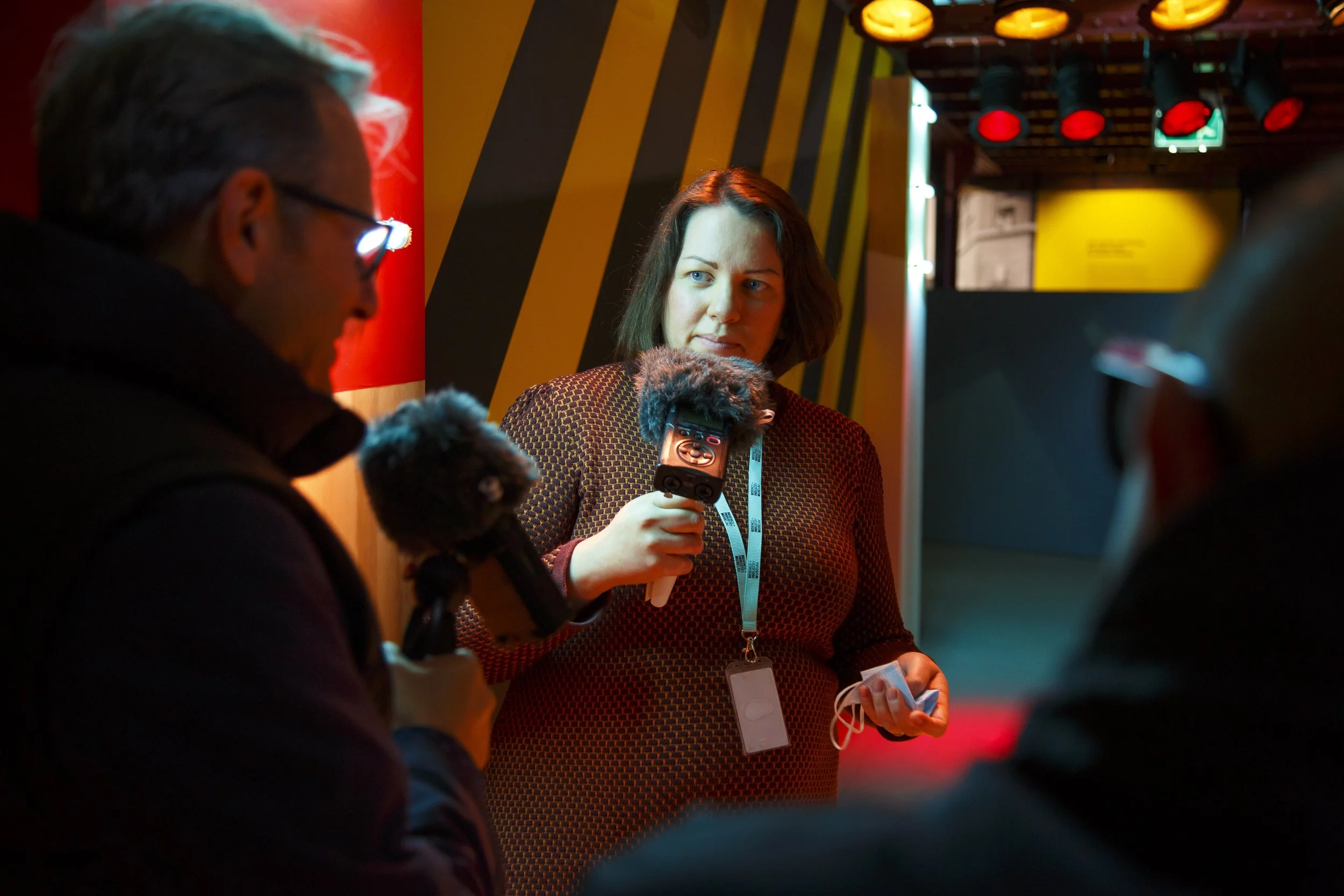
The images from the session capture Mark Radcliffe and Paul Langley in conversation as they explore the exhibition space, reflecting both the atmosphere of the gallery and the informal tone of the podcast itself. These kinds of photographs help audiences visualise the context of the recording and connect the spoken discussion to the objects and stories within the museum.
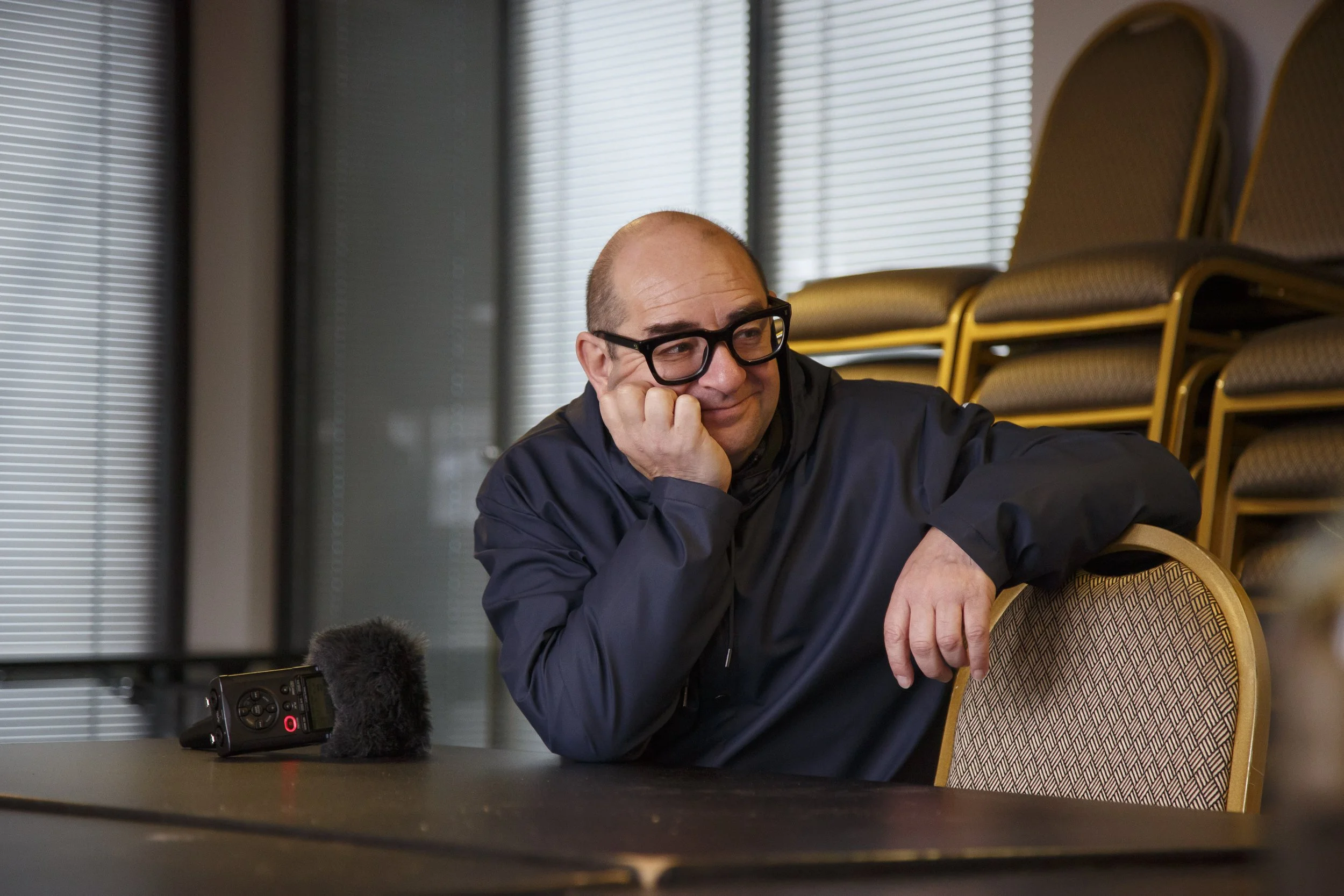
Listening to the Podcast
The Meet Me at the Museum podcast series invites well-known figures to explore museums around the UK and share their reactions to exhibitions and collections. The conversations offer a relaxed way to discover museum spaces through the perspectives of artists, musicians and broadcasters.
You can listen to this episode and other recordings from the series through the Art Fund website:
https://www.artfund.org/whats-on/meet-me-at-the-museum
Further information about the exhibition Use Hearing Protection can be found here:
https://www.scienceandindustrymuseum.org.uk/whats-on/use-hearing-protection
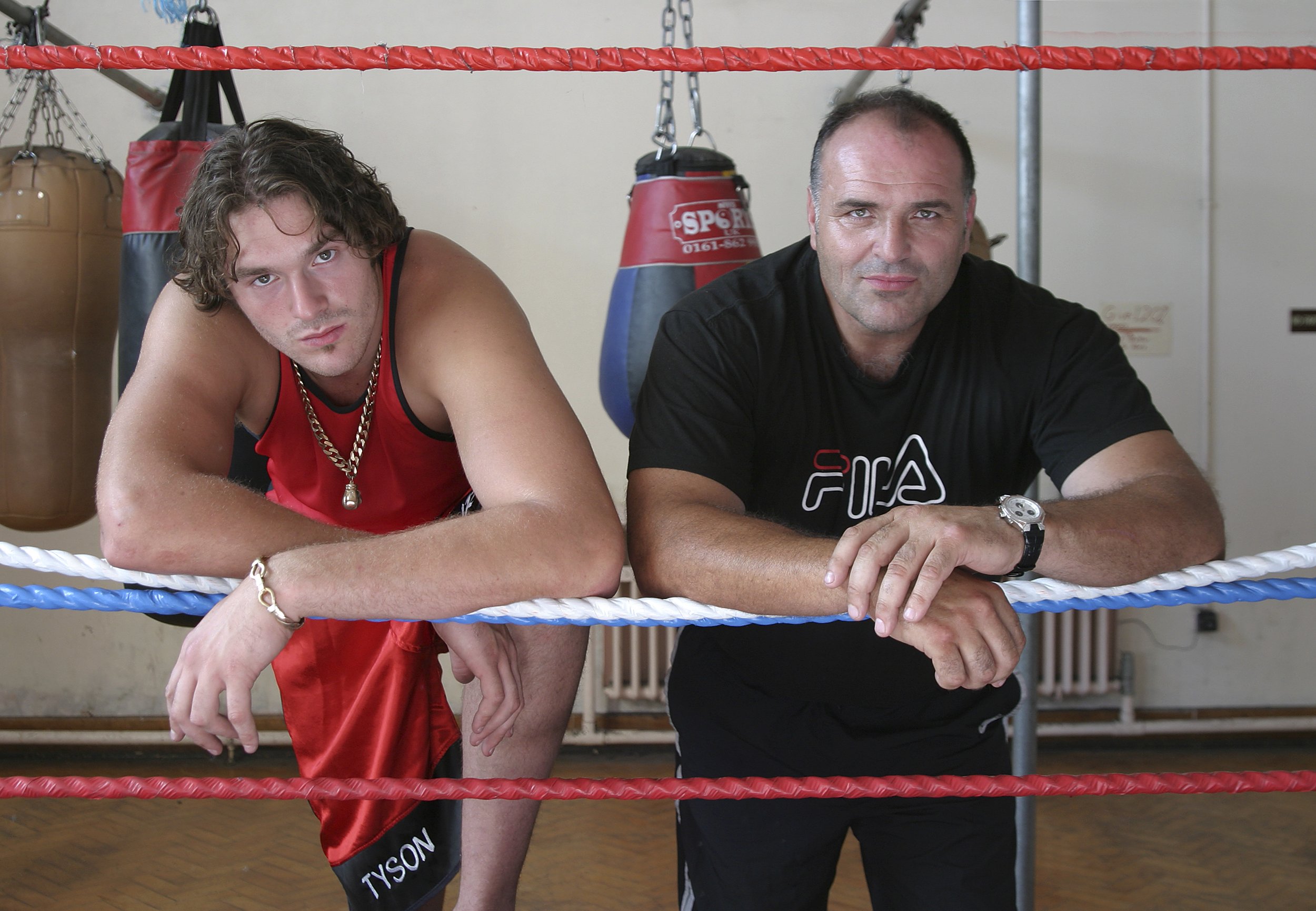
Jimmy Egan's and the unlikely tale of the Gypsy King
The story of when accidentality met 18-year old Tyson Fury in a primary school boxing gym in Wythenshawe, Manchester
In 2016 I began a project focussing on Wythenshawe, the vast council estate where I was brought up and whose reputation very often precedes it for all the wrong reasons. I had no knowledge or interest in boxing, yet I found the idea of photographing a local amateur boxing club compelling. Despite knowing that Wythenshawe’s ‘rough’ reputation existed more in the minds of the Mancunian bourgeoisie than in reality, it played neatly into the idea of the violent working class council estate in a way that I felt I could play off and use as juxtaposition.

The idea of entering a hyper masculine environment full of sweating men smashing each other in the face while I minced about with a camera getting heckled by a gang of rough-necked 8 year olds did give me pause, but despite this I contacted Steve Egan the head man at Jimmy Egan’s Boxing Academy - the club set up by his late father. The academy was housed in the gym of Crossacres Primary School, a mere stone’s throw from my Mum’s house.
Now, I’ve heard a lot over the years about how boxing is good for young lads as it teaches respect but I’d always taken that with a pinch of salt, unconvinced that a combination of violence and discipline were the ideal route to that goal.
What I realised about 15 minutes after walking into the room was that I was in one of the most fraternal, respectful and supportive environments I’d been in to that point and still have to this day. It was practically magnetic. After an hour I was contemplating starting training there myself. Whether that was down to some magic in boxing’s DNA or a collective psychology Steve Egan and his fighters could gather around a boxing ring I’m still not sure.

I photographed men slamming their fists into the heavy bags, young lads doing sit up repeats, hand written motivational signs, tatty posters of famous fighters. I was sticking around waiting for the sparring session to end, the 18 year old in the centre of the ring, longish wavy hair, a little podgy was sweating heavily as a result of the bin liner he wore under his vest. Steve told me with some pride and no little confidence that this lad would one day become the heavyweight champion of the world.
As I’d not been to a boxing gym before I assumed that this was standard form, the best guy there is always going to be the next Klitschko, the next Mayweather, the next Ali. He’s going all the way. He’s going to make it. The local boy‘s gonna make it to the big time. Sure, Steve. I stuck around anyway.
I got some pictures with this lad and his Dad and I had to admit that if nothing else he certainly had a great fighters name, Tyson Fury.
The Wythenshawe project fizzled out, I was photographing worthies in the area, council workers, housing association staff. It wasn’t representative of the place I’d grown up and I lost interest. I kept an eye on Jimmy Egan’s though, they’d lost their home at Crossacres and after a perilous hiatus found themselves a new gym in the heart of Benchill, the badlands of the estate, a place where Steve’s magic would be valuable and gratefully received.
Tyson Fury I forgot about until one day I saw a newspaper article announcing that he’d become British heavyweight champion. Not world champion, but remarkable nonetheless. I followed his progress pretty closely after that, right up to Klitschko - the unbeatable champion - when he made the prophecy come true. Heavyweight Champion of the World.
I wrote him off again a few years later when he was at 28 stone, mentally and physically ruined, the road back looked too long, things had moved on. It was a glorious career but it had ended in ignominy.
And yet again he returned, some weak warm-ups until still badly out of shape he unfeasibly met Deontay Wilder, the man with a cannon for a right hand, surely it would end now? And yet he beat him and beat him and beat him again until he stands atop the heavyweight division with no peers, no doubters. The greatest heavyweight champion of his generation.

The moral of the tale? Good things happen when you put the work in, and never right off Tyson Fury.
Photography of High Street Task Force
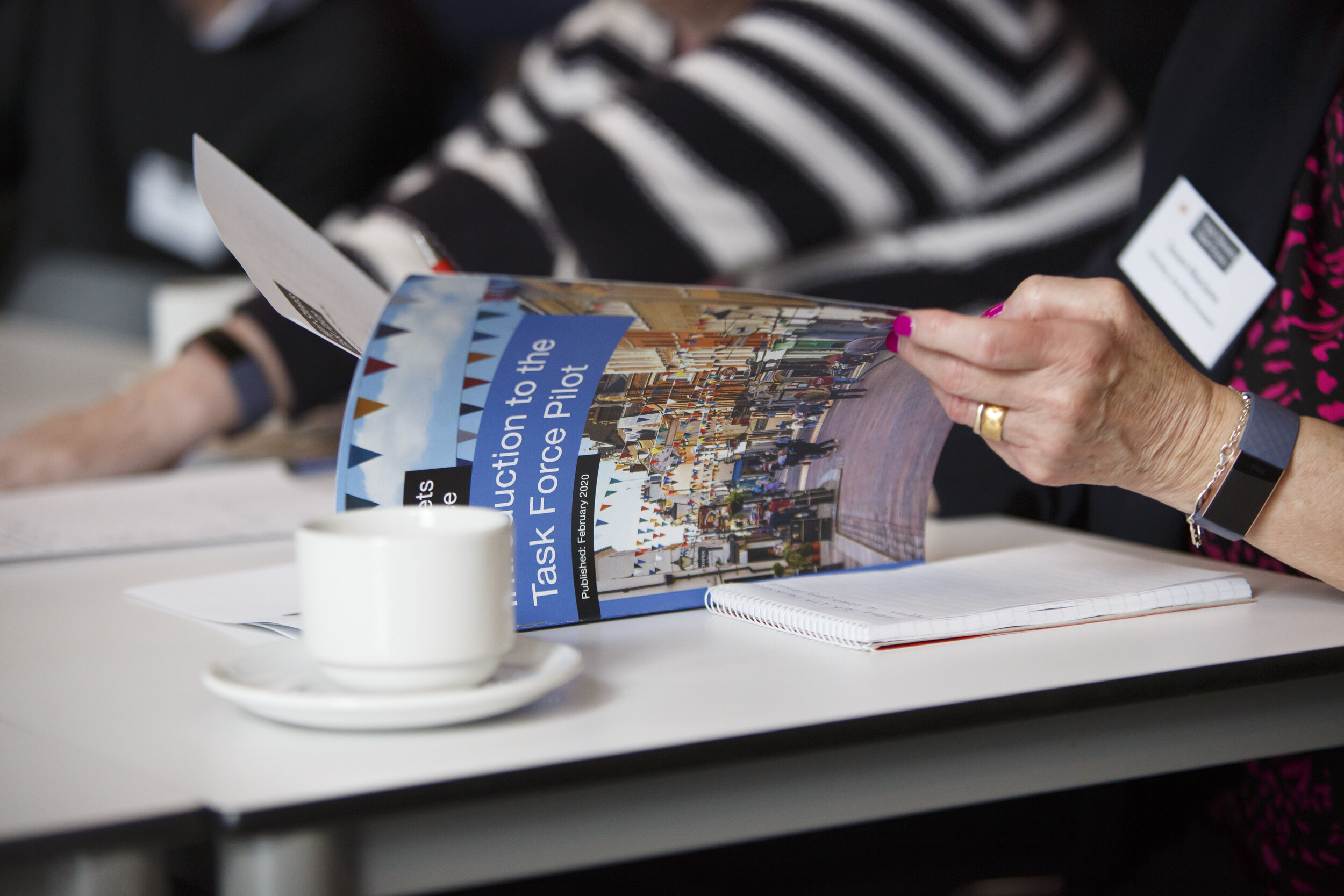
The High Streets Task Force was established to England's high streets and town centres to thrive - providing expert training, guidance data to the people who make them. Local leaders and partnerships are be able to access the latest data and evidence to inform their investment and regeneration decisions.
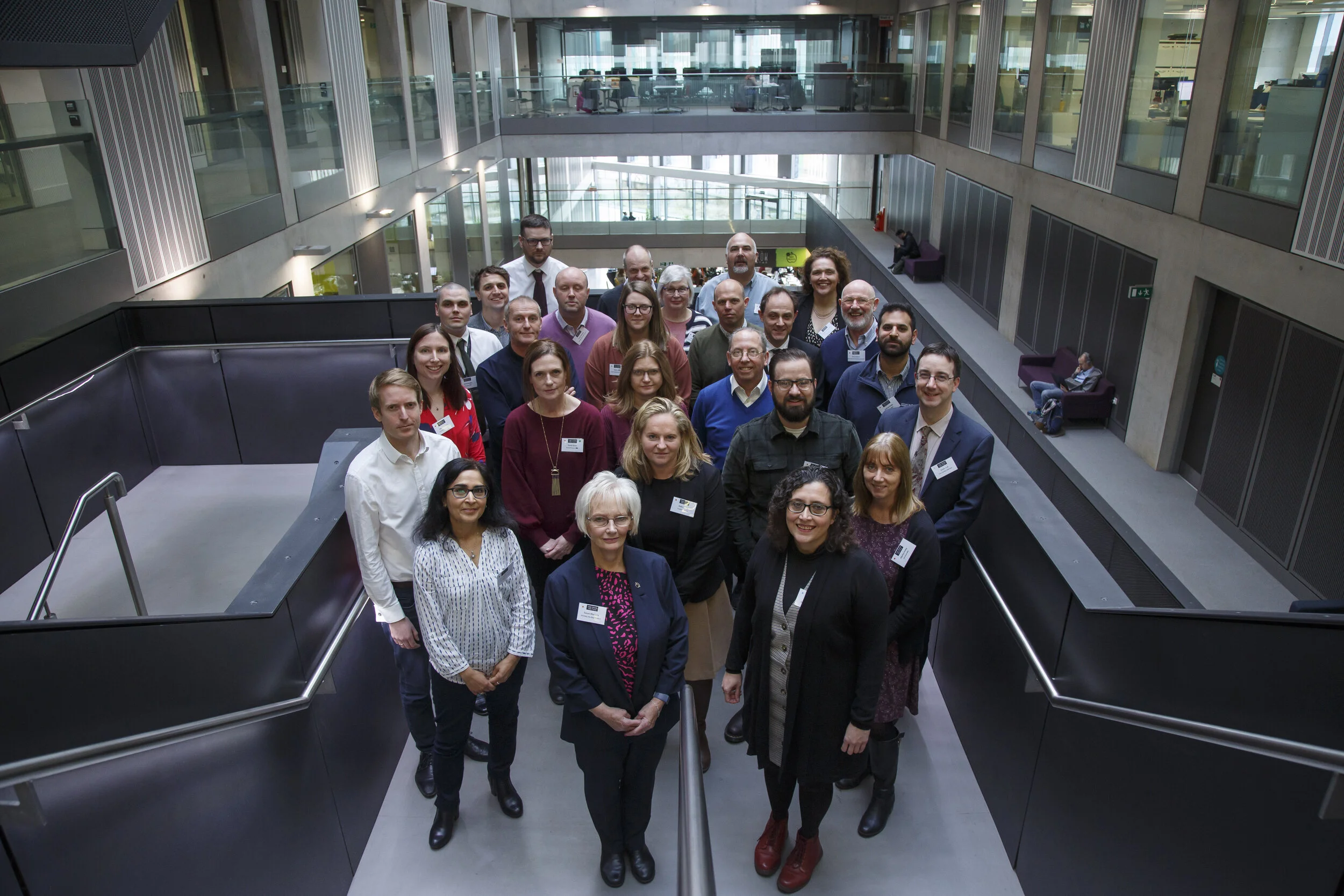
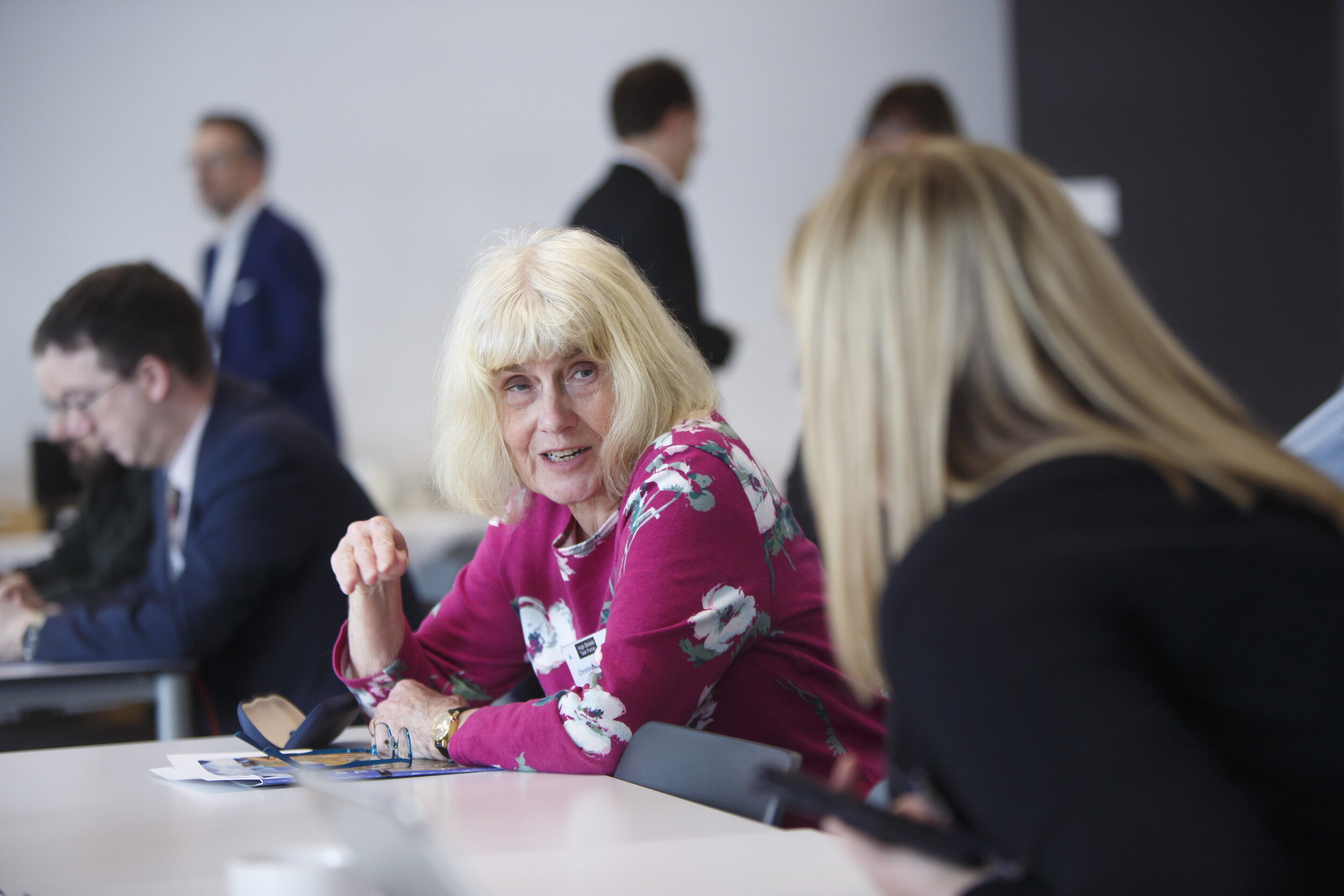
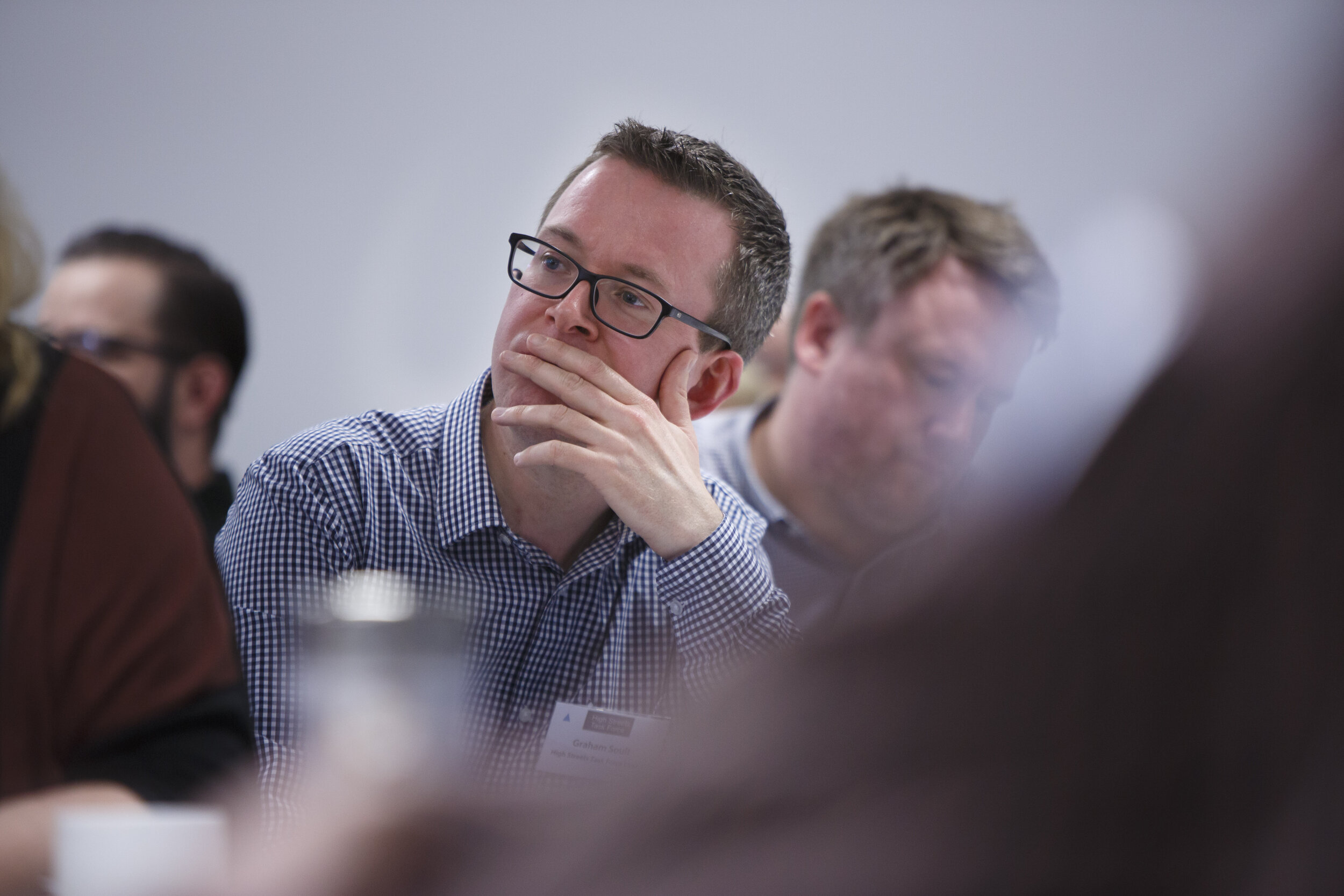
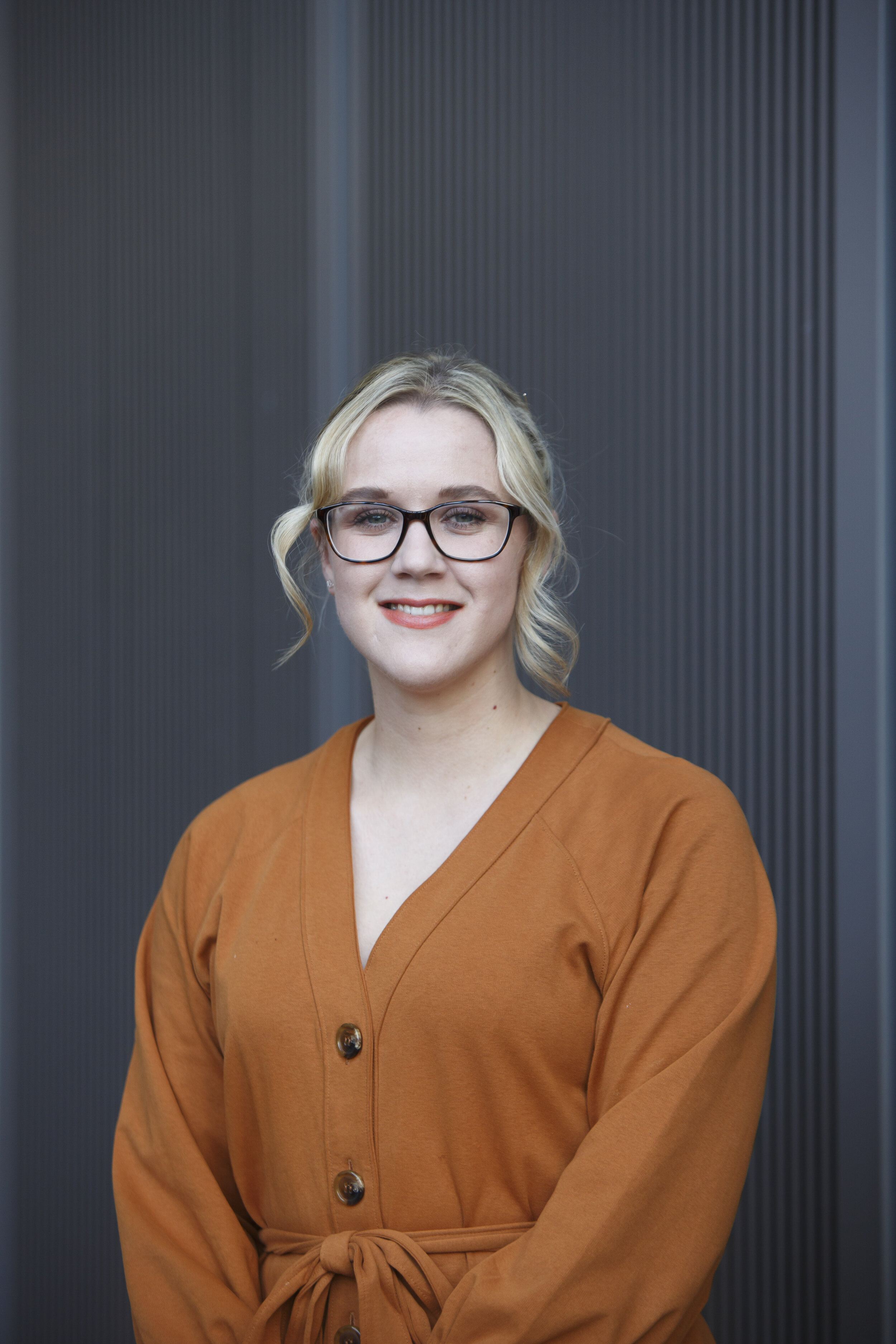
I was pleased to photograph the latest meeting of experts and representatives from the chosen towns at Manchester Metropolitan University business school. I was also able to photograph some portraits of the university staff at the conclusion of the meeting.

The High Streets Task Force was established to England's high streets and town centres to thrive - providing expert training, guidance data to the people who make them. Local leaders and partnerships are be able to access the latest data and evidence to inform their investment and regeneration decisions.
I was pleased to photograph the latest meeting of experts and representatives from the chosen towns at Manchester Metropolitan University business school. I was also able to photograph some portraits of the university staff at the conclusion of the meeting.
The funding will be piloted first in 20 town centres before being rolled out in 101 areas across the country.
The first 14 towns to take part in the pilot schemes and receive funding from the government will be:
Swinton Town centre – Salford, Thornton Heath – Croydon, Cheadle – Staffordshire Moorlands, Aldershot Town Centre – Rushmoor, Stirchley – Birmingham, Accrington Town Centre – Hyndburn, Kendal – South Lakeland, Friargate – Preston, Coventry City Centre – Coventry, Hartlepool Town Centre – Hartlepool, Ellesmere Port Town Centre – Cheshire West and Chester, West Bromwich Town Centre – Sandwell, Huyton Town Centre – Knowsley, Withington District Centre – Manchester.

“The Task Force will provide the tools they need to get the best advice possible and a dashboard of key local data,” Communities Secretary Robert Jenrick said.

Ministers will also launch a consultation on whether to build an online register of commercial properties, which could make it easier to bring empty shops back into use.
The government has also pledged to cut small retailers’ business rates bills by 50 per cent from April.

If you require photography of your conference, meeting or event please drop me a line at david@davidoates.net or fill out the form on the ‘Contact’ page of this website.



Vietnam
In October I made my first trip to Vietnam, a country that I’ve been wanting to visit for as long as I can remember. I was attracted by the culture, the cuisine and the thought of getting away from this year’s dismally dreary ‘summer’ to a country that while it has its fair share of rainfall also has its fair share of heat. Oh and scooters…

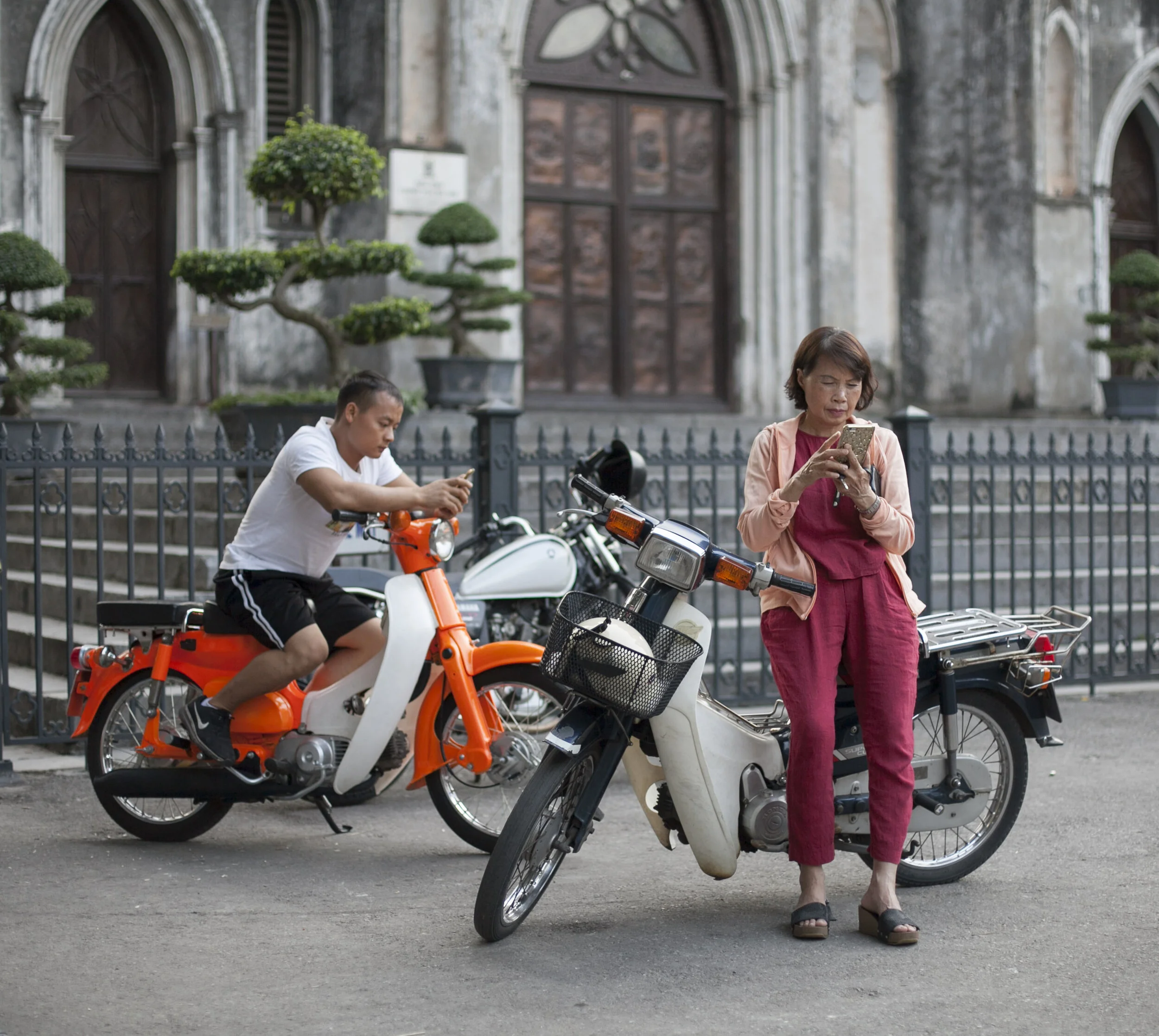
People relaxing on their Honda’s outside St. Joseph’s cathedral, Hanoi
Capturing Vietnam: Travel Photography of Vietnamese Culture and Streets
As an English freelance photographer, I’ve traveled extensively, but Vietnam presented a vibrant, dynamic environment unlike anywhere else. From the bustling streets of Hanoi to the peaceful coastline of An Bang Beach, each location offered a striking window into Vietnamese life, culture, and daily routines. The intensity of the cities and the tranquility of rural landscapes provided a rich visual narrative that I was eager to capture.

Members of the Vietnamese Army gathered for a dinner at the Vietnamese Military History Museum in Hanoi. I found later that it’s eerily reminiscent of this http://bit.ly/2PFwOiI from my visit to Beijing a few years ago.
Street Life and Urban Chaos in Hanoi
Hanoi’s streets are alive with energy, from the honking motorbikes weaving through crowded intersections to the street vendors selling local delicacies. Capturing urban life in Vietnam required a careful balance of timing, perspective, and attention to detail. Photography in this environment revealed not only the chaos but also the rhythms, relationships, and traditions that define Hanoi’s unique character.

A man photographs the now famous MiG-21 at the Vietnamese Military History Museum in Hanoi.
Cultural Heritage and Daily Life
Beyond the streets, Vietnam’s culture is visible in its architecture, markets, temples, and homes. Each neighborhood tells a story of community, history, and resilience. Through photography, I was able to document artisans at work, families engaged in daily routines, and cultural ceremonies, illustrating both tradition and the modern vibrancy of Vietnamese society.

The elegantly decaying cockpit of a captured United States Huey helicopter
Coastal Serenity and Rural Landscapes
Traveling from the city to the coast, locations such as An Bang Beach offered a contrast to the urban intensity. The calm beaches, fishing villages, and rural landscapes allowed for reflective, scenic photography that captures the slower pace of life. These settings provide a complementary perspective to the energetic streets of Hanoi, highlighting Vietnam’s diversity and natural beauty.

The Hanoi skyline
Photography as Storytelling in Vietnam
Vietnam is a photographer’s dream: the contrasts between urban chaos and coastal calm, modern life and traditional practices, provide endless opportunities for storytelling. Documenting the country required a mix of environmental portraits, street photography, and landscape work, creating a cohesive visual journey that communicates the spirit of Vietnam.

A woman sells clothes in a night market at Hàng Bè in central Hanoi.
The Allure of Hanoi
Hanoi, the capital city, was my first stop. Stepping off the plane, I was immediately hit by the warm, humid air and the symphony of honking scooters and chatter that filled the streets. The city buzzed with life, and I knew I was in for an adventure. As I wandered through the Old Quarter, my camera was glued to my face, capturing the narrow alleyways, the chaotic mix of colonial architecture, and the street vendors who seemed to emerge from every corner.

One of my favorite memories from Hanoi was capturing the street food culture. I watched as locals prepared dishes in makeshift kitchens on the sidewalks. The aroma of grilled meats and fresh herbs wafted through the air, drawing me closer. I couldn't resist trying pho from a small stall run by an elderly woman who smiled warmly as she ladled broth into a bowl. The experience was transformative; I felt as if I had tasted the heart of Vietnamese cuisine.

A woman washes in the river in Tam Cốc-Bích Động
Despite the city's charm, navigating the streets was a daunting experience. The sheer number of motorbikes zipping past made crossing the road feel like a high-stakes game. I watched in awe as locals seemed to glide through the traffic, their movements fluid and confident. Meanwhile, I hesitated, clutching my camera as I waited for a gap in the chaos.

This guy appeared to be chopping up a monster in Tam Cốc-Bích Động. I later discovered it was a goat and realised were the Baphomet mythology comes from. I like the matching under bites of man and beast.
The Scary Bus Rides
After a few days, it was time to venture beyond Hanoi. I boarded a sleeper bus heading to Tam Coc, and the adventure took a turn I hadn’t anticipated. The bus driver, a seemingly fearless man in his 30s, sped down the winding roads with a reckless abandon that left my heart racing. With each sharp turn, I clutched my seat, whispering silent prayers. I managed to snap a few photos of the breathtaking landscapes outside the window, but the sheer terror of the ride overshadowed my artistic intentions.

A scene familiar the world over that always seems worth a photograph. Note the still very popular in Vietnam pith helmet and the ubiquitous scooters.
When we finally arrived in Tam Coc, I was greeted by stunning limestone karsts rising majestically from the rice paddies. The landscape felt like a painting come to life, and I quickly set out to capture its beauty. A boat ride along the river revealed views that were straight out of a dream. I photographed local rowers navigating the tranquil waters, their movements graceful against the backdrop of towering cliffs.
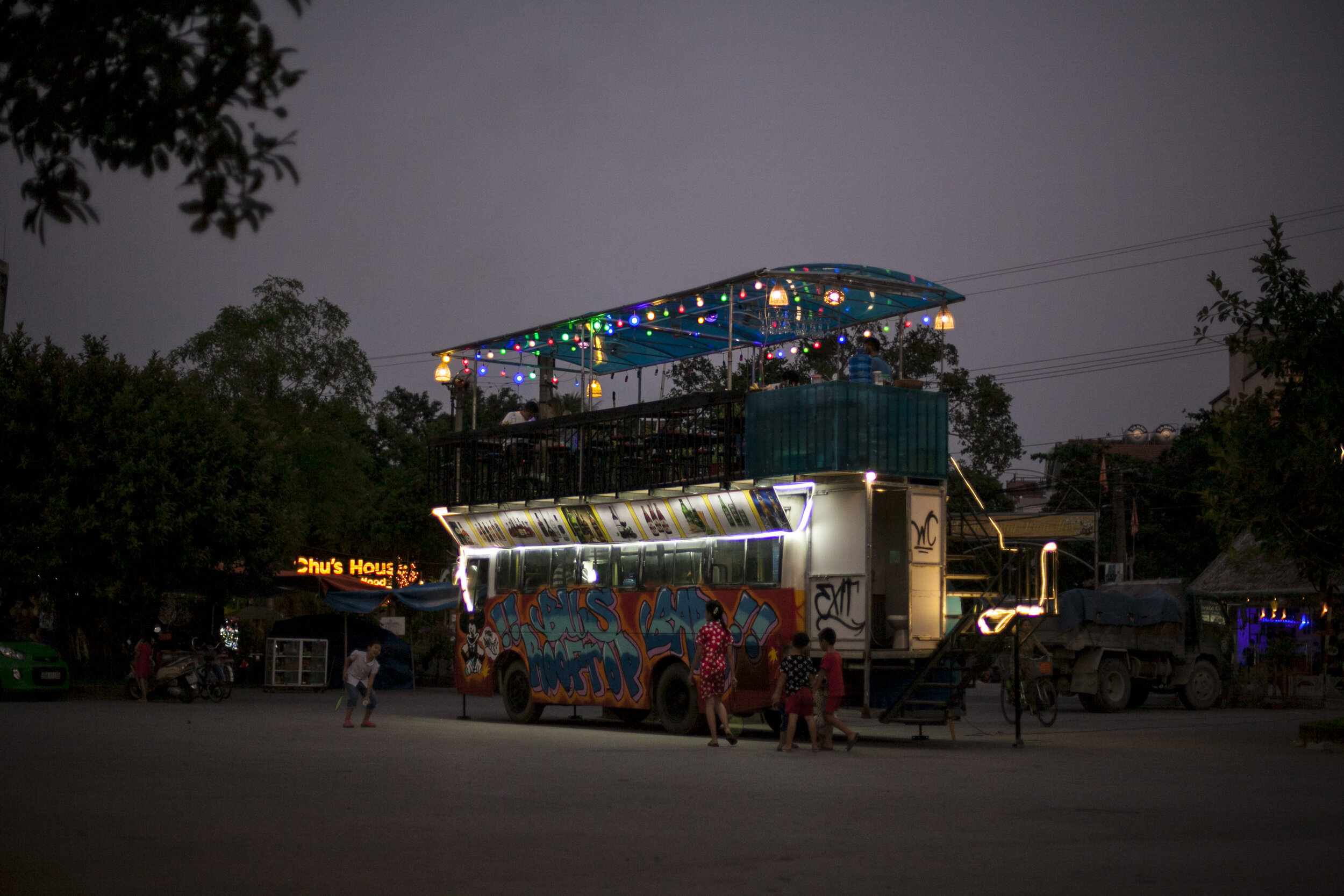
Tam Cốc-Bích Động is a backpackers haven at some times of the year. Here one of the two bus bars opposite the lake.
A Culinary Detour in Hue
From Tam Coc, we made a brief stop in Hue. While my time there was short, it was not without its highlights. After changing buses, I took the opportunity to seek out the famed Bun Bo Hue—a spicy beef noodle soup that is a local specialty. I found a bustling little eatery filled with locals, the air thick with the scent of herbs and spices.

And in the lake the local kids who swim here every night another picture that reminded me of a shot from China http://bit.ly/38T4rW0
As I savoured each spoonful, I captured the vibrant colours and textures of the dish, the glistening broth swirling with greens and tender beef. It was a simple meal that resonated deeply, embodying the essence of Vietnamese culinary culture.

Young Vietnamese man playing pool in one of the nearly empty backpacker bars of Tam Cốc. Vietnam is a country completely enamoured by counterfeit designer wear and these boys didn’t disappoint.
Da Nang: A City of Contrasts
Next on my journey was Da Nang, a city that struck me as a blend of modernity and tradition. Here, I explored the Dragon Bridge and the stunning beaches that lined the coastline. The juxtaposition of skyscrapers against the natural beauty of the sea was captivating.

Forgive me for the sunset shot. The limestone karsts emerging from an otherwise billiard flat plateau define the geology of much of Vietnam most famously at Halong Bay. The area around Tam Cốc is an inland version with rice paddys covering the water for much of the year.
While in Da Nang, I discovered a thriving street food scene. I encountered vendors selling banh mi, the beloved Vietnamese sandwich that is as varied as it is delicious. I snapped photos of the colorful ingredients piled high—crunchy pickled vegetables, savory meats, and fresh herbs. Each bite was an explosion of flavor, and I felt a rush of excitement as I documented the culinary artistry before me.

A woman cleans part of the absolutely vast Bái Đính Buddhist Temple in Ninh Bình Province
Hoi An: A Photographer’s Paradise
Just a short journey from Da Nang is Hoi An, a UNESCO World Heritage site renowned for its well-preserved ancient town. The moment I arrived, I knew I had stumbled into a photographer’s paradise. The streets were lined with yellow-hued buildings, their facades adorned with vibrant lanterns that seemed to glow in the soft evening light.

Vietnam is the home of the face mask and the spiritual home of Chanel.
I spent hours wandering the narrow alleyways, capturing the intimate moments of daily life—vendors preparing their goods, children playing in the streets, and couples sharing quiet moments along the riverside. Hoi An’s charm was intoxicating, and I found myself lost in the magic of it all.

Book keeping at the market in Hoi An
I also made my way to An Bang Beach, just a short bike ride from the town center. The beach was a breathtaking escape, with soft sand and azure waters. Here, I captured the juxtaposition of relaxation and the vibrant energy of beachgoers enjoying their day. The sun dipped below the horizon, casting a golden hue over the scene, and I felt a sense of fulfillment as I clicked away, the light perfectly framing my subjects.

Shoppers in Hoi An market
Quy Nhon and Bai Xep: Hidden Gems
Continuing my journey, I ventured to Quy Nhon and Bai Xep, two coastal towns that felt like hidden gems. In Quy Nhon, I found a more laid-back atmosphere compared to the bustling cities. The beaches were less crowded, allowing me to connect with the local culture on a deeper level. I photographed fishermen mending their nets, their weathered faces telling stories of hard work and dedication.

Motorcycling wear in Vietnam is the best I’ve seen anywhere.
At Bai Xep, I discovered a tranquil setting that felt worlds away from the frenetic energy of Hanoi. The beach was dotted with traditional fishing boats, their bright colors contrasting beautifully with the sandy shore. I spent my days capturing the idyllic scenery and the simple joys of life along the coast.
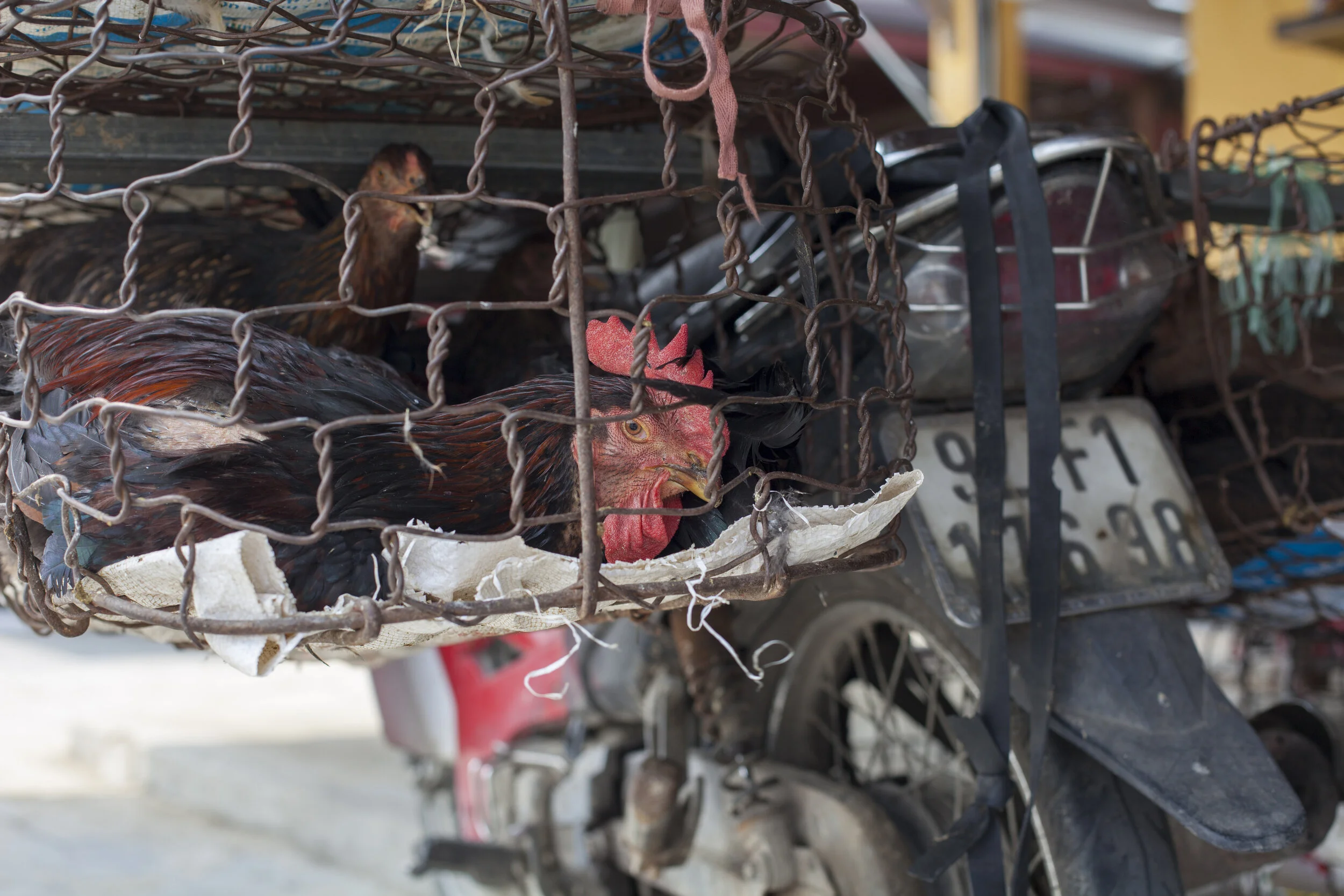
Probably the final journey before this guy becomes Pho Ga
One evening, as I watched the sun set over the horizon, I reflected on the journey thus far. My experiences had deepened my appreciation for Vietnamese culture, particularly its resilience and warmth.

Relaxing in Hoi An
The Return Journey
As I prepared to leave Vietnam, I couldn’t help but feel a sense of nostalgia wash over me. The bus rides, though often harrowing, had become part of the adventure, a reminder of the unpredictability of travel. The street food, with its incredible flavors and colors, had fueled my passion for photography and storytelling.

The outdoor fan is an absolute necessity for any restaurant hoping to attract custom.
I returned home with a treasure trove of images, each one a testament to the beauty and complexity of Vietnam. My camera had captured not just landscapes and meals, but the spirit of the people I met along the way.

A typical traffic jam in Da Nang. Everyone rides.
In sharing my journey, I hope to convey the essence of Vietnam: a land of contrasts, where chaos meets tranquility, and tradition dances with modernity. My adventure was more than just a trip; it was a deeply transformative experience that will continue to inspire my work as a photographer.

Even though the machines are incredibly reliable, Vietnamese Honda mechanics are rarely out of work due to the vast numbers on the roads. Here are young man waits for a street corner mechanic to mend his bike in Da Nang.
Vietnam, with its captivating streets and tantalizing food, has etched itself into my memory—a destination I will cherish and revisit through my lens for years to come.

Street food vendors in Da Nang. Everything you’ve heard is true, this is how to eat the best food in Vietnam. My highlight was a bowl of Bun Cha eaten knees round ears in a garage entrance with motorbikes whizzing by. Unimprovable.

One of the most stylish people I’ve seen this year. In Qui Nhon in the centre of the country.

At night in Qui Nhon

A very typical view down an alley in Hoi An.

Seamstresses work late in the night in Da Nang.

Another great Hanoi Bun Cha spot. The people get bigger the chairs don’t.

A man and his dog in Hanoi.

A typical side street motorcycle mechanic/valet service in Hanoi

The street food essentials, outdoor fan, low plastic tables, beautiful sunlight.
Research Matters Magazine
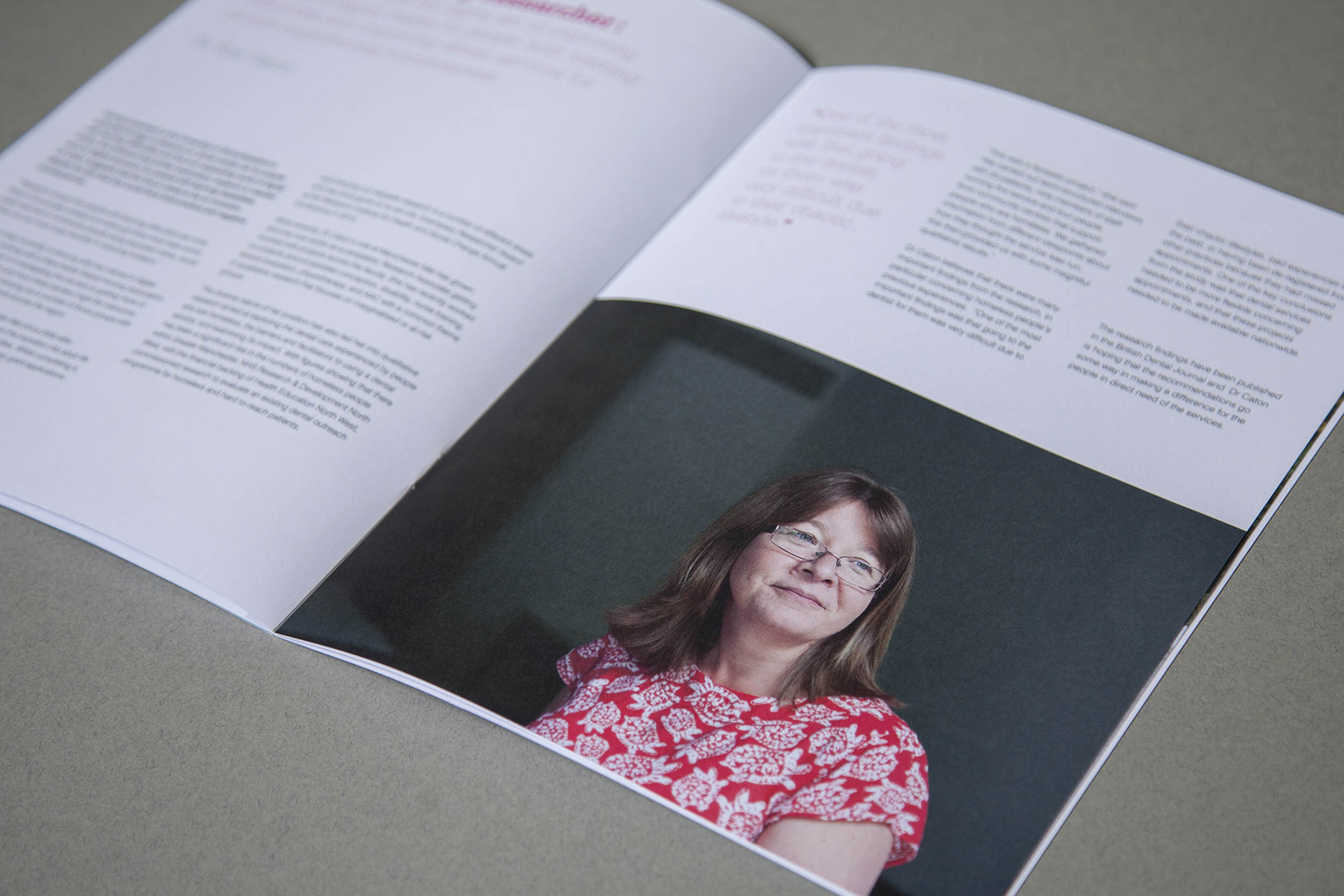
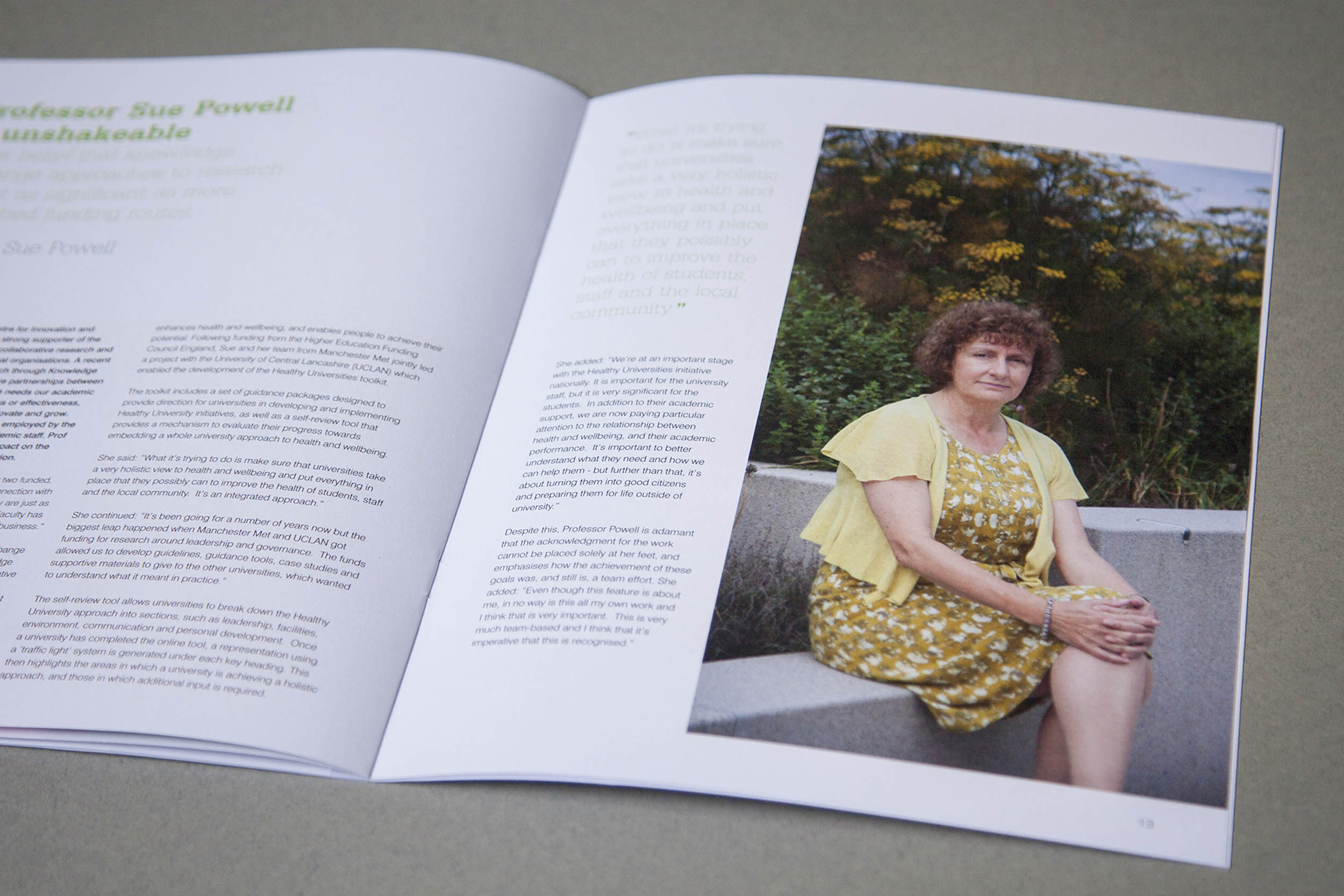
As much as I seem to spend my entire life checking websites to see if they've been updated since I last checked thirty seconds ago, and I've spent the last months square-eyed setting up this new website; it never gets boring to see your work printed on actual, physical, inky paper. Especially if that paper goes on to be published. So, I was delighted to pick up the latest edition of MMU's Research Matters magazine.

Manchester Metropolitan University Research Matters Photography | Academic and Research Editorial
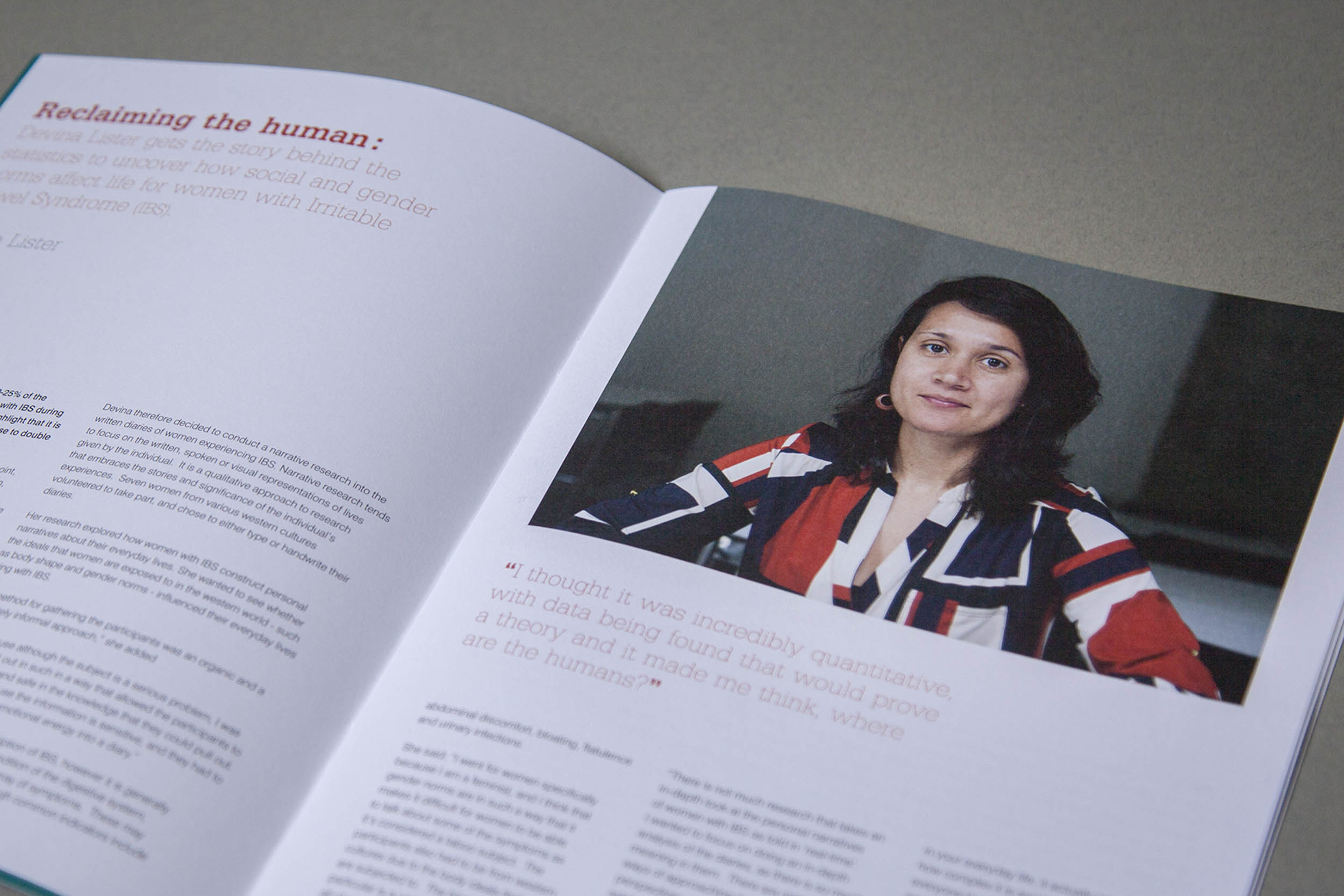
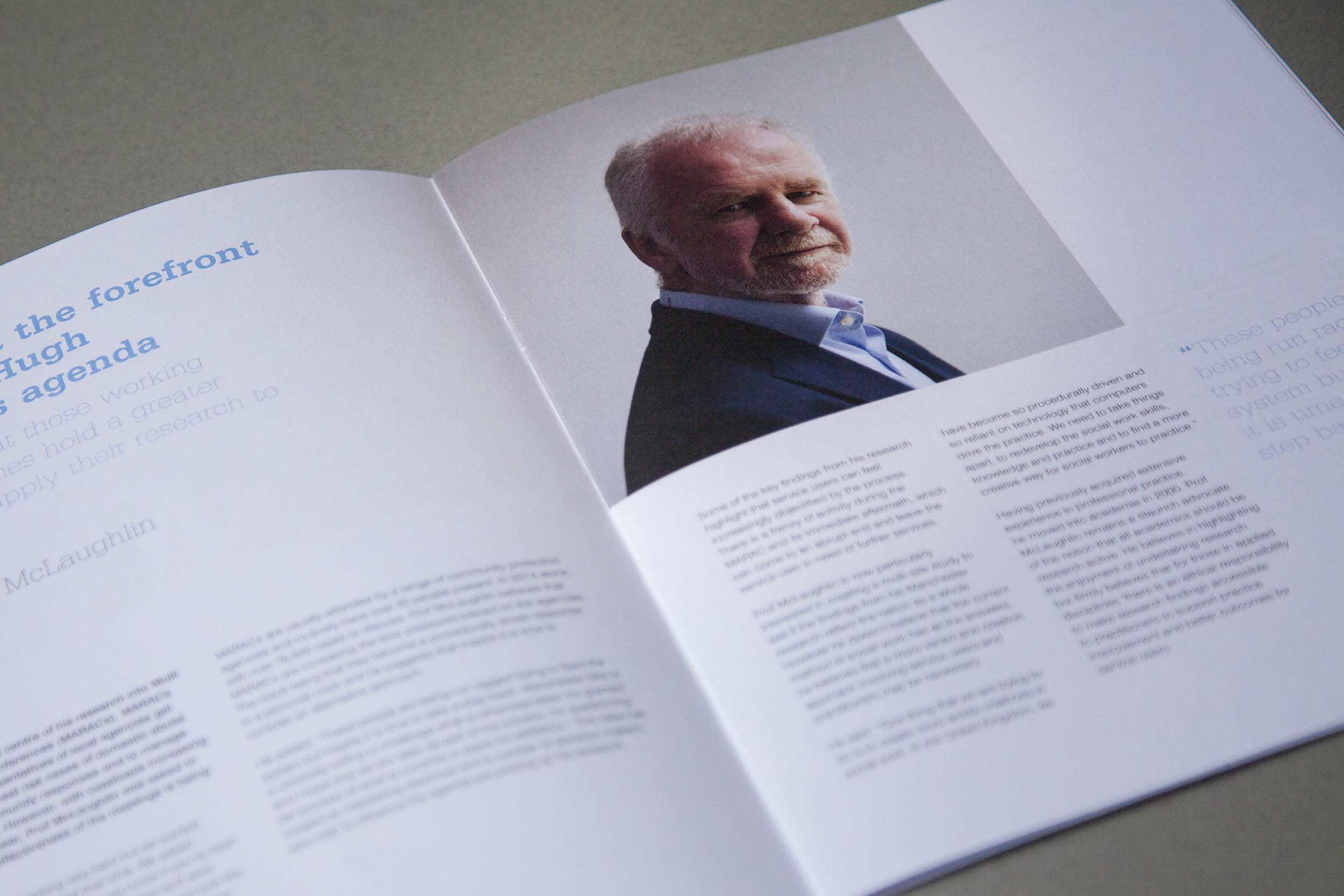
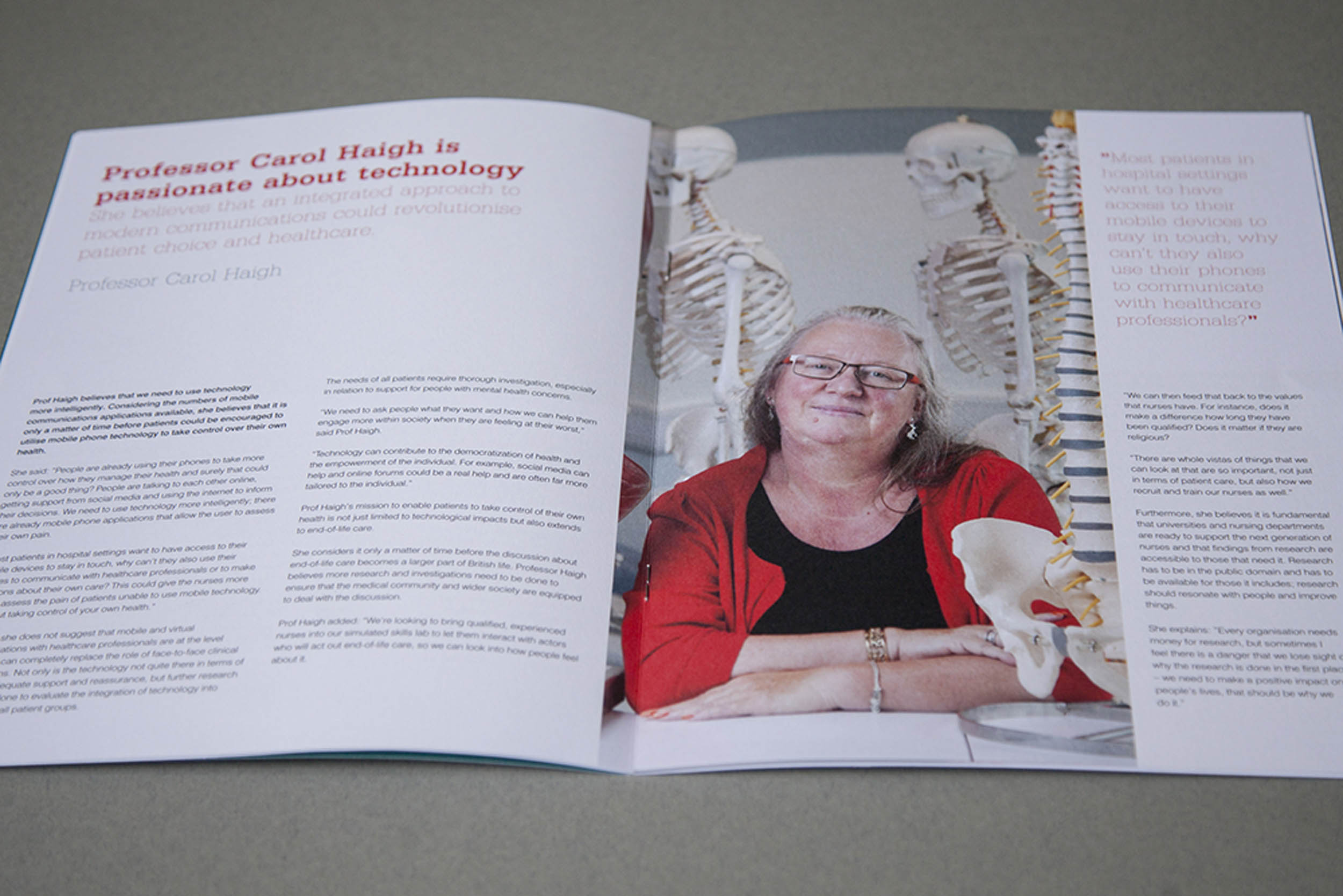
Seeing your work published in print never loses its appeal. I was delighted to see my photography featured in the latest edition of Manchester Metropolitan University’s Research Matters magazine, highlighting the university’s research initiatives in health and social care. Working on this ongoing editorial project allows me to capture staff, students, and research activities in a professional, visually engaging way for an academic audience.
I have collaborated with Stu Wilkin of THMedia since the first edition of the magazine, and it was rewarding to see my work continue to feature prominently following the magazine’s recent redesign. The new layout showcases the photography effectively, complementing the written content and helping communicate the impact of MMU’s research to readers.
I would like to thank Jackie Rees and the staff at Manchester Metropolitan University’s Department of Health and Social Care for their cooperation during the shoots. The sessions focused on documentary and portrait photography, illustrating the university’s innovative research projects, student engagement, and professional academic environment.
Academic and Research Photography for Manchester Metropolitan University
Professional photography for university publications like Research Matters serves multiple purposes. It documents research activity, highlights staff and student achievements, and provides compelling visual content for marketing, social media, and institutional outreach. By capturing authentic moments of collaboration, experimentation, and presentation, editorial photography reinforces the university’s reputation as a leading centre for research in health and social care.
Using documentary and portraiture techniques, the photographs convey professionalism, engagement, and the human side of academic research. Each image is composed to resonate with prospective students, researchers, and institutional partners, enhancing both the magazine’s editorial value and Manchester Metropolitan University’s wider communication goals.
Conclusion
Photography for Manchester Metropolitan University’s Research Matters magazine demonstrates the importance of professional visual storytelling in academic publications. The latest edition highlights staff, students, and research projects while providing marketing and social media assets for the university. Capturing research initiatives and academic collaboration ensures that the magazine not only informs but also engages readers, reinforcing MMU’s role as a hub of innovation and expertise in health and social care.
Many thanks to Jackie Rees and the staff at Manchester Metropolitan University's Department of Heaslth and Social Care for their co-operation with the shoots.
The Right Honourable Jeremy Corbyn
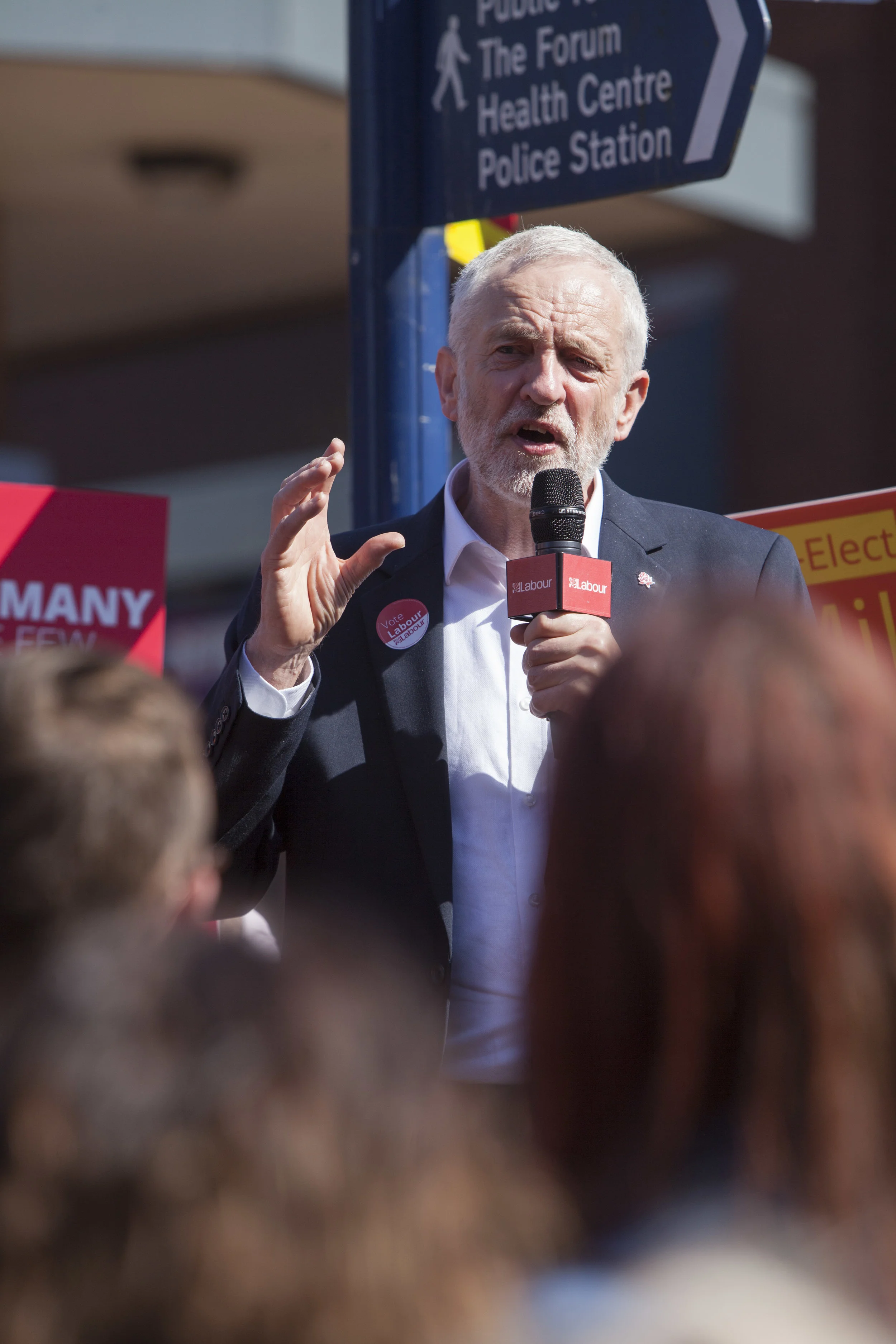
Jeremy Corbyn was in Manchester yesterday for the launch of the Labour election campaign. I caught up with the campaign bus in my home town of Wythenshawe.

Jeremy Corbyn was in Manchester yesterday for the launch of the Labour election campaign. I caught up with the campaign bus in my home town of Wythenshawe.
David Cameron came here and someone waved an imaginary gun at him, cue a frenzy of demonising 'chavs' and hoodies all over the papers. Corbyn turns up, gets treated like a returning hero and guess what? No one's bothered.
If only everywhere was like Wythenshawe, the people of Wythenshawe might stand half a chance...
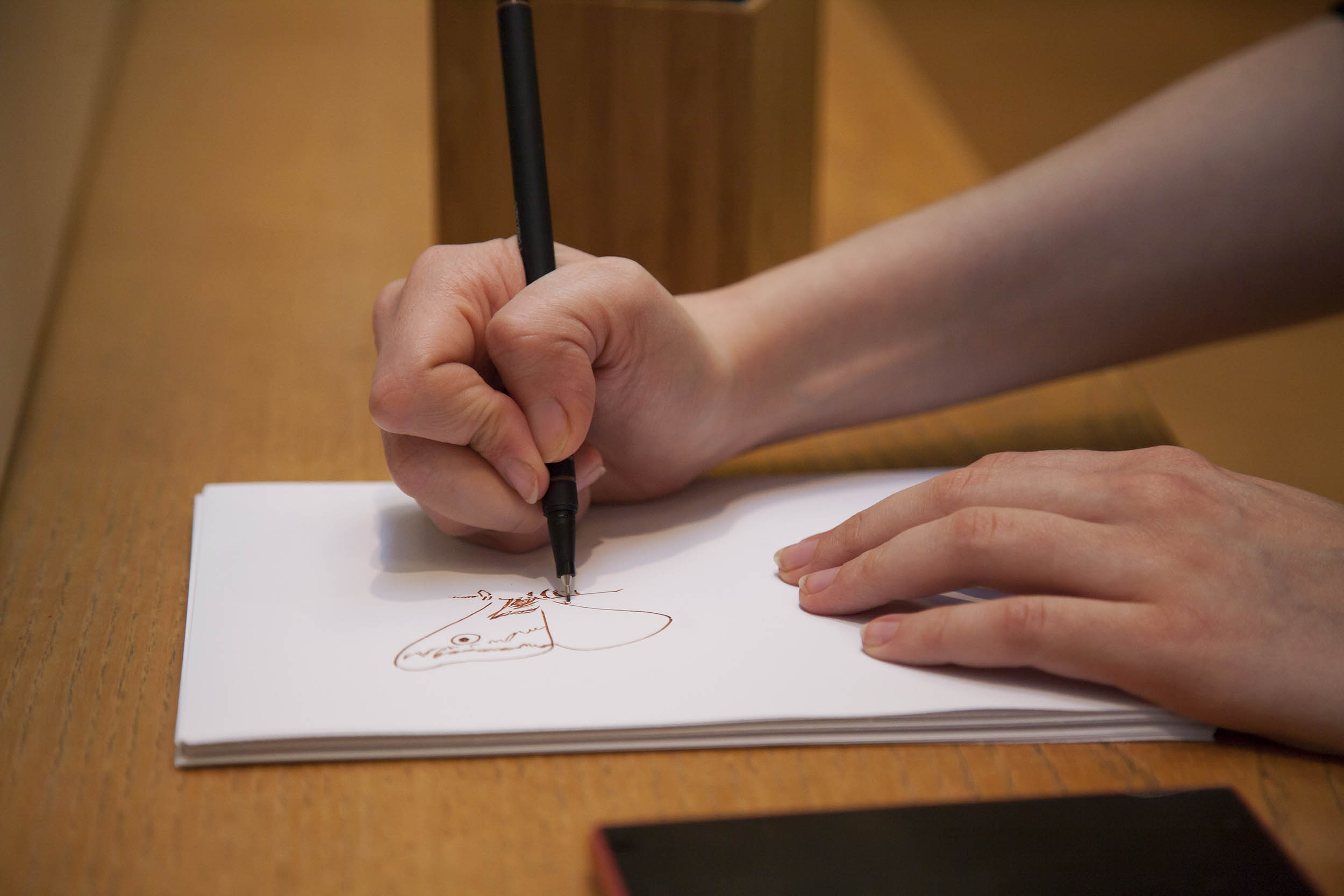
Night at the Museum
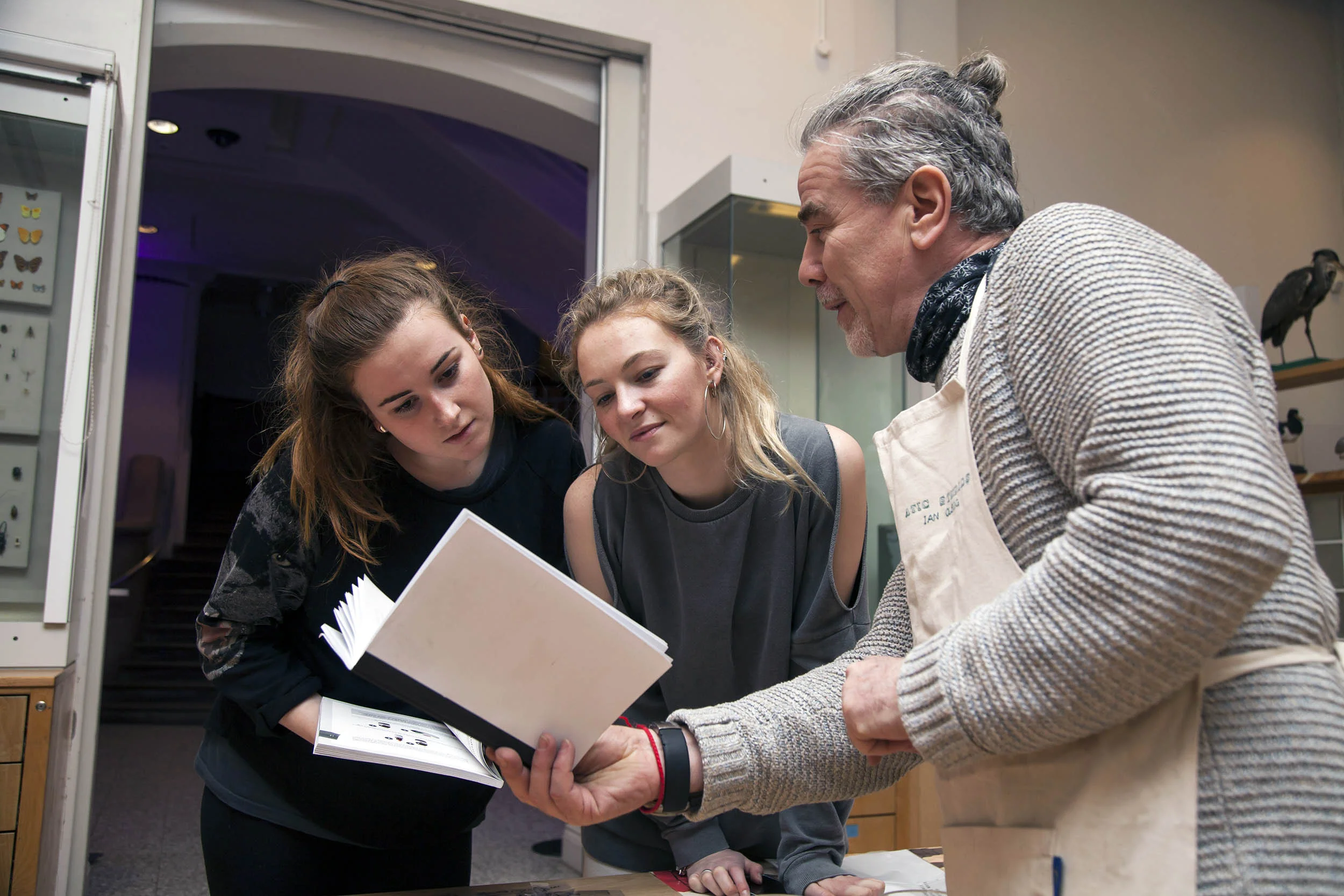
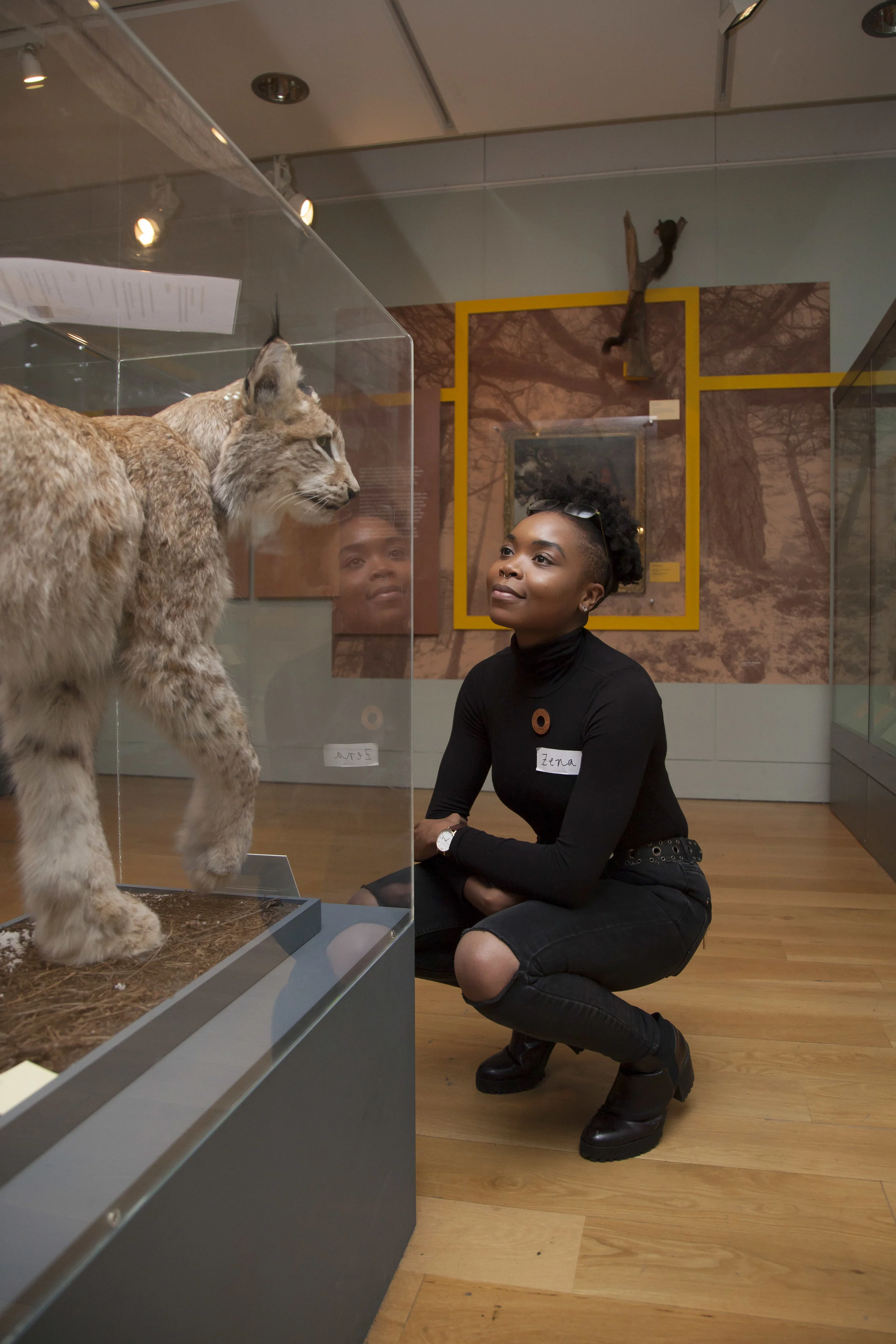
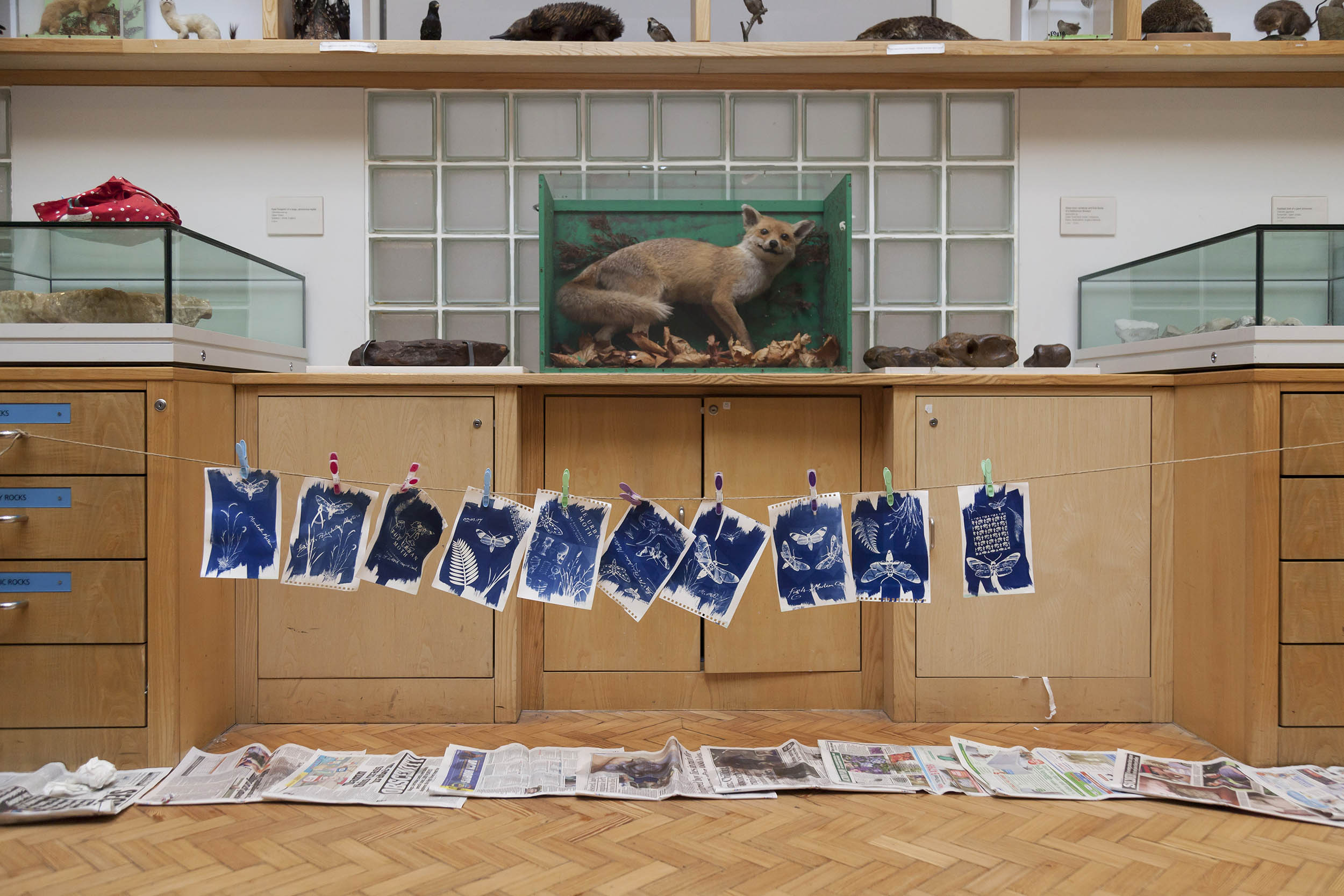
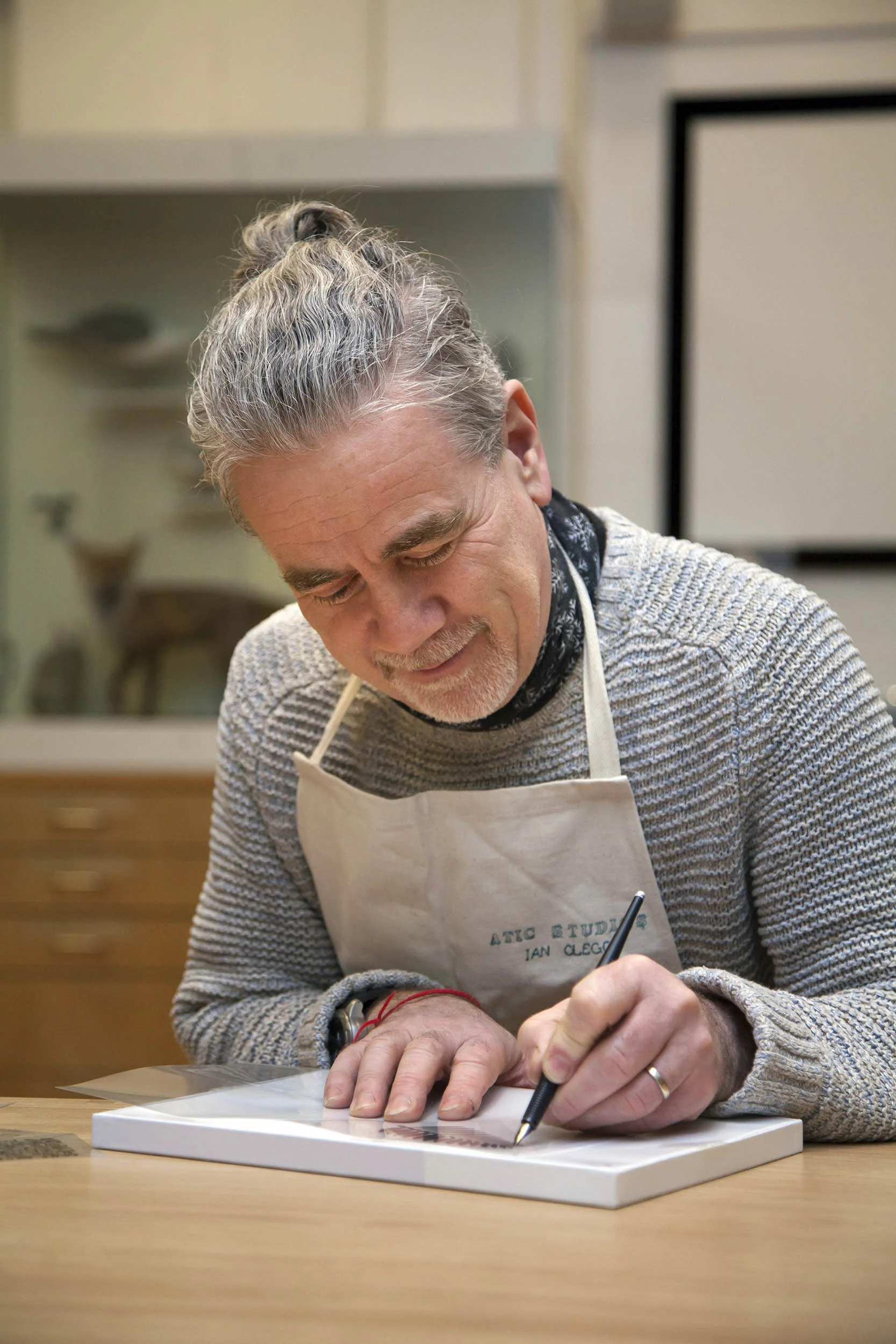
A commission from Manchester Museum to document a recent evening event as part of the Adult Programme. The highlight for me was a cyanotype workshop by Angela Tait and Ian Clegg of ATIC. These days the UV tubes they use to expose the images are considered a Health & Safety concern, yet it wasn't long ago they were used in sunbeds!
Event Photography: Manchester Museum Adult Programme | Museum Meets Evening Events
I was commissioned by Manchester Museum to document a recent evening event as part of their Adult Programme. The highlight of the evening was a cyanotype workshop led by Angela Tait and Ian Clegg of ATIC. Cyanotype is a historic photographic printing process, and while the UV tubes used in the workshop are now considered a Health & Safety concern, it’s fascinating to reflect that similar equipment was once widely used in sunbeds.

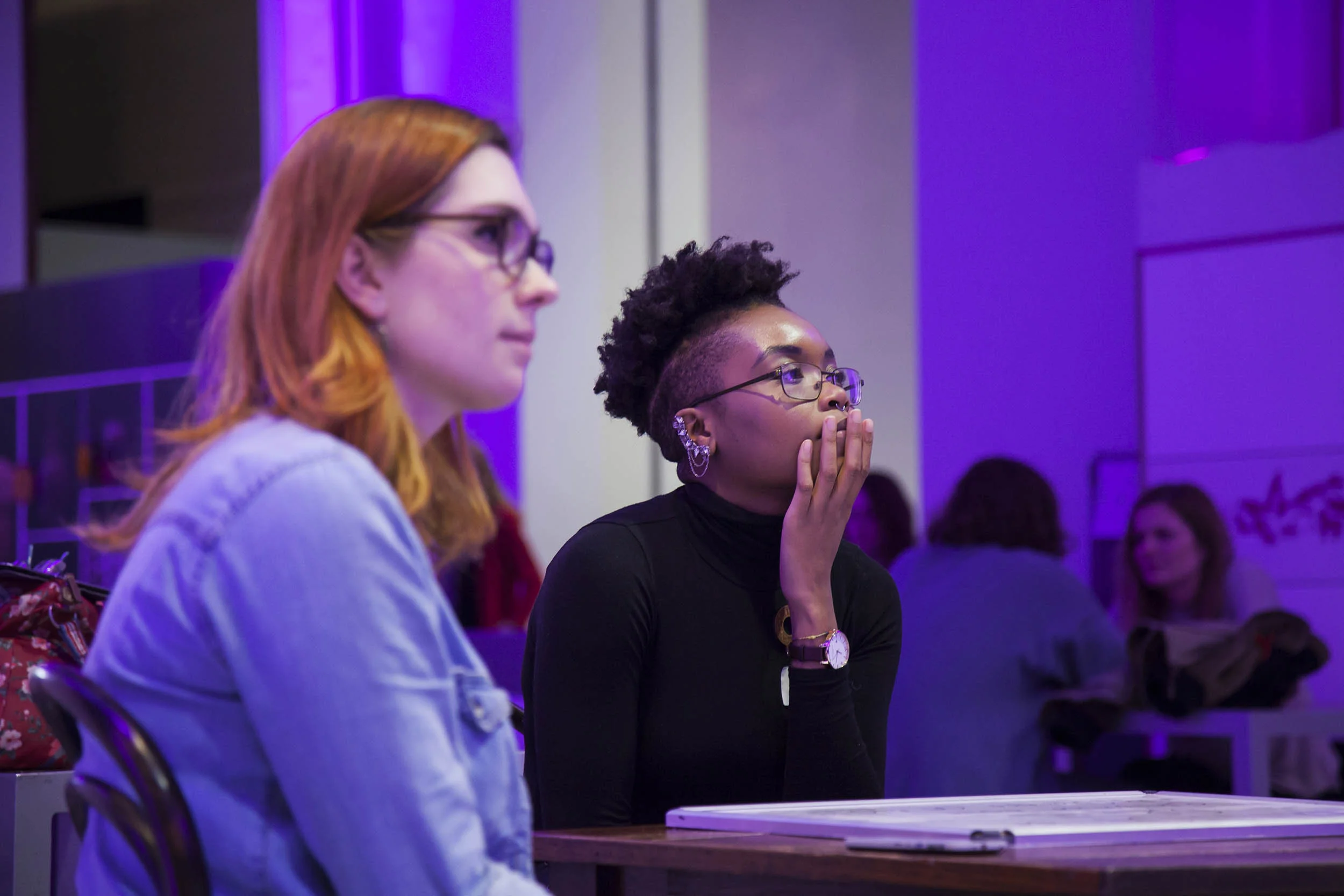
The Museum Meets programme offers a unique opportunity to experience the museum after hours, combining art, science, music, and performance. These evening events bring together artists, scientists, filmmakers, writers, and musicians to animate the museum collections in immersive one-off performances. My role was to capture the atmosphere of the event, participants engaging with the workshops, and the creative energy of the space.
Capturing Museum Events and Workshops
Event photography in a museum setting requires careful attention to lighting, composition, and storytelling. At the Adult Programme evening, I focused on photographing participants at the cyanotype workshop, interactions with facilitators, and the ambience of Manchester Museum’s galleries. Documentary images like these provide a visual record for the museum, helping to promote future events and showcase the diversity of the programme.
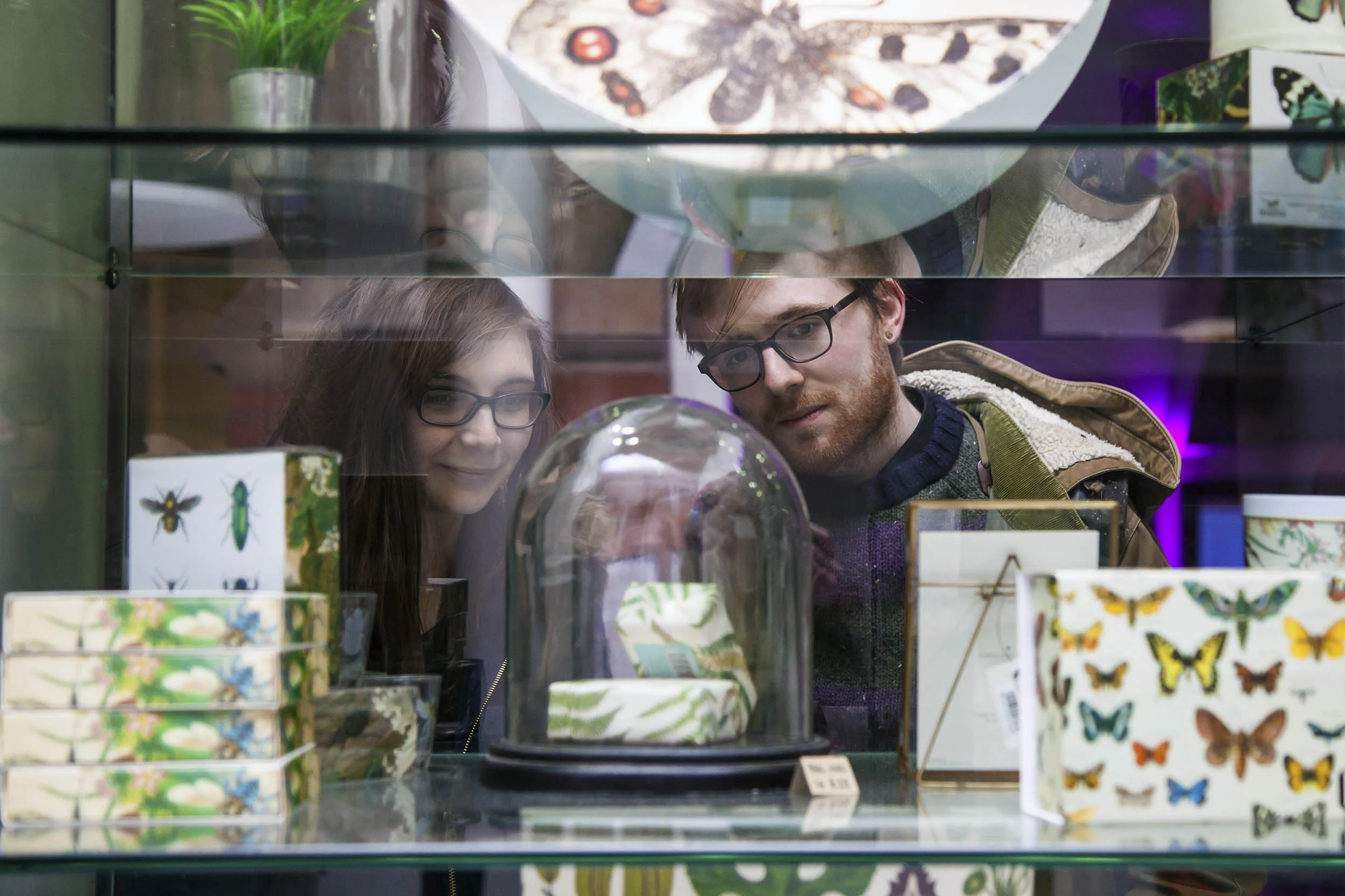
By capturing both candid moments and staged shots, the photography communicates the creativity, engagement, and collaborative spirit of the museum’s Adult Programme. These images support marketing materials, social media content, and editorial coverage, demonstrating how museums can connect audiences with collections through innovative programming.

Conclusion
Photographing Manchester Museum’s Adult Programme highlighted the unique opportunities provided by the Museum Meets evening events. From workshops like cyanotype printing to performances that animate the collections, professional event photography documents these experiences, creating a lasting visual record that promotes engagement and celebrates creativity.
Check out the Museum Meets programme for upcoming events that explore the intersection of art, science, and performance in inspiring ways.