Latest Editorial, Portrait & Commercial Photography Projects
A selection of my most recent commissions and ongoing projects.
The work shown here spans editorial assignments, portrait commissions, documentary projects and commercial photography for organisations and publishers. It reflects current areas of focus and the range of contexts in which I am working.
New projects are added regularly.

Commercial photography for Transport for the North
I recently completed a comprehensive series of images for long-standing client Transport for the North, documenting railway stations across the North of England. As a professional photographer, I am proud to contribute to their efforts to demonstrate to the government the region’s growing need for well-planned and efficient transport infrastructure. This project combines technical photography with human-focused storytelling, highlighting how people navigate the North’s key transport hubs.

I recently completed a comprehensive series of images for long-standing client Transport for the North, documenting railway stations across the North of England. As a professional photographer, I am proud to contribute to their efforts to demonstrate to the government the region’s growing need for well-planned and efficient transport infrastructure. This project combines technical photography with human-focused storytelling, highlighting how people navigate the North’s key transport hubs.
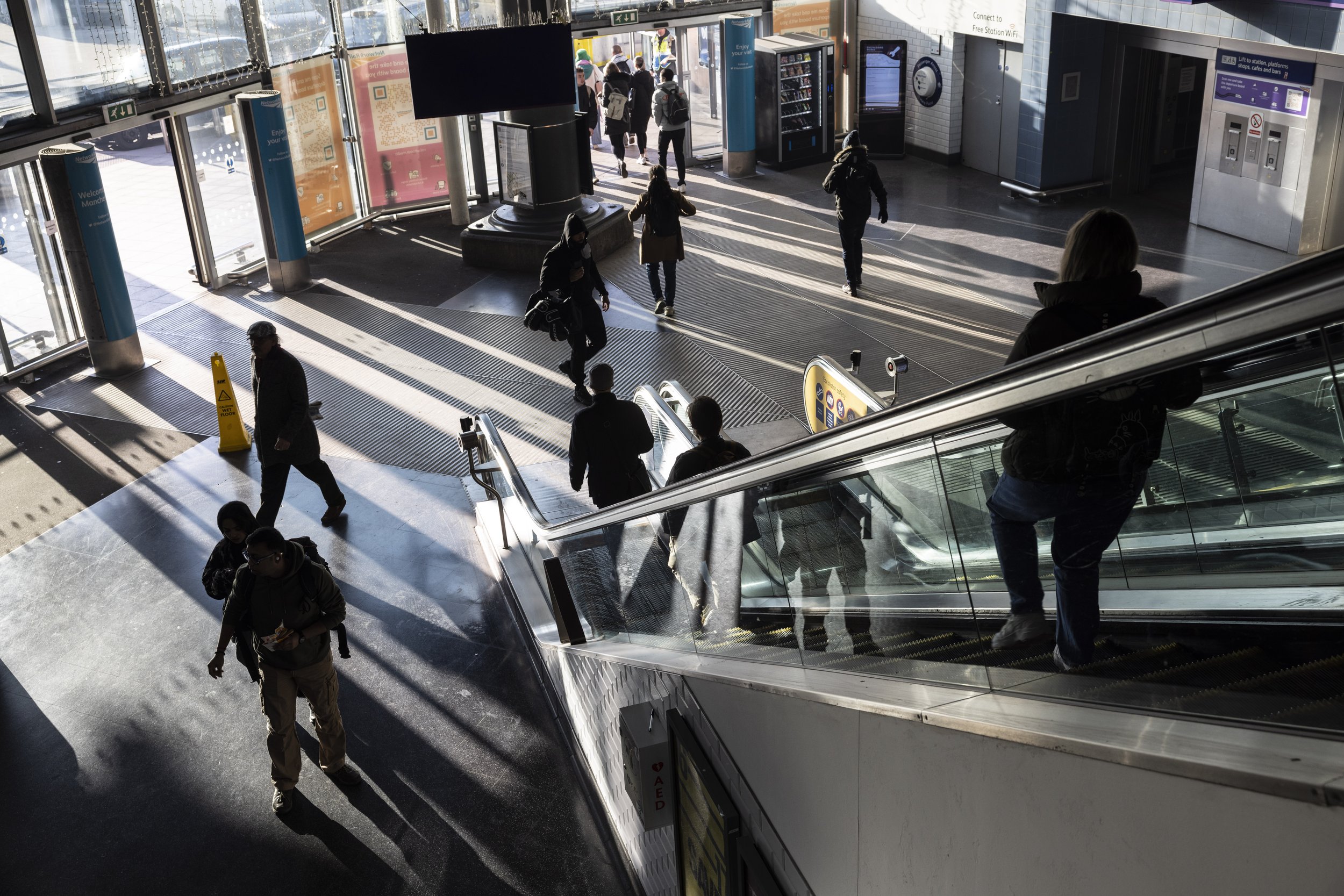
Photographing Major Railway Stations Across the North
This commission took me inside several of the North’s most important railway stations, including Manchester Piccadilly, York, Liverpool Lime Street, and Newcastle station. Manchester Piccadilly was a central focus, allowing me to capture the flow of commuters, the architecture of the station, and the dynamic interaction between people and the transport environment.

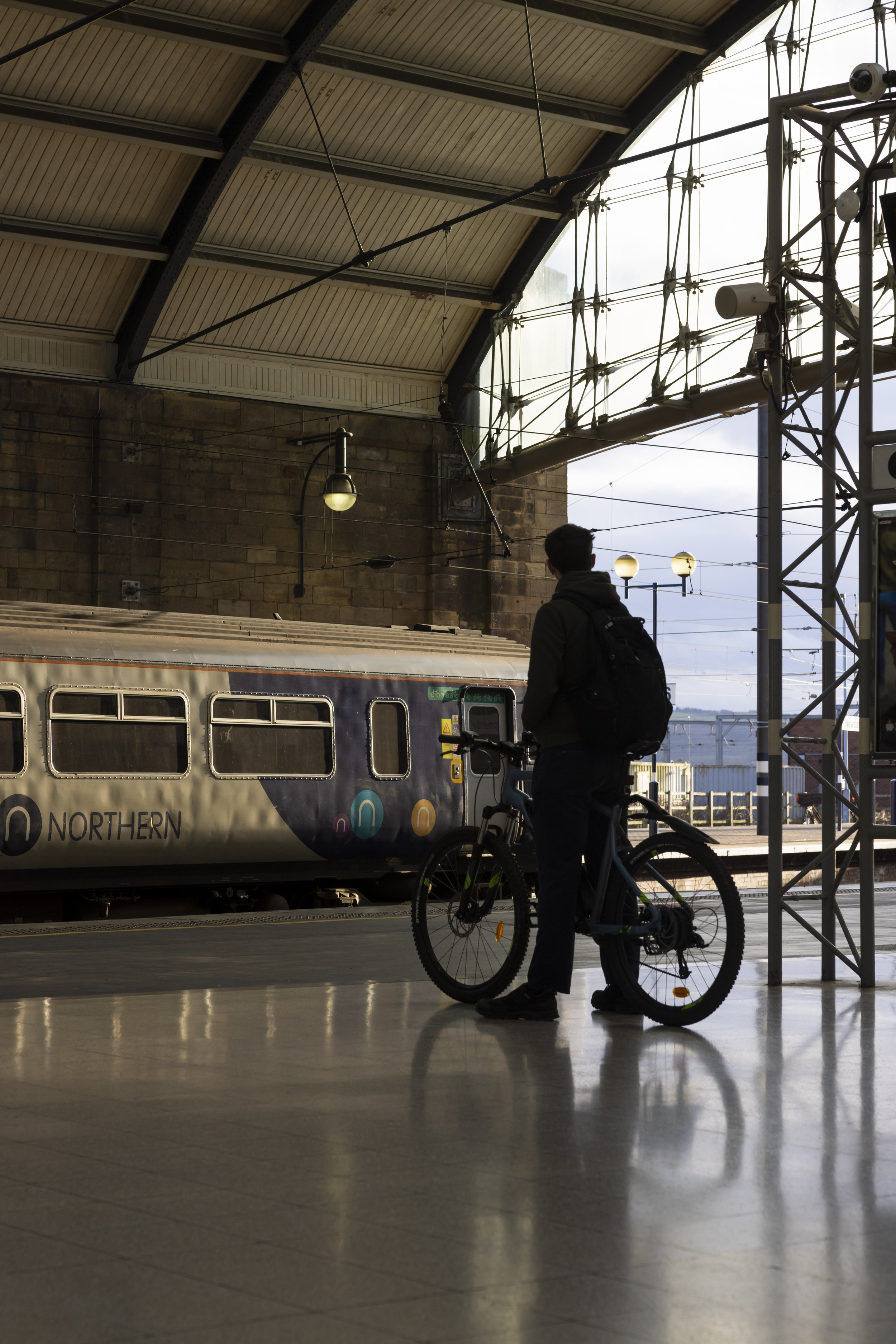
Newcastle station provided a similarly engaging setting, with opportunities to document both the movement of travelers and the details of railway infrastructure. York and Liverpool Lime Street added variety to the series, each station presenting unique architectural features, passenger dynamics, and lighting conditions that make railway photography particularly rewarding.
Capturing Multi-Modal Travel: People and Bicycles
A key element of this series was documenting people using bicycles inside the stations. Capturing sustainable and multi-modal transport is increasingly important in photography that highlights modern infrastructure. These images not only show the integration of cycling with rail travel but also reflect how people interact with station environments in their daily journeys. Photographing people in motion, whether walking, cycling, or navigating platforms, added context and life to the technical aspects of the stations.

Photography Approach and Techniques
Shooting inside busy railway stations requires a combination of careful planning and adaptability. I focused on using natural light wherever possible, capturing wide shots of station interiors alongside detailed close-ups of commuters, signage, and architectural features. Documenting both the human experience and the technical infrastructure allowed me to create a balanced series that is visually compelling while accurately reflecting the function and design of each station.

The challenge of busy environments, fast-moving people, and varying lighting conditions made this project particularly rewarding. By combining architectural photography with candid street-style portraits, the series demonstrates how professional photography can tell a story about transport systems, infrastructure, and human mobility.

Why This Project Matters for Transport and Photography
This commission for Transport for the North is part of a broader effort to communicate the urgency of transport investment in the North. My images serve as visual evidence of the challenges and opportunities facing the region, from crowded platforms to the integration of cycling and rail travel.
For photographers, projects like this are an excellent way to develop a diverse portfolio, combining urban photography, architectural documentation, and lifestyle imagery. The resulting images are relevant not only for editorial and commercial purposes but also for advocacy, policy, and storytelling around sustainable transport infrastructure.
Conclusion: A Visual Record of the North’s Transport Hubs
Documenting railway stations across the North of England allows both the public and policymakers to see how infrastructure supports daily life. This series highlights Manchester Piccadilly, Newcastle, York, and Liverpool Lime Street as vibrant hubs of movement, showing people, bicycles, and the architecture that supports regional travel. As a professional photographer, I am proud to contribute to projects that combine aesthetic storytelling with practical insight into the North’s transport systems.

Documentary Photography - BP's LiDAR buoy at Liverpool Docks
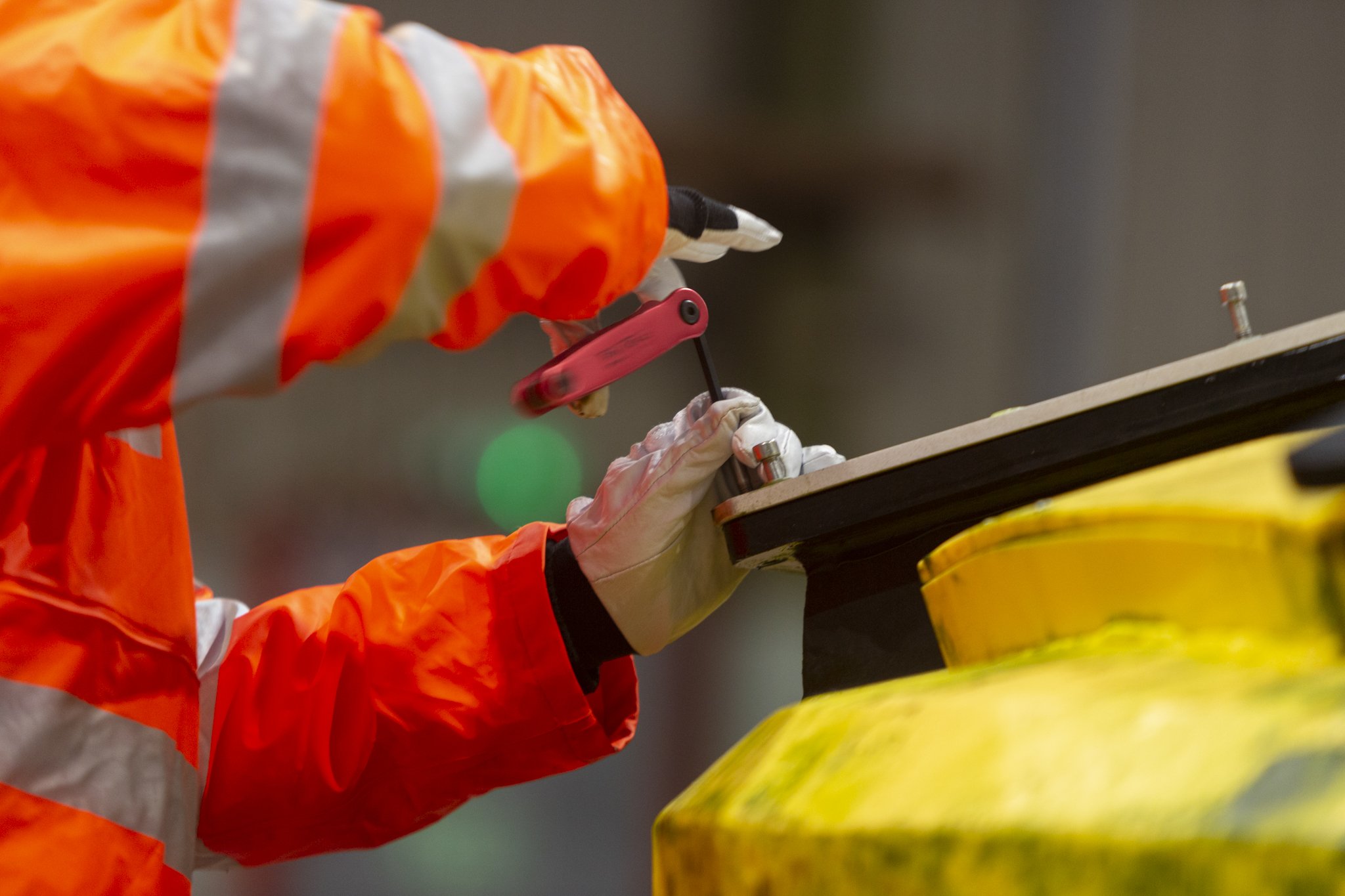
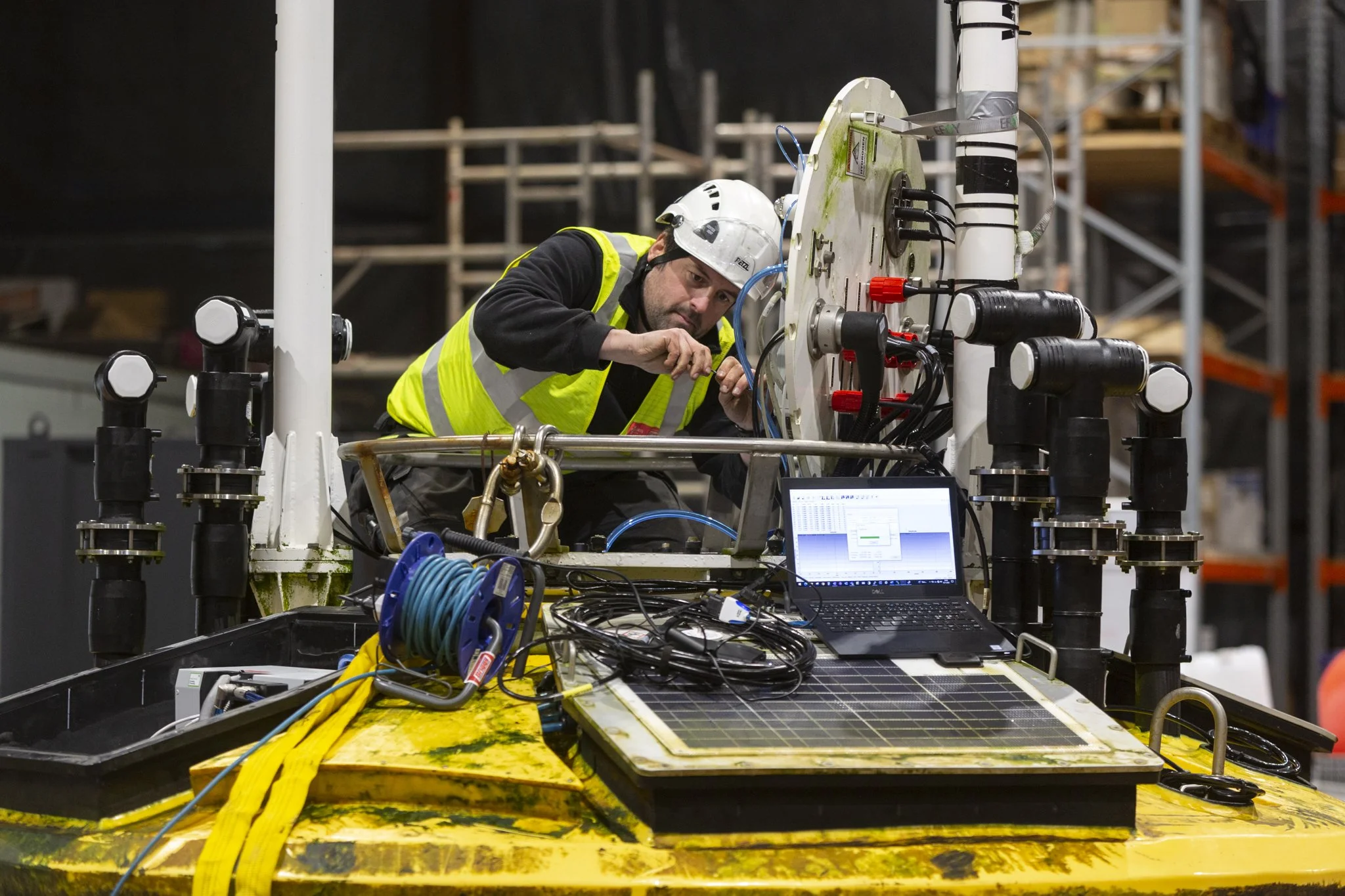
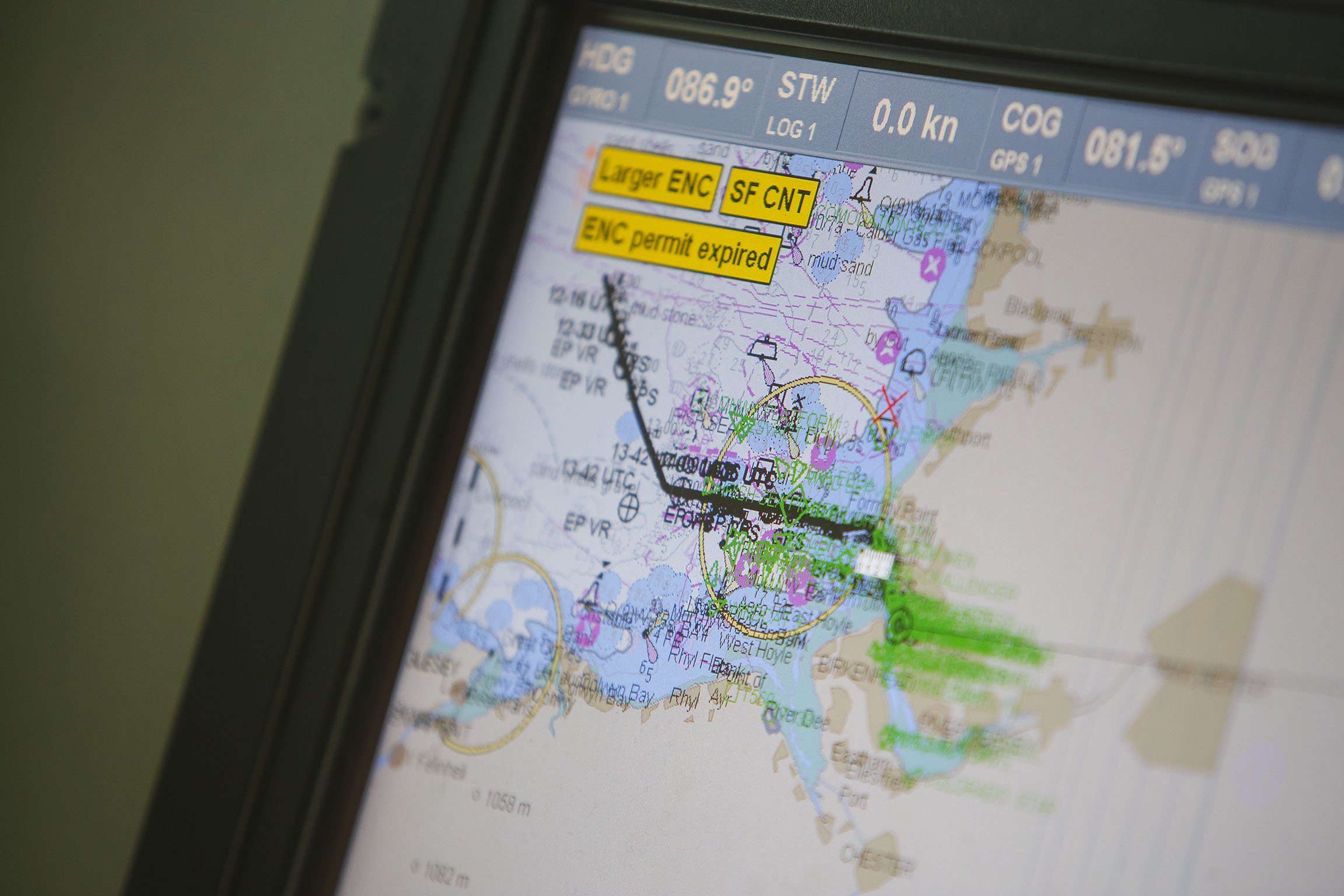
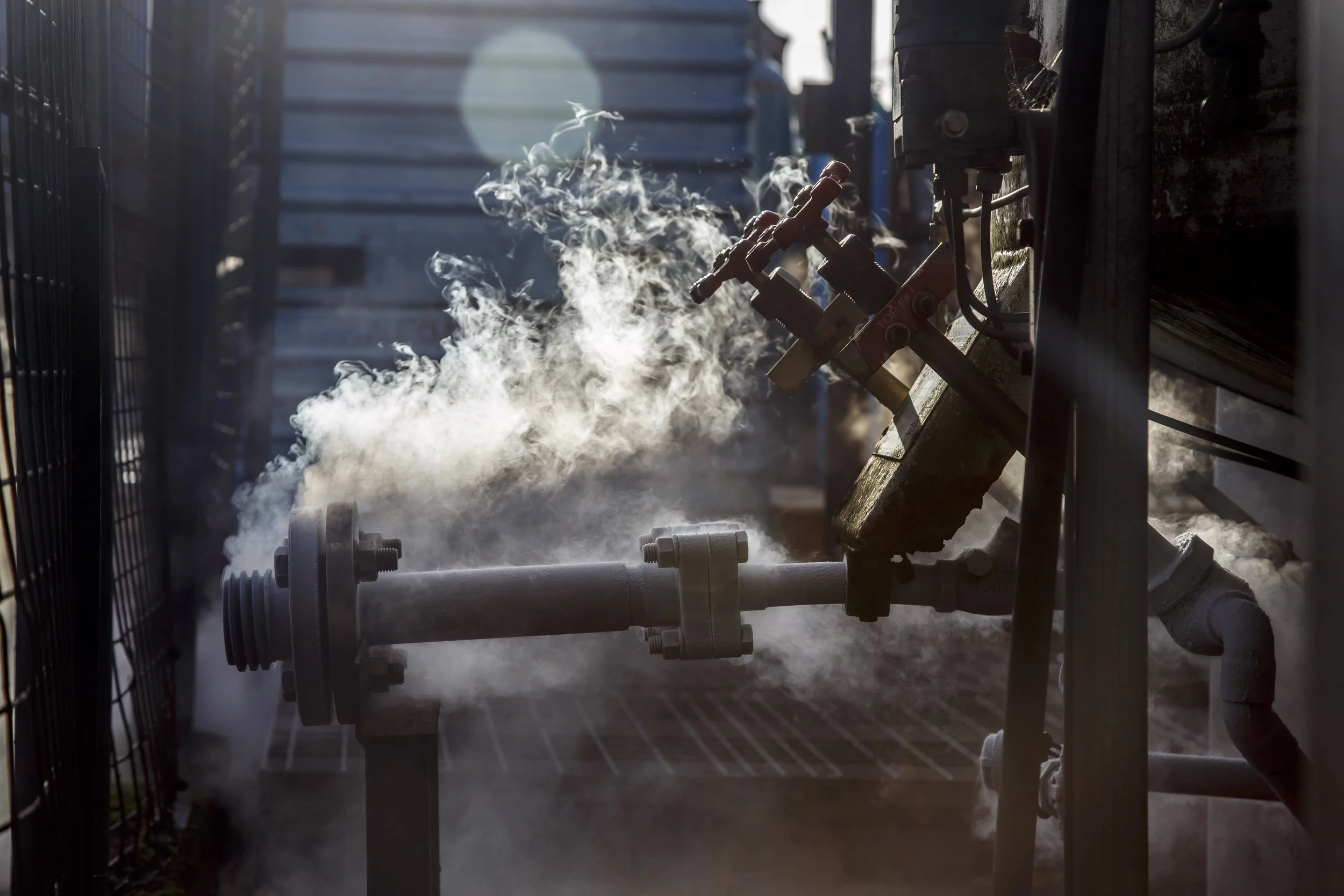
Another commission from BP as they work on the development of the Mona and Morgan Irish Sea wind farms. This time I was taking photographs to document the maintenance of one of their Fugro Seawatch LiDAR buoys which are surveying the field to find optimal wind turbine locations. The Seawatch buoys run on solar panels and fuel cells using methanol fuel. Although autonomous in the field the buoys need to be towed to shore for refueling and servicing.

Another commission from BP as they work on the development of the Mona and Morgan Irish Sea wind farms. This time I was taking photographs to document the maintenance of one of their Fugro Seawatch LiDAR buoys which are surveying the field to find optimal wind turbine locations. The Seawatch buoys run on solar panels and fuel cells using methanol fuel. Although autonomous in the field the buoys need to be towed to shore for refueling and servicing.
As an ex-engineer with a background in Physics, this was a really interesting - if freezing! - few days shooting in Liverpool.
LiDAR, or Light Detection and Ranging, can measure wind speed by using the Doppler effect. The Doppler effect is a phenomenon that occurs when the frequency of a wave changes as the source of the wave moves relative to the observer. This effect is commonly experienced in everyday life, for example, the change in pitch of a siren as an ambulance approaches and then passes by.
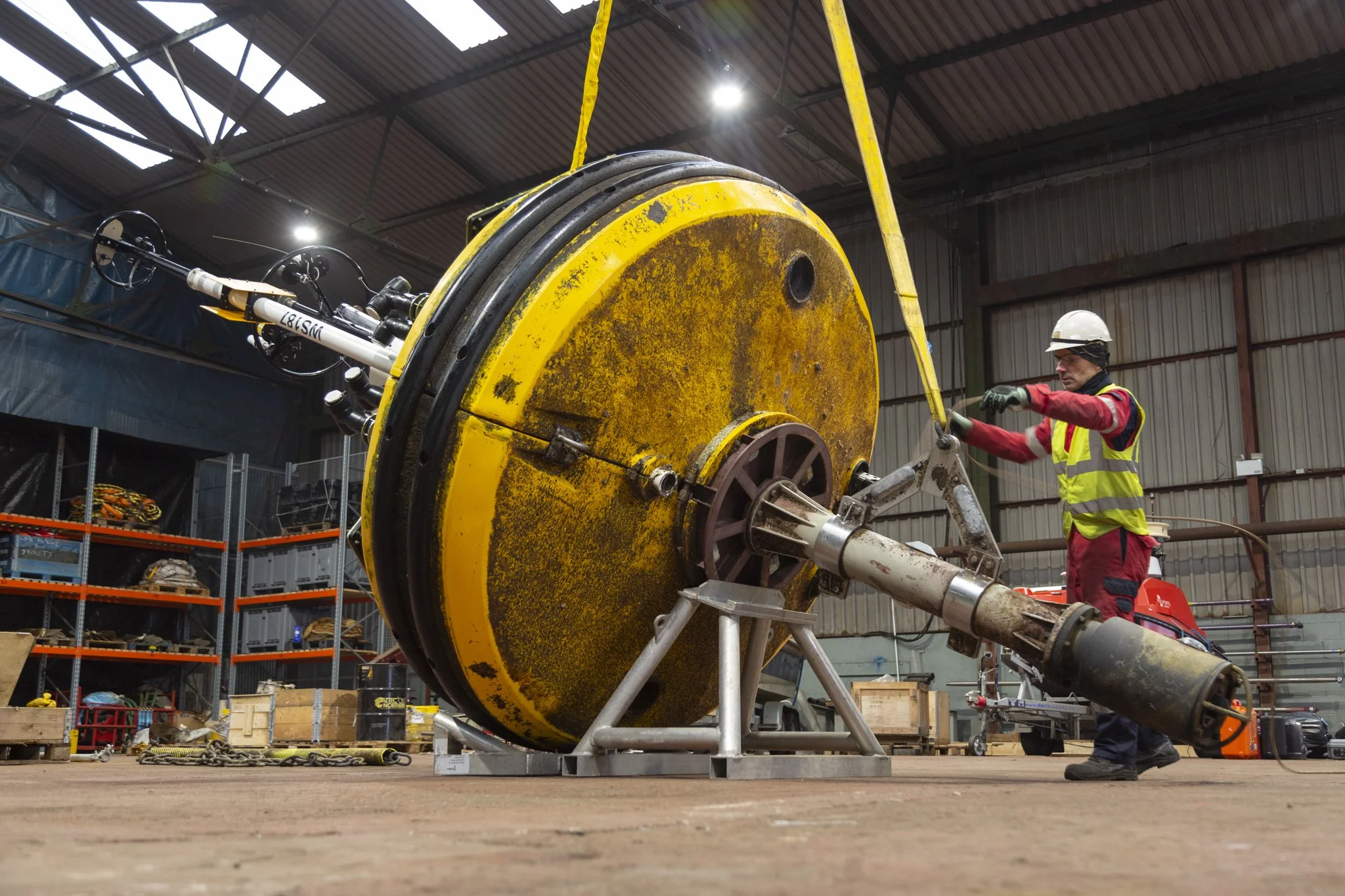
In the context of LiDAR, a laser beam is directed towards the atmosphere, and the reflected light is detected by a sensor. As the laser beam passes through the atmosphere, it interacts with particles in the air, such as dust or water droplets. These particles scatter the laser beam in different directions, and some of the scattered light returns to the sensor.

By analyzing the scattered light, LiDAR can detect the movement of air particles and calculate wind speed. The movement of the particles changes the frequency of the scattered light, and this change in frequency is detected by the sensor. The amount of frequency shift is proportional to the wind speed, allowing LiDAR to calculate the wind speed with high accuracy.

LiDAR can also provide information about the direction and turbulence of the wind, helping to identify potential challenges for wind turbine installations. This information is particularly useful in the development of wind farms, where accurate wind measurements are essential for identifying the most suitable locations for wind turbines.




Photography of BP's public consultation at Bodelwyddan
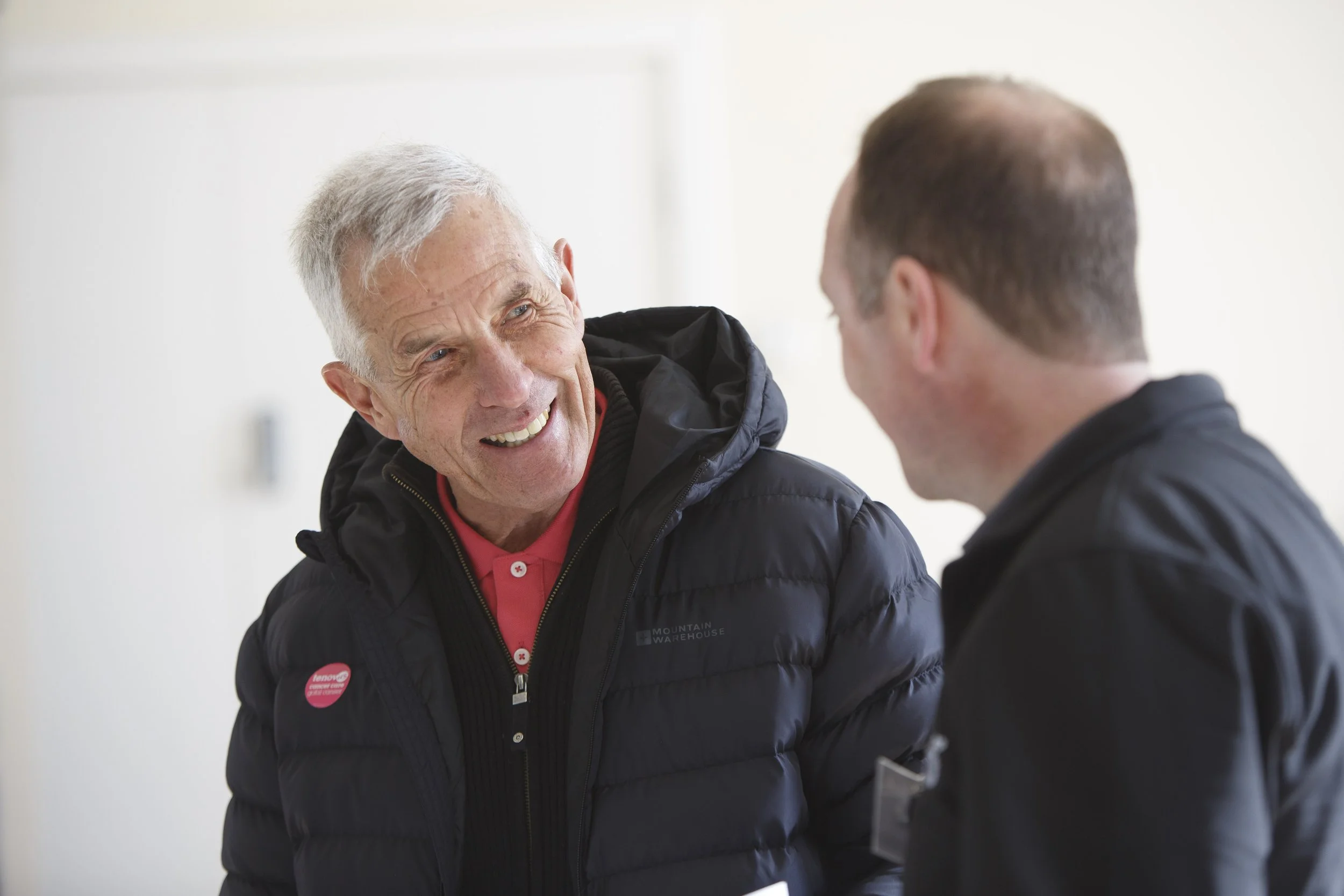
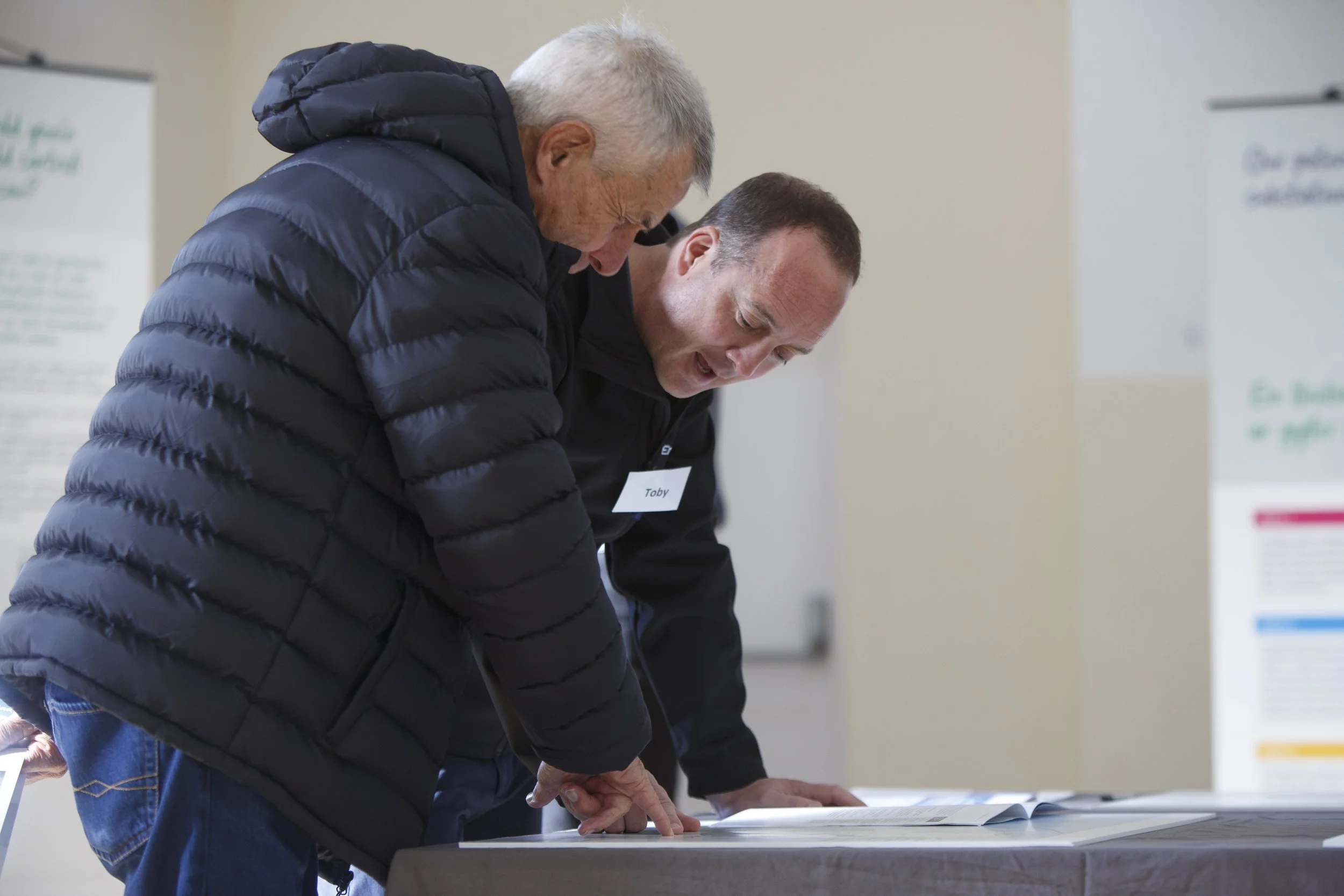
I worked with BP to photograph a consultation event at Bodelwyddan Village Hall that helped explain to residents of the area the changes that would be brought about by the development of two new wind farms off the North Wales coast. The Mona and Morgan windfarms will be two of the largest offshore windfarms in the Irish Sea.
I worked with BP to photograph a consultation event at Bodelwyddan Village Hall that helped explain to residents of the area the changes that would be brought about by the development of two new wind farms off the North Wales coast. The Mona and Morgan windfarms will be two of the largest offshore windfarms in the Irish Sea.

The wind farms will be located approximately 20km - 30km from the coast and be operational by 2029. Together, they will form one of the largest wind farms in the world, with a combined potential generating capacity of 3 gigawatts (GW). This is enough to power the equivalent of approximately 3.4 million UK households with clean electricity.

The development of the Mona and Morgan windfarms represents a significant achievement in the UK's transition towards renewable energy, and highlights the potential of offshore wind to play a key role in meeting the country's energy needs in a sustainable way.


On board the Fugro Synergy for BP
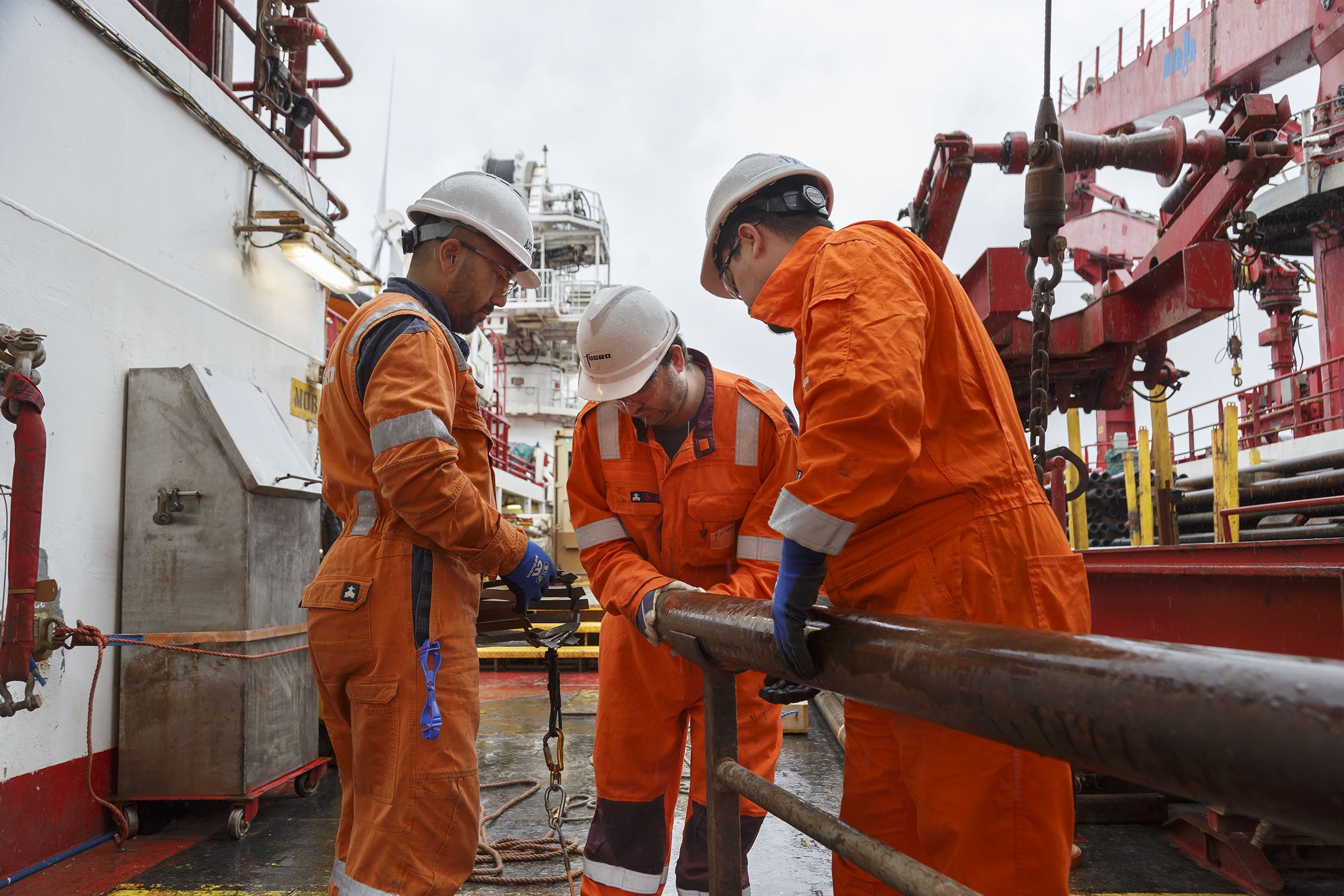
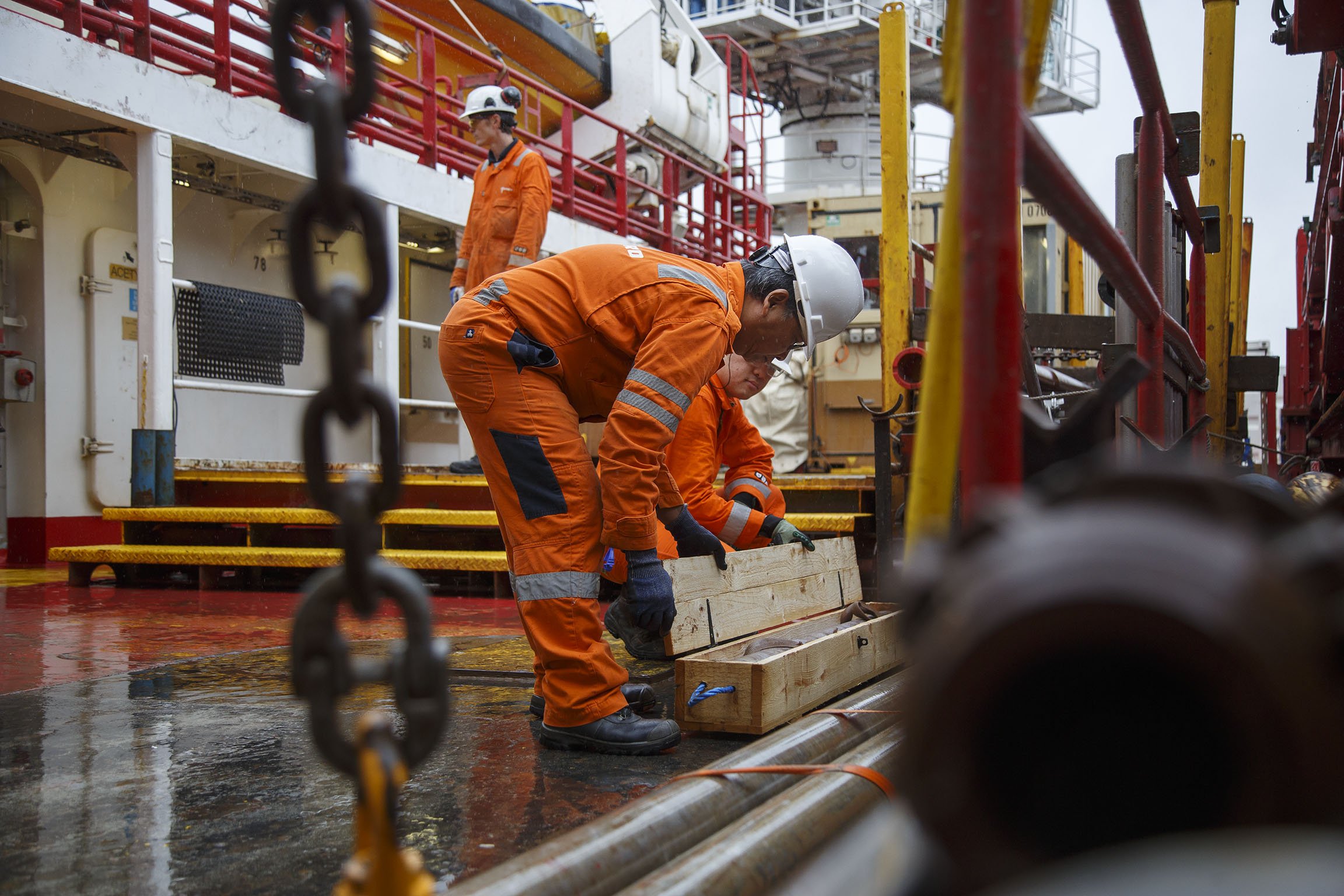
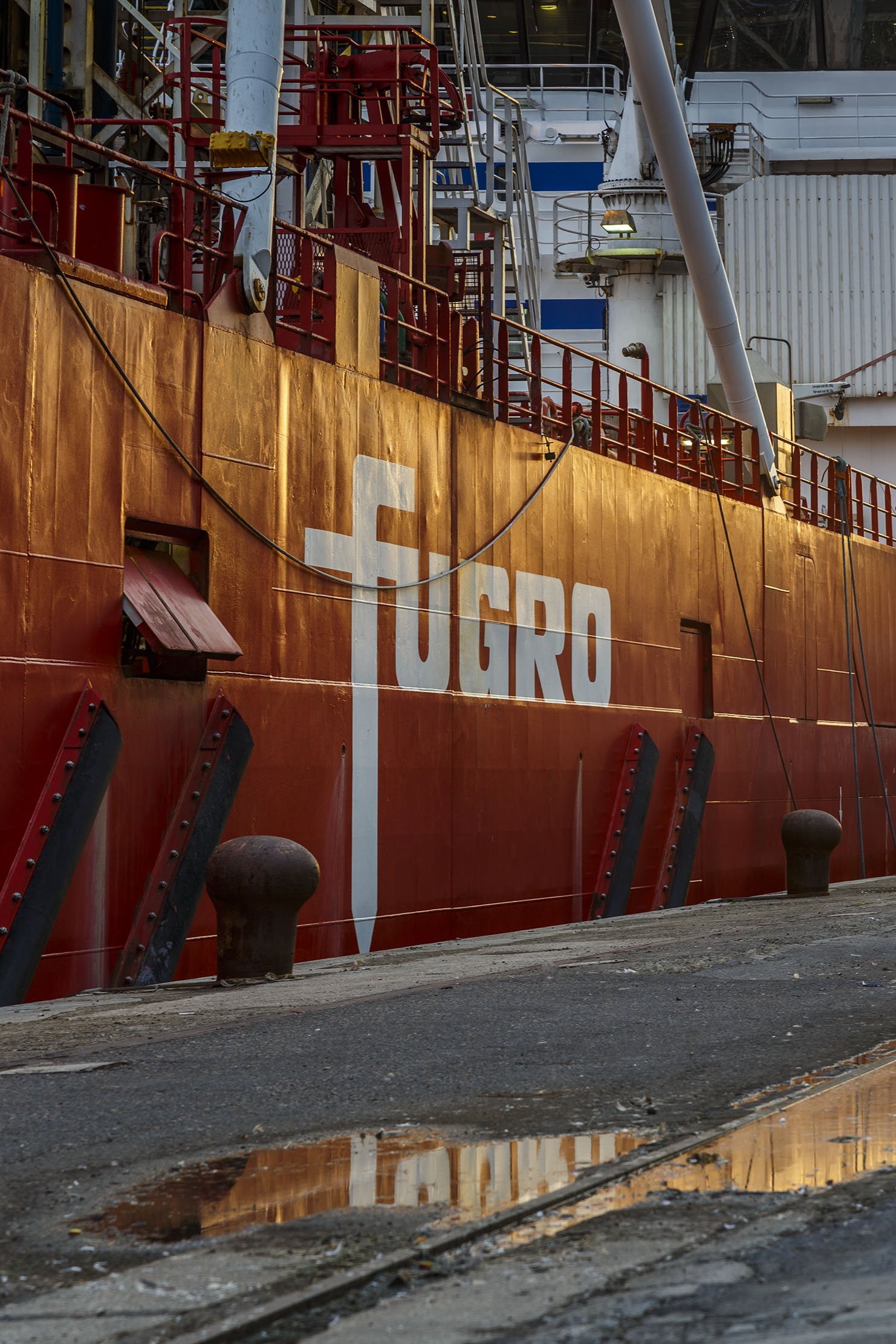
By far the best thing about working as a professional photographer is the variety of the work. The camera can gain you access to environments that are wildly different each shoot day and if you’re lucky, can sometimes take you to some incredible and unexpected places. One of the most interesting of my shoots in 2022 was an assignment from bp to photograph the crew and workings of the Fugro Synergy while on a recent stop at Liverpool docks.

By far the best thing about working as a professional photographer is the variety of the work. The camera can gain you access to environments that are wildly different each shoot day and if you’re lucky, can sometimes take you to some incredible and unexpected places. One of the most interesting of my shoots in 2022 was an assignment from bp to photograph the crew and workings of the Fugro Synergy while on a recent stop at Liverpool docks.

The Synergy Modular Drilling Unit is a unique geotechnical vessel capable of delivering
high quality geotechnical data. Its design, standards and capacity make it an efficient
platform for geotechnical investigations and scientific drilling in challenging and remote offshore marine environments.
The shoot focussed on the Synergy’s role in sea bed core sampling, determining the sea bed composition to ensure that the sea bed substrate was capable of providing solid foundations for the siting of an array of wind turbines. Sea bed composition is critical, mud, sand or silt that is too soft and uncompacted will not provide a firm enough foundation, while solid rock is impossible to drill to the depths required for the footings.

EnBW with EnBW and bp are leading the development of the Morgan and Mona – two offshore wind farms in the Irish Sea. Roughly located 30km from shore between the north coast of Wales and the Isle of Man the total area of the two farms will be 800 square kilometres – about half the size of Greater London and when complete the farm will generate 3GW of energy – enough to power an astonishing 3.4 million UK homes.

These projects are helping to achieve the UK's ambition of generating 50GW of power from offshore wind by 2030.


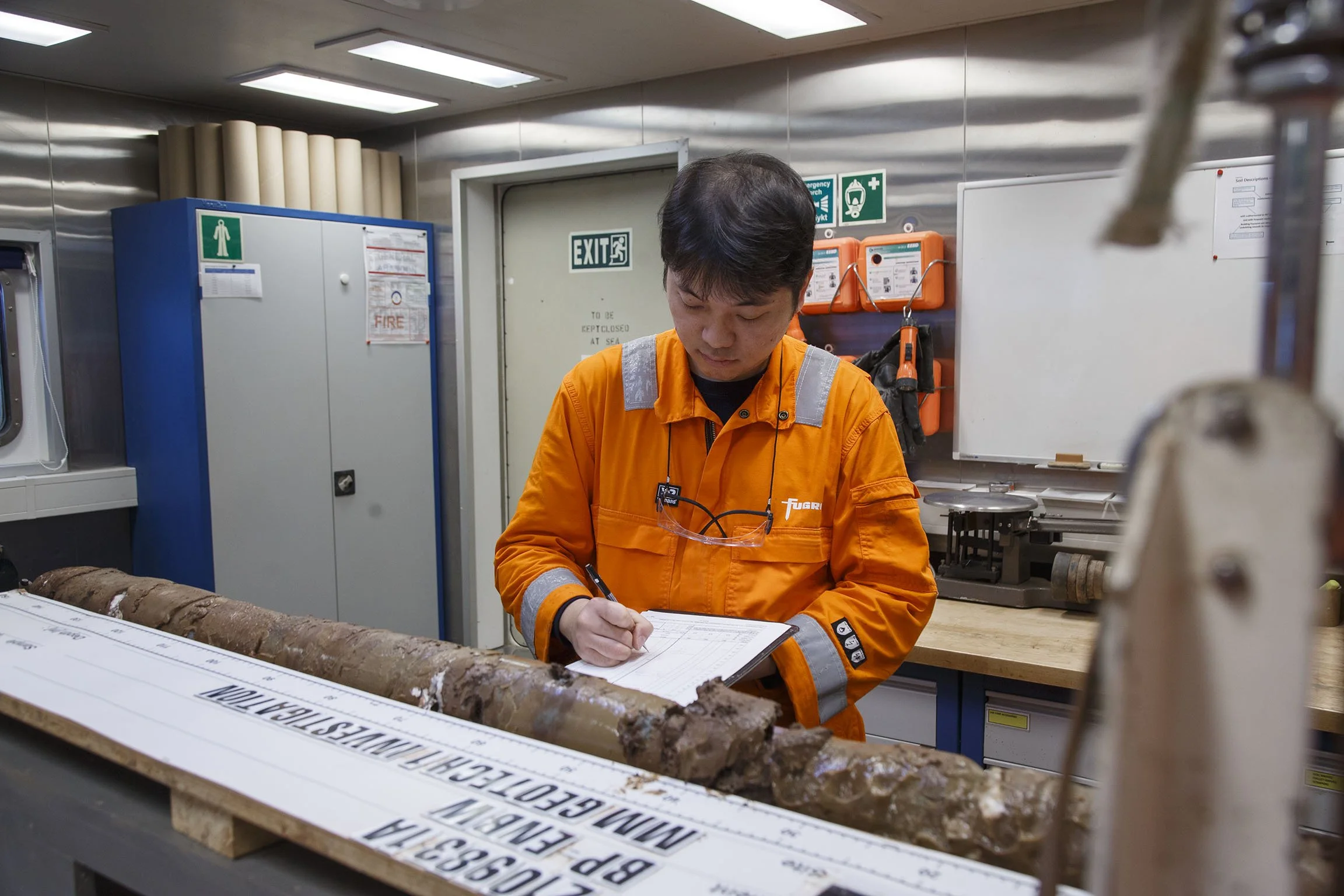


Fugro Synergy’s Party Chief, Jim Bridge
Langfields
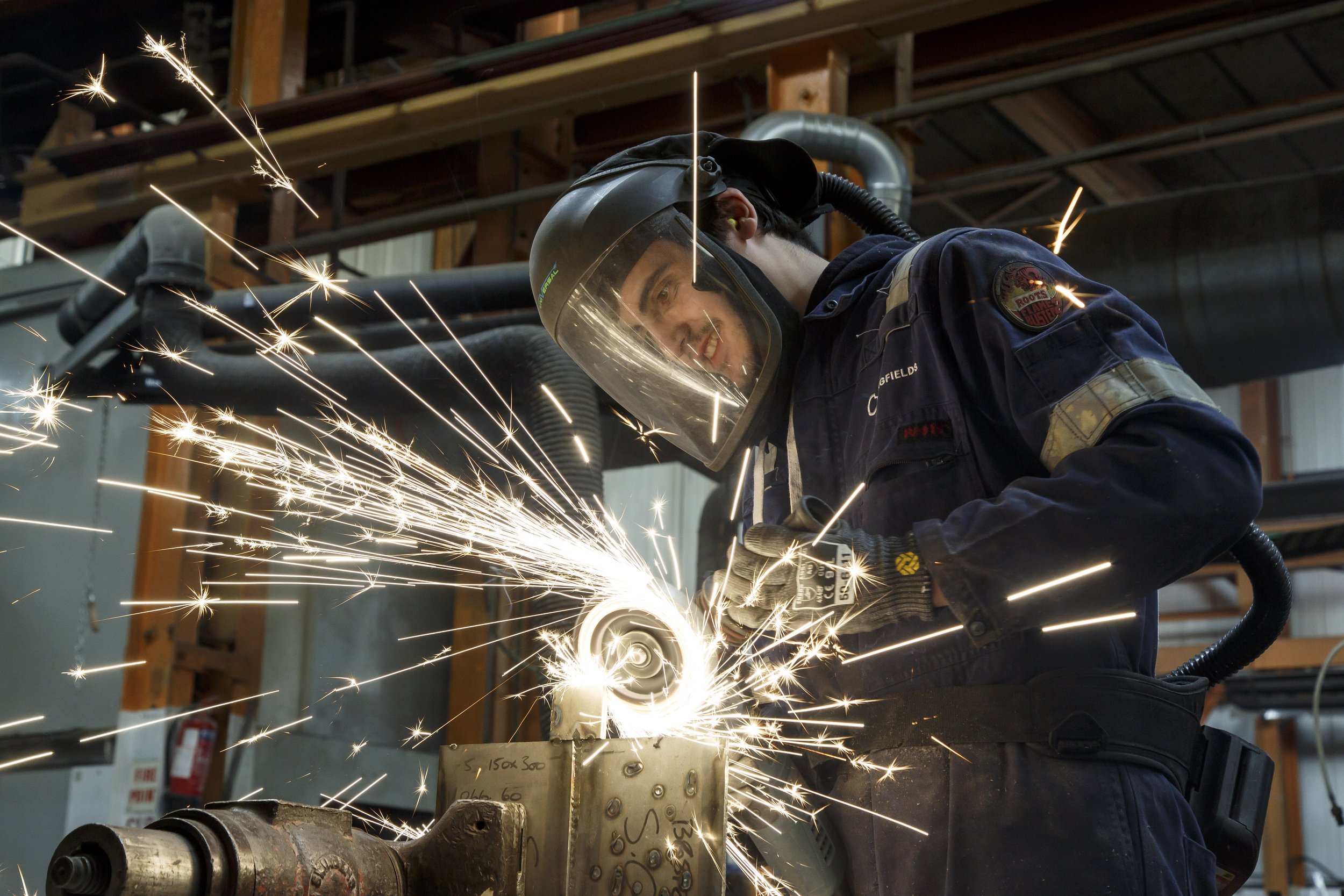
Langfields are specialist fabricators of process plant for the Pharmaceutical, Chemical, Offshore, Oil & Gas, Marine, Defence, Nuclear and other process industries. Based only one mile from Deansgate they demonstrate that there is still some manufacturing industry in the post-industrial city.
As a former engineer, I love visiting these places and finding out what’s being made and the techniques used.
The fabricators at Langfields receive giant 18mm Aluminium plates and within the space of only 20 metres, cut, bend and weld it into complex, water-jacketed vessels according to the exacting specifications of high tech industries.
Langfields Process Plant Fabrication Photography | Manchester Industrial Photography
I recently visited Langfields, specialist fabricators of process plant equipment for the pharmaceutical, chemical, offshore, oil and gas, marine, defence, and nuclear industries. Based just one mile from Deansgate in Manchester, Langfields demonstrates that advanced manufacturing continues to play an important role in the city’s economy and industrial heritage.

As a former engineer, visiting facilities like Langfields is particularly rewarding. Photographing industrial operations captures both the technical processes and the human skill involved in producing high-specification equipment.
Advanced Industrial Fabrication at Langfields
Langfields transforms large 18mm aluminium plates into complex, water-jacketed vessels, following precise specifications required by some of the most demanding industries in the world. Within a compact production space, the plates are cut, bent, and welded with exceptional precision, showing the combination of craftsmanship and engineering expertise required for modern process plant fabrication.

The process highlights both the machinery and the skilled fabricators who operate it, demonstrating the scale, precision, and professionalism of high-tech industrial fabrication.

Precision Engineering for Pharmaceutical and Chemical Industries
The vessels and plant components produced at Langfields are used in critical applications across pharmaceutical production, chemical processing, offshore energy, nuclear technology, and other high-spec industries. Photography captures the company’s technical capabilities, quality standards, and expertise.
Every stage of fabrication, from cutting and bending to welding and finishing, reflects the attention to detail and precision engineering that underpin Langfields’ operations. These processes illustrate the combination of modern technology and human skill required to meet exacting industry standards.

Manchester’s Post-Industrial Manufacturing Scene
Langfields’ location near the centre of Manchester highlights the ongoing relevance of manufacturing in a post-industrial city. Facilities like this provide skilled technical employment while maintaining advanced production capabilities that support a wide range of industries. Capturing these processes visually helps tell the story of a city that continues to innovate and manufacture complex equipment.

Documenting Industrial Expertise and Human Skill
Visiting Langfields provides an opportunity to record the intersection of engineering excellence, technical innovation, and human skill. From raw aluminium plates to fully fabricated vessels, the facility offers a rich visual narrative of high-tech industrial processes. The images reflect both the technical and human dimensions of manufacturing, illustrating the expertise and care involved in producing equipment for demanding industries.

European Geophysical Services
Photographs for the new website of European Geophysical Services photographed by Manchester photographer David Oates.
European Geophysical Services established in 1994, are a leading borehole geophysical logging and video surveying company providing a large range of measurements and services to the water, environmental, mining and geotechnical industries.

Commissions for HTP Digital always take me to interesting locations, none more so than this recent shoot to capture images for the new website of European Geophysical Services.
Established in 1994, EGS are a leading borehole geophysical logging and video surveying company providing a large range of measurements and services to the water, environmental, mining and geotechnical industries.
I visited on a calibration day, a rare event when all of the vehicles and equipment return to their home base in Shropshire for testing, inspection, recalibration, cleaning and repair. A few weeks later I joined a the engineers on a site visit, inspecting underground aqueducts for blockages, contamination and physical condition. As a former Physicist and Measurement Engineer, it was fascinating to learn about the techniques and methods by which these investigations are carried out, despite the first two hours being photographed in a torrential downpour!
Travelling the country to often remote, inhospitable climes, off roading in modified Land Rovers to get there and doing science in the great outdoors. There are worse ways to make a living.



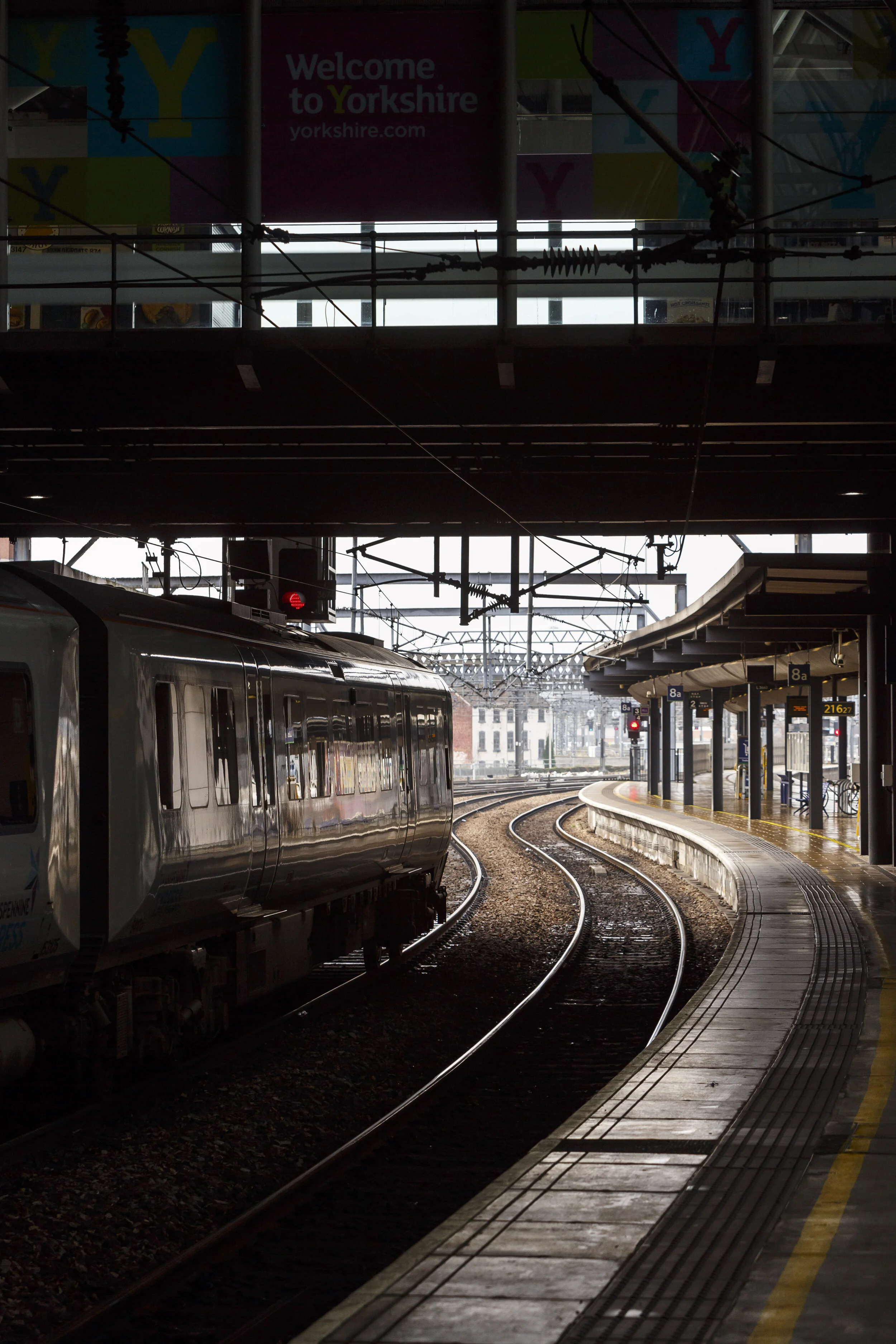
Leeds City Station for Transport for the North
Another great assignment for Transport for the North this time at Leeds railway station.
Transport for the North exists to make the case to central government for increased transport spending in the North of the country and I’m proud to be able to contribute in some way to that necessary and long overdue aim. To use the existing infrastructure is to see it’s limitations, the age of the rolling stock, the lack of capacity a general sense of a system neglected and lacking the requisite investment over many years.

Another great assignment for Transport for the North this time at Leeds railway station.
Transport for the North exists to make the case to central government for increased transport spending in the North of the country and I’m proud to be able to contribute in some way to that necessary and long overdue aim. To use the existing infrastructure is to see it’s limitations, the age of the rolling stock, the lack of capacity a general sense of a system neglected and lacking the requisite investment over many years.
To photograph these environments deserted or very sparsely populated as they currently are is an eerie experience as we’re usually fighting through a sea of people to reach our locations and seeing the networks struggling with the shear volume of commuters. Perhaps seeing the network in this disrupted state gives us a glimpse of what a properly invested in network would look like, reliable, punctual, spacious. We certainly have the people - if not the finance or political will - to make it happen.
All power to Transport for the North and the staff that keep us moving.





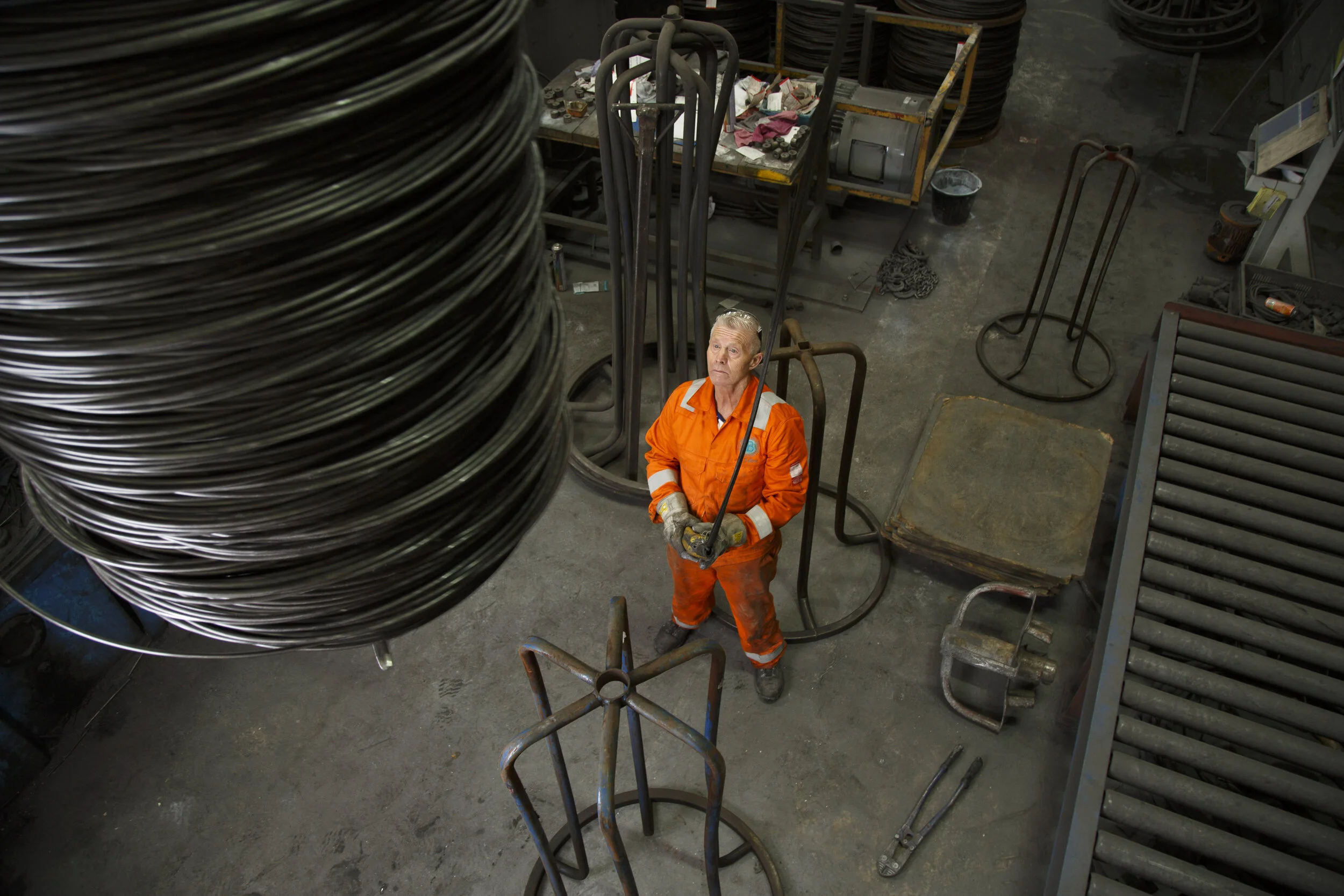
Barnfather Wire for HTP Digital
Barnfather Wire is the UK’s largest independent wire production company. I was commissioned by long-time collaborators HTP Digital to visit the factory in Wednesbury to produce images for the company’s new website.

Barnfather Wire Factory Photography | Industrial Wire Manufacturing in Wednesbury
I was commissioned by long‑time collaborators HTP Digital to photograph Barnfather Wire, the UK’s largest independent wire production company, for imagery to support the company’s new website. The assignment took place at Barnfather’s factory in Wednesbury, West Midlands, capturing the facility, production operations, and skilled workforce that make Barnfather a leader in the wire manufacturing industry.

About Barnfather Wire and Its Manufacturing Expertise
Barnfather Wire specialises in the production of high‑quality drawn wire products, serving a diverse customer base that includes blue‑chip companies supplying major global brands as well as small and medium British manufacturers. The company manufactures a wide range of wire types, including baling wire, bright mild steel, cut lengths, cold heading quality wire, galvanised wire, and bespoke wire solutions tailored to specific industrial needs.

The company’s state‑of‑the‑art facility and experienced team enable it to deliver reliable products that meet and often exceed industry standards. One notable achievement was supplying the wire used to create the stems for the ‘Blood Swept Lands and Seas of Red’ Tower of London poppy installation, demonstrating both production capacity and technical quality.

In recent years Barnfather Wire has invested in advanced machinery, including high‑speed precision drawing equipment, expanding production capacity and reinforcing its position as a leading wire producer in the UK and Europe.

Industrial Photography at Barnfather Wire
Photographing industrial environments like the Barnfather Wire factory involves more than simply documenting machines. The images capture the scale of operations, the precision of manufacturing processes, and the human skill that drives production. By including shots of raw materials, machinery, production lines, and operators at work, the photography provides a visual narrative of what makes the company’s output reliable and high quality.

These photographs can be used across Barnfather Wire’s new corporate website, in marketing materials, sales brochures, technical documentation, industry catalogues, and investor communications, helping customers and partners understand the company’s capabilities at a glance.

The Importance of Industrial Photography for Manufacturers
Industrial photography plays a critical role in how modern manufacturers present themselves online and in print. Quality images allow companies to visually communicate professionalism, facility standards, production processes, and workforce expertise. Showing the operations behind the products helps build trust with potential customers who need assurance about quality and capability before entering into commercial relationships.

Well‑executed industrial imagery also strengthens brand identity by humanising the business, showing the people behind the products and the environments where engineering and manufacturing happen. When customers see detailed and authentic visuals of a factory floor or production line, it can reinforce the perception of quality and transparency, helping differentiate a manufacturer in a competitive market.

Beyond websites, these photographs can be leveraged across marketing channels including social media, trade show displays, printed catalogues, press releases, and corporate reports. Consistent, high‑quality visuals increase engagement and support brand recognition across digital and offline platforms.

Creating a Visual Narrative for Customers and Partners
For businesses like Barnfather Wire, industrial photography provides visual proof of technical expertise, production capability, and operational scale. Detailed images of machines in action, technicians at work, and finished products help prospective clients quickly assess whether the company meets their requirements. High‑quality photography is a tool that supports sales, improves engagement, and reinforces credibility with customers, suppliers, and partners alike.