Latest Editorial, Portrait & Commercial Photography Projects
A selection of my most recent commissions and ongoing projects.
The work shown here spans editorial assignments, portrait commissions, documentary projects and commercial photography for organisations and publishers. It reflects current areas of focus and the range of contexts in which I am working.
New projects are added regularly.
Michaela Yearwood-Dan at the Whitworth, Exhibition Opening
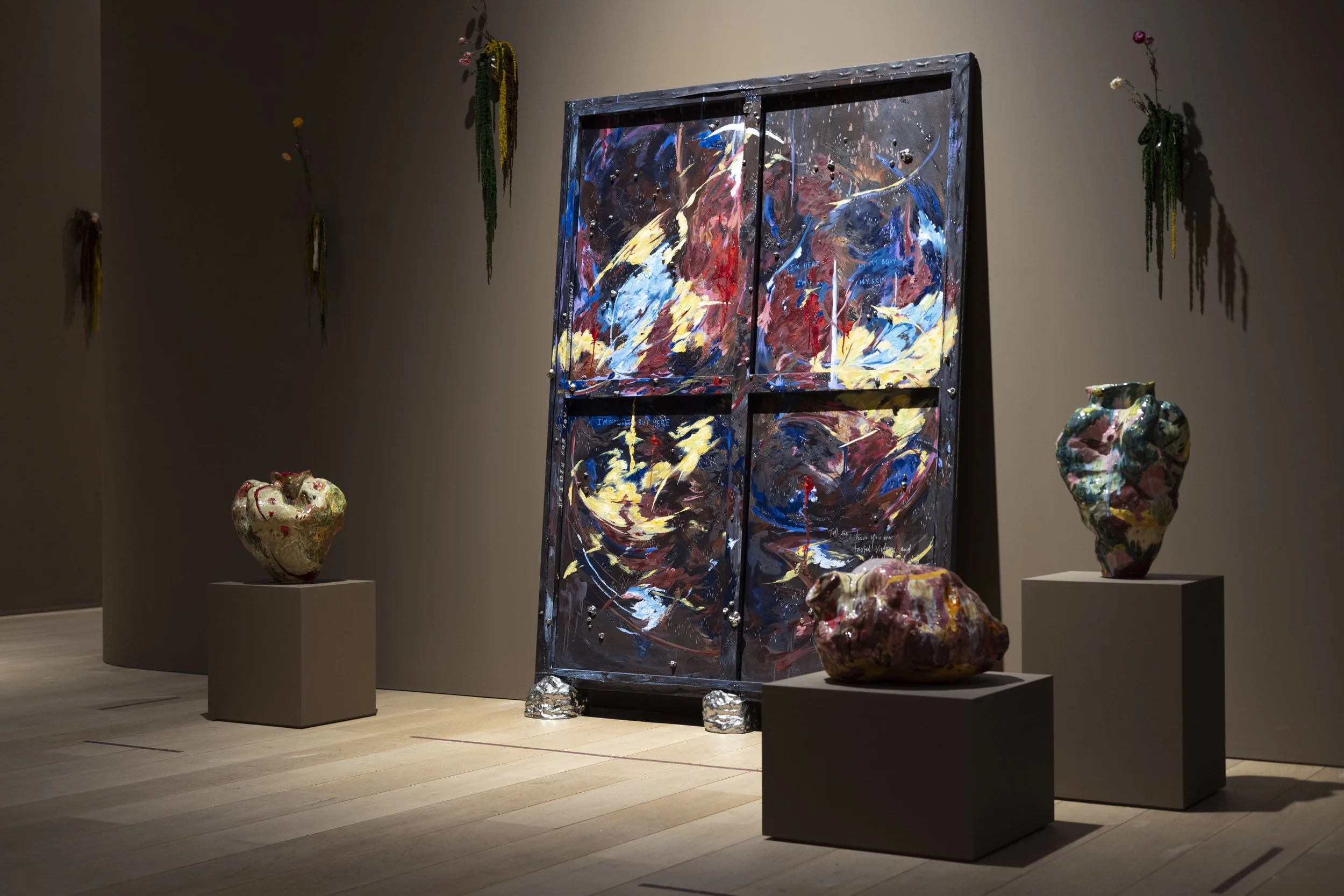
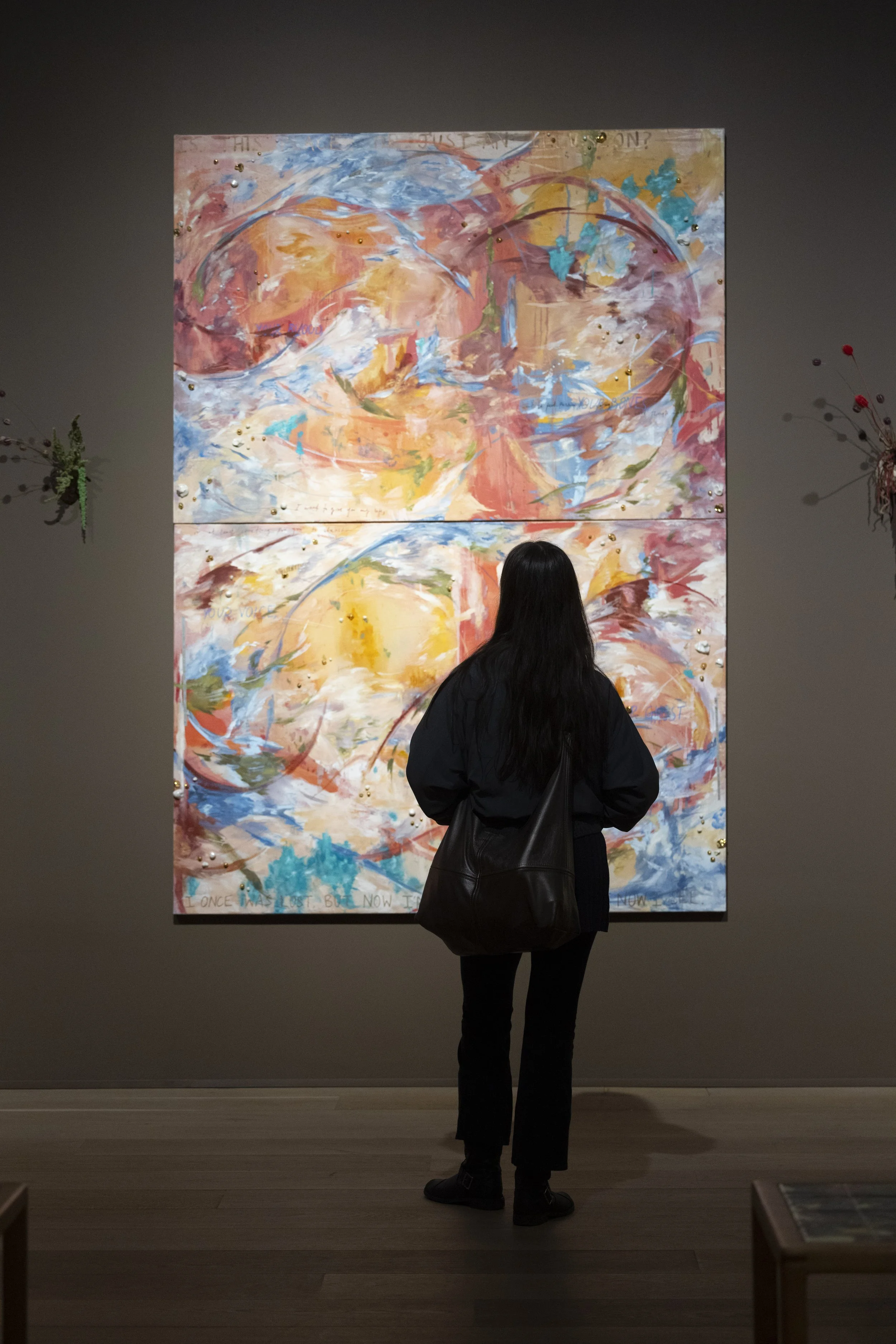
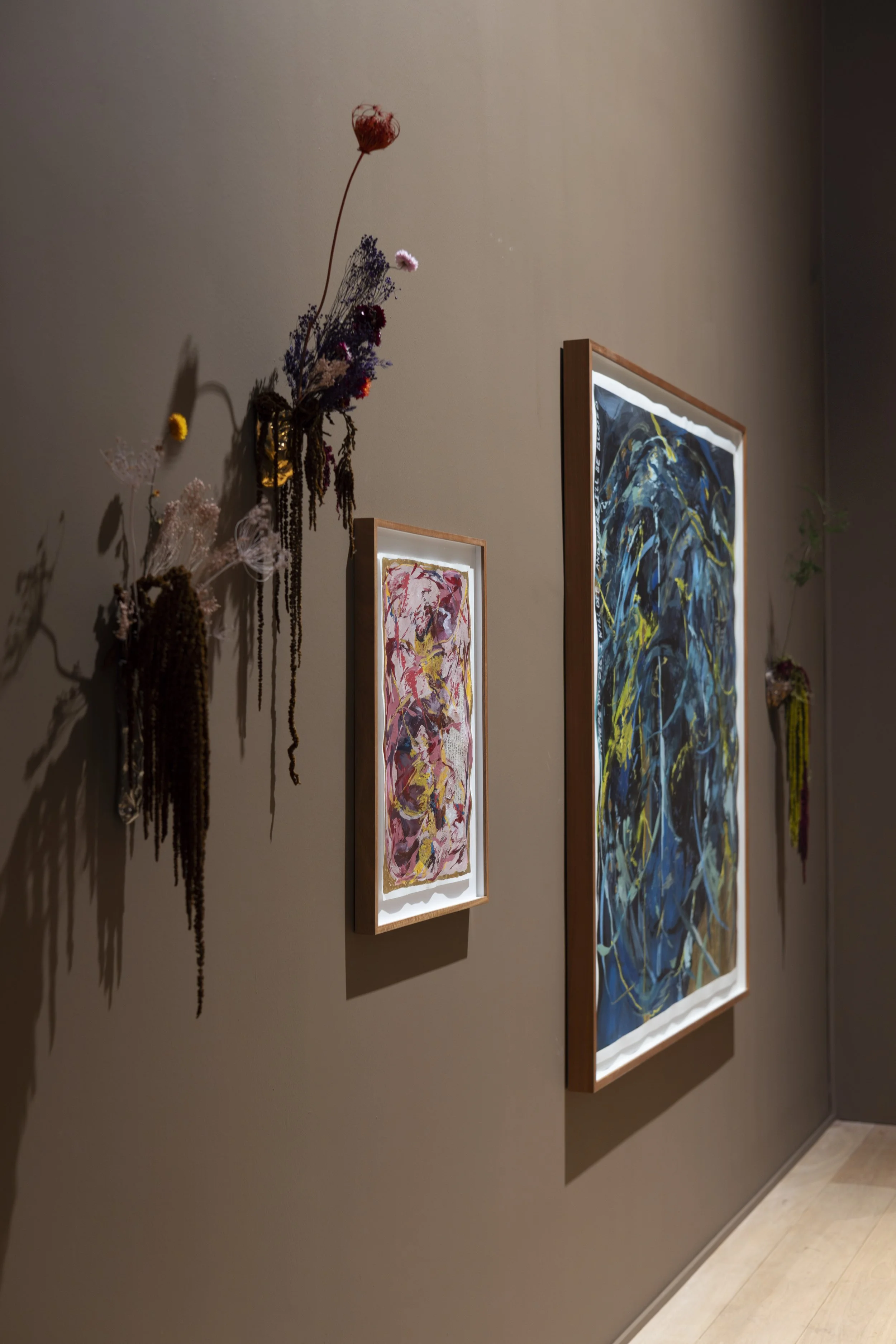
I photographed the opening of Michaela Yearwood-Dan’s exhibition at the Whitworth Art Gallery in Manchester. The exhibition brings together painting, ceramics and sound across several rooms in the gallery, with works placed so the installation shifts as you move through it.
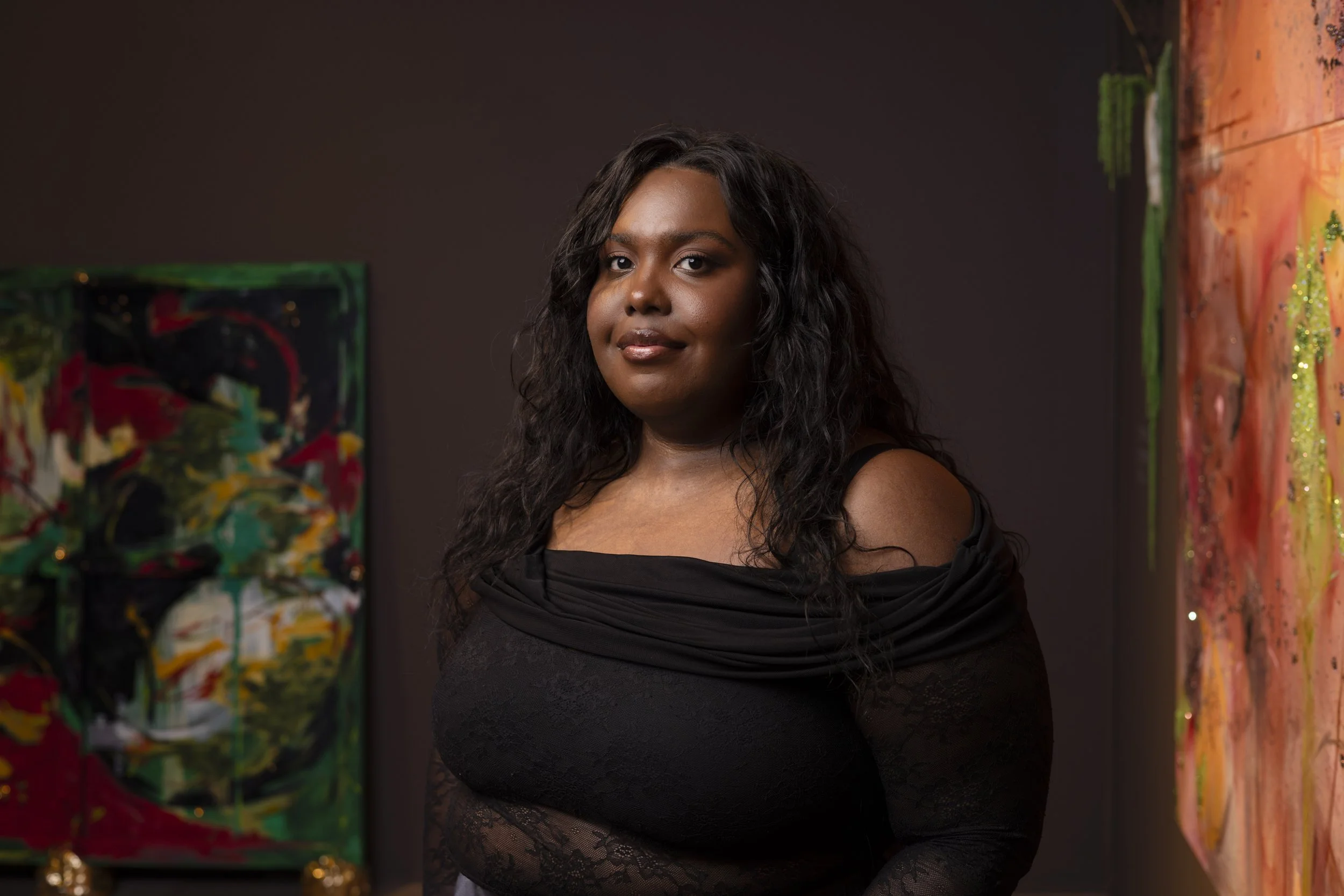
Exhibition opening at the Whitworth, Manchester
I photographed the opening of Michaela Yearwood-Dan’s exhibition at the Whitworth Art Gallery in Manchester. The exhibition brings together painting, ceramics and sound across several rooms in the gallery, with works placed so the installation shifts as you move through it.
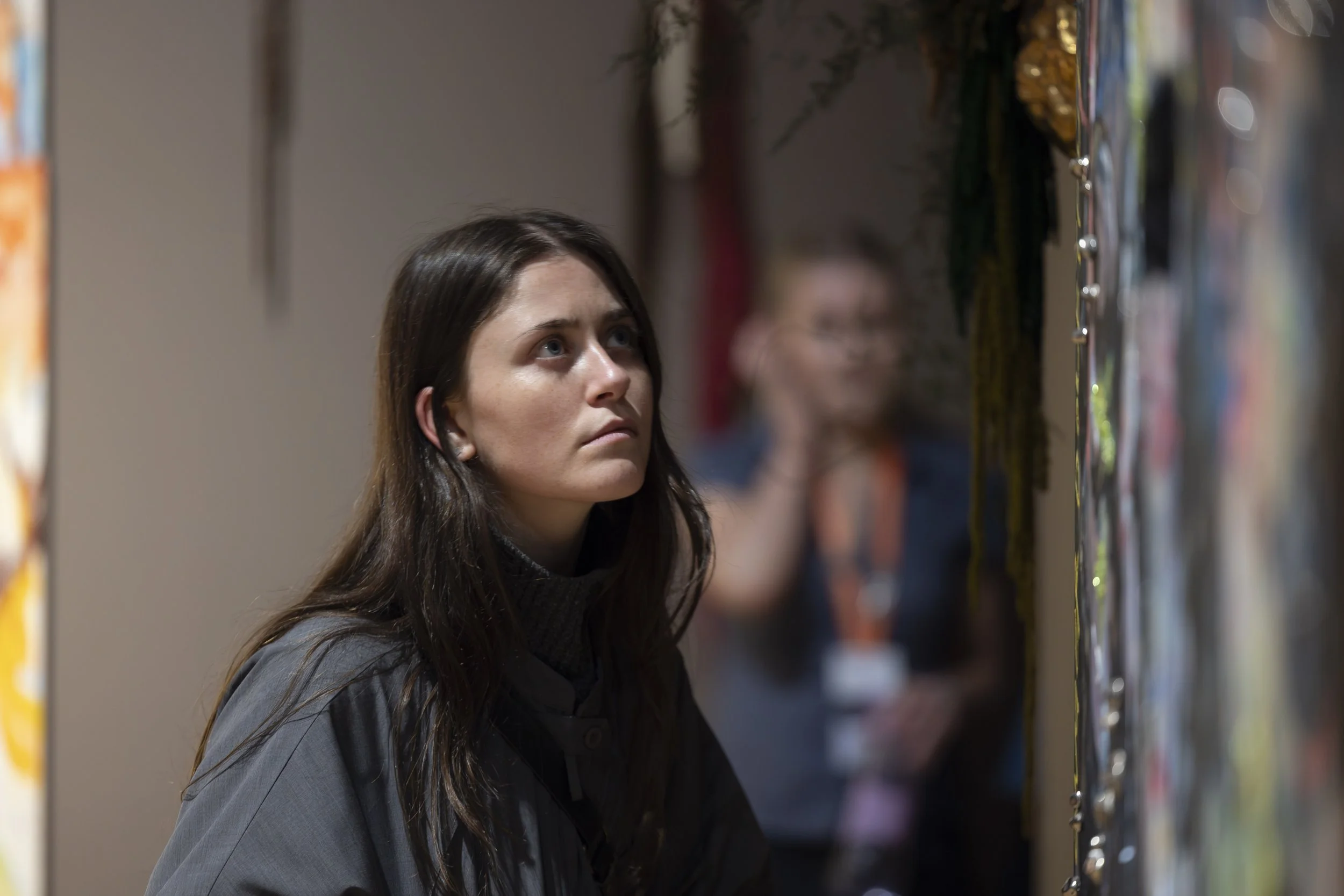
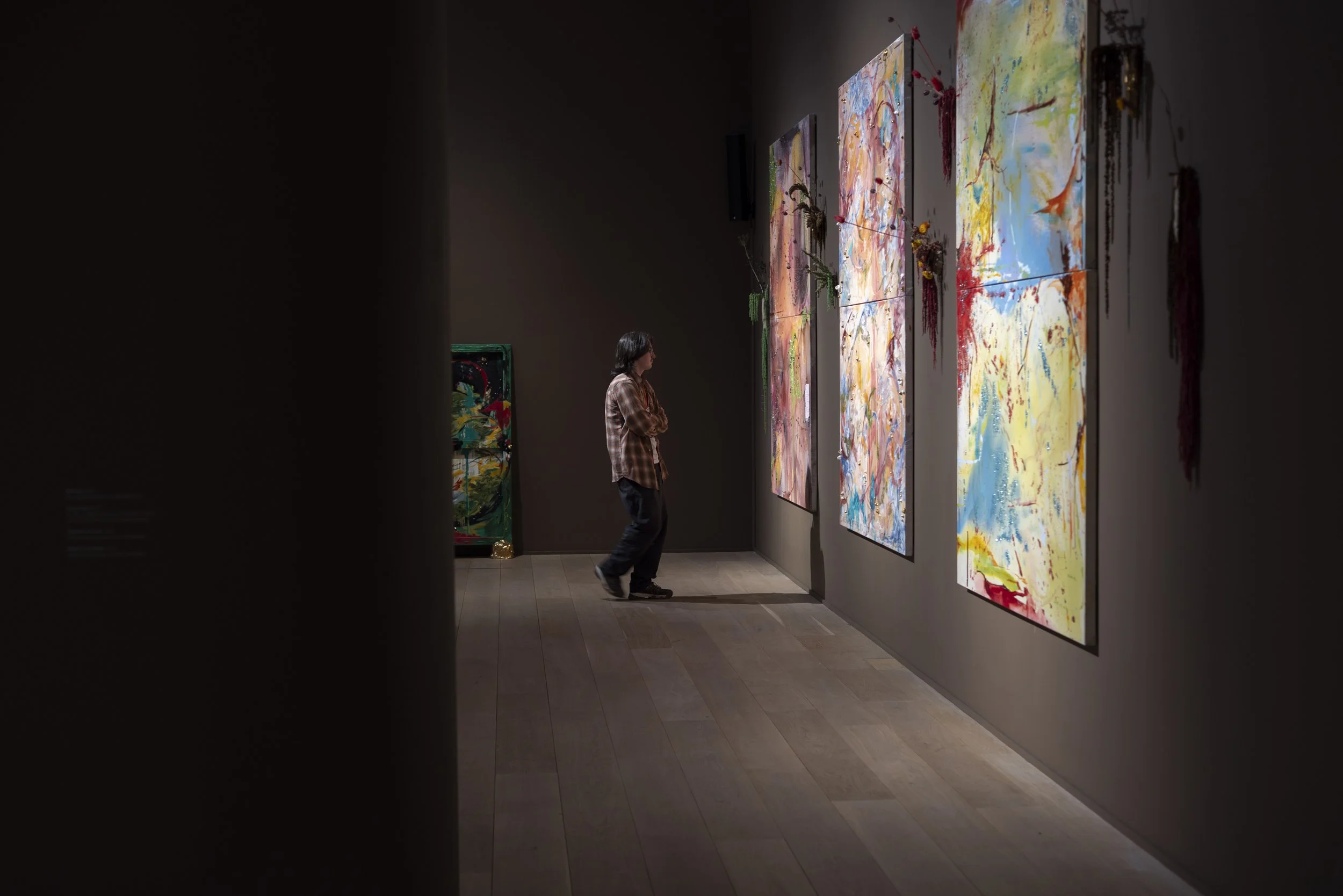
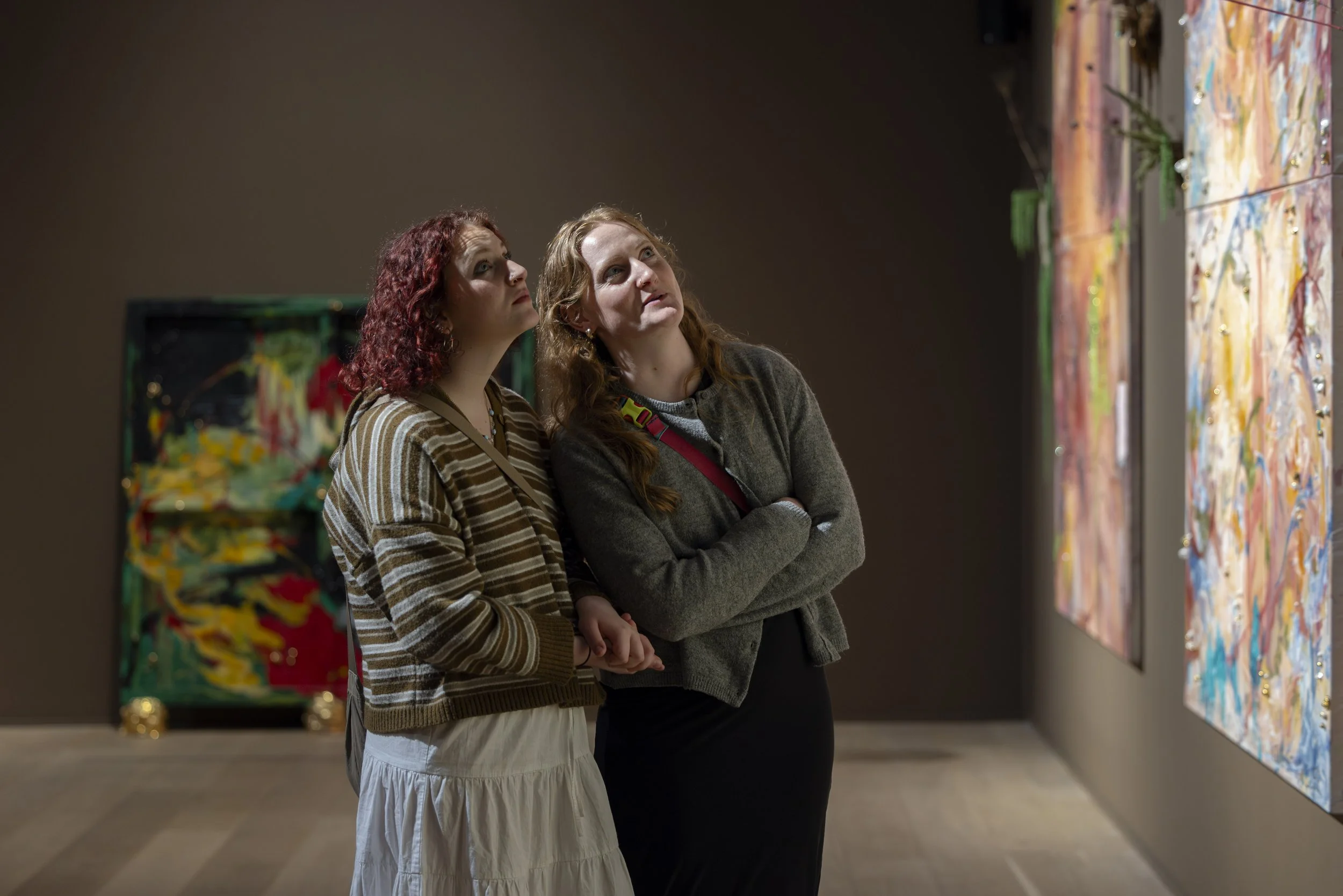
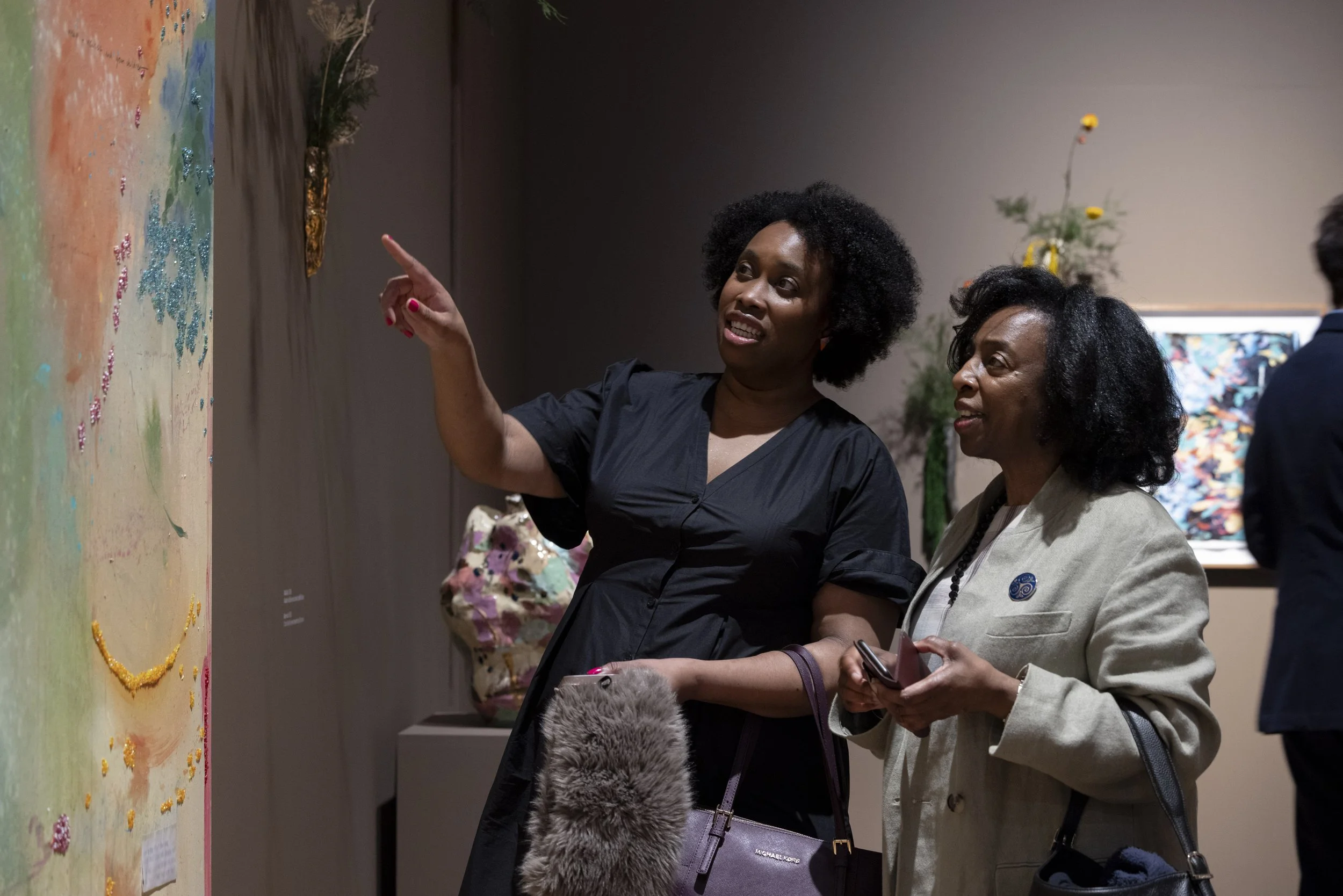
I photographed the opening as it unfolded across the evening. I photographed the artist, Michaela Yearwood-Dan, in formal portraits within the space, as well as in more informal moments with friends and visitors during the opening. Alongside that, I photographed people moving through the exhibition, stopping to look closely at the work, talking, and circulating between rooms.
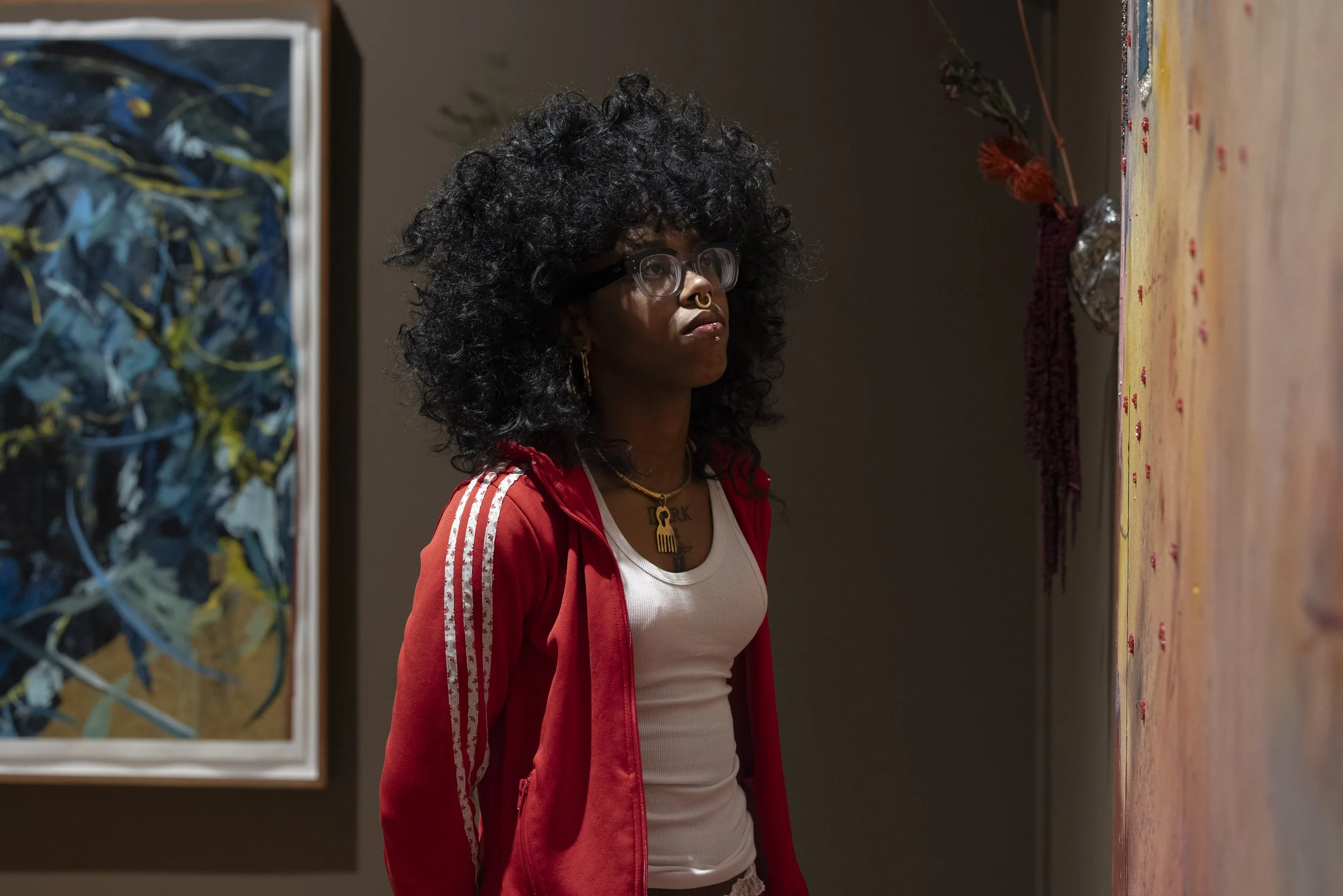
Michaela Yearwood-Dan
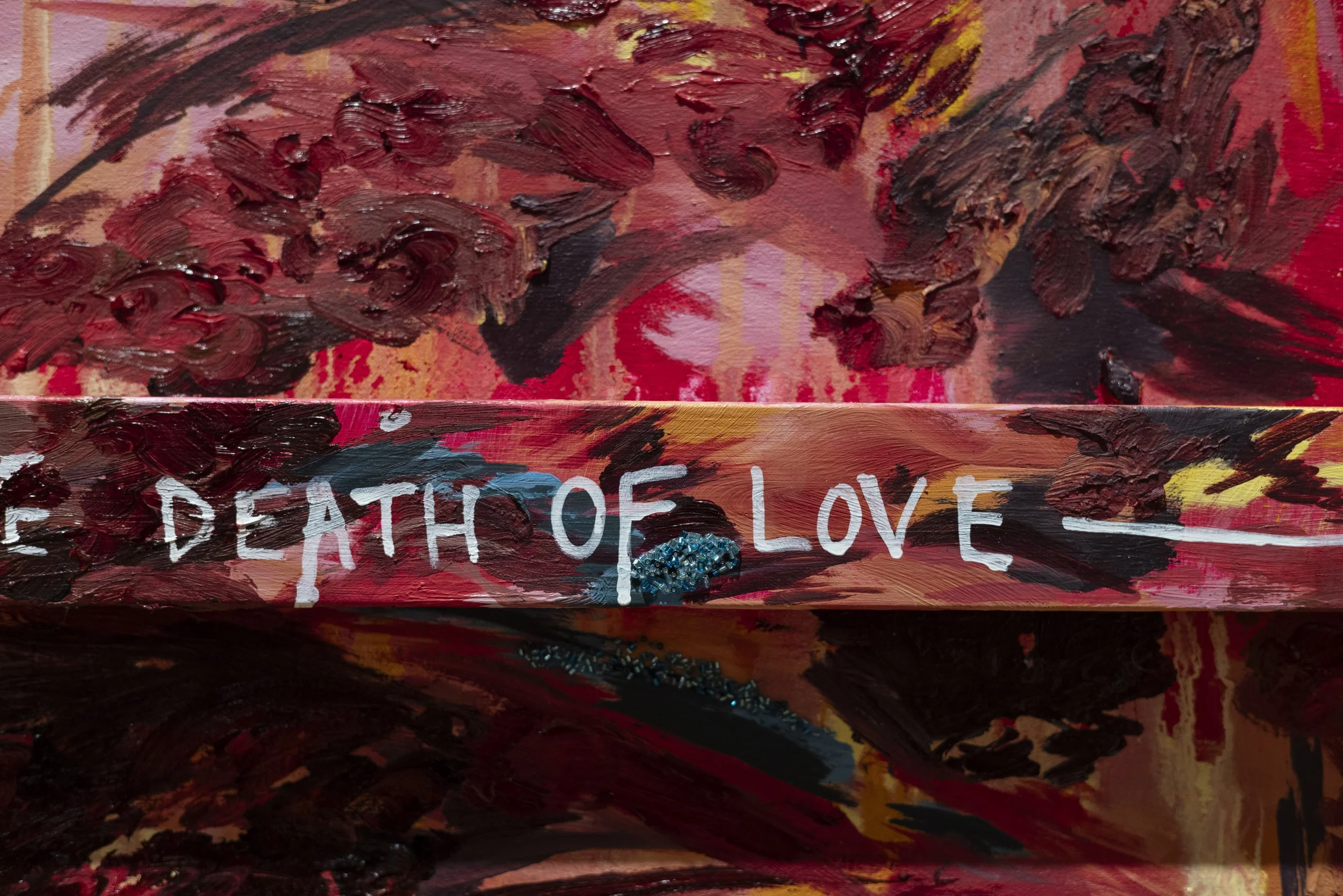
Michaela Yearwood-Dan works across painting, ceramics, installation and sound. Her paintings are built through layered surfaces of colour, gesture and handwritten text that sits directly within the image rather than as separate annotation. The work often holds fragments of writing within dense painterly surfaces, where image and language sit together.
She is represented by Hauser & Wirth and Marianne Boesky Gallery, and her work is shown internationally across institutional and gallery contexts.
Critical writing on the work
Writing on her practice often focuses on how abstraction and language sit alongside personal and cultural reference. In British Vogue, Charlotte Jansen describes her paintings as combining “confession, nostalgia and identity.”
The same article also notes the range of references within her work, from “queer communal spaces and carnival to Caribbean flora and fauna, to spiritual rituals and, very often, music.”
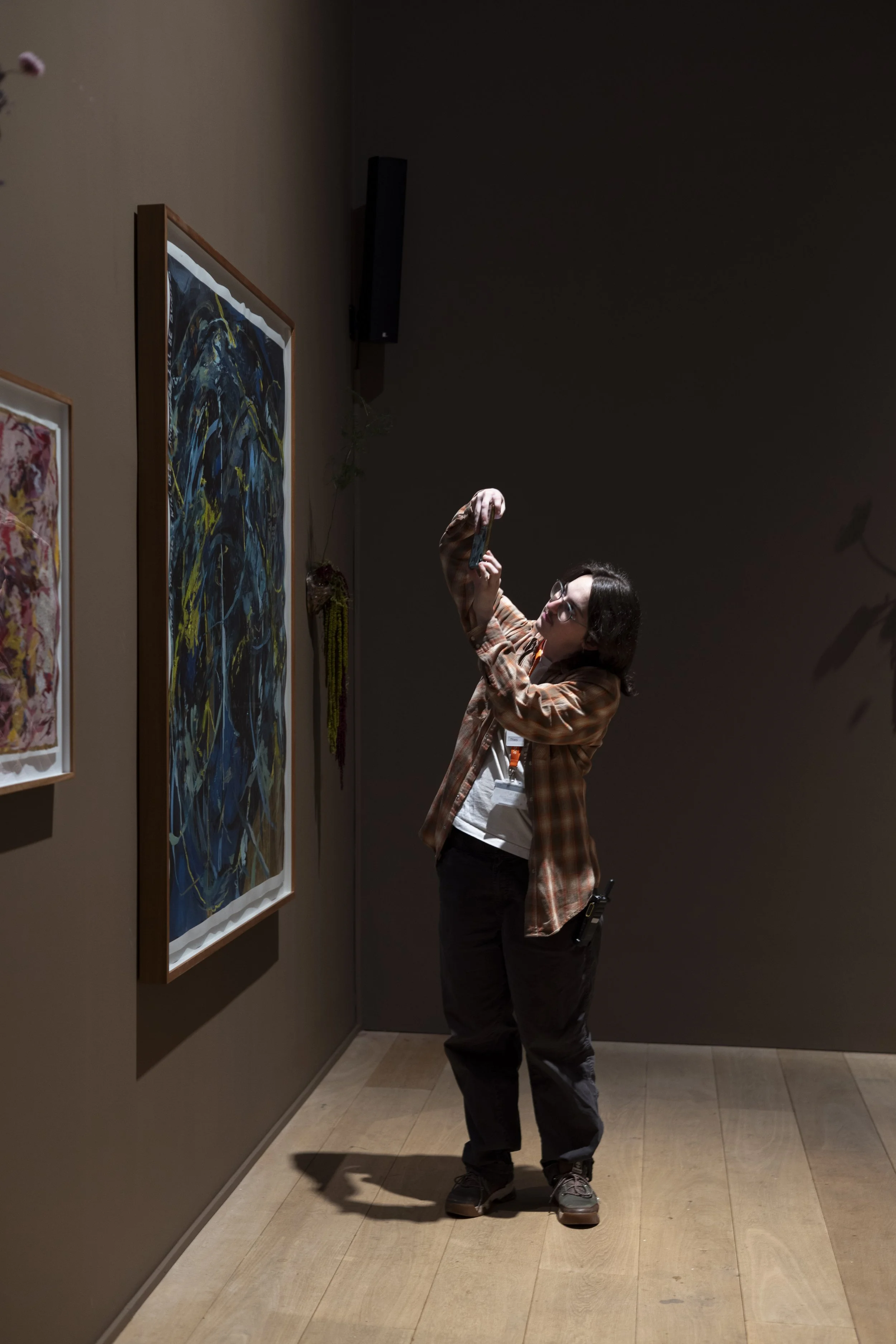
In exhibition texts for The Practice of Liberation at the Whitworth, her use of language is described as “fragments of diaristic writing alongside adapted and borrowed texts and lyrics,” which are integrated directly into the surface of the paintings.
Photographing the opening
I always enjoy working at the Whitworth. The building has a natural ease for photographing people within it, and the way exhibitions sit within its architecture supports that. There is a steady flow of movement during openings like this, which allows for a mix of portrait work, observation and social documentation without needing to separate those approaches.
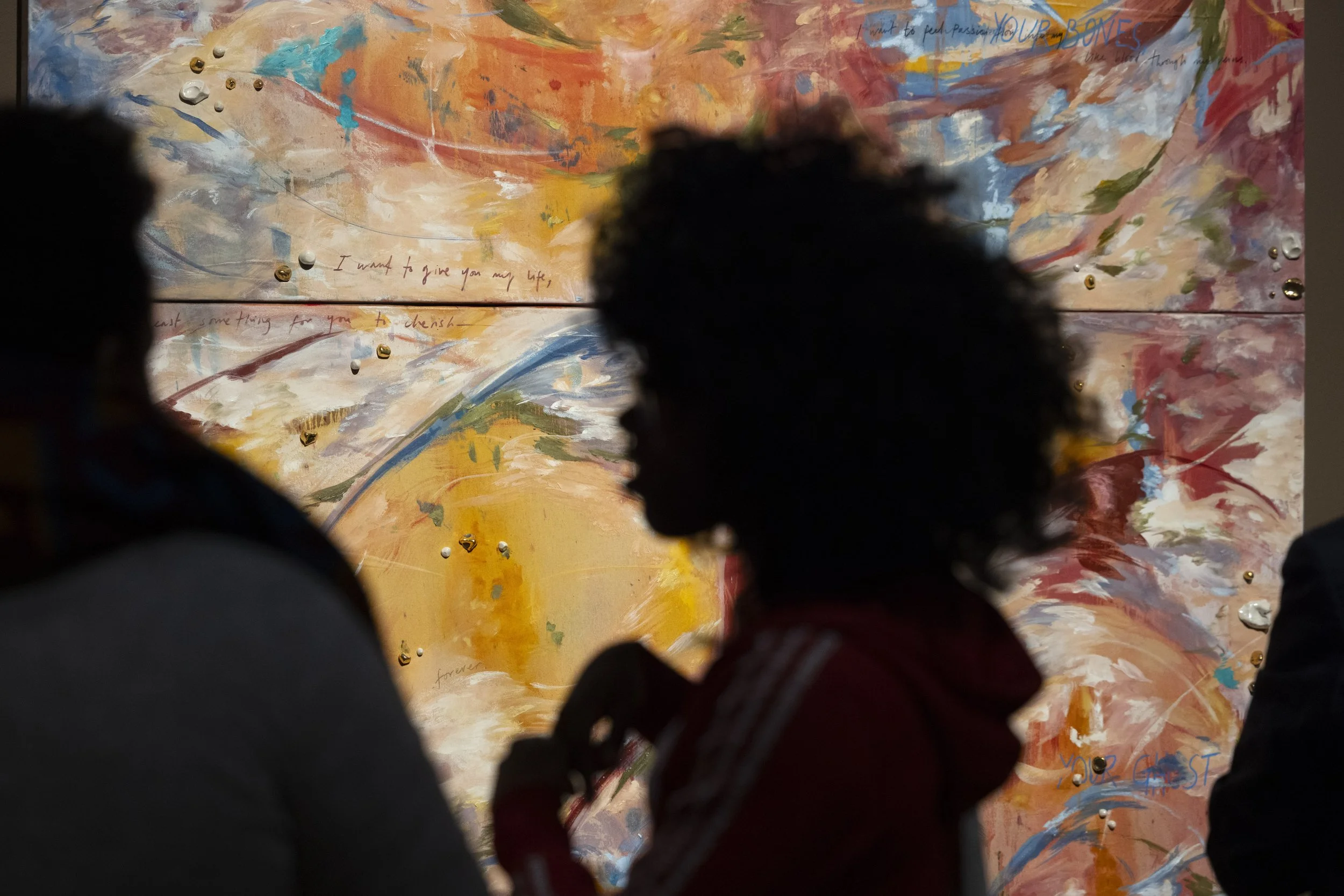
It’s a privilege to work in environments where the architecture, the exhibition, and the people all sit together in the same frame. I am currently accepting commissions for exhibition photography, artist portraits and cultural documentation.
Vinyl Against Apartheid: Event Photography in Manchester at The Carlton Club
A Different Kind of Event to Photograph
As a Manchester event photographer, you get used to a wide range of gigs—but every now and then something comes along that feels a bit more meaningful. Photographing Vinyl Against Apartheid’s Get Funked For Falastine was one of those nights. It wasn’t just about the music or the crowd—it was about what the event stood for.
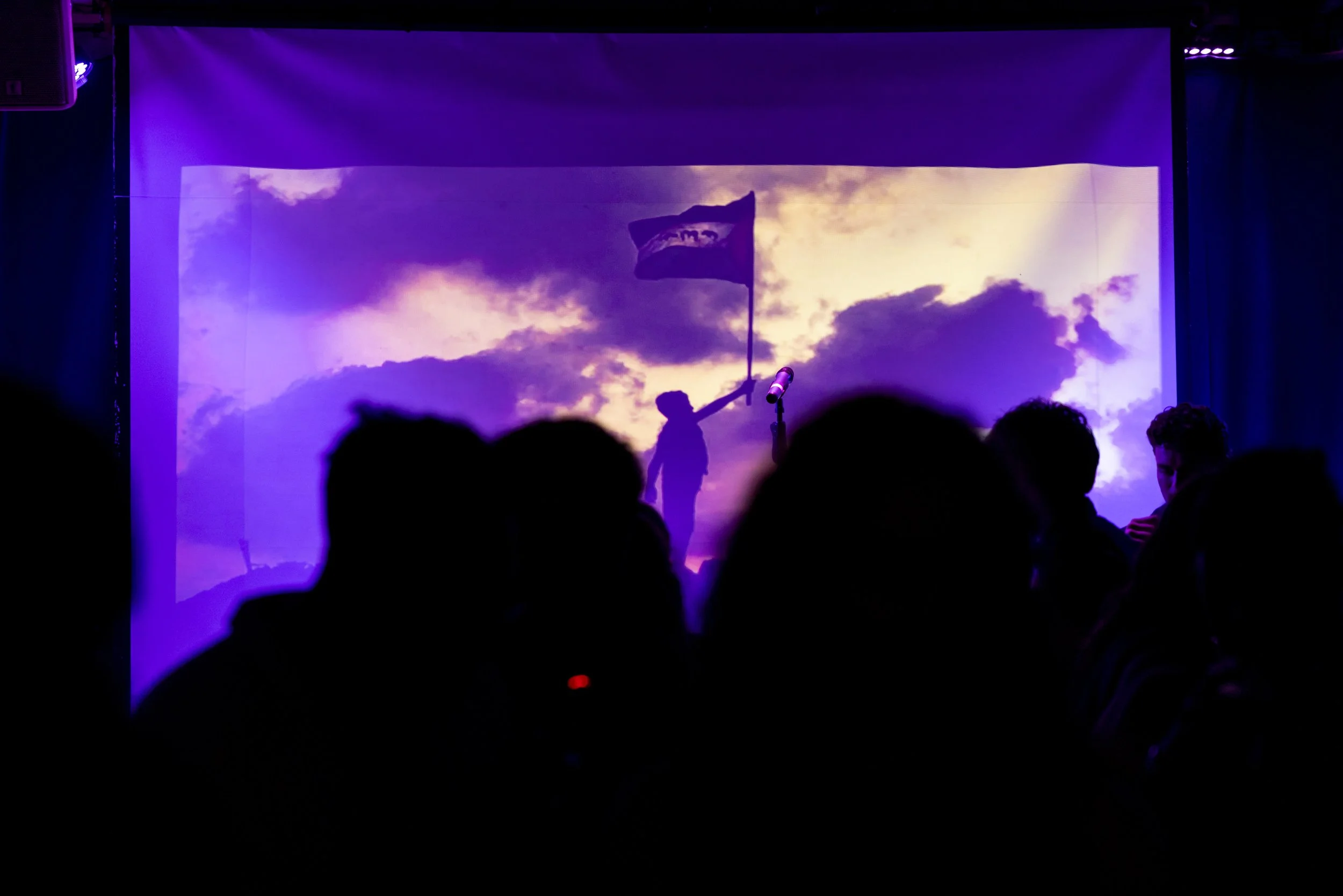
A Different Kind of Event to Photograph
As a Manchester event photographer, you get used to a wide range of gigs—but every now and then something comes along that feels a bit more meaningful. Photographing Vinyl Against Apartheid’s Get Funked For Falastine was one of those nights. It wasn’t just about the music or the crowd—it was about what the event stood for.
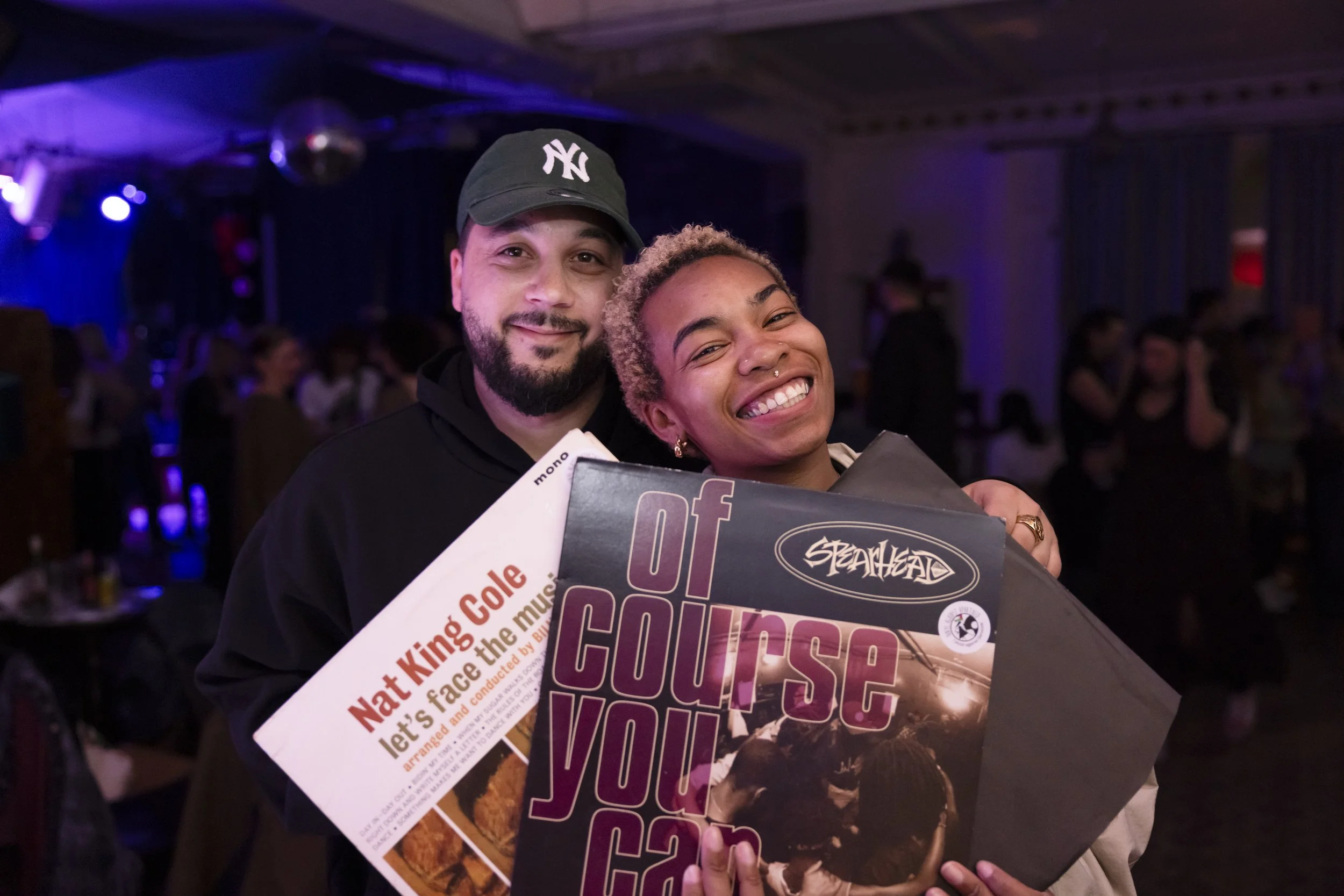
What Vinyl Against Apartheid Is All About
Vinyl Against Apartheid is a grassroots Manchester initiative built around music, community, and activism. The idea is simple: bring people together through vinyl and DJ culture, and use that energy to raise money and awareness for important causes.
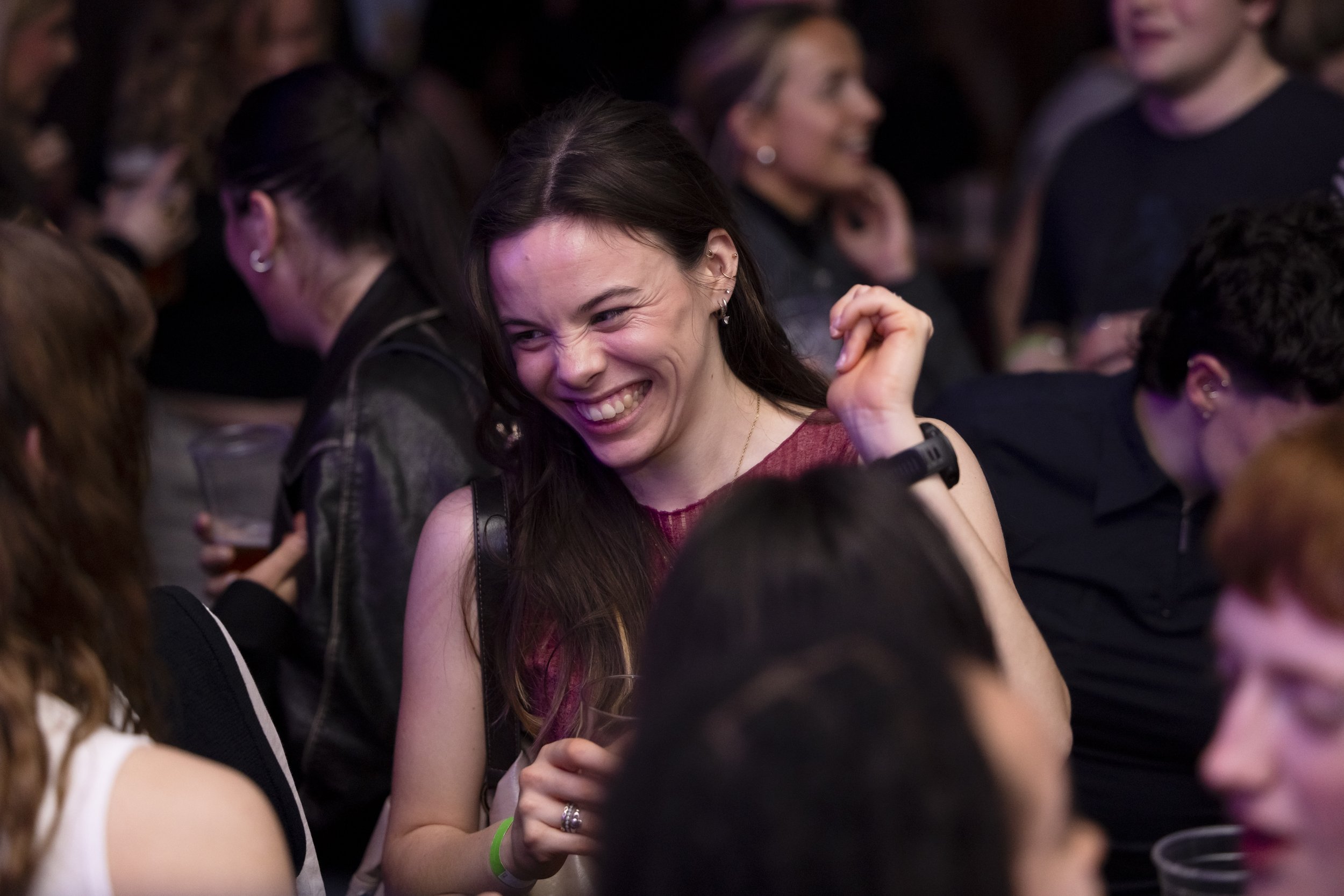
Supporting Medical Aid for Palestinians Through Music
The night was organised to support Medical Aid for Palestinians, with funds raised through ticket sales and donated records. It’s a great example of how local events in Manchester can have a global impact.
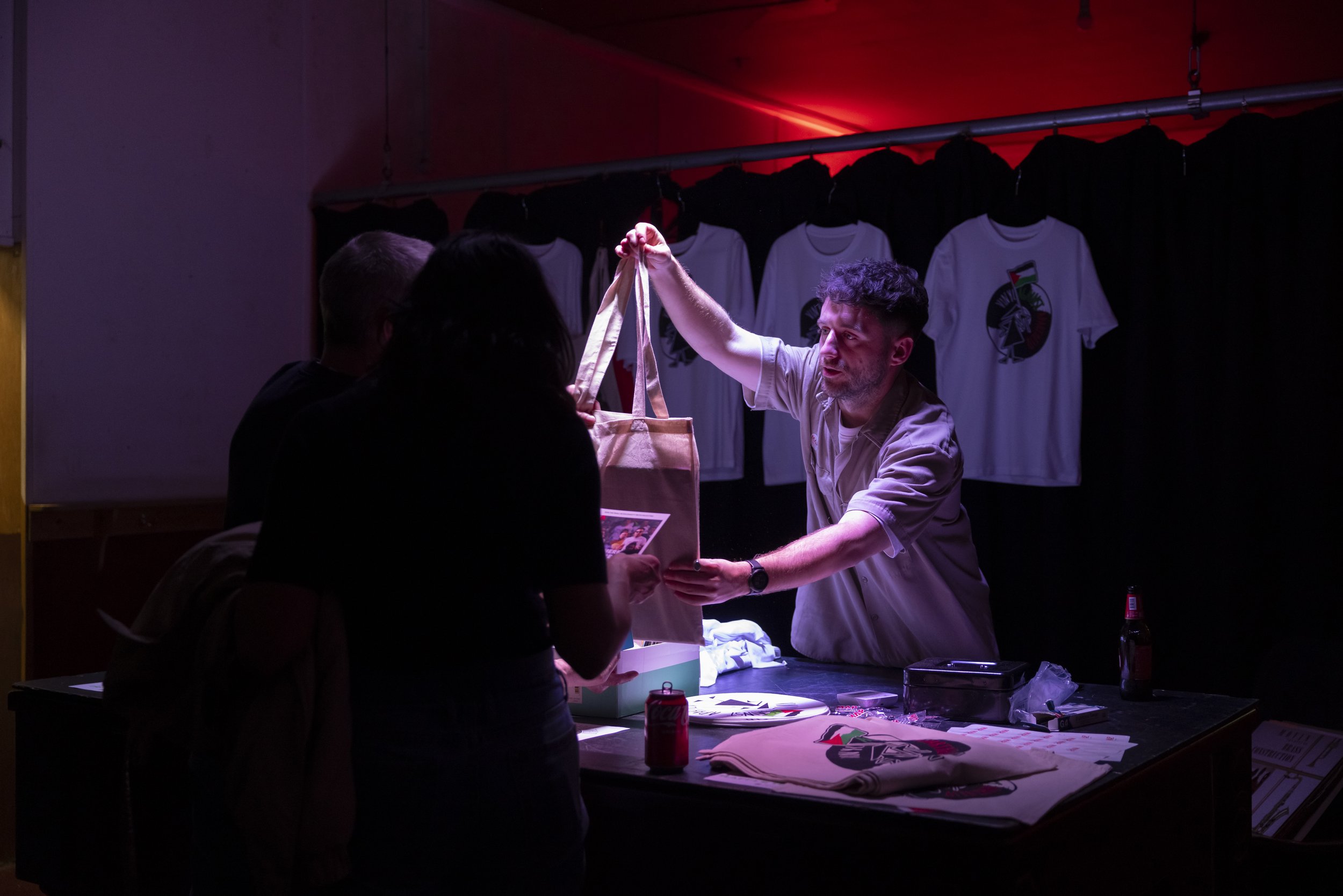
The Venue: The Carlton Club
The Carlton Club is one of those venues that really suits this kind of event. It’s got character, a strong sense of community, and it feels properly independent—exactly the right setting for something grassroots and purpose-driven.
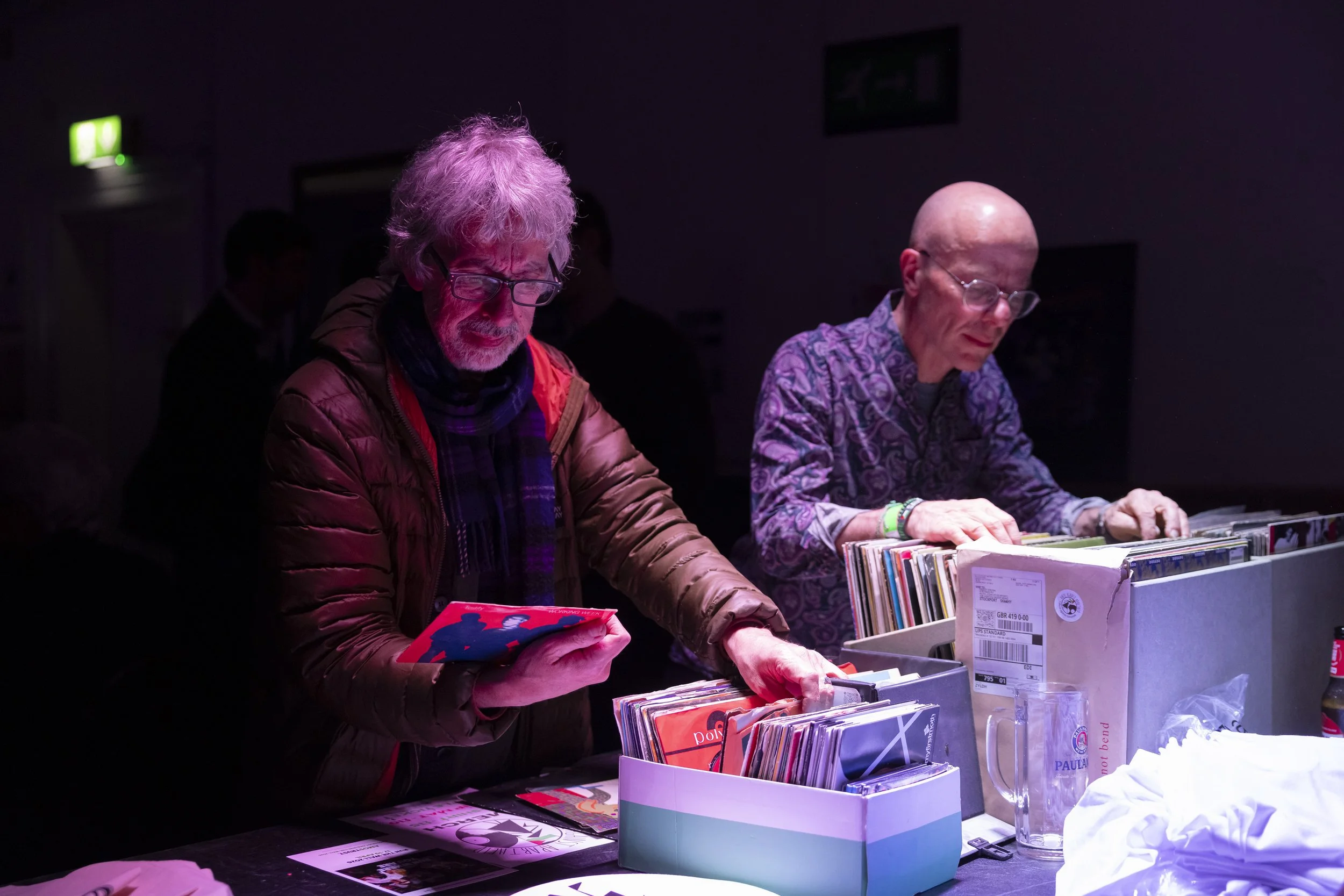
Get Funked For Falastine – The Atmosphere
The vibe on the night was spot on. A packed dancefloor, stacks of vinyl, and a crowd that genuinely cared about why they were there. It felt equal parts party and protest—in the best possible way.
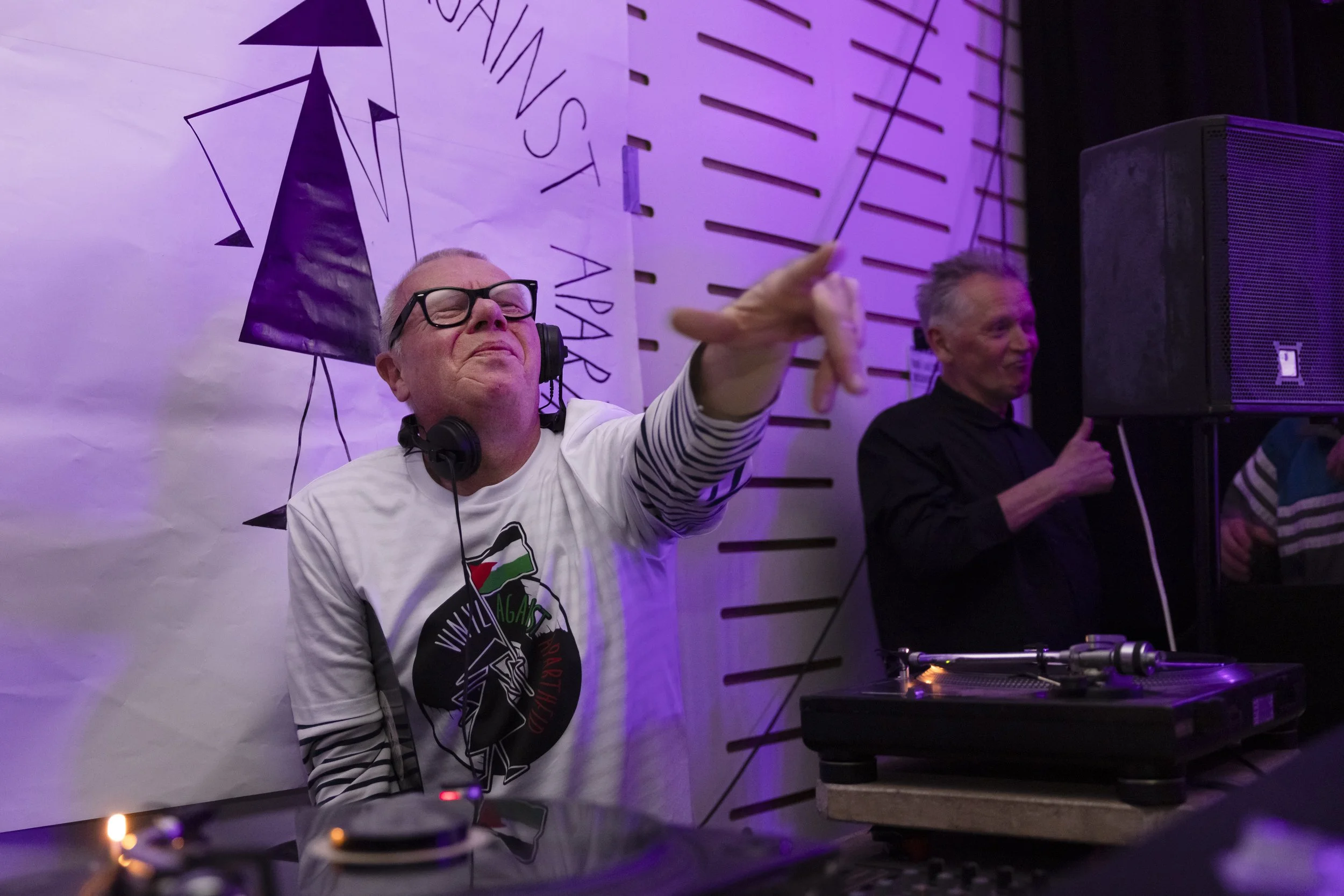
Why Nights Like This Matter
Events like this show how powerful local communities can be. It’s not always about huge campaigns—sometimes it’s smaller, independent nights like this that make a real difference, both in fundraising and awareness.
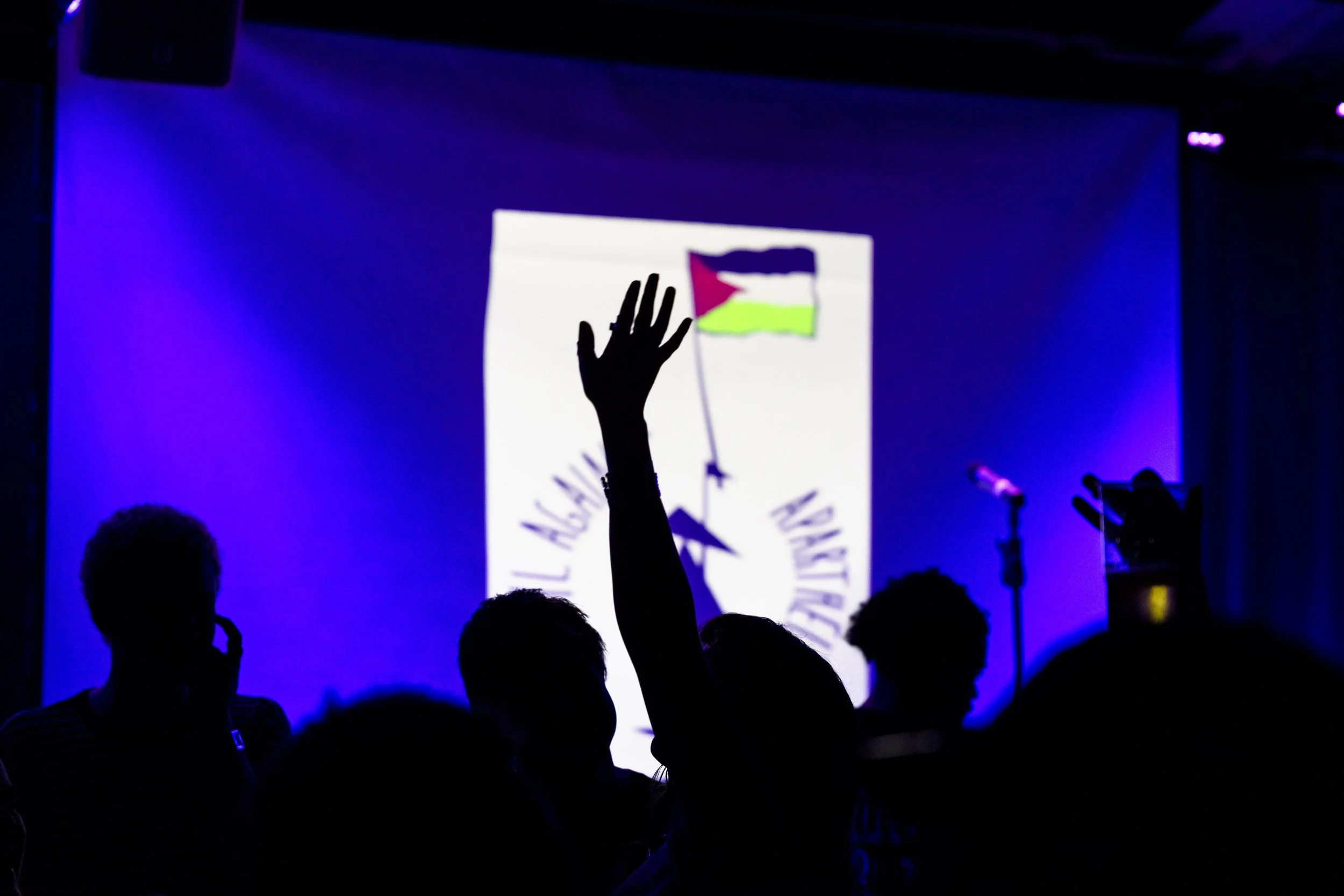
A Nod to Music History
There’s a clear link back to movements like Artists United Against Apartheid, where music was used as a form of protest. Vinyl Against Apartheid feels like a modern continuation of that idea—same spirit, different context.
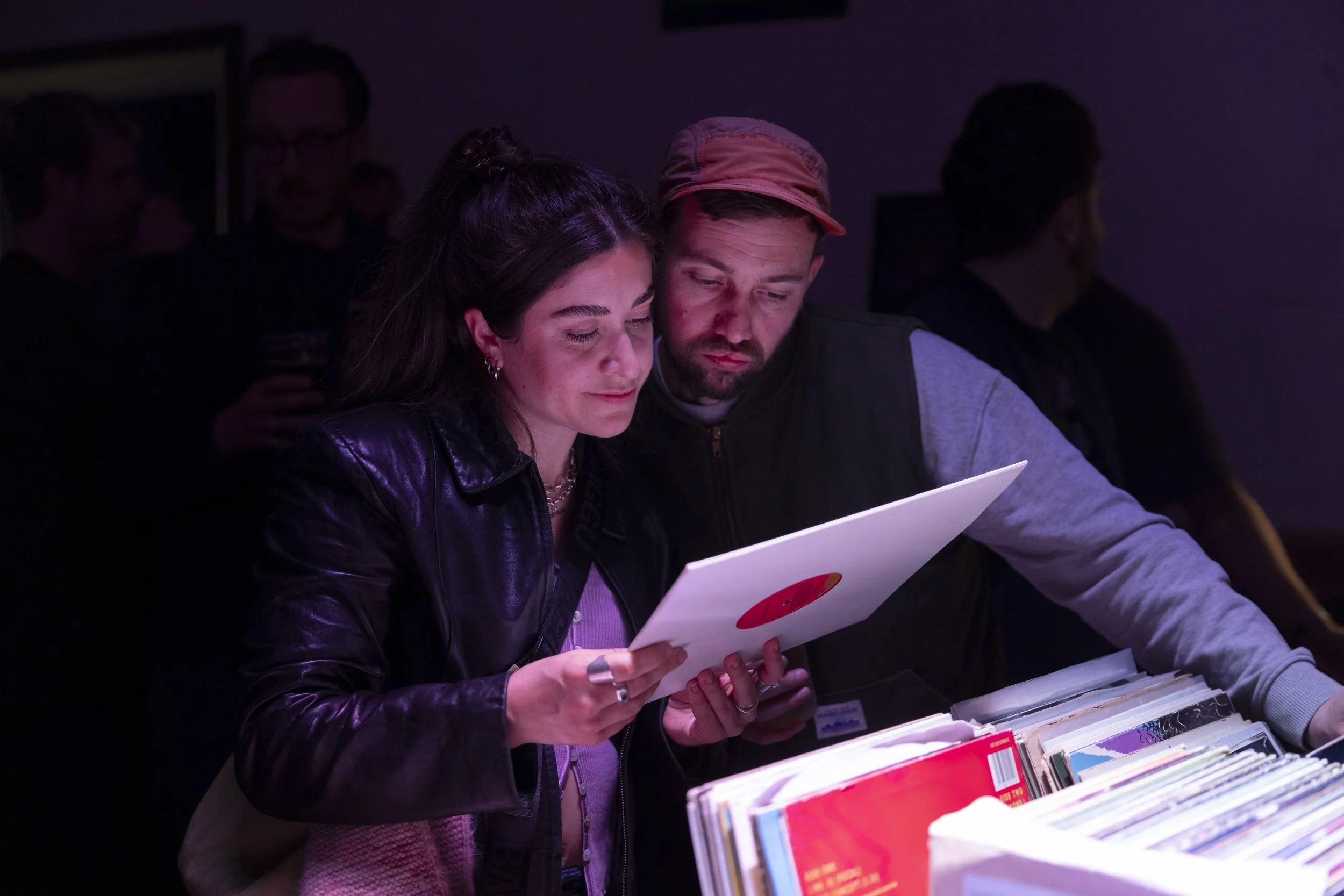
Photographing the Night as a Manchester Event Photographer
From a photography point of view, this was a really rewarding event to shoot. Nights like this are all about moments—people connecting, getting lost in the music, digging through records. That’s the kind of thing I always look to capture.
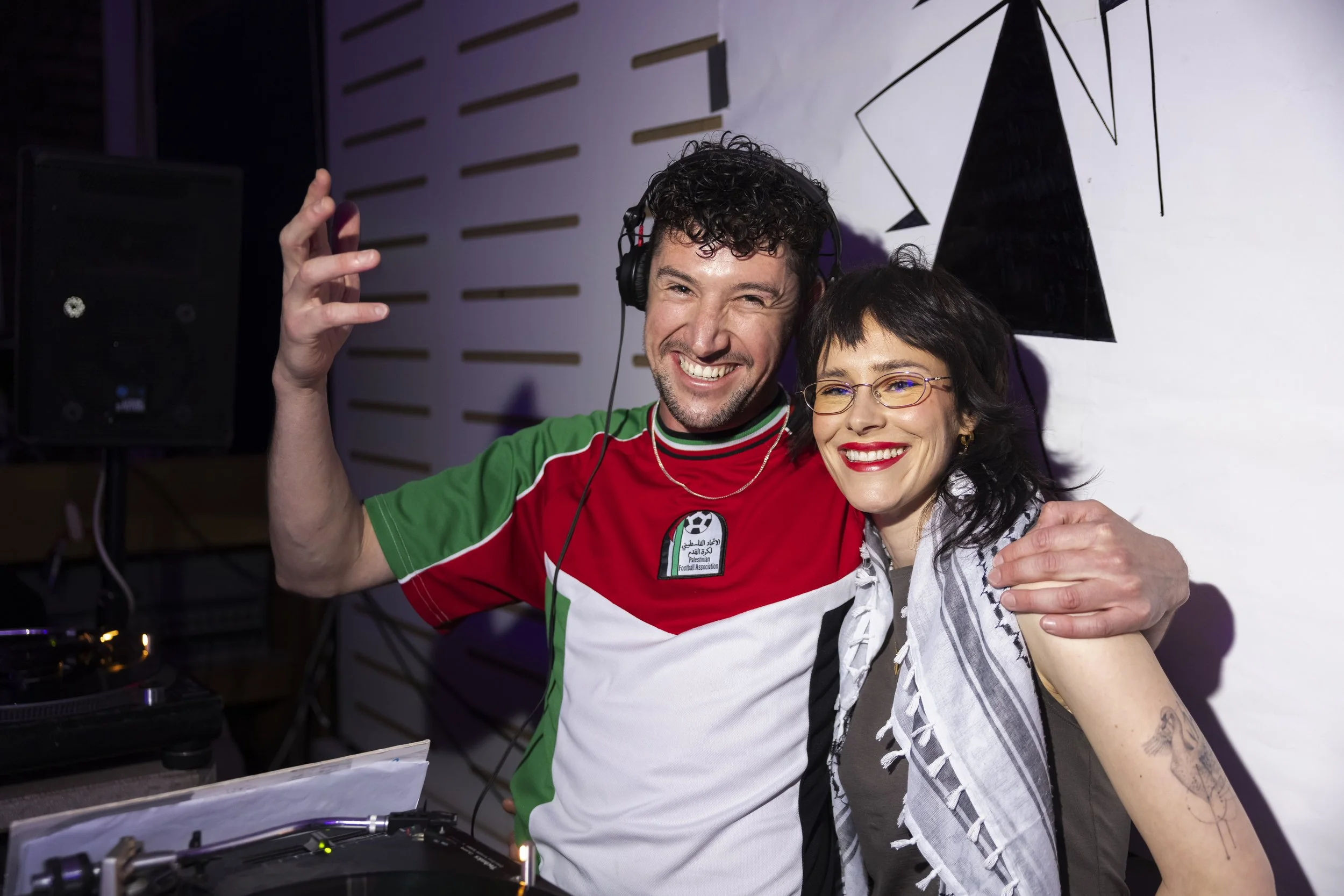
Capturing Real Moments, Not Just Posed Shots
I tend to take a documentary approach to event photography, especially in Manchester’s music scene. Rather than staging anything, it’s about blending in and capturing things as they happen—those natural, unfiltered moments that tell the real story.
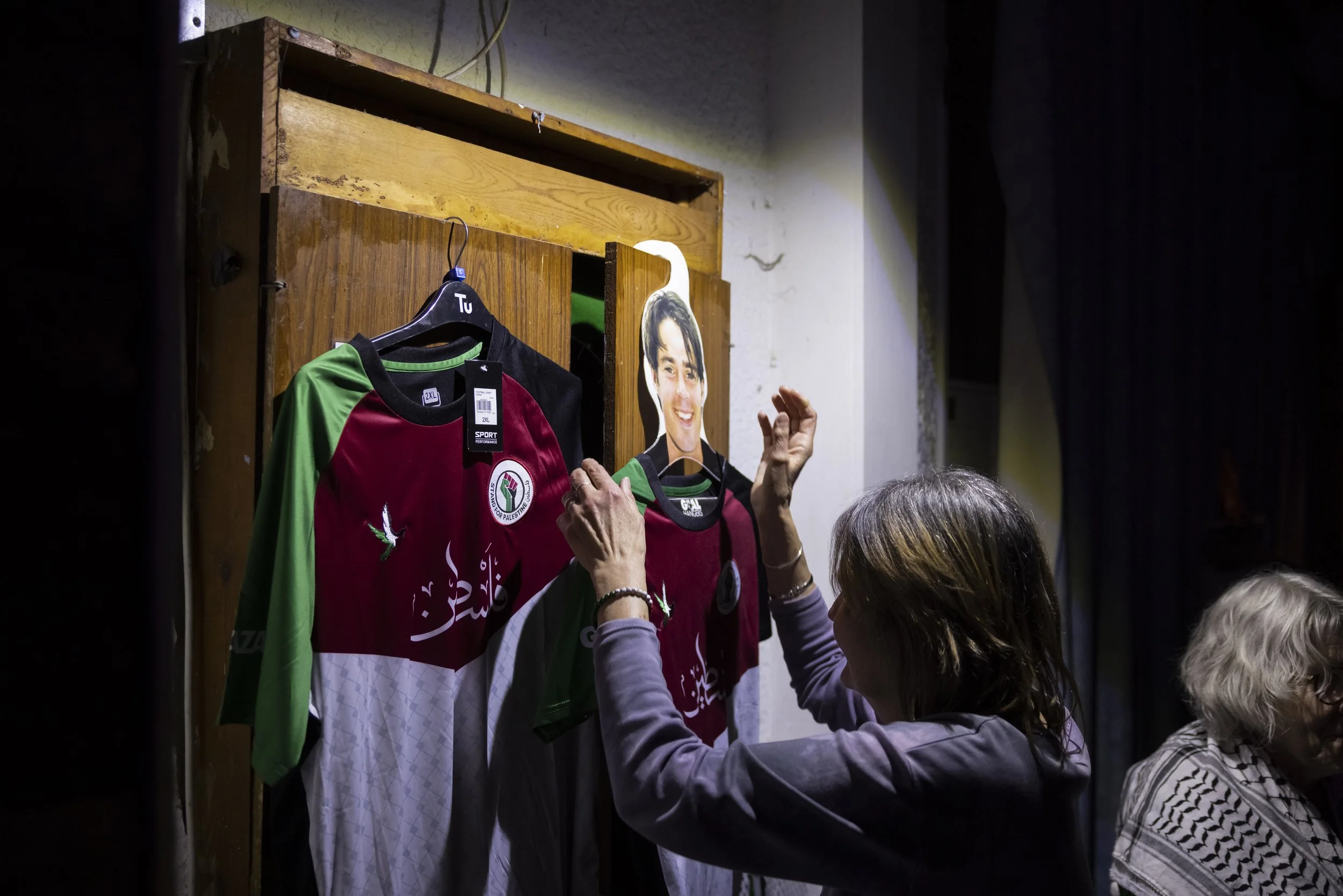
How Event Photography Helps Events Grow
Good photography doesn’t just document an event—it helps it live on. Images from nights like this can be used for promotion, press, and future fundraising, helping initiatives like Vinyl Against Apartheid reach more people.
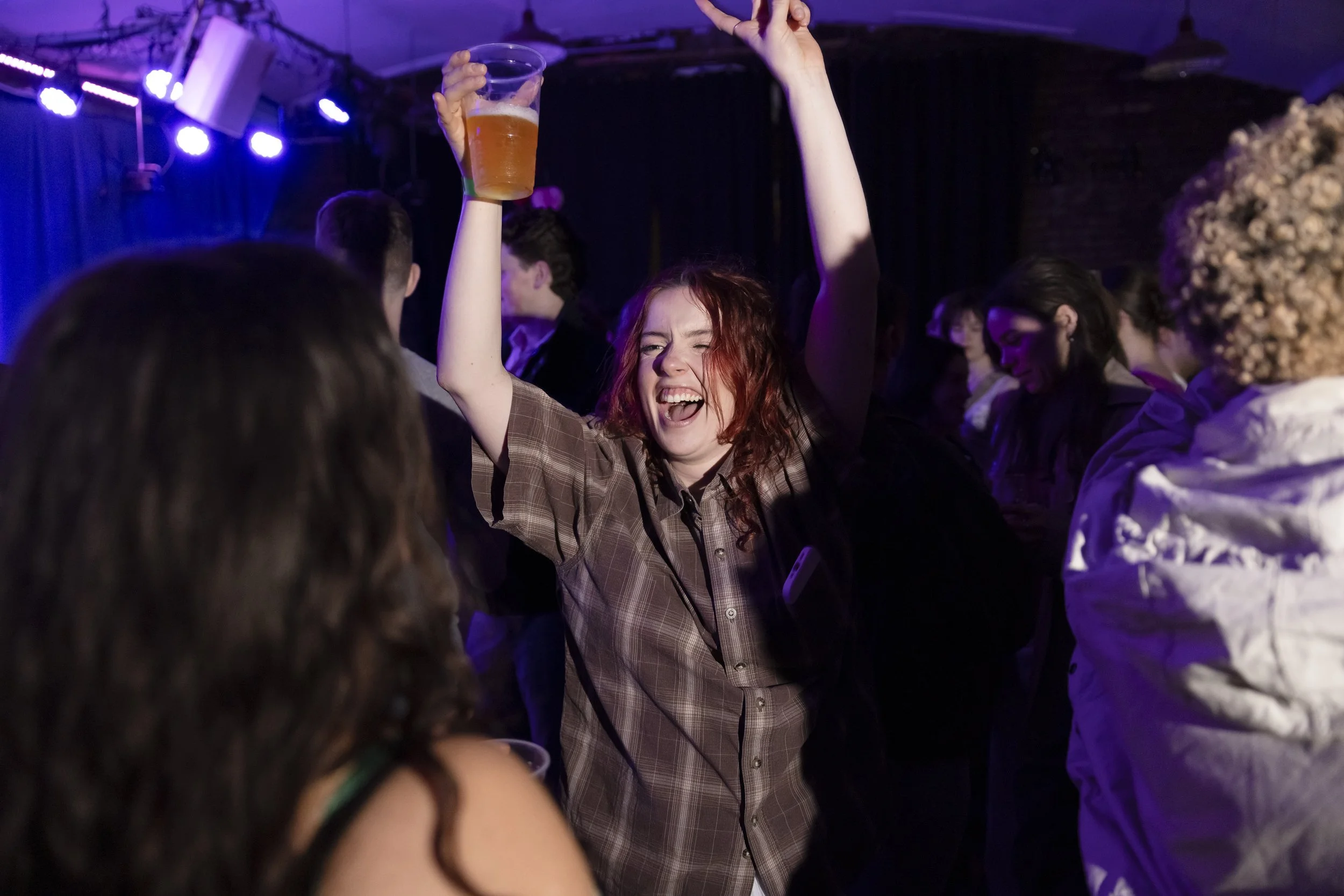
Manchester’s Creative Scene and Community Spirit
One of the best things about working as a photographer in Manchester is the people. There’s a strong DIY culture here, and a real willingness to support causes through creativity—whether that’s music, art, or events like this.
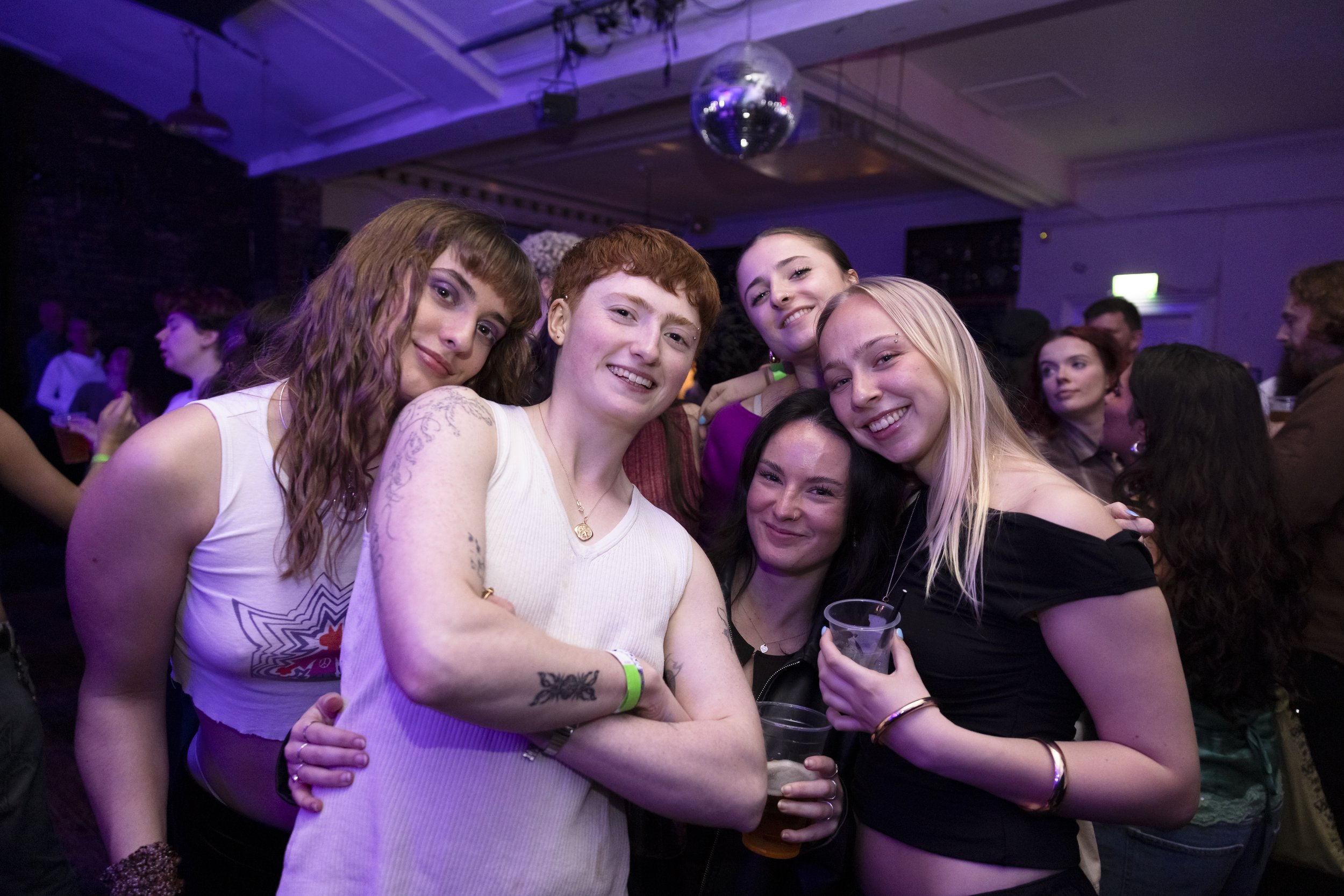
Final Thoughts
Vinyl Against Apartheid is a great example of what can happen when music and purpose come together. As a Manchester event photographer, it’s always a privilege to document something that’s not just a good night—but actually trying to do some good too.
EarthSonic Live at Manchester Museum: Documentary Event Photography by David Oates
EarthSonic Live at Manchester Museum
EarthSonic Live at Manchester Museum was a full-day and evening programme of talks, workshops, performances and installations exploring the relationship between music, nature and climate. The event brought together artists, scientists, activists and audiences in a shared space, combining cultural programming with environmental themes.
The event was part of the wider EarthSonic project, which focuses on using sound and music as a way to engage people with biodiversity and climate issues.
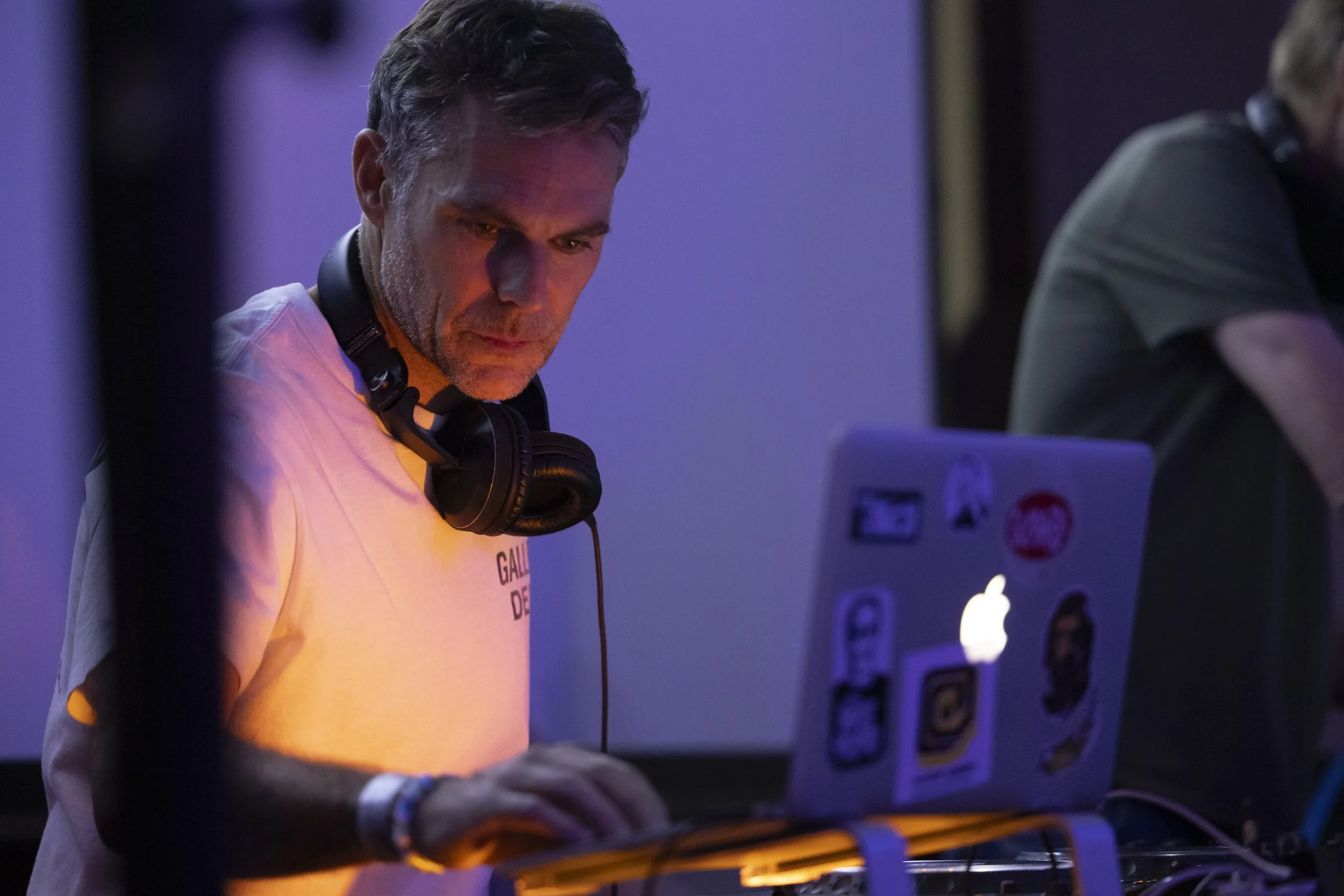
EarthSonic Live at Manchester Museum
EarthSonic Live at Manchester Museum was a full-day and evening programme of talks, workshops, performances and installations exploring the relationship between music, nature and climate. The event brought together artists, scientists, activists and audiences in a shared space, combining cultural programming with environmental themes.
The event was part of the wider EarthSonic project, which focuses on using sound and music as a way to engage people with biodiversity and climate issues.
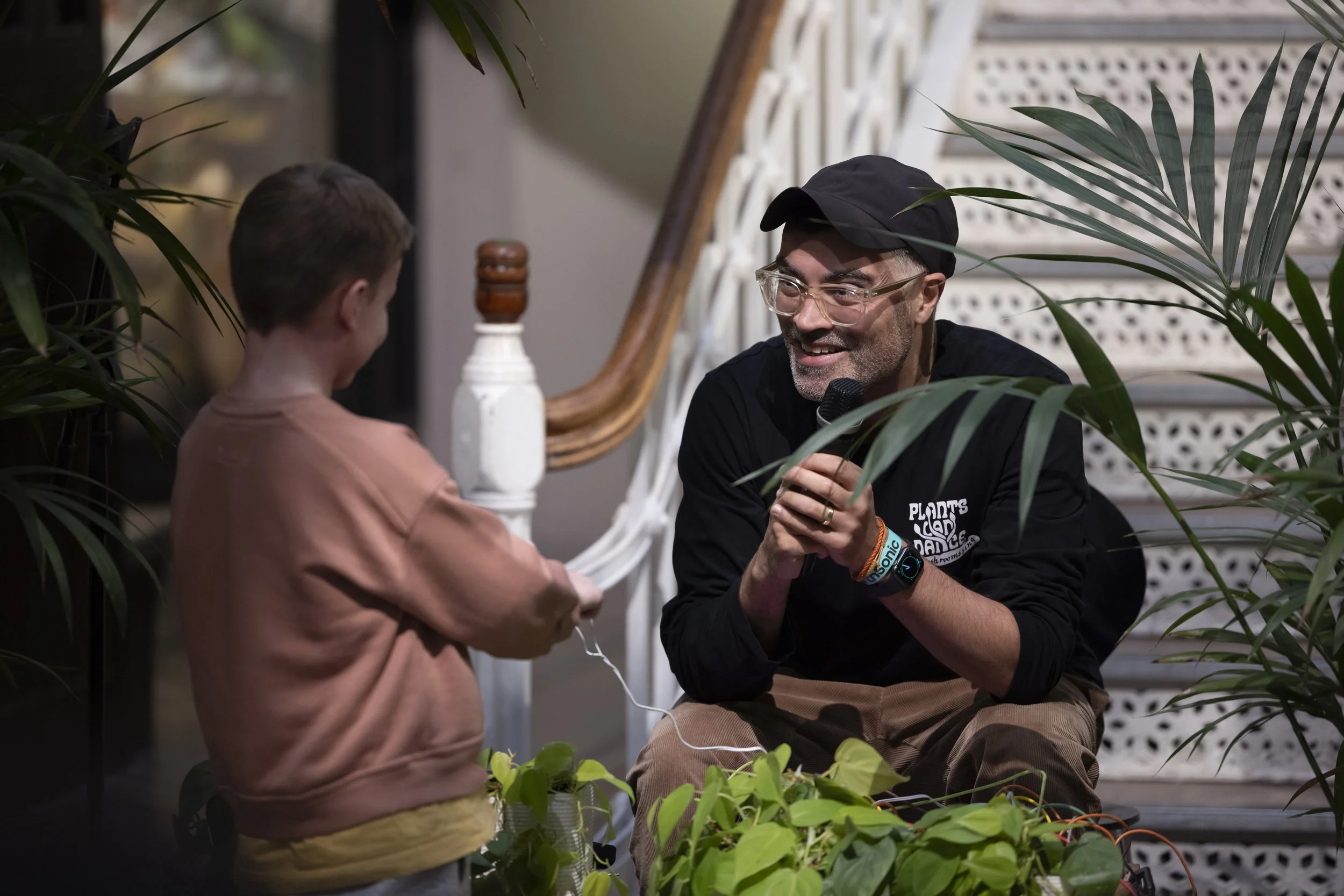
The EarthSonic Project and Its Organisers
EarthSonic Live is developed through the EarthSonic initiative, connected to the Manchester-based organisation In Place of War. The project brings together global artists, researchers and communities to explore how sound can communicate environmental change and inspire action.
The programme is supported by organisations including Arts Council England, Wellcome Trust and Ableton, alongside a network of environmental and cultural partners.
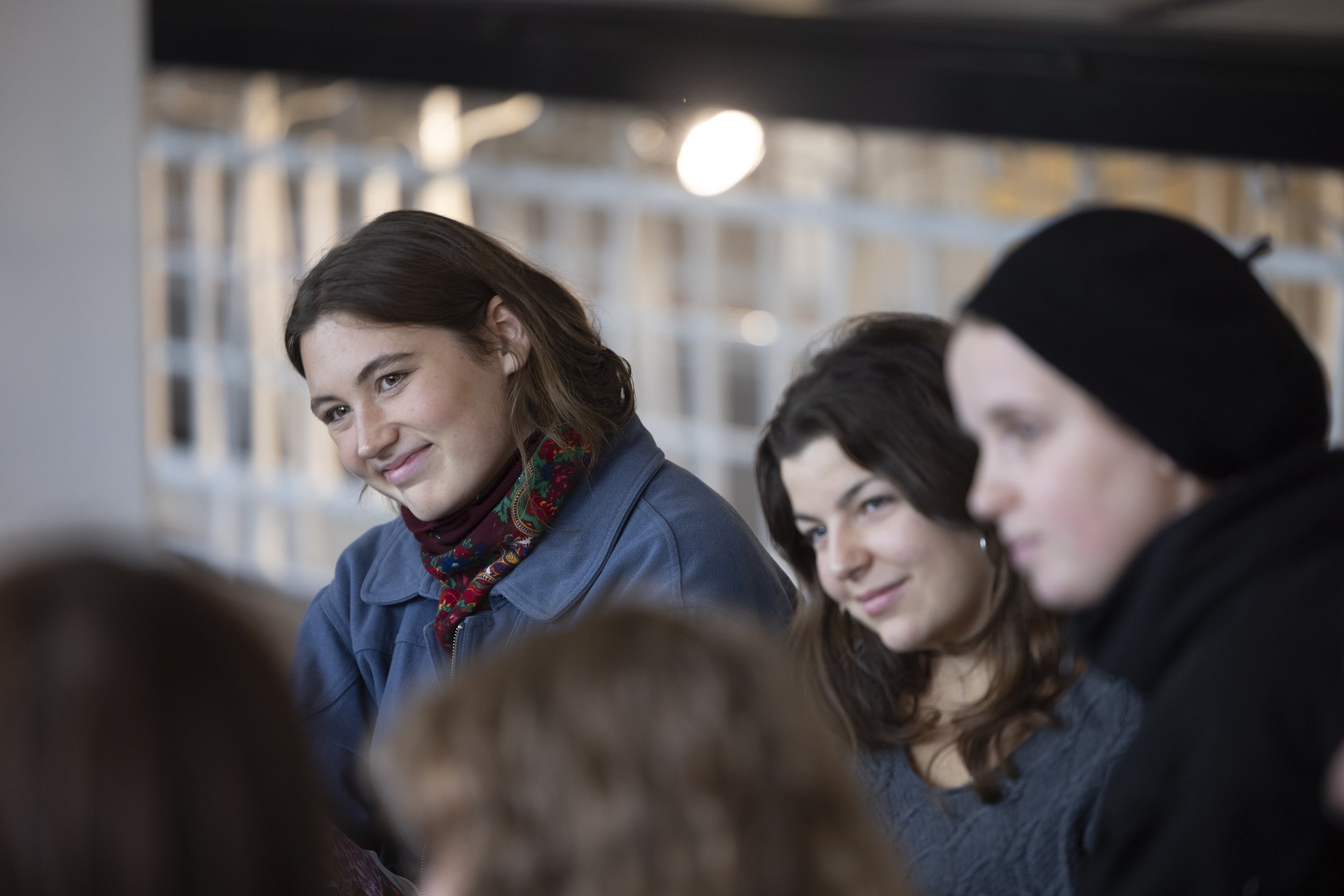
A Full Day of Talks, Workshops and Performances
The structure of EarthSonic Live moved across the entire museum, with activity running throughout the day before transitioning into an evening performance programme. Visitors engaged with talks, installations and hands-on workshops exploring sound, ecology and climate.
The scale of the event was significant, with thousands of attendees moving through the museum across the day.
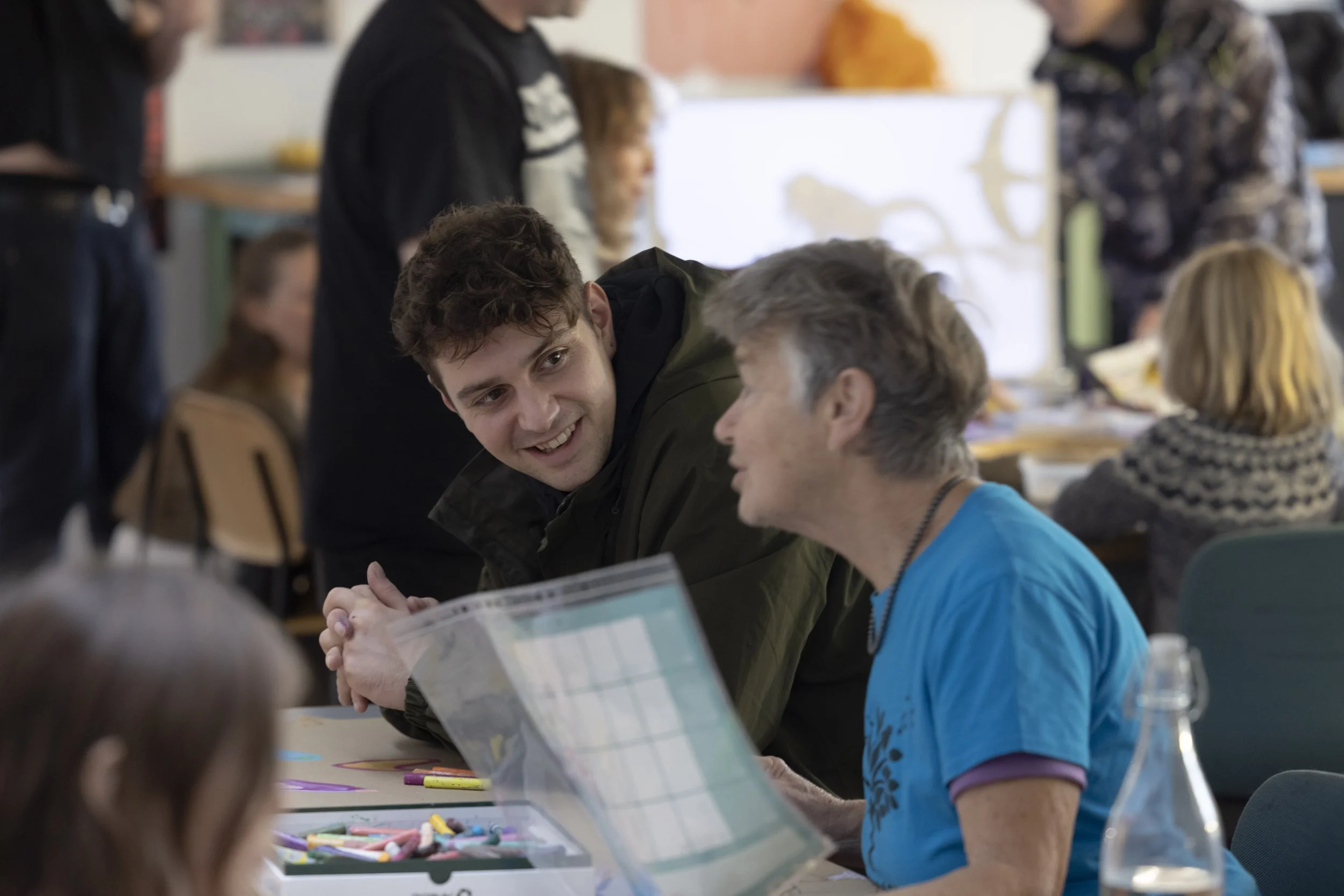
Artists, Speakers and Contributors
The programme included a wide range of contributors working across music, environmental activism and research. Participants included Andy Cato of Groove Armada, broadcaster Nihal Arthanayake, climate activist Tori Tsui, and artist Jason Williams, known as The Cloud Gardener.
Other contributors included Luke Wallace, Brian d’Souza (Auntie Flo), Sam Lee, Werkha, and a range of artists and researchers exploring sound and ecology through performance and discussion.
Installations, Performances and Live Work
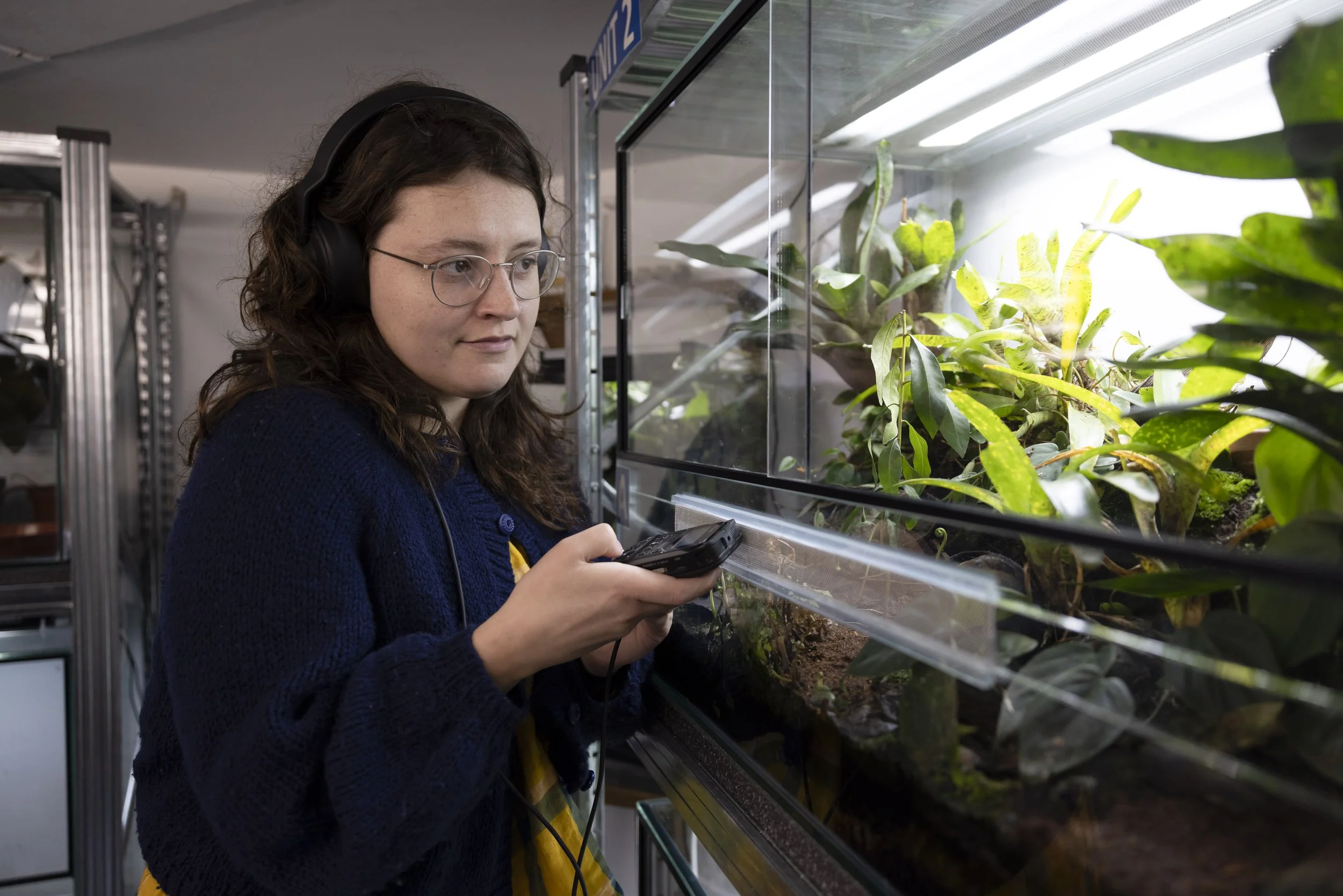
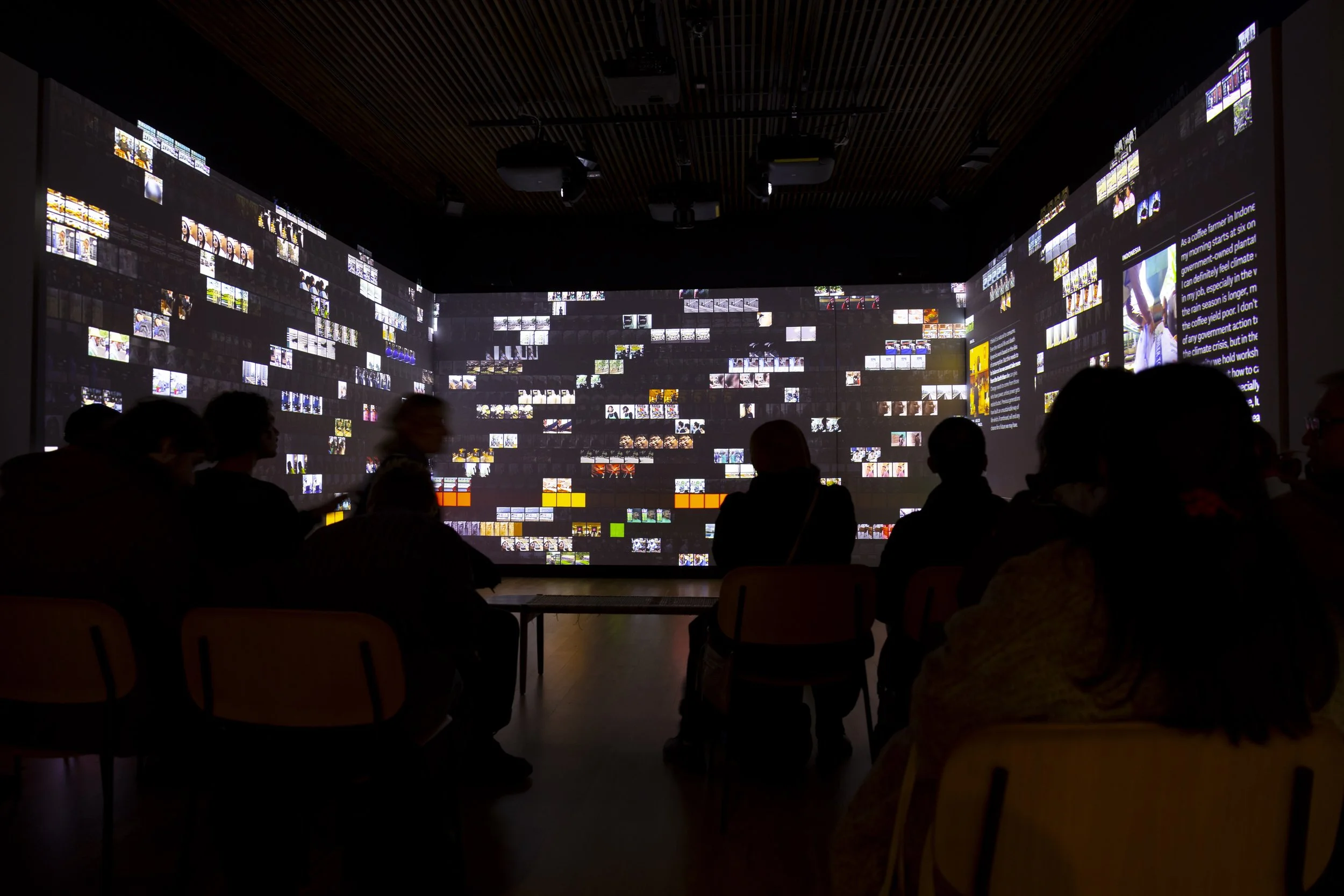
Throughout the museum, installations and performances ran continuously. Sam Lee’s nightingale-based sound installation, D-FUSE’s immersive work Nine Earths, and Flow’s live vocal performances created a constantly shifting environment.
The Climate Choir appeared across the building in a series of moving performances, while projects such as biosonification workshops explored how plant data could be translated into sound.
Environmental Organisations and Public Engagement
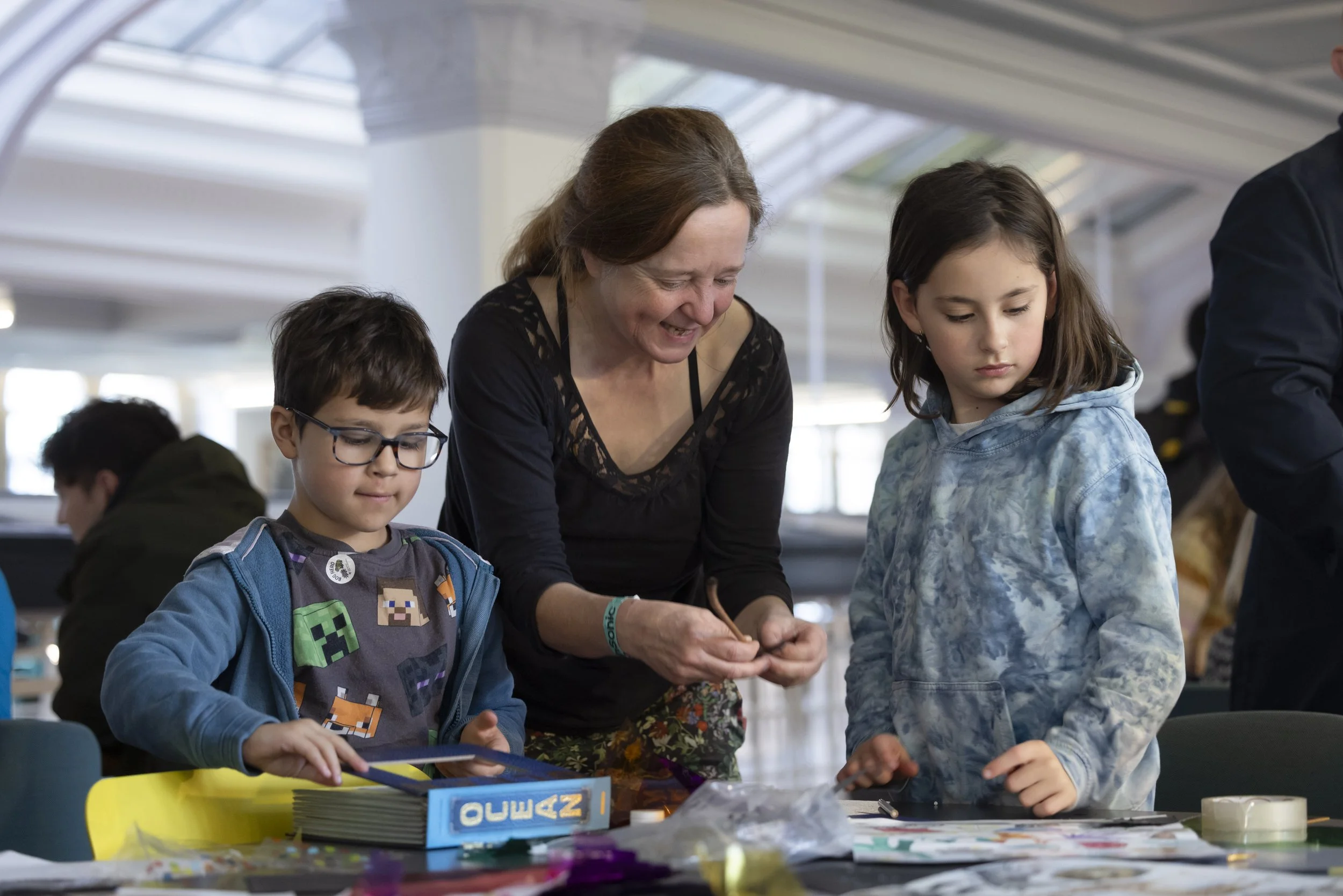
Alongside the artistic programme, a large number of organisations were present, including the RSPB, The Wildlife Trusts, Music Declares Emergency, Young Wilders and the Woodland Trust.
These groups created a layer of direct public engagement, allowing visitors to connect creative work with practical climate action and environmental advocacy.
The Evening Programme and Live Music
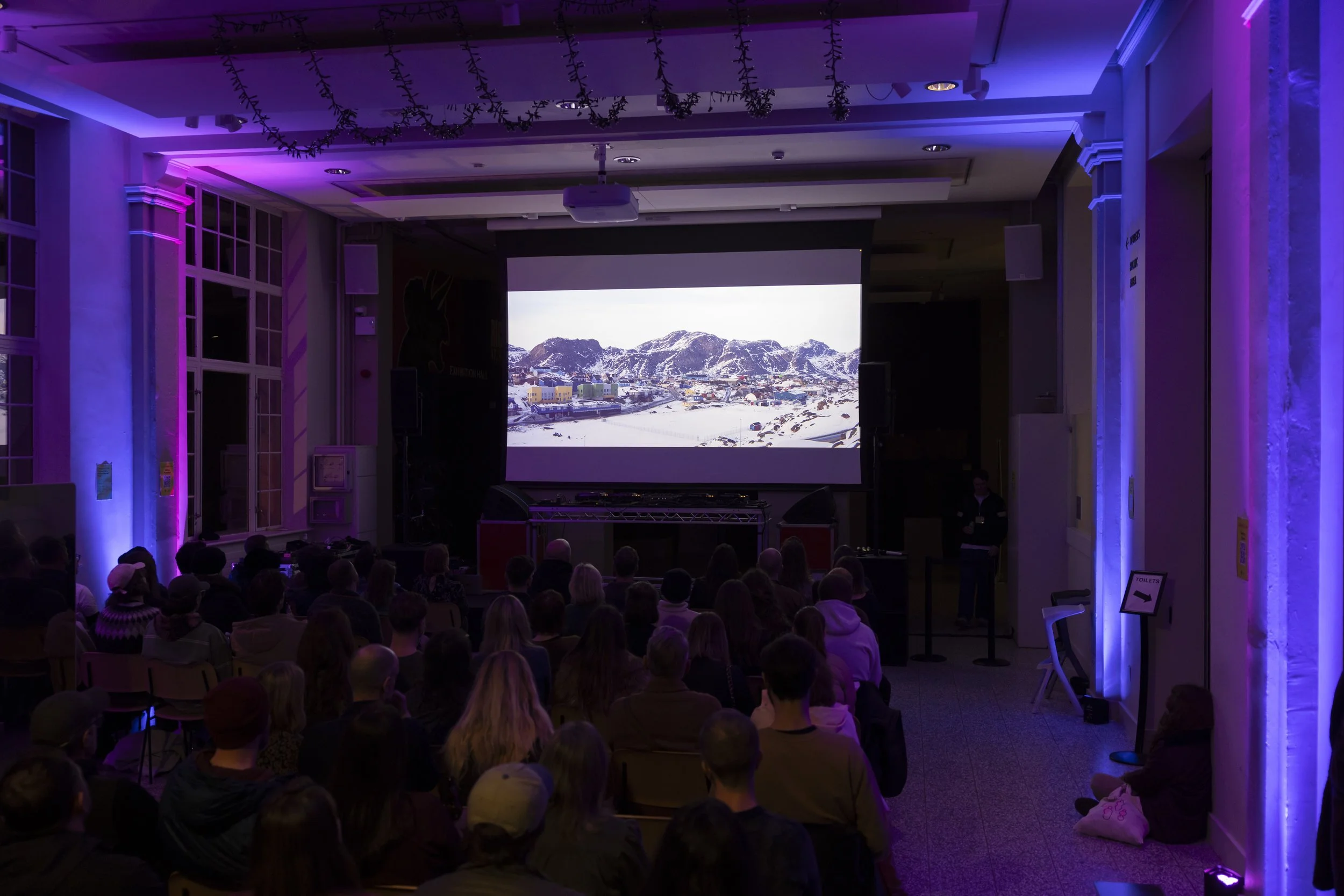
The evening transformed the museum into a live music venue, culminating in a DJ set from Groove Armada. The programme also included a screening of BICEP’s TAKKUUK, Werkha’s Saturama installation and performances from Natural Symphony.
This shift from daytime programme to evening event created a different photographic environment, with changes in lighting, energy and audience behaviour.
Photographing EarthSonic Live as a Documentary Event
My approach to photographing EarthSonic Live was based on documentary principles, working across multiple spaces and responding to what was happening in real time. The event required continuous movement between talks, installations, performances and audience interactions.
Rather than directing or staging images, the focus was on observing and capturing the event as it unfolded.

Working Across Multiple Spaces and Conditions
The event took place across the full museum, from gallery spaces to lecture theatres and large open halls. Each space presented different lighting conditions and ways of working, from quiet talks to fast-moving performances.
This required a flexible approach, adapting quickly while maintaining consistency in the visual narrative.
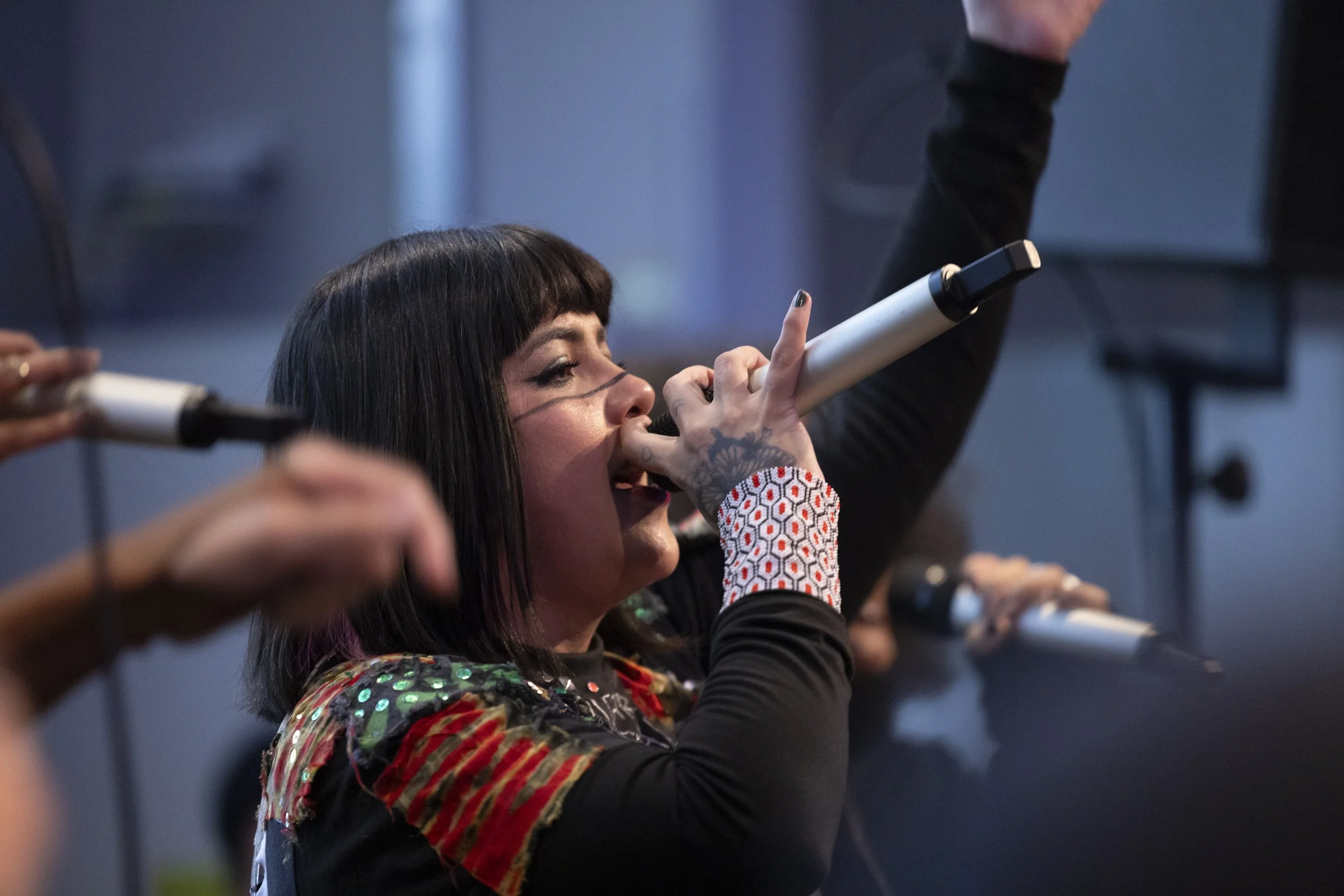
Capturing Audience Interaction and Atmosphere
A key part of documenting EarthSonic Live was the interaction between people and the event itself. Audiences were not passive, moving between installations, taking part in workshops and engaging directly with performers and organisations.
Photographing these interactions helps communicate the scale and purpose of the event beyond individual performances.
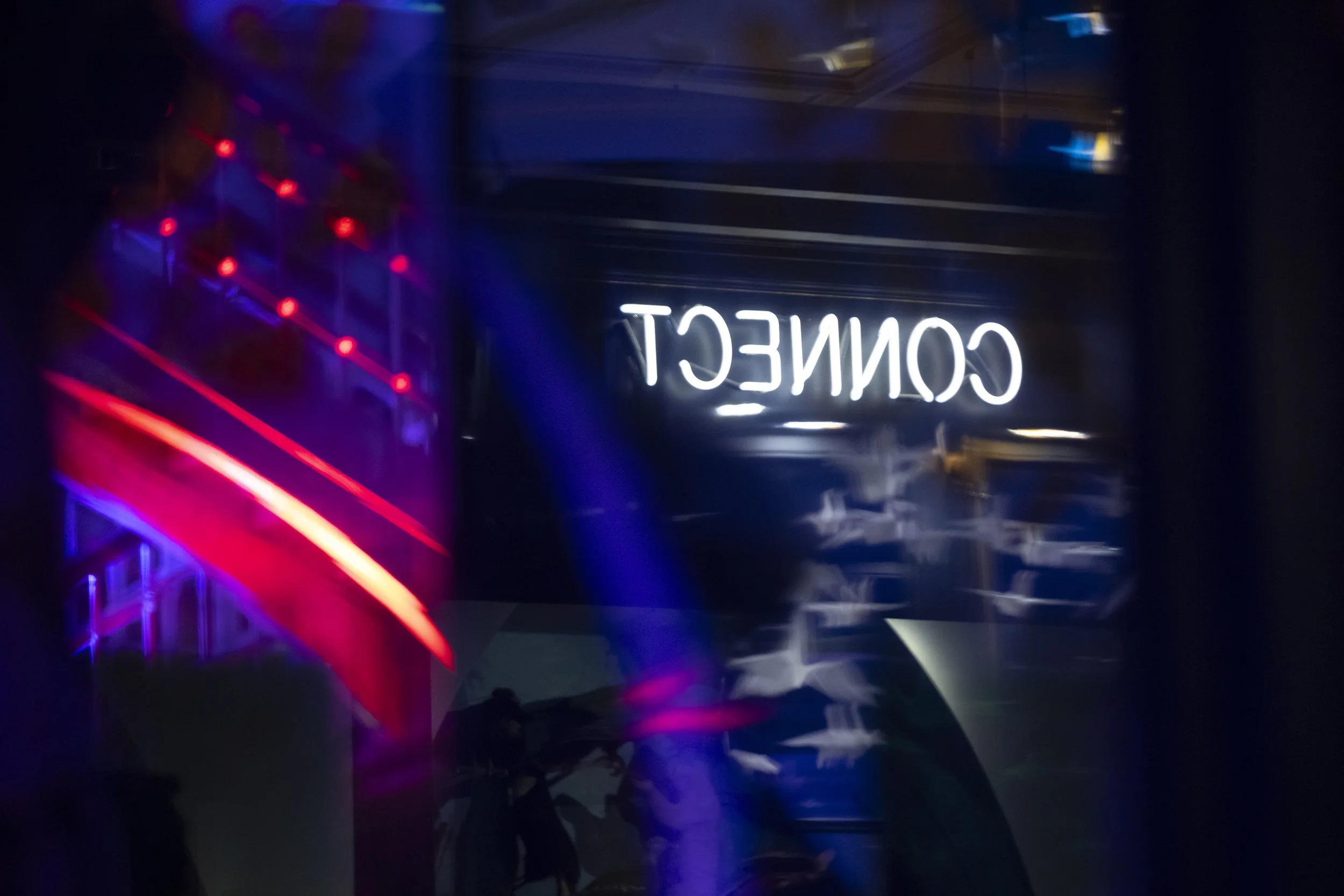
Ongoing Work with Manchester Museum
EarthSonic Live builds on my ongoing work with Manchester Museum, documenting exhibitions, public programmes and live events.
Working regularly with the museum allows for a clear understanding of how events function within the space and how imagery is used across press, marketing and archive.
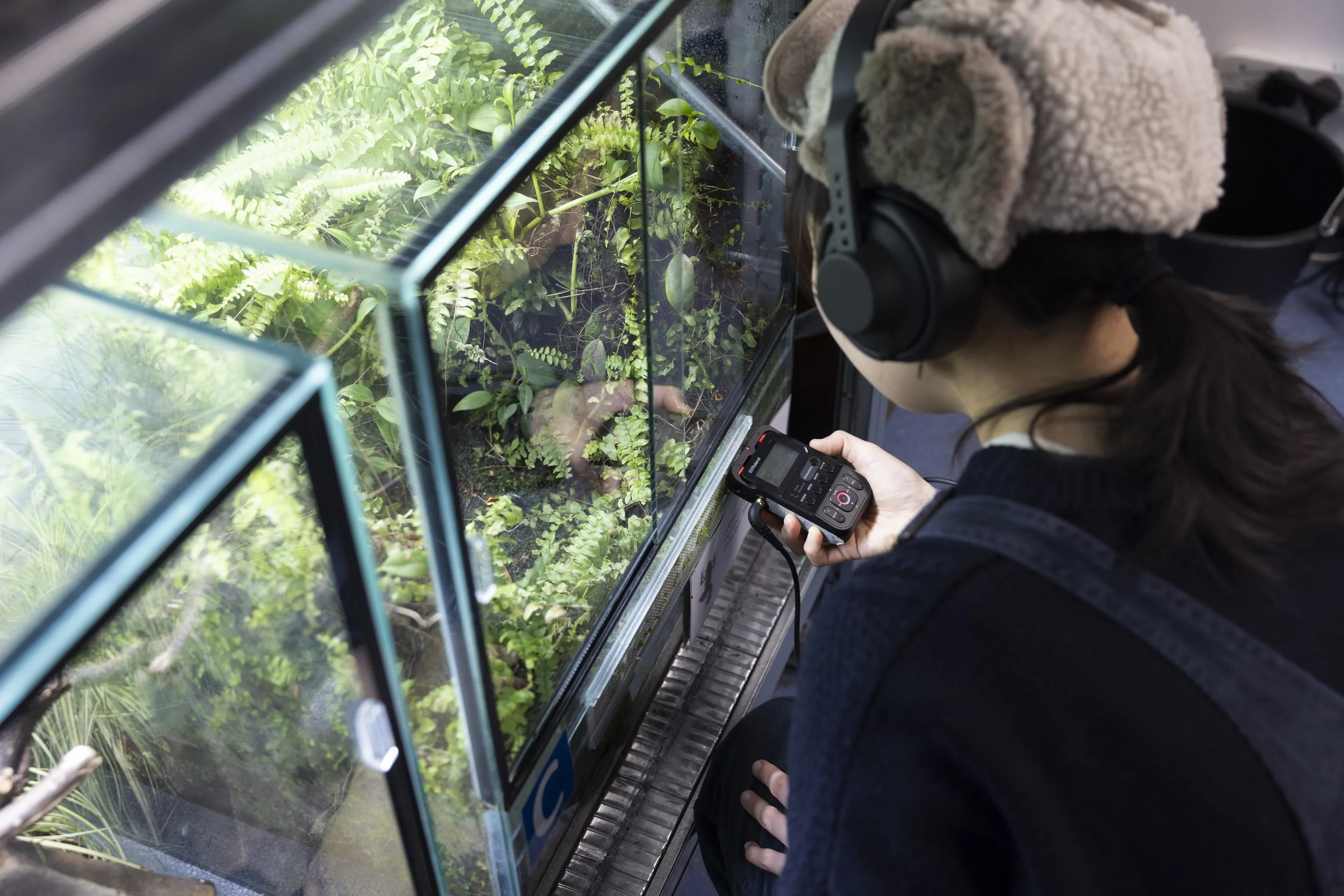
Documenting Cultural Events Through Photography
Events like EarthSonic Live bring together multiple disciplines, audiences and ideas in a single space. Photography plays a role in recording that complexity, creating a visual record that can be used long after the event itself.
For large-scale public programmes, this kind of documentation supports future programming, communication and wider engagement.
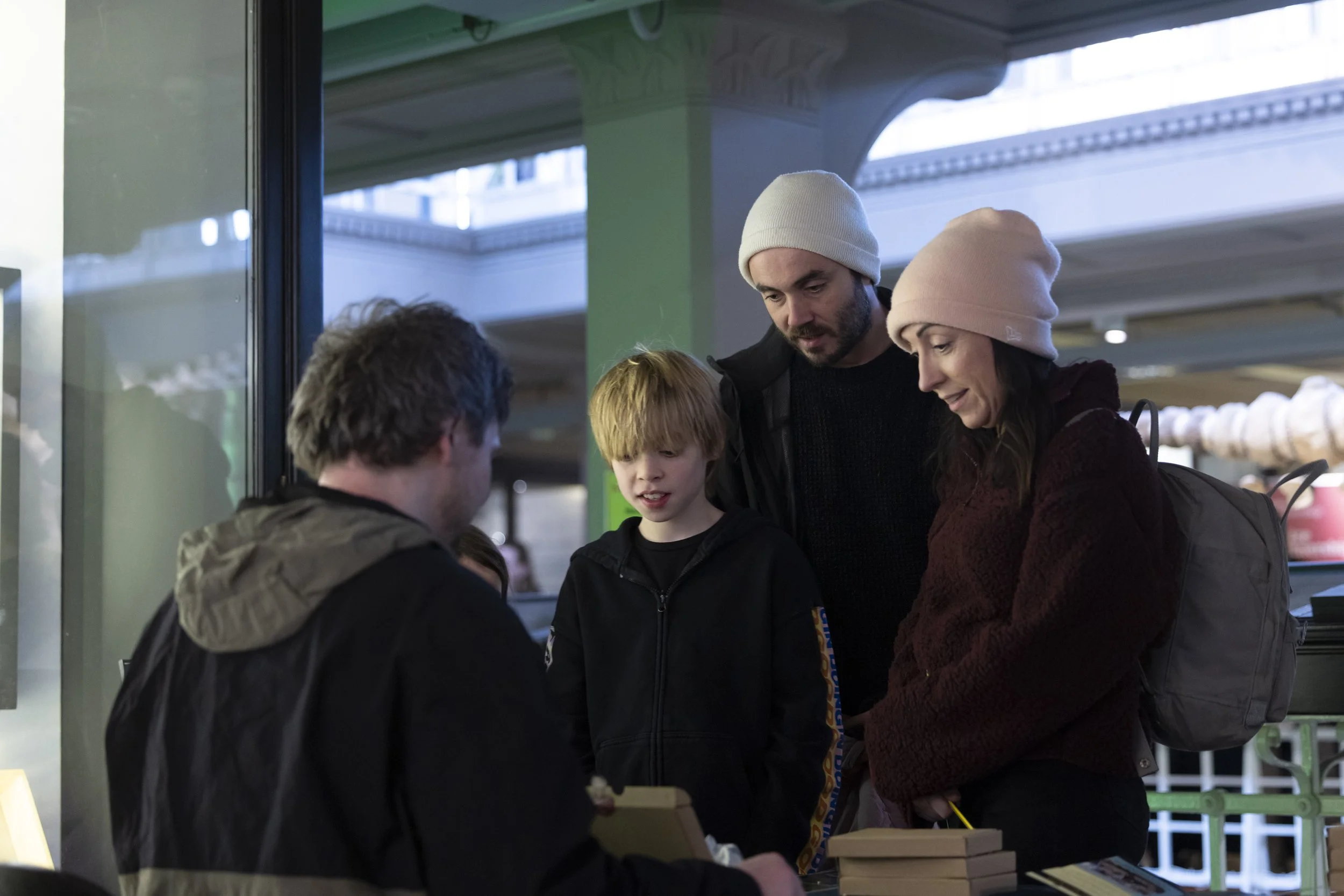
Manchester Event Photography and Documentary Approach
As a Manchester-based photographer specialising in documentary event photography, my work focuses on capturing real moments within live environments.
EarthSonic Live is an example of how this approach can be applied to complex, multi-layered events, documenting not just performances but the wider context in which they take place.
Manchester Conference Photography: Innovate to Elevate Awards and Showcase Event Coverage
I recently photographed the Innovate to Elevate Awards and Showcase, organised by the Centre for Digital Innovation and held in Manchester. The event brought together technology companies, researchers, and innovators working across fields such as artificial intelligence, cyber security, digital manufacturing, and sustainable technology.
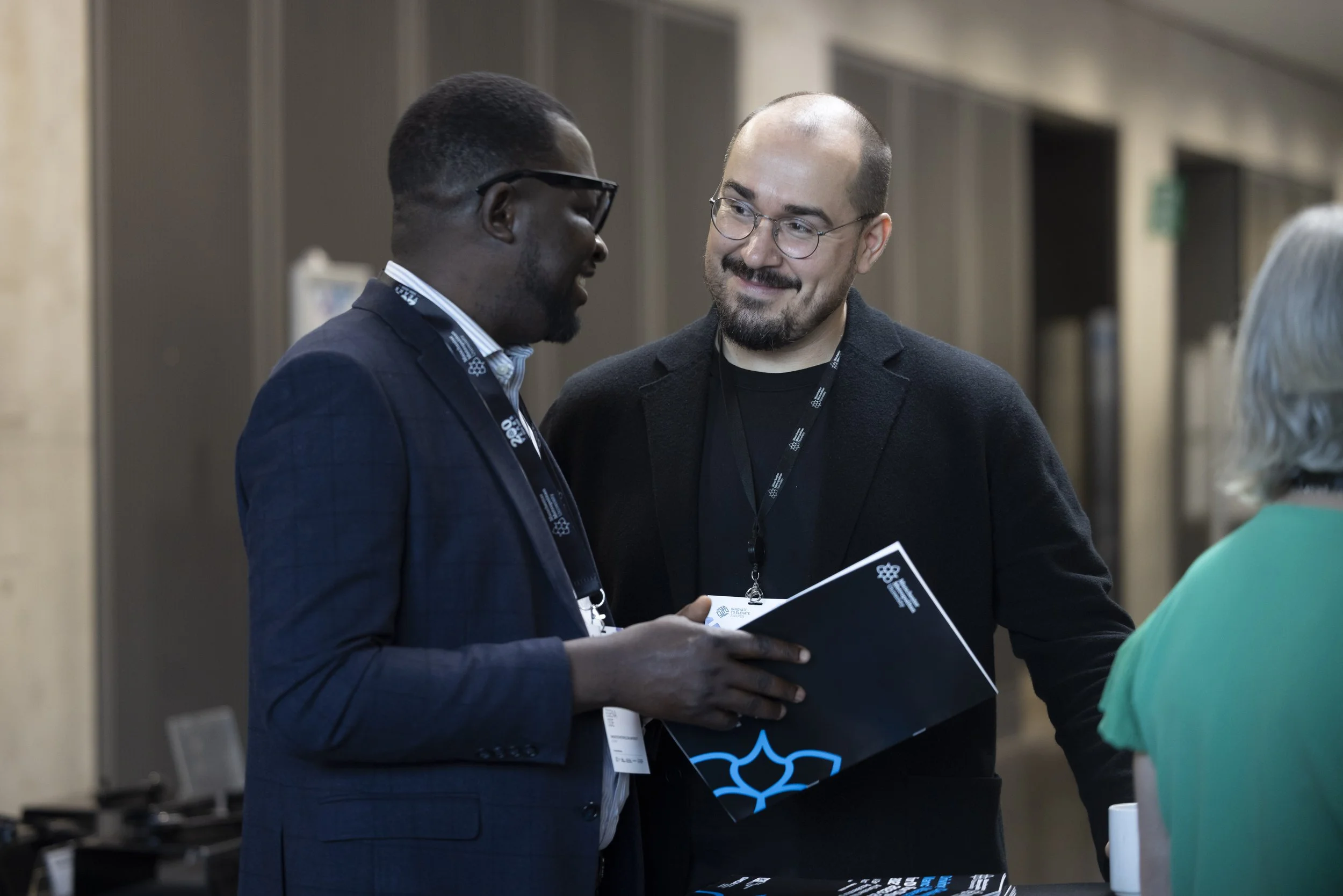
I recently photographed the Innovate to Elevate Awards and Showcase, organised by the Centre for Digital Innovation and held in Manchester. The event brought together technology companies, researchers, and innovators working across fields such as artificial intelligence, cyber security, digital manufacturing, and sustainable technology.
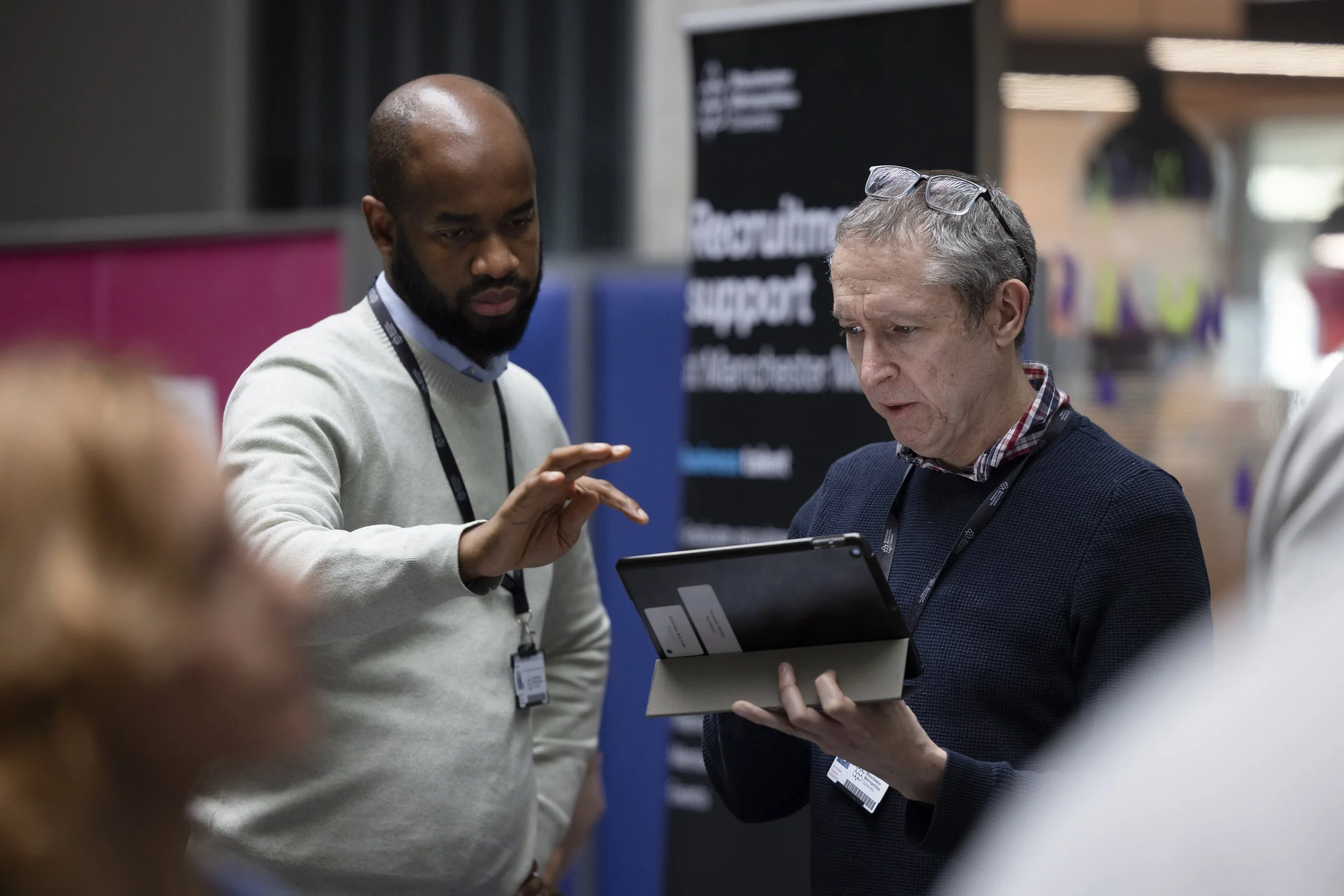
Events like this highlight how important it is for organisations to document conferences and innovation programmes with clear, professional photography that communicates their work long after the event has finished.
For organisations running conferences, innovation showcases, or industry awards, photography is not simply a record of the event. It is a marketing asset.
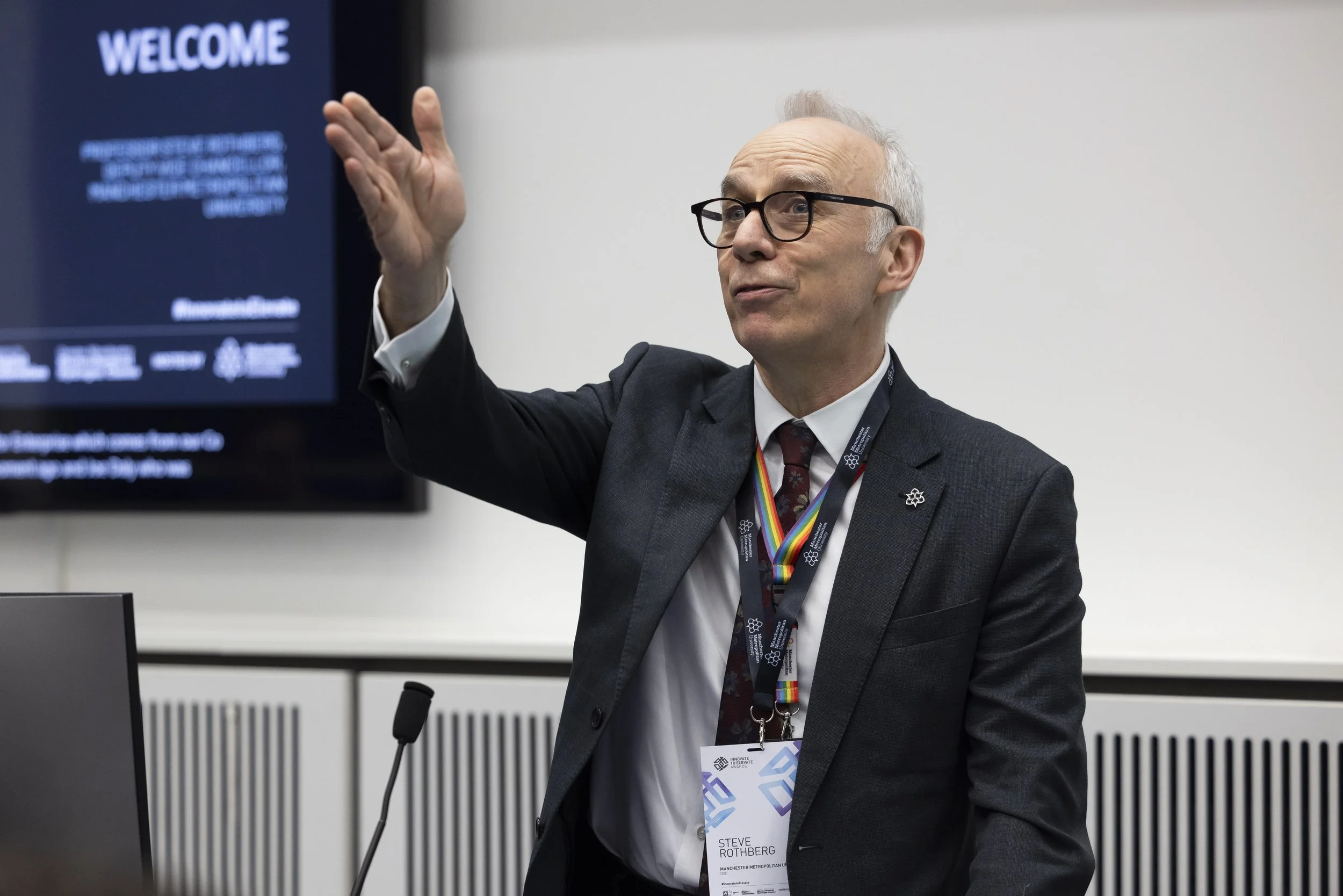
High-quality conference photography supports press coverage, social media communication, funding reports, and future event promotion. The images produced during an event often become the primary visual documentation used by organisers, sponsors, and speakers.
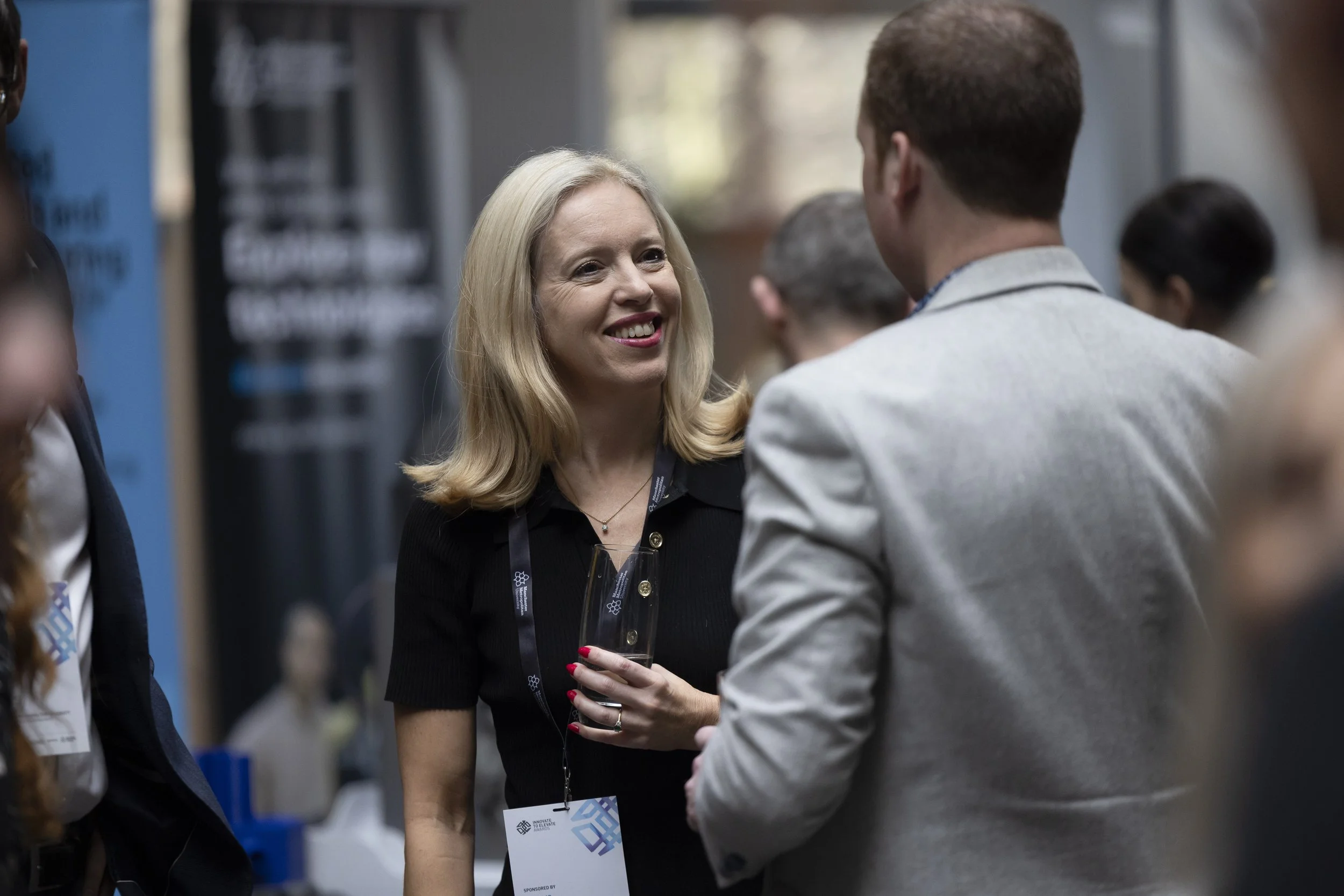
The Innovate to Elevate event focused on supporting small and medium-sized businesses working in digital and emerging technologies. The programme included presentations, workshops, networking sessions, and an awards ceremony recognising companies developing innovative solutions.
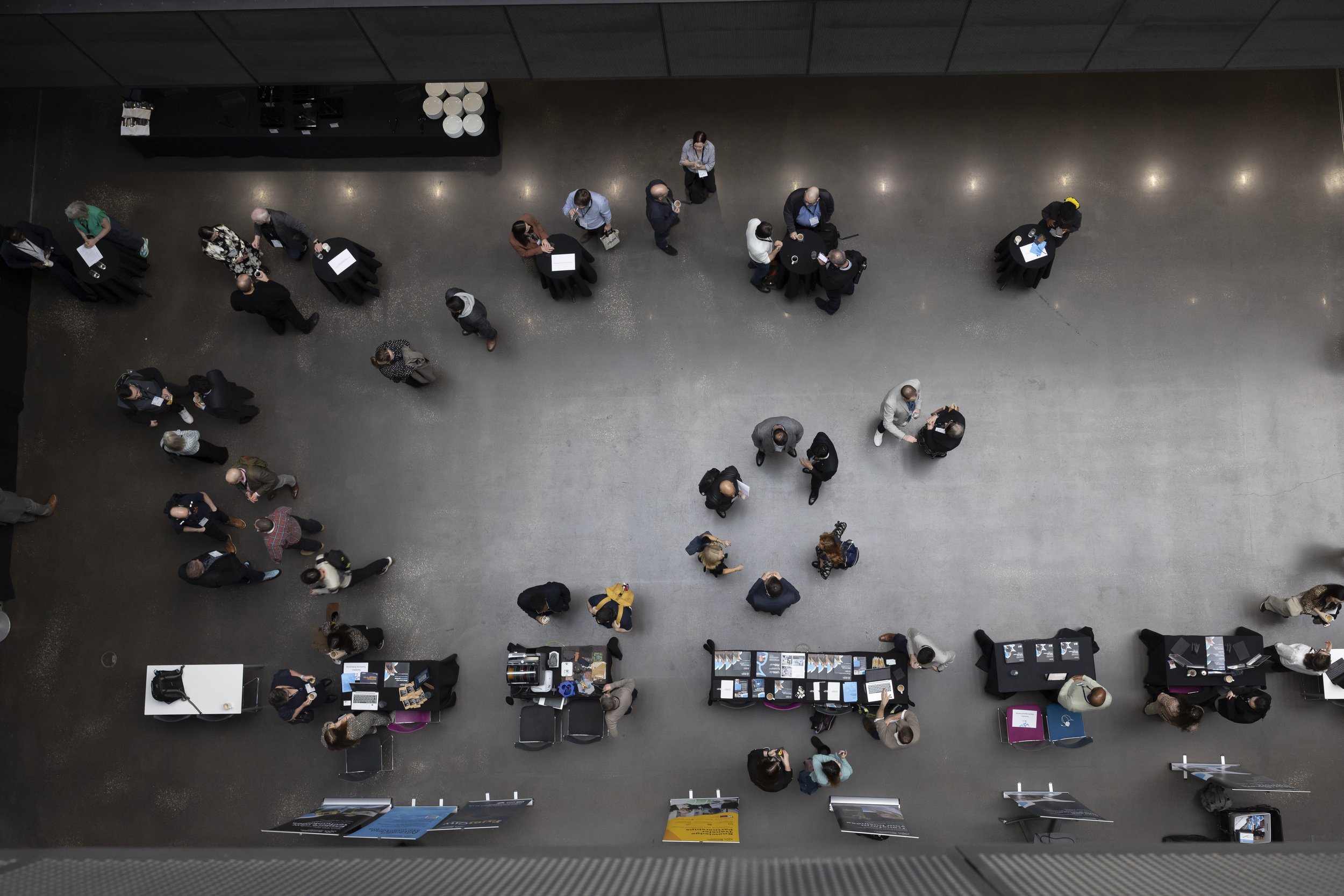
Many of the discussions at the conference centred around responsible AI, digital transformation, hydrogen technology, cybersecurity, and the role of emerging technologies in supporting innovation across industry.
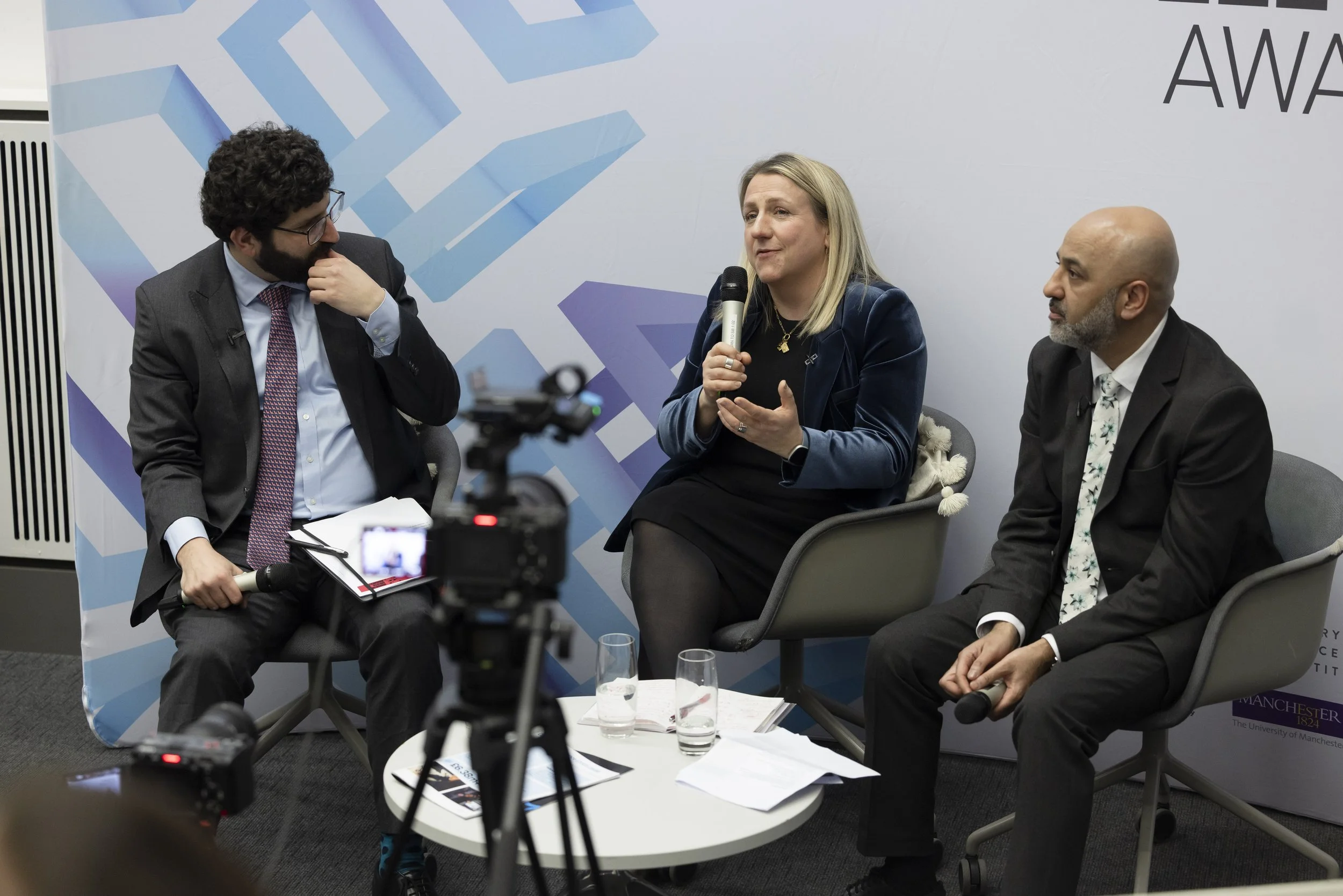
Events like this allow organisations to present research and innovation outcomes, connect businesses with potential collaborators, and demonstrate the impact of regional technology programmes.
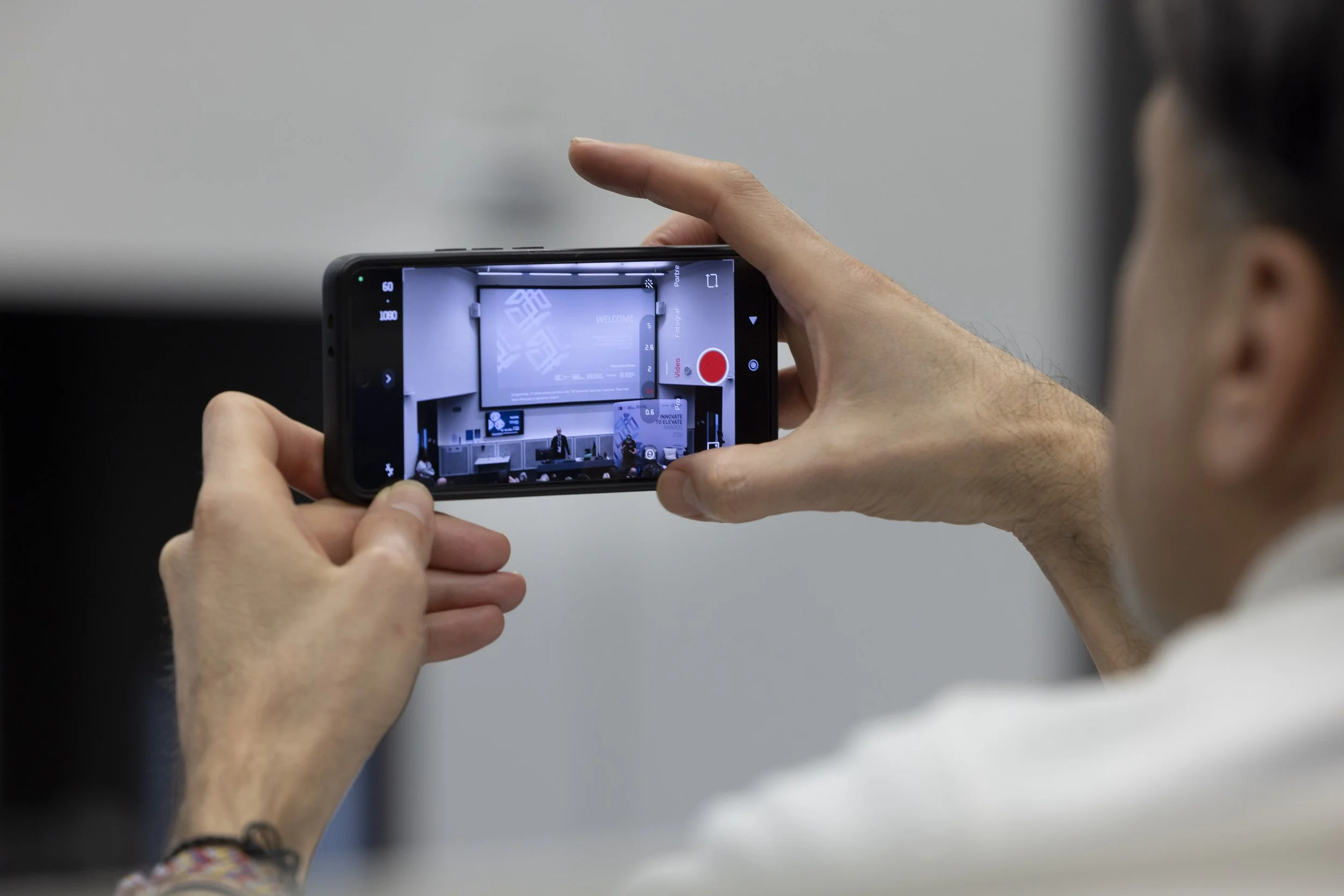
For initiatives funded through innovation programmes, strong visual documentation is particularly important. Photography from these events is frequently used in reports, communications campaigns, and stakeholder updates.
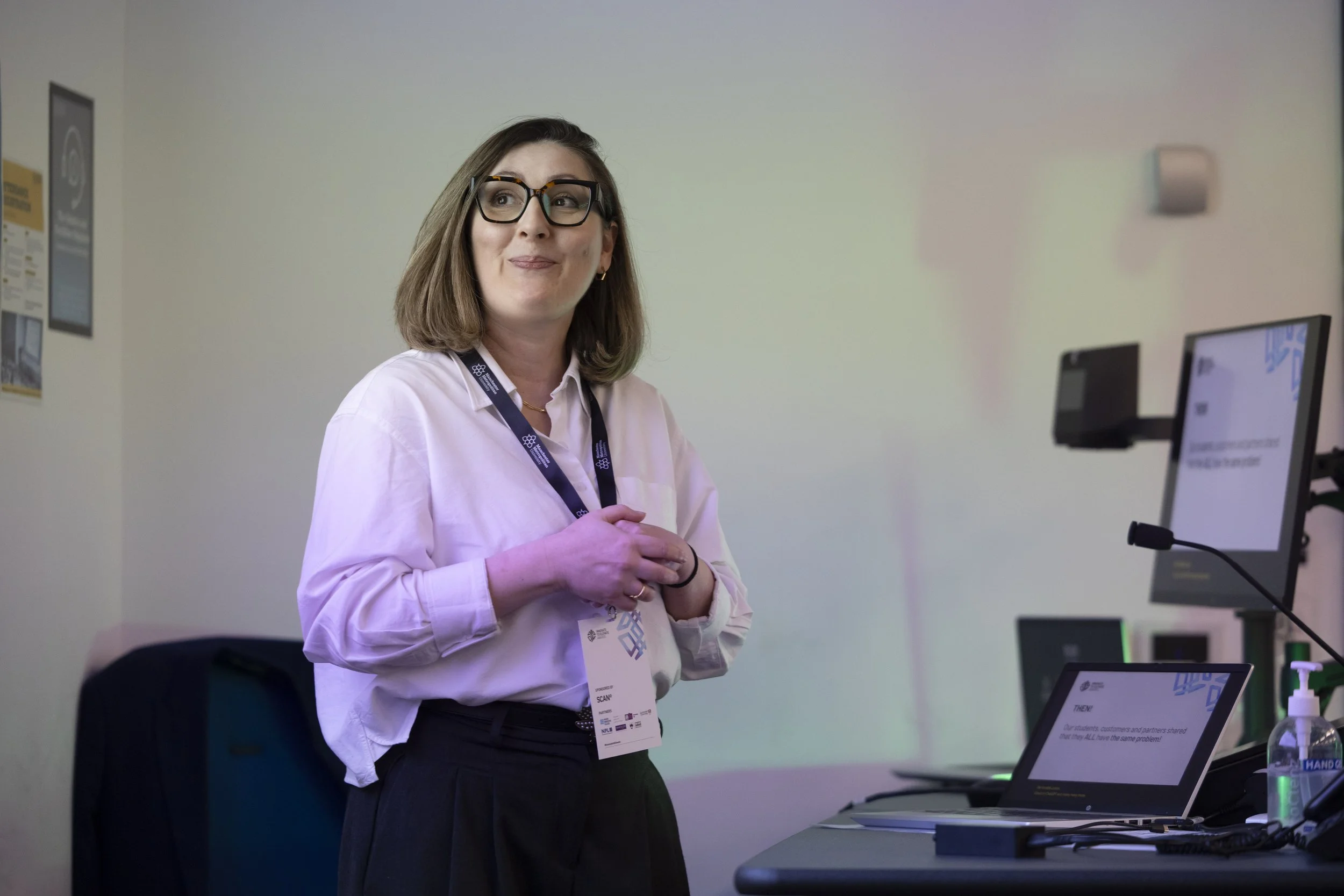
Photographing a technology-focused conference requires attention to the moments that communicate what is actually happening at the event.
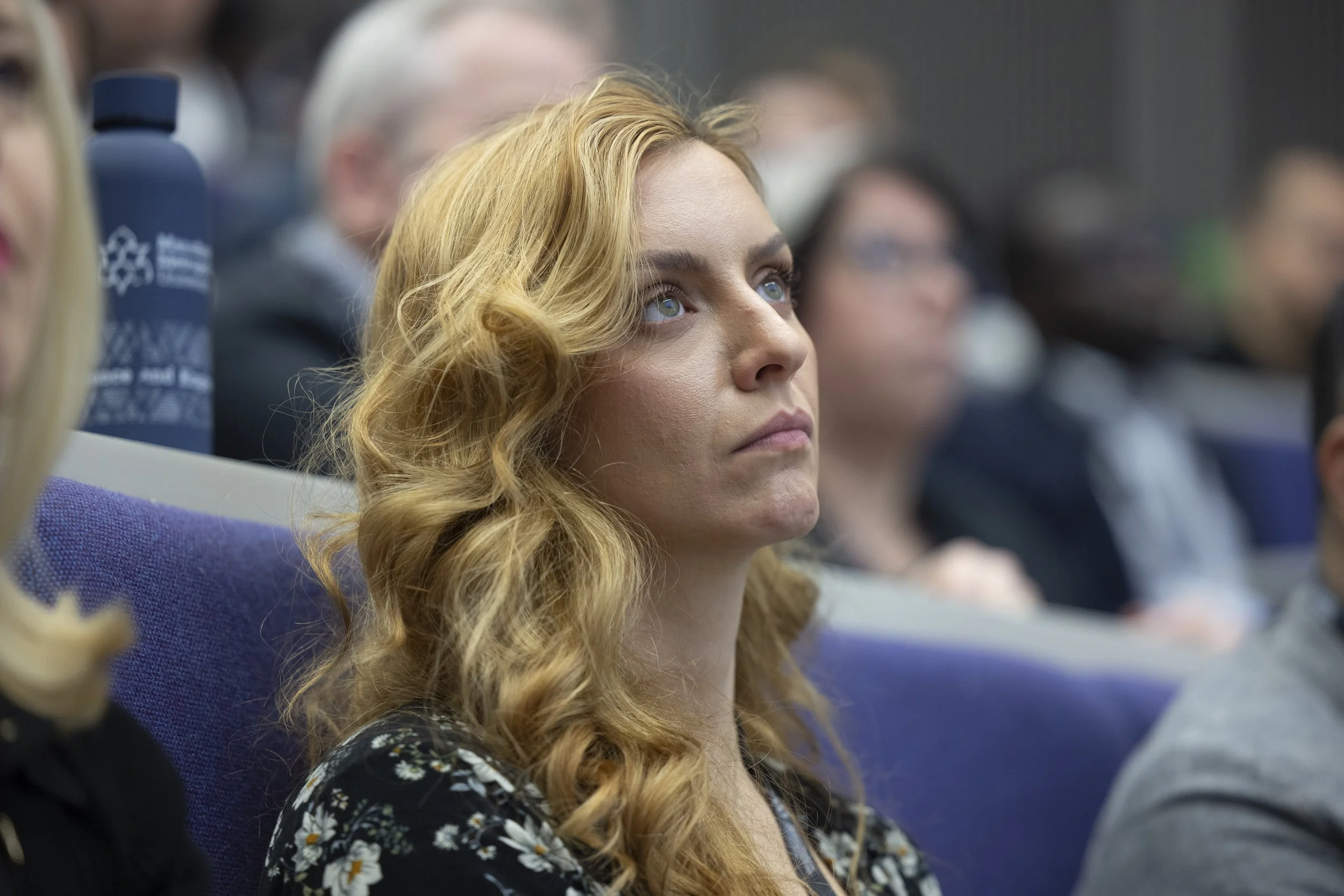
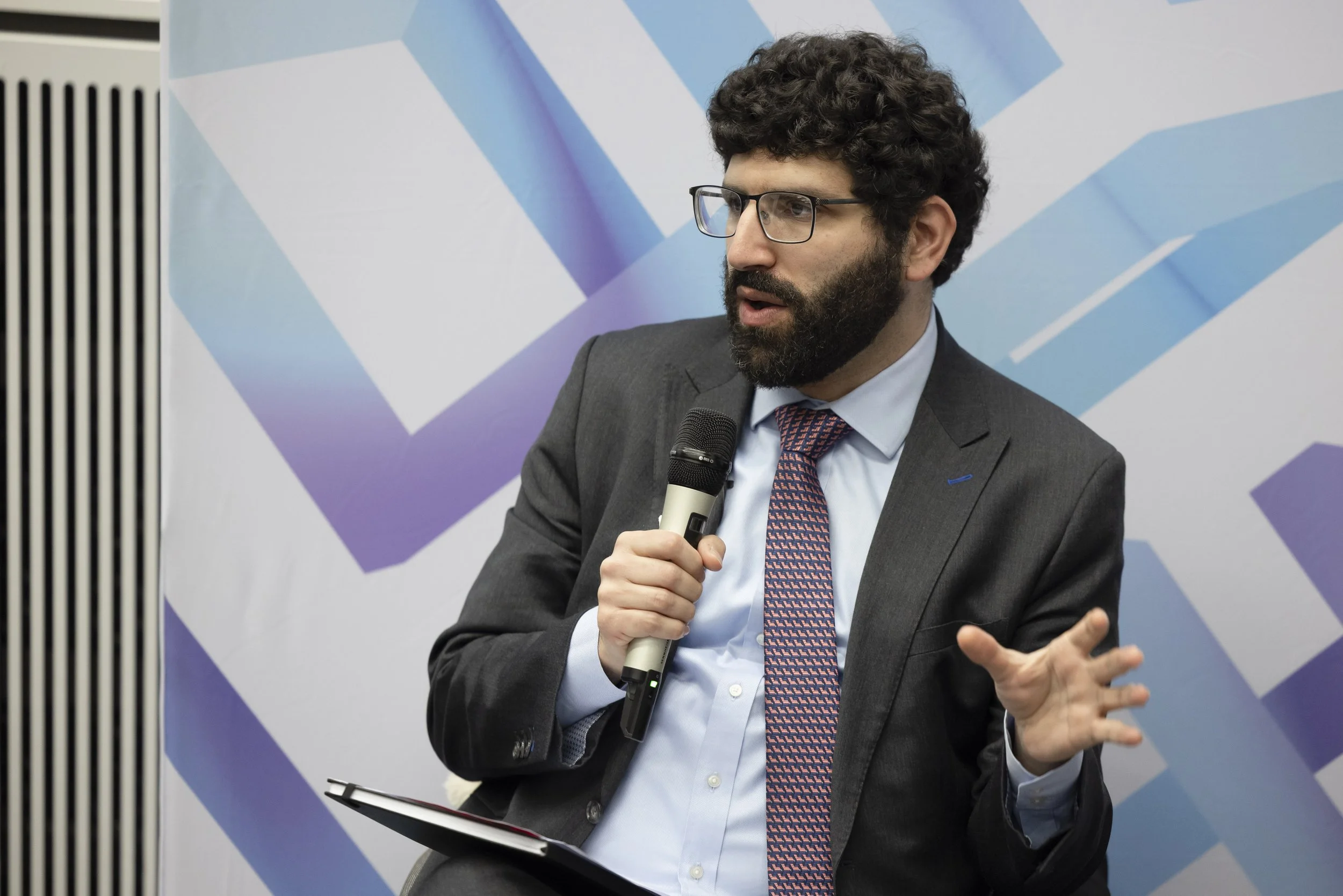
Rather than simply photographing audiences, the goal is to capture the work being presented: keynote speakers delivering talks, panel discussions, demonstrations of new technology, and conversations between researchers and businesses.
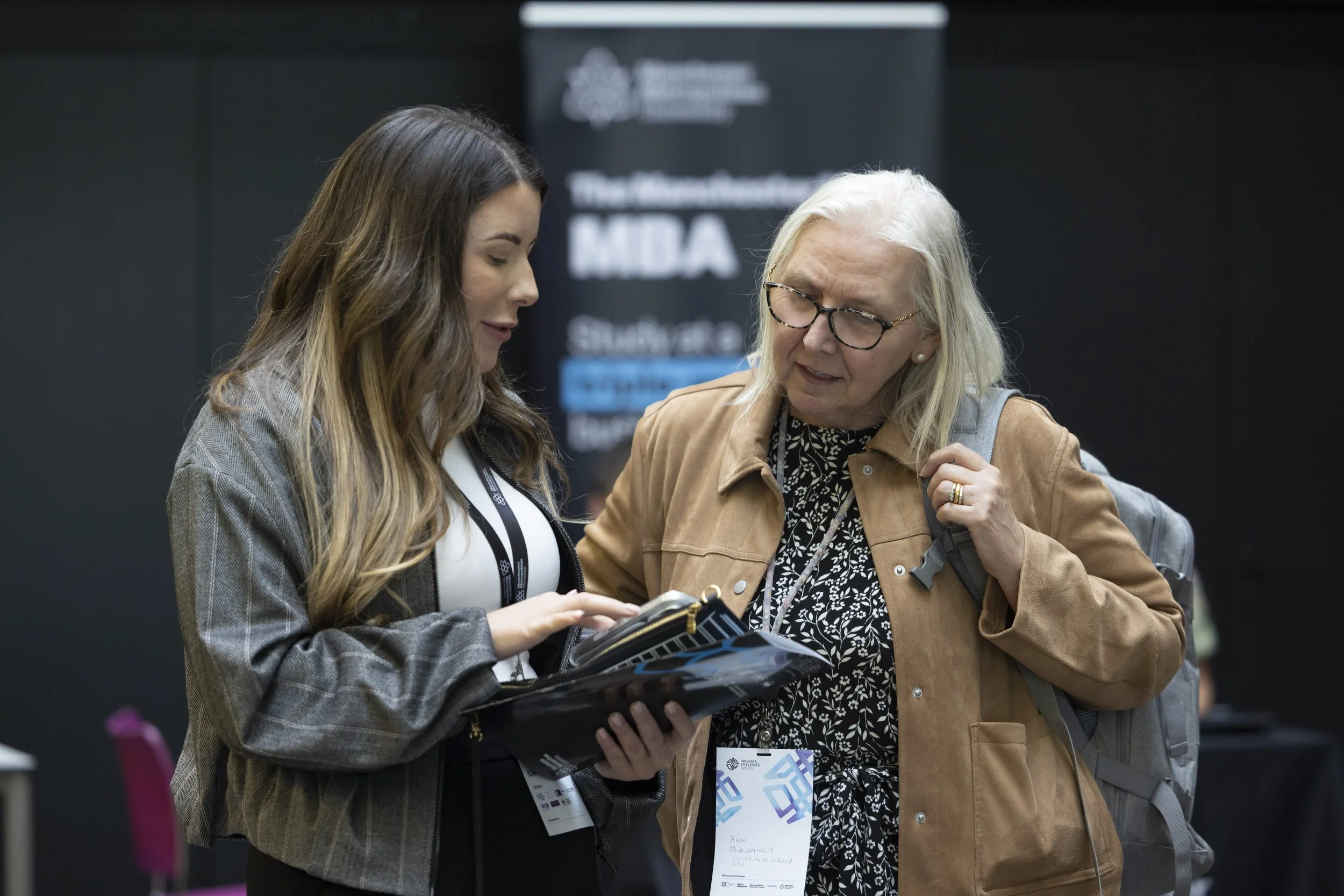
Conference venues can be challenging environments to photograph. Lighting conditions change constantly, schedules move quickly, and photographers often have limited access to speakers and presenters.
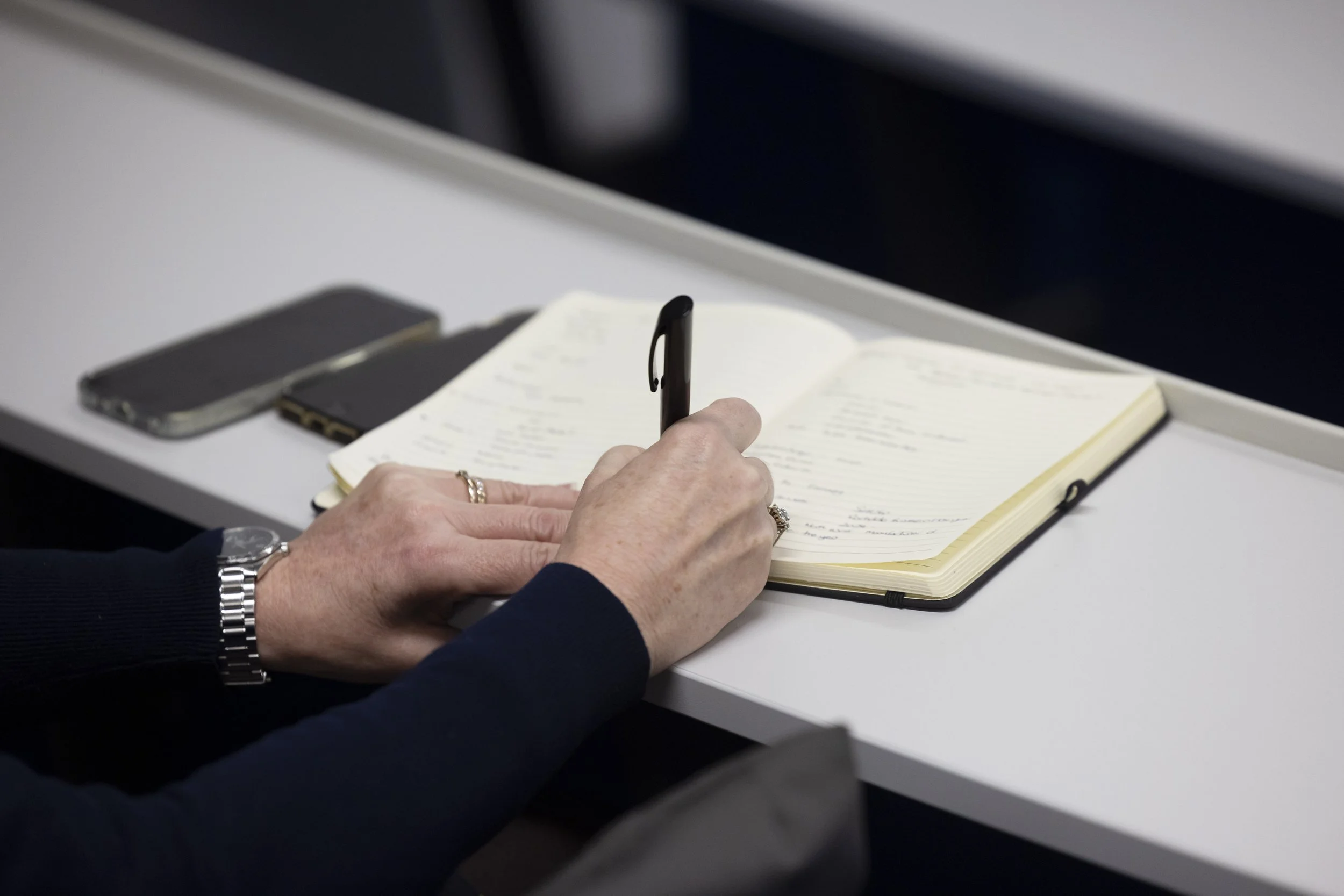
Capturing clear and usable images under these conditions requires experience in anticipating key moments while working efficiently and without interrupting the event itself.
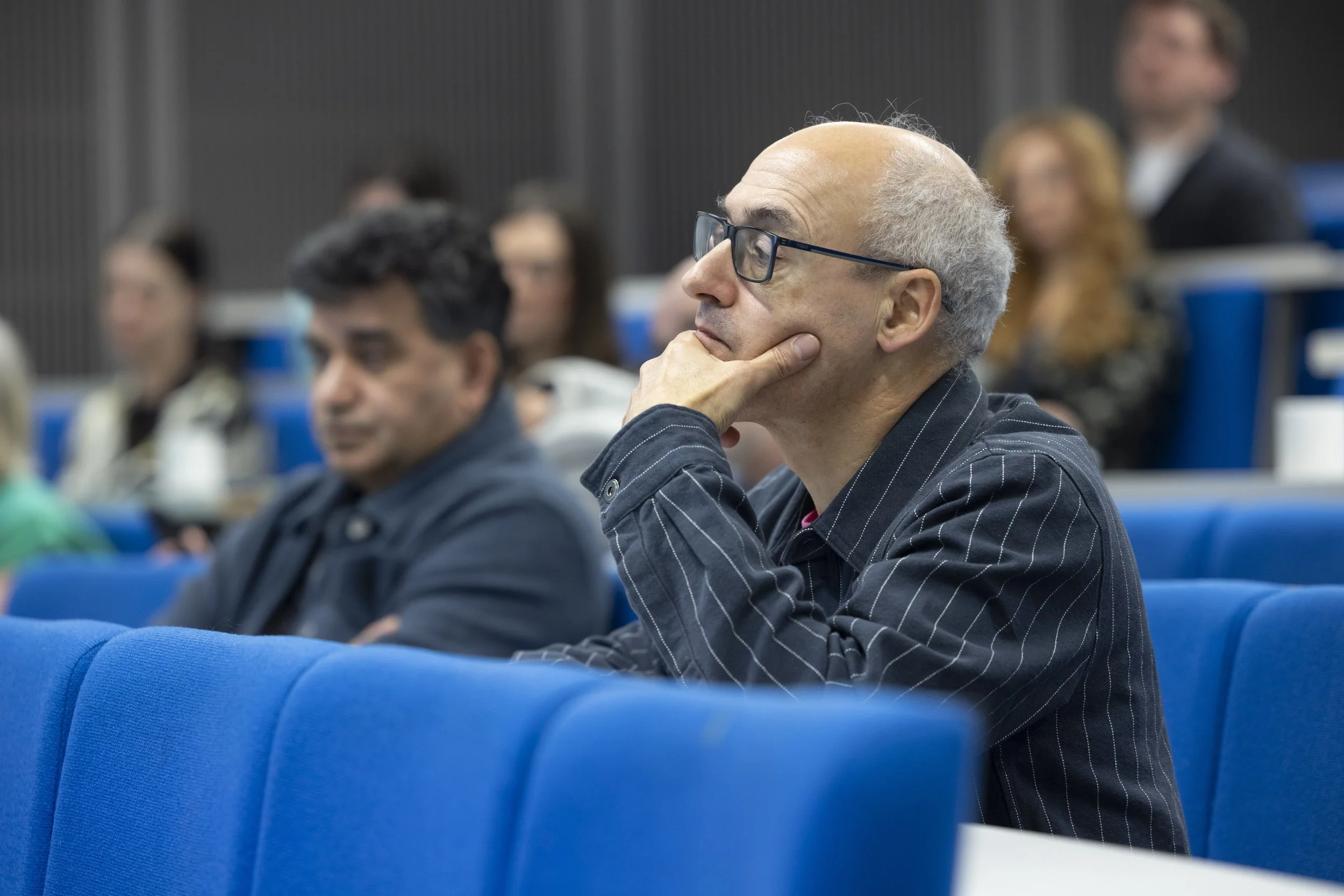
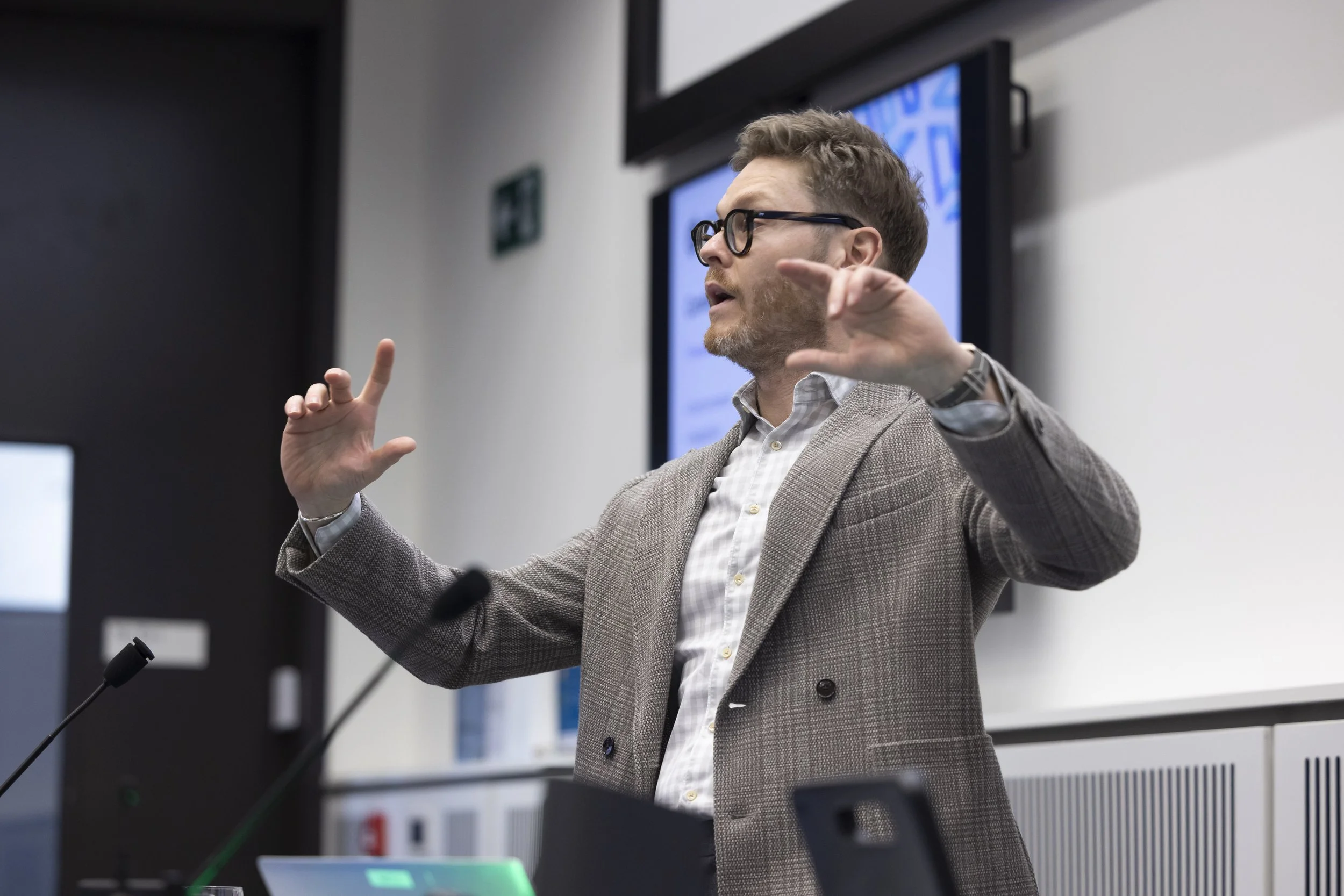
At events like Innovate to Elevate, photographs of speakers, panel discussions, and audience engagement help illustrate how ideas are shared and discussed within the conference setting.
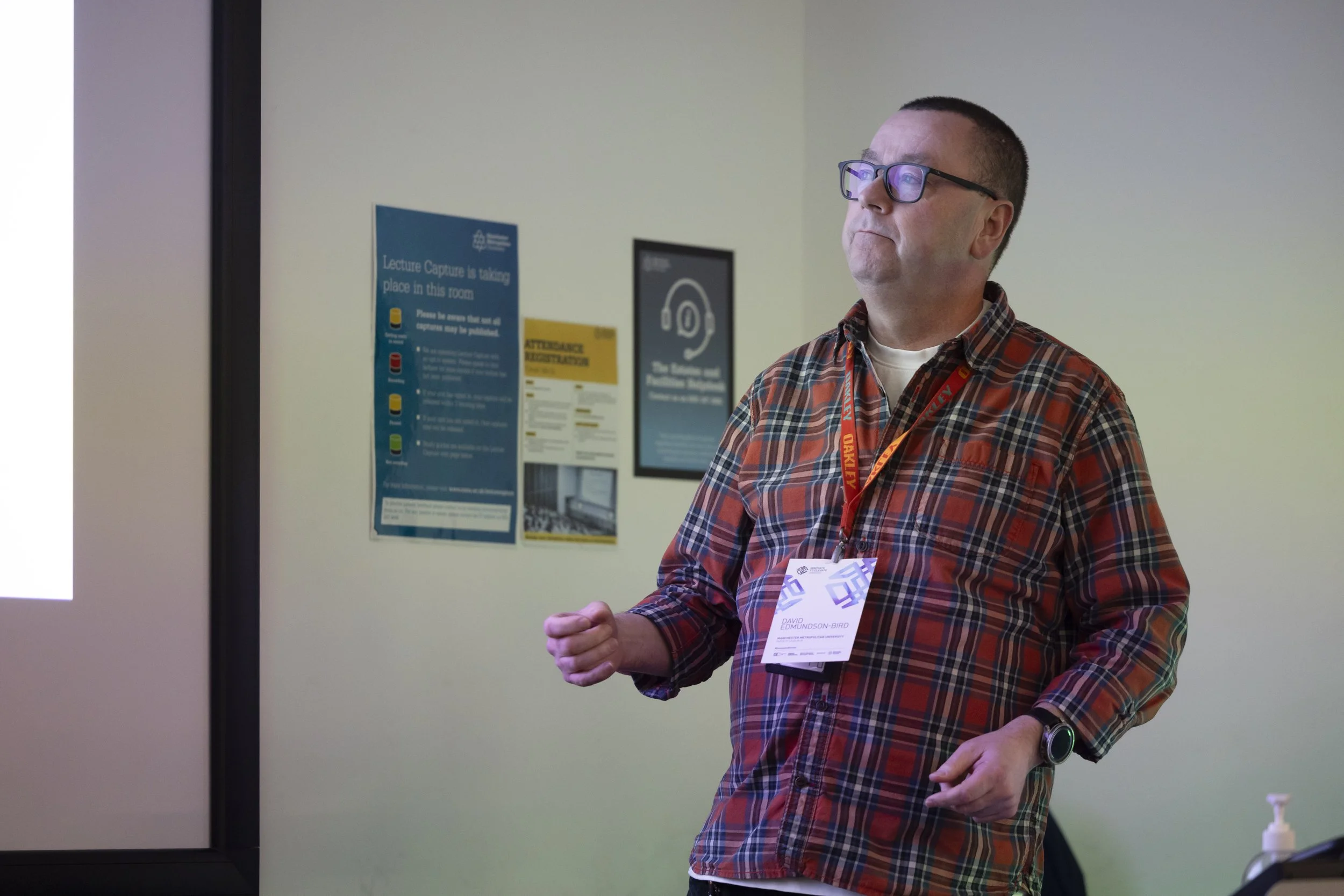
Networking and collaboration are also a central part of innovation events. Images showing attendees discussing projects or reviewing demonstrations help communicate the connections being formed between organisations.
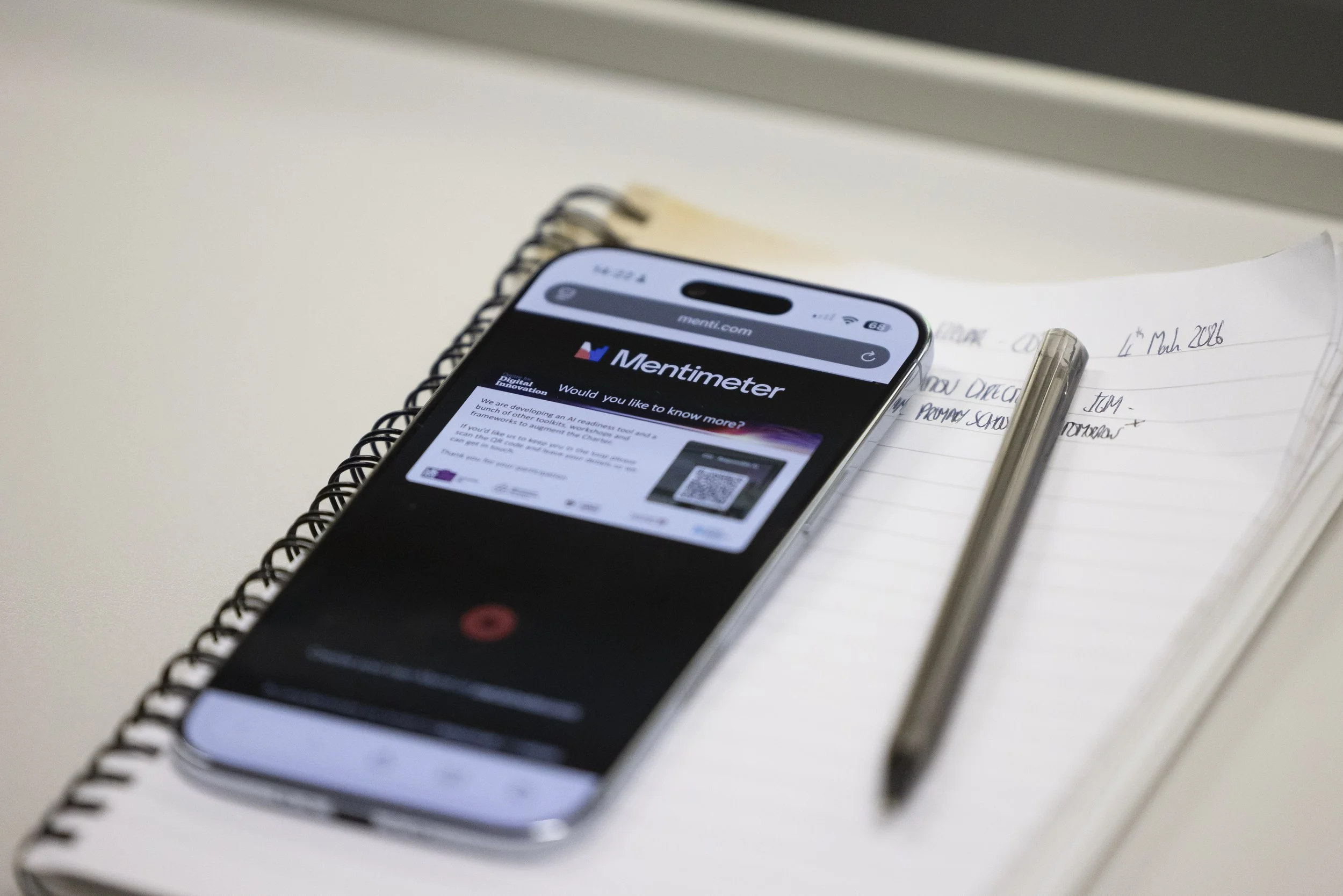
The awards section of the event recognised companies contributing to technological innovation and regional economic development. Photographing award presentations provides organisers and winners with images that can be used for press announcements and marketing.
For organisations hosting conferences, professional photography helps ensure that the event continues to generate value long after it has finished. Images can be used across websites, social media, reports, and promotional material for future events.
If you are organising a conference, awards ceremony, or industry event in Manchester and need professional photography coverage, feel free to get in touch.
Photographing the Manchester Artist Teacher Collective
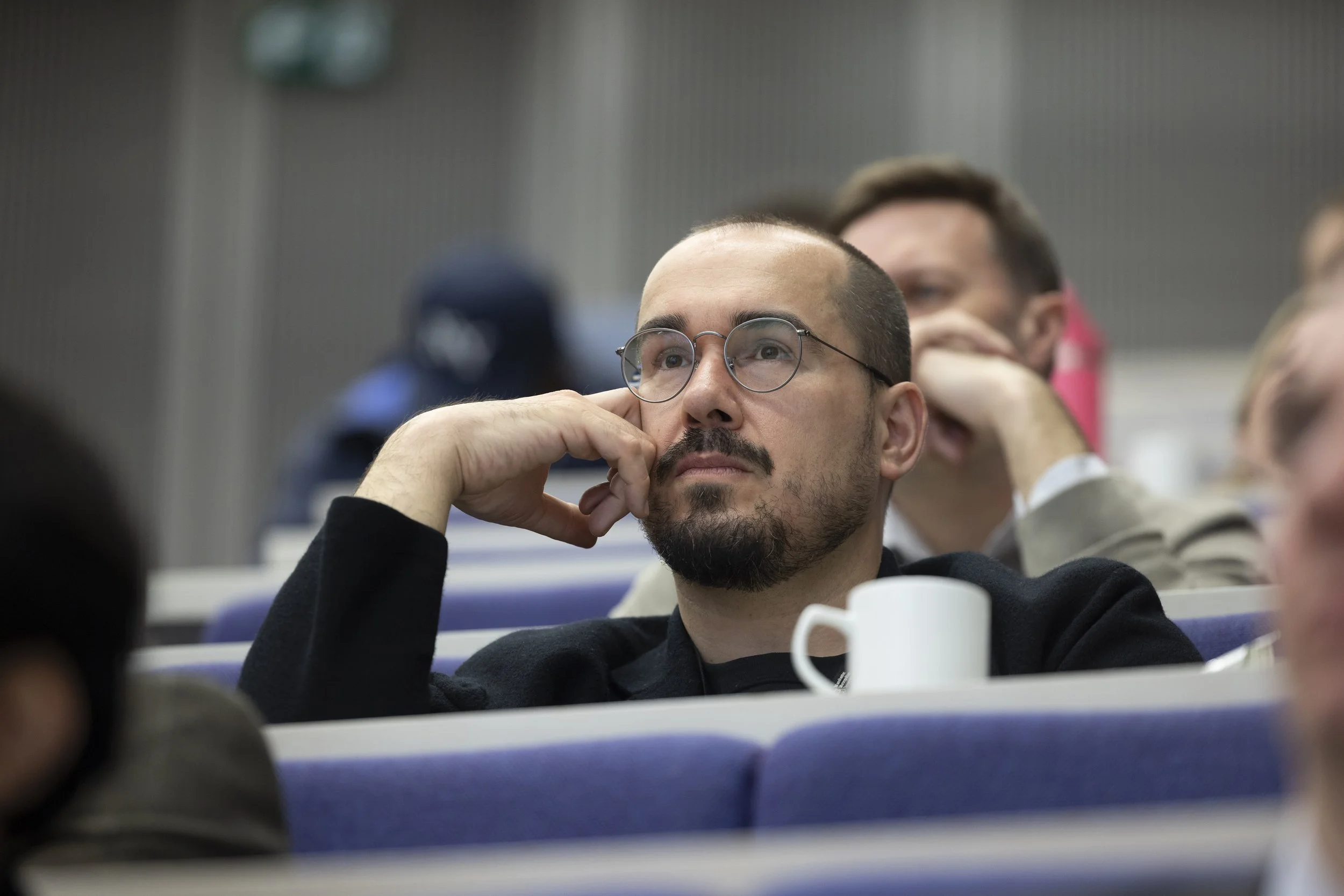
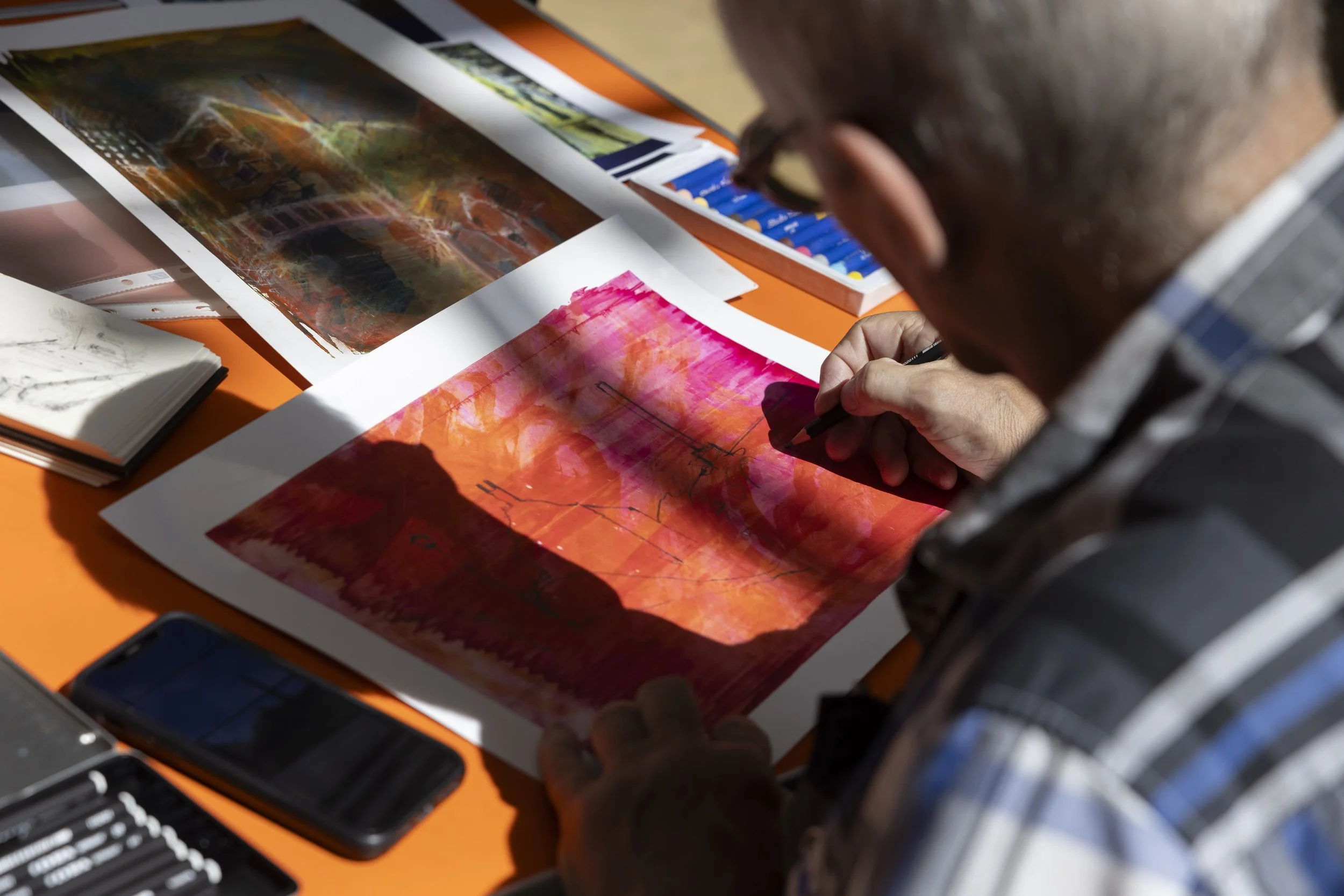
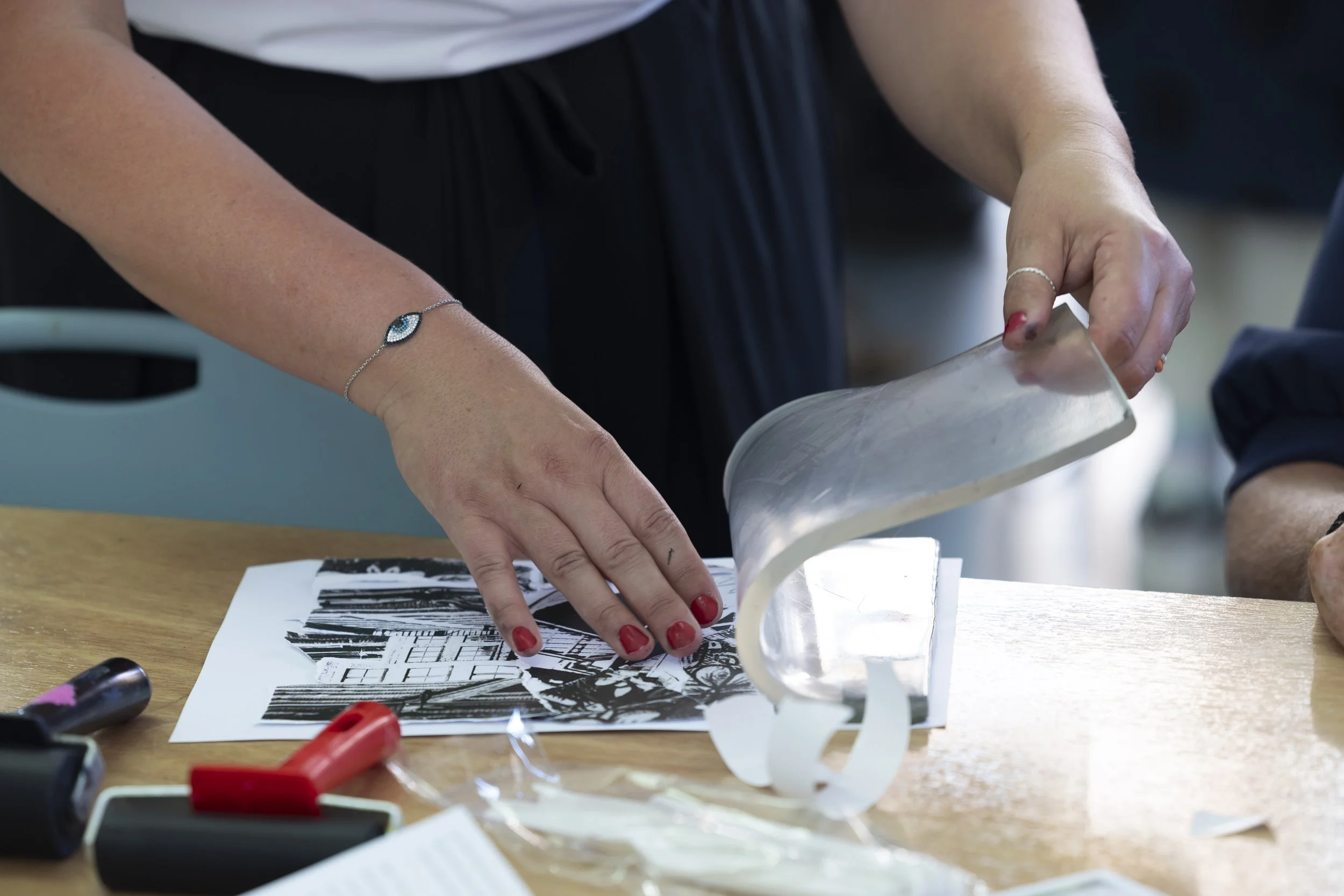
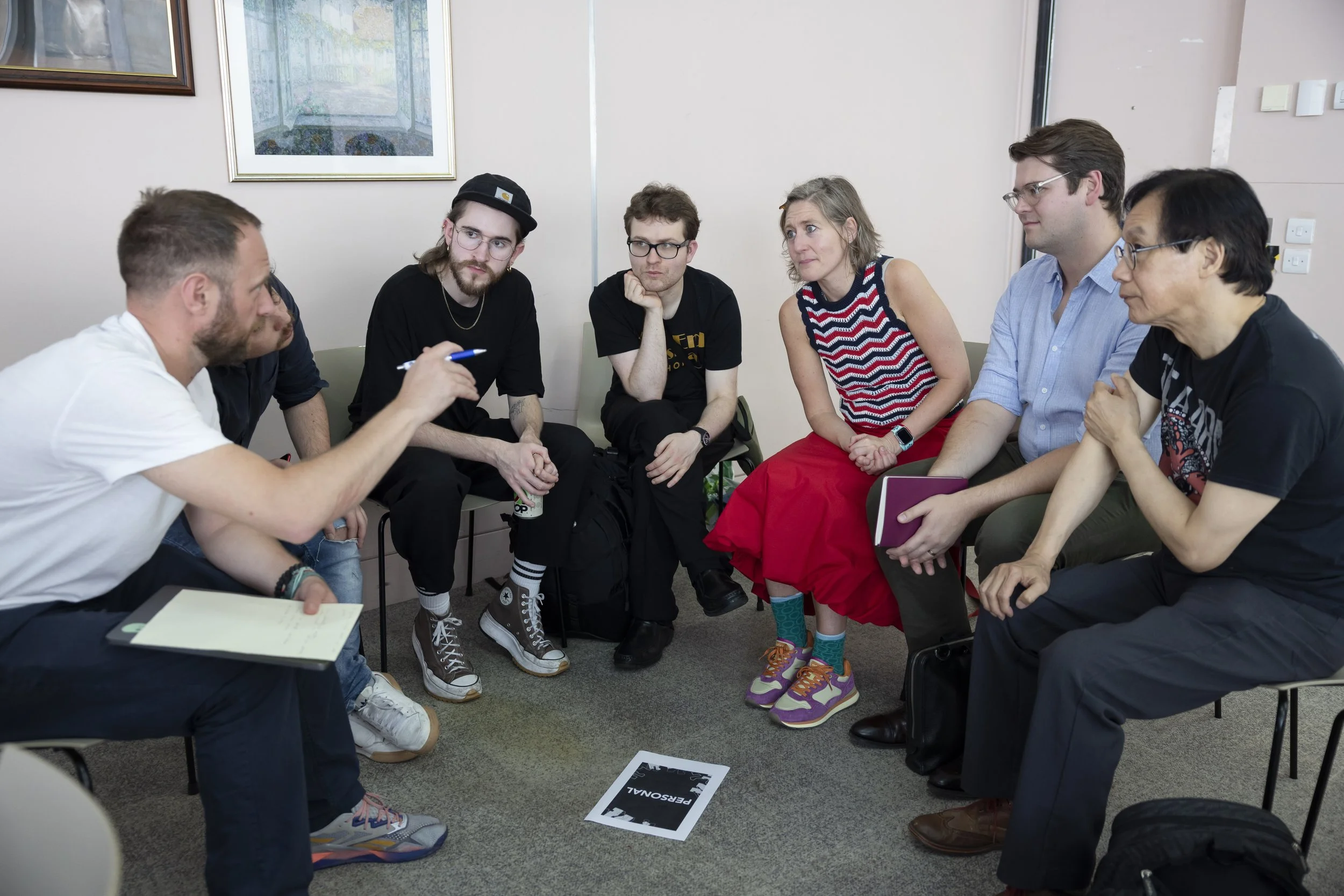
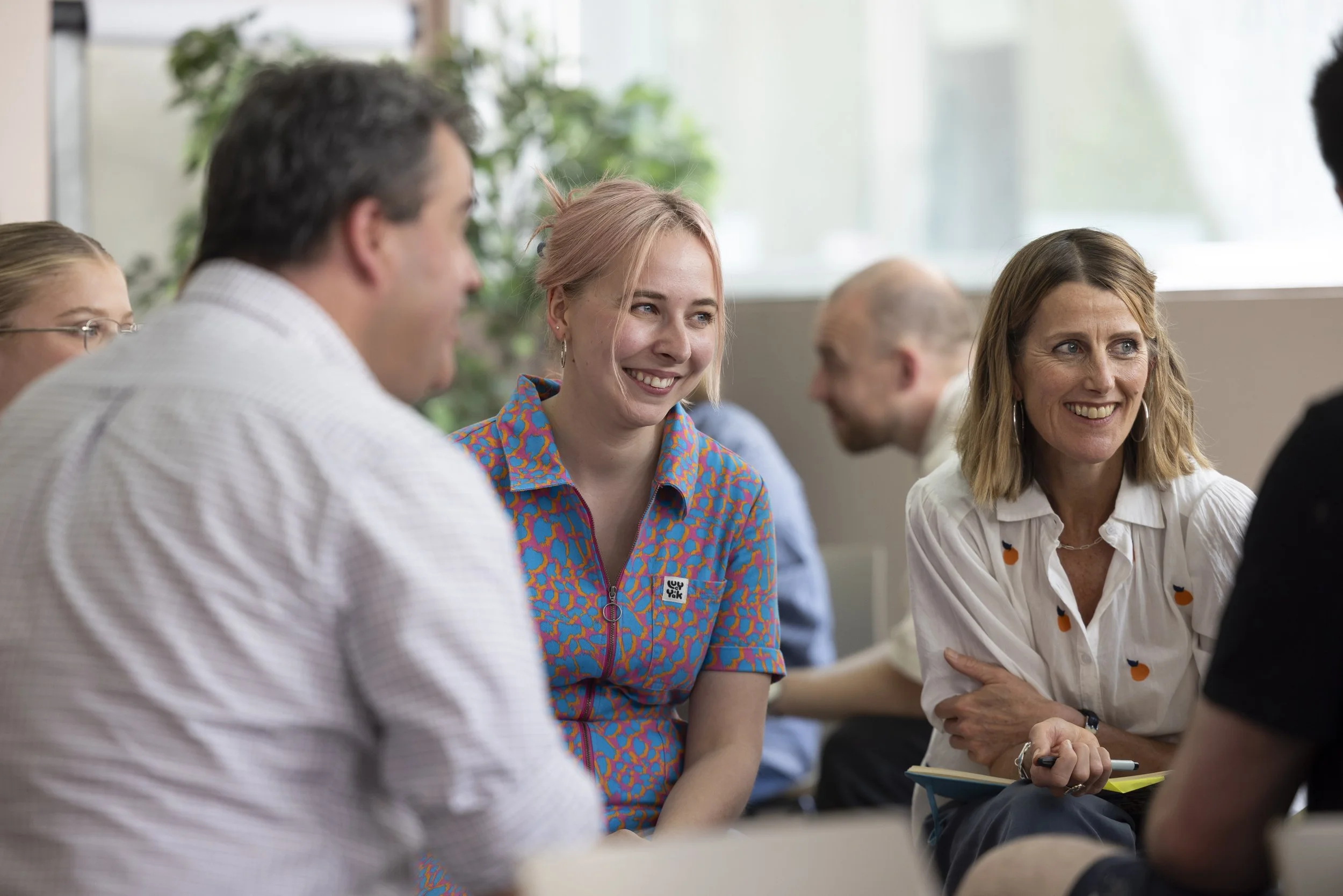
Manchester Artist Teacher Collective (MATC) is a group of artist teachers from secondary schools and colleges across Manchester, and gallery educators from Manchester Art Gallery, the Whitworth and HOME. They foster collaboration between art educators, local artists, studios and gallery spaces. Through this collaboration, they seek to develop and share artistic and educational expertise, enabling teachers to engage with contemporary practices and sustained personal making. By centring on the artist teachers’ own creative development, the collective highlights the local cultural ecology and future opportunities within Manchester for the young people they teach.
Manchester Artist Teacher Collective (MATC) is a group of artist teachers from secondary schools and colleges across Manchester, and gallery educators from Manchester Art Gallery, the Whitworth and HOME. They foster collaboration between art educators, local artists, studios and gallery spaces. Through this collaboration, they seek to develop and share artistic and educational expertise, enabling teachers to engage with contemporary practices and sustained personal making. By centring on the artist teachers’ own creative development, the collective highlights the local cultural ecology and future opportunities within Manchester for the young people they teach.

Documenting an Art Fund Event Across Liverpool’s Museums and Galleries
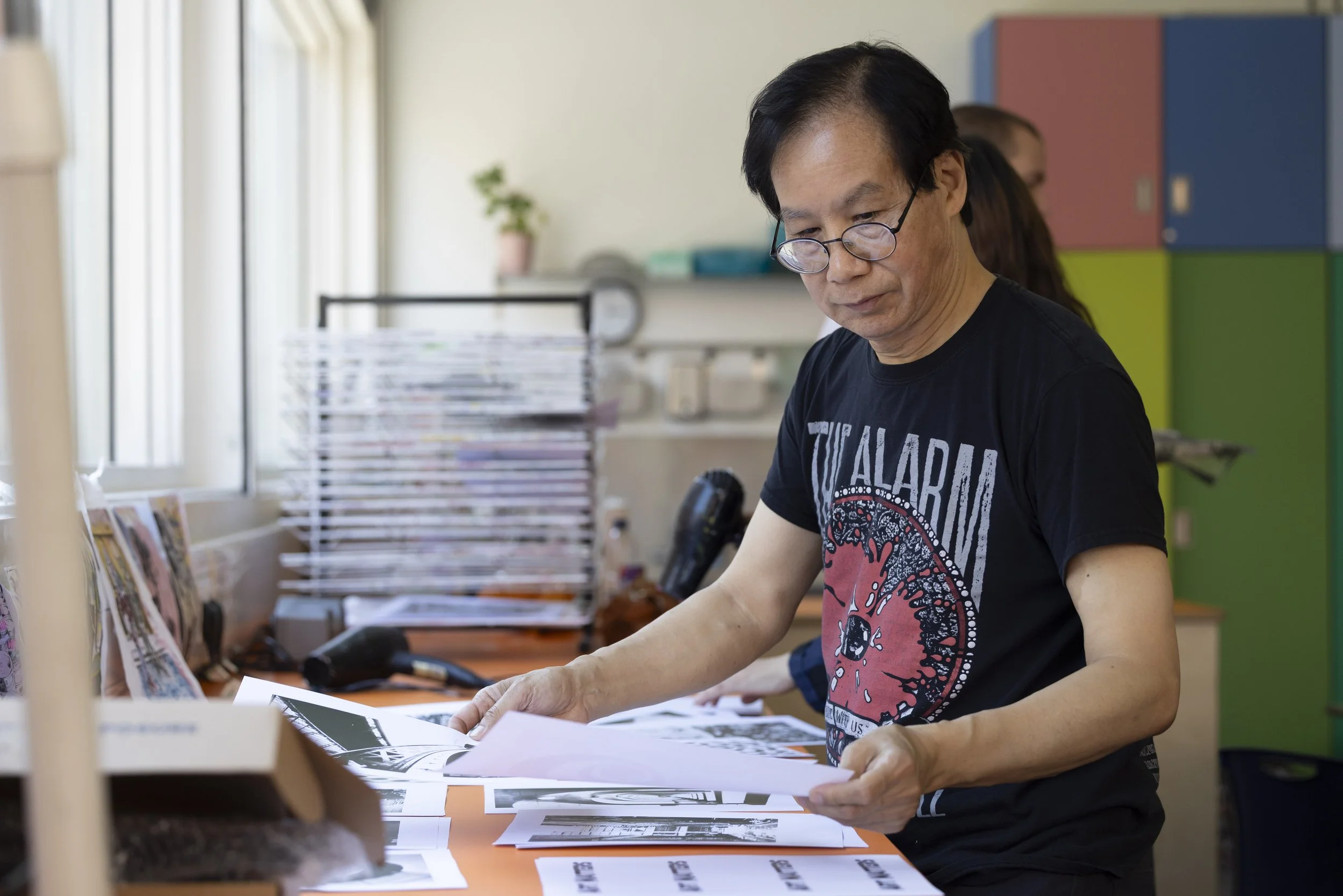
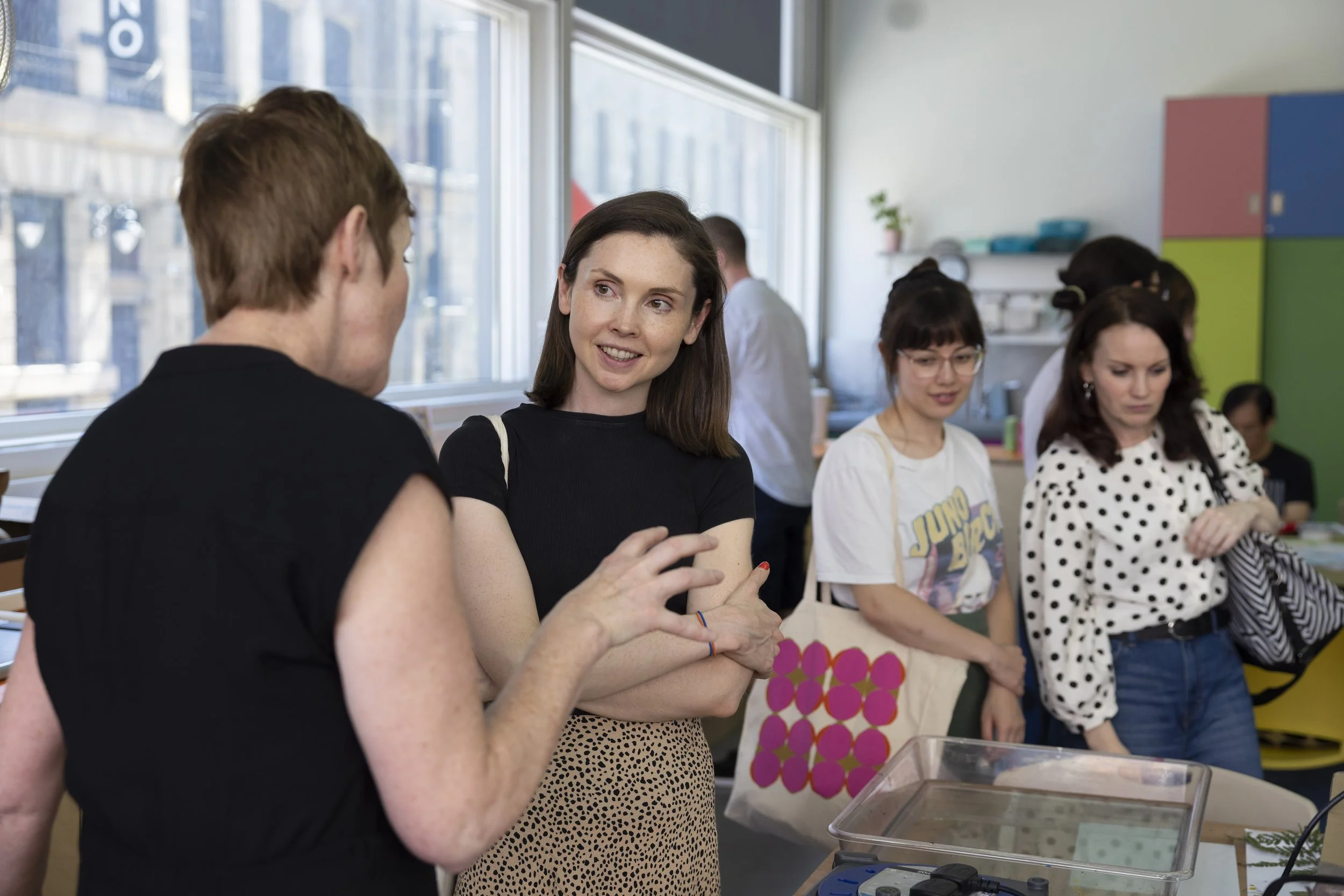
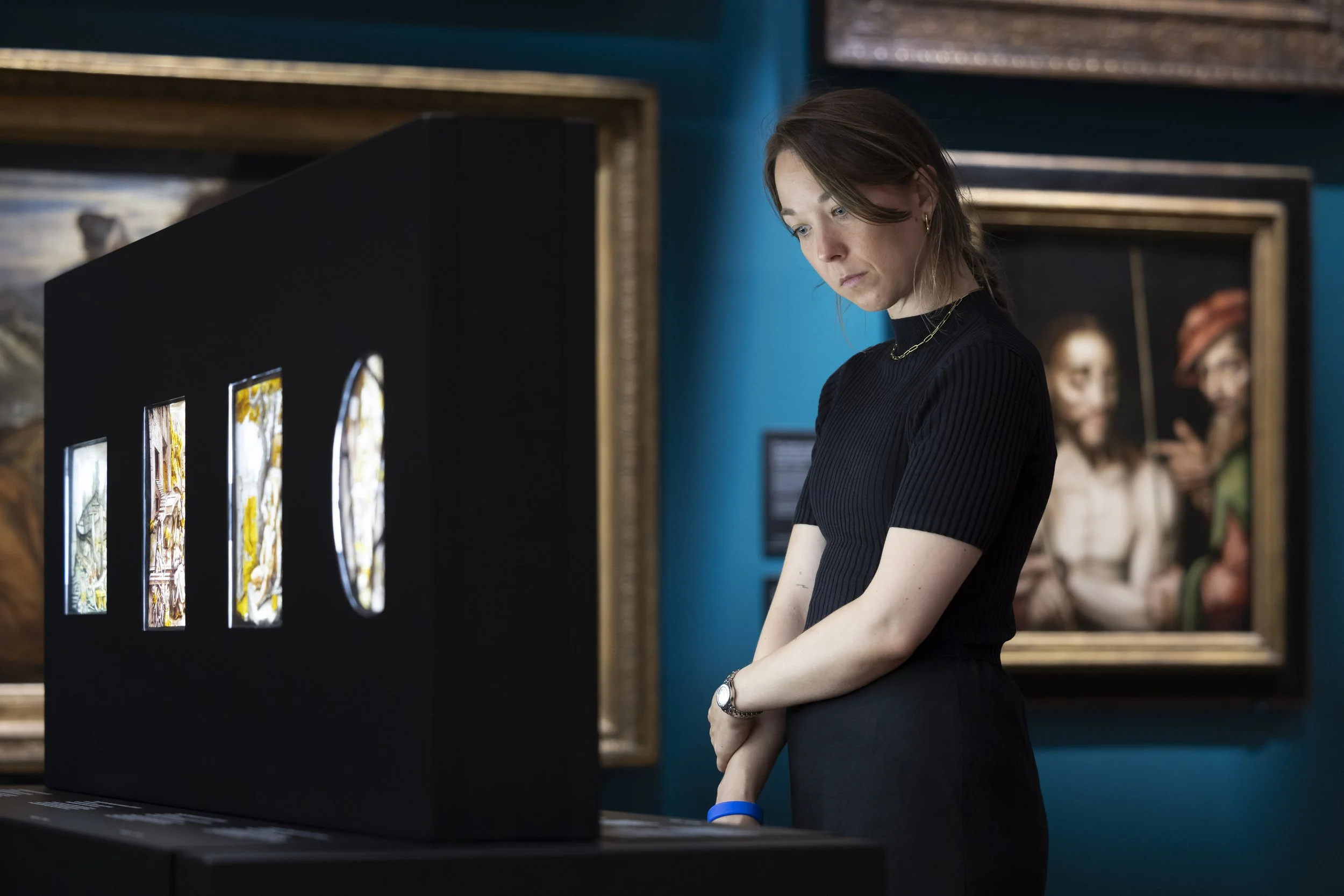
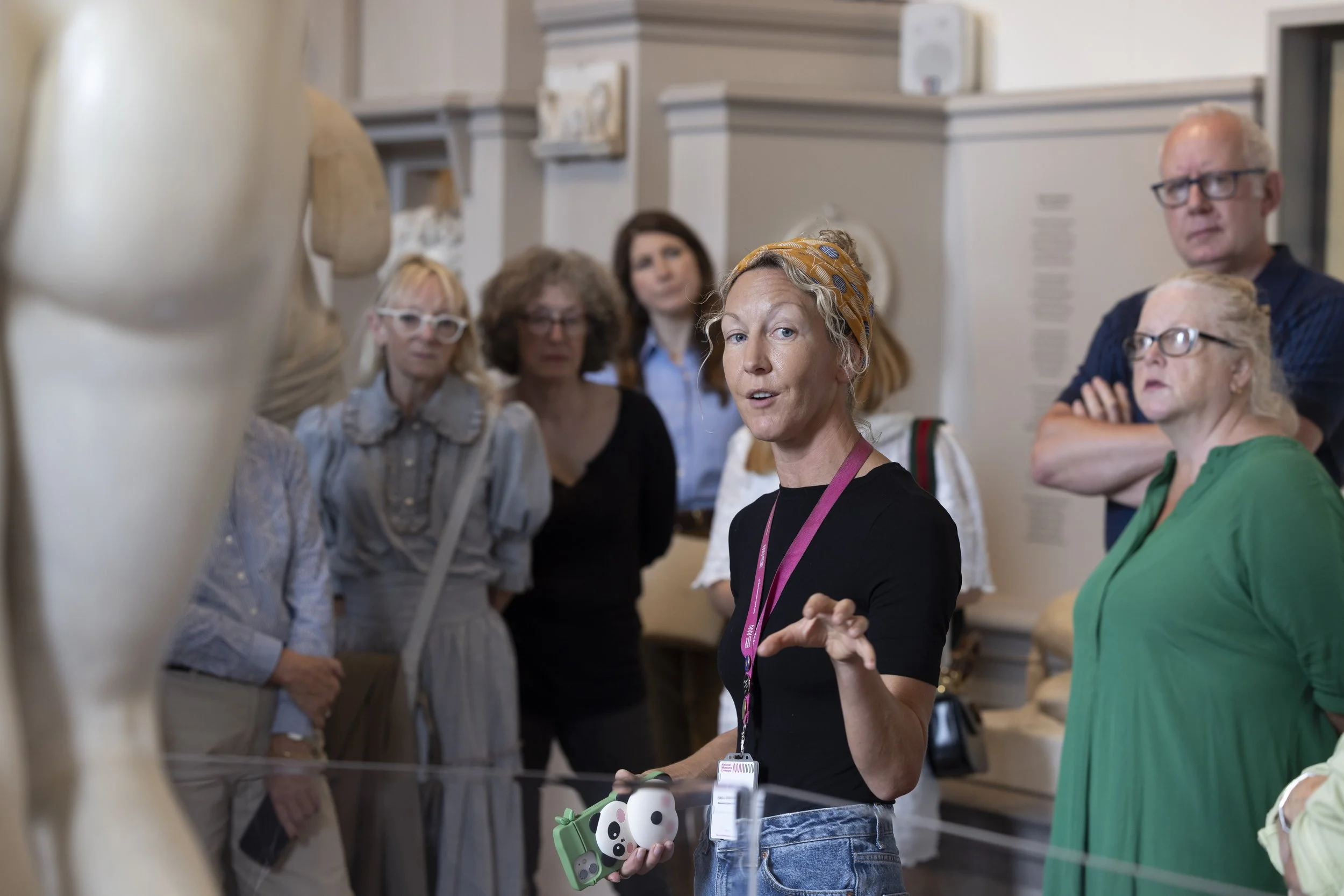
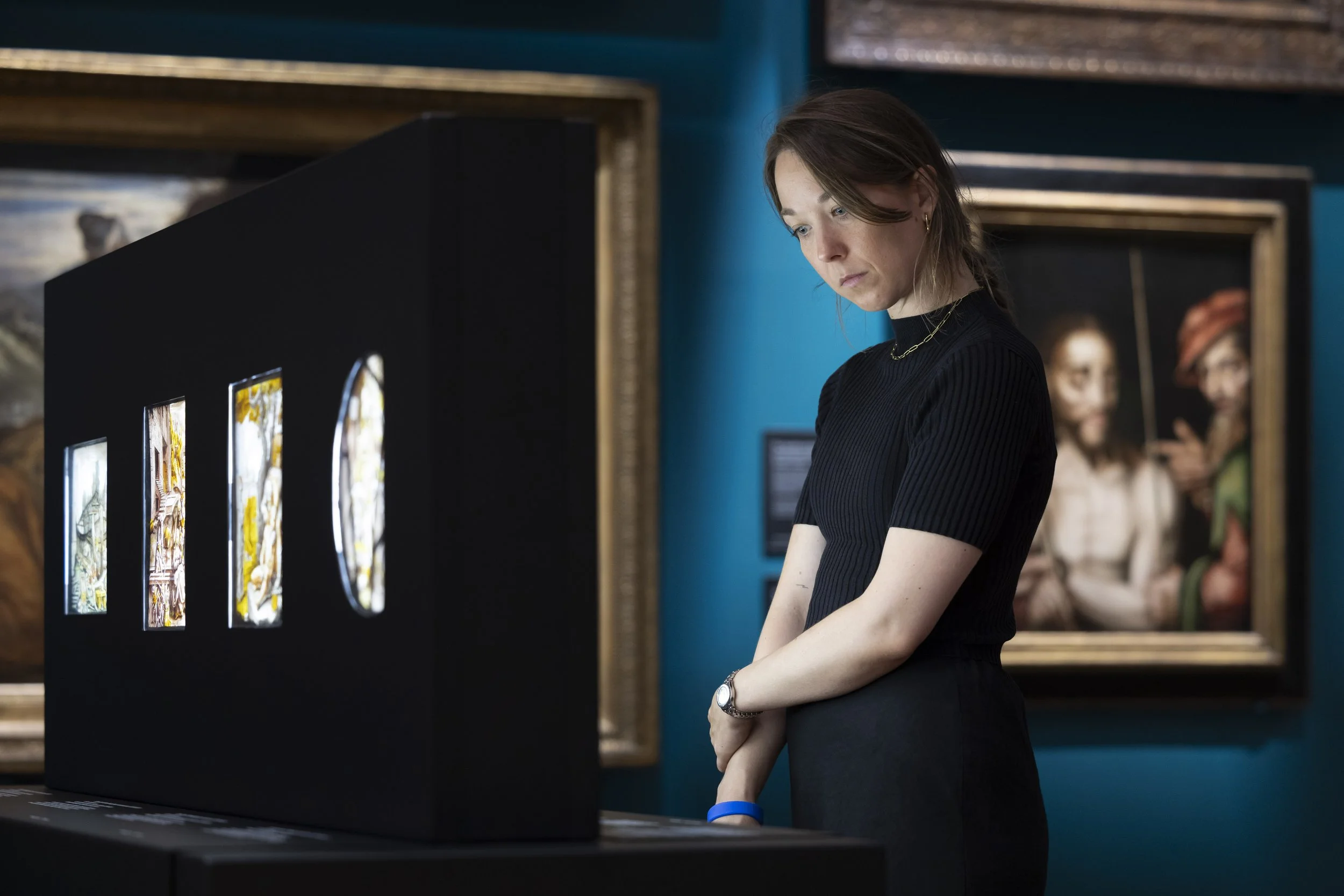
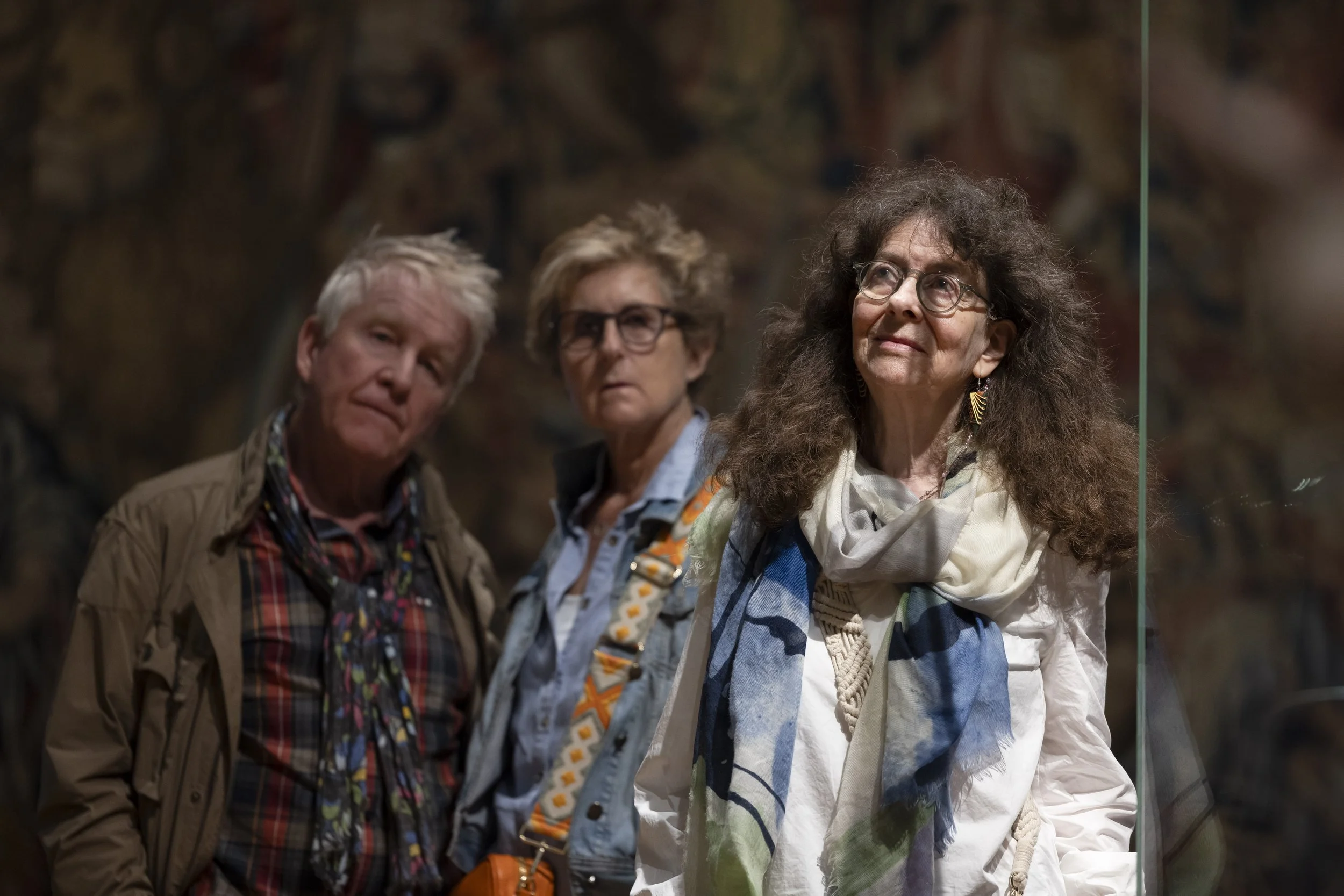
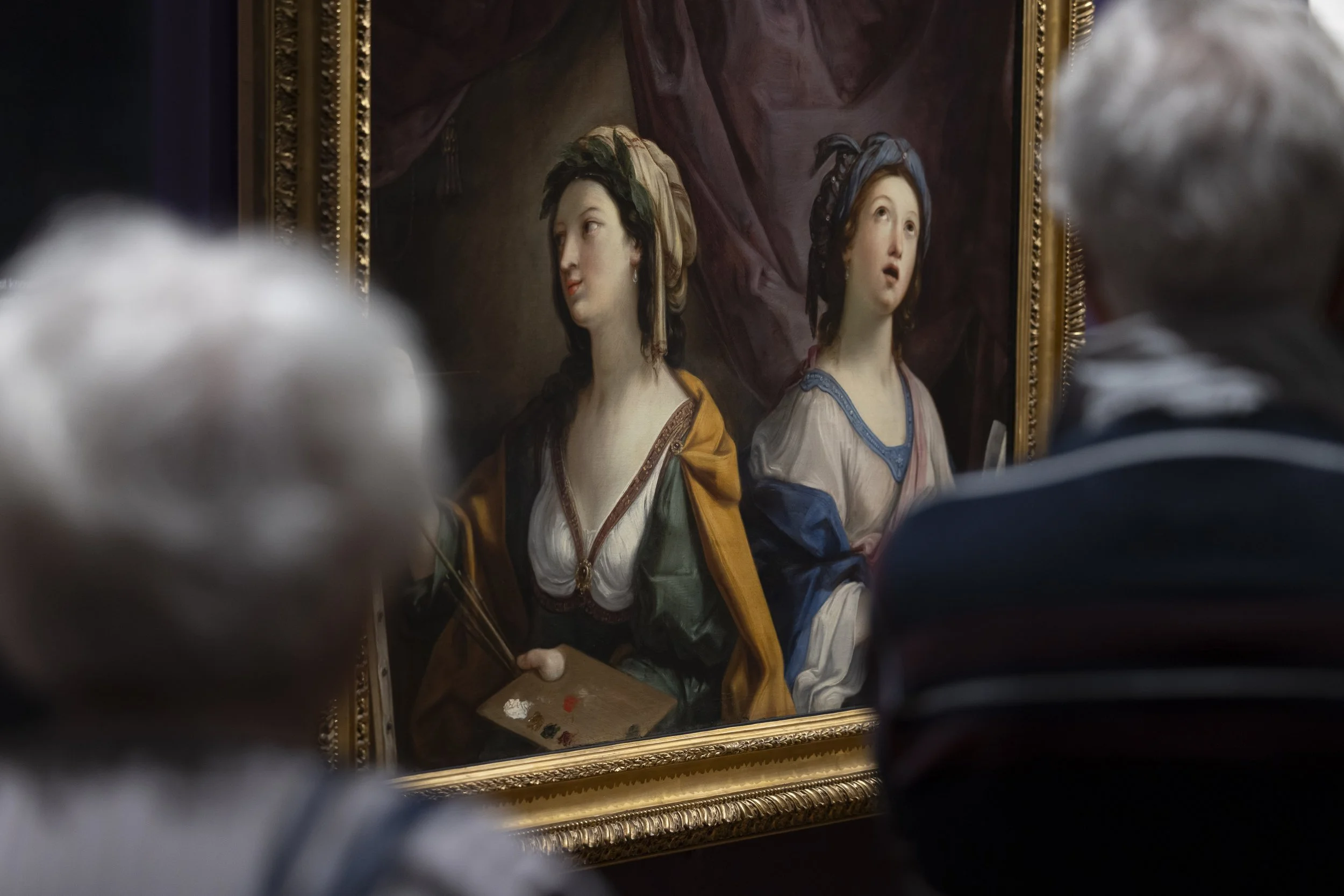
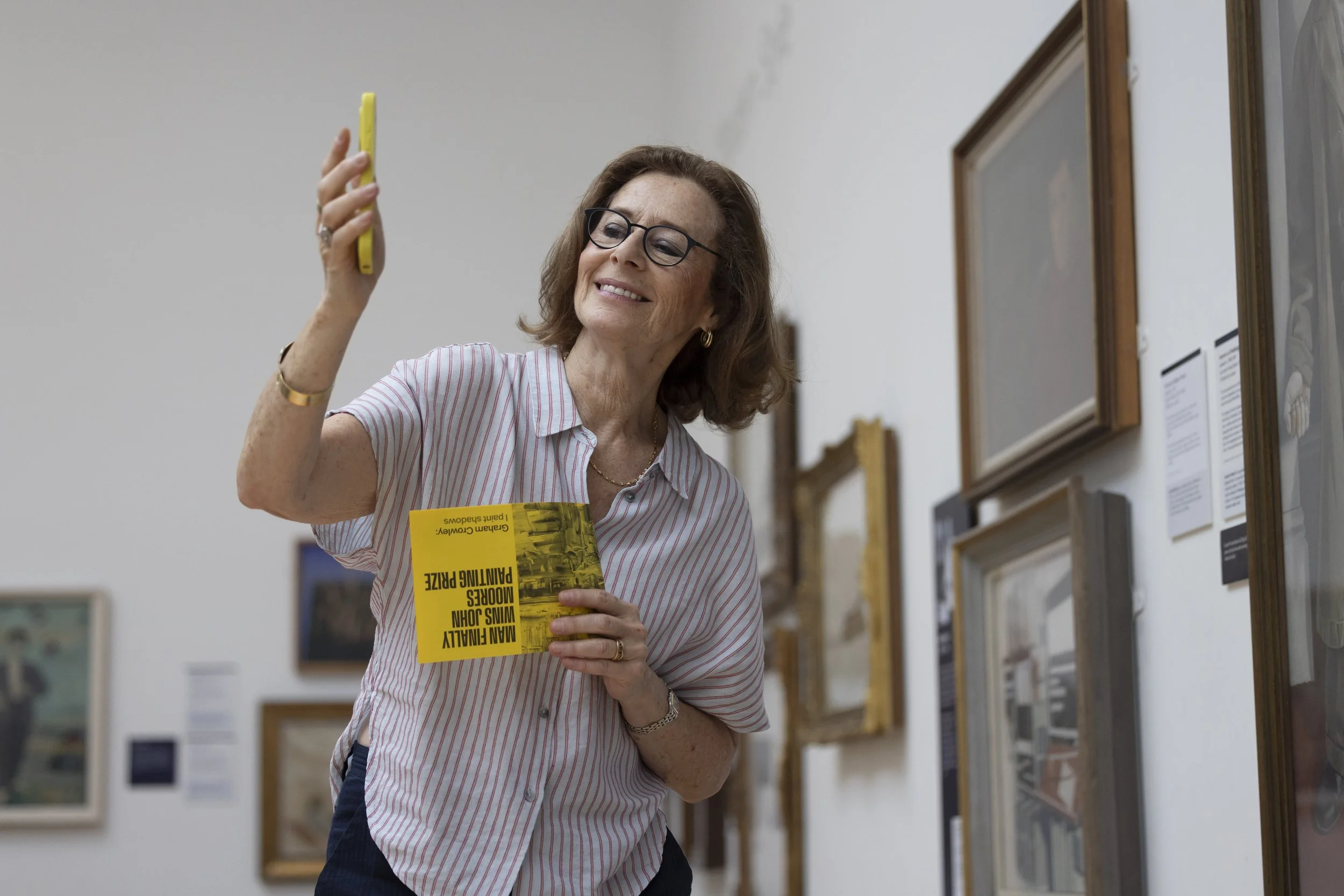
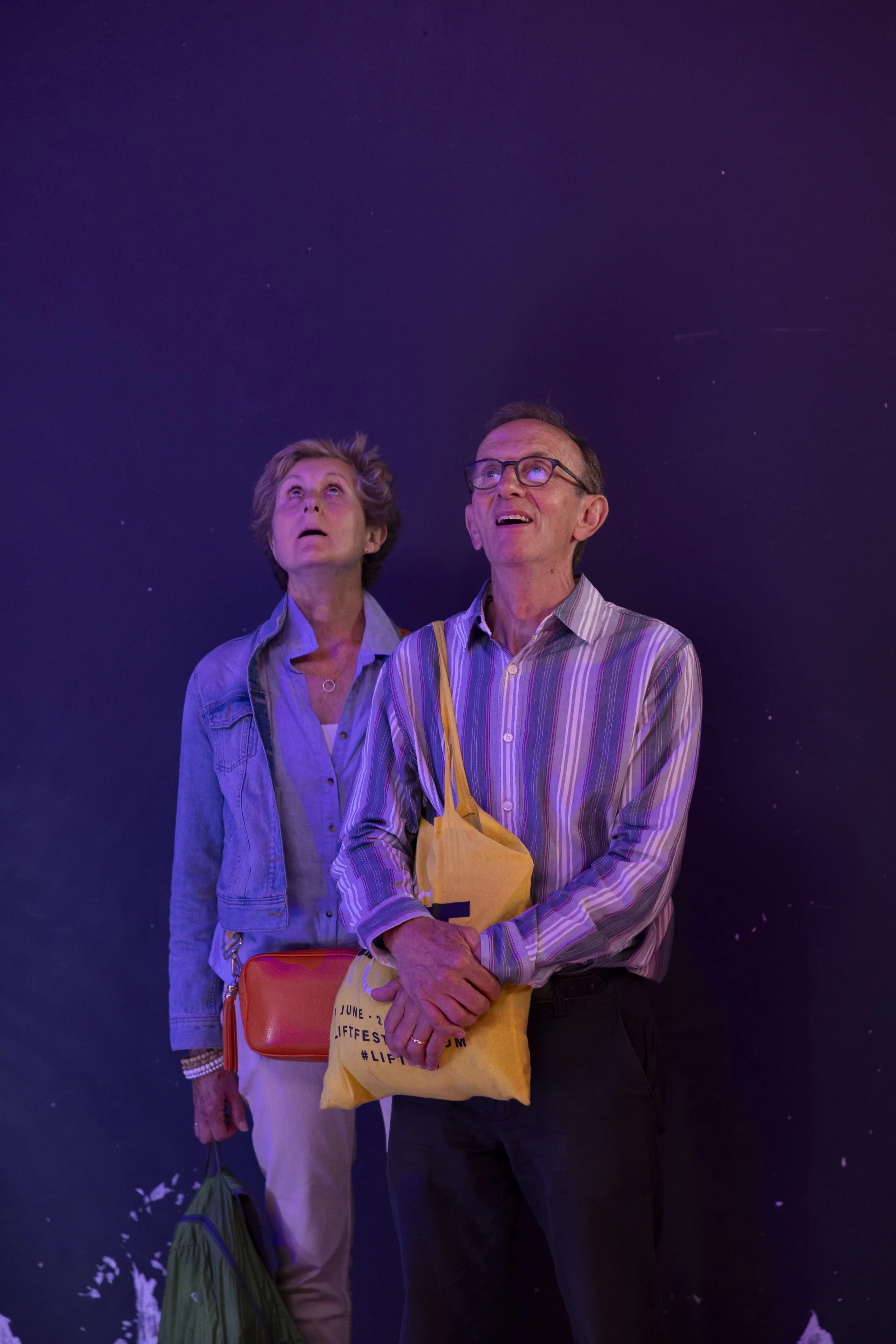
Art Fund is the UK’s national charity supporting museums and galleries. For over 120 years grants have helped them to acquire, commission and display great works of art, fund curatorial training and research, and reach new communities and audiences across the UK. Their Art Partners are a group of patrons who share our passion for museums and galleries, providing annual support that makes our work possible. I was asked to document a patron’s event in Liverpool that gave exclusive insights into their work and the museums they support.
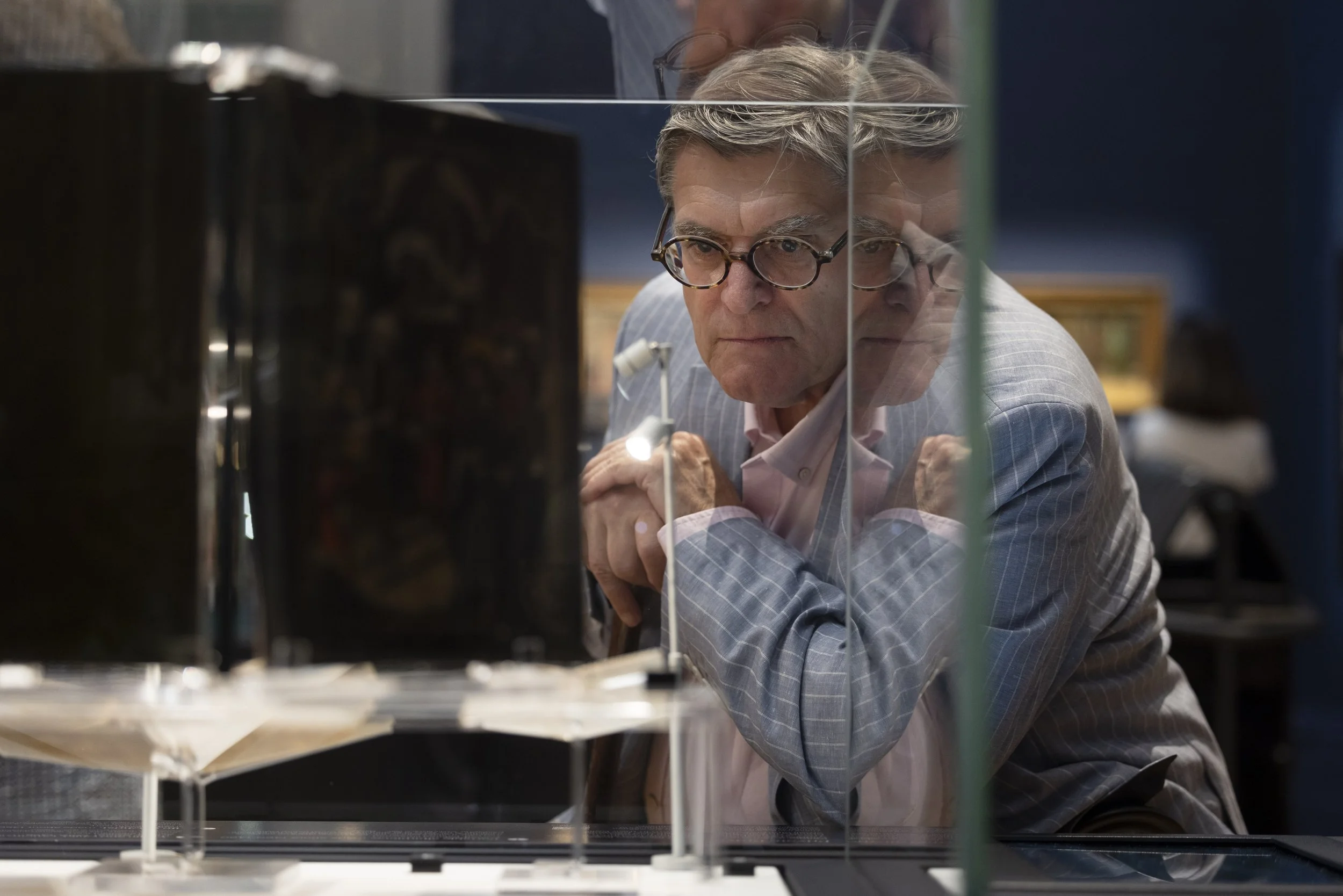
Art Fund is the UK’s national charity supporting museums and galleries. For over 120 years grants have helped them to acquire, commission and display great works of art, fund curatorial training and research, and reach new communities and audiences across the UK. Their Art Partners are a group of patrons who share our passion for museums and galleries, providing annual support that makes our work possible. I was asked to document a patron’s event in Liverpool that gave exclusive insights into their work and the museums they support. The tour took us to the Walker Art Gallery, Liverpool Library, FACT and the Bluecoat and was led by Liverpool Biennial CEO Sam Lackey, who I was delighted to meet again having known her for her great work in her previous role as Head of Collections and Exhibitions at the Whitworth in Manchester.

Photographing Meer Ali Khan for the Wall Street Journal
It was a privilege to meet Meer Ali Khan while on assignment for the Wall Street Journal.
Meer’s brother was killed only three months after starting work on the NEOM project in Saudi Arabia. He hopes that by raising awareness of the fate suffered by his family, he can help prevent similar tragedies caused by harsh and unsafe working conditions.

It was a privilege to meet Meer Ali Khan while on assignment for the Wall Street Journal.
Meer’s brother was killed only three months after starting work on the NEOM project in Saudi Arabia. He hopes that by raising awareness of the fate suffered by his family, he can help prevent similar tragedies caused by harsh and unsafe working conditions.
Recent reports and documentaries have painted a disturbing picture of labour abuses at NEOM. Migrant workers, who make up the vast majority of the construction workforce, allege gruelling hours, unpaid wages, and unsafe working conditions. Some workers have even claimed that they were not paid for months and were forced to work in extreme heat without access to clean water or shade.

"We are made to work extremely hard," said one worker, who wished to remain anonymous for fear of reprisal. "There is little time to rest. We get tired. We suffer from anxiety day and night."
These allegations are not new. Human rights organisations have long documented the exploitation of migrant workers in Saudi Arabia, particularly in the construction sector. The kafala system, which ties workers' visas to their employers, has been widely criticised for giving employers excessive power and control over workers' lives.
While Saudi Arabia has made some reforms to the kafala system in recent years, advocates say that these changes have not gone far enough. Migrant workers remain vulnerable to abuse, and many are afraid to speak out for fear of losing their jobs or being deported.

The situation at NEOM is particularly concerning given the scale and ambition of the project. NEOM is expected to cost an estimated $500 billion and will require a massive workforce to complete. If the allegations of labour abuses are true, it would suggest that the exploitation of migrant workers is deeply embedded in the project's development.

Photographing the 2024 Fine Art Masters Show at the Reopened Holden Gallery
The Holden Gallery in Manchester has now reopened following a major two-year refurbishment of the historic Grosvenor building, revitalizing its exhibition spaces and offering a fresh, contemporary setting for art. I was recently back at the gallery to photograph the 2024 Fine Art Masters Show, an annual highlight that showcases the incredible talent of emerging artists from across the UK.
The Holden Gallery in Manchester has now reopened following a major two-year refurbishment of the historic Grosvenor building, revitalizing its exhibition spaces and offering a fresh, contemporary setting for art. I was recently back at the gallery to photograph the 2024 Fine Art Masters Show, an annual highlight that showcases the incredible talent of emerging artists from across the UK.
It was inspiring to capture the energy and creativity on display, from striking paintings and sculptures to experimental media works. The refurbished Holden Gallery provides a perfect backdrop for photography, with its modernized lighting and restored architectural details enhancing the visual impact of each piece.
For photographers documenting art, exhibitions like this are a wonderful opportunity to explore the interplay of artworks, space, and lighting. Each image tells a story of both the artist’s vision and the gallery’s commitment to presenting contemporary practice in a beautifully maintained historic setting.
Whether you’re an art enthusiast, student, or fellow photographer, the Holden Gallery Fine Art Masters Show 2024 is not to be missed. The reopening of the gallery marks a new chapter for Manchester’s vibrant art scene, and I’m delighted to have documented this important moment.

Manchester has a chronic lack of spaces for art for a city of its size and status, so it’s great to see this gallery reopen and I’m looking forward to seeing what the new programme holds in store.


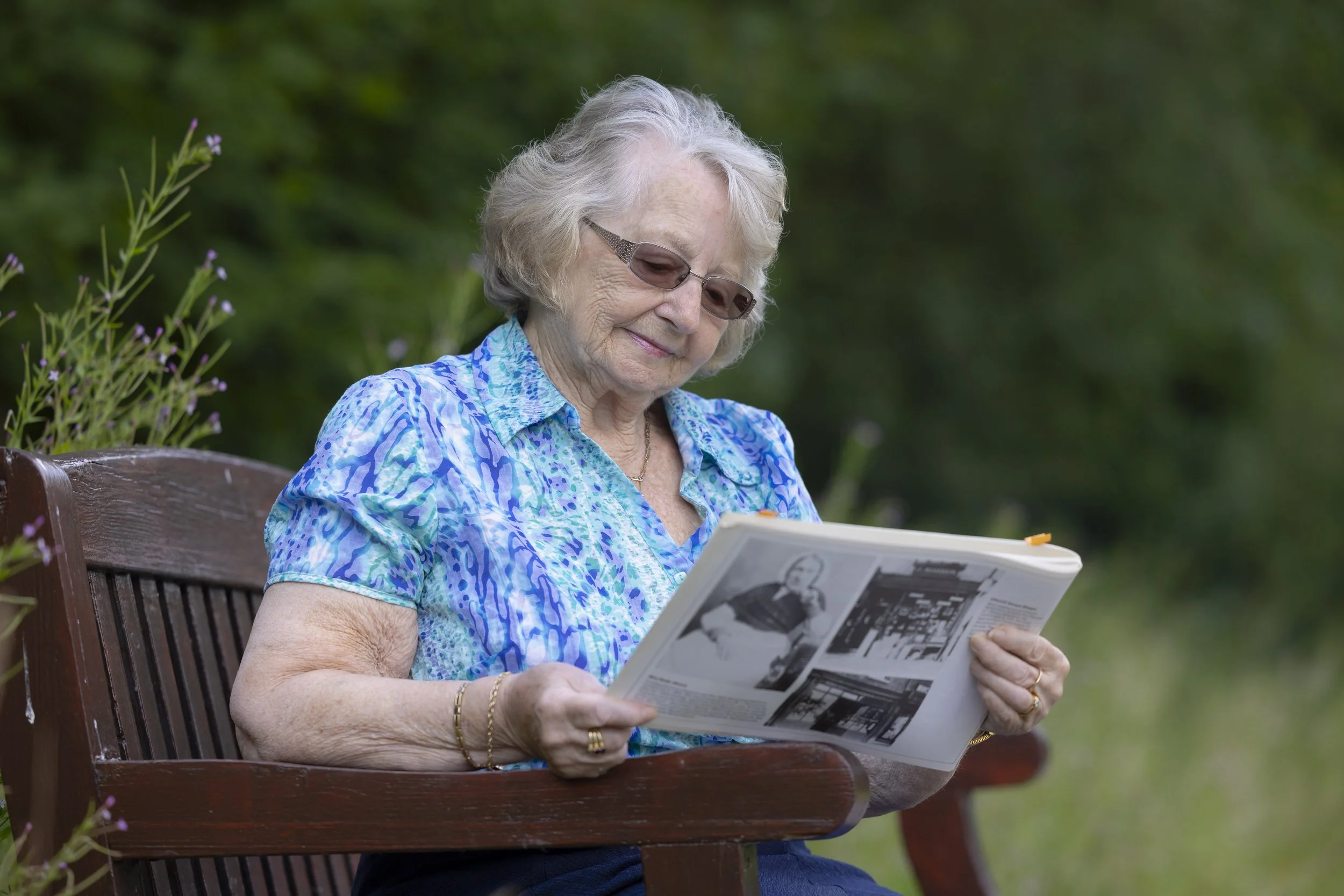
Documentary photography for Wild in Art - We Live Here Eccles
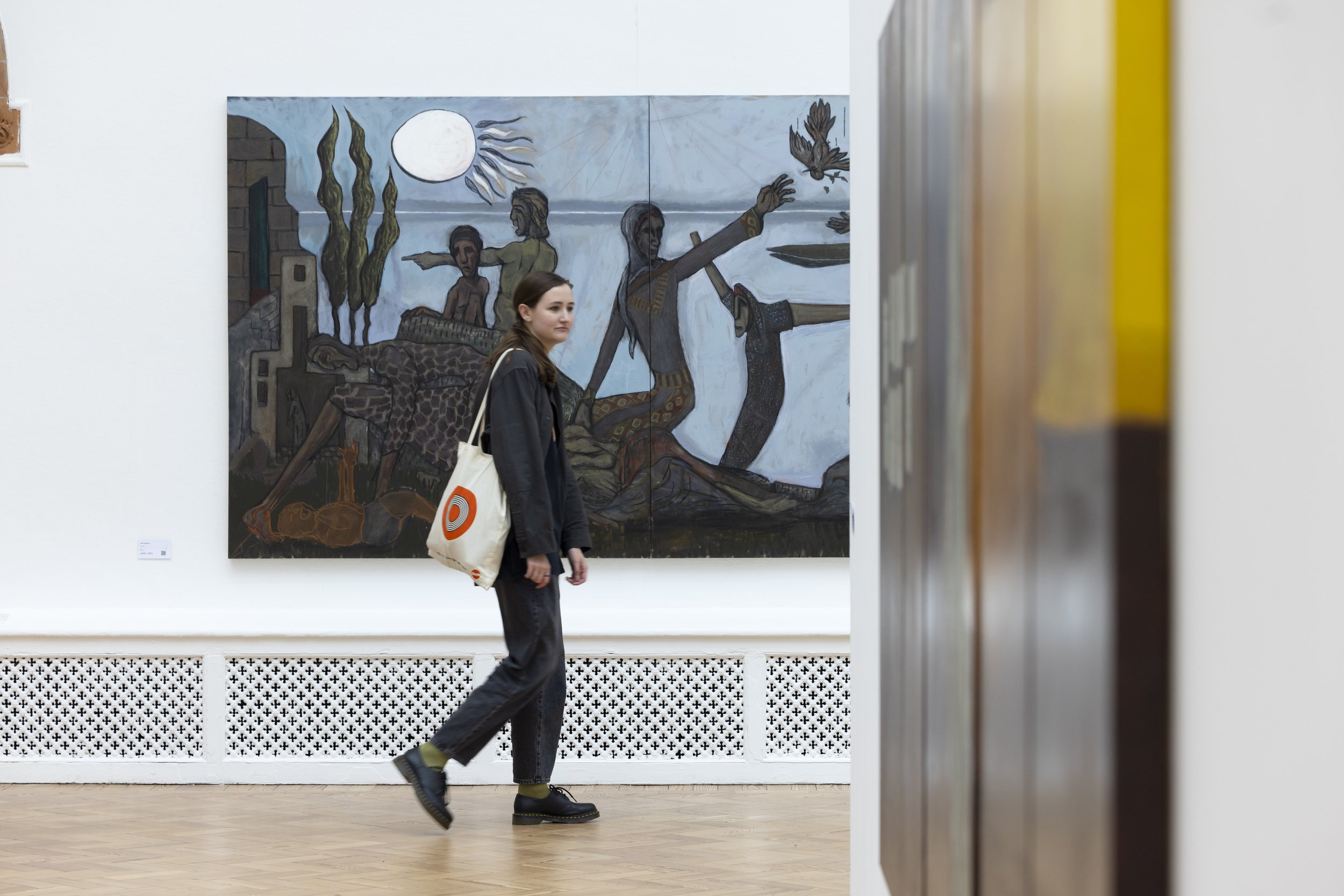
In the summer of 2023, visitors to Eccles discovered a vibrant Wild in Art trail celebrating the unique character and heritage of Eccles, which took over windows, walls and spaces in the town centre. The public art installation featured street art, paintings, murals, photography and pop up studios – all created by local artists and Eccles residents.

In the summer of 2023, visitors to Eccles discovered a vibrant Wild in Art trail celebrating the unique character and heritage of Eccles, which took over windows, walls and spaces in the town centre. The public art installation featured street art, paintings, murals, photography and pop up studios – all created by local artists and Eccles residents.

24 installations of artwork decorated the town and all referenced the different wildlife and people that live, study and work in Eccles.

The event was part of a huge regeneration programme from Salford City Council. Wild in Art were commissioned to work with local stakeholders to deliver a showcase of artwork, from striking installations to magnificent murals, powerful photography and stunning paintings, injecting life and colour into Eccles town centre.

Locals and visitors could pick up a trail map at Eccles Library, and various shops and cafes in Eccles Shopping Centre to explore the trail.

I was fortunate enough to document the trail and my photographs illustrate the website: https://wildinart.co.uk/events/we-live-here-eccles/

This year after the announcement of a major regeneration programme in the town, Wild in Art announced a new piece of work, a mosaic co-produced by Lauren Mullarkey and members of the local community who would be telling of their experiences of the local area and providing material from which the mosaic would be made. I visited to meet and take portraits of the contributors.


Documentary photography of Manchester School of Art - End of Year shows
As a freelance photographer, I’ve had the privilege of covering a range of events, from high-profile gallery openings to intimate artist workshops. But there’s something uniquely electric about photographing the Manchester School of Art’s Final Year Shows. This annual event is a visual feast—a whirlwind of creative expression that radiates youthful energy and bold experimentation.
As a freelance photographer, I’ve had the privilege of covering a range of events, from high-profile gallery openings to intimate artist workshops. But there’s something uniquely electric about photographing the Manchester School of Art’s Final Year Shows. This annual event is a visual feast—a whirlwind of creative expression that radiates youthful energy and bold experimentation.


Stepping into the show, you can’t help but feel a sense of anticipation. It’s like walking into a sprawling gallery where every corner has something surprising to offer. The exhibition sprawls across different spaces, showcasing the work of students from various disciplines—painting, sculpture, digital design, fashion, and more. As someone tasked with documenting these moments, I need to quickly assess where the magic is happening and how best to capture it.
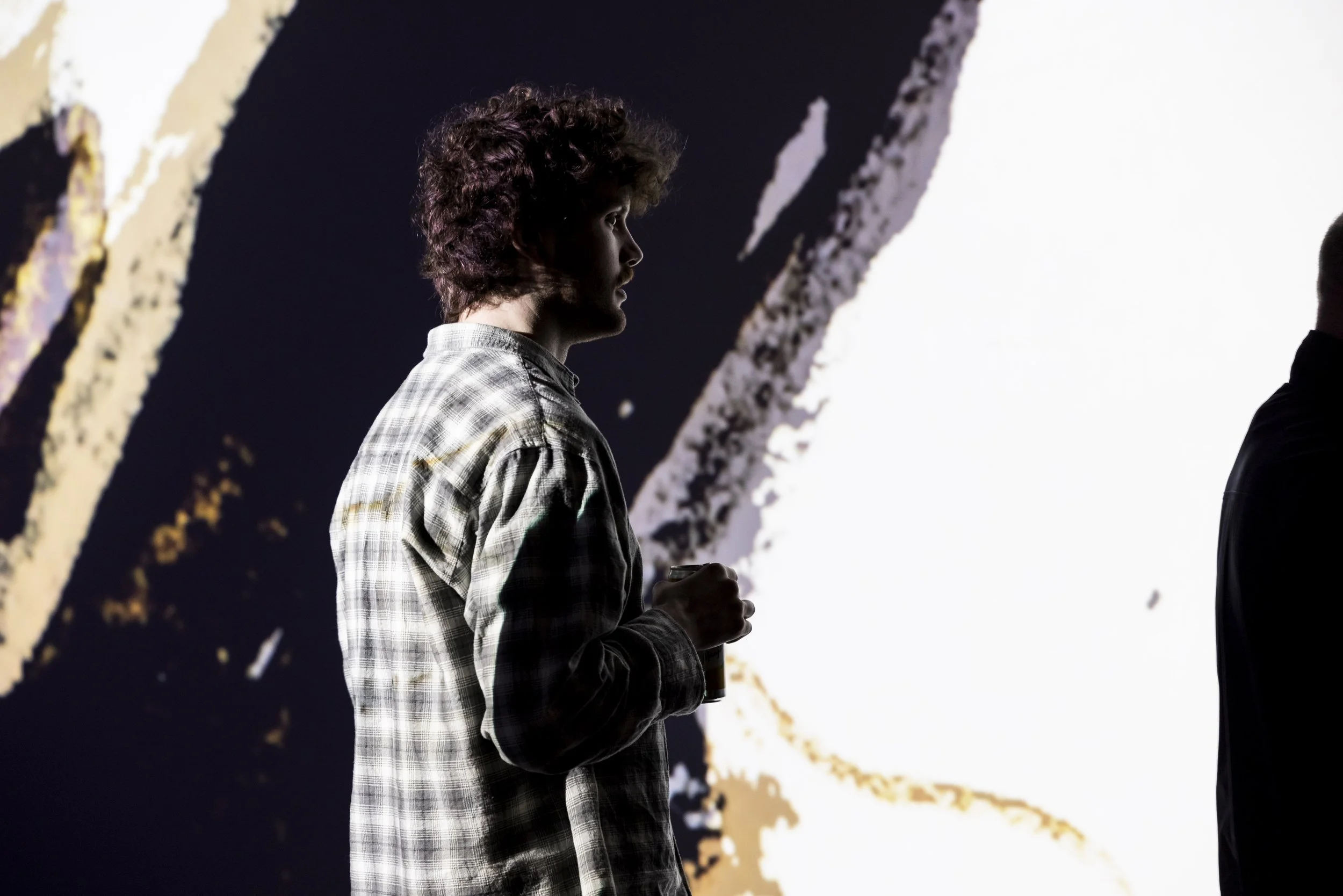
The first challenge is the sheer variety of the work. Each student has spent months, if not years, developing their final pieces, and no two are alike. One moment, I’m photographing a vibrant, abstract painting that dominates an entire wall, the next I’m crouched low, focusing on the intricate details of a conceptual sculpture made of recycled materials. As a photographer, I need to adjust my approach with every shot—switching between wide angles to capture the scale of installations and close-ups to highlight the craftsmanship.

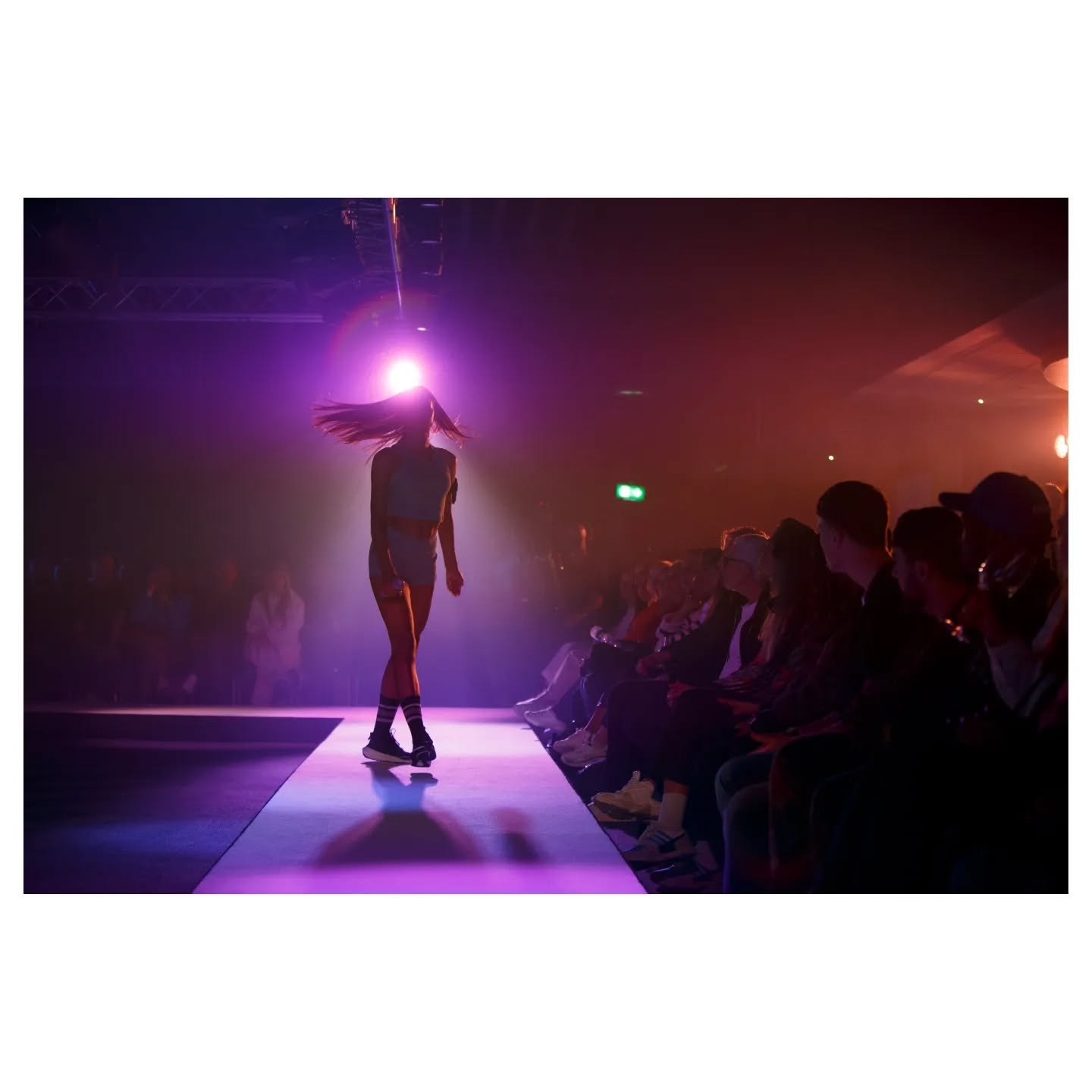
The diversity of mediums can also be tricky to capture, especially when moving between 3D pieces and digital displays. I find myself drawn to the fashion design section, where students have created garments that blur the lines between art and wearable expression. Models wearing the students’ designs wander through the space, and this creates dynamic, live-action moments that require quick reflexes. I follow the models closely, framing shots that showcase both the fluidity of the fabric and the confidence of the wearer.

What’s particularly challenging, but also rewarding, is photographing interactive art. Many pieces invite the audience to participate—whether it’s a digital installation that reacts to sound or a sculptural piece that encourages touch. It’s hard to convey the essence of these works in a single image, but I try to focus on capturing people’s engagement with the art. A hand reaching out, a thoughtful expression as someone studies a piece, a child laughing in delight at an unexpected moment—all these interactions are just as important as the art itself.

The lighting conditions add another layer of complexity. In one room, the lighting might be bright and natural, ideal for capturing crisp, clean images. In another, the mood might be much darker, with spotlighting used to create dramatic shadows. I constantly adjust my settings, ensuring that the photos not only reflect the technical aspects of the work but also evoke the intended emotional response.

As the evening draws to a close, and I scroll through the hundreds of images I’ve taken, I feel a sense of accomplishment. Capturing the essence of the Manchester School of Art’s Final Year Shows isn’t just about photographing the art—it’s about documenting the passion and energy that these young creatives bring to their work. Every image tells a story, not just of the art itself, but of the moment in time when it was unveiled to the world.

Leaving the exhibition, I know that I’ve been part of something special. The Manchester School of Art’s final shows are a glimpse into the future of art and design, and I feel privileged to have witnessed, and captured, the first steps of these emerging talents.


Photographing the Adidas Marketing Conference at Factory International, Mancheste
I always look forward to photographing the Adidas Marketing conferences, and this year’s event at Factory International in Manchester was nothing short of spectacular. Working alongside Jules from TOL Events, who consistently delivers remarkable experiences, I was excited to capture every moment of this high-energy gathering.

I always look forward to photographing the Adidas Marketing conferences, and this year’s event at Factory International in Manchester was nothing short of spectacular. Working alongside Jules from TOL Events, who consistently delivers remarkable experiences, I was excited to capture every moment of this high-energy gathering.

A Unique Venue for an Immersive Experience
The venue, a giant warehouse transformed into a versatile event space, provided the perfect backdrop for a dynamic and immersive conference. The auditorium was buzzing with activity as presentations, fashion shows, interviews, and even a beatboxing performance unfolded, keeping attendees fully engaged throughout the day. Every corner of the space offered opportunities to capture both staged and candid moments that reflected the energy and creativity of the event.

Capturing the Finale: A Fun Fair Surprise
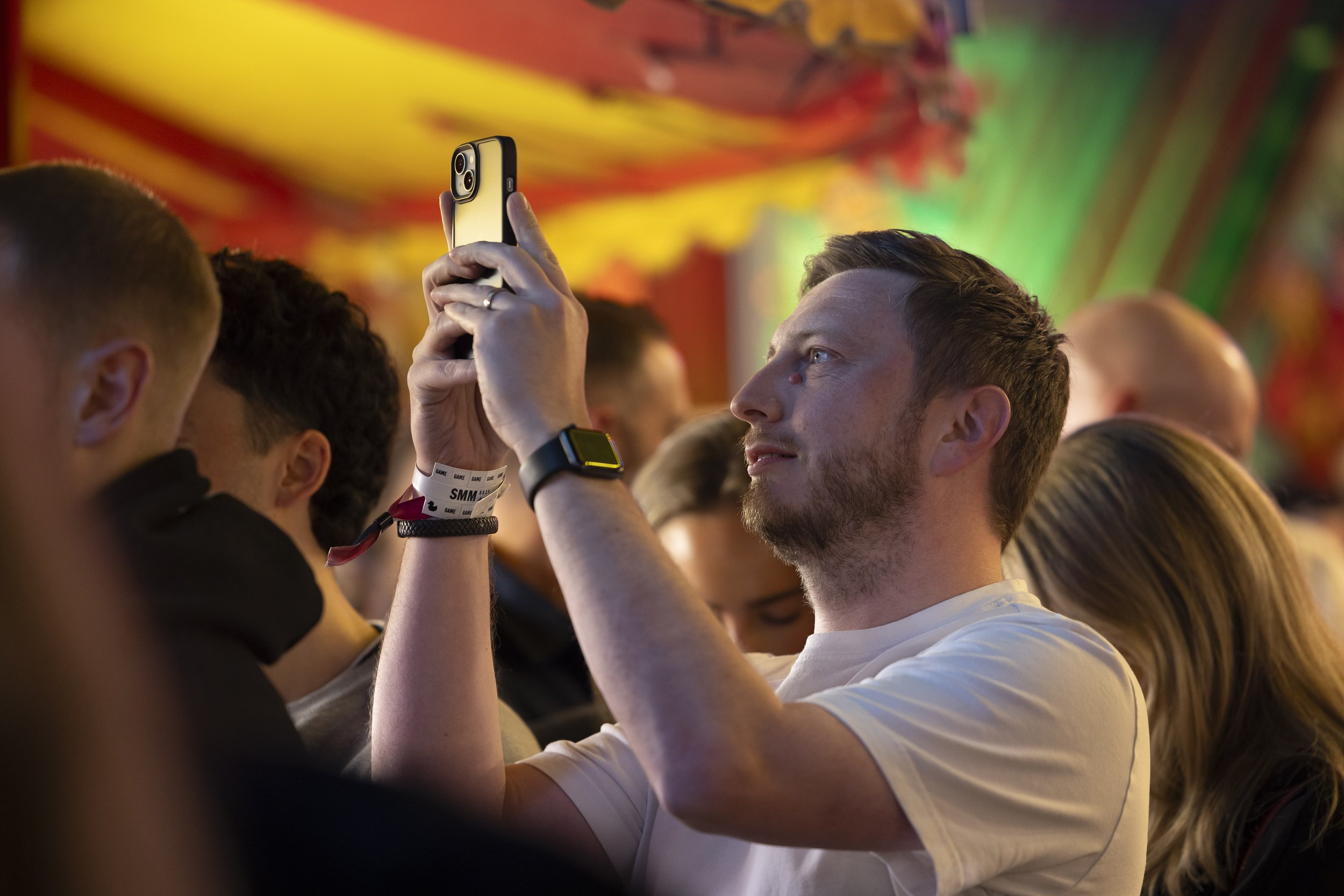
The finale was particularly memorable. As the curtain lifted, the audience was treated to a full-size fun fair inside the warehouse, complete with rides, attractions, and a surprise appearance by Juergen Klopp. Capturing the excitement, expressions, and unique atmosphere of this unexpected twist made this assignment especially rewarding. The combination of dramatic lighting, large-scale installations, and human interaction created compelling photographic moments that told the story of the event from start to finish.

The Importance of Professional Event Photography
Professional event photography plays a crucial role for brands like Adidas. High-quality images not only document the day but also communicate the brand’s energy, professionalism, and vision. The photographs from this conference can be used across marketing campaigns, social media, press releases, internal communications, and future event promotion. Capturing a multifaceted live event like this requires technical expertise, creative framing, and an instinct for storytelling. Every shot contributes to the overall narrative, highlighting both the audience experience and the brand identity.

Collaborating with TOL Events
Working with TOL Events ensured a seamless flow throughout the day. Jules’ ability to push creative boundaries and orchestrate an engaging experience made my work as a photographer both challenging and exciting. From structured presentations to spontaneous interactions around the venue, there was always something compelling to capture.

Conclusion: Capturing the Energy and Spirit of the Event
Photographing the Adidas Marketing conference at Factory International in Manchester was an exhilarating experience. From the energetic auditorium sessions to the whimsical fun fair finale, every moment offered a unique story. Event photography is not simply about taking pictures—it is about capturing the spirit of the occasion, the energy of the participants, and the essence of the brand.




Photographing Manchester Museum for Art Fund
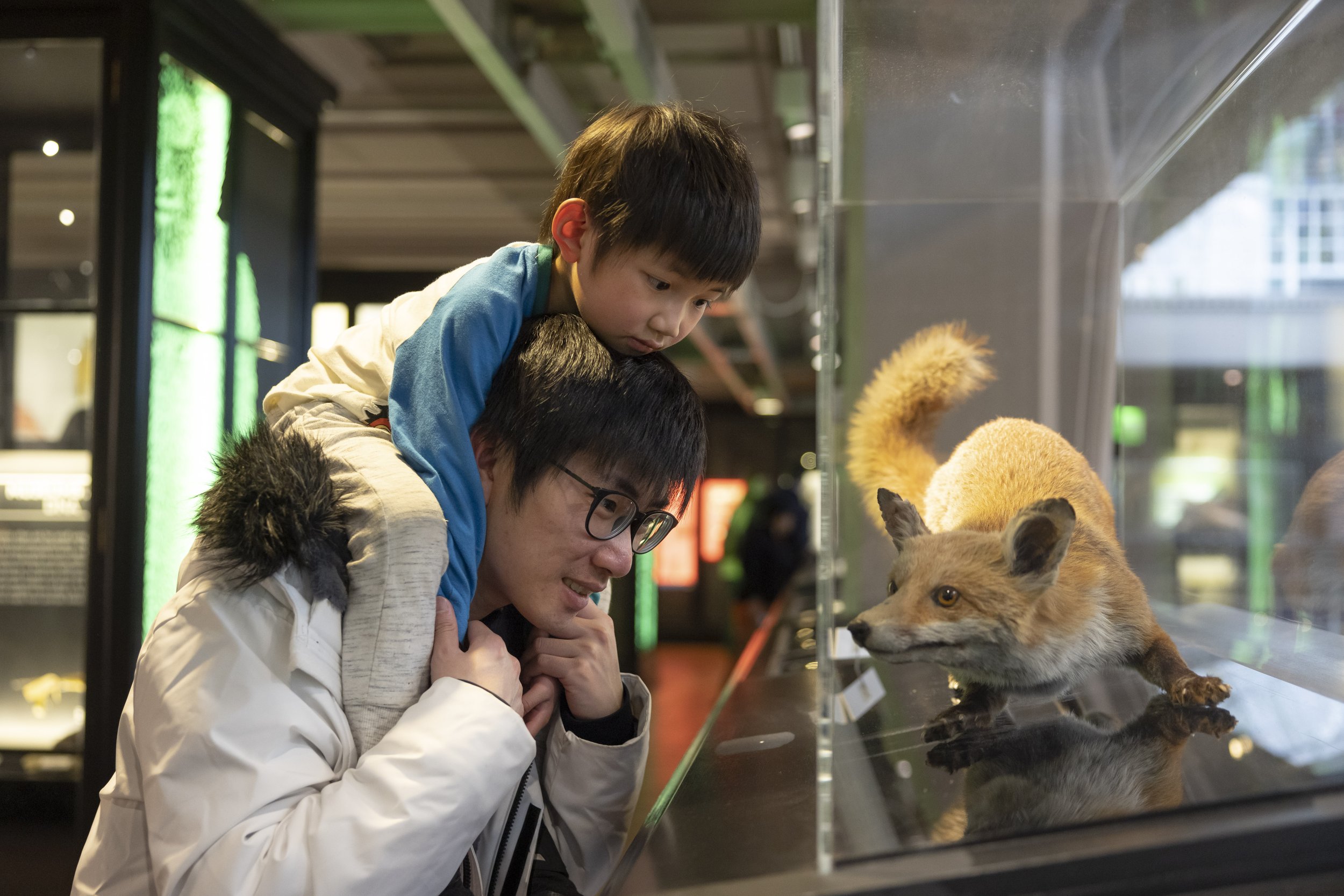
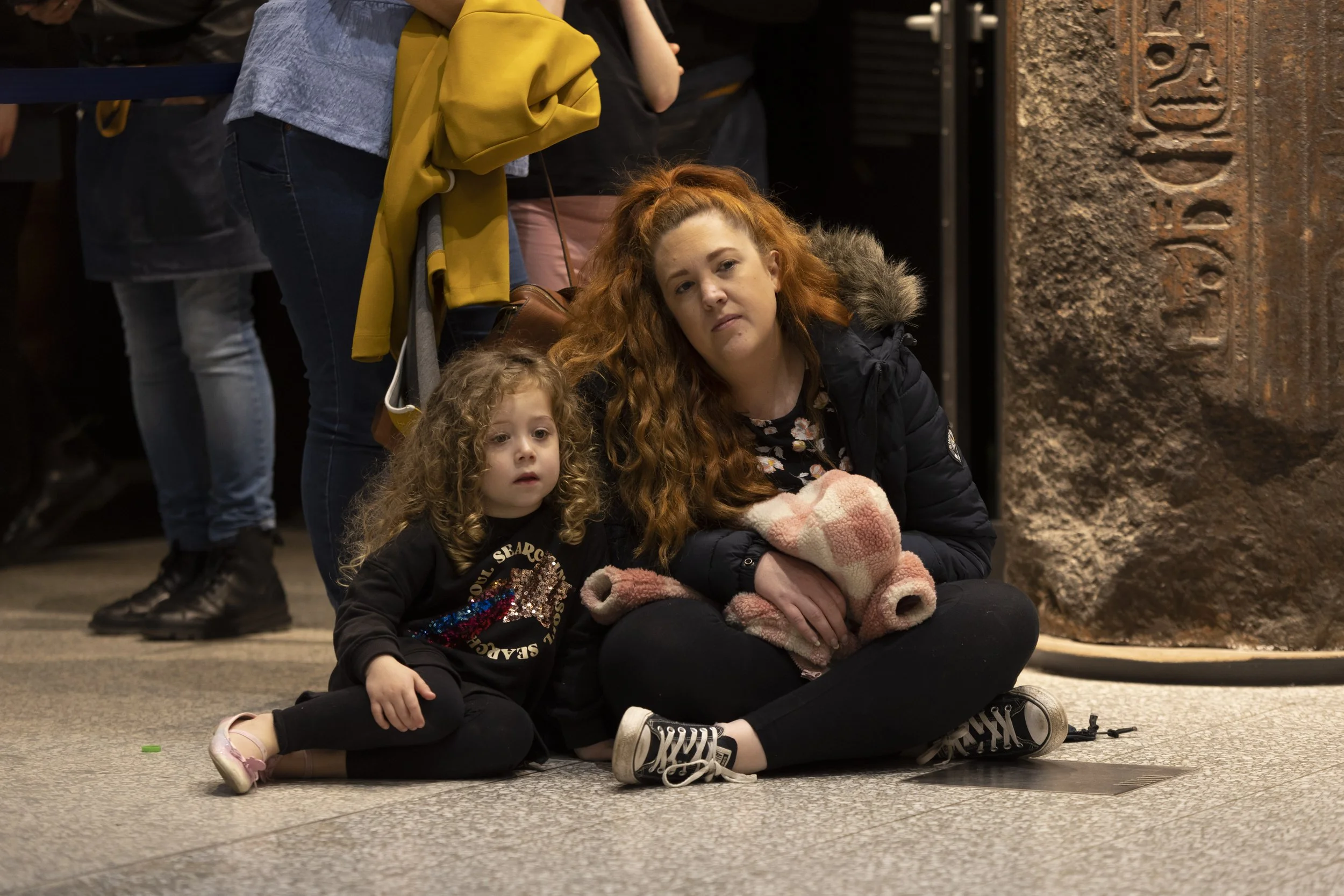
The newly remodelled Manchester Museum has officially opened its doors, and as a professional photographer, I had the pleasure of capturing the energy, excitement, and intricate details of this incredible space. Commissioned by Art Fund, I spent several hours documenting the museum’s refreshed galleries and exhibits, and I left inspired by both the design and the crowds.

The newly remodelled Manchester Museum has officially opened its doors, and as a professional photographer, I had the pleasure of capturing the energy, excitement, and intricate details of this incredible space. Commissioned by Art Fund, I spent several hours documenting the museum’s refreshed galleries and exhibits, and I left inspired by both the design and the crowds.

Capturing the Energy of a Busy Museum
Visiting a museum packed with enthusiastic guests is a dream for any photographer. The Manchester Museum reopening was buzzing with visitors, families, and art enthusiasts, providing a perfect opportunity to photograph candid moments and dynamic interactions. The lighting, architectural renovations, and open gallery spaces made it ideal for both wide-angle shots and detailed close-ups.

Photography Tips Inside the Manchester Museum
Museums present unique challenges and opportunities for photography. During my visit to the Manchester Museum, I focused on using natural and ambient lighting, which the galleries provide in abundance, creating excellent conditions for photography without harsh shadows. I also concentrated on capturing intricate details and textures in the artifacts and architectural elements, which are ideal for close-up photography. Including people interacting with exhibits added life and scale to the images, helping viewers experience the museum vicariously through my photographs.

Highlights from the Remodeled Galleries
The Manchester Museum renovation has made the galleries more immersive and visitor-friendly. From interactive displays to carefully curated collections, every corner offers an opportunity for engaging photography. During my visit, I focused on the central atrium and entrance areas to capture the architectural makeover, explored the gallery layouts to show how visitors engage with exhibits naturally, and documented the diverse collections of natural history specimens, cultural artifacts, and art pieces.

Looking Forward: The Egyptian Mummies Exhibition
One of the most anticipated upcoming attractions is the Egyptian Mummies exhibition. I plan to return next week to photograph this fascinating display, which promises not only historical insight but also visually compelling opportunities for photography enthusiasts. Capturing the textures, lighting, and intricate details of the mummies will be a highlight for my portfolio and an engaging story for museum visitors.

Why Visit the Manchester Museum
Whether you’re a photographer, history enthusiast, or family looking for an educational day out, the remodelled Manchester Museum offers a rich experience. The updated galleries, dynamic exhibitions, and beautifully curated spaces make it a must-see destination in Manchester. For photographers, this museum is particularly rewarding: the combination of architectural renovations, diverse exhibits, and lively visitor interactions makes it an ideal place to practice composition, lighting, and storytelling through images.



A Commercial photography commission for Transport for the North
I recently completed another commission for Transport for the North, focusing on the intersection of modern transportation infrastructure and sustainable mobility. The shoot took place in and around Warrington Bank Quay station on a cold, wintry day, providing a striking backdrop for capturing both railway and electric vehicle infrastructure.
I recently completed another commission for Transport for the North, focusing on the intersection of modern transportation infrastructure and sustainable mobility. The shoot took place in and around Warrington Bank Quay station on a cold, wintry day, providing a striking backdrop for capturing both railway and electric vehicle infrastructure.
As a professional photographer, I approached this project with the goal of documenting the full spectrum of travel and mobility, from railway tracks and station platforms to electric vehicle charging points and urban transport hubs. The result is a series of images that highlight how modern infrastructure supports people on the move, whether by train, car, or bicycle.
Photographing Railway Infrastructure at Warrington Bank Quay
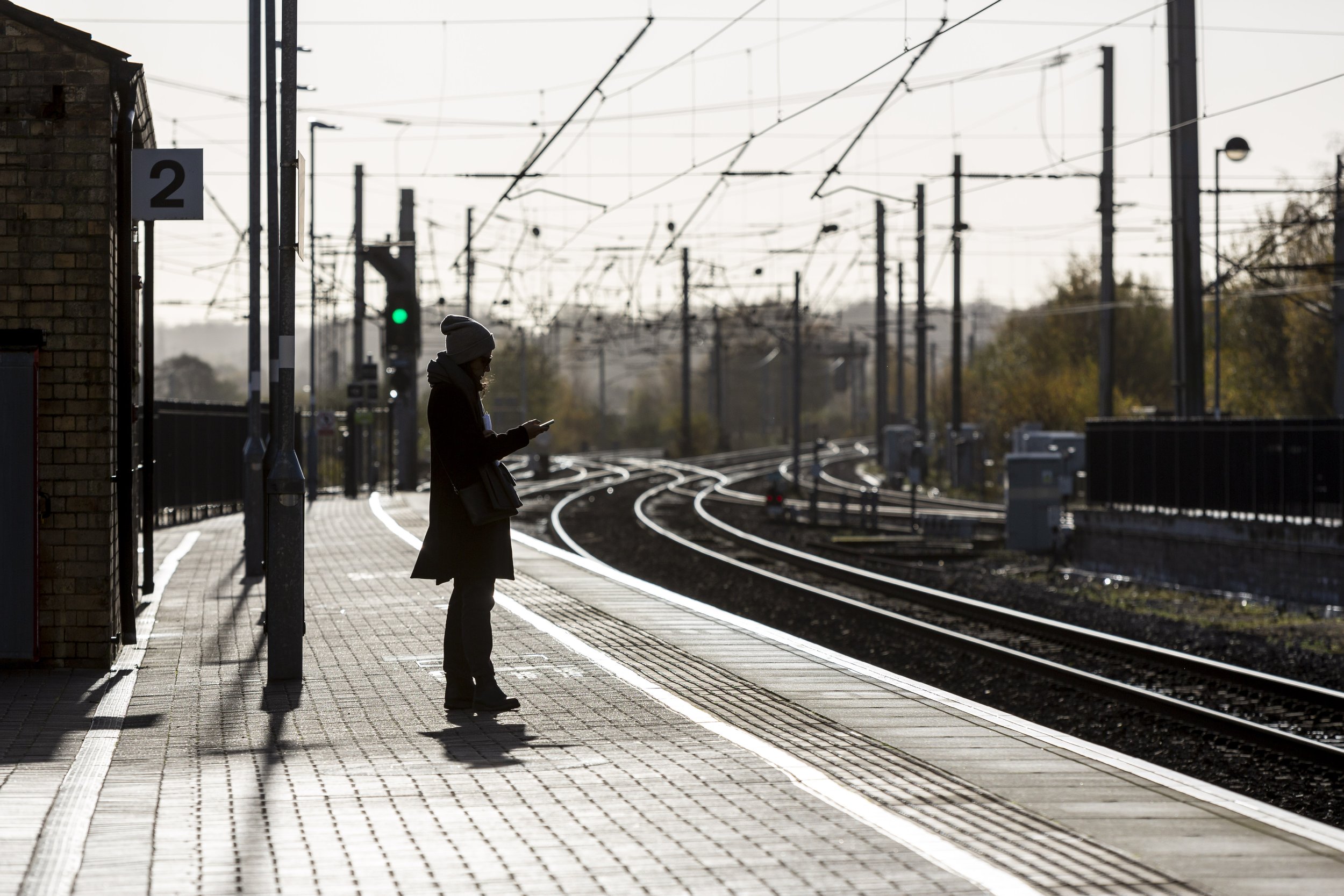
Warrington Bank Quay station offered the perfect environment for railway photography. I captured expansive shots of the tracks, including the overhead equipment, signalling systems, and the intricate details of railway infrastructure. The wintry weather added texture and atmosphere, enhancing both wide-angle shots and detailed close-ups.

One of the highlights of the shoot was documenting people on station platforms. Photographing commuters and travellers in motion allowed me to combine the technical aspects of railway infrastructure with the human stories that give these spaces life. The balance between people and machinery emphasizes the dynamic nature of modern rail travel and creates compelling visual narratives for photography portfolios.

Capturing Electric Vehicle Charging and Sustainable Mobility
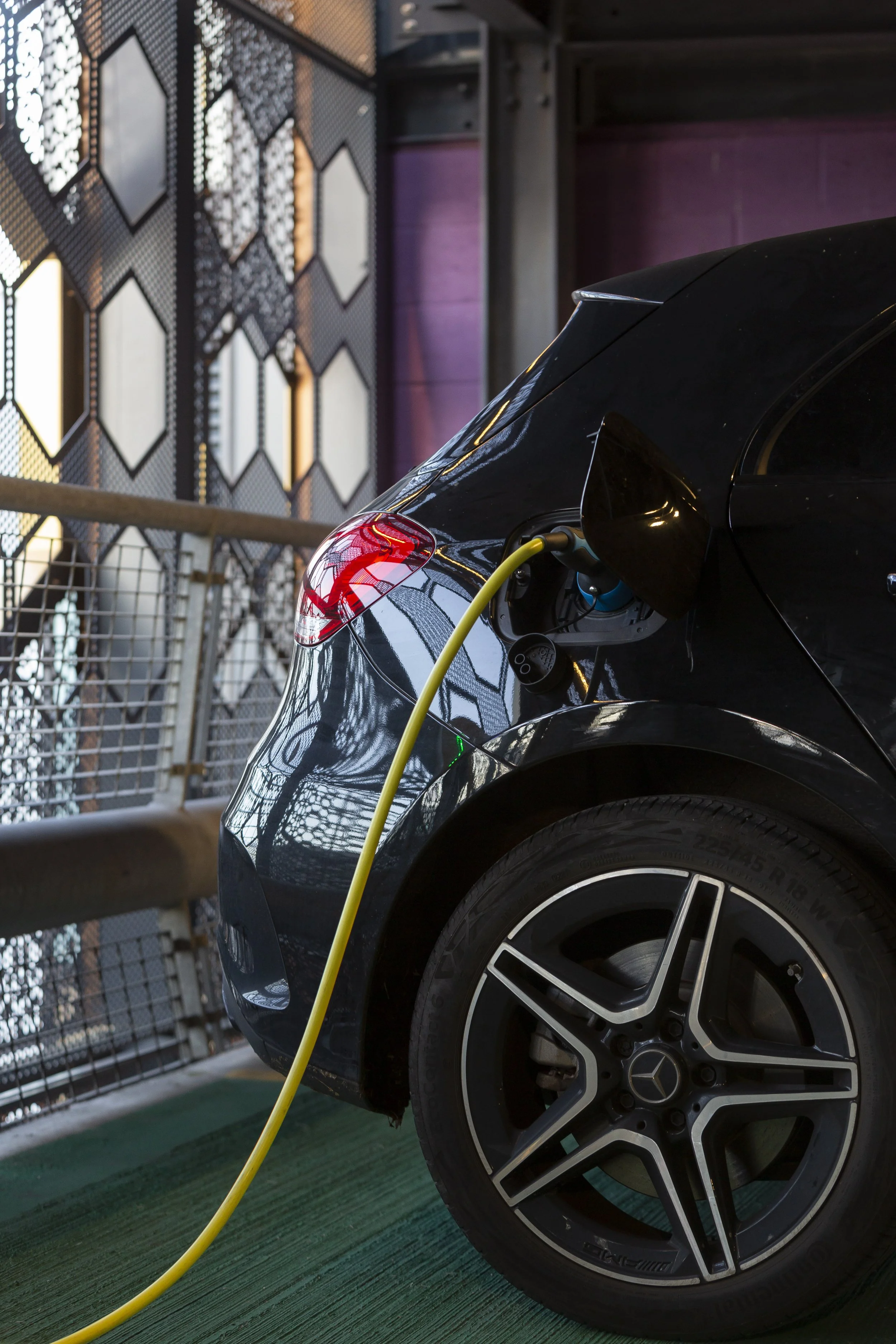
A significant focus of the commission was electric vehicle infrastructure. I photographed people charging electric cars in a variety of settings, including outdoor charging points and inside a multi-storey car park. Capturing the signage for charging points, as well as the interaction between people and technology, helped highlight the practical and user-focused aspects of sustainable transport.
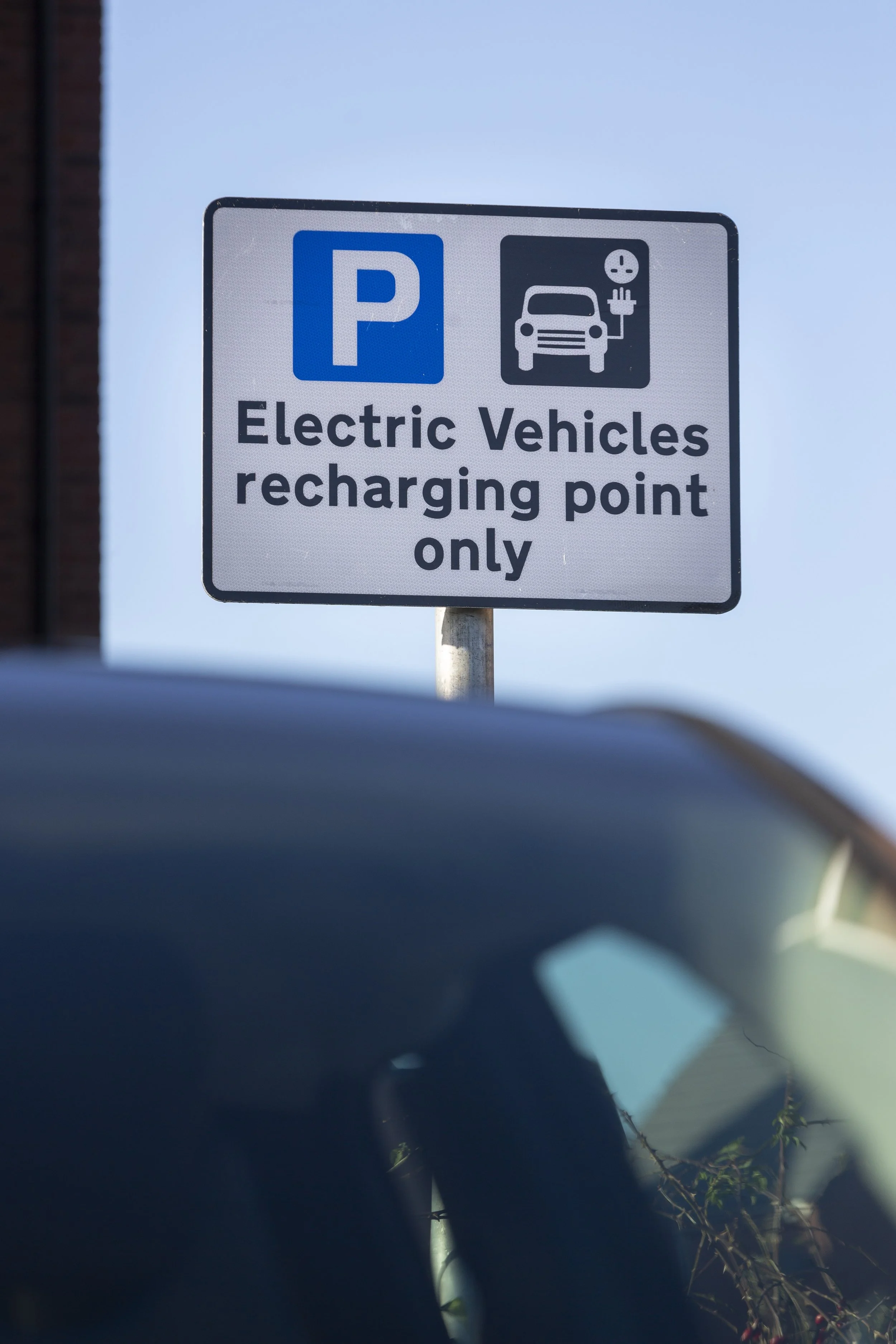
In addition to electric cars, I documented cyclists and people recharging electric vehicles, emphasizing the broader picture of environmentally conscious travel. These images illustrate how modern transport networks accommodate multiple modes of mobility, from trains to electric vehicles and bicycles, making them highly relevant for transport-focused photography projects.

Integrating Aviation and Urban Context
While the primary focus was rail and electric vehicle infrastructure, the location provided opportunities for capturing more of the surrounding transport ecosystem. I managed to include a couple of aeroplanes in the sky above Warrington, adding an extra dimension to the story of regional connectivity. Including air travel alongside rail and electric vehicle transport underscores the diversity and interconnectedness of modern transport systems, making these images particularly valuable for photography clients and portfolios.

Photography Approach and Techniques
Shooting in a cold, wintery environment posed certain challenges, but it also created striking visual contrasts and textures. I used natural light and ambient conditions to enhance the atmosphere, emphasizing the industrial aesthetic of railway tracks and the clean design of electric vehicle charging stations. Photographing people interacting with infrastructure—whether boarding trains, using charging points, or cycling—added scale and narrative to the images, making them more engaging for viewers and highly relevant for SEO-focused content about photography.

Every aspect of the shoot was designed to highlight not only the functionality of transport infrastructure but also the human experience. This approach ensures that the photographs are versatile, suitable for commercial, editorial, or promotional use, while maintaining a strong visual impact for photography portfolios.

Why This Commission Matters for Photography
Documenting modern transport infrastructure is a compelling subject for professional photographers. From capturing the engineering details of railway systems to the interaction between people and electric vehicle technology, these projects provide a rich variety of visual opportunities. This commission demonstrates how photography can tell the story of regional transport development, sustainability initiatives, and human engagement, all while producing images that are visually striking and technically precise.

For photographers looking to expand their portfolios, projects like this are invaluable. They allow exploration of urban environments, transportation networks, and technological innovation, all while practicing composition, timing, and storytelling.

Commercial photography for Transport for the North
I recently completed a comprehensive series of images for long-standing client Transport for the North, documenting railway stations across the North of England. As a professional photographer, I am proud to contribute to their efforts to demonstrate to the government the region’s growing need for well-planned and efficient transport infrastructure. This project combines technical photography with human-focused storytelling, highlighting how people navigate the North’s key transport hubs.

I recently completed a comprehensive series of images for long-standing client Transport for the North, documenting railway stations across the North of England. As a professional photographer, I am proud to contribute to their efforts to demonstrate to the government the region’s growing need for well-planned and efficient transport infrastructure. This project combines technical photography with human-focused storytelling, highlighting how people navigate the North’s key transport hubs.
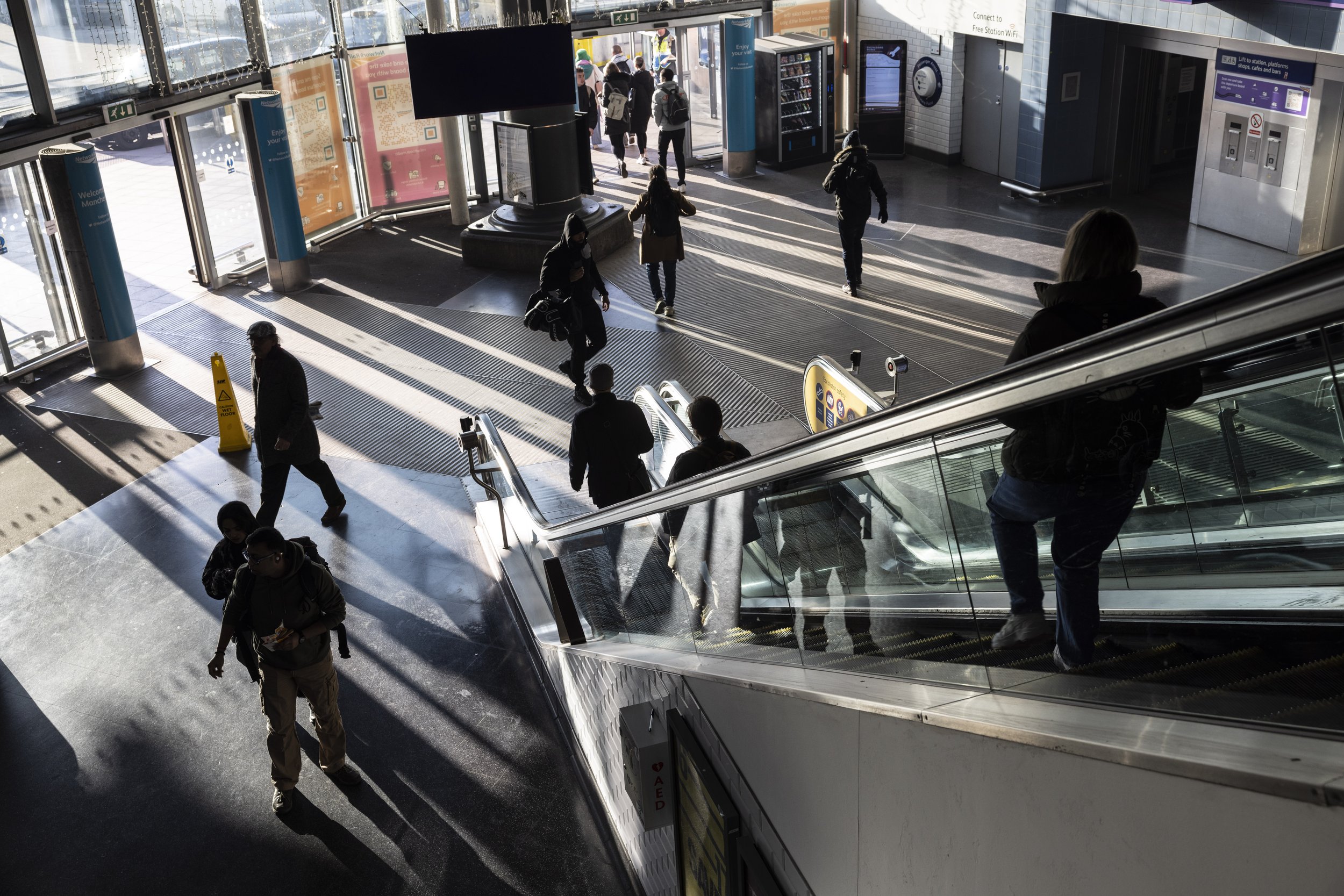
Photographing Major Railway Stations Across the North
This commission took me inside several of the North’s most important railway stations, including Manchester Piccadilly, York, Liverpool Lime Street, and Newcastle station. Manchester Piccadilly was a central focus, allowing me to capture the flow of commuters, the architecture of the station, and the dynamic interaction between people and the transport environment.
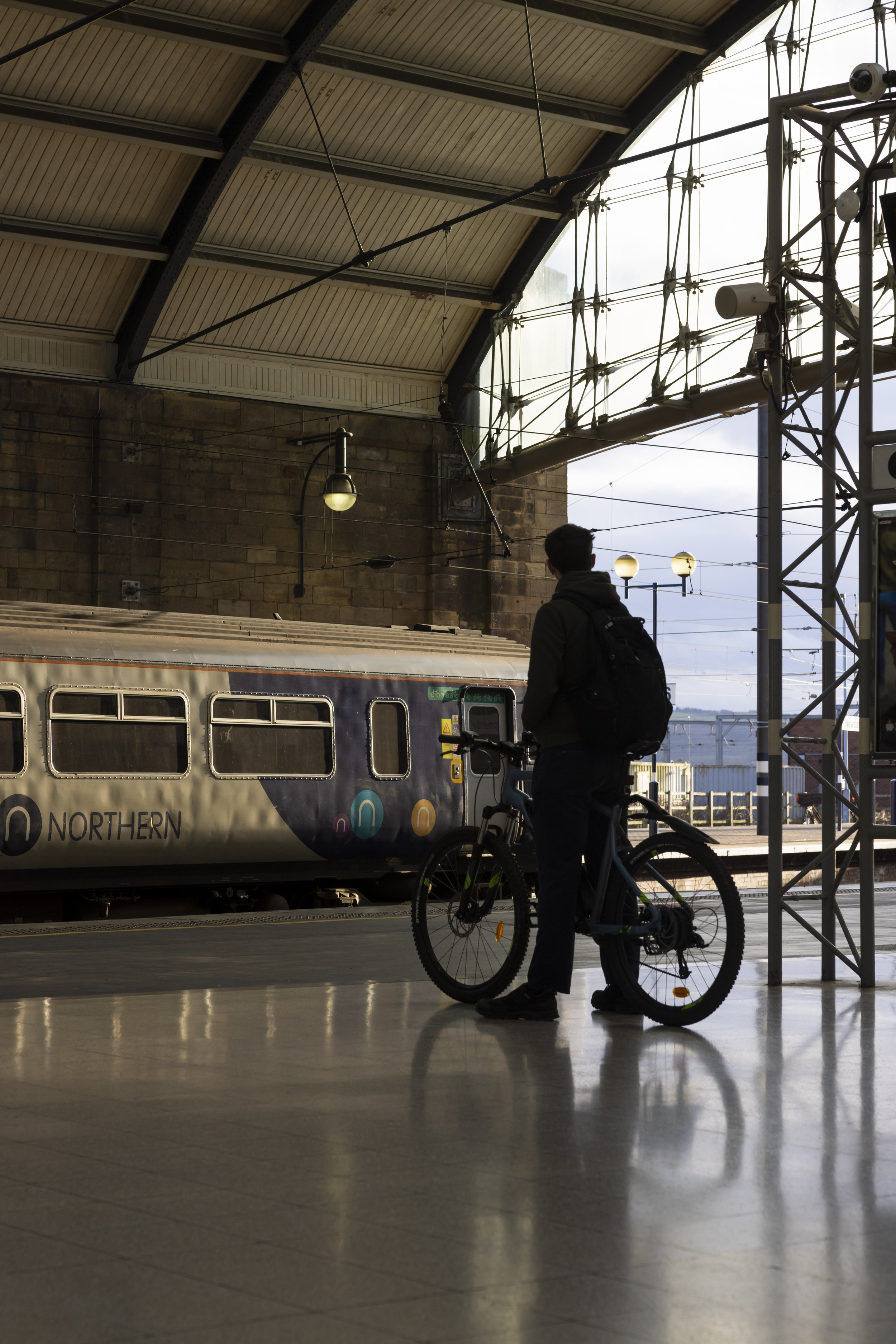
Newcastle station provided a similarly engaging setting, with opportunities to document both the movement of travelers and the details of railway infrastructure. York and Liverpool Lime Street added variety to the series, each station presenting unique architectural features, passenger dynamics, and lighting conditions that make railway photography particularly rewarding.
Capturing Multi-Modal Travel: People and Bicycles
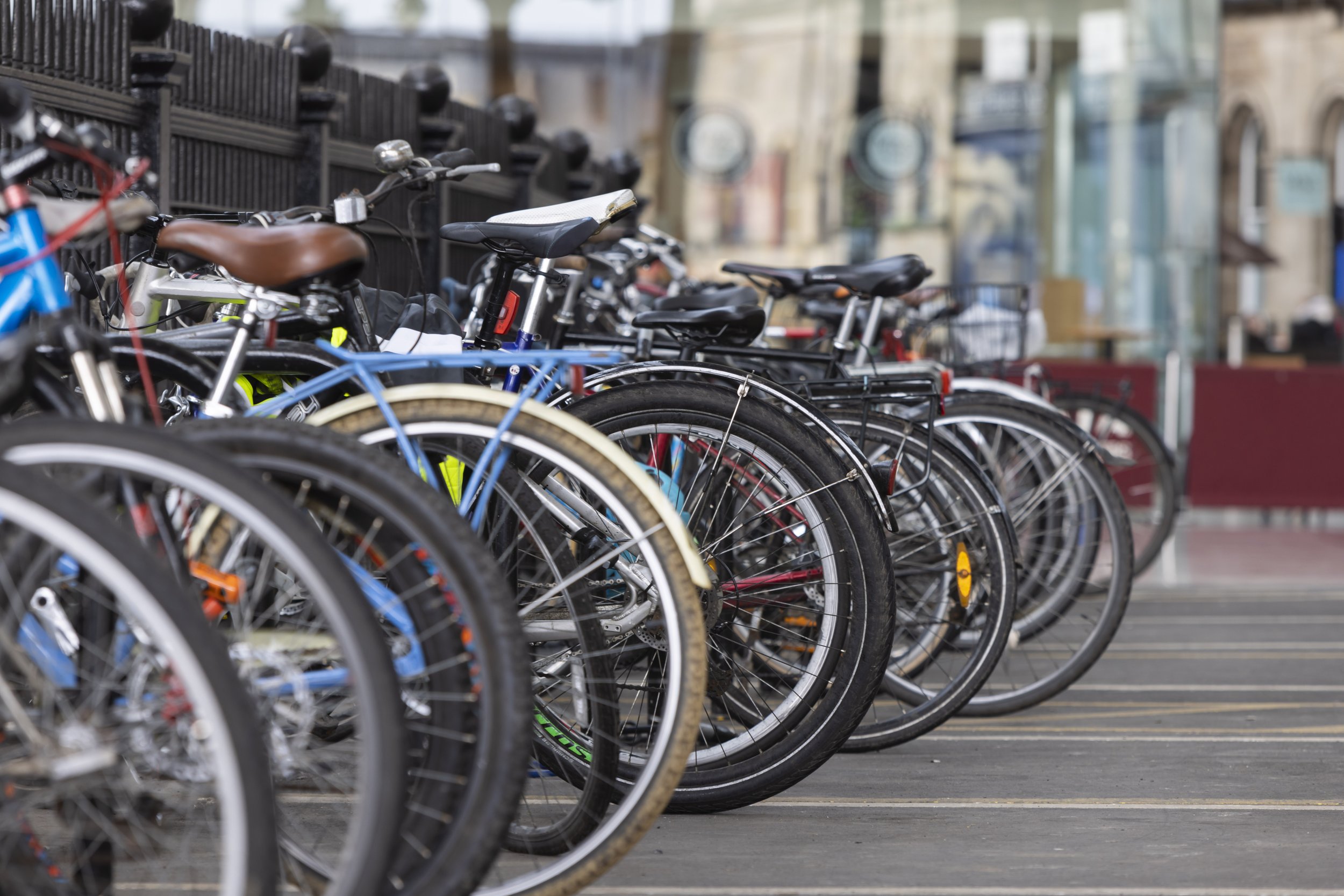
A key element of this series was documenting people using bicycles inside the stations. Capturing sustainable and multi-modal transport is increasingly important in photography that highlights modern infrastructure. These images not only show the integration of cycling with rail travel but also reflect how people interact with station environments in their daily journeys. Photographing people in motion, whether walking, cycling, or navigating platforms, added context and life to the technical aspects of the stations.

Photography Approach and Techniques
Shooting inside busy railway stations requires a combination of careful planning and adaptability. I focused on using natural light wherever possible, capturing wide shots of station interiors alongside detailed close-ups of commuters, signage, and architectural features. Documenting both the human experience and the technical infrastructure allowed me to create a balanced series that is visually compelling while accurately reflecting the function and design of each station.

The challenge of busy environments, fast-moving people, and varying lighting conditions made this project particularly rewarding. By combining architectural photography with candid street-style portraits, the series demonstrates how professional photography can tell a story about transport systems, infrastructure, and human mobility.

Why This Project Matters for Transport and Photography
This commission for Transport for the North is part of a broader effort to communicate the urgency of transport investment in the North. My images serve as visual evidence of the challenges and opportunities facing the region, from crowded platforms to the integration of cycling and rail travel.
For photographers, projects like this are an excellent way to develop a diverse portfolio, combining urban photography, architectural documentation, and lifestyle imagery. The resulting images are relevant not only for editorial and commercial purposes but also for advocacy, policy, and storytelling around sustainable transport infrastructure.
Conclusion: A Visual Record of the North’s Transport Hubs
Documenting railway stations across the North of England allows both the public and policymakers to see how infrastructure supports daily life. This series highlights Manchester Piccadilly, Newcastle, York, and Liverpool Lime Street as vibrant hubs of movement, showing people, bicycles, and the architecture that supports regional travel. As a professional photographer, I am proud to contribute to projects that combine aesthetic storytelling with practical insight into the North’s transport systems.

Documentary Photography - BP's LiDAR buoy at Liverpool Docks
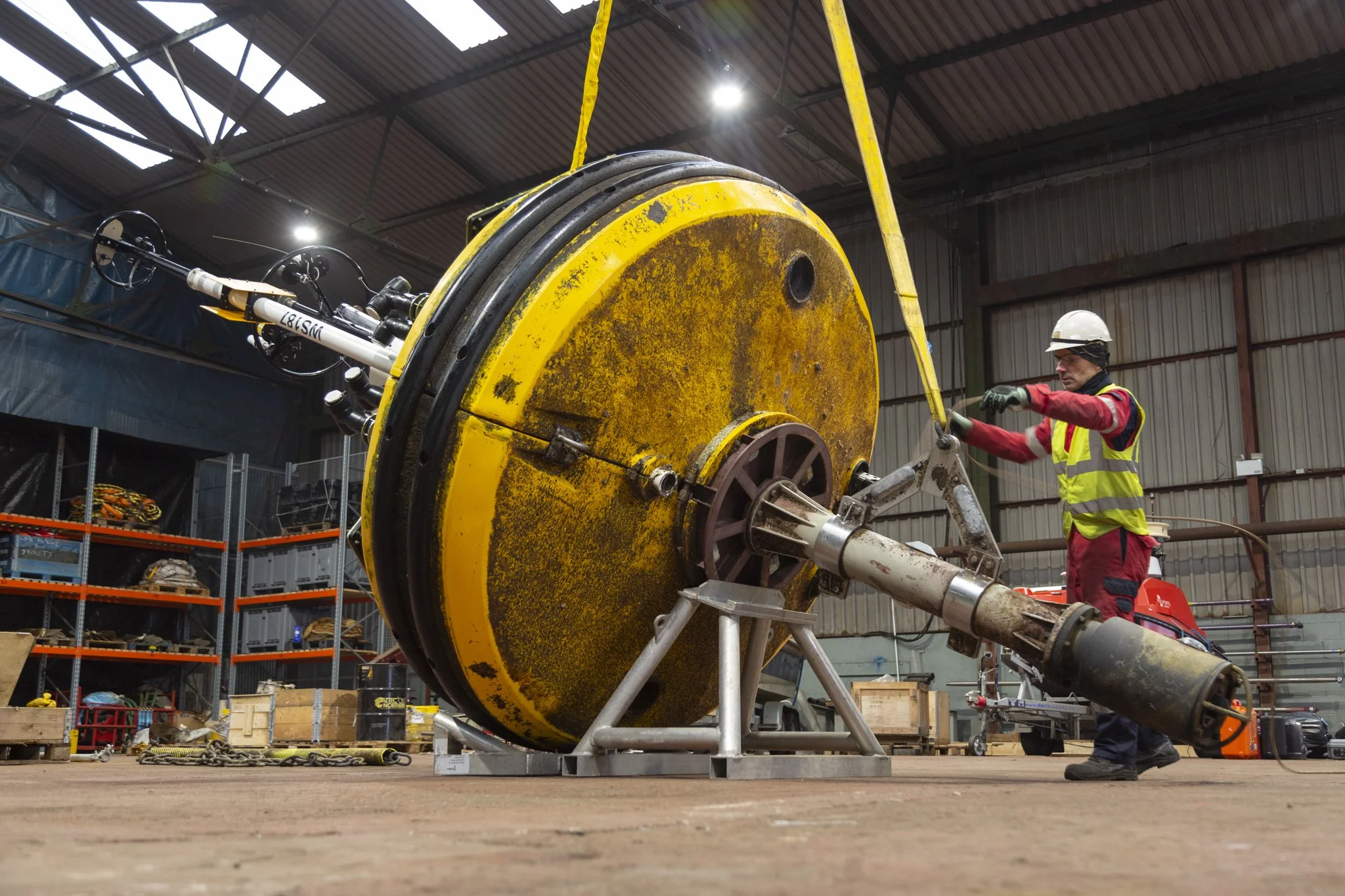
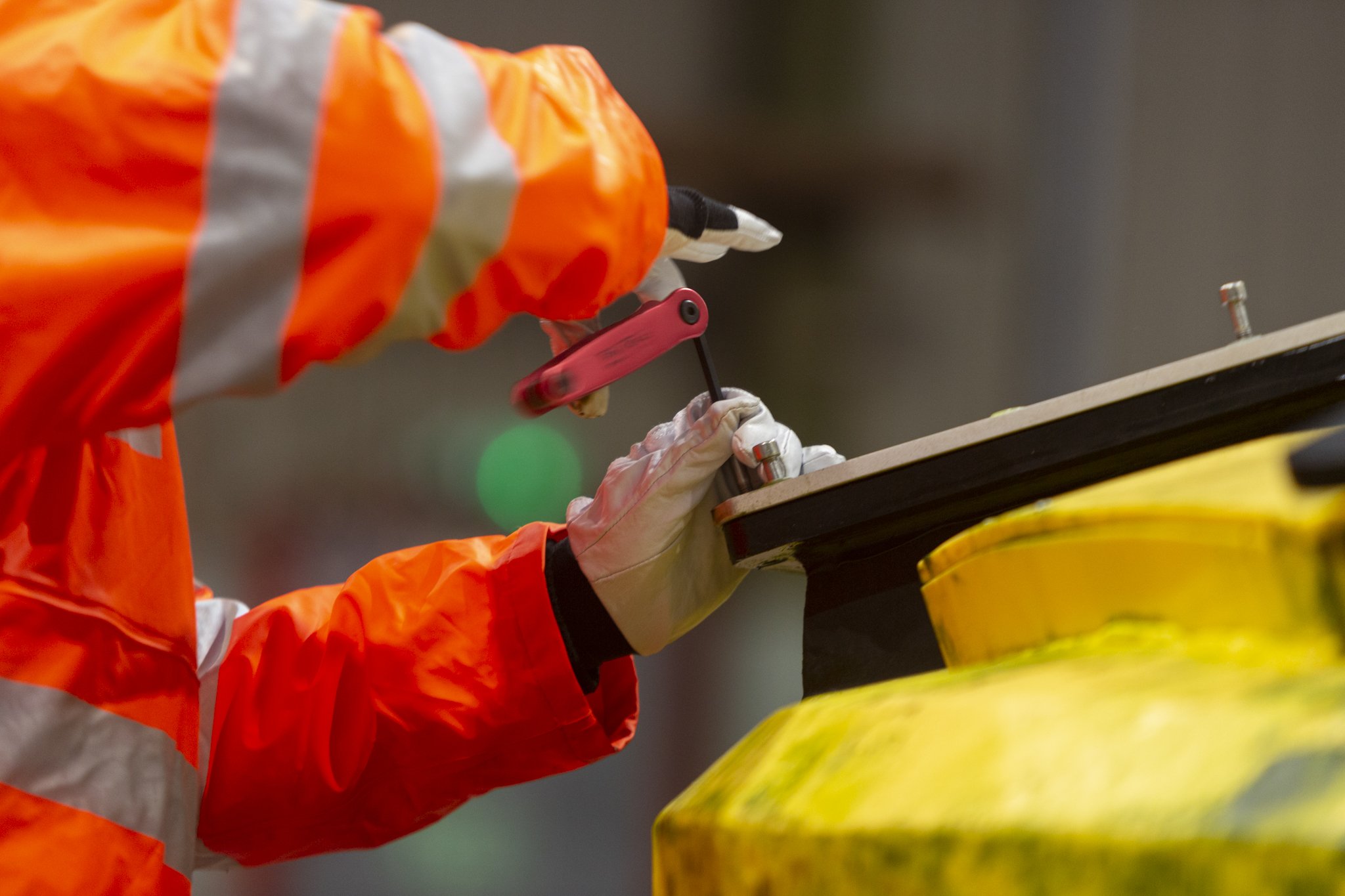
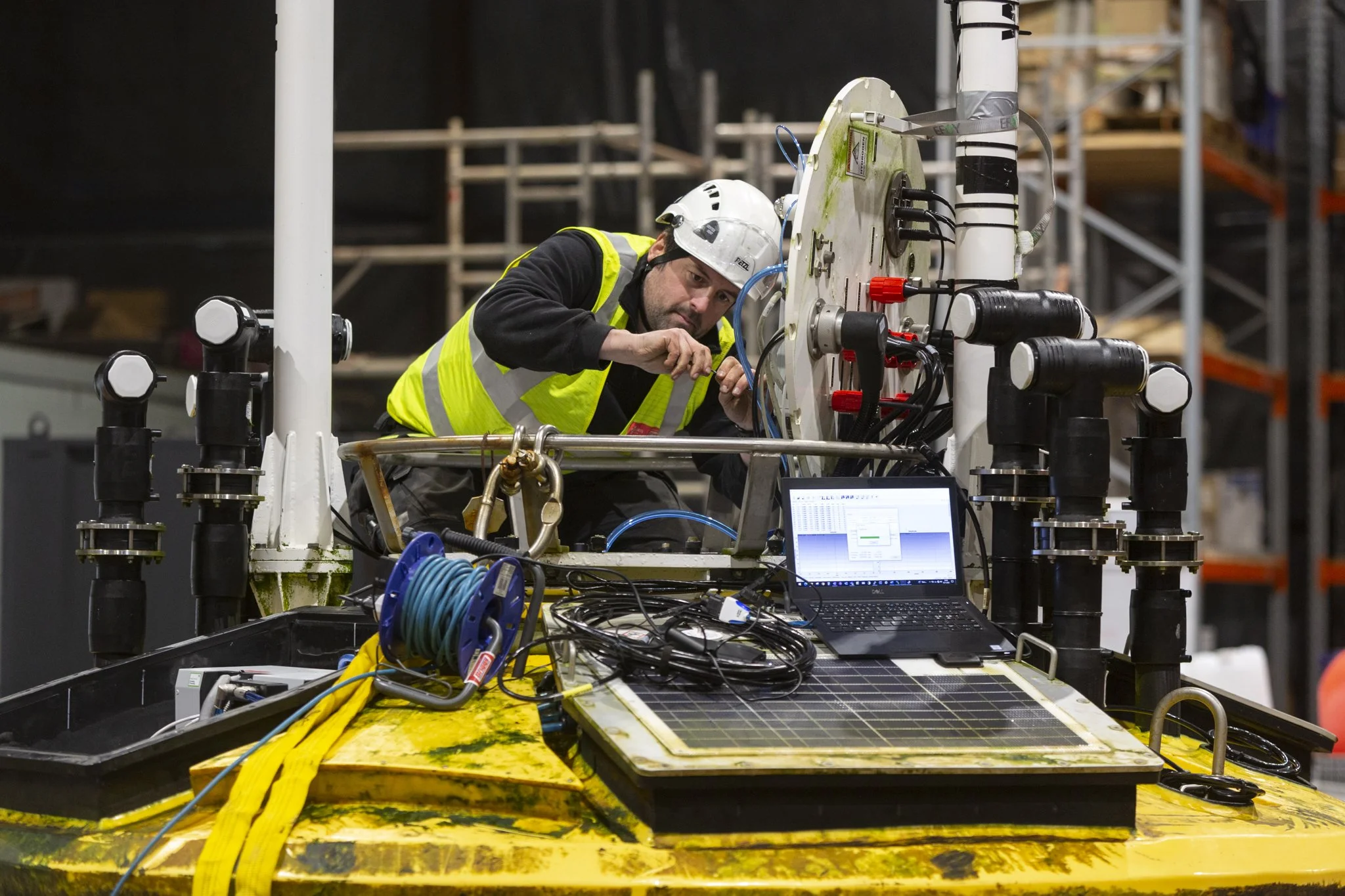
Another commission from BP as they work on the development of the Mona and Morgan Irish Sea wind farms. This time I was taking photographs to document the maintenance of one of their Fugro Seawatch LiDAR buoys which are surveying the field to find optimal wind turbine locations. The Seawatch buoys run on solar panels and fuel cells using methanol fuel. Although autonomous in the field the buoys need to be towed to shore for refueling and servicing.

Another commission from BP as they work on the development of the Mona and Morgan Irish Sea wind farms. This time I was taking photographs to document the maintenance of one of their Fugro Seawatch LiDAR buoys which are surveying the field to find optimal wind turbine locations. The Seawatch buoys run on solar panels and fuel cells using methanol fuel. Although autonomous in the field the buoys need to be towed to shore for refueling and servicing.
As an ex-engineer with a background in Physics, this was a really interesting - if freezing! - few days shooting in Liverpool.
LiDAR, or Light Detection and Ranging, can measure wind speed by using the Doppler effect. The Doppler effect is a phenomenon that occurs when the frequency of a wave changes as the source of the wave moves relative to the observer. This effect is commonly experienced in everyday life, for example, the change in pitch of a siren as an ambulance approaches and then passes by.
In the context of LiDAR, a laser beam is directed towards the atmosphere, and the reflected light is detected by a sensor. As the laser beam passes through the atmosphere, it interacts with particles in the air, such as dust or water droplets. These particles scatter the laser beam in different directions, and some of the scattered light returns to the sensor.

By analyzing the scattered light, LiDAR can detect the movement of air particles and calculate wind speed. The movement of the particles changes the frequency of the scattered light, and this change in frequency is detected by the sensor. The amount of frequency shift is proportional to the wind speed, allowing LiDAR to calculate the wind speed with high accuracy.

LiDAR can also provide information about the direction and turbulence of the wind, helping to identify potential challenges for wind turbine installations. This information is particularly useful in the development of wind farms, where accurate wind measurements are essential for identifying the most suitable locations for wind turbines.





Event Photography - Adidas and Versus at Manchester United
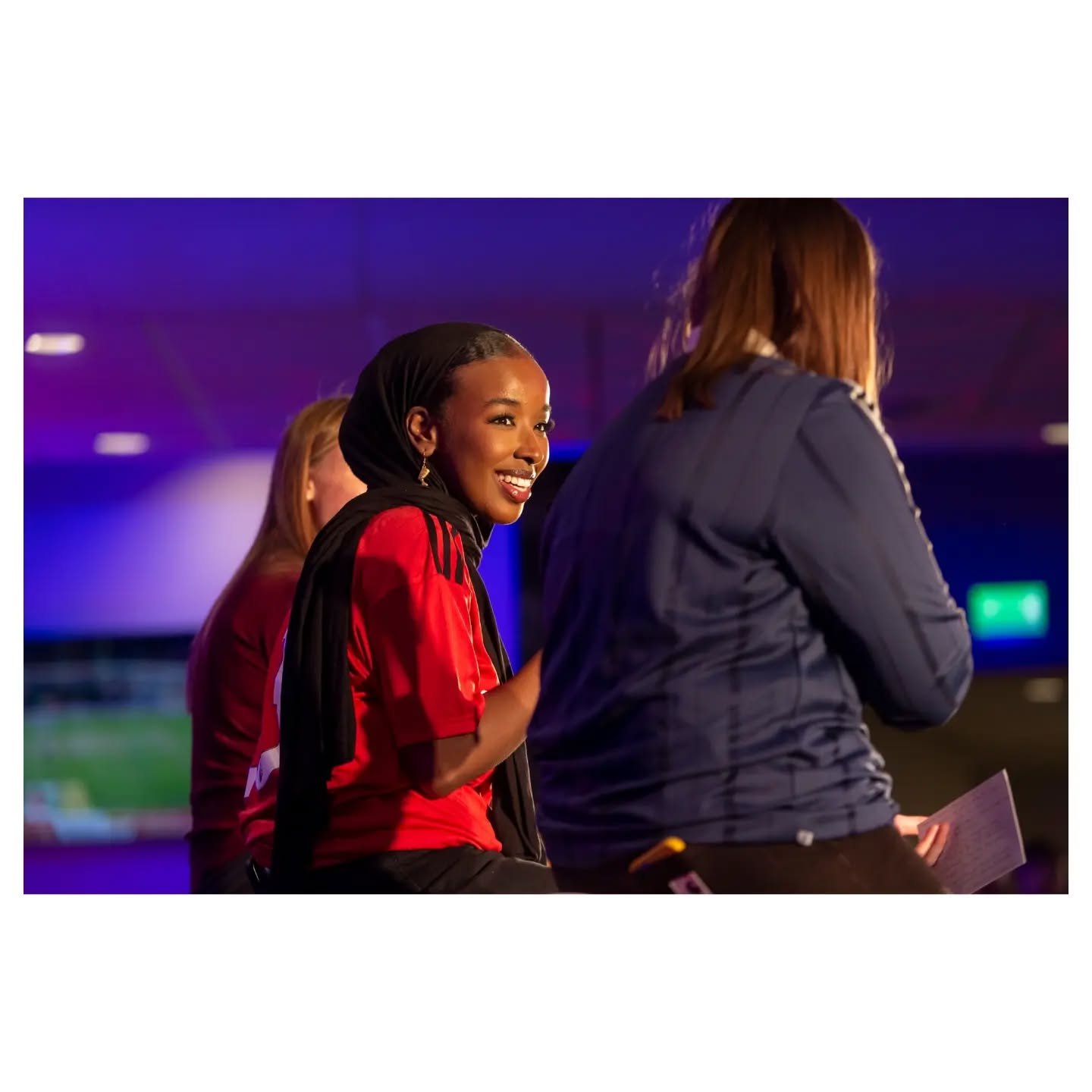
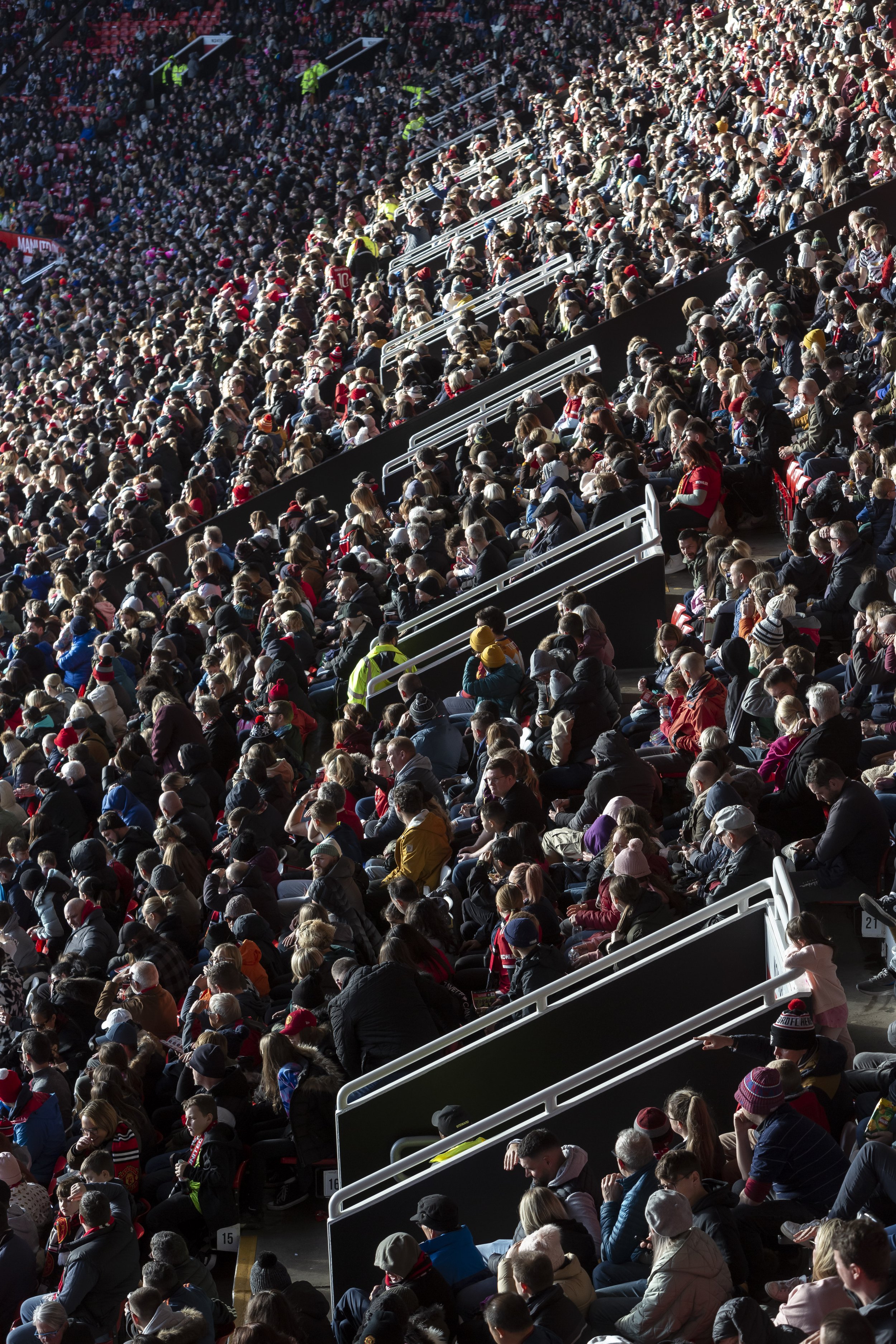
VERSUS is the platform championing the future of football and its rising influence on new music and culture. Adidas is well, Adidas. On commission for the wonderful TO Events, I photographed the launch of a collaboration between the two brands on the occasion of a games between Manchester United and Aston Villa’s women’s teams.
VERSUS is the platform championing the future of football and its rising influence on new music and culture. Adidas is well, Adidas. On commission for the wonderful TO Events, I photographed the launch of a collaboration between the two brands on the occasion of a games between Manchester United and Aston Villa’s women’s teams.




Photography of BP's public consultation at Bodelwyddan
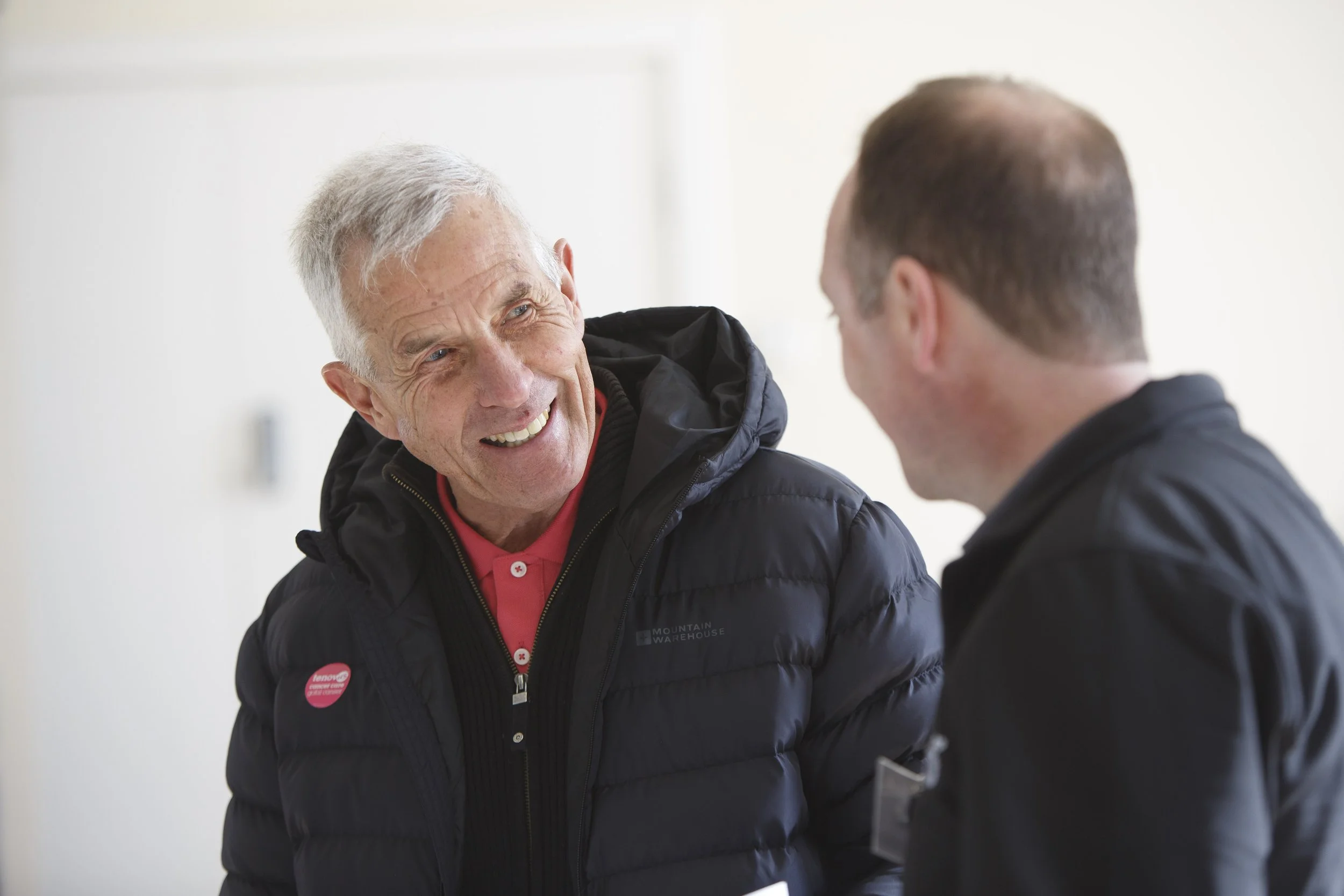
I worked with BP to photograph a consultation event at Bodelwyddan Village Hall that helped explain to residents of the area the changes that would be brought about by the development of two new wind farms off the North Wales coast. The Mona and Morgan windfarms will be two of the largest offshore windfarms in the Irish Sea.
I worked with BP to photograph a consultation event at Bodelwyddan Village Hall that helped explain to residents of the area the changes that would be brought about by the development of two new wind farms off the North Wales coast. The Mona and Morgan windfarms will be two of the largest offshore windfarms in the Irish Sea.

The wind farms will be located approximately 20km - 30km from the coast and be operational by 2029. Together, they will form one of the largest wind farms in the world, with a combined potential generating capacity of 3 gigawatts (GW). This is enough to power the equivalent of approximately 3.4 million UK households with clean electricity.

The development of the Mona and Morgan windfarms represents a significant achievement in the UK's transition towards renewable energy, and highlights the potential of offshore wind to play a key role in meeting the country's energy needs in a sustainable way.


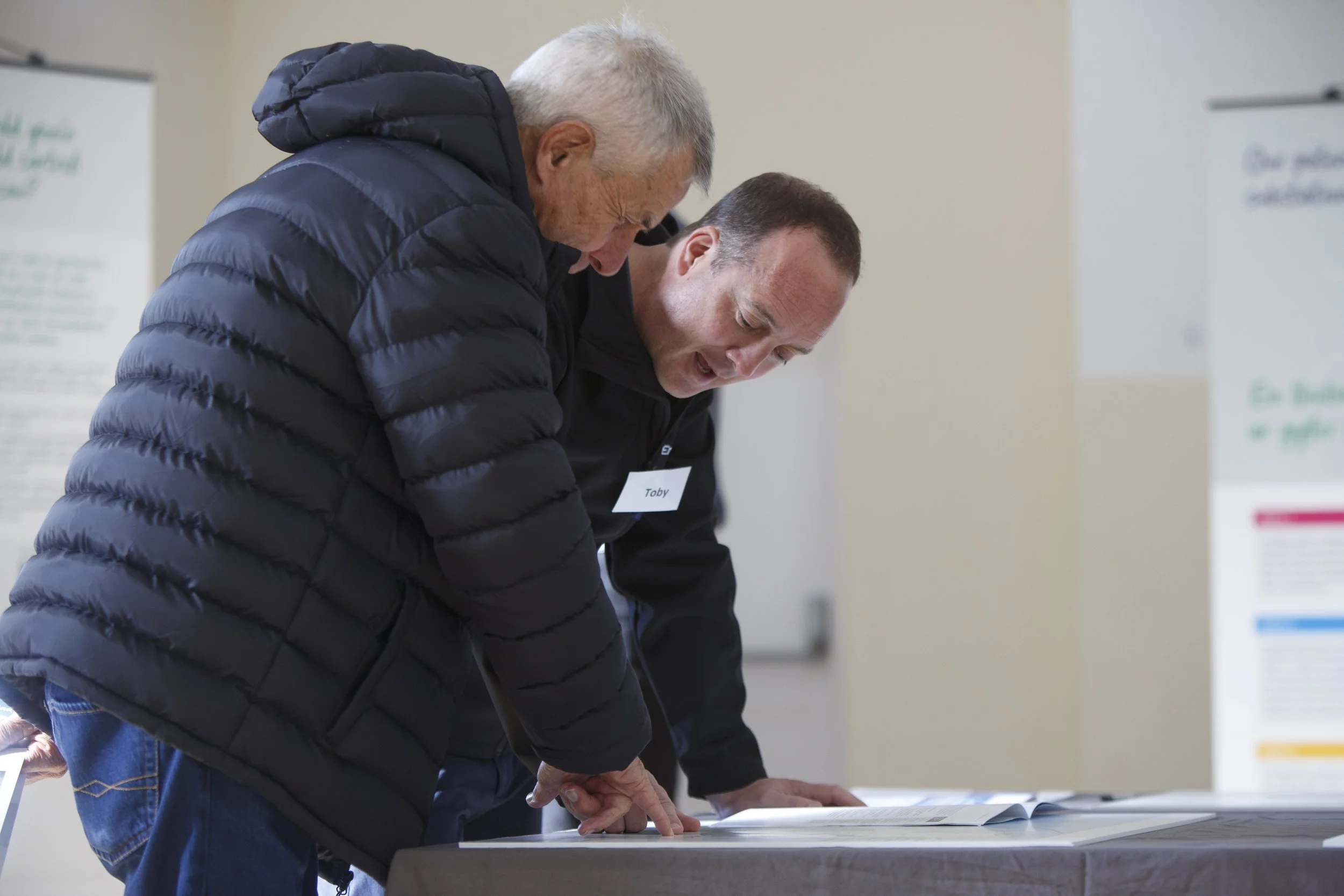

Photographing for Art Fund at the Bronte Museum
Art Fund is a UK-based charity that aims to help museums and galleries to acquire and display works of art. The charity was established in 1903 and has since supported hundreds of museums and galleries across the country, helping to enhance their collections and make art more accessible to the public.
Art Fund is a UK-based charity that aims to help museums and galleries to acquire and display works of art. The charity was established in 1903 and has since supported hundreds of museums and galleries across the country, helping to enhance their collections and make art more accessible to the public.
One of the most notable initiatives of Art Fund is the National Art Pass, which provides free entry or discounted admission to over 240 museums and galleries across the UK, as well as other benefits such as exclusive events and discounts at art-related shops and restaurants.
Meet Me at the Museum is a podcast series published by Art Fund where famous faces take their best mate, their mum, their neighbour (whoever they want) for an afternoon at a favourite museum or gallery. As well as getting a peek behind the scenes, seeing what makes a museum tick, it's also the starting point for some great conversations about life, the universe and everything. As well as a chance to eat lots of cake in the cafe.

During the production of this episode, I photographed writer Amy Liptrot, author of The Outrun and The Instant, as she took her friend, poet Zaffar Kunial, to the Brontë Parsonage Museum in Haworth, West Yorkshire. Together they explore the former home of the Brontë sisters – Charlotte, Emily and Anne – and see where some of their most famous novels were written. From the dining table where the sisters shared their work, to early reviews of Wuthering Heights, intimate objects and artefacts prompt conversations about Amy and Zaffar’s own inspirations as writers. And, after exploring the house and museum, they head out into the landscape and discover a poem in the wild.


The Bronte Museum, located in the picturesque village of Haworth in West Yorkshire, England, is a must-visit destination for literature lovers and fans of the Bronte sisters. The museum is dedicated to the lives and works of the Bronte family, particularly the three sisters - Charlotte, Emily, and Anne - who wrote some of the most celebrated novels of the 19th century, including "Jane Eyre", "Wuthering Heights", and "The Tenant of Wildfell Hall".

The museum is housed in the former home of the Bronte family, which has been carefully preserved to provide visitors with an authentic glimpse into the lives of the famous siblings. The museum contains an extensive collection of Bronte memorabilia, including original manuscripts, letters, personal belongings, and artworks. Visitors can explore the various rooms of the museum, including the dining room, drawing room, and bedrooms, which have been furnished to recreate the atmosphere of the Bronte family home.



Manchester Met SODA Modal gallery opening
The Modal Gallery at the Manchester School of Digital Arts (SODA) is a unique space that has become a hub of creativity, innovation, and collaboration. Through its immersive exhibitions, cutting-edge technology, and interactive displays, the gallery has had a significant impact on the SODA community, helping to foster a sense of community and connection among students, faculty members, and industry professionals.

The Modal Gallery at the Manchester School of Digital Arts (SODA) is a unique space that has become a hub of creativity, innovation, and collaboration. Through its immersive exhibitions, cutting-edge technology, and interactive displays, the gallery has had a significant impact on the SODA community, helping to foster a sense of community and connection among students, faculty members, and industry professionals.
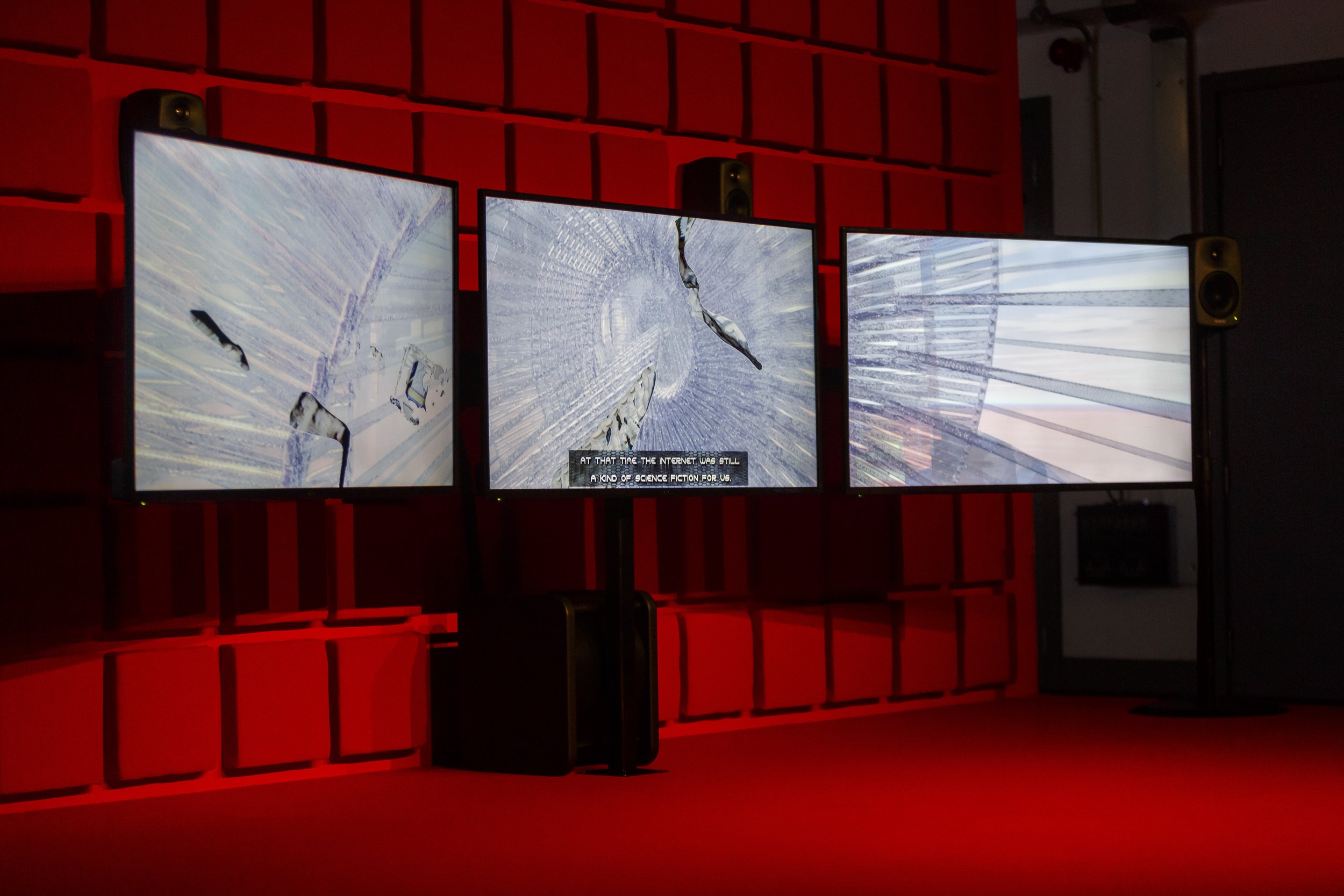
One of the key features of the Modal Gallery is its cutting-edge technology. The gallery is equipped with the latest digital tools and equipment, allowing students and faculty members to experiment with new forms of digital art and explore the boundaries of creativity. From virtual reality experiences to interactive installations, the gallery provides a platform for students to push the limits of what is possible in the digital arts.

In addition to its technology, the Modal Gallery is also known for its immersive exhibitions. The gallery's exhibitions are designed to engage visitors and create a sense of connection with the artwork. Through its immersive installations, the gallery invites visitors to explore new worlds and perspectives, challenging them to think differently about the digital arts.
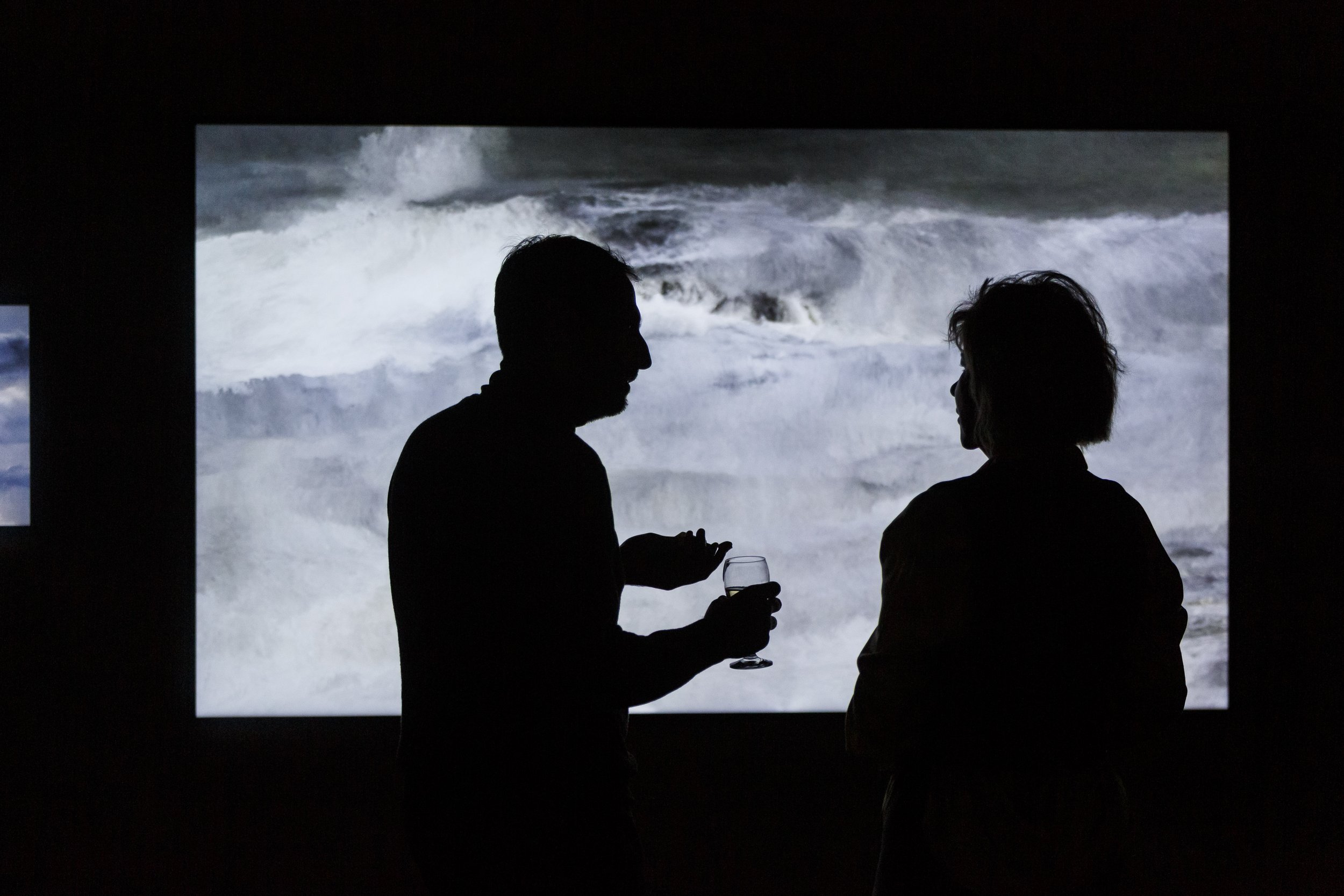
Another key feature of the Modal Gallery is its role in promoting SODA to the wider community. The gallery has become a key component of SODA's marketing and outreach efforts, showcasing the school's state-of-the-art facilities, cutting-edge curriculum, and commitment to innovation. By attracting visitors from across the region and beyond, the gallery has helped to position SODA as a leader in the digital arts and a key contributor to the creative economy.

The Modal Gallery has also had a significant impact on SODA's students. Through its exhibitions, the gallery provides students with a space to showcase their work and receive feedback and guidance from their peers and faculty members. The gallery has helped to foster a sense of community and collaboration among students, creating a supportive and dynamic environment that encourages experimentation and growth.
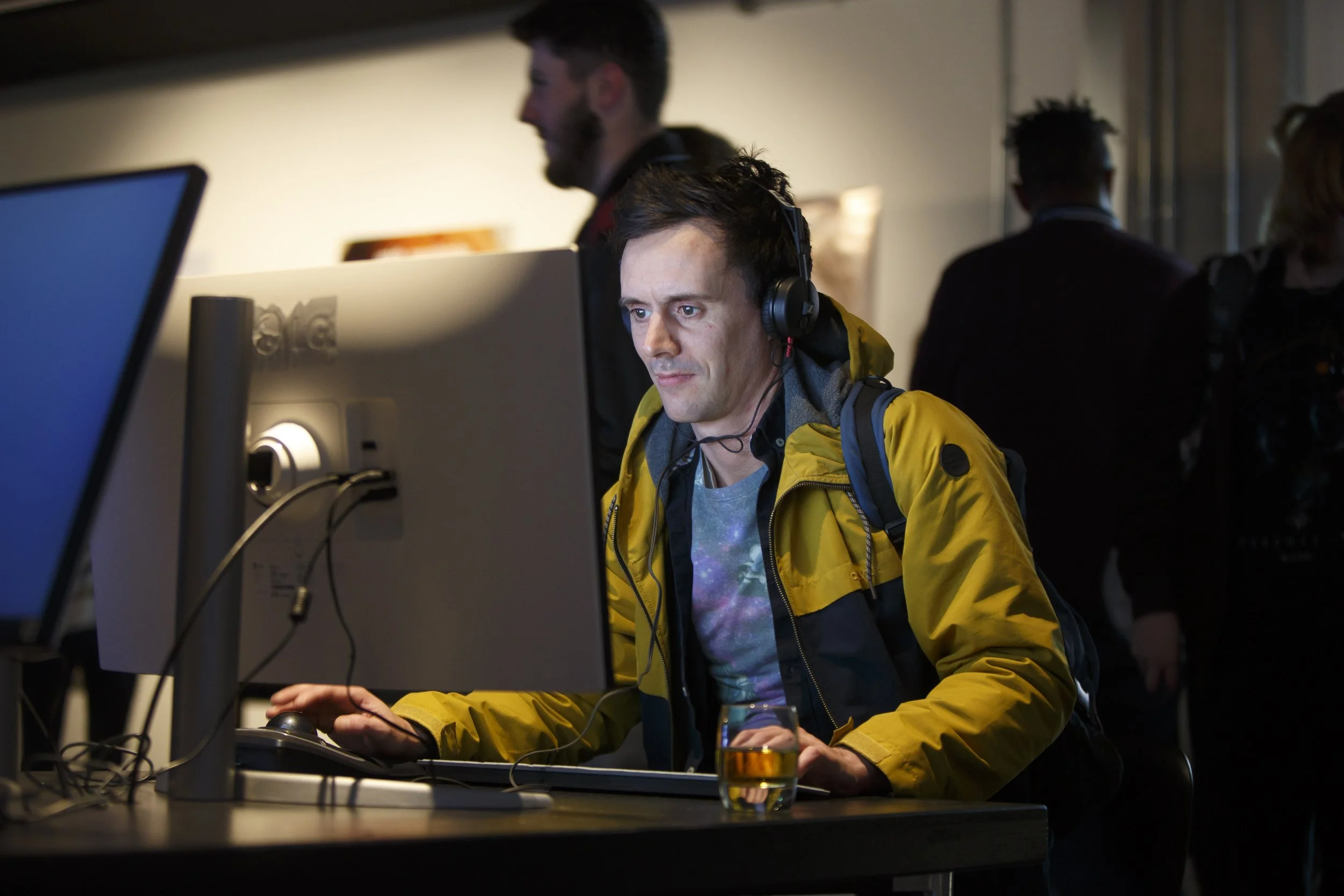
Furthermore, the Modal Gallery has helped to connect SODA's students with industry professionals and potential employers. Through partnerships with leading companies such as BBC, Channel 4, and Google, the gallery provides students with valuable networking opportunities that can help them launch their careers in the digital arts. The gallery has become a bridge between academia and industry, providing students with a clear path to success in the digital arts.
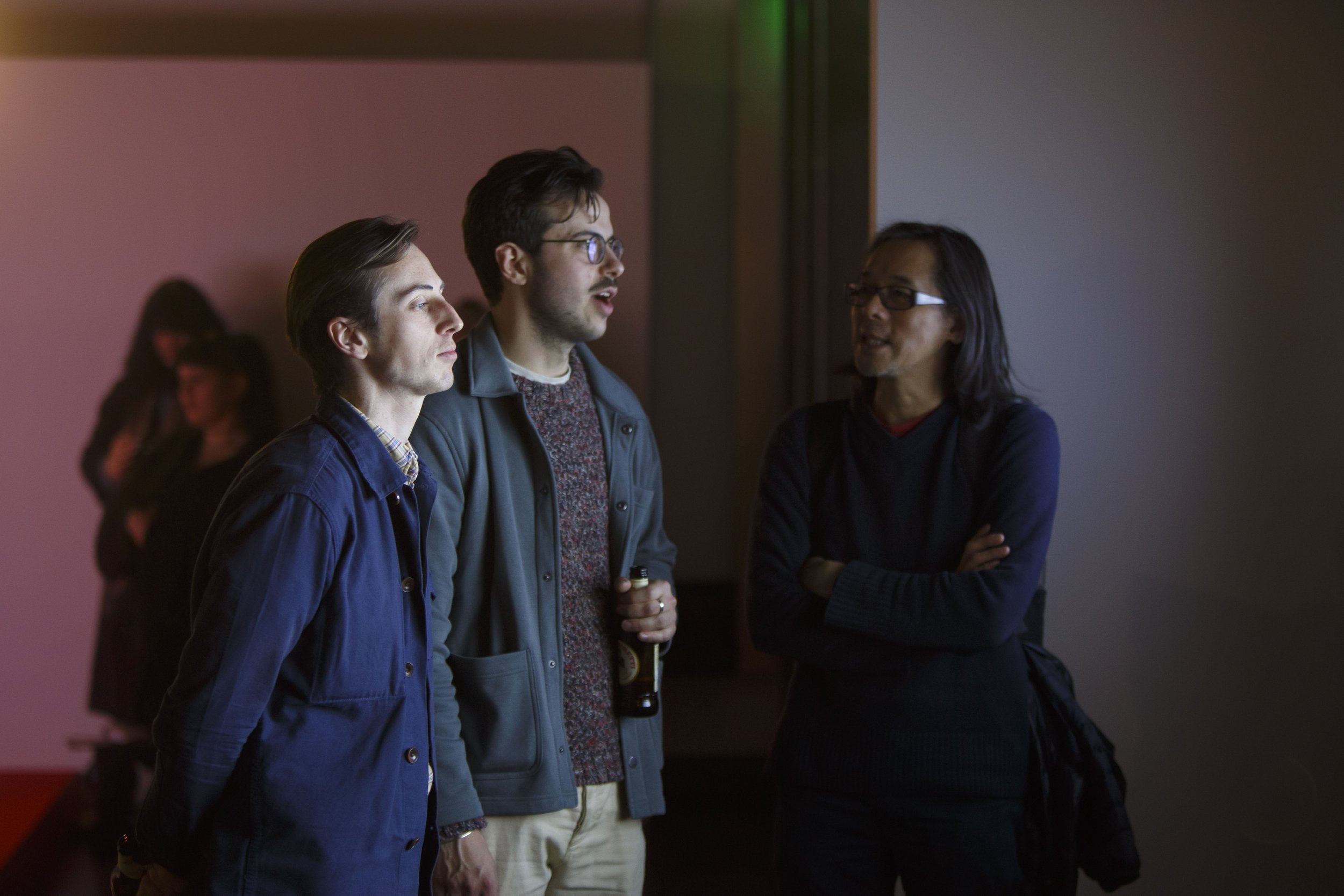
It’s been a pleasure to attend the exhibitions and photograph the events here over the past year, I always look forward to opening nights.
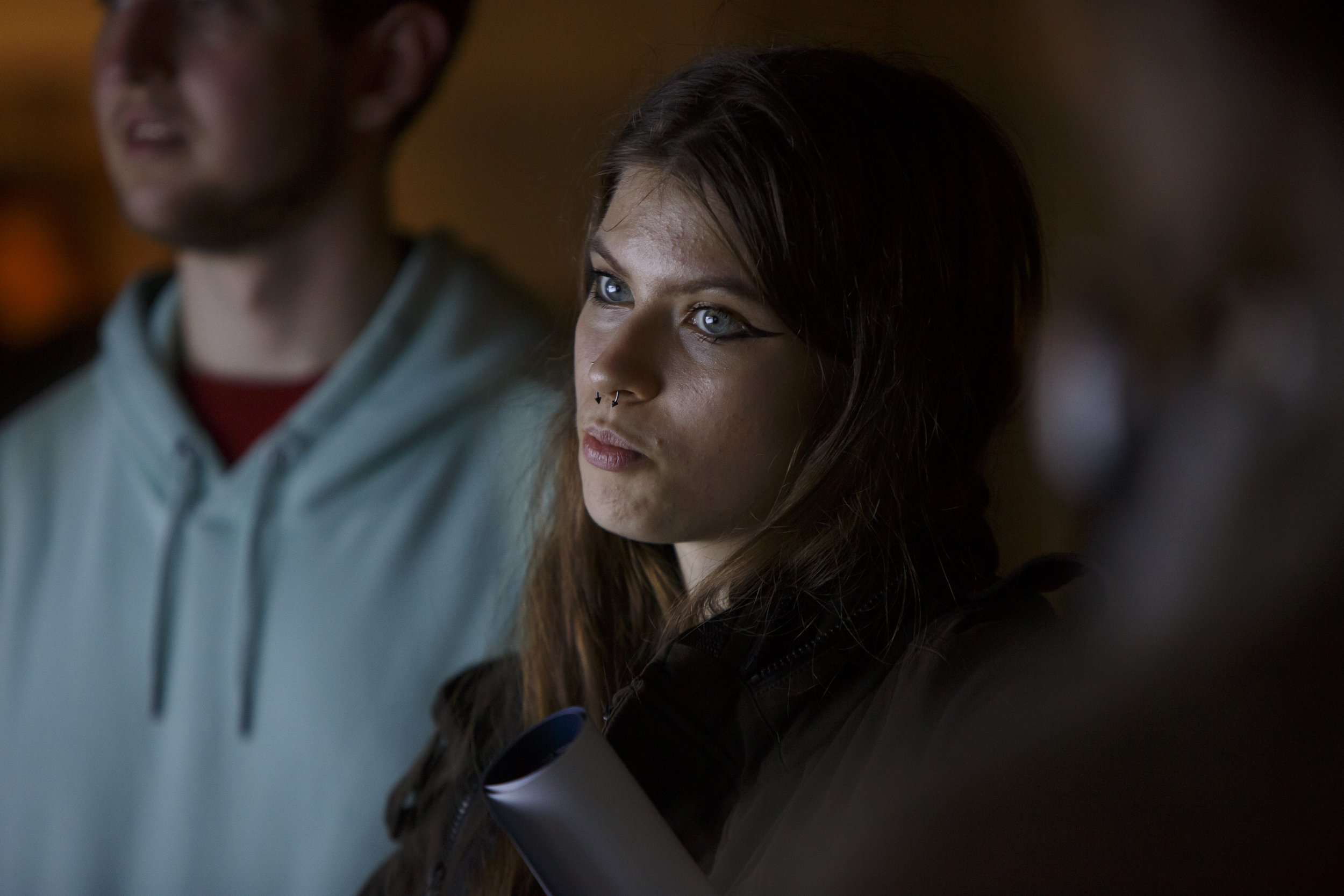


Working with IN4 Group: Photographing the Launch of HOST Gametech and CyberFirst EmPower in the North West
Over the past year it has been a privilege to work with IN4 Group documenting a series of events and initiatives focused on innovation, education and the future of technology in the North West. From the launch of new technology programmes to graduation ceremonies celebrating the achievements of young people entering the digital sector, these events highlight the growing importance of skills development and digital opportunity across the region.

Over the past year it has been a privilege to work with IN4 Group documenting a series of events and initiatives focused on innovation, education and the future of technology in the North West. From the launch of new technology programmes to graduation ceremonies celebrating the achievements of young people entering the digital sector, these events highlight the growing importance of skills development and digital opportunity across the region.

For an event photographer, projects like these offer the chance to document not only key moments and milestones but also the wider story of how organisations are shaping the future of technology and education.

Photographing the Launch of HOST Gametech
One of the highlights of the past year was photographing the launch of HOST Gametech at HOST, a hub for digital innovation and skills development based in Salford.
HOST has become an important centre for collaboration between industry, education and emerging technology companies. The Gametech programme was created to support the fast-growing games and esports sector by helping develop talent, entrepreneurial skills and new opportunities for people looking to build careers in this rapidly expanding industry.

Events like the Gametech launch bring together entrepreneurs, educators, policymakers and students, creating an environment where ideas, partnerships and opportunities can emerge. Photographing these gatherings helps capture the energy of the technology community and the conversations that shape new initiatives.

Documenting Graduation Ceremonies and Achievement
Another important aspect of the work with IN4 Group has been documenting graduation ceremonies celebrating the achievements of programme participants. These events are significant moments for students who have completed intensive training programmes designed to help them transition into careers in technology and digital industries.

Photography plays a crucial role in marking these milestones. Graduation ceremonies are not only personal achievements for the individuals involved but also powerful visual moments for the organisations delivering the programmes. Images from these events often become part of promotional materials, annual reports and future recruitment campaigns, illustrating the impact of the training and the success of the participants.

Capturing the pride and excitement of graduates as they move into the next stage of their careers provides an authentic and human perspective on the impact of digital skills programmes.

CyberFirst EmPower and Supporting Girls into Tech Careers
One of the most important initiatives photographed during the year has been the delivery of CyberFirst EmPower, developed in collaboration with the National Cyber Security Centre.
CyberFirst EmPower is part of the wider CyberFirst programme, which aims to inspire and support young people interested in careers in cyber security and digital technology. The EmPower initiative specifically focuses on encouraging girls from across the North West to explore opportunities in technology and cyber security.

Workshops and events delivered through the programme give participants hands-on experience with technology, exposure to industry professionals and a clearer understanding of potential career pathways. Photographing these sessions helps document the enthusiasm and curiosity of the students involved, while also highlighting the importance of improving diversity and access within the technology sector.
Images from programmes like CyberFirst EmPower often play a role in communicating the broader social impact of these initiatives. They show how education, mentorship and community engagement can help open doors to careers that may previously have felt inaccessible.

The Importance of Photography in Technology and Education Events
Events connected to technology, innovation and education often move quickly, with presentations, networking sessions and workshops taking place across multiple spaces. Professional photography helps organisations capture these moments in a way that reflects both the scale of the initiative and the people involved.
For organisations like IN4 Group, photography provides a visual record that can be used across press coverage, digital platforms, social media and future programme promotion. These images help communicate the organisation’s mission and demonstrate the real-world impact of their work.
Beyond documentation, photography also contributes to the wider narrative of how regions like Greater Manchester and the North West are building strong digital ecosystems. Events that bring together educators, technologists and young people entering the industry represent important steps in developing the future workforce.

Documenting the Growth of the North West’s Digital Economy
Greater Manchester and the surrounding region have become increasingly important centres for technology, digital media and innovation. Initiatives led by organisations such as IN4 Group play a significant role in supporting that growth by connecting education, skills development and industry.
Photographing these programmes provides a visual record of the people and partnerships driving this transformation. From the launch of new technology initiatives to the celebration of graduates beginning their careers, these events capture moments that reflect the region’s ambitions for the future.
Over time, images from these projects become part of a wider story about how investment in skills, education and community programmes helps build a stronger and more inclusive digital economy in the North West.