Latest Editorial, Portrait & Commercial Photography Projects
A selection of my most recent commissions and ongoing projects.
The work shown here spans editorial assignments, portrait commissions, documentary projects and commercial photography for organisations and publishers. It reflects current areas of focus and the range of contexts in which I am working.
New projects are added regularly.

Mantra of the Cosmos for the Times
When the news broke that Shaun Ryder, Zak Starkey, Andy Bell, and Bez were joining forces, the music world collectively raised an eyebrow. Would this be a glorious collision of musical titans or a cosmic car crash? Their debut single, "Gorilla Guerrilla," suggests the former. A psychedelic groove with a swagger that only these veterans could deliver, it's a tantalizing glimpse of what's to come.

When the news broke that Shaun Ryder, Zak Starkey, Andy Bell, and Bez were joining forces, the music world collectively raised an eyebrow. Would this be a glorious collision of musical titans or a cosmic car crash? Their debut single, "Gorilla Guerilla," suggests the former. A psychedelic groove with a swagger that only these veterans could deliver, it's a tantalizing glimpse of what's to come.
I had a fun afternoon photographing these lads for the Times, a bunch of legends.


Photographing Meer Ali Khan for the Wall Street Journal
It was a privilege to meet Meer Ali Khan while on assignment for the Wall Street Journal.
Meer’s brother was killed only three months after starting work on the NEOM project in Saudi Arabia. He hopes that by raising awareness of the fate suffered by his family, he can help prevent similar tragedies caused by harsh and unsafe working conditions.
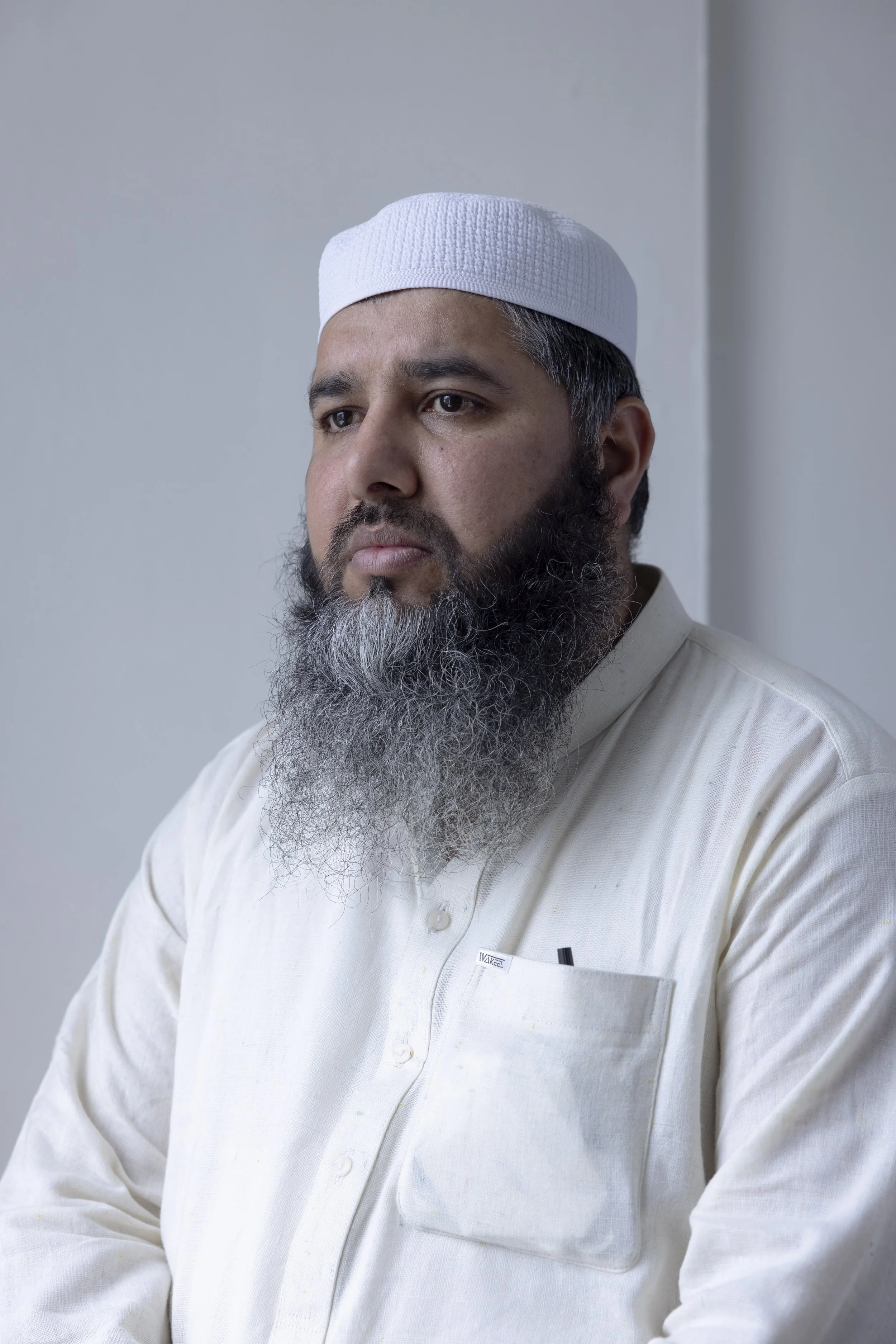
It was a privilege to meet Meer Ali Khan while on assignment for the Wall Street Journal.
Meer’s brother was killed only three months after starting work on the NEOM project in Saudi Arabia. He hopes that by raising awareness of the fate suffered by his family, he can help prevent similar tragedies caused by harsh and unsafe working conditions.
Recent reports and documentaries have painted a disturbing picture of labour abuses at NEOM. Migrant workers, who make up the vast majority of the construction workforce, allege gruelling hours, unpaid wages, and unsafe working conditions. Some workers have even claimed that they were not paid for months and were forced to work in extreme heat without access to clean water or shade.

"We are made to work extremely hard," said one worker, who wished to remain anonymous for fear of reprisal. "There is little time to rest. We get tired. We suffer from anxiety day and night."
These allegations are not new. Human rights organisations have long documented the exploitation of migrant workers in Saudi Arabia, particularly in the construction sector. The kafala system, which ties workers' visas to their employers, has been widely criticised for giving employers excessive power and control over workers' lives.
While Saudi Arabia has made some reforms to the kafala system in recent years, advocates say that these changes have not gone far enough. Migrant workers remain vulnerable to abuse, and many are afraid to speak out for fear of losing their jobs or being deported.

The situation at NEOM is particularly concerning given the scale and ambition of the project. NEOM is expected to cost an estimated $500 billion and will require a massive workforce to complete. If the allegations of labour abuses are true, it would suggest that the exploitation of migrant workers is deeply embedded in the project's development.
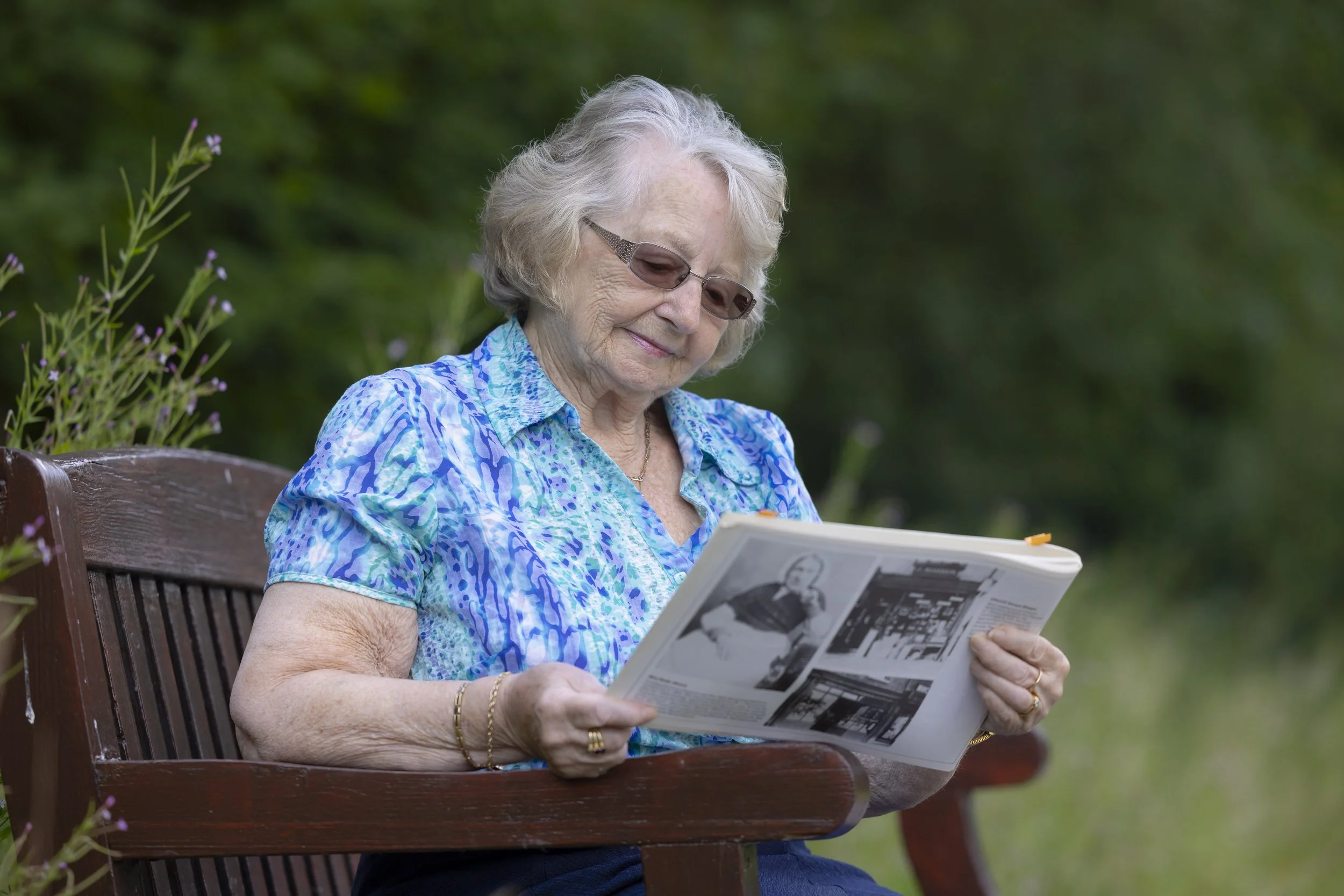
Documentary photography for Wild in Art - We Live Here Eccles
In the summer of 2023, visitors to Eccles discovered a vibrant Wild in Art trail celebrating the unique character and heritage of Eccles, which took over windows, walls and spaces in the town centre. The public art installation featured street art, paintings, murals, photography and pop up studios – all created by local artists and Eccles residents.

In the summer of 2023, visitors to Eccles discovered a vibrant Wild in Art trail celebrating the unique character and heritage of Eccles, which took over windows, walls and spaces in the town centre. The public art installation featured street art, paintings, murals, photography and pop up studios – all created by local artists and Eccles residents.

24 installations of artwork decorated the town and all referenced the different wildlife and people that live, study and work in Eccles.

The event was part of a huge regeneration programme from Salford City Council. Wild in Art were commissioned to work with local stakeholders to deliver a showcase of artwork, from striking installations to magnificent murals, powerful photography and stunning paintings, injecting life and colour into Eccles town centre.

Locals and visitors could pick up a trail map at Eccles Library, and various shops and cafes in Eccles Shopping Centre to explore the trail.

I was fortunate enough to document the trail and my photographs illustrate the website: https://wildinart.co.uk/events/we-live-here-eccles/

This year after the announcement of a major regeneration programme in the town, Wild in Art announced a new piece of work, a mosaic co-produced by Lauren Mullarkey and members of the local community who would be telling of their experiences of the local area and providing material from which the mosaic would be made. I visited to meet and take portraits of the contributors.


Greg Marsden photographed for Connected Places Catapult

It was a privilege to photograph Greg Marsden, a leading academic in transport planning and sustainable mobility, for the latest issue of Connected Places Catapult. Greg Marsden’s research focuses on the future of transport systems, mobility policy, and innovative infrastructure planning, making him a key voice in shaping smarter, more sustainable cities across the UK and beyond.
Choosing the Perfect Location for Editorial Portraiture
For this portrait, I wanted to create something dynamic and reflective of both his visionary work and the transformative power of urban environments. I chose the University of Leeds for its striking brutalist architecture—a location that perfectly complements Greg’s forward-looking approach to transport planning. The sculptural concrete walls and rough textures of the building provided a visually compelling backdrop, while streams of natural light falling through the structure allowed me to play with shadows and highlights to create depth and drama.
Dynamic Portraits with Light, Architecture, and Storytelling
In the image, Greg is looking up toward the light, a pose that emphasizes curiosity, reflection, and vision, moving beyond a standard academic headshot. By carefully positioning him within the intersecting planes of concrete, I captured both the human element and the architectural environment, producing a portrait that tells a story: of an academic at the forefront of shaping connected, future-ready cities, and a photographer exploring how light, texture, and composition can elevate storytelling in editorial portraiture.
Highlighting the Work of Connected Places Catapult
Connected Places Catapult plays a crucial role in translating academic research and innovative transport solutions into actionable urban strategies, fostering collaboration between industry, government, and research institutions. Documenting Greg Marsden in this context allowed me to highlight the connection between pioneering research and the environments it seeks to influence—perfectly marrying the worlds of photography, architecture, and sustainable urban development.
Photography Techniques for Academic and Environmental Portraits
This editorial portrait is a testament to how location, lighting, and pose can transform a simple academic portrait into a visually compelling story. Using natural light, brutalist architectural textures, and thoughtful composition, the portrait showcases Greg Marsden’s expertise in transport planning and the impact of Connected Places Catapult on the UK’s urban mobility landscape.

Soccer Players Talk Retirement for ESPN
A wonderful opportunity to meet and photograph former footballers Nedum Onuoha (ex-QPR and Manchester City), David Thompson (ex-Liverpool, Coventry and Blackburn) and Joe Thompson (ex-Rochdale and Tranmere) for a recent ESPN article discussing their varied experiences of retiring from the game.

Joe Thompson for ESPN
A wonderful opportunity to meet and photograph former footballers Nedum Onuoha (ex-QPR and Manchester City), David Thompson (ex-Liverpool, Coventry and Blackburn) and Joe Thompson (ex-Rochdale and Tranmere) for a recent ESPN article discussing their varied experiences of retiring from the game.
Nedum Onuoha for ESPN

David Thompson for ESPN

Nedum Onuoha for ESPN

Joe Thompson for ESPN

David Thompson for ESPN

Photographing for Art Fund at the Bronte Museum
Art Fund is a UK-based charity that aims to help museums and galleries to acquire and display works of art. The charity was established in 1903 and has since supported hundreds of museums and galleries across the country, helping to enhance their collections and make art more accessible to the public.
Art Fund is a UK-based charity that aims to help museums and galleries to acquire and display works of art. The charity was established in 1903 and has since supported hundreds of museums and galleries across the country, helping to enhance their collections and make art more accessible to the public.
One of the most notable initiatives of Art Fund is the National Art Pass, which provides free entry or discounted admission to over 240 museums and galleries across the UK, as well as other benefits such as exclusive events and discounts at art-related shops and restaurants.
Meet Me at the Museum is a podcast series published by Art Fund where famous faces take their best mate, their mum, their neighbour (whoever they want) for an afternoon at a favourite museum or gallery. As well as getting a peek behind the scenes, seeing what makes a museum tick, it's also the starting point for some great conversations about life, the universe and everything. As well as a chance to eat lots of cake in the cafe.

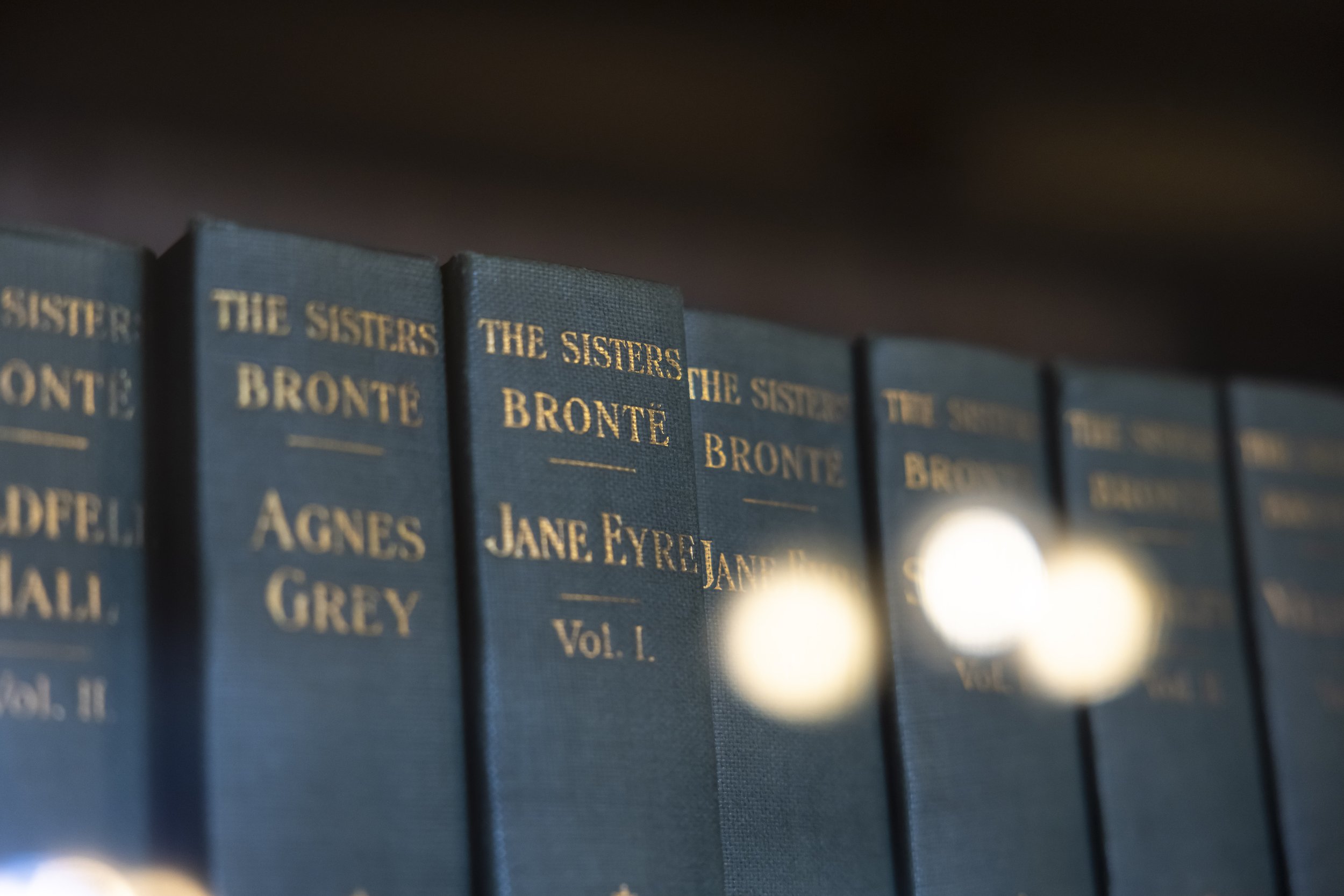
During the production of this episode, I photographed writer Amy Liptrot, author of The Outrun and The Instant, as she took her friend, poet Zaffar Kunial, to the Brontë Parsonage Museum in Haworth, West Yorkshire. Together they explore the former home of the Brontë sisters – Charlotte, Emily and Anne – and see where some of their most famous novels were written. From the dining table where the sisters shared their work, to early reviews of Wuthering Heights, intimate objects and artefacts prompt conversations about Amy and Zaffar’s own inspirations as writers. And, after exploring the house and museum, they head out into the landscape and discover a poem in the wild.


The Bronte Museum, located in the picturesque village of Haworth in West Yorkshire, England, is a must-visit destination for literature lovers and fans of the Bronte sisters. The museum is dedicated to the lives and works of the Bronte family, particularly the three sisters - Charlotte, Emily, and Anne - who wrote some of the most celebrated novels of the 19th century, including "Jane Eyre", "Wuthering Heights", and "The Tenant of Wildfell Hall".

The museum is housed in the former home of the Bronte family, which has been carefully preserved to provide visitors with an authentic glimpse into the lives of the famous siblings. The museum contains an extensive collection of Bronte memorabilia, including original manuscripts, letters, personal belongings, and artworks. Visitors can explore the various rooms of the museum, including the dining room, drawing room, and bedrooms, which have been furnished to recreate the atmosphere of the Bronte family home.


Event Photography: Princess Anne Visits The Station, Bristol | UK Youth Commission
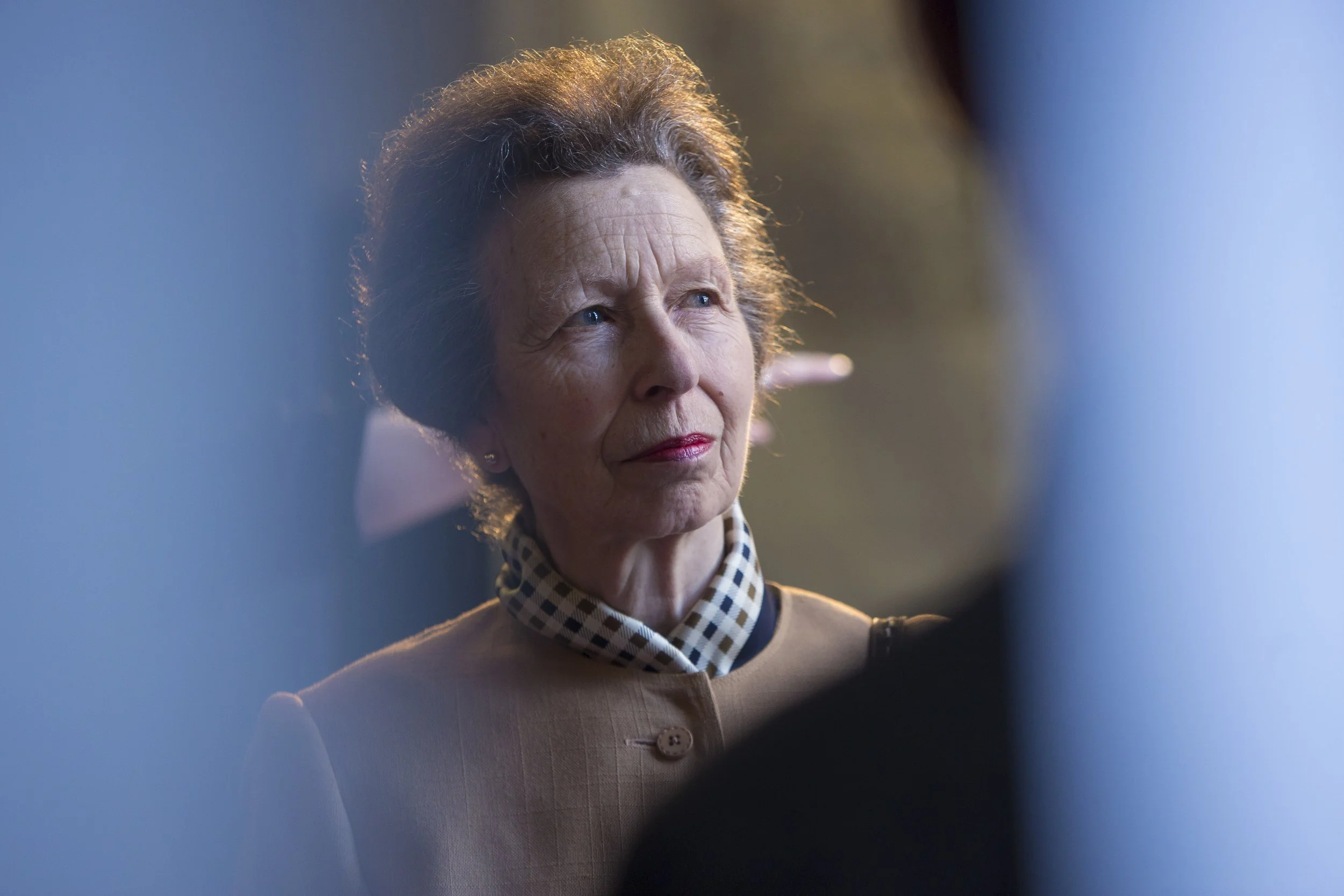
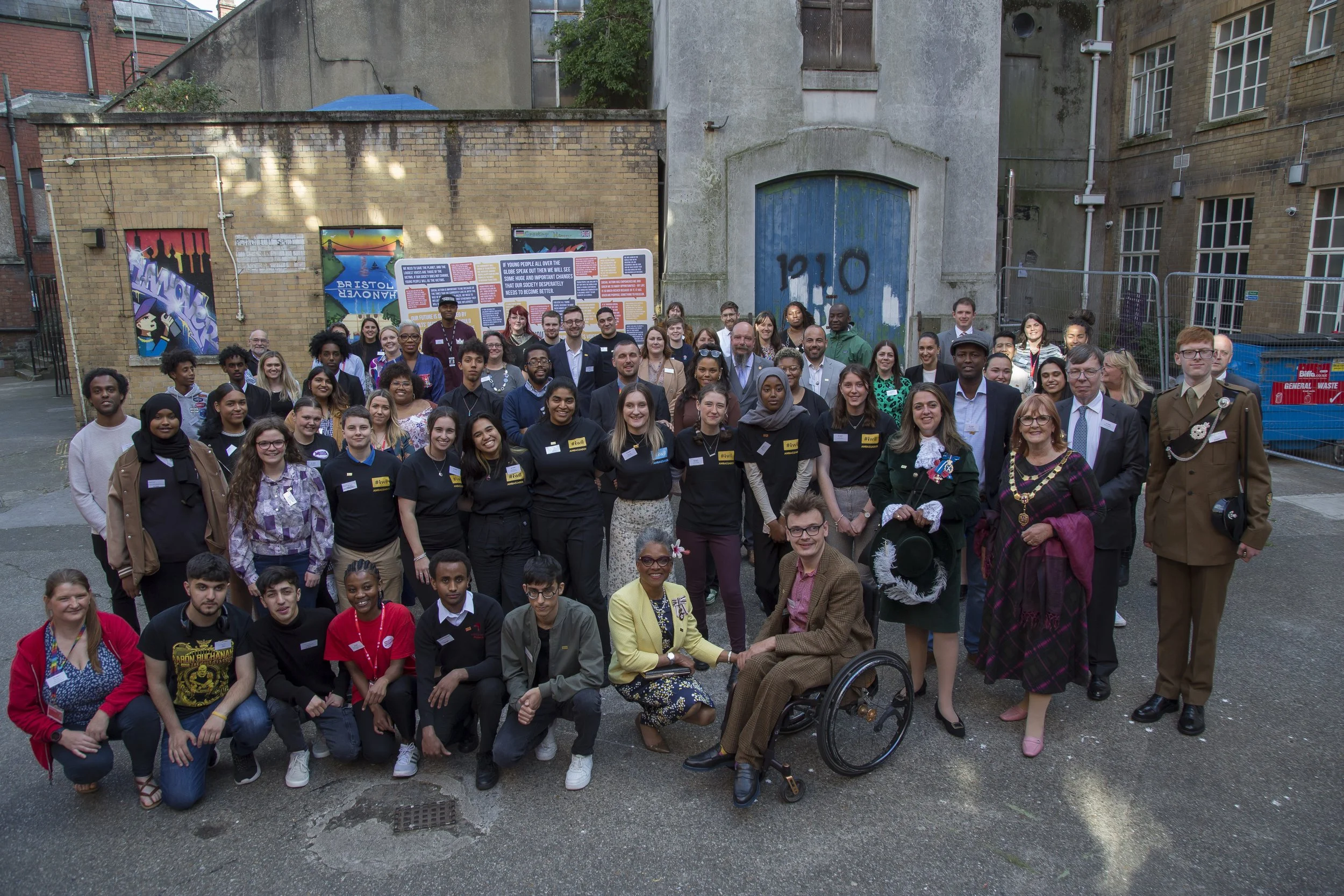
I was commissioned by UK Youth to photograph the visit of Her Royal Highness Princess Anne to The Station, a youth centre located in Bristol. The visit showcased UK Youth’s ongoing programmes supporting young people across the region, highlighting educational initiatives, community engagement, and opportunities for youth development.
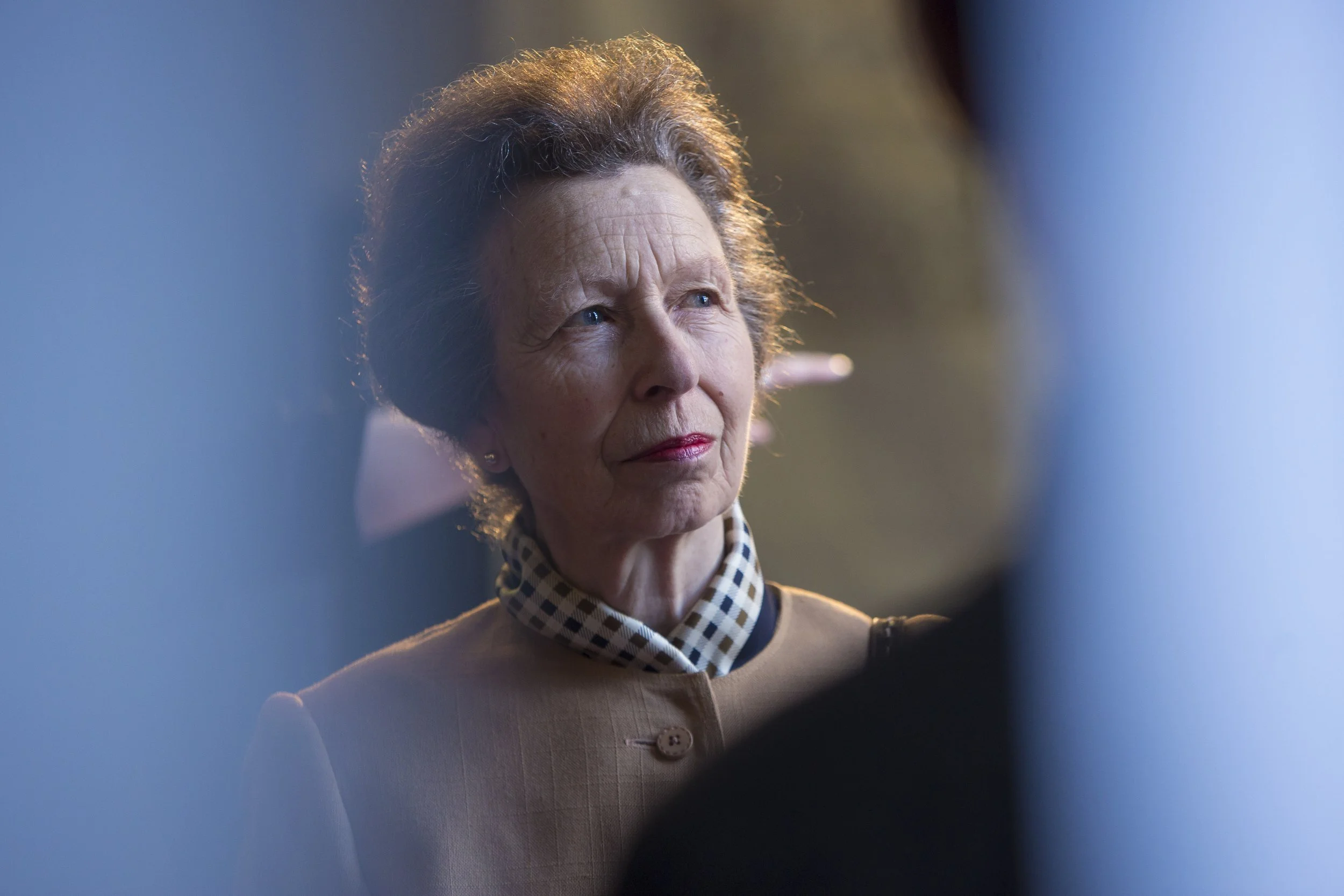
I was commissioned by UK Youth to photograph the visit of Her Royal Highness Princess Anne to The Station, a youth centre located in Bristol. The visit showcased UK Youth’s ongoing programmes supporting young people across the region, highlighting educational initiatives, community engagement, and opportunities for youth development.
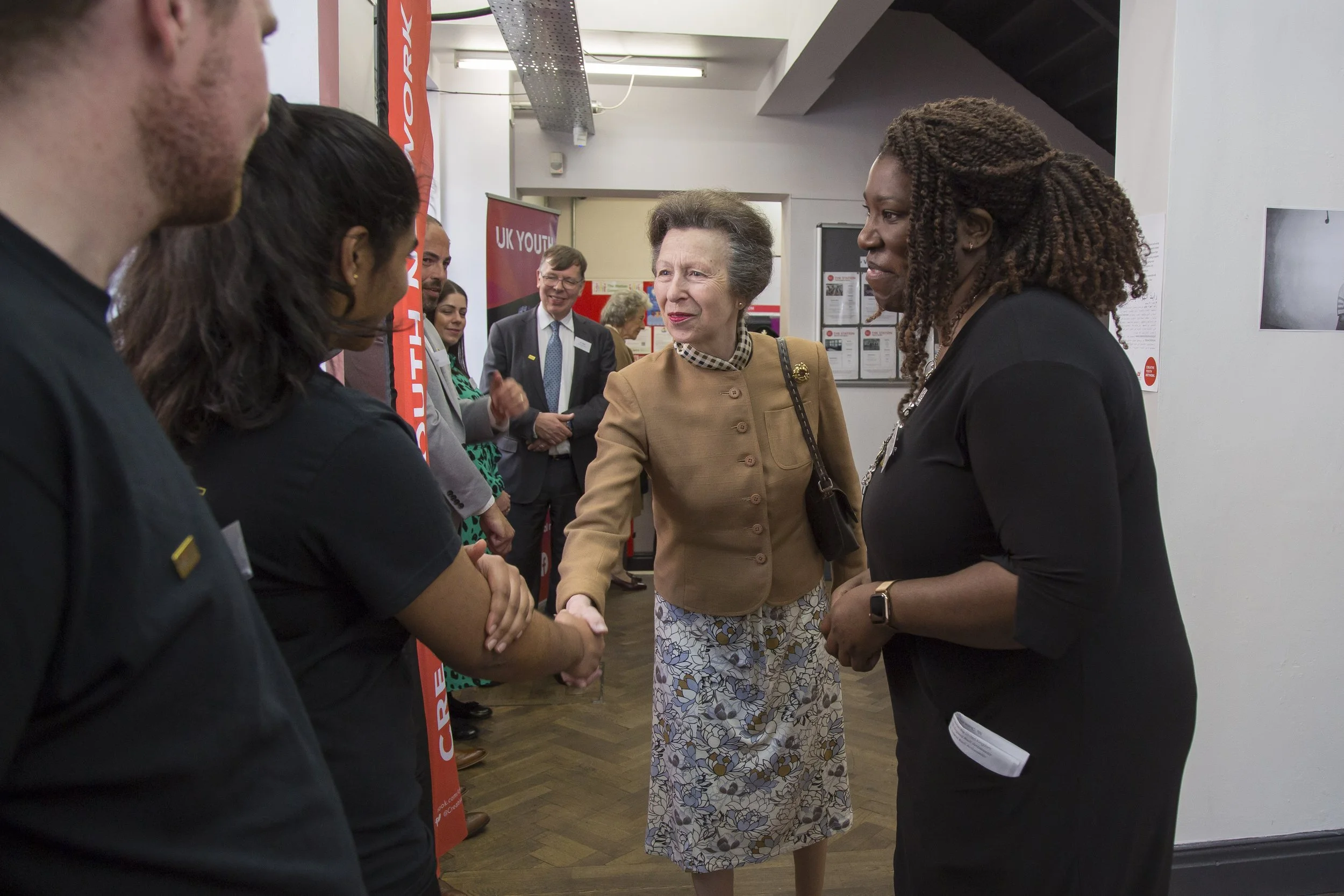
Photographing high-profile events such as this requires precision, discretion, and professional planning. From capturing key interactions to documenting the environment of The Station, the aim was to provide a comprehensive record of the visit suitable for press releases, social media, organisational archives, and promotional use.
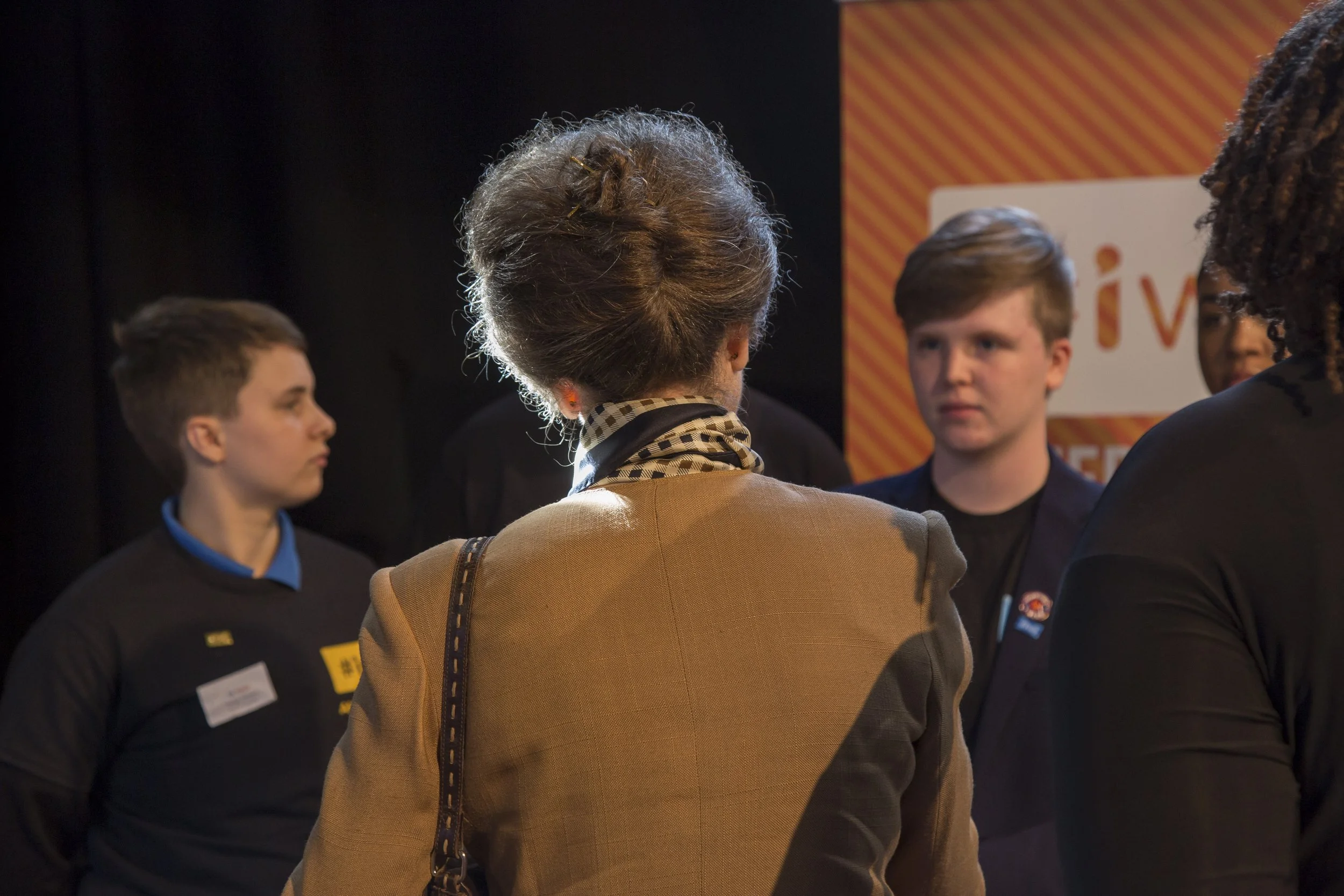
Documenting Royal Visits with Professional Photography
Royal visits present unique opportunities and responsibilities for photographers. Beyond formal protocol, photography must capture interactions, expressions, and moments that demonstrate the impact of the visit. At The Station, Princess Anne met young people, engaged with staff, and observed educational and creative activities. Each of these moments contributes to the visual record of the day, illustrating the work of UK Youth and the centre’s role in supporting youth engagement in Bristol.
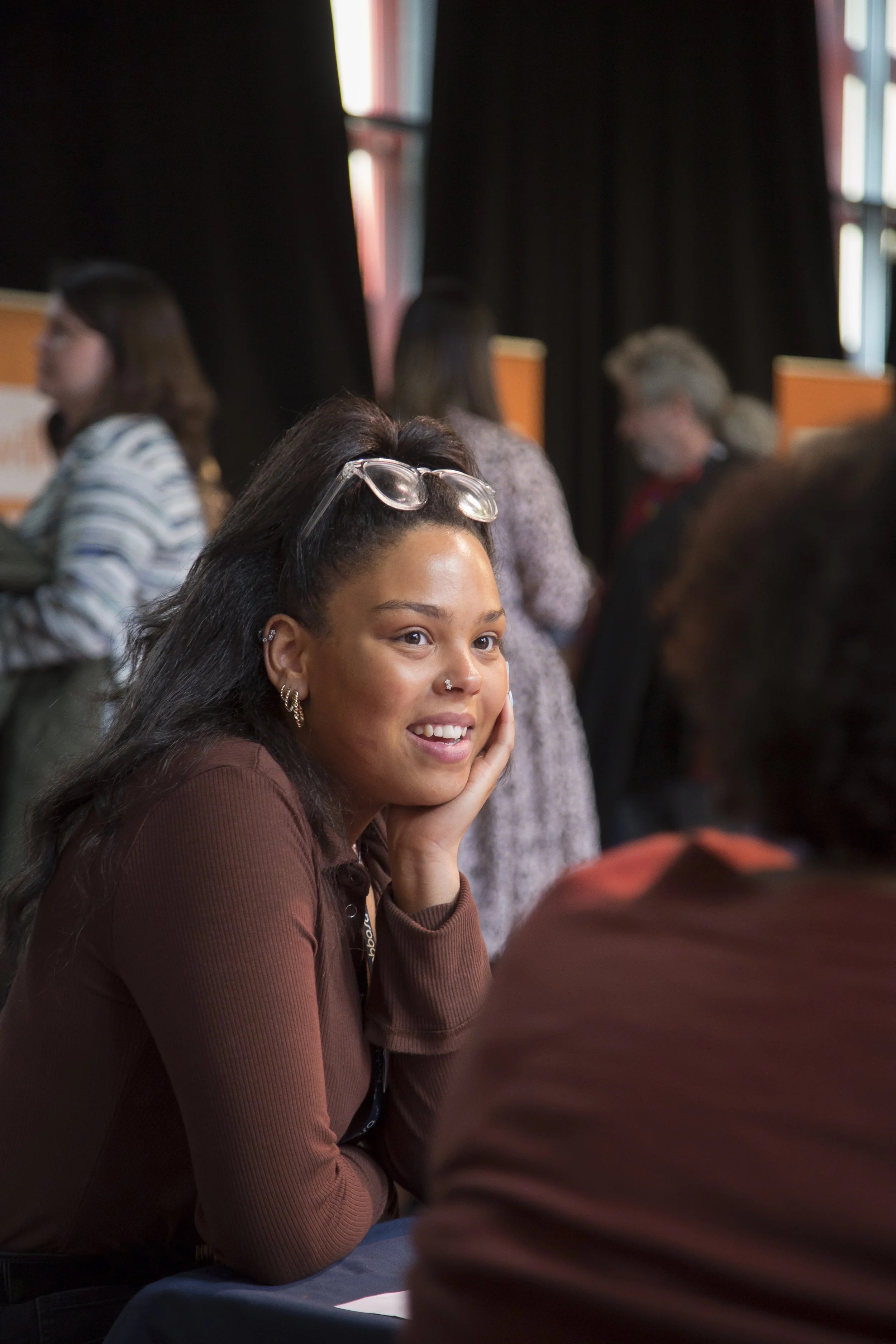
Effective photography of royal visits requires balancing visibility and access with sensitivity. Images must respect privacy and protocol while clearly showing the purpose and outcomes of the visit. Capturing these moments with professional clarity ensures that both the organisation and the wider public can understand the significance of the event.

Capturing the Work of UK Youth
UK Youth operates across the UK to provide programmes that support young people’s education, skills development, and personal growth. Documenting events like the Princess Anne visit enables the organisation to showcase its impact. Photographs of staff interacting with participants, young people attending workshops, and community activities provide tangible evidence of the programmes in action.
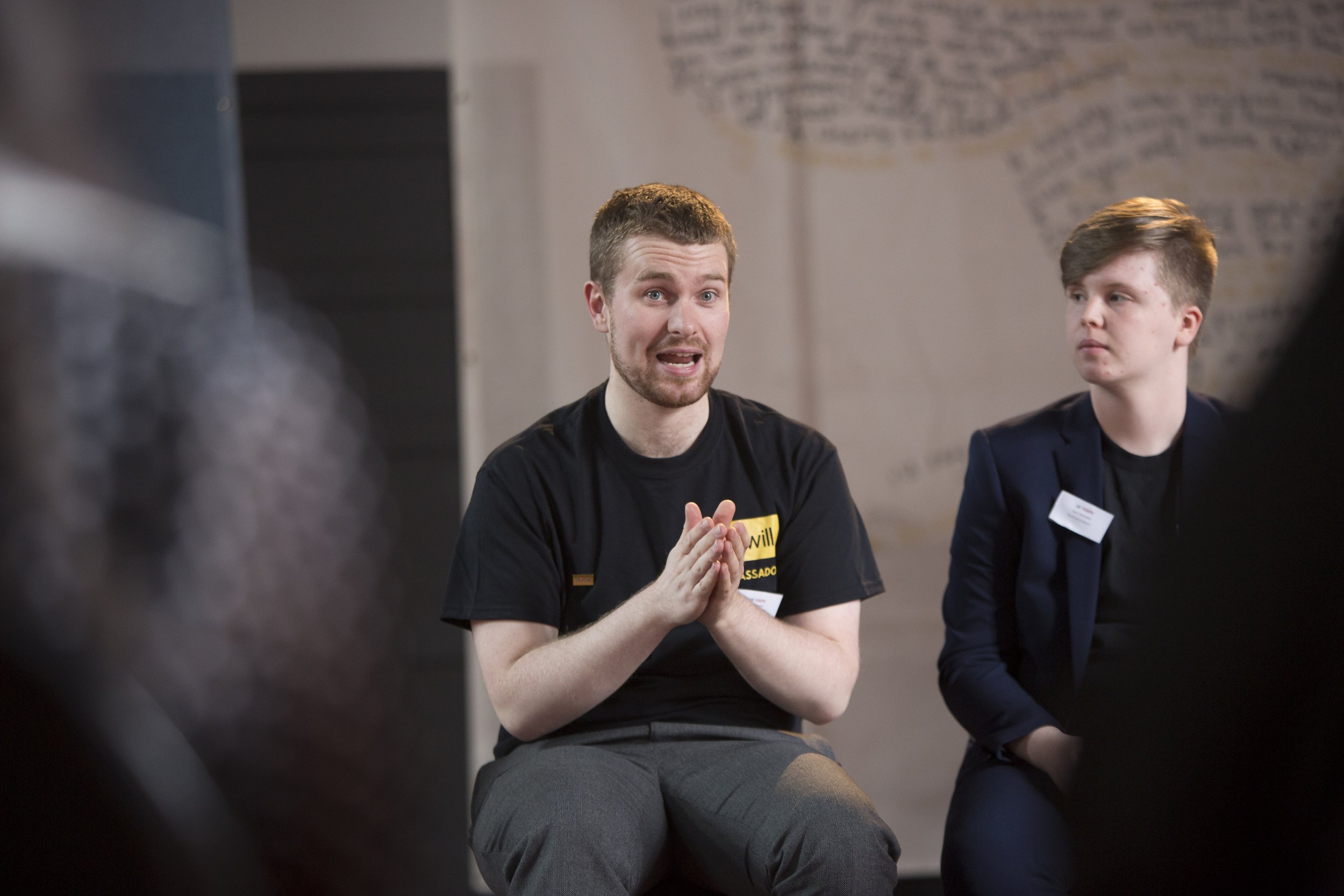
These images serve multiple purposes. They are used in press materials, annual reports, newsletters, social media, and fundraising campaigns. Professional photography ensures that every key moment is preserved, creating a visual narrative that supports organisational objectives while accurately reflecting the event.
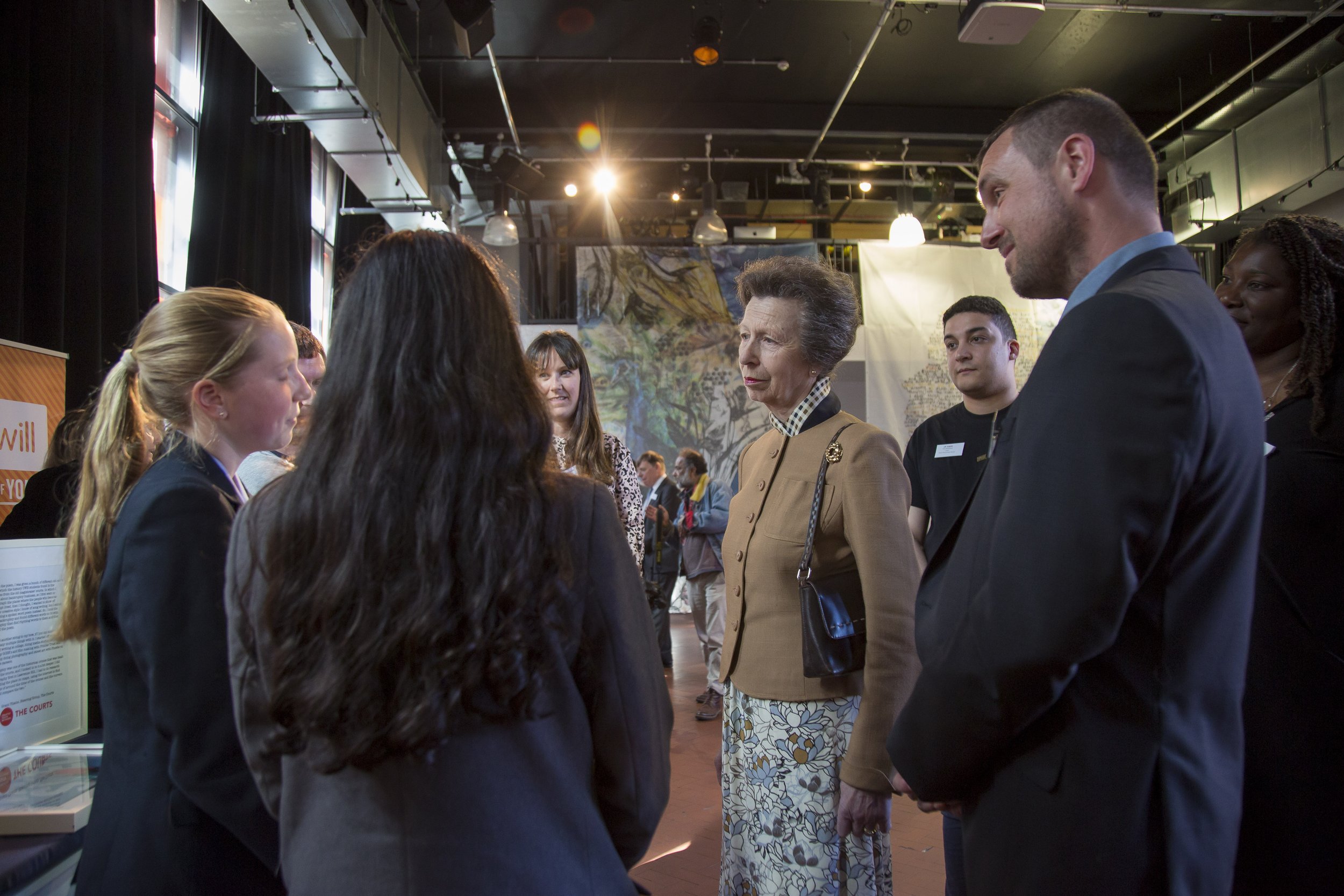
Bristol as a Centre for Youth Programmes
The Station in Bristol is a hub for youth engagement, offering spaces for education, mentorship, and community activities. UK Youth’s work at The Station contributes to the broader goal of increasing opportunities for young people, particularly in areas such as personal development, STEM education, and creative programmes.

Photographs from high-profile visits help communicate this work to the public. Images of participants interacting with Princess Anne, engaging in workshops, or presenting projects provide insight into the centre’s daily operations and achievements. For residents, stakeholders, and potential supporters, these photographs are a clear demonstration of the organisation’s positive impact.

The Role of Photography in Royal and Organisational Events
Professional event photography is essential for organisations like UK Youth. Well-documented events communicate credibility, professionalism, and transparency. Capturing royal visits requires careful planning: from the timing of key moments to framing images that reflect the significance of the visit.
Images must balance documentary and editorial objectives. Portraits of dignitaries, interactions with participants, and wider environmental shots all contribute to a comprehensive visual record. These photographs not only provide immediate use in press and marketing but also serve as a long-term archive for the organisation.

Preserving a Professional Record of the Visit
Princess Anne’s visit to The Station represents an important moment in UK Youth’s ongoing programmes. Photography captures the formality of the royal engagement alongside the everyday interactions that demonstrate the organisation’s work in action.
A well-documented visit supports organisational storytelling. By providing a clear, professional visual record, photographs help convey the impact of UK Youth’s programmes to funders, stakeholders, and the wider community. They also ensure that this significant visit is preserved for historical reference, reflecting both the importance of the royal engagement and the role of The Station in Bristol’s youth development landscape.
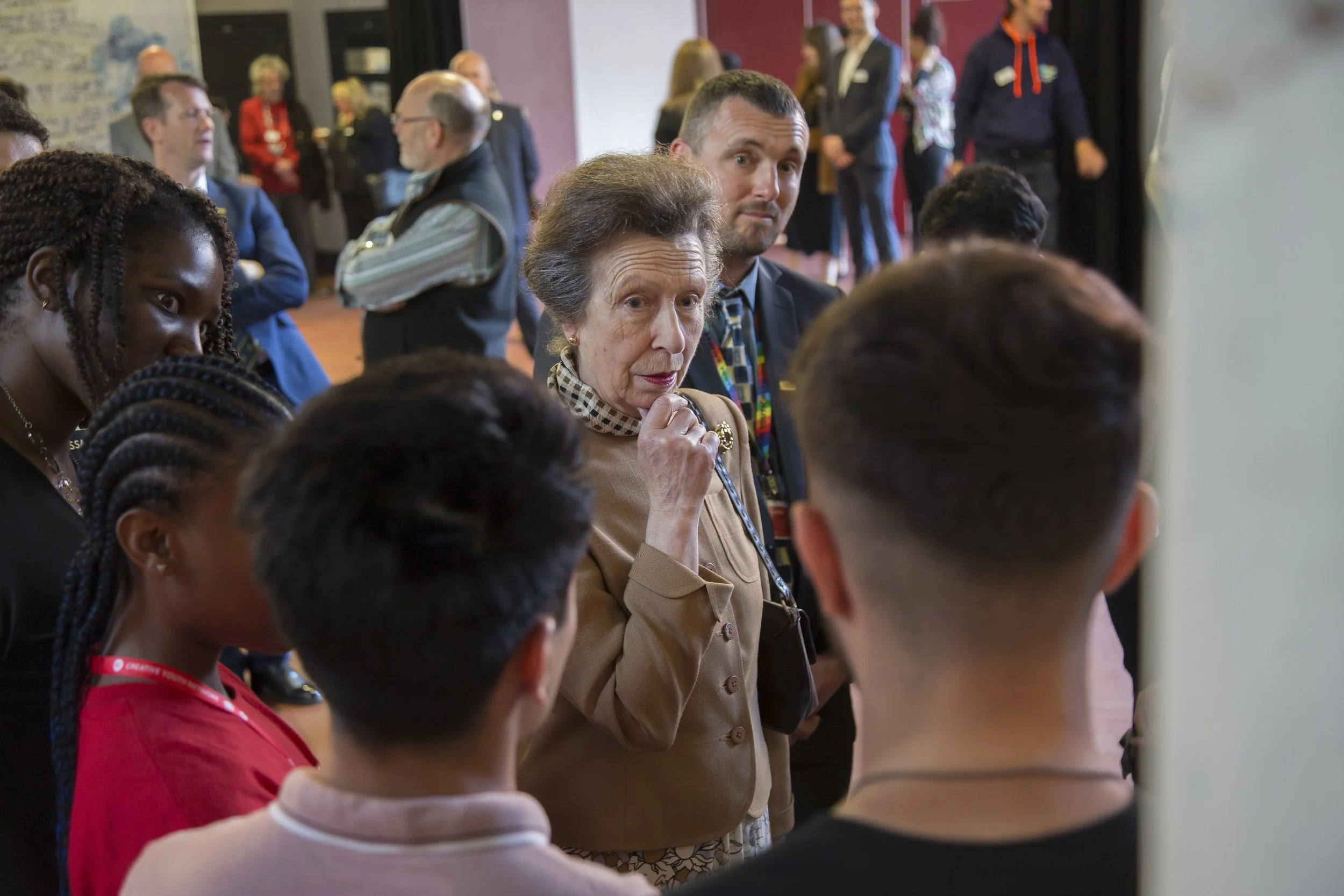
Why Event Photography Matters for UK Youth Programmes
High-quality photography is more than a record; it is a communication tool. For UK Youth, professional photography of events such as royal visits:
Demonstrates the success and reach of programmes
Enhances press coverage and social media engagement
Supports fundraising and stakeholder reporting
Creates a historical archive for future reference
As an event photographer, documenting these occasions provides a lasting visual record that communicates professionalism, scale, and the tangible outcomes of youth initiatives. The images help organisations like UK Youth build trust with partners and supporters, showing the real-world impact of their work.
Conclusion
Documenting the Princess Anne visit to The Station, Bristol, was an important professional assignment that highlights the role of photography in capturing institutional, community, and educational milestones. Through careful composition, attention to detail, and respect for protocol, these images provide UK Youth with a long-lasting visual record that communicates both the significance of the visit and the organisation’s ongoing work.
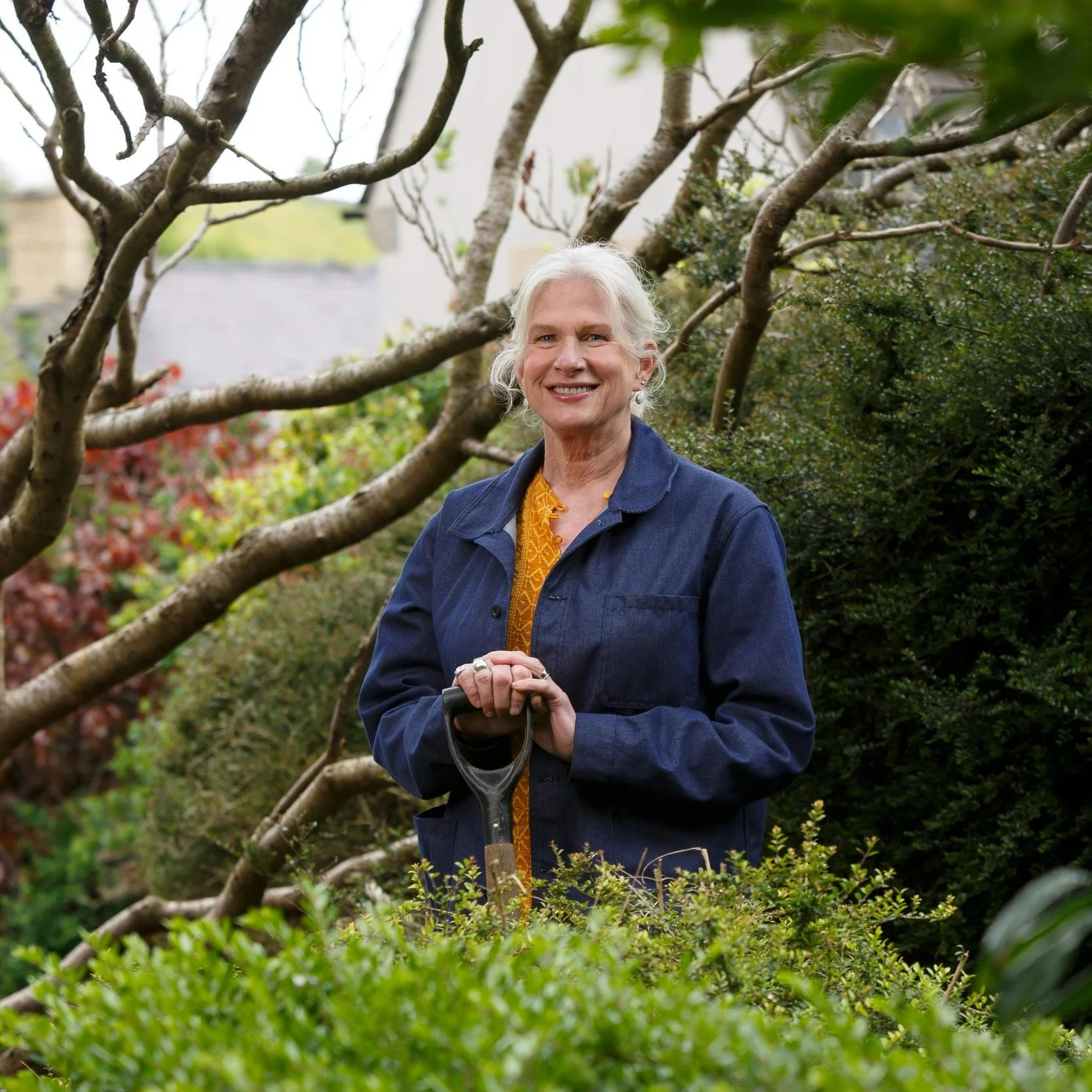
Ann Treneman for The Times
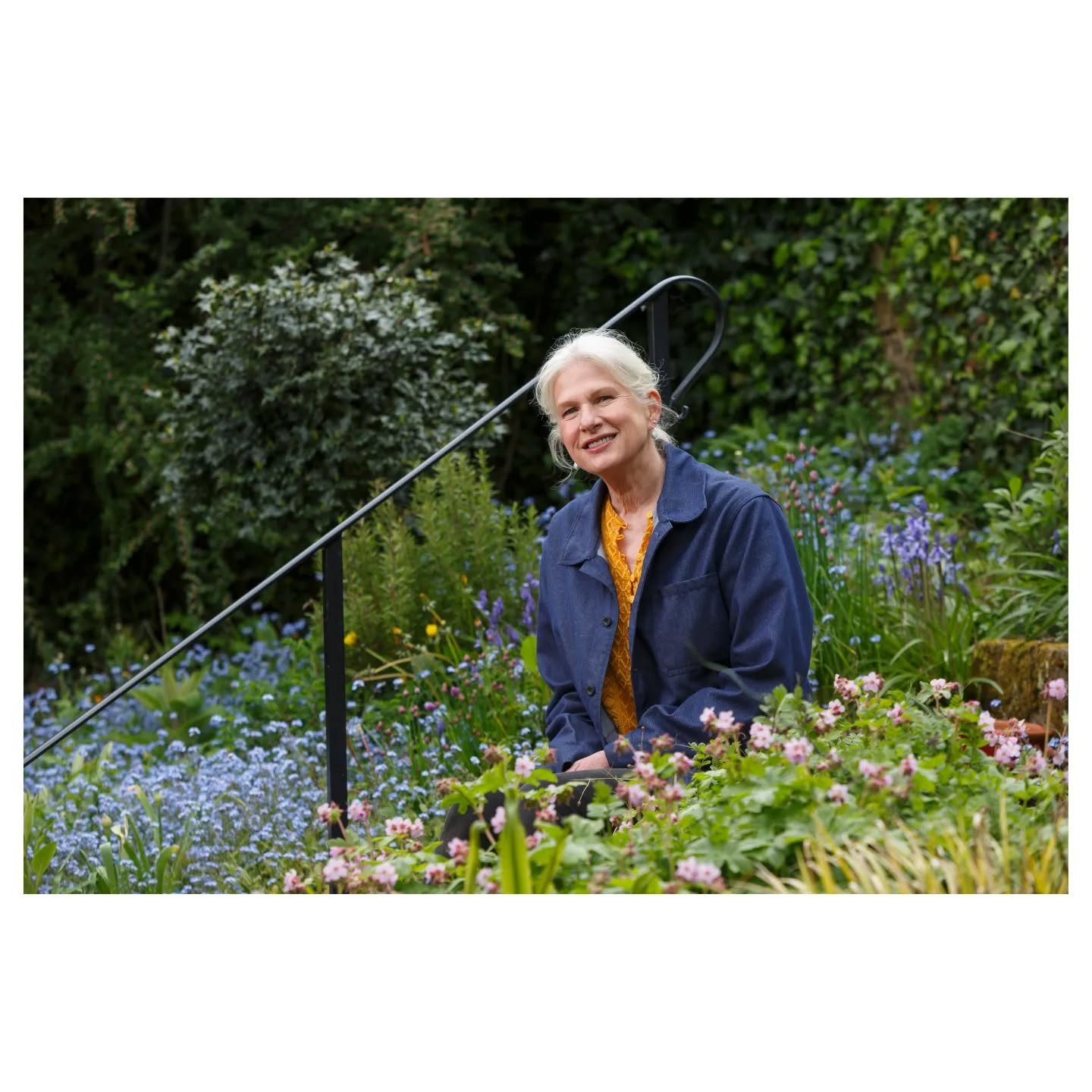
It was a pleasure to photograph Ann Treneman for The Times recently, a shoot that resulted in my first cover for The Times Weekend supplement and my first image on the cover of The Times newspaper.

It was a pleasure to photograph Ann Treneman for The Times recently, a shoot that resulted in my first cover for The Times Weekend supplement and my first image on the cover of The Times newspaper.
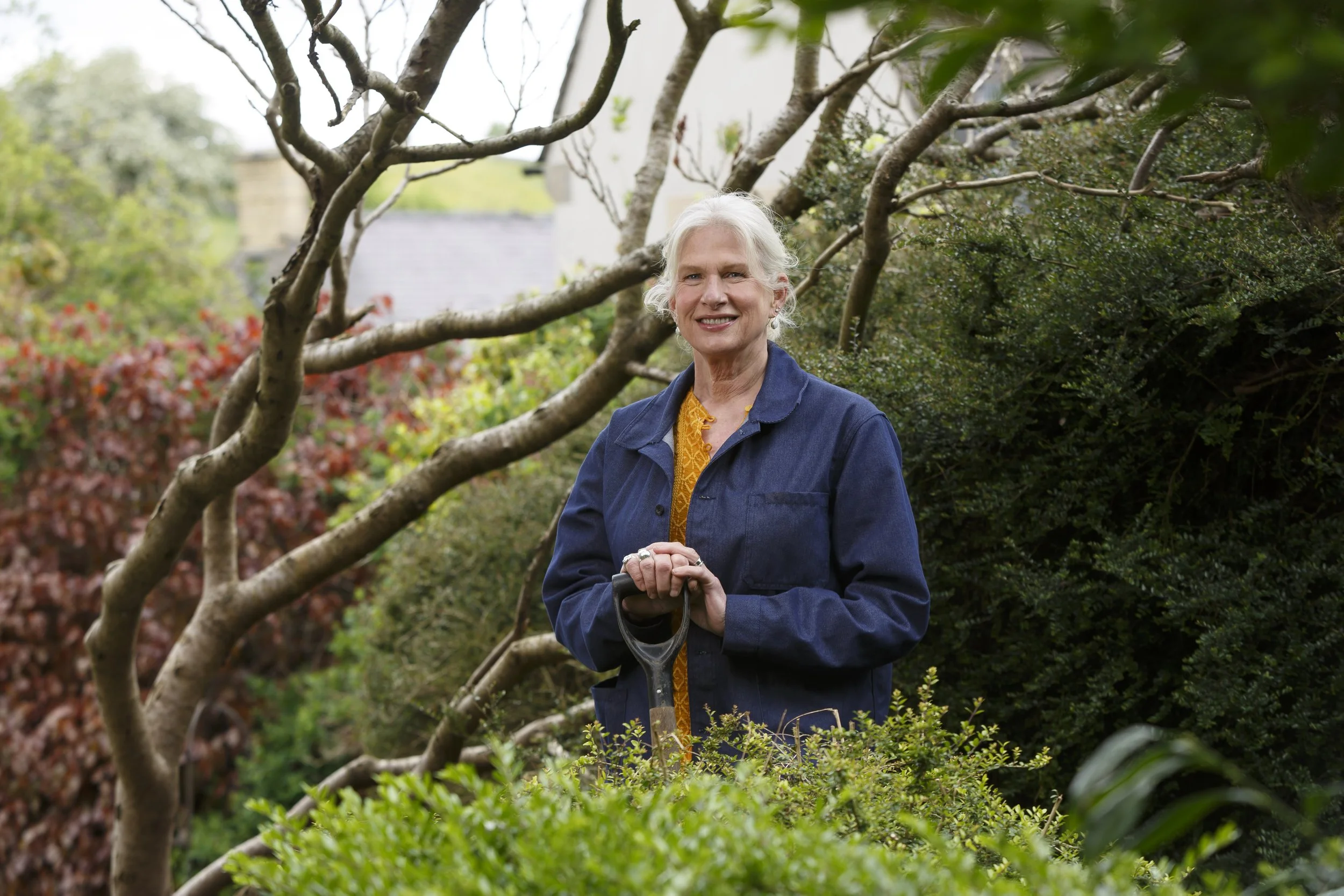
Until September 2015, Ann was The Times Parliamentary sketchwriter after which she became the paper’s chief theatre critic. A keen weekend gardener, Ann subsequently studied horticulture and landscape architecture with both the RHS and the University of Sheffield.
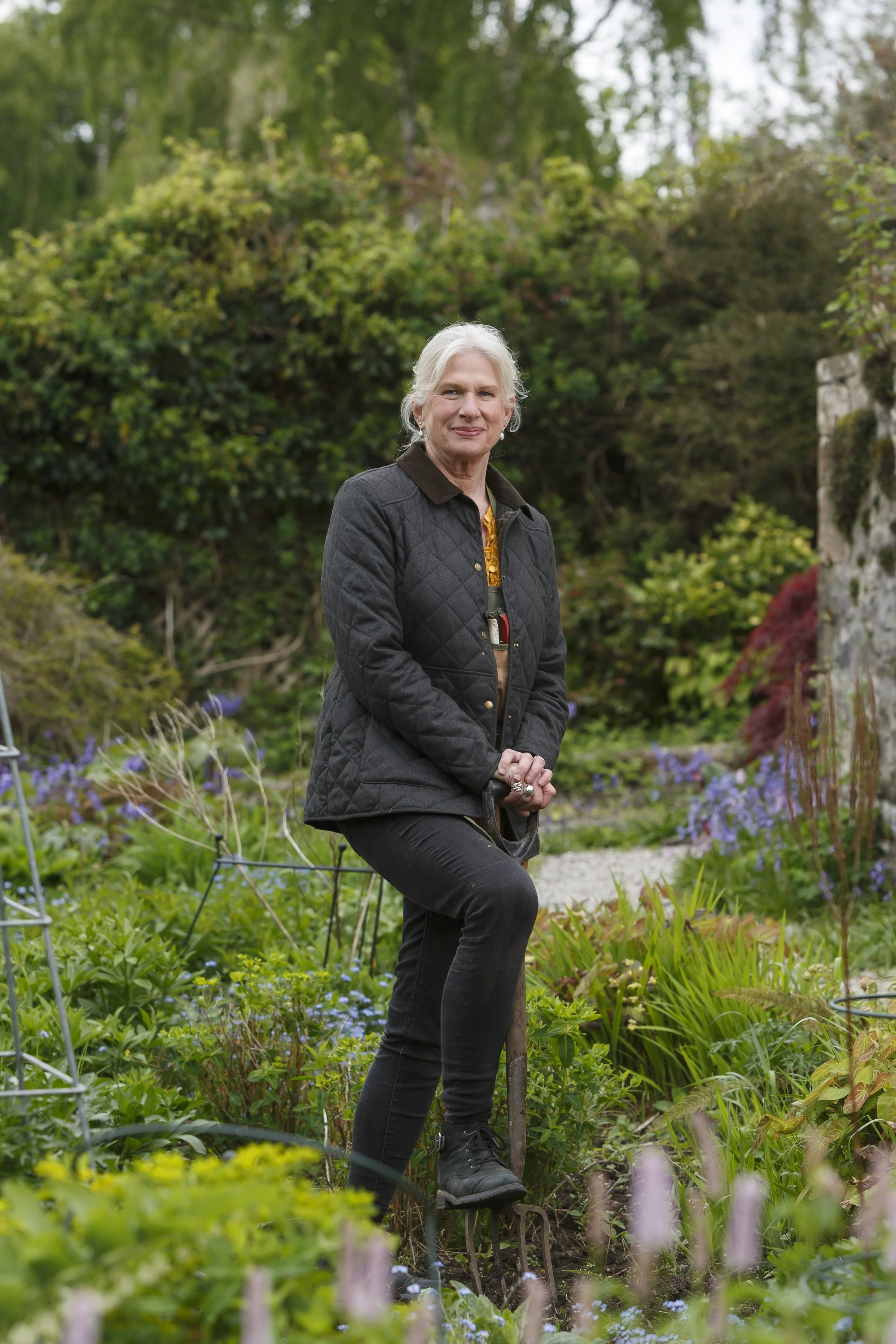
The Times article details Ann’s preparations for her garden designed for this year’s Chelsea flower show. The shoot took place in Ann’s garden in Bakewell, Derbyshire.

John Junior for Samaritans
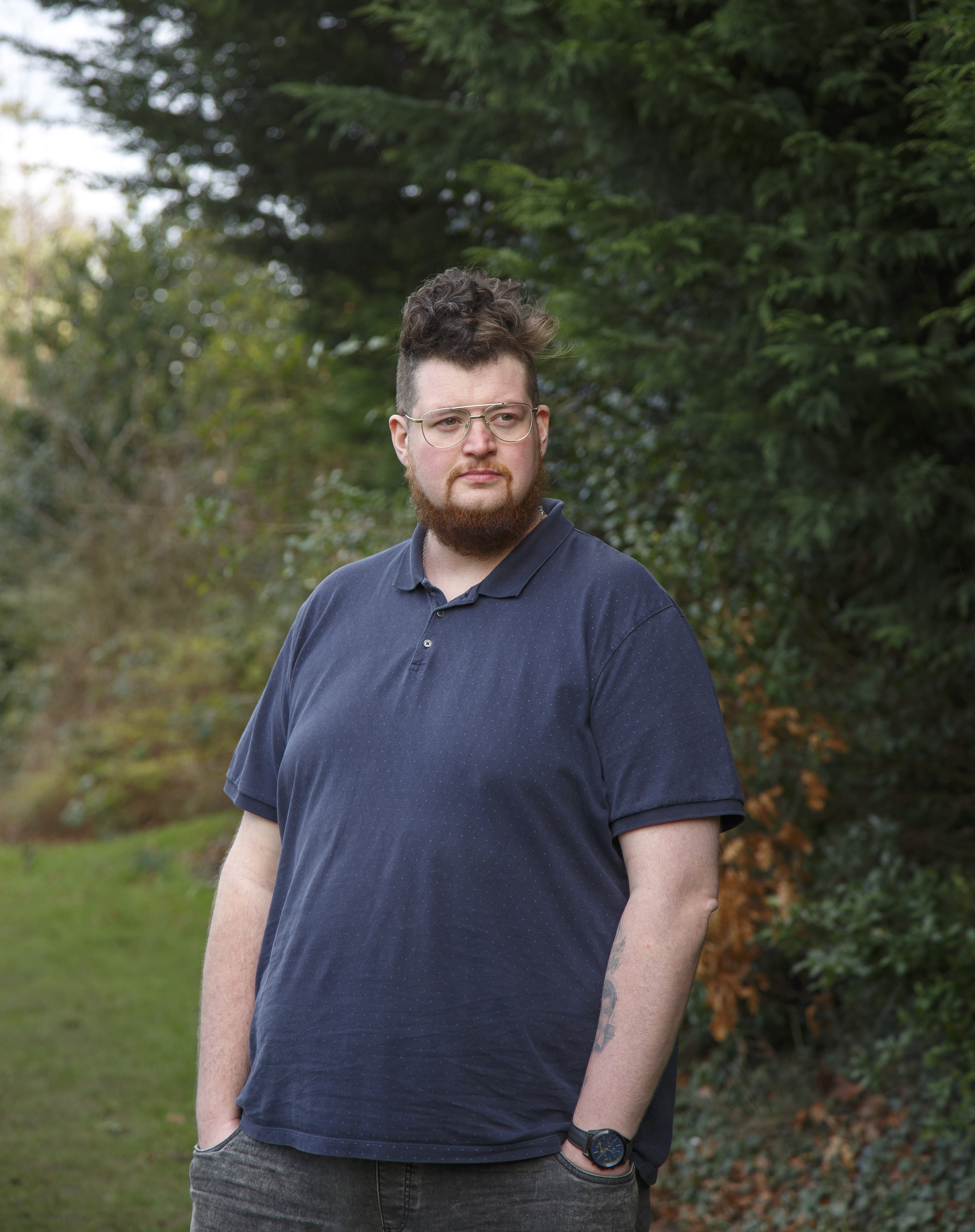
Another great shoot for Samaritans, photographing mental health activist John Junior.
In 2019, John started vlogging about his experiences of mental health issues on Instagram in order "to reach out to others with mental health difficulties". In May 2020 his vlogs on Instagram caught the attention of UNILAD, who approached Junior to test Samaritans self-help app during mental health awareness week and to help raise awareness for world suicide prevention day on 10 September 2020.

Photographing Mental Health Advocate John Junior for Samaritans
I recently had the pleasure of photographing John Junior for the Samaritans, capturing his work as a mental health activist and advocate. John uses his platform to educate others about mental health challenges and to promote awareness of support services.
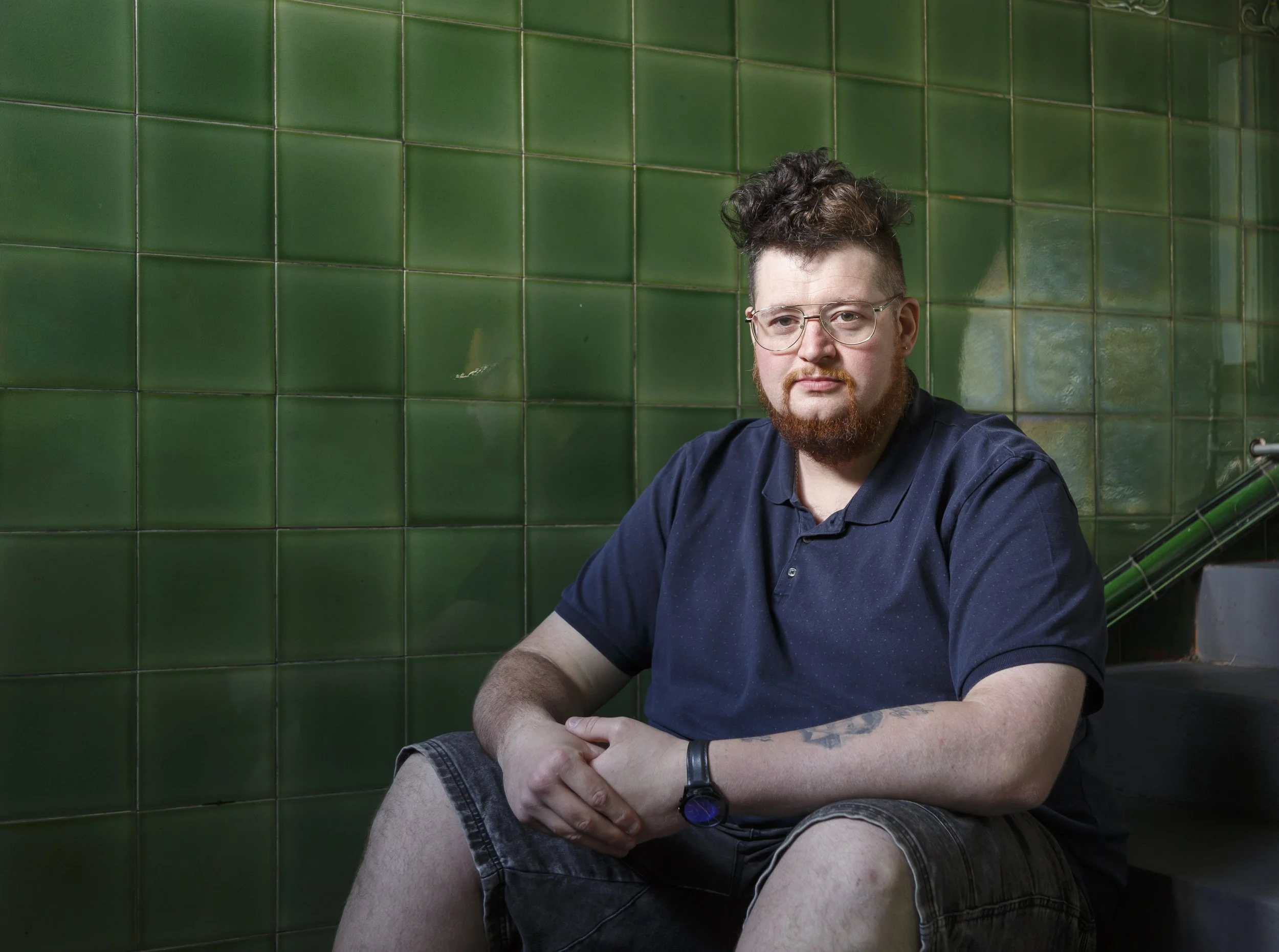
John Junior’s Work in Mental Health Awareness
In 2019, John Junior began vlogging about his own experiences with mental health difficulties on Instagram, aiming to reach out to others facing similar challenges. His candid and personal approach helped to connect with young people and adults alike, offering insight, guidance, and reassurance. In May 2020, his vlogs caught the attention of UNILAD, who invited him to test the Samaritans self-help app during Mental Health Awareness Week and contribute to campaigns around World Suicide Prevention Day on 10 September 2020.
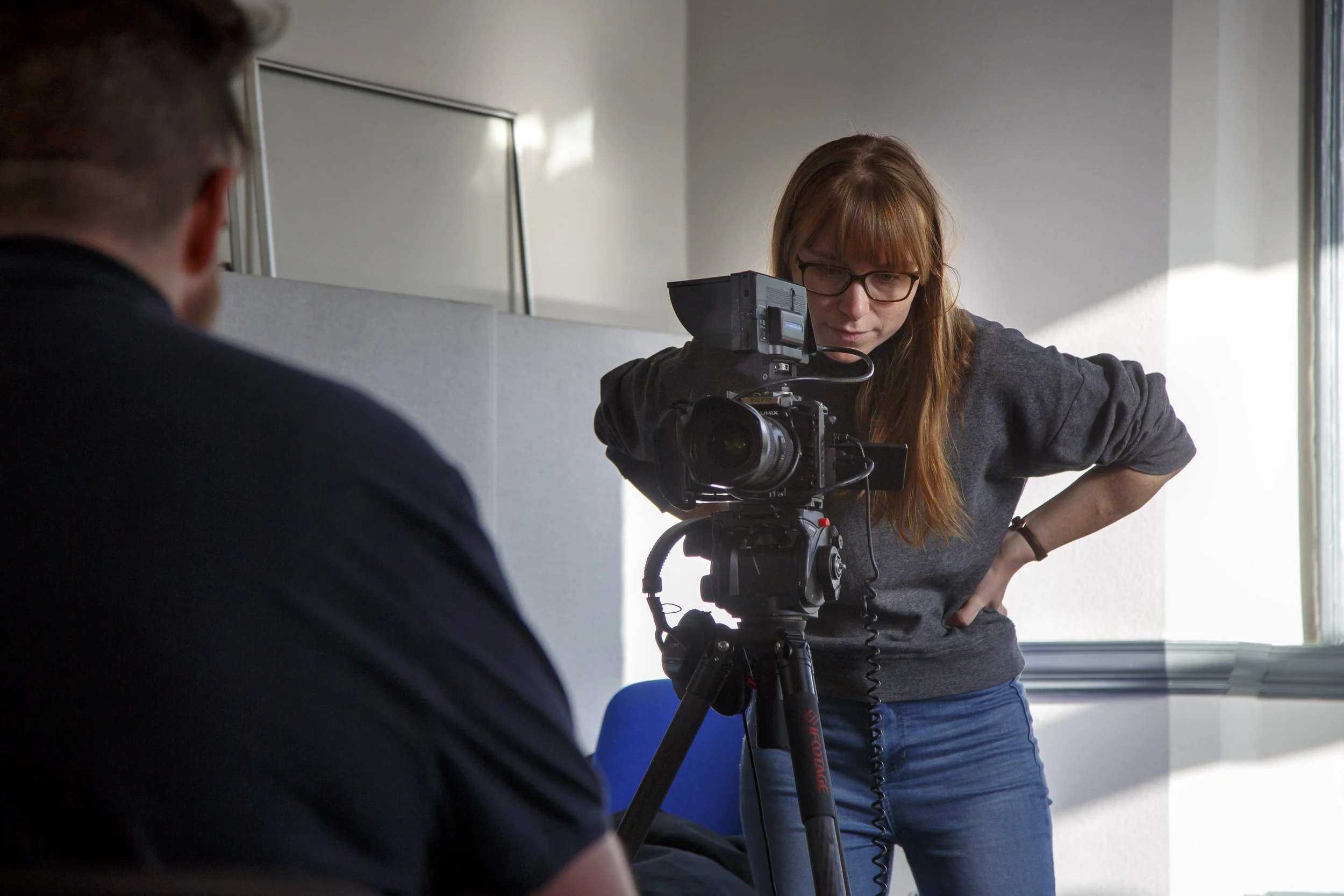
The DBT for All Campaign
Following his work with Samaritans, John helped promote the "DBT for All" campaign, created in September 2020 to make dialectical behaviour therapy more widely available on the NHS. DBT is a clinically recognised therapy used to treat children, teenagers, and adults who are suicidal or demonstrate self-destructive behaviours. Through the campaign, John helped raise public awareness of the importance of accessible mental health treatments in the United Kingdom.

Speaking Out and Breaking Stigmas
John Junior speaks publicly about living with mental health conditions and has given interviews on television, radio, and in print internationally. His advocacy focuses on breaking down the stigma around mental health, providing education, and encouraging open conversations about emotional wellbeing. Photography plays a key role in documenting and promoting this work, helping to communicate his message to wider audiences.
Supporting Samaritans’ Mission
The Samaritans organisation provides vital support for anyone struggling with mental health issues or suicidal thoughts. Collaborating with John Junior on this photography project allowed me to visually contribute to their ongoing campaigns and highlight the importance of mental health awareness. Capturing these moments reinforces the human stories behind advocacy work and the significance of accessible mental health support services.

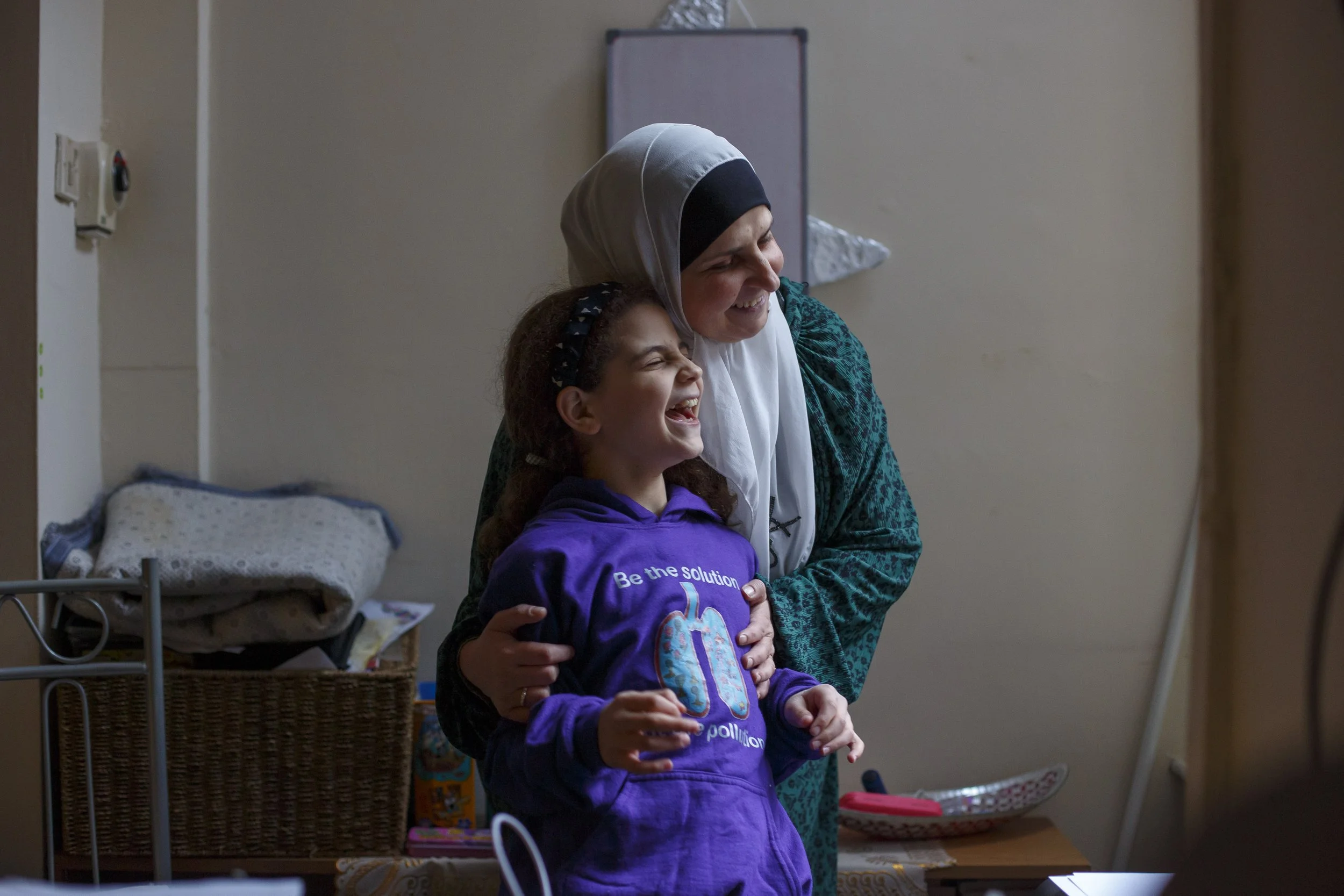
Lillian and Fidaa for Asthma UK - British Lung Foundation
It was wonderful to meet and photograph Fidaa and Lily and be a part of Asthma UK and the British Lung Foundation’s vital campaign for clean air.
Lily has asthma, which is exacerbated by air pollution.
“She is nine years old now and has had breathing problems since she was a baby. Her old school was in an area with very high pollution levels, despite being near a park and off the main road. School is a place where children should be safe, but too many of them are in high air pollution areas.”
The family didn’t realise how bad the pollution was until Lily’s friend’s mum, Ruth, borrowed an air quality monitor from the British Lung Foundation. The results showed regular spikes of nitrogen dioxide that peak 50 per cent above EU legal limits. Ruth pushed the council to take action, starting a petition to create ‘school streets’ and ban cars on the roads close to schools at drop off and pick up times.
“Politicians simply aren’t taking enough action to clean our air. We need less traffic on the roads and social housing needs to be safer for children with asthma. They need more trees and green spaces to clean the air. Fresh air is so good for their lungs.”

Documenting Asthma UK and British Lung Foundation’s Clean Air Campaign
It was a privilege to meet and photograph Fidaa and Lily while supporting the British Lung Foundation and Asthma UK’s important campaign for clean air. The campaign highlights the dangers of air pollution, particularly for children living with respiratory conditions like asthma.
Lily, who is nine years old, has experienced breathing problems since she was a baby. Her asthma is exacerbated by exposure to air pollution, a reality that her family only fully understood after borrowing an air quality monitor from the British Lung Foundation. The results revealed regular spikes of nitrogen dioxide that were up to 50 per cent above EU legal limits, even near parks and roads that seemed safe.

The Impact of Air Pollution on Children with Asthma
Children spend significant time at school, yet many are exposed to high levels of traffic-related air pollution during drop-off and pick-up times. For families like Lily’s, these invisible pollutants pose a serious risk to health, particularly for children with asthma. The campaign calls for measures such as creating ‘school streets’ that restrict traffic near schools, planting more trees, and increasing green spaces to improve air quality.

Parents and communities are demanding more action from politicians and local authorities to protect children’s lungs. Initiatives such as petitions, local advocacy, and monitoring air quality play a crucial role in raising awareness and implementing change. The experiences of Lily and her family illustrate the real-life impact of air pollution on children’s health and wellbeing.

Supporting Clean Air Initiatives
The British Lung Foundation and Asthma UK are working to improve air quality and reduce the risks associated with pollution for children and adults with respiratory conditions. Campaigns like these demonstrate the need for cleaner, safer urban environments and highlight how community action can influence policy and infrastructure. Photography helps to document these campaigns, giving a human face to public health advocacy and showing the urgency of creating healthier spaces for children to live, learn, and play.
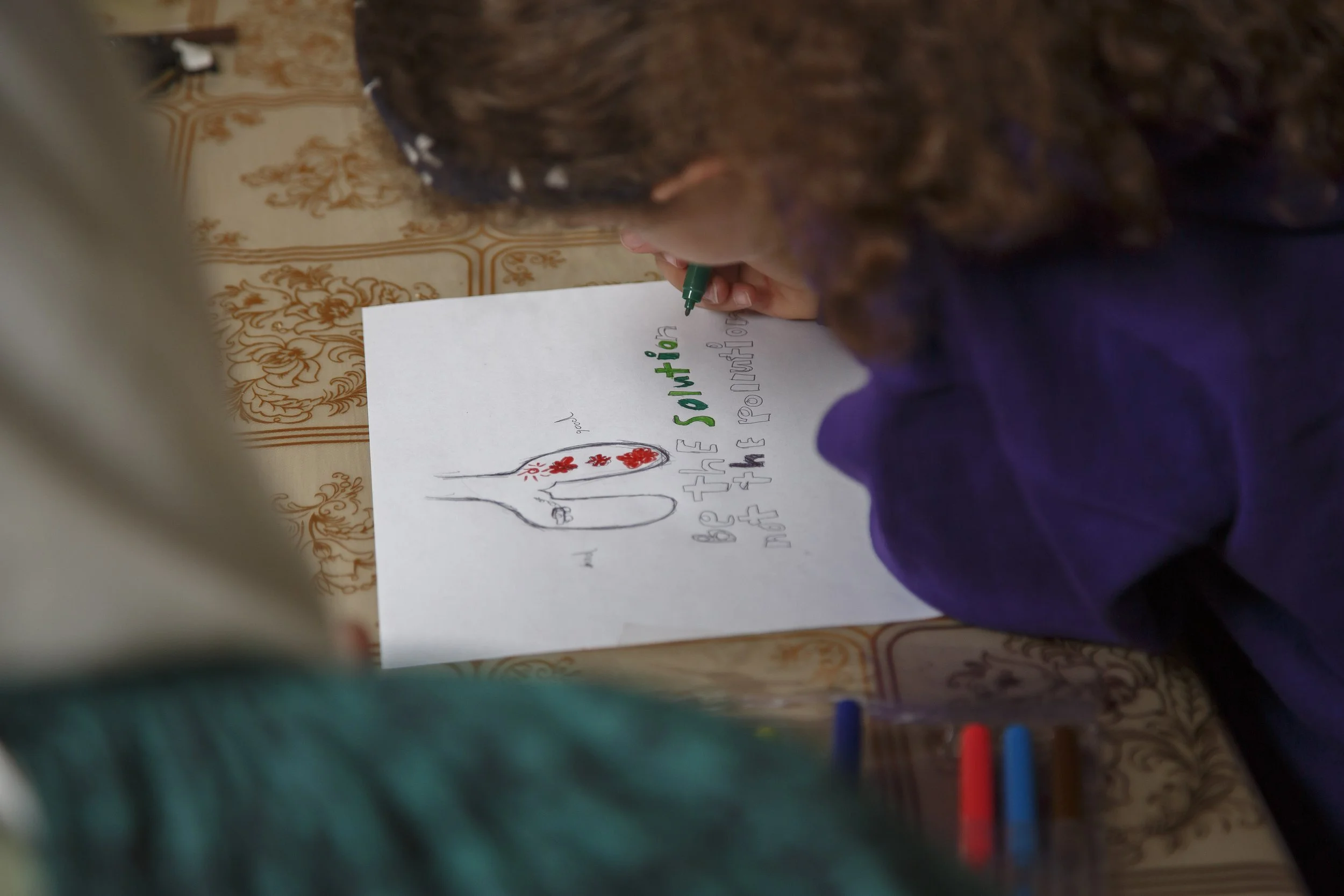
By capturing moments like these, the campaign raises awareness and engages wider audiences, reinforcing the importance of clean air for everyone, especially vulnerable children like Lily.
Langfields
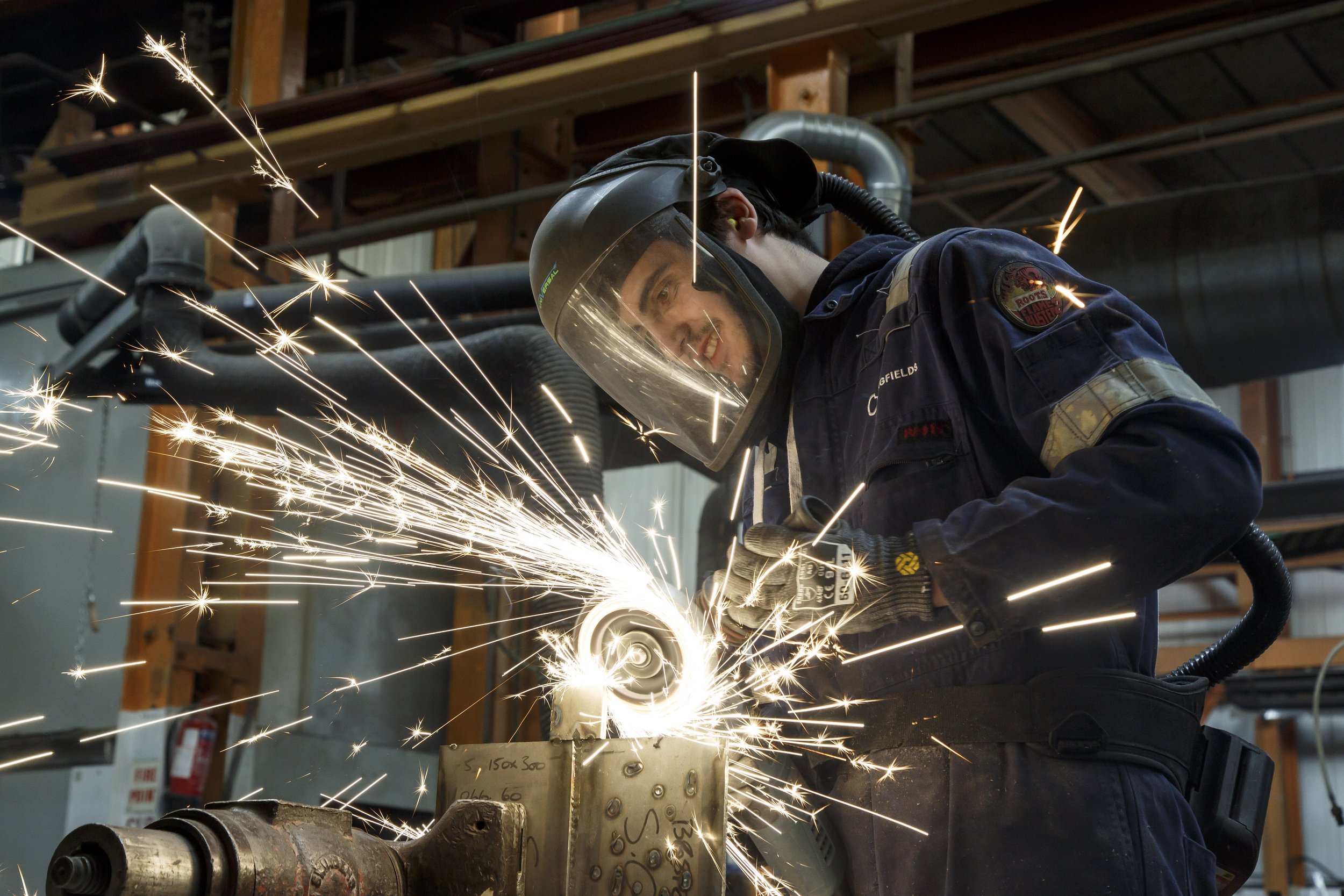
Langfields are specialist fabricators of process plant for the Pharmaceutical, Chemical, Offshore, Oil & Gas, Marine, Defence, Nuclear and other process industries. Based only one mile from Deansgate they demonstrate that there is still some manufacturing industry in the post-industrial city.
As a former engineer, I love visiting these places and finding out what’s being made and the techniques used.
The fabricators at Langfields receive giant 18mm Aluminium plates and within the space of only 20 metres, cut, bend and weld it into complex, water-jacketed vessels according to the exacting specifications of high tech industries.
Langfields Process Plant Fabrication Photography | Manchester Industrial Photography
I recently visited Langfields, specialist fabricators of process plant equipment for the pharmaceutical, chemical, offshore, oil and gas, marine, defence, and nuclear industries. Based just one mile from Deansgate in Manchester, Langfields demonstrates that advanced manufacturing continues to play an important role in the city’s economy and industrial heritage.

As a former engineer, visiting facilities like Langfields is particularly rewarding. Photographing industrial operations captures both the technical processes and the human skill involved in producing high-specification equipment.
Advanced Industrial Fabrication at Langfields
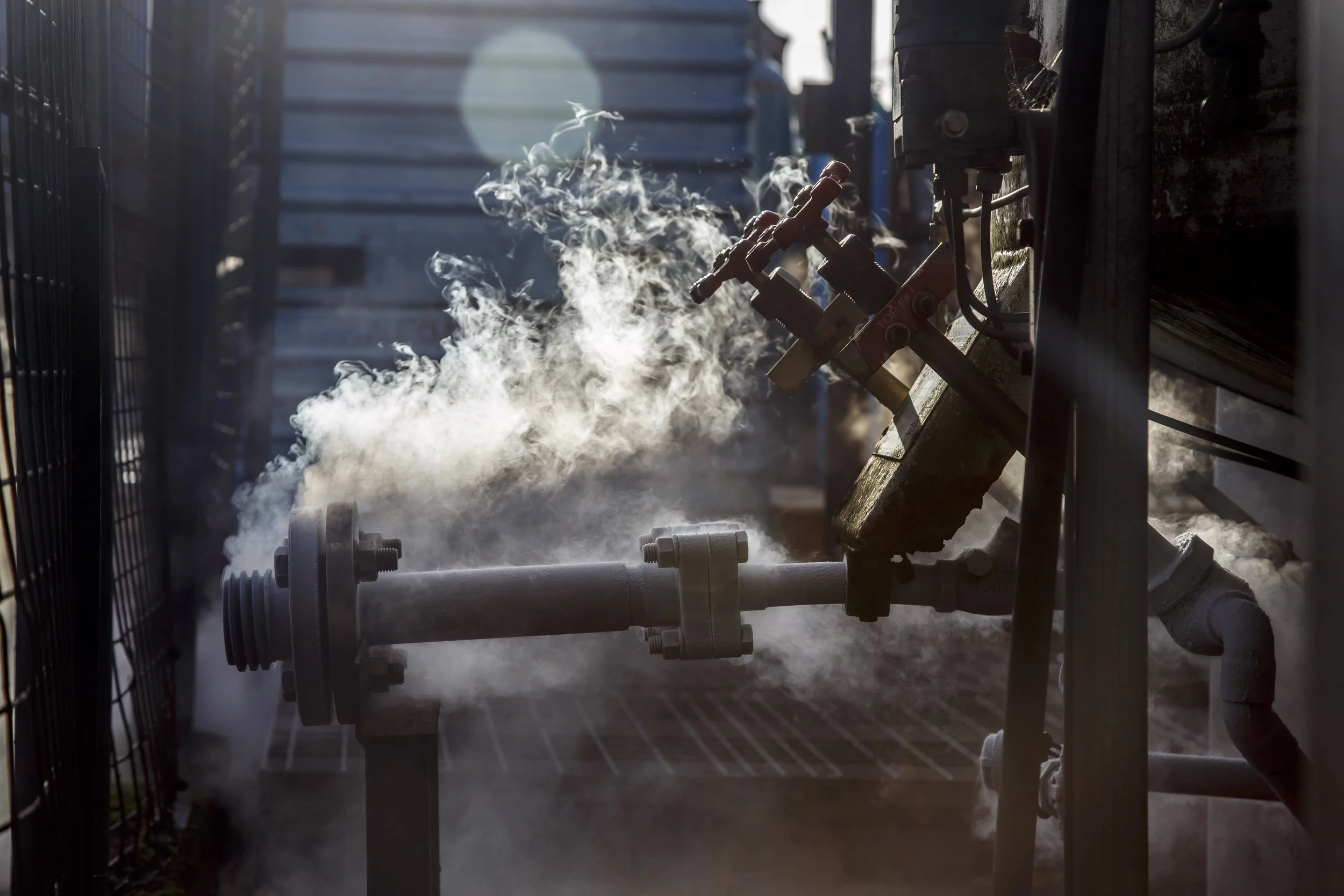
Langfields transforms large 18mm aluminium plates into complex, water-jacketed vessels, following precise specifications required by some of the most demanding industries in the world. Within a compact production space, the plates are cut, bent, and welded with exceptional precision, showing the combination of craftsmanship and engineering expertise required for modern process plant fabrication.

The process highlights both the machinery and the skilled fabricators who operate it, demonstrating the scale, precision, and professionalism of high-tech industrial fabrication.

Precision Engineering for Pharmaceutical and Chemical Industries
The vessels and plant components produced at Langfields are used in critical applications across pharmaceutical production, chemical processing, offshore energy, nuclear technology, and other high-spec industries. Photography captures the company’s technical capabilities, quality standards, and expertise.
Every stage of fabrication, from cutting and bending to welding and finishing, reflects the attention to detail and precision engineering that underpin Langfields’ operations. These processes illustrate the combination of modern technology and human skill required to meet exacting industry standards.

Manchester’s Post-Industrial Manufacturing Scene
Langfields’ location near the centre of Manchester highlights the ongoing relevance of manufacturing in a post-industrial city. Facilities like this provide skilled technical employment while maintaining advanced production capabilities that support a wide range of industries. Capturing these processes visually helps tell the story of a city that continues to innovate and manufacture complex equipment.

Documenting Industrial Expertise and Human Skill
Visiting Langfields provides an opportunity to record the intersection of engineering excellence, technical innovation, and human skill. From raw aluminium plates to fully fabricated vessels, the facility offers a rich visual narrative of high-tech industrial processes. The images reflect both the technical and human dimensions of manufacturing, illustrating the expertise and care involved in producing equipment for demanding industries.

Mark Radcliffe for Art Fund
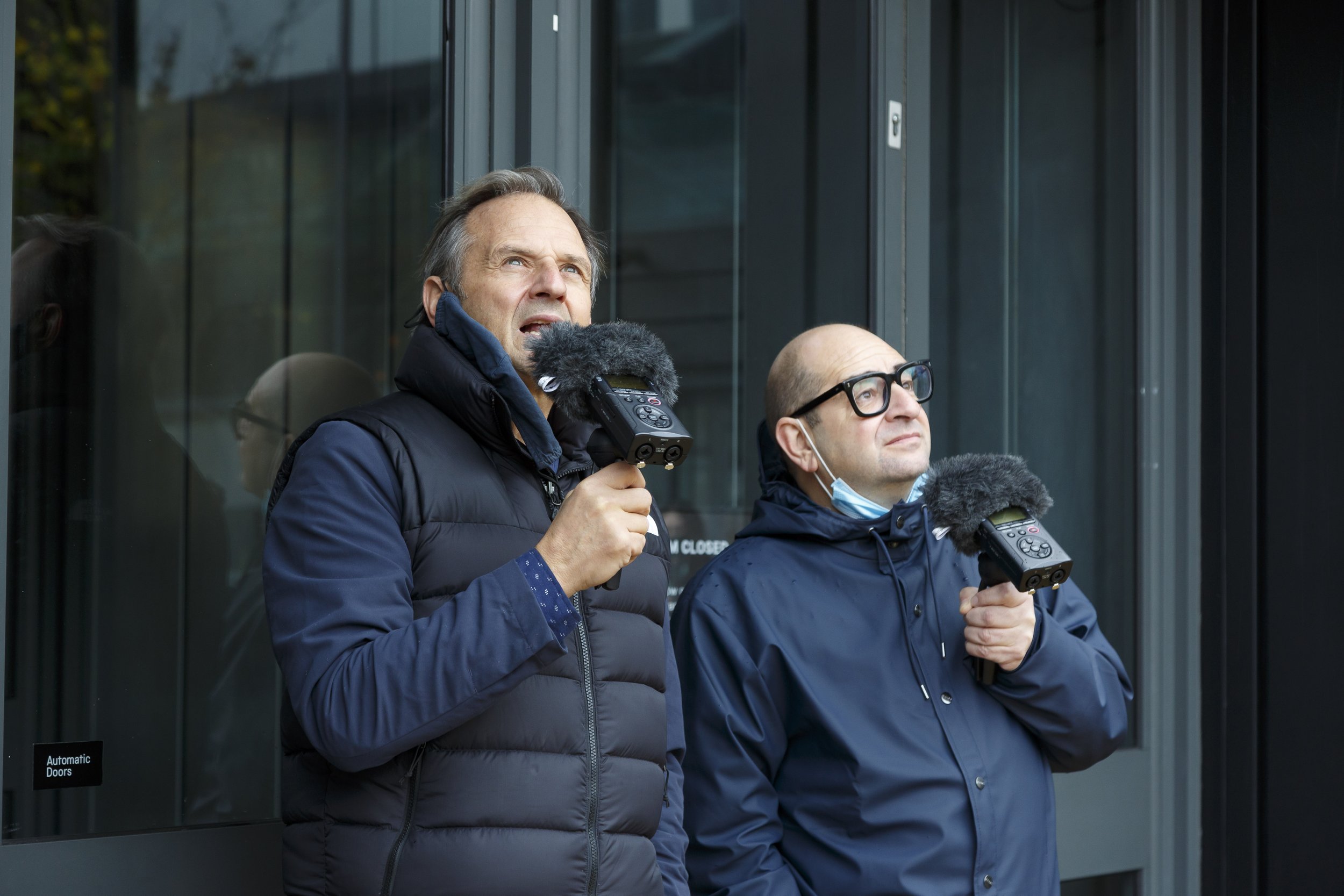
I was very pleased to be asked to contribute stills for a forthcoming episode of Art Fund’s Meet Me at the Museum podcast, in which radio presenter Mark Radcliffe and his bandmate Paul Langley tour Manchester’s Museum of Science and Industry.
Photography for Art Fund Podcast Recording at the Science and Industry Museum, Manchester
I was very pleased to be asked to contribute still photographs for a forthcoming episode of the Meet Me at the Museum podcast produced by the Art Fund. The episode features broadcaster Mark Radcliffe and musician Paul Langley as they explore the galleries of the Science and Industry Museum in Manchester.
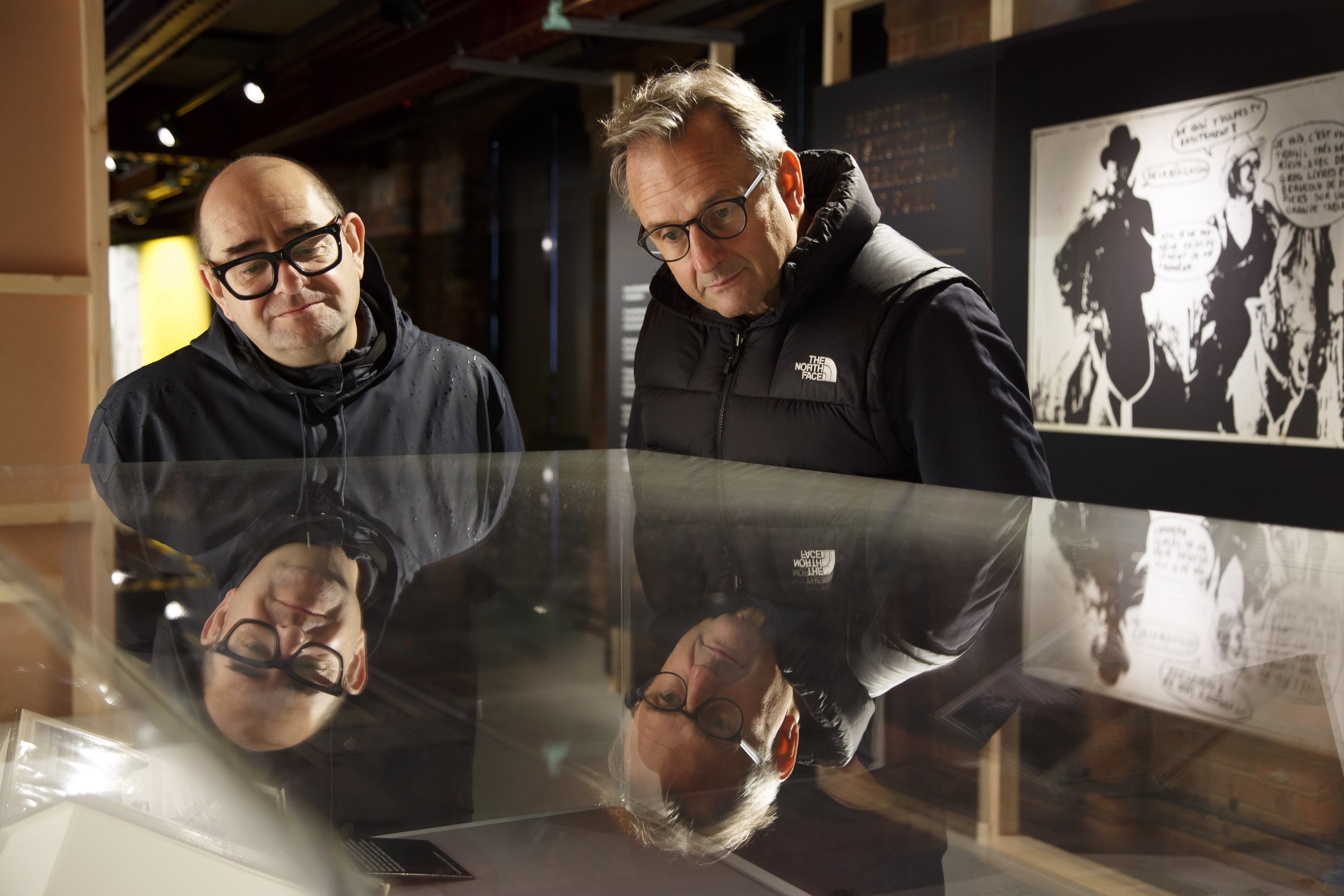
My role was to photograph the recording session and create a set of images documenting the presenters’ visit to the museum. These photographs accompany the podcast and provide visual material for promotion, editorial use and online publication.

Mark Radcliffe and Paul Langley at the Museum
Mark Radcliffe is widely known for his long career in broadcasting, particularly through programmes on BBC radio devoted to music and culture. I have photographed Mark a couple of times before, once memorably for a Daily Telegraph motoring feature in which he appeared alongside a vintage Volkswagen Beetle at Tatton Park in Cheshire.
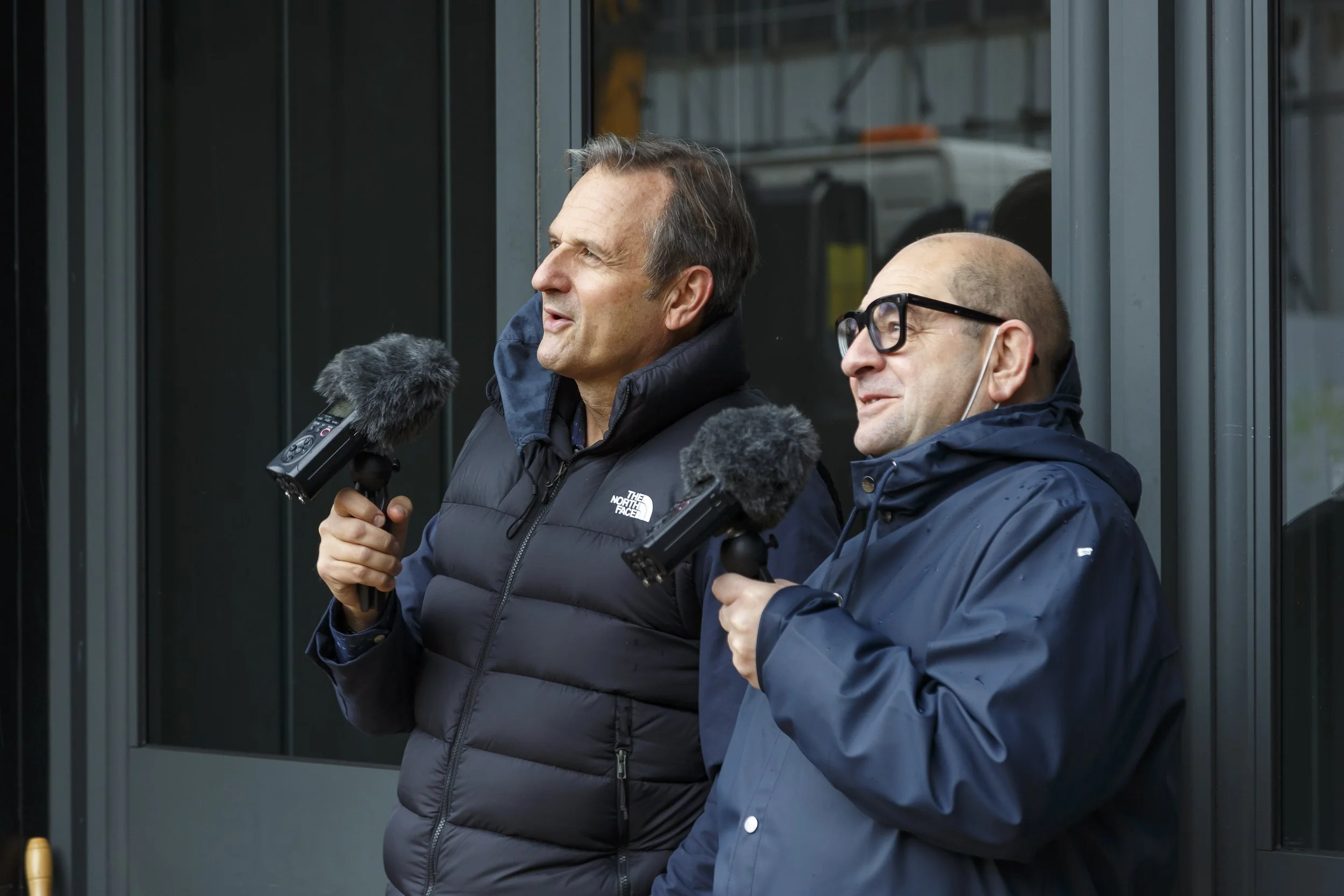
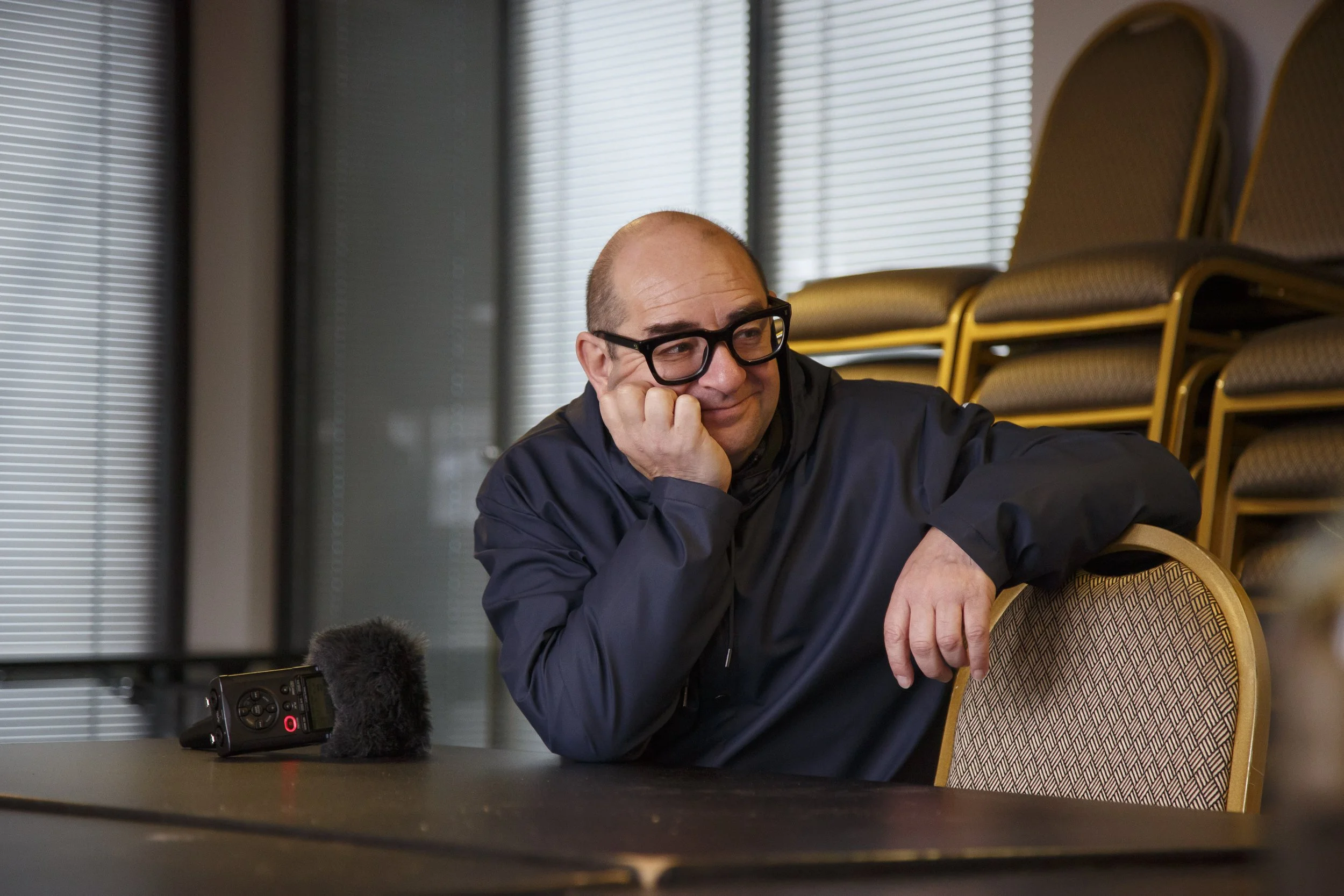
On this occasion the setting was rather different. Together with Paul Langley, Radcliffe toured the Science and Industry Museum while recording their discussion for the podcast. The format of the series combines informal conversation with reflections on objects, exhibitions and cultural history within museums across the UK.
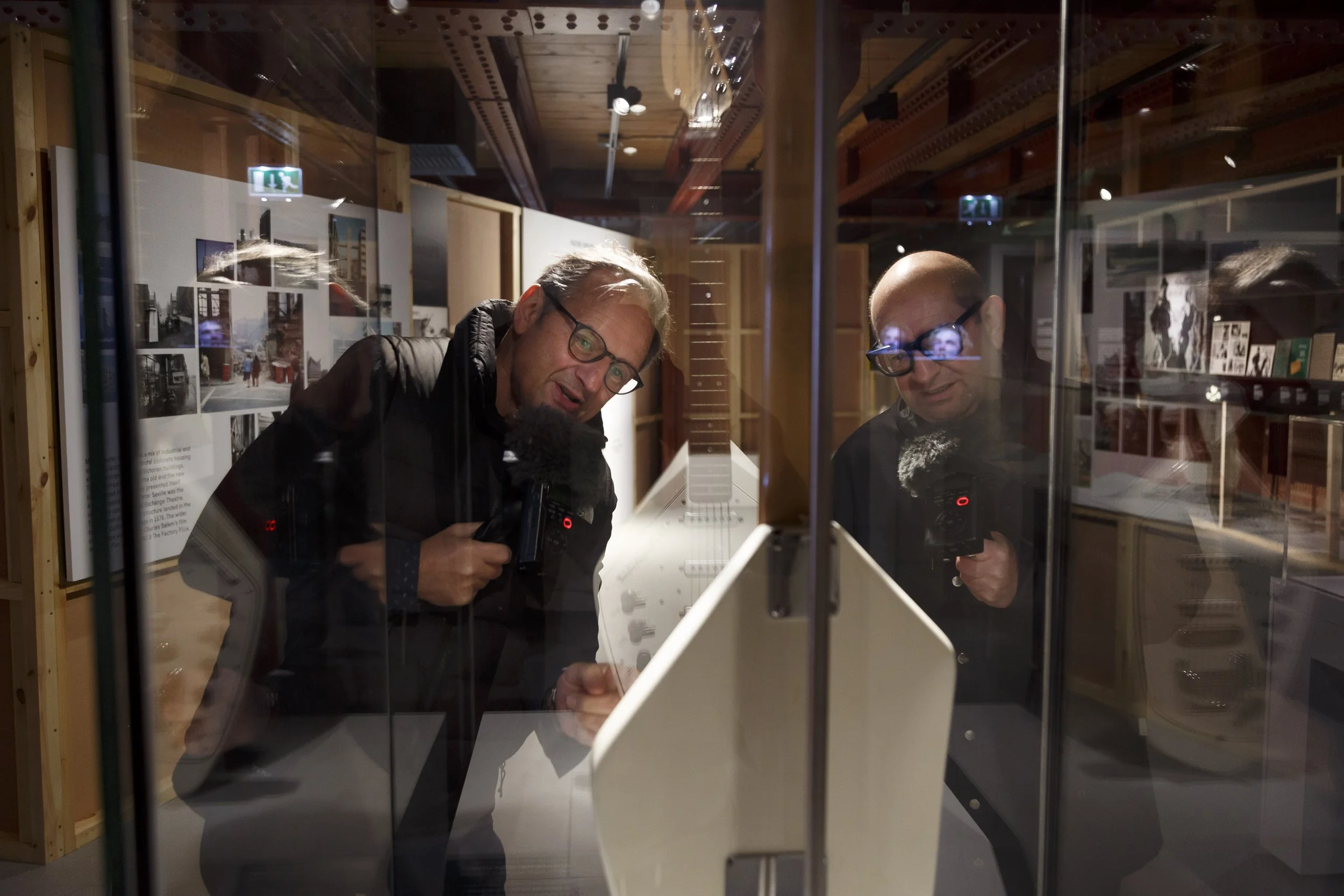
Exploring Manchester’s Musical History
During the recording we spent time in the exhibition Use Hearing Protection, which explores the formative years of Factory Records between 1978 and 1982.
Factory Records played a crucial role in shaping Manchester’s musical identity during this period. The label became internationally recognised for its roster of influential artists, including bands associated with the city’s post-punk scene, while also developing a distinctive visual language through collaborations with designers and photographers.
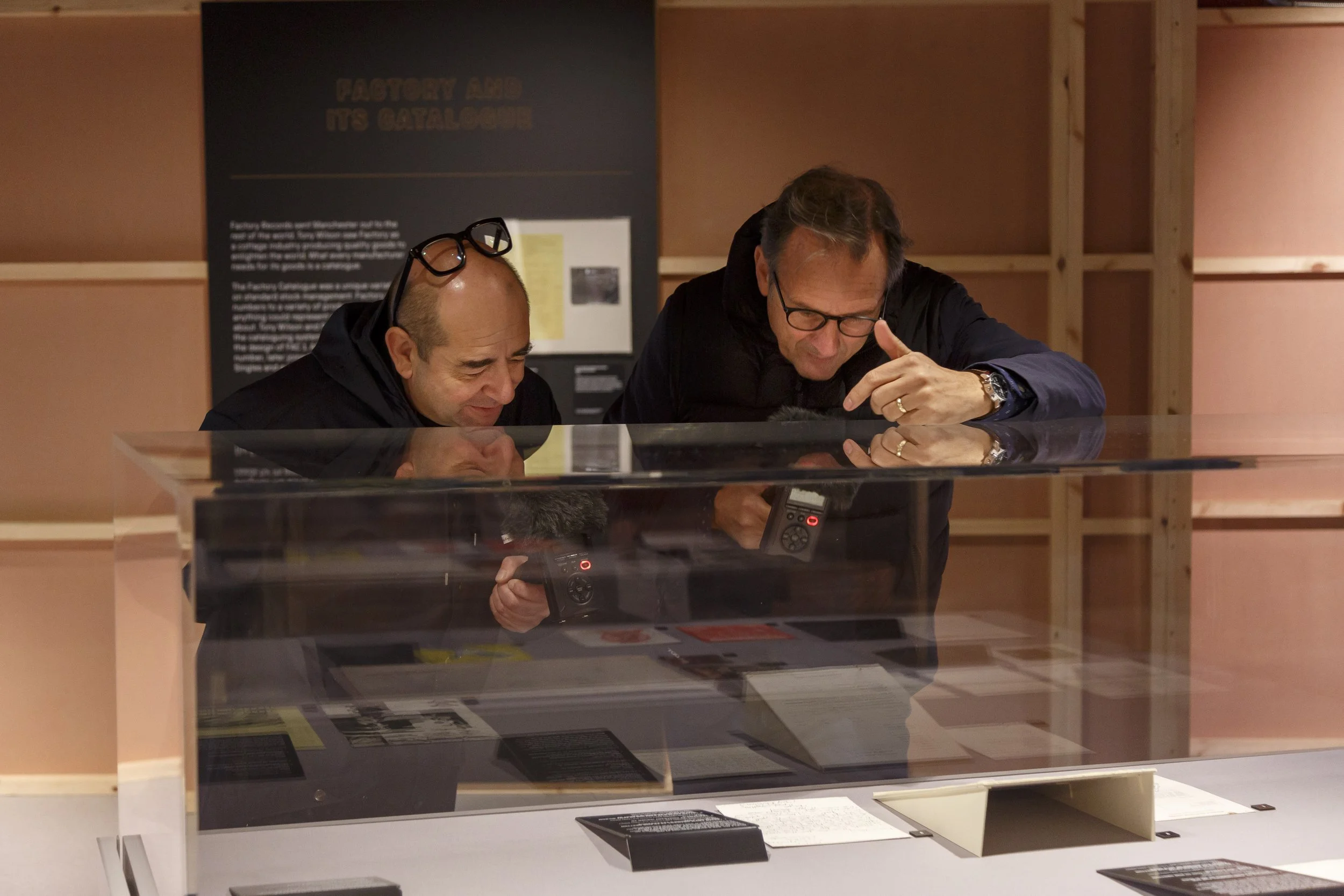
The exhibition at the Science and Industry Museum examines how Factory Records combined music, graphic design, technology and cultural experimentation to create a unique identity for Manchester. Through artefacts, recordings and archival material it tells the story of a label whose influence continues to shape perceptions of the city’s creative history.
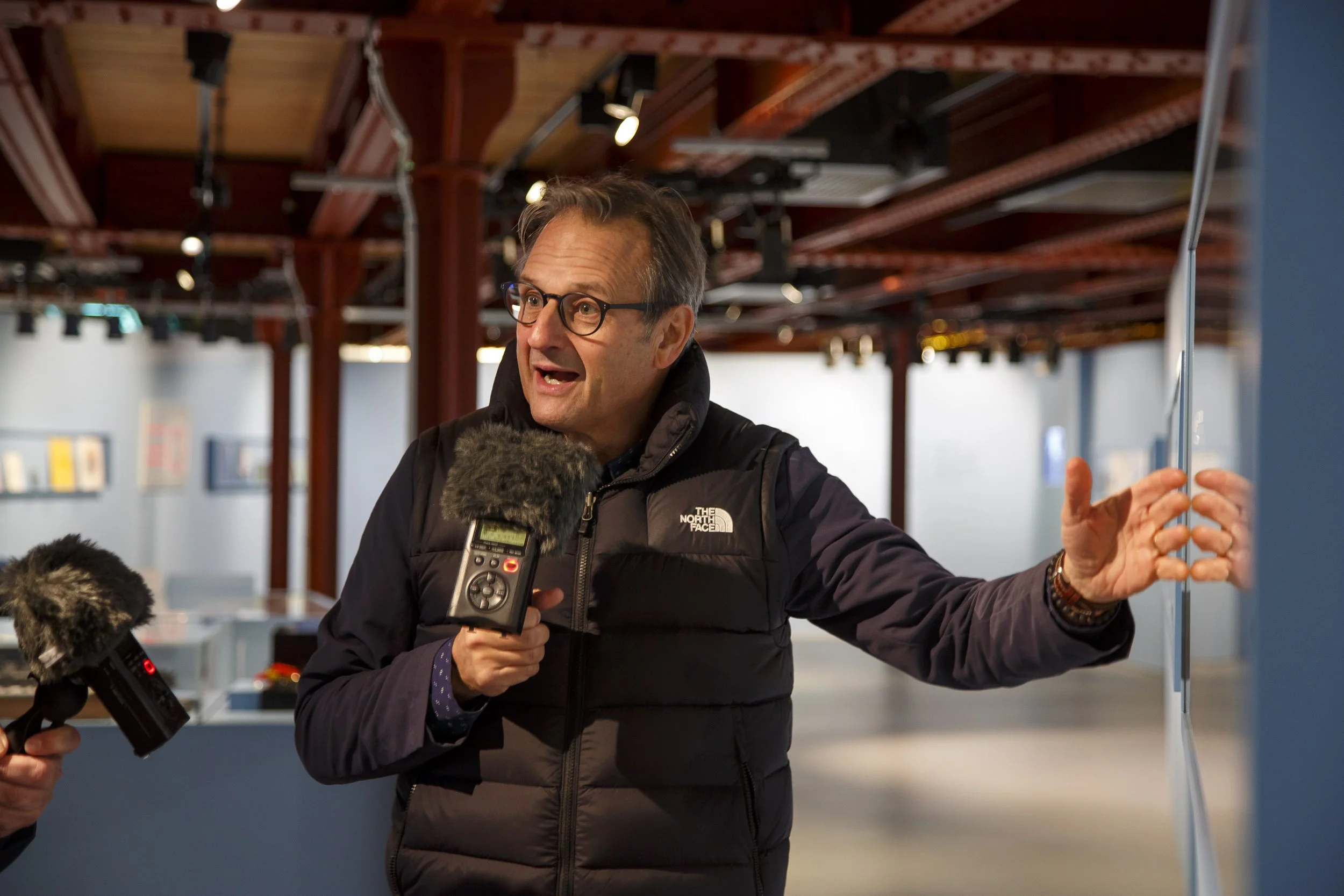
Photographing Podcast Production in a Museum Environment
Photographing a podcast recording inside a museum presents its own set of challenges. The aim is to document the interaction between presenters and exhibits without disrupting the recording process or the experience of other visitors.
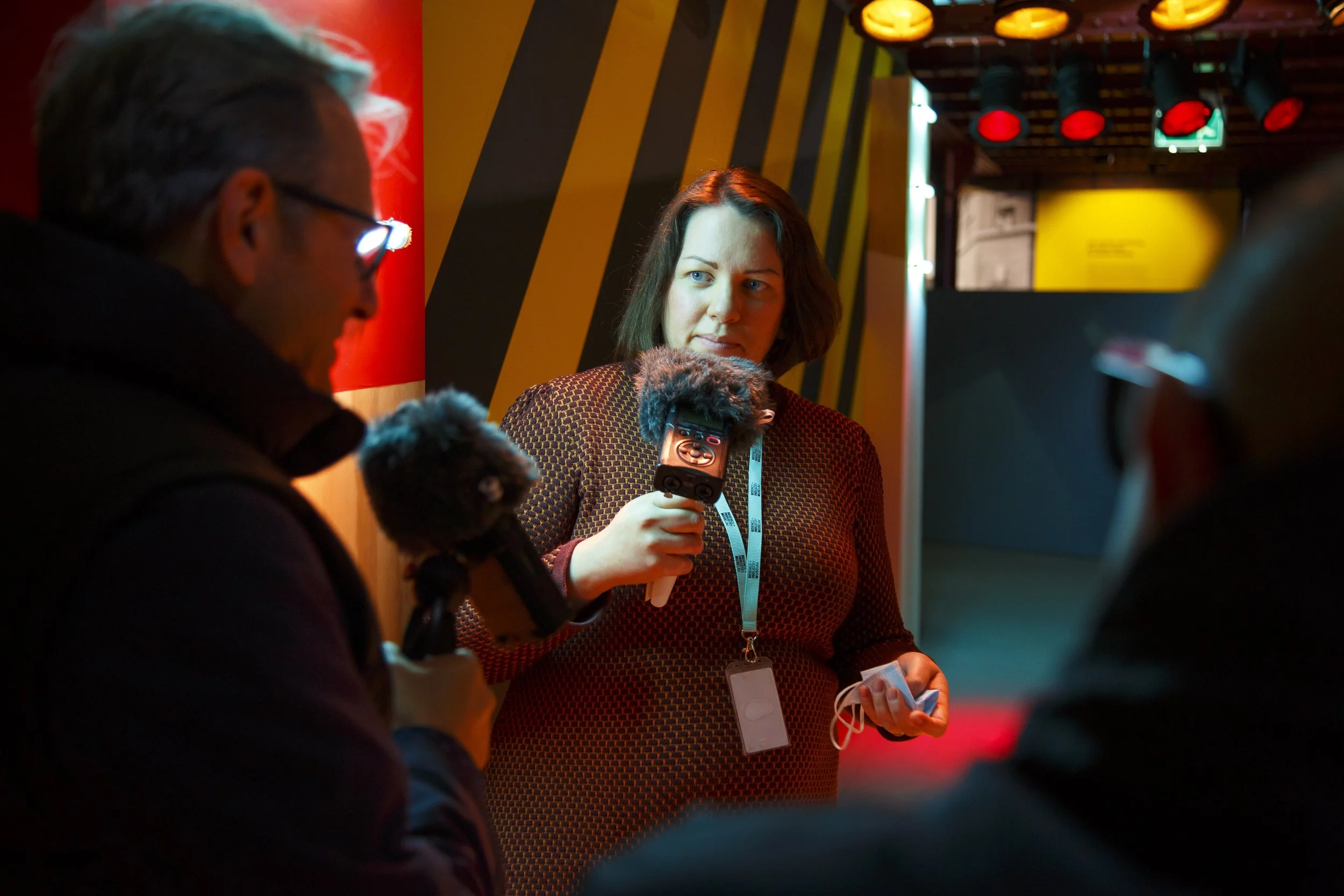
The images from the session capture Mark Radcliffe and Paul Langley in conversation as they explore the exhibition space, reflecting both the atmosphere of the gallery and the informal tone of the podcast itself. These kinds of photographs help audiences visualise the context of the recording and connect the spoken discussion to the objects and stories within the museum.
Listening to the Podcast
The Meet Me at the Museum podcast series invites well-known figures to explore museums around the UK and share their reactions to exhibitions and collections. The conversations offer a relaxed way to discover museum spaces through the perspectives of artists, musicians and broadcasters.
You can listen to this episode and other recordings from the series through the Art Fund website:
https://www.artfund.org/whats-on/meet-me-at-the-museum
Further information about the exhibition Use Hearing Protection can be found here:
https://www.scienceandindustrymuseum.org.uk/whats-on/use-hearing-protection
Sheila Anderson for Samaritans
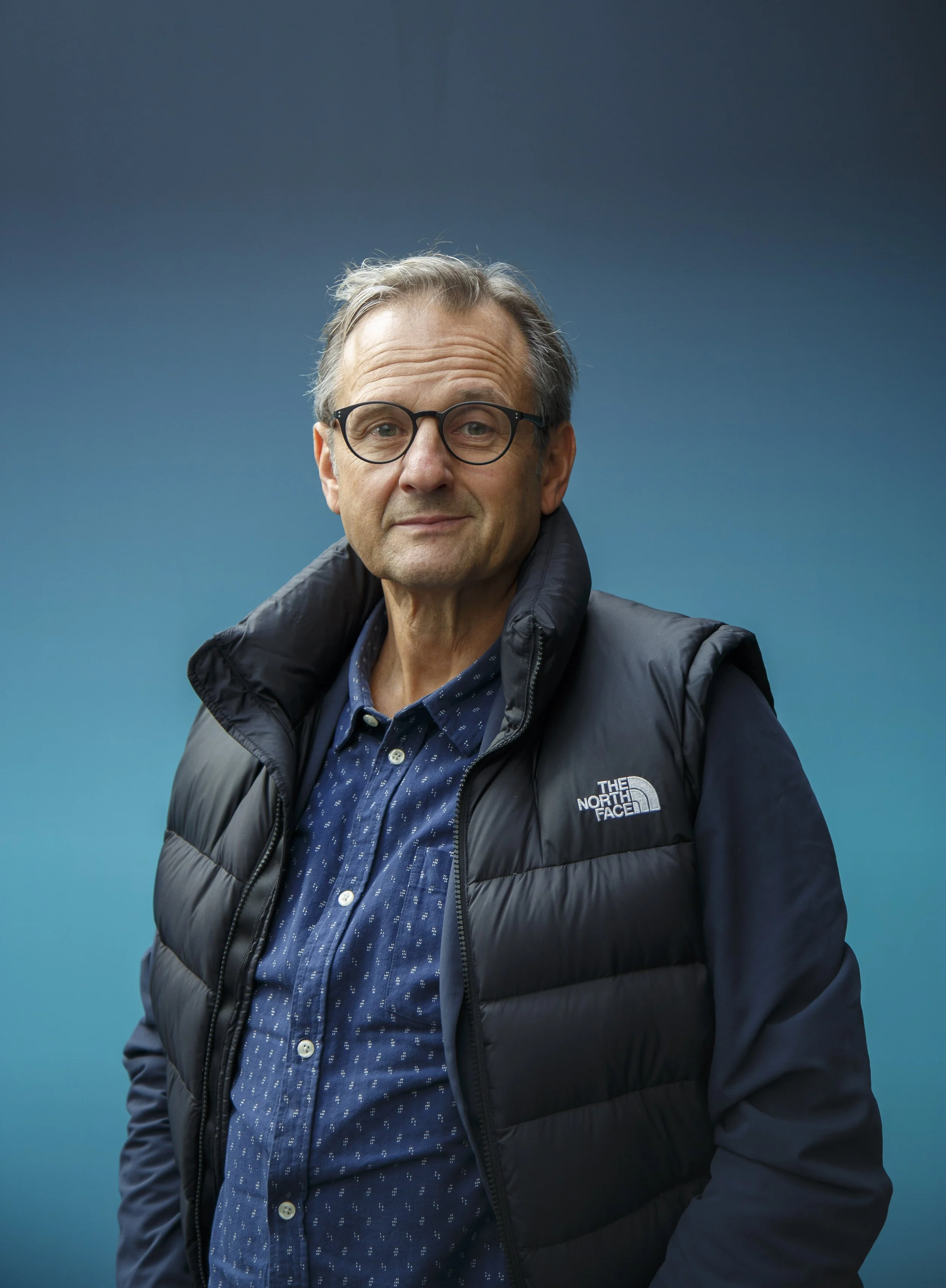
Earlier in the year I had the pleasure of meeting and photographing the wonderful Sheila Anderson on behalf of the Samaritans. Sheila had taken part in the Samaritans’ Managing Suicidal Conversations training while working for the railways and has since helped a number of people in very difficult situations.
Sheila was on her way to the weekly shop when she saw someone who needed help – trusting her instincts, she struck up a conversation and managed to get them to safety, potentially saving their life.
“Around the beginning of last year, I was on the way to my weekly shop when I came across a young woman in floods of tears, I stopped the car and slowly approached her. I asked, “has something happened to bring you here today?” and I could tell that instantly broke her thoughts. She told me her name and said she was struggling to cope as she wasn’t able to get the support she needed.

Portrait Photography for Samaritans | Sheila Anderson and Suicide Prevention Training
Earlier this year I had the privilege of meeting and photographing Sheila Anderson on behalf of the charity Samaritans. The portraits were created as part of a campaign highlighting the impact of the organisation’s Managing Suicidal Conversations training and the difference it can make when people feel confident enough to reach out and support someone in distress.
Sheila had taken part in the Samaritans’ training programme while working for the railways. The course is designed to help people recognise signs that someone may be struggling and to provide practical guidance on how to begin a conversation that could help someone find support.

A Conversation That Made a Difference
Not long after completing the training, Sheila encountered a situation where those skills proved invaluable. She was on her way to do her weekly shopping when she noticed a young woman in visible distress.
Trusting her instincts, she stopped the car and approached carefully, beginning a conversation in a calm and open way. The simple act of asking a compassionate question helped interrupt the woman’s immediate thoughts and allowed a dialogue to begin.
Sheila later described the moment in her own words:
“Around the beginning of last year, I was on the way to my weekly shop when I came across a young woman in floods of tears. I stopped the car and slowly approached her. I asked, ‘Has something happened to bring you here today?’ and I could tell that instantly broke her thoughts. She told me her name and said she was struggling to cope as she wasn’t able to get the support she needed.”
Through patience and conversation, Sheila was able to encourage the woman to move to a safer place and seek help. Her willingness to stop and talk potentially saved a life.

The Importance of Training and Awareness
The Samaritans’ Managing Suicidal Conversations training programme aims to give people the confidence to respond when they encounter someone in crisis. Rather than feeling unsure about what to say or do, participants learn how to approach situations calmly, listen without judgement and guide individuals toward appropriate support.
Stories like Sheila’s illustrate how important these skills can be. Often it is not specialist professionals but ordinary members of the public who first encounter someone in distress. Having the confidence to begin a conversation can create the opportunity for someone to step away from immediate danger and find the support they need.

Photographing Stories of Compassion and Support
For this assignment my role was to create portrait photographs that could accompany Sheila’s story in the Samaritans’ communications and campaign materials. Portrait photography for charities often focuses on authenticity and clarity, allowing the subject’s experience and message to take centre stage.
In situations like this the aim is to create images that feel approachable and human, reflecting the compassion and empathy at the heart of the story being told. The photographs help audiences connect with the individual behind the story, reinforcing the real-world impact of the organisation’s work.
Meeting Sheila and hearing about her experience was a powerful reminder of how small actions – a conversation, a moment of attention, a willingness to stop and listen – can make an extraordinary difference.
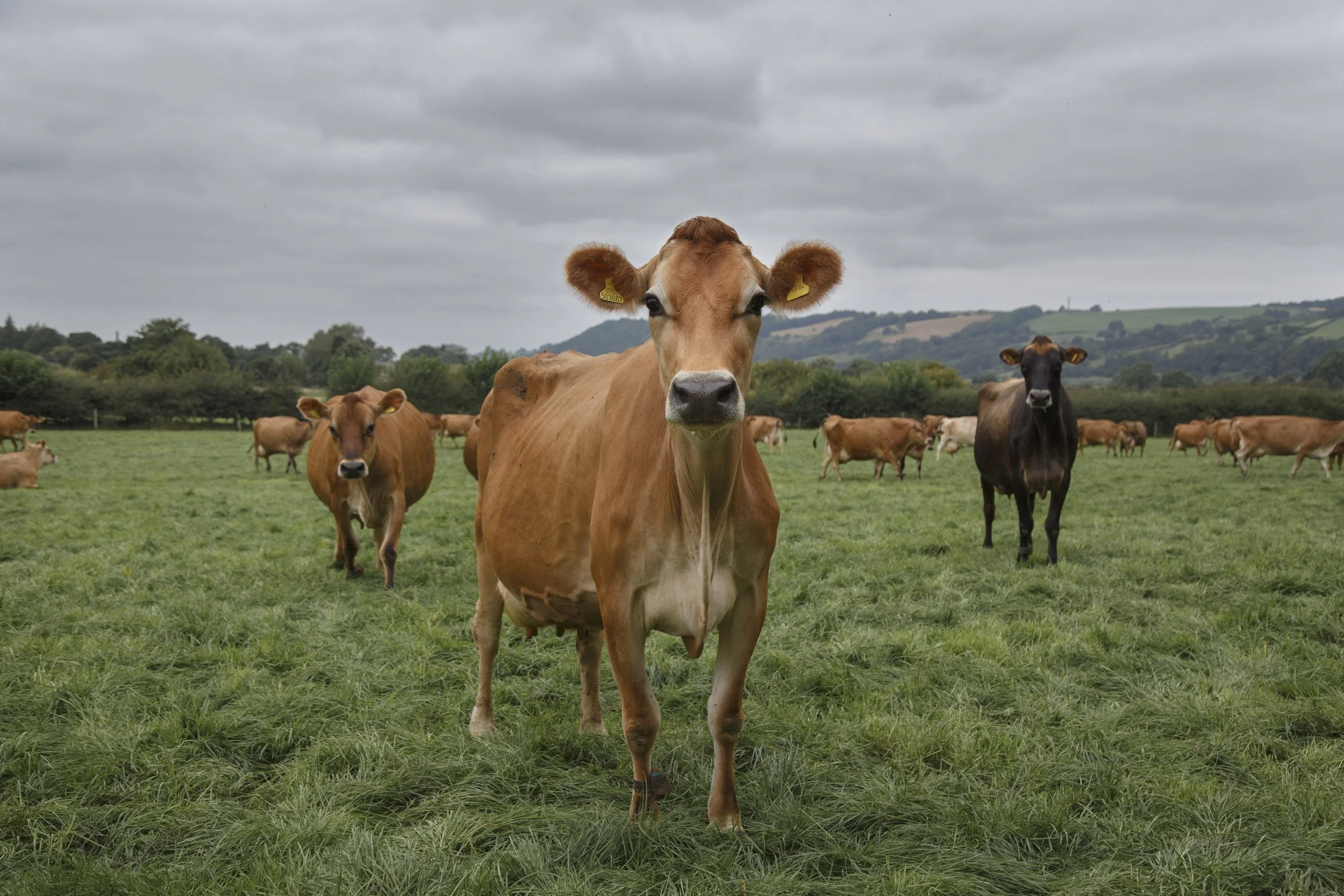
Brades Farm for the Financial Times
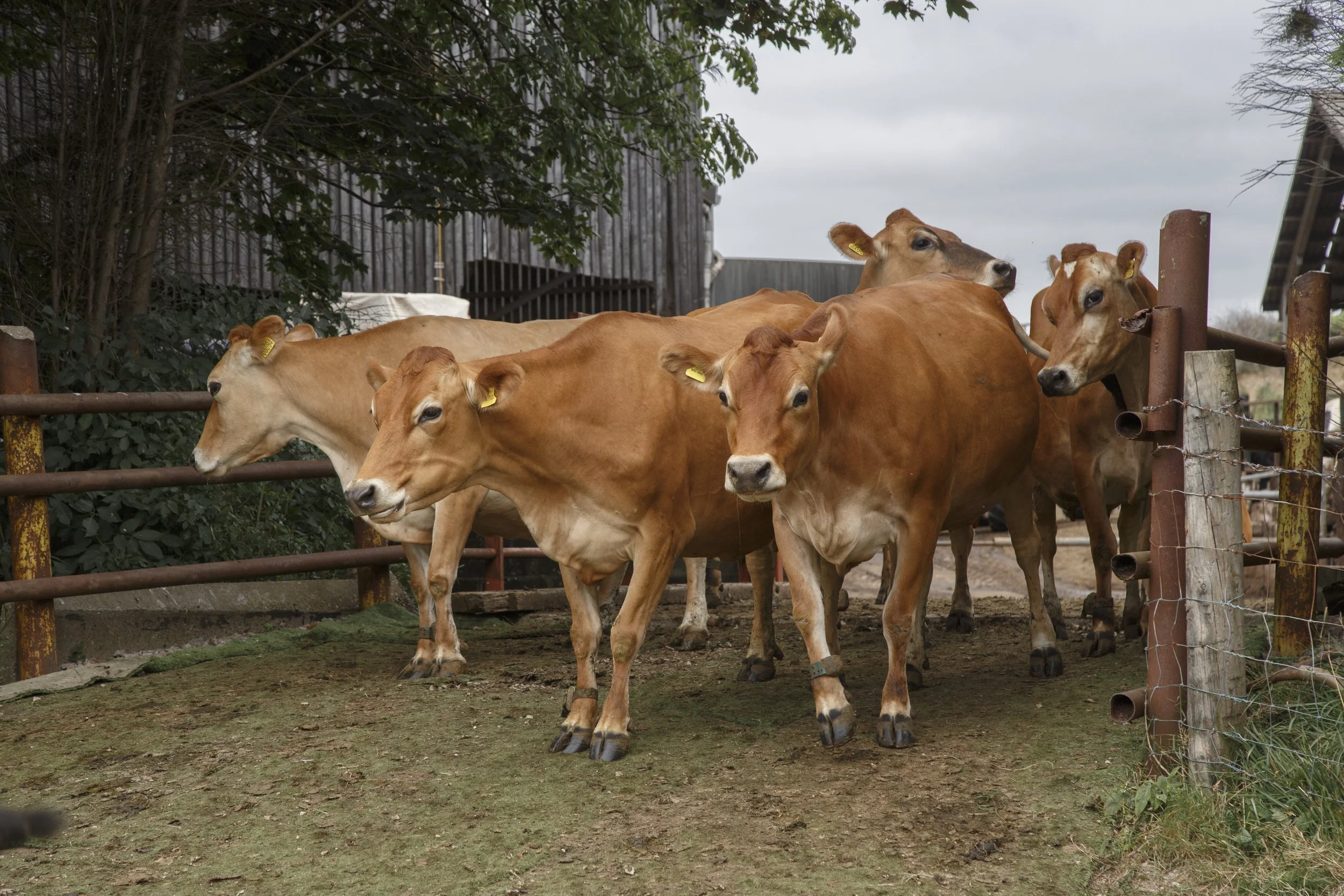
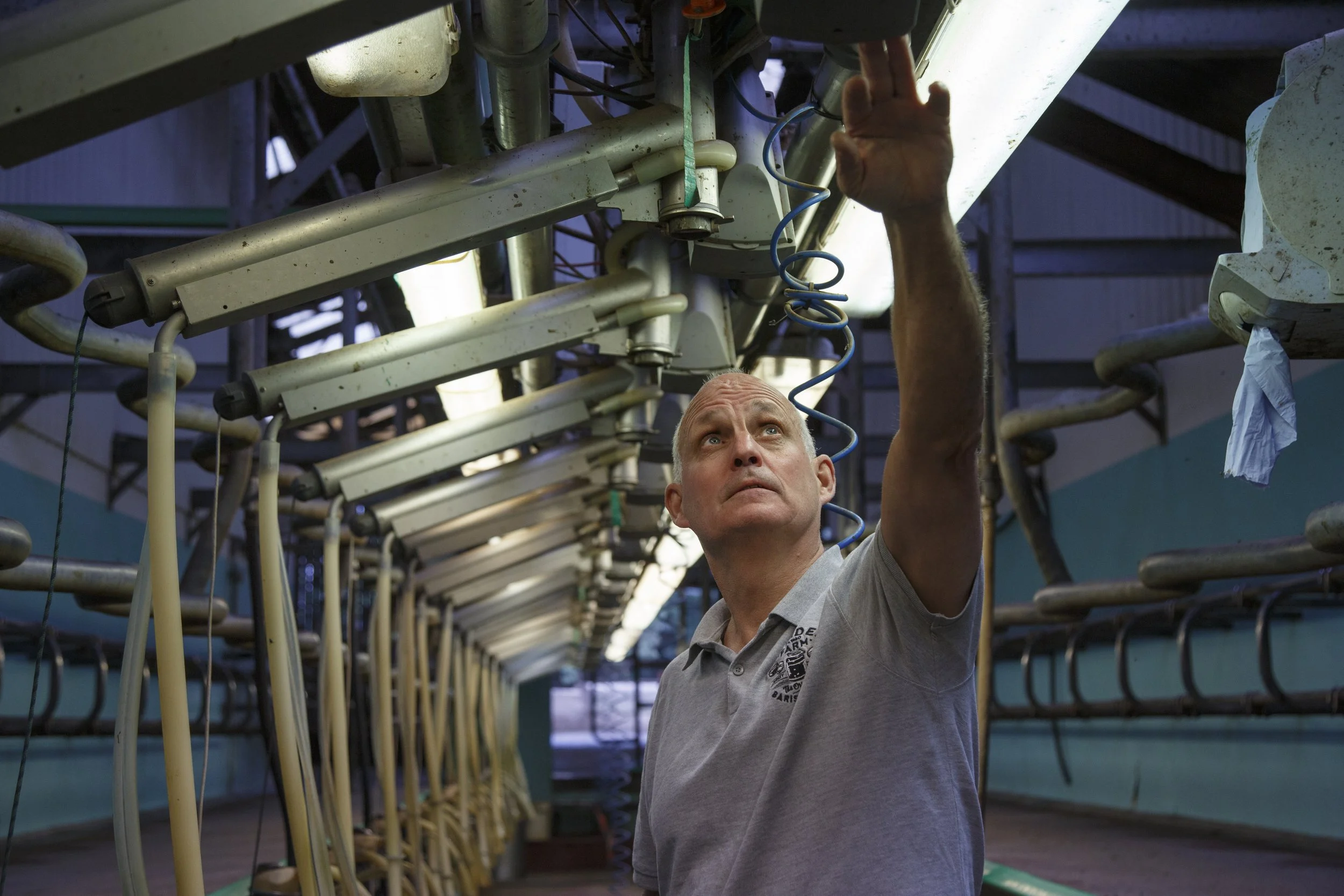
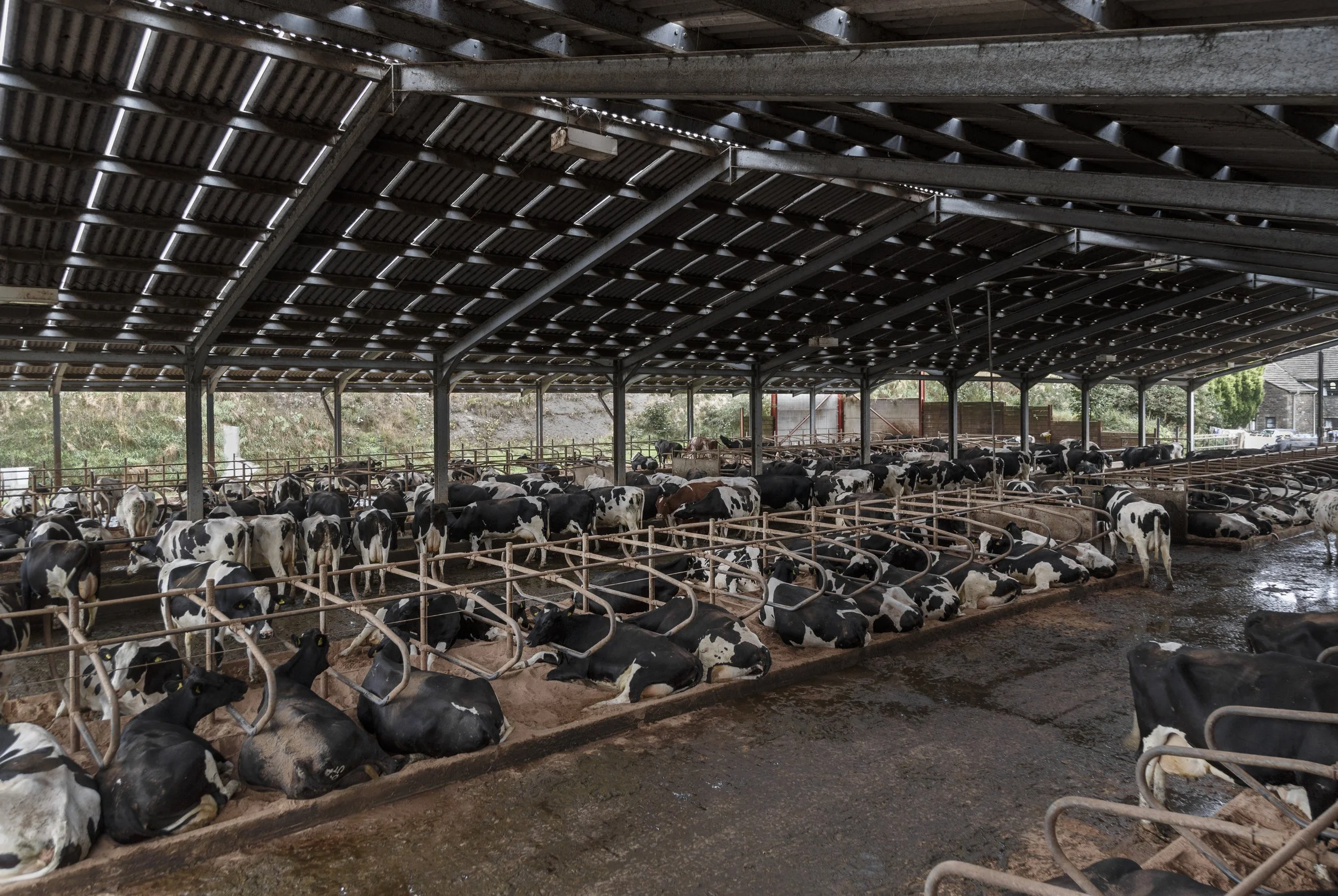
I had an informative and enjoyable day at Brades Farm near Lancaster shooting pictures for an article about the ecological impact of dairy farming for the Financial Times.
Father and son farmers John and Ed Towers add Mootral - a garlic-based supplement - to their cows feed, reducing the methane emissions from their (the cows) profuse flatulence by 20% and lowering the environmental impact of the farm by 10%.
Thanks to Ed and John for the comprehensive tour, the coffees and the much needed lend of the wellies.
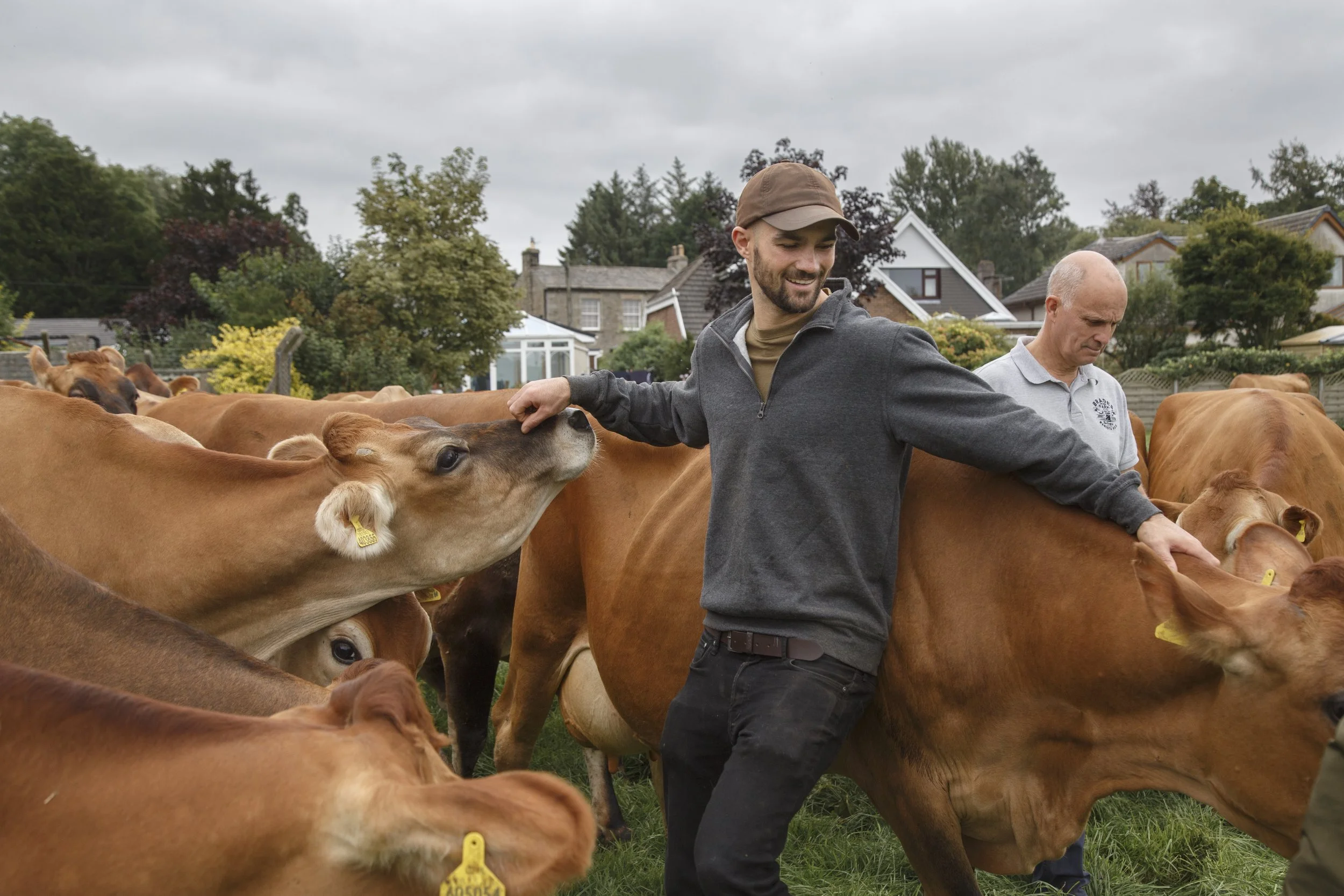
I had an informative and enjoyable day at Brades Farm near Lancaster shooting pictures for an article about the ecological impact of dairy farming for the Financial Times.
Father and son farmers John and Ed Towers add Mootral - a garlic-based supplement - to their cows feed, reducing the methane emissions from their (the cows) profuse flatulence by 20% and lowering the environmental impact of the farm by 10%.
Thanks to Ed and John for the comprehensive tour, the coffees and the much needed lend of the wellies.
You can read the article, ‘How methane-producing cows leapt to the frontline of climate change’ here: t.ly/Q8T8 (subscription required)




Bruce Grobbelaar for 11 Freunde
A recent commission to photograph Liverpool FC legend Bruce Grobbelaar for German football magazine 11 Freunde.
A total gent who even bought me a beer at the end of the shoot, I think that’s the first time that’s happened in 20 years!

A recent commission to photograph Liverpool FC legend Bruce Grobbelaar for German football magazine 11 Freunde.
A total gent who even bought me a beer at the end of the shoot, I think that’s the first time that’s happened in 20 years!
Bruce is a Zimbabwean former professional footballer who played as a goalkeeper, most prominently for English team Liverpool between 1981 and 1994, and for the Zimbabwean national team. He is remembered for his gymnastic-like athletic ability, unflappable confidence and eccentric and flamboyant style of play. He was appointed as goalkeeper coach for Ottawa Fury FC of the North American Soccer League in 2014. In March 2018 he was announced as goalkeeper coach for the Matabeleland football team. Born in South Africa, Grobbelaar grew up in neighbouring Rhodesia (today Zimbabwe), and served in the Rhodesian Army before he joined the Vancouver Whitecaps of the North American Soccer League in 1979. He gained Liverpool's attention during a loan spell at Crewe Alexandra during the 1979–80 season, and signed for the Merseyside club in 1981. Making 628 appearances for Liverpool over the next 13 years, including 440 in the League, he won the League championship with the club six times, as well as three FA Cups, three League Cups and the 1983–84 European Cup.
Cloud Studies by Forensic Architecture
Photographs from the excellent new exhibition Cloud Studies by Forensic Architecture currently showing at Whitworth Art Gallery as part of Manchester International Festival.
https://forensic-architecture.org/investigation/cloudstudies
‘Cloud Studies’ was made for the exhibition Critical Zones: Observatories for earthly politics at ZKM Centre for Art and Media in Karlsruhe. Alongside the physical exhibition, our work is also presented on the virtual exhibition platform.

Event Photography: Cloud Studies by Forensic Architecture | Whitworth Art Gallery, Manchester
I recently photographed the opening of Cloud Studies by Forensic Architecture, currently on display at Whitworth Art Gallery as part of the Manchester International Festival. The exhibition presents a powerful investigation into the politics, dynamics, and consequences of toxic clouds, from chemical dispersals to herbicides and smoke, highlighting their impact on communities, environments, and urban spaces.

Cloud Studies was originally created for the exhibition Critical Zones: Observatories for Earthly Politics at ZKM Centre for Art and Media in Karlsruhe. Alongside the physical installation, the project is also accessible via the virtual exhibition platform, offering multiple perspectives on how clouds, both literal and metaphorical, shape and are shaped by social and political forces.

Photographing the Exhibition Opening
Documenting exhibitions like Cloud Studies requires attention to detail, context, and the conceptual framing of the work. At the opening, I captured the interaction between visitors and the installation, as well as moments from the curatorial introduction and discussions with the artists. Photography in this context provides a professional record for press, marketing, and digital archives, while also helping audiences engage with the critical and often challenging themes of the work.

In exhibitions addressing complex and politically charged subject matter, event photography plays a key role in communicating the atmosphere of the exhibition, the scale and detail of the works, and the audience’s engagement with them.

Understanding Cloud Studies
Forensic Architecture’s Cloud Studies investigates the mobilization of toxic clouds across scales, durations, and geographies. Tear gas is used to disperse crowds in protests, white phosphorus and chlorine gas are deployed in cities to spread terror, herbicides are sprayed from airplanes to displace populations, and fires are set to erase forests for industrial plantations. These clouds, deployed by state and corporate powers, demonstrate the entanglement of environmental and political violence.

The project challenges traditional forms of analysis by highlighting that “every contact leaves a trace.” Clouds are not only transformations of air, smoke, and chemicals—they are dynamic systems governed by complex, nonlinear, and multi-causal processes. Forensic Architecture traces these invisible dynamics, making the intangible visible and measurable.

Photography as a Record of Critical and Experimental Art
Professional photography is essential for exhibitions that operate at the intersection of art, research, and activism. In Cloud Studies, capturing the installation, its visual elements, and audience interaction helps convey the conceptual depth and urgency of the work. Photography preserves both the formal qualities of the artwork and the experiential response of the visitors, providing a lasting record for the artists, the gallery, and future audiences.
Photographs of installations like Cloud Studies also help bridge physical and virtual experiences, allowing online audiences to understand the spatial, visual, and political dimensions of the work.

The Epistemological Dimension of Clouds
Historically, clouds have posed challenges for painters and artists, often moving faster than artistic techniques could capture. Today, toxic and politically charged clouds operate on both physical and epistemological levels. Climate denial, chemical attacks, and industrial pollution create uncertainty and confusion, requiring new ways to observe, document, and respond.

Cloud Studies positions the viewer in relation to these dynamics, and through photography, we can translate the abstract and diffuse nature of clouds into a visible, comprehensible form. Images document how audiences experience the installation and how the exhibition communicates critical insights about environmental and political crises.

Conclusion
Photographing Cloud Studies at Whitworth Art Gallery allowed me to capture the intersections of art, research, and social investigation central to Forensic Architecture’s work. These images provide a professional record of an exhibition that interrogates how clouds—chemical, environmental, and epistemological—shape our world, and how art can make these forces visible, tangible, and actionable.

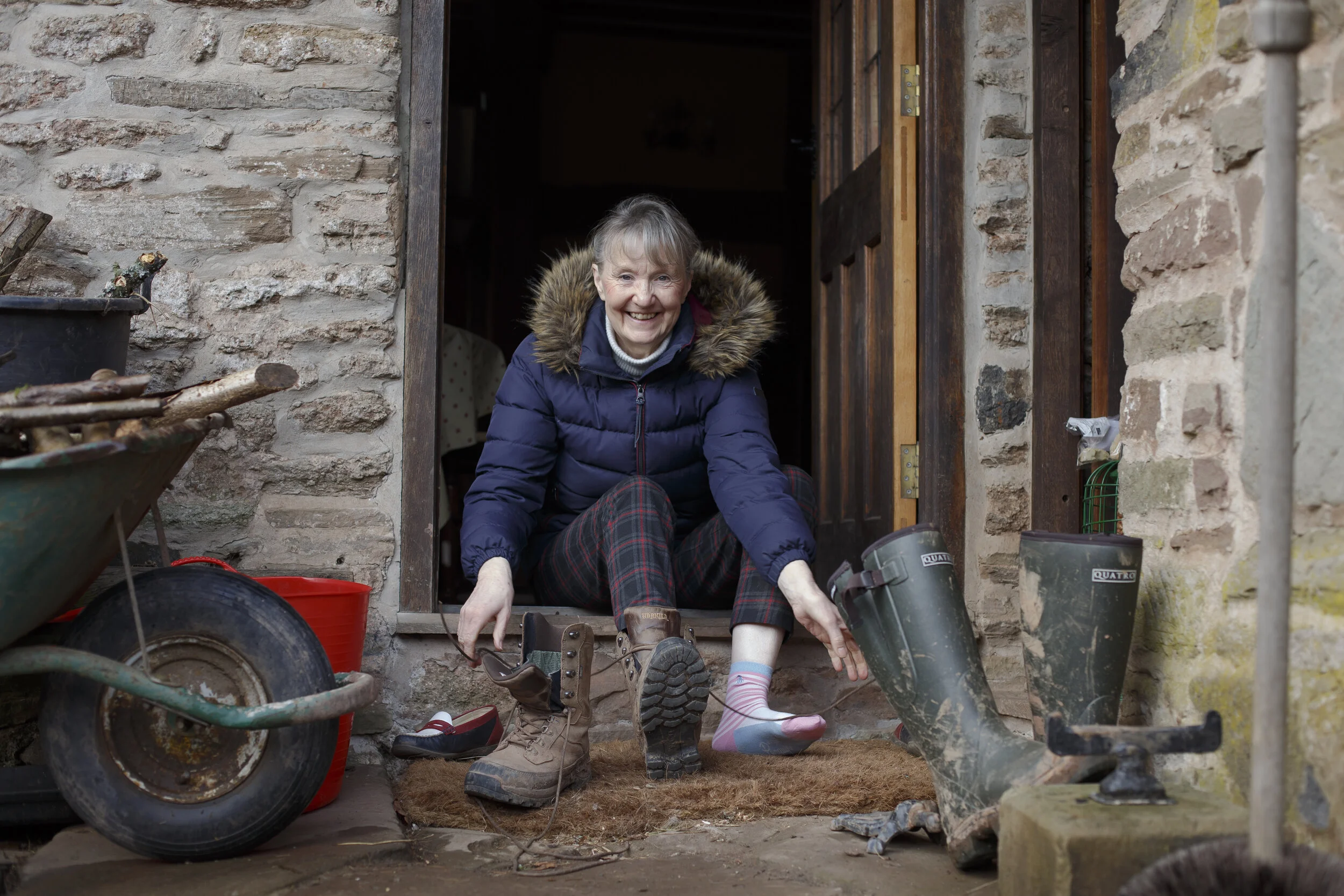
Sue Steer for the Royal Institute of Chartered Surveyors
I was asked by London-based agency Sunday to visit Sue Steer at her home in Shropshire a few weeks ago to take some portrait photographs. Sue is a rural surveyor and the pictures were to accompany an article in the Royal Society for Chartered Surveyors’ Modus magazine.

I was asked by London-based agency Sunday to visit Sue Steer at her home in Shropshire a few weeks ago to take some portrait photographs. Sue is a rural surveyor and the pictures were to accompany an article in the Royal Society for Chartered Surveyors’ Modus magazine.

Sue’s house proved incredibly difficult to find hidden as it is deep in the beautiful Shropshire Hills, Sue’s husband Martin gave me copious instructions, dropped Whatsapp pins and even sent the What Three Words reference all to no avail and finally he had to drive out to find me passing the same bemused farmer for the sixth or seventh time.

Their house was well worth the effort of finding, a 15th Century thatched cottage with an accompanying listed timber barn. It resembled a scene from Hansel and Gretel.

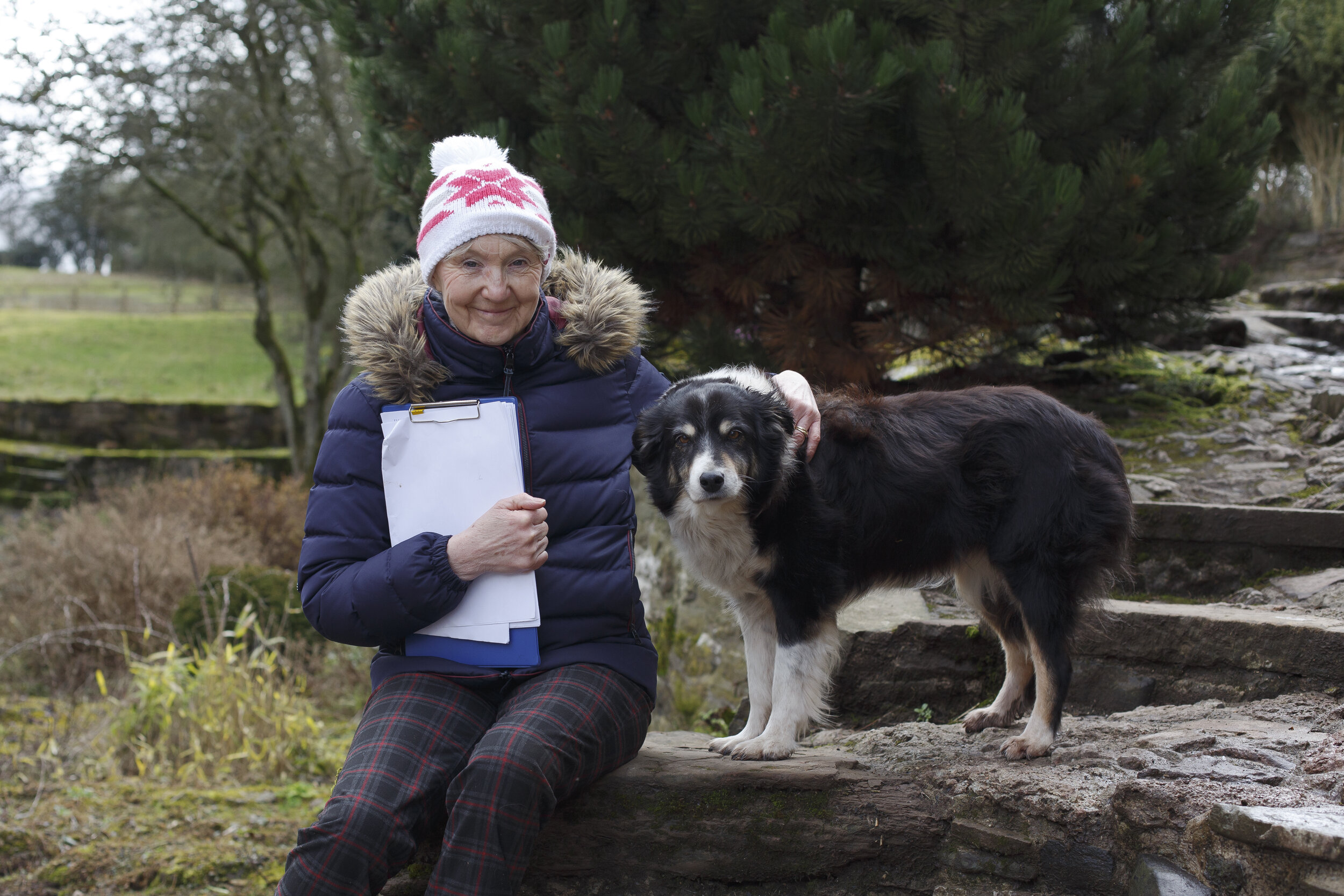
We spent a happy few hours taking photographs around the house, the barn and the orchards before their lovely, gentle old Collie dog joined us for the photoshoot.

A wonderful day and I was fortunate to be back in Shropshire a only a few weeks later for a very different kind of shoot, more of which in a later post.



Bradley Dreha for Dwell Magazine
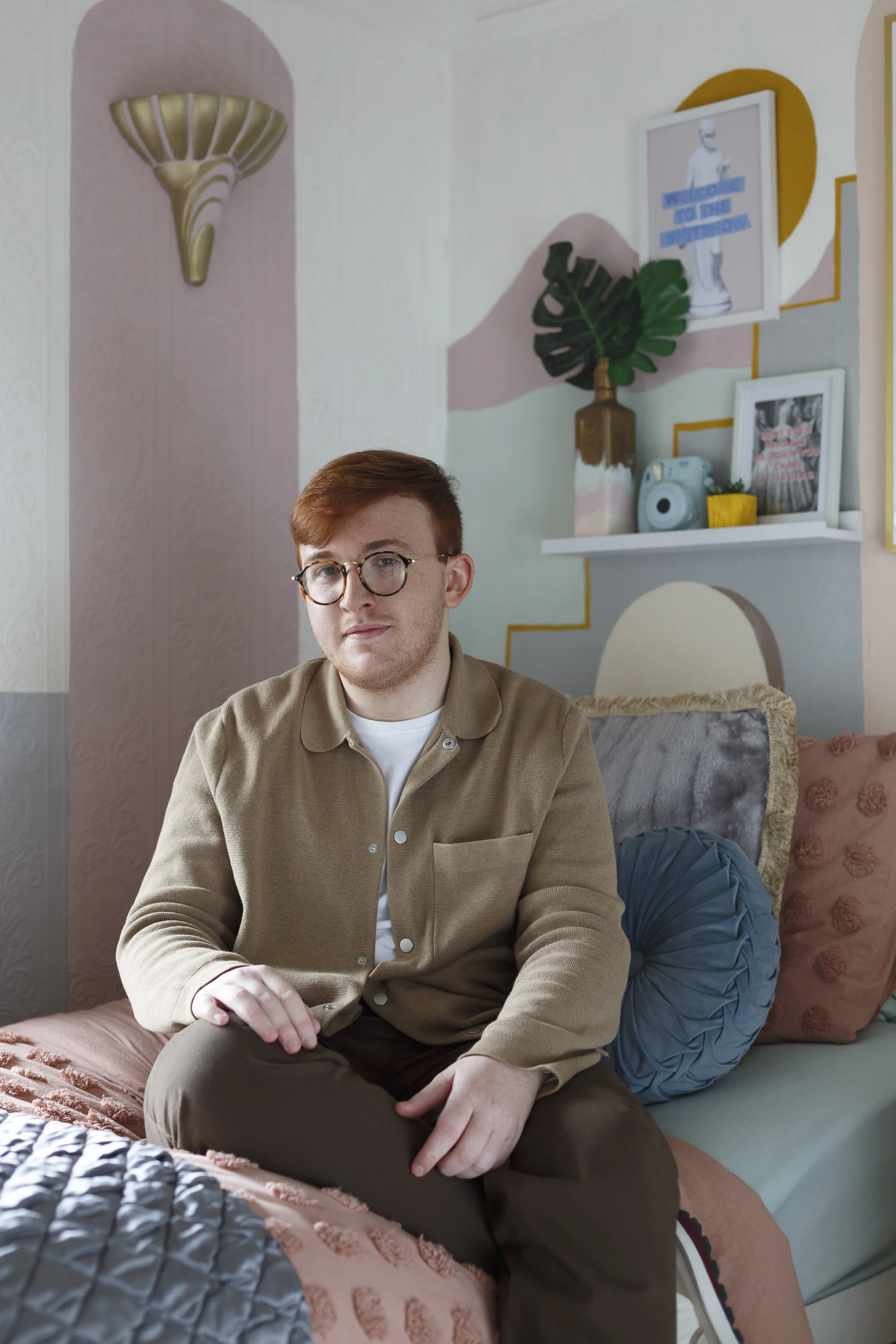
When Bradley Dreha revamped his bedroom he decided to post before and after pictures on TikTok. The results were so good that San Francisco based design magazine Dwell got in touch to ask him for an interview.
Dwell then asked me to visit Bradley at his home in Walton, Merseyside to photograph him and his room for the latest issue of the magazine.
You can see more of Bradley’s work on Instagram @shitprints2
Dwell magazine can be found at dwell.com
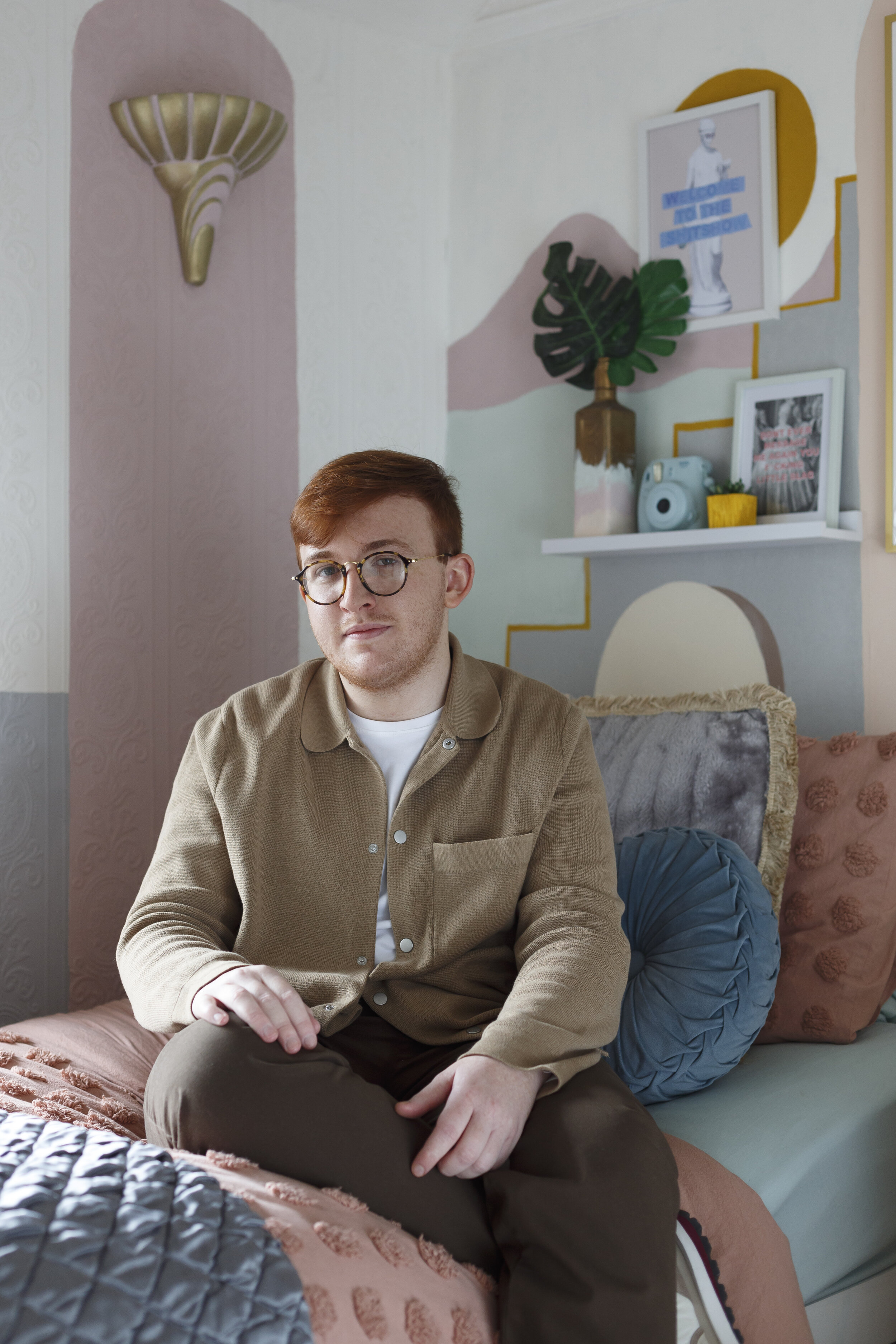
When Bradley Dreha revamped his bedroom he decided to post before and after pictures on TikTok. The results were so good that San Francisco based design magazine Dwell got in touch to ask him for an interview.
Dwell then asked me to visit Bradley at his home in Walton, Merseyside to photograph him and his room for the latest issue of the magazine.
You can see more of Bradley’s work on Instagram @shitprints2
Dwell magazine can be found at dwell.com



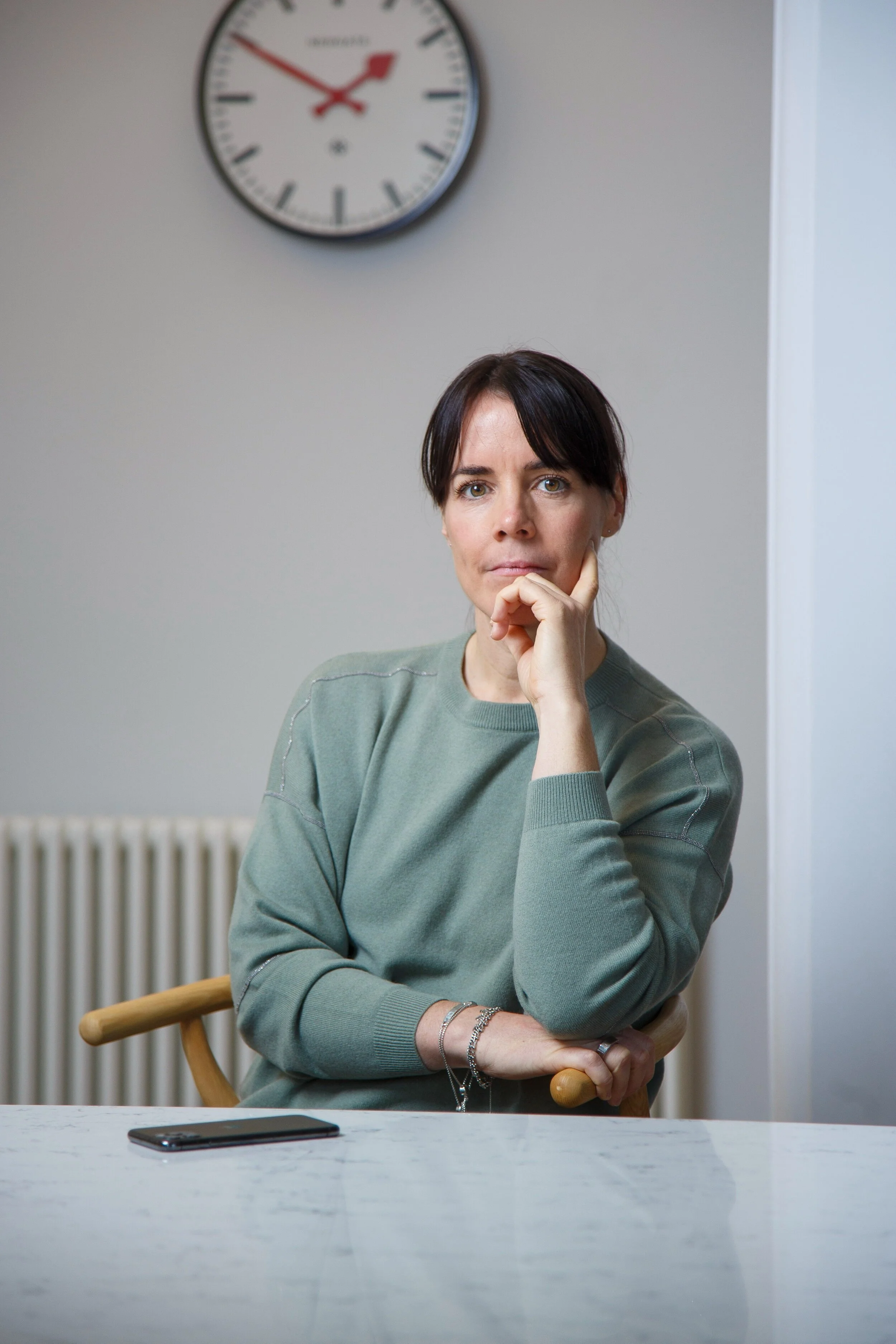
Photographing Fran Millar: Cycling Leader and Former Team Ineos CEO for Rouleur Magazine
It was great to photograph Fran Millar CEO of Belstaff and former CEO of Team Ineos for this month’s Rouleur magazine, an entire edition dedicated to and celebrating women and cycling.

It was a great privilege to photograph Fran Millar, a highly respected leader in the world of cycling, for this month’s Rouleur magazine edition dedicated to celebrating women and cycling. The portrait session took place at her home and produced a striking editorial image that complements the feature on her career, influence, and impact.
Capturing a Moment at Home
The portrait session with Fran Millar took place in the relaxed and personal setting of her house, allowing me to create imagery that communicates both her leadership presence and her authentic personality. Photographing subjects in their own environment often produces more intimate, expressive portraits that feel real and engaging. The resulting photograph was so well received that Fran’s own mother, moved by the image, asked for a personal copy, describing it as one of the best portraits she had seen of her daughter.
Fran Millar’s Career in Cycling Leadership
Fran Millar’s career in professional cycling leadership spans more than two decades and includes pivotal roles at the highest levels of the sport. She was a founding member of Team Sky, working behind the scenes from the very beginning in 2009, and was instrumental in building the organisation’s operations, values, culture, and strategic direction. Her work with Team Sky helped lay the foundation for the team’s unprecedented success, contributing to multiple Tour de France victories and establishing one of the most dominant squads in modern cycling history.
In 2019, Millar was appointed Chief Executive Officer of Team Ineos, the successor to Team Sky after the change in ownership. In this role, she was responsible for leading the team’s operational, governance and engagement systems, ensuring continuity of performance and culture at the highest level of the sport. Her leadership was notable not just for the results but for the depth of her experience across business operations, internal ethics, team culture and strategic planning.
A Woman in a Leadership Role in Elite Sport
Fran Millar’s leadership at Team Ineos was significant not only because of the team’s performance on the road but because her role represented a prominent example of a woman leading at the very top of elite sport. Cycling, especially at the WorldTour level, has historically been male‑dominated, and Millar’s achievements helped expand the visibility of women in executive roles within the sport. Her appointment as CEO was widely recognised as a milestone that showcased how women can lead high‑performance teams, shaping organisational direction, culture and ambition at the highest level.
Beyond her work with Team Sky and Team Ineos, Millar went on to become CEO of the British heritage brand Belstaff in 2020, applying her leadership experience in cycling to the world of global fashion and lifestyle brands. Her tenure at Belstaff involved leading strategic change, driving cultural evolution and positioning the brand for renewed growth and relevance.
The Cycling Family Connection
Fran Millar’s connection to elite cycling also comes through her family. Her older brother is former professional cyclist David Millar, one of Britain’s most recognised riders with a long career in international road racing. David’s career included stage wins in major tours and a powerful presence in the sport over many years, making the Millar family name familiar to cycling enthusiasts around the world.
Portrait Photography that Complements a Powerful Story
Photographing Fran Millar in her home was not just about creating a single striking image for Rouleur magazine, but about capturing a visual narrative that complements her powerful professional story. By focusing on natural light, environment and expression, I was able to produce a portrait that feels both confident and personal, aligning with the editorial tone of the feature and celebrating her achievements.
From her foundational influence in Team Sky and Team Ineos to her leadership at Belstaff and beyond, Millar’s career reflects not only professional excellence but also the expanding role of women in sport leadership. The portrait produced for Rouleur magazine adds a compelling visual dimension to this narrative, providing readers with a genuine look at a leader whose impact resonates throughout the cycling world and beyond.
Rouleur can be found at www.rouleur.cc and @rouleurmagazine
50 Windows of Creativity. An assignment for Wild in Art
This autumn, Manchester is hosting 50 Windows of Creativity, a showcase of the work of artists and makers displayed in a series of windows, venues, businesses and spaces across the city centre.
The displays feature multiple art forms from fine art and photography to ceramics, crafts, mosaics and murals curated by well-known and emerging artists and collectives – all with a connection to Greater Manchester.

Seashell Trust & Lauren Mullarkey Location: The Atrium, Library Walk (mixed media installation)
This autumn, Manchester is hosting 50 Windows of Creativity, a showcase of the work of artists and makers displayed in a series of windows, venues, businesses and spaces across the city centre.
The displays feature multiple art forms from fine art and photography to ceramics, crafts, mosaics and murals curated by well-known and emerging artists and collectives – all with a connection to Greater Manchester.
Artists and makers taking part include: Wellcome Trust prize winner Benji Reid, Manchester born mixed media landscape artist Sarah Connell and contemporary creative studio Lazerian.
All pieces on display will be available to buy directly from the artist or maker, giving a much needed boost to the city’s creative community.
The project culminates with an auction which will see a selection of pieces auctioned with proceeds going to their artists and makers, and to The Lord Mayor of Manchester Charity Appeal Trust – We Love MCR Charity which aims to help improve the lives and life chances of Manchester people.
It was a pleasure to work again with the wonderful Wild in Art after documenting their wildly successful 2018 Bee in the City project.
Find out more about Wild in Art at www.wildinart.co.uk

Phil Constable Location: Mackie Mayor, Coop Street

LeiMai LeMaow Location: On Yard and Coop, Hare St

Caroline Dowsett Location: Hatch, Unit 25, Oxford Road

MHHA - Manchester Hip Hop Archive Location: Royal Northern College of Music

Manchester Digital Music Archive Location: Royal Northern College of Music

Phil Constable Location: Mackie Mayor, Coop Street

LeiMai LeMaow Location: On Yard and Coop, Hare St
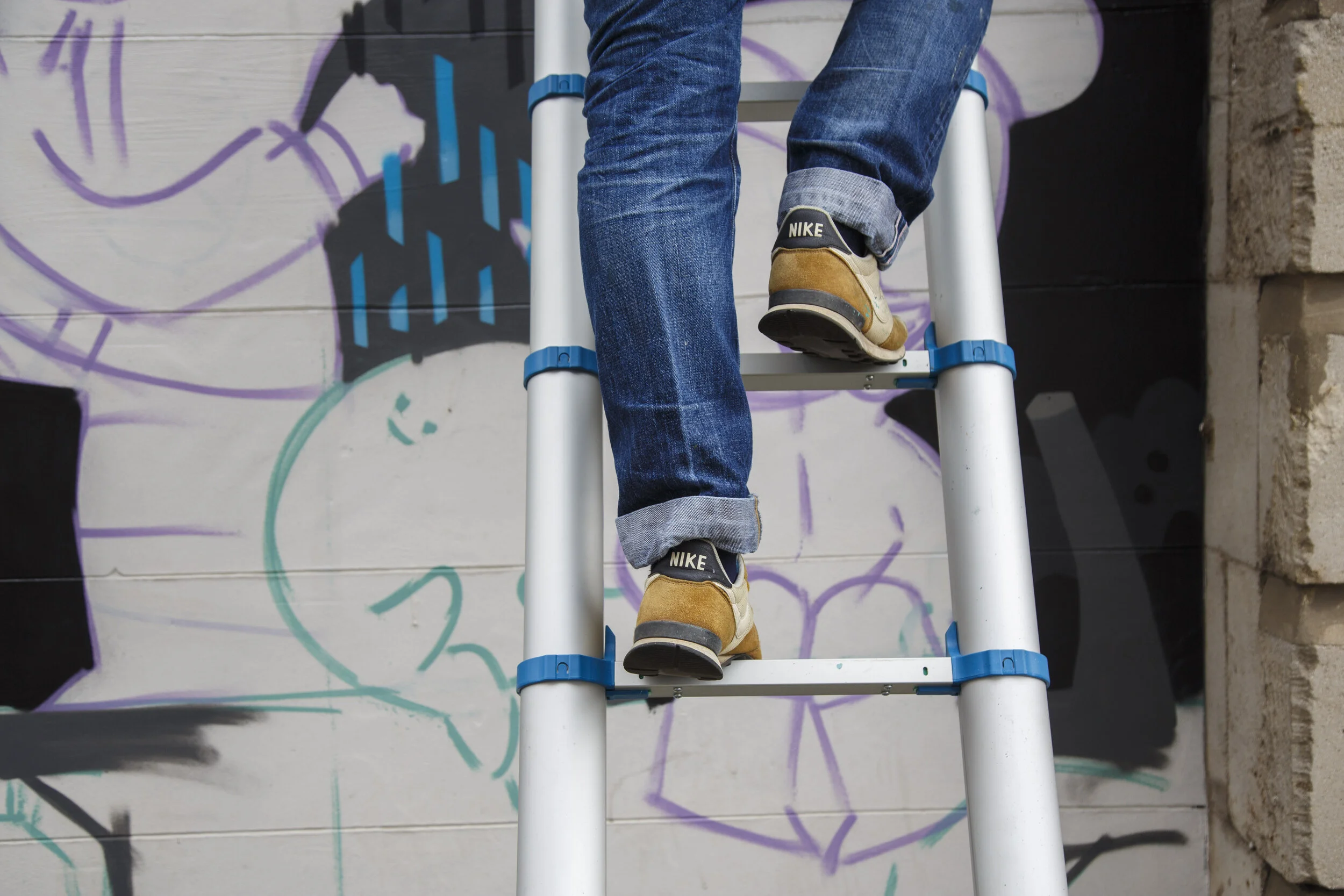
Hammo Location: Ellis Brigham Mountain Sports, Duke St

Atelier Bebop Location: Selfridges Exchange Square

Hammo Location: Ellis Brigham Mountain Sports, Duke St

LeiMai LeMaow Location: On Yard and Coop, Hare St

LeiMai LeMaow Location: On Yard and Coop, Hare St

Hammo Location: Ellis Brigham Mountain Sports, Duke St

Caroline Dowsett Location: Hatch, Unit 25, Oxford Road

Akse Location: Next to BAB NQ, Little Lever St

LeiMai LeMaow Location: On Yard and Coop, Hare St

LeiMai LeMaow Location: On Yard and Coop, Hare St

Tim Denton Location: Chapel Wharf, opposite Lowry Hotel

Benji Reid Location: National Football Museum

Phil Constable Location: Mackie Mayor, Coop Street

Hammo Location: Ellis Brigham Mountain Sports, Duke St

Caroline Dowsett Location: Hatch, Unit 25, Oxford Road

Ric Facchin Location: ChriSalon, Princess St
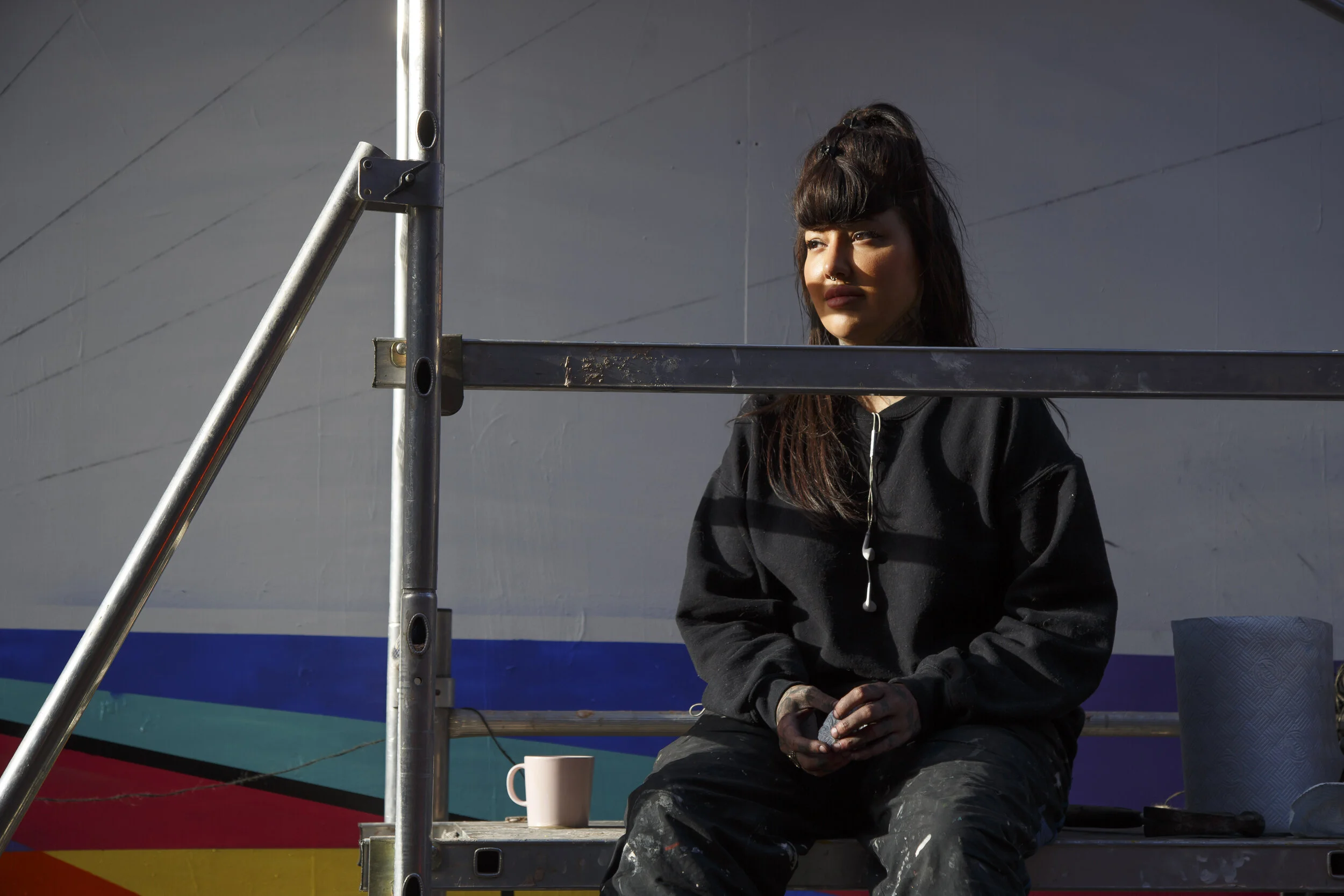
LeiMai LeMaow Location: On Yard and Coop, Hare St