Latest Editorial, Portrait & Commercial Photography Projects
A selection of my most recent commissions and ongoing projects.
The work shown here spans editorial assignments, portrait commissions, documentary projects and commercial photography for organisations and publishers. It reflects current areas of focus and the range of contexts in which I am working.
New projects are added regularly.
Michaela Yearwood-Dan at the Whitworth, Exhibition Opening
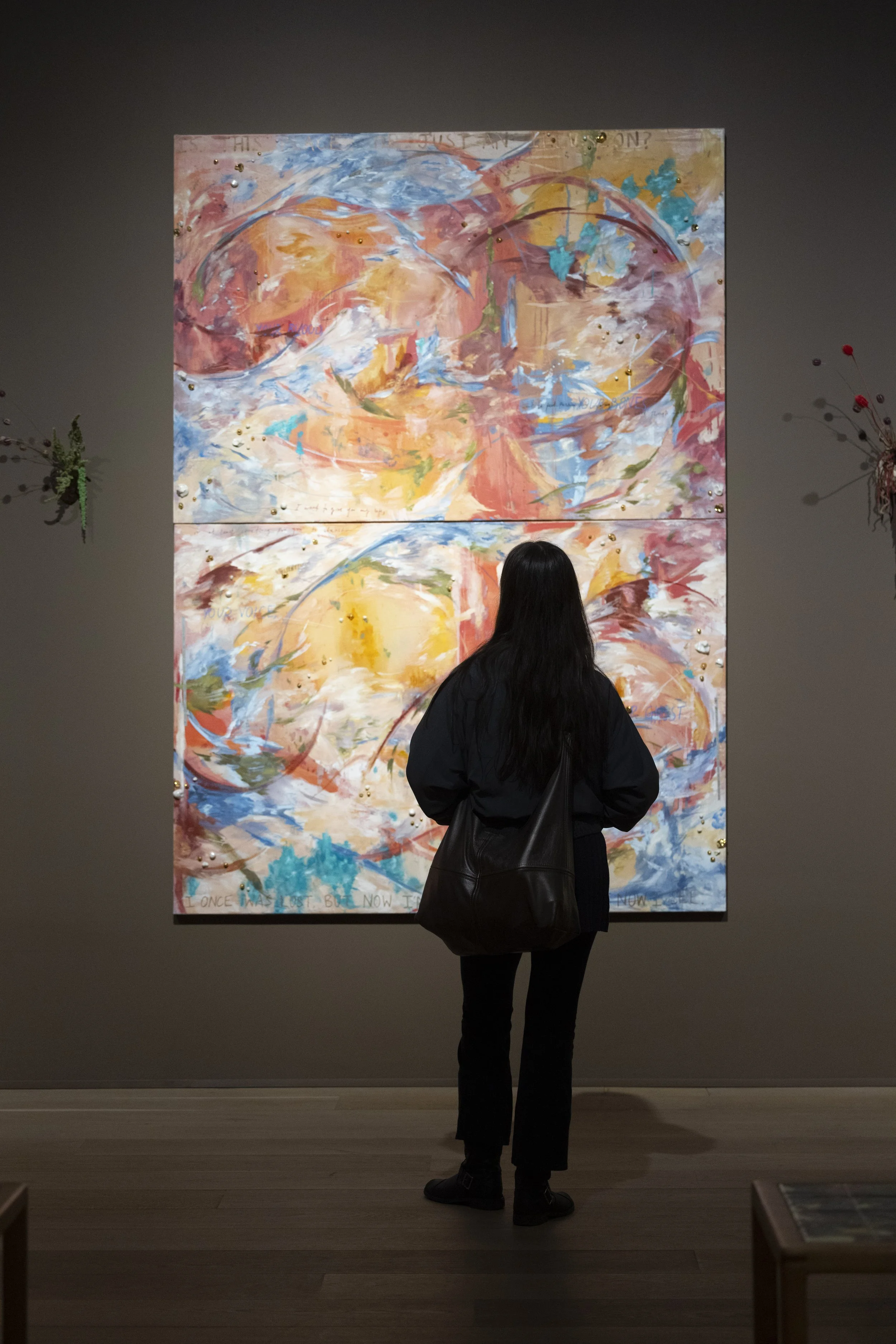
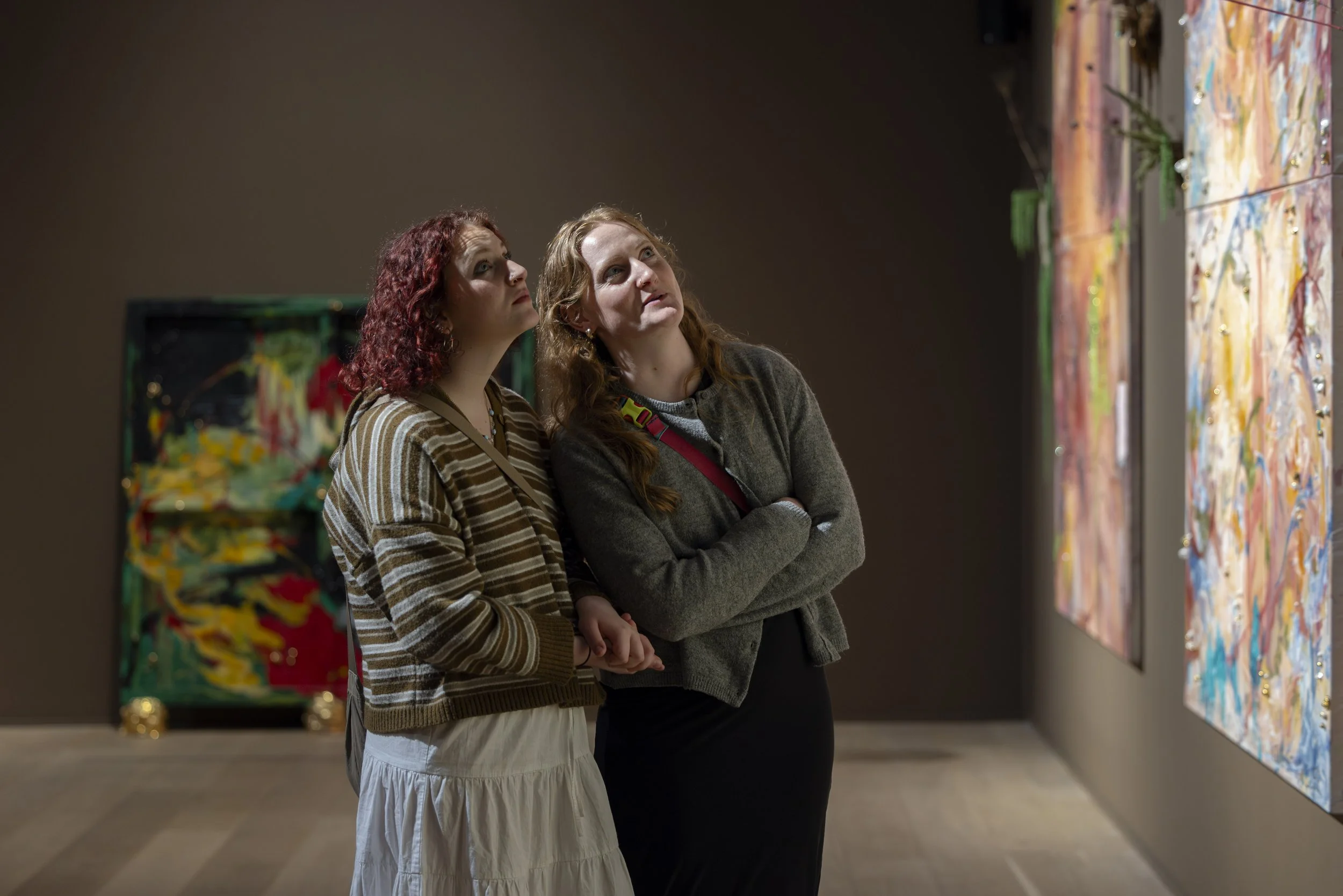
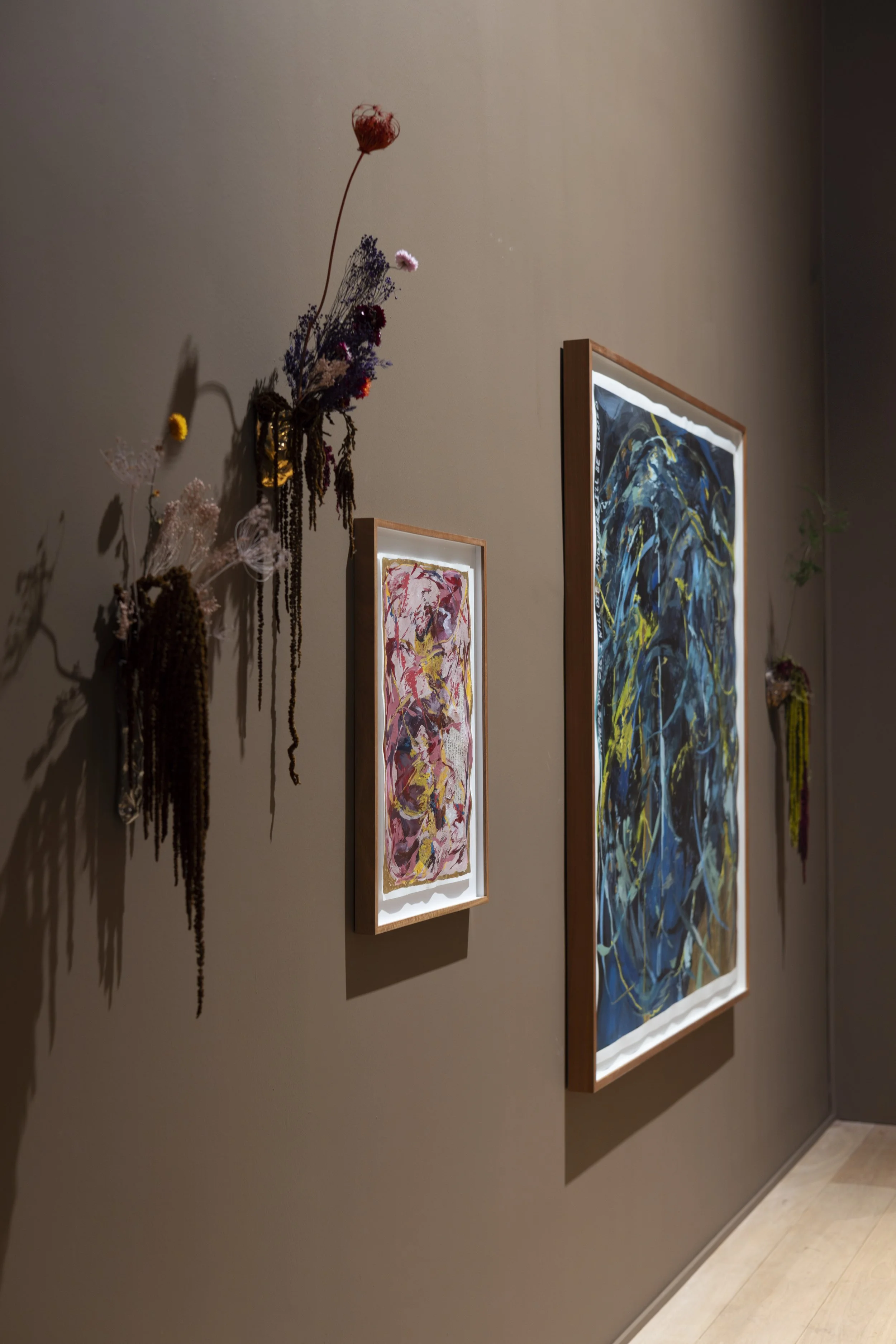
I photographed the opening of Michaela Yearwood-Dan’s exhibition at the Whitworth Art Gallery in Manchester. The exhibition brings together painting, ceramics and sound across several rooms in the gallery, with works placed so the installation shifts as you move through it.
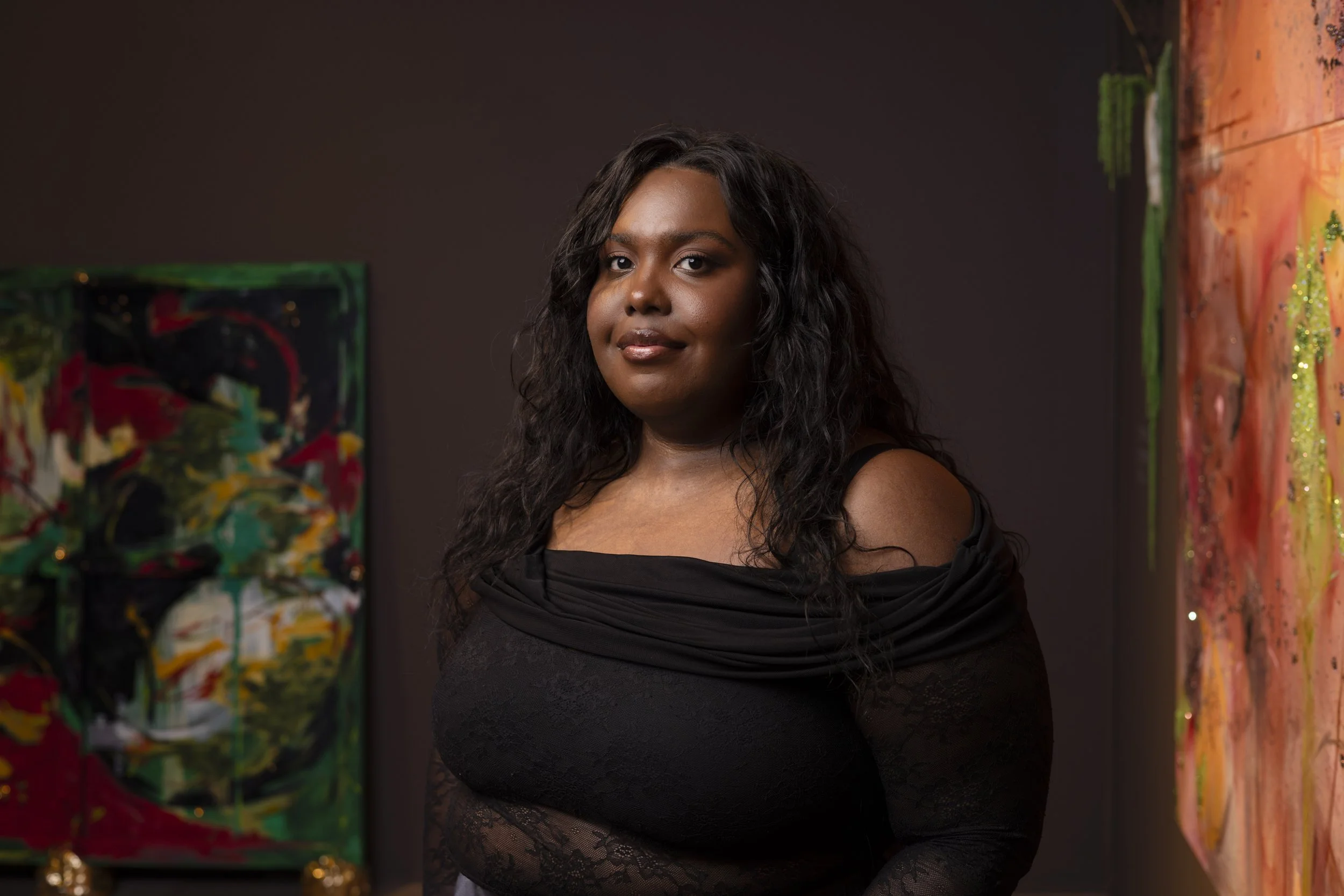
Exhibition opening at the Whitworth, Manchester
I photographed the opening of Michaela Yearwood-Dan’s exhibition at the Whitworth Art Gallery in Manchester. The exhibition brings together painting, ceramics and sound across several rooms in the gallery, with works placed so the installation shifts as you move through it.
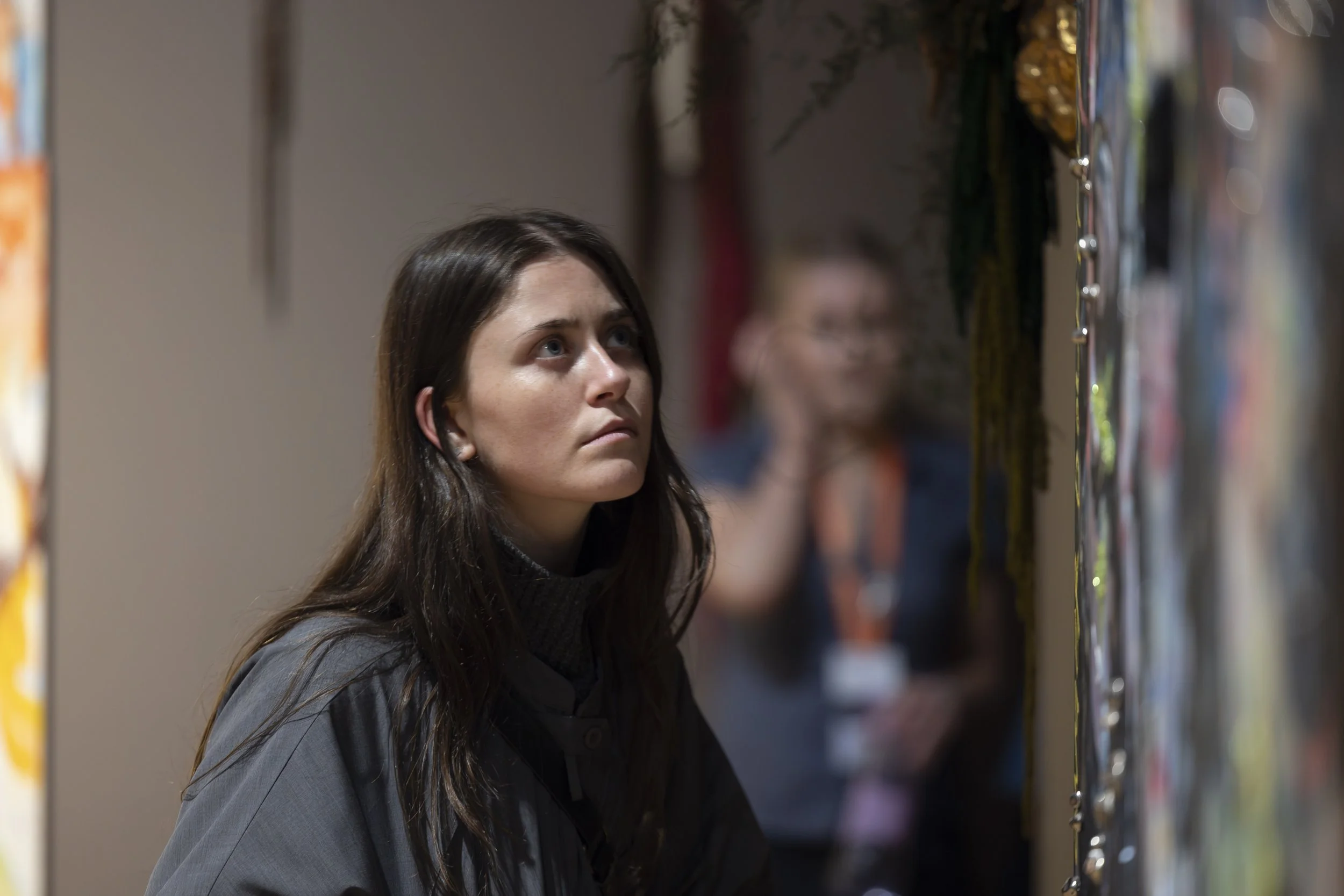
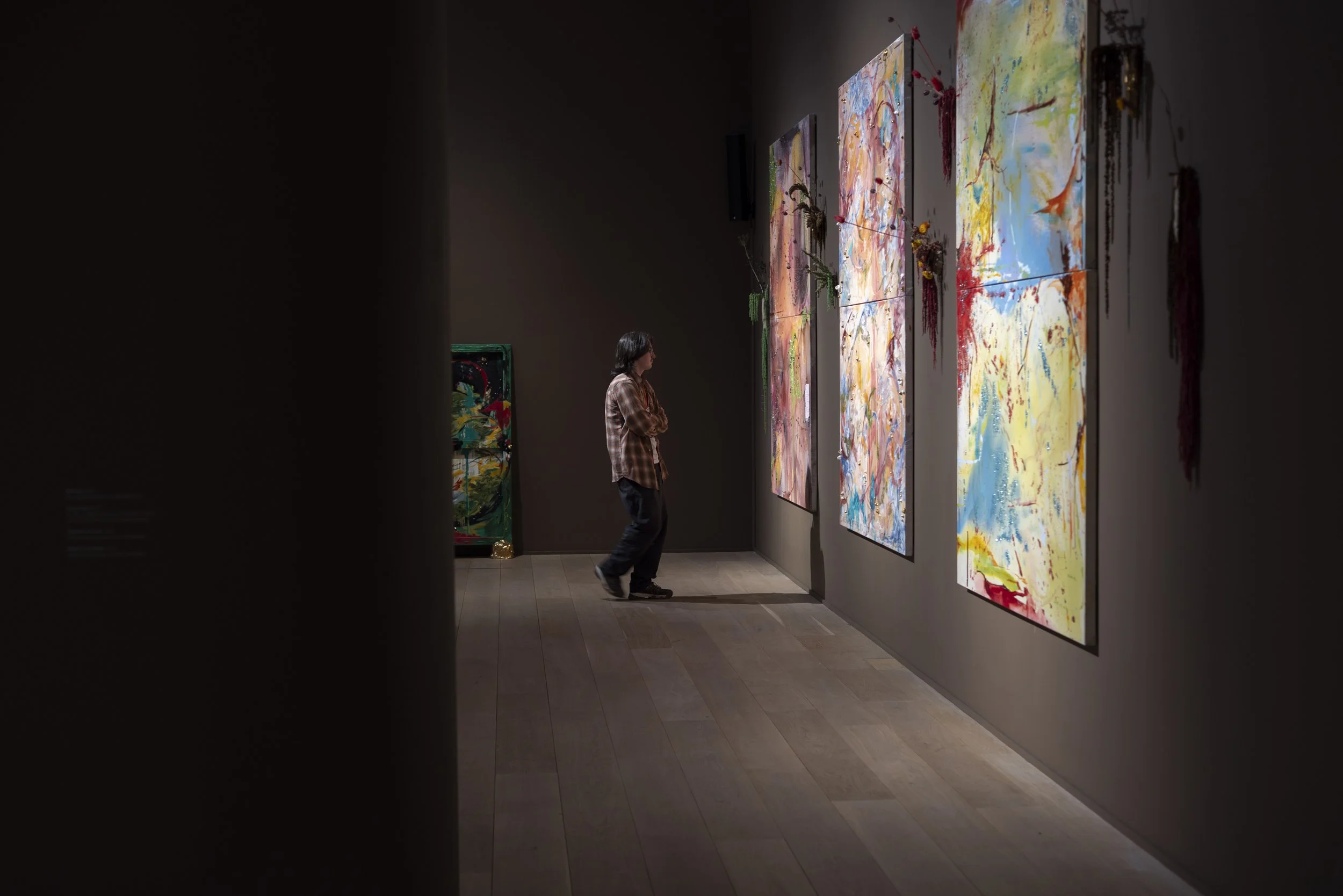
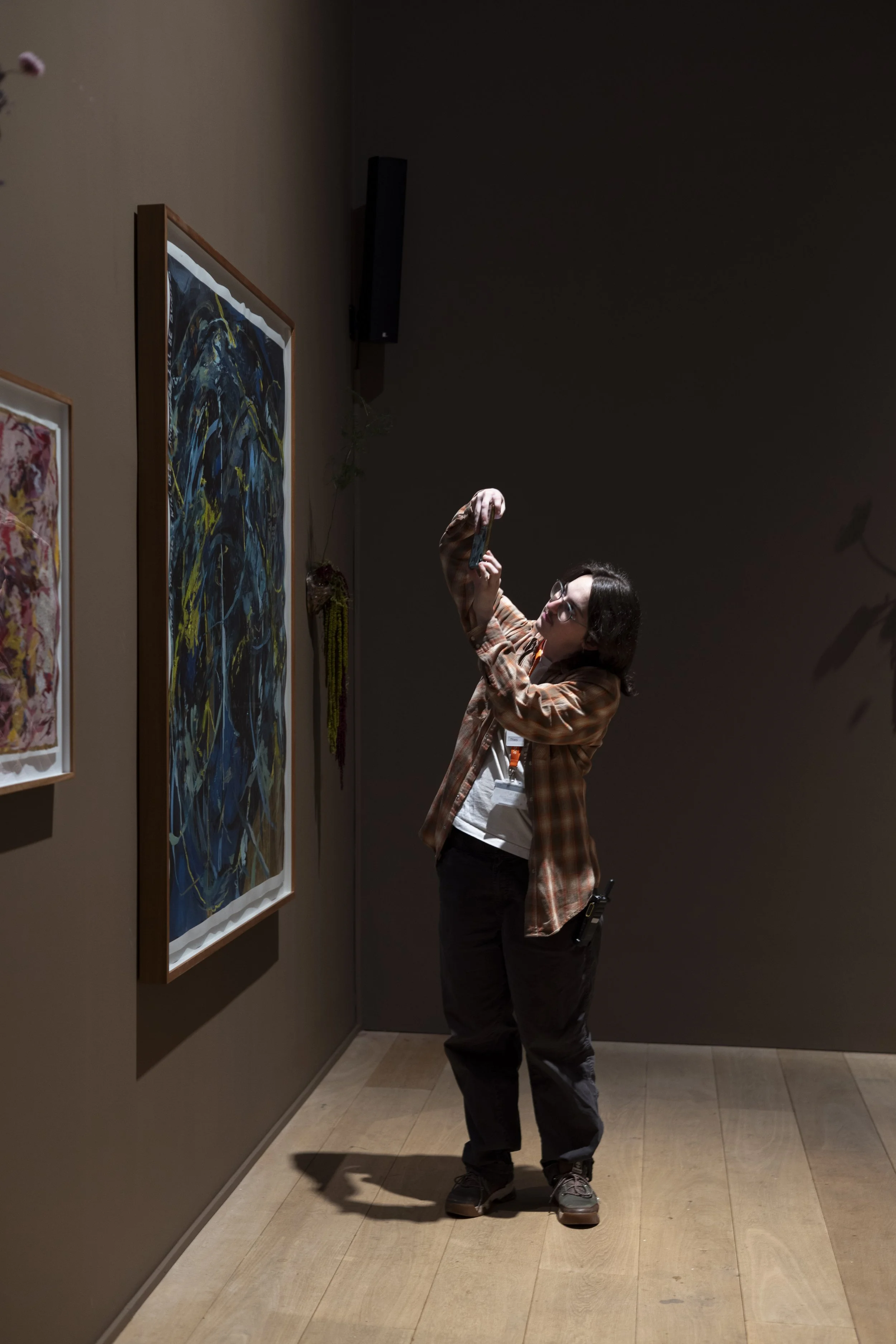
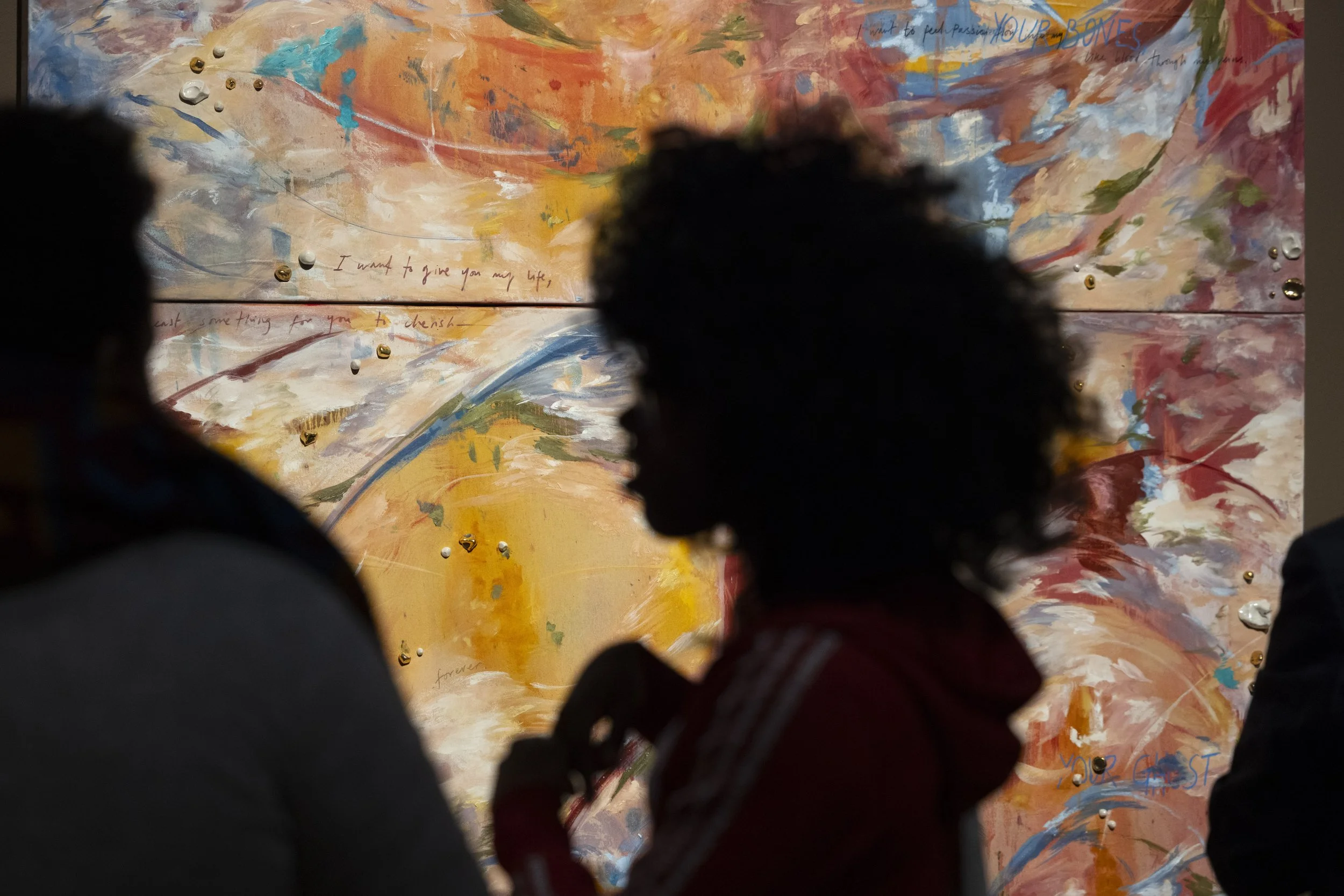
I photographed the opening as it unfolded across the evening. I photographed the artist, Michaela Yearwood-Dan, in formal portraits within the space, as well as in more informal moments with friends and visitors during the opening. Alongside that, I photographed people moving through the exhibition, stopping to look closely at the work, talking, and circulating between rooms.
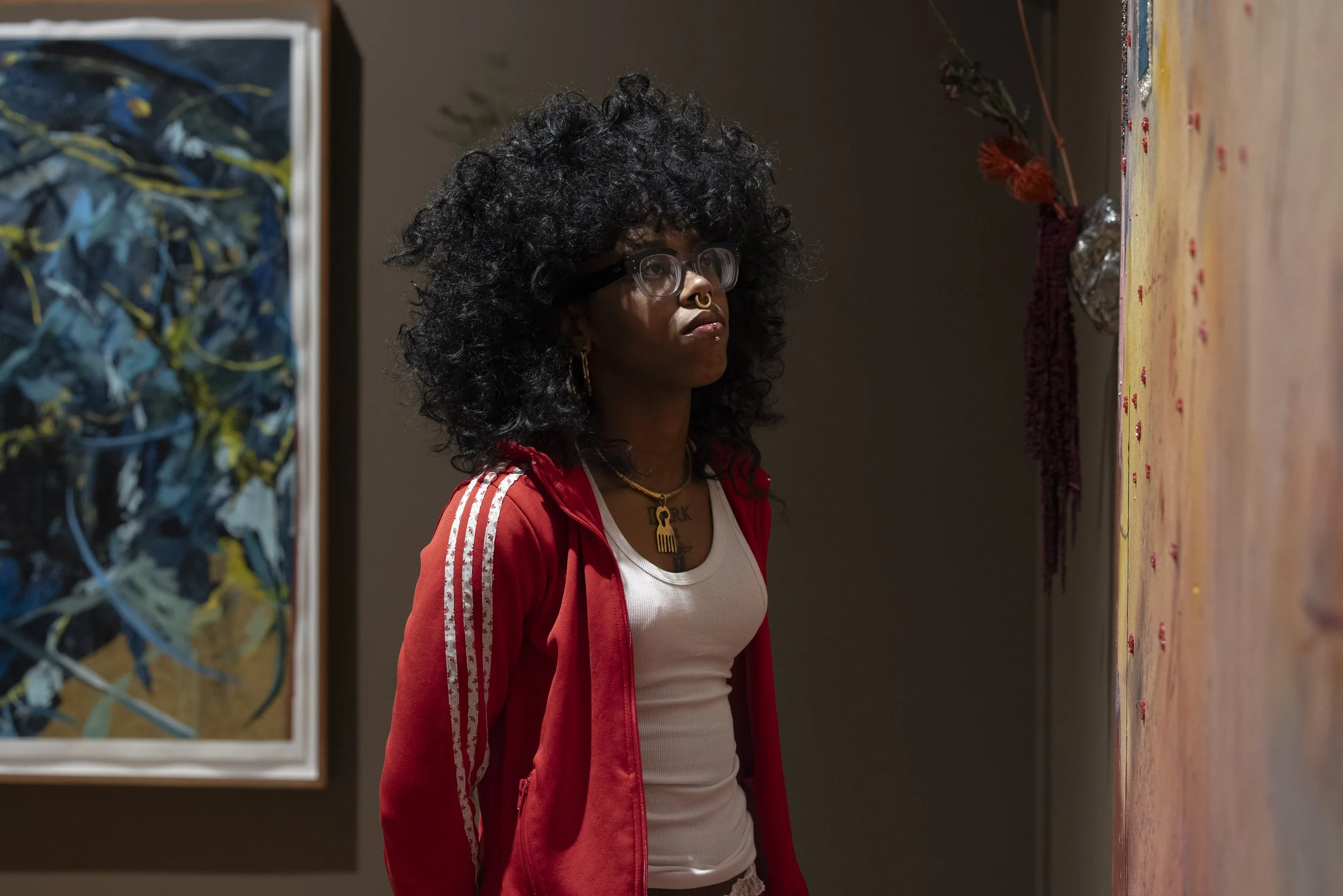
Michaela Yearwood-Dan
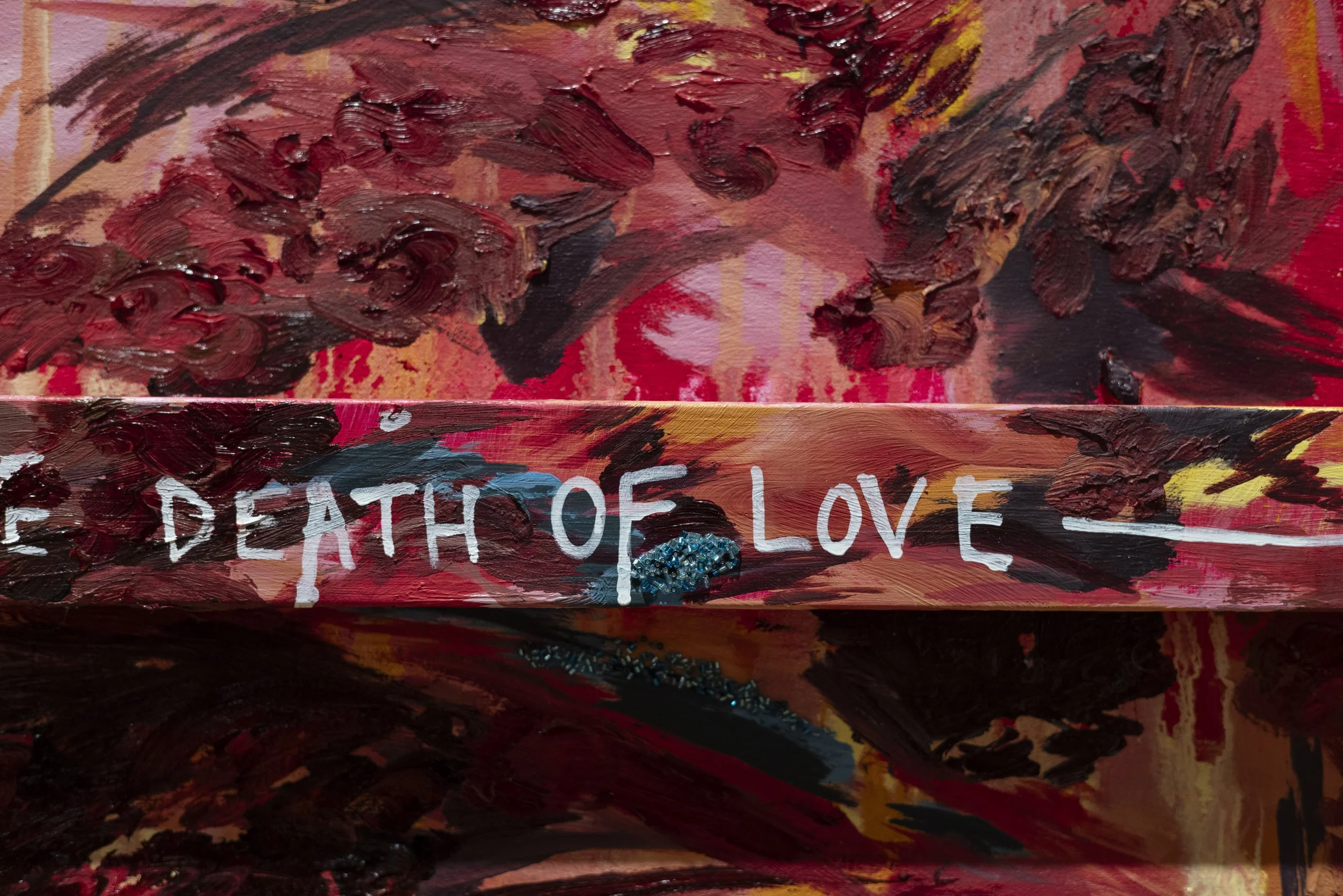
Michaela Yearwood-Dan works across painting, ceramics, installation and sound. Her paintings are built through layered surfaces of colour, gesture and handwritten text that sits directly within the image rather than as separate annotation. The work often holds fragments of writing within dense painterly surfaces, where image and language sit together.
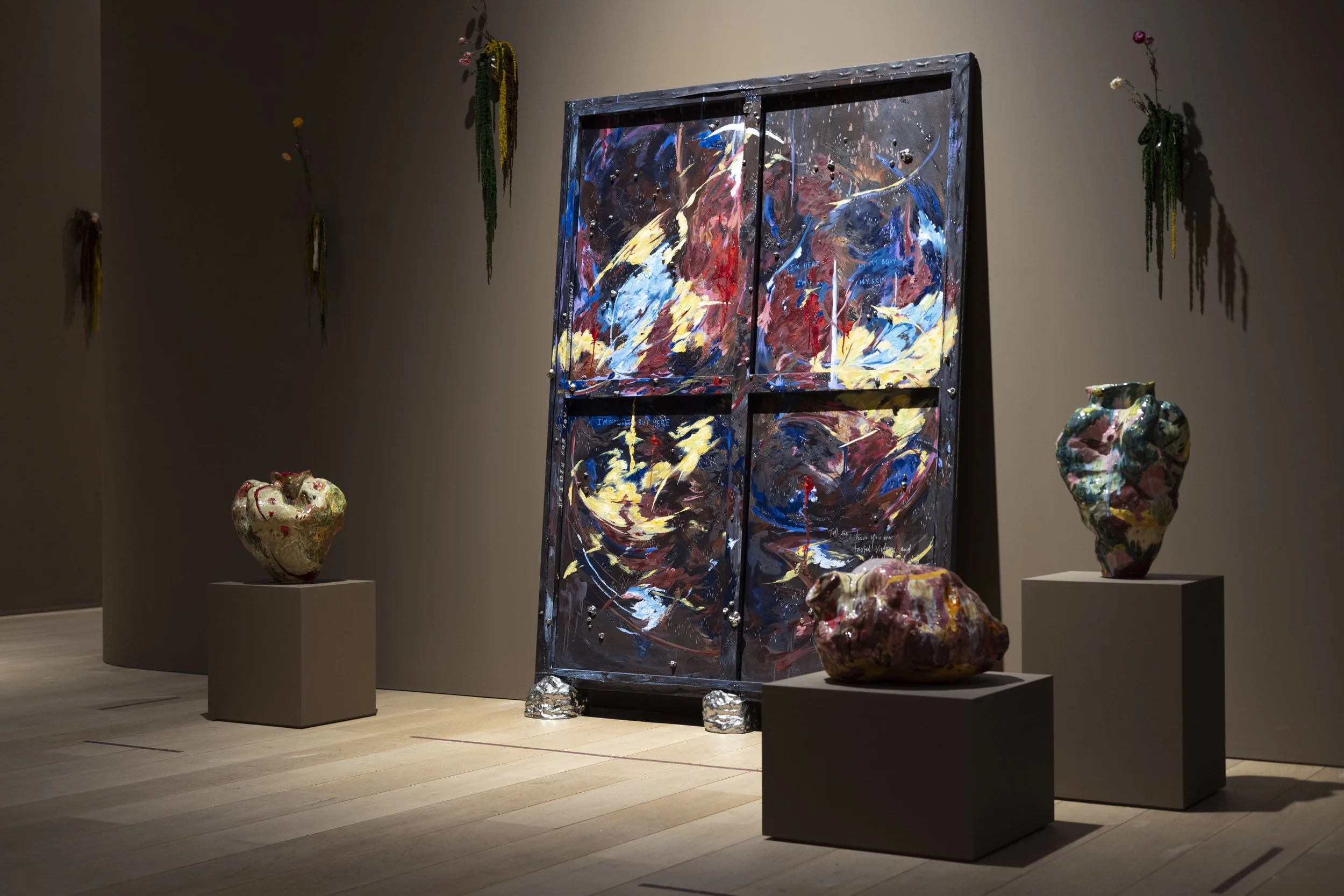
She is represented by Hauser & Wirth and Marianne Boesky Gallery, and her work is shown internationally across institutional and gallery contexts.
Critical writing on the work
Writing on her practice often focuses on how abstraction and language sit alongside personal and cultural reference. In British Vogue, Charlotte Jansen describes her paintings as combining “confession, nostalgia and identity.”
The same article also notes the range of references within her work, from “queer communal spaces and carnival to Caribbean flora and fauna, to spiritual rituals and, very often, music.”
In exhibition texts for The Practice of Liberation at the Whitworth, her use of language is described as “fragments of diaristic writing alongside adapted and borrowed texts and lyrics,” which are integrated directly into the surface of the paintings.
Photographing the opening
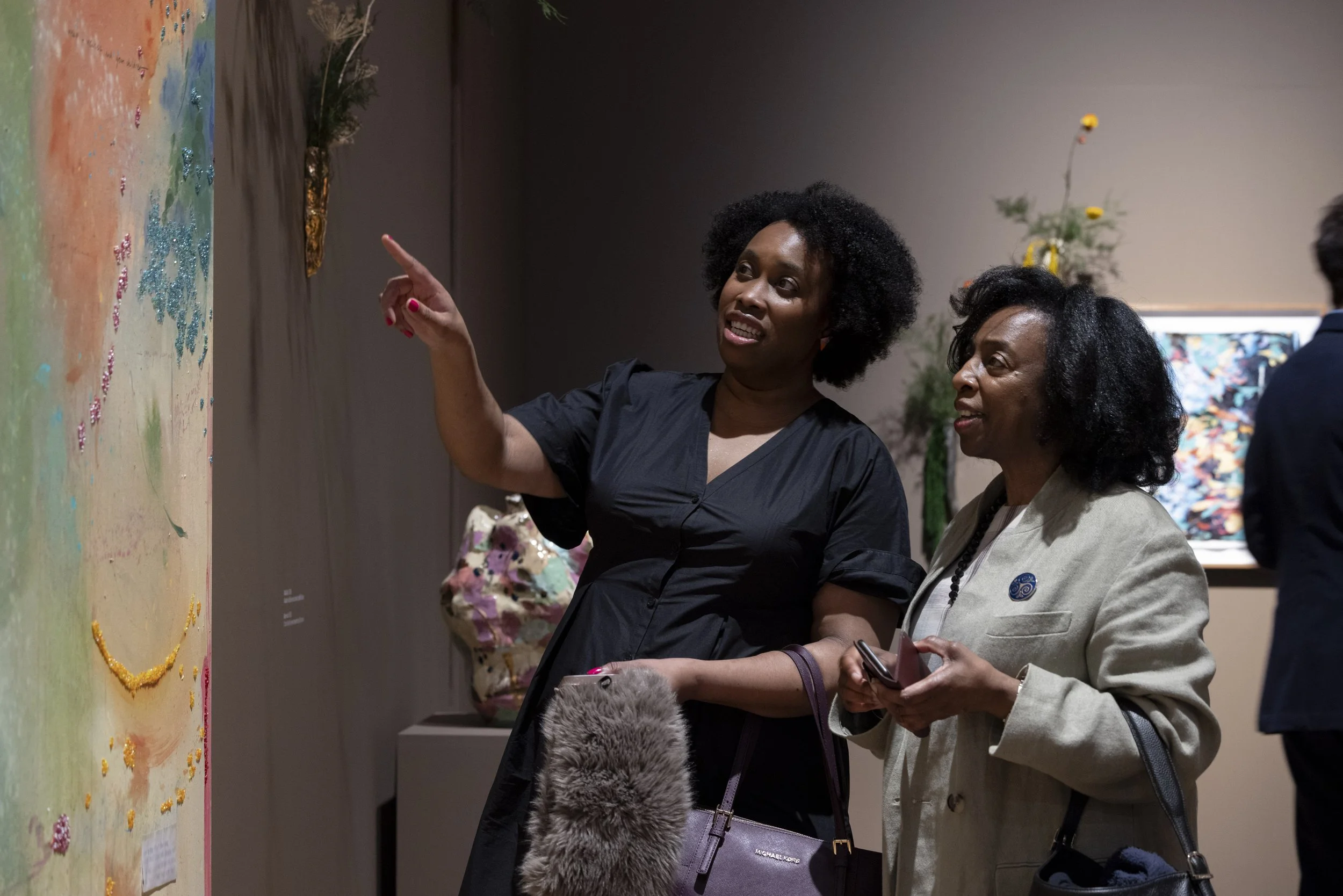
I always enjoy working at the Whitworth. The building has a natural ease for photographing people within it, and the way exhibitions sit within its architecture supports that. There is a steady flow of movement during openings like this, which allows for a mix of portrait work, observation and social documentation without needing to separate those approaches.
It’s a privilege to work in environments where the architecture, the exhibition, and the people all sit together in the same frame. I am currently accepting commissions for exhibition photography, artist portraits and cultural documentation.

Documentary Photography - BP's LiDAR buoy at Liverpool Docks
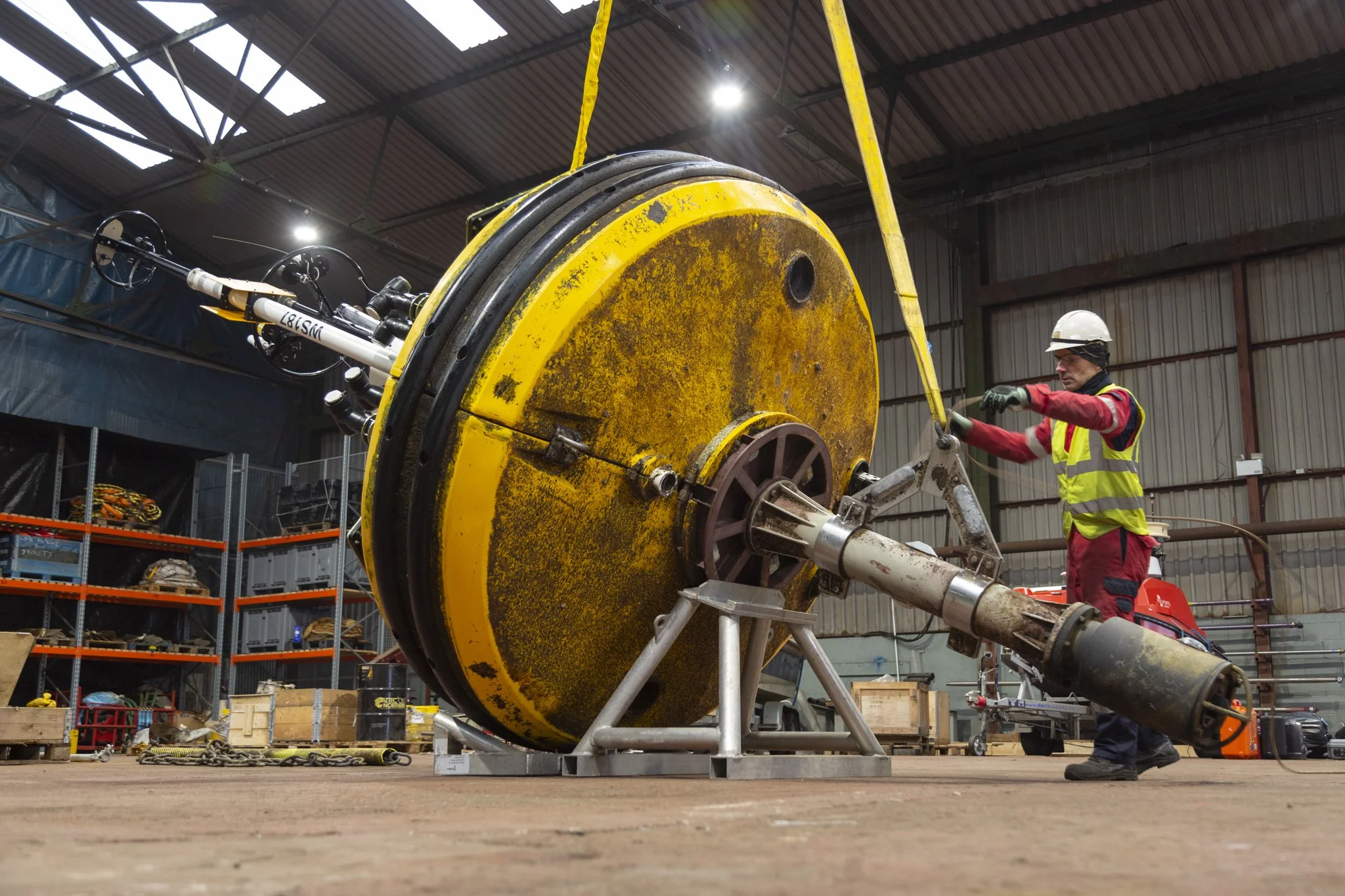
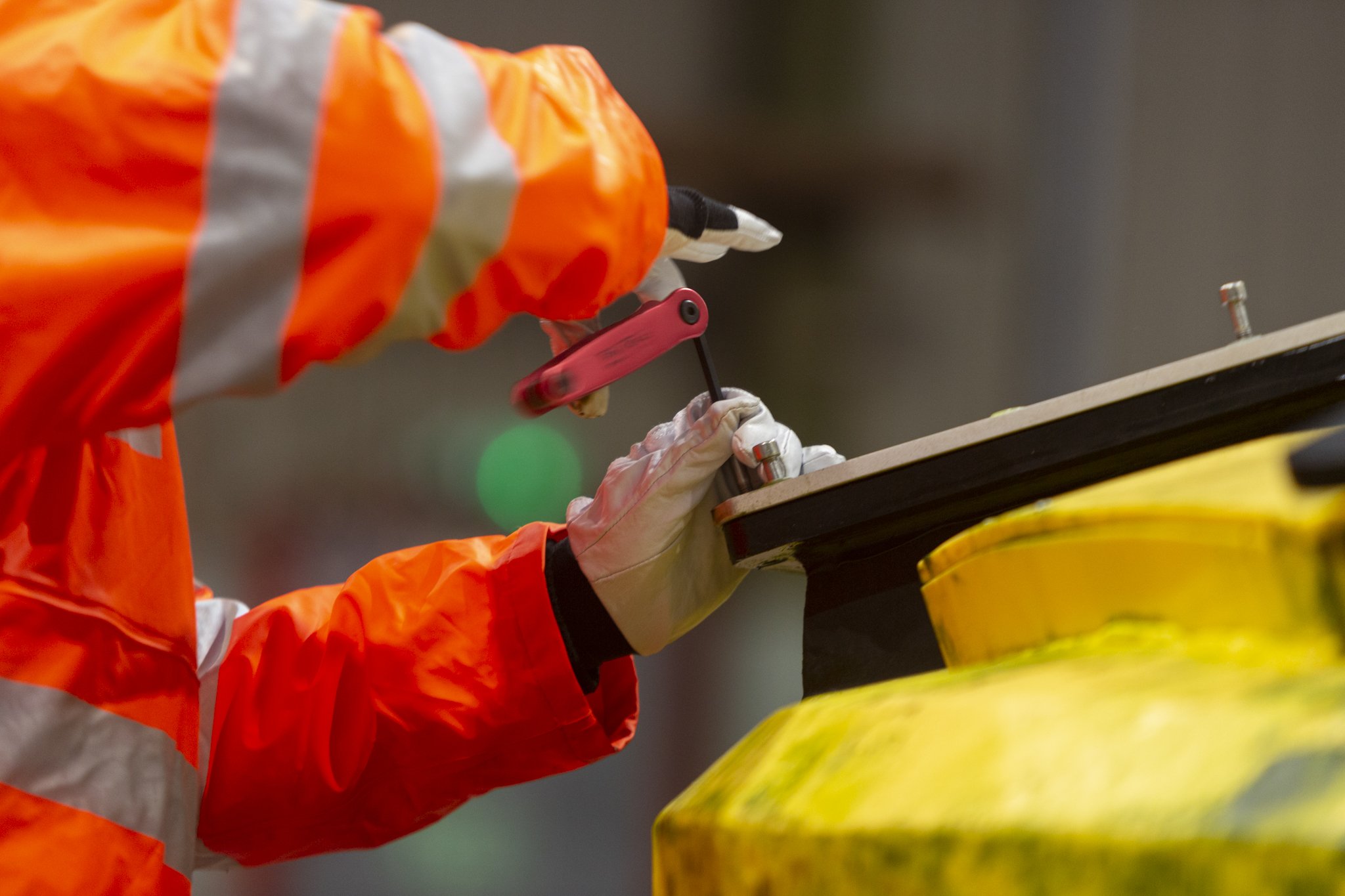
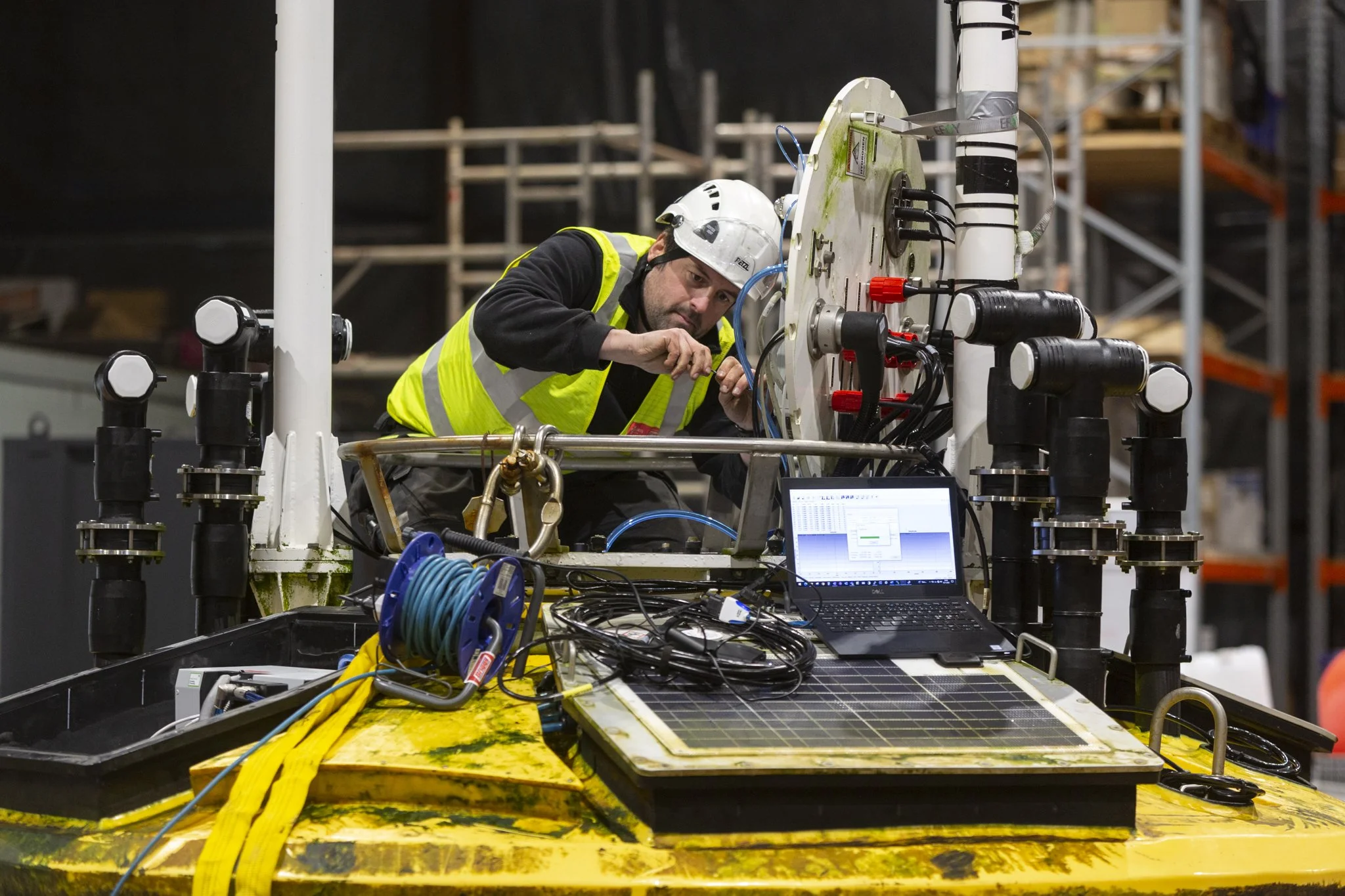
Another commission from BP as they work on the development of the Mona and Morgan Irish Sea wind farms. This time I was taking photographs to document the maintenance of one of their Fugro Seawatch LiDAR buoys which are surveying the field to find optimal wind turbine locations. The Seawatch buoys run on solar panels and fuel cells using methanol fuel. Although autonomous in the field the buoys need to be towed to shore for refueling and servicing.

Another commission from BP as they work on the development of the Mona and Morgan Irish Sea wind farms. This time I was taking photographs to document the maintenance of one of their Fugro Seawatch LiDAR buoys which are surveying the field to find optimal wind turbine locations. The Seawatch buoys run on solar panels and fuel cells using methanol fuel. Although autonomous in the field the buoys need to be towed to shore for refueling and servicing.
As an ex-engineer with a background in Physics, this was a really interesting - if freezing! - few days shooting in Liverpool.
LiDAR, or Light Detection and Ranging, can measure wind speed by using the Doppler effect. The Doppler effect is a phenomenon that occurs when the frequency of a wave changes as the source of the wave moves relative to the observer. This effect is commonly experienced in everyday life, for example, the change in pitch of a siren as an ambulance approaches and then passes by.
In the context of LiDAR, a laser beam is directed towards the atmosphere, and the reflected light is detected by a sensor. As the laser beam passes through the atmosphere, it interacts with particles in the air, such as dust or water droplets. These particles scatter the laser beam in different directions, and some of the scattered light returns to the sensor.

By analyzing the scattered light, LiDAR can detect the movement of air particles and calculate wind speed. The movement of the particles changes the frequency of the scattered light, and this change in frequency is detected by the sensor. The amount of frequency shift is proportional to the wind speed, allowing LiDAR to calculate the wind speed with high accuracy.

LiDAR can also provide information about the direction and turbulence of the wind, helping to identify potential challenges for wind turbine installations. This information is particularly useful in the development of wind farms, where accurate wind measurements are essential for identifying the most suitable locations for wind turbines.





Event Photography - Adidas and Versus at Manchester United
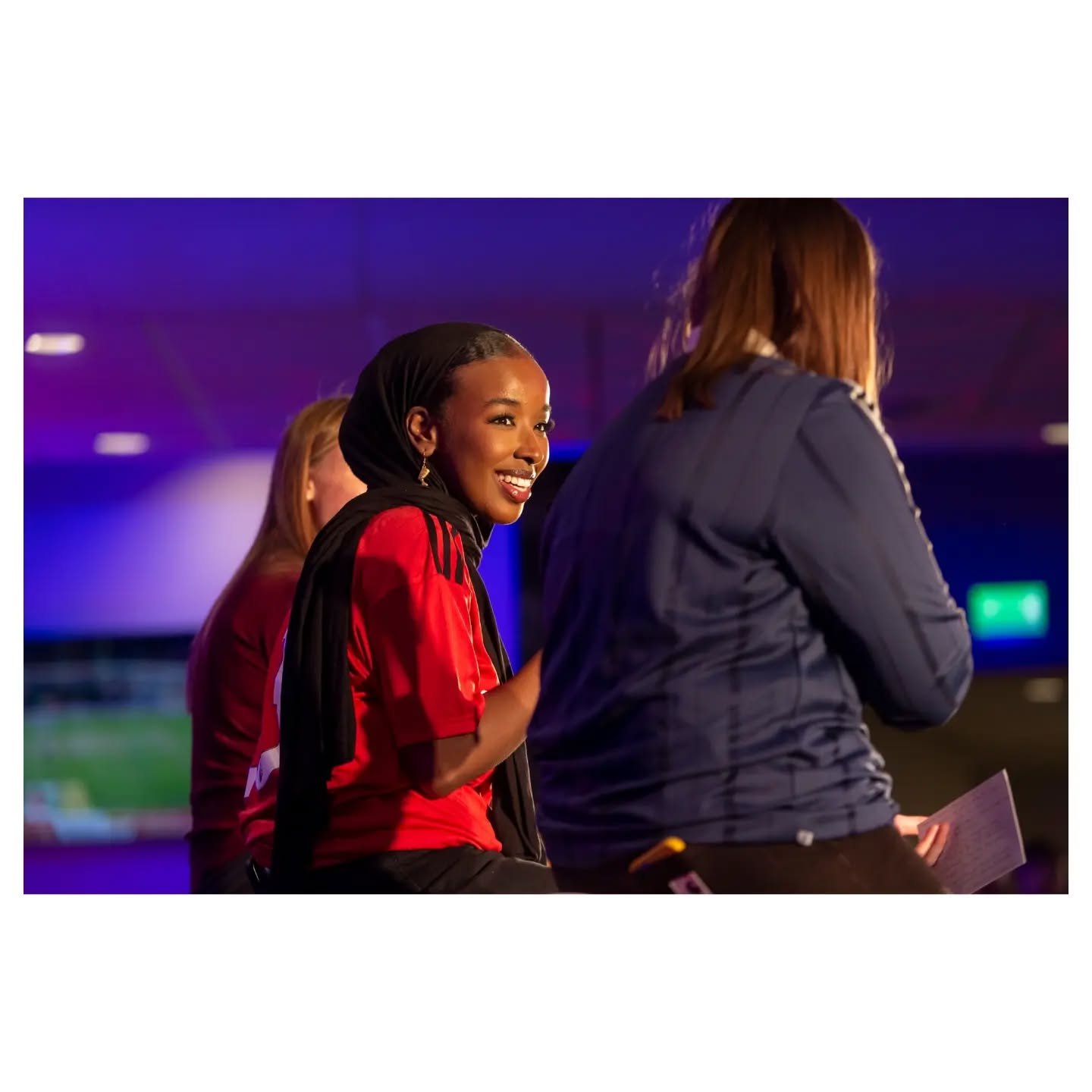
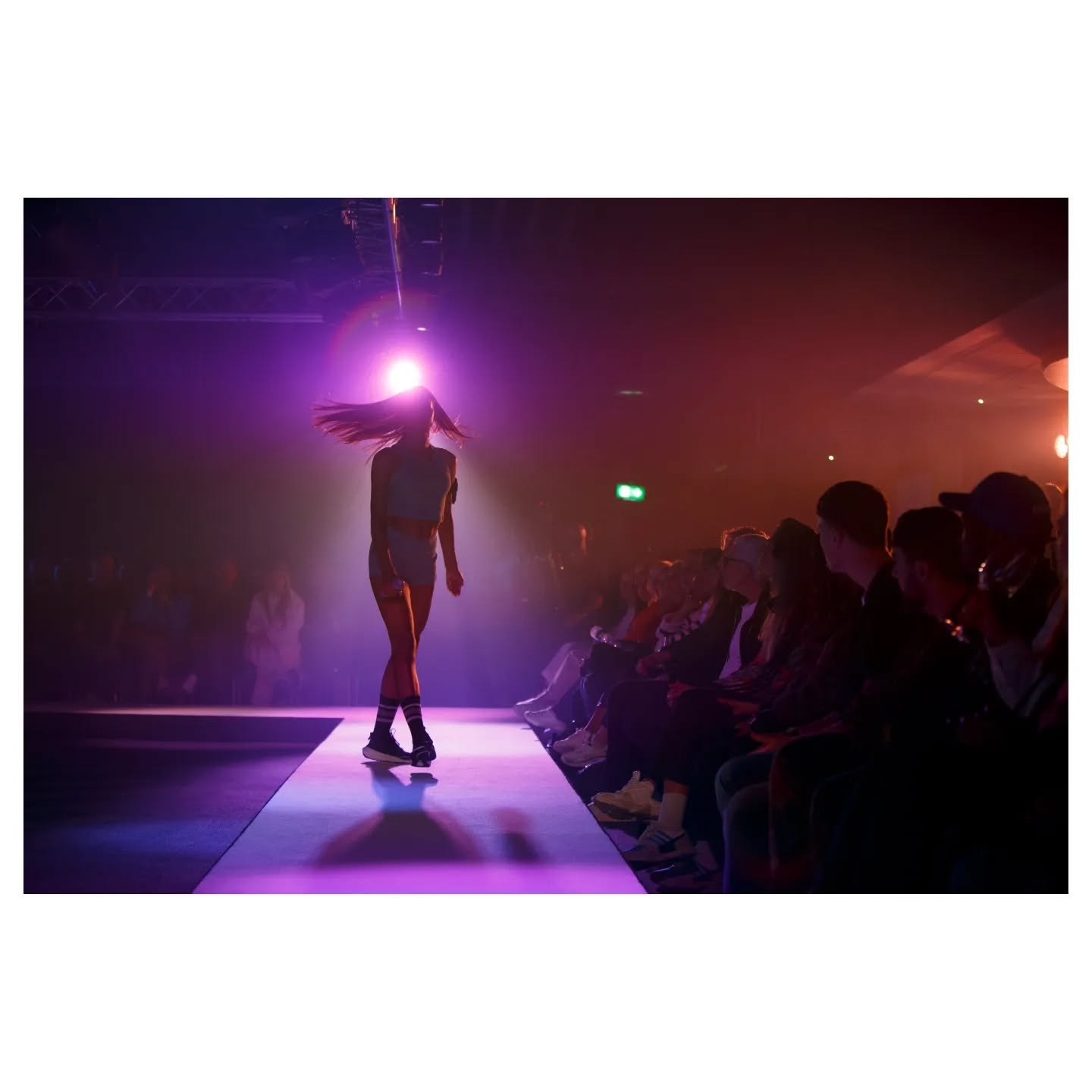
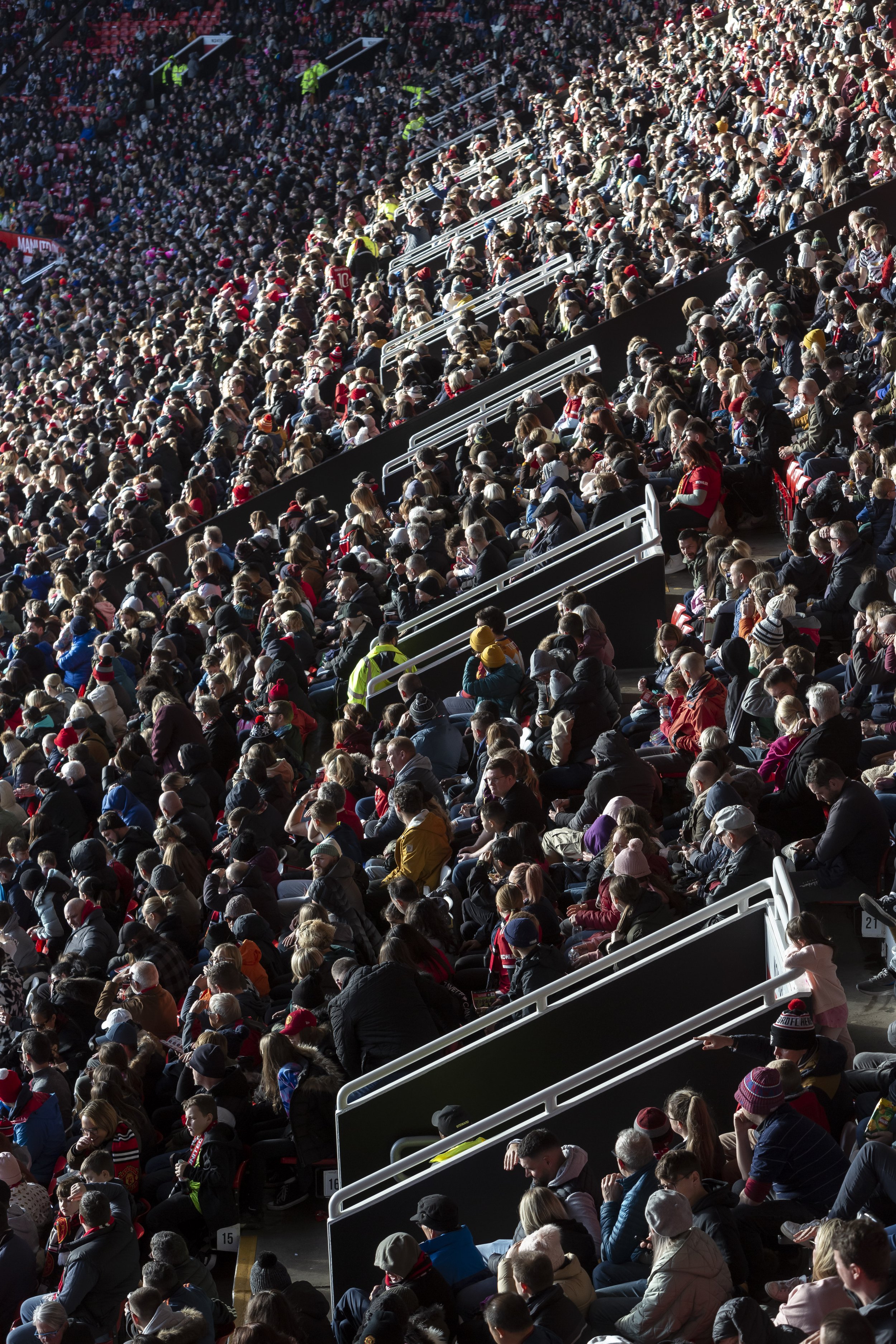
VERSUS is the platform championing the future of football and its rising influence on new music and culture. Adidas is well, Adidas. On commission for the wonderful TO Events, I photographed the launch of a collaboration between the two brands on the occasion of a games between Manchester United and Aston Villa’s women’s teams.
VERSUS is the platform championing the future of football and its rising influence on new music and culture. Adidas is well, Adidas. On commission for the wonderful TO Events, I photographed the launch of a collaboration between the two brands on the occasion of a games between Manchester United and Aston Villa’s women’s teams.




Photography of BP's public consultation at Bodelwyddan
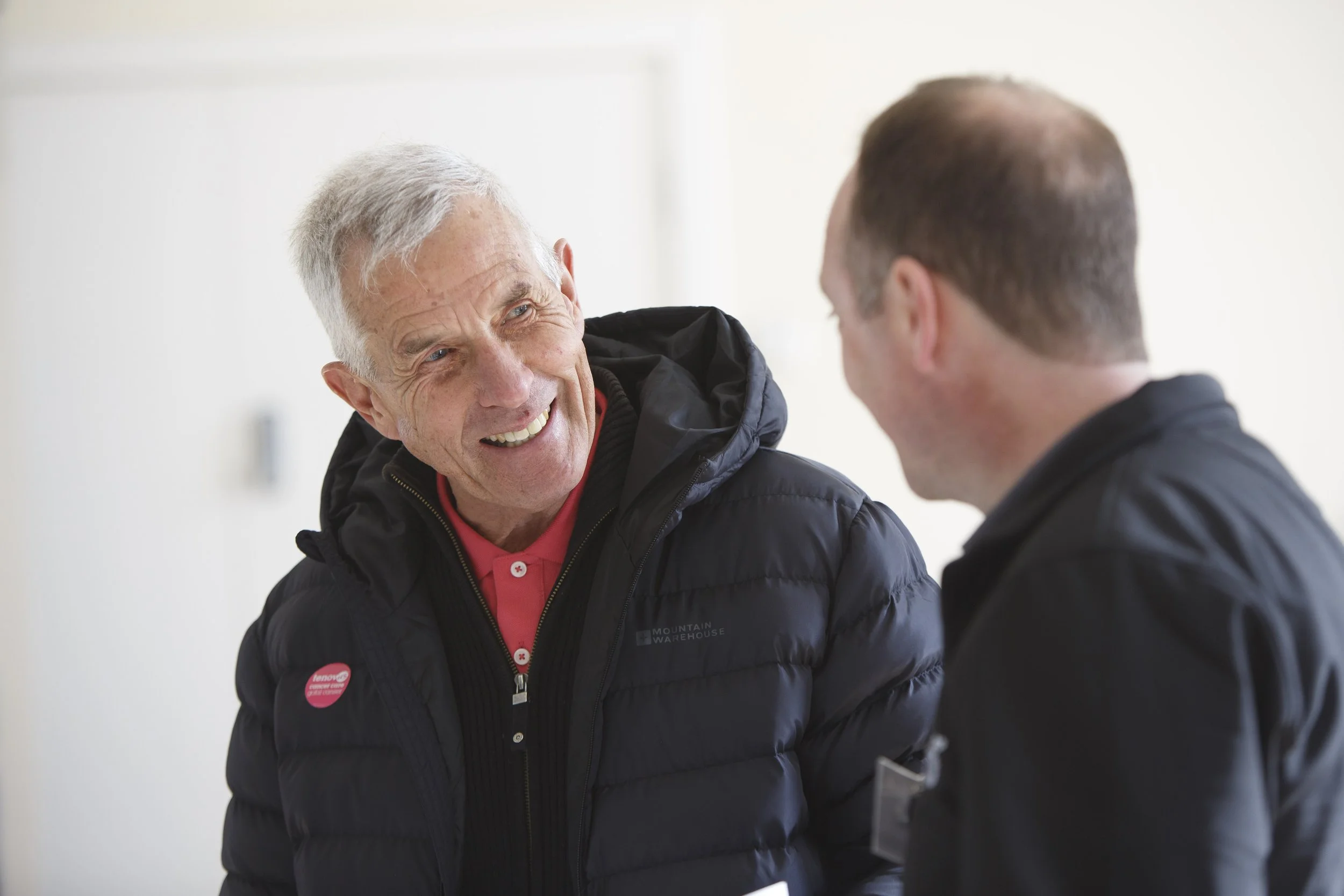
I worked with BP to photograph a consultation event at Bodelwyddan Village Hall that helped explain to residents of the area the changes that would be brought about by the development of two new wind farms off the North Wales coast. The Mona and Morgan windfarms will be two of the largest offshore windfarms in the Irish Sea.
I worked with BP to photograph a consultation event at Bodelwyddan Village Hall that helped explain to residents of the area the changes that would be brought about by the development of two new wind farms off the North Wales coast. The Mona and Morgan windfarms will be two of the largest offshore windfarms in the Irish Sea.

The wind farms will be located approximately 20km - 30km from the coast and be operational by 2029. Together, they will form one of the largest wind farms in the world, with a combined potential generating capacity of 3 gigawatts (GW). This is enough to power the equivalent of approximately 3.4 million UK households with clean electricity.

The development of the Mona and Morgan windfarms represents a significant achievement in the UK's transition towards renewable energy, and highlights the potential of offshore wind to play a key role in meeting the country's energy needs in a sustainable way.



Photographing for Art Fund at the Bronte Museum
Art Fund is a UK-based charity that aims to help museums and galleries to acquire and display works of art. The charity was established in 1903 and has since supported hundreds of museums and galleries across the country, helping to enhance their collections and make art more accessible to the public.
Art Fund is a UK-based charity that aims to help museums and galleries to acquire and display works of art. The charity was established in 1903 and has since supported hundreds of museums and galleries across the country, helping to enhance their collections and make art more accessible to the public.
One of the most notable initiatives of Art Fund is the National Art Pass, which provides free entry or discounted admission to over 240 museums and galleries across the UK, as well as other benefits such as exclusive events and discounts at art-related shops and restaurants.
Meet Me at the Museum is a podcast series published by Art Fund where famous faces take their best mate, their mum, their neighbour (whoever they want) for an afternoon at a favourite museum or gallery. As well as getting a peek behind the scenes, seeing what makes a museum tick, it's also the starting point for some great conversations about life, the universe and everything. As well as a chance to eat lots of cake in the cafe.

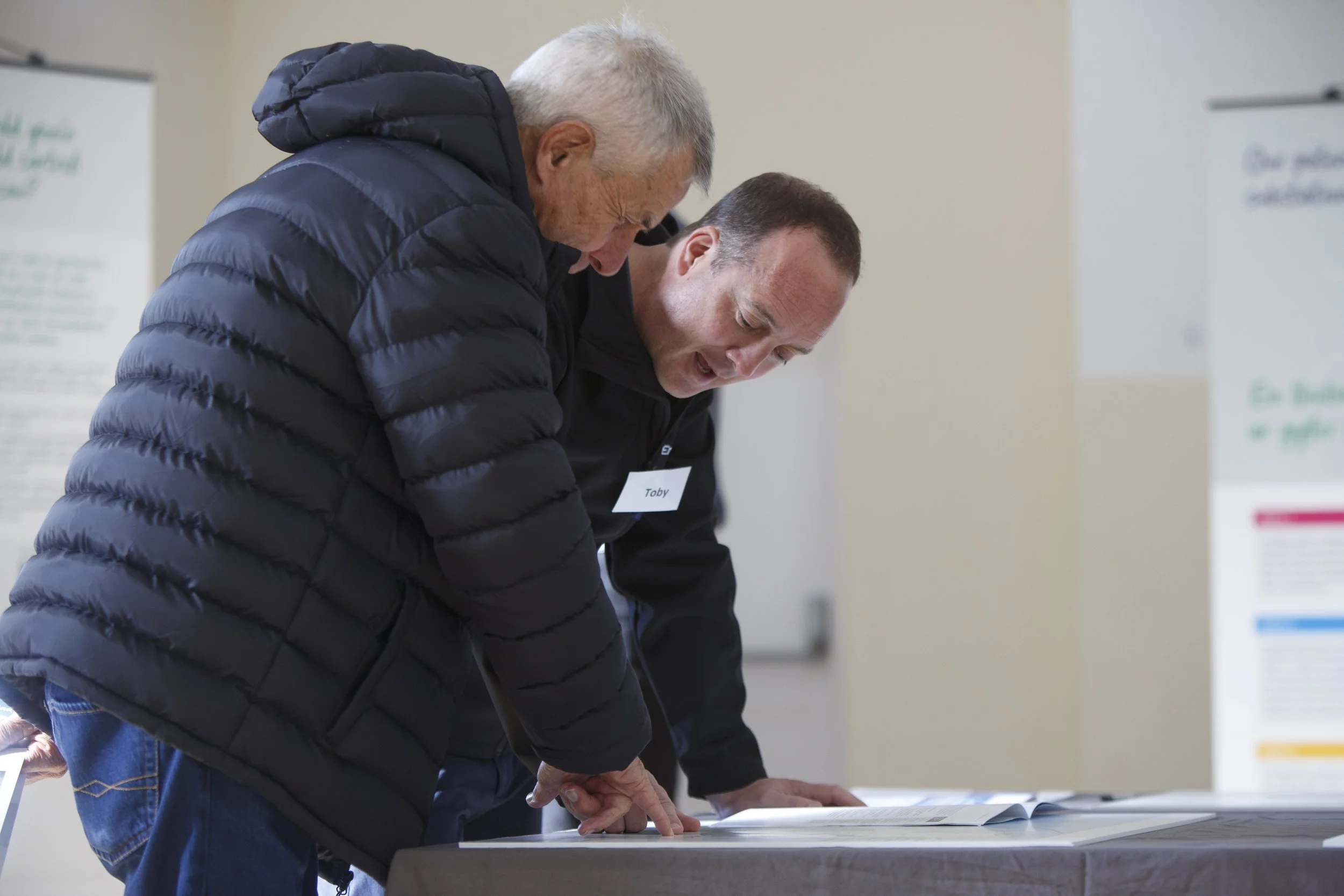
During the production of this episode, I photographed writer Amy Liptrot, author of The Outrun and The Instant, as she took her friend, poet Zaffar Kunial, to the Brontë Parsonage Museum in Haworth, West Yorkshire. Together they explore the former home of the Brontë sisters – Charlotte, Emily and Anne – and see where some of their most famous novels were written. From the dining table where the sisters shared their work, to early reviews of Wuthering Heights, intimate objects and artefacts prompt conversations about Amy and Zaffar’s own inspirations as writers. And, after exploring the house and museum, they head out into the landscape and discover a poem in the wild.


The Bronte Museum, located in the picturesque village of Haworth in West Yorkshire, England, is a must-visit destination for literature lovers and fans of the Bronte sisters. The museum is dedicated to the lives and works of the Bronte family, particularly the three sisters - Charlotte, Emily, and Anne - who wrote some of the most celebrated novels of the 19th century, including "Jane Eyre", "Wuthering Heights", and "The Tenant of Wildfell Hall".

The museum is housed in the former home of the Bronte family, which has been carefully preserved to provide visitors with an authentic glimpse into the lives of the famous siblings. The museum contains an extensive collection of Bronte memorabilia, including original manuscripts, letters, personal belongings, and artworks. Visitors can explore the various rooms of the museum, including the dining room, drawing room, and bedrooms, which have been furnished to recreate the atmosphere of the Bronte family home.



Phoenix Healthcare distribution for Fagan Jones
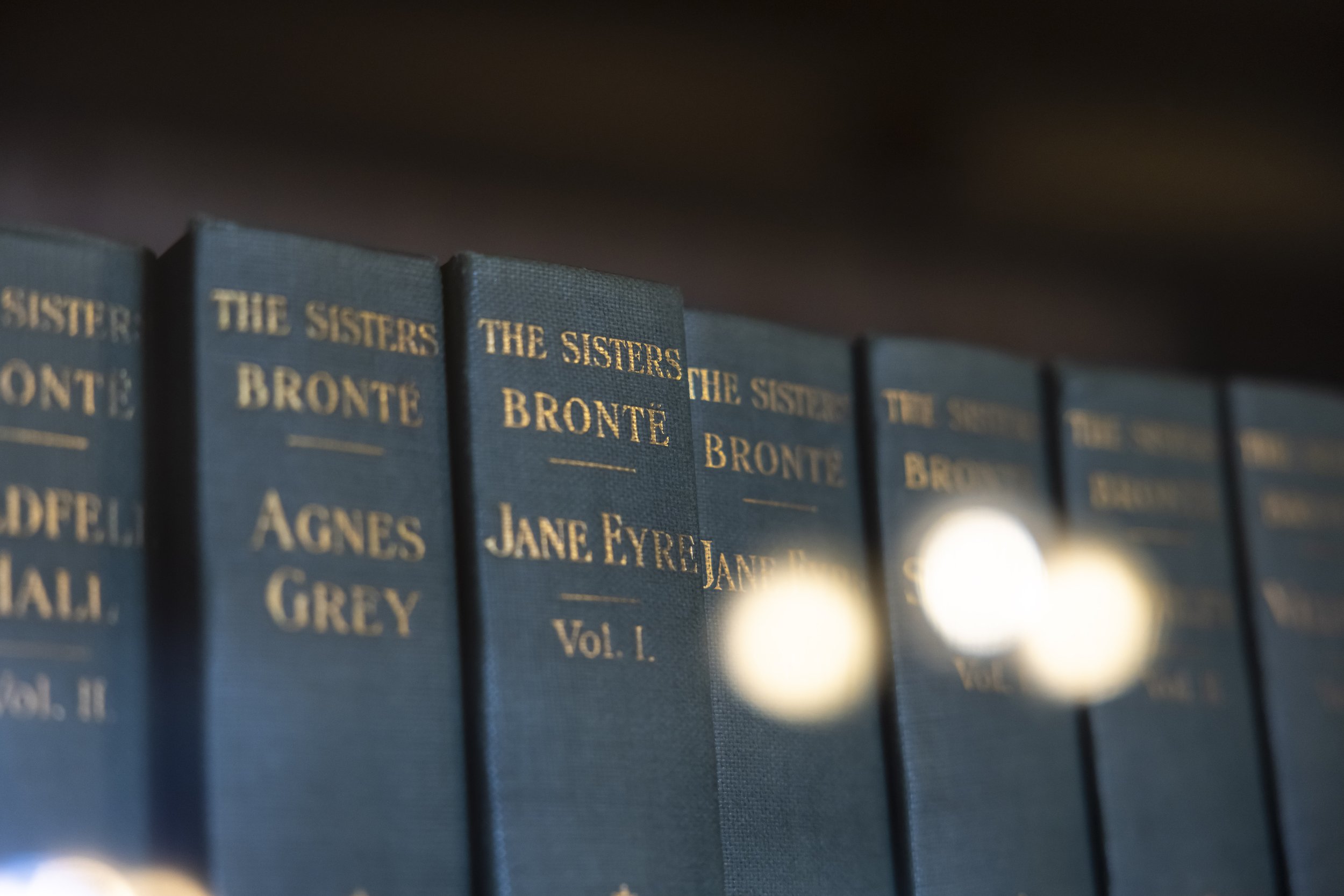
A shoot documenting the high technology pharmaceutical facility in Preston Brook commissioned by the wonderful Vicky at film production company Fagan Jones. I was once again shooting stills alongside the exceptionally talented film cameraman Dan Lightening.
Miles and miles of robotised, computerised conveyors pick, sort and pack drugs for distribution to pharmacies around the country.
An enjoyable and very busy day that reminded me that running shoes are required equipment for photography professionals.

Pharmaceutical Facility Photography in Preston Brook | Automated Drug Distribution and Logistics
I was commissioned to photograph a high-technology pharmaceutical distribution facility in Preston Brook on behalf of the film production company Fagan Jones. The shoot was organised by producer Vicky at Fagan Jones, and I was working alongside the exceptionally talented cinematographer Dan Lightening, who was filming moving footage for the same project.

My role on the day was to create a set of still photographs documenting the scale, infrastructure and day-to-day operations of the site. These images would complement the film production while also providing a visual record of the facility for marketing, communications and corporate use.

Inside a High-Technology Pharmaceutical Logistics Facility
The distribution centre in Preston Brook is an impressive example of the level of automation now present in modern pharmaceutical logistics. Within the facility, miles of robotised and computer-controlled conveyor systems move medicines through a carefully designed network of routes. These automated systems pick, sort and pack drugs before they are dispatched to pharmacies across the UK.

From a photographic perspective the site offered a remarkable environment to document. Long corridors of conveyors run through the building, with automated picking machines selecting products at speed before they are routed through packing stations. Containers glide through the system in a constant flow, guided by computerised logistics software that ensures the correct medication reaches the correct destination.
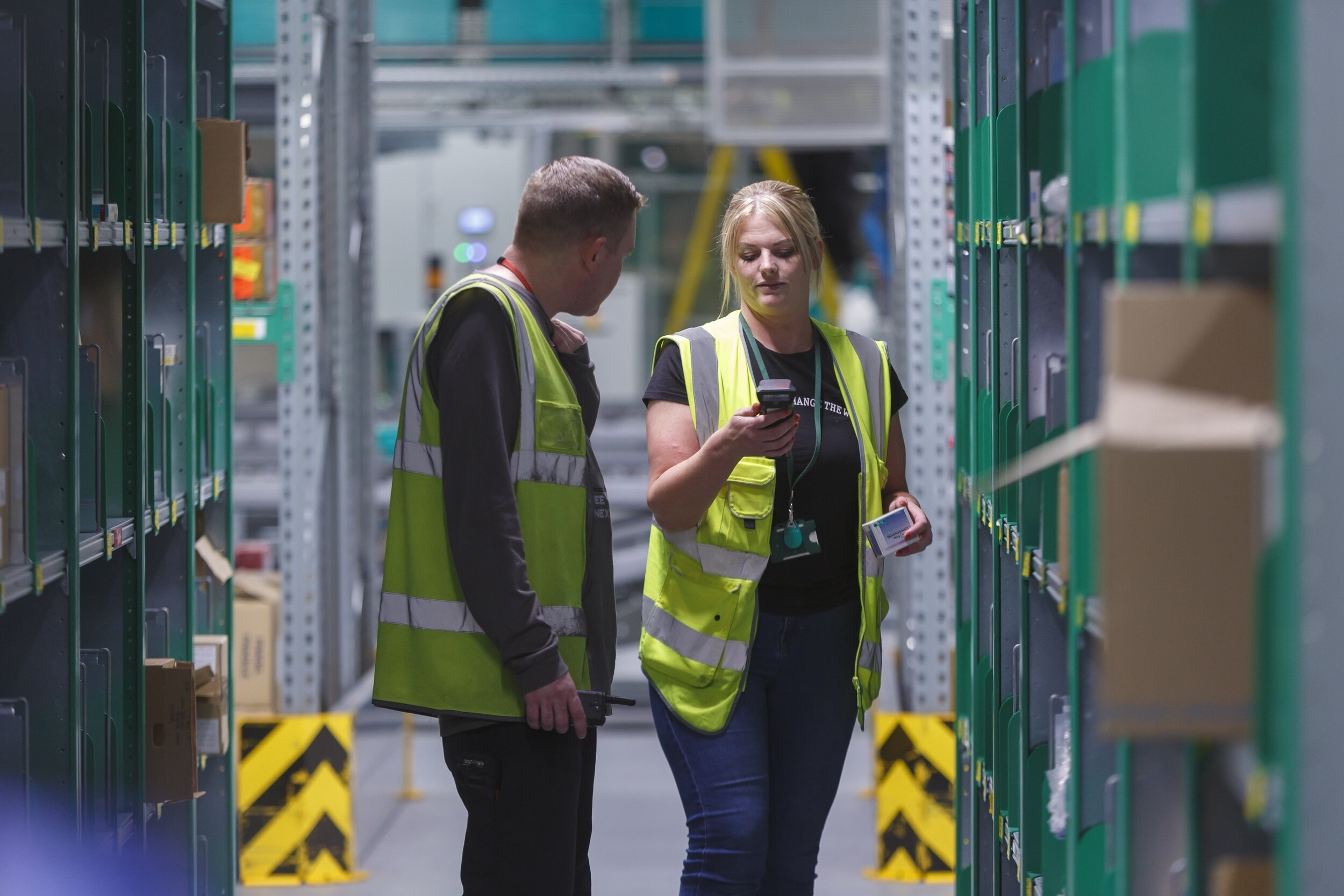
Facilities like this are essential parts of the national healthcare supply chain. The efficiency and reliability of the logistics systems ensure that pharmacies and healthcare providers receive the medicines they need quickly and accurately. Photographing such environments provides a glimpse into the highly organised infrastructure that underpins pharmaceutical distribution.

Photographing Automation, Robotics and Industrial Systems
Industrial photography in environments like this requires a combination of wide architectural views and detailed documentary images. Wide photographs show the scale of the operation, with long lines of conveyors stretching across large warehouse spaces. These images help communicate the sheer size of the facility and the complexity of the logistics network.

At the same time, close-up photographs reveal the precision of the machinery involved. Sensors, scanners and robotic arms guide containers along the system, while packing stations assemble shipments ready for distribution. Capturing these smaller details helps explain the process visually, showing how individual components of the system work together to form a seamless operation.

Lighting conditions in large industrial buildings can also present interesting challenges. High ceilings, mixed light sources and moving machinery require careful attention to exposure and timing in order to produce clear and dynamic images.

Stills Photography Alongside a Film Production
One of the most enjoyable aspects of the commission was working alongside a film crew. While Dan Lightening focused on capturing cinematic footage of the logistics process, my role was to produce still images that documented the same environment from a complementary perspective.

Working in parallel with a film crew requires a degree of coordination. Film productions often involve lighting setups, rehearsed camera movements and multiple takes, whereas still photography typically requires more mobility in order to capture spontaneous moments. The aim is always to work collaboratively so that both the stills and the moving images can be produced efficiently without interrupting the workflow of the facility itself.

Photographs created during these types of productions are often used in a wide range of contexts, including websites, press releases, annual reports and promotional material. They provide organisations with a visual record of the project that can be used long after the filming itself has been completed.

Documenting the Scale of Modern Logistics
Large automated facilities like the one at Preston Brook are fascinating places to photograph because they combine architecture, engineering and human expertise. Despite the high level of automation, the site is still supported by skilled staff who oversee the systems, monitor quality control and ensure that everything runs smoothly.

Capturing both the human and technological aspects of the environment helps create a more complete narrative of how the facility operates. Images of staff interacting with the machinery, monitoring computer systems or managing packaging operations provide context to the vast automated infrastructure surrounding them.

The visual rhythm of the conveyors, the repetition of containers moving through the system and the geometric lines of the machinery all contribute to a distinctive aesthetic that is unique to industrial and logistics photography.

A Fast-Moving Day on Location
Facilities of this scale are rarely static environments. Conveyors are constantly moving, robots are continuously sorting products, and staff are working across different areas of the building to keep operations running smoothly. For a photographer, this means covering a significant amount of ground in a limited amount of time in order to capture the full story of the site.

By the end of the day it was clear that running shoes should probably be considered essential equipment for photographers working in environments like this. Moving quickly between different areas of the facility, keeping pace with both the film crew and the production schedule, makes for a busy but very rewarding assignment.

Documenting the combination of advanced technology, logistics infrastructure and human expertise that keeps a pharmaceutical distribution centre operating is always fascinating. It also offers a reminder of the enormous systems working behind the scenes to ensure medicines reach pharmacies and patients across the country.

Documentary Photography for Buzzfeed News
Harassment Outside Abortion Clinics Is Still Happening, But Local Authorities Are Struggling To Stop It
The Home Office has rejected calls to put a national ban on abortion clinic protests, but councils are a long way off tackling the issue locally.

Words by Laura Silver, BuzzFeed News Reporter
Harassment Outside Abortion Clinics Is Still Happening, But Local Authorities Are Struggling To Stop It
The Home Office has rejected calls to put a national ban on abortion clinic protests, but councils are a long way off tackling the issue locally.
In a narrow side street outside a Marie Stopes clinic in Fallowfield, Manchester, it’s business as usual for the anti-abortion protesters who have been gathering here for the past decade.
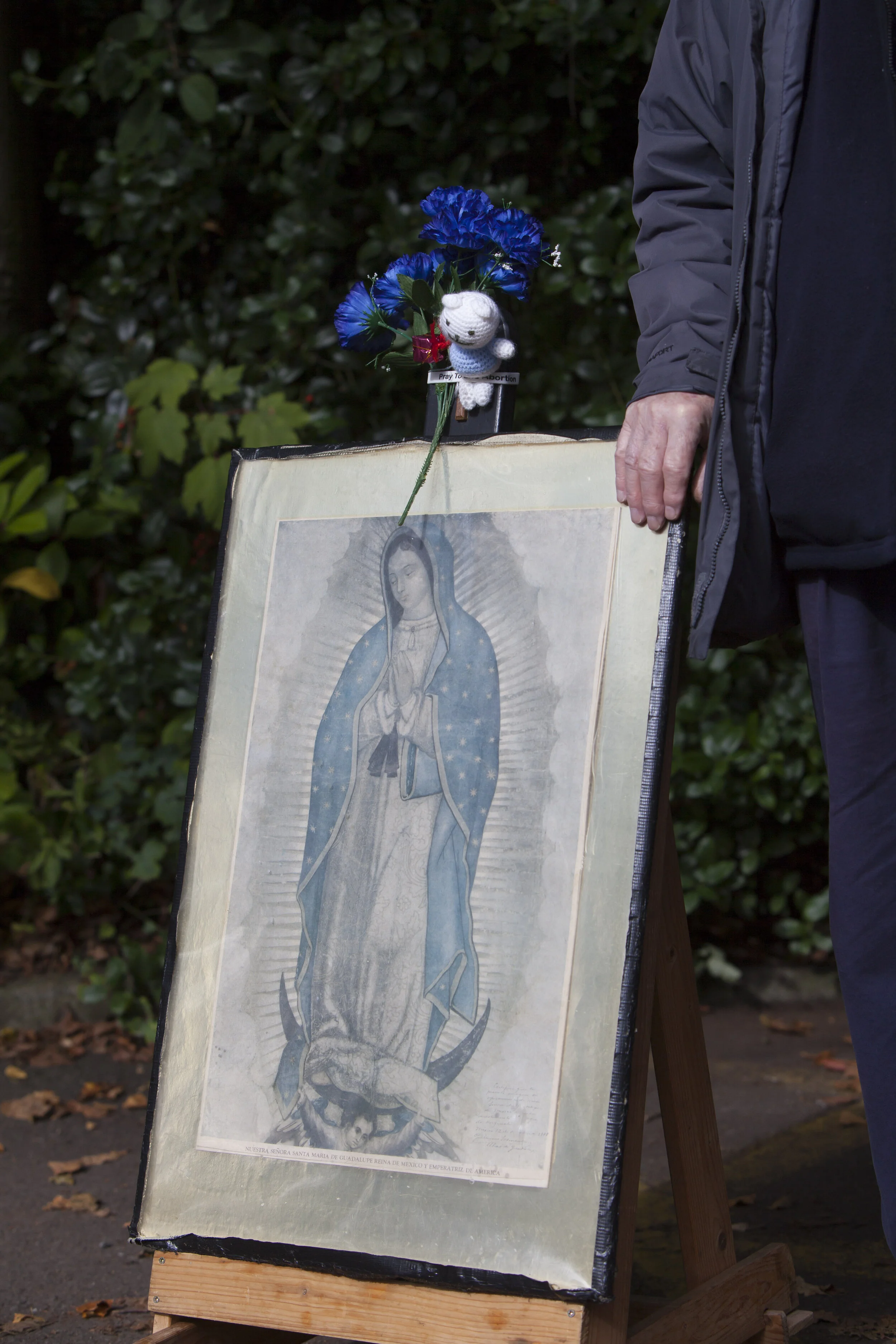
On this particular Saturday, a small group is playing hymns from a sound system pitched up next to a wooden cross and posters showing the Virgin Mary. Their mission is simple: Dissuade women from going ahead with an abortion.
“We’re praying to save the babies, darling,” an elderly woman with an Irish accent tells BuzzFeed News, while offering a string of plastic rosary beads, a leaflet describing the gestational stages of a foetus, and phone numbers for the anti-abortion charities Life and the Good Counsel Network.
A chorus of the “Hail Mary” rings out behind us as she says with much pride that she stands outside the clinic most days, and believes she has “saved quite a few babies” over the years, including one today.

“Hail Mary, full of grace. Our Lord is with thee,” her companions chant over the hum of traffic from the nearby main road. “Blessed art thou among women, and blessed is the fruit of thy womb, Jesus.”
Watching them from across the street are volunteers from Sister Supporter, an abortion rights group, who gather to deter the protesters from approaching women seeking abortion at the clinic.
Sister Supporter, founded in London in 2015, has also been lobbying authorities to introduce measures such as a buffer zone that effectively bans any group from gathering immediately outside an abortion clinic, to prevent women from feeling harassed.
This year there was a major breakthrough: The campaign led to the UK’s first public space protection order (PSPO) outside a Marie Stopes branch in Ealing, west London, where anti-abortion protesters have had a near-constant presence for over 20 years.

Staff at the clinic told BuzzFeed News that incidents of alleged harassment have virtually disappeared since the buffer zone was put in place.
The PSPO was achieved through the efforts of the local authority, Ealing council, but there had been optimism that a Home Office review of harassment outside abortion clinics — launched by the then home secretary, Amber Rudd — would result in national guidelines that councils could rely on.
Last week, however, Rudd’s successor Sajid Javid dashed those hopes, saying it would "not be a proportionate response" and that individual councils should instead follow Ealing’s lead and tackle the issue locally. The review had received more than 2,500 submissions and identified 36 sites nationwide as problem areas.
His decision has angered clinic staff and local councillors who argue that cash-strapped councils will struggle to undertake the lengthy process of passing PSPOs, leaving women who face harassment outside clinics without protection in the meantime.
“I’m really mad about it,” Jackie Schofield, a clinical team lead at Marie Stopes Fallowfield, told BuzzFeed News. “Everybody has freedom of speech, fair enough, but not outside the place when there’s vulnerable people. I just think it’s wrong, I really do.”
During the years she has worked at the Manchester clinic, Schofield said, she has often had to spend significant time calming her patients who have found it upsetting to be greeted by protesters on what can already be a distressing day.
She said she has regularly witnessed the protesters calling patients and staff “murderers” or telling women they will “go to hell” if they enter the clinic, meaning they’re often too distressed for their appointments. “I’m going through a consent process but I have to calm them down a lot first because of what’s happened to them before they even got started — it really messes with them,” Schofield added.
Schofield, and several other staff, told us that recently a protester had stood breastfeeding a baby outside the clinic, and that last Christmas anti-abortion groups handed out wrapped packages containing knitted baby booties, wishing them “Happy Christmas, Mummy.”
She said these incidents can be especially upsetting for women who have travelled from Ireland. Although the country voted to legalise abortion earlier this year, the ongoing legislative process means that services will not be available until 2019 — and remain illegal in Northern Ireland — so Irish women will continue to travel to the UK to access abortion.
“Today is an Irish day,” Schofield said. “Tuesdays and Saturdays we have lots of Irish ladies because the flights are cheaper. Can you imagine having to go through all that anyway, and then coming here and getting this?”
Lynn Bradley, a healthcare support worker who has been at the clinic for nine years, said she was physically assaulted by a protester on one occasion — an account she submitted to the Home Office review.
“She chased after me and started slapping me on the back,” said Bradley, a chirpy, white-haired woman with a thick Manchester accent.
“Whenever she sees me she does this,” she added, making a throat-slitting gesture and sticking out her tongue. “She’s very crafty — she does it when she’s on her own.”

Bradley, whose job involves supporting women before and after they receive treatment, was also disappointed by Javid’s response. “When we arrive in the morning [protesters] make it as awkward as possible for you when you get out the car, calling us murderers, saying you’ll go to hell, and that’s before you start a day’s work,” she said.
“We can cope with it, but at the end of the day, these ladies shouldn’t be put through that.”
Manchester city council has passed a motion to explore the possibility of a PSPO outside the Fallowfield clinic, but even with resounding support across the board, progress will be slow.
“It’s a really long process and we still need to go through the evidence-gathering and mapping where the PSPO would cover,” Rebecca Moore, councillor for the neighbouring ward of Withington, told BuzzFeed News.
Ealing council is facing an ongoing legal challenge over its PSPO, and Moore said she had sensed a nervousness within her own council about the threat of a lengthy and costly court battle if a PSPO were to be introduced in Fallowfield.
“Local government finances are in a really bad state, so if there’s any big costs to implementation I think that’s going to cause concern to a council that’s had to go through such big austerity measures,” Moore continued.
“I don’t think that means that it shouldn’t be done or wouldn’t be done, but it is a concern.”
Grace Fletcher-Hackwood, a councillor for Fallowfield, questioned whether the Home Office would have made the same decision if protesters were gathered outside a local cancer hospital like the Christie, which is situated nearby.
“If they rocked up outside the Christie, people would realise how inappropriate that is,” she said. “You make medical decisions with yourself and your doctor based on what is good for your own health, not because of some ideologues who have posted themselves outside the clinic and decided they’re qualified to speak about what’s best for you and your body.”
Disappointment over Javid’s statement has been felt across the country, including in Portsmouth, where the local authority has agreed to look into ways to prevent protests at the clinic.
It, too, is in still in the early stages and is currently working out how best to proceed in light of the Home Office decision, according to a council spokesperson.
Chris Francis, a clinic manager at the Portsmouth branch of the British Pregnancy Advisory Service (BPAS), another of the UK’s major abortion providers, said: “If there’s national legislation in place, then as soon as women get harassed we can fall back on that.
“But getting a local decision, you have to get an agreement for a consultation process, and then you have to go through the consultation.”
In the meantime, Francis continued, anti-abortion protesters remain active outside the clinic, which is based within the sexual health centre at St Mary’s Hospital, where a mental health ward is situated above. “I know they caused some real upset for some vulnerable women in care there,” she added.
Francis told us that the protesters were especially aggressive during the biannual 40 Days for Life campaign, due to begin on Sept. 26, where anti-abortion protesters around the world increase the frequency of their gatherings outside clinics.
“We’ve had singing outside the hospital so we could hear them inside,” she said, referring to the previous 40 Days for Life campaign, which took place in February. “They were handing out knitted booties and rosaries in baby blue and pink, and generally harassing any woman entering the hospital who looked like she could be childbearing age.”
Francis said that protesters move from clinic to clinic, so it can be difficult to gather evidence of consistent harassment at the particular sites where each individual PSPO is needed.
“With Portsmouth, by the time they were starting to consider the PSPO, the protesters moved to Bournemouth,” Francis told BuzzFeed News. “I know it was the same guys because I went there and saw the same faces. They move around the country. [There] has to be some kind of national legislation.”
The evidence-gathering process also requires women who have been harassed to relive the experience when providing accounts to clinic staff or, in some cases, the police.
Back in Manchester, Katy Kershaw, a clinical team lead at Marie Stopes in Fallowfield, said many women just don’t want to engage. “They just want to forget about it; they don’t want to come back and talk about how traumatic it was to have protesters pass them things, or be told they’re murdering their baby,” she said. “They just want it over and done with.”

For clinic staff, who have full lists of patients to work through every day, working with councils to build a compelling case for a PSPO means a significant increase to their workload.
“It’s a struggle because it’s time-consuming,” Kershaw continued. “We’re such a busy clinic that it’s difficult for us to get out to the council to say how much we need them.”
Manchester council, Kershaw said, has been proactive. “They’ve been coming to see us — we didn’t have to approach them,” she said, but worried that this wouldn’t necessarily be the case everywhere.
Beth Redmond, who leads Manchester’s Sister Supporter branch, was also sceptical that councils across the country would be as dedicated as Manchester. “The thought of having to do this for more than one council doesn’t really bear thinking about,” she added.

Both Birmingham and Leeds city councils have in the last year passed motions to explore measures to prevent harassment outside abortion clinics. They say the work is ongoing, but neither have begun a formal evidence-gathering or consultation period.
Redmond said she worried about what scale harassment outside abortion clinics would have to reach before the Home Office would deem it necessary to act nationally. “What does Sajid Javid want? Does he want someone to get hurt?” she continued. “It feels like waiting for something awful to happen when actually bad things are already going on.”
Despite an ongoing legal challenge to Ealing’s PSPO, protesters have adhered to its restrictions and clinic staff and local councillors consider it to be a success.
The Good Counsel Network’s Clare McCullough, who had organised the vigils in Ealing, told us that as her volunteers are distanced from the clinic, she is unable to “support” as many women. She continues to protest against abortion in the designated area in Ealing, as well as outside a BPAS clinic in Richmond, southwest London, and a Marie Stopes facility in the city centre.

But even Ealing’s PSPO is not without vulnerability. Alina Dulgheriu, who brought the initial legal challenge against the council, has crowdfunded more than £50,000 to launch an appeal. The order is only temporary, meaning Ealing council will have to undergo the same time-consuming process to get it renewed when it expires in three years’ time.
Binda Rai, the councillor for Ealing’s Walpole ward who led the council’s efforts to implement the current PSPO, said it was “outrageous” for Javid to expect other councils to duplicate this effort time and again.
“The current system means that councils have to go through a lengthy and complex process to allow women access to services that they are entitled to with privacy and dignity, free from the interference that causes them distress and harassment,” Rai said.
“It would appear that he has no understanding of what women go through at such a vulnerable and difficult period in their lives,” Rai continued. “It is a national issue: Women up and down the country are facing harassment from protestors outside abortion clinics and this activity is on the increase. To avoid a postcode lottery for women, a national solution is a must and would take this debate away from clinic doors and ensure a consistent approach across the country.”
Responding to Javid’s announcement last week, Labour MP Rupa Huq, who helped bring the issue to national attention, vowed to keep on fighting for a universal ban.
“Shoving the burden on to already cash-strapped local authorities is not addressing the problem, it’s just passing the buck,” Huq, who represents Ealing Central and Acton, told BuzzFeed News.
“I will not give up on this and have been promised a meeting with ministers so as to ensure vulnerable women cannot be sidelined and that they can access healthcare as is the case with any other procedure.”
Huq has received wide political support on the issue, including from Labour leader Jeremy Corbyn, who accused Javid of a “shocking failure to protect women from harassment and intimidation when exercising their right to choose”.
In the meantime, the protests outside abortion clinics are free to continue.

When the 40 Days for Life campaign starts again on Sept. 26, a spokesperson told BuzzFeed News, it will have volunteers stationed outside clinics nationwide, seven days a week, from 8am to 8pm.
Redmond said she was concerned that the Home Office’s decision could leave protesters feeling emboldened: “I do think they will be saying, ‘Why are you telling us we can’t be here when the most powerful people have told us that we can?’”
Documentary photography of Helen Knowles 'Trickle Down', Arebyte Gallery, London
Trickle Down, A New Vertical Sovereignty is a tokenised four-screen video installation and generative soundscape, which explores value systems and wealth disparity. The artwork is composed of auction scenes, performances and choral interludes by different communities such as prisoners, blockchain technology employees, market sellers, and Sotheby’s auction bidders.
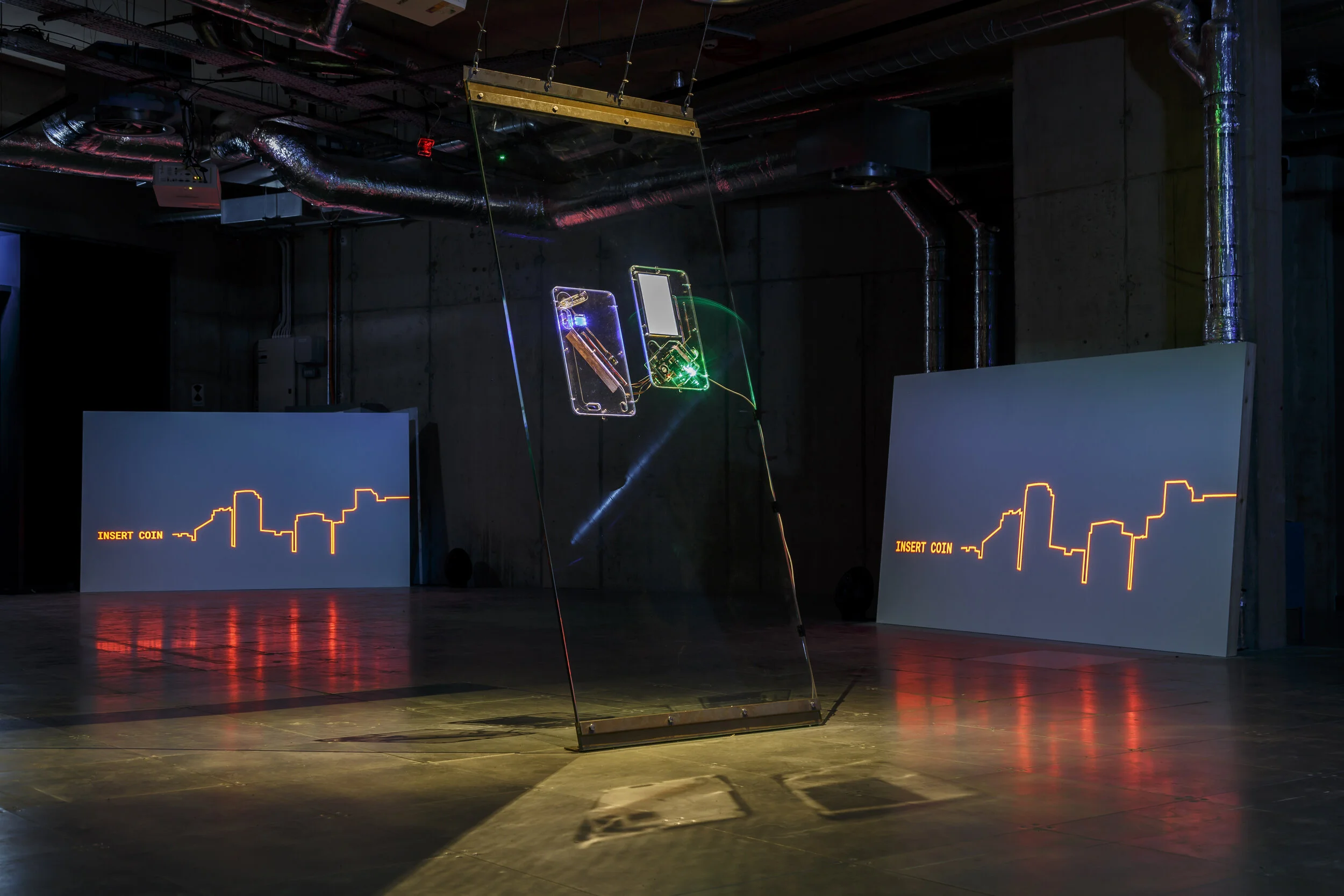
Helen Knowle’s immersive four-screen installation ‘Trickle Down’ opened on 23rd January.
I attended the final set-up day to photograph the completed installation ahead of the opening night.
Trickle Down, A New Vertical Sovereignty is a tokenised four-screen video installation and generative soundscape, which explores value systems and wealth disparity. The artwork is composed of auction scenes, performances and choral interludes by different communities such as prisoners, blockchain technology employees, market sellers, and Sotheby’s auction bidders.

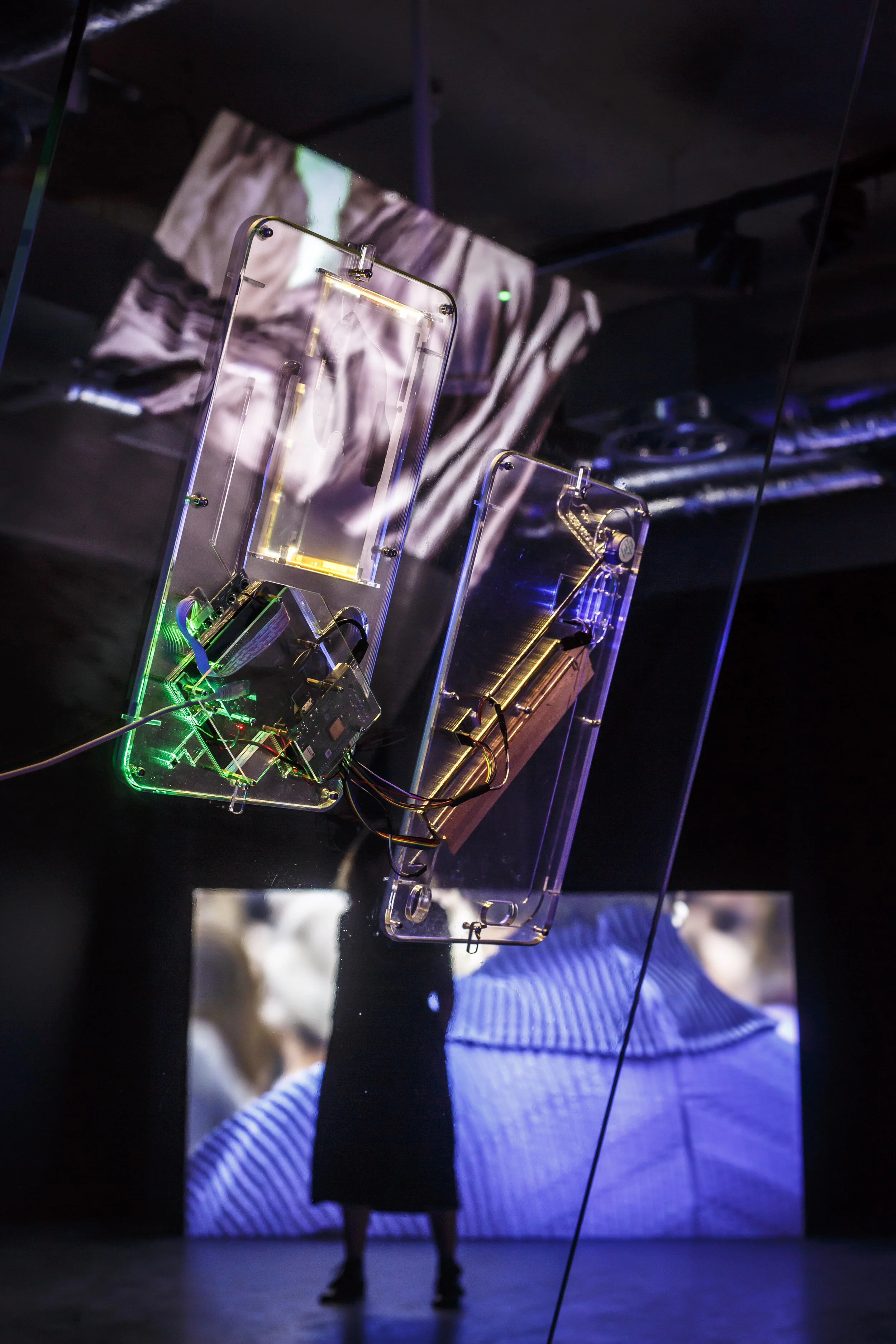
The installation commences when a visitor drops a pound coin into a machine designed to expose the mechanisms needed to convert fiat currency into crypto-currency. The sensors, software and electronic components along with a read out of the blockchain ledger are exposed, embedded in a large sheet of glass. Each and every member of the Trickle Down community, who has helped the work come to fruition, will receive a share of the ETH via a crypto-currency wallet, questioning: can technology be a unifying force to enable more equality in society or does technology only work effectively for those who are educated to navigate it?

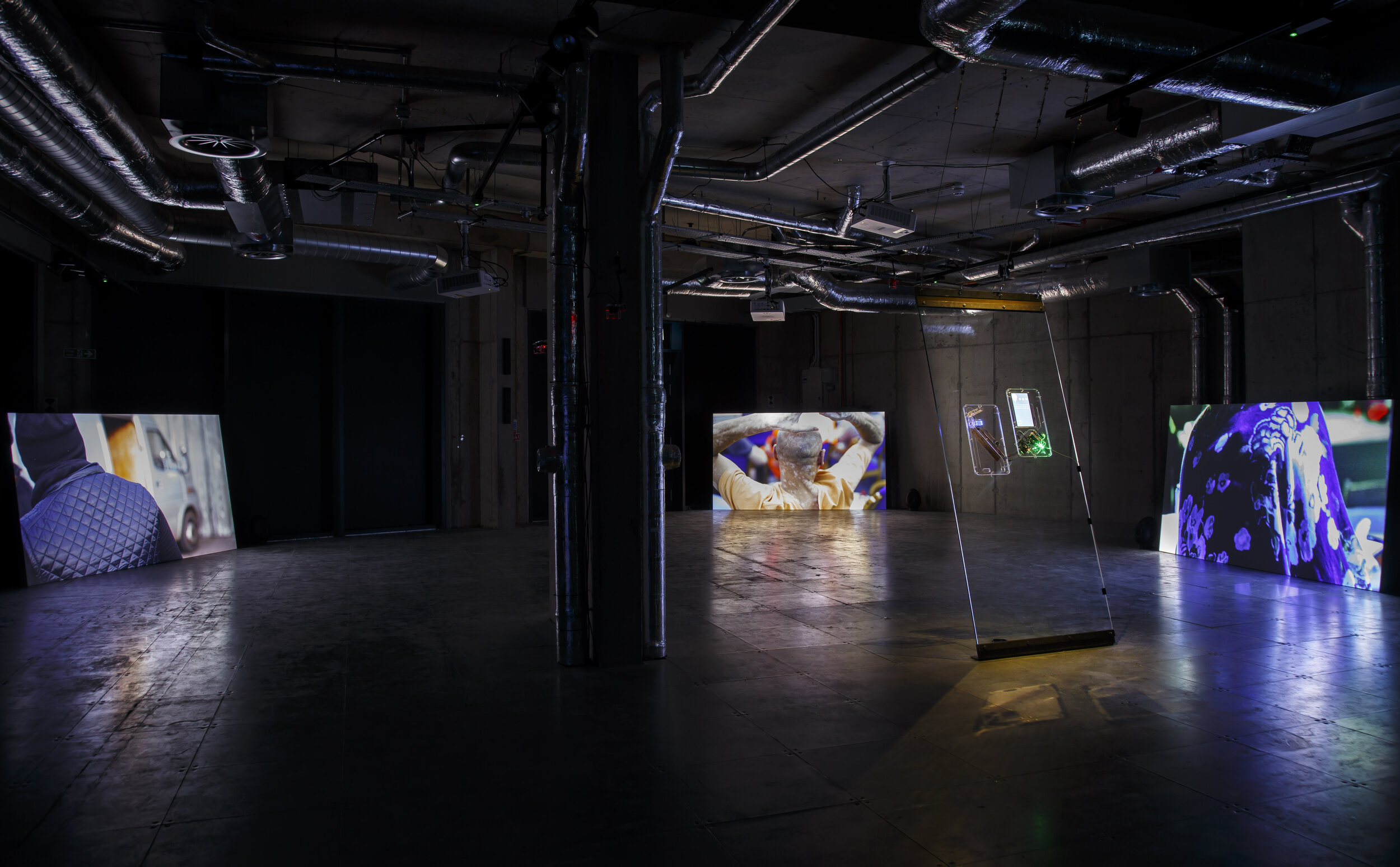
Knowles documented a series of auctions in widely different settings, which reflect the disparities in wealth and financial power individuals in different communities have. These include prisoners at HMP Altcourse in Liverpool, Ethereal Summit attendees, employees at blockchain company ConsenSys in New York, shoppers at Openshaw market in North Manchester and the Russian community in central London buying cultural artefacts at Sotheby’s auction house. Knowles photographed members of these communities during the bidding process, documenting their attire rather than identities.

Images of expensive handbags, jewels, fur and beautifully woven fabrics accompany sounds of rising numbers as cultural artefacts are offered for sale. At the opposite end of the wealth spectrum, bric a brac and basic goods are being bought in bulk at the north Manchester market and prisoners bid with their labour for plants to send to relatives for Christmas, during an auction staged by the artist exploring prison economies.
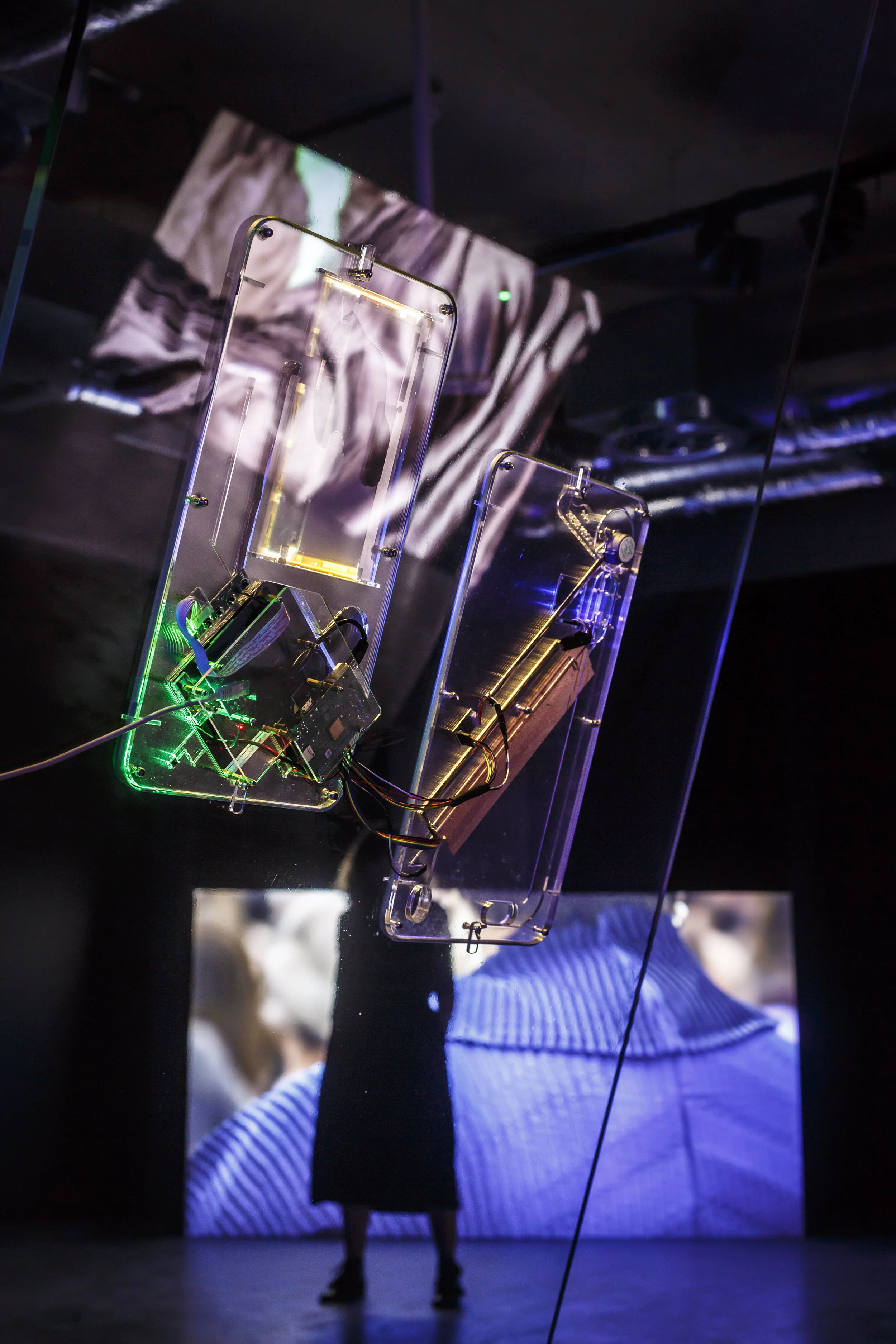
Trickle Down, A New Vertical Sovereignty seeks to explore and provoke questions about labour, automation, value in art, decentralised sharing economies and distribution of wealth.
https://www.arebyte.com/trickle-down-a-new-vertical-sovereignty
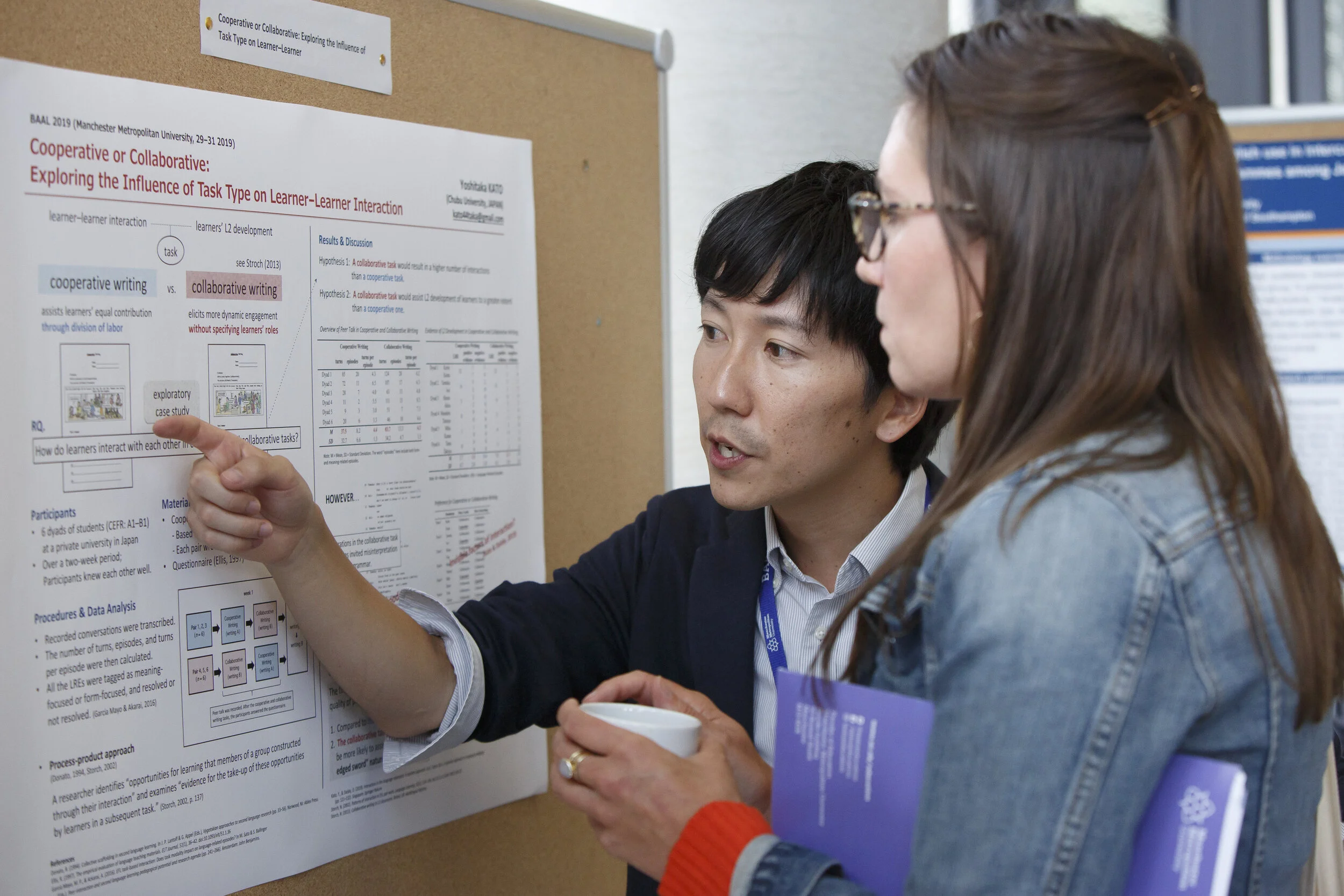
British Association for Applied Linguistics conference
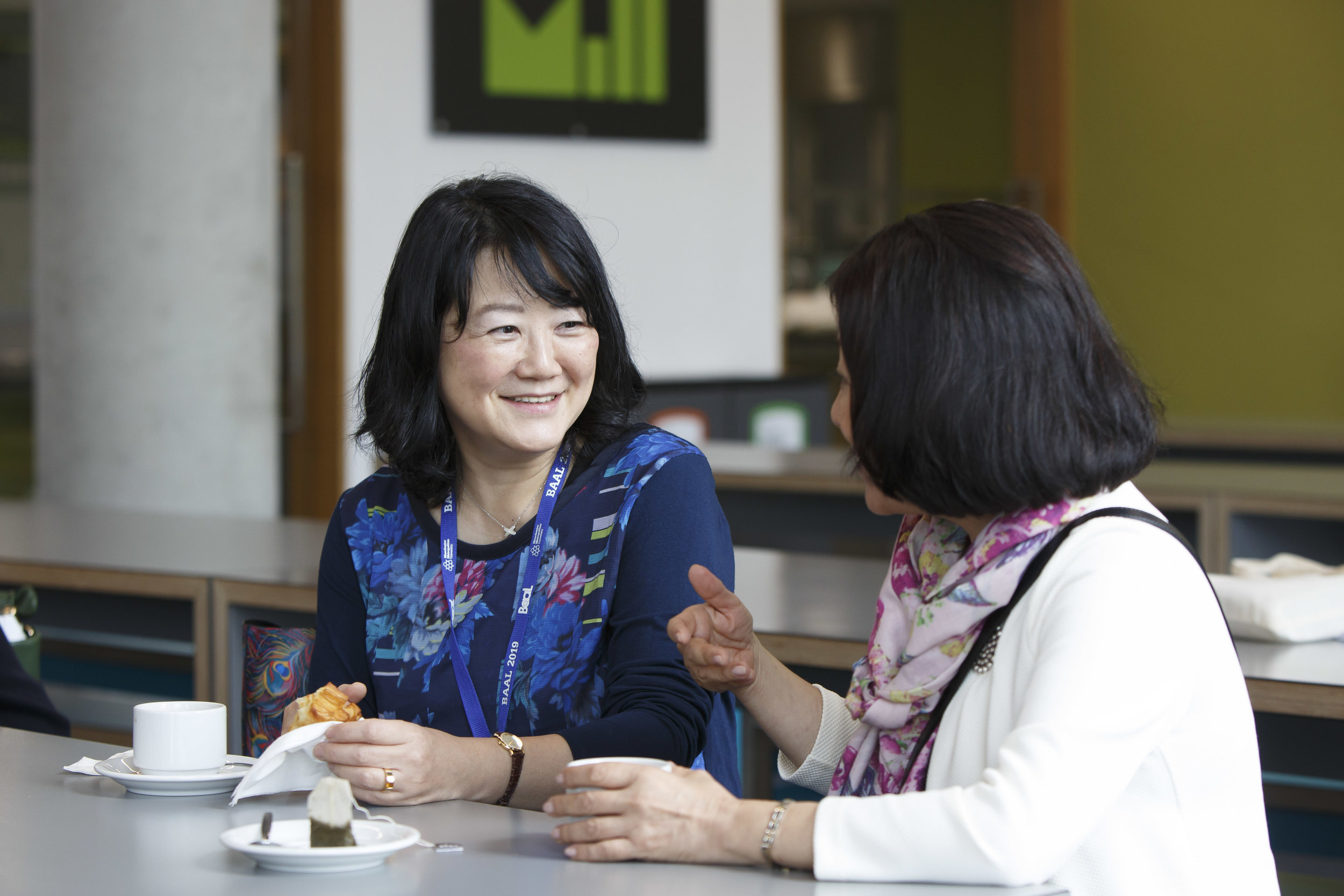
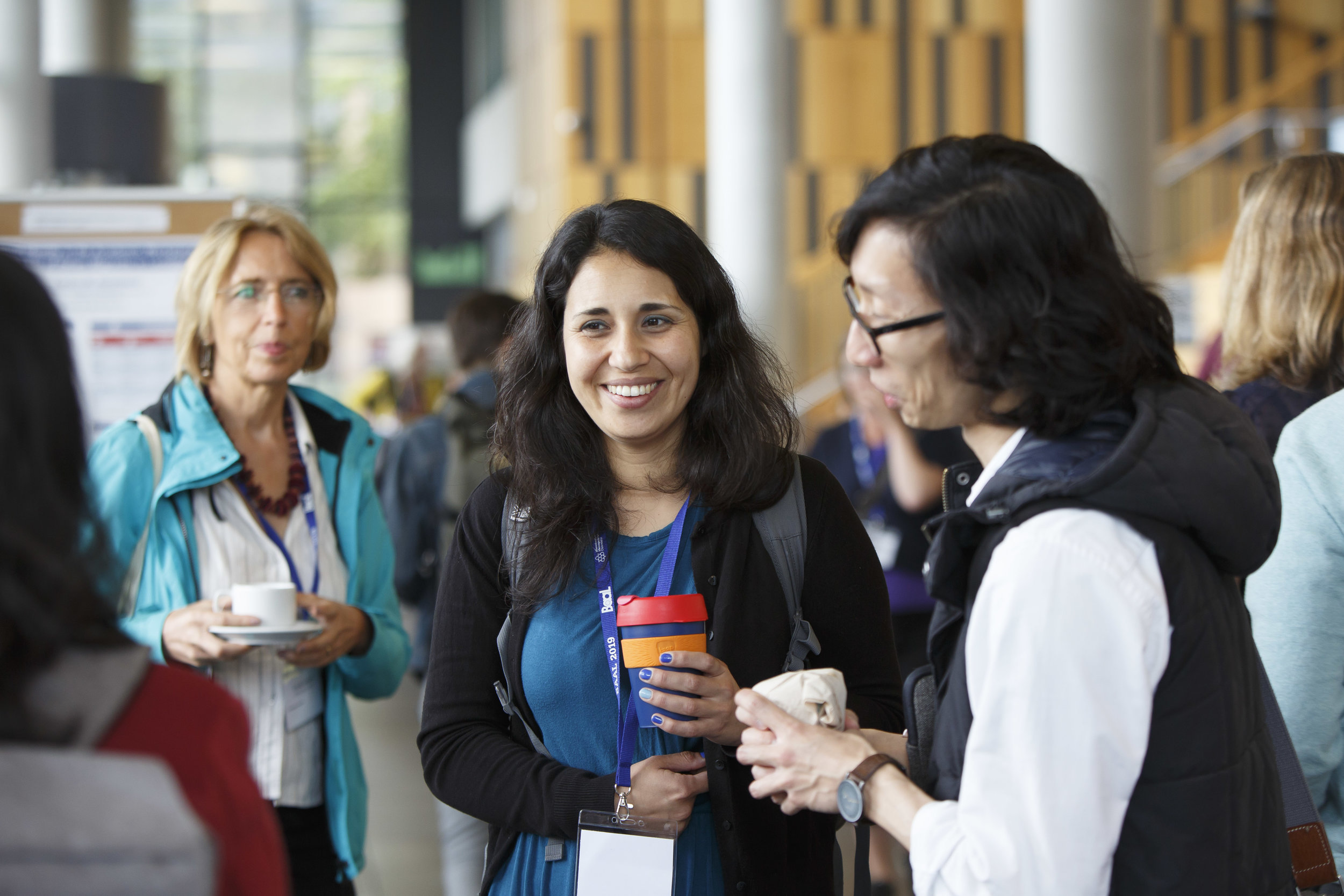
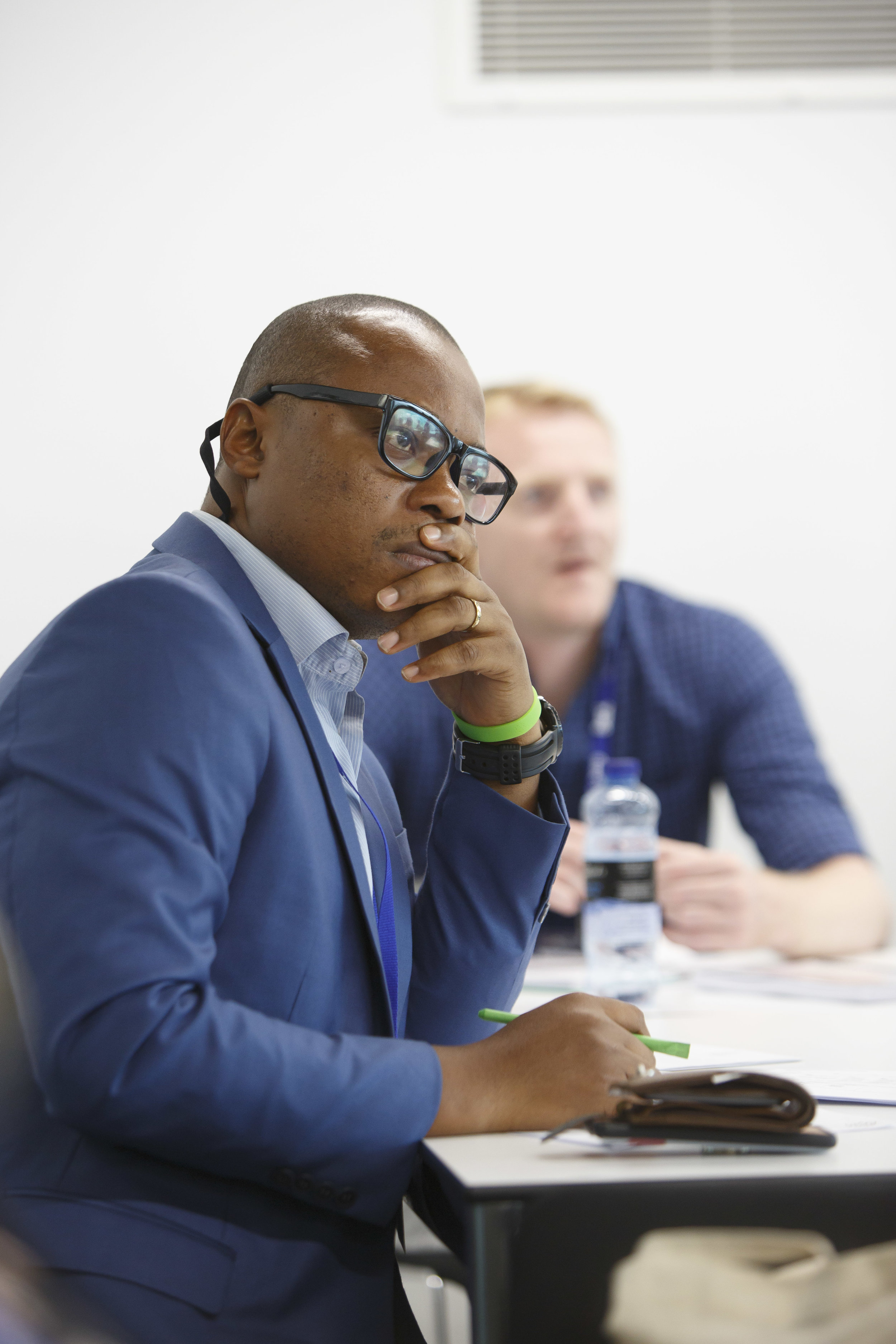
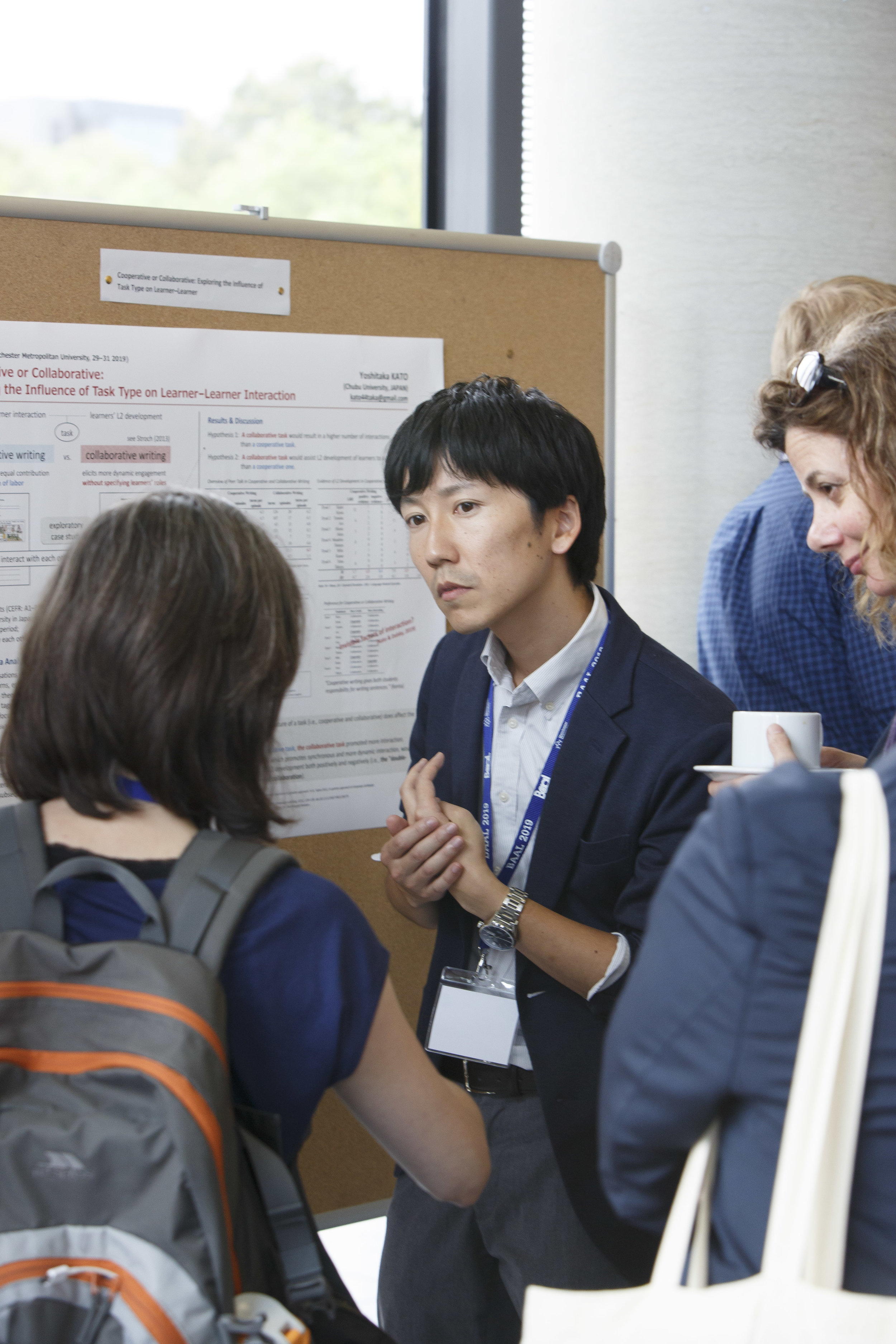
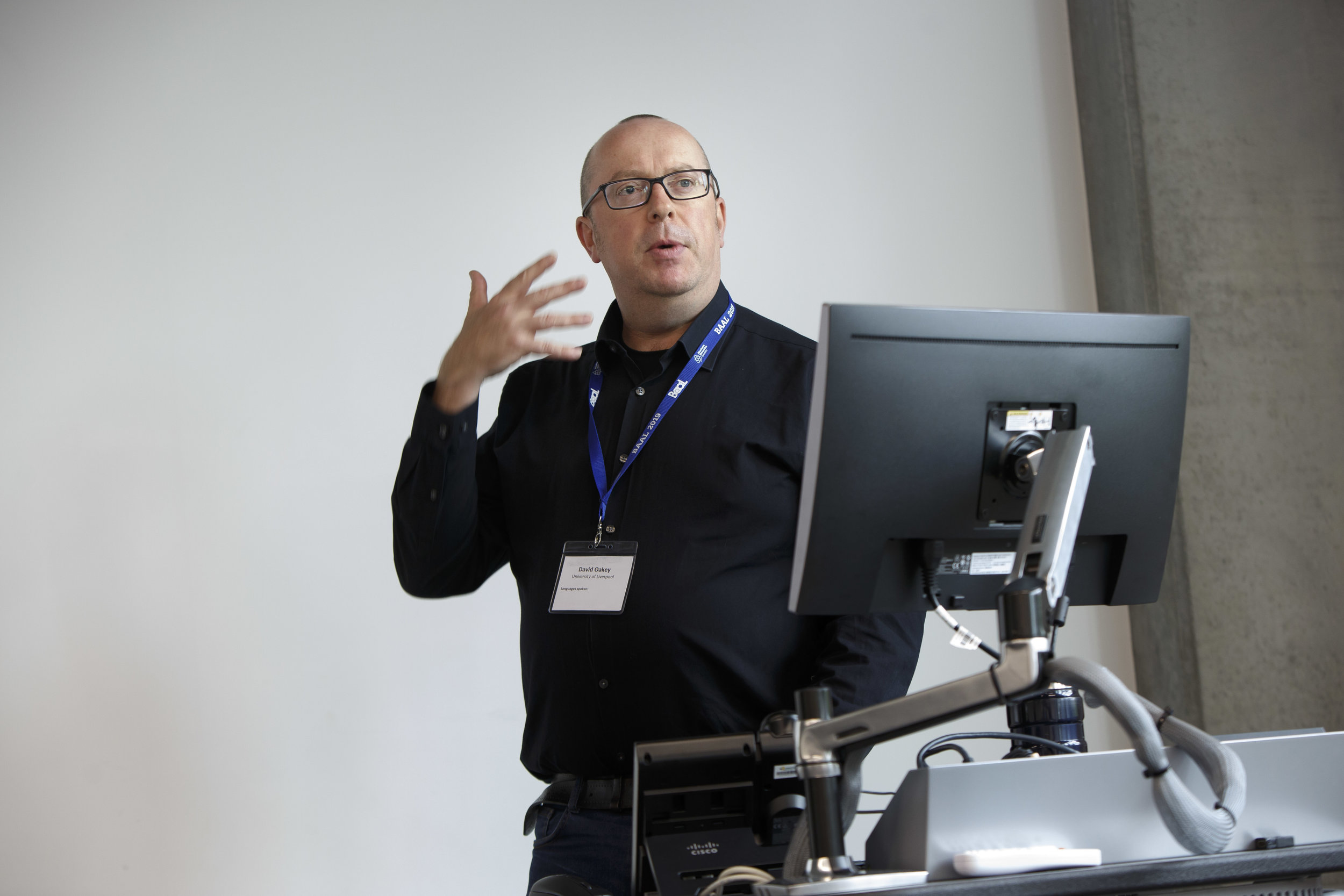
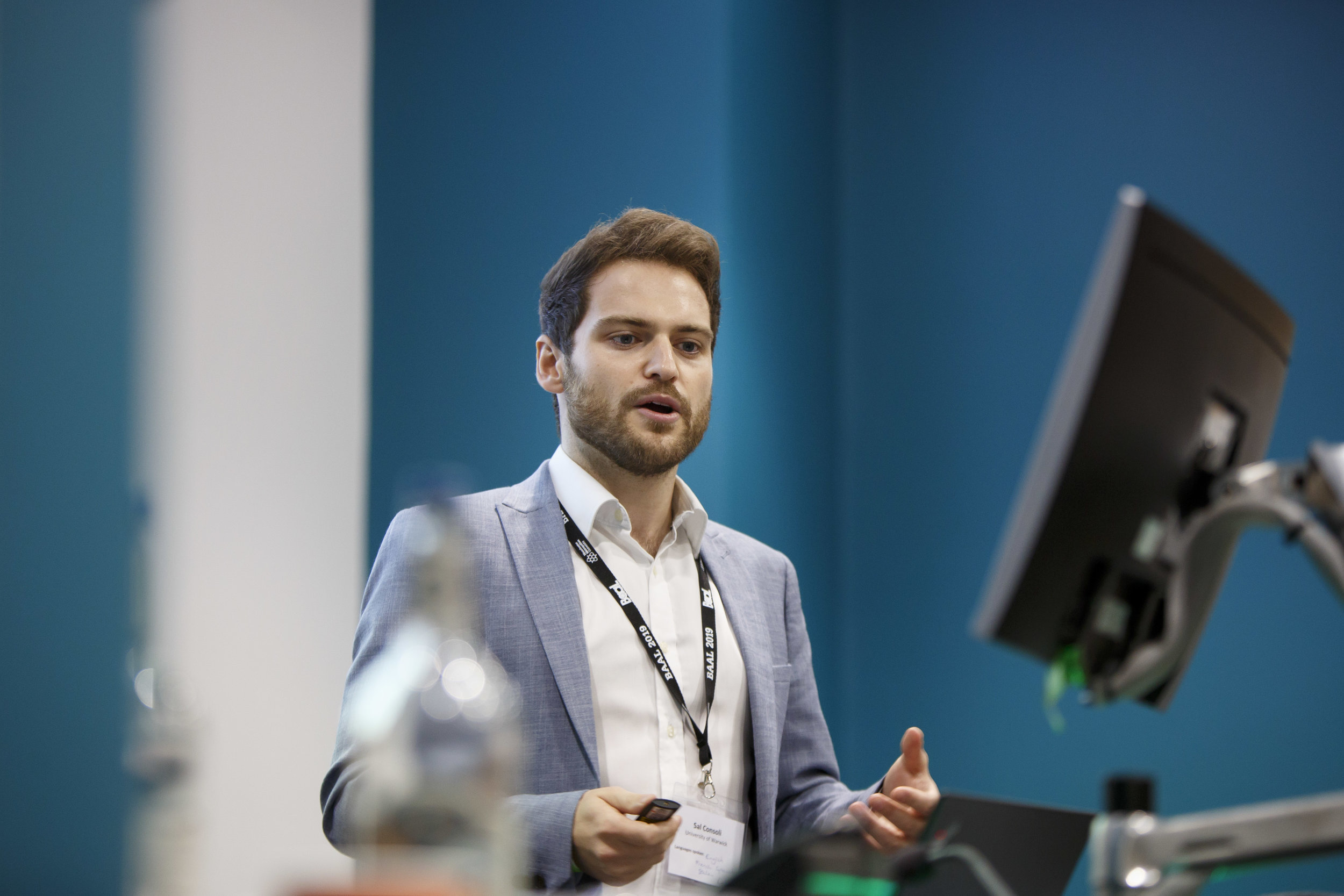
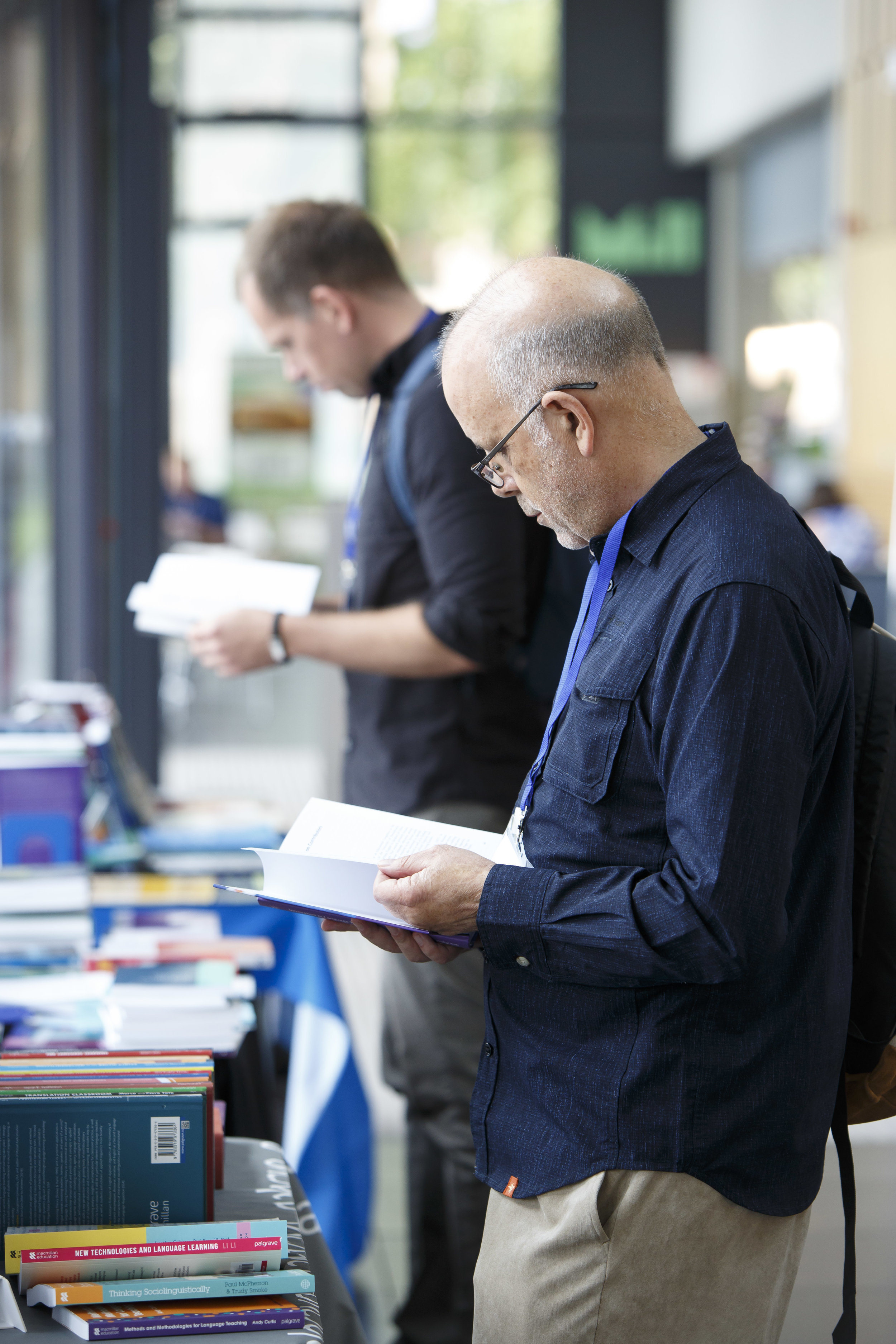
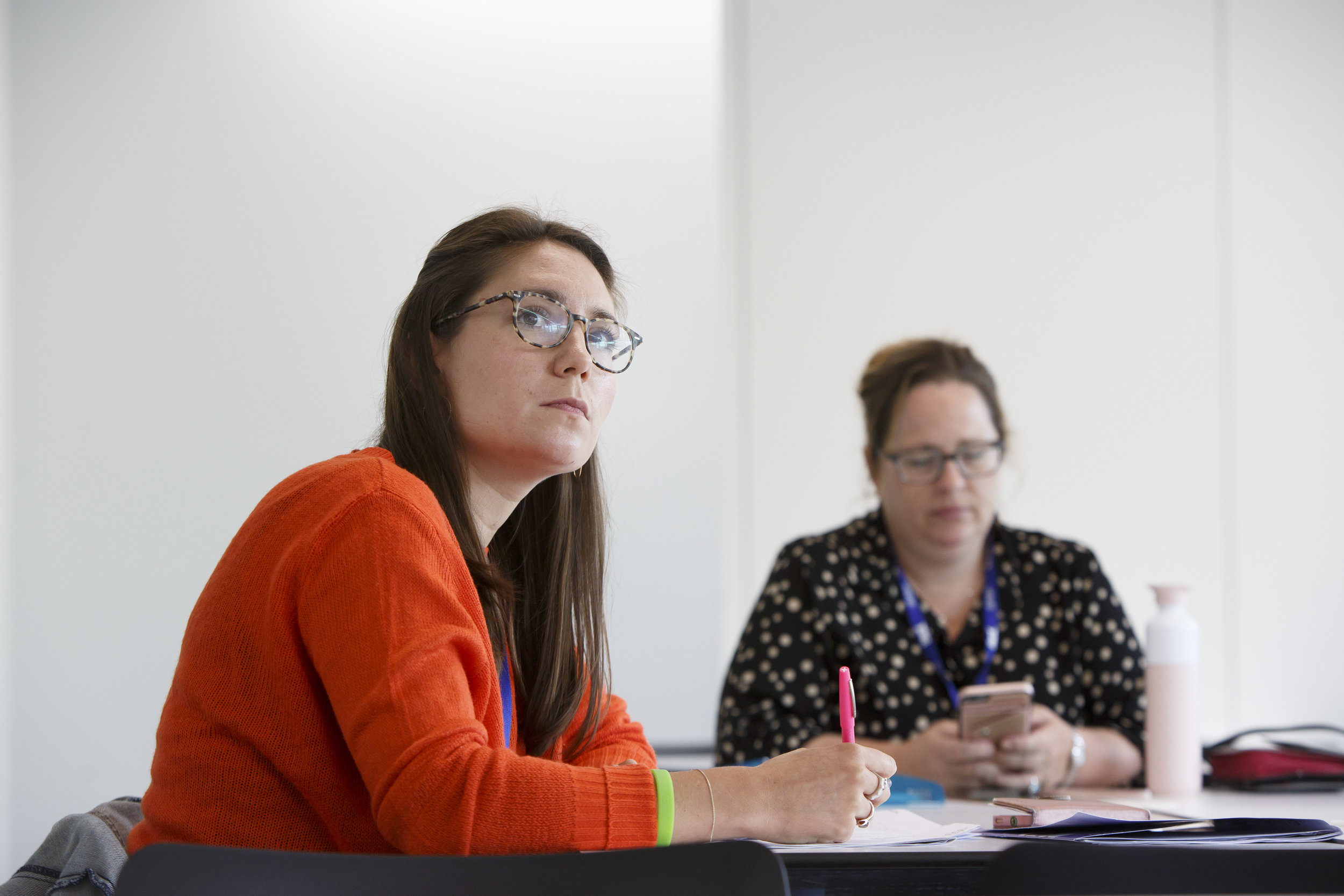
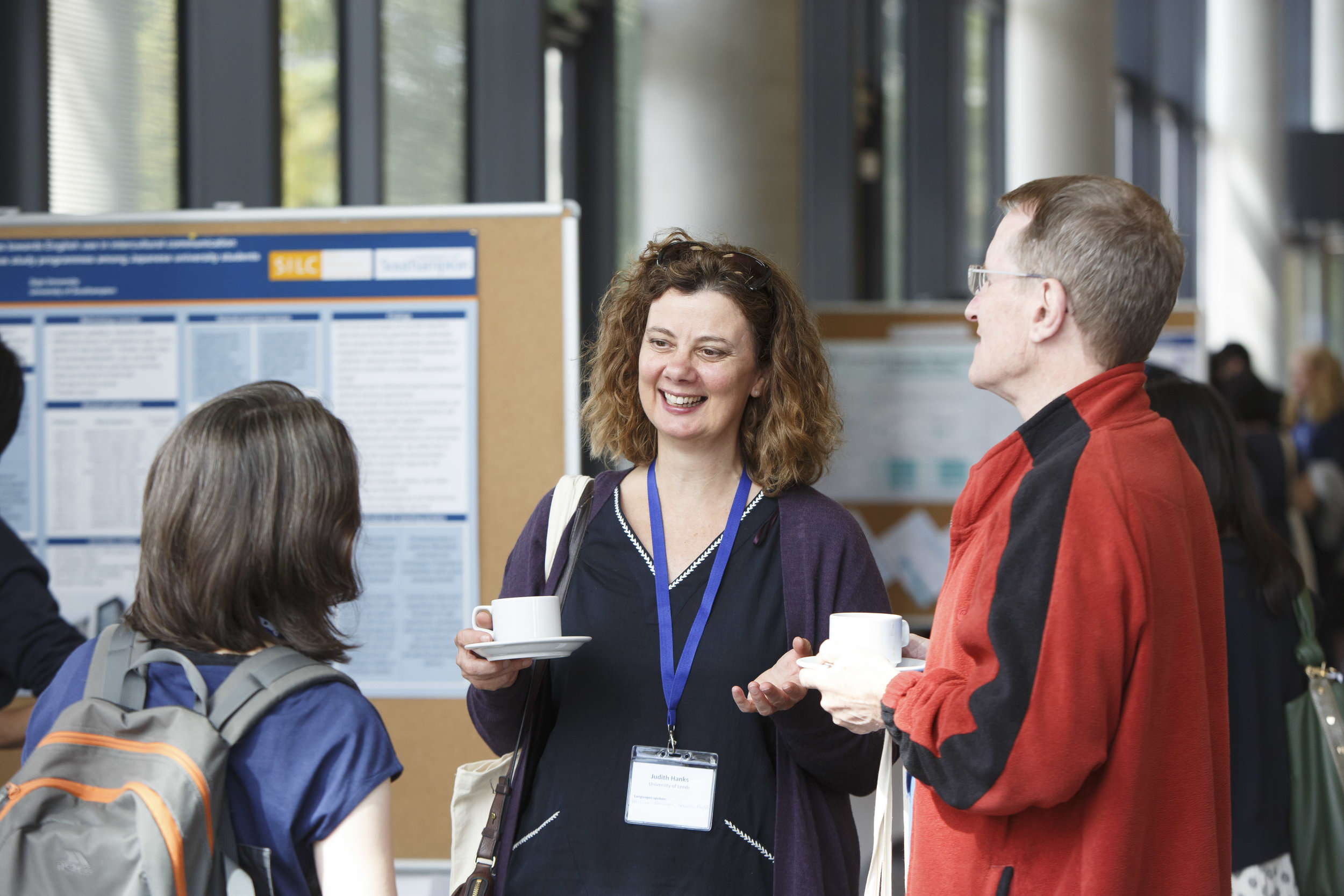
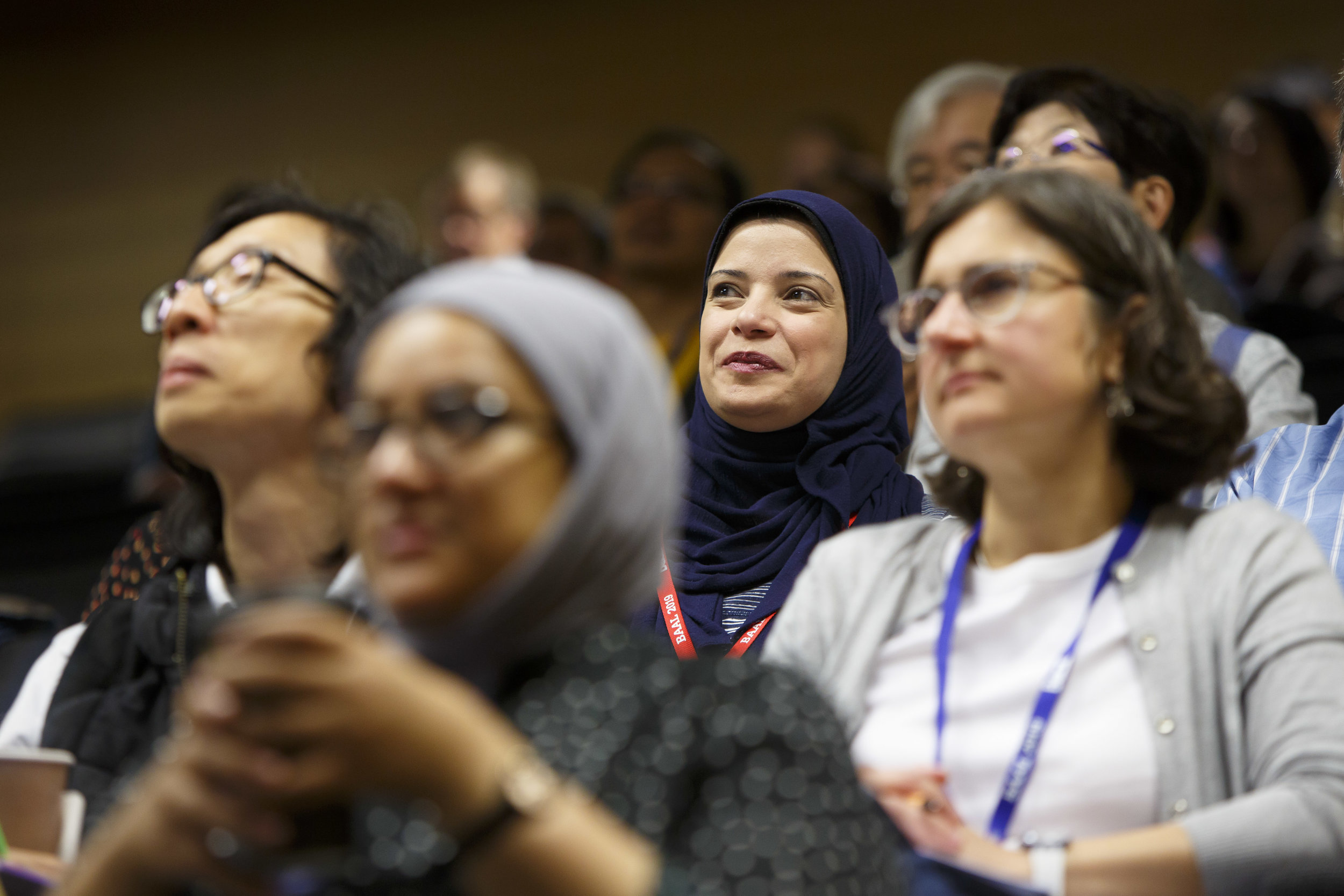
A few weeks ago I photographed the latest BAAL conference at Manchester Metropolitan University.
I find it really interesting to cover conferences as you get thrown into the deep end of academic research in subjects that you previously hadn’t really thought all that much about. BAAL this year was no exception, some extremely interesting themes and insights into language acquisition, learning foreign languages and linguistic changes brought about by emerging technologies.
As freelance photographers we often don’t get feedback on our work after the event, so it was very pleasing to get this response from the conference organiser:
‘I’ve just downloaded the photos – absolutely fantastic. I’ve never given a photographer such a haphazard brief and had it nailed so well, so thanks very much. I wouldn’t hesitate to use you again based on these.’
If you’d like me to photograph a conference for you either in Manchester, the North or across the country, please get in touch via email or using the contact form on the About page of the site.

Conference Photography at the BAAL Conference, Manchester Metropolitan University
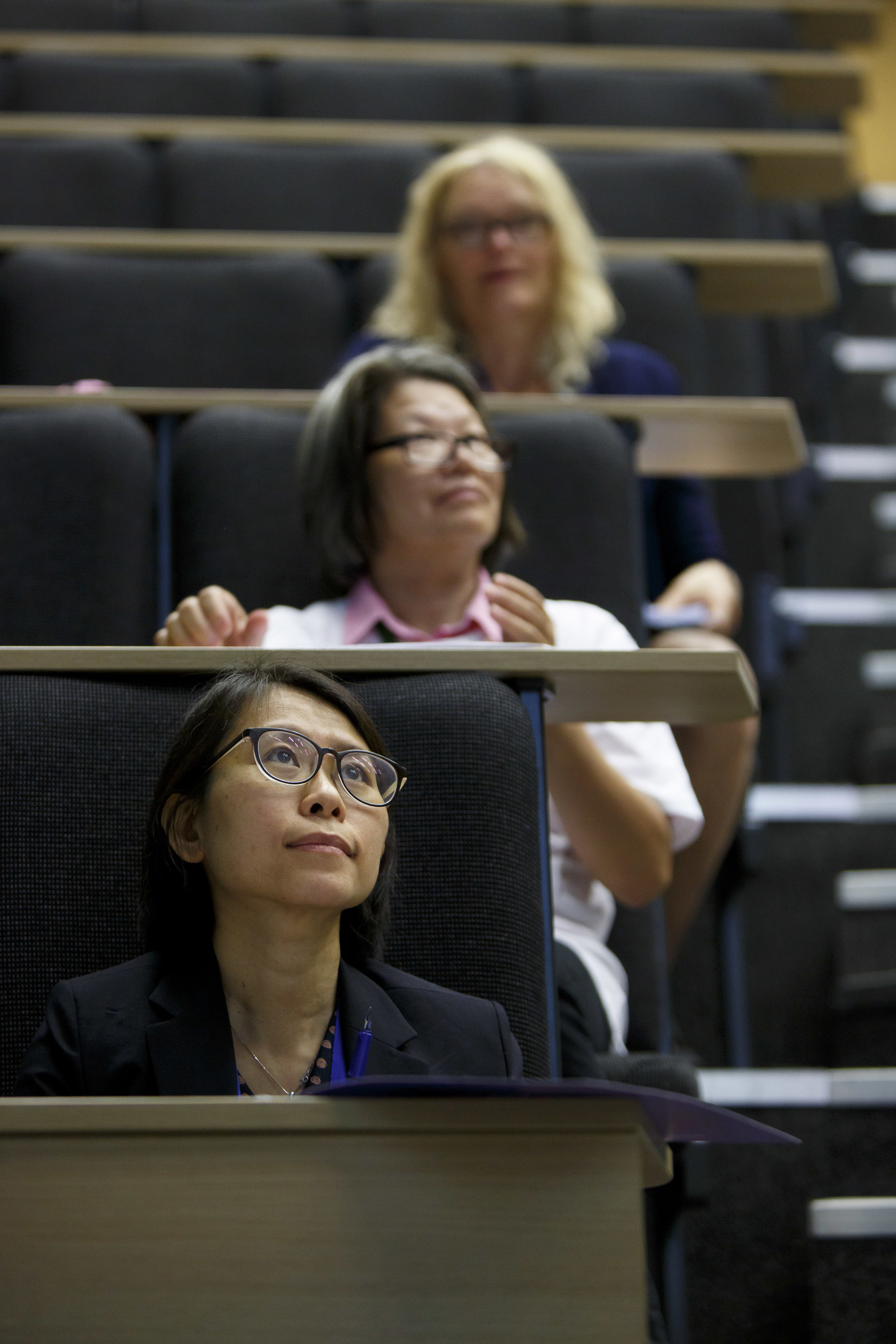
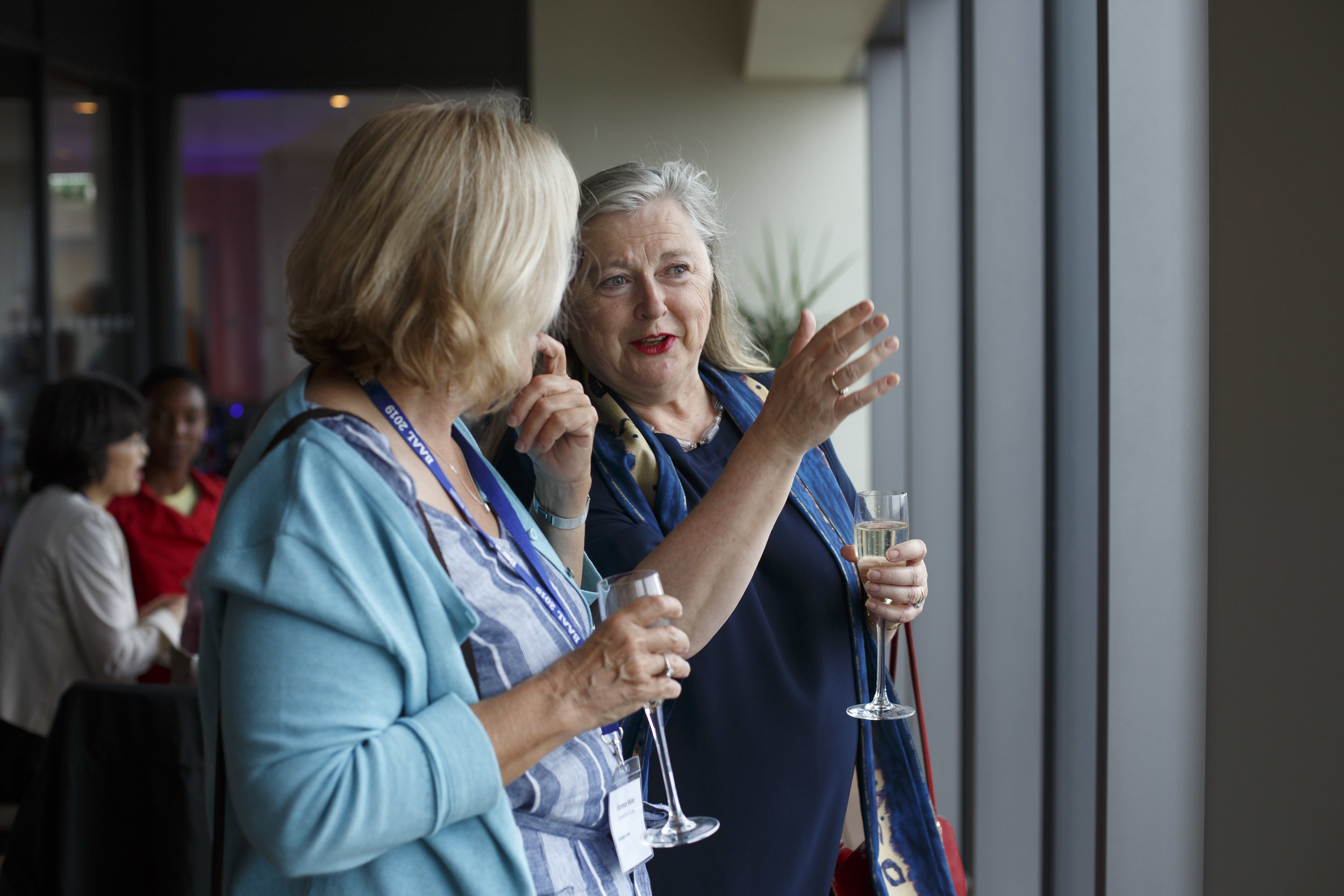
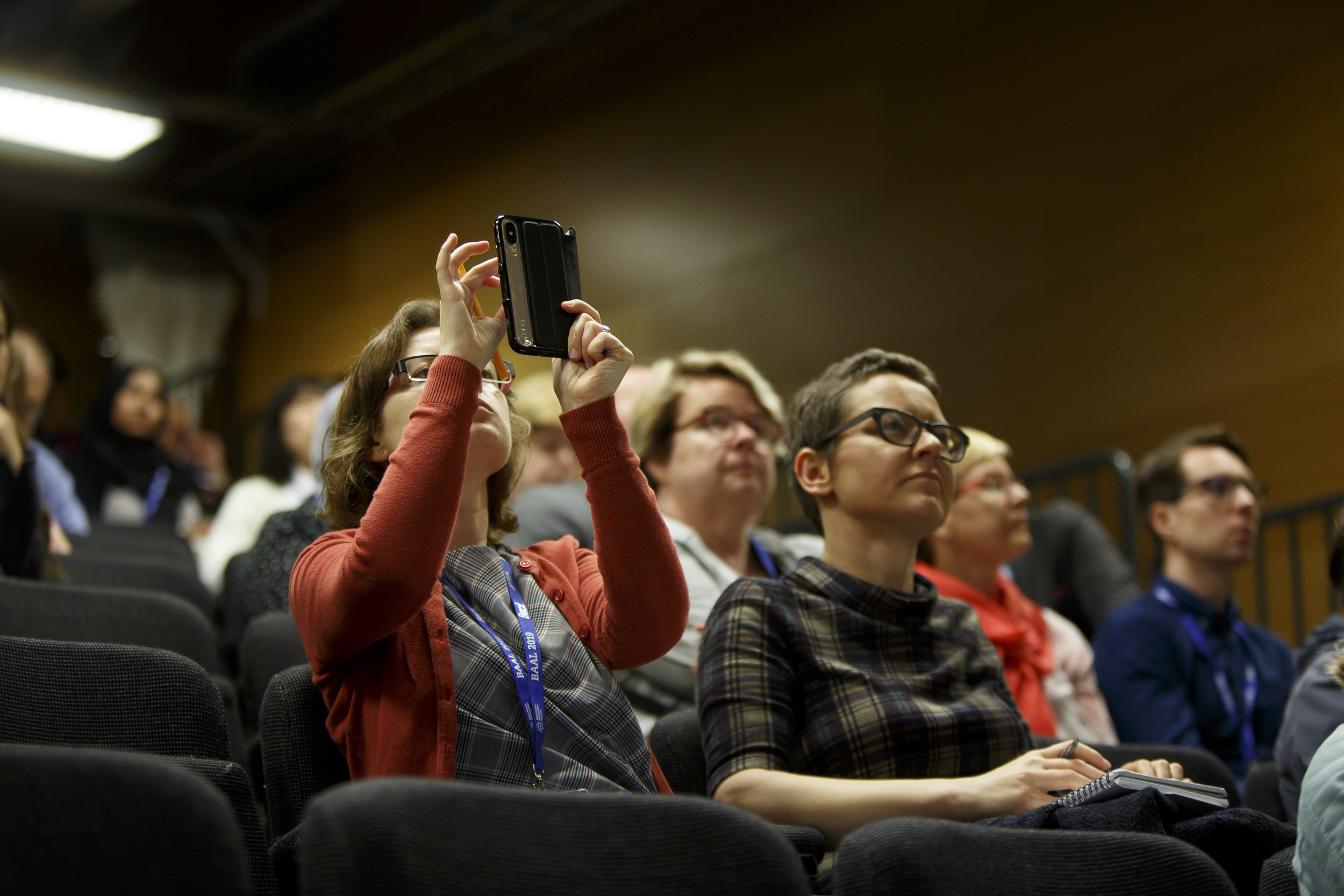
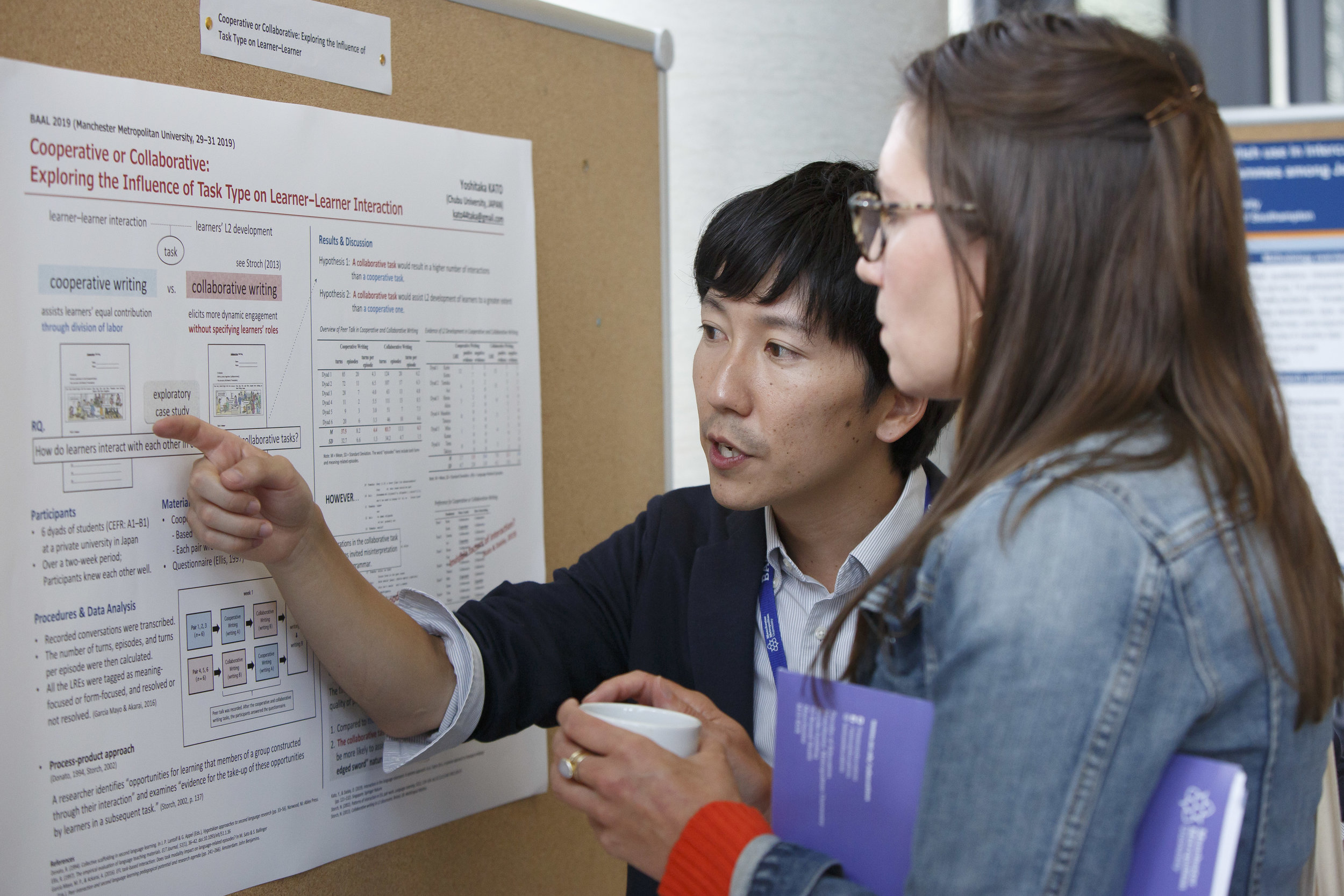
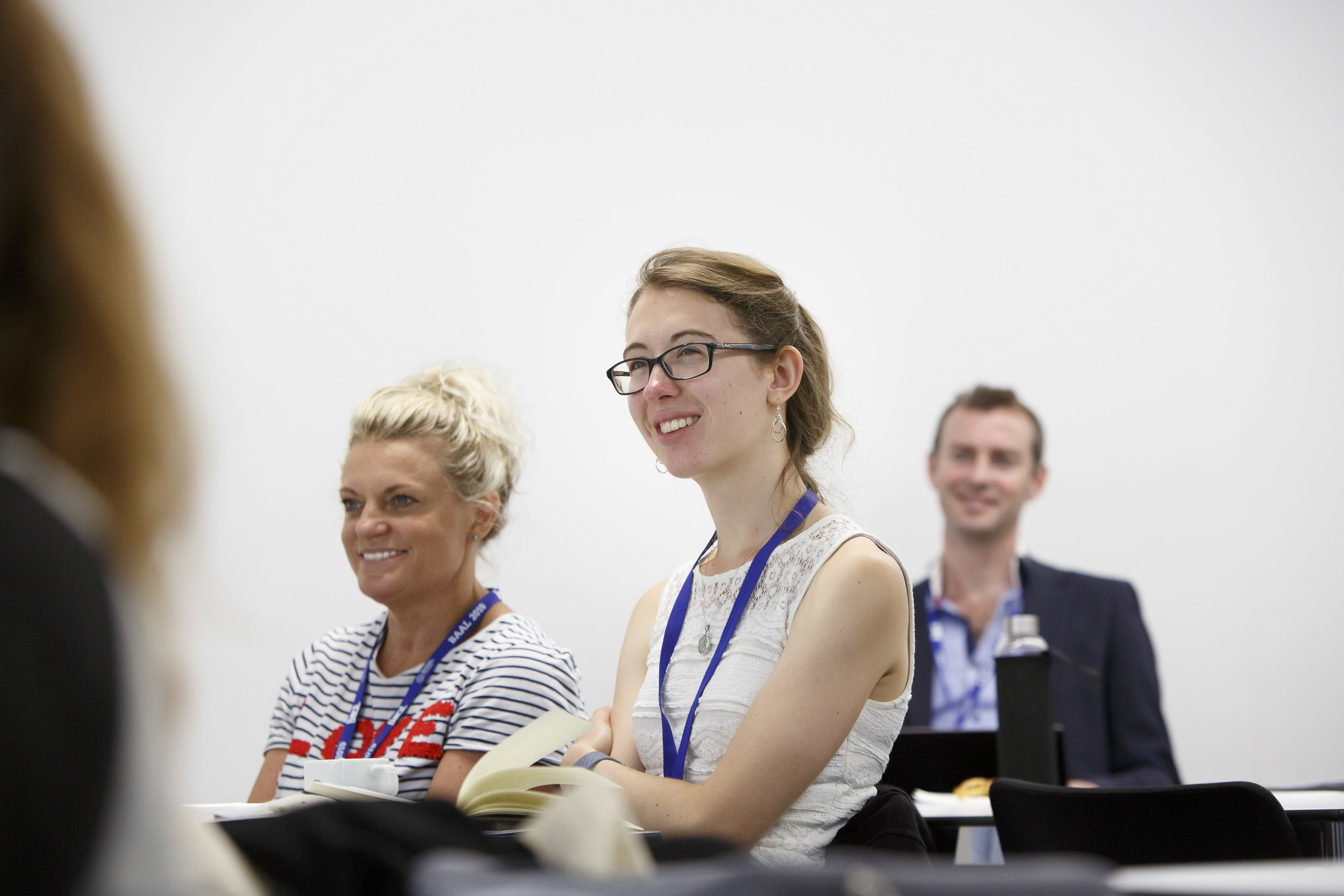
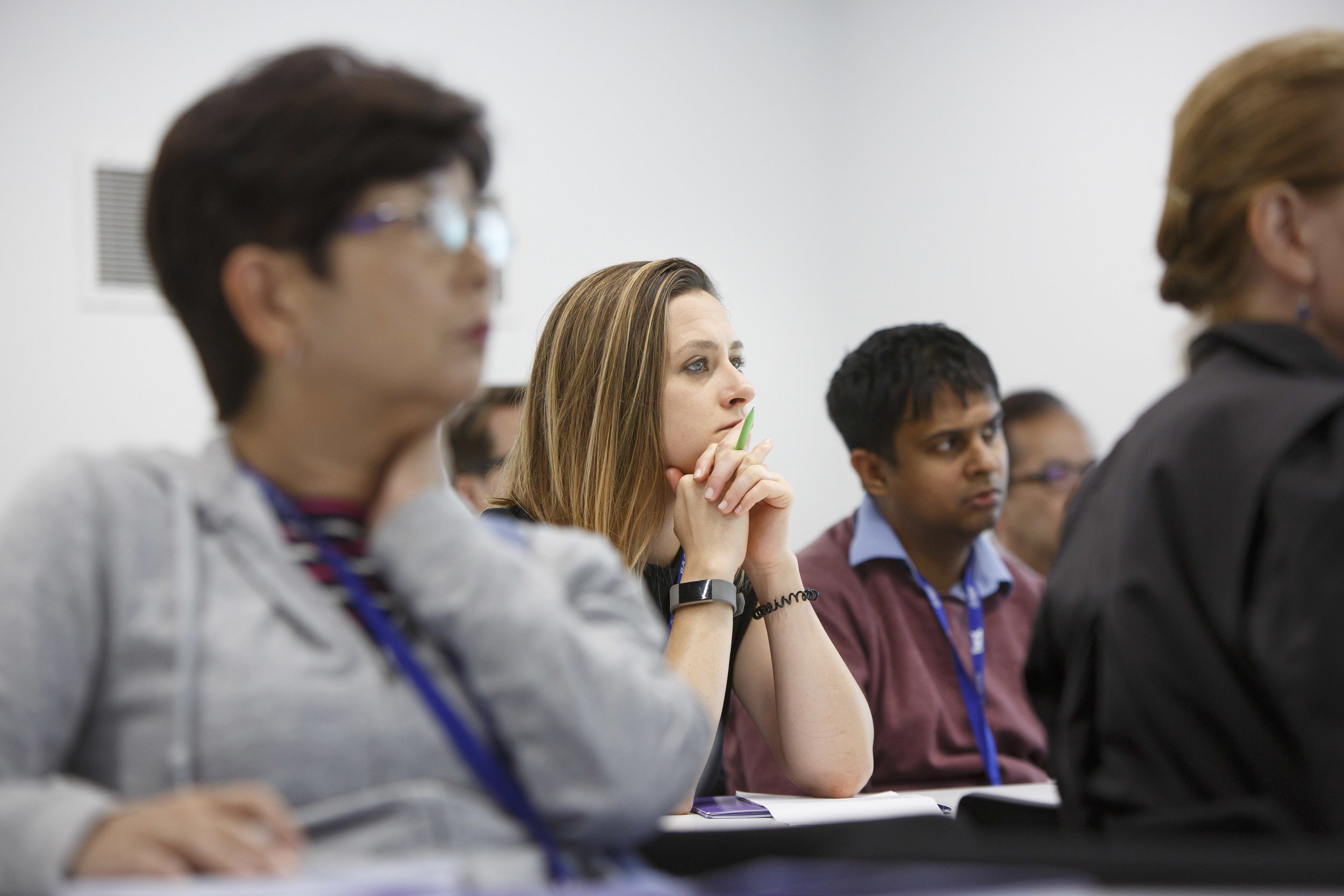
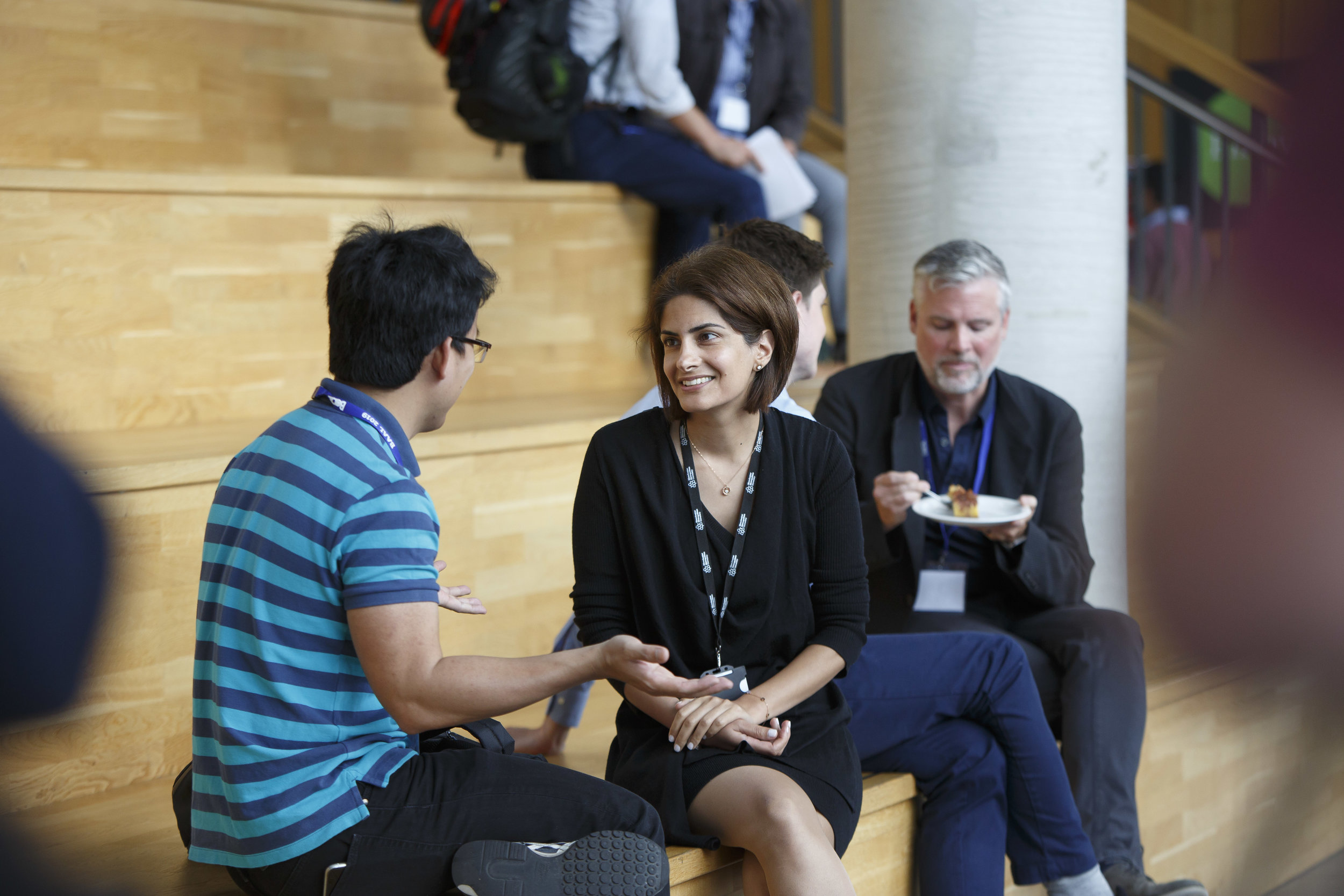
A few weeks ago I photographed the latest conference organised by the British Association for Applied Linguistics (BAAL) at Manchester Metropolitan University. The event brought together researchers, academics and students working across the field of applied linguistics, with presentations, panel discussions and networking sessions taking place throughout the day.
Photographing academic conferences like this is always engaging, not only from a visual perspective but also intellectually. As a photographer you are immersed in subjects that you might not otherwise encounter, documenting conversations and presentations while absorbing ideas and research happening around you.
Applied Linguistics and Academic Research
The BAAL conference this year explored a range of themes connected to language learning and linguistic research. Topics included language acquisition, the experience of learning foreign languages, and the ways in which emerging technologies are influencing communication and linguistic change.
Events like these highlight the diversity of contemporary research in applied linguistics. Bringing together scholars from different institutions allows for discussion and collaboration while giving attendees the opportunity to share new insights and approaches to teaching, learning and analysing language.



Photographing Academic Conferences
Conference photography requires a balance between documentary observation and careful timing. The aim is to capture a clear visual record of the event: keynote speakers presenting their research, audience engagement during talks, informal discussions between delegates, and the overall atmosphere of the venue.
Universities and academic organisations often use these images for future conference promotion, websites, social media, and institutional archives. High-quality photographs also help illustrate the energy and collaborative nature of academic gatherings.
Feedback from the Conference Organiser
Freelance photographers often deliver work after an event without hearing much about how the images are received, so it was particularly gratifying to receive this message from the BAAL conference organiser afterwards:
“I’ve just downloaded the photos – absolutely fantastic. I’ve never given a photographer such a haphazard brief and had it nailed so well, so thanks very much. I wouldn’t hesitate to use you again based on these.”
Positive feedback like this is always encouraging, especially when working in fast-moving environments such as conferences where capturing the right moments requires careful observation and responsiveness.
Conference Photographer in Manchester and the UK
If you are organising a conference, academic event or professional gathering and require a photographer in Manchester, the North of England or elsewhere in the UK, please feel free to get in touch via email or through the contact form on the About page of this site.
British Ecological Society Summer School
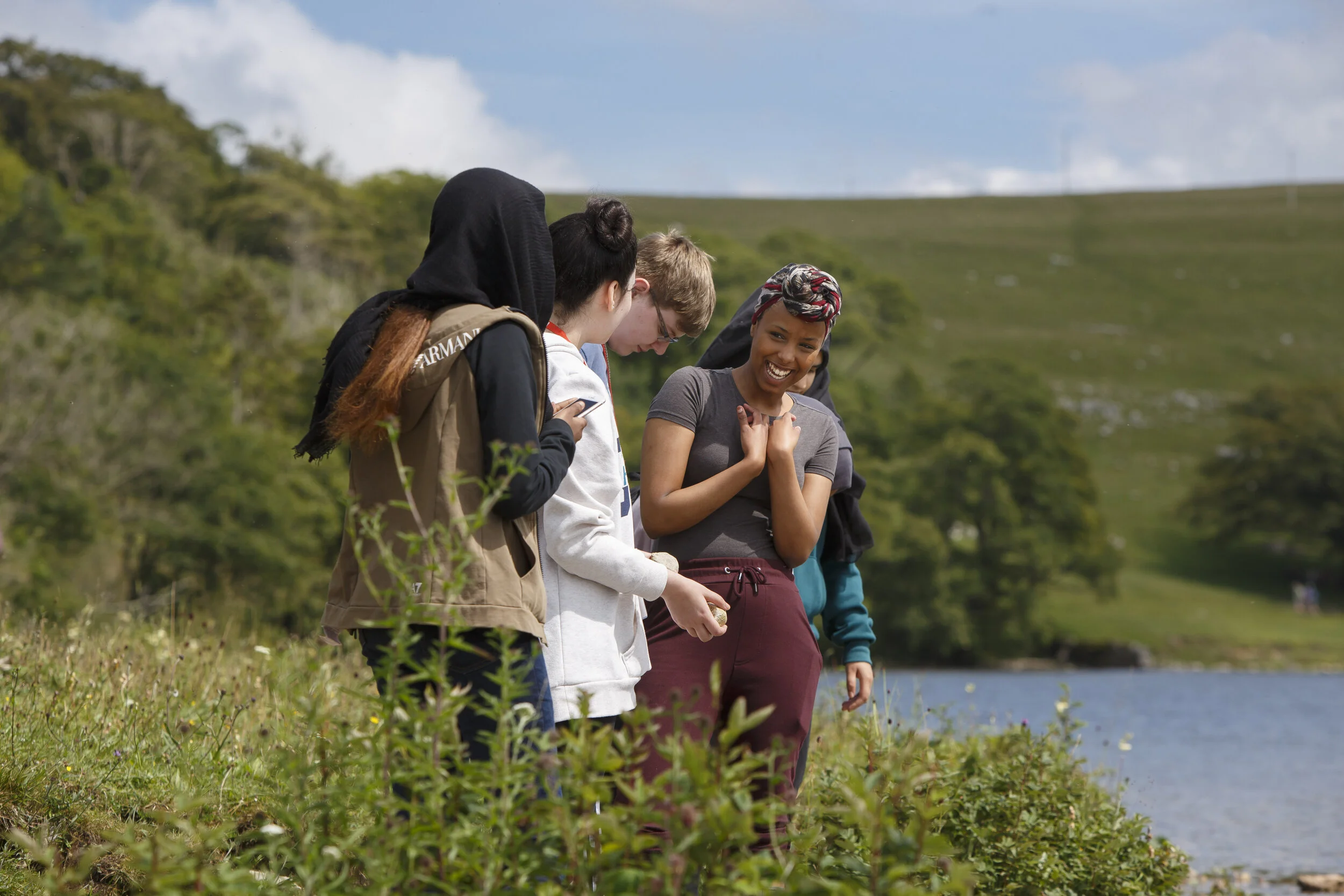
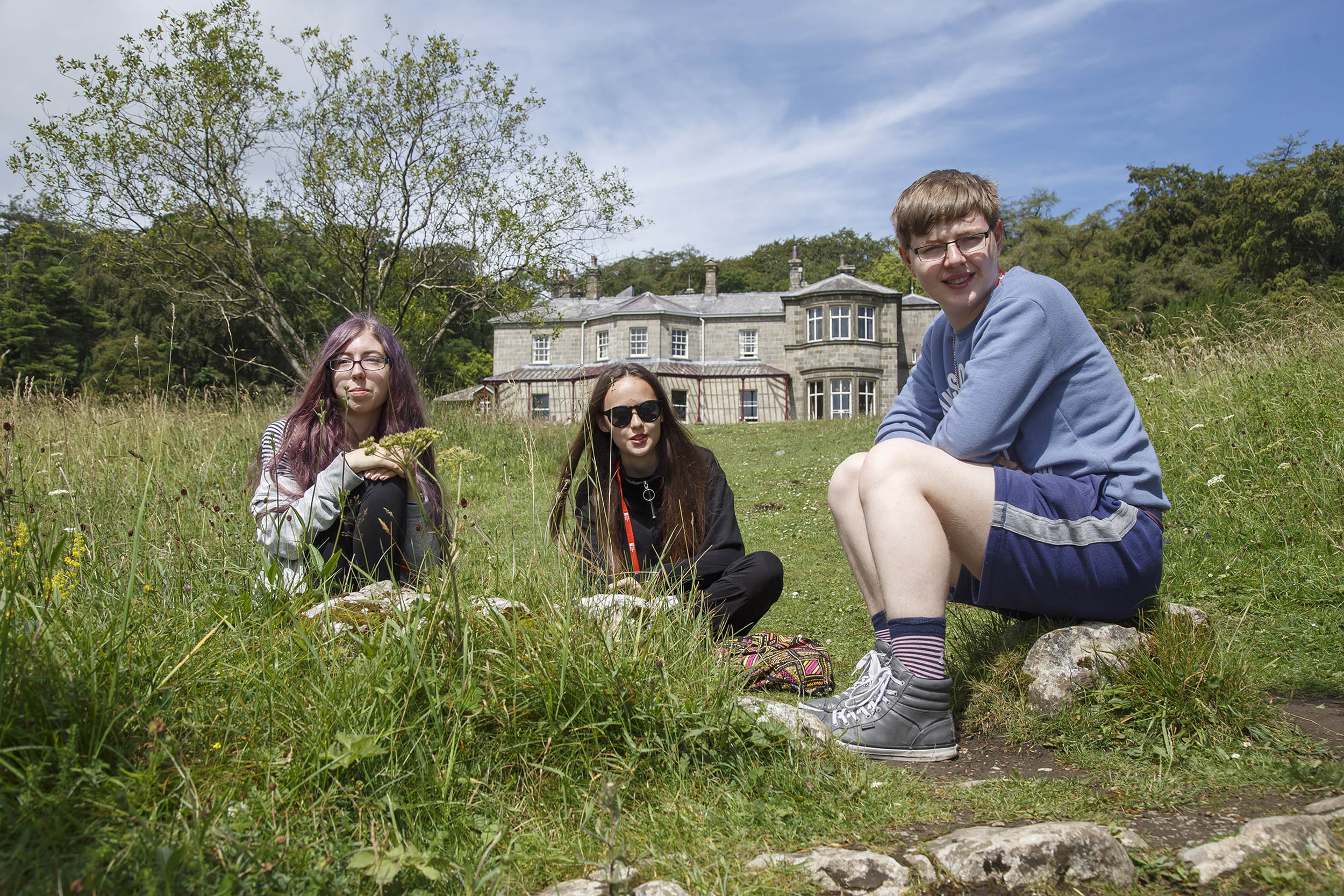
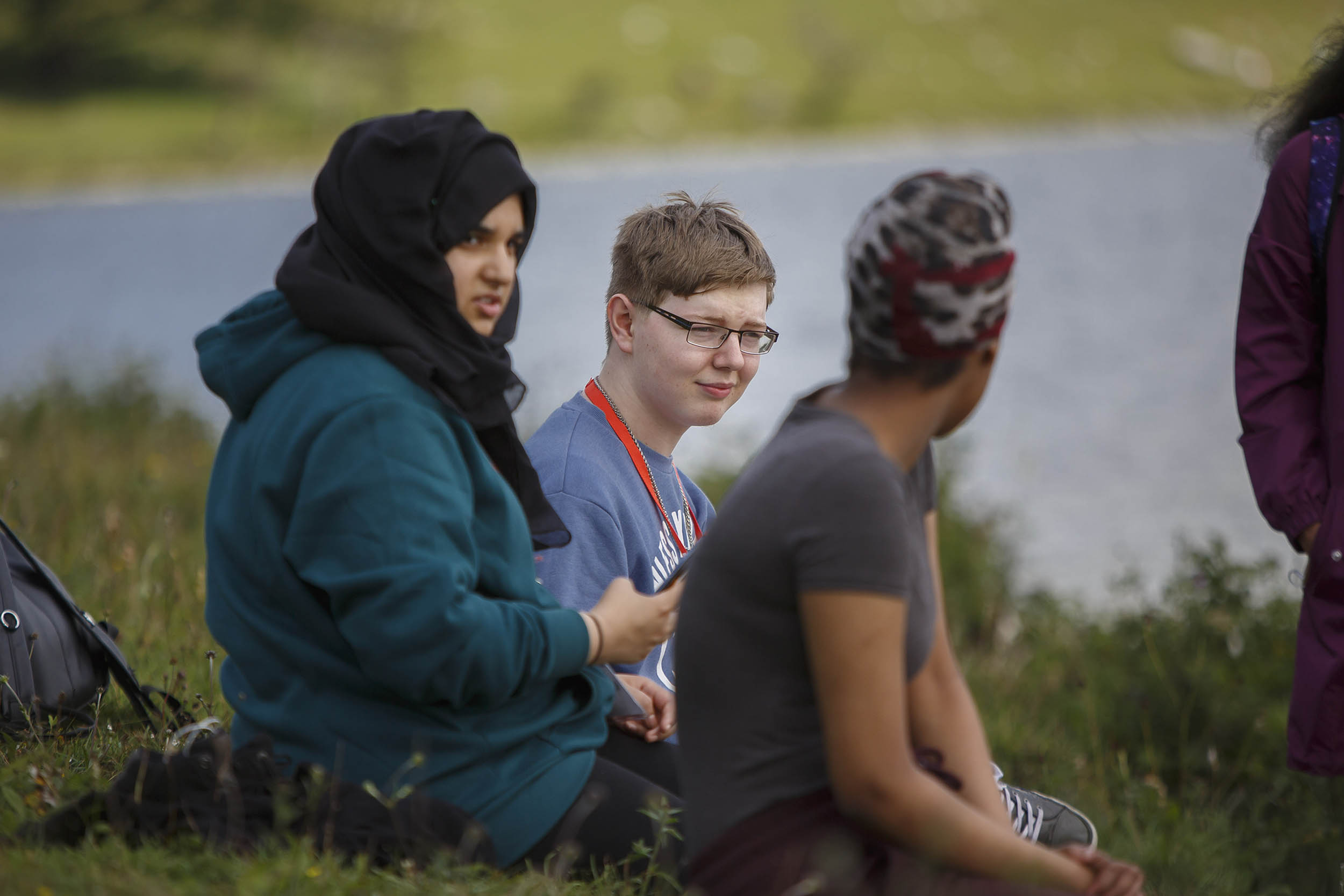
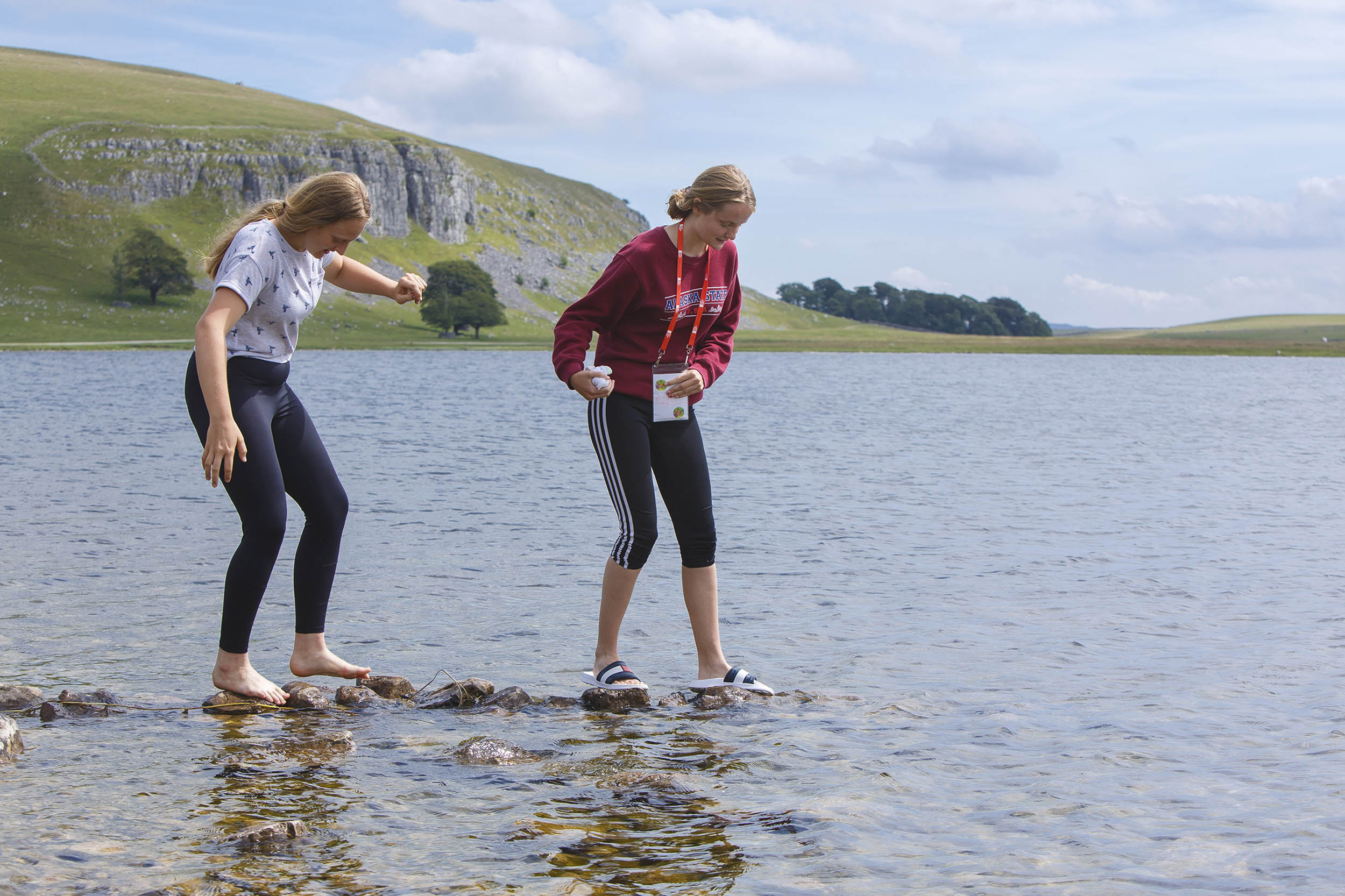
The British Ecological Society’s summer school is a week long residential field experience for students studying sciences at A-level, Scottish Higher and other similar qualifications. This year 31 students from 7 different schools across the UK gathered at Malham Tarn in the Yorkshire Dales. I was there as documentary photographer giving an overview of the day’s activities and providing marketing and social media material.
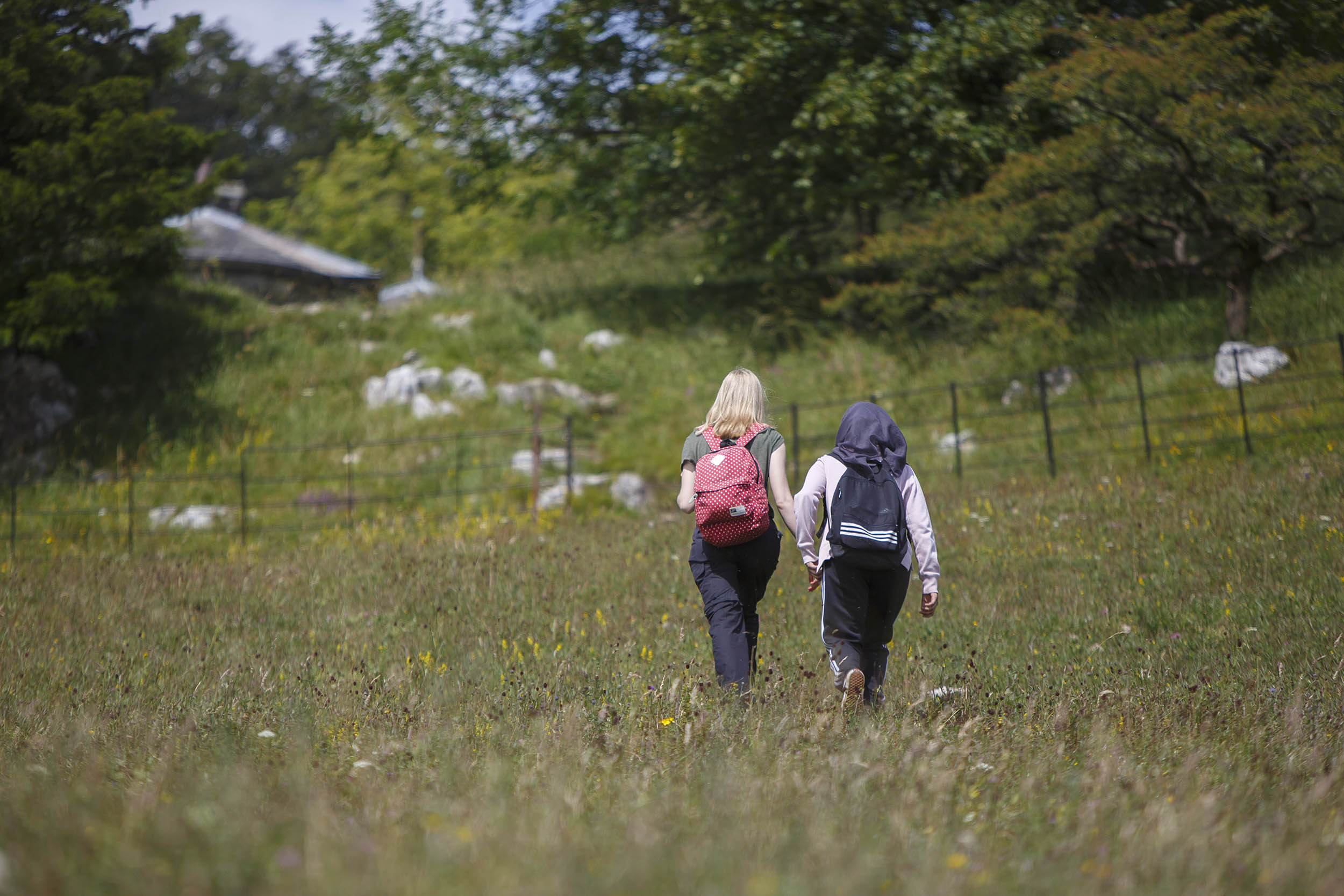
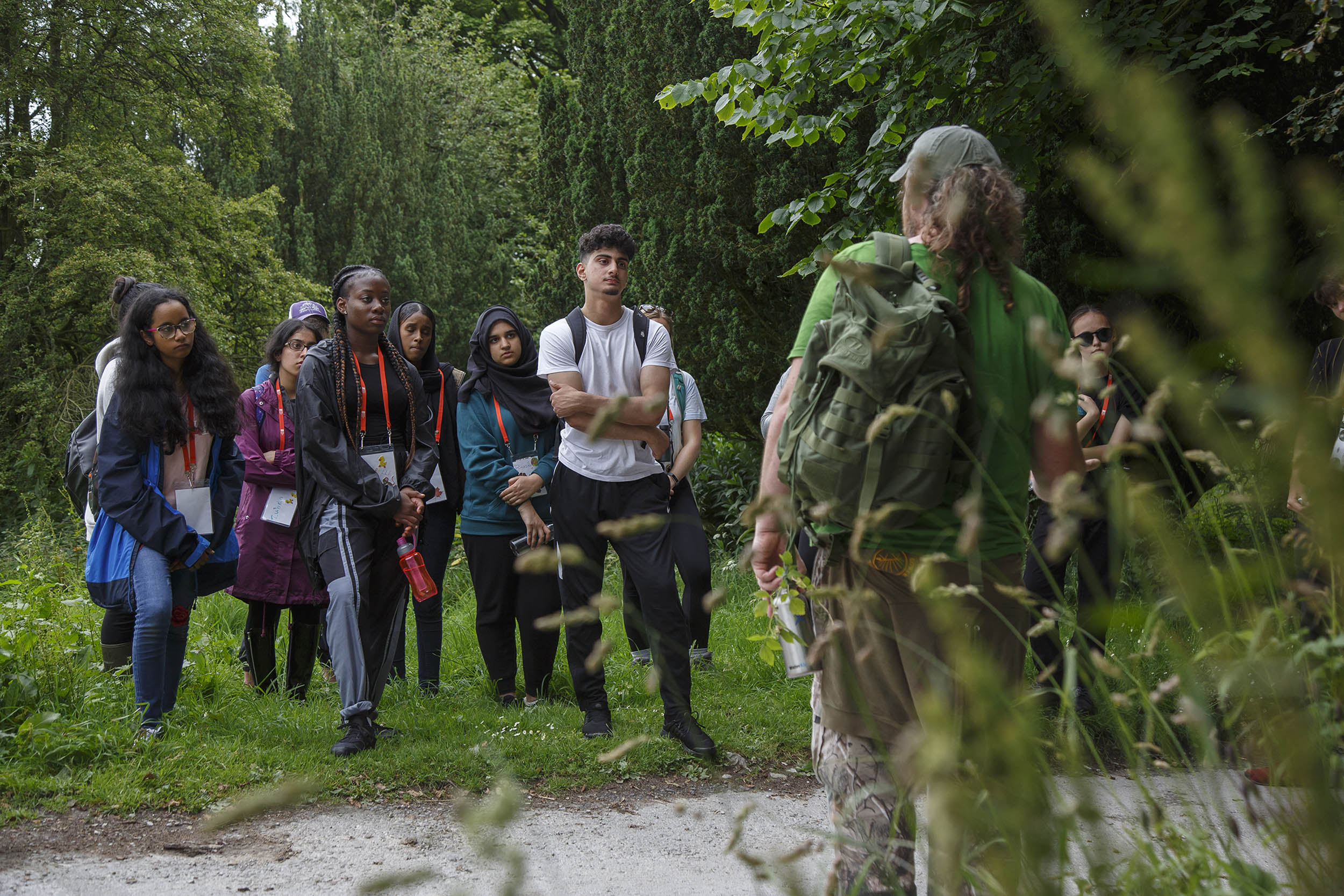
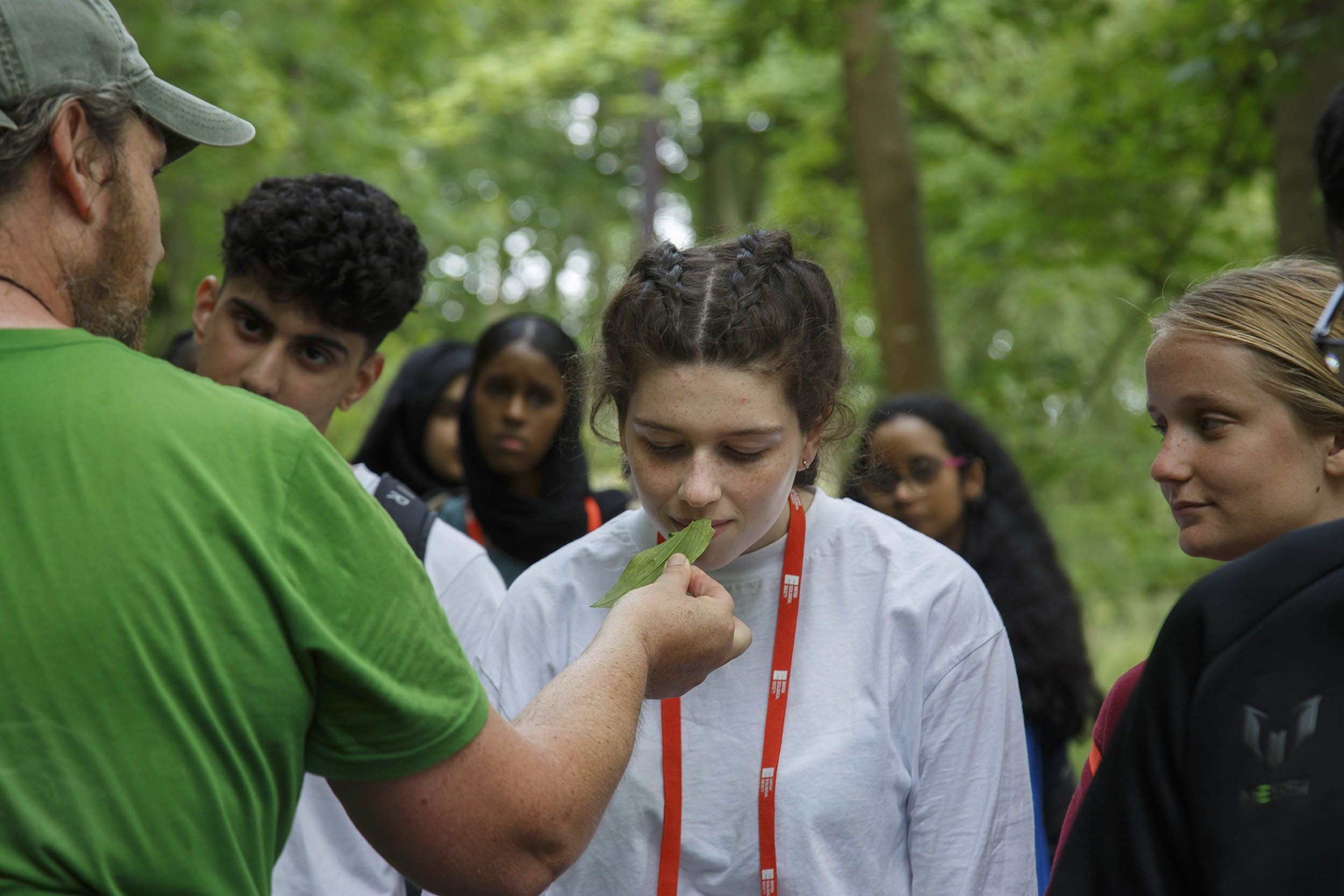
As ever, working for BES was extremely interesting, a personal highlight being the nature walk led by Dr. Daniel Forman, lecturer in Biosciences at Swansea University. I’d walked the same route as part of the Pennine Way last year but his fascinating insights into the ecology around us was illuminating.

Event Photography: British Ecological Society Summer School at Malham Tarn
I recently worked with the British Ecological Society (BES) as a documentary photographer during their annual summer school, a week-long residential field experience for students studying sciences at A-level, Scottish Higher, and equivalent qualifications. This year, 31 students from seven schools across the UK gathered at Malham Tarn in the Yorkshire Dales to explore ecology, fieldwork, and environmental science firsthand.
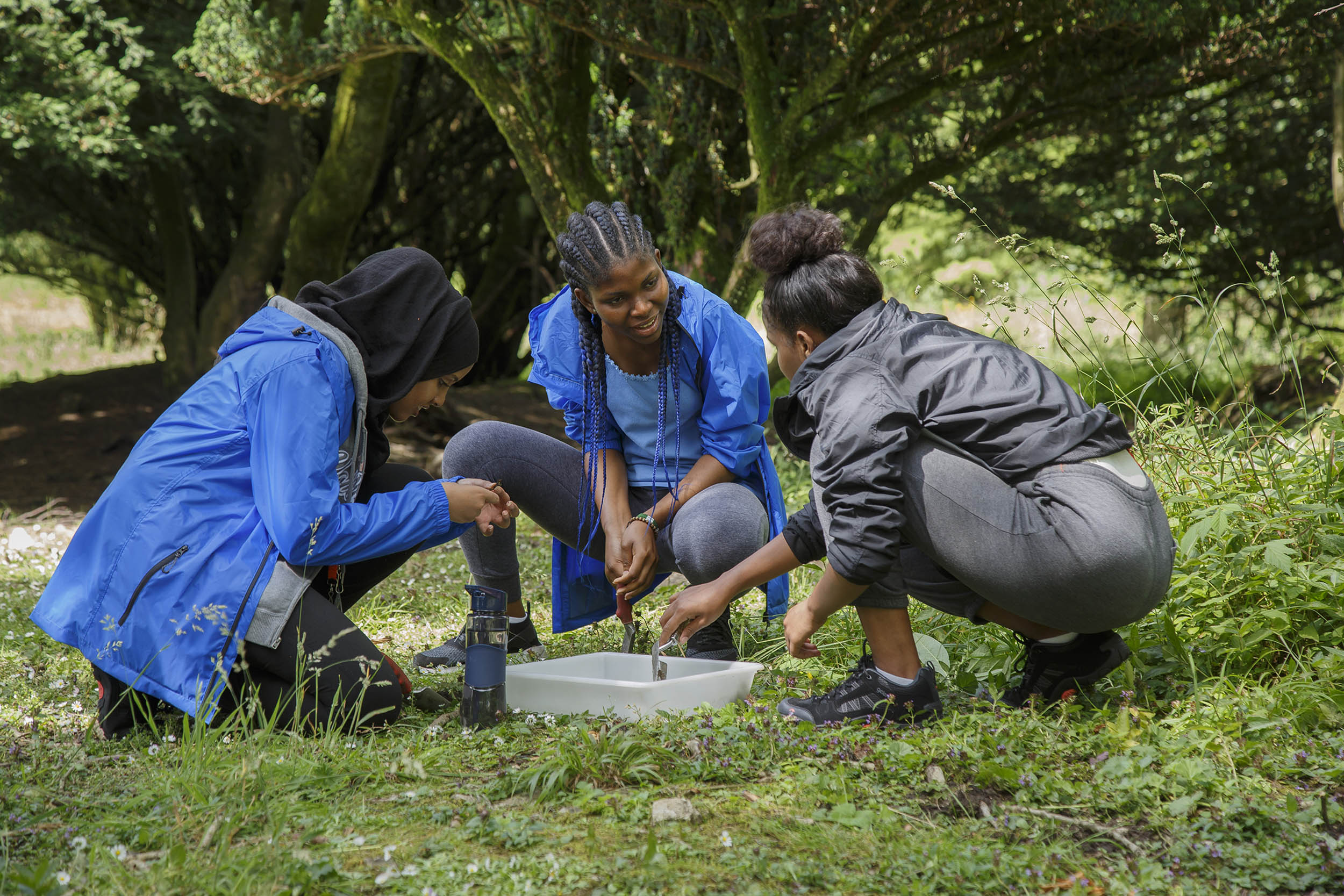
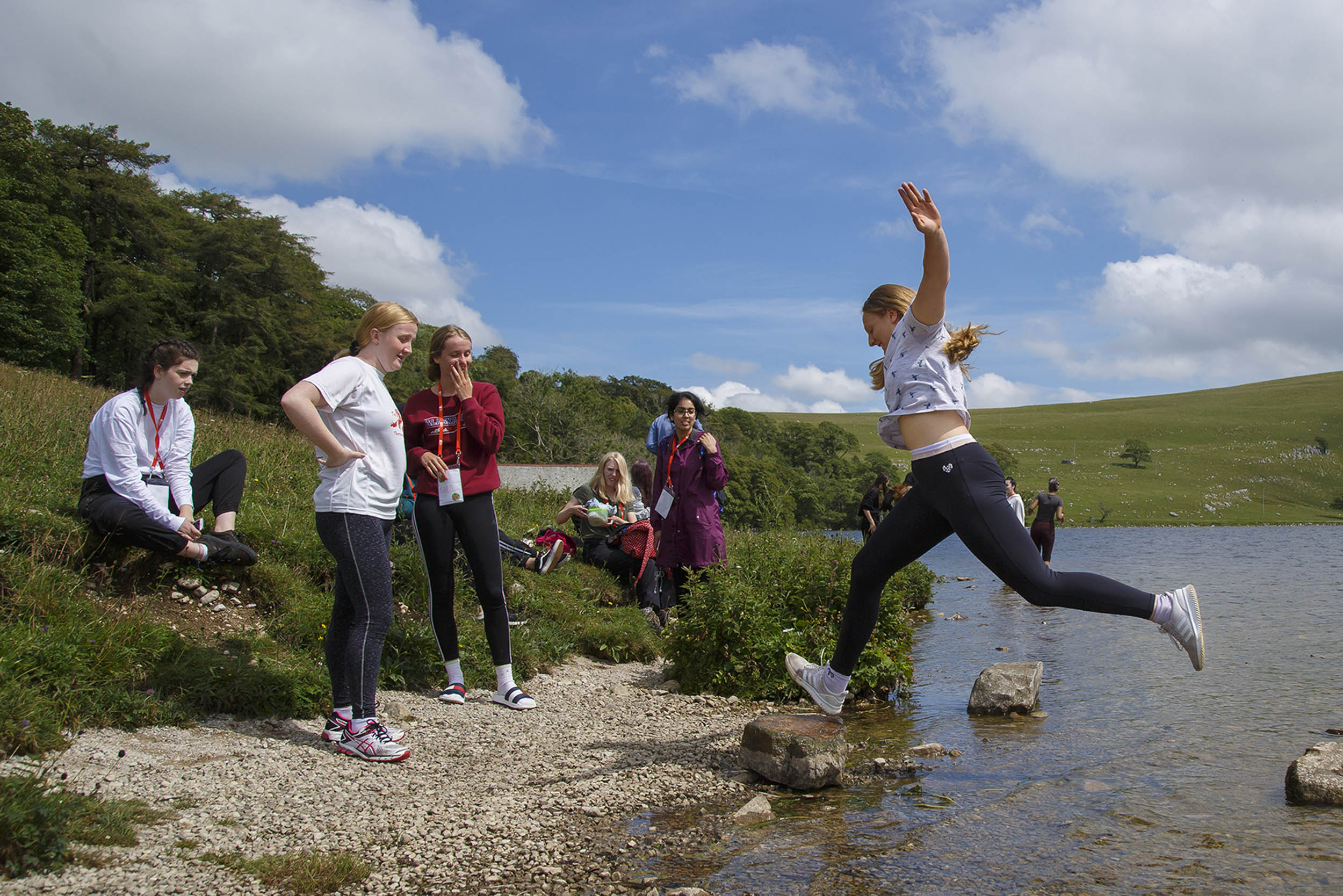
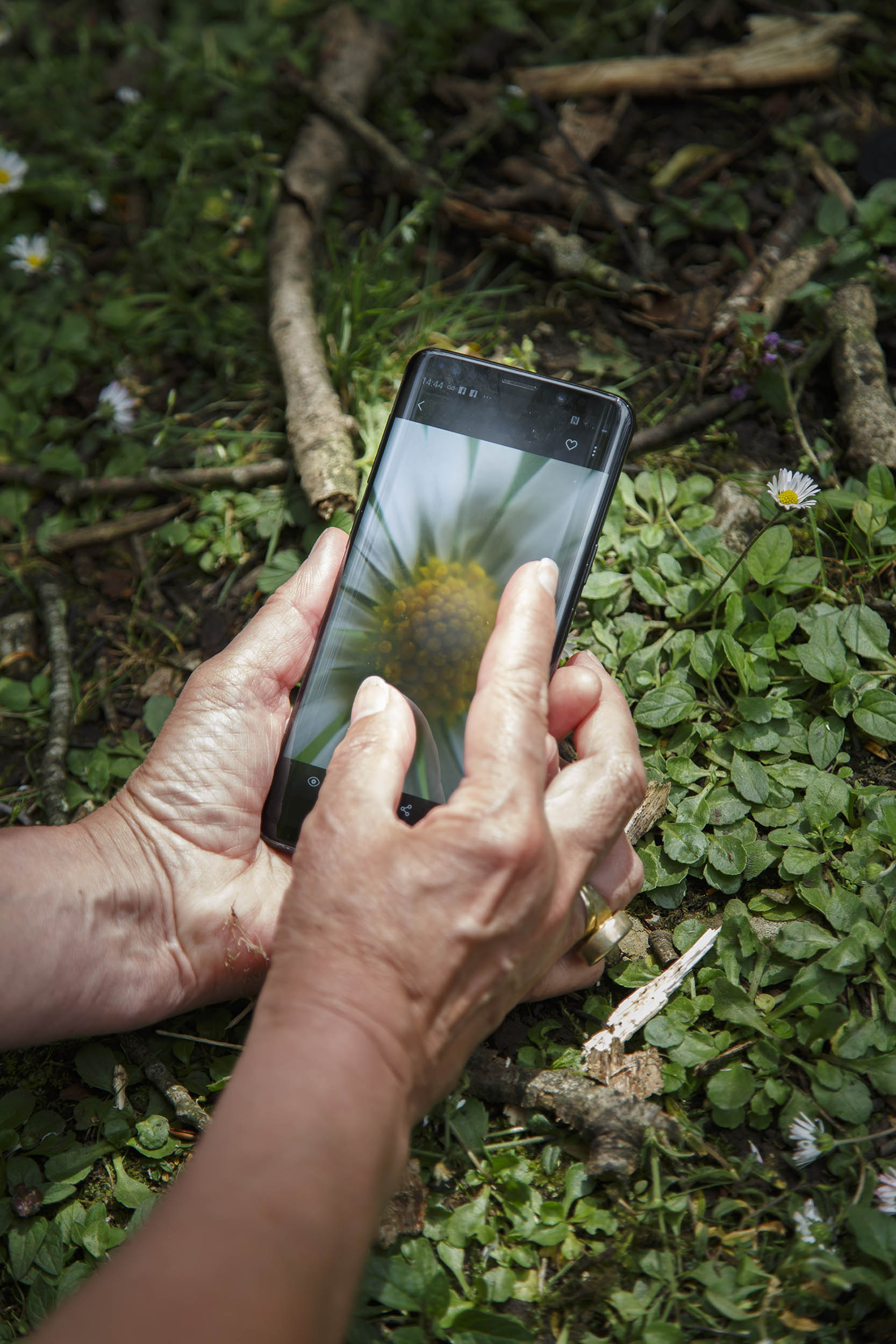
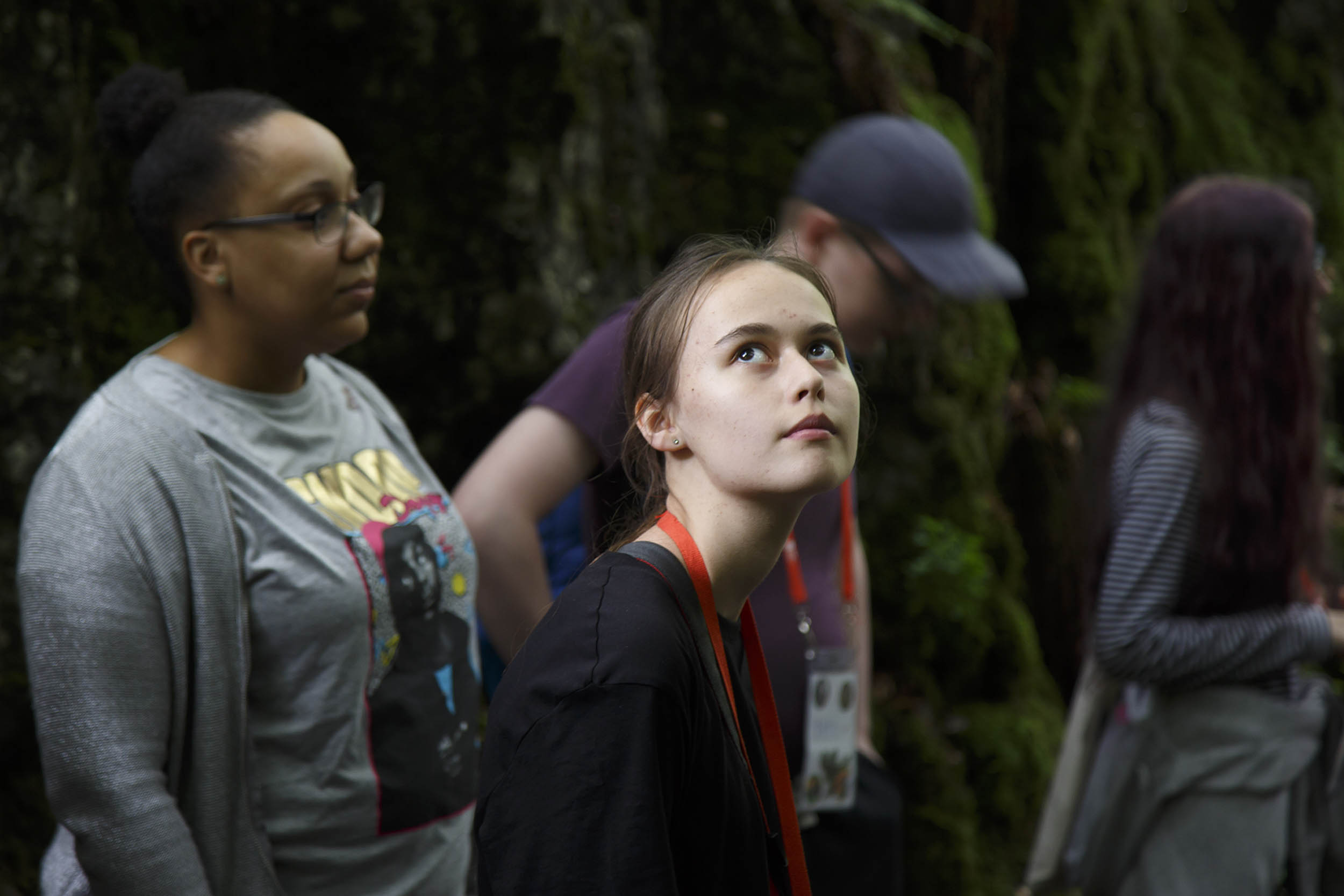
I photographed one day of the programme, providing an overview of the day’s activities while creating marketing and social media material for BES. The focus was on capturing students engaged in fieldwork, discussions, and outdoor learning, showing both the educational content and the immersive nature of the experience.
Documenting Fieldwork and Student Engagement
Even within a single day, there are many moments that illustrate the value of hands-on ecological learning. One highlight was the nature walk led by Dr. Daniel Forman, lecturer in Biosciences at Swansea University. Although I had walked the same route previously as part of the Pennine Way, Dr. Forman’s insights into the local ecology and species interactions offered students—and my photography—a new perspective on the landscape.
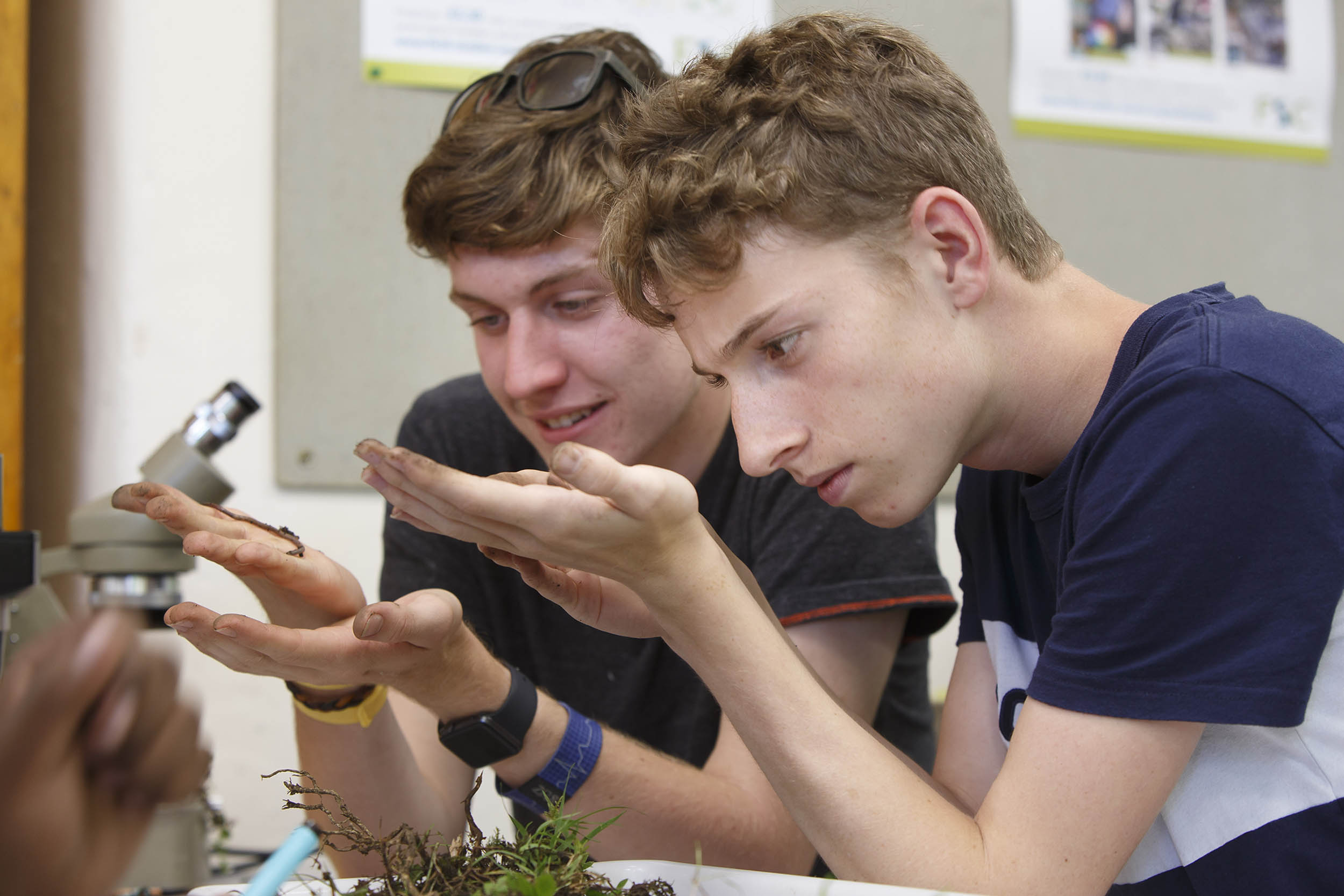
Photographs captured students observing habitats, taking notes, and interacting with instructors, emphasizing curiosity, engagement, and teamwork. These images help convey the hands-on learning experience to audiences who could not attend.


The Importance of Professional Photography for Educational Programmes
High-quality photography is essential for educational initiatives like the BES summer school. Images from even a single day:
Provide marketing material to promote future programmes
Document student engagement for internal review
Show the collaboration between students and instructors
Support social media, newsletters, and press coverage to demonstrate programme impact
Capturing these moments professionally ensures that BES can showcase both the learning outcomes and the immersive, field-based nature of the summer school.
Malham Tarn: A Unique Field Site
Malham Tarn in the Yorkshire Dales offers a diverse ecological setting, including wetlands, limestone landscapes, and surrounding habitats. Photographing students in this environment demonstrates how fieldwork brings theory to life and provides unique learning opportunities. Images from the day highlight the interaction between students, instructors, and the environment, which is central to BES’s mission.
Conclusion
Documenting one day of the British Ecological Society summer school allowed me to capture the energy, curiosity, and engagement of the students while providing BES with professional material for marketing, social media, and archival purposes. Working alongside expert instructors like Dr. Daniel Forman made the day both professionally and personally rewarding.
For more information about the British Ecological Society and their educational initiatives, visit britishecologicalsociety.org.
What Makes a House a Home? for Hawkins/Brown
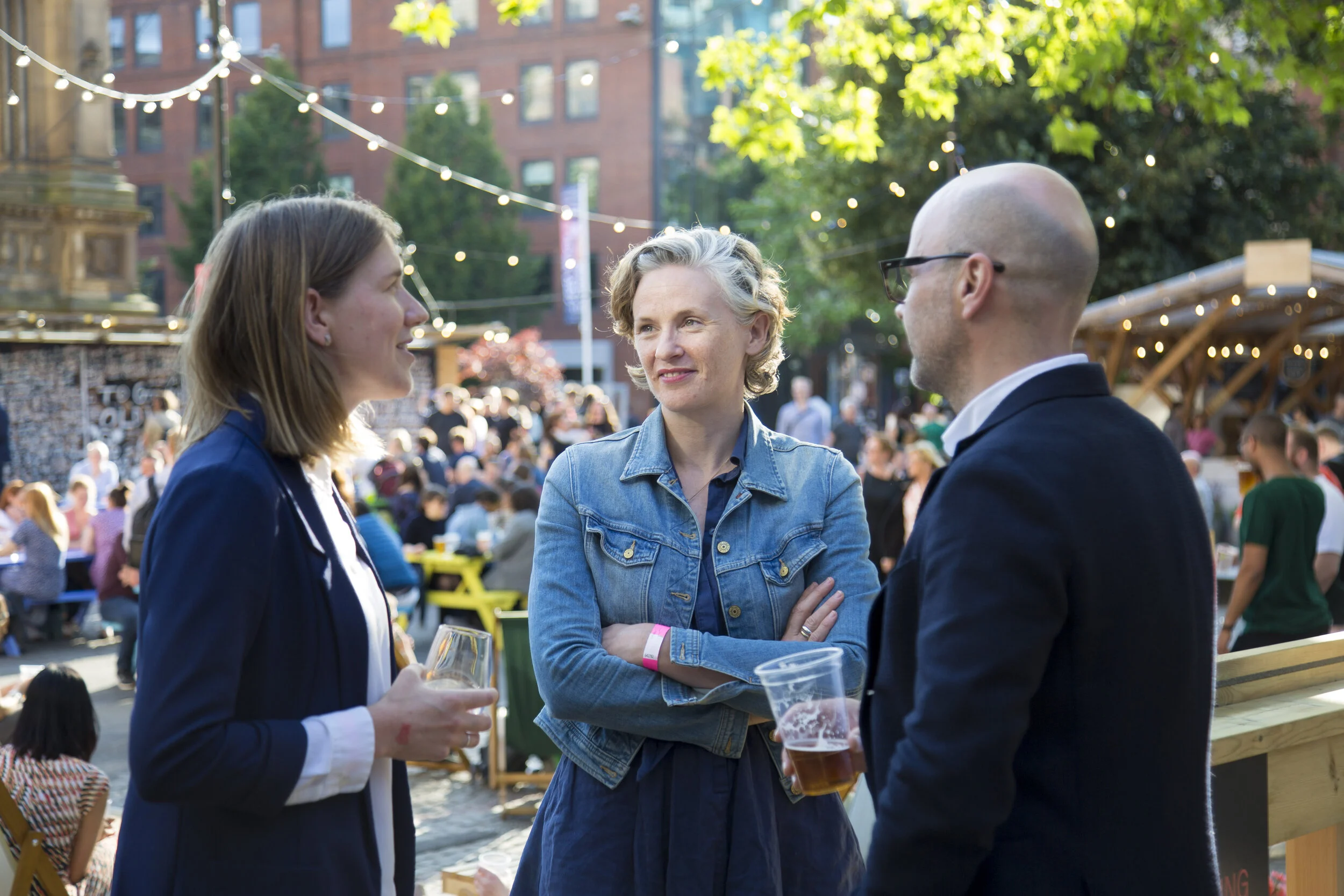
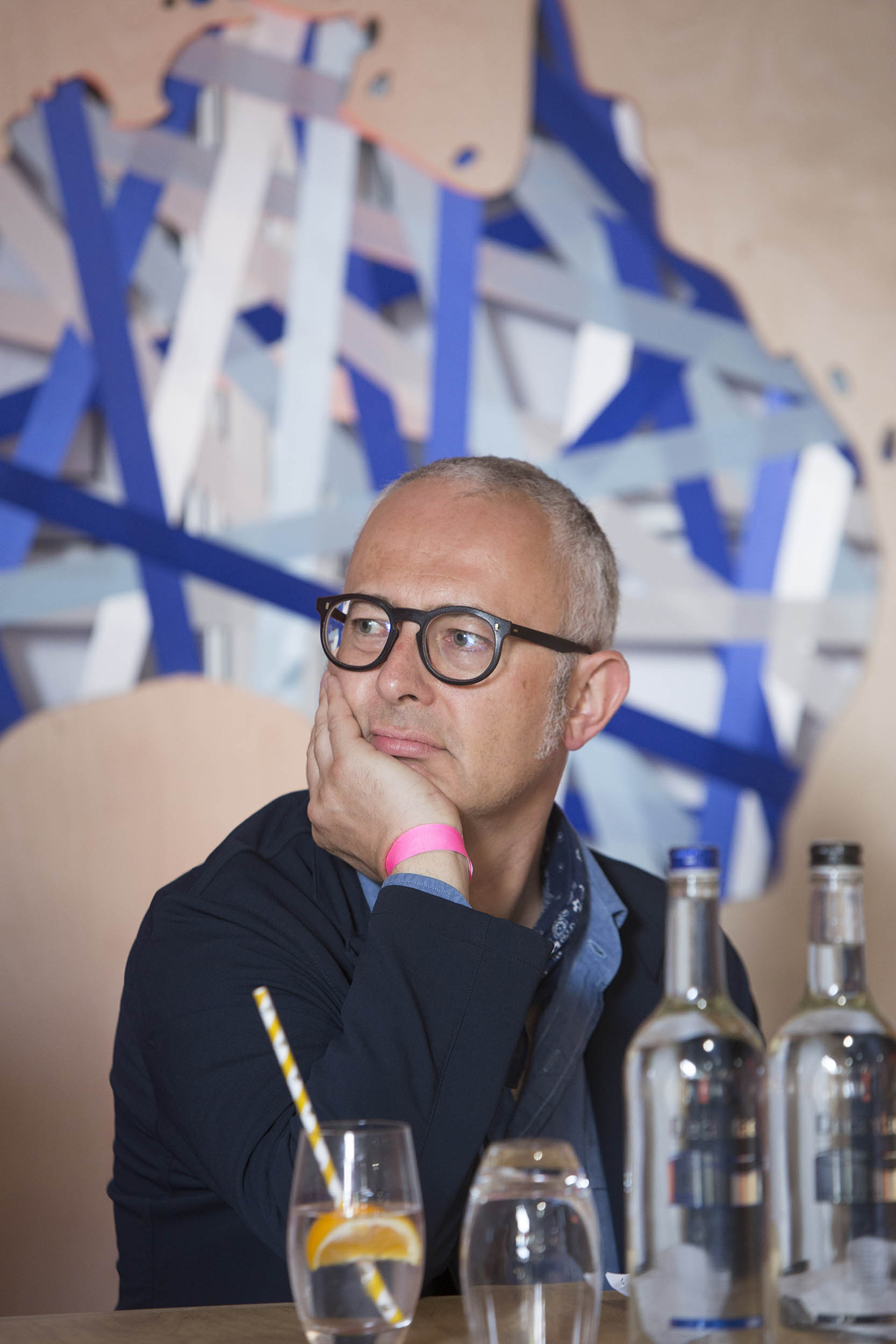
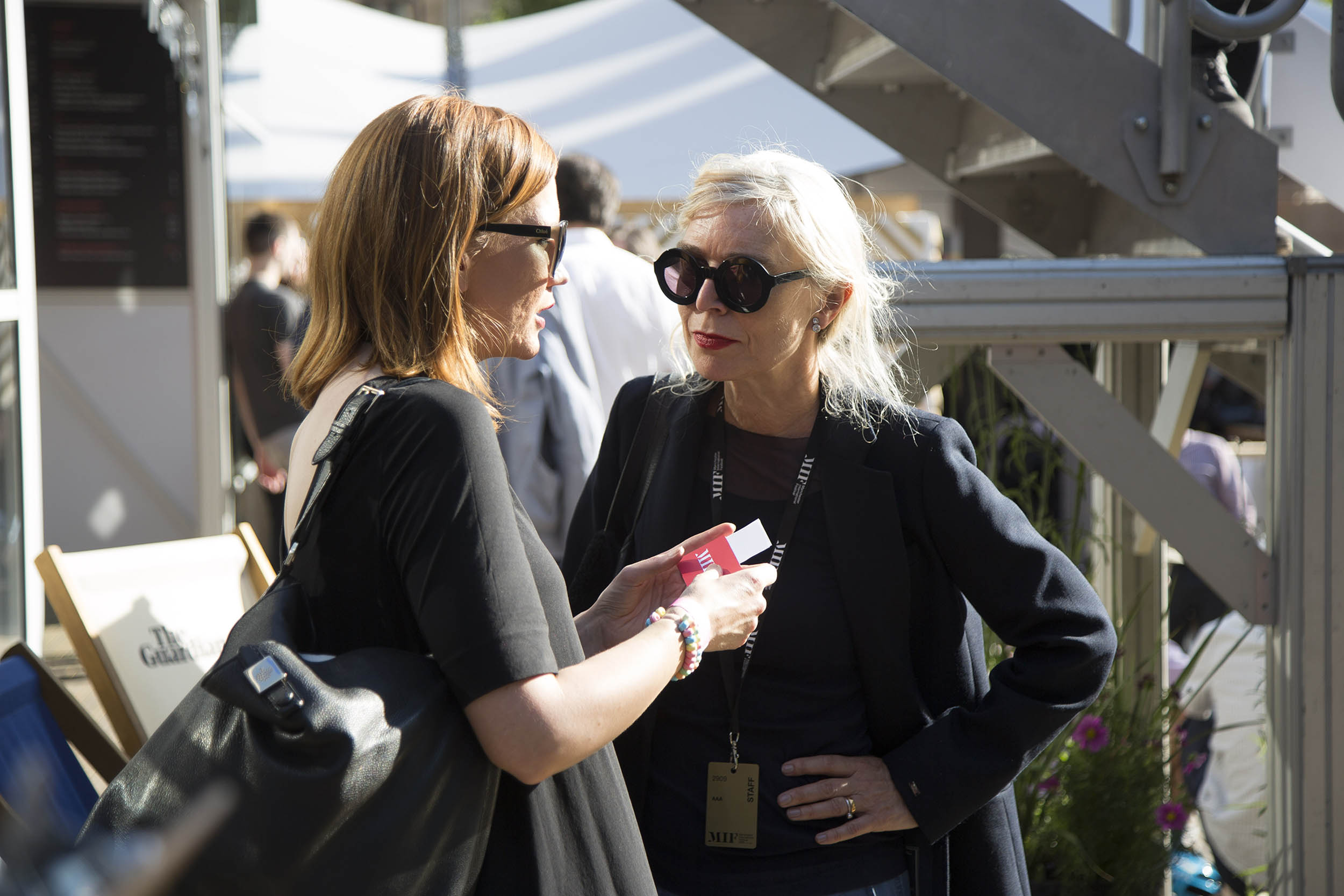
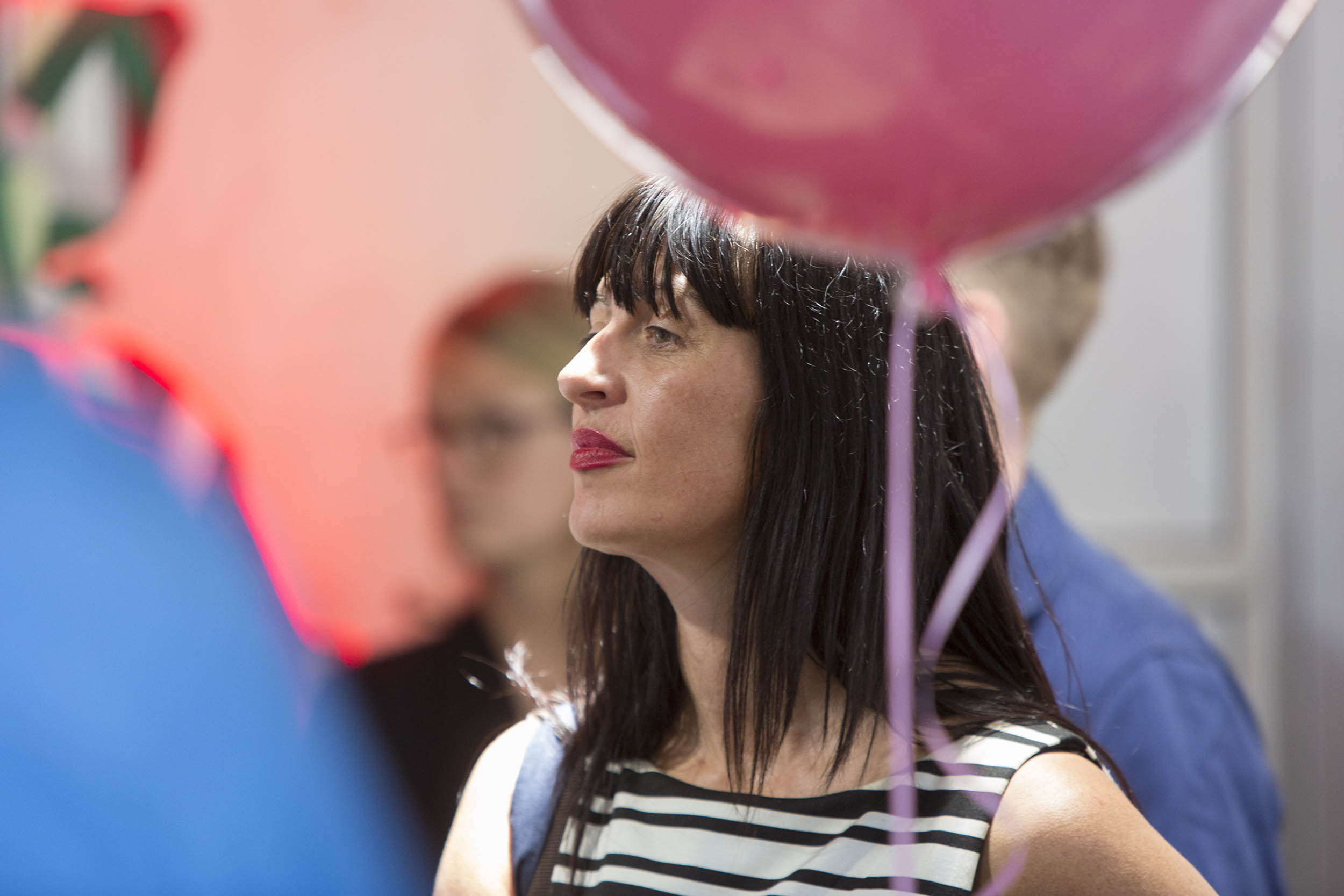
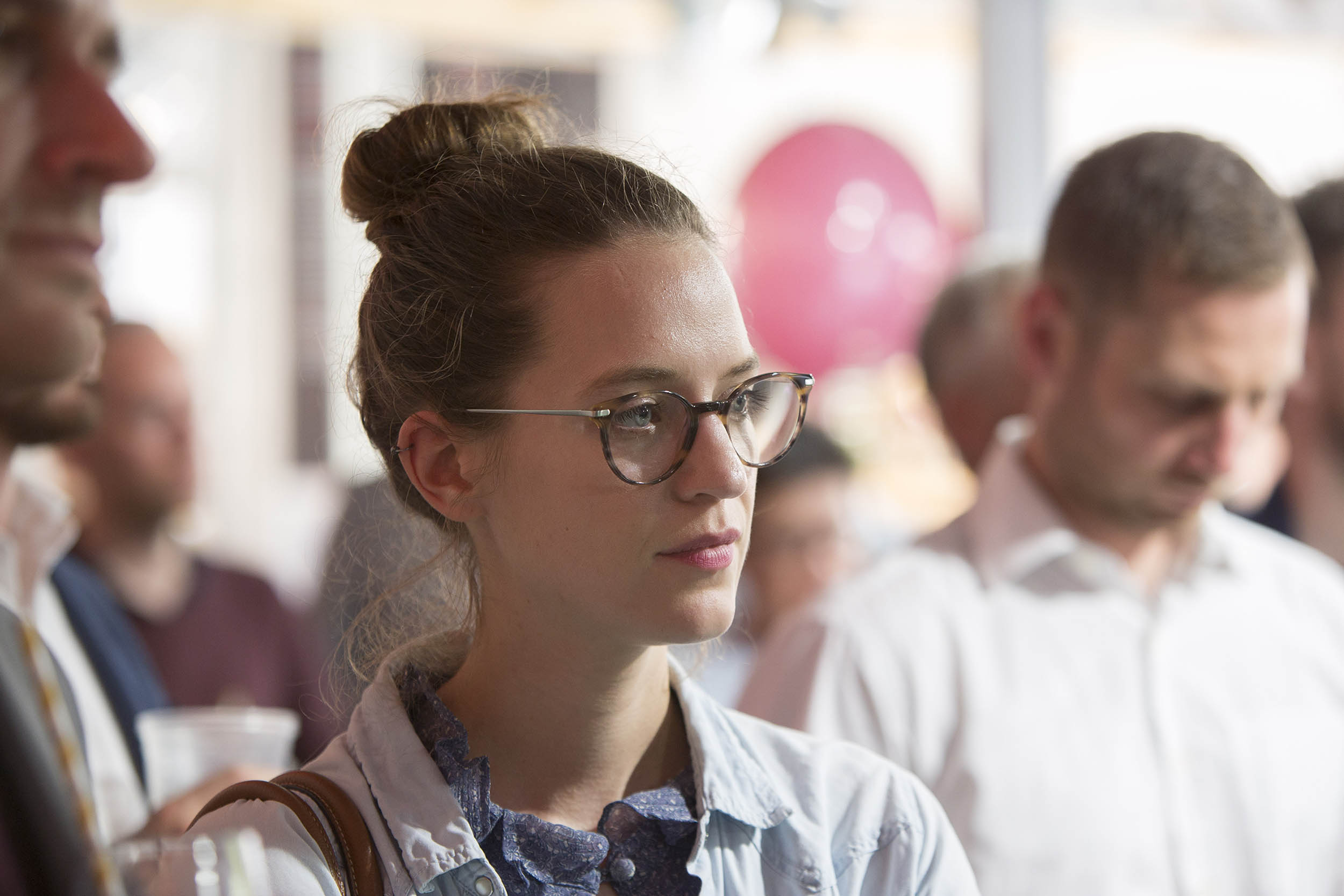
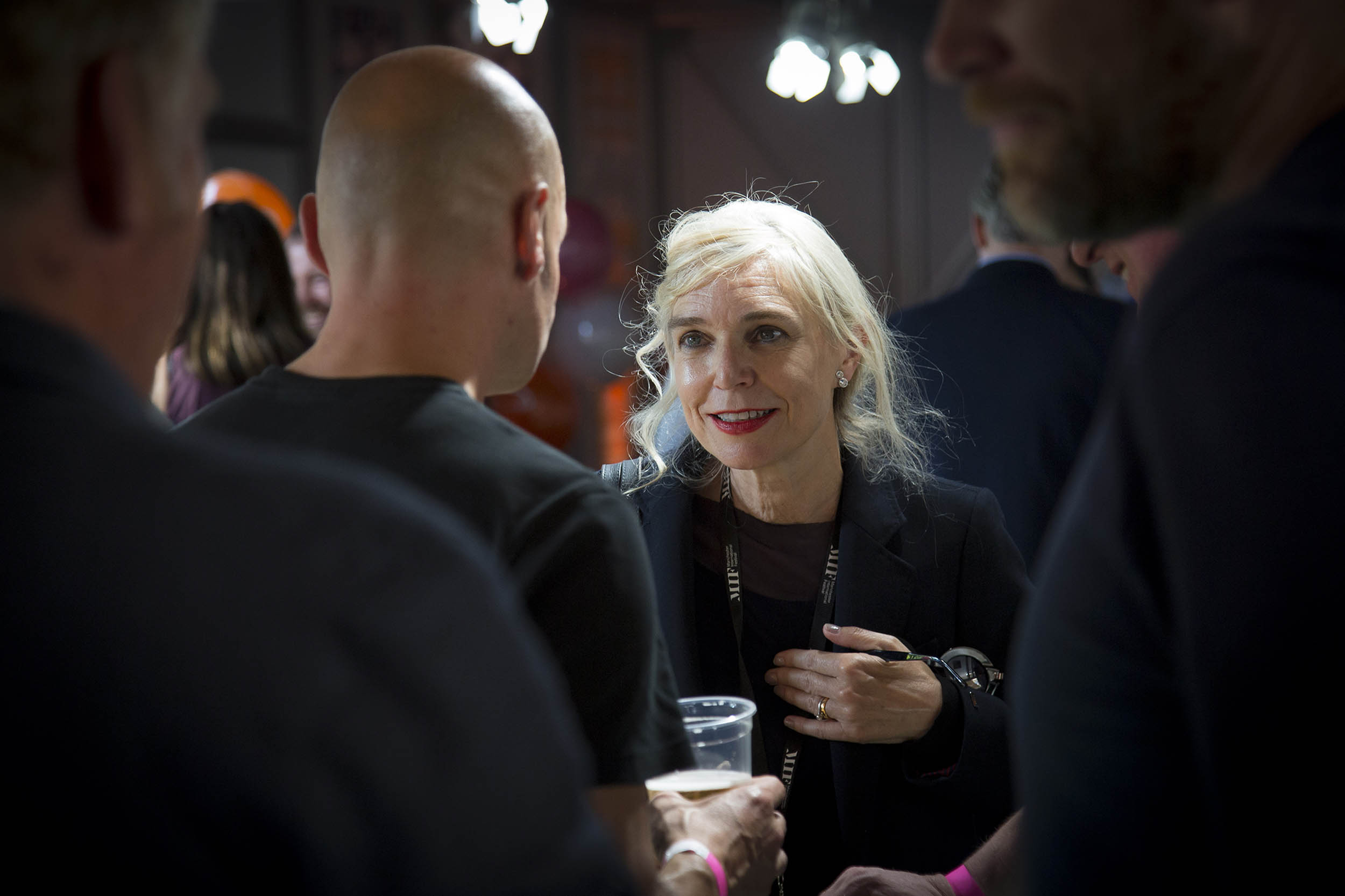
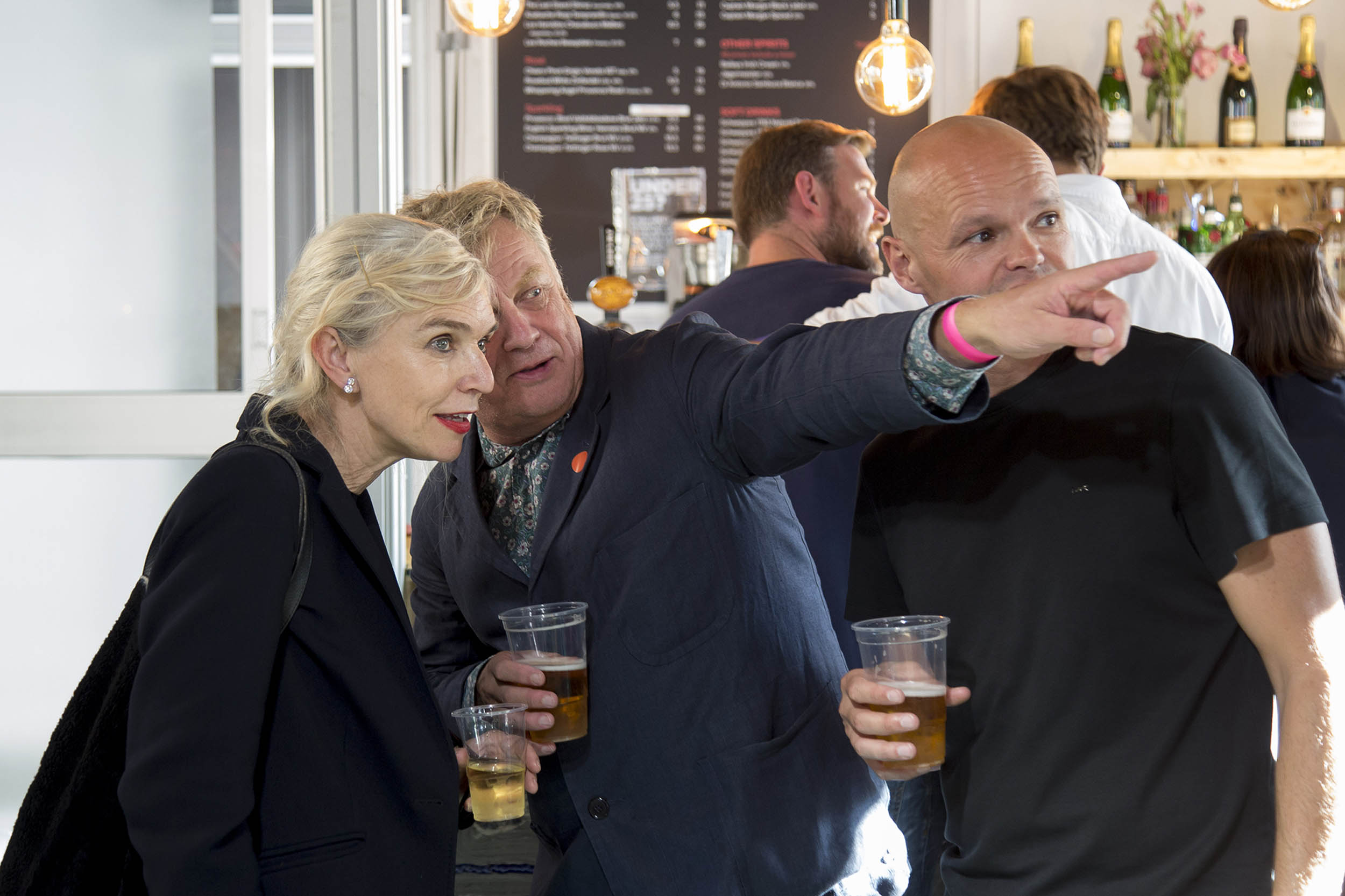
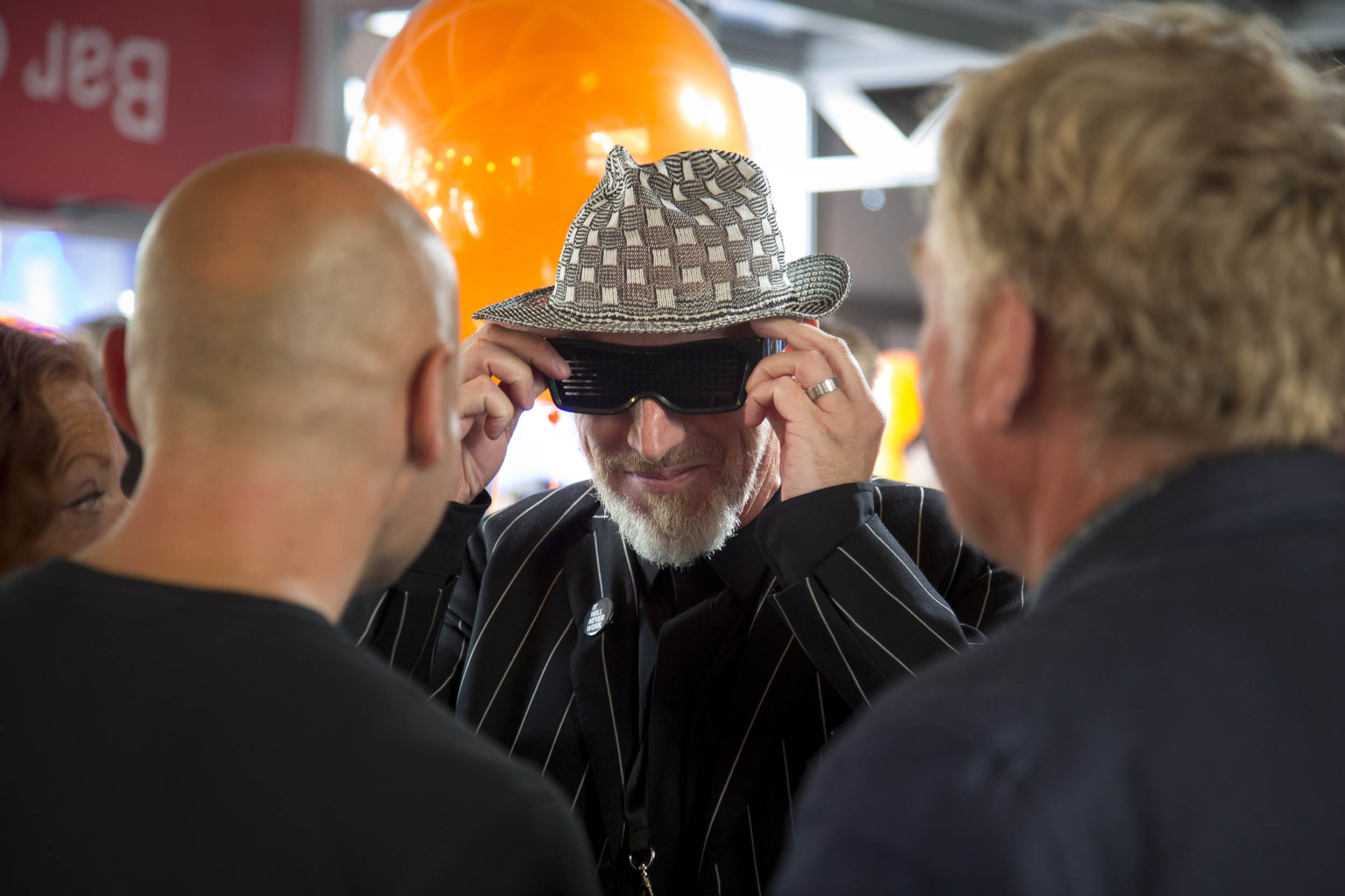
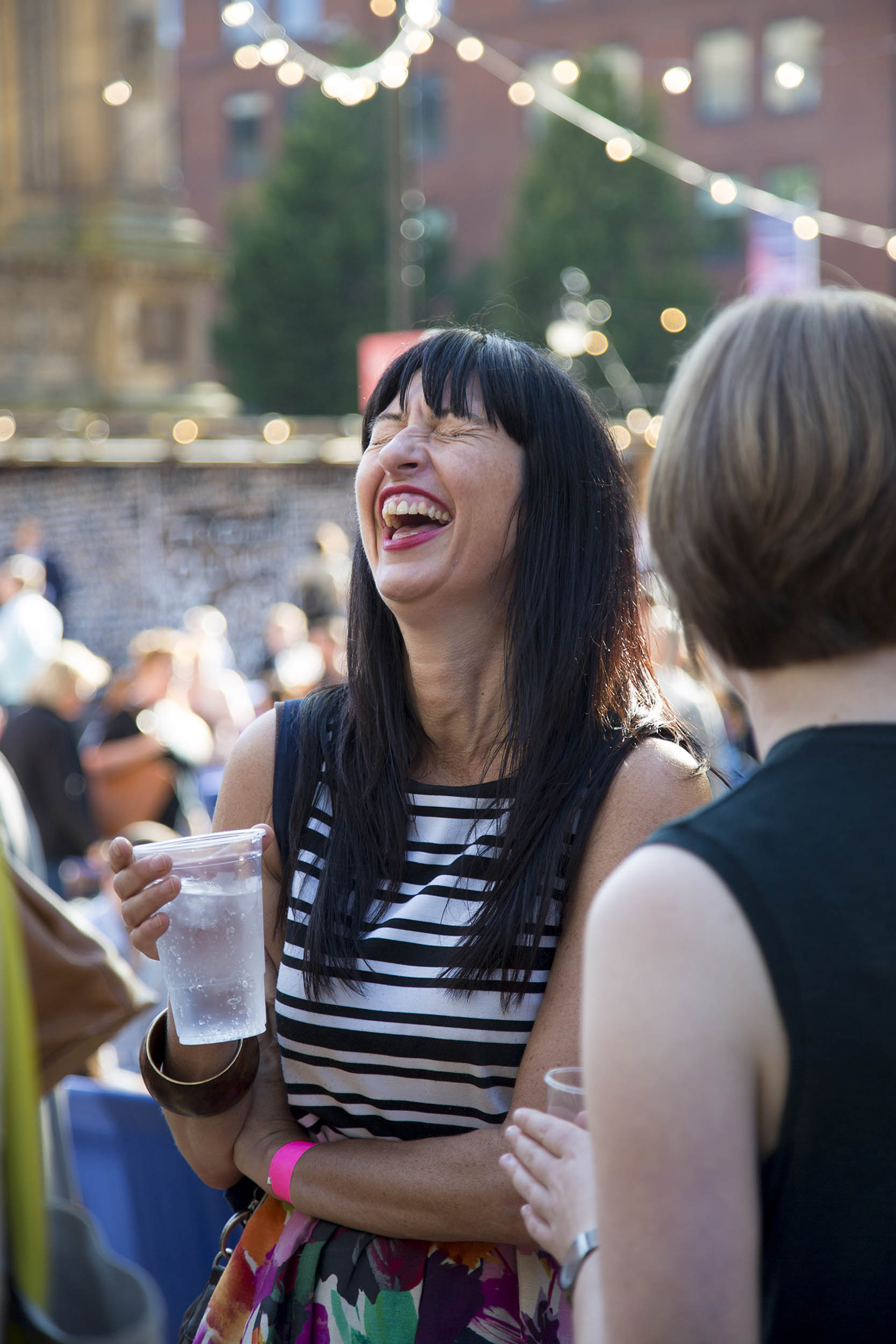
Hawkins\Brown have been debating this question for over 30 years and on Thursday 18 July 2019, hosted a conference party at Glass House One, Festival Square, to celebrate another successful year for Hawkins\Brown Studio North and their continued support of and involvement in Manchester International Festival.
The house: “a machine for living in” (Le Corbusier), or a place “to dream” (Gaston Bachelard)?
The panel delved into this rich and varied topic covering everything from co-living and the concept of community, to shifts in social demographics and changing lifestyles, to DfMA, buildability and volumetric housing, to what “home” means personally to each of the panellists. Some suggestions included: “my record collection”, “acoustic insulation (three children under the age of three!),” and “the freedom to DIY”.
It was a pleasure to photograph the conference while enjoying the atmosphere of MIF and the last of the sunshine.
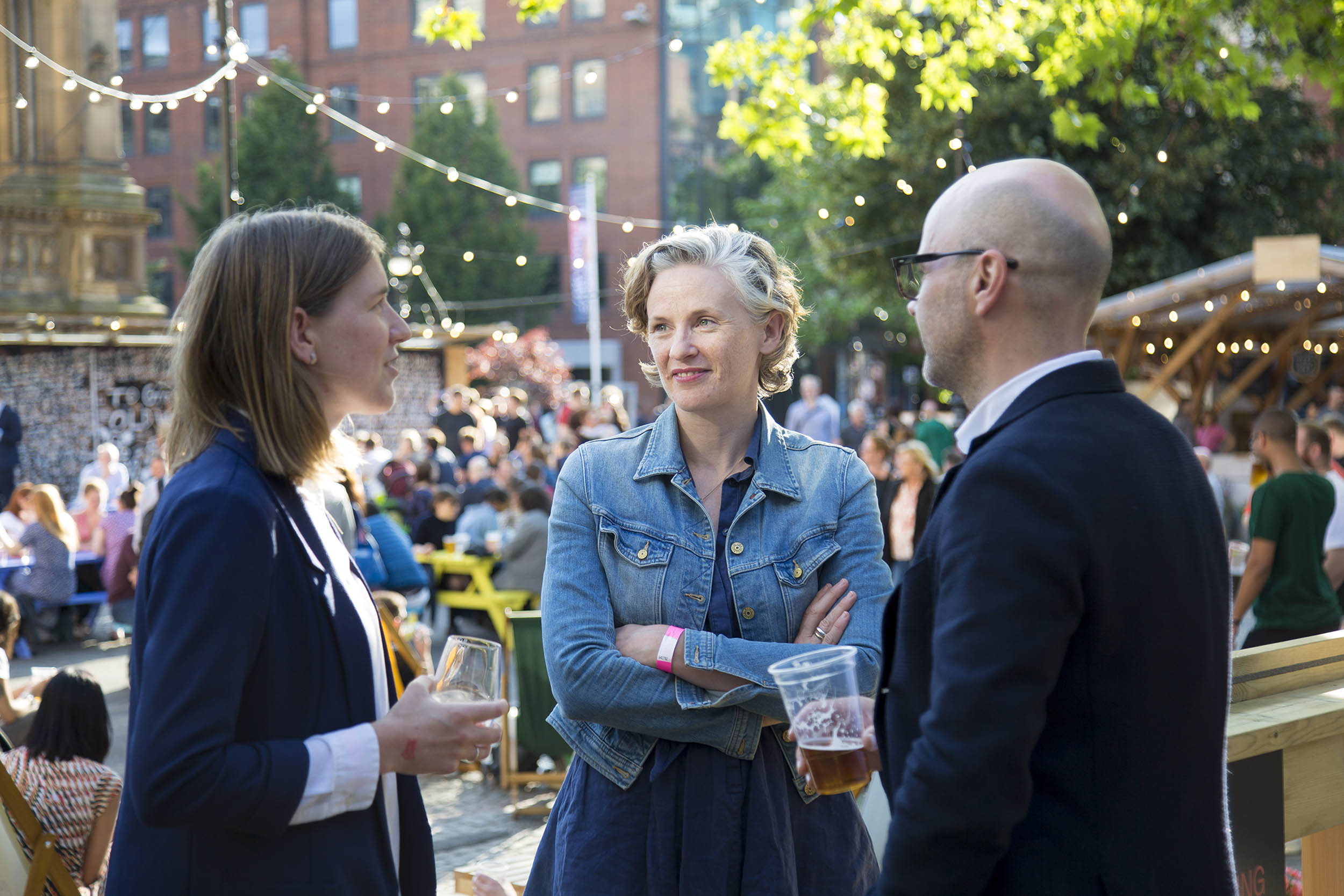
Hawkins\Brown have been debating this question for over 30 years and on Thursday 18 July 2019, hosted a party at Glass House One, Festival Square, to celebrate another successful year for Hawkins\Brown Studio North and their continued support of and involvement in Manchester International Festival.
The house: “a machine for living in” (Le Corbusier), or a place “to dream” (Gaston Bachelard)?
The panel delved into this rich and varied topic covering everything from co-living and the concept of community, to shifts in social demographics and changing lifestyles, to DfMA, buildability and volumetric housing, to what “home” means personally to each of the panellists. Some suggestions included: “my record collection”, “acoustic insulation (three children under the age of three!),” and “the freedom to DIY”.
British Ecological Society Conferences
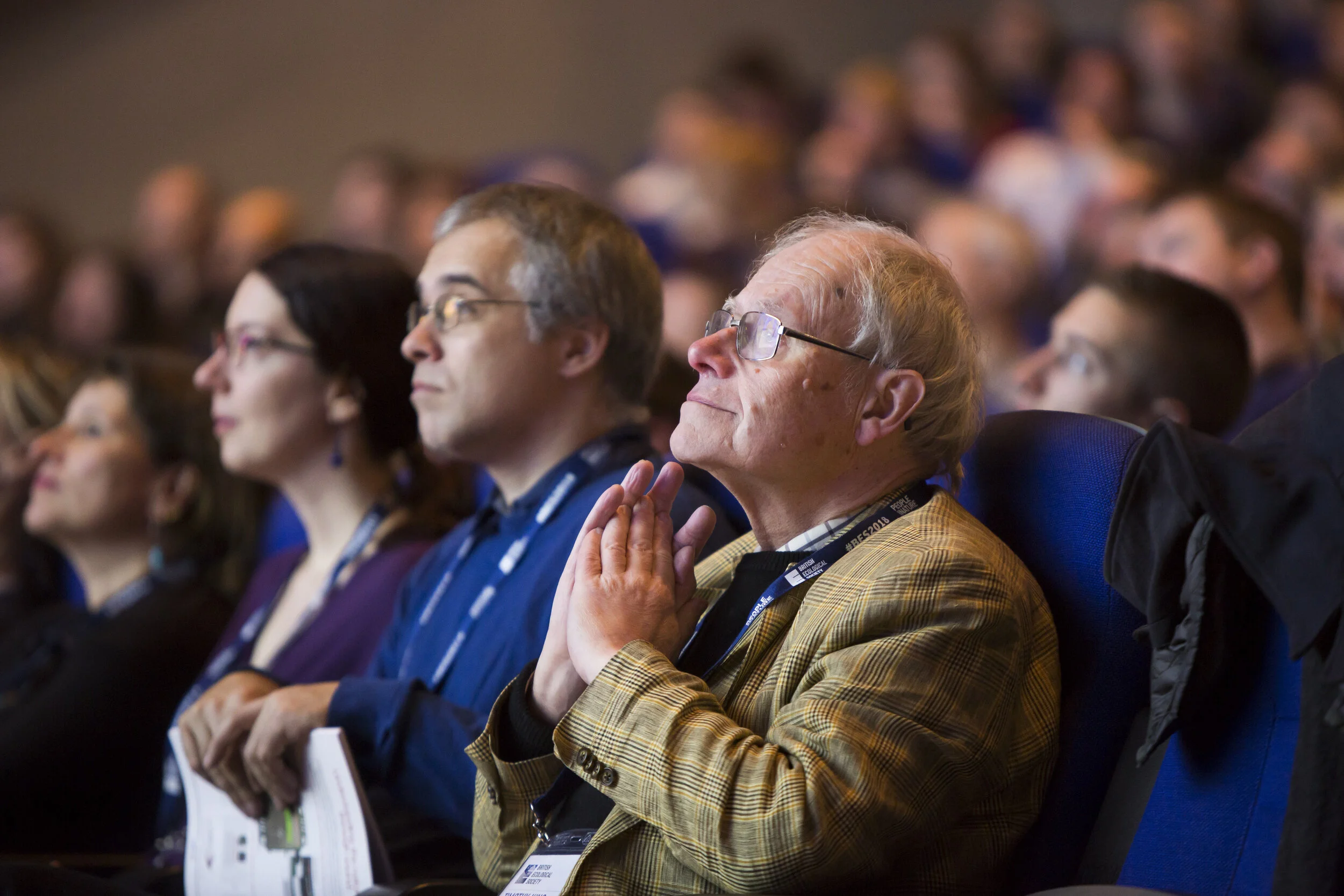
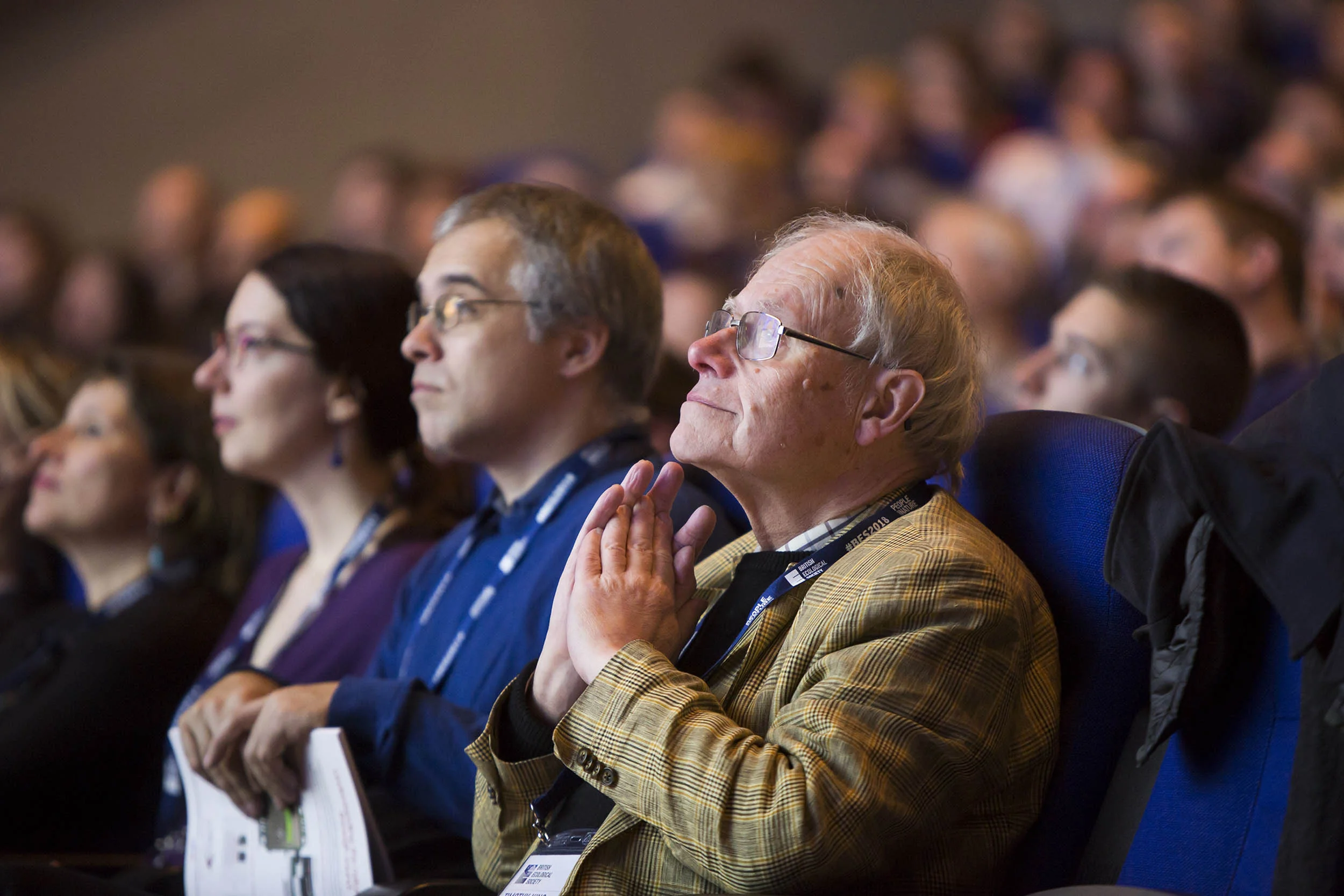
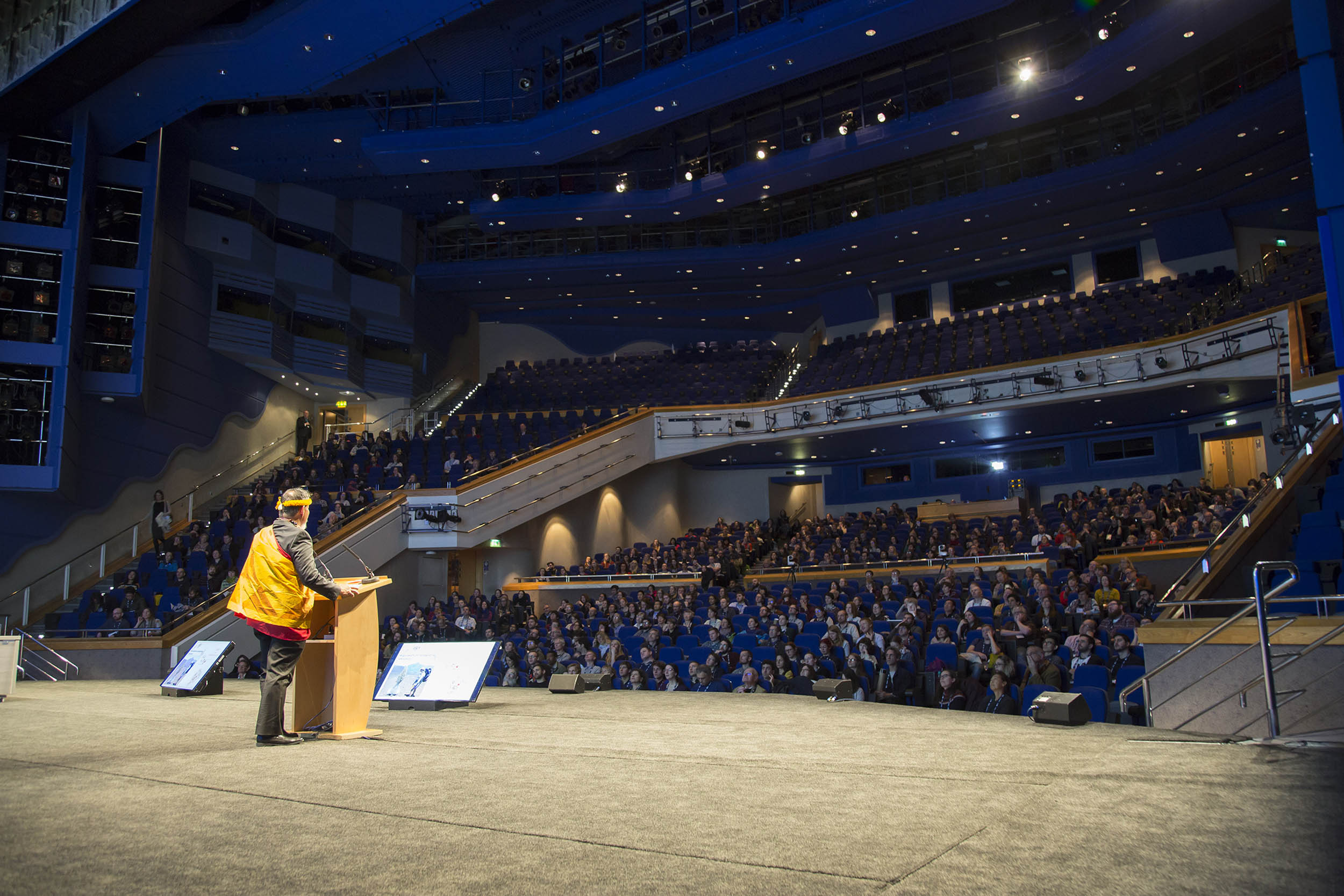
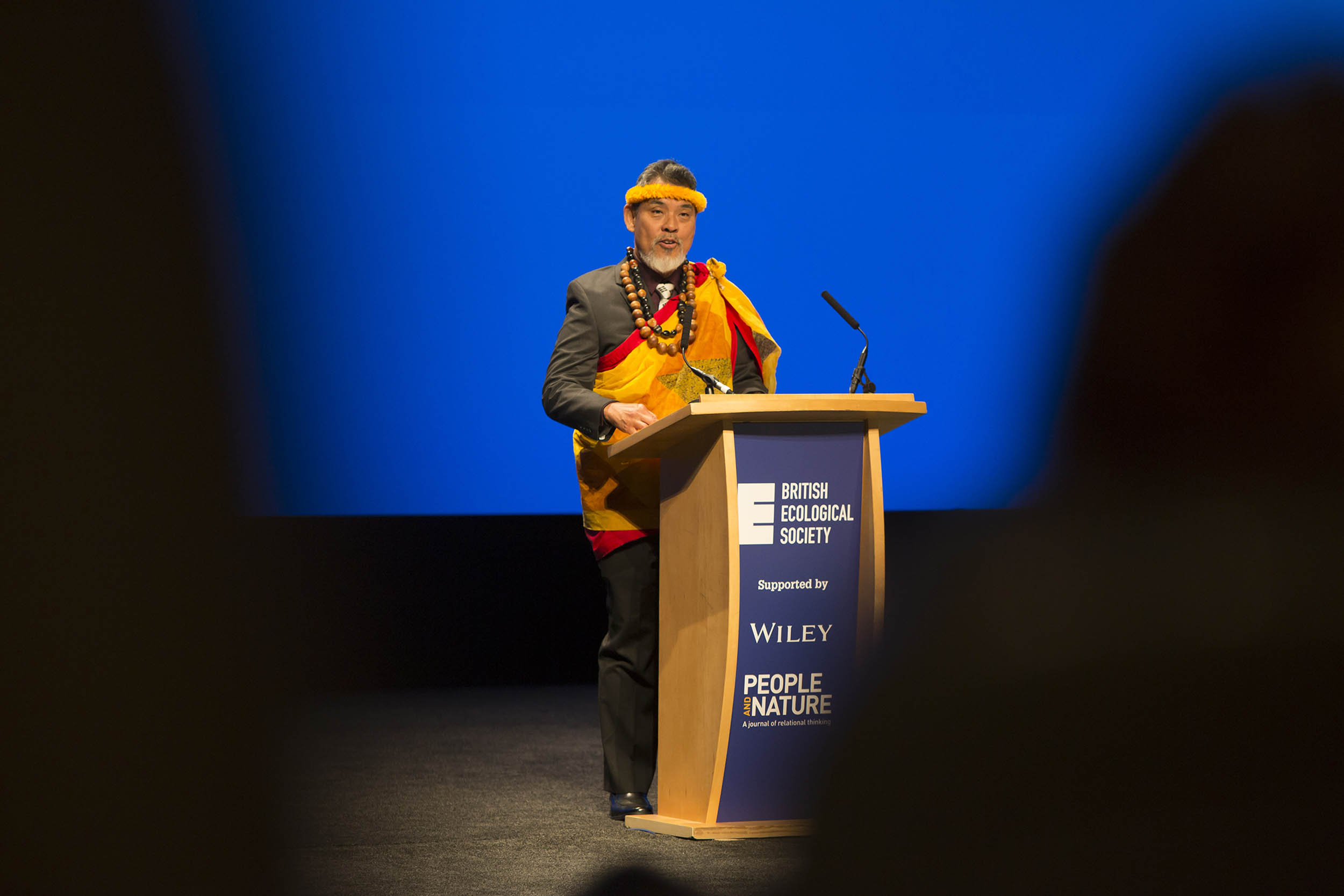
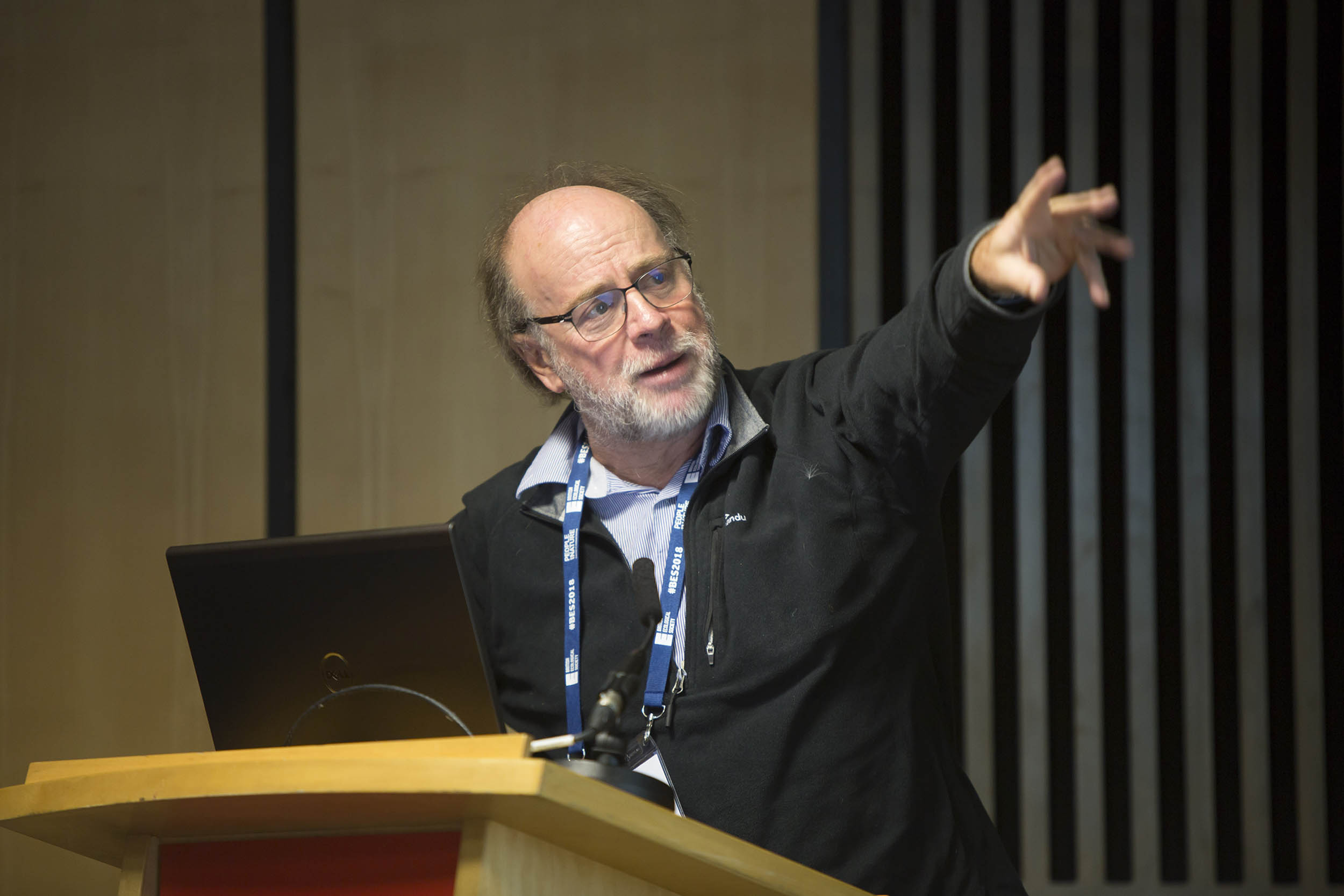
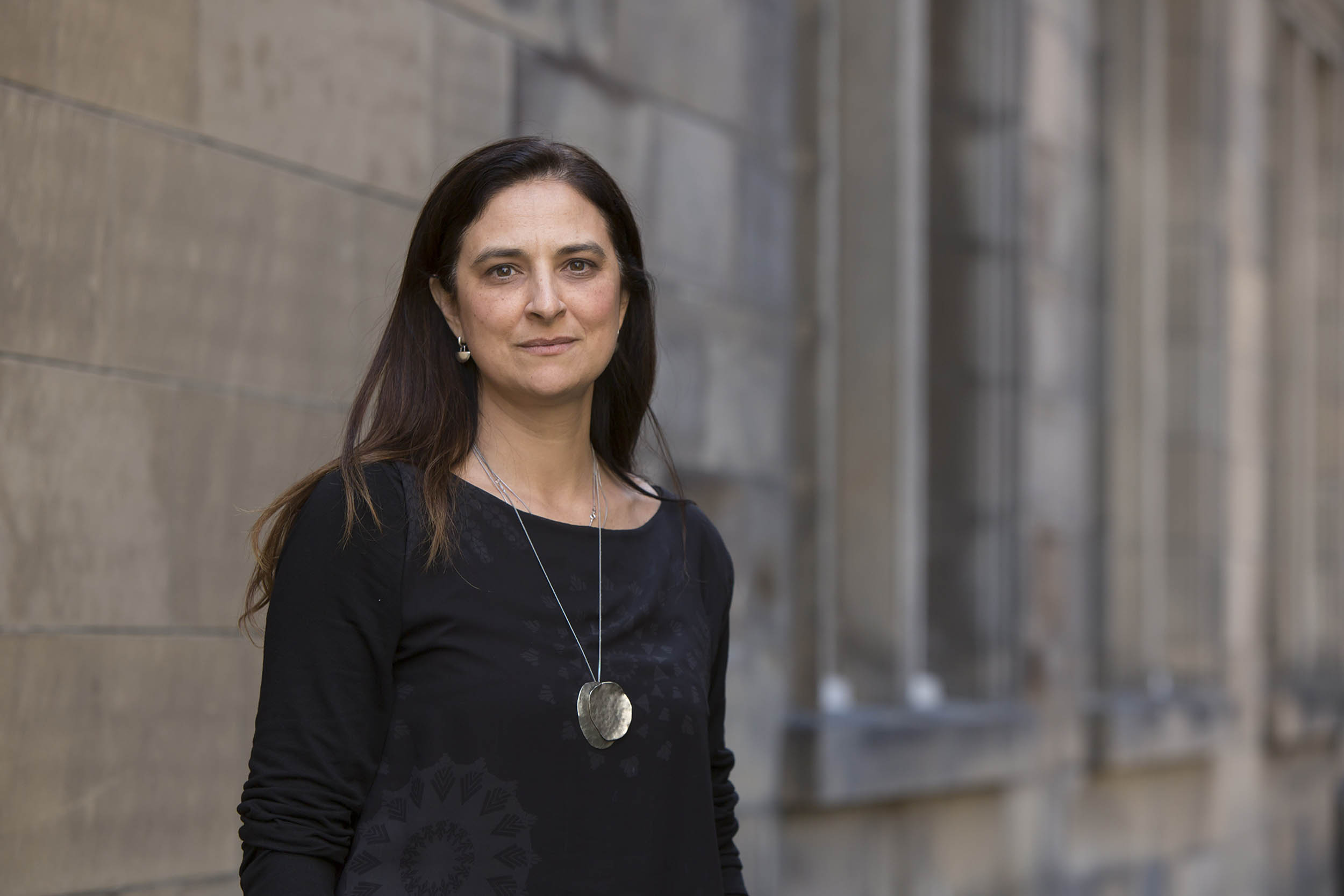
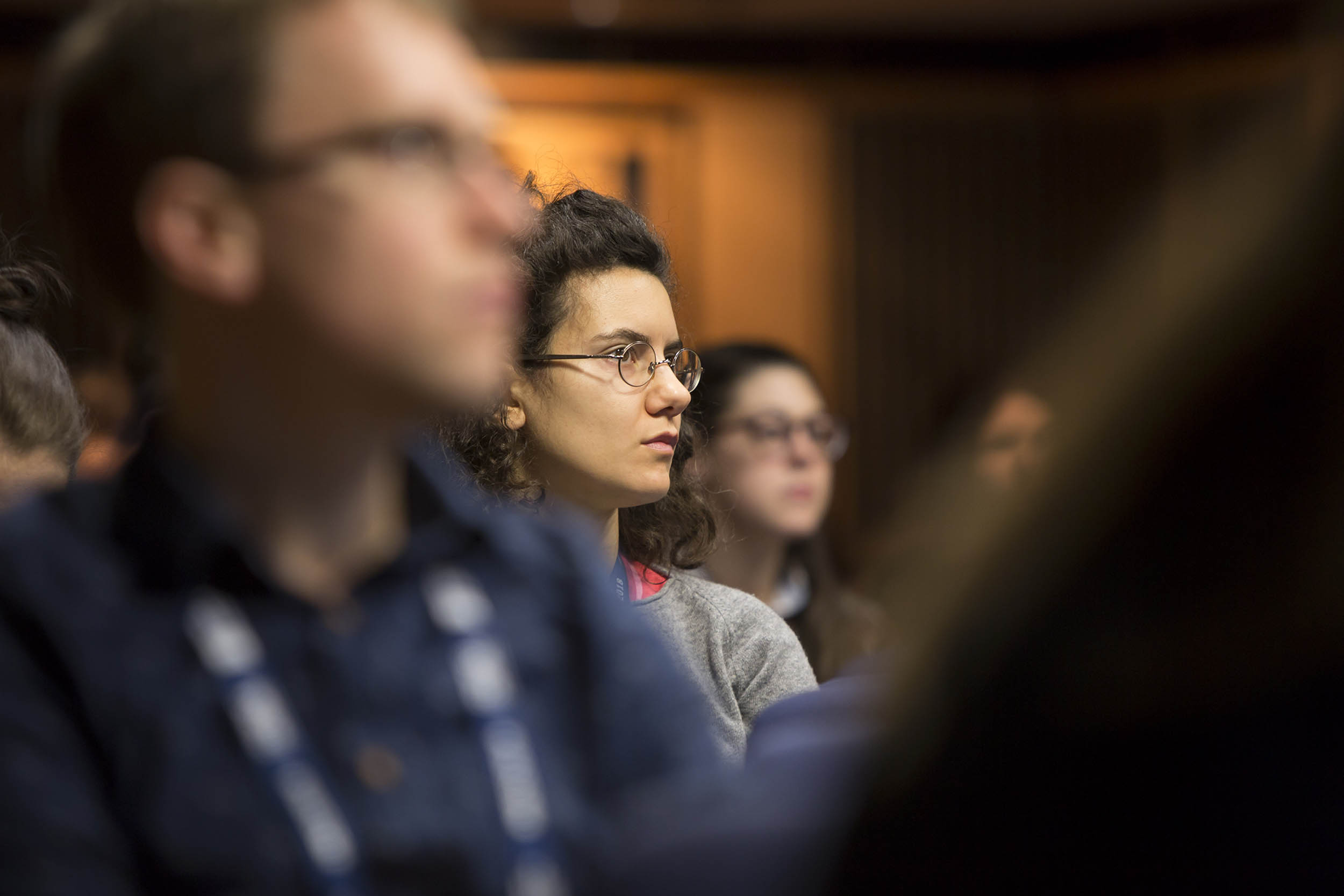
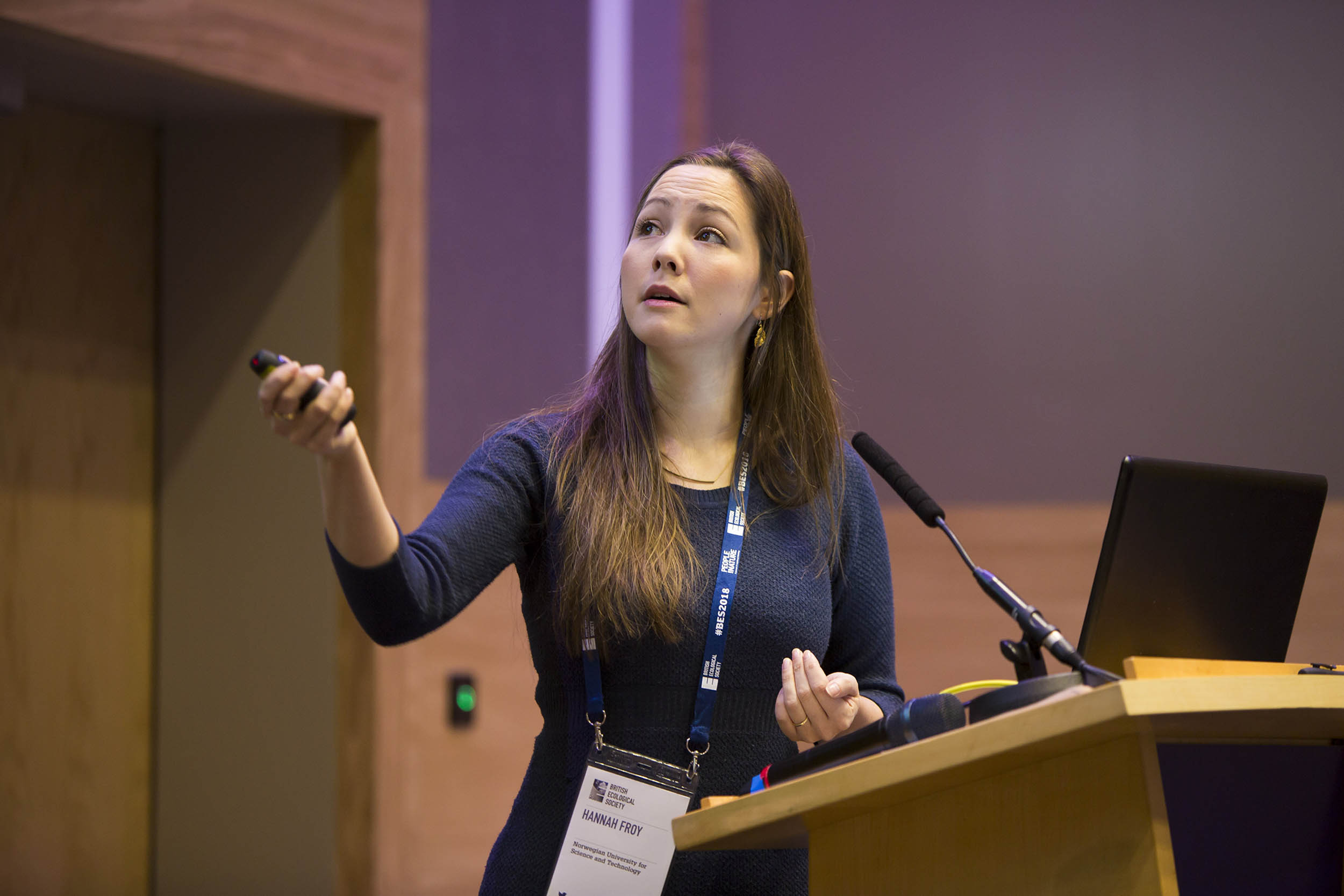
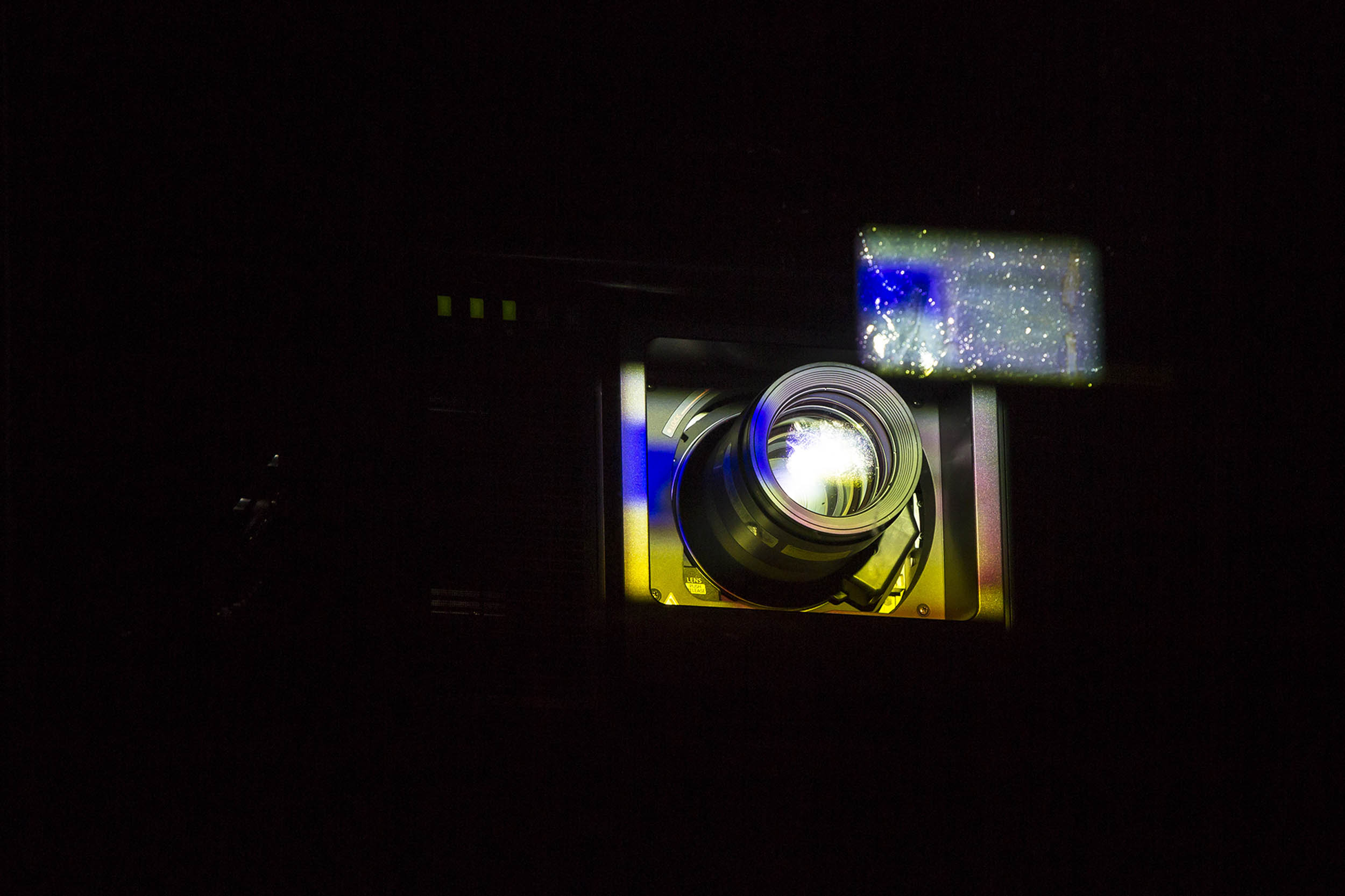
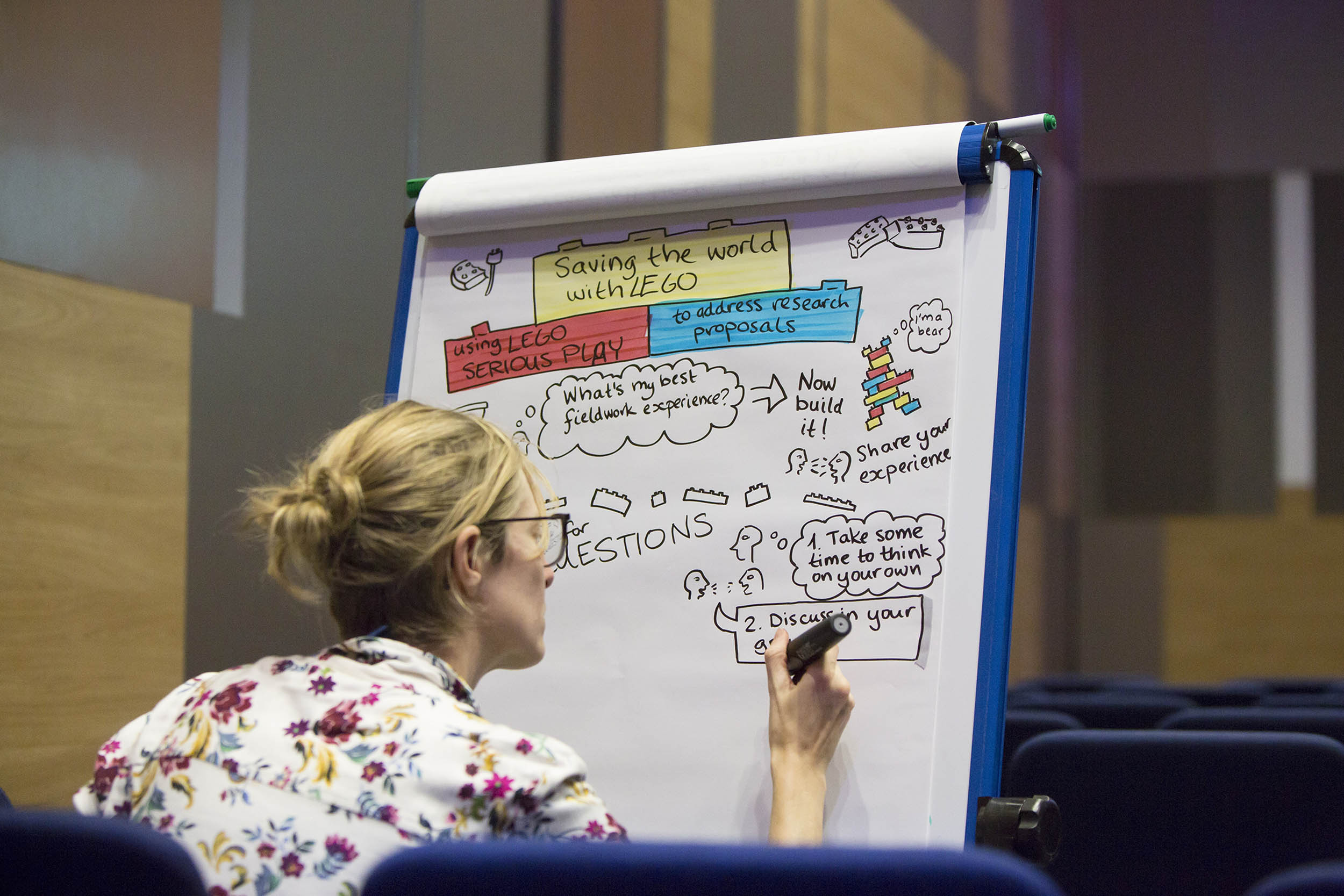
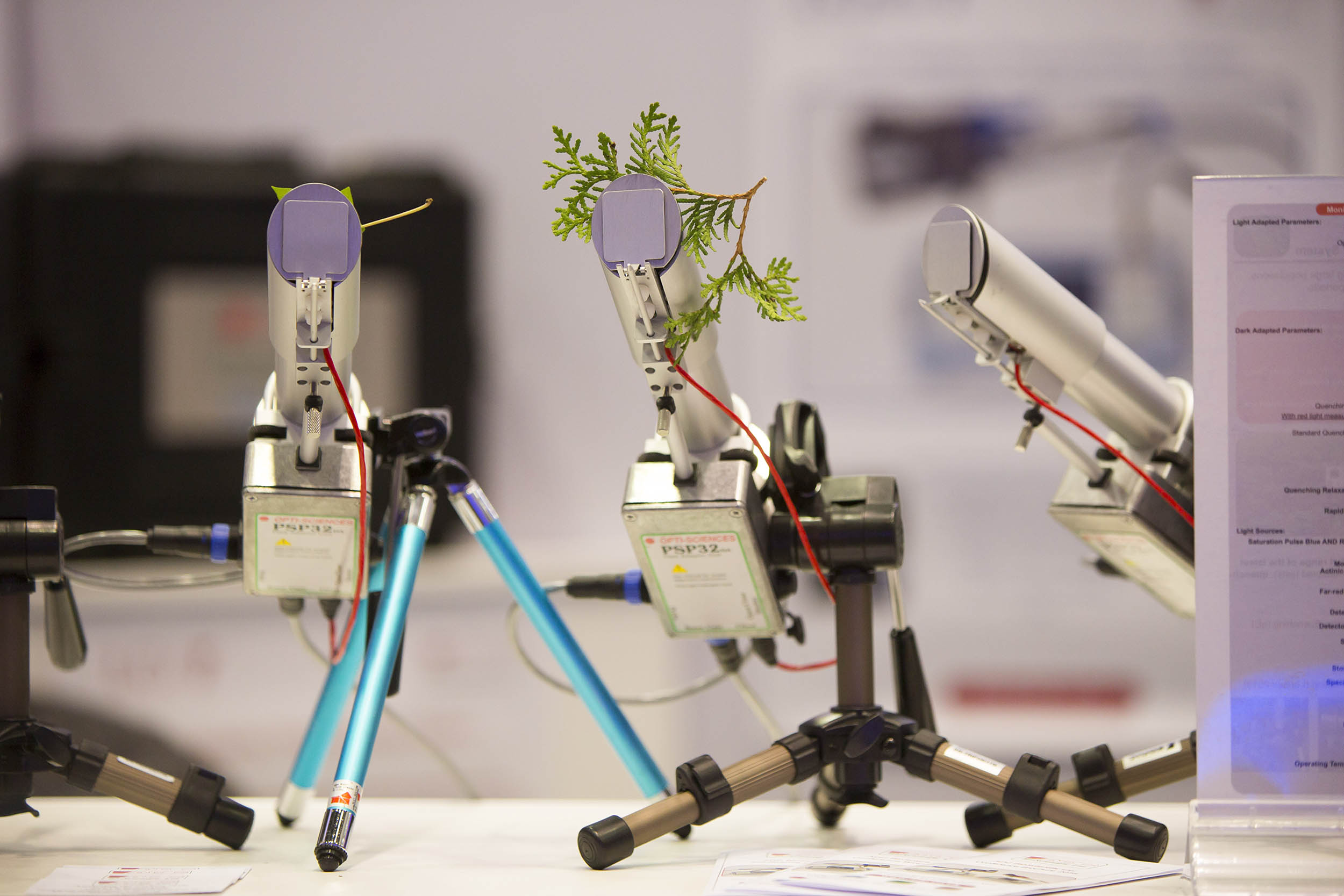
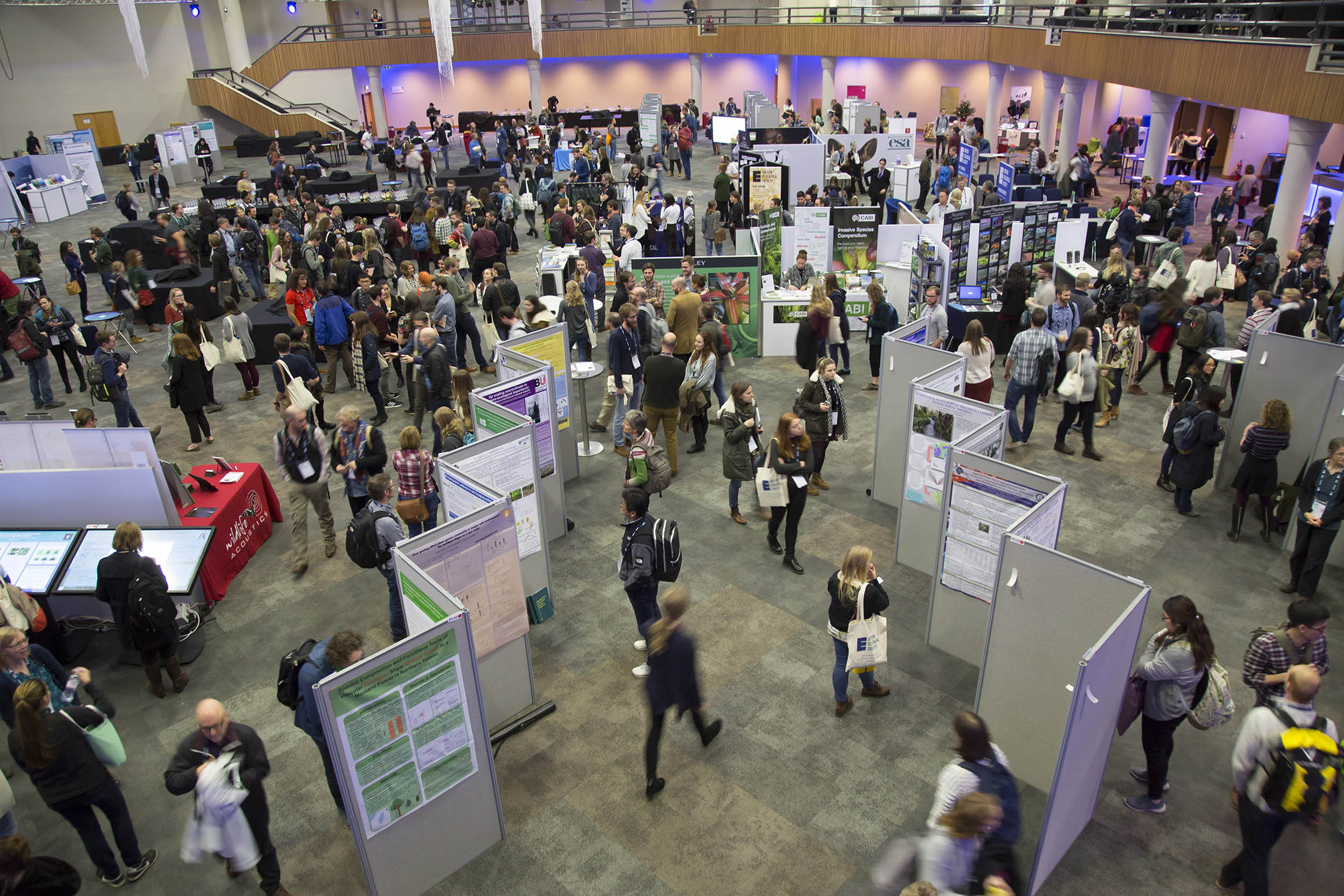
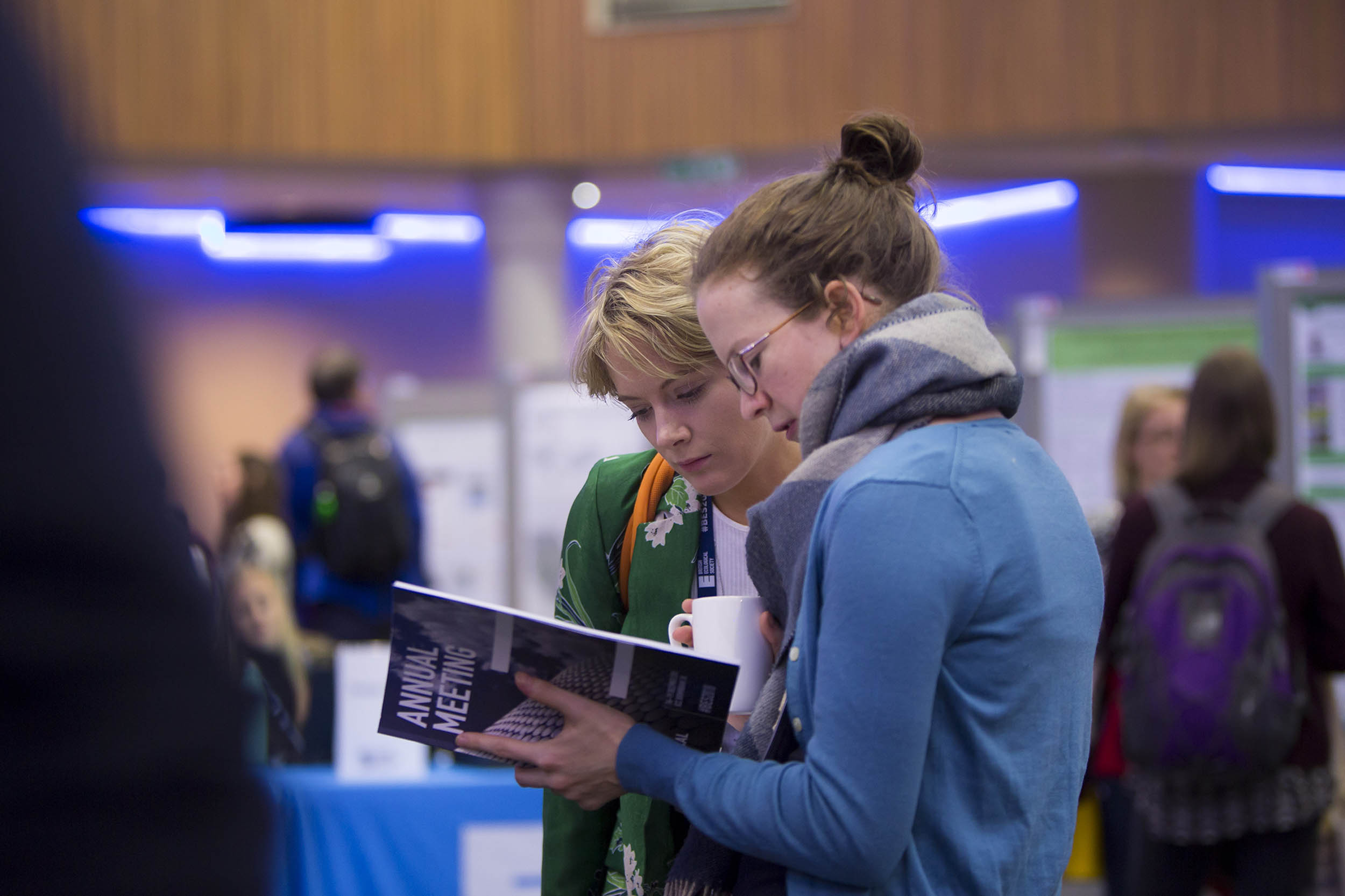
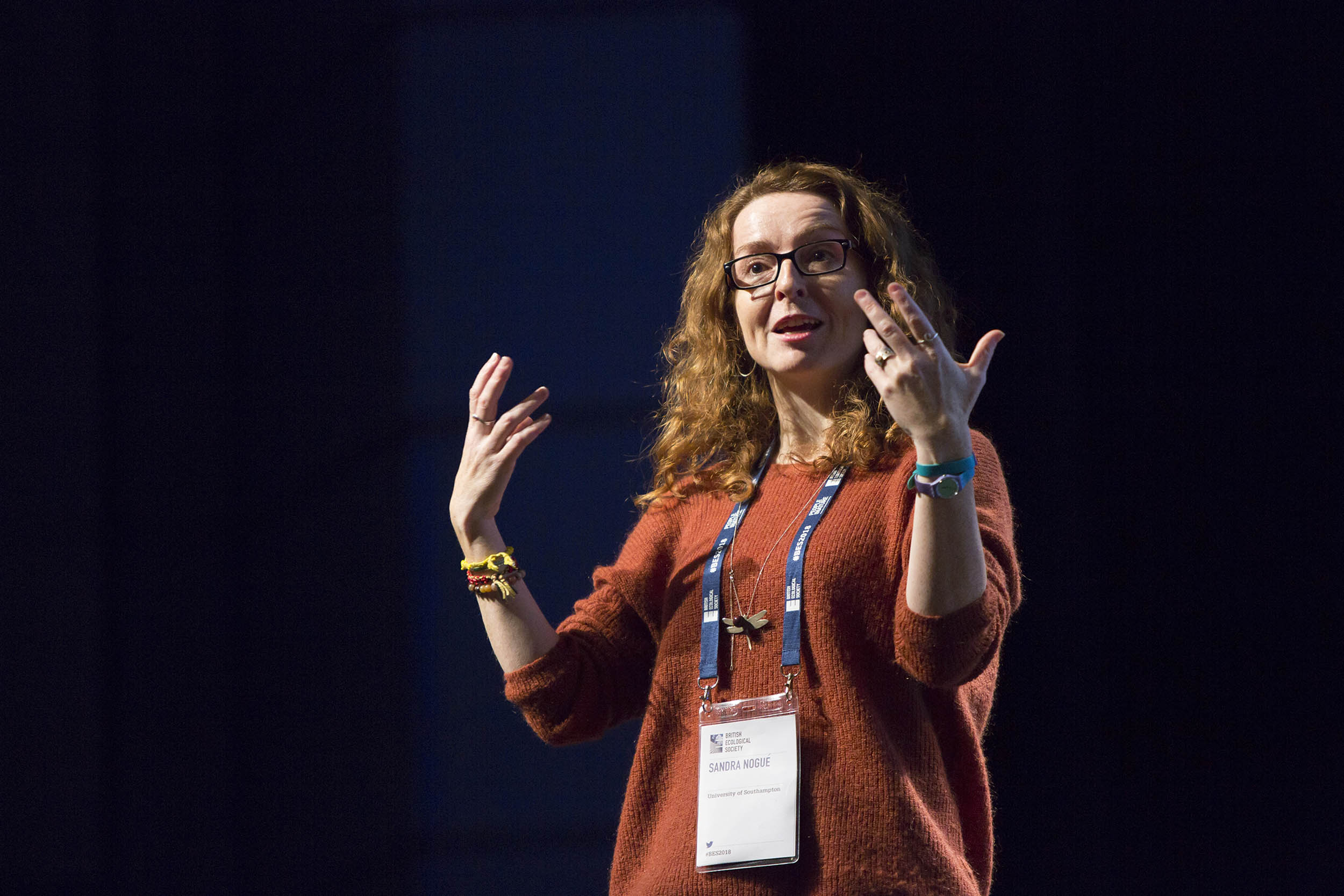
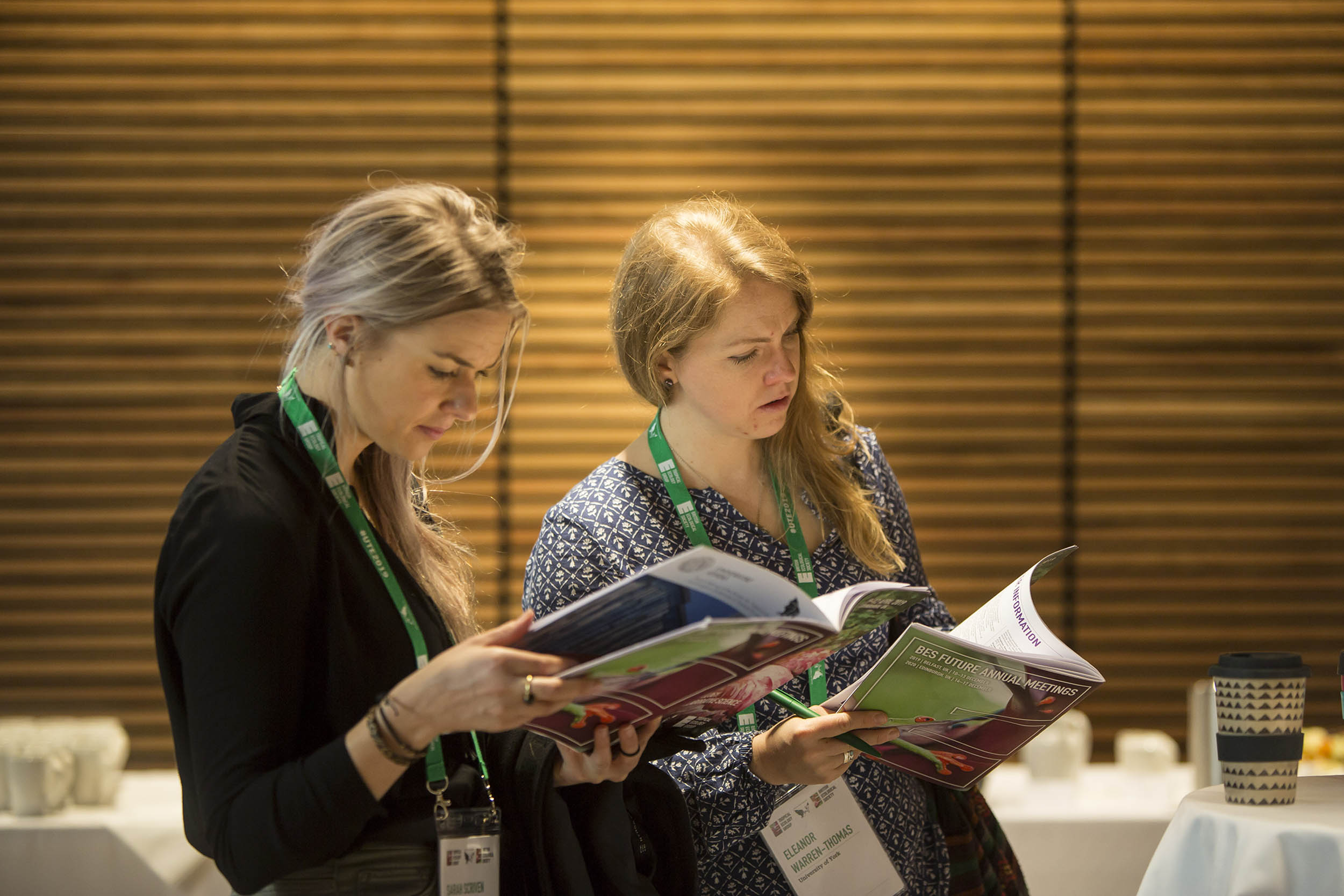
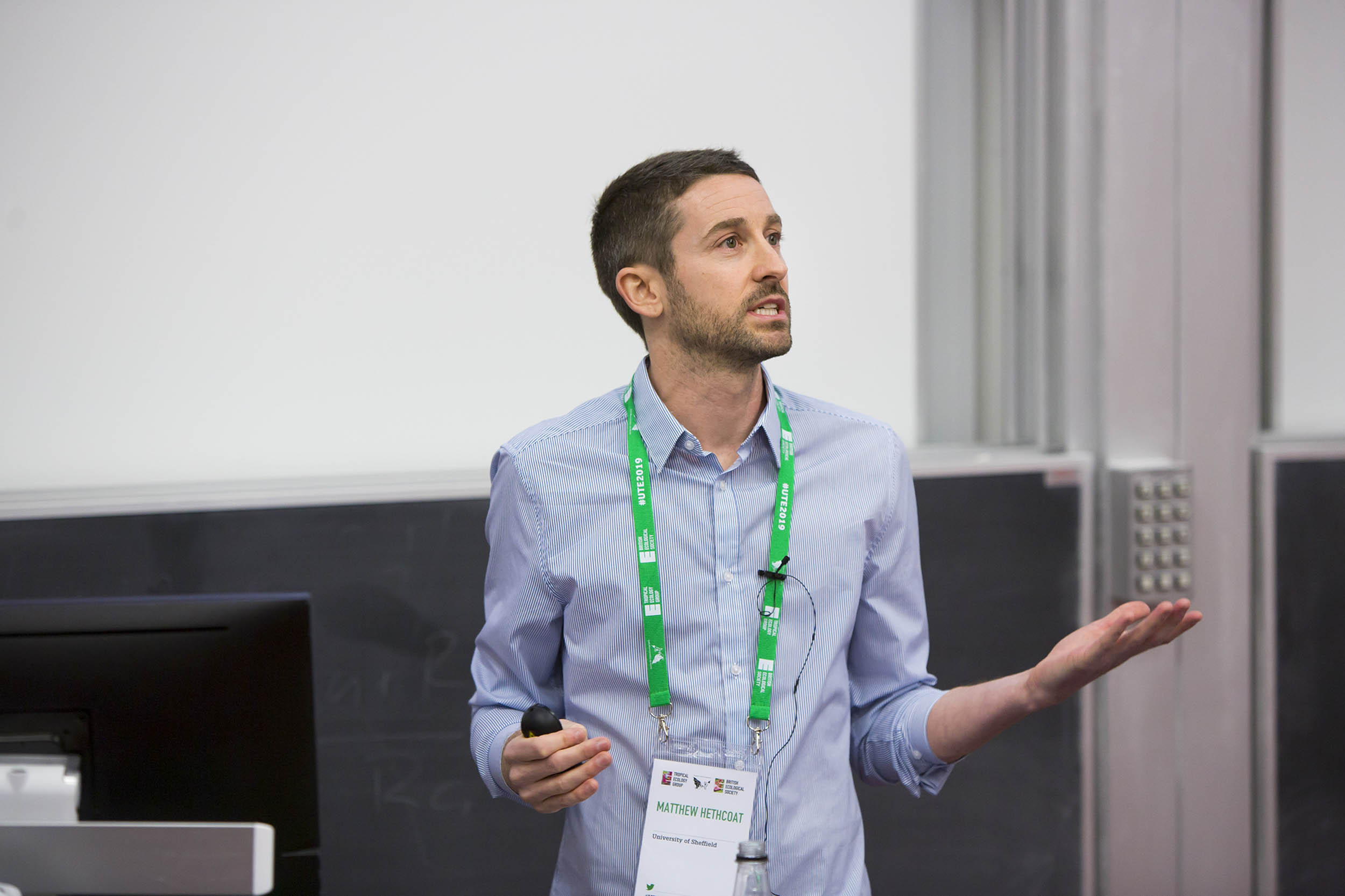
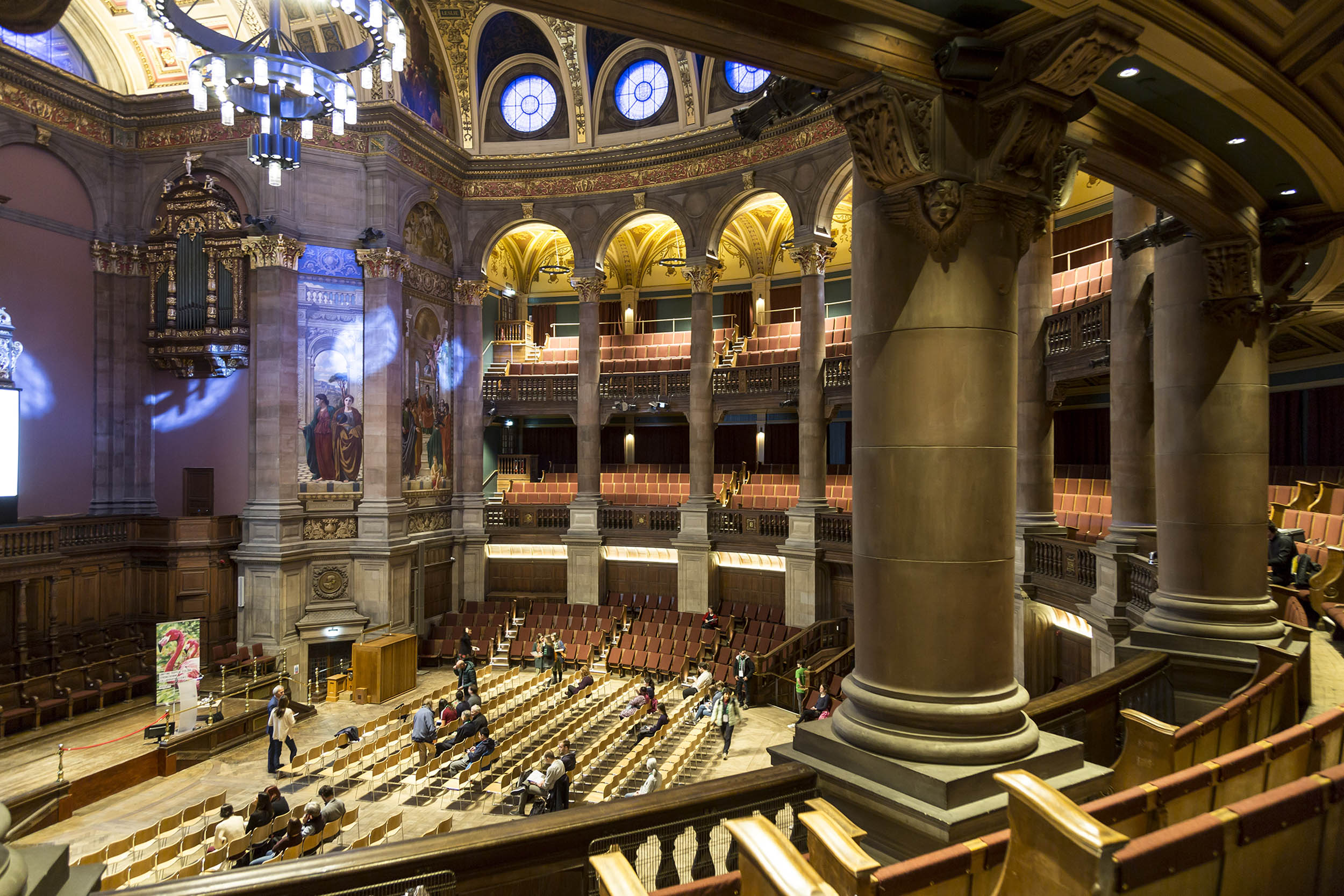
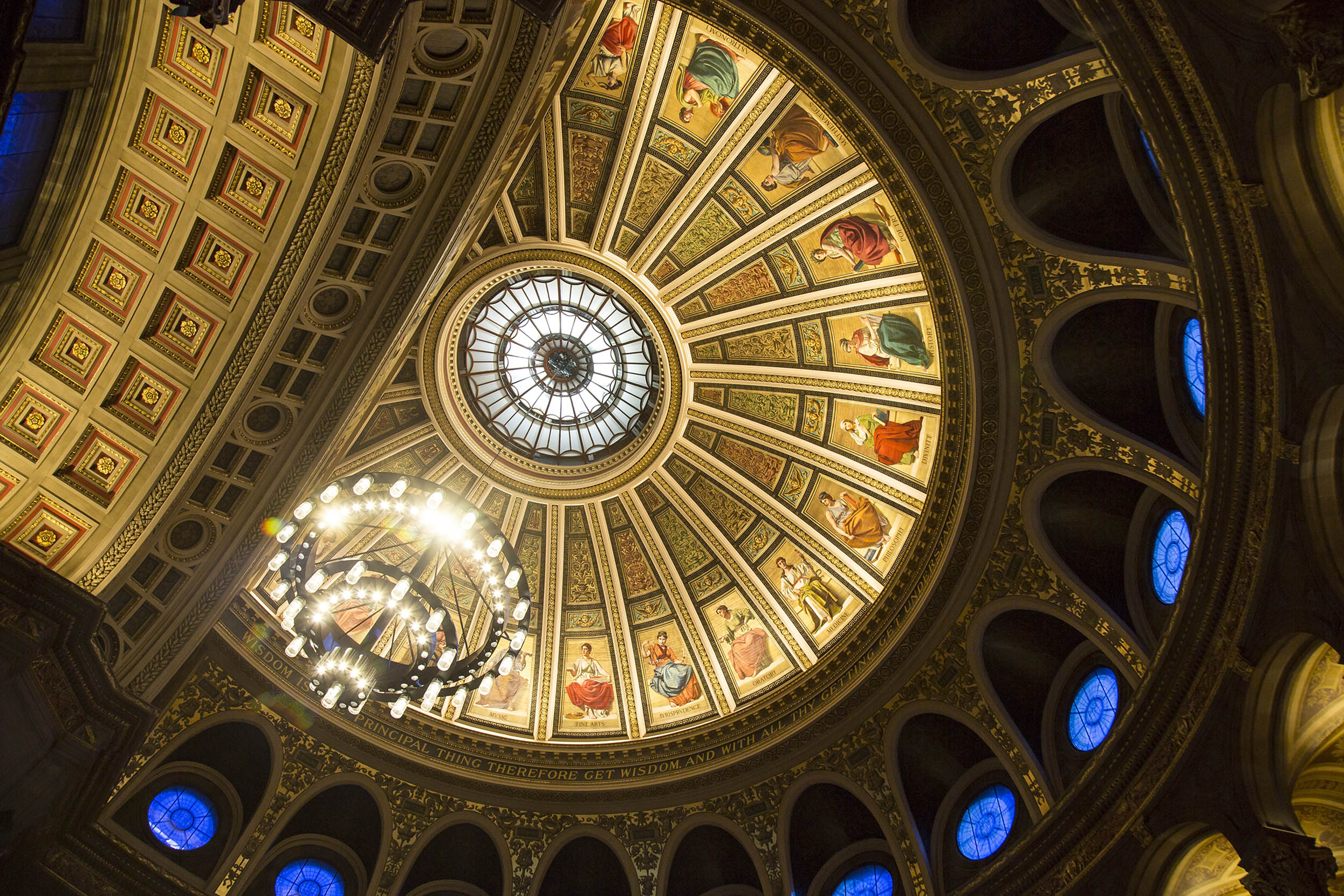
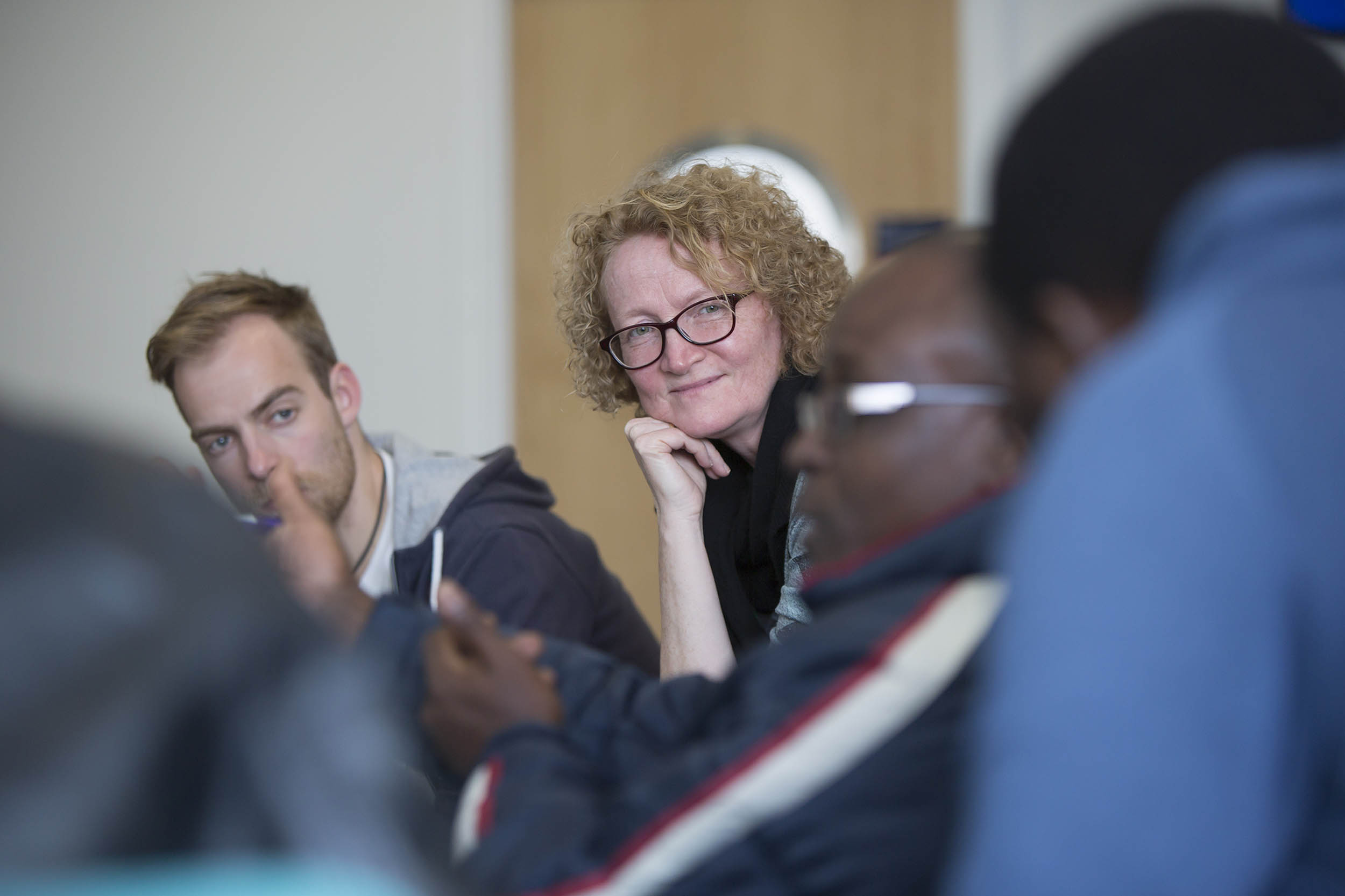
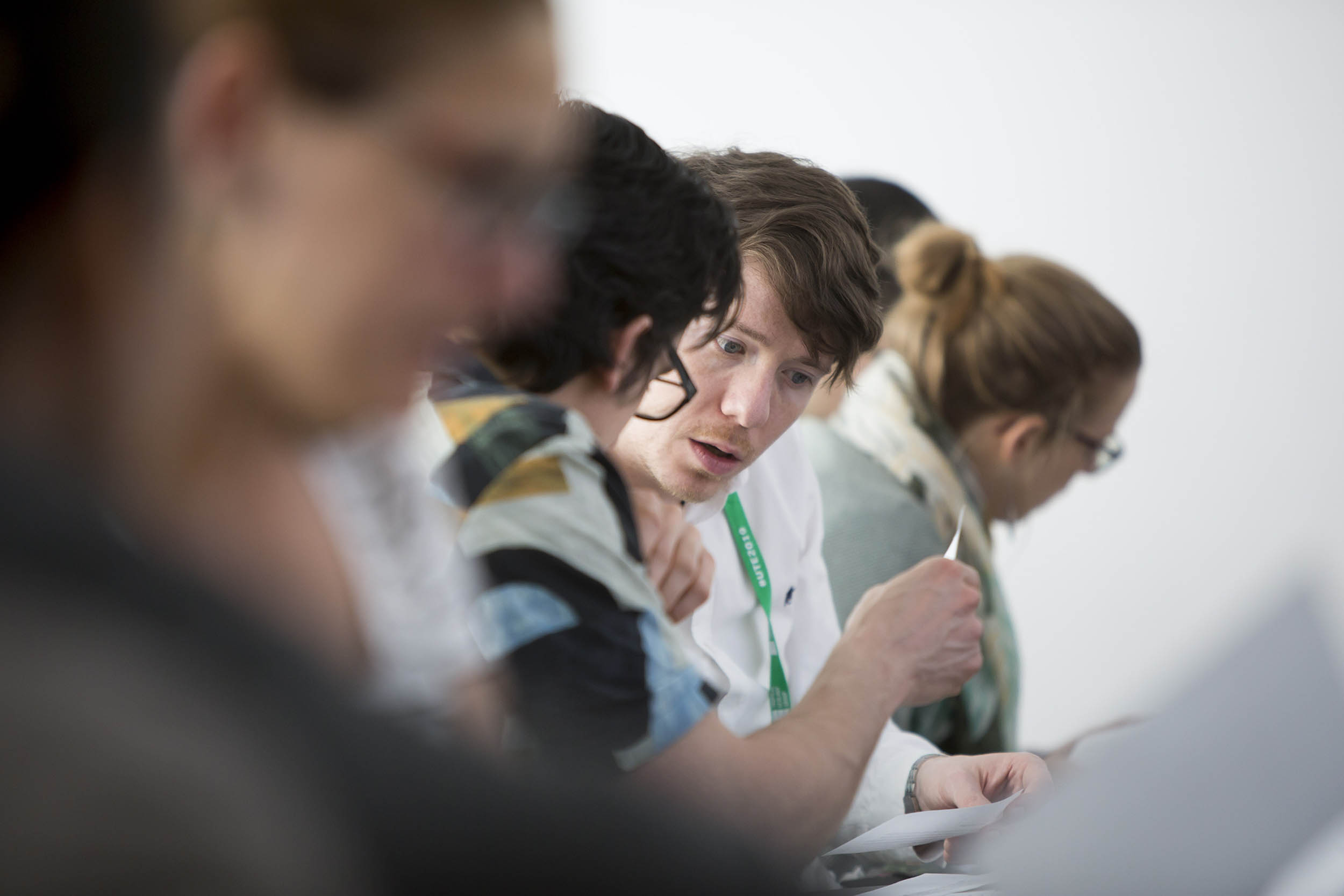
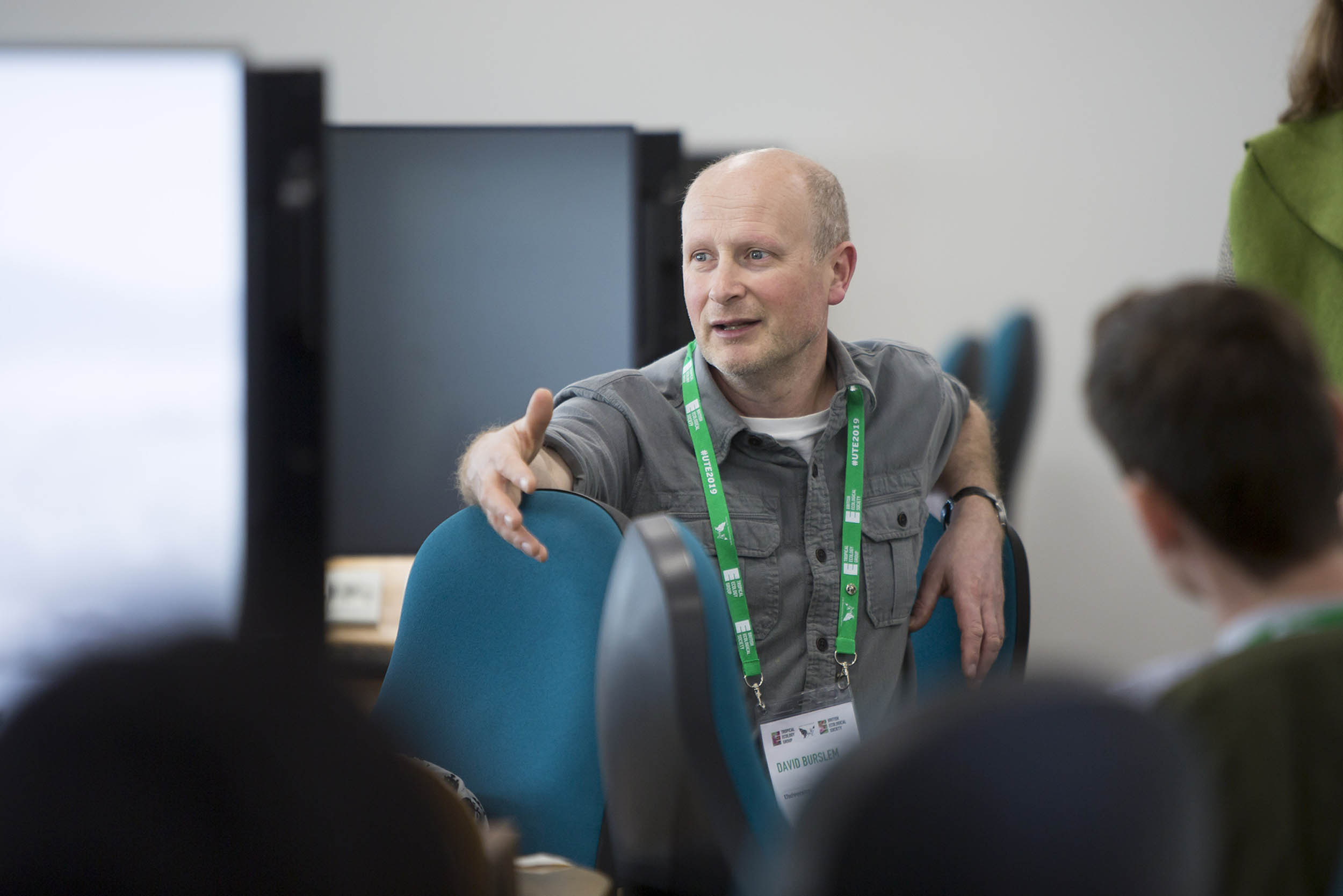
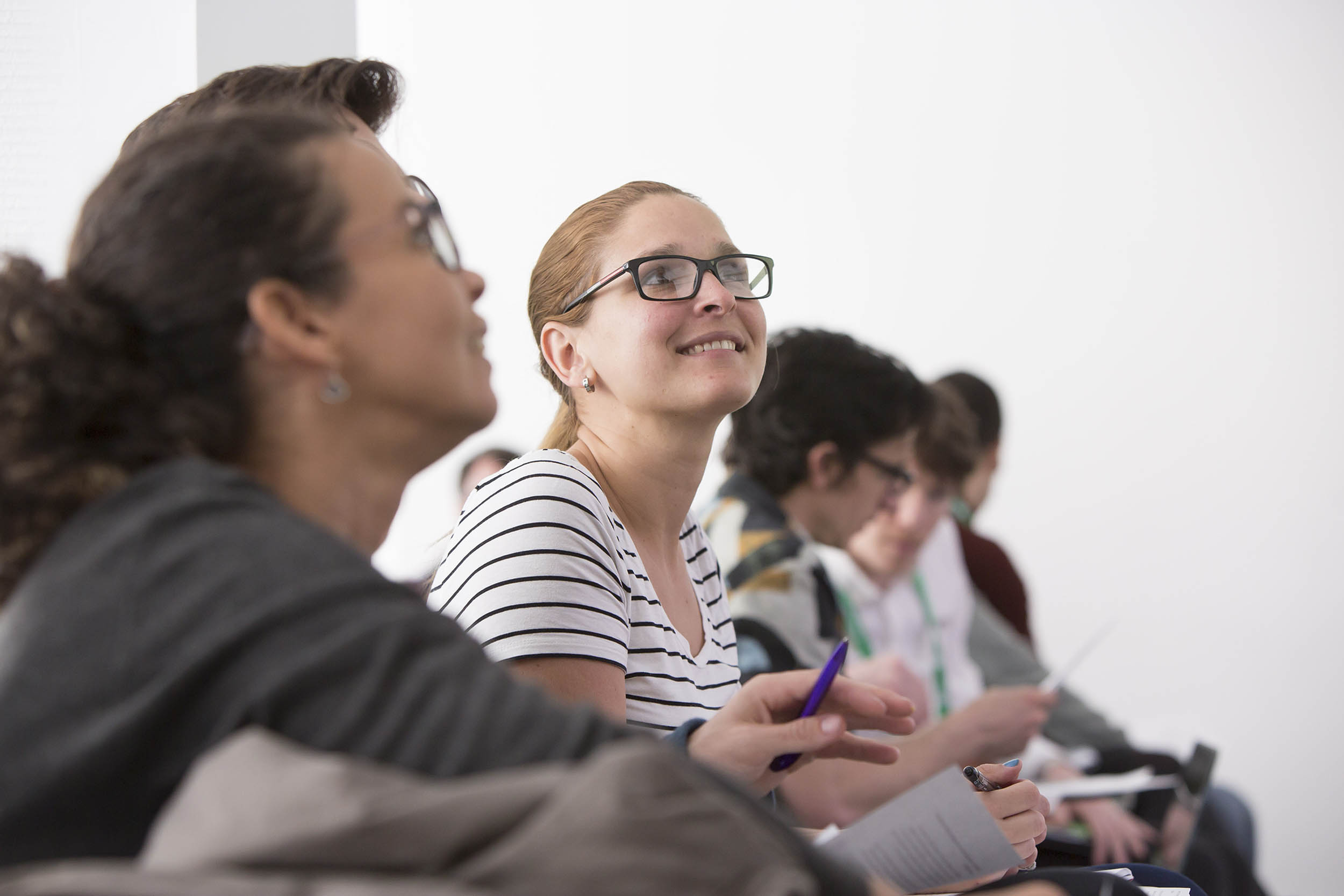
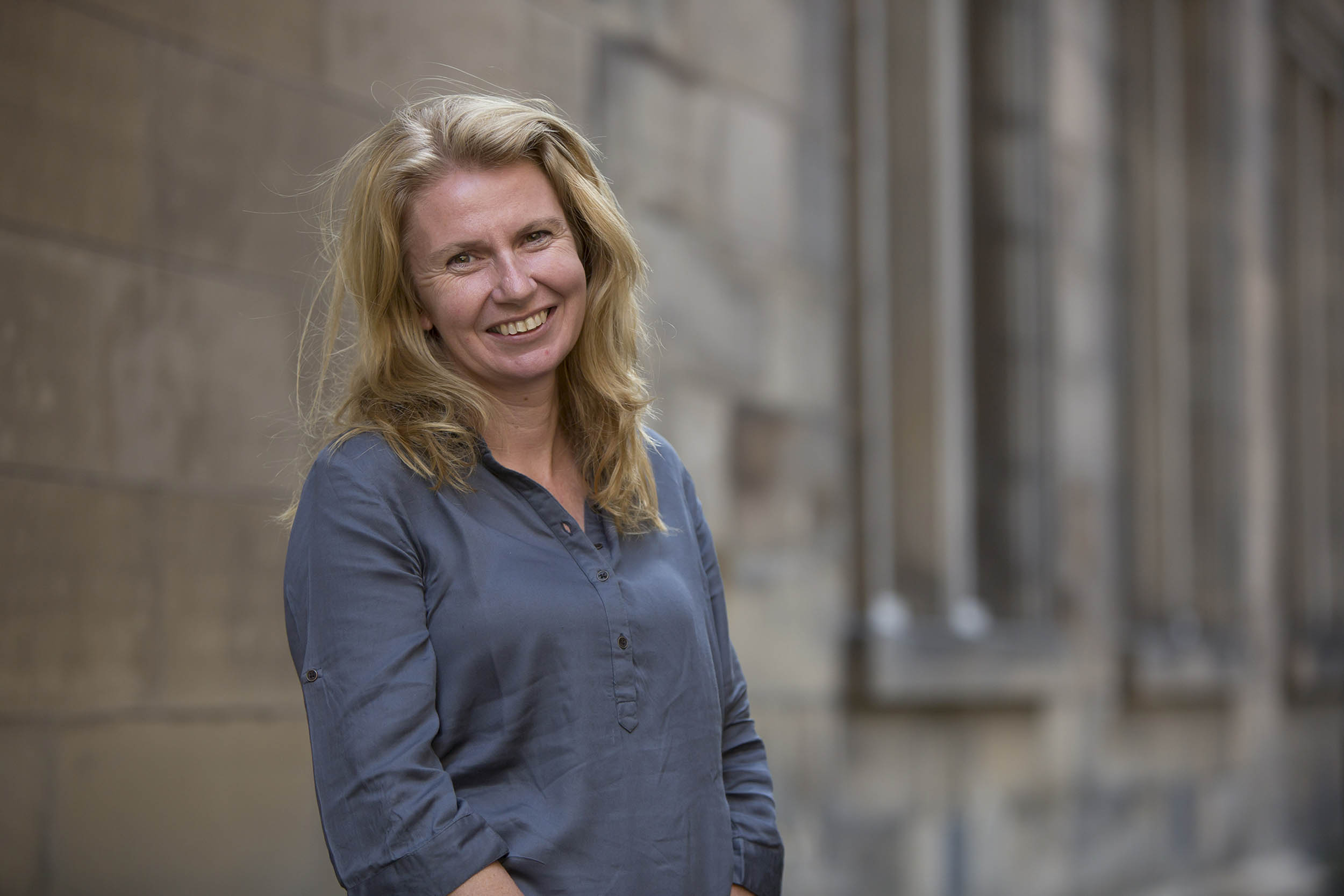
It’s always fascinating to carry out the conference photography for the British Ecological Society and often easy to forget to take pictures while listening to the presentations. Here are a selection of photographs from their and the Society for Tropical Ecology’s joint annual conference in the magnificent McEwan Hall, Edinburgh.
Event Photography: British Ecological Society and Society for Tropical Ecology Annual Conference | McEwan Hall, Edinburgh
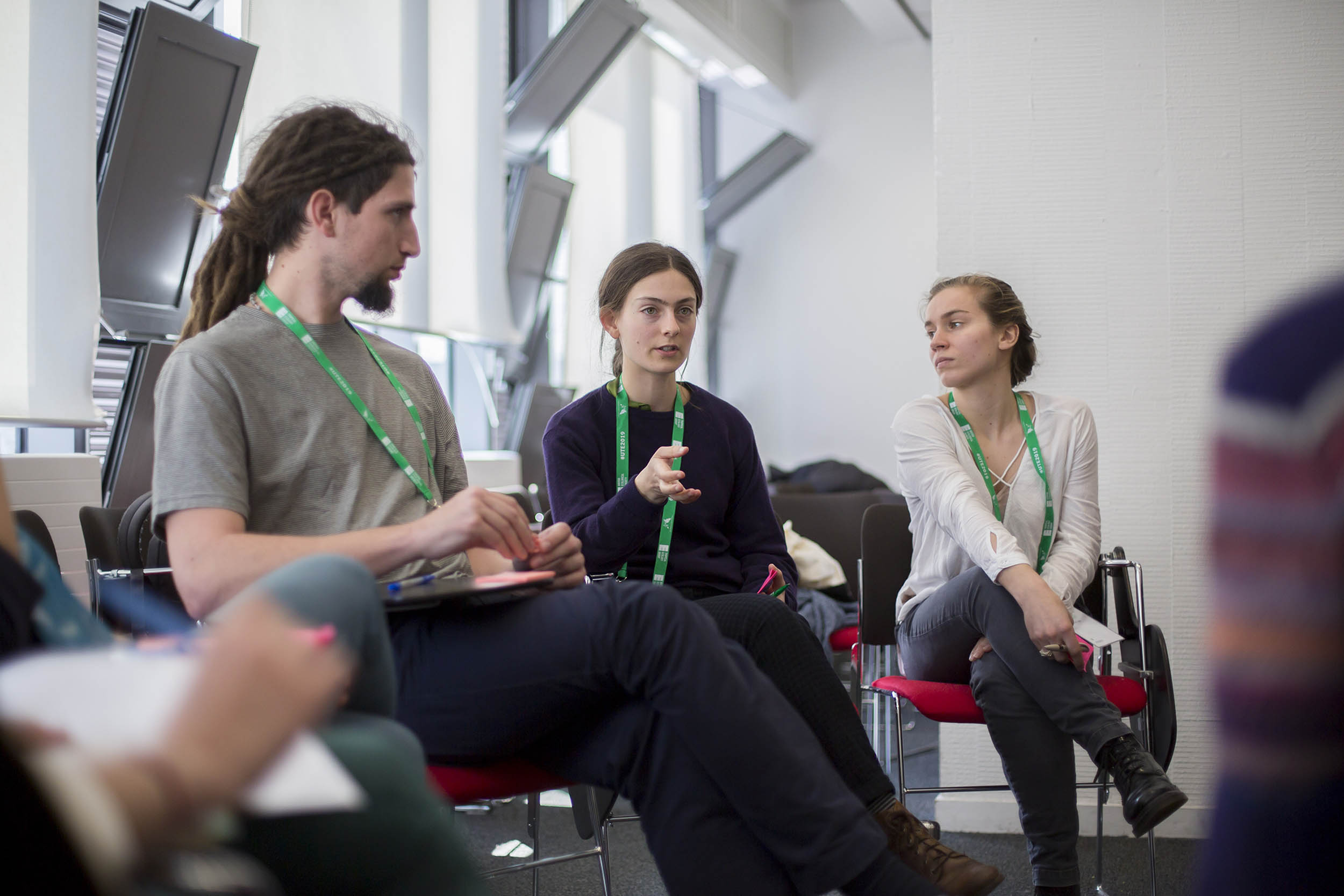
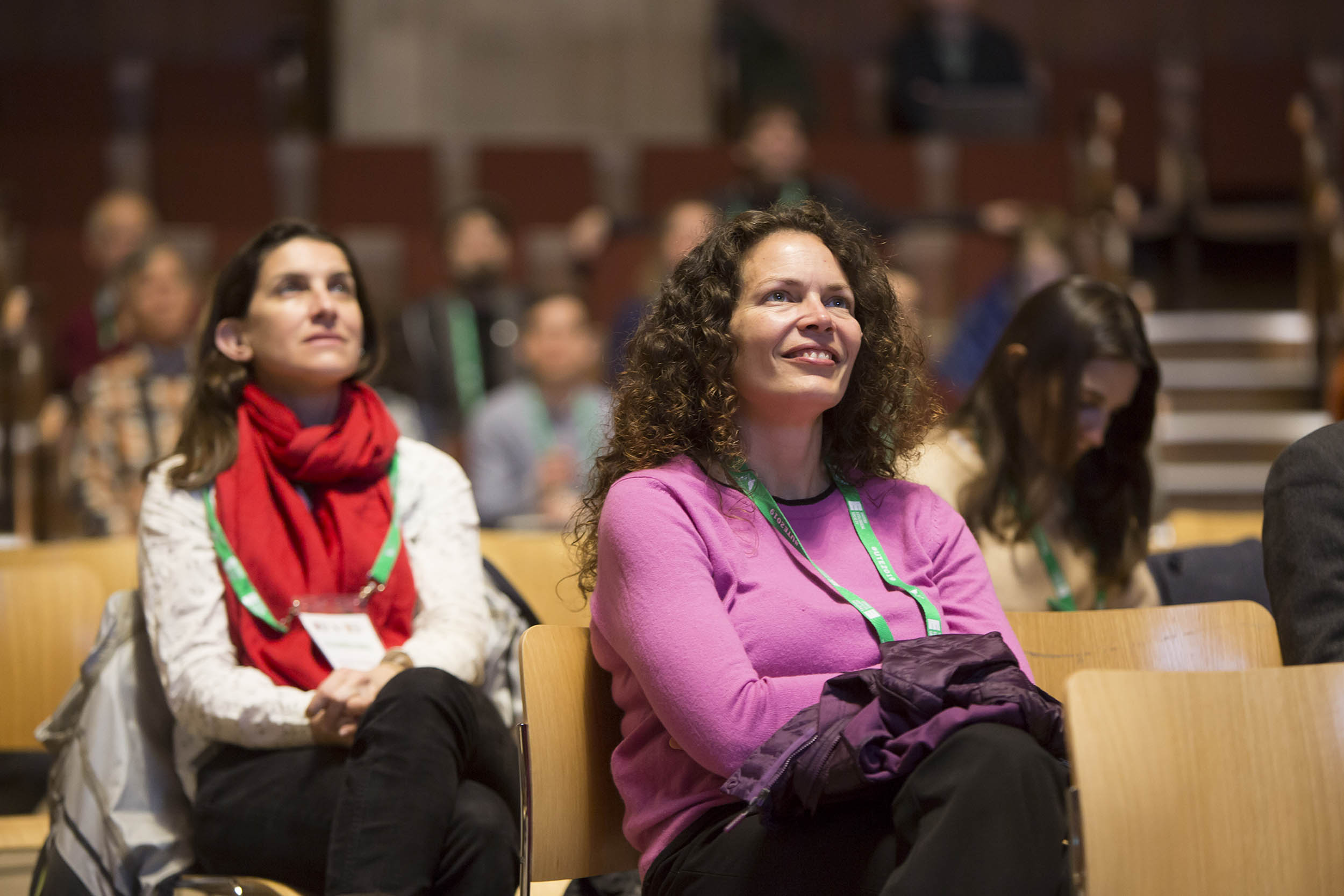
I recently photographed the joint annual conference of the British Ecological Society (BES) and the Society for Tropical Ecology, held in the magnificent McEwan Hall in Edinburgh. Covering conferences like this is always fascinating, and it can be a challenge to balance listening to presentations with capturing key moments for documentation and promotional purposes.
The photographs provide an overview of the event, highlighting the diversity of attendees, the atmosphere of the sessions, and the architectural grandeur of McEwan Hall. Capturing these moments visually helps illustrate the importance of the conference as a space for scientific exchange, networking, and engagement with current ecological research.

Capturing Academic Conferences
Event photography for academic and professional conferences requires attention to context, detail, and storytelling. I focused on capturing presenters during talks, delegates engaging in discussions, and the overall environment of the hall. These images are used for marketing, social media, and post-conference reporting, providing a visual record of the event that complements the written proceedings.
Documenting conferences also allows for the dissemination of the event’s energy and significance, giving future participants and collaborators a sense of the professional and social interactions that define such gatherings.
McEwan Hall: A Historic Backdrop
McEwan Hall in Edinburgh provides a dramatic and inspiring setting for conferences, combining historic architecture with modern event functionality. Photographing within this space adds visual interest, framing the attendees and speakers against the grandeur of the venue while highlighting the professional nature of the conference.
Conclusion
Photographing the joint BES and Society for Tropical Ecology annual conference offered an opportunity to create a visual record of scientific collaboration, lively discussion, and academic engagement. These images communicate the scale, professionalism, and atmosphere of the conference, providing valuable content for the societies’ marketing, archives, and social media.
Research Matters Magazine
As much as I seem to spend my entire life checking websites to see if they've been updated since I last checked thirty seconds ago, and I've spent the last months square-eyed setting up this new website; it never gets boring to see your work printed on actual, physical, inky paper. Especially if that paper goes on to be published. So, I was delighted to pick up the latest edition of MMU's Research Matters magazine.

Manchester Metropolitan University Research Matters Photography | Academic and Research Editorial
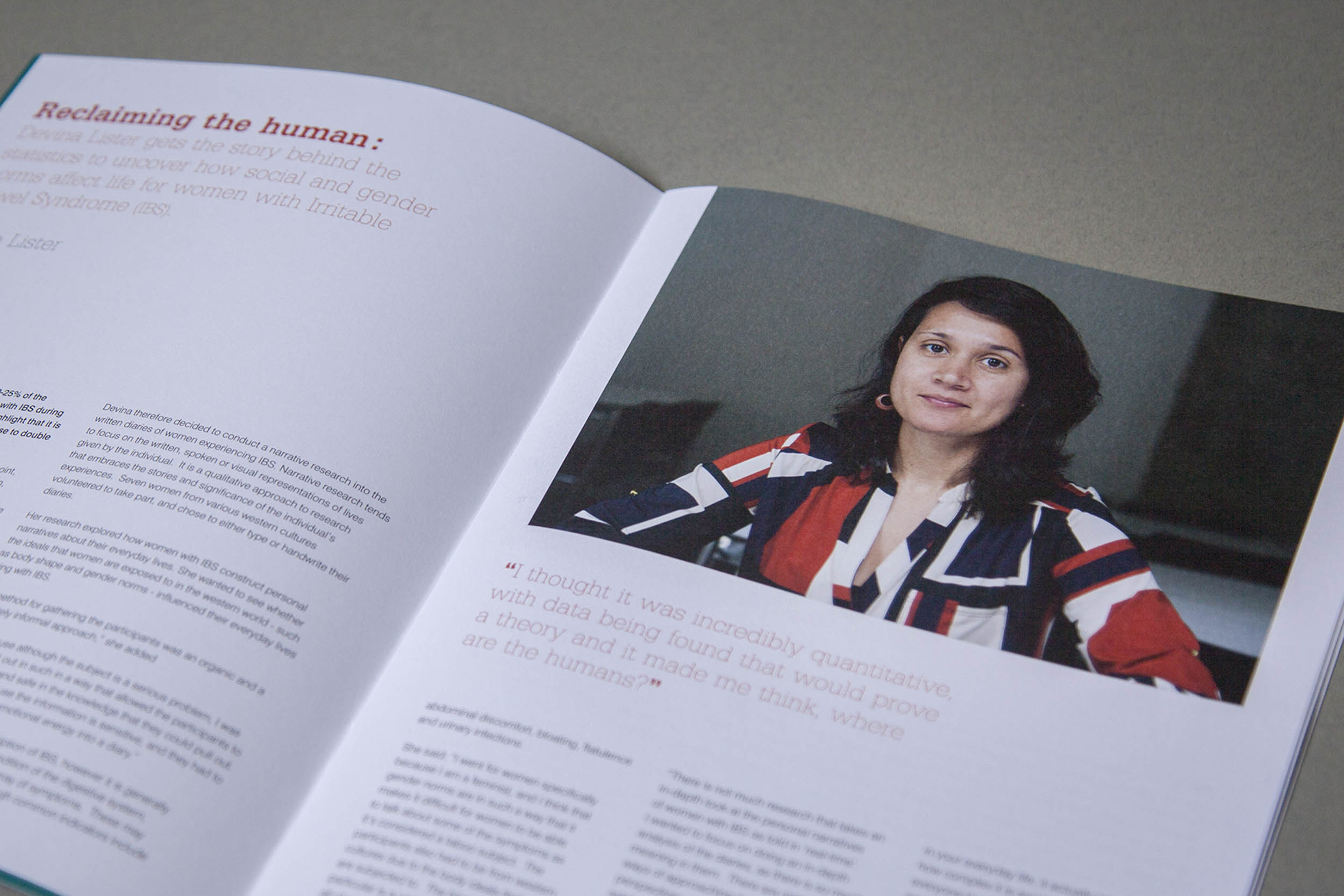
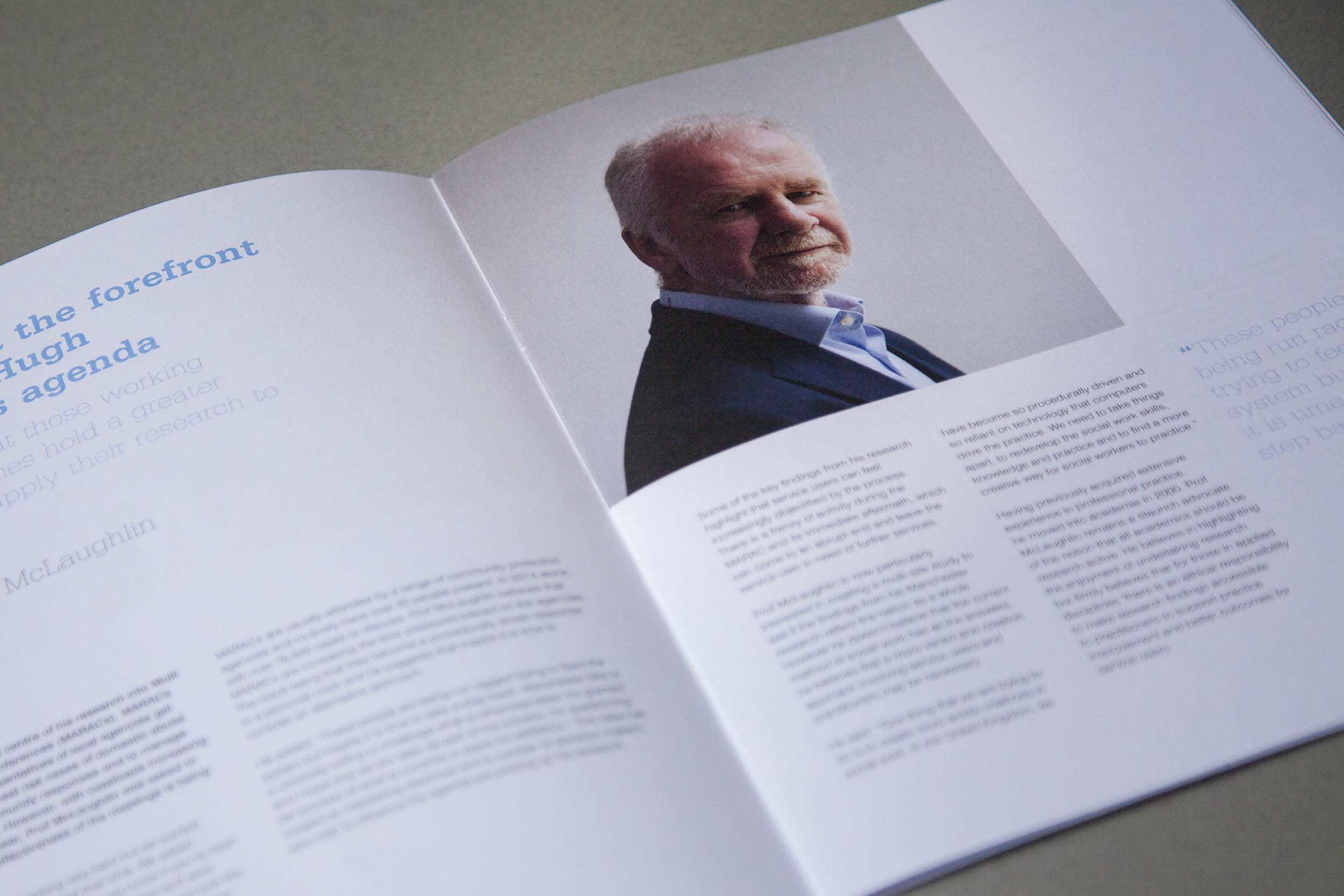
Seeing your work published in print never loses its appeal. I was delighted to see my photography featured in the latest edition of Manchester Metropolitan University’s Research Matters magazine, highlighting the university’s research initiatives in health and social care. Working on this ongoing editorial project allows me to capture staff, students, and research activities in a professional, visually engaging way for an academic audience.
I have collaborated with Stu Wilkin of THMedia since the first edition of the magazine, and it was rewarding to see my work continue to feature prominently following the magazine’s recent redesign. The new layout showcases the photography effectively, complementing the written content and helping communicate the impact of MMU’s research to readers.
I would like to thank Jackie Rees and the staff at Manchester Metropolitan University’s Department of Health and Social Care for their cooperation during the shoots. The sessions focused on documentary and portrait photography, illustrating the university’s innovative research projects, student engagement, and professional academic environment.
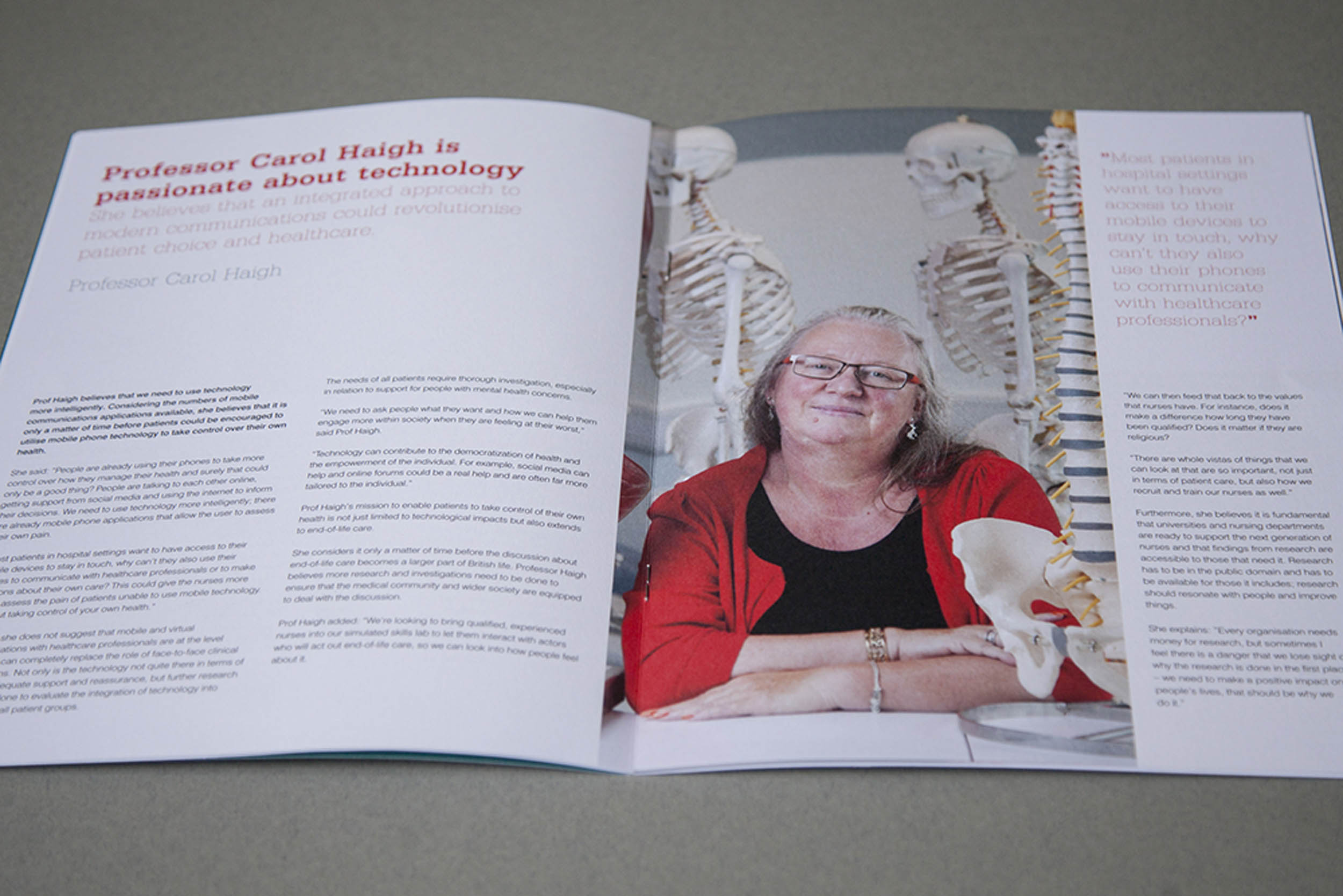
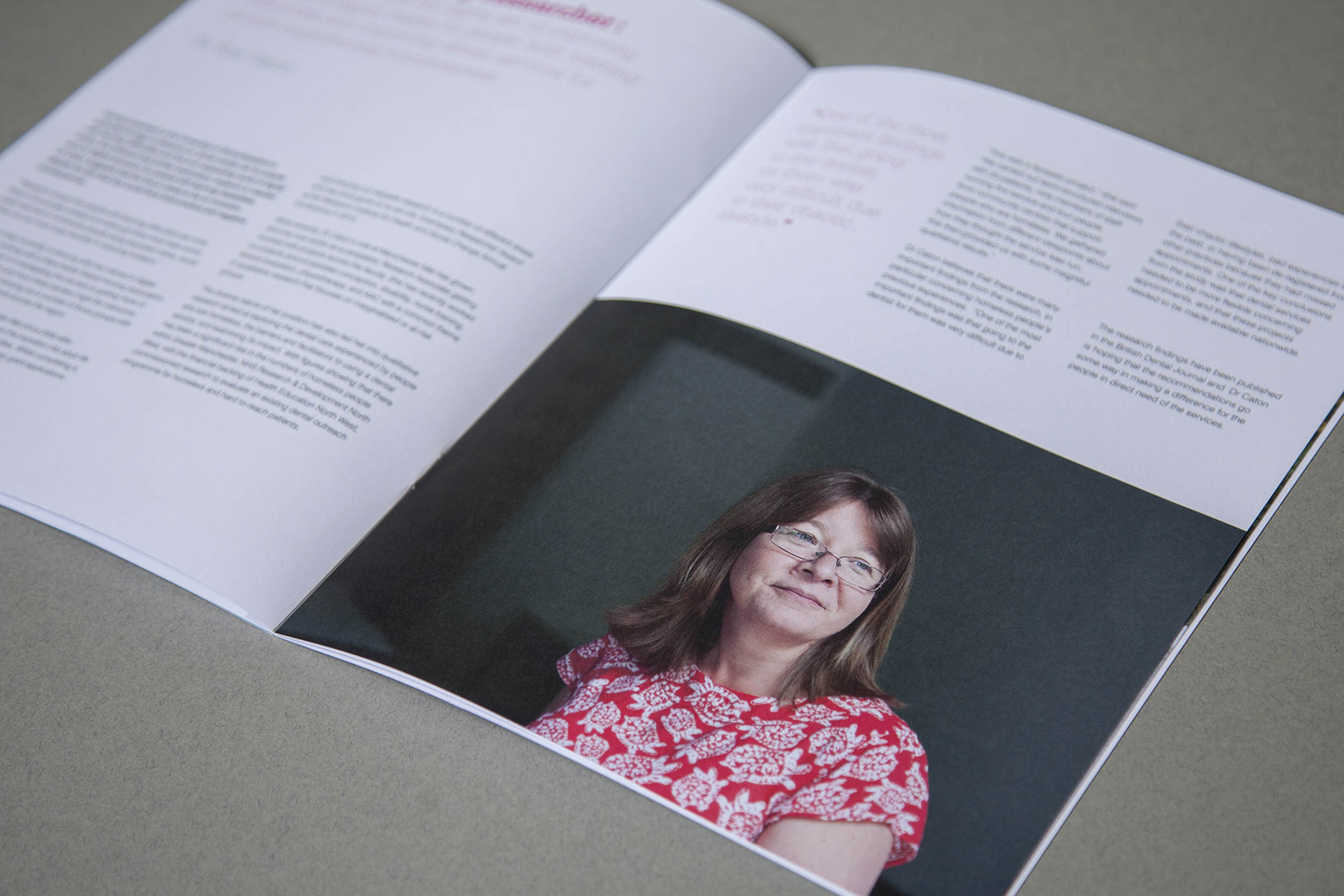
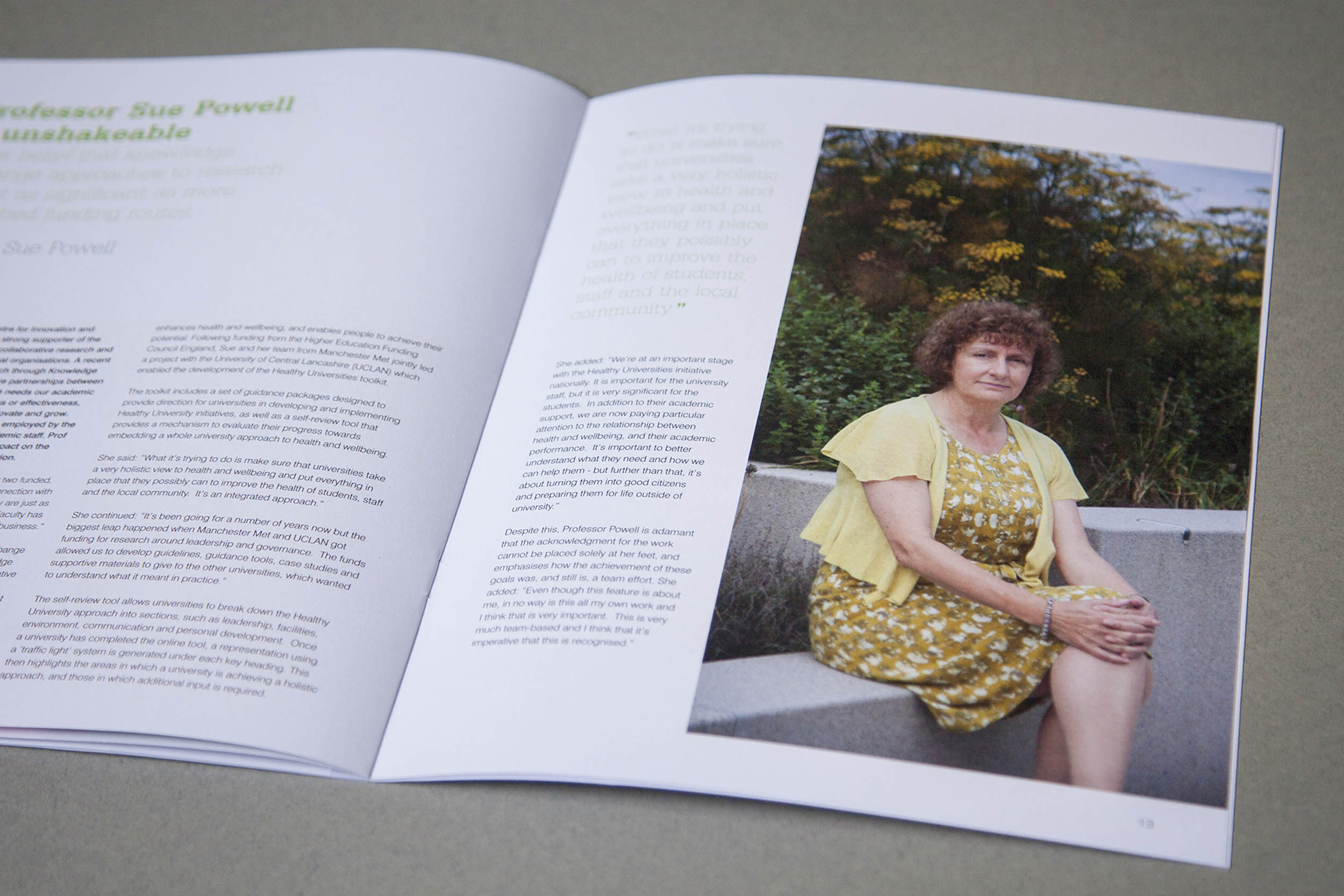
Academic and Research Photography for Manchester Metropolitan University
Professional photography for university publications like Research Matters serves multiple purposes. It documents research activity, highlights staff and student achievements, and provides compelling visual content for marketing, social media, and institutional outreach. By capturing authentic moments of collaboration, experimentation, and presentation, editorial photography reinforces the university’s reputation as a leading centre for research in health and social care.
Using documentary and portraiture techniques, the photographs convey professionalism, engagement, and the human side of academic research. Each image is composed to resonate with prospective students, researchers, and institutional partners, enhancing both the magazine’s editorial value and Manchester Metropolitan University’s wider communication goals.
Conclusion
Photography for Manchester Metropolitan University’s Research Matters magazine demonstrates the importance of professional visual storytelling in academic publications. The latest edition highlights staff, students, and research projects while providing marketing and social media assets for the university. Capturing research initiatives and academic collaboration ensures that the magazine not only informs but also engages readers, reinforcing MMU’s role as a hub of innovation and expertise in health and social care.
Many thanks to Jackie Rees and the staff at Manchester Metropolitan University's Department of Heaslth and Social Care for their co-operation with the shoots.
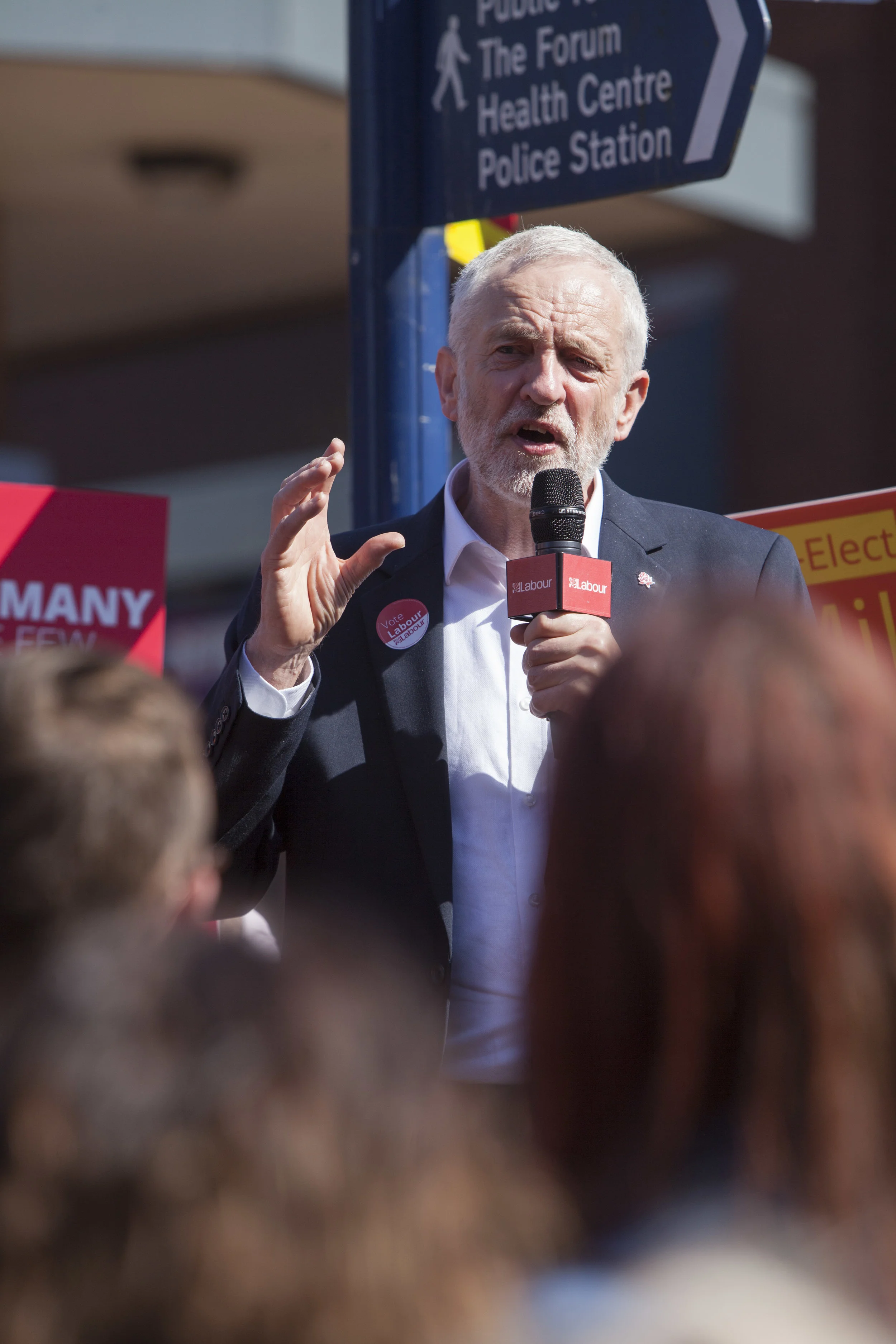
The Right Honourable Jeremy Corbyn
Jeremy Corbyn was in Manchester yesterday for the launch of the Labour election campaign. I caught up with the campaign bus in my home town of Wythenshawe.

Jeremy Corbyn was in Manchester yesterday for the launch of the Labour election campaign. I caught up with the campaign bus in my home town of Wythenshawe.
David Cameron came here and someone waved an imaginary gun at him, cue a frenzy of demonising 'chavs' and hoodies all over the papers. Corbyn turns up, gets treated like a returning hero and guess what? No one's bothered.
If only everywhere was like Wythenshawe, the people of Wythenshawe might stand half a chance...
Night at the Museum
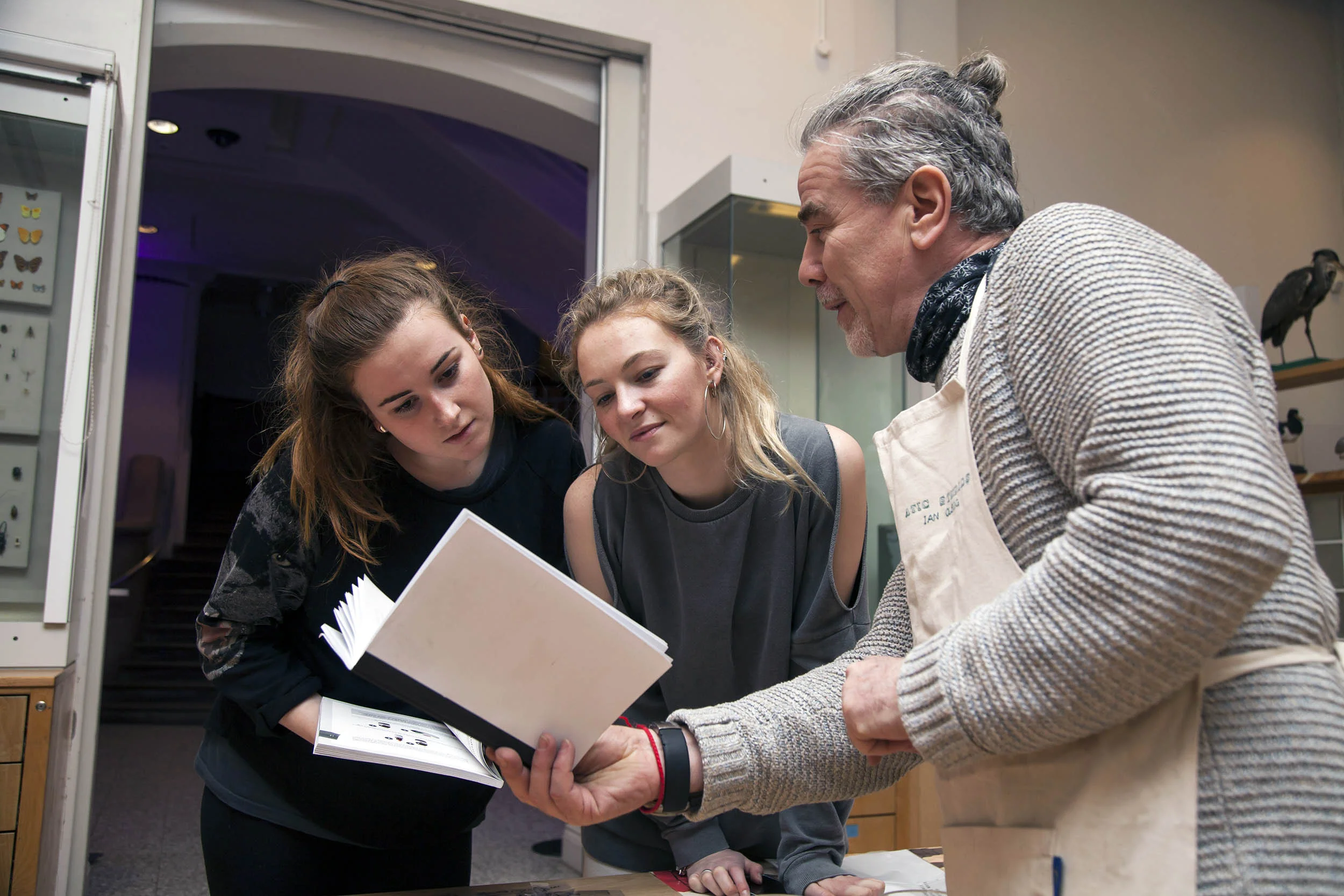
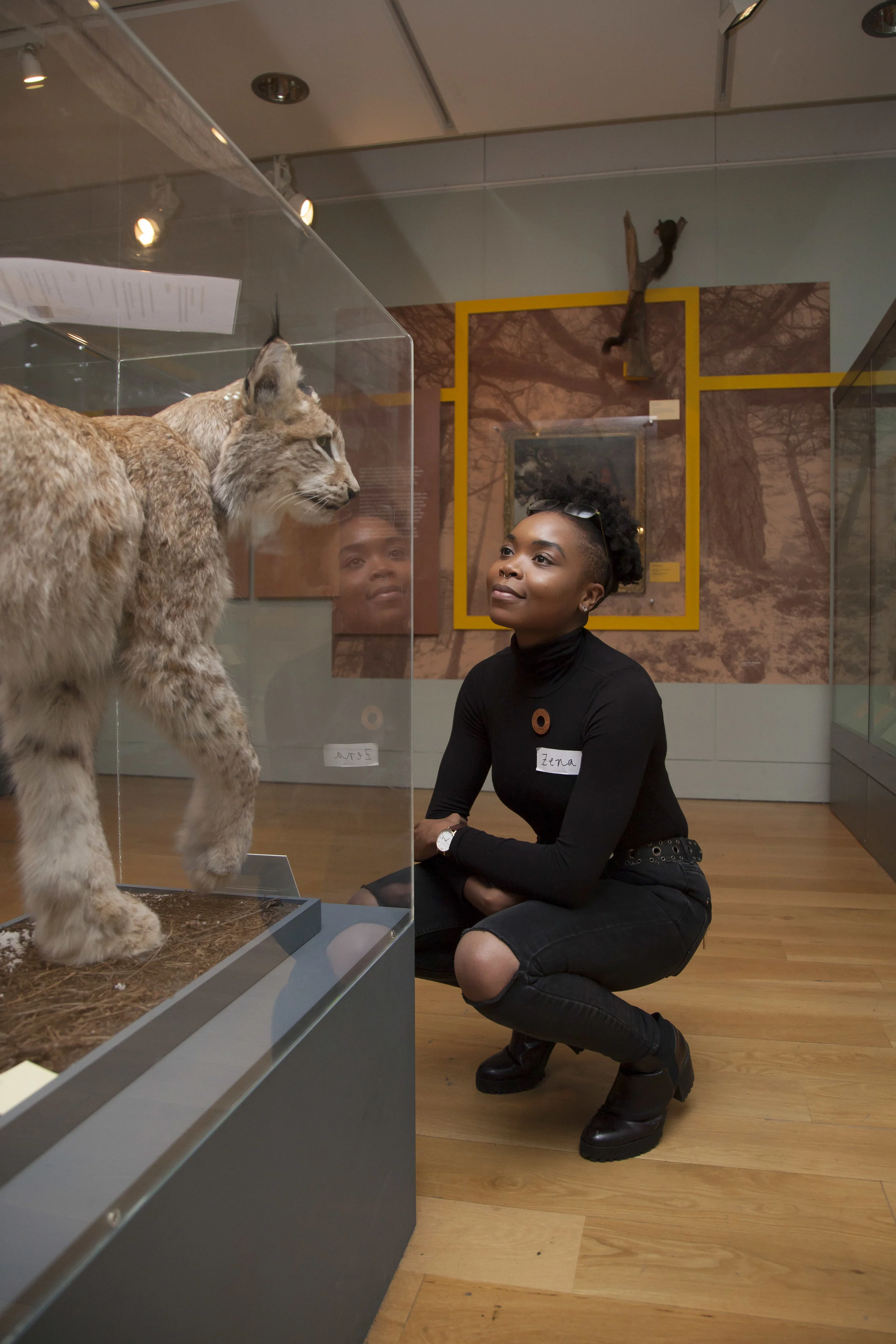
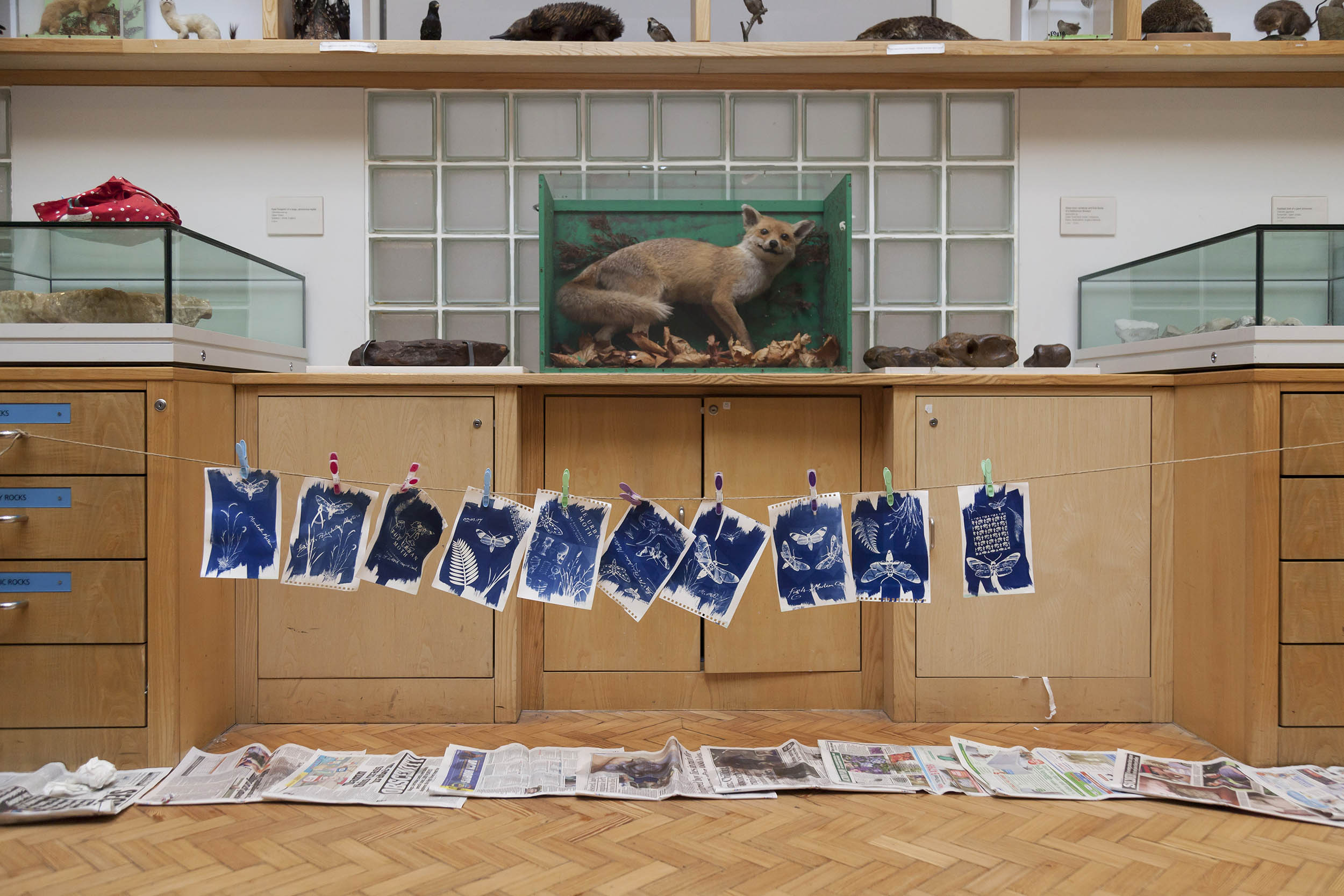
A commission from Manchester Museum to document a recent evening event as part of the Adult Programme. The highlight for me was a cyanotype workshop by Angela Tait and Ian Clegg of ATIC. These days the UV tubes they use to expose the images are considered a Health & Safety concern, yet it wasn't long ago they were used in sunbeds!
Event Photography: Manchester Museum Adult Programme | Museum Meets Evening Events
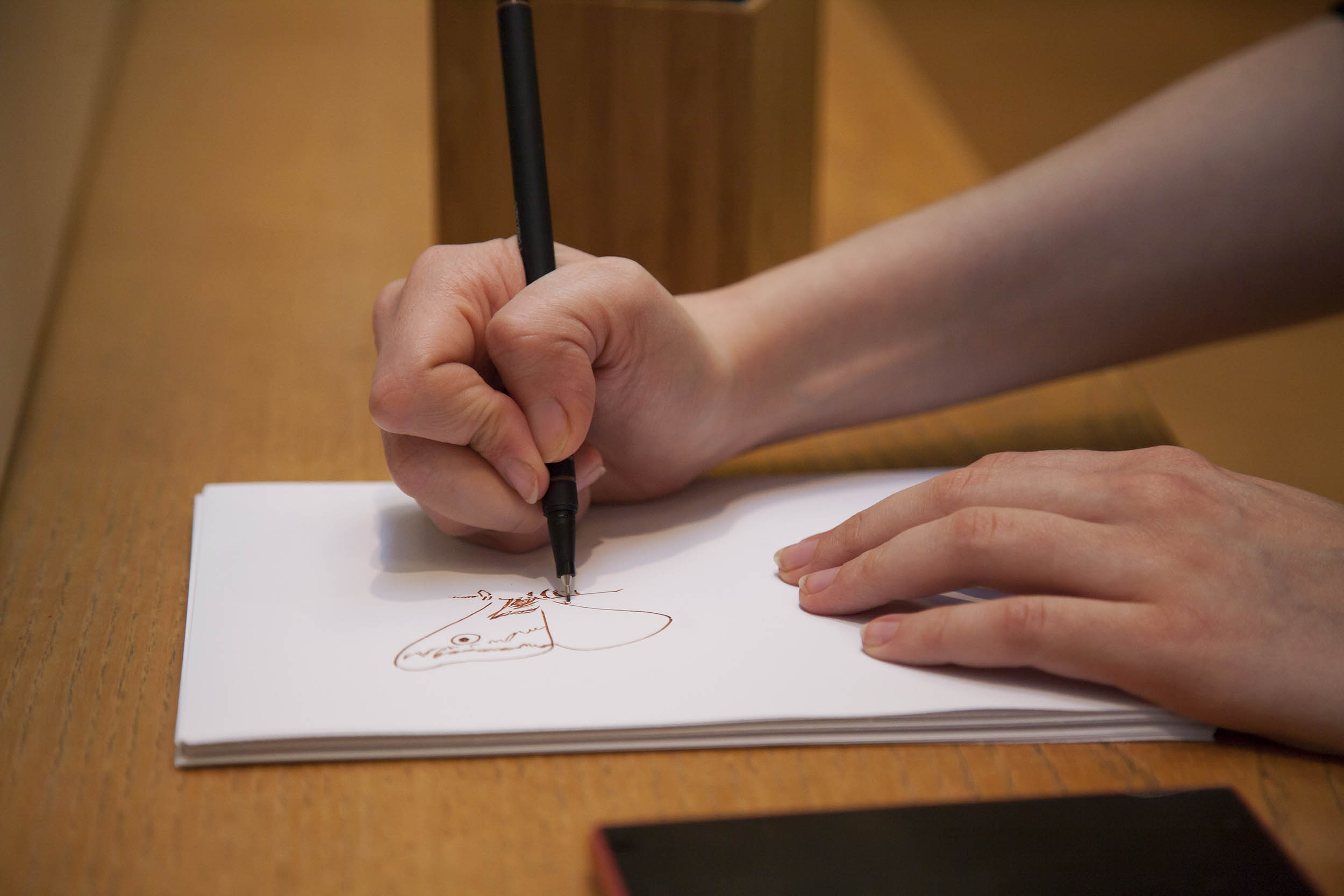
I was commissioned by Manchester Museum to document a recent evening event as part of their Adult Programme. The highlight of the evening was a cyanotype workshop led by Angela Tait and Ian Clegg of ATIC. Cyanotype is a historic photographic printing process, and while the UV tubes used in the workshop are now considered a Health & Safety concern, it’s fascinating to reflect that similar equipment was once widely used in sunbeds.

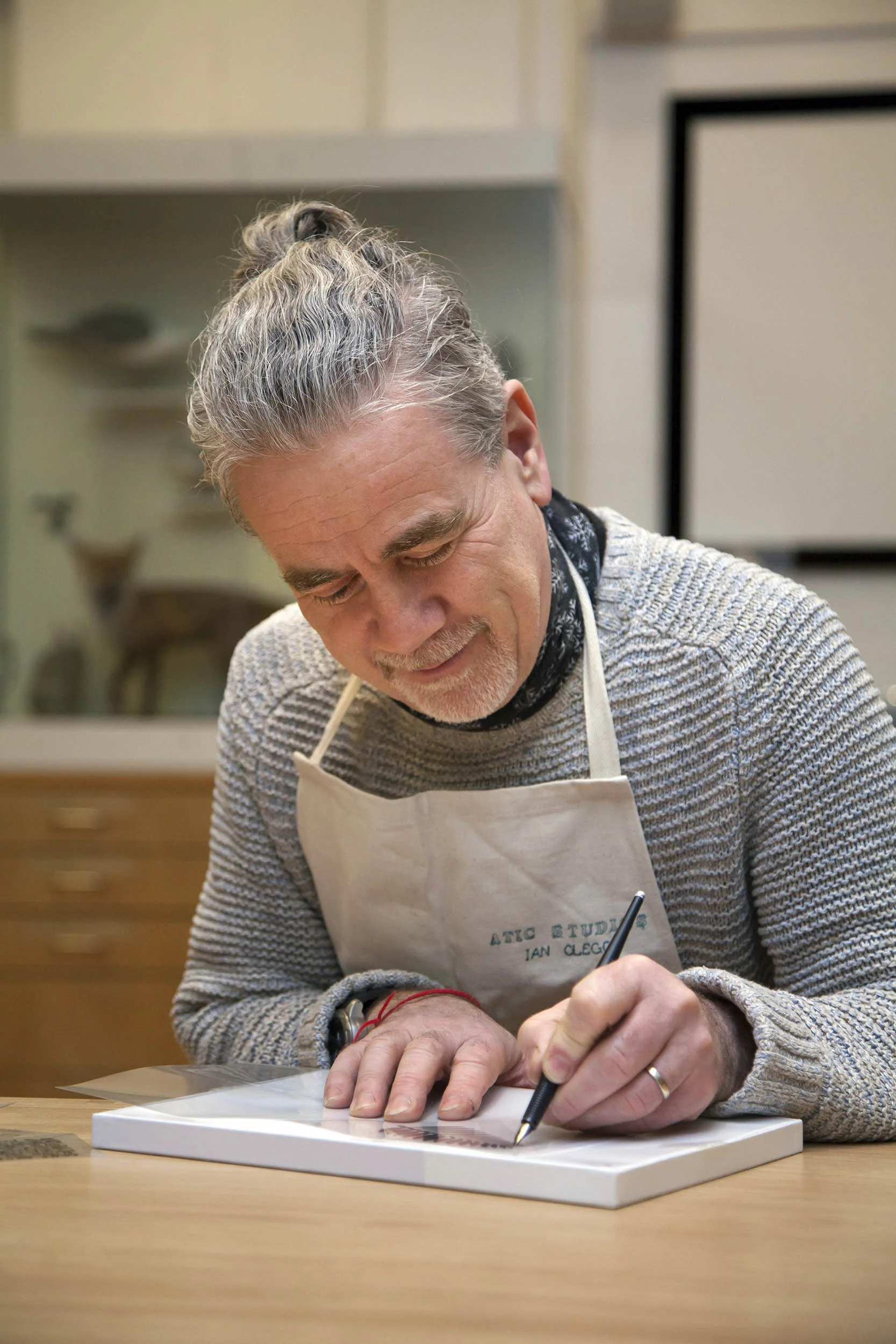
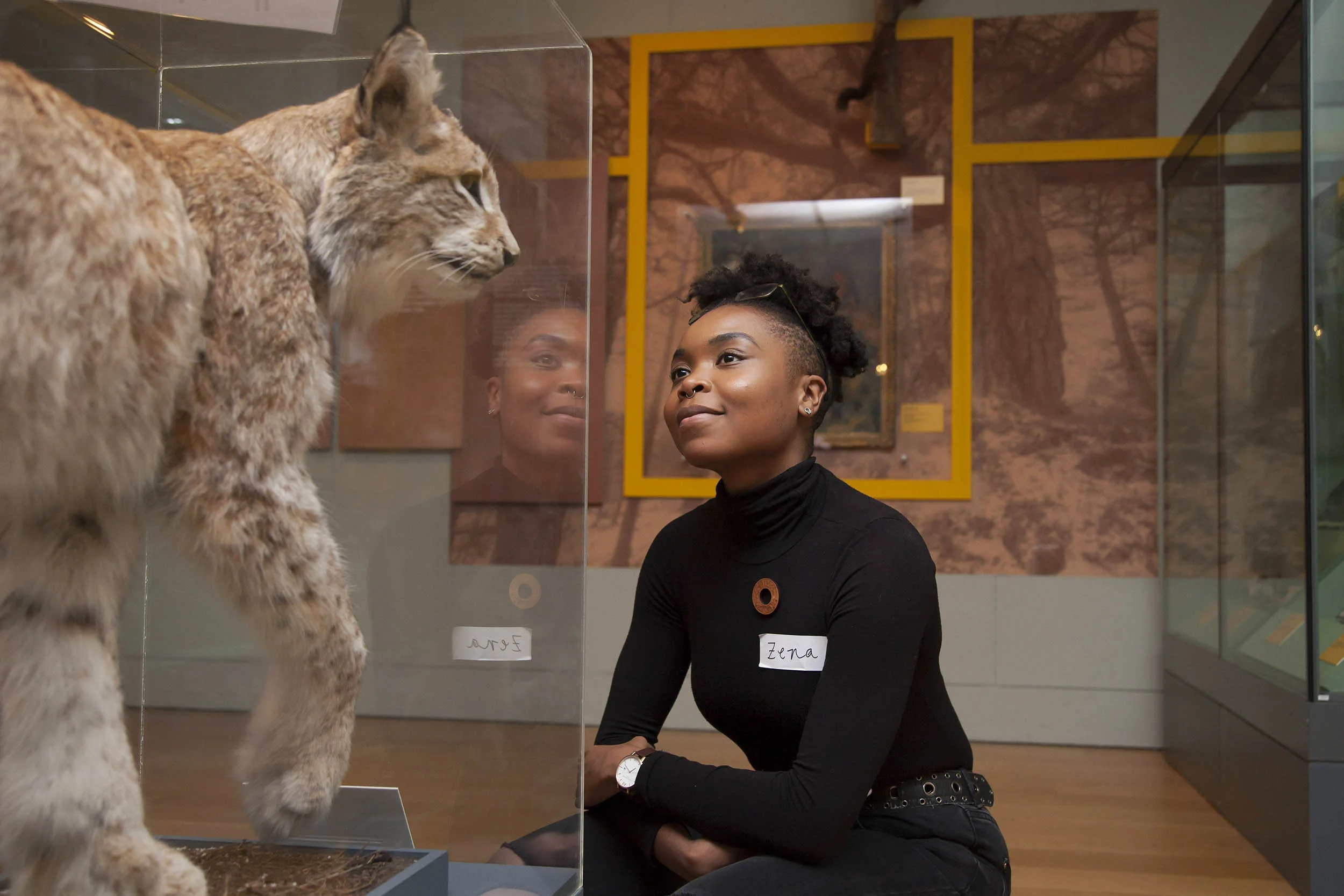
The Museum Meets programme offers a unique opportunity to experience the museum after hours, combining art, science, music, and performance. These evening events bring together artists, scientists, filmmakers, writers, and musicians to animate the museum collections in immersive one-off performances. My role was to capture the atmosphere of the event, participants engaging with the workshops, and the creative energy of the space.
Capturing Museum Events and Workshops
Event photography in a museum setting requires careful attention to lighting, composition, and storytelling. At the Adult Programme evening, I focused on photographing participants at the cyanotype workshop, interactions with facilitators, and the ambience of Manchester Museum’s galleries. Documentary images like these provide a visual record for the museum, helping to promote future events and showcase the diversity of the programme.
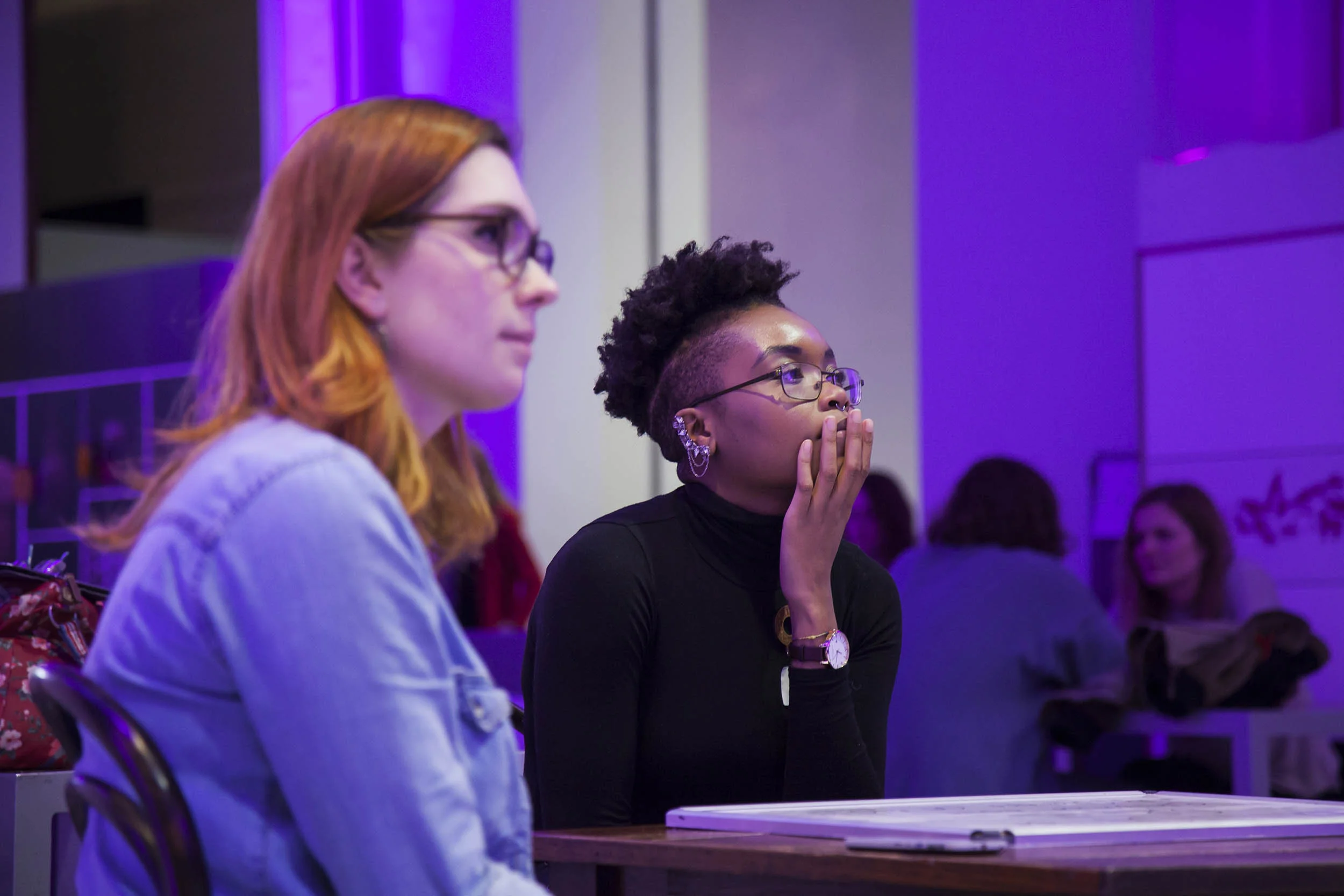
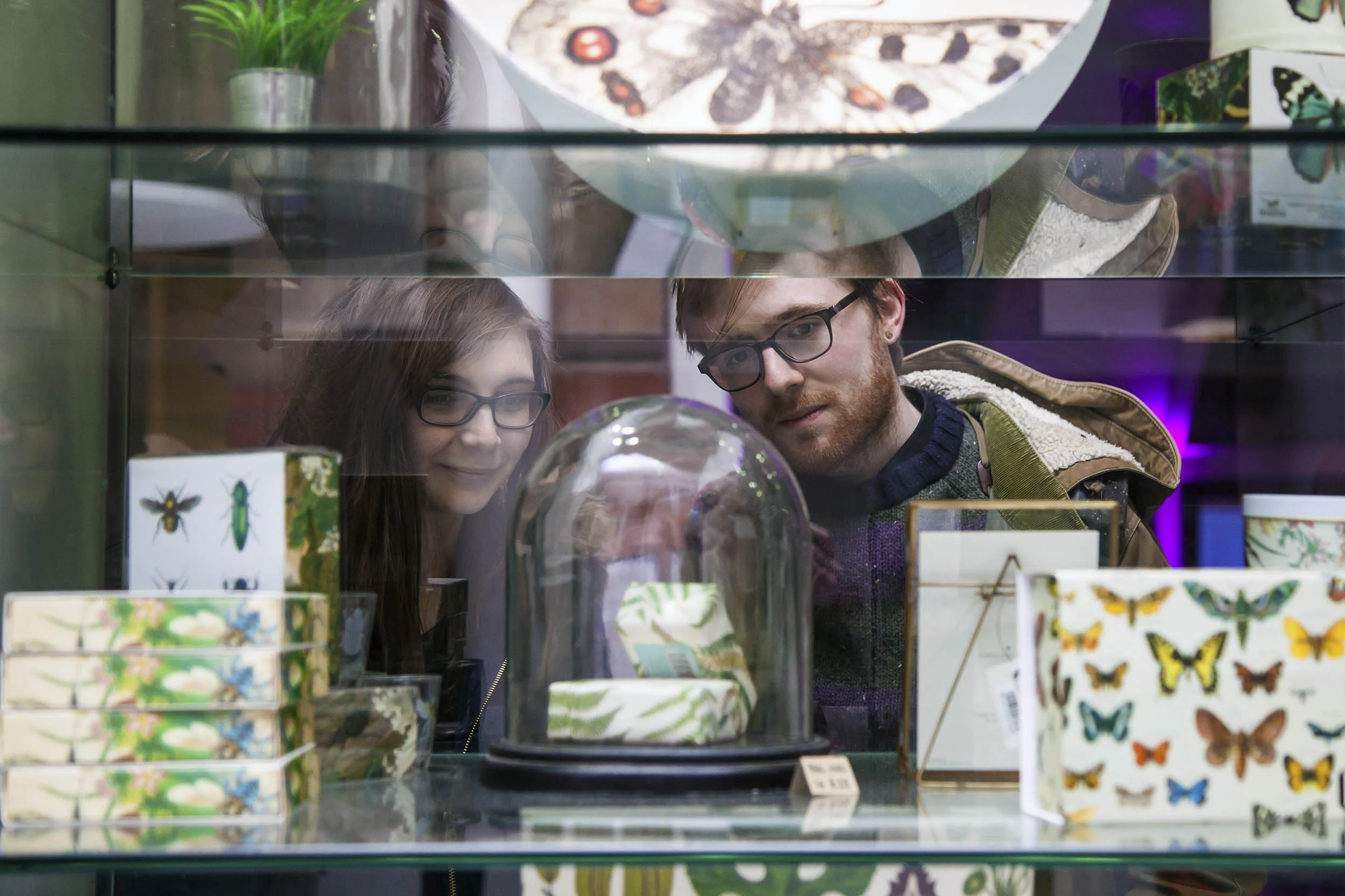
By capturing both candid moments and staged shots, the photography communicates the creativity, engagement, and collaborative spirit of the museum’s Adult Programme. These images support marketing materials, social media content, and editorial coverage, demonstrating how museums can connect audiences with collections through innovative programming.

Conclusion
Photographing Manchester Museum’s Adult Programme highlighted the unique opportunities provided by the Museum Meets evening events. From workshops like cyanotype printing to performances that animate the collections, professional event photography documents these experiences, creating a lasting visual record that promotes engagement and celebrates creativity.
Check out the Museum Meets programme for upcoming events that explore the intersection of art, science, and performance in inspiring ways.