Latest Editorial, Portrait & Commercial Photography Projects
A selection of my most recent commissions and ongoing projects.
The work shown here spans editorial assignments, portrait commissions, documentary projects and commercial photography for organisations and publishers. It reflects current areas of focus and the range of contexts in which I am working.
New projects are added regularly.

Documentary Photography - BP's LiDAR buoy at Liverpool Docks
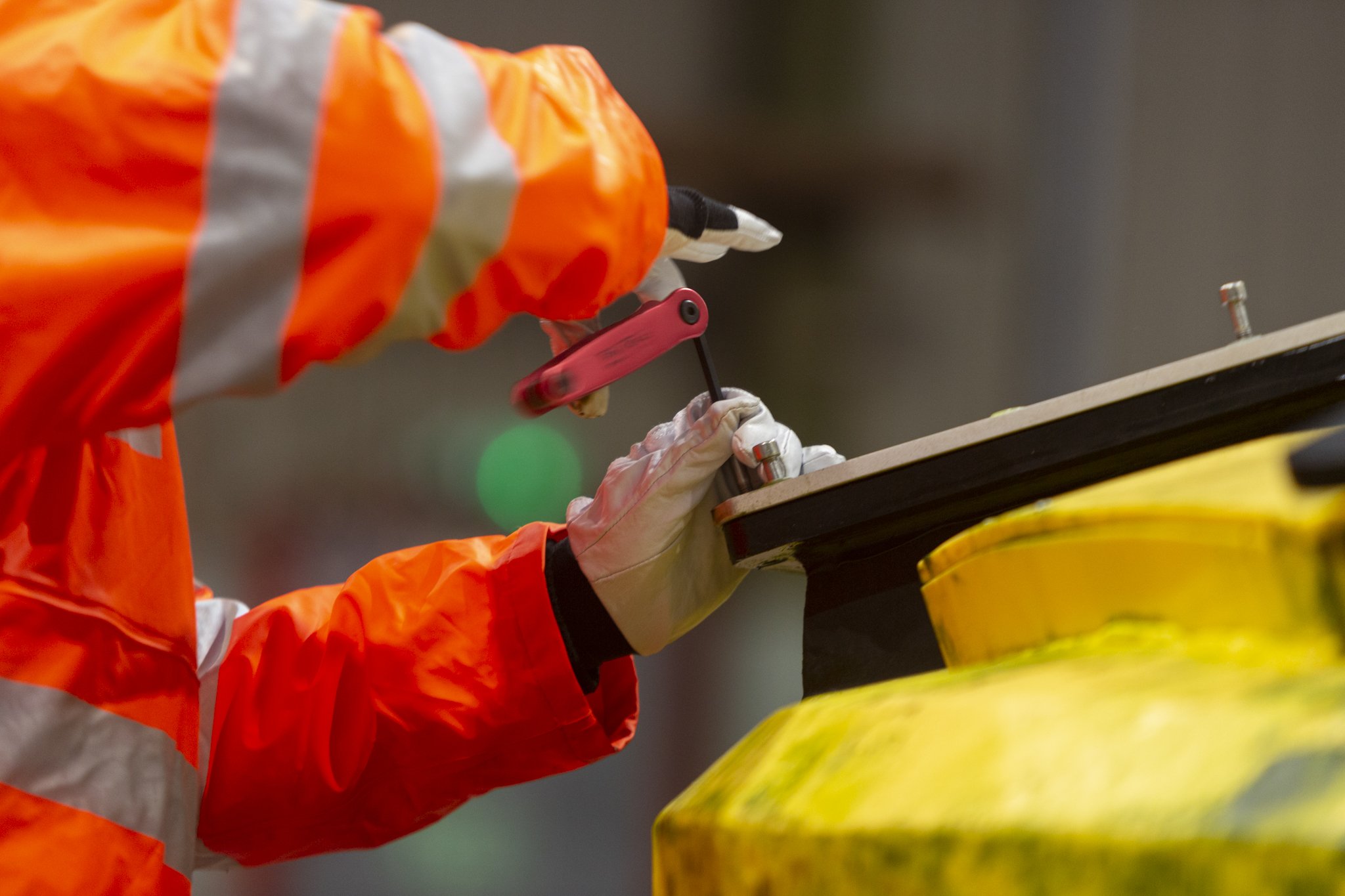
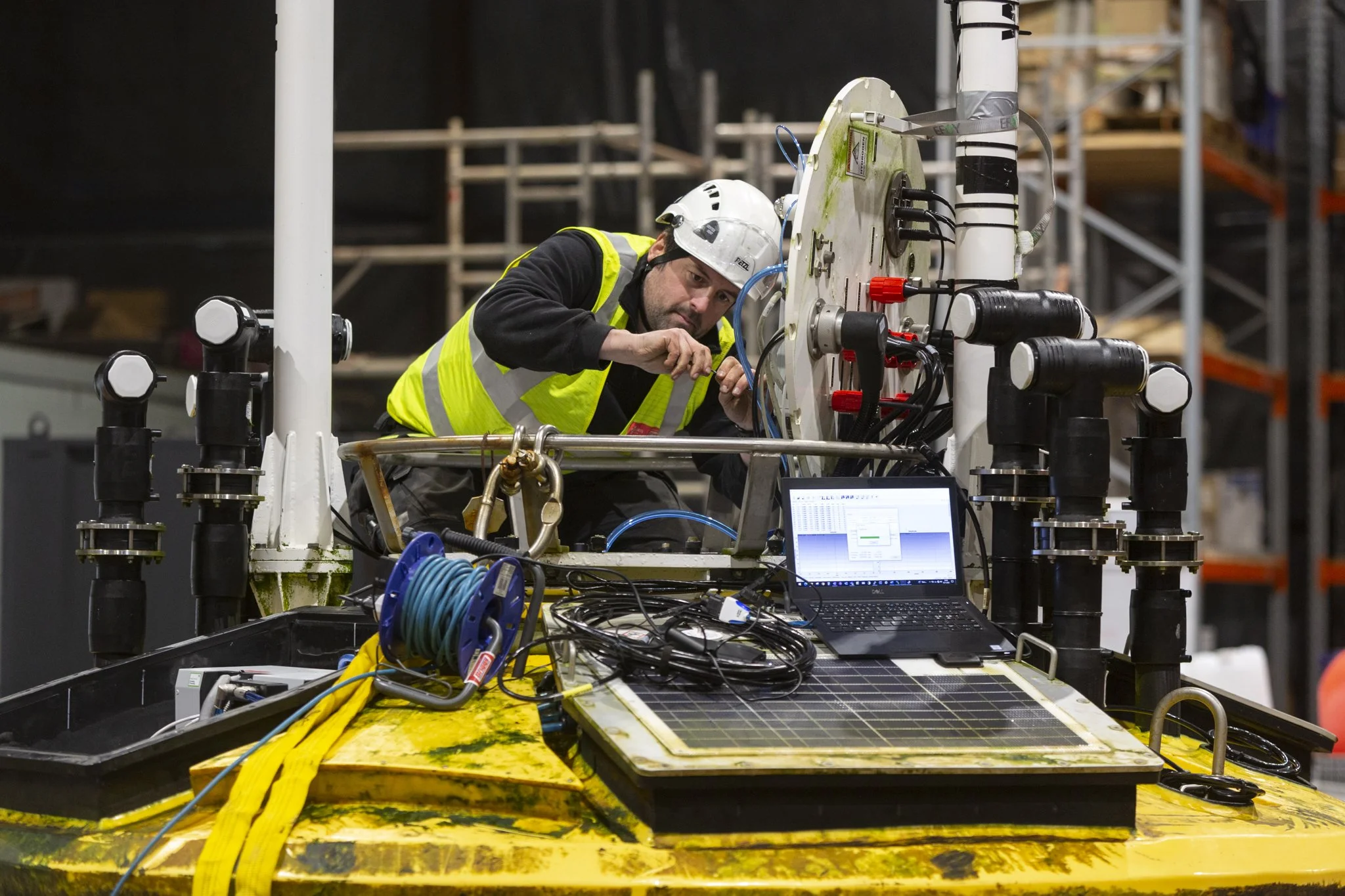
Another commission from BP as they work on the development of the Mona and Morgan Irish Sea wind farms. This time I was taking photographs to document the maintenance of one of their Fugro Seawatch LiDAR buoys which are surveying the field to find optimal wind turbine locations. The Seawatch buoys run on solar panels and fuel cells using methanol fuel. Although autonomous in the field the buoys need to be towed to shore for refueling and servicing.

Another commission from BP as they work on the development of the Mona and Morgan Irish Sea wind farms. This time I was taking photographs to document the maintenance of one of their Fugro Seawatch LiDAR buoys which are surveying the field to find optimal wind turbine locations. The Seawatch buoys run on solar panels and fuel cells using methanol fuel. Although autonomous in the field the buoys need to be towed to shore for refueling and servicing.
As an ex-engineer with a background in Physics, this was a really interesting - if freezing! - few days shooting in Liverpool.
LiDAR, or Light Detection and Ranging, can measure wind speed by using the Doppler effect. The Doppler effect is a phenomenon that occurs when the frequency of a wave changes as the source of the wave moves relative to the observer. This effect is commonly experienced in everyday life, for example, the change in pitch of a siren as an ambulance approaches and then passes by.
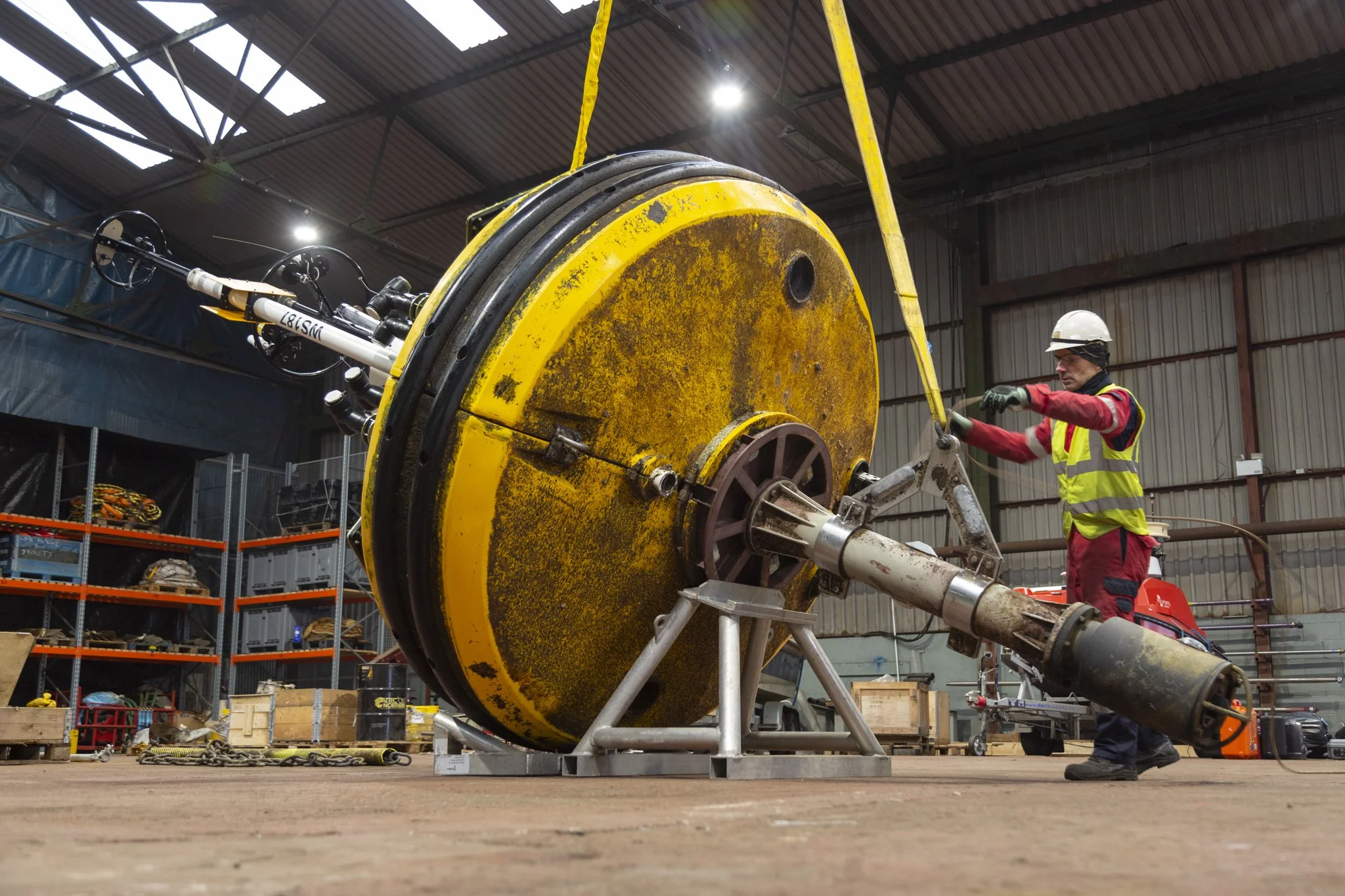
In the context of LiDAR, a laser beam is directed towards the atmosphere, and the reflected light is detected by a sensor. As the laser beam passes through the atmosphere, it interacts with particles in the air, such as dust or water droplets. These particles scatter the laser beam in different directions, and some of the scattered light returns to the sensor.

By analyzing the scattered light, LiDAR can detect the movement of air particles and calculate wind speed. The movement of the particles changes the frequency of the scattered light, and this change in frequency is detected by the sensor. The amount of frequency shift is proportional to the wind speed, allowing LiDAR to calculate the wind speed with high accuracy.

LiDAR can also provide information about the direction and turbulence of the wind, helping to identify potential challenges for wind turbine installations. This information is particularly useful in the development of wind farms, where accurate wind measurements are essential for identifying the most suitable locations for wind turbines.





Event Photography - Adidas and Versus at Manchester United
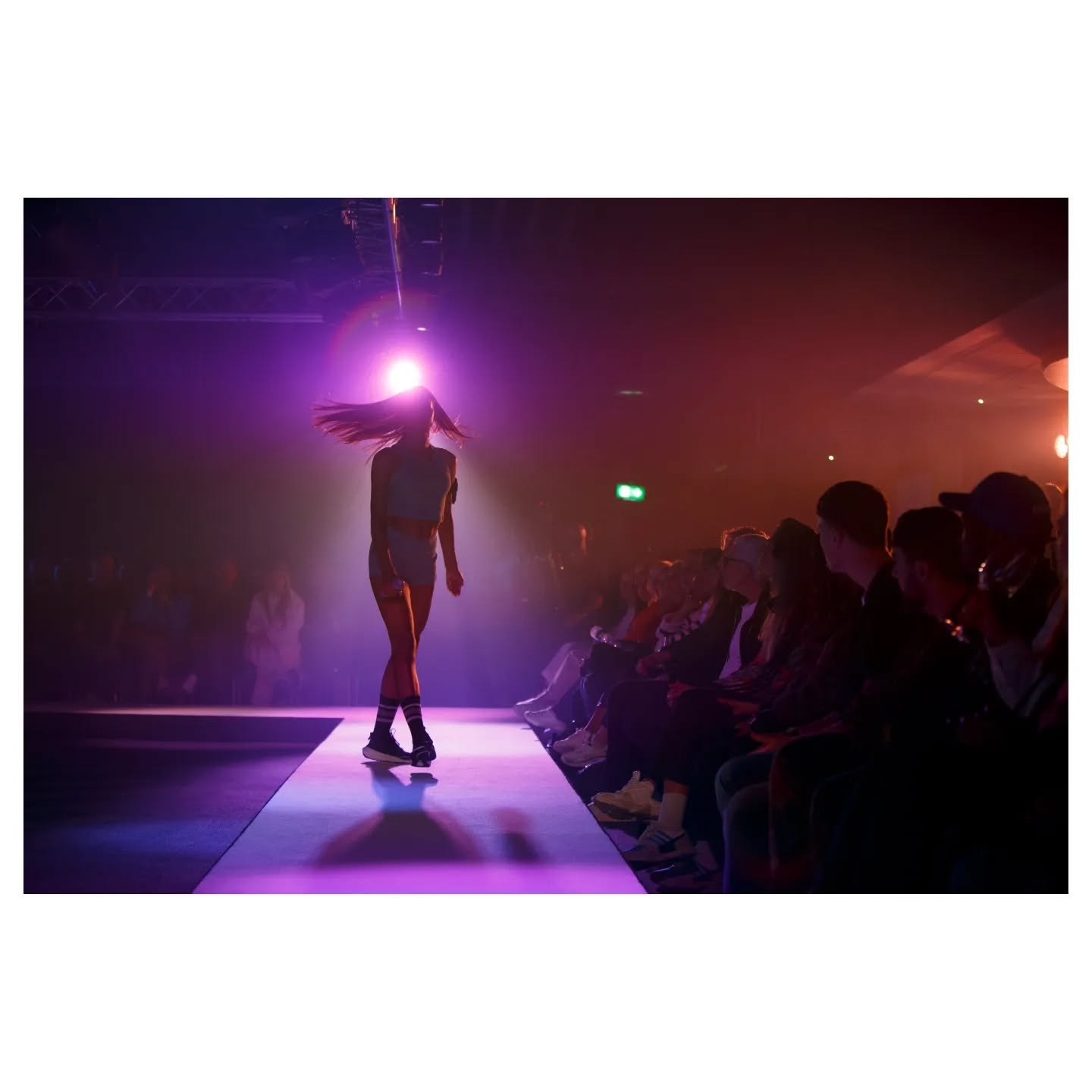
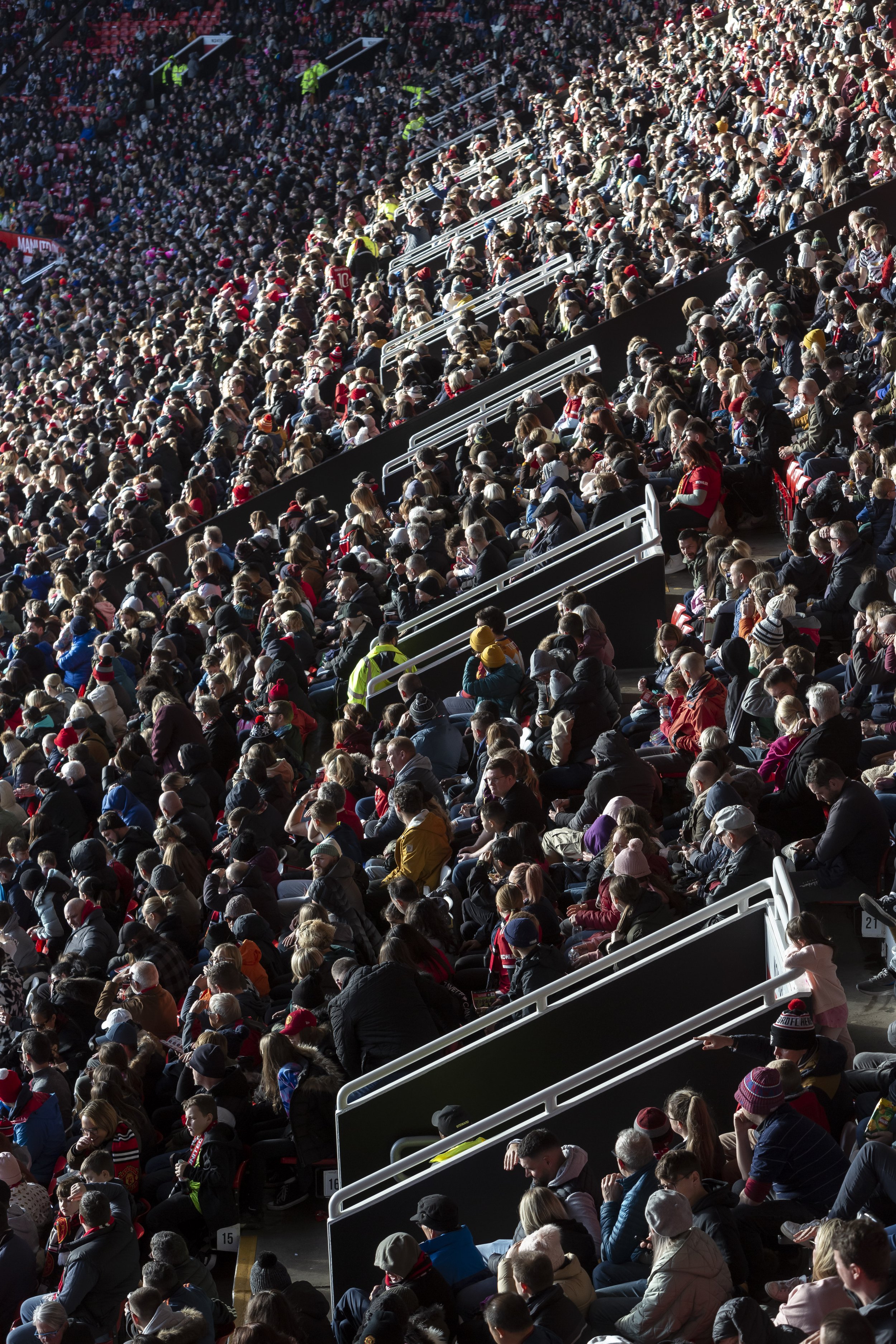
VERSUS is the platform championing the future of football and its rising influence on new music and culture. Adidas is well, Adidas. On commission for the wonderful TO Events, I photographed the launch of a collaboration between the two brands on the occasion of a games between Manchester United and Aston Villa’s women’s teams.
VERSUS is the platform championing the future of football and its rising influence on new music and culture. Adidas is well, Adidas. On commission for the wonderful TO Events, I photographed the launch of a collaboration between the two brands on the occasion of a games between Manchester United and Aston Villa’s women’s teams.




Photography of BP's public consultation at Bodelwyddan
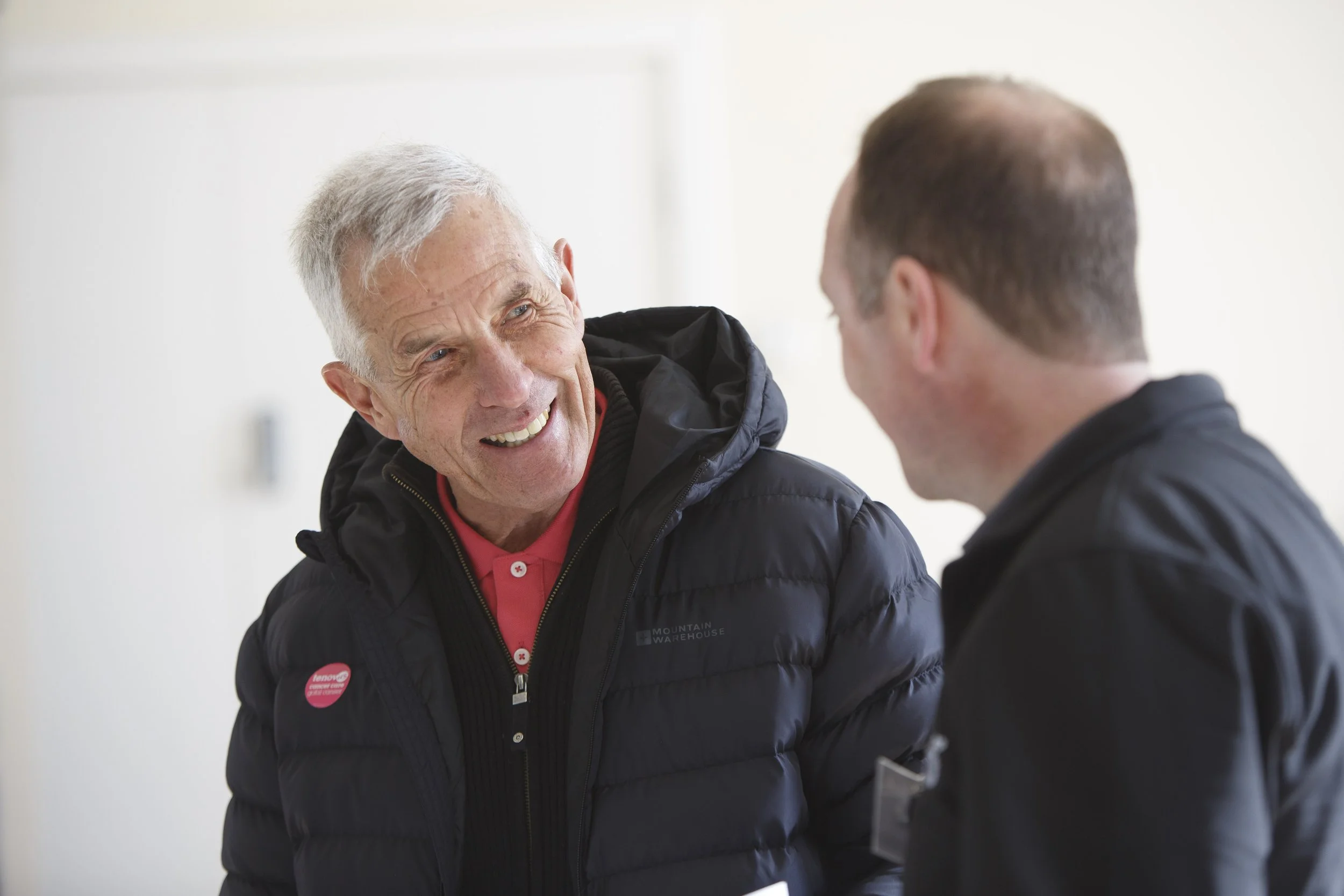
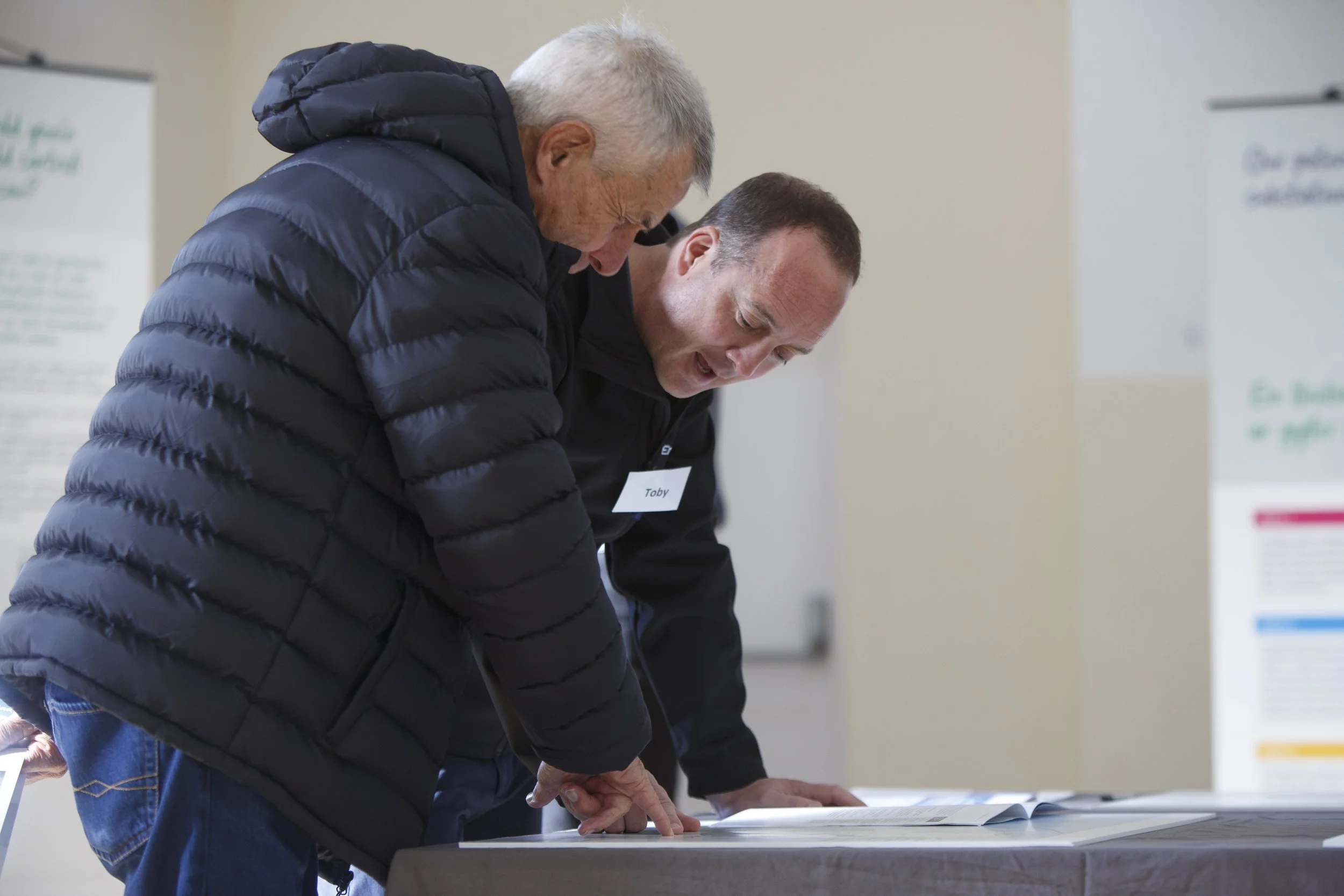
I worked with BP to photograph a consultation event at Bodelwyddan Village Hall that helped explain to residents of the area the changes that would be brought about by the development of two new wind farms off the North Wales coast. The Mona and Morgan windfarms will be two of the largest offshore windfarms in the Irish Sea.
I worked with BP to photograph a consultation event at Bodelwyddan Village Hall that helped explain to residents of the area the changes that would be brought about by the development of two new wind farms off the North Wales coast. The Mona and Morgan windfarms will be two of the largest offshore windfarms in the Irish Sea.

The wind farms will be located approximately 20km - 30km from the coast and be operational by 2029. Together, they will form one of the largest wind farms in the world, with a combined potential generating capacity of 3 gigawatts (GW). This is enough to power the equivalent of approximately 3.4 million UK households with clean electricity.

The development of the Mona and Morgan windfarms represents a significant achievement in the UK's transition towards renewable energy, and highlights the potential of offshore wind to play a key role in meeting the country's energy needs in a sustainable way.


European Geophysical Services
Photographs for the new website of European Geophysical Services photographed by Manchester photographer David Oates.
European Geophysical Services established in 1994, are a leading borehole geophysical logging and video surveying company providing a large range of measurements and services to the water, environmental, mining and geotechnical industries.

Commissions for HTP Digital always take me to interesting locations, none more so than this recent shoot to capture images for the new website of European Geophysical Services.
Established in 1994, EGS are a leading borehole geophysical logging and video surveying company providing a large range of measurements and services to the water, environmental, mining and geotechnical industries.
I visited on a calibration day, a rare event when all of the vehicles and equipment return to their home base in Shropshire for testing, inspection, recalibration, cleaning and repair. A few weeks later I joined a the engineers on a site visit, inspecting underground aqueducts for blockages, contamination and physical condition. As a former Physicist and Measurement Engineer, it was fascinating to learn about the techniques and methods by which these investigations are carried out, despite the first two hours being photographed in a torrential downpour!
Travelling the country to often remote, inhospitable climes, off roading in modified Land Rovers to get there and doing science in the great outdoors. There are worse ways to make a living.


Sue Steer for the Royal Institute of Chartered Surveyors
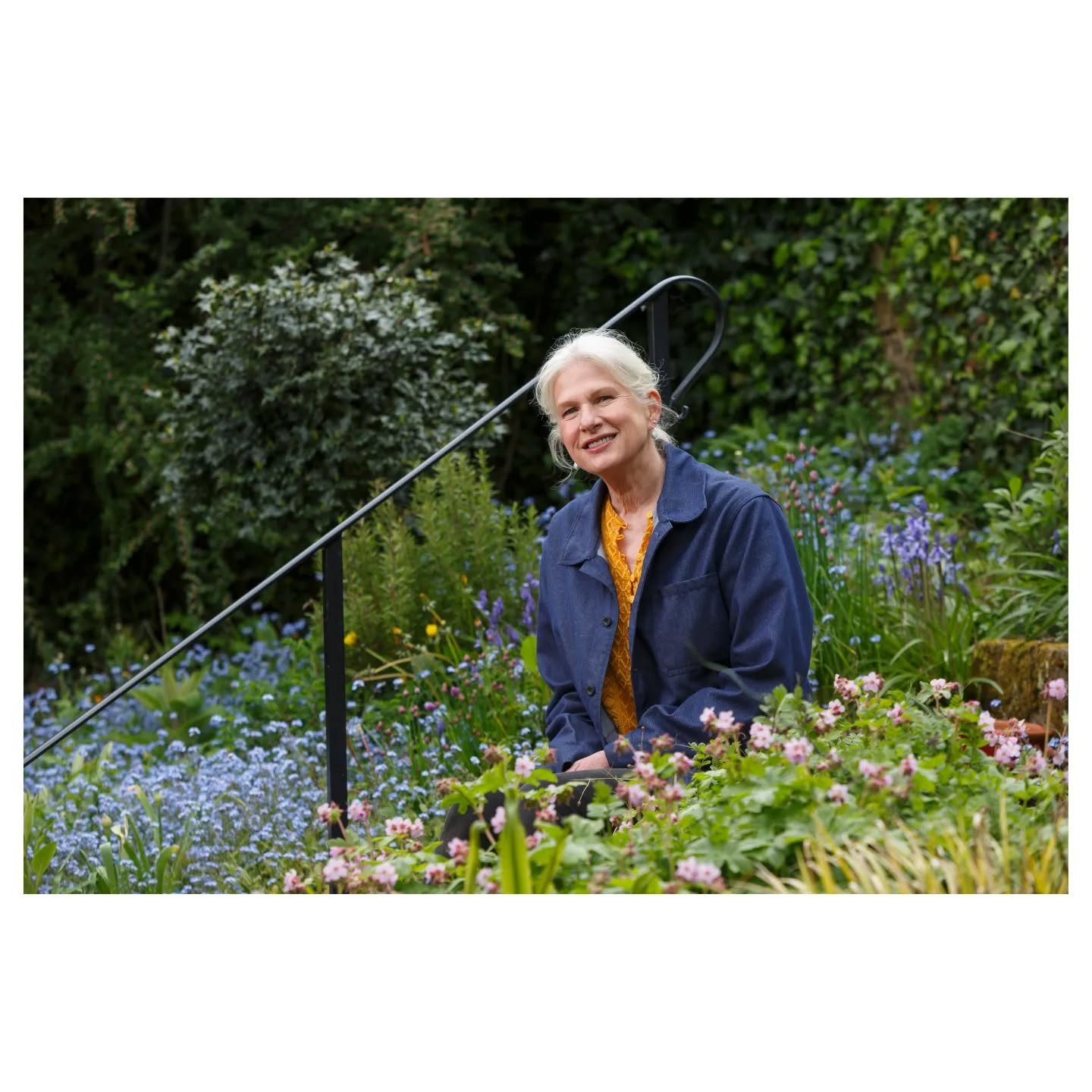
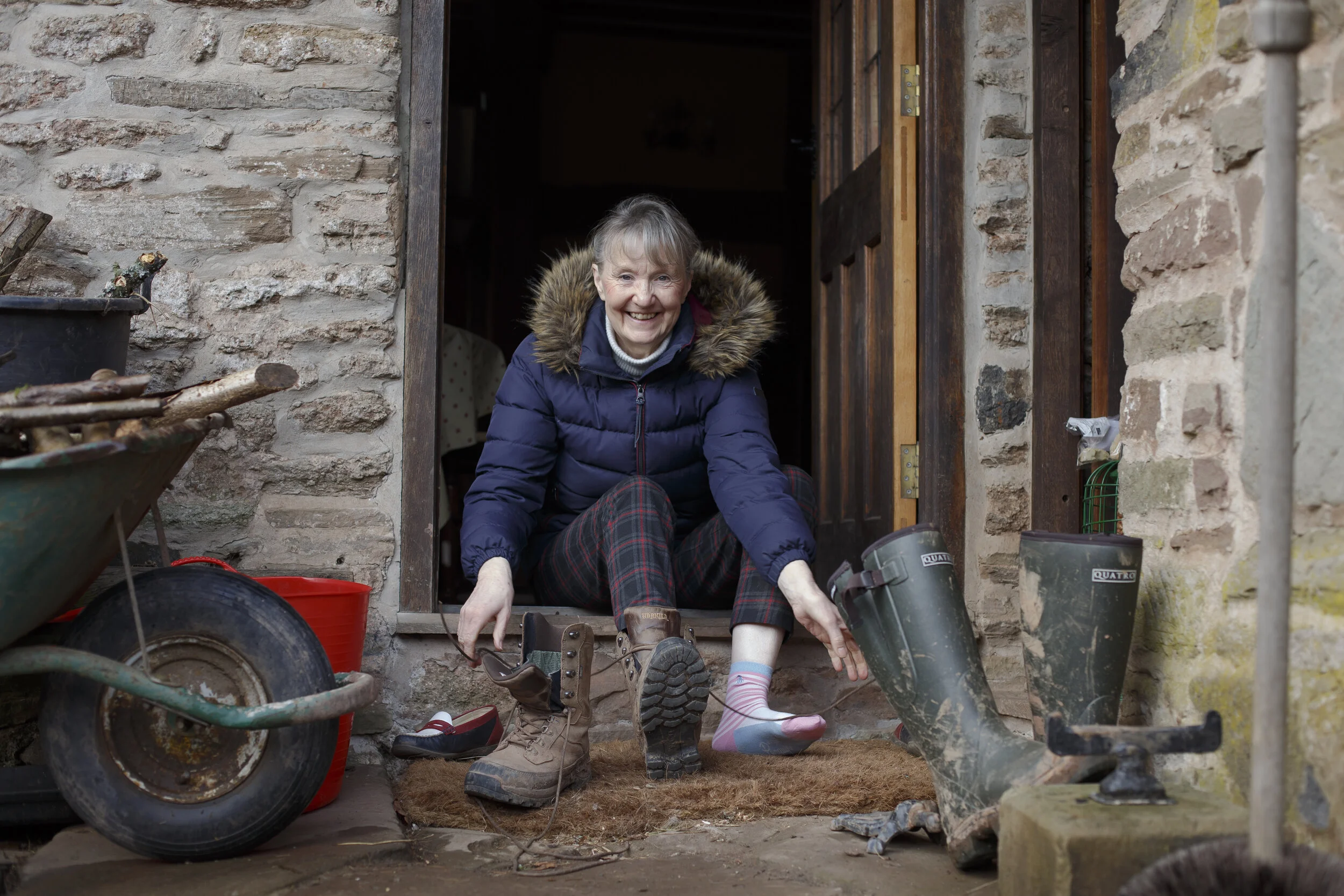
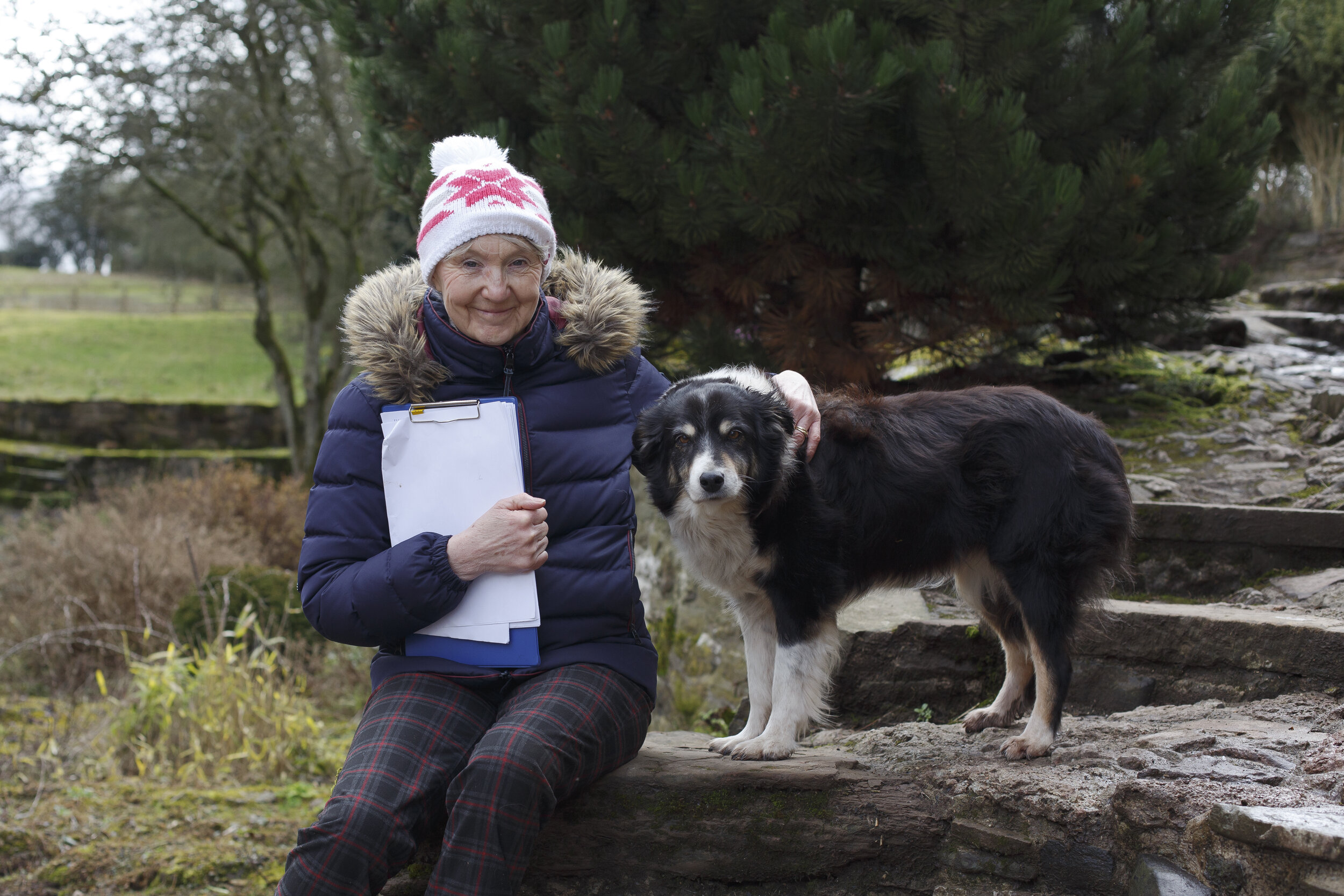
I was asked by London-based agency Sunday to visit Sue Steer at her home in Shropshire a few weeks ago to take some portrait photographs. Sue is a rural surveyor and the pictures were to accompany an article in the Royal Society for Chartered Surveyors’ Modus magazine.

I was asked by London-based agency Sunday to visit Sue Steer at her home in Shropshire a few weeks ago to take some portrait photographs. Sue is a rural surveyor and the pictures were to accompany an article in the Royal Society for Chartered Surveyors’ Modus magazine.

Sue’s house proved incredibly difficult to find hidden as it is deep in the beautiful Shropshire Hills, Sue’s husband Martin gave me copious instructions, dropped Whatsapp pins and even sent the What Three Words reference all to no avail and finally he had to drive out to find me passing the same bemused farmer for the sixth or seventh time.

Their house was well worth the effort of finding, a 15th Century thatched cottage with an accompanying listed timber barn. It resembled a scene from Hansel and Gretel.

We spent a happy few hours taking photographs around the house, the barn and the orchards before their lovely, gentle old Collie dog joined us for the photoshoot.

A wonderful day and I was fortunate to be back in Shropshire a only a few weeks later for a very different kind of shoot, more of which in a later post.




Phoenix Healthcare distribution for Fagan Jones
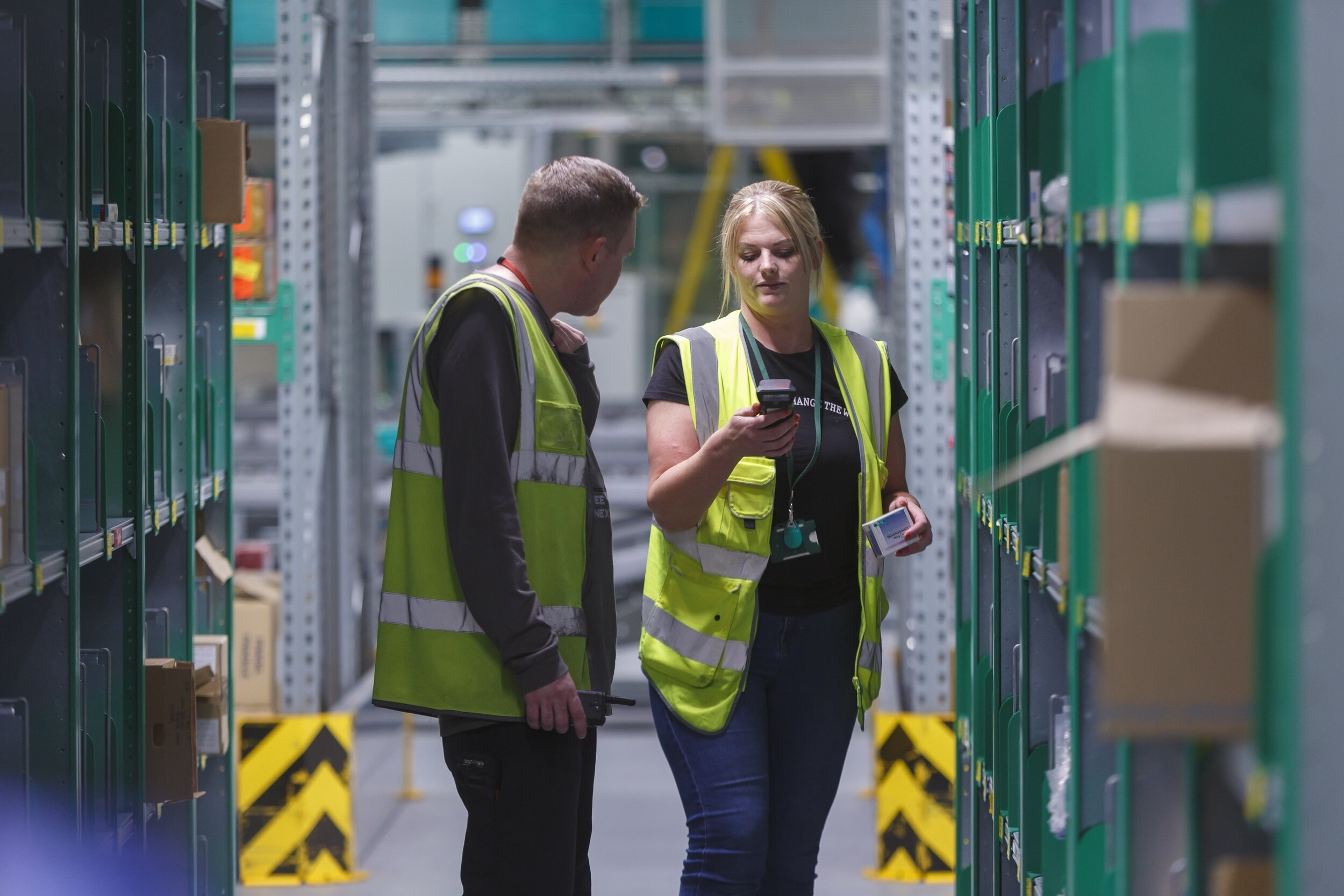
A shoot documenting the high technology pharmaceutical facility in Preston Brook commissioned by the wonderful Vicky at film production company Fagan Jones. I was once again shooting stills alongside the exceptionally talented film cameraman Dan Lightening.
Miles and miles of robotised, computerised conveyors pick, sort and pack drugs for distribution to pharmacies around the country.
An enjoyable and very busy day that reminded me that running shoes are required equipment for photography professionals.

Pharmaceutical Facility Photography in Preston Brook | Automated Drug Distribution and Logistics
I was commissioned to photograph a high-technology pharmaceutical distribution facility in Preston Brook on behalf of the film production company Fagan Jones. The shoot was organised by producer Vicky at Fagan Jones, and I was working alongside the exceptionally talented cinematographer Dan Lightening, who was filming moving footage for the same project.

My role on the day was to create a set of still photographs documenting the scale, infrastructure and day-to-day operations of the site. These images would complement the film production while also providing a visual record of the facility for marketing, communications and corporate use.

Inside a High-Technology Pharmaceutical Logistics Facility
The distribution centre in Preston Brook is an impressive example of the level of automation now present in modern pharmaceutical logistics. Within the facility, miles of robotised and computer-controlled conveyor systems move medicines through a carefully designed network of routes. These automated systems pick, sort and pack drugs before they are dispatched to pharmacies across the UK.

From a photographic perspective the site offered a remarkable environment to document. Long corridors of conveyors run through the building, with automated picking machines selecting products at speed before they are routed through packing stations. Containers glide through the system in a constant flow, guided by computerised logistics software that ensures the correct medication reaches the correct destination.
Facilities like this are essential parts of the national healthcare supply chain. The efficiency and reliability of the logistics systems ensure that pharmacies and healthcare providers receive the medicines they need quickly and accurately. Photographing such environments provides a glimpse into the highly organised infrastructure that underpins pharmaceutical distribution.

Photographing Automation, Robotics and Industrial Systems
Industrial photography in environments like this requires a combination of wide architectural views and detailed documentary images. Wide photographs show the scale of the operation, with long lines of conveyors stretching across large warehouse spaces. These images help communicate the sheer size of the facility and the complexity of the logistics network.

At the same time, close-up photographs reveal the precision of the machinery involved. Sensors, scanners and robotic arms guide containers along the system, while packing stations assemble shipments ready for distribution. Capturing these smaller details helps explain the process visually, showing how individual components of the system work together to form a seamless operation.

Lighting conditions in large industrial buildings can also present interesting challenges. High ceilings, mixed light sources and moving machinery require careful attention to exposure and timing in order to produce clear and dynamic images.

Stills Photography Alongside a Film Production
One of the most enjoyable aspects of the commission was working alongside a film crew. While Dan Lightening focused on capturing cinematic footage of the logistics process, my role was to produce still images that documented the same environment from a complementary perspective.

Working in parallel with a film crew requires a degree of coordination. Film productions often involve lighting setups, rehearsed camera movements and multiple takes, whereas still photography typically requires more mobility in order to capture spontaneous moments. The aim is always to work collaboratively so that both the stills and the moving images can be produced efficiently without interrupting the workflow of the facility itself.

Photographs created during these types of productions are often used in a wide range of contexts, including websites, press releases, annual reports and promotional material. They provide organisations with a visual record of the project that can be used long after the filming itself has been completed.

Documenting the Scale of Modern Logistics
Large automated facilities like the one at Preston Brook are fascinating places to photograph because they combine architecture, engineering and human expertise. Despite the high level of automation, the site is still supported by skilled staff who oversee the systems, monitor quality control and ensure that everything runs smoothly.

Capturing both the human and technological aspects of the environment helps create a more complete narrative of how the facility operates. Images of staff interacting with the machinery, monitoring computer systems or managing packaging operations provide context to the vast automated infrastructure surrounding them.

The visual rhythm of the conveyors, the repetition of containers moving through the system and the geometric lines of the machinery all contribute to a distinctive aesthetic that is unique to industrial and logistics photography.

A Fast-Moving Day on Location
Facilities of this scale are rarely static environments. Conveyors are constantly moving, robots are continuously sorting products, and staff are working across different areas of the building to keep operations running smoothly. For a photographer, this means covering a significant amount of ground in a limited amount of time in order to capture the full story of the site.

By the end of the day it was clear that running shoes should probably be considered essential equipment for photographers working in environments like this. Moving quickly between different areas of the facility, keeping pace with both the film crew and the production schedule, makes for a busy but very rewarding assignment.

Documenting the combination of advanced technology, logistics infrastructure and human expertise that keeps a pharmaceutical distribution centre operating is always fascinating. It also offers a reminder of the enormous systems working behind the scenes to ensure medicines reach pharmacies and patients across the country.