Latest Editorial, Portrait & Commercial Photography Projects
A selection of my most recent commissions and ongoing projects.
The work shown here spans editorial assignments, portrait commissions, documentary projects and commercial photography for organisations and publishers. It reflects current areas of focus and the range of contexts in which I am working.
New projects are added regularly.
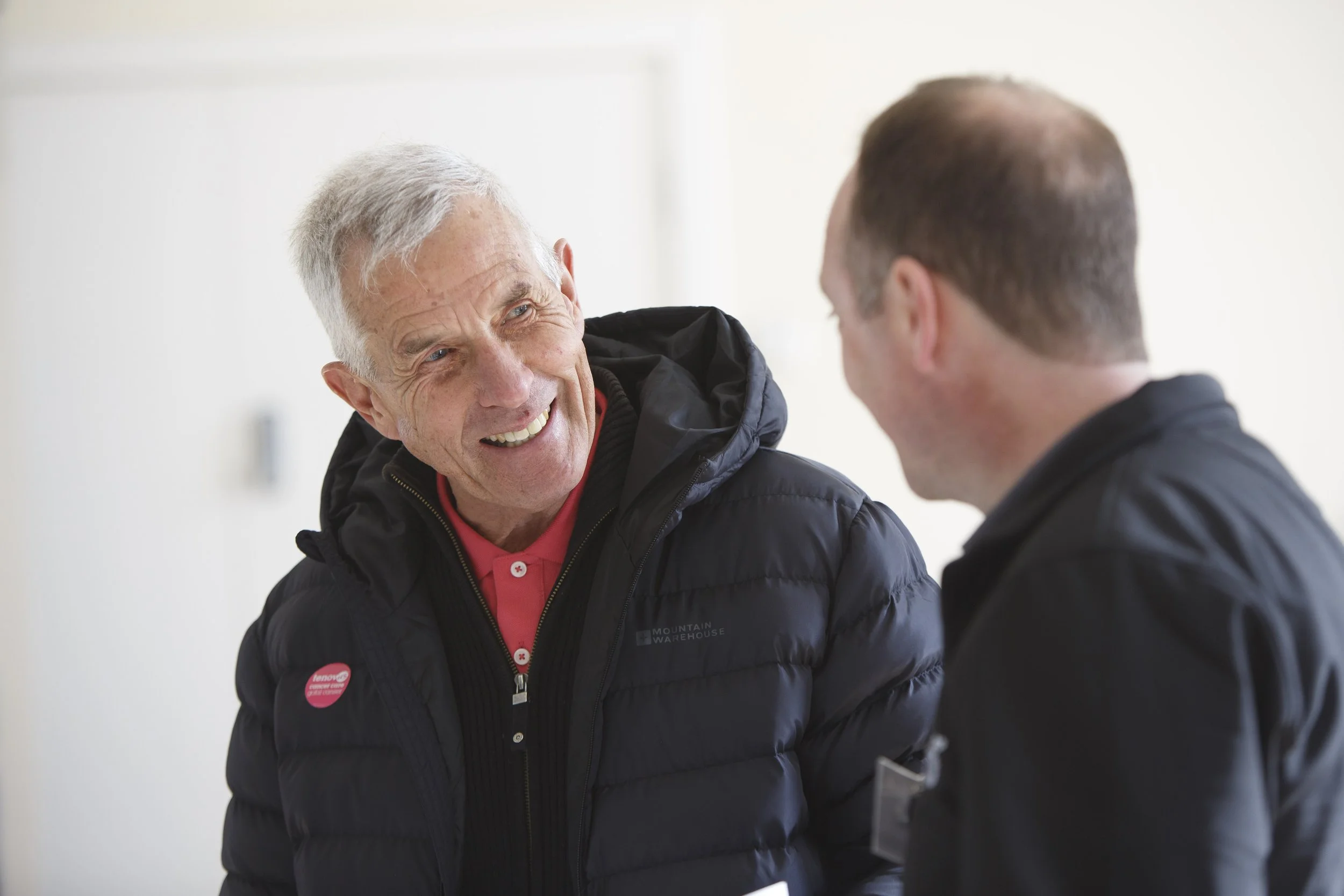
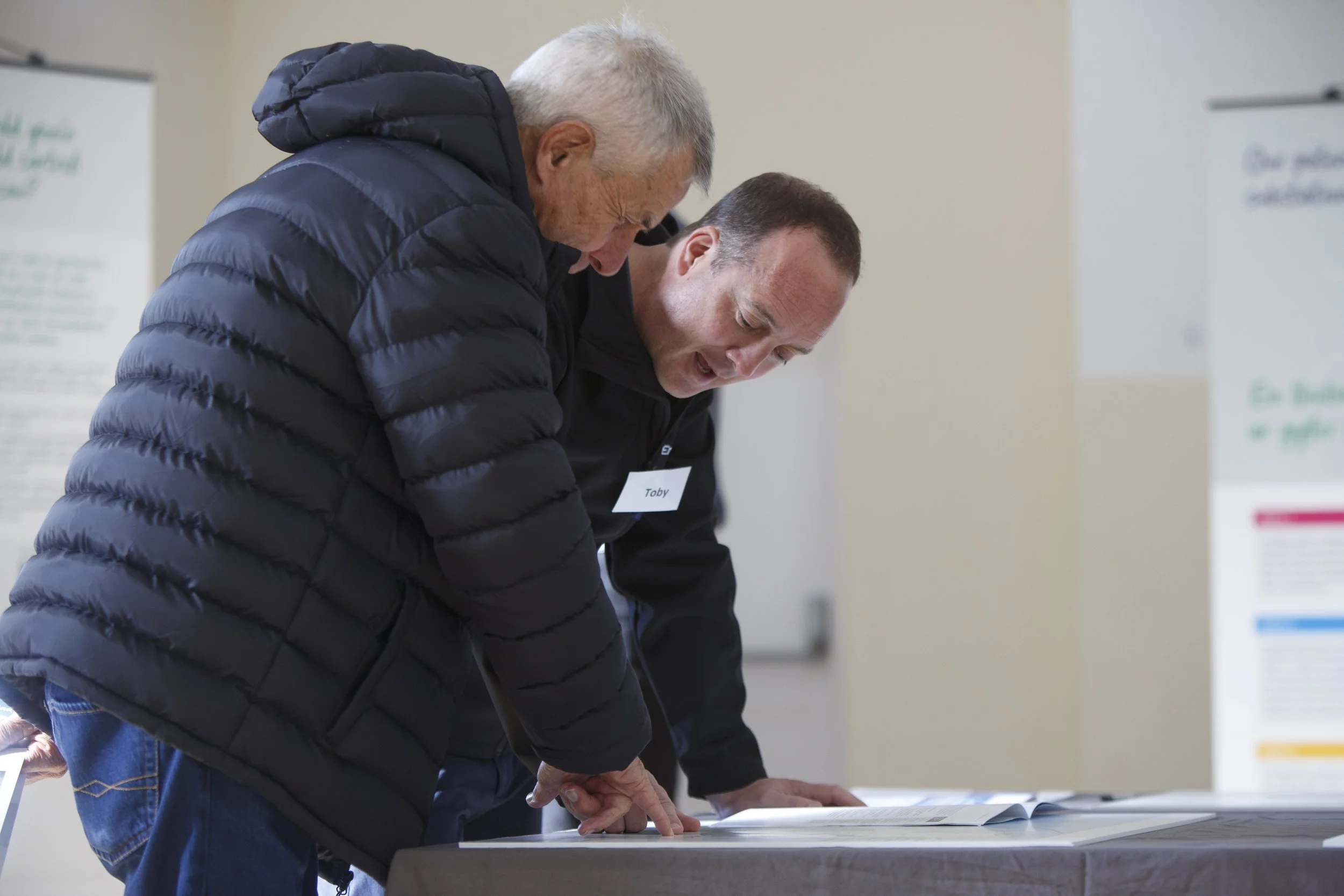
Photography of BP's public consultation at Bodelwyddan
I worked with BP to photograph a consultation event at Bodelwyddan Village Hall that helped explain to residents of the area the changes that would be brought about by the development of two new wind farms off the North Wales coast. The Mona and Morgan windfarms will be two of the largest offshore windfarms in the Irish Sea.
I worked with BP to photograph a consultation event at Bodelwyddan Village Hall that helped explain to residents of the area the changes that would be brought about by the development of two new wind farms off the North Wales coast. The Mona and Morgan windfarms will be two of the largest offshore windfarms in the Irish Sea.

The wind farms will be located approximately 20km - 30km from the coast and be operational by 2029. Together, they will form one of the largest wind farms in the world, with a combined potential generating capacity of 3 gigawatts (GW). This is enough to power the equivalent of approximately 3.4 million UK households with clean electricity.

The development of the Mona and Morgan windfarms represents a significant achievement in the UK's transition towards renewable energy, and highlights the potential of offshore wind to play a key role in meeting the country's energy needs in a sustainable way.


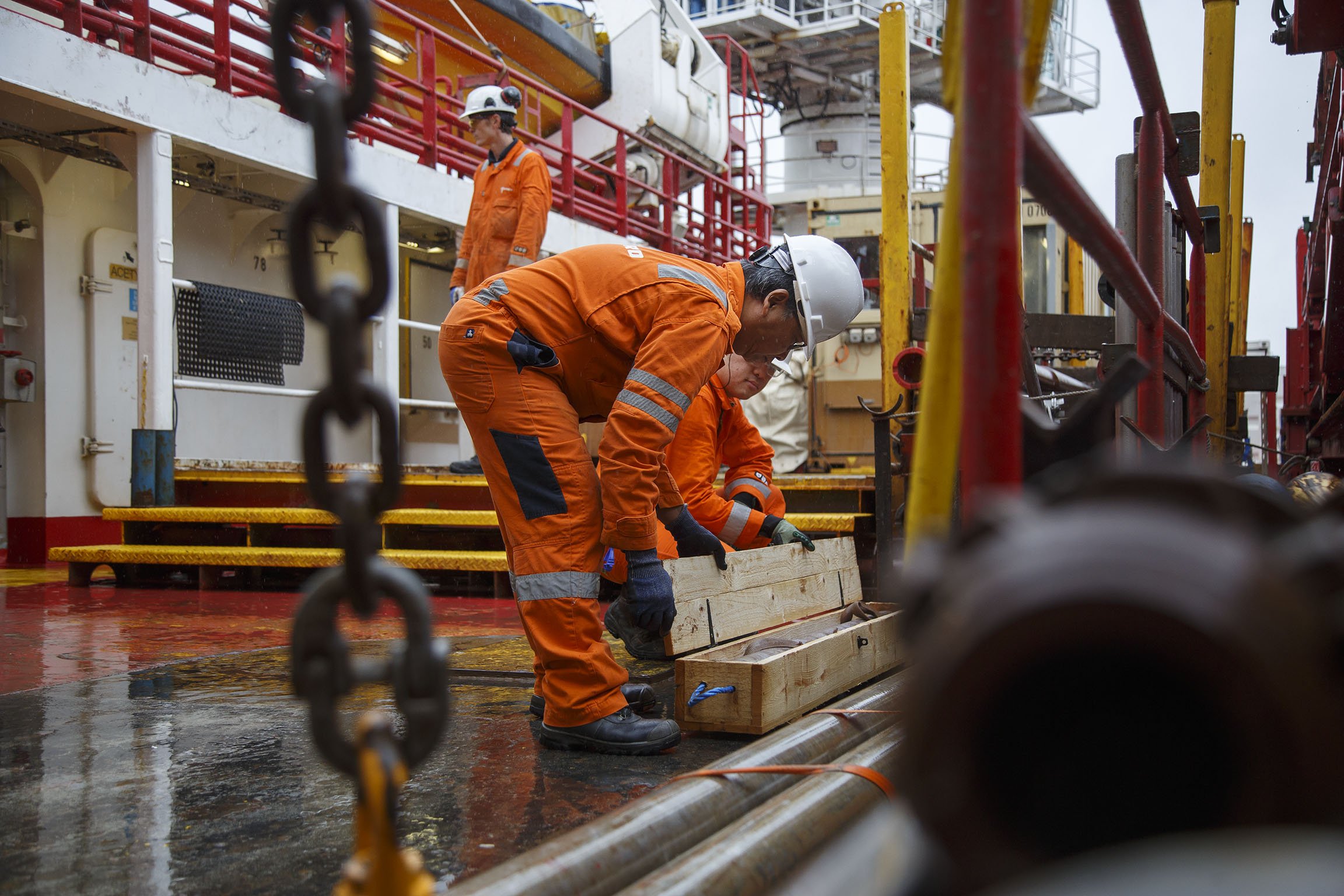
On board the Fugro Synergy for BP
By far the best thing about working as a professional photographer is the variety of the work. The camera can gain you access to environments that are wildly different each shoot day and if you’re lucky, can sometimes take you to some incredible and unexpected places. One of the most interesting of my shoots in 2022 was an assignment from bp to photograph the crew and workings of the Fugro Synergy while on a recent stop at Liverpool docks.

By far the best thing about working as a professional photographer is the variety of the work. The camera can gain you access to environments that are wildly different each shoot day and if you’re lucky, can sometimes take you to some incredible and unexpected places. One of the most interesting of my shoots in 2022 was an assignment from bp to photograph the crew and workings of the Fugro Synergy while on a recent stop at Liverpool docks.

The Synergy Modular Drilling Unit is a unique geotechnical vessel capable of delivering
high quality geotechnical data. Its design, standards and capacity make it an efficient
platform for geotechnical investigations and scientific drilling in challenging and remote offshore marine environments.
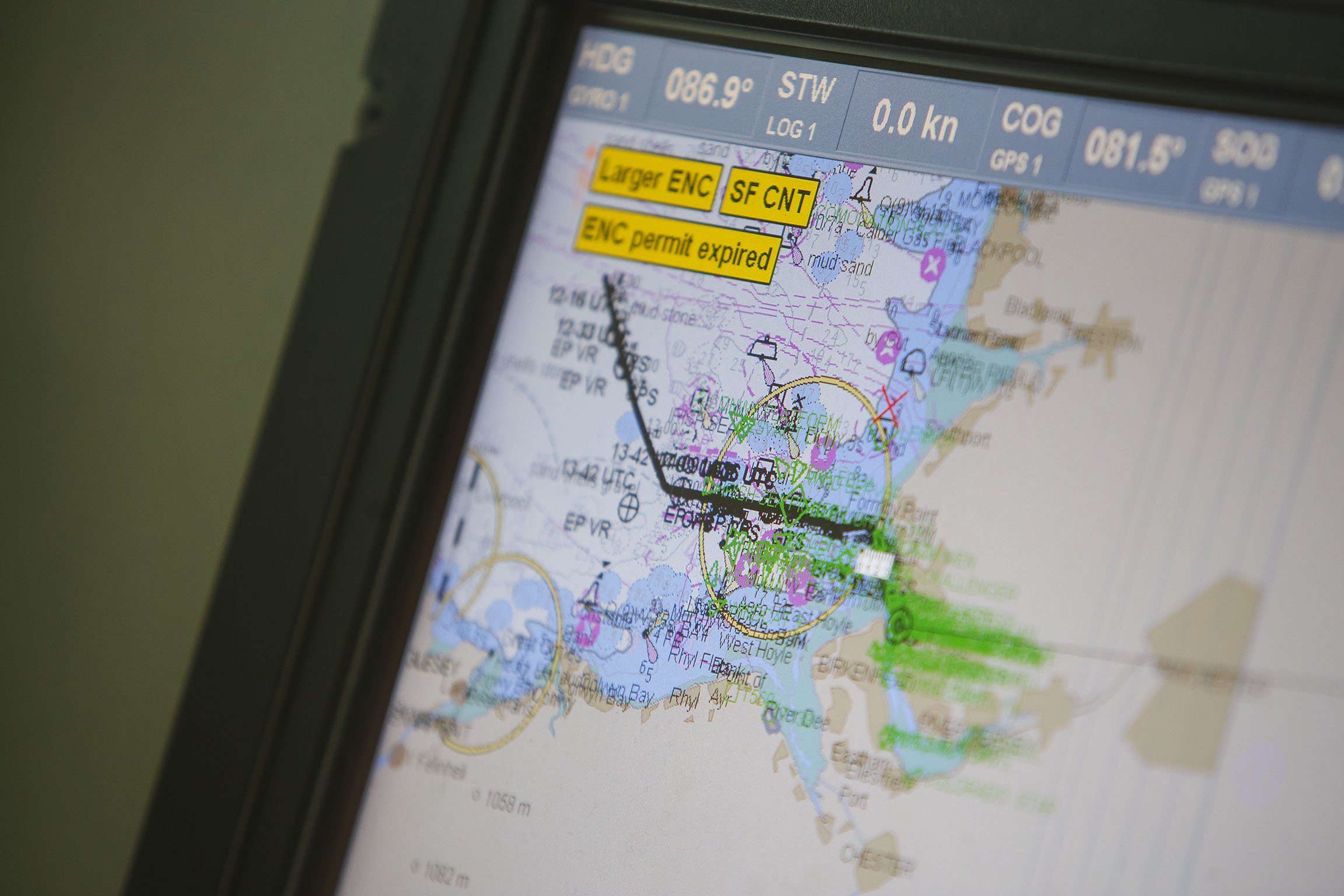
The shoot focussed on the Synergy’s role in sea bed core sampling, determining the sea bed composition to ensure that the sea bed substrate was capable of providing solid foundations for the siting of an array of wind turbines. Sea bed composition is critical, mud, sand or silt that is too soft and uncompacted will not provide a firm enough foundation, while solid rock is impossible to drill to the depths required for the footings.

EnBW with EnBW and bp are leading the development of the Morgan and Mona – two offshore wind farms in the Irish Sea. Roughly located 30km from shore between the north coast of Wales and the Isle of Man the total area of the two farms will be 800 square kilometres – about half the size of Greater London and when complete the farm will generate 3GW of energy – enough to power an astonishing 3.4 million UK homes.

These projects are helping to achieve the UK's ambition of generating 50GW of power from offshore wind by 2030.


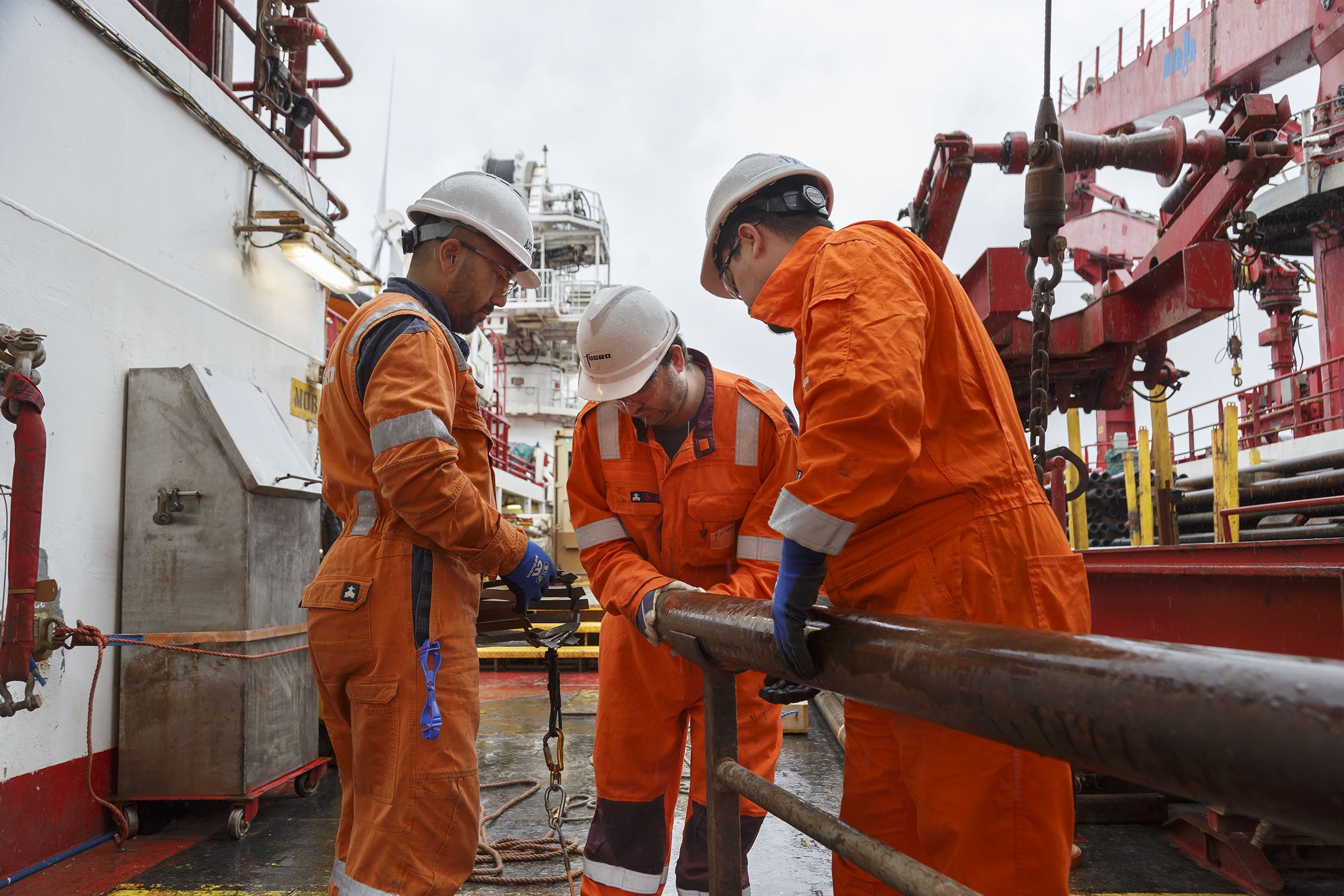
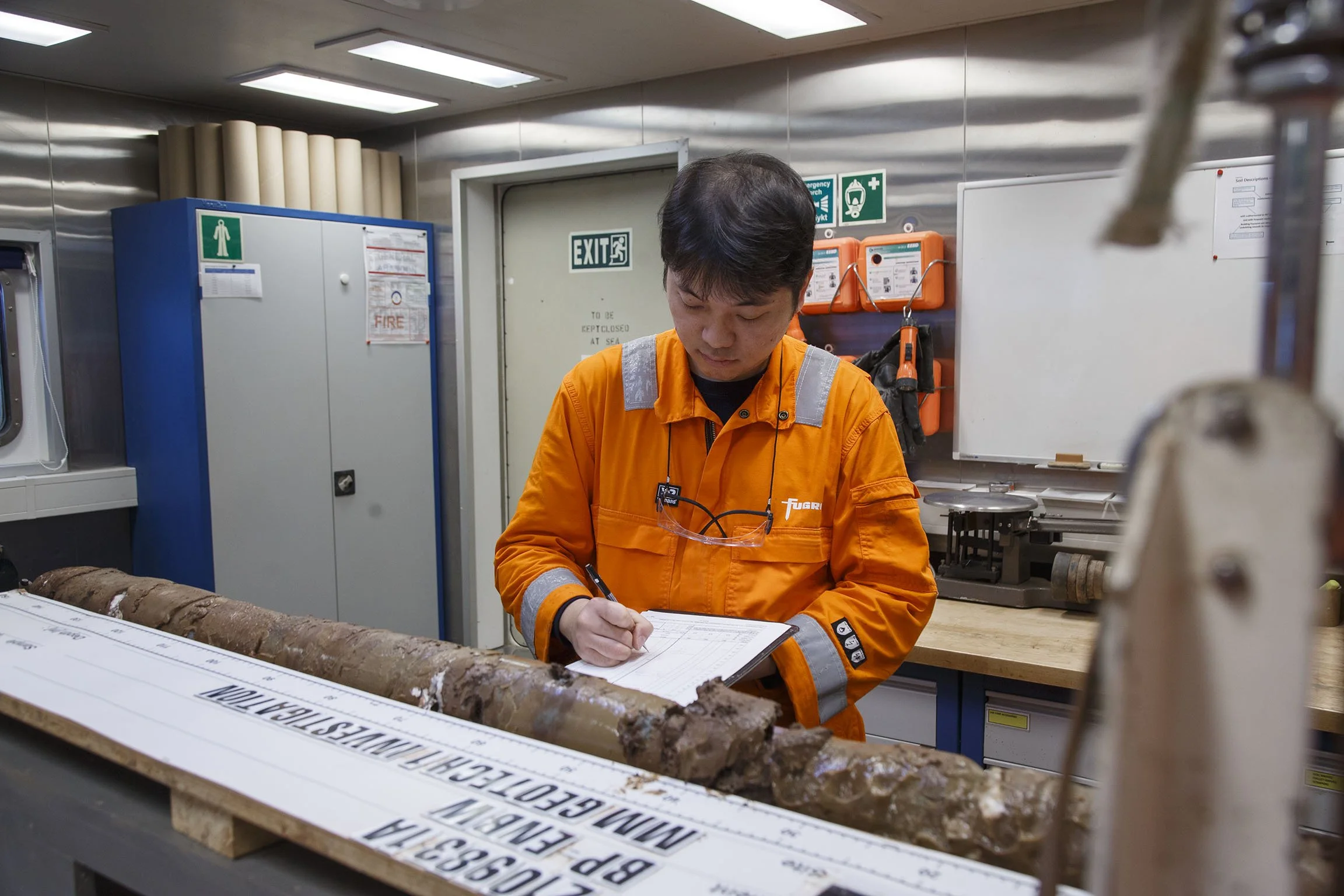


Fugro Synergy’s Party Chief, Jim Bridge

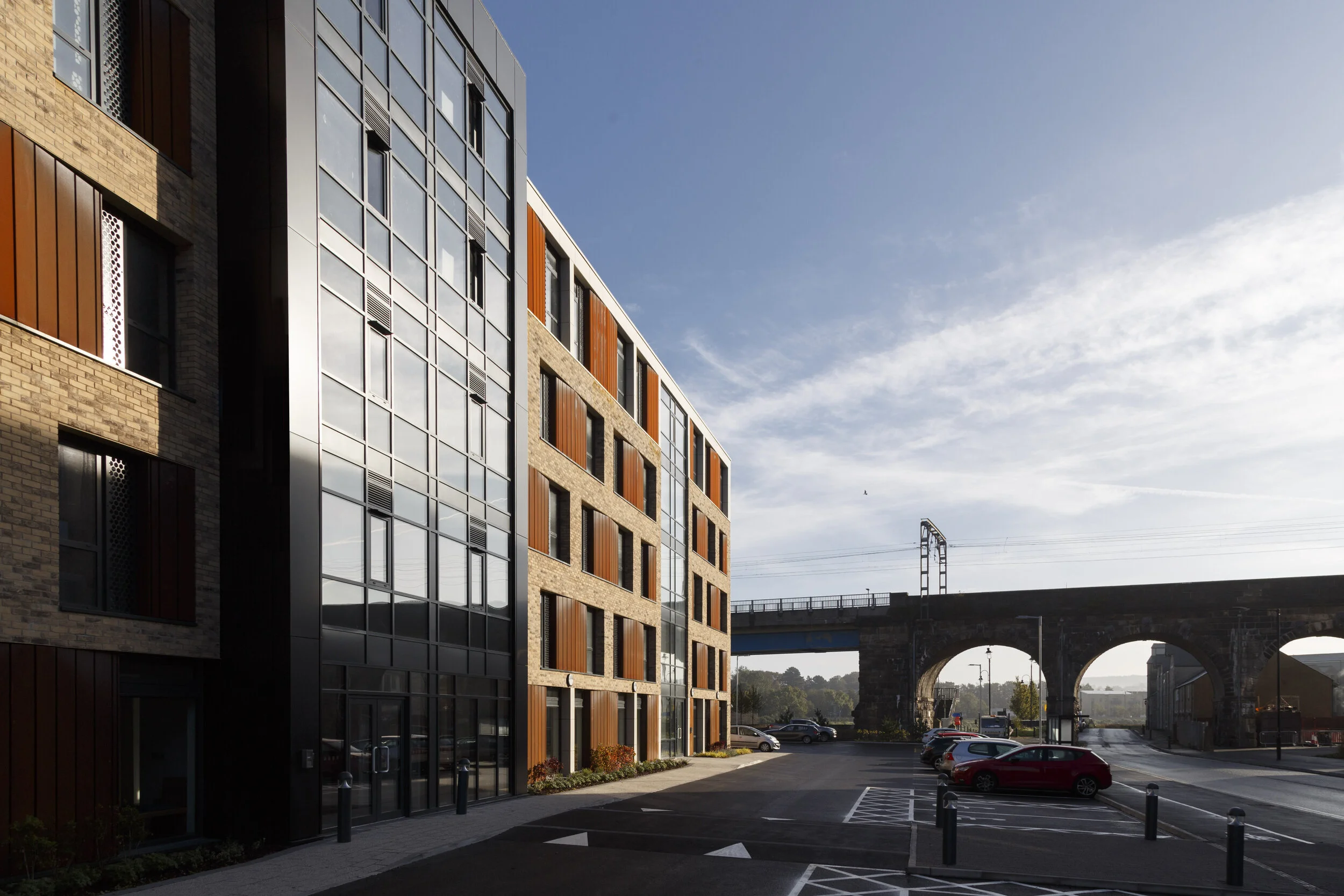
Luneside for U+I
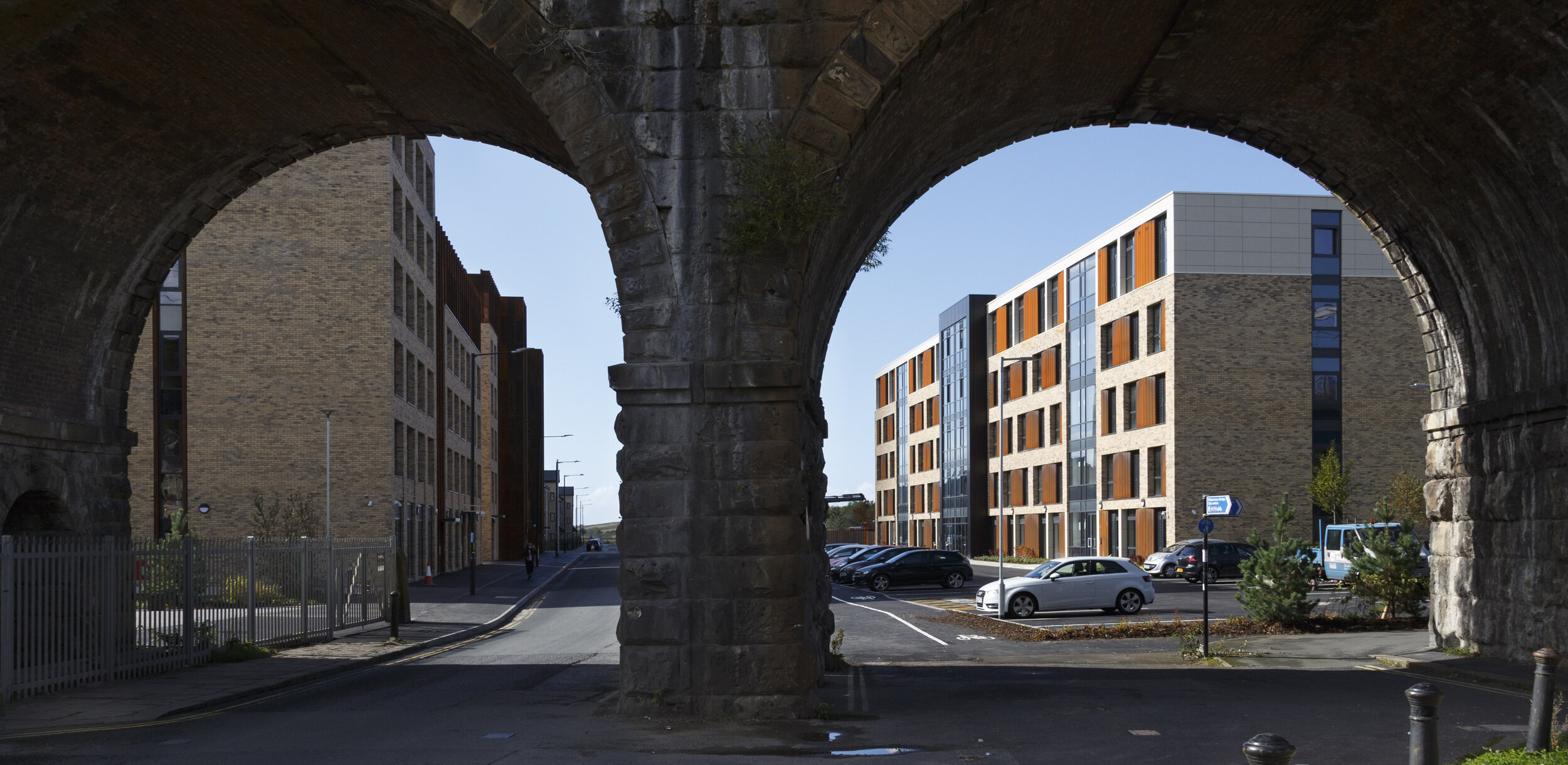
It was a real pleasure to work for Just H architects again, this time on their latest project for developers U+I.
Photographing their Luneside student accommodation a few weeks ago was helped along by some gorgeous unseasonal weather and the presence of the beautiful River Lune.

It was a real pleasure to work for Just H architects again, this time on their latest project for developers U+I.
Photographing their Luneside student accommodation a few weeks ago was helped along by some gorgeous unseasonal weather and the presence of the beautiful River Lune.
You can find Just H at just-h-architects.co.uk
and more about U+I can be found at uandiplc.com




Barnfather Wire for HTP Digital
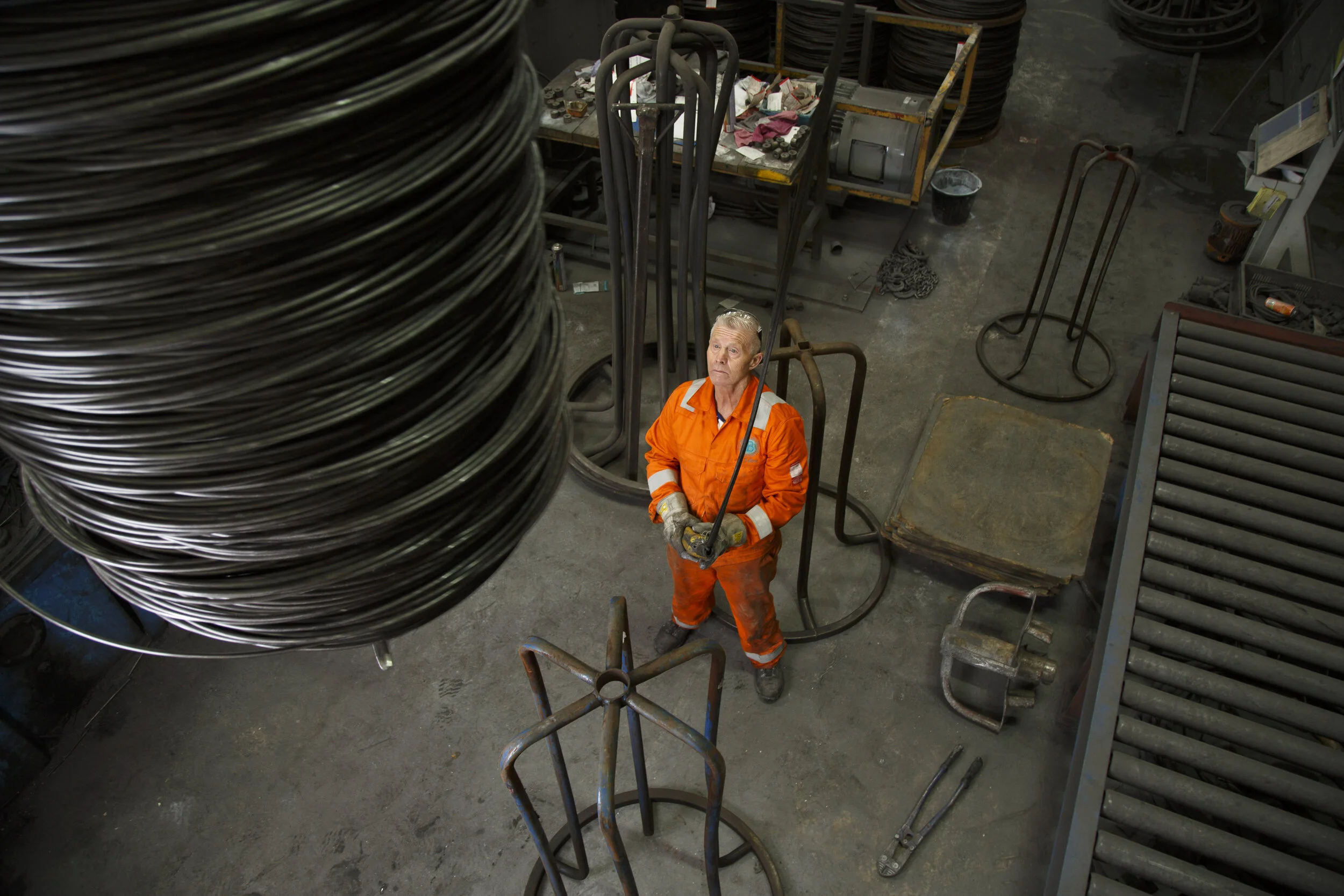
Barnfather Wire is the UK’s largest independent wire production company. I was commissioned by long-time collaborators HTP Digital to visit the factory in Wednesbury to produce images for the company’s new website.

Barnfather Wire Factory Photography | Industrial Wire Manufacturing in Wednesbury
I was commissioned by long‑time collaborators HTP Digital to photograph Barnfather Wire, the UK’s largest independent wire production company, for imagery to support the company’s new website. The assignment took place at Barnfather’s factory in Wednesbury, West Midlands, capturing the facility, production operations, and skilled workforce that make Barnfather a leader in the wire manufacturing industry.

About Barnfather Wire and Its Manufacturing Expertise
Barnfather Wire specialises in the production of high‑quality drawn wire products, serving a diverse customer base that includes blue‑chip companies supplying major global brands as well as small and medium British manufacturers. The company manufactures a wide range of wire types, including baling wire, bright mild steel, cut lengths, cold heading quality wire, galvanised wire, and bespoke wire solutions tailored to specific industrial needs.

The company’s state‑of‑the‑art facility and experienced team enable it to deliver reliable products that meet and often exceed industry standards. One notable achievement was supplying the wire used to create the stems for the ‘Blood Swept Lands and Seas of Red’ Tower of London poppy installation, demonstrating both production capacity and technical quality.

In recent years Barnfather Wire has invested in advanced machinery, including high‑speed precision drawing equipment, expanding production capacity and reinforcing its position as a leading wire producer in the UK and Europe.

Industrial Photography at Barnfather Wire
Photographing industrial environments like the Barnfather Wire factory involves more than simply documenting machines. The images capture the scale of operations, the precision of manufacturing processes, and the human skill that drives production. By including shots of raw materials, machinery, production lines, and operators at work, the photography provides a visual narrative of what makes the company’s output reliable and high quality.

These photographs can be used across Barnfather Wire’s new corporate website, in marketing materials, sales brochures, technical documentation, industry catalogues, and investor communications, helping customers and partners understand the company’s capabilities at a glance.

The Importance of Industrial Photography for Manufacturers
Industrial photography plays a critical role in how modern manufacturers present themselves online and in print. Quality images allow companies to visually communicate professionalism, facility standards, production processes, and workforce expertise. Showing the operations behind the products helps build trust with potential customers who need assurance about quality and capability before entering into commercial relationships.

Well‑executed industrial imagery also strengthens brand identity by humanising the business, showing the people behind the products and the environments where engineering and manufacturing happen. When customers see detailed and authentic visuals of a factory floor or production line, it can reinforce the perception of quality and transparency, helping differentiate a manufacturer in a competitive market.

Beyond websites, these photographs can be leveraged across marketing channels including social media, trade show displays, printed catalogues, press releases, and corporate reports. Consistent, high‑quality visuals increase engagement and support brand recognition across digital and offline platforms.

Creating a Visual Narrative for Customers and Partners
For businesses like Barnfather Wire, industrial photography provides visual proof of technical expertise, production capability, and operational scale. Detailed images of machines in action, technicians at work, and finished products help prospective clients quickly assess whether the company meets their requirements. High‑quality photography is a tool that supports sales, improves engagement, and reinforces credibility with customers, suppliers, and partners alike.


Phoenix Healthcare distribution for Fagan Jones
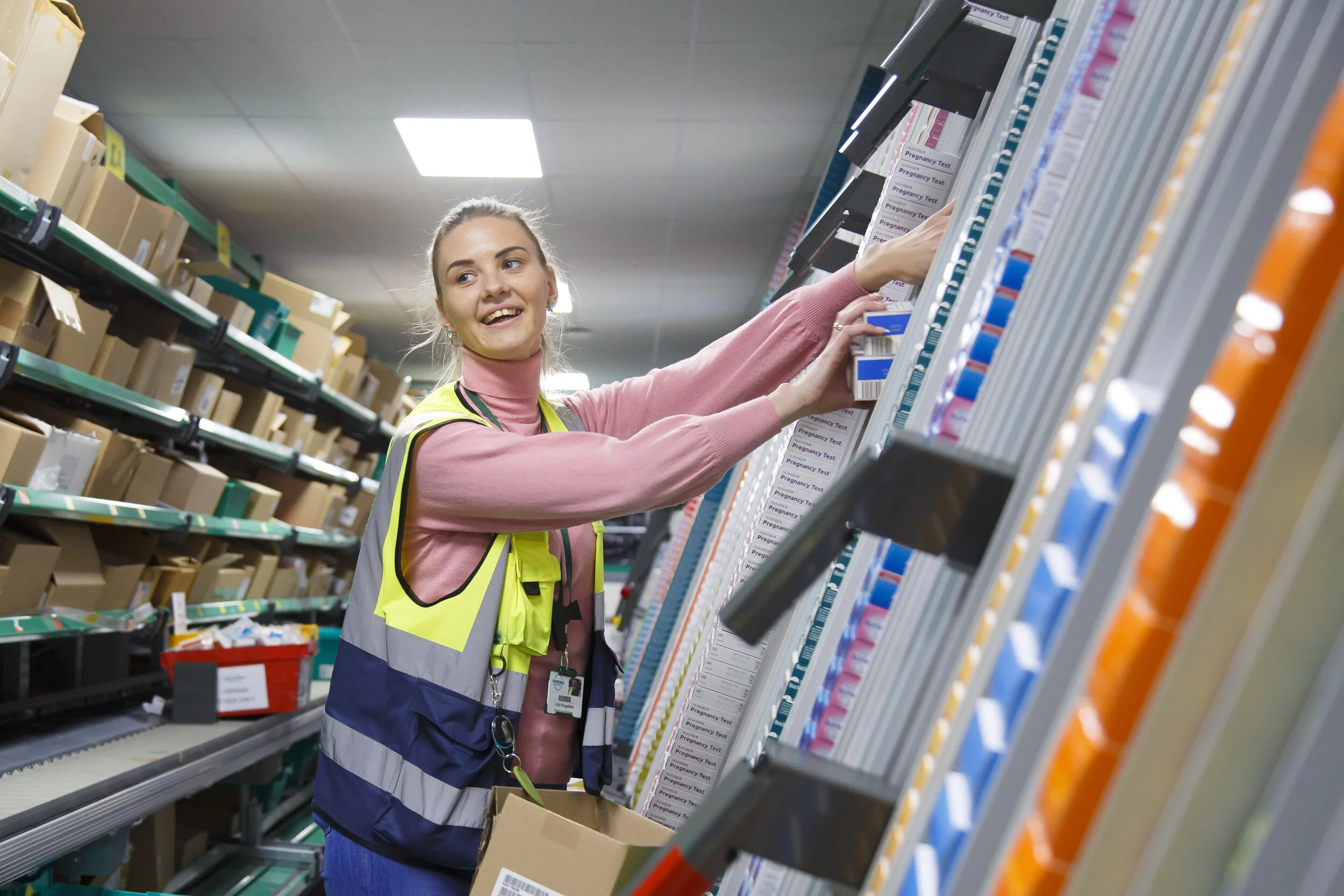
A shoot documenting the high technology pharmaceutical facility in Preston Brook commissioned by the wonderful Vicky at film production company Fagan Jones. I was once again shooting stills alongside the exceptionally talented film cameraman Dan Lightening.
Miles and miles of robotised, computerised conveyors pick, sort and pack drugs for distribution to pharmacies around the country.
An enjoyable and very busy day that reminded me that running shoes are required equipment for photography professionals.

Pharmaceutical Facility Photography in Preston Brook | Automated Drug Distribution and Logistics
I was commissioned to photograph a high-technology pharmaceutical distribution facility in Preston Brook on behalf of the film production company Fagan Jones. The shoot was organised by producer Vicky at Fagan Jones, and I was working alongside the exceptionally talented cinematographer Dan Lightening, who was filming moving footage for the same project.

My role on the day was to create a set of still photographs documenting the scale, infrastructure and day-to-day operations of the site. These images would complement the film production while also providing a visual record of the facility for marketing, communications and corporate use.

Inside a High-Technology Pharmaceutical Logistics Facility
The distribution centre in Preston Brook is an impressive example of the level of automation now present in modern pharmaceutical logistics. Within the facility, miles of robotised and computer-controlled conveyor systems move medicines through a carefully designed network of routes. These automated systems pick, sort and pack drugs before they are dispatched to pharmacies across the UK.

From a photographic perspective the site offered a remarkable environment to document. Long corridors of conveyors run through the building, with automated picking machines selecting products at speed before they are routed through packing stations. Containers glide through the system in a constant flow, guided by computerised logistics software that ensures the correct medication reaches the correct destination.
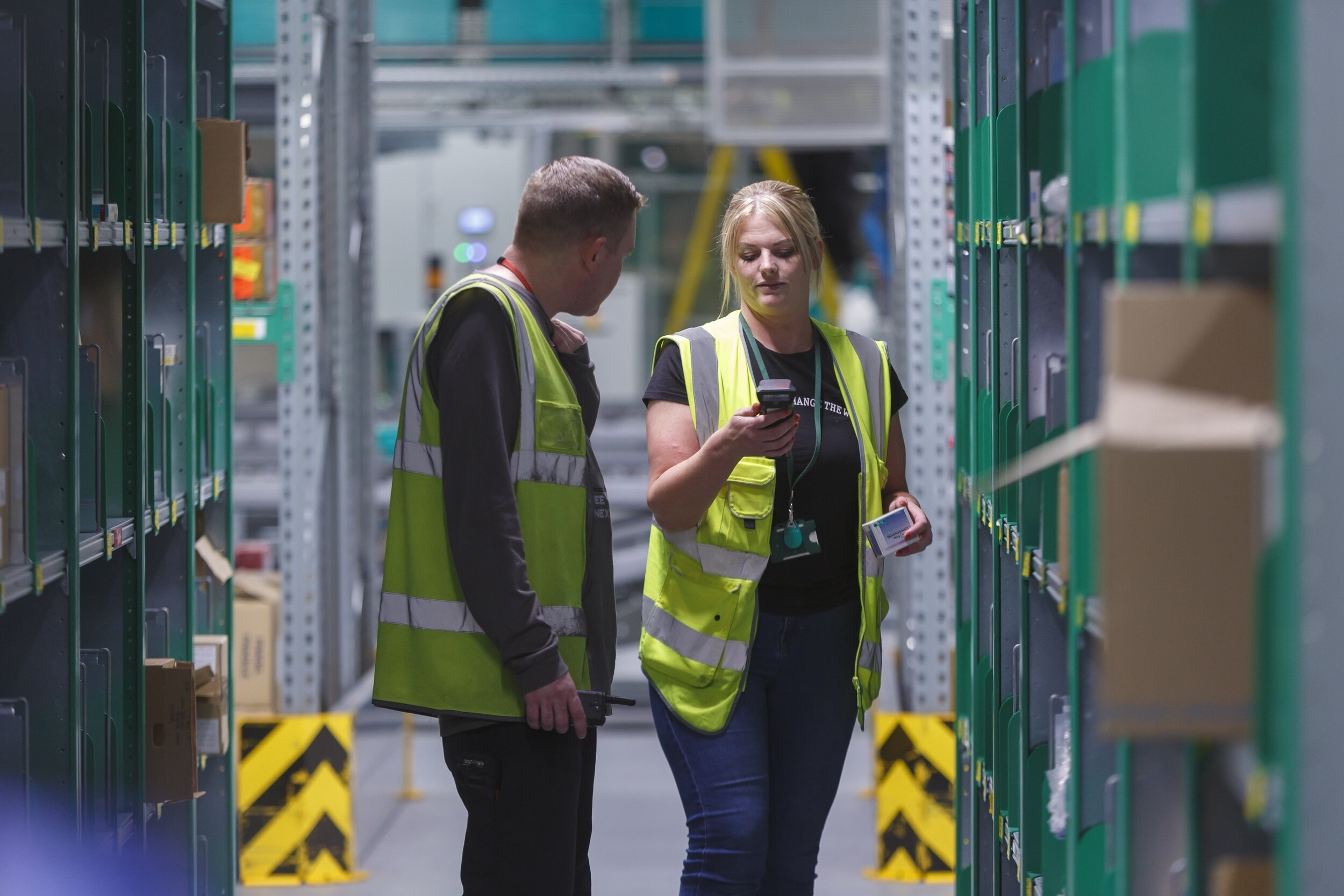
Facilities like this are essential parts of the national healthcare supply chain. The efficiency and reliability of the logistics systems ensure that pharmacies and healthcare providers receive the medicines they need quickly and accurately. Photographing such environments provides a glimpse into the highly organised infrastructure that underpins pharmaceutical distribution.

Photographing Automation, Robotics and Industrial Systems
Industrial photography in environments like this requires a combination of wide architectural views and detailed documentary images. Wide photographs show the scale of the operation, with long lines of conveyors stretching across large warehouse spaces. These images help communicate the sheer size of the facility and the complexity of the logistics network.

At the same time, close-up photographs reveal the precision of the machinery involved. Sensors, scanners and robotic arms guide containers along the system, while packing stations assemble shipments ready for distribution. Capturing these smaller details helps explain the process visually, showing how individual components of the system work together to form a seamless operation.

Lighting conditions in large industrial buildings can also present interesting challenges. High ceilings, mixed light sources and moving machinery require careful attention to exposure and timing in order to produce clear and dynamic images.

Stills Photography Alongside a Film Production
One of the most enjoyable aspects of the commission was working alongside a film crew. While Dan Lightening focused on capturing cinematic footage of the logistics process, my role was to produce still images that documented the same environment from a complementary perspective.

Working in parallel with a film crew requires a degree of coordination. Film productions often involve lighting setups, rehearsed camera movements and multiple takes, whereas still photography typically requires more mobility in order to capture spontaneous moments. The aim is always to work collaboratively so that both the stills and the moving images can be produced efficiently without interrupting the workflow of the facility itself.

Photographs created during these types of productions are often used in a wide range of contexts, including websites, press releases, annual reports and promotional material. They provide organisations with a visual record of the project that can be used long after the filming itself has been completed.

Documenting the Scale of Modern Logistics
Large automated facilities like the one at Preston Brook are fascinating places to photograph because they combine architecture, engineering and human expertise. Despite the high level of automation, the site is still supported by skilled staff who oversee the systems, monitor quality control and ensure that everything runs smoothly.

Capturing both the human and technological aspects of the environment helps create a more complete narrative of how the facility operates. Images of staff interacting with the machinery, monitoring computer systems or managing packaging operations provide context to the vast automated infrastructure surrounding them.

The visual rhythm of the conveyors, the repetition of containers moving through the system and the geometric lines of the machinery all contribute to a distinctive aesthetic that is unique to industrial and logistics photography.

A Fast-Moving Day on Location
Facilities of this scale are rarely static environments. Conveyors are constantly moving, robots are continuously sorting products, and staff are working across different areas of the building to keep operations running smoothly. For a photographer, this means covering a significant amount of ground in a limited amount of time in order to capture the full story of the site.

By the end of the day it was clear that running shoes should probably be considered essential equipment for photographers working in environments like this. Moving quickly between different areas of the facility, keeping pace with both the film crew and the production schedule, makes for a busy but very rewarding assignment.

Documenting the combination of advanced technology, logistics infrastructure and human expertise that keeps a pharmaceutical distribution centre operating is always fascinating. It also offers a reminder of the enormous systems working behind the scenes to ensure medicines reach pharmacies and patients across the country.


BeClear Orthodontics for What Marketing
During the quiet times of our coronavirus disrupted summer it was great to get a call from the team at What Marketing to work with them on a shoot for cosmetic dentist BeClear Orthodontics.

BeClear Orthodontics Cosmetic Dentistry Photography and Campaign Shoot
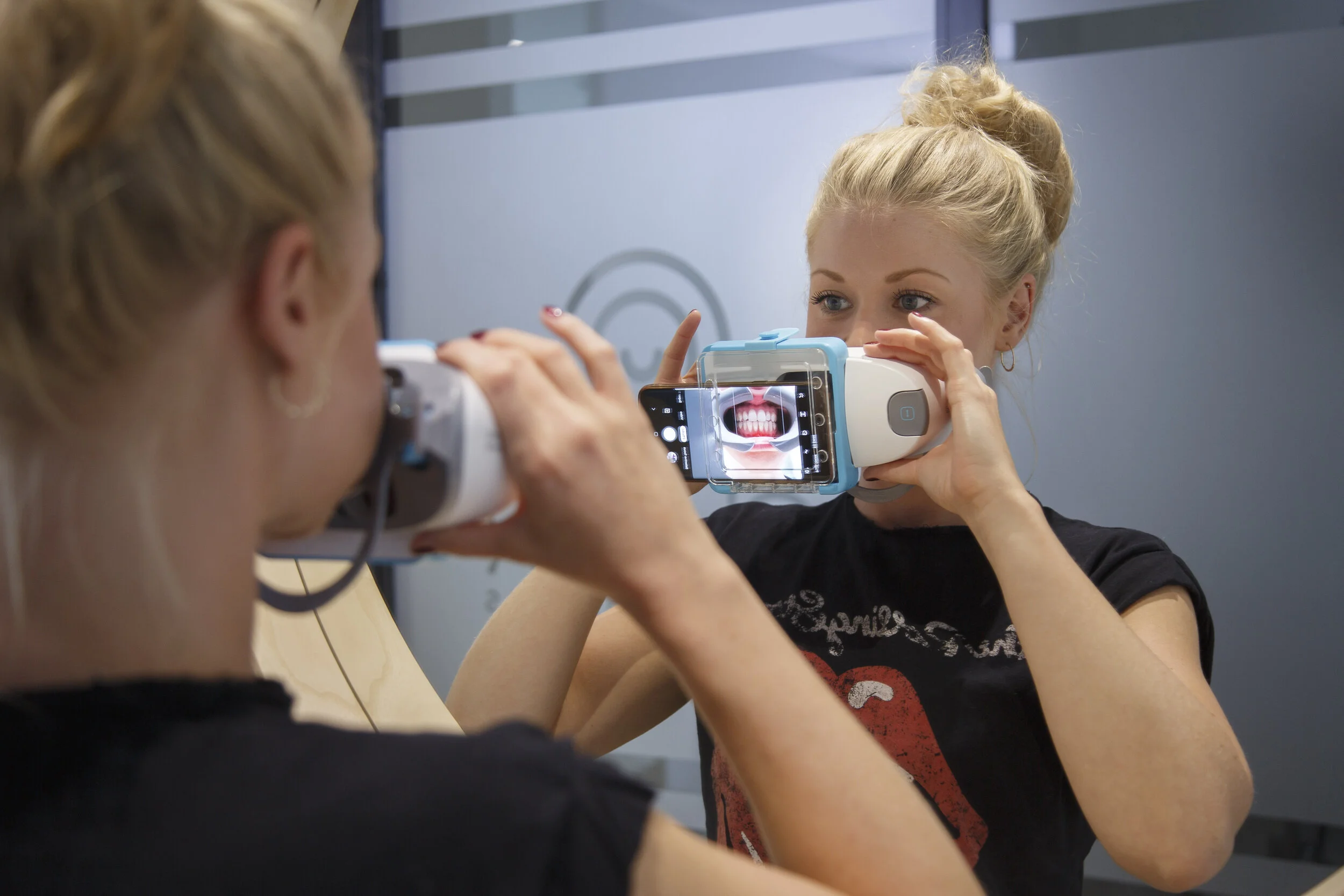
During the quieter months of the coronavirus-disrupted summer, I had the pleasure of working with What Marketing on a photography and video campaign for BeClear Orthodontics, a leading cosmetic dentist specialising in Invisalign teeth aligners. The shoot offered a unique opportunity to document the precision, care, and aesthetic results that make BeClear’s services stand out.

Capturing Invisalign and Cosmetic Dentistry
BeClear Orthodontics are specialists in Invisalign aligners, designed to be almost invisible, even in extreme close-up shots. The campaign required detailed photography that could showcase the effectiveness of the aligners while maintaining a natural and approachable aesthetic for potential patients. Capturing these subtle details required careful lighting, angles, and technical precision.

Adapting to Covid-19 Safety Protocols
This was my first shoot following social distancing and mask-wearing protocols. These measures presented a challenge for everyone on set, from models to the creative team, but the day ran smoothly. Photography and video were completed successfully, balancing safety with high-quality visual content for the campaign.

Collaboration with Models and Marketing Team
The campaign shoot involved several models and close collaboration with the BeClear Orthodontics team. Their professionalism and enthusiasm helped ensure that the photography captured the natural confidence and satisfaction that comes with Invisalign treatment. Working with What Marketing on this project was an enjoyable experience, and I’m looking forward to the next campaign shoot scheduled for October.

Highlighting Cosmetic Dentistry in Campaigns
Professional photography for dental and cosmetic services plays an important role in marketing. Images need to convey precision, trust, and aesthetic outcomes while appealing to potential patients. The BeClear Orthodontics campaign highlights the company’s expertise and commitment to subtle, effective dental treatments, positioning them as a leading provider of Invisalign in the UK.




Documentary Photography for Buzzfeed News
Harassment Outside Abortion Clinics Is Still Happening, But Local Authorities Are Struggling To Stop It
The Home Office has rejected calls to put a national ban on abortion clinic protests, but councils are a long way off tackling the issue locally.

Words by Laura Silver, BuzzFeed News Reporter
Harassment Outside Abortion Clinics Is Still Happening, But Local Authorities Are Struggling To Stop It
The Home Office has rejected calls to put a national ban on abortion clinic protests, but councils are a long way off tackling the issue locally.
In a narrow side street outside a Marie Stopes clinic in Fallowfield, Manchester, it’s business as usual for the anti-abortion protesters who have been gathering here for the past decade.
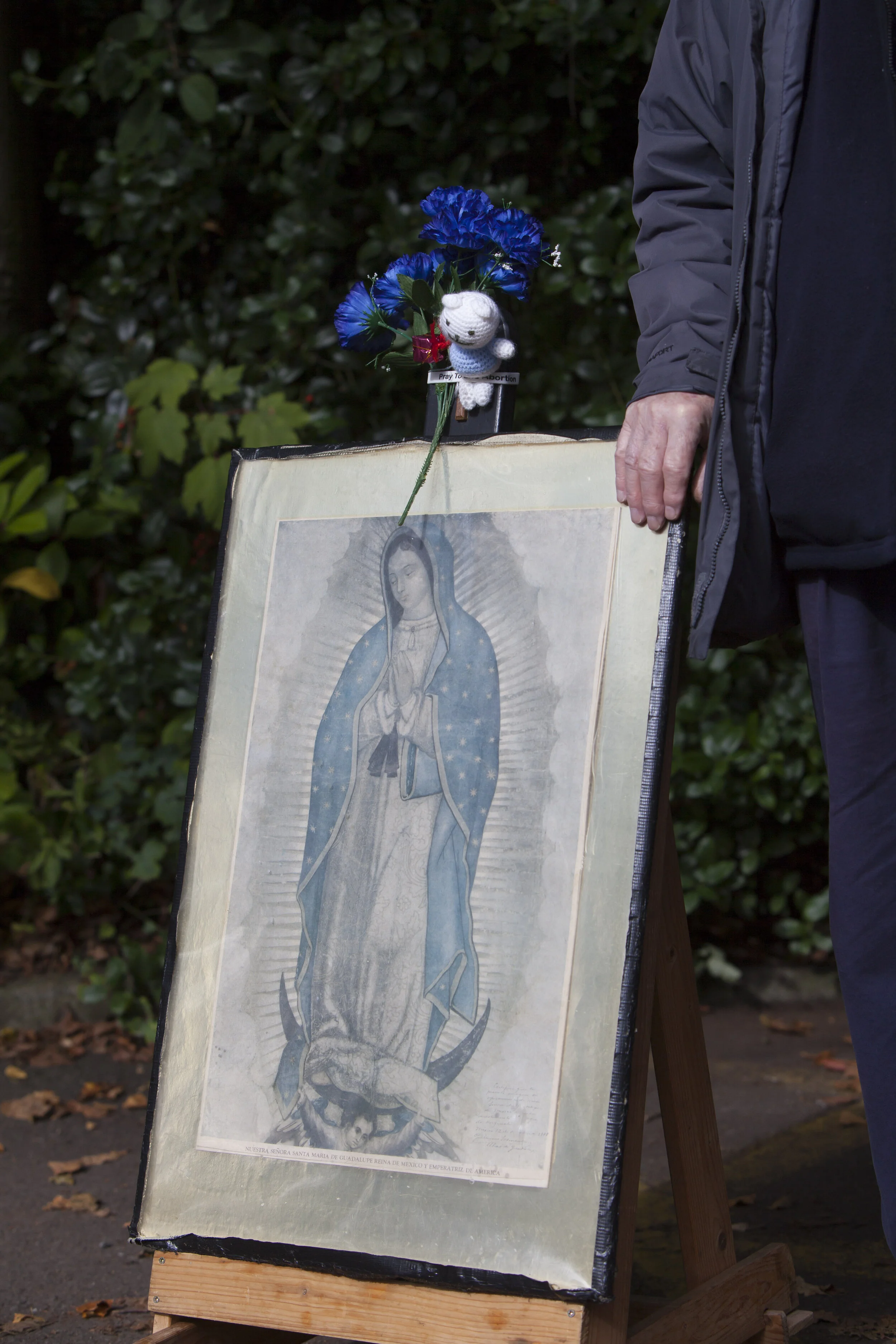
On this particular Saturday, a small group is playing hymns from a sound system pitched up next to a wooden cross and posters showing the Virgin Mary. Their mission is simple: Dissuade women from going ahead with an abortion.
“We’re praying to save the babies, darling,” an elderly woman with an Irish accent tells BuzzFeed News, while offering a string of plastic rosary beads, a leaflet describing the gestational stages of a foetus, and phone numbers for the anti-abortion charities Life and the Good Counsel Network.
A chorus of the “Hail Mary” rings out behind us as she says with much pride that she stands outside the clinic most days, and believes she has “saved quite a few babies” over the years, including one today.

“Hail Mary, full of grace. Our Lord is with thee,” her companions chant over the hum of traffic from the nearby main road. “Blessed art thou among women, and blessed is the fruit of thy womb, Jesus.”
Watching them from across the street are volunteers from Sister Supporter, an abortion rights group, who gather to deter the protesters from approaching women seeking abortion at the clinic.
Sister Supporter, founded in London in 2015, has also been lobbying authorities to introduce measures such as a buffer zone that effectively bans any group from gathering immediately outside an abortion clinic, to prevent women from feeling harassed.
This year there was a major breakthrough: The campaign led to the UK’s first public space protection order (PSPO) outside a Marie Stopes branch in Ealing, west London, where anti-abortion protesters have had a near-constant presence for over 20 years.

Staff at the clinic told BuzzFeed News that incidents of alleged harassment have virtually disappeared since the buffer zone was put in place.
The PSPO was achieved through the efforts of the local authority, Ealing council, but there had been optimism that a Home Office review of harassment outside abortion clinics — launched by the then home secretary, Amber Rudd — would result in national guidelines that councils could rely on.
Last week, however, Rudd’s successor Sajid Javid dashed those hopes, saying it would "not be a proportionate response" and that individual councils should instead follow Ealing’s lead and tackle the issue locally. The review had received more than 2,500 submissions and identified 36 sites nationwide as problem areas.
His decision has angered clinic staff and local councillors who argue that cash-strapped councils will struggle to undertake the lengthy process of passing PSPOs, leaving women who face harassment outside clinics without protection in the meantime.
“I’m really mad about it,” Jackie Schofield, a clinical team lead at Marie Stopes Fallowfield, told BuzzFeed News. “Everybody has freedom of speech, fair enough, but not outside the place when there’s vulnerable people. I just think it’s wrong, I really do.”
During the years she has worked at the Manchester clinic, Schofield said, she has often had to spend significant time calming her patients who have found it upsetting to be greeted by protesters on what can already be a distressing day.
She said she has regularly witnessed the protesters calling patients and staff “murderers” or telling women they will “go to hell” if they enter the clinic, meaning they’re often too distressed for their appointments. “I’m going through a consent process but I have to calm them down a lot first because of what’s happened to them before they even got started — it really messes with them,” Schofield added.
Schofield, and several other staff, told us that recently a protester had stood breastfeeding a baby outside the clinic, and that last Christmas anti-abortion groups handed out wrapped packages containing knitted baby booties, wishing them “Happy Christmas, Mummy.”
She said these incidents can be especially upsetting for women who have travelled from Ireland. Although the country voted to legalise abortion earlier this year, the ongoing legislative process means that services will not be available until 2019 — and remain illegal in Northern Ireland — so Irish women will continue to travel to the UK to access abortion.
“Today is an Irish day,” Schofield said. “Tuesdays and Saturdays we have lots of Irish ladies because the flights are cheaper. Can you imagine having to go through all that anyway, and then coming here and getting this?”
Lynn Bradley, a healthcare support worker who has been at the clinic for nine years, said she was physically assaulted by a protester on one occasion — an account she submitted to the Home Office review.
“She chased after me and started slapping me on the back,” said Bradley, a chirpy, white-haired woman with a thick Manchester accent.
“Whenever she sees me she does this,” she added, making a throat-slitting gesture and sticking out her tongue. “She’s very crafty — she does it when she’s on her own.”

Bradley, whose job involves supporting women before and after they receive treatment, was also disappointed by Javid’s response. “When we arrive in the morning [protesters] make it as awkward as possible for you when you get out the car, calling us murderers, saying you’ll go to hell, and that’s before you start a day’s work,” she said.
“We can cope with it, but at the end of the day, these ladies shouldn’t be put through that.”
Manchester city council has passed a motion to explore the possibility of a PSPO outside the Fallowfield clinic, but even with resounding support across the board, progress will be slow.
“It’s a really long process and we still need to go through the evidence-gathering and mapping where the PSPO would cover,” Rebecca Moore, councillor for the neighbouring ward of Withington, told BuzzFeed News.
Ealing council is facing an ongoing legal challenge over its PSPO, and Moore said she had sensed a nervousness within her own council about the threat of a lengthy and costly court battle if a PSPO were to be introduced in Fallowfield.
“Local government finances are in a really bad state, so if there’s any big costs to implementation I think that’s going to cause concern to a council that’s had to go through such big austerity measures,” Moore continued.
“I don’t think that means that it shouldn’t be done or wouldn’t be done, but it is a concern.”
Grace Fletcher-Hackwood, a councillor for Fallowfield, questioned whether the Home Office would have made the same decision if protesters were gathered outside a local cancer hospital like the Christie, which is situated nearby.
“If they rocked up outside the Christie, people would realise how inappropriate that is,” she said. “You make medical decisions with yourself and your doctor based on what is good for your own health, not because of some ideologues who have posted themselves outside the clinic and decided they’re qualified to speak about what’s best for you and your body.”
Disappointment over Javid’s statement has been felt across the country, including in Portsmouth, where the local authority has agreed to look into ways to prevent protests at the clinic.
It, too, is in still in the early stages and is currently working out how best to proceed in light of the Home Office decision, according to a council spokesperson.
Chris Francis, a clinic manager at the Portsmouth branch of the British Pregnancy Advisory Service (BPAS), another of the UK’s major abortion providers, said: “If there’s national legislation in place, then as soon as women get harassed we can fall back on that.
“But getting a local decision, you have to get an agreement for a consultation process, and then you have to go through the consultation.”
In the meantime, Francis continued, anti-abortion protesters remain active outside the clinic, which is based within the sexual health centre at St Mary’s Hospital, where a mental health ward is situated above. “I know they caused some real upset for some vulnerable women in care there,” she added.
Francis told us that the protesters were especially aggressive during the biannual 40 Days for Life campaign, due to begin on Sept. 26, where anti-abortion protesters around the world increase the frequency of their gatherings outside clinics.
“We’ve had singing outside the hospital so we could hear them inside,” she said, referring to the previous 40 Days for Life campaign, which took place in February. “They were handing out knitted booties and rosaries in baby blue and pink, and generally harassing any woman entering the hospital who looked like she could be childbearing age.”
Francis said that protesters move from clinic to clinic, so it can be difficult to gather evidence of consistent harassment at the particular sites where each individual PSPO is needed.
“With Portsmouth, by the time they were starting to consider the PSPO, the protesters moved to Bournemouth,” Francis told BuzzFeed News. “I know it was the same guys because I went there and saw the same faces. They move around the country. [There] has to be some kind of national legislation.”
The evidence-gathering process also requires women who have been harassed to relive the experience when providing accounts to clinic staff or, in some cases, the police.
Back in Manchester, Katy Kershaw, a clinical team lead at Marie Stopes in Fallowfield, said many women just don’t want to engage. “They just want to forget about it; they don’t want to come back and talk about how traumatic it was to have protesters pass them things, or be told they’re murdering their baby,” she said. “They just want it over and done with.”

For clinic staff, who have full lists of patients to work through every day, working with councils to build a compelling case for a PSPO means a significant increase to their workload.
“It’s a struggle because it’s time-consuming,” Kershaw continued. “We’re such a busy clinic that it’s difficult for us to get out to the council to say how much we need them.”
Manchester council, Kershaw said, has been proactive. “They’ve been coming to see us — we didn’t have to approach them,” she said, but worried that this wouldn’t necessarily be the case everywhere.
Beth Redmond, who leads Manchester’s Sister Supporter branch, was also sceptical that councils across the country would be as dedicated as Manchester. “The thought of having to do this for more than one council doesn’t really bear thinking about,” she added.

Both Birmingham and Leeds city councils have in the last year passed motions to explore measures to prevent harassment outside abortion clinics. They say the work is ongoing, but neither have begun a formal evidence-gathering or consultation period.
Redmond said she worried about what scale harassment outside abortion clinics would have to reach before the Home Office would deem it necessary to act nationally. “What does Sajid Javid want? Does he want someone to get hurt?” she continued. “It feels like waiting for something awful to happen when actually bad things are already going on.”
Despite an ongoing legal challenge to Ealing’s PSPO, protesters have adhered to its restrictions and clinic staff and local councillors consider it to be a success.
The Good Counsel Network’s Clare McCullough, who had organised the vigils in Ealing, told us that as her volunteers are distanced from the clinic, she is unable to “support” as many women. She continues to protest against abortion in the designated area in Ealing, as well as outside a BPAS clinic in Richmond, southwest London, and a Marie Stopes facility in the city centre.

But even Ealing’s PSPO is not without vulnerability. Alina Dulgheriu, who brought the initial legal challenge against the council, has crowdfunded more than £50,000 to launch an appeal. The order is only temporary, meaning Ealing council will have to undergo the same time-consuming process to get it renewed when it expires in three years’ time.
Binda Rai, the councillor for Ealing’s Walpole ward who led the council’s efforts to implement the current PSPO, said it was “outrageous” for Javid to expect other councils to duplicate this effort time and again.
“The current system means that councils have to go through a lengthy and complex process to allow women access to services that they are entitled to with privacy and dignity, free from the interference that causes them distress and harassment,” Rai said.
“It would appear that he has no understanding of what women go through at such a vulnerable and difficult period in their lives,” Rai continued. “It is a national issue: Women up and down the country are facing harassment from protestors outside abortion clinics and this activity is on the increase. To avoid a postcode lottery for women, a national solution is a must and would take this debate away from clinic doors and ensure a consistent approach across the country.”
Responding to Javid’s announcement last week, Labour MP Rupa Huq, who helped bring the issue to national attention, vowed to keep on fighting for a universal ban.
“Shoving the burden on to already cash-strapped local authorities is not addressing the problem, it’s just passing the buck,” Huq, who represents Ealing Central and Acton, told BuzzFeed News.
“I will not give up on this and have been promised a meeting with ministers so as to ensure vulnerable women cannot be sidelined and that they can access healthcare as is the case with any other procedure.”
Huq has received wide political support on the issue, including from Labour leader Jeremy Corbyn, who accused Javid of a “shocking failure to protect women from harassment and intimidation when exercising their right to choose”.
In the meantime, the protests outside abortion clinics are free to continue.

When the 40 Days for Life campaign starts again on Sept. 26, a spokesperson told BuzzFeed News, it will have volunteers stationed outside clinics nationwide, seven days a week, from 8am to 8pm.
Redmond said she was concerned that the Home Office’s decision could leave protesters feeling emboldened: “I do think they will be saying, ‘Why are you telling us we can’t be here when the most powerful people have told us that we can?’”
Photography of High Street Task Force
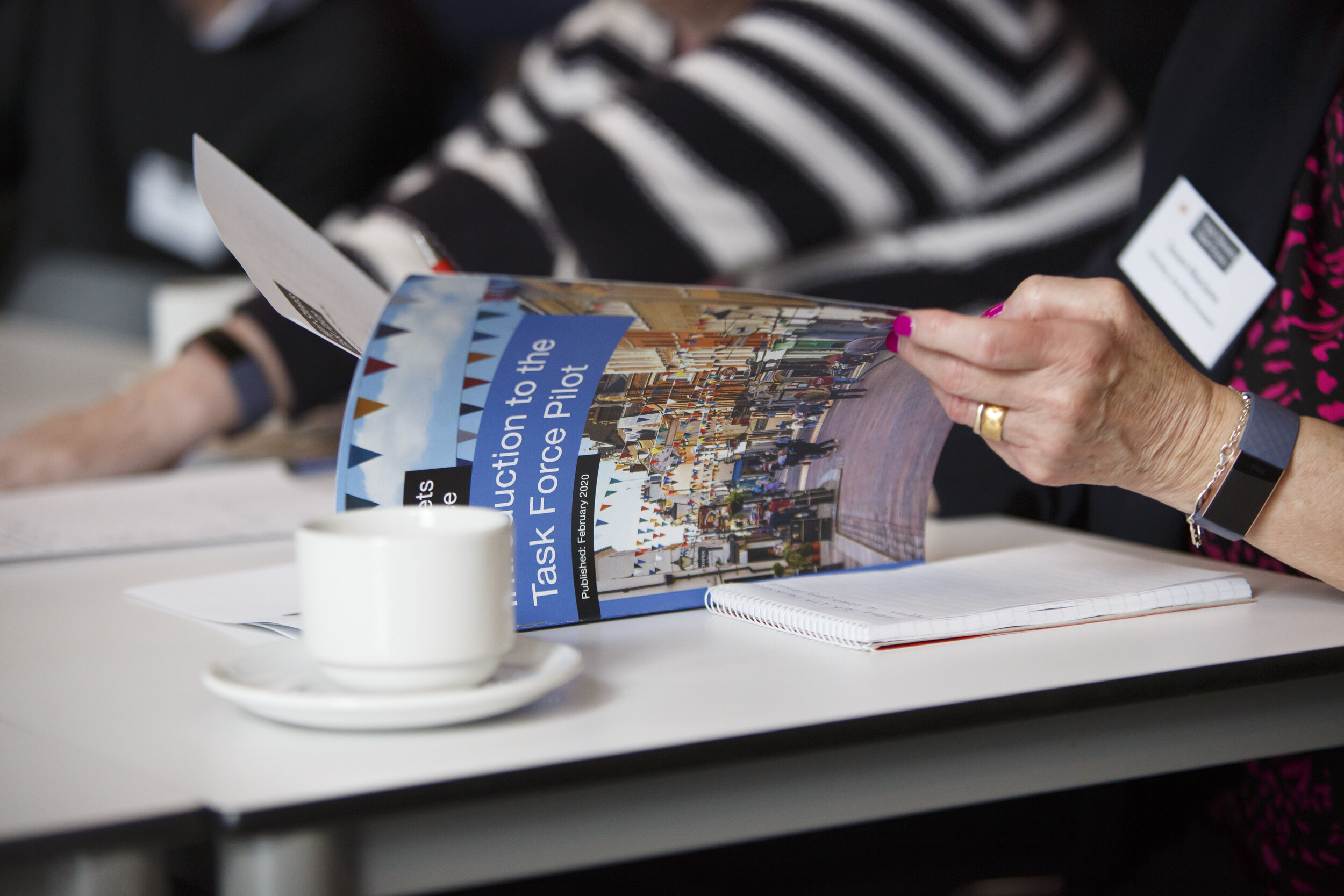
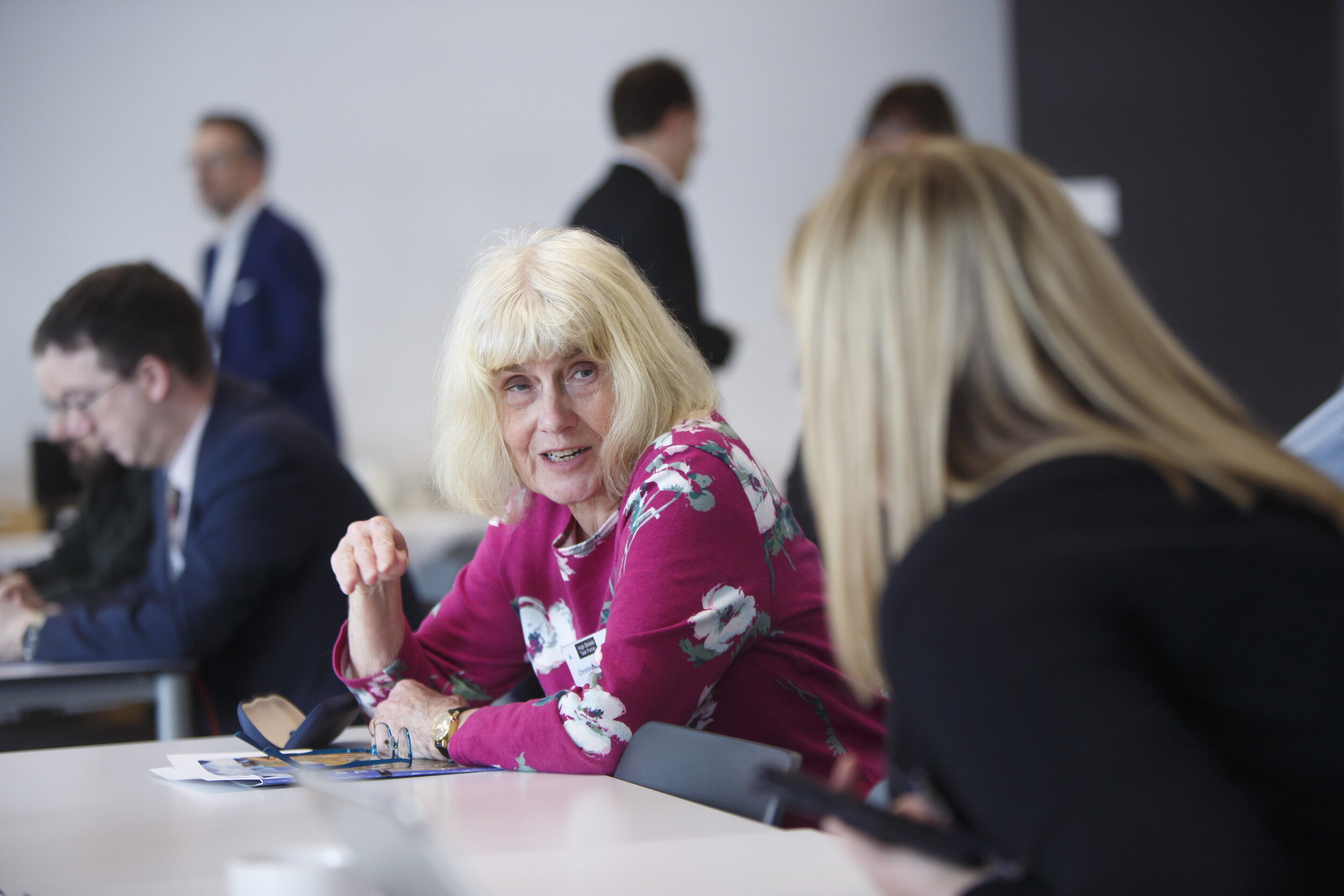
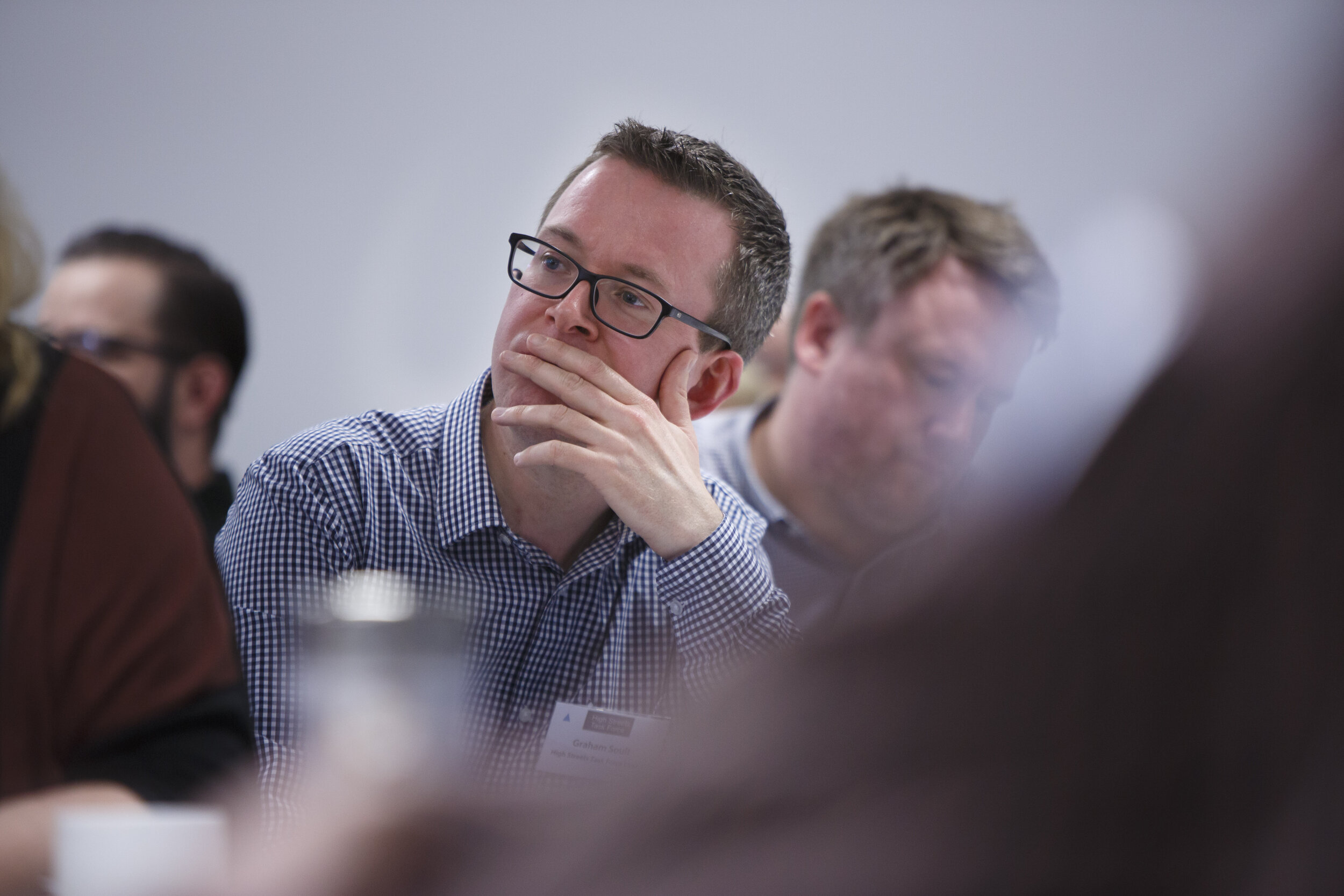
The High Streets Task Force was established to England's high streets and town centres to thrive - providing expert training, guidance data to the people who make them. Local leaders and partnerships are be able to access the latest data and evidence to inform their investment and regeneration decisions.
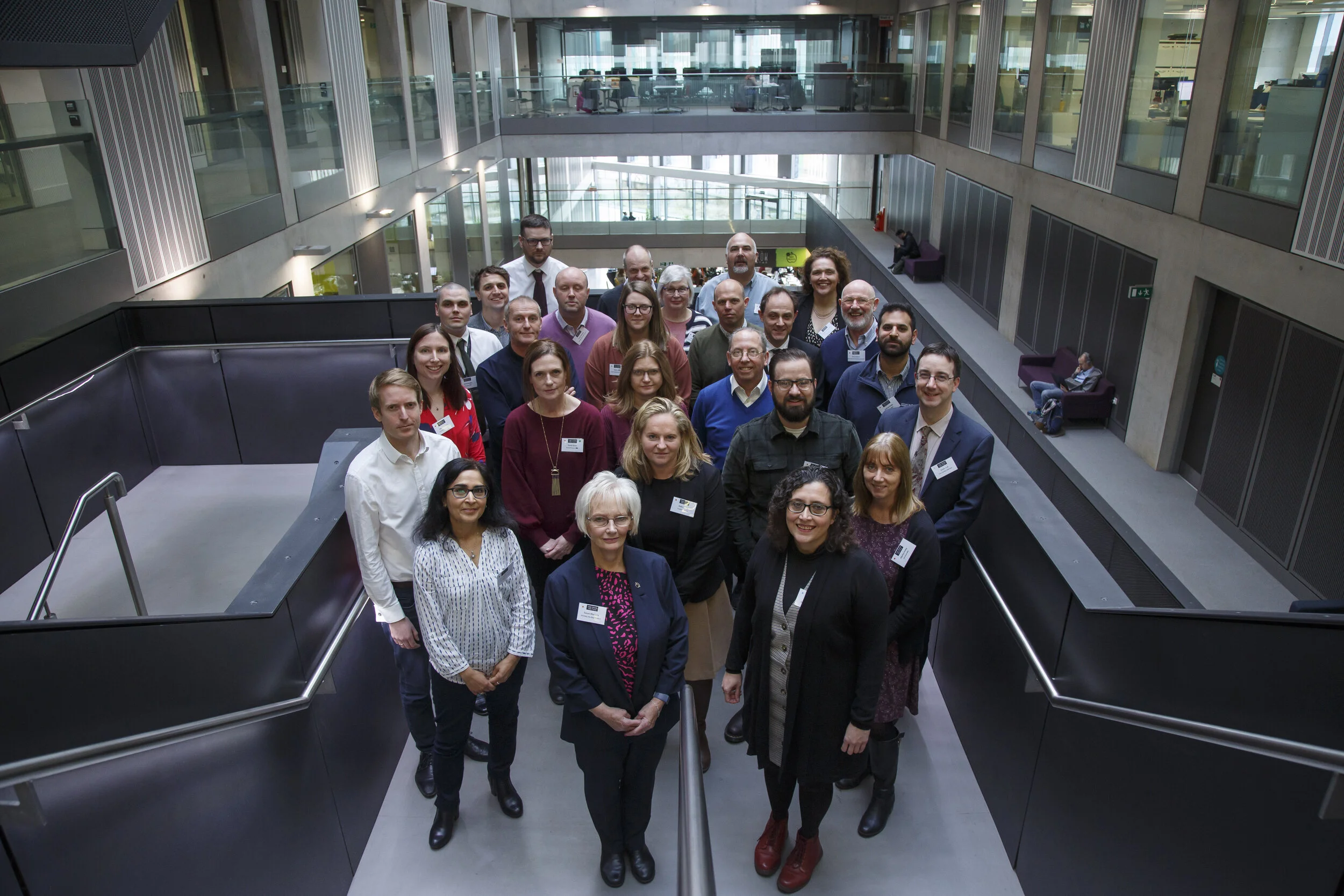
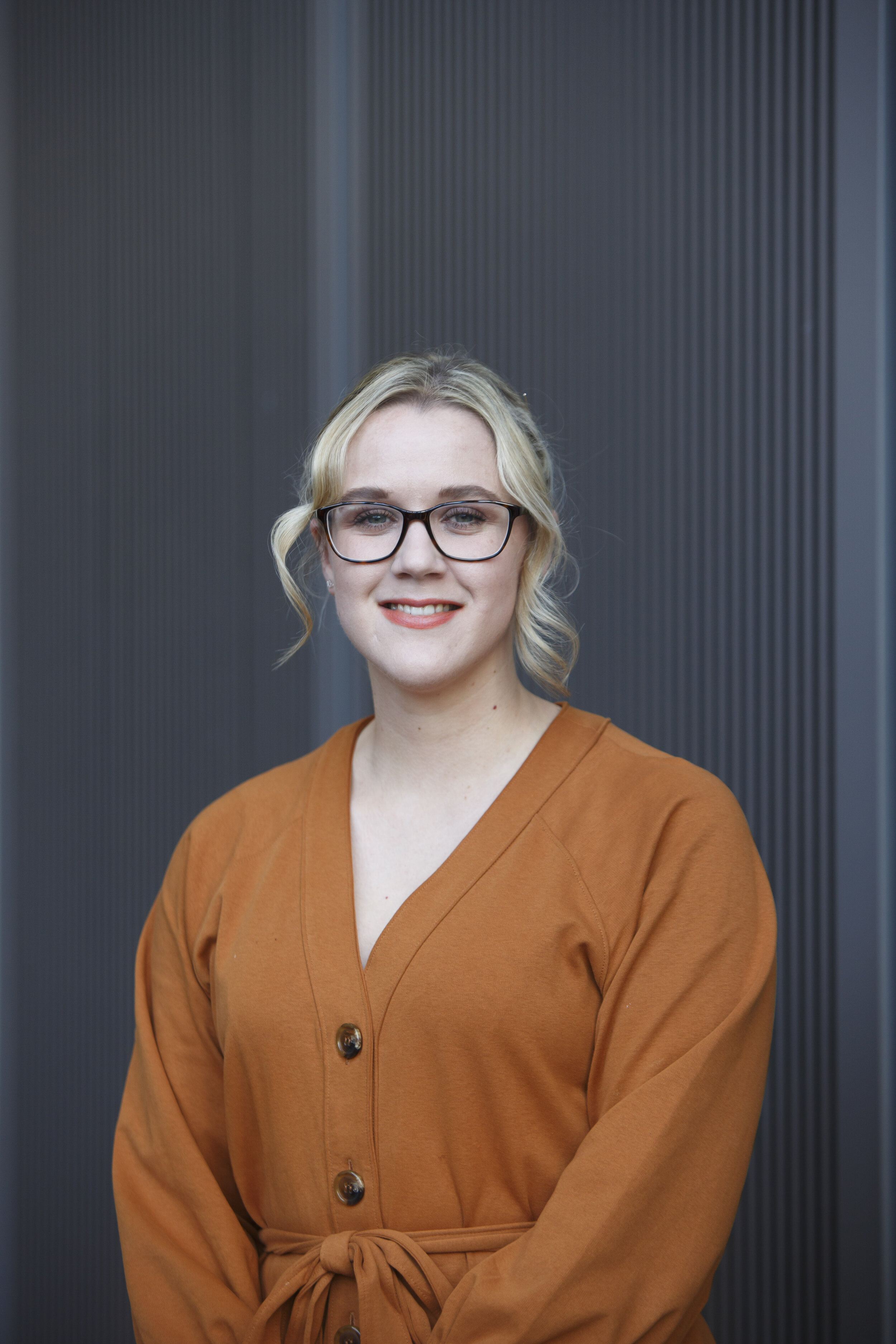
I was pleased to photograph the latest meeting of experts and representatives from the chosen towns at Manchester Metropolitan University business school. I was also able to photograph some portraits of the university staff at the conclusion of the meeting.

The High Streets Task Force was established to England's high streets and town centres to thrive - providing expert training, guidance data to the people who make them. Local leaders and partnerships are be able to access the latest data and evidence to inform their investment and regeneration decisions.
I was pleased to photograph the latest meeting of experts and representatives from the chosen towns at Manchester Metropolitan University business school. I was also able to photograph some portraits of the university staff at the conclusion of the meeting.
The funding will be piloted first in 20 town centres before being rolled out in 101 areas across the country.
The first 14 towns to take part in the pilot schemes and receive funding from the government will be:
Swinton Town centre – Salford, Thornton Heath – Croydon, Cheadle – Staffordshire Moorlands, Aldershot Town Centre – Rushmoor, Stirchley – Birmingham, Accrington Town Centre – Hyndburn, Kendal – South Lakeland, Friargate – Preston, Coventry City Centre – Coventry, Hartlepool Town Centre – Hartlepool, Ellesmere Port Town Centre – Cheshire West and Chester, West Bromwich Town Centre – Sandwell, Huyton Town Centre – Knowsley, Withington District Centre – Manchester.

“The Task Force will provide the tools they need to get the best advice possible and a dashboard of key local data,” Communities Secretary Robert Jenrick said.

Ministers will also launch a consultation on whether to build an online register of commercial properties, which could make it easier to bring empty shops back into use.
The government has also pledged to cut small retailers’ business rates bills by 50 per cent from April.

If you require photography of your conference, meeting or event please drop me a line at david@davidoates.net or fill out the form on the ‘Contact’ page of this website.


British Ecological Society Summer School
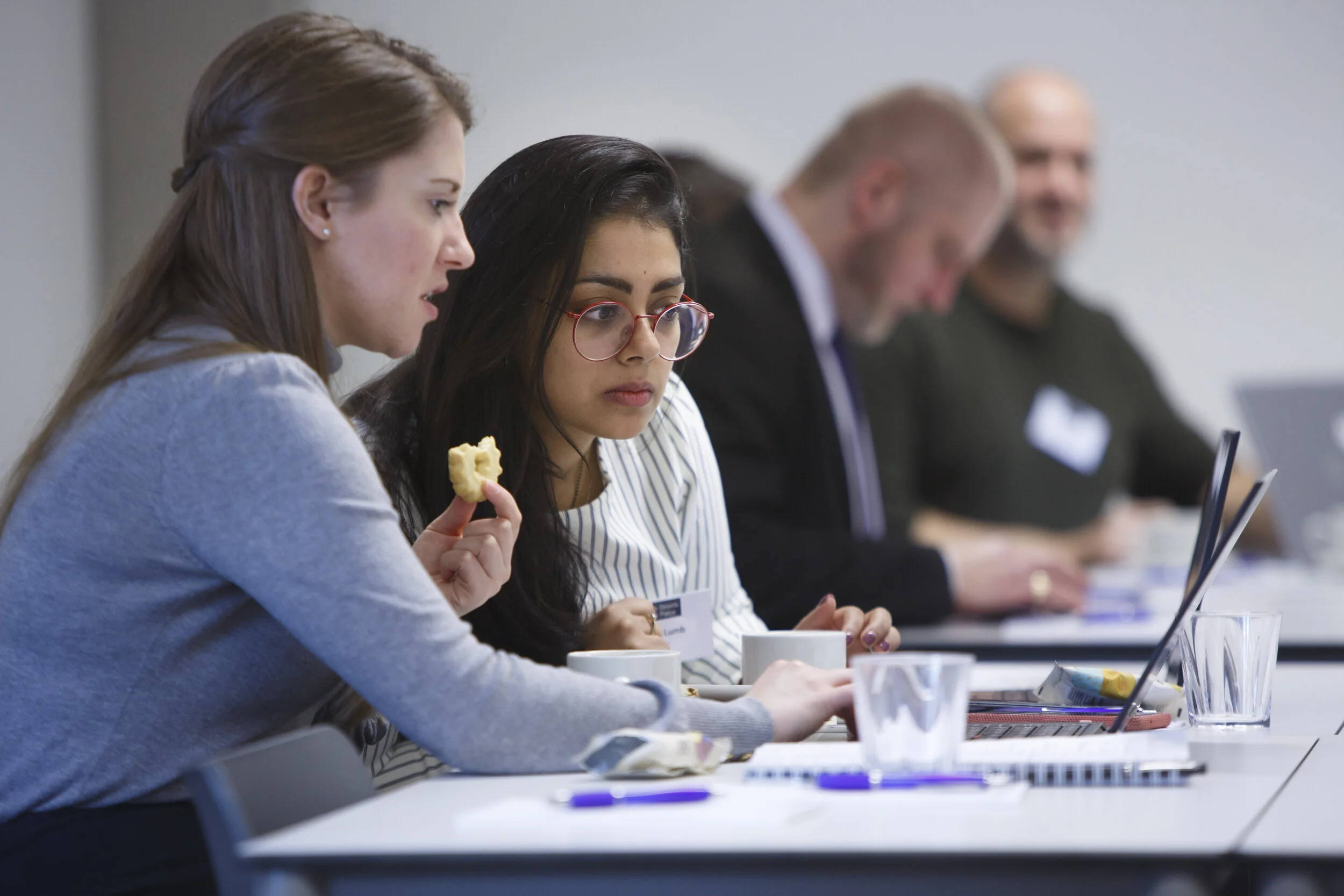
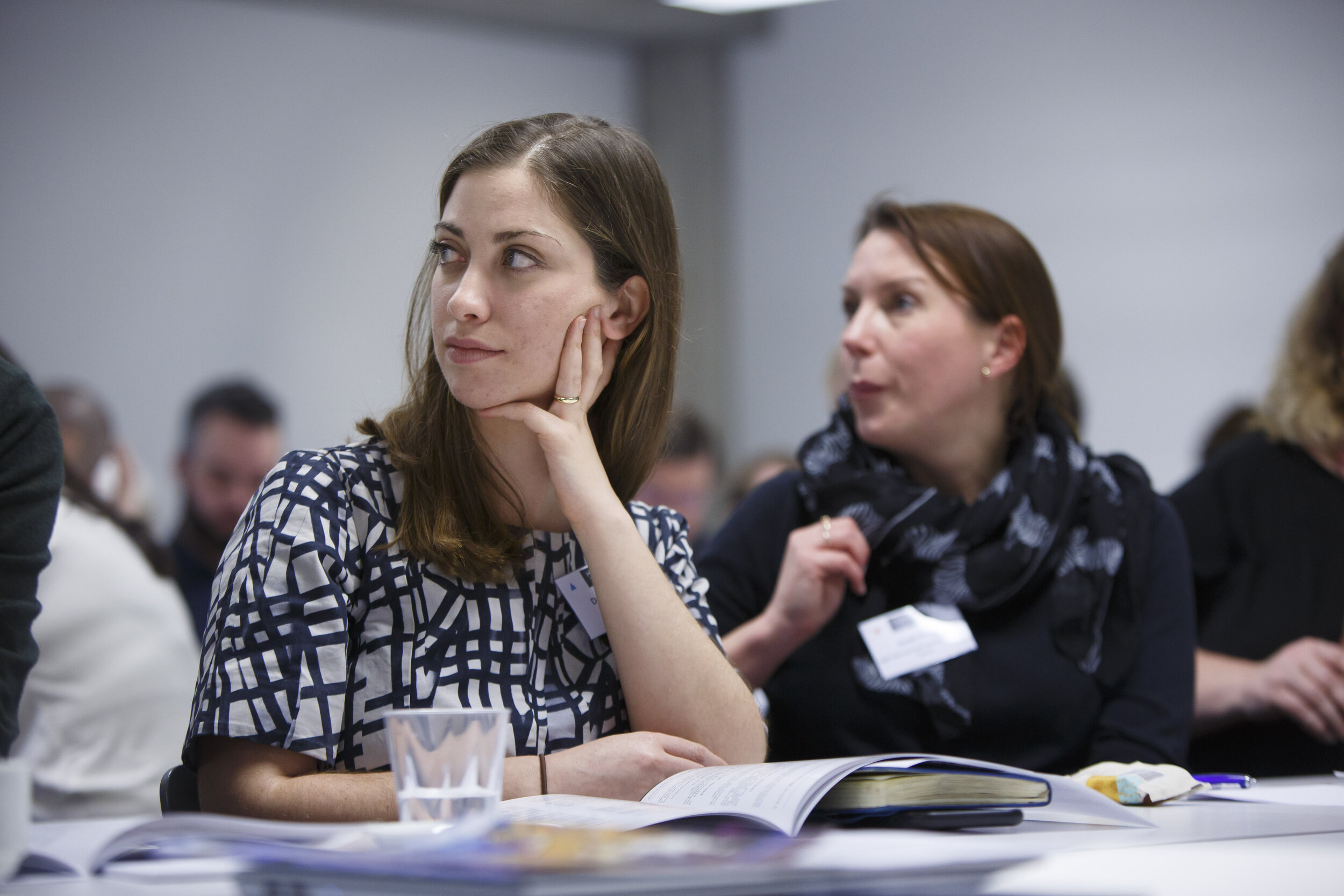
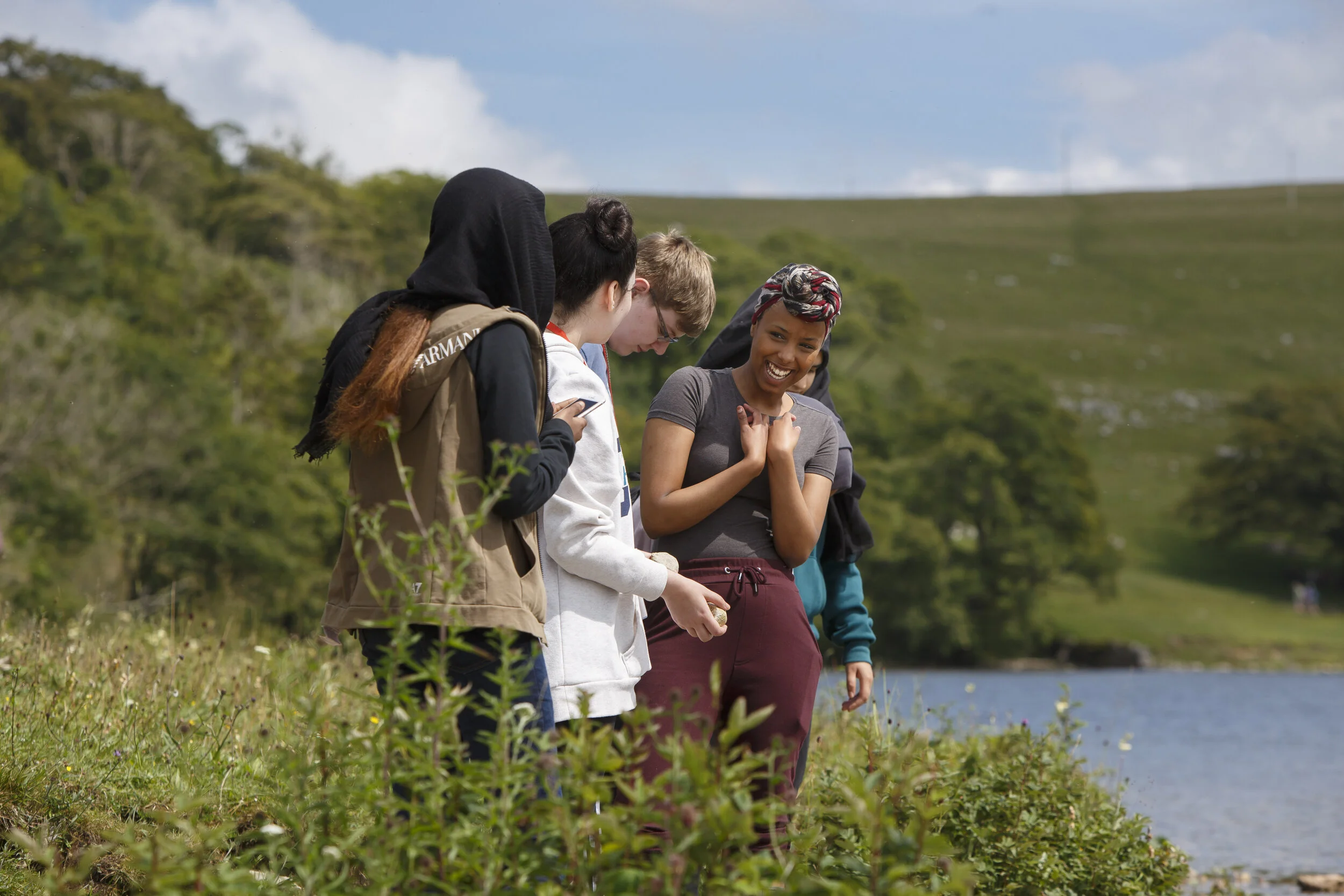
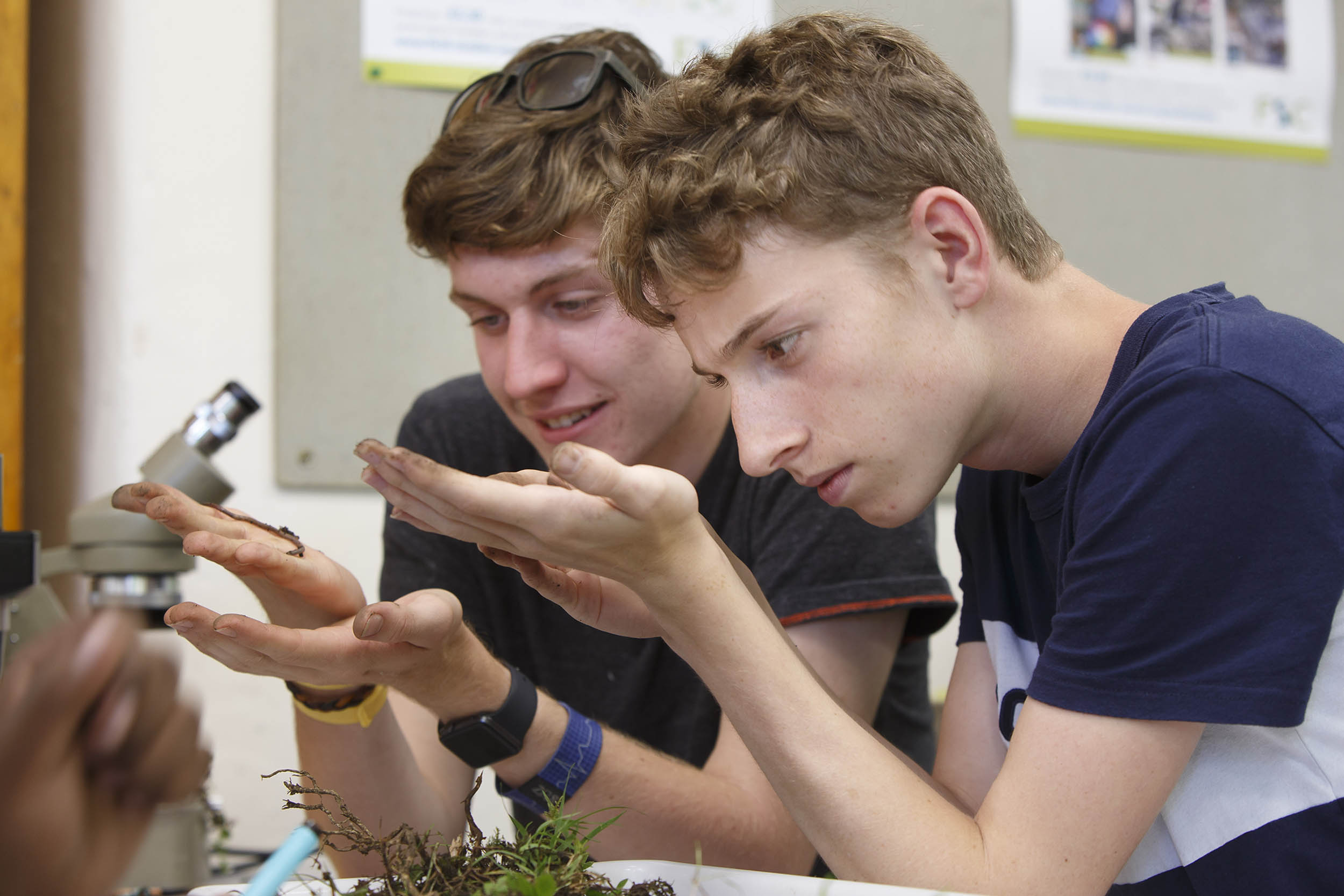
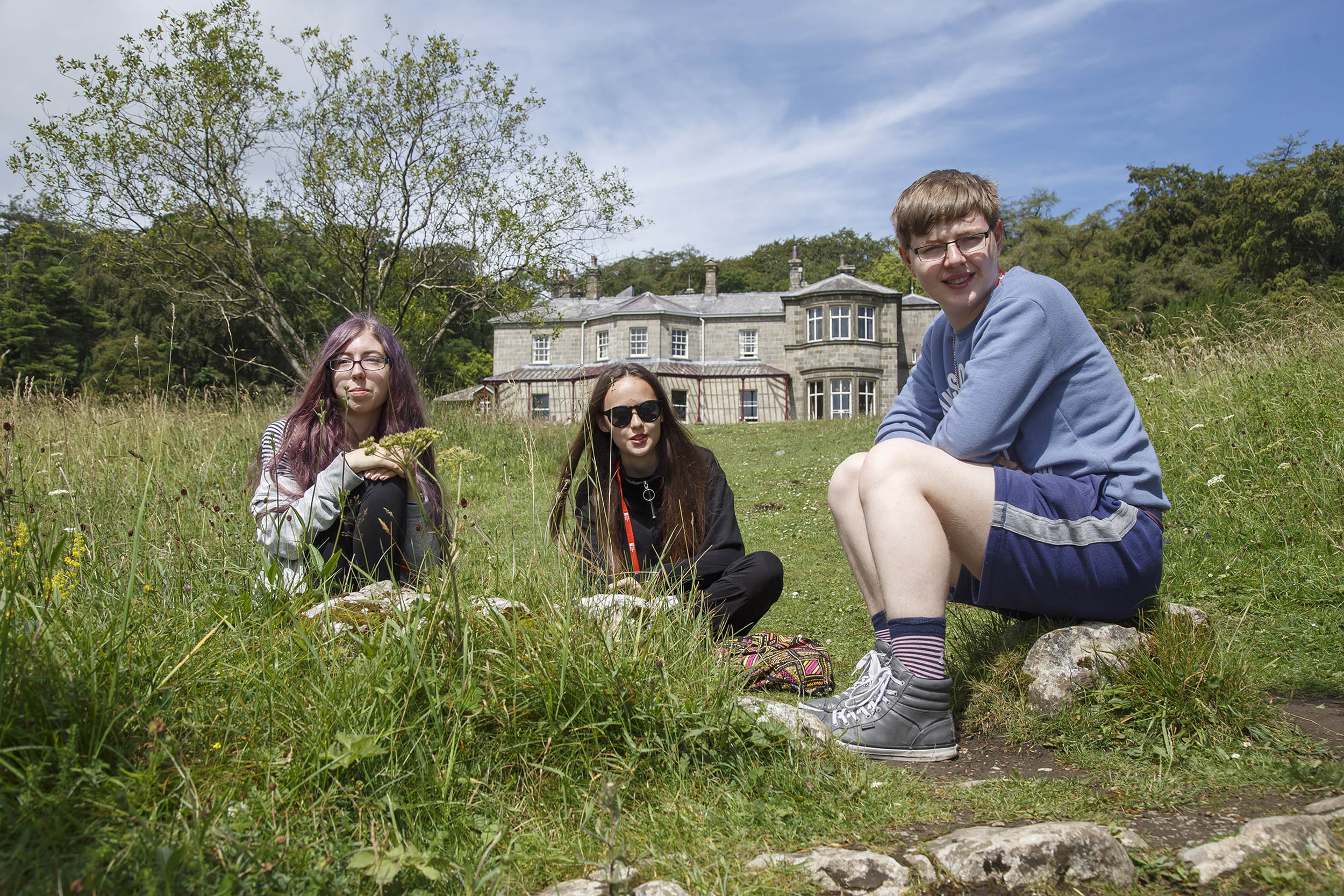
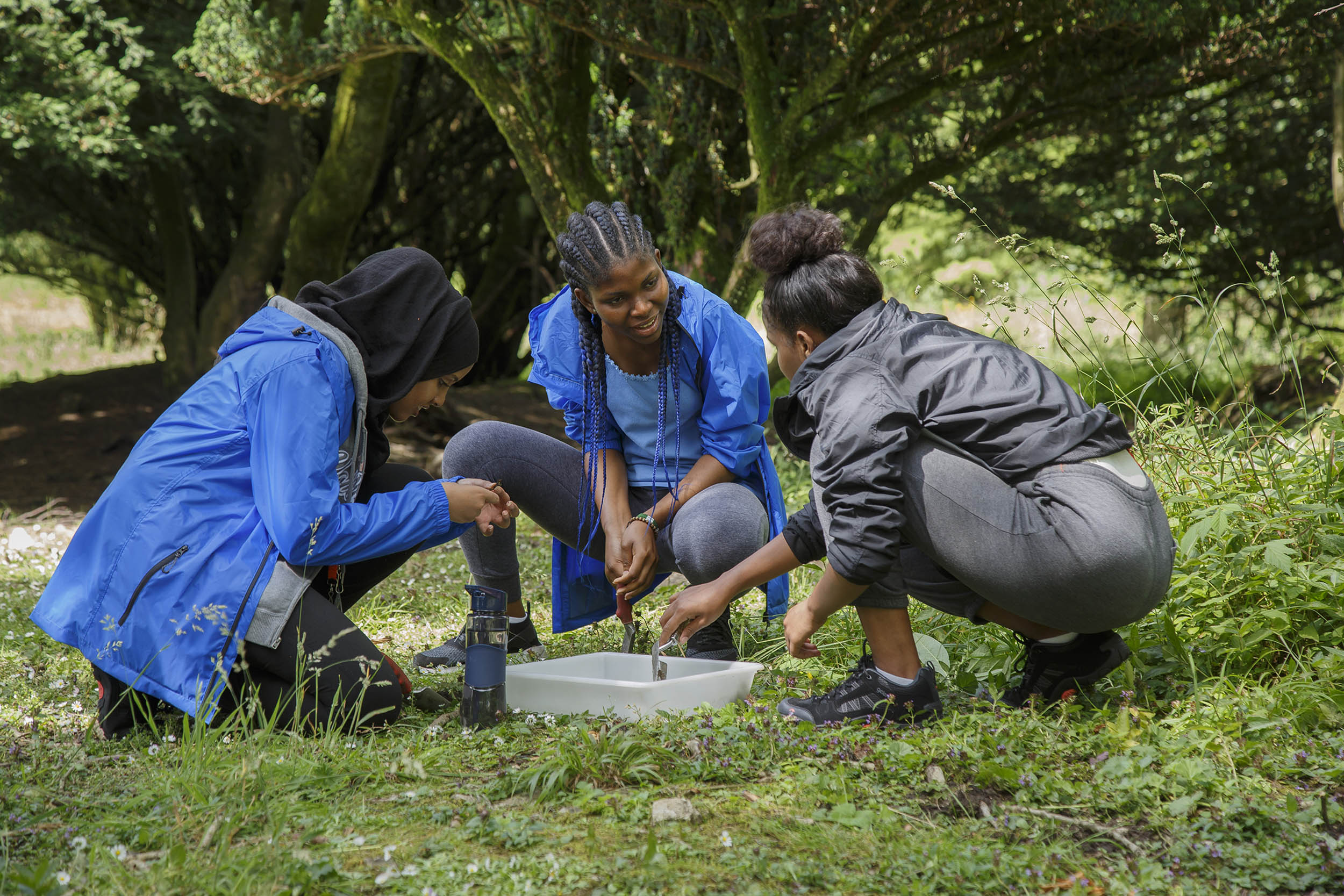
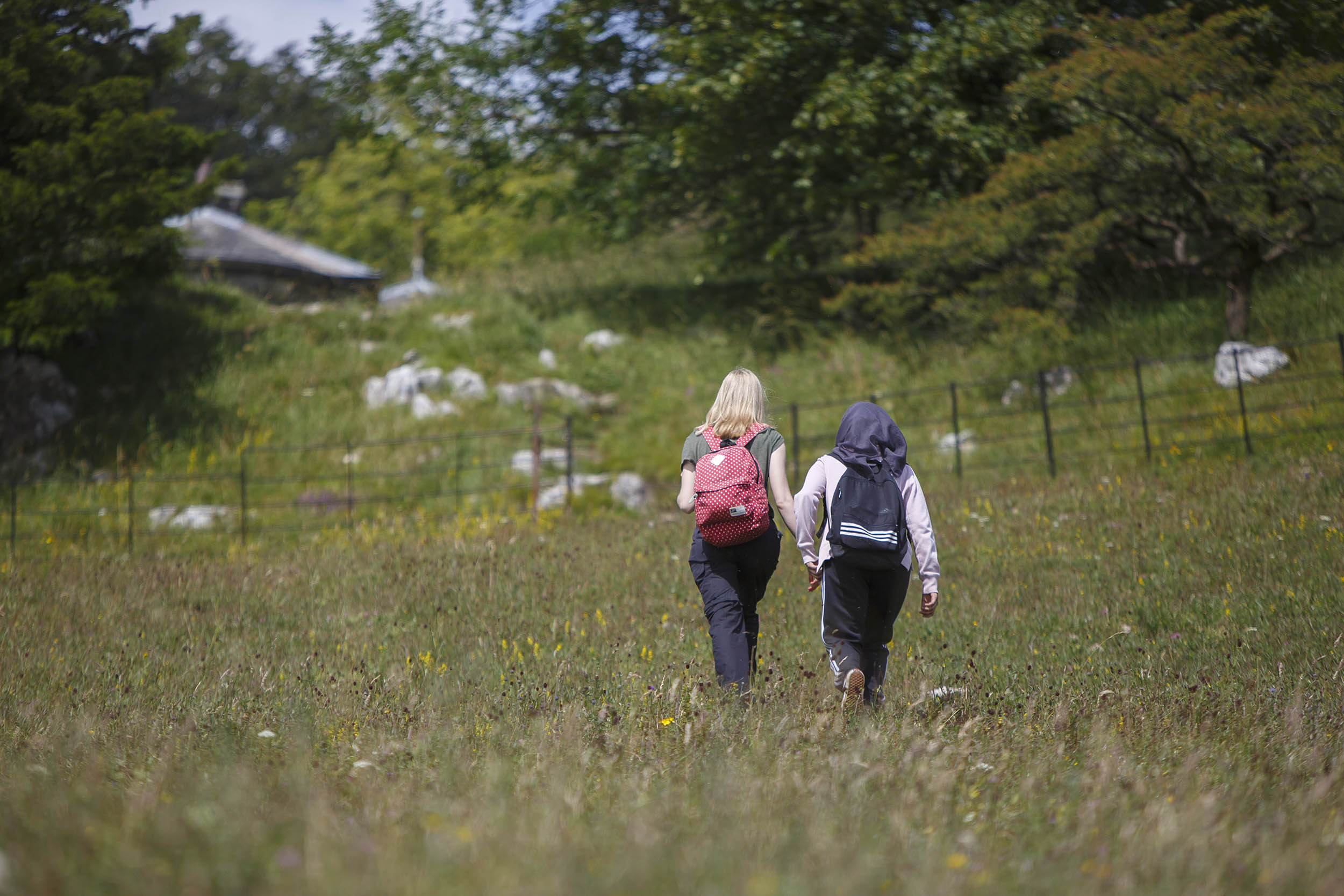
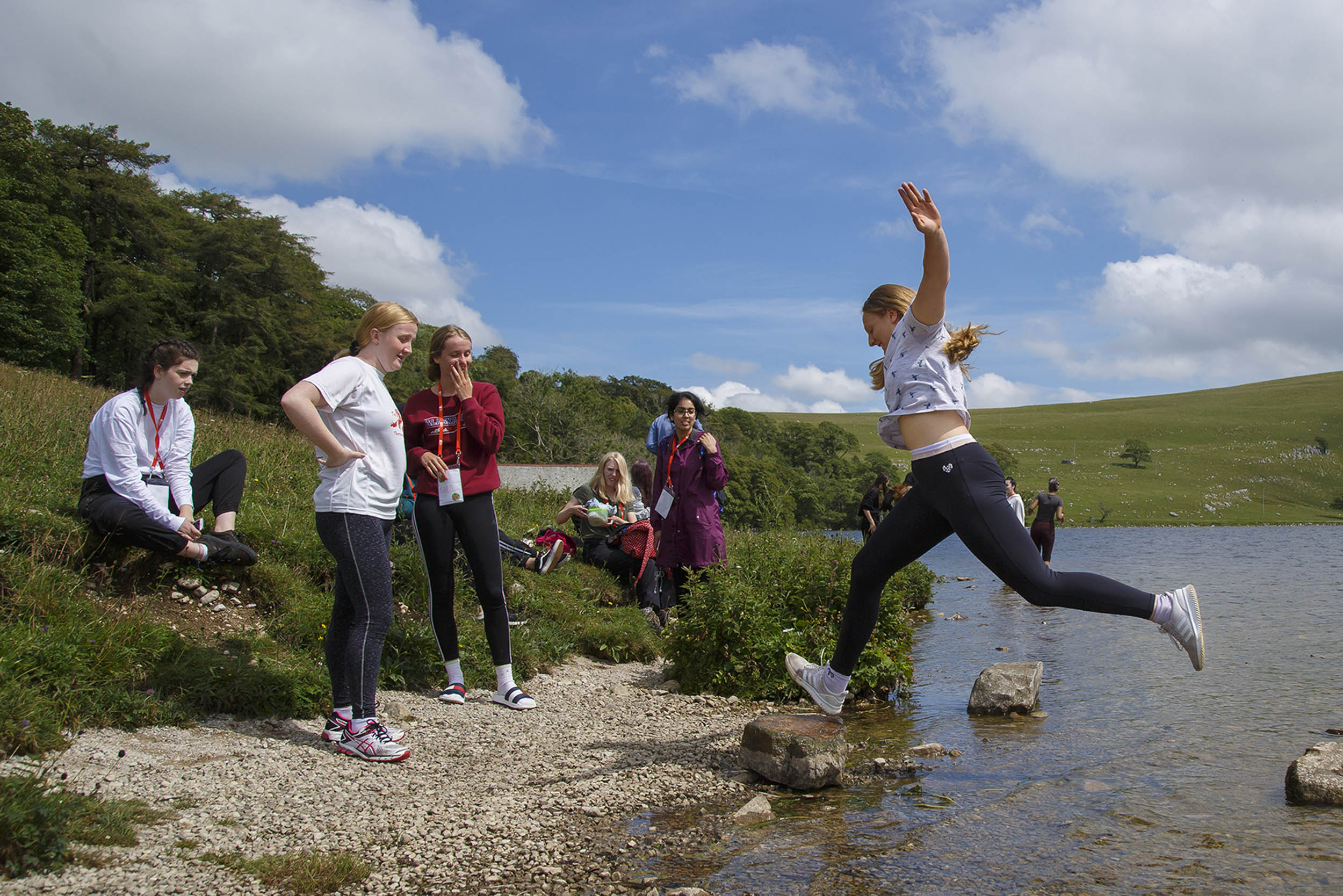
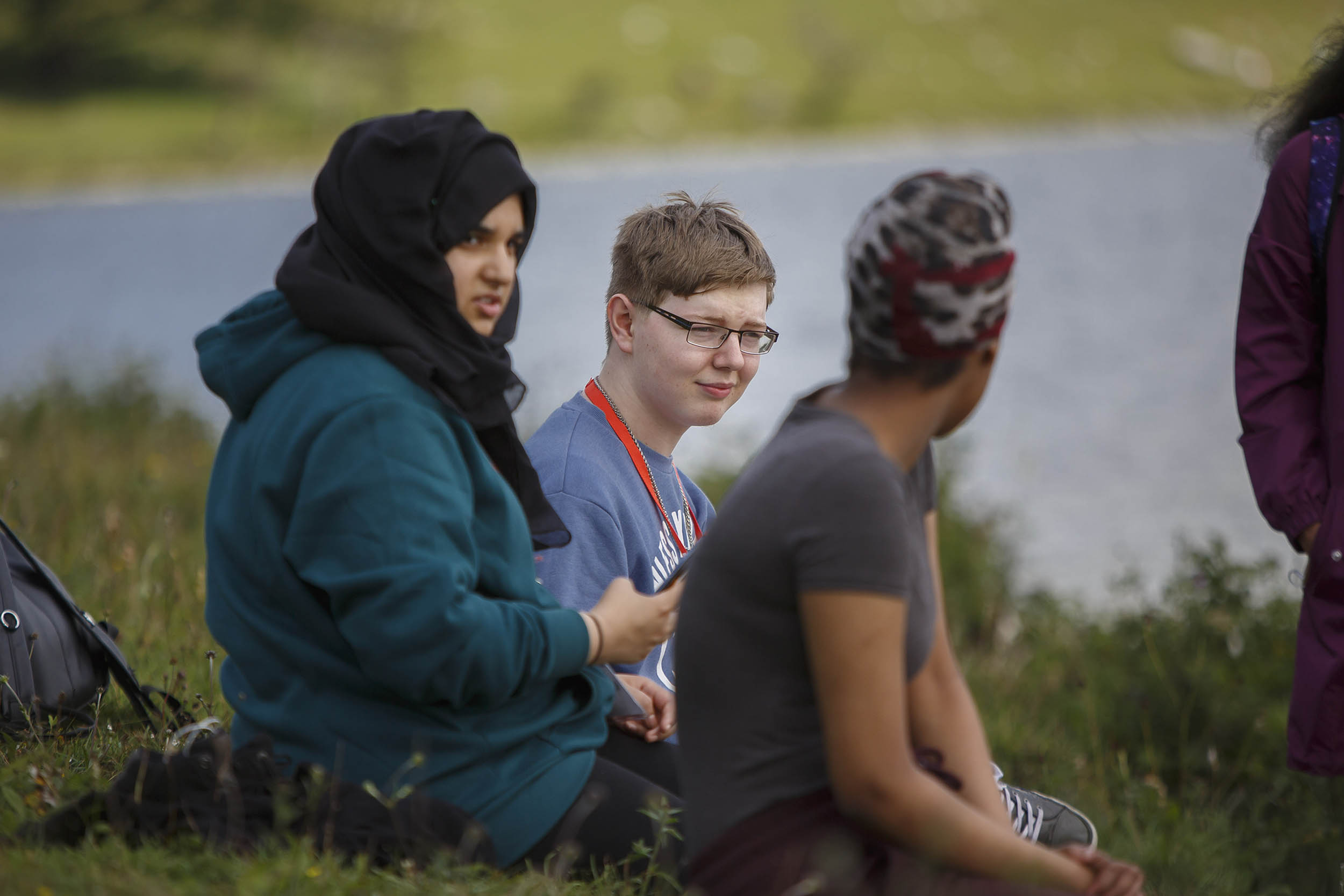
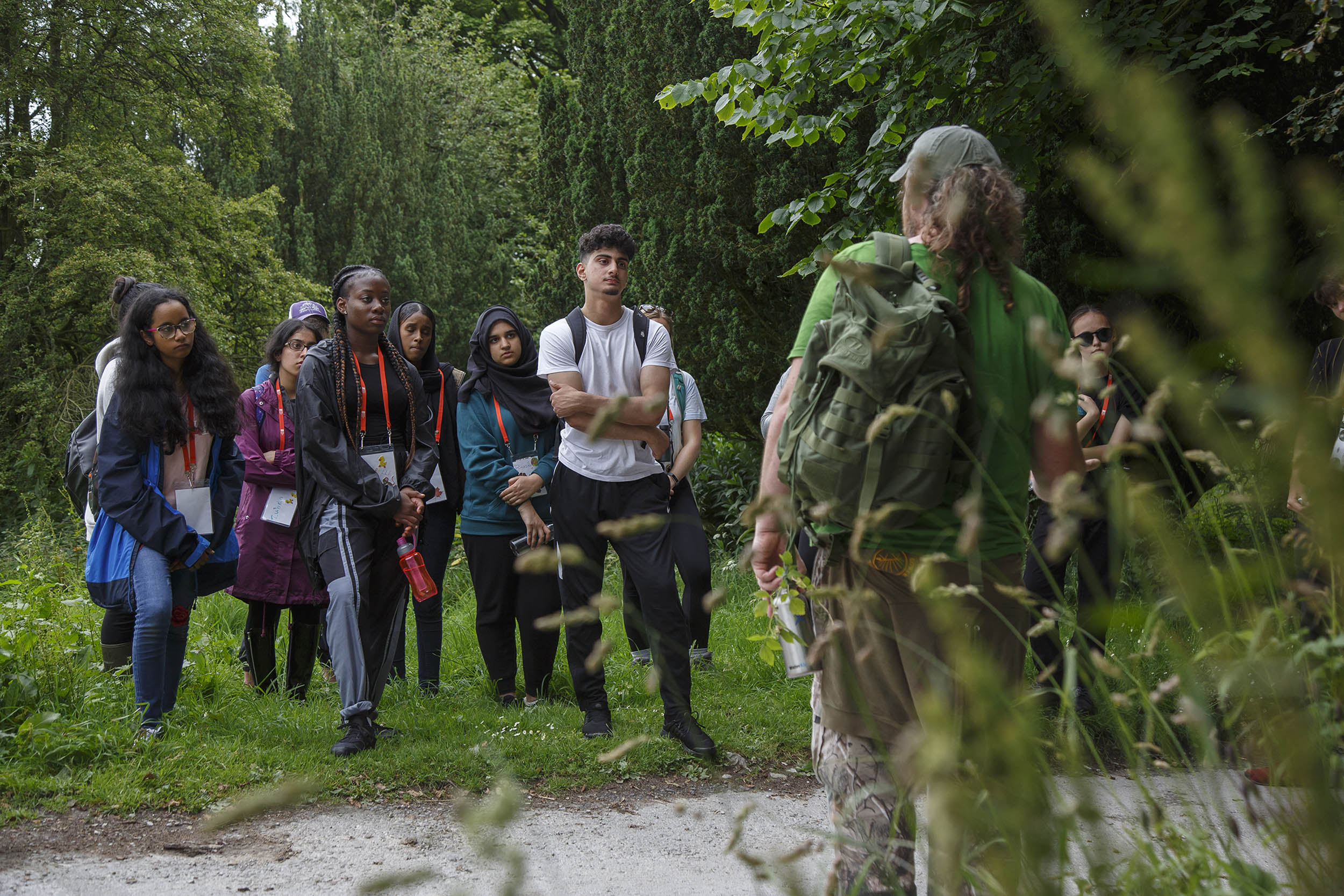
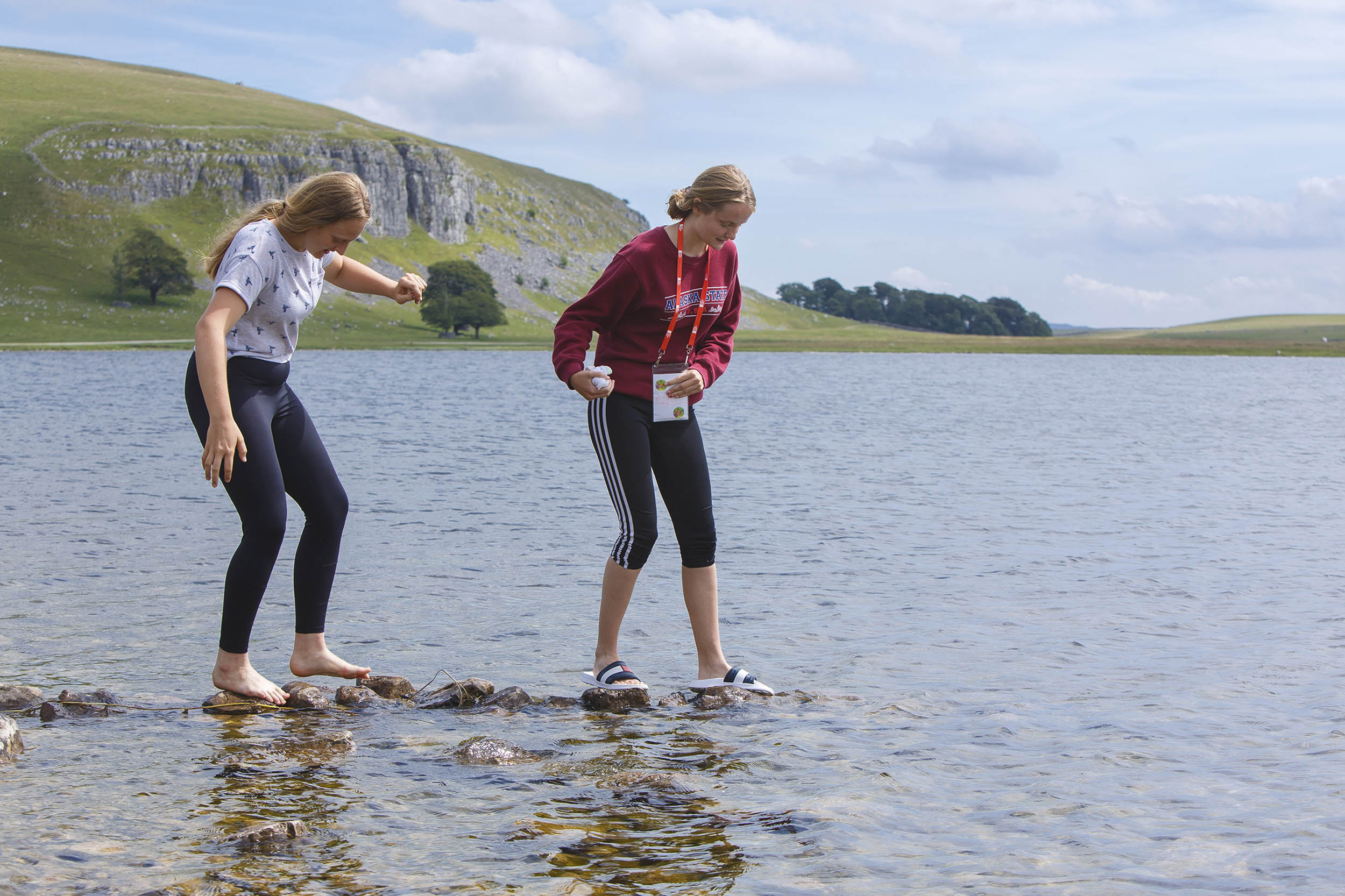
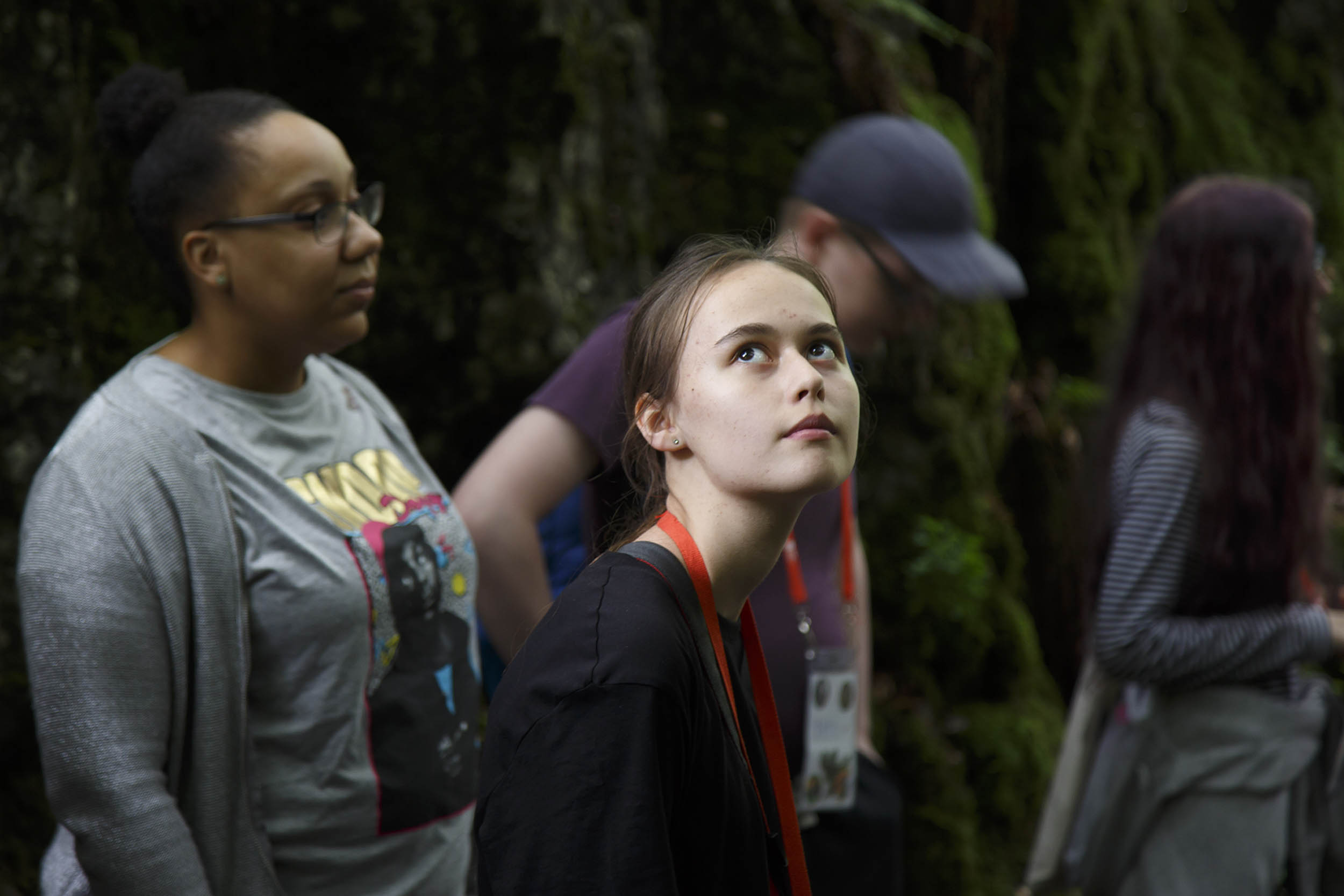
The British Ecological Society’s summer school is a week long residential field experience for students studying sciences at A-level, Scottish Higher and other similar qualifications. This year 31 students from 7 different schools across the UK gathered at Malham Tarn in the Yorkshire Dales. I was there as documentary photographer giving an overview of the day’s activities and providing marketing and social media material.
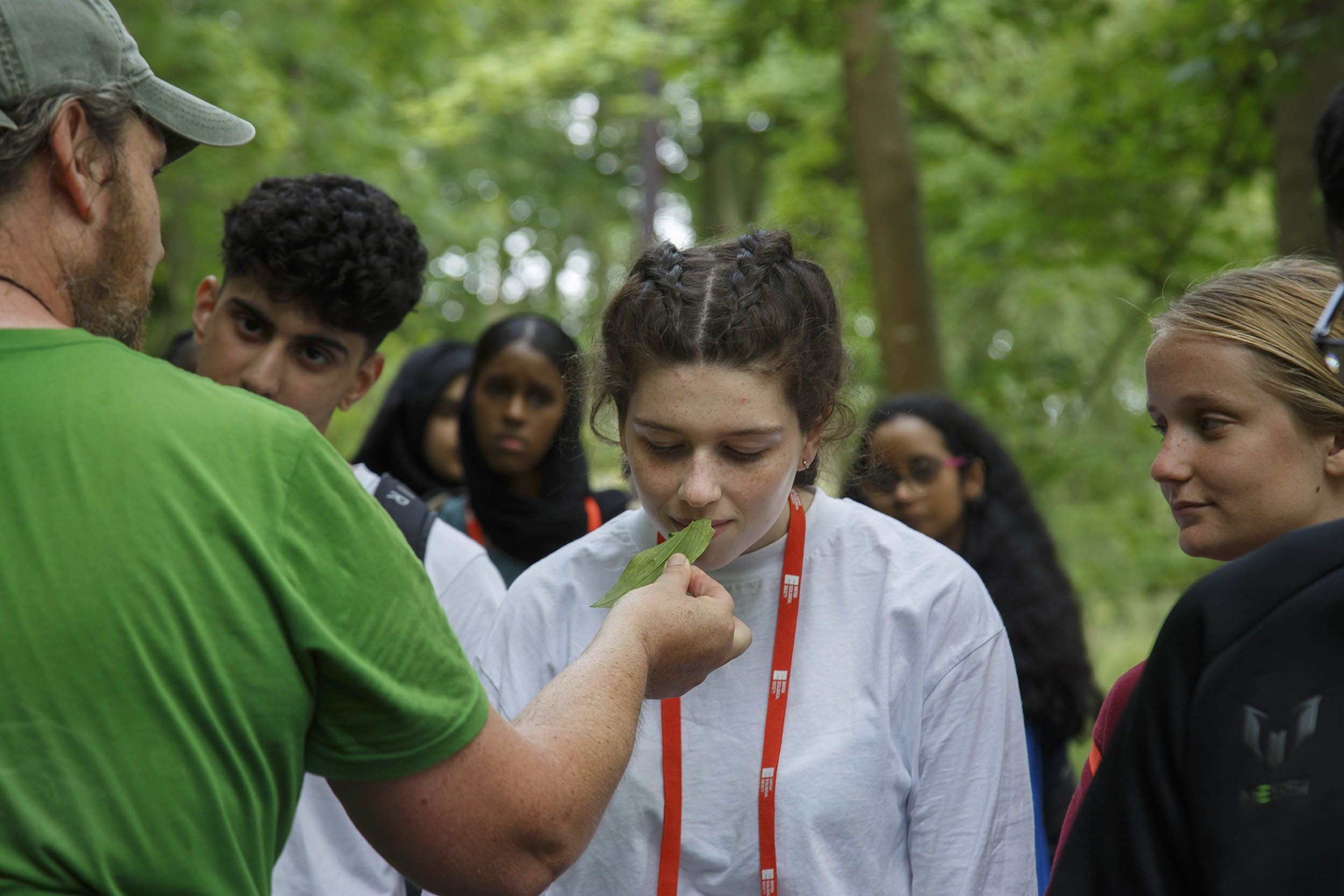
As ever, working for BES was extremely interesting, a personal highlight being the nature walk led by Dr. Daniel Forman, lecturer in Biosciences at Swansea University. I’d walked the same route as part of the Pennine Way last year but his fascinating insights into the ecology around us was illuminating.

Event Photography: British Ecological Society Summer School at Malham Tarn
I recently worked with the British Ecological Society (BES) as a documentary photographer during their annual summer school, a week-long residential field experience for students studying sciences at A-level, Scottish Higher, and equivalent qualifications. This year, 31 students from seven schools across the UK gathered at Malham Tarn in the Yorkshire Dales to explore ecology, fieldwork, and environmental science firsthand.
I photographed one day of the programme, providing an overview of the day’s activities while creating marketing and social media material for BES. The focus was on capturing students engaged in fieldwork, discussions, and outdoor learning, showing both the educational content and the immersive nature of the experience.
Documenting Fieldwork and Student Engagement
Even within a single day, there are many moments that illustrate the value of hands-on ecological learning. One highlight was the nature walk led by Dr. Daniel Forman, lecturer in Biosciences at Swansea University. Although I had walked the same route previously as part of the Pennine Way, Dr. Forman’s insights into the local ecology and species interactions offered students—and my photography—a new perspective on the landscape.
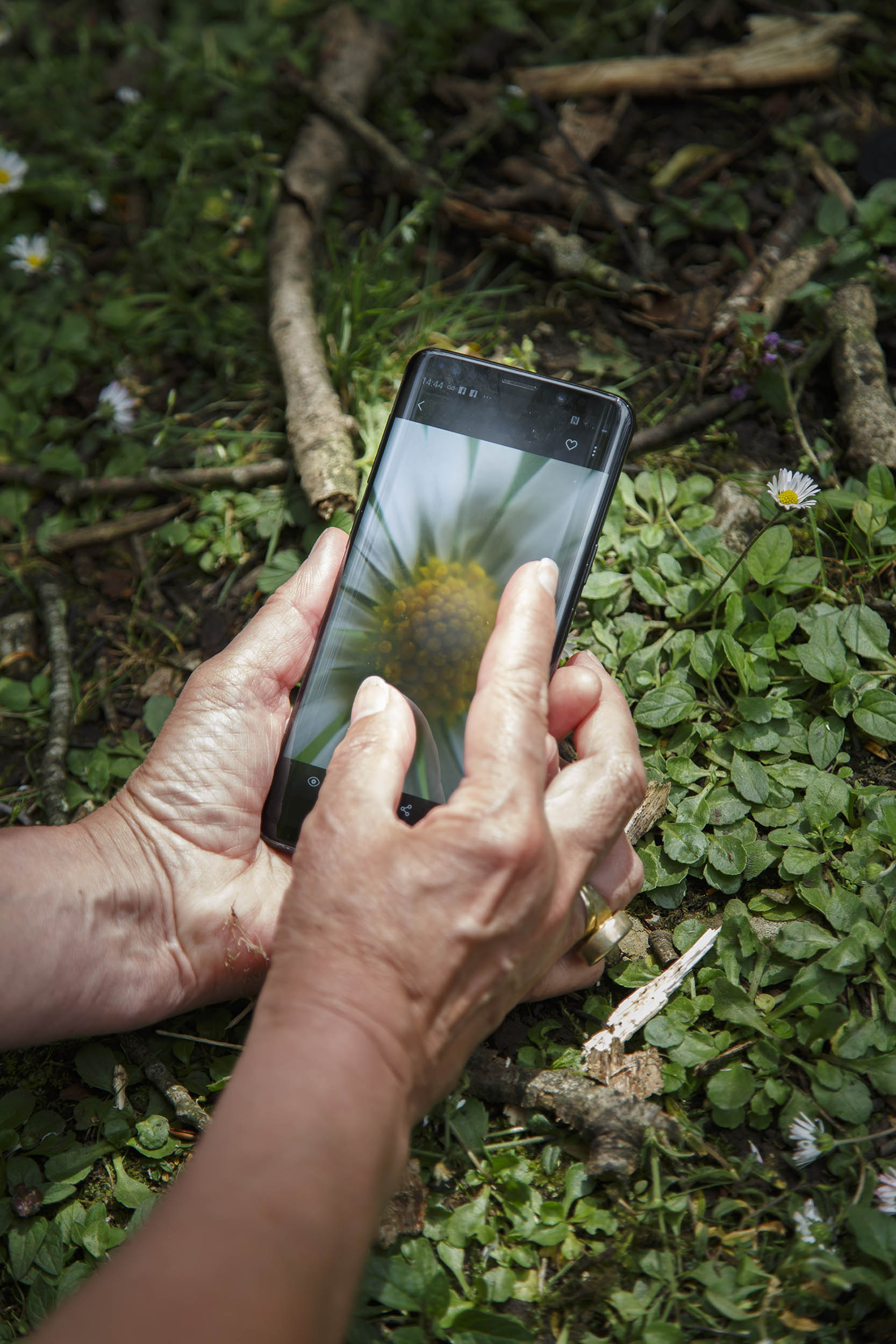
Photographs captured students observing habitats, taking notes, and interacting with instructors, emphasizing curiosity, engagement, and teamwork. These images help convey the hands-on learning experience to audiences who could not attend.


The Importance of Professional Photography for Educational Programmes
High-quality photography is essential for educational initiatives like the BES summer school. Images from even a single day:
Provide marketing material to promote future programmes
Document student engagement for internal review
Show the collaboration between students and instructors
Support social media, newsletters, and press coverage to demonstrate programme impact
Capturing these moments professionally ensures that BES can showcase both the learning outcomes and the immersive, field-based nature of the summer school.
Malham Tarn: A Unique Field Site
Malham Tarn in the Yorkshire Dales offers a diverse ecological setting, including wetlands, limestone landscapes, and surrounding habitats. Photographing students in this environment demonstrates how fieldwork brings theory to life and provides unique learning opportunities. Images from the day highlight the interaction between students, instructors, and the environment, which is central to BES’s mission.
Conclusion
Documenting one day of the British Ecological Society summer school allowed me to capture the energy, curiosity, and engagement of the students while providing BES with professional material for marketing, social media, and archival purposes. Working alongside expert instructors like Dr. Daniel Forman made the day both professionally and personally rewarding.
For more information about the British Ecological Society and their educational initiatives, visit britishecologicalsociety.org.