Latest Editorial, Portrait & Commercial Photography Projects
A selection of my most recent commissions and ongoing projects.
The work shown here spans editorial assignments, portrait commissions, documentary projects and commercial photography for organisations and publishers. It reflects current areas of focus and the range of contexts in which I am working.
New projects are added regularly.
A Commercial photography commission for Transport for the North
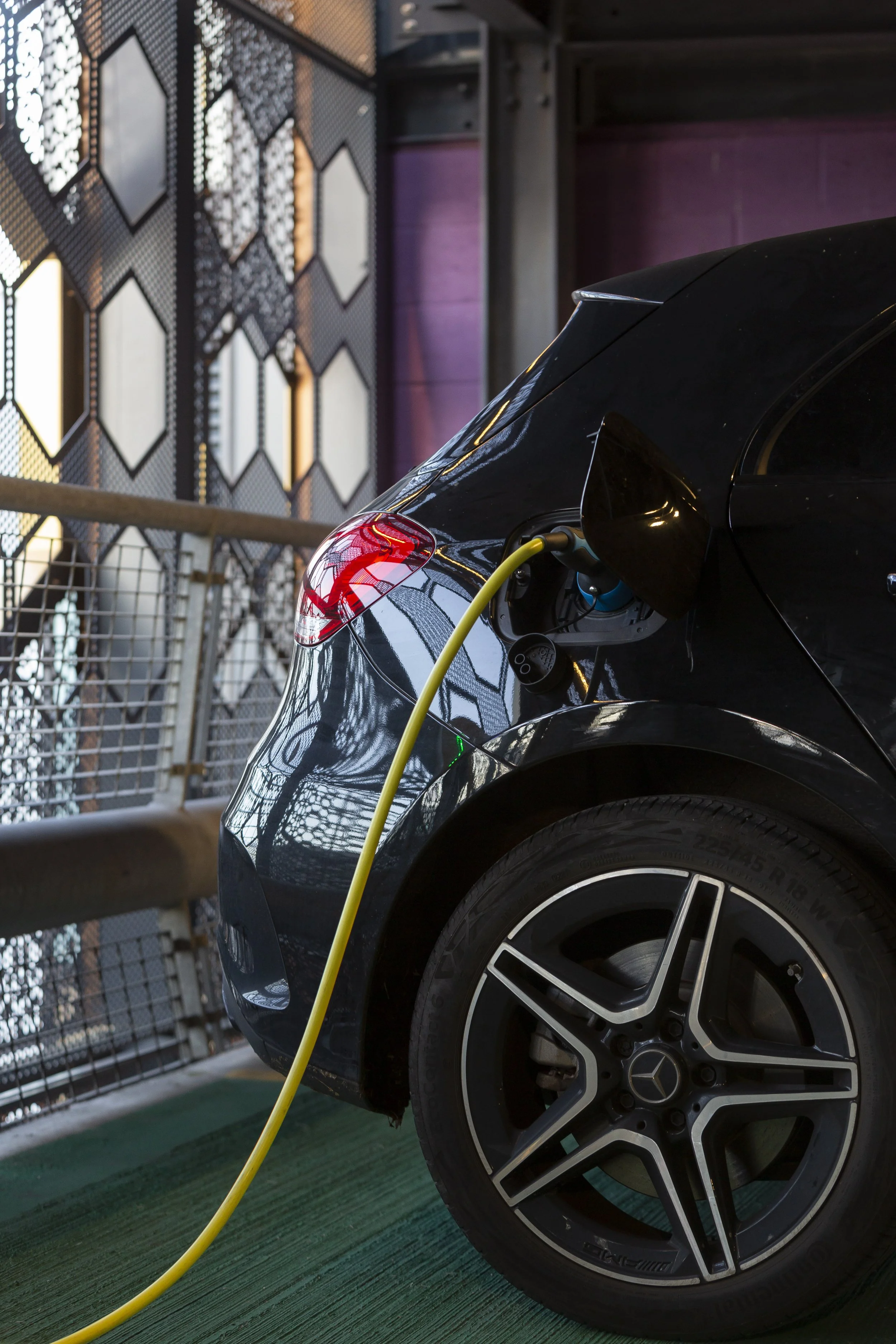
I recently completed another commission for Transport for the North, focusing on the intersection of modern transportation infrastructure and sustainable mobility. The shoot took place in and around Warrington Bank Quay station on a cold, wintry day, providing a striking backdrop for capturing both railway and electric vehicle infrastructure.
I recently completed another commission for Transport for the North, focusing on the intersection of modern transportation infrastructure and sustainable mobility. The shoot took place in and around Warrington Bank Quay station on a cold, wintry day, providing a striking backdrop for capturing both railway and electric vehicle infrastructure.
As a professional photographer, I approached this project with the goal of documenting the full spectrum of travel and mobility, from railway tracks and station platforms to electric vehicle charging points and urban transport hubs. The result is a series of images that highlight how modern infrastructure supports people on the move, whether by train, car, or bicycle.
Photographing Railway Infrastructure at Warrington Bank Quay
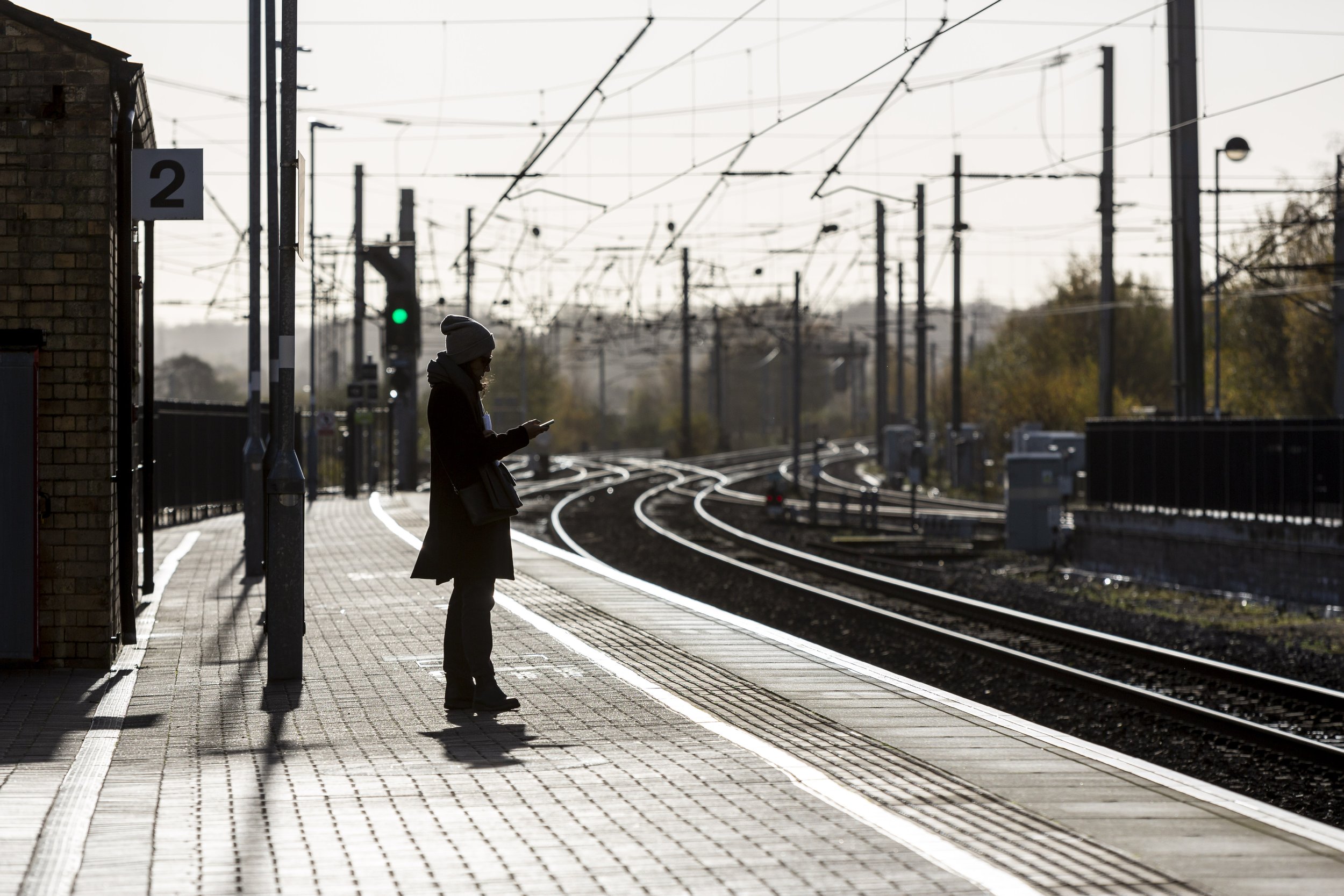
Warrington Bank Quay station offered the perfect environment for railway photography. I captured expansive shots of the tracks, including the overhead equipment, signalling systems, and the intricate details of railway infrastructure. The wintry weather added texture and atmosphere, enhancing both wide-angle shots and detailed close-ups.

One of the highlights of the shoot was documenting people on station platforms. Photographing commuters and travellers in motion allowed me to combine the technical aspects of railway infrastructure with the human stories that give these spaces life. The balance between people and machinery emphasizes the dynamic nature of modern rail travel and creates compelling visual narratives for photography portfolios.

Capturing Electric Vehicle Charging and Sustainable Mobility
A significant focus of the commission was electric vehicle infrastructure. I photographed people charging electric cars in a variety of settings, including outdoor charging points and inside a multi-storey car park. Capturing the signage for charging points, as well as the interaction between people and technology, helped highlight the practical and user-focused aspects of sustainable transport.
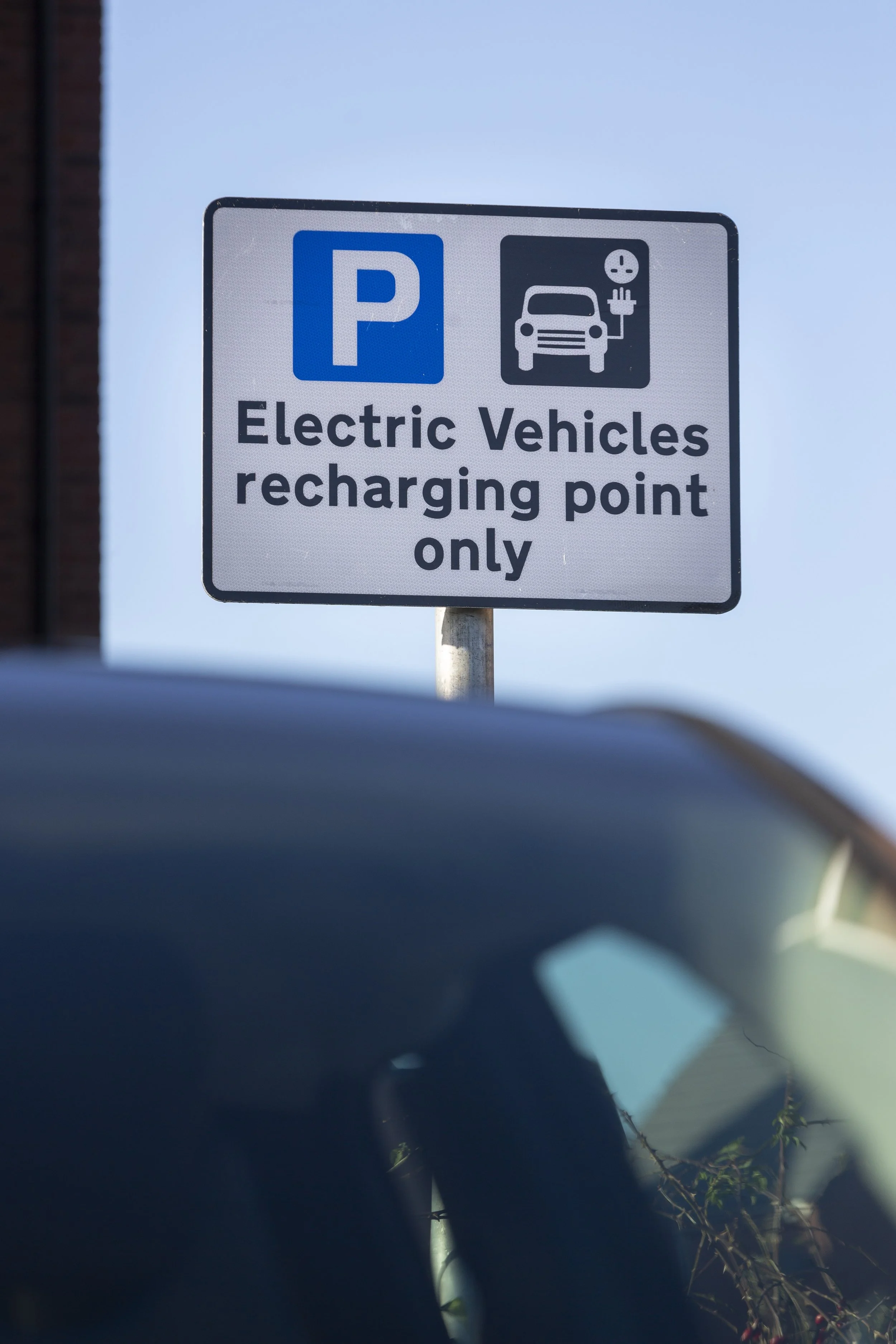
In addition to electric cars, I documented cyclists and people recharging electric vehicles, emphasizing the broader picture of environmentally conscious travel. These images illustrate how modern transport networks accommodate multiple modes of mobility, from trains to electric vehicles and bicycles, making them highly relevant for transport-focused photography projects.

Integrating Aviation and Urban Context
While the primary focus was rail and electric vehicle infrastructure, the location provided opportunities for capturing more of the surrounding transport ecosystem. I managed to include a couple of aeroplanes in the sky above Warrington, adding an extra dimension to the story of regional connectivity. Including air travel alongside rail and electric vehicle transport underscores the diversity and interconnectedness of modern transport systems, making these images particularly valuable for photography clients and portfolios.

Photography Approach and Techniques
Shooting in a cold, wintery environment posed certain challenges, but it also created striking visual contrasts and textures. I used natural light and ambient conditions to enhance the atmosphere, emphasizing the industrial aesthetic of railway tracks and the clean design of electric vehicle charging stations. Photographing people interacting with infrastructure—whether boarding trains, using charging points, or cycling—added scale and narrative to the images, making them more engaging for viewers and highly relevant for SEO-focused content about photography.

Every aspect of the shoot was designed to highlight not only the functionality of transport infrastructure but also the human experience. This approach ensures that the photographs are versatile, suitable for commercial, editorial, or promotional use, while maintaining a strong visual impact for photography portfolios.

Why This Commission Matters for Photography
Documenting modern transport infrastructure is a compelling subject for professional photographers. From capturing the engineering details of railway systems to the interaction between people and electric vehicle technology, these projects provide a rich variety of visual opportunities. This commission demonstrates how photography can tell the story of regional transport development, sustainability initiatives, and human engagement, all while producing images that are visually striking and technically precise.

For photographers looking to expand their portfolios, projects like this are invaluable. They allow exploration of urban environments, transportation networks, and technological innovation, all while practicing composition, timing, and storytelling.

Commercial photography for Transport for the North
I recently completed a comprehensive series of images for long-standing client Transport for the North, documenting railway stations across the North of England. As a professional photographer, I am proud to contribute to their efforts to demonstrate to the government the region’s growing need for well-planned and efficient transport infrastructure. This project combines technical photography with human-focused storytelling, highlighting how people navigate the North’s key transport hubs.

I recently completed a comprehensive series of images for long-standing client Transport for the North, documenting railway stations across the North of England. As a professional photographer, I am proud to contribute to their efforts to demonstrate to the government the region’s growing need for well-planned and efficient transport infrastructure. This project combines technical photography with human-focused storytelling, highlighting how people navigate the North’s key transport hubs.
Photographing Major Railway Stations Across the North
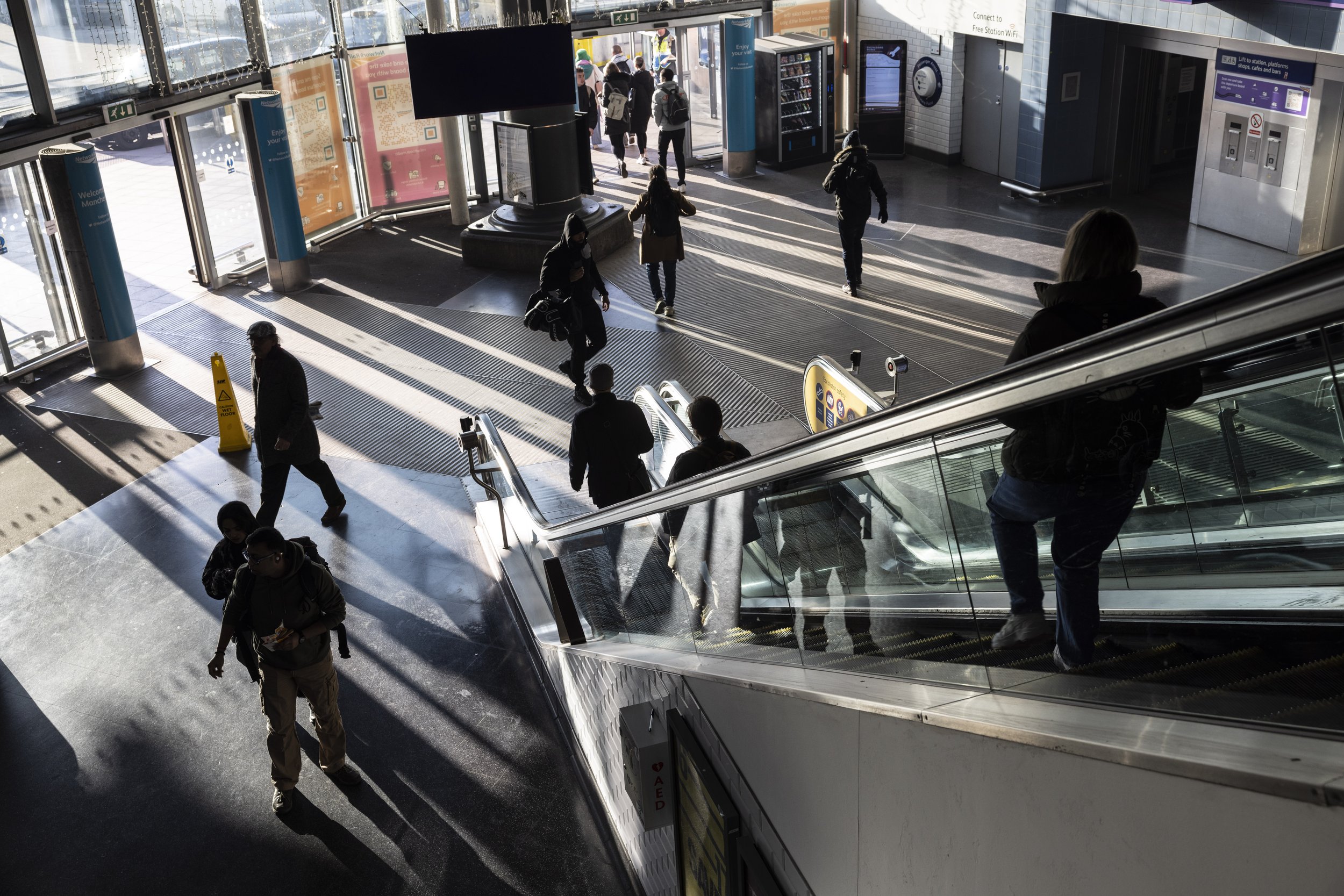
This commission took me inside several of the North’s most important railway stations, including Manchester Piccadilly, York, Liverpool Lime Street, and Newcastle station. Manchester Piccadilly was a central focus, allowing me to capture the flow of commuters, the architecture of the station, and the dynamic interaction between people and the transport environment.
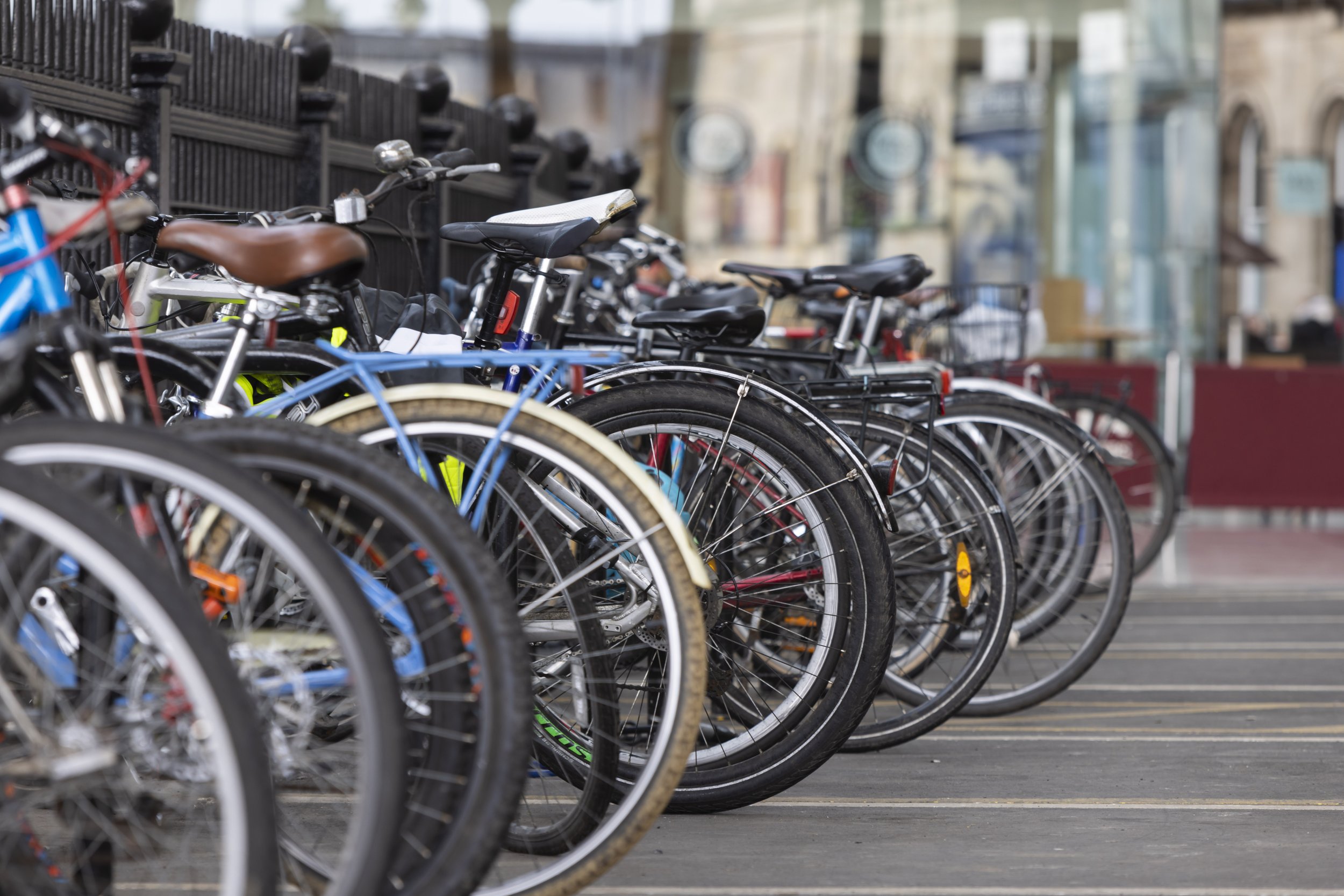
Newcastle station provided a similarly engaging setting, with opportunities to document both the movement of travelers and the details of railway infrastructure. York and Liverpool Lime Street added variety to the series, each station presenting unique architectural features, passenger dynamics, and lighting conditions that make railway photography particularly rewarding.
Capturing Multi-Modal Travel: People and Bicycles
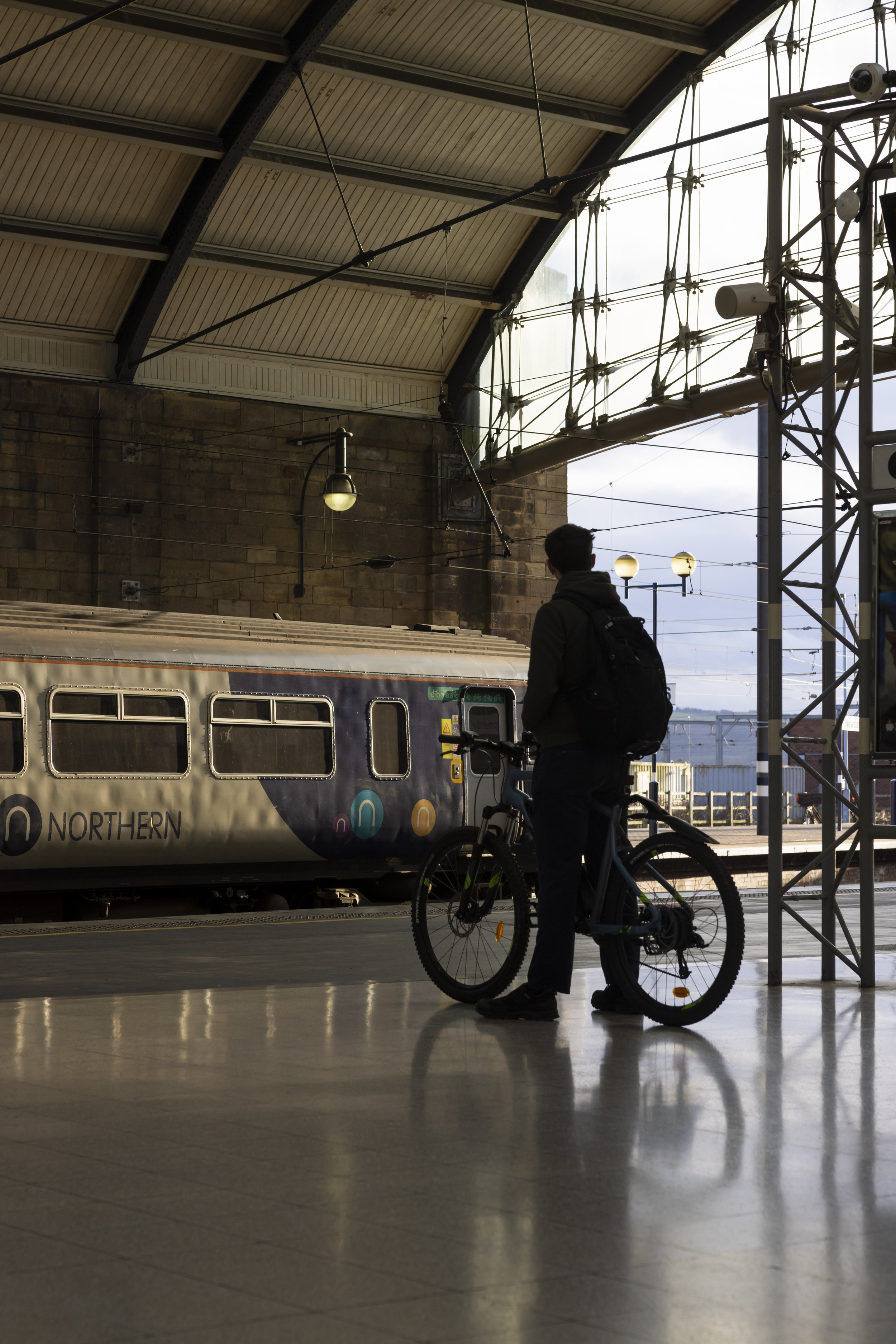
A key element of this series was documenting people using bicycles inside the stations. Capturing sustainable and multi-modal transport is increasingly important in photography that highlights modern infrastructure. These images not only show the integration of cycling with rail travel but also reflect how people interact with station environments in their daily journeys. Photographing people in motion, whether walking, cycling, or navigating platforms, added context and life to the technical aspects of the stations.

Photography Approach and Techniques
Shooting inside busy railway stations requires a combination of careful planning and adaptability. I focused on using natural light wherever possible, capturing wide shots of station interiors alongside detailed close-ups of commuters, signage, and architectural features. Documenting both the human experience and the technical infrastructure allowed me to create a balanced series that is visually compelling while accurately reflecting the function and design of each station.

The challenge of busy environments, fast-moving people, and varying lighting conditions made this project particularly rewarding. By combining architectural photography with candid street-style portraits, the series demonstrates how professional photography can tell a story about transport systems, infrastructure, and human mobility.

Why This Project Matters for Transport and Photography
This commission for Transport for the North is part of a broader effort to communicate the urgency of transport investment in the North. My images serve as visual evidence of the challenges and opportunities facing the region, from crowded platforms to the integration of cycling and rail travel.
For photographers, projects like this are an excellent way to develop a diverse portfolio, combining urban photography, architectural documentation, and lifestyle imagery. The resulting images are relevant not only for editorial and commercial purposes but also for advocacy, policy, and storytelling around sustainable transport infrastructure.
Conclusion: A Visual Record of the North’s Transport Hubs
Documenting railway stations across the North of England allows both the public and policymakers to see how infrastructure supports daily life. This series highlights Manchester Piccadilly, Newcastle, York, and Liverpool Lime Street as vibrant hubs of movement, showing people, bicycles, and the architecture that supports regional travel. As a professional photographer, I am proud to contribute to projects that combine aesthetic storytelling with practical insight into the North’s transport systems.
Photography of BP's public consultation at Bodelwyddan
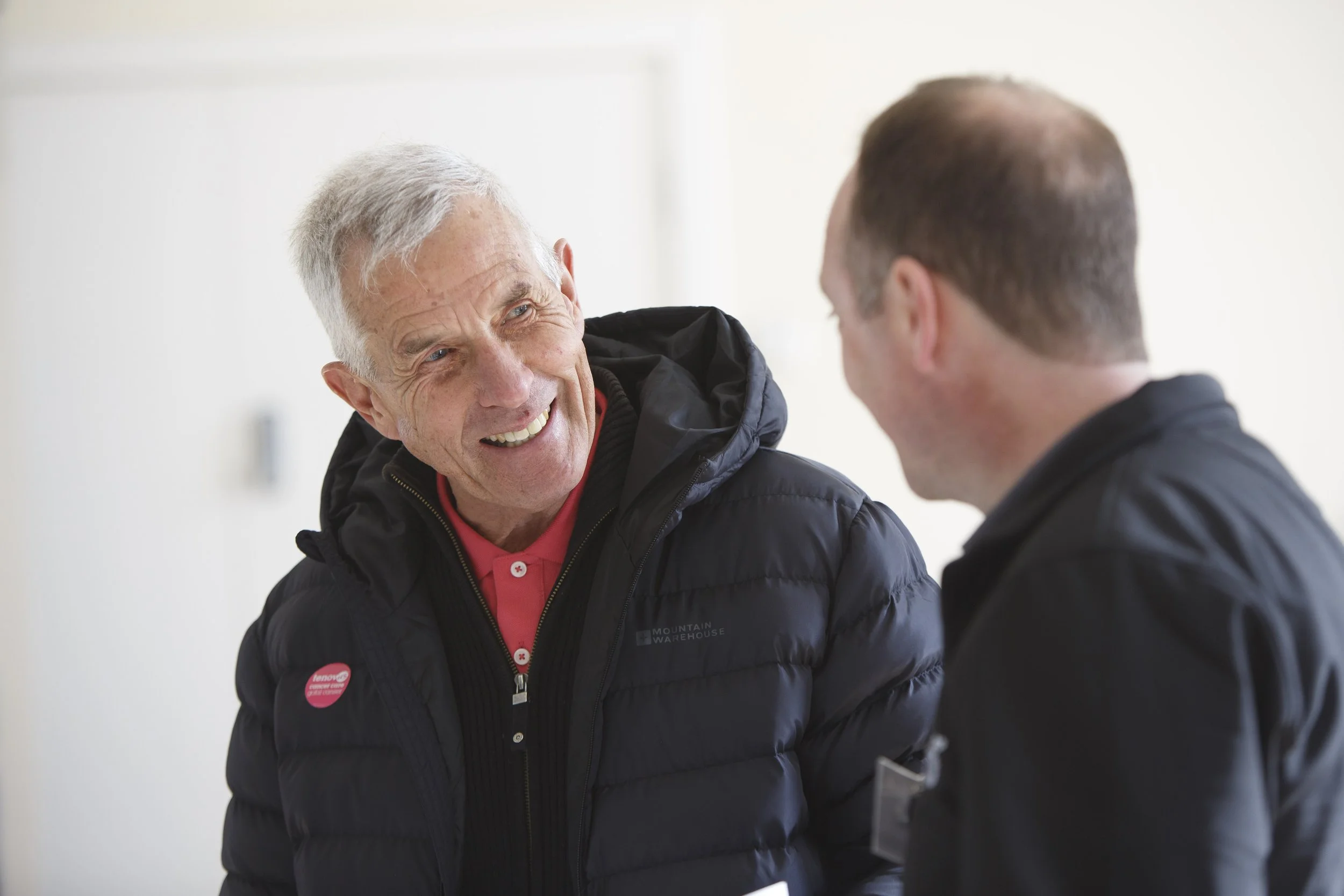
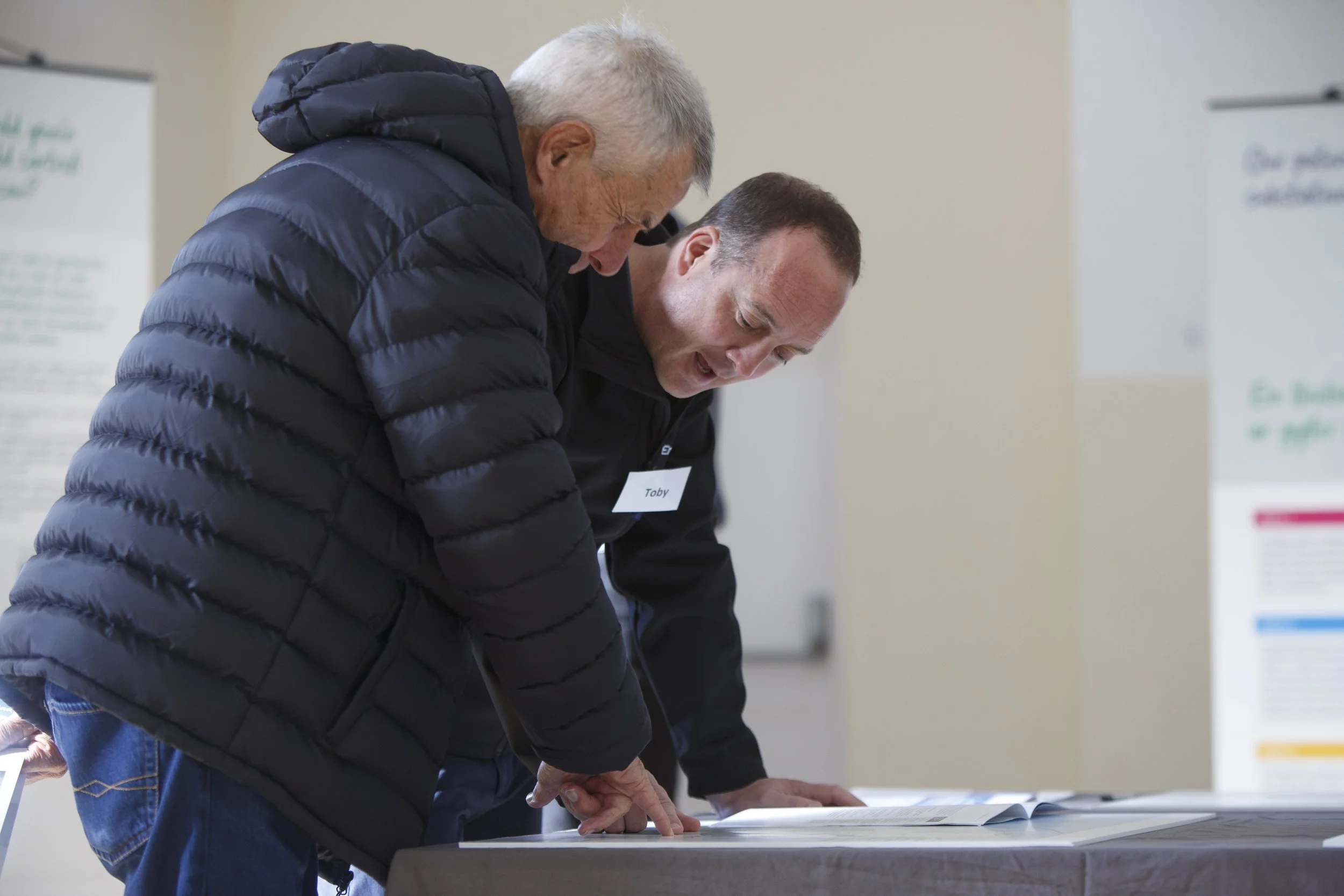
I worked with BP to photograph a consultation event at Bodelwyddan Village Hall that helped explain to residents of the area the changes that would be brought about by the development of two new wind farms off the North Wales coast. The Mona and Morgan windfarms will be two of the largest offshore windfarms in the Irish Sea.
I worked with BP to photograph a consultation event at Bodelwyddan Village Hall that helped explain to residents of the area the changes that would be brought about by the development of two new wind farms off the North Wales coast. The Mona and Morgan windfarms will be two of the largest offshore windfarms in the Irish Sea.

The wind farms will be located approximately 20km - 30km from the coast and be operational by 2029. Together, they will form one of the largest wind farms in the world, with a combined potential generating capacity of 3 gigawatts (GW). This is enough to power the equivalent of approximately 3.4 million UK households with clean electricity.

The development of the Mona and Morgan windfarms represents a significant achievement in the UK's transition towards renewable energy, and highlights the potential of offshore wind to play a key role in meeting the country's energy needs in a sustainable way.



Photographing for Art Fund at the Bronte Museum
Art Fund is a UK-based charity that aims to help museums and galleries to acquire and display works of art. The charity was established in 1903 and has since supported hundreds of museums and galleries across the country, helping to enhance their collections and make art more accessible to the public.
Art Fund is a UK-based charity that aims to help museums and galleries to acquire and display works of art. The charity was established in 1903 and has since supported hundreds of museums and galleries across the country, helping to enhance their collections and make art more accessible to the public.
One of the most notable initiatives of Art Fund is the National Art Pass, which provides free entry or discounted admission to over 240 museums and galleries across the UK, as well as other benefits such as exclusive events and discounts at art-related shops and restaurants.
Meet Me at the Museum is a podcast series published by Art Fund where famous faces take their best mate, their mum, their neighbour (whoever they want) for an afternoon at a favourite museum or gallery. As well as getting a peek behind the scenes, seeing what makes a museum tick, it's also the starting point for some great conversations about life, the universe and everything. As well as a chance to eat lots of cake in the cafe.

During the production of this episode, I photographed writer Amy Liptrot, author of The Outrun and The Instant, as she took her friend, poet Zaffar Kunial, to the Brontë Parsonage Museum in Haworth, West Yorkshire. Together they explore the former home of the Brontë sisters – Charlotte, Emily and Anne – and see where some of their most famous novels were written. From the dining table where the sisters shared their work, to early reviews of Wuthering Heights, intimate objects and artefacts prompt conversations about Amy and Zaffar’s own inspirations as writers. And, after exploring the house and museum, they head out into the landscape and discover a poem in the wild.


The Bronte Museum, located in the picturesque village of Haworth in West Yorkshire, England, is a must-visit destination for literature lovers and fans of the Bronte sisters. The museum is dedicated to the lives and works of the Bronte family, particularly the three sisters - Charlotte, Emily, and Anne - who wrote some of the most celebrated novels of the 19th century, including "Jane Eyre", "Wuthering Heights", and "The Tenant of Wildfell Hall".

The museum is housed in the former home of the Bronte family, which has been carefully preserved to provide visitors with an authentic glimpse into the lives of the famous siblings. The museum contains an extensive collection of Bronte memorabilia, including original manuscripts, letters, personal belongings, and artworks. Visitors can explore the various rooms of the museum, including the dining room, drawing room, and bedrooms, which have been furnished to recreate the atmosphere of the Bronte family home.



European Geophysical Services
Photographs for the new website of European Geophysical Services photographed by Manchester photographer David Oates.
European Geophysical Services established in 1994, are a leading borehole geophysical logging and video surveying company providing a large range of measurements and services to the water, environmental, mining and geotechnical industries.

Commissions for HTP Digital always take me to interesting locations, none more so than this recent shoot to capture images for the new website of European Geophysical Services.
Established in 1994, EGS are a leading borehole geophysical logging and video surveying company providing a large range of measurements and services to the water, environmental, mining and geotechnical industries.
I visited on a calibration day, a rare event when all of the vehicles and equipment return to their home base in Shropshire for testing, inspection, recalibration, cleaning and repair. A few weeks later I joined a the engineers on a site visit, inspecting underground aqueducts for blockages, contamination and physical condition. As a former Physicist and Measurement Engineer, it was fascinating to learn about the techniques and methods by which these investigations are carried out, despite the first two hours being photographed in a torrential downpour!
Travelling the country to often remote, inhospitable climes, off roading in modified Land Rovers to get there and doing science in the great outdoors. There are worse ways to make a living.


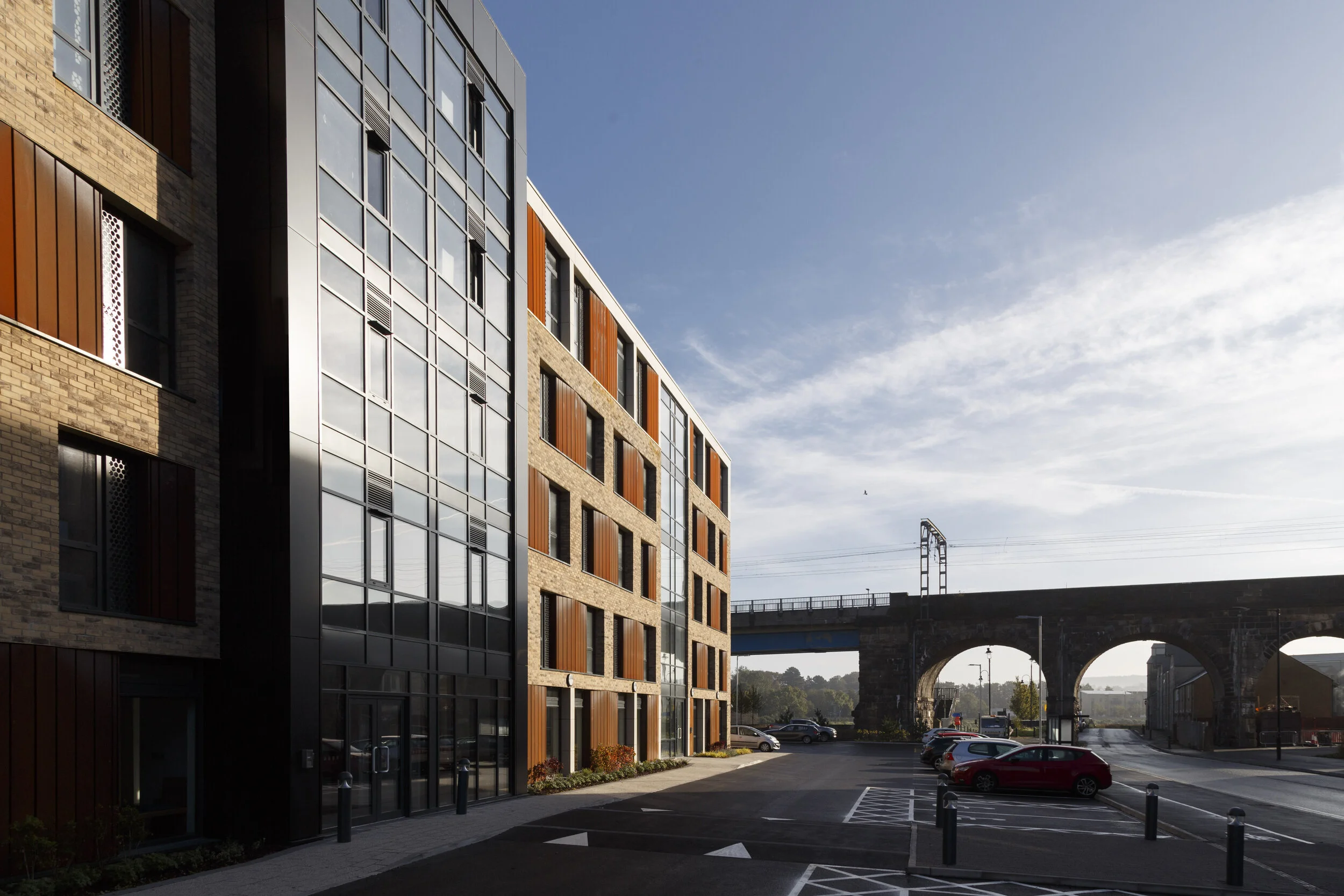
Luneside for U+I
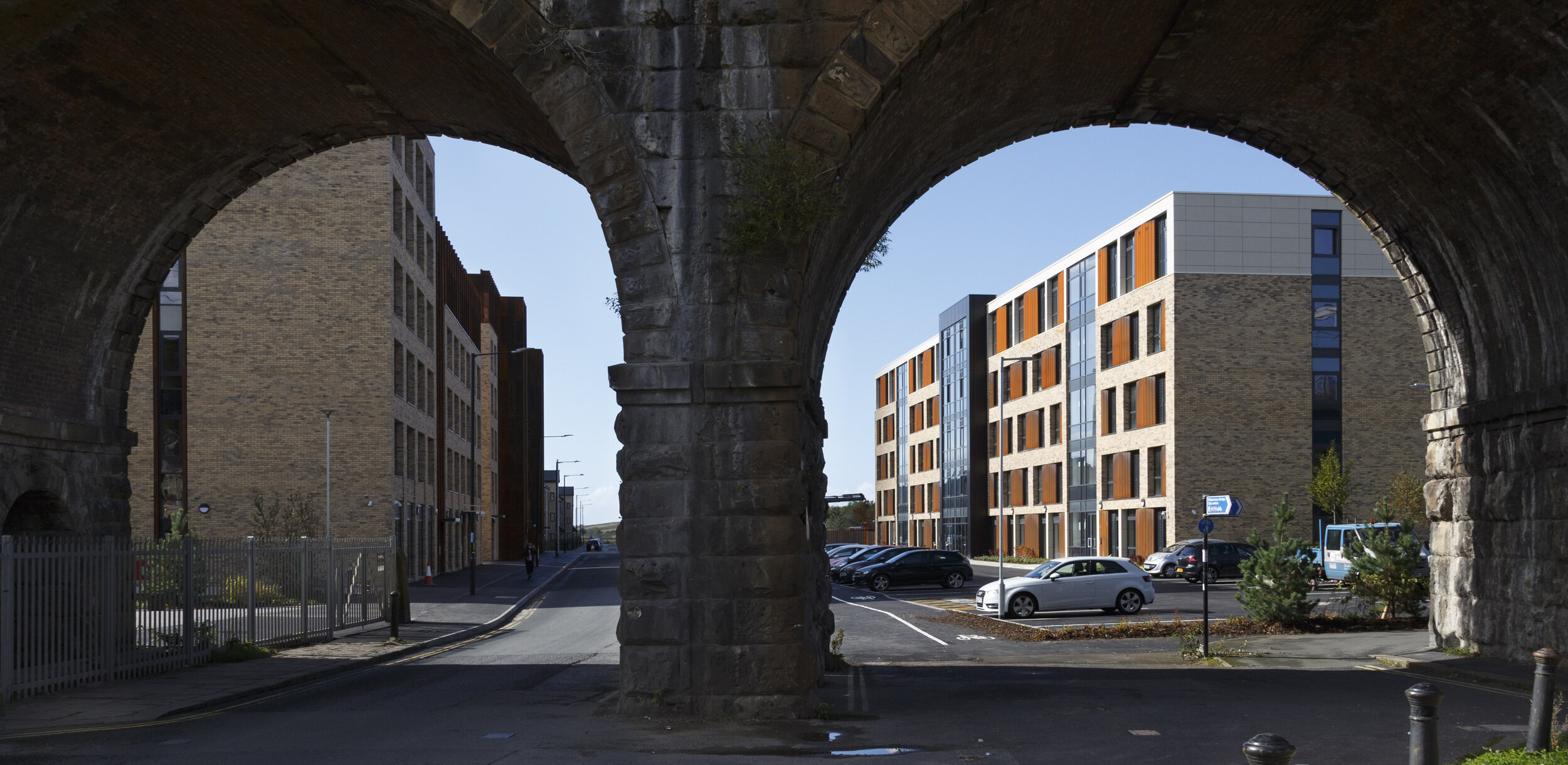
It was a real pleasure to work for Just H architects again, this time on their latest project for developers U+I.
Photographing their Luneside student accommodation a few weeks ago was helped along by some gorgeous unseasonal weather and the presence of the beautiful River Lune.

It was a real pleasure to work for Just H architects again, this time on their latest project for developers U+I.
Photographing their Luneside student accommodation a few weeks ago was helped along by some gorgeous unseasonal weather and the presence of the beautiful River Lune.
You can find Just H at just-h-architects.co.uk
and more about U+I can be found at uandiplc.com




Phoenix Healthcare distribution for Fagan Jones
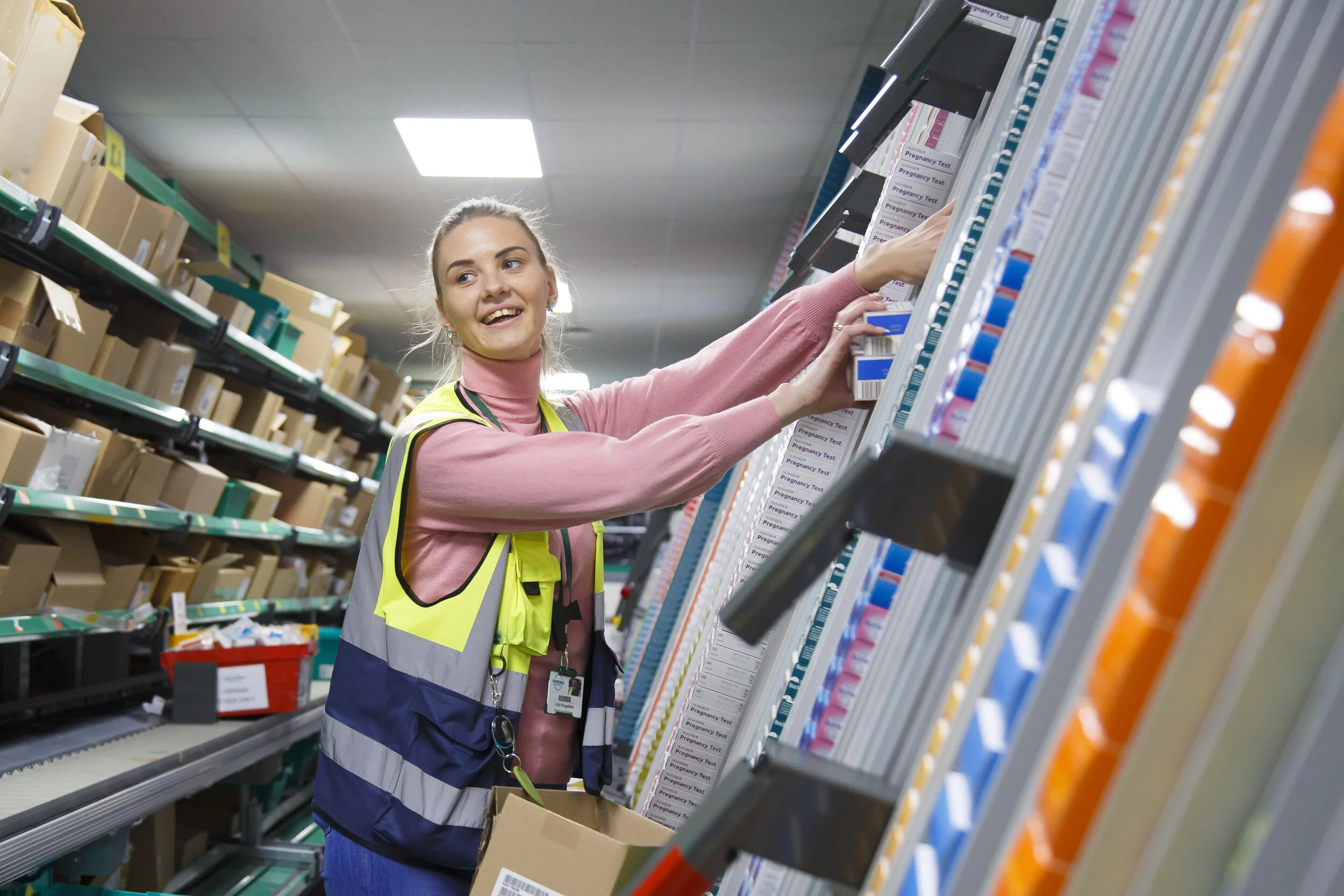
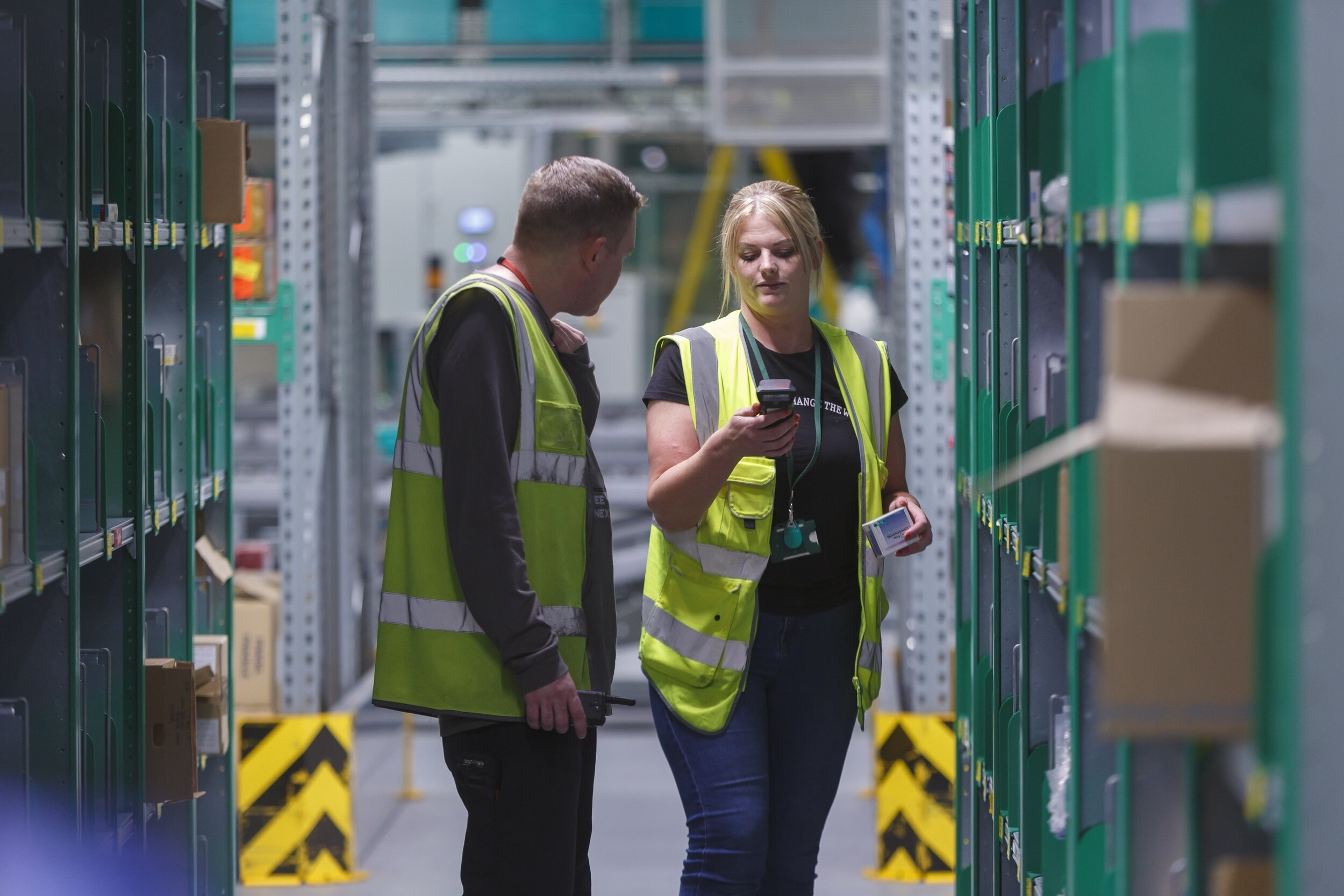
A shoot documenting the high technology pharmaceutical facility in Preston Brook commissioned by the wonderful Vicky at film production company Fagan Jones. I was once again shooting stills alongside the exceptionally talented film cameraman Dan Lightening.
Miles and miles of robotised, computerised conveyors pick, sort and pack drugs for distribution to pharmacies around the country.
An enjoyable and very busy day that reminded me that running shoes are required equipment for photography professionals.

Pharmaceutical Facility Photography in Preston Brook | Automated Drug Distribution and Logistics
I was commissioned to photograph a high-technology pharmaceutical distribution facility in Preston Brook on behalf of the film production company Fagan Jones. The shoot was organised by producer Vicky at Fagan Jones, and I was working alongside the exceptionally talented cinematographer Dan Lightening, who was filming moving footage for the same project.

My role on the day was to create a set of still photographs documenting the scale, infrastructure and day-to-day operations of the site. These images would complement the film production while also providing a visual record of the facility for marketing, communications and corporate use.

Inside a High-Technology Pharmaceutical Logistics Facility
The distribution centre in Preston Brook is an impressive example of the level of automation now present in modern pharmaceutical logistics. Within the facility, miles of robotised and computer-controlled conveyor systems move medicines through a carefully designed network of routes. These automated systems pick, sort and pack drugs before they are dispatched to pharmacies across the UK.

From a photographic perspective the site offered a remarkable environment to document. Long corridors of conveyors run through the building, with automated picking machines selecting products at speed before they are routed through packing stations. Containers glide through the system in a constant flow, guided by computerised logistics software that ensures the correct medication reaches the correct destination.
Facilities like this are essential parts of the national healthcare supply chain. The efficiency and reliability of the logistics systems ensure that pharmacies and healthcare providers receive the medicines they need quickly and accurately. Photographing such environments provides a glimpse into the highly organised infrastructure that underpins pharmaceutical distribution.

Photographing Automation, Robotics and Industrial Systems
Industrial photography in environments like this requires a combination of wide architectural views and detailed documentary images. Wide photographs show the scale of the operation, with long lines of conveyors stretching across large warehouse spaces. These images help communicate the sheer size of the facility and the complexity of the logistics network.

At the same time, close-up photographs reveal the precision of the machinery involved. Sensors, scanners and robotic arms guide containers along the system, while packing stations assemble shipments ready for distribution. Capturing these smaller details helps explain the process visually, showing how individual components of the system work together to form a seamless operation.

Lighting conditions in large industrial buildings can also present interesting challenges. High ceilings, mixed light sources and moving machinery require careful attention to exposure and timing in order to produce clear and dynamic images.

Stills Photography Alongside a Film Production
One of the most enjoyable aspects of the commission was working alongside a film crew. While Dan Lightening focused on capturing cinematic footage of the logistics process, my role was to produce still images that documented the same environment from a complementary perspective.

Working in parallel with a film crew requires a degree of coordination. Film productions often involve lighting setups, rehearsed camera movements and multiple takes, whereas still photography typically requires more mobility in order to capture spontaneous moments. The aim is always to work collaboratively so that both the stills and the moving images can be produced efficiently without interrupting the workflow of the facility itself.

Photographs created during these types of productions are often used in a wide range of contexts, including websites, press releases, annual reports and promotional material. They provide organisations with a visual record of the project that can be used long after the filming itself has been completed.

Documenting the Scale of Modern Logistics
Large automated facilities like the one at Preston Brook are fascinating places to photograph because they combine architecture, engineering and human expertise. Despite the high level of automation, the site is still supported by skilled staff who oversee the systems, monitor quality control and ensure that everything runs smoothly.

Capturing both the human and technological aspects of the environment helps create a more complete narrative of how the facility operates. Images of staff interacting with the machinery, monitoring computer systems or managing packaging operations provide context to the vast automated infrastructure surrounding them.

The visual rhythm of the conveyors, the repetition of containers moving through the system and the geometric lines of the machinery all contribute to a distinctive aesthetic that is unique to industrial and logistics photography.

A Fast-Moving Day on Location
Facilities of this scale are rarely static environments. Conveyors are constantly moving, robots are continuously sorting products, and staff are working across different areas of the building to keep operations running smoothly. For a photographer, this means covering a significant amount of ground in a limited amount of time in order to capture the full story of the site.

By the end of the day it was clear that running shoes should probably be considered essential equipment for photographers working in environments like this. Moving quickly between different areas of the facility, keeping pace with both the film crew and the production schedule, makes for a busy but very rewarding assignment.

Documenting the combination of advanced technology, logistics infrastructure and human expertise that keeps a pharmaceutical distribution centre operating is always fascinating. It also offers a reminder of the enormous systems working behind the scenes to ensure medicines reach pharmacies and patients across the country.

British Ecological Society Summer School
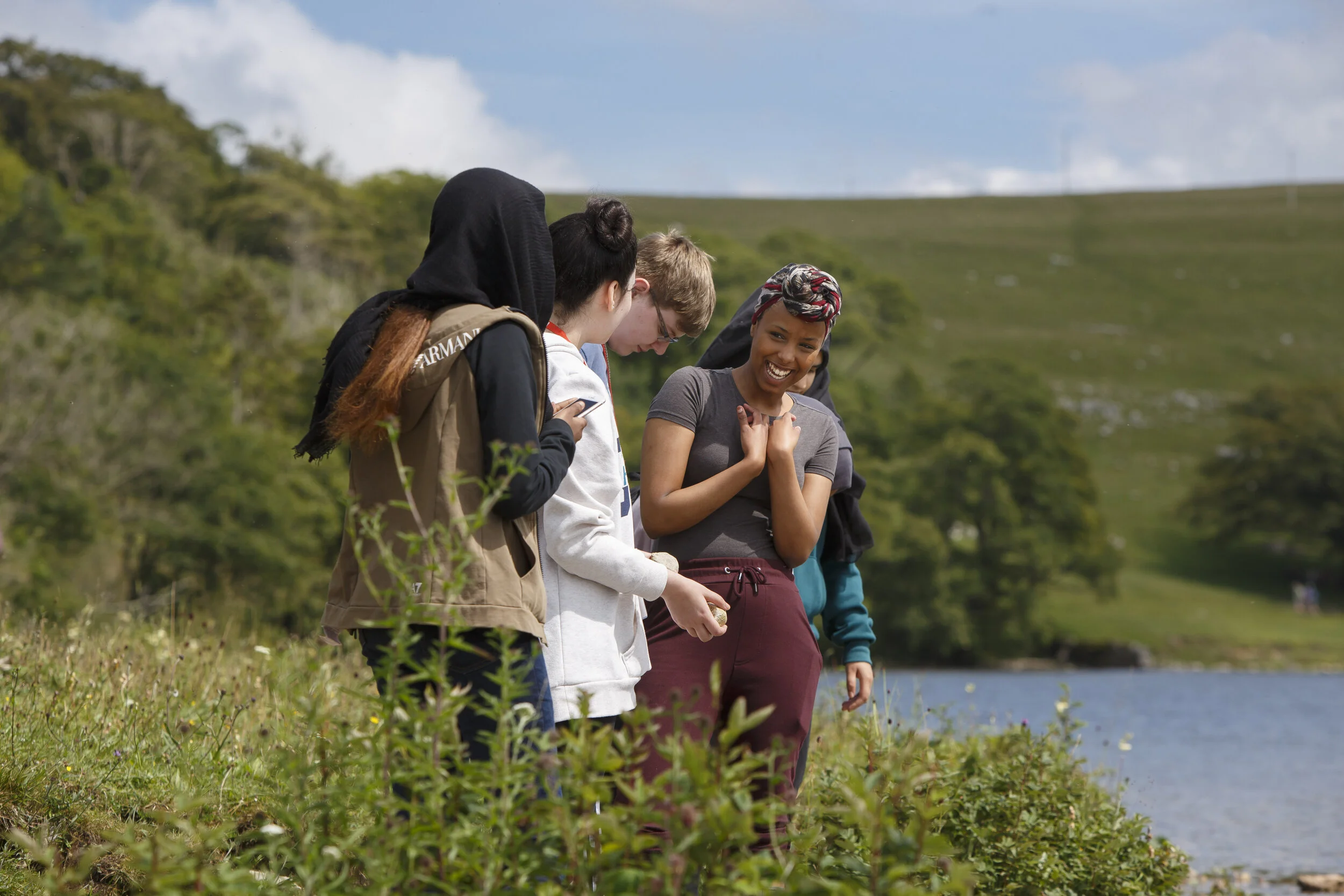
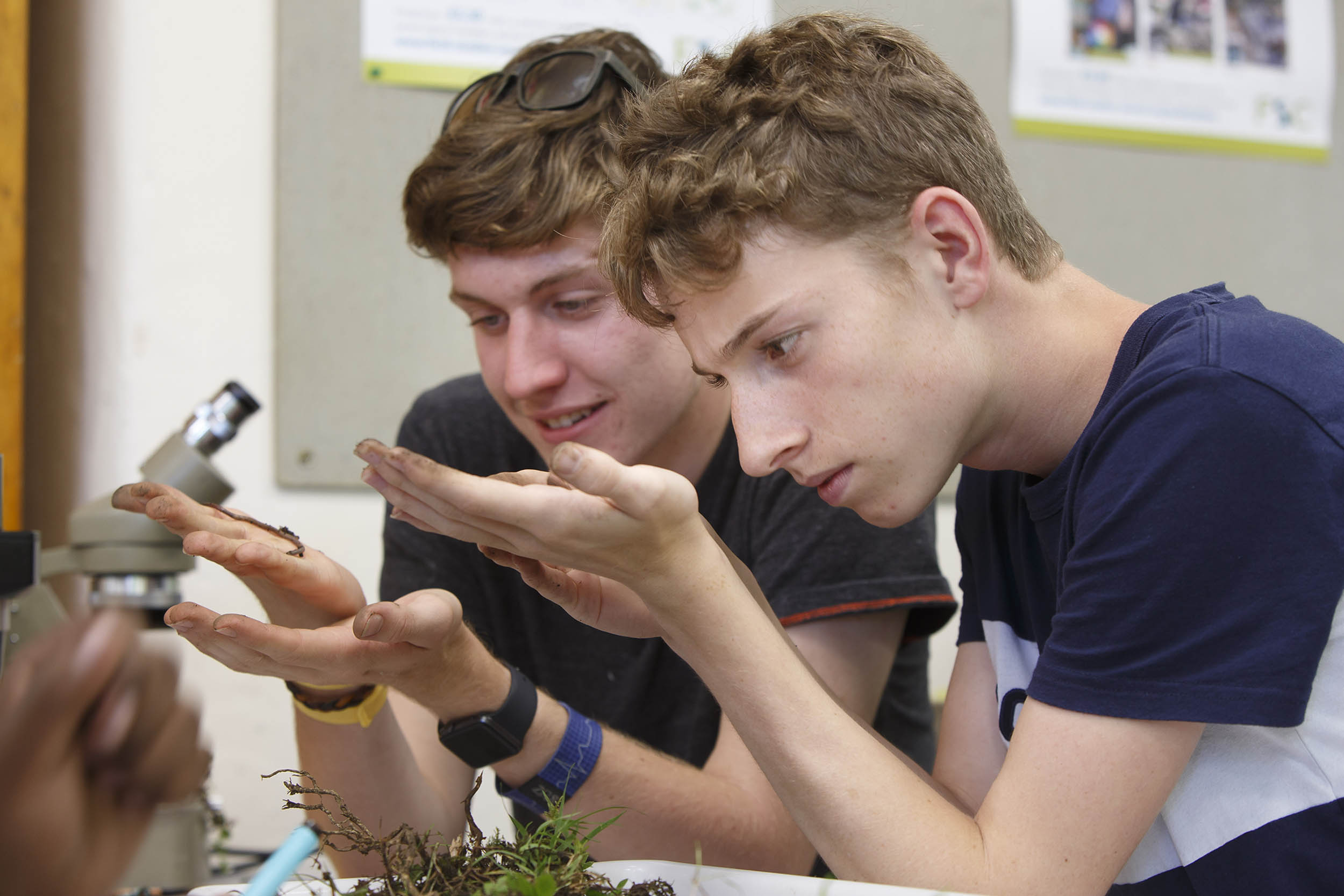
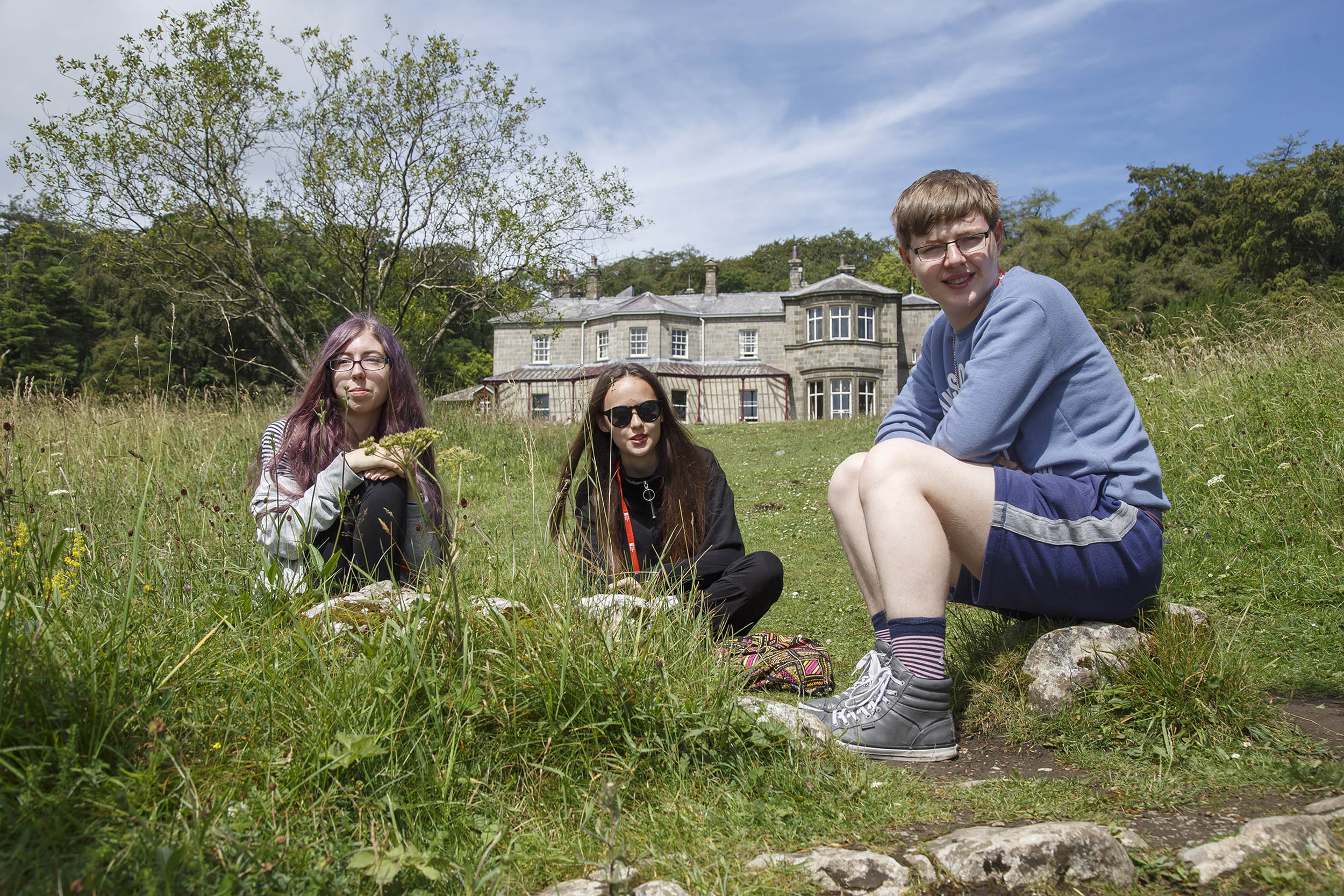
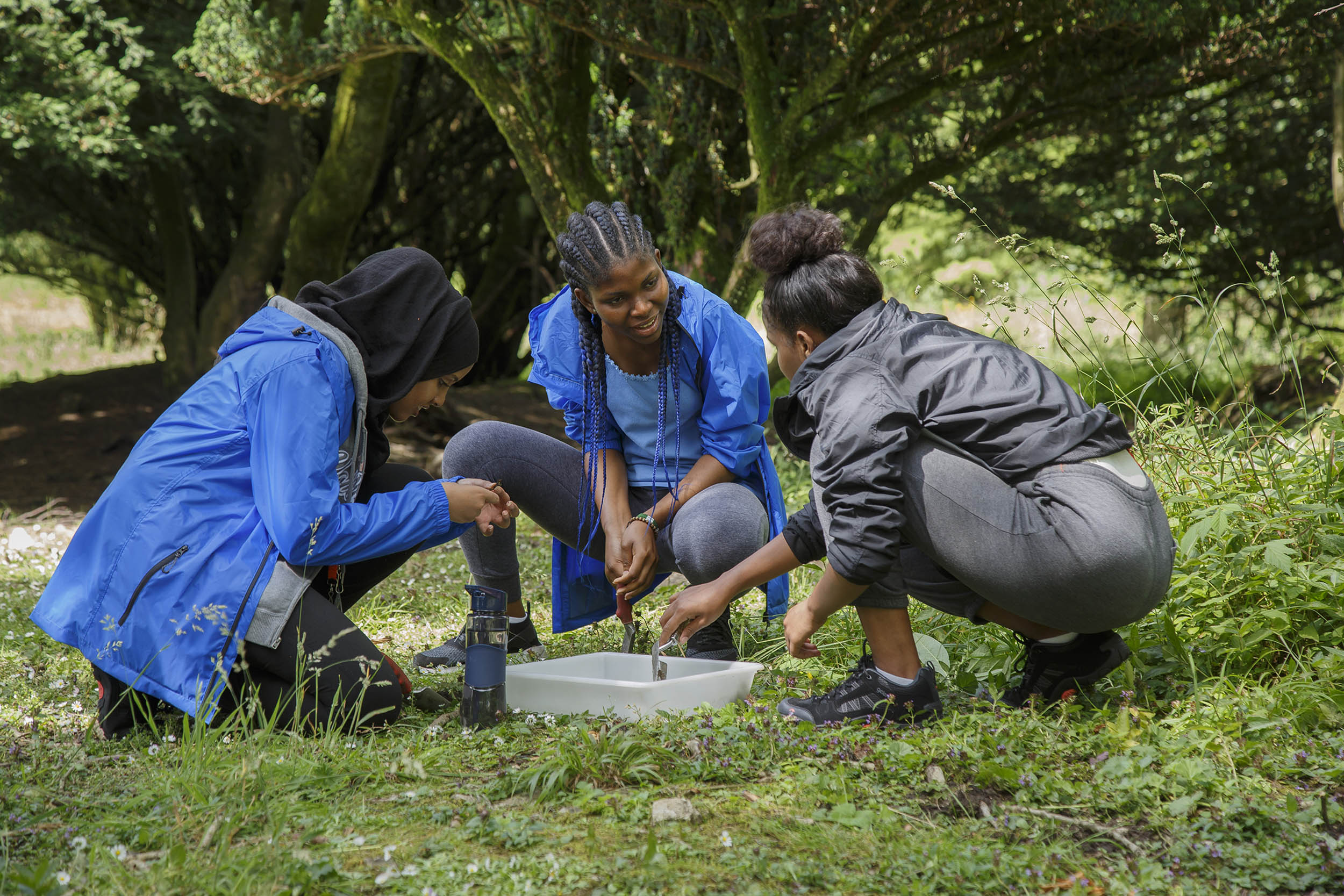
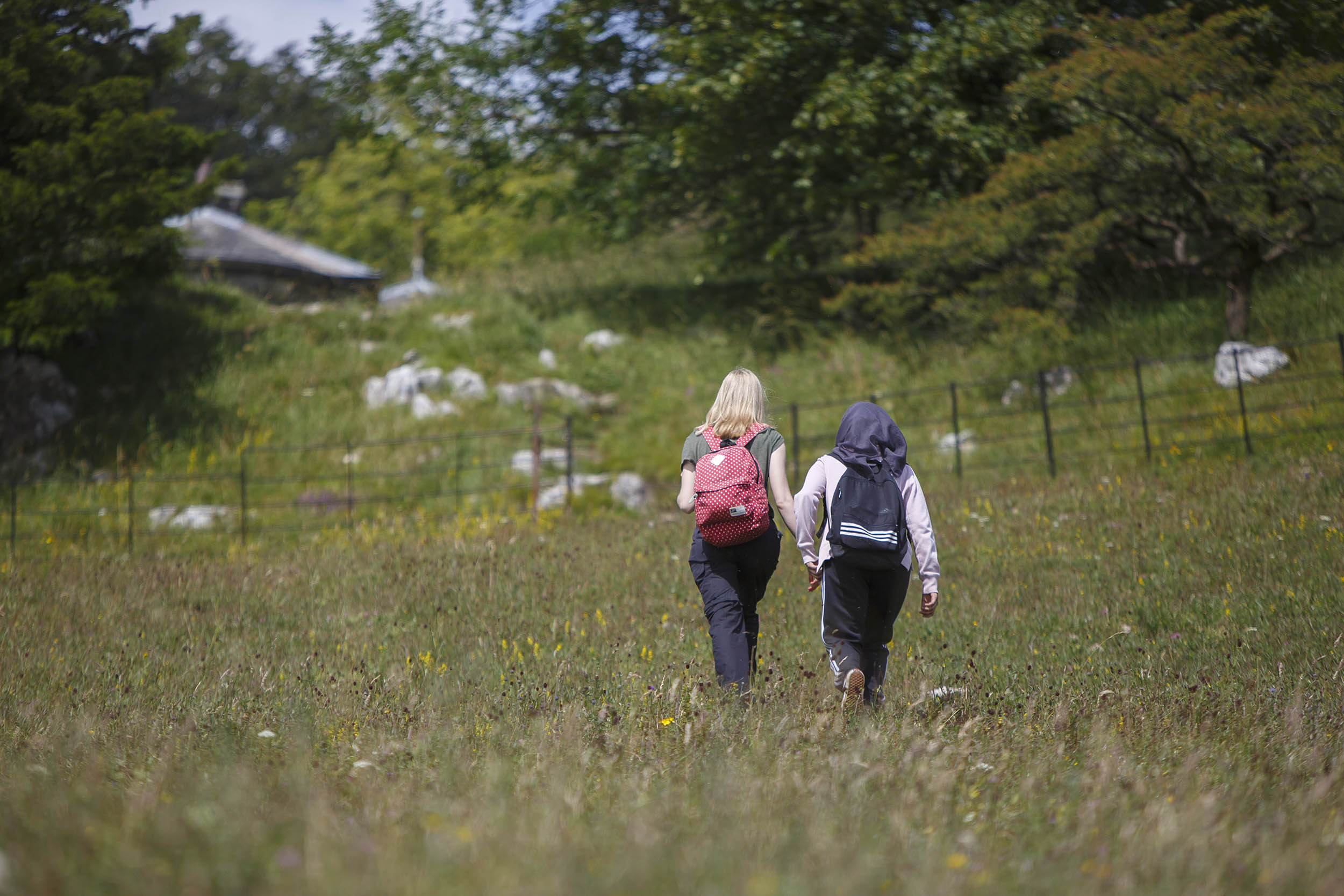
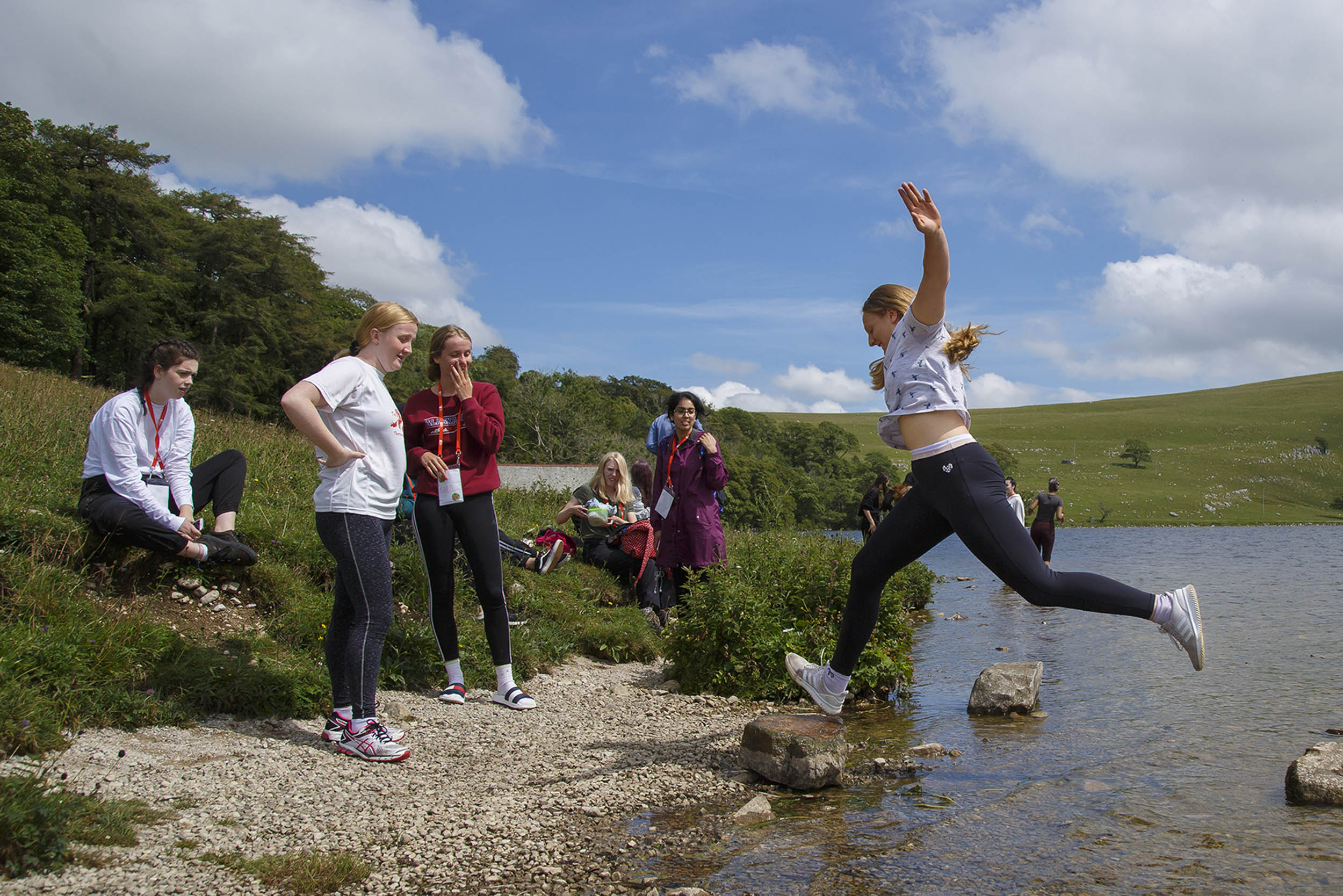
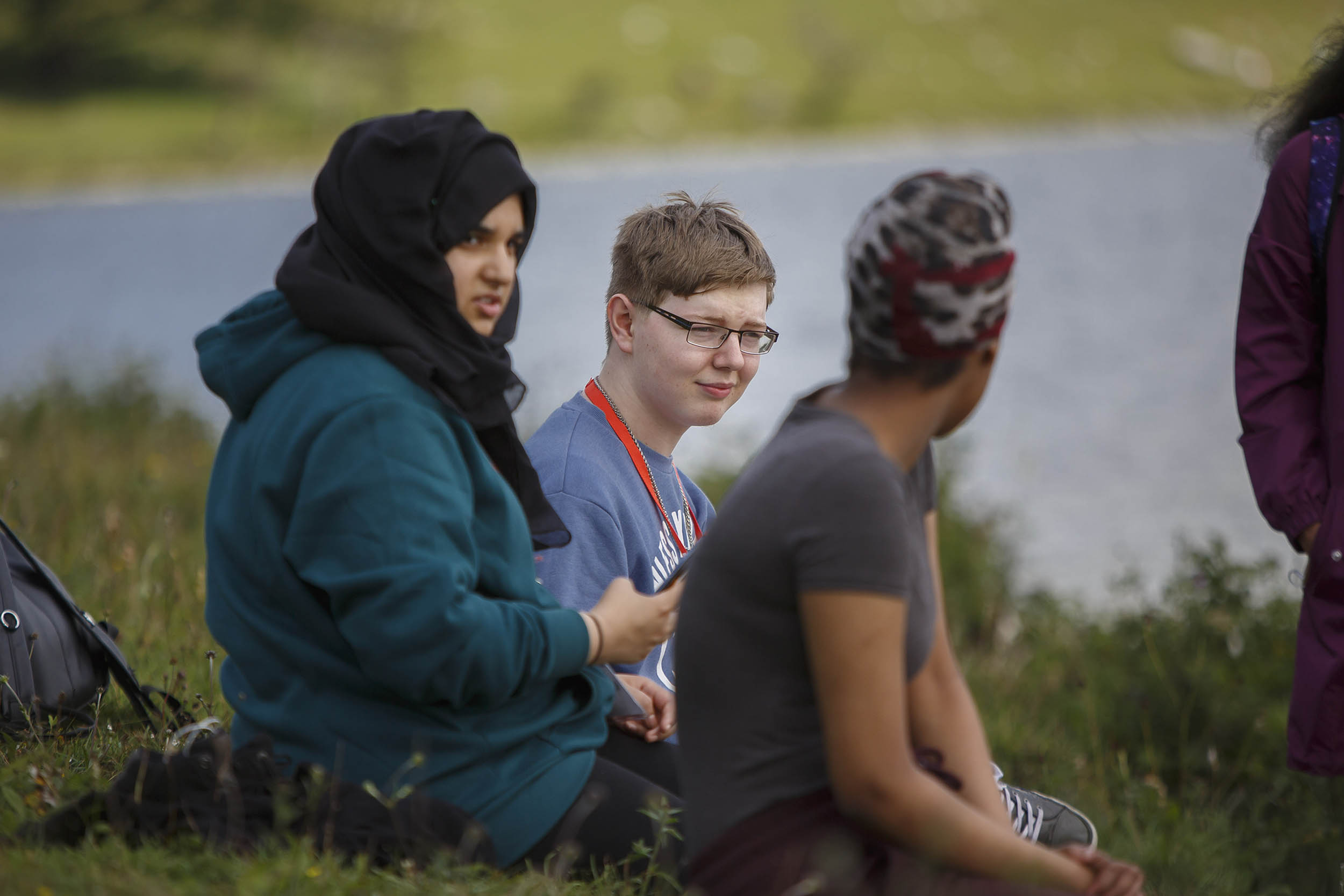
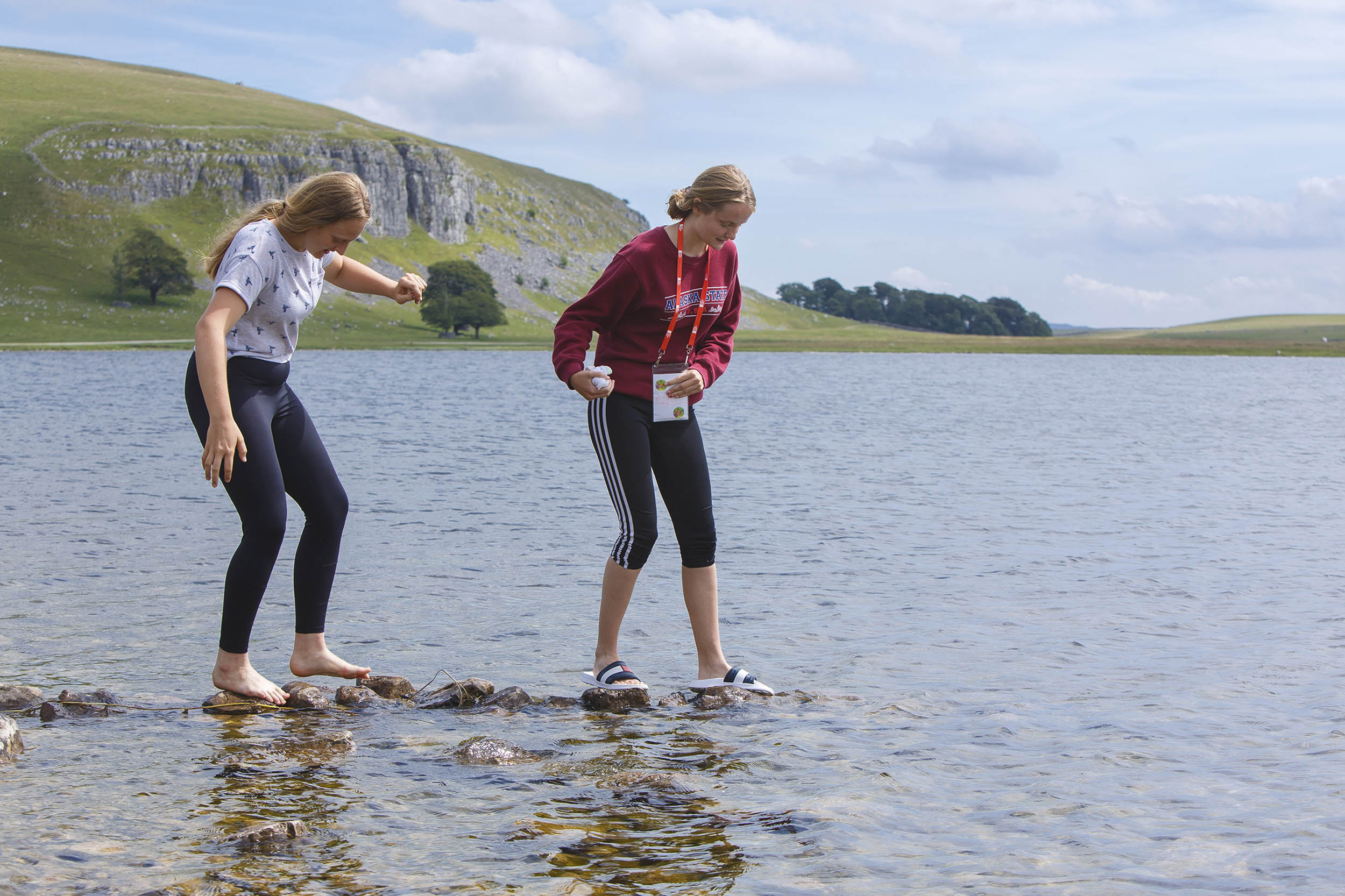
The British Ecological Society’s summer school is a week long residential field experience for students studying sciences at A-level, Scottish Higher and other similar qualifications. This year 31 students from 7 different schools across the UK gathered at Malham Tarn in the Yorkshire Dales. I was there as documentary photographer giving an overview of the day’s activities and providing marketing and social media material.
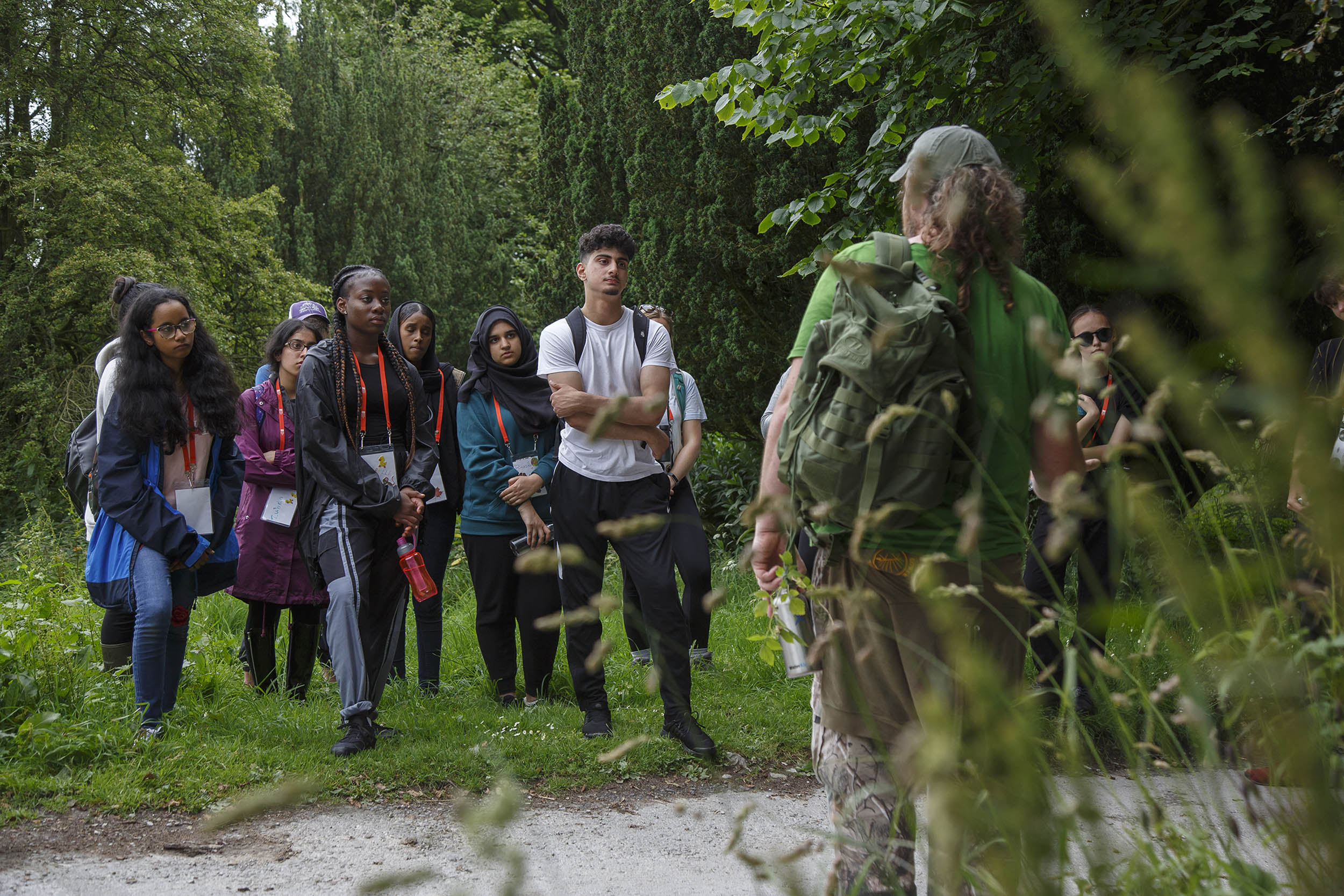
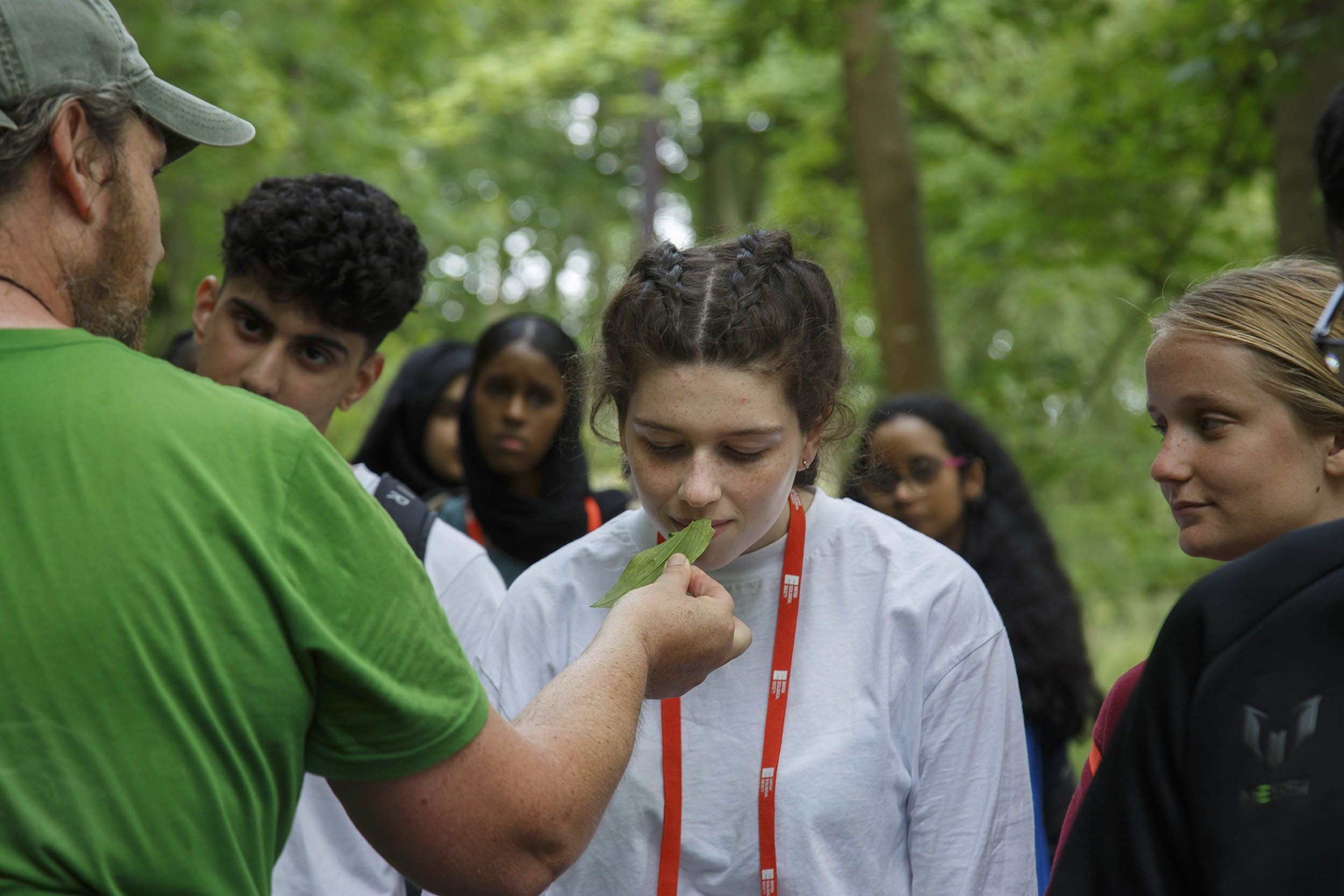
As ever, working for BES was extremely interesting, a personal highlight being the nature walk led by Dr. Daniel Forman, lecturer in Biosciences at Swansea University. I’d walked the same route as part of the Pennine Way last year but his fascinating insights into the ecology around us was illuminating.

Event Photography: British Ecological Society Summer School at Malham Tarn
I recently worked with the British Ecological Society (BES) as a documentary photographer during their annual summer school, a week-long residential field experience for students studying sciences at A-level, Scottish Higher, and equivalent qualifications. This year, 31 students from seven schools across the UK gathered at Malham Tarn in the Yorkshire Dales to explore ecology, fieldwork, and environmental science firsthand.
I photographed one day of the programme, providing an overview of the day’s activities while creating marketing and social media material for BES. The focus was on capturing students engaged in fieldwork, discussions, and outdoor learning, showing both the educational content and the immersive nature of the experience.
Documenting Fieldwork and Student Engagement
Even within a single day, there are many moments that illustrate the value of hands-on ecological learning. One highlight was the nature walk led by Dr. Daniel Forman, lecturer in Biosciences at Swansea University. Although I had walked the same route previously as part of the Pennine Way, Dr. Forman’s insights into the local ecology and species interactions offered students—and my photography—a new perspective on the landscape.
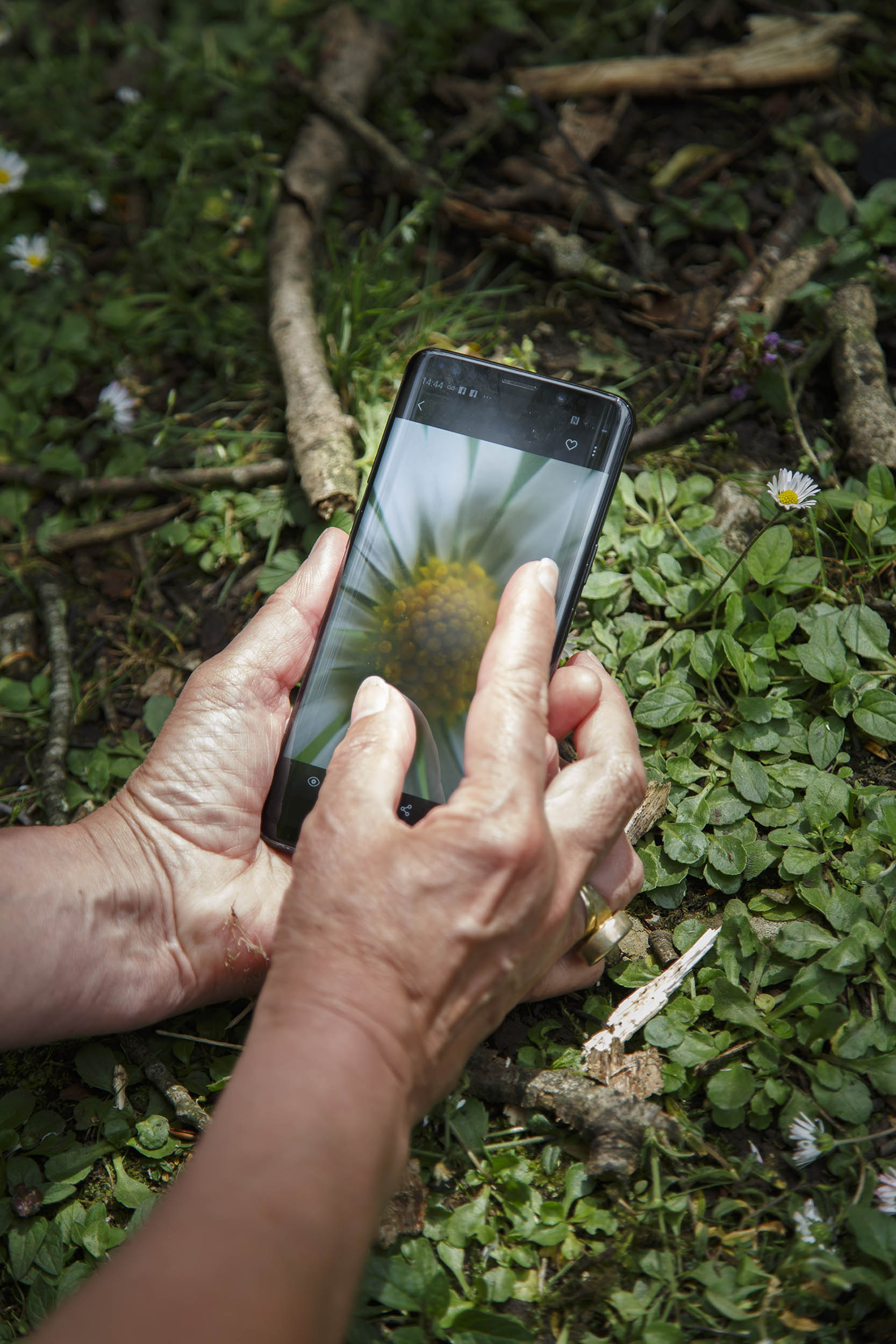
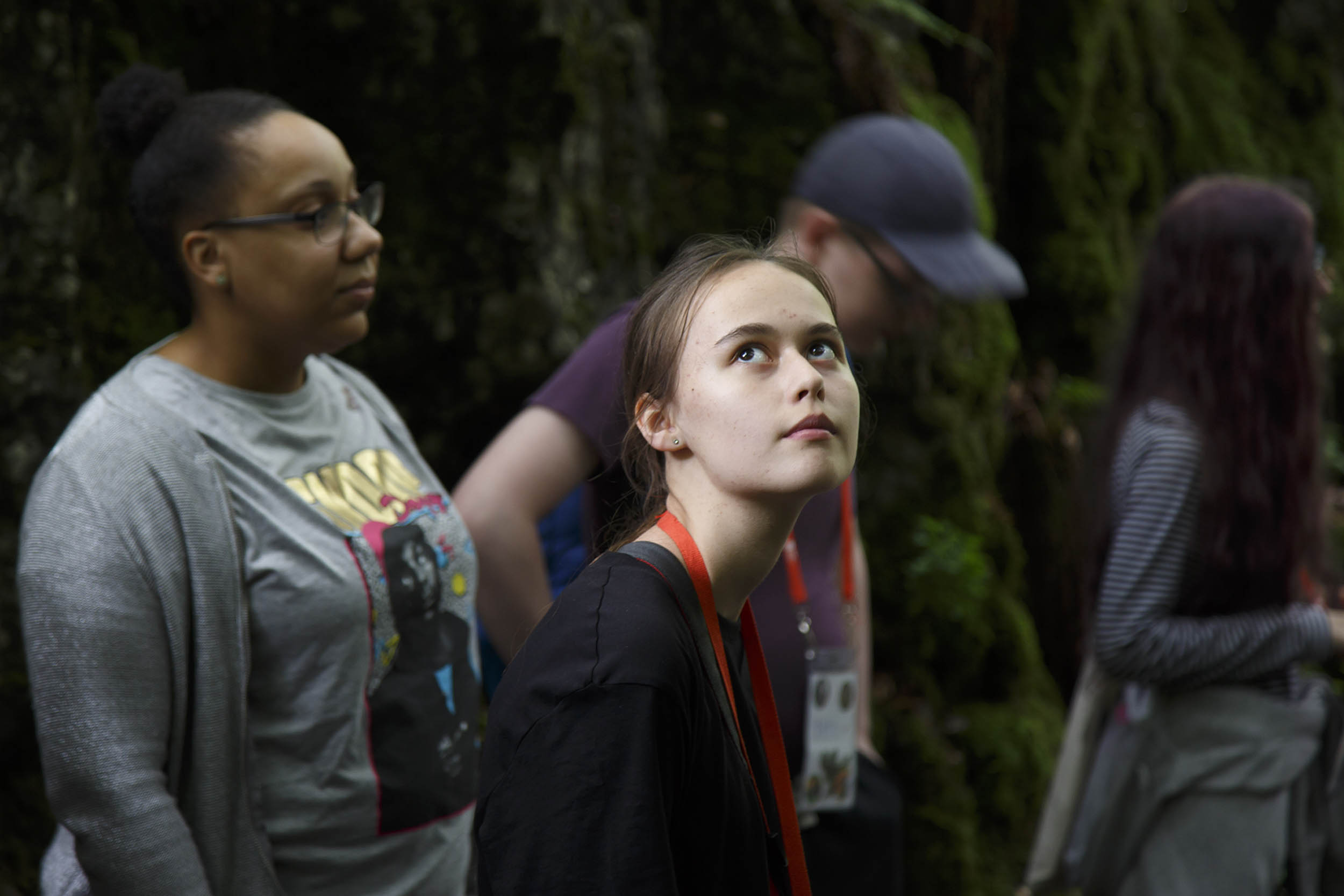
Photographs captured students observing habitats, taking notes, and interacting with instructors, emphasizing curiosity, engagement, and teamwork. These images help convey the hands-on learning experience to audiences who could not attend.


The Importance of Professional Photography for Educational Programmes
High-quality photography is essential for educational initiatives like the BES summer school. Images from even a single day:
Provide marketing material to promote future programmes
Document student engagement for internal review
Show the collaboration between students and instructors
Support social media, newsletters, and press coverage to demonstrate programme impact
Capturing these moments professionally ensures that BES can showcase both the learning outcomes and the immersive, field-based nature of the summer school.
Malham Tarn: A Unique Field Site
Malham Tarn in the Yorkshire Dales offers a diverse ecological setting, including wetlands, limestone landscapes, and surrounding habitats. Photographing students in this environment demonstrates how fieldwork brings theory to life and provides unique learning opportunities. Images from the day highlight the interaction between students, instructors, and the environment, which is central to BES’s mission.
Conclusion
Documenting one day of the British Ecological Society summer school allowed me to capture the energy, curiosity, and engagement of the students while providing BES with professional material for marketing, social media, and archival purposes. Working alongside expert instructors like Dr. Daniel Forman made the day both professionally and personally rewarding.
For more information about the British Ecological Society and their educational initiatives, visit britishecologicalsociety.org.