Latest Editorial, Portrait & Commercial Photography Projects
A selection of my most recent commissions and ongoing projects.
The work shown here spans editorial assignments, portrait commissions, documentary projects and commercial photography for organisations and publishers. It reflects current areas of focus and the range of contexts in which I am working.
New projects are added regularly.
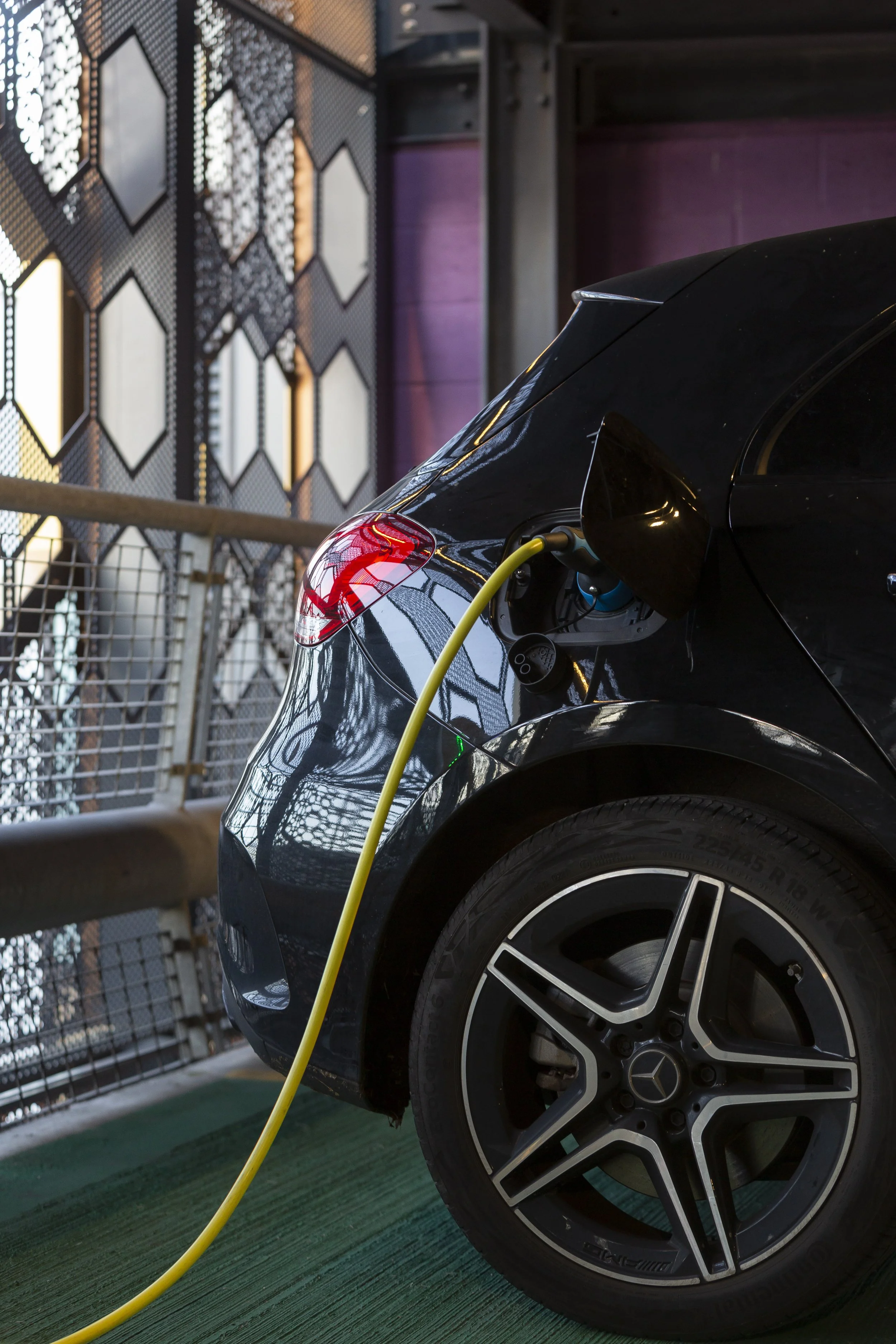
A Commercial photography commission for Transport for the North
I recently completed another commission for Transport for the North, focusing on the intersection of modern transportation infrastructure and sustainable mobility. The shoot took place in and around Warrington Bank Quay station on a cold, wintry day, providing a striking backdrop for capturing both railway and electric vehicle infrastructure.
I recently completed another commission for Transport for the North, focusing on the intersection of modern transportation infrastructure and sustainable mobility. The shoot took place in and around Warrington Bank Quay station on a cold, wintry day, providing a striking backdrop for capturing both railway and electric vehicle infrastructure.
As a professional photographer, I approached this project with the goal of documenting the full spectrum of travel and mobility, from railway tracks and station platforms to electric vehicle charging points and urban transport hubs. The result is a series of images that highlight how modern infrastructure supports people on the move, whether by train, car, or bicycle.
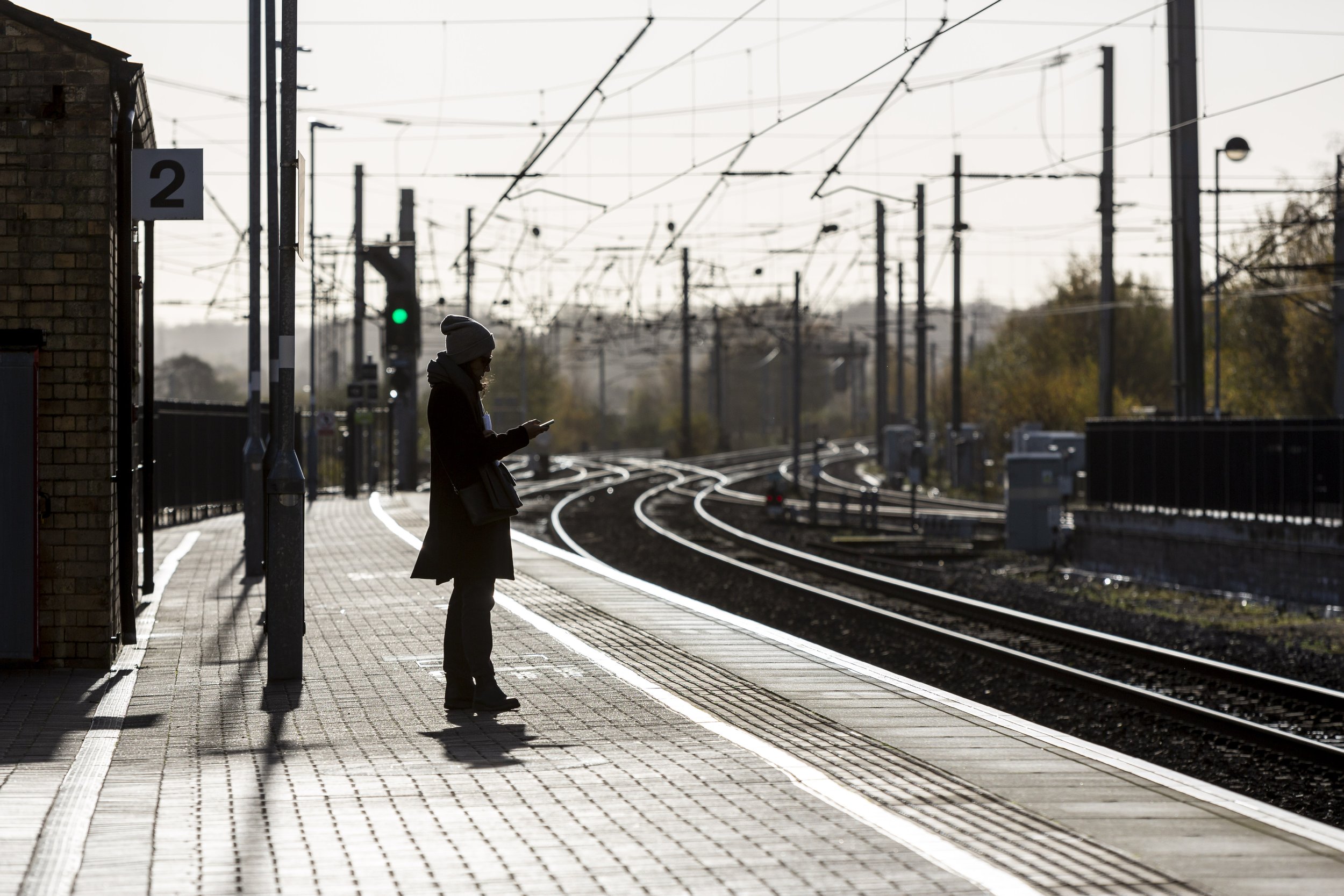
Photographing Railway Infrastructure at Warrington Bank Quay
Warrington Bank Quay station offered the perfect environment for railway photography. I captured expansive shots of the tracks, including the overhead equipment, signalling systems, and the intricate details of railway infrastructure. The wintry weather added texture and atmosphere, enhancing both wide-angle shots and detailed close-ups.

One of the highlights of the shoot was documenting people on station platforms. Photographing commuters and travellers in motion allowed me to combine the technical aspects of railway infrastructure with the human stories that give these spaces life. The balance between people and machinery emphasizes the dynamic nature of modern rail travel and creates compelling visual narratives for photography portfolios.

Capturing Electric Vehicle Charging and Sustainable Mobility
A significant focus of the commission was electric vehicle infrastructure. I photographed people charging electric cars in a variety of settings, including outdoor charging points and inside a multi-storey car park. Capturing the signage for charging points, as well as the interaction between people and technology, helped highlight the practical and user-focused aspects of sustainable transport.
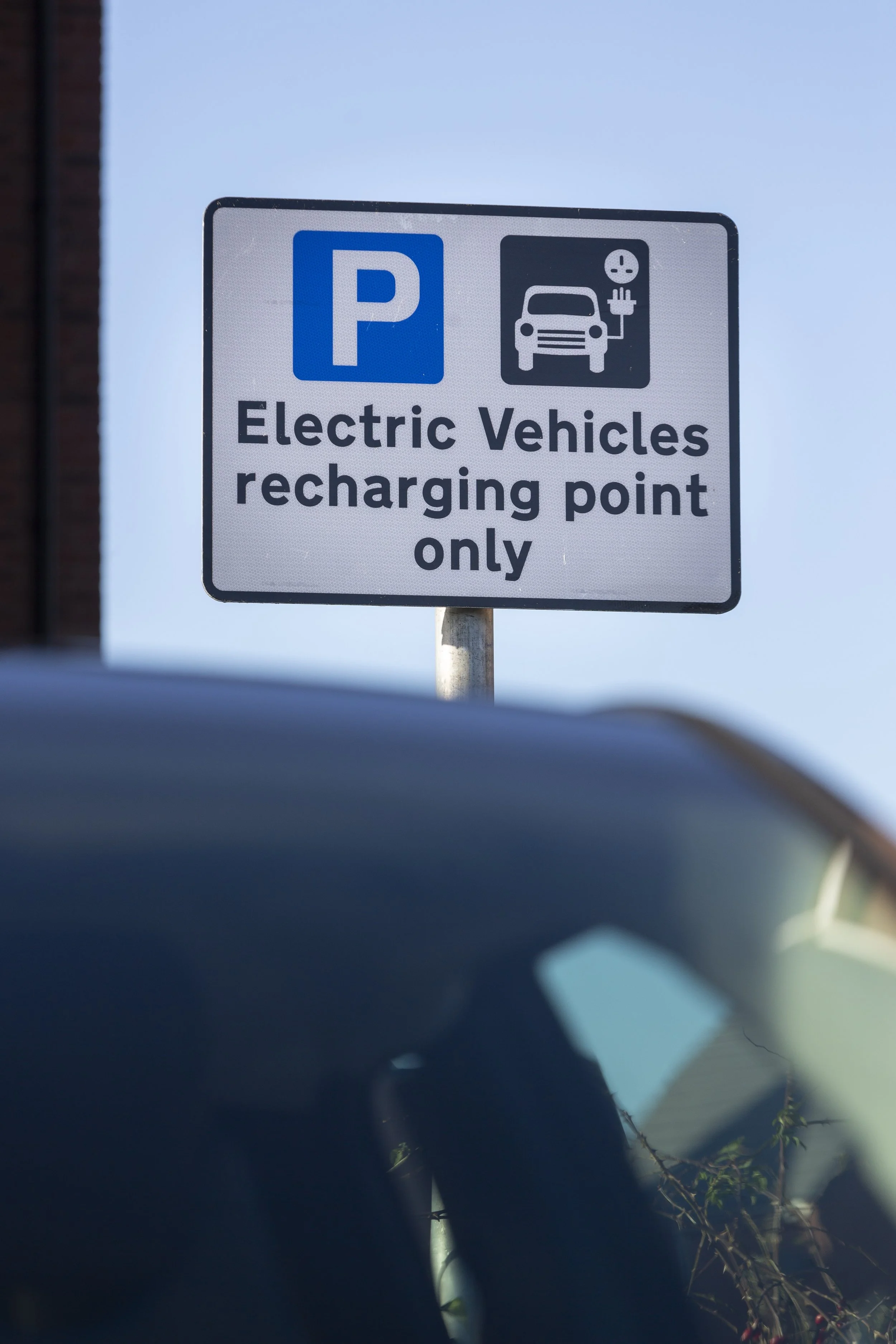
In addition to electric cars, I documented cyclists and people recharging electric vehicles, emphasizing the broader picture of environmentally conscious travel. These images illustrate how modern transport networks accommodate multiple modes of mobility, from trains to electric vehicles and bicycles, making them highly relevant for transport-focused photography projects.

Integrating Aviation and Urban Context
While the primary focus was rail and electric vehicle infrastructure, the location provided opportunities for capturing more of the surrounding transport ecosystem. I managed to include a couple of aeroplanes in the sky above Warrington, adding an extra dimension to the story of regional connectivity. Including air travel alongside rail and electric vehicle transport underscores the diversity and interconnectedness of modern transport systems, making these images particularly valuable for photography clients and portfolios.

Photography Approach and Techniques
Shooting in a cold, wintery environment posed certain challenges, but it also created striking visual contrasts and textures. I used natural light and ambient conditions to enhance the atmosphere, emphasizing the industrial aesthetic of railway tracks and the clean design of electric vehicle charging stations. Photographing people interacting with infrastructure—whether boarding trains, using charging points, or cycling—added scale and narrative to the images, making them more engaging for viewers and highly relevant for SEO-focused content about photography.

Every aspect of the shoot was designed to highlight not only the functionality of transport infrastructure but also the human experience. This approach ensures that the photographs are versatile, suitable for commercial, editorial, or promotional use, while maintaining a strong visual impact for photography portfolios.

Why This Commission Matters for Photography
Documenting modern transport infrastructure is a compelling subject for professional photographers. From capturing the engineering details of railway systems to the interaction between people and electric vehicle technology, these projects provide a rich variety of visual opportunities. This commission demonstrates how photography can tell the story of regional transport development, sustainability initiatives, and human engagement, all while producing images that are visually striking and technically precise.

For photographers looking to expand their portfolios, projects like this are invaluable. They allow exploration of urban environments, transportation networks, and technological innovation, all while practicing composition, timing, and storytelling.

Event Photography - Adidas and Versus at Manchester United
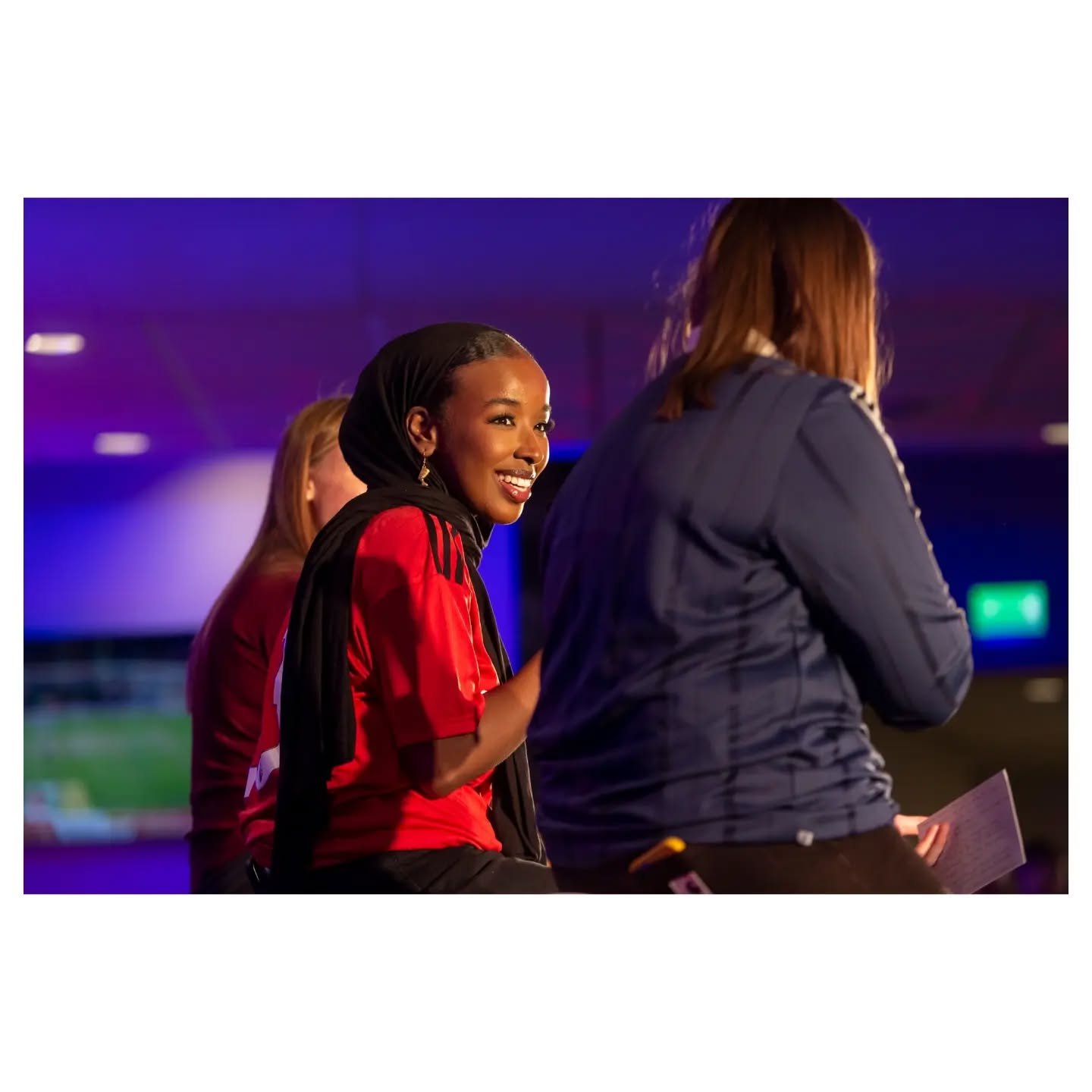
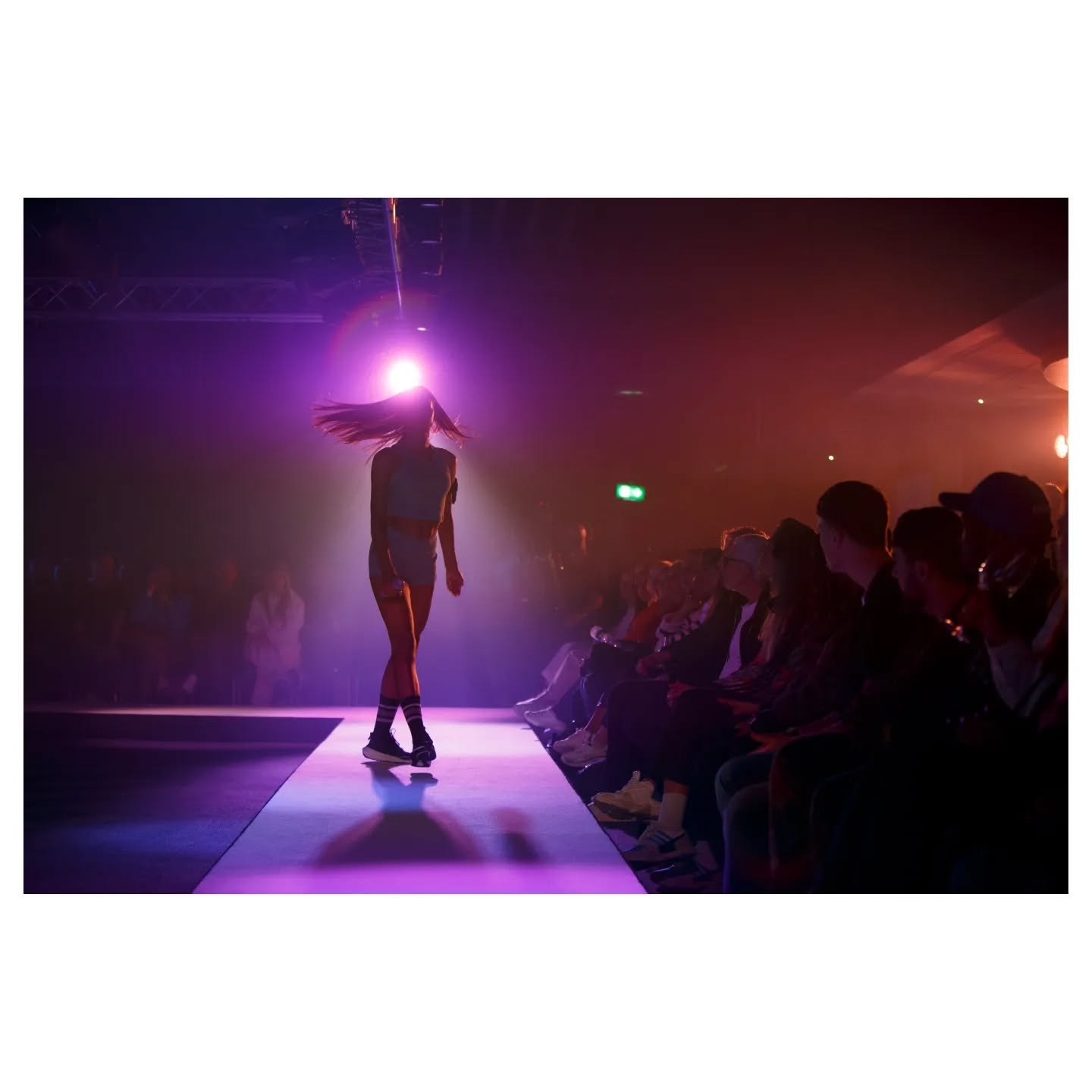
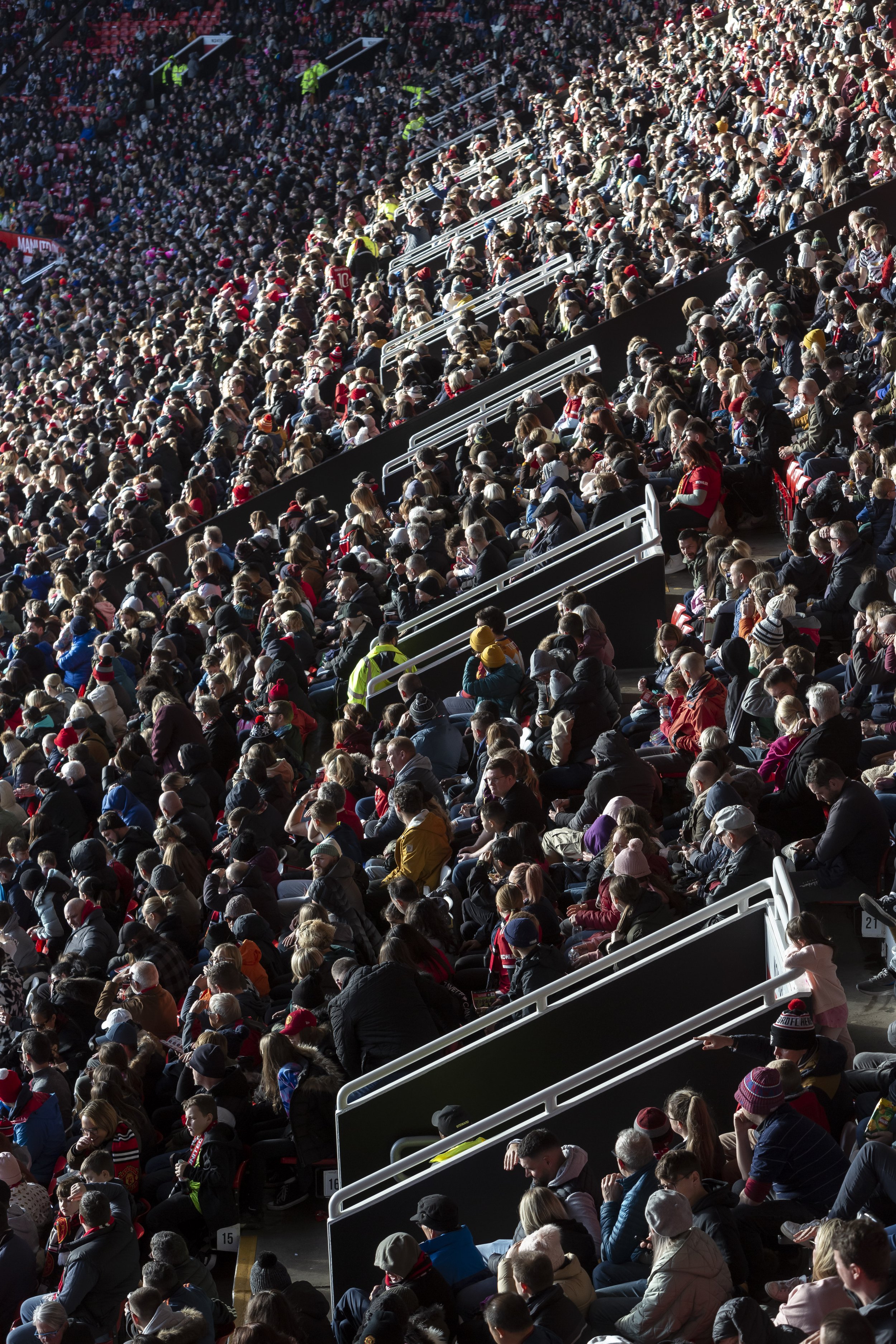
VERSUS is the platform championing the future of football and its rising influence on new music and culture. Adidas is well, Adidas. On commission for the wonderful TO Events, I photographed the launch of a collaboration between the two brands on the occasion of a games between Manchester United and Aston Villa’s women’s teams.
VERSUS is the platform championing the future of football and its rising influence on new music and culture. Adidas is well, Adidas. On commission for the wonderful TO Events, I photographed the launch of a collaboration between the two brands on the occasion of a games between Manchester United and Aston Villa’s women’s teams.




Langfields
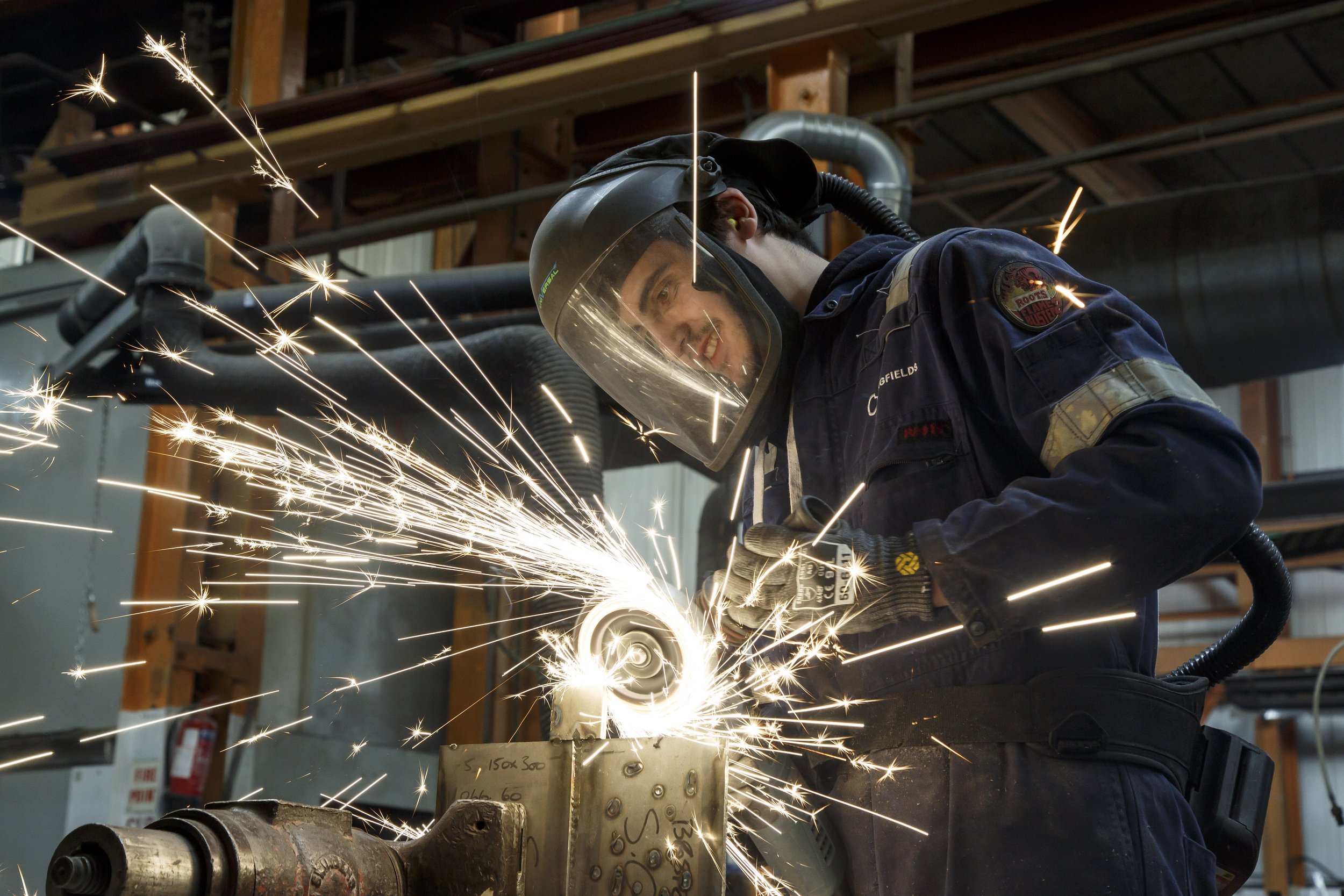
Langfields are specialist fabricators of process plant for the Pharmaceutical, Chemical, Offshore, Oil & Gas, Marine, Defence, Nuclear and other process industries. Based only one mile from Deansgate they demonstrate that there is still some manufacturing industry in the post-industrial city.
As a former engineer, I love visiting these places and finding out what’s being made and the techniques used.
The fabricators at Langfields receive giant 18mm Aluminium plates and within the space of only 20 metres, cut, bend and weld it into complex, water-jacketed vessels according to the exacting specifications of high tech industries.
Langfields Process Plant Fabrication Photography | Manchester Industrial Photography
I recently visited Langfields, specialist fabricators of process plant equipment for the pharmaceutical, chemical, offshore, oil and gas, marine, defence, and nuclear industries. Based just one mile from Deansgate in Manchester, Langfields demonstrates that advanced manufacturing continues to play an important role in the city’s economy and industrial heritage.

As a former engineer, visiting facilities like Langfields is particularly rewarding. Photographing industrial operations captures both the technical processes and the human skill involved in producing high-specification equipment.
Advanced Industrial Fabrication at Langfields
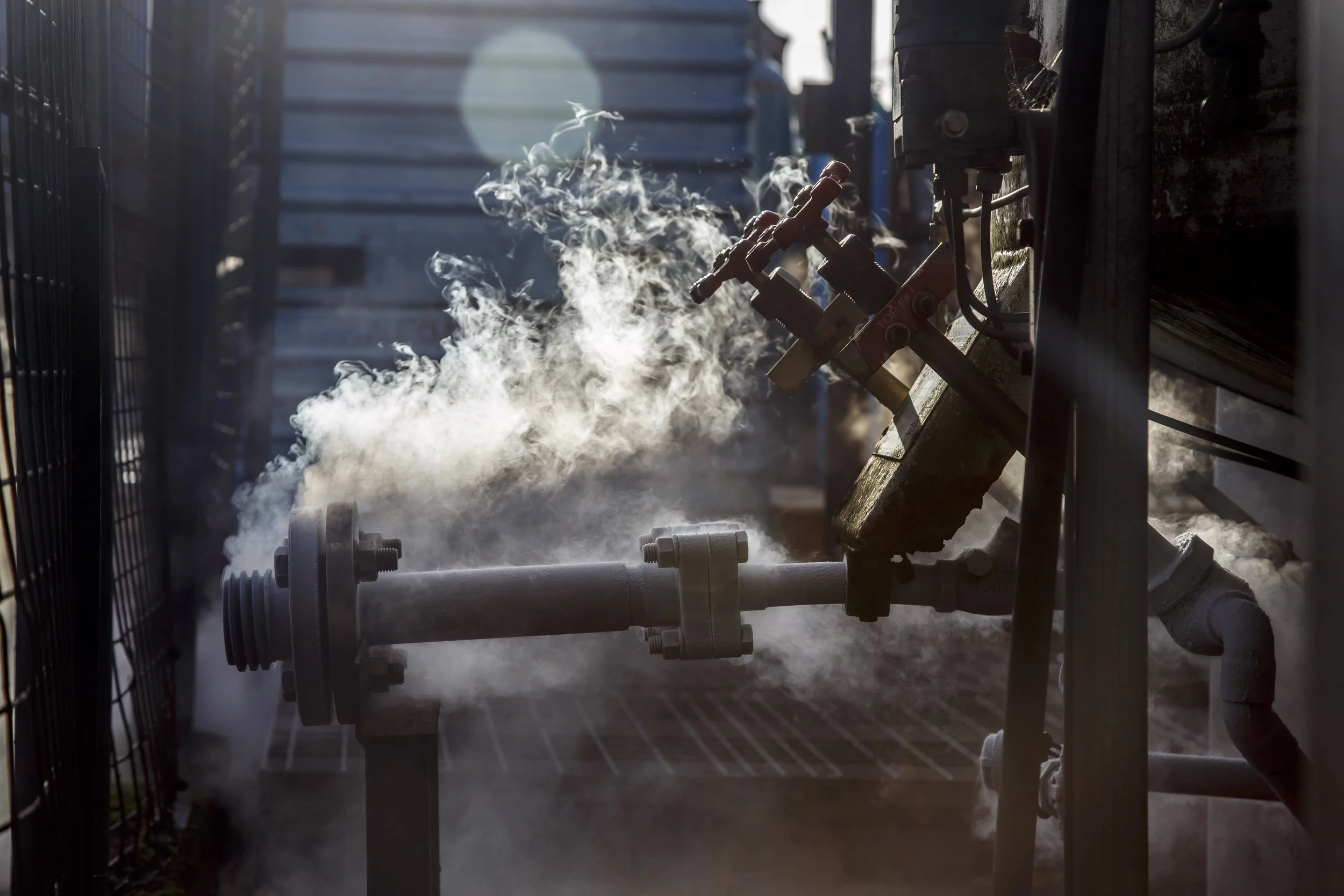
Langfields transforms large 18mm aluminium plates into complex, water-jacketed vessels, following precise specifications required by some of the most demanding industries in the world. Within a compact production space, the plates are cut, bent, and welded with exceptional precision, showing the combination of craftsmanship and engineering expertise required for modern process plant fabrication.

The process highlights both the machinery and the skilled fabricators who operate it, demonstrating the scale, precision, and professionalism of high-tech industrial fabrication.

Precision Engineering for Pharmaceutical and Chemical Industries
The vessels and plant components produced at Langfields are used in critical applications across pharmaceutical production, chemical processing, offshore energy, nuclear technology, and other high-spec industries. Photography captures the company’s technical capabilities, quality standards, and expertise.
Every stage of fabrication, from cutting and bending to welding and finishing, reflects the attention to detail and precision engineering that underpin Langfields’ operations. These processes illustrate the combination of modern technology and human skill required to meet exacting industry standards.

Manchester’s Post-Industrial Manufacturing Scene
Langfields’ location near the centre of Manchester highlights the ongoing relevance of manufacturing in a post-industrial city. Facilities like this provide skilled technical employment while maintaining advanced production capabilities that support a wide range of industries. Capturing these processes visually helps tell the story of a city that continues to innovate and manufacture complex equipment.

Documenting Industrial Expertise and Human Skill
Visiting Langfields provides an opportunity to record the intersection of engineering excellence, technical innovation, and human skill. From raw aluminium plates to fully fabricated vessels, the facility offers a rich visual narrative of high-tech industrial processes. The images reflect both the technical and human dimensions of manufacturing, illustrating the expertise and care involved in producing equipment for demanding industries.

50 Windows of Creativity. An assignment for Wild in Art
This autumn, Manchester is hosting 50 Windows of Creativity, a showcase of the work of artists and makers displayed in a series of windows, venues, businesses and spaces across the city centre.
The displays feature multiple art forms from fine art and photography to ceramics, crafts, mosaics and murals curated by well-known and emerging artists and collectives – all with a connection to Greater Manchester.

Seashell Trust & Lauren Mullarkey Location: The Atrium, Library Walk (mixed media installation)
This autumn, Manchester is hosting 50 Windows of Creativity, a showcase of the work of artists and makers displayed in a series of windows, venues, businesses and spaces across the city centre.
The displays feature multiple art forms from fine art and photography to ceramics, crafts, mosaics and murals curated by well-known and emerging artists and collectives – all with a connection to Greater Manchester.
Artists and makers taking part include: Wellcome Trust prize winner Benji Reid, Manchester born mixed media landscape artist Sarah Connell and contemporary creative studio Lazerian.
All pieces on display will be available to buy directly from the artist or maker, giving a much needed boost to the city’s creative community.
The project culminates with an auction which will see a selection of pieces auctioned with proceeds going to their artists and makers, and to The Lord Mayor of Manchester Charity Appeal Trust – We Love MCR Charity which aims to help improve the lives and life chances of Manchester people.
It was a pleasure to work again with the wonderful Wild in Art after documenting their wildly successful 2018 Bee in the City project.
Find out more about Wild in Art at www.wildinart.co.uk

Phil Constable Location: Mackie Mayor, Coop Street

LeiMai LeMaow Location: On Yard and Coop, Hare St

Caroline Dowsett Location: Hatch, Unit 25, Oxford Road

MHHA - Manchester Hip Hop Archive Location: Royal Northern College of Music

Manchester Digital Music Archive Location: Royal Northern College of Music

Phil Constable Location: Mackie Mayor, Coop Street

LeiMai LeMaow Location: On Yard and Coop, Hare St
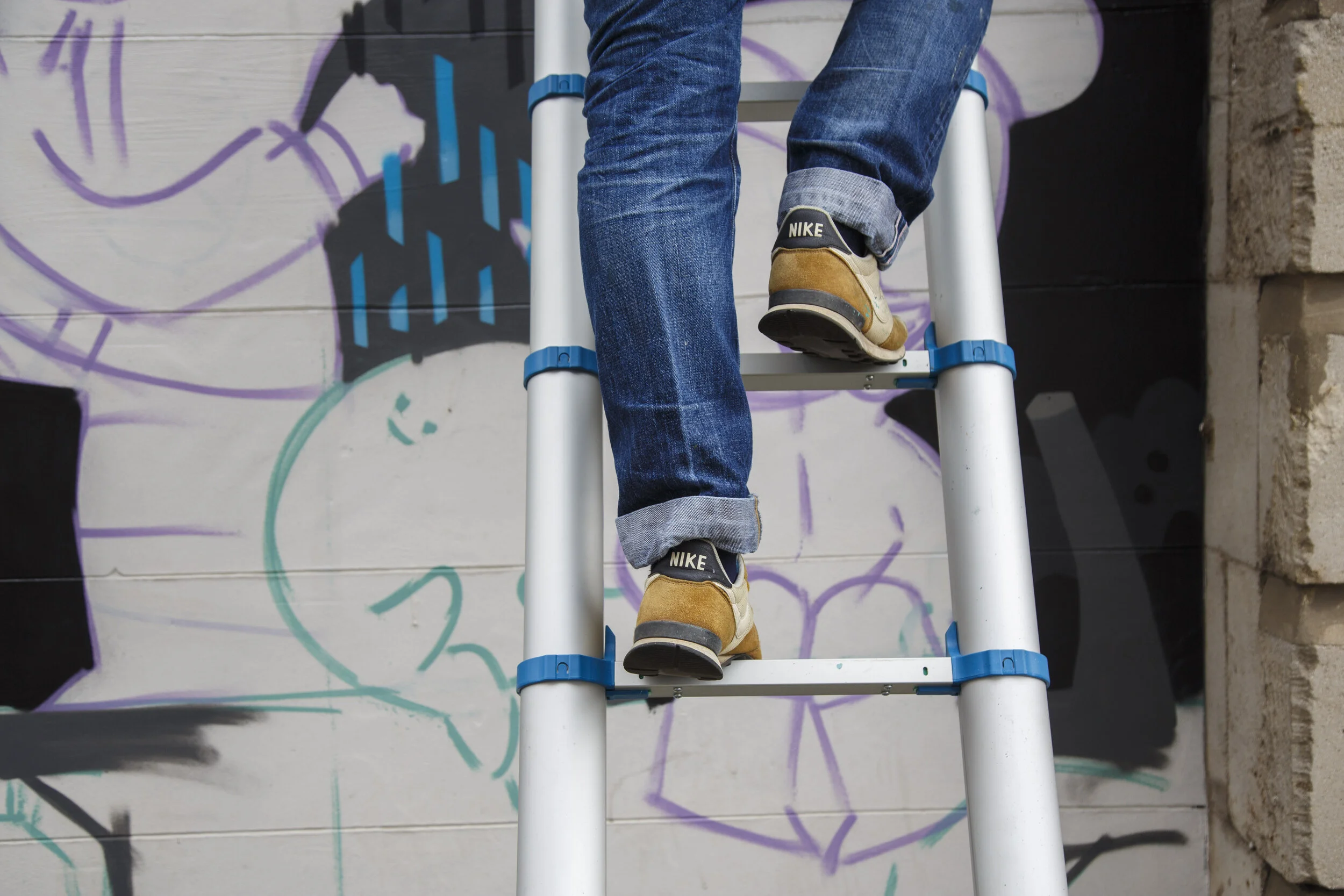
Hammo Location: Ellis Brigham Mountain Sports, Duke St

Atelier Bebop Location: Selfridges Exchange Square

Hammo Location: Ellis Brigham Mountain Sports, Duke St

LeiMai LeMaow Location: On Yard and Coop, Hare St

LeiMai LeMaow Location: On Yard and Coop, Hare St

Hammo Location: Ellis Brigham Mountain Sports, Duke St

Caroline Dowsett Location: Hatch, Unit 25, Oxford Road

Akse Location: Next to BAB NQ, Little Lever St

LeiMai LeMaow Location: On Yard and Coop, Hare St

LeiMai LeMaow Location: On Yard and Coop, Hare St

Tim Denton Location: Chapel Wharf, opposite Lowry Hotel

Benji Reid Location: National Football Museum

Phil Constable Location: Mackie Mayor, Coop Street

Hammo Location: Ellis Brigham Mountain Sports, Duke St

Caroline Dowsett Location: Hatch, Unit 25, Oxford Road

Ric Facchin Location: ChriSalon, Princess St
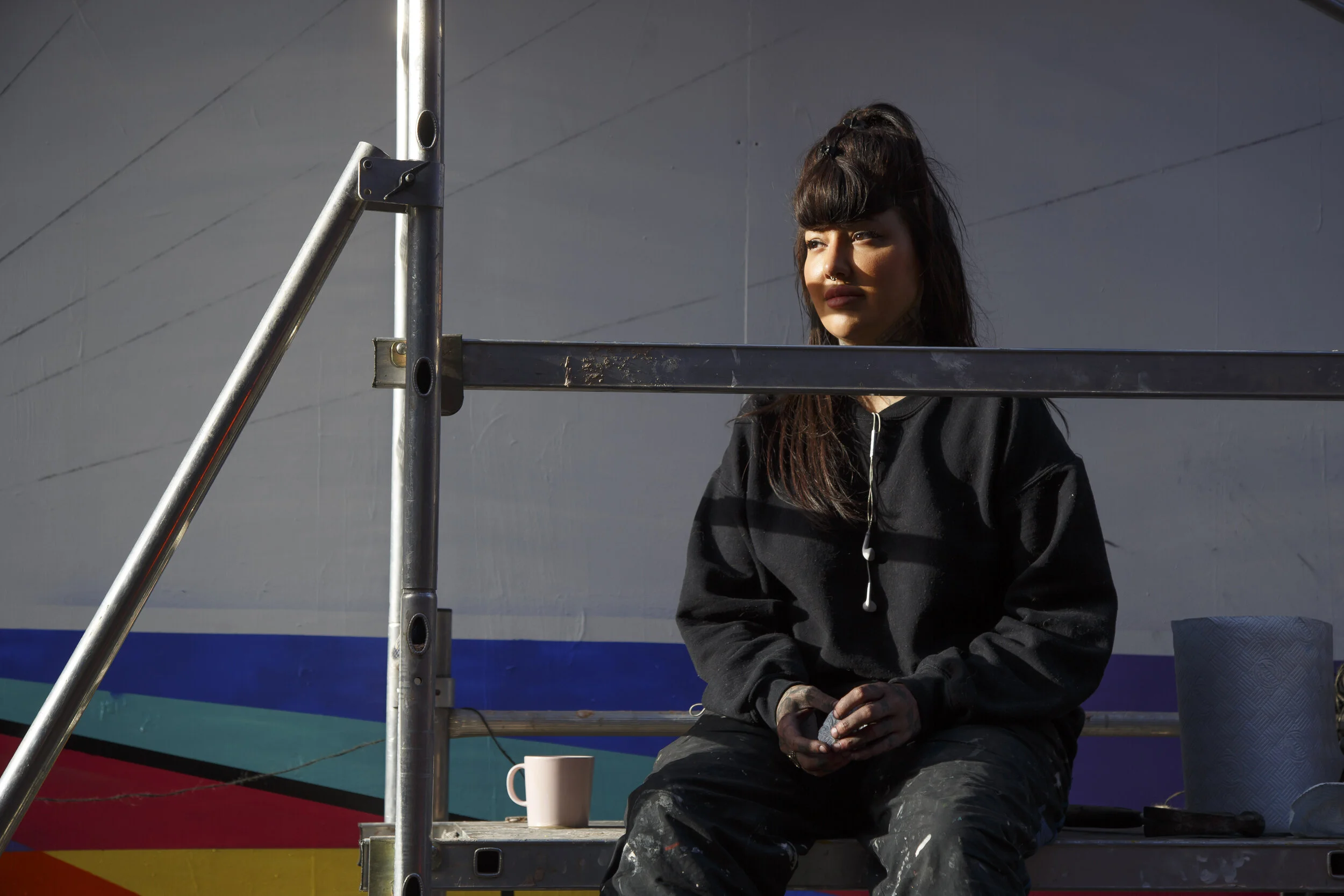
LeiMai LeMaow Location: On Yard and Coop, Hare St
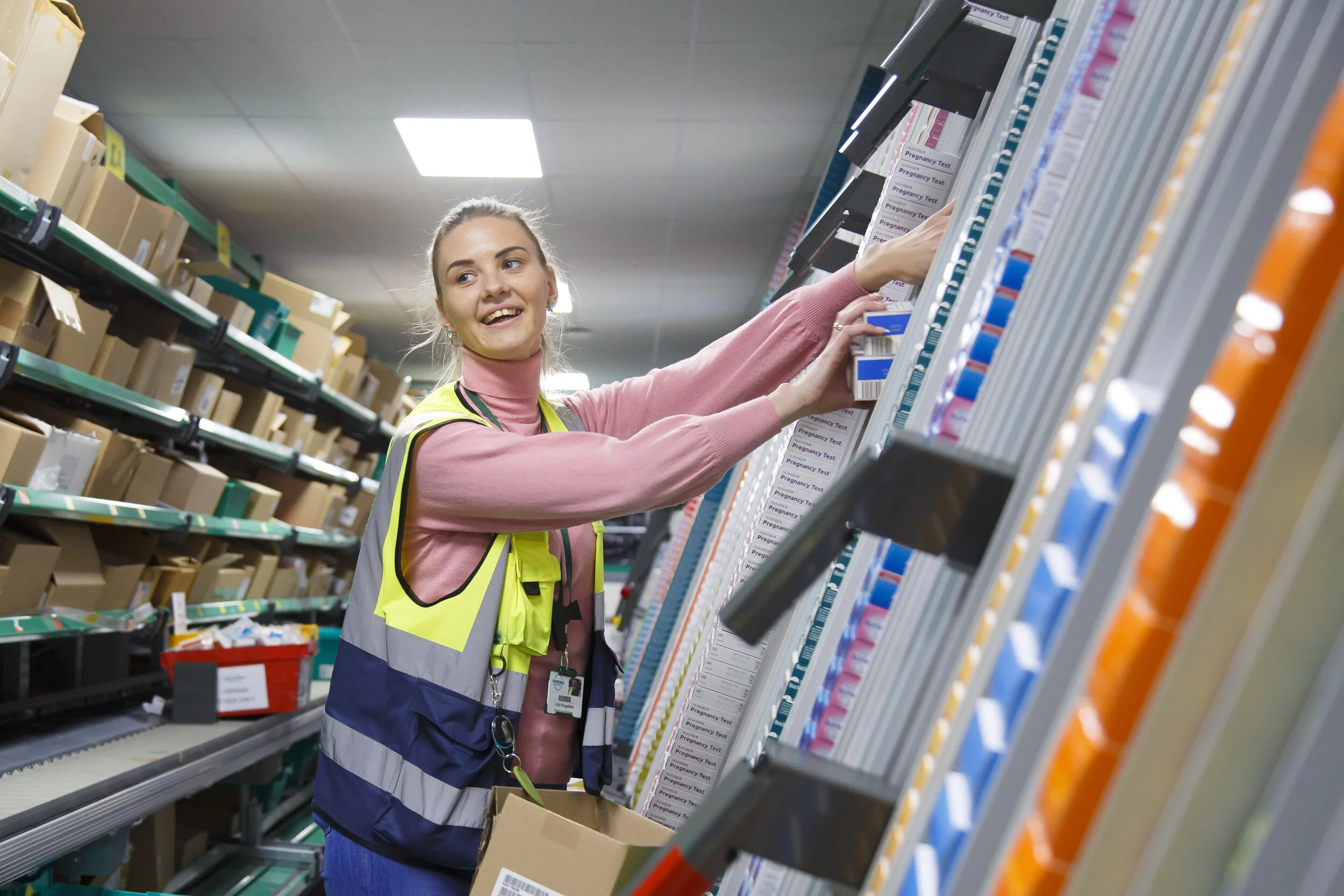
Phoenix Healthcare distribution for Fagan Jones
A shoot documenting the high technology pharmaceutical facility in Preston Brook commissioned by the wonderful Vicky at film production company Fagan Jones. I was once again shooting stills alongside the exceptionally talented film cameraman Dan Lightening.
Miles and miles of robotised, computerised conveyors pick, sort and pack drugs for distribution to pharmacies around the country.
An enjoyable and very busy day that reminded me that running shoes are required equipment for photography professionals.

Pharmaceutical Facility Photography in Preston Brook | Automated Drug Distribution and Logistics
I was commissioned to photograph a high-technology pharmaceutical distribution facility in Preston Brook on behalf of the film production company Fagan Jones. The shoot was organised by producer Vicky at Fagan Jones, and I was working alongside the exceptionally talented cinematographer Dan Lightening, who was filming moving footage for the same project.

My role on the day was to create a set of still photographs documenting the scale, infrastructure and day-to-day operations of the site. These images would complement the film production while also providing a visual record of the facility for marketing, communications and corporate use.

Inside a High-Technology Pharmaceutical Logistics Facility
The distribution centre in Preston Brook is an impressive example of the level of automation now present in modern pharmaceutical logistics. Within the facility, miles of robotised and computer-controlled conveyor systems move medicines through a carefully designed network of routes. These automated systems pick, sort and pack drugs before they are dispatched to pharmacies across the UK.

From a photographic perspective the site offered a remarkable environment to document. Long corridors of conveyors run through the building, with automated picking machines selecting products at speed before they are routed through packing stations. Containers glide through the system in a constant flow, guided by computerised logistics software that ensures the correct medication reaches the correct destination.
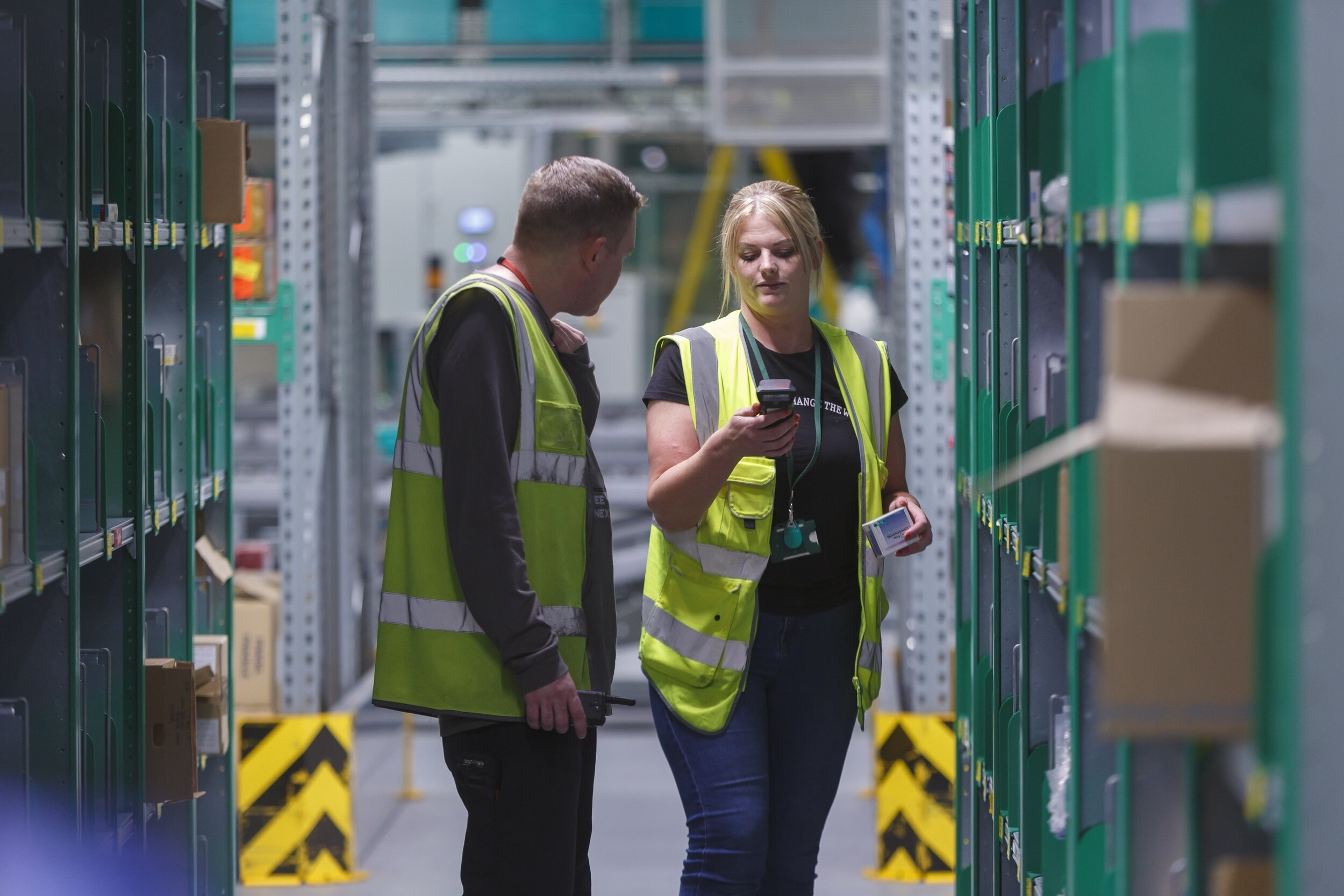
Facilities like this are essential parts of the national healthcare supply chain. The efficiency and reliability of the logistics systems ensure that pharmacies and healthcare providers receive the medicines they need quickly and accurately. Photographing such environments provides a glimpse into the highly organised infrastructure that underpins pharmaceutical distribution.

Photographing Automation, Robotics and Industrial Systems
Industrial photography in environments like this requires a combination of wide architectural views and detailed documentary images. Wide photographs show the scale of the operation, with long lines of conveyors stretching across large warehouse spaces. These images help communicate the sheer size of the facility and the complexity of the logistics network.

At the same time, close-up photographs reveal the precision of the machinery involved. Sensors, scanners and robotic arms guide containers along the system, while packing stations assemble shipments ready for distribution. Capturing these smaller details helps explain the process visually, showing how individual components of the system work together to form a seamless operation.

Lighting conditions in large industrial buildings can also present interesting challenges. High ceilings, mixed light sources and moving machinery require careful attention to exposure and timing in order to produce clear and dynamic images.

Stills Photography Alongside a Film Production
One of the most enjoyable aspects of the commission was working alongside a film crew. While Dan Lightening focused on capturing cinematic footage of the logistics process, my role was to produce still images that documented the same environment from a complementary perspective.

Working in parallel with a film crew requires a degree of coordination. Film productions often involve lighting setups, rehearsed camera movements and multiple takes, whereas still photography typically requires more mobility in order to capture spontaneous moments. The aim is always to work collaboratively so that both the stills and the moving images can be produced efficiently without interrupting the workflow of the facility itself.

Photographs created during these types of productions are often used in a wide range of contexts, including websites, press releases, annual reports and promotional material. They provide organisations with a visual record of the project that can be used long after the filming itself has been completed.

Documenting the Scale of Modern Logistics
Large automated facilities like the one at Preston Brook are fascinating places to photograph because they combine architecture, engineering and human expertise. Despite the high level of automation, the site is still supported by skilled staff who oversee the systems, monitor quality control and ensure that everything runs smoothly.

Capturing both the human and technological aspects of the environment helps create a more complete narrative of how the facility operates. Images of staff interacting with the machinery, monitoring computer systems or managing packaging operations provide context to the vast automated infrastructure surrounding them.

The visual rhythm of the conveyors, the repetition of containers moving through the system and the geometric lines of the machinery all contribute to a distinctive aesthetic that is unique to industrial and logistics photography.

A Fast-Moving Day on Location
Facilities of this scale are rarely static environments. Conveyors are constantly moving, robots are continuously sorting products, and staff are working across different areas of the building to keep operations running smoothly. For a photographer, this means covering a significant amount of ground in a limited amount of time in order to capture the full story of the site.

By the end of the day it was clear that running shoes should probably be considered essential equipment for photographers working in environments like this. Moving quickly between different areas of the facility, keeping pace with both the film crew and the production schedule, makes for a busy but very rewarding assignment.

Documenting the combination of advanced technology, logistics infrastructure and human expertise that keeps a pharmaceutical distribution centre operating is always fascinating. It also offers a reminder of the enormous systems working behind the scenes to ensure medicines reach pharmacies and patients across the country.

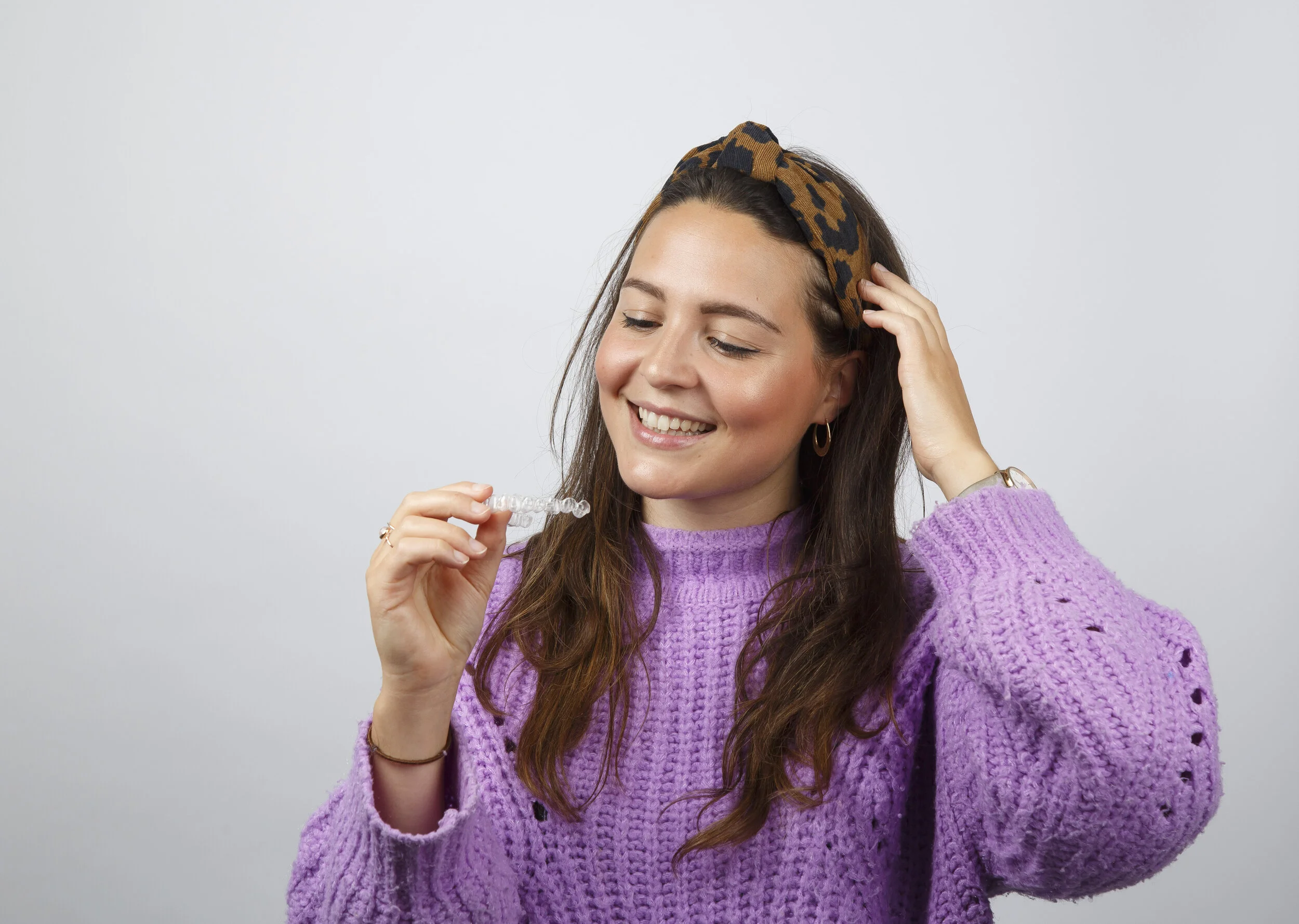
BeClear Orthodontics for What Marketing
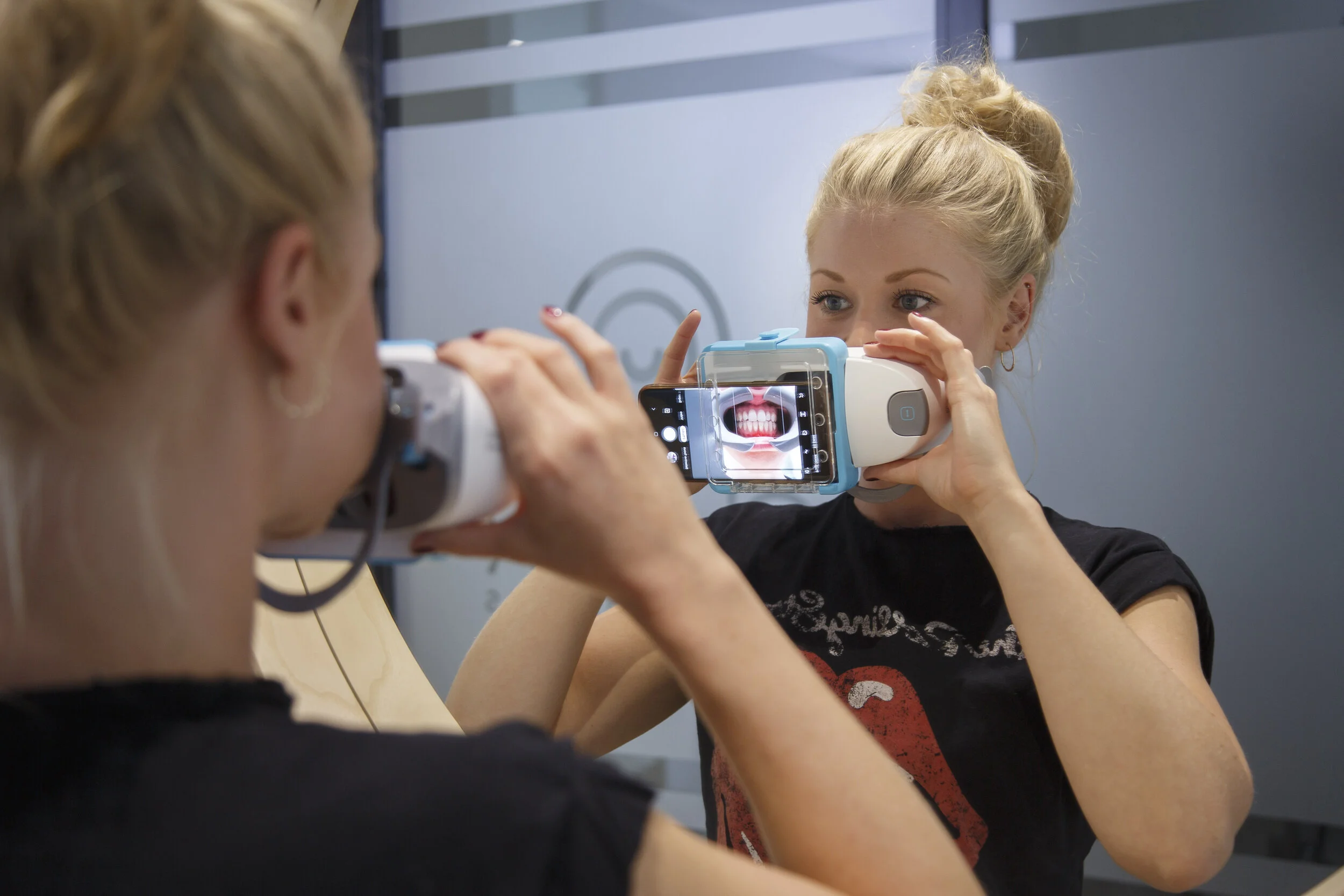
During the quiet times of our coronavirus disrupted summer it was great to get a call from the team at What Marketing to work with them on a shoot for cosmetic dentist BeClear Orthodontics.

BeClear Orthodontics Cosmetic Dentistry Photography and Campaign Shoot
During the quieter months of the coronavirus-disrupted summer, I had the pleasure of working with What Marketing on a photography and video campaign for BeClear Orthodontics, a leading cosmetic dentist specialising in Invisalign teeth aligners. The shoot offered a unique opportunity to document the precision, care, and aesthetic results that make BeClear’s services stand out.

Capturing Invisalign and Cosmetic Dentistry
BeClear Orthodontics are specialists in Invisalign aligners, designed to be almost invisible, even in extreme close-up shots. The campaign required detailed photography that could showcase the effectiveness of the aligners while maintaining a natural and approachable aesthetic for potential patients. Capturing these subtle details required careful lighting, angles, and technical precision.

Adapting to Covid-19 Safety Protocols
This was my first shoot following social distancing and mask-wearing protocols. These measures presented a challenge for everyone on set, from models to the creative team, but the day ran smoothly. Photography and video were completed successfully, balancing safety with high-quality visual content for the campaign.

Collaboration with Models and Marketing Team
The campaign shoot involved several models and close collaboration with the BeClear Orthodontics team. Their professionalism and enthusiasm helped ensure that the photography captured the natural confidence and satisfaction that comes with Invisalign treatment. Working with What Marketing on this project was an enjoyable experience, and I’m looking forward to the next campaign shoot scheduled for October.

Highlighting Cosmetic Dentistry in Campaigns
Professional photography for dental and cosmetic services plays an important role in marketing. Images need to convey precision, trust, and aesthetic outcomes while appealing to potential patients. The BeClear Orthodontics campaign highlights the company’s expertise and commitment to subtle, effective dental treatments, positioning them as a leading provider of Invisalign in the UK.




Mark Radcliffe for the Daily Telegraph
Mark Radcliffe is as nice in person in real life as his radio persona would suggest. Music nerd, City fan, all round good egg.
I’ve photographed him a couple of times, here in Dunham Massey country park in Cheshire with a beautiful vintage VW Beetle for a motoring feature in the Daily Telegraph.
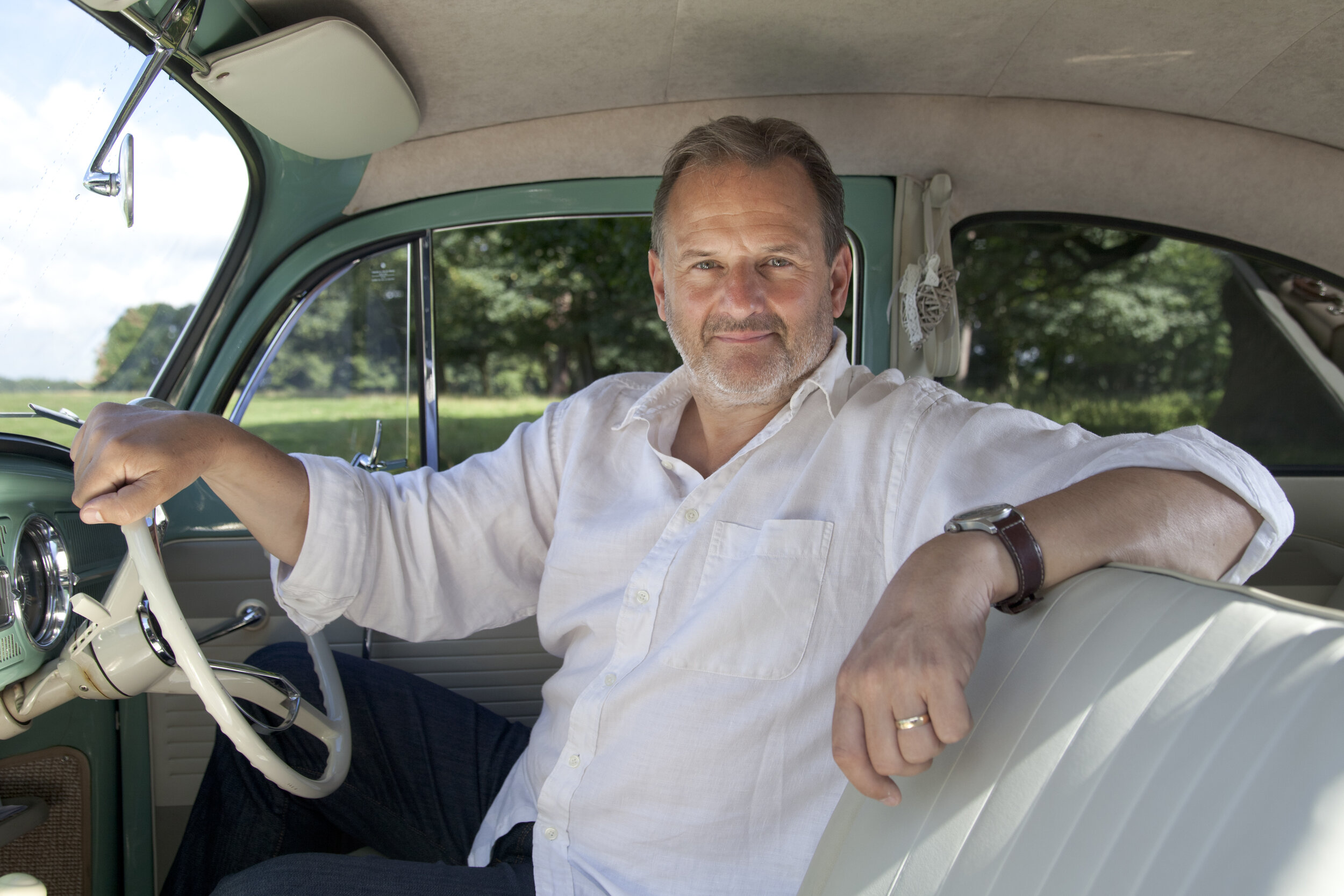
Portrait of Mark Radcliffe at Dunham Massey | Daily Telegraph Motoring Feature
While going through old hard drives recently I came across another set of photographs from an earlier editorial commission. The images feature broadcaster and writer Mark Radcliffe, photographed at Dunham Massey Country Park in Cheshire for a motoring feature in the Daily Telegraph.
Mark Radcliffe is exactly as you might expect from his radio persona: knowledgeable about music, quick-witted, a lifelong Manchester City supporter and generally an extremely good person to spend time with on a shoot. I have photographed him a couple of times over the years, and this particular session was for a feature pairing him with a beautifully restored vintage Volkswagen Beetle.
Mark Radcliffe: Broadcaster, Author and Music Journalist
Mark Radcliffe is well known in the UK for his long career in broadcasting, particularly on BBC Radio where he has presented a wide range of music programmes across several decades. Many listeners first encountered him through his partnership with Marc Riley on BBC Radio 1 in the 1990s, before Radcliffe went on to present programmes on BBC Radio 2 and BBC Radio 6 Music.
His work has always been characterised by a deep enthusiasm for music, ranging from alternative rock and indie through to folk and country. In addition to broadcasting, Radcliffe is also a writer and musician, contributing regularly to publications and performing with his folk group The Shirehorses.
Because of this long-standing role in British music broadcasting, he remains a familiar and well-liked figure to audiences across the UK. Photographing personalities like Radcliffe is often straightforward because their ease in conversation translates naturally into relaxed portraits.
Editorial Portrait Photography for Newspapers
This portrait session took place at Dunham Massey Country Park in Cheshire, a location that provided an appropriate rural backdrop for the Daily Telegraph’s motoring feature. Editorial portrait photography for newspapers often involves finding a setting that complements the theme of the article while still allowing the subject’s personality to come through.
The vintage Volkswagen Beetle featured in the piece added a strong visual element to the shoot, combining classic automotive design with a relaxed outdoor location. Working with well-known public figures in this kind of editorial context requires balancing documentary observation with informal portraiture, capturing both the person and the environment in which the story is set.
Photographing Personalities for Editorial Features
Portrait photography for editorial publications often moves quickly, with limited time to establish rapport and create images that work both visually and narratively. When the subject is comfortable and engaged, the process becomes much easier, allowing the photographer to focus on composition, light and atmosphere.
In this case, the combination of a distinctive car, an attractive location in Cheshire and an engaging subject made for an enjoyable shoot and a memorable commission for the Daily Telegraph.
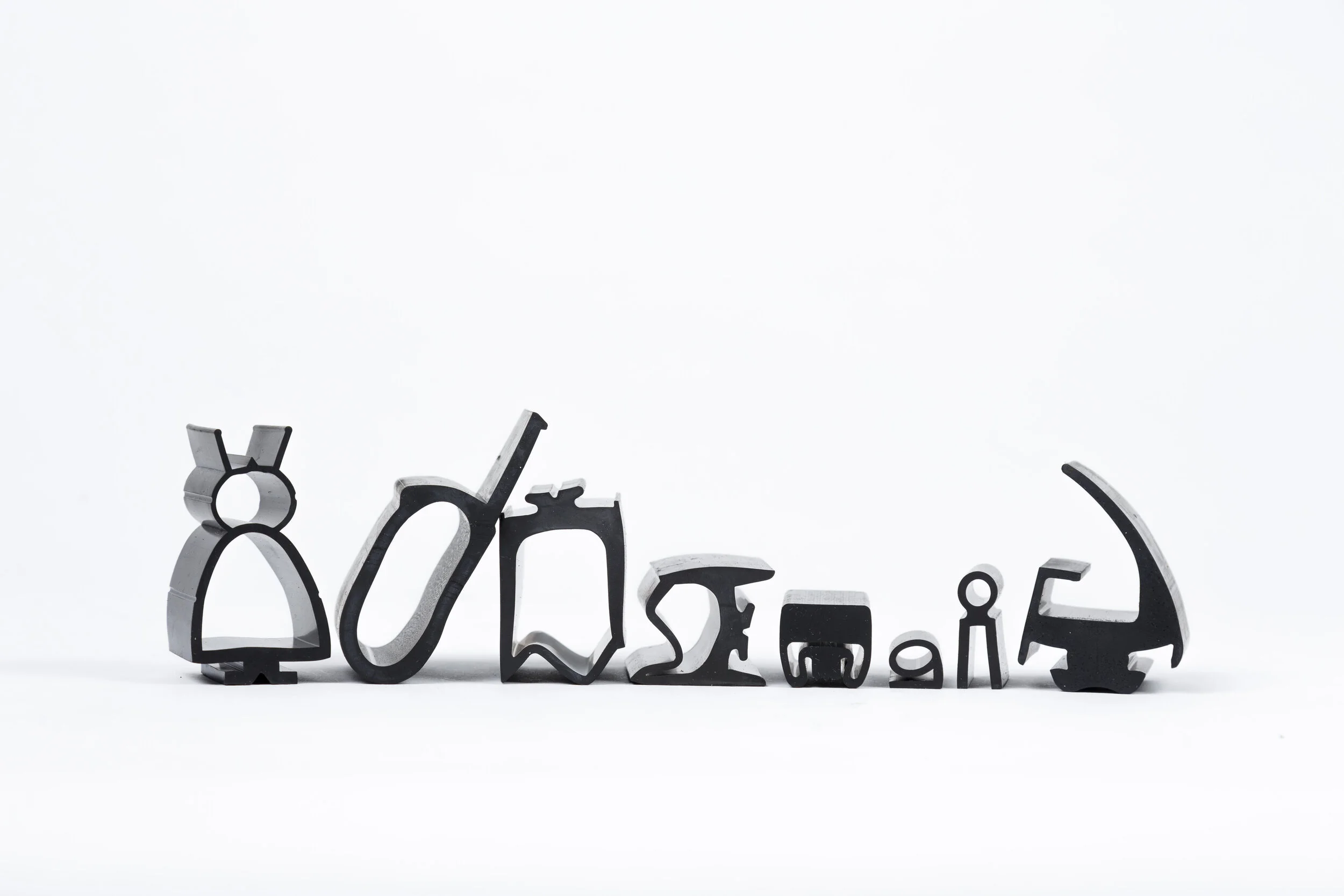
New website photography for Nufox
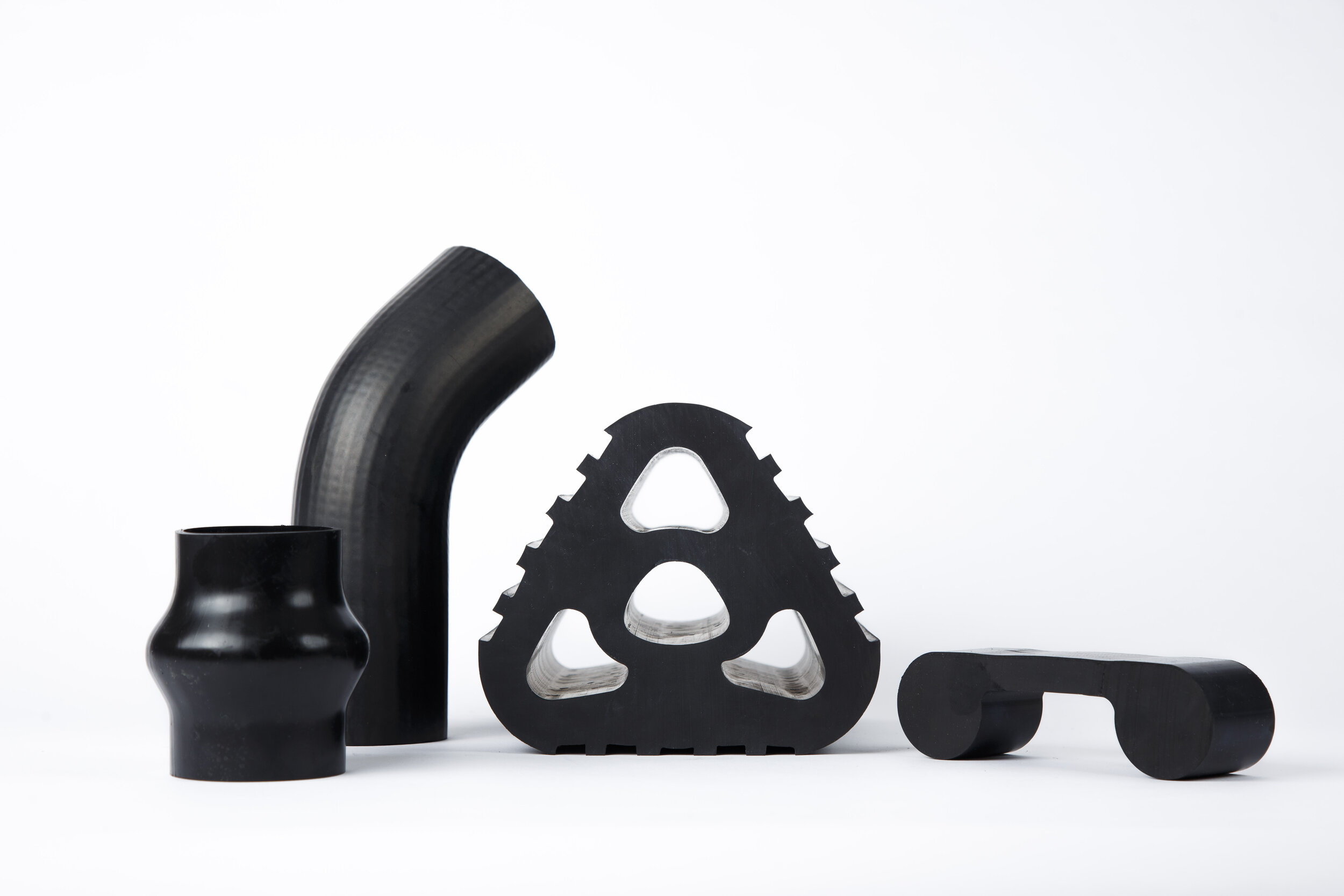
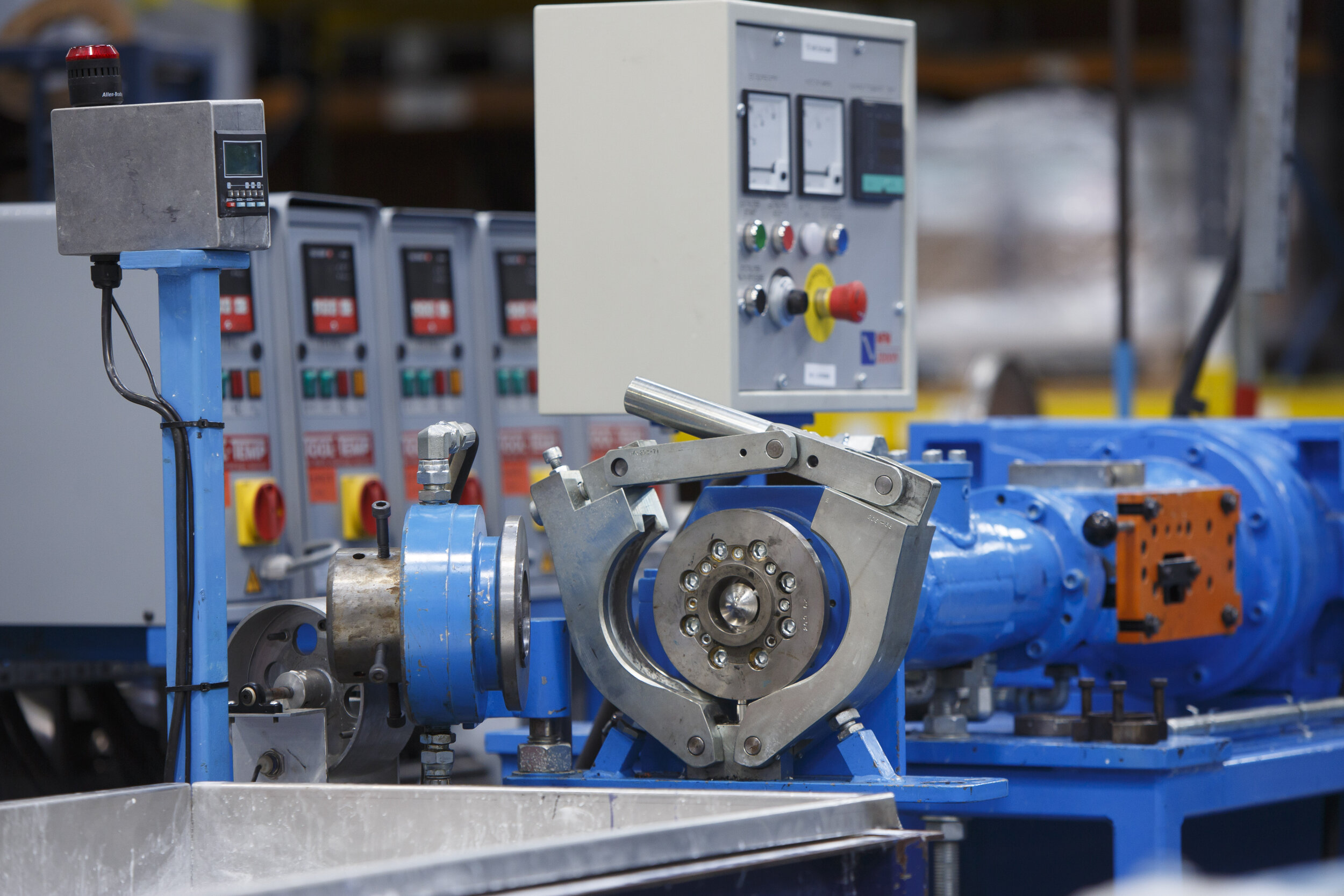
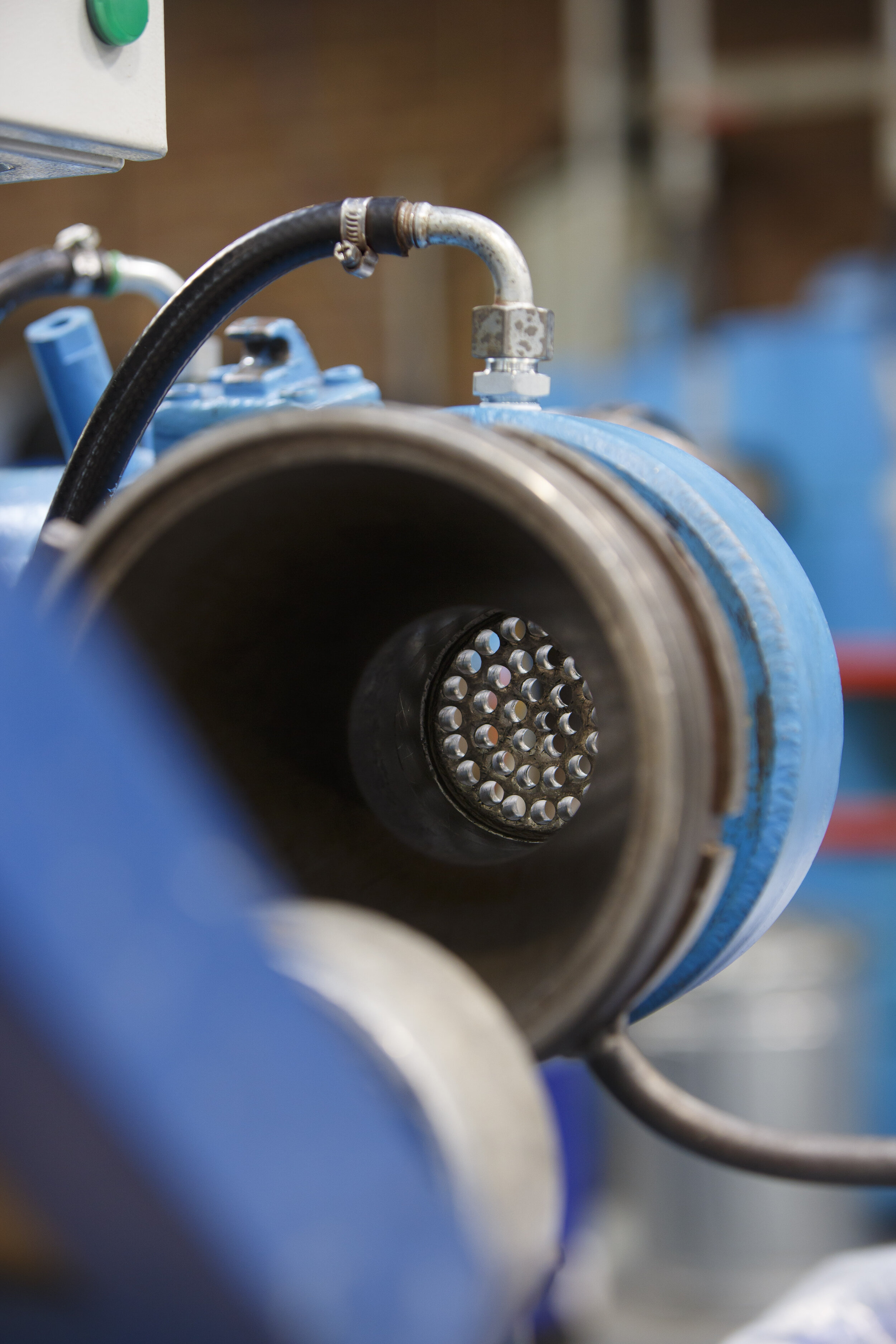
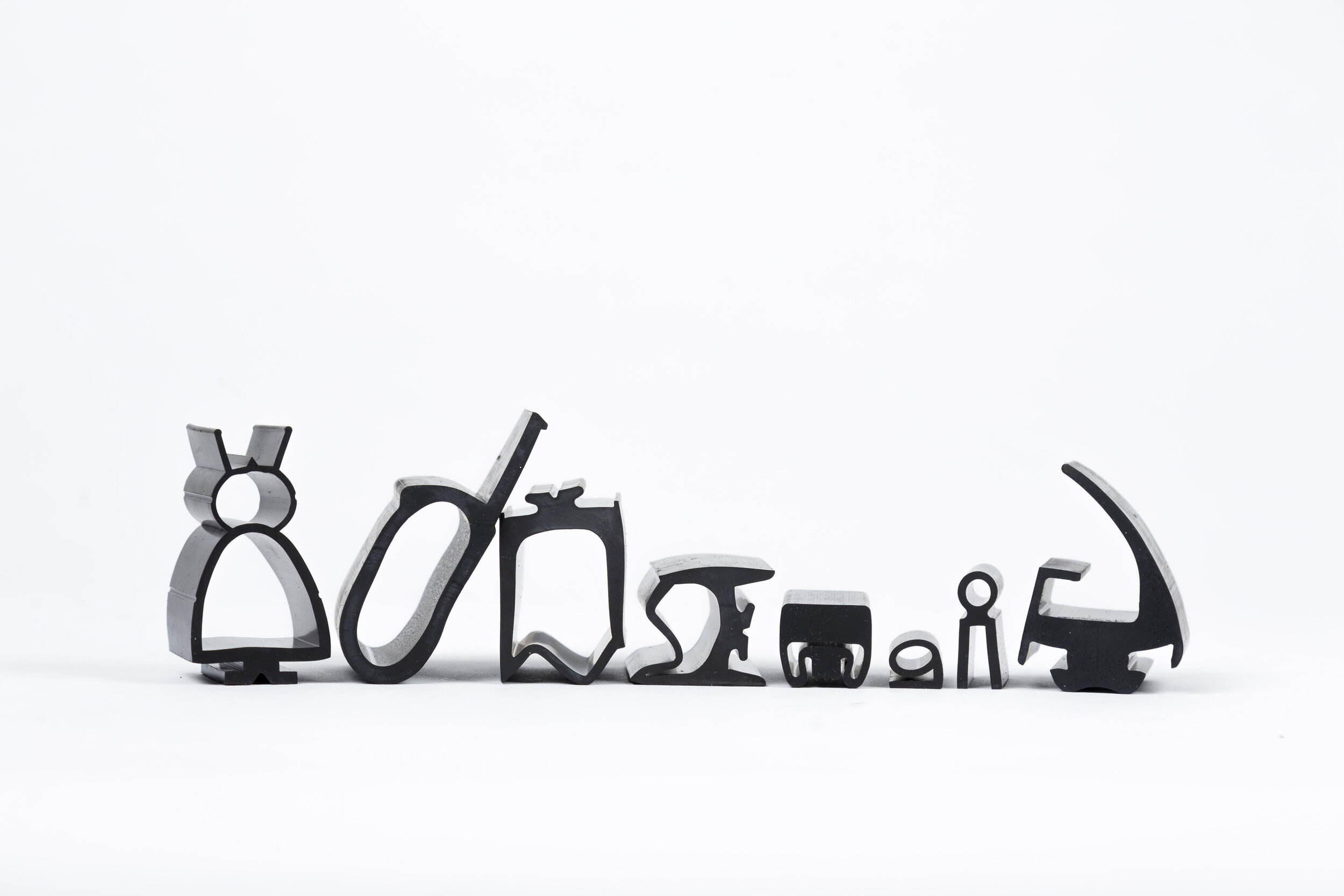
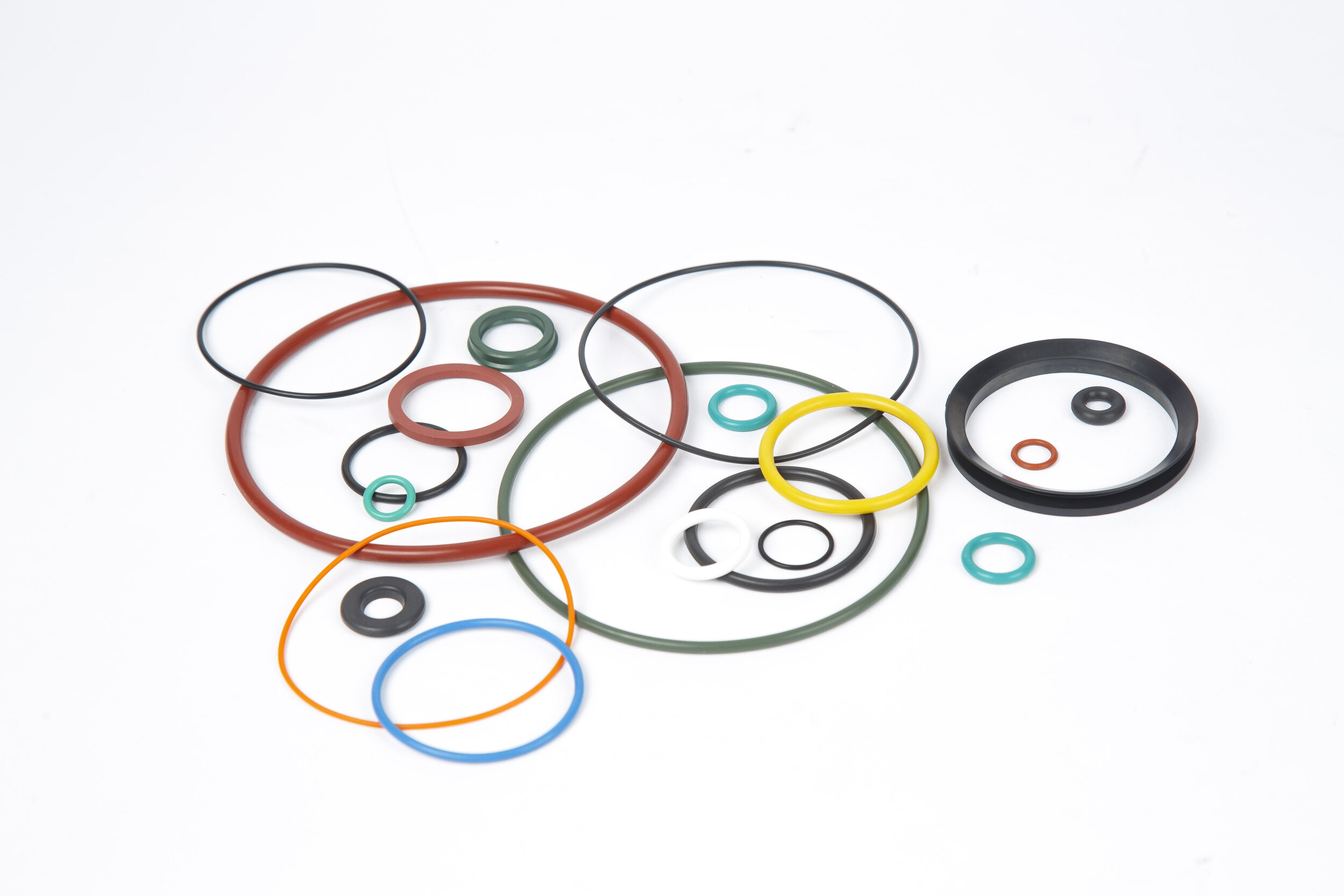
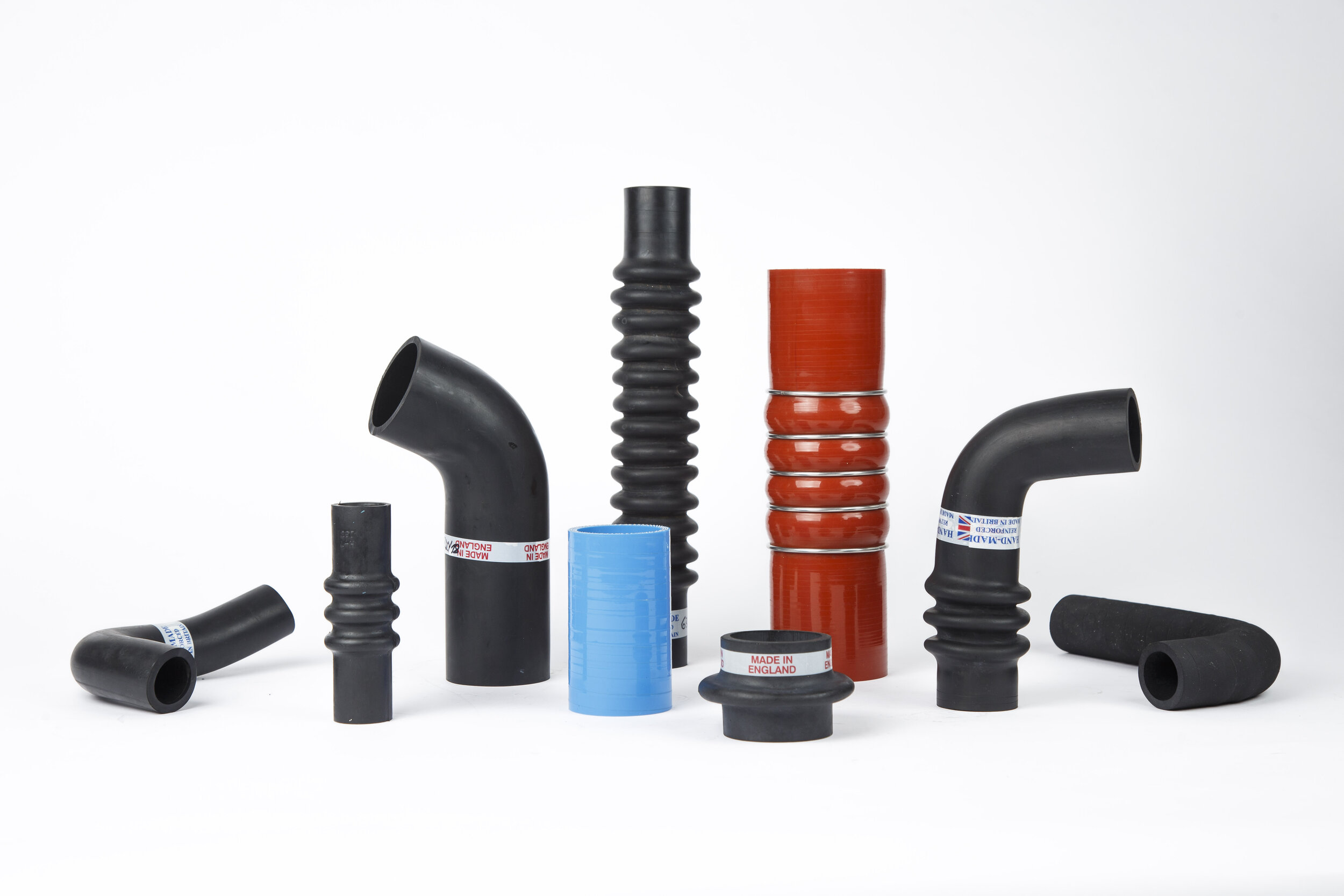
It’s long time ago since I finished my PhD in Materials Science, my subject was high temperature materials yet my office was not in the upper rooms with the furnaces and laser flash equipment but in the basement with the polymer engineers and the extruders and that weird persistent smell of all things rubbery. So it was with a feeling of nostalgia that I was once again amid the extruders and waterbaths at Nufox in Manchester to photograph their people, processes and products for their imminent website redesign.

Industrial Photography at Nufox | Manufacturing, Materials and Polymer Engineering
It has been a long time since I finished my PhD in Materials Science. My research focused on high-temperature materials, yet my office was not in the upper laboratories with the furnaces and laser flash equipment. Instead, I was based in the basement alongside the polymer engineers, surrounded by extruders, water baths and the persistent, slightly rubbery smell that seems to accompany plastics processing everywhere.
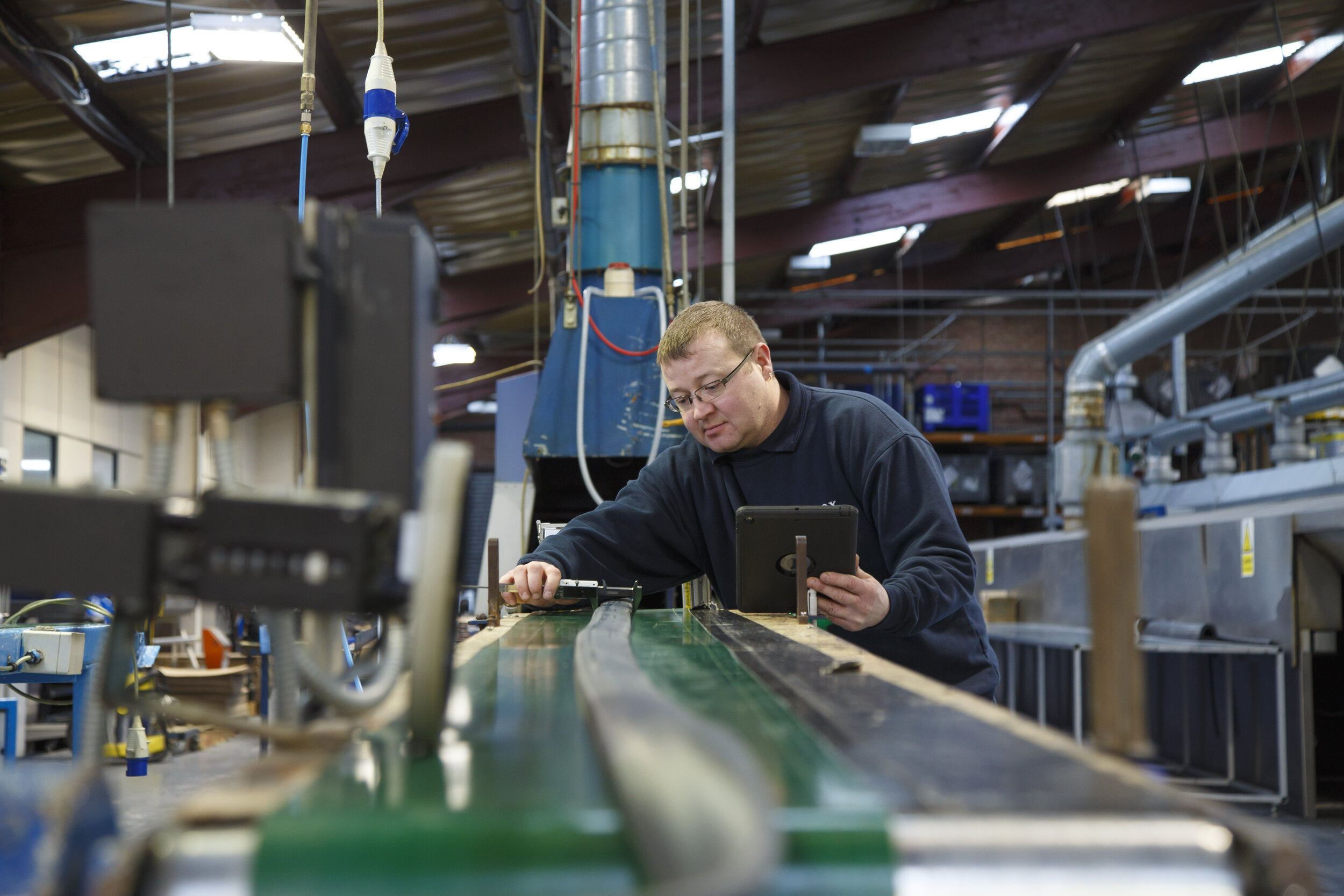
So it was with a certain sense of nostalgia that I recently found myself once again among the extruders and cooling baths while photographing the manufacturing processes at Nufox. The commission involved creating a set of industrial and documentary images of their people, processes and products as part of an upcoming redesign of the company’s website.

Photographing Manufacturing and Industrial Processes
Industrial photography often involves documenting complex production environments in a way that is both visually clear and technically accurate. At Nufox, the focus was on capturing the interaction between machinery, materials and skilled operators working across the production line.

Extrusion processes are particularly interesting to photograph because they combine movement, heat and material transformation. Polymer compounds pass through heated extruders before being shaped, cooled in water baths and processed into finished products. Visually, these processes create strong lines, textures and contrasts that lend themselves well to documentary industrial photography.

Materials Science and Manufacturing Context
Having previously worked in a materials science environment made it especially enjoyable to return to this type of setting. Many of the sights and sounds of a polymer processing facility are instantly familiar: the steady rhythm of extruders, the cooling lines running through water baths, and the careful monitoring of materials as they move from raw compound to finished product.
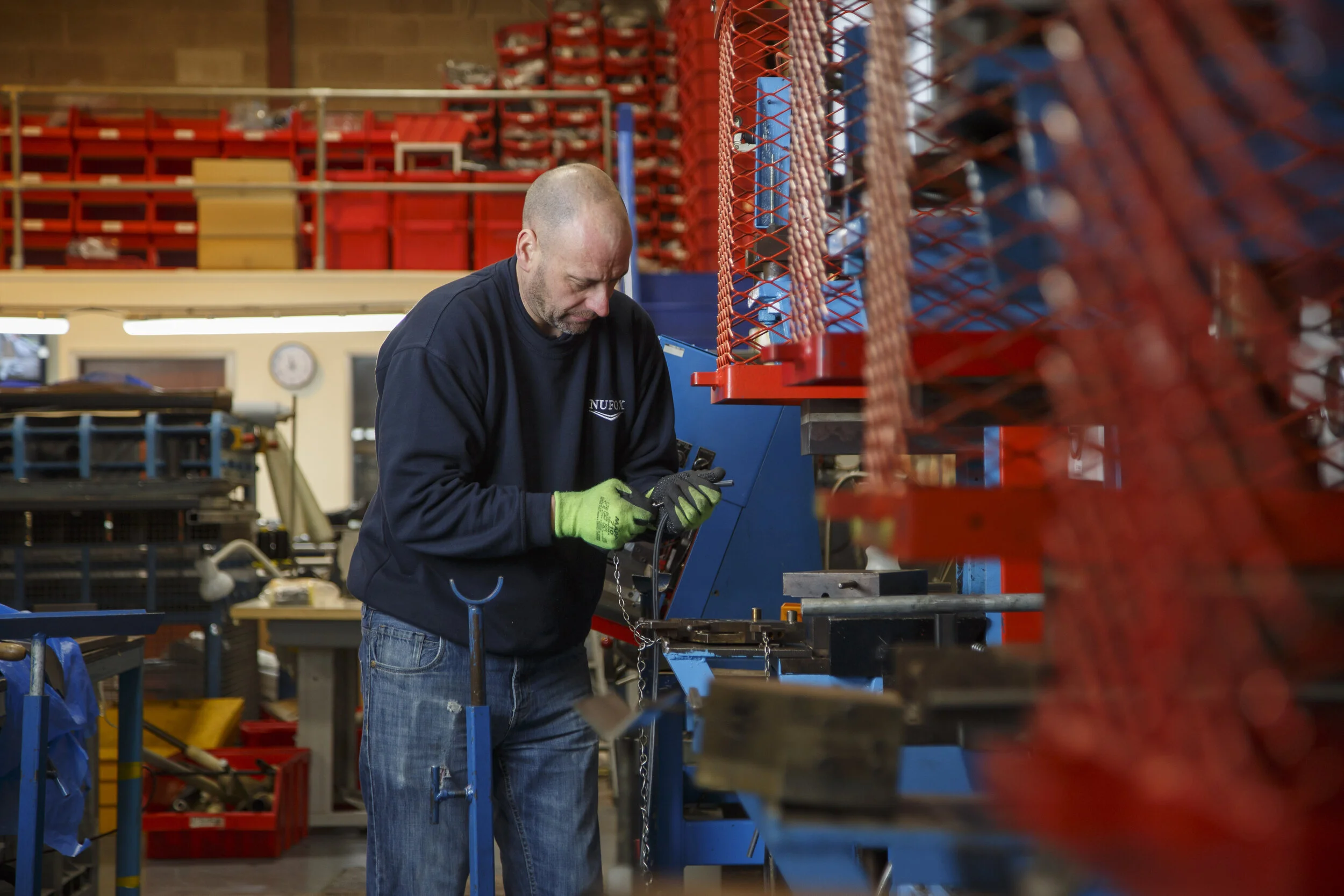
That background also helps when photographing technical environments, where understanding what is happening in the process can make it easier to anticipate key moments and capture meaningful images of both equipment and people at work.

Industrial Photography for Website and Marketing Use
The images produced at Nufox were designed primarily for their forthcoming website redesign. For manufacturing companies, professional photography plays an important role in communicating capability, scale and expertise to potential clients and partners.

Photographs of production environments, staff and finished products help create a clear visual narrative of how a company operates. These images are typically used across websites, marketing materials, recruitment campaigns and corporate communications.

Documenting facilities like Nufox provides an authentic visual record of the manufacturing process while helping companies present their work clearly and professionally online.

British Ecological Society Summer School
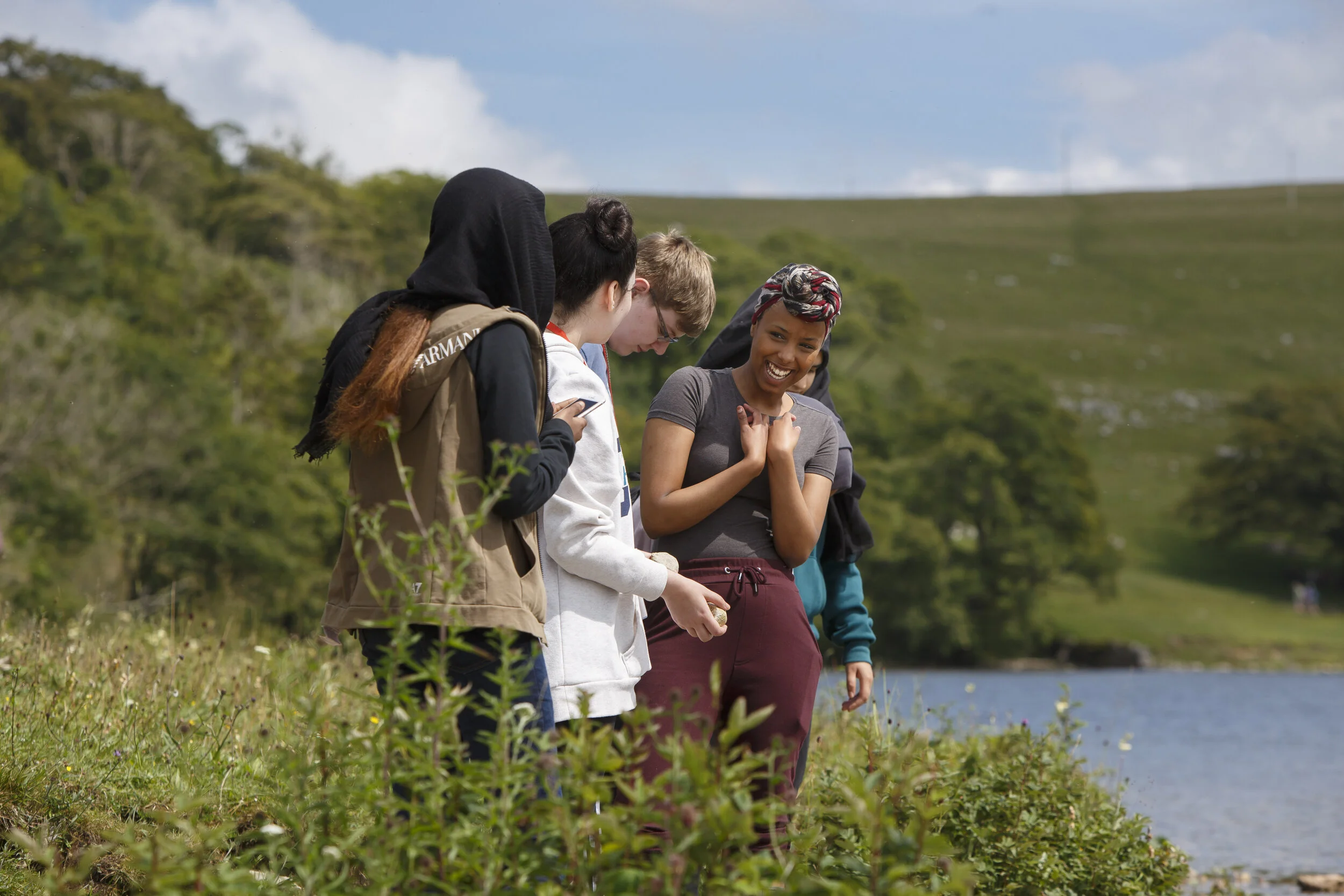
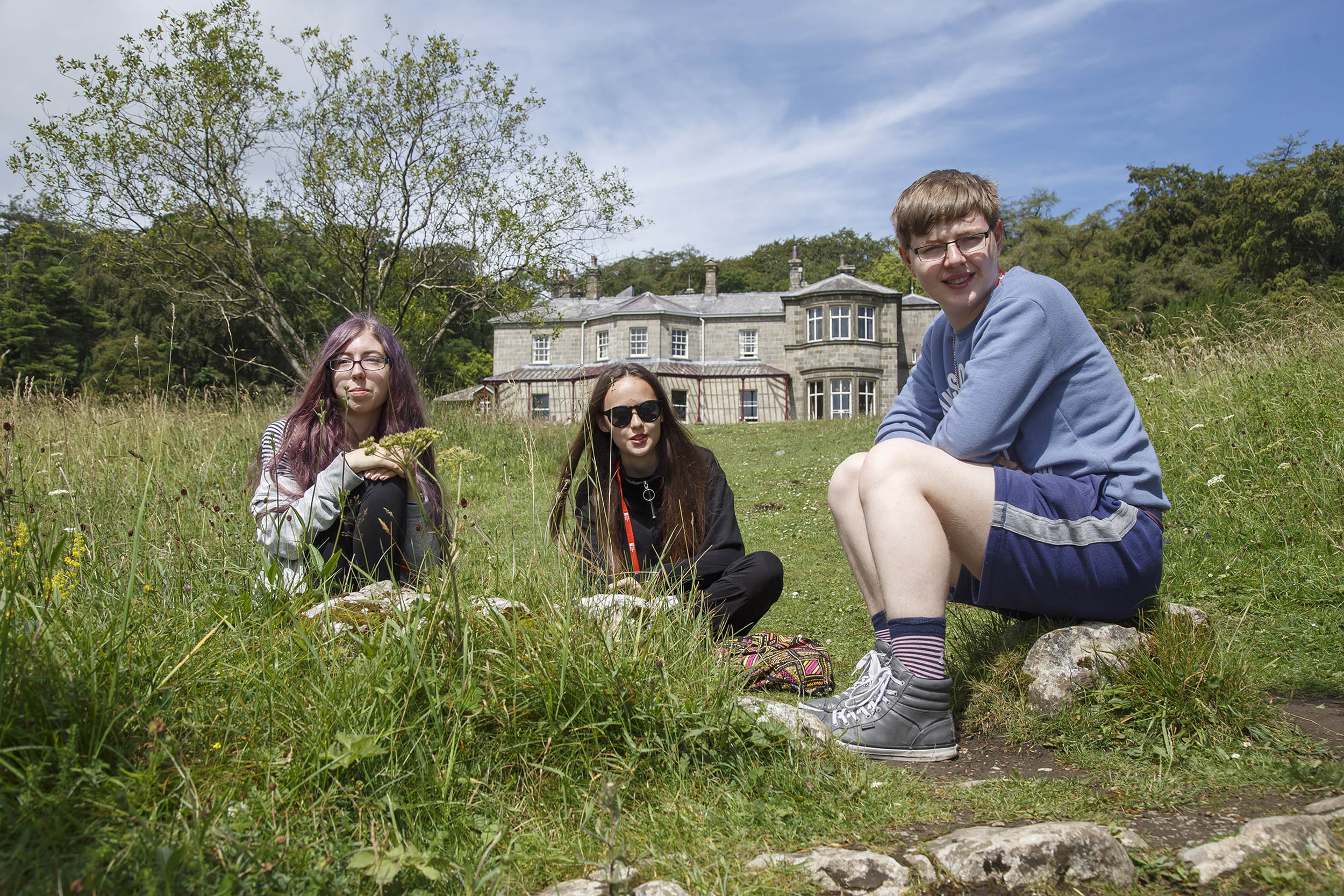
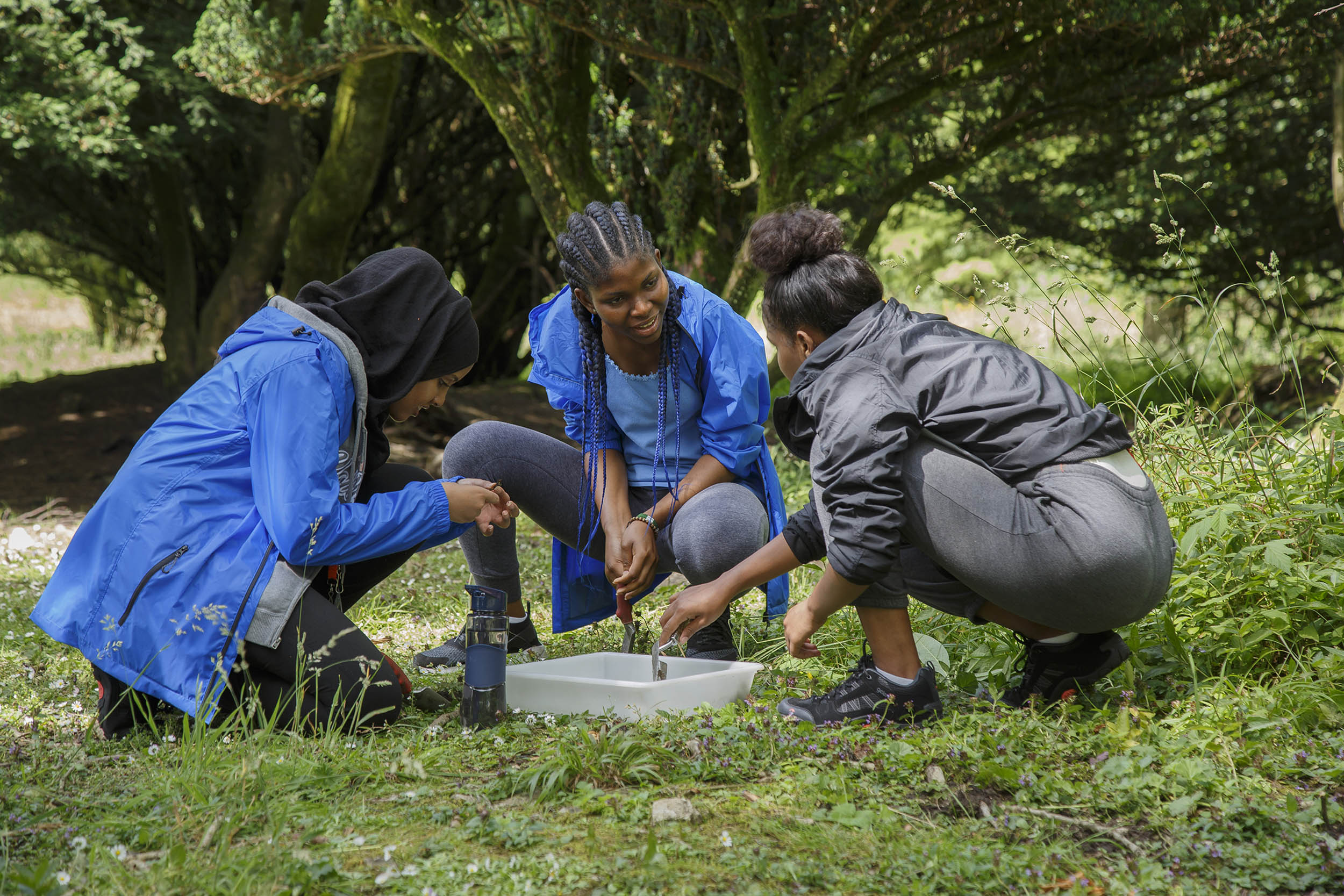
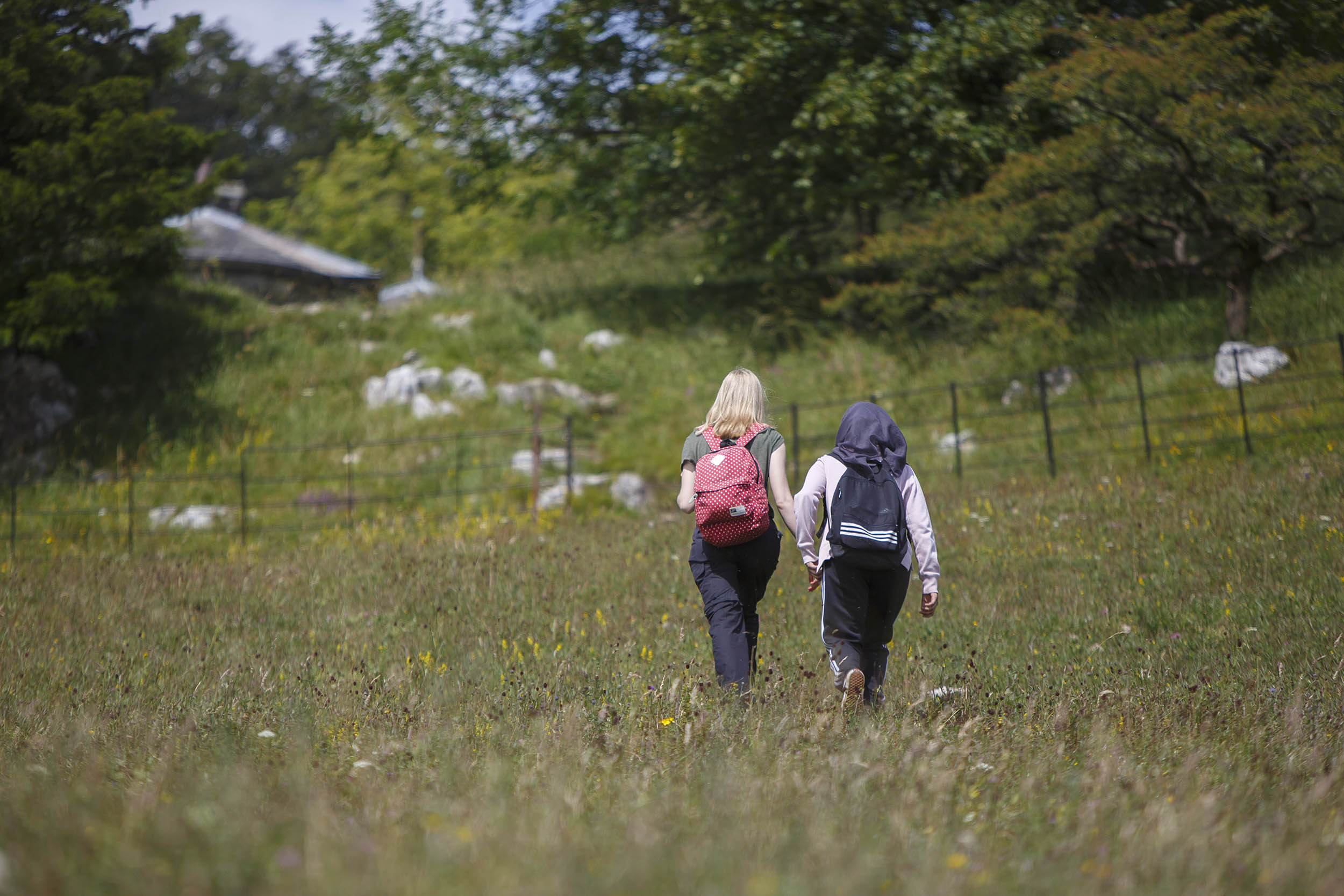
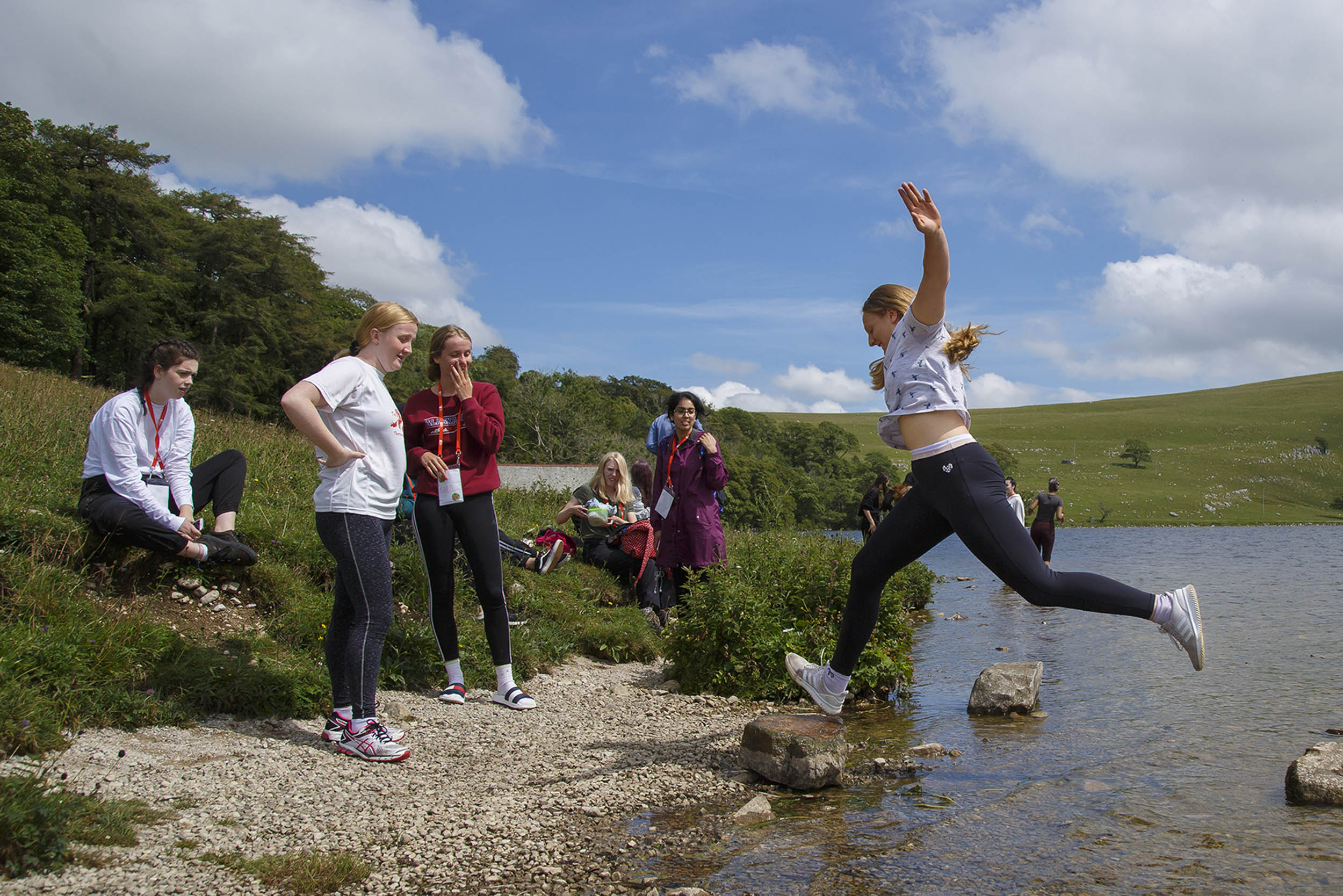
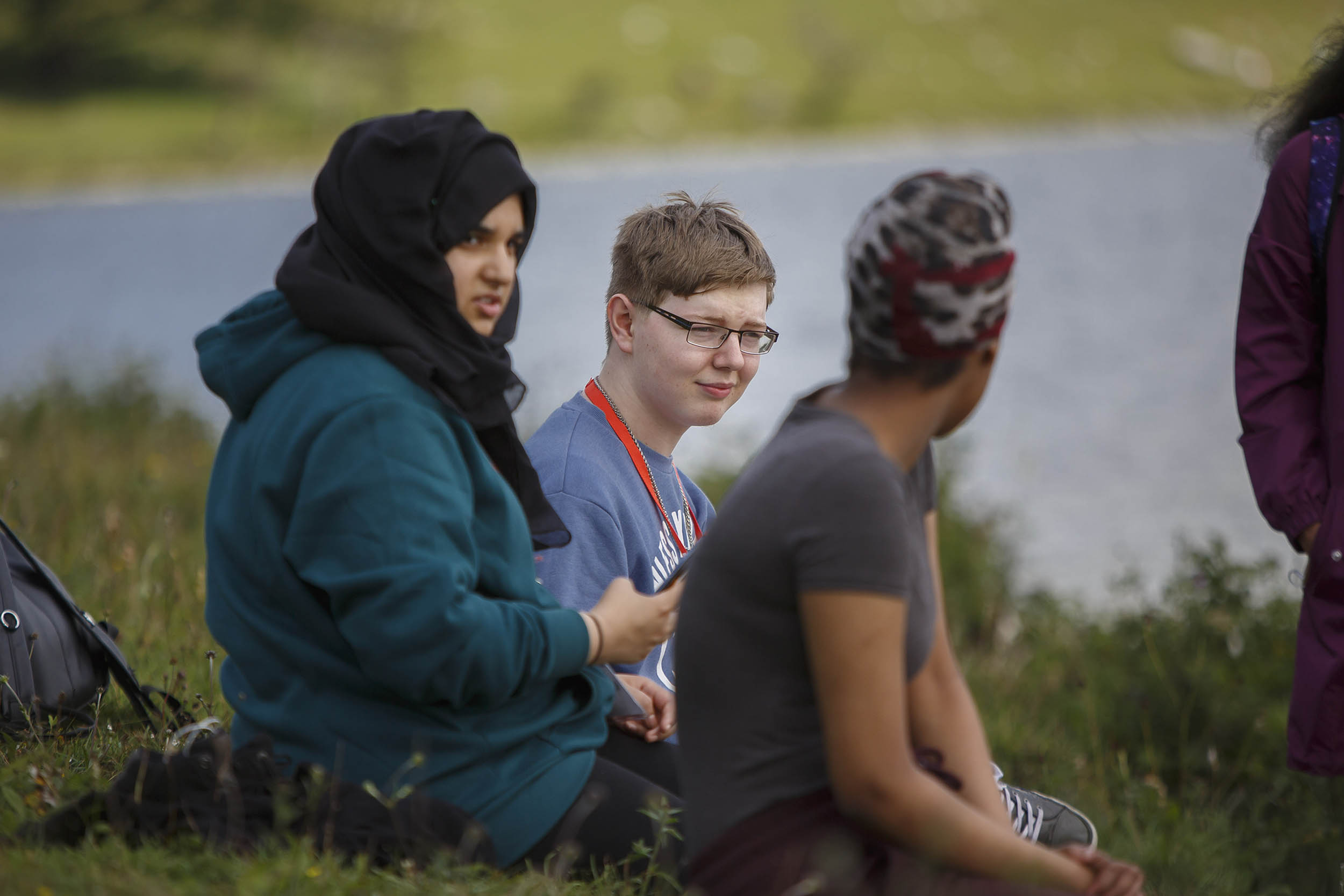
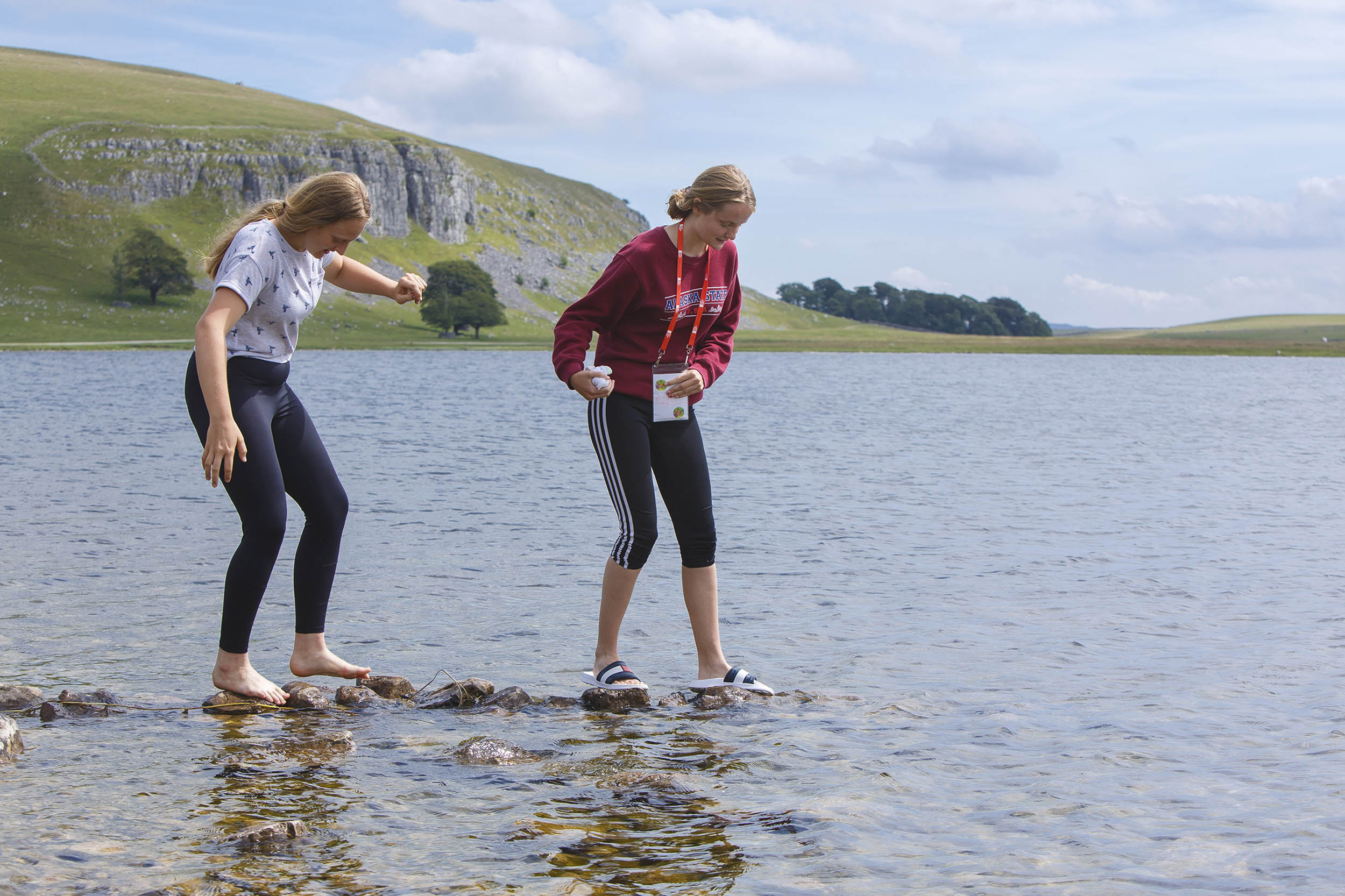
The British Ecological Society’s summer school is a week long residential field experience for students studying sciences at A-level, Scottish Higher and other similar qualifications. This year 31 students from 7 different schools across the UK gathered at Malham Tarn in the Yorkshire Dales. I was there as documentary photographer giving an overview of the day’s activities and providing marketing and social media material.
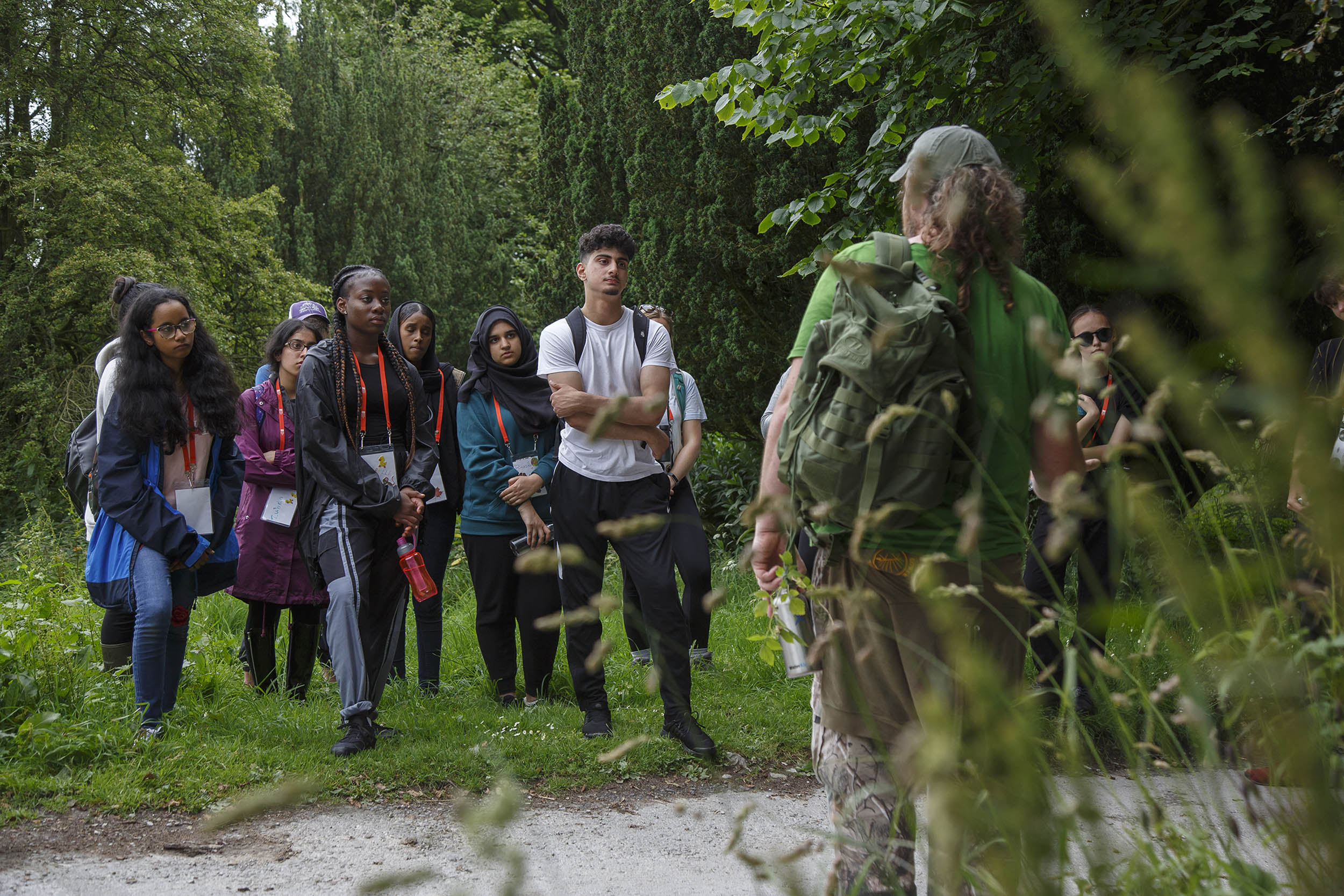
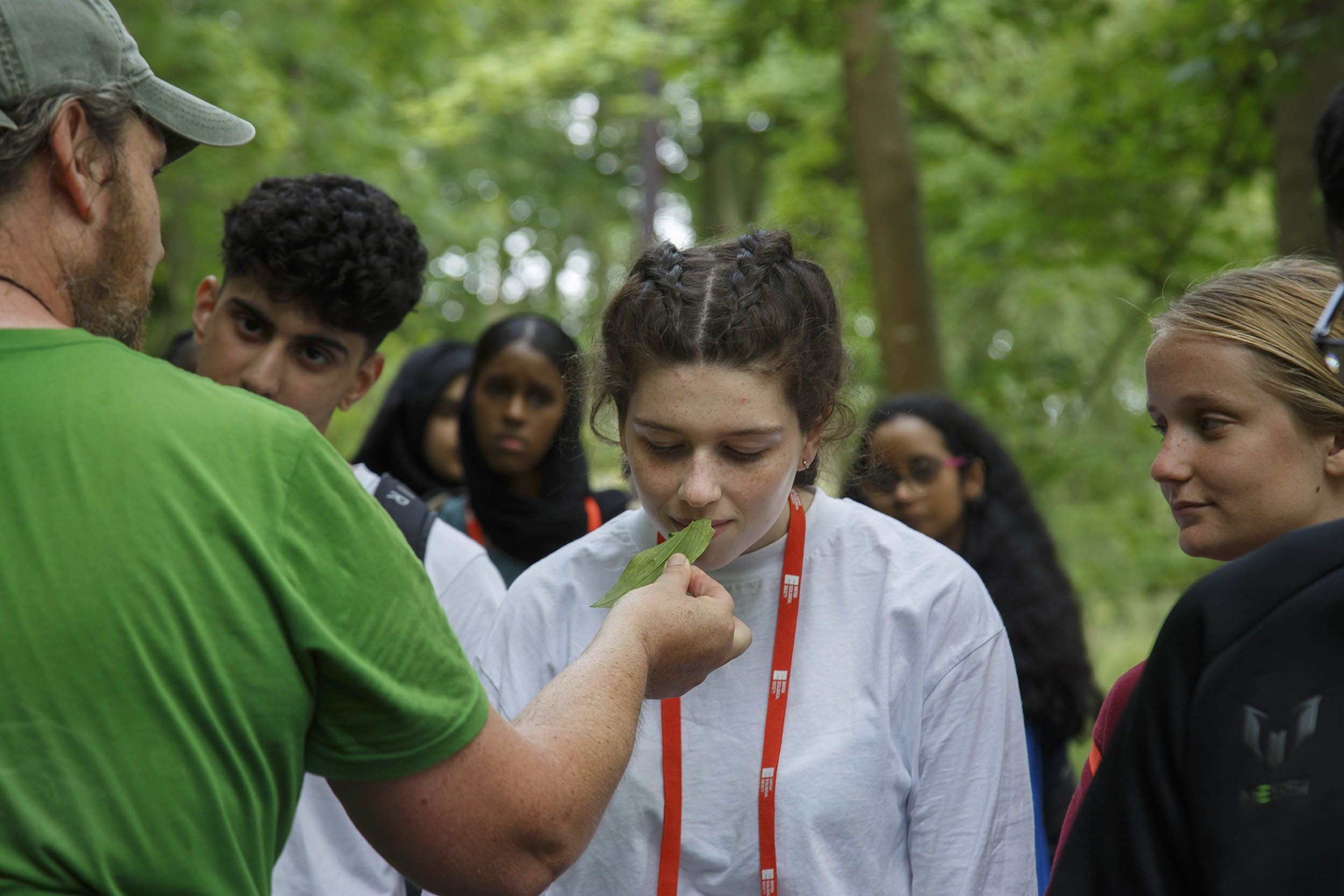
As ever, working for BES was extremely interesting, a personal highlight being the nature walk led by Dr. Daniel Forman, lecturer in Biosciences at Swansea University. I’d walked the same route as part of the Pennine Way last year but his fascinating insights into the ecology around us was illuminating.

Event Photography: British Ecological Society Summer School at Malham Tarn
I recently worked with the British Ecological Society (BES) as a documentary photographer during their annual summer school, a week-long residential field experience for students studying sciences at A-level, Scottish Higher, and equivalent qualifications. This year, 31 students from seven schools across the UK gathered at Malham Tarn in the Yorkshire Dales to explore ecology, fieldwork, and environmental science firsthand.
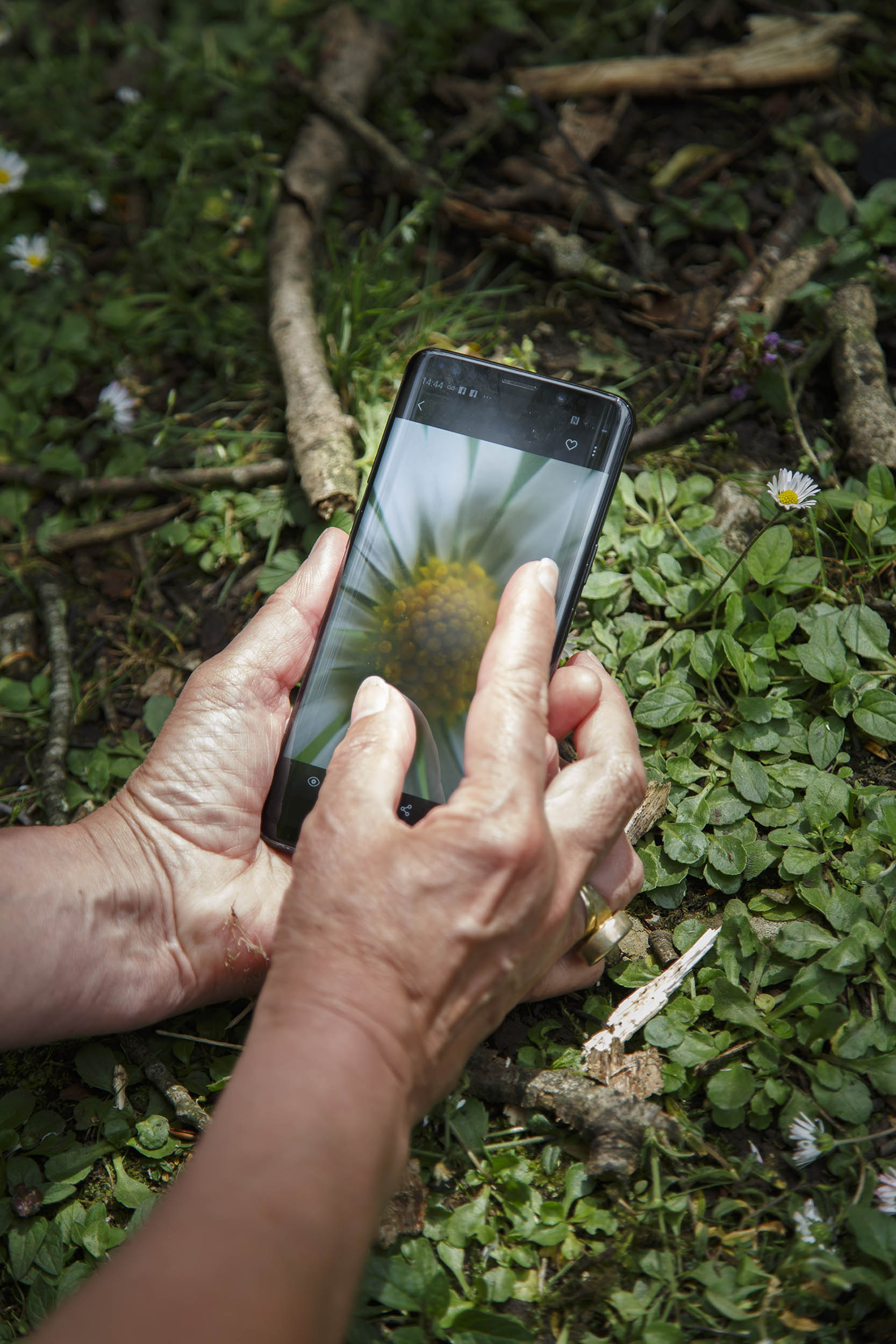
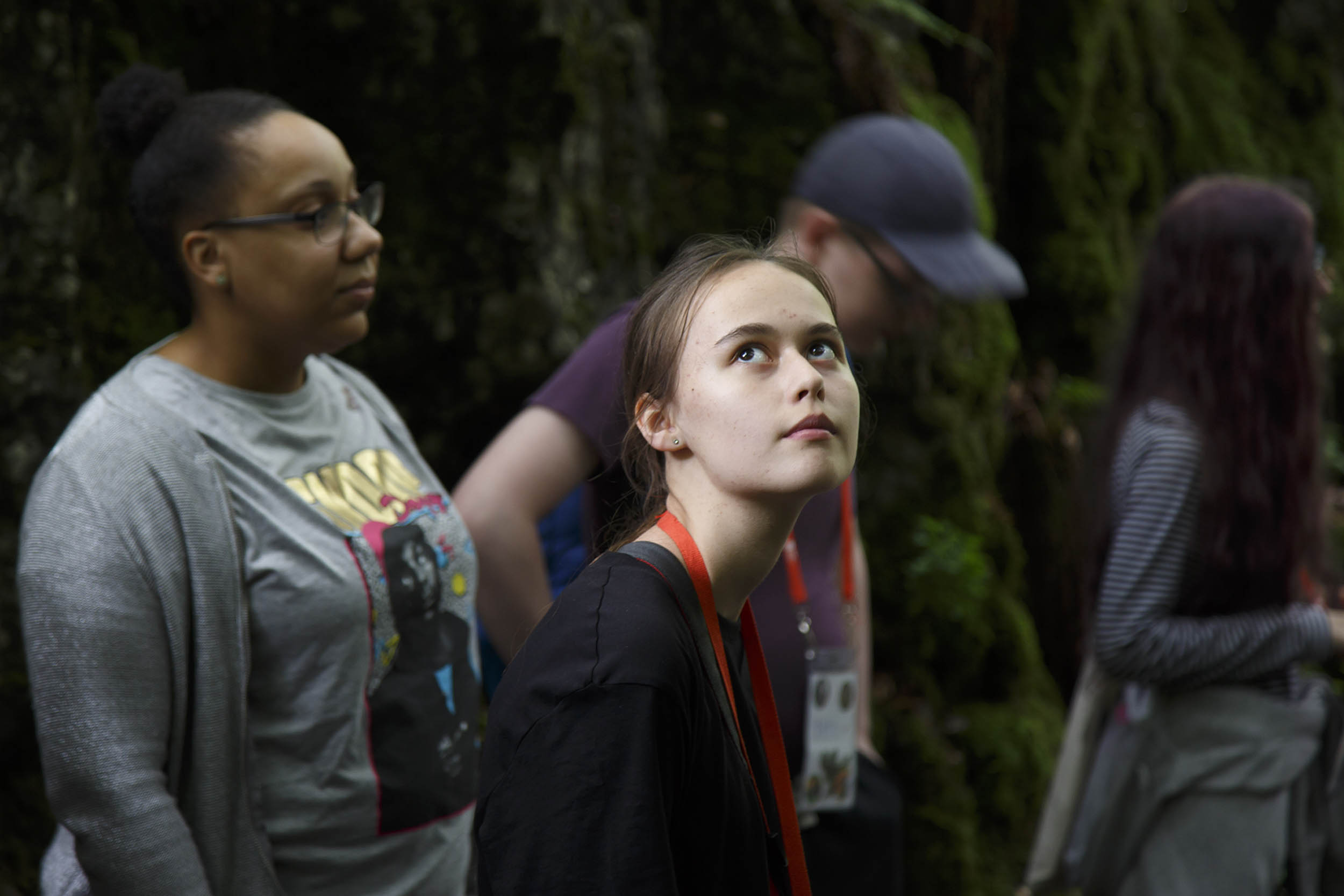
I photographed one day of the programme, providing an overview of the day’s activities while creating marketing and social media material for BES. The focus was on capturing students engaged in fieldwork, discussions, and outdoor learning, showing both the educational content and the immersive nature of the experience.
Documenting Fieldwork and Student Engagement
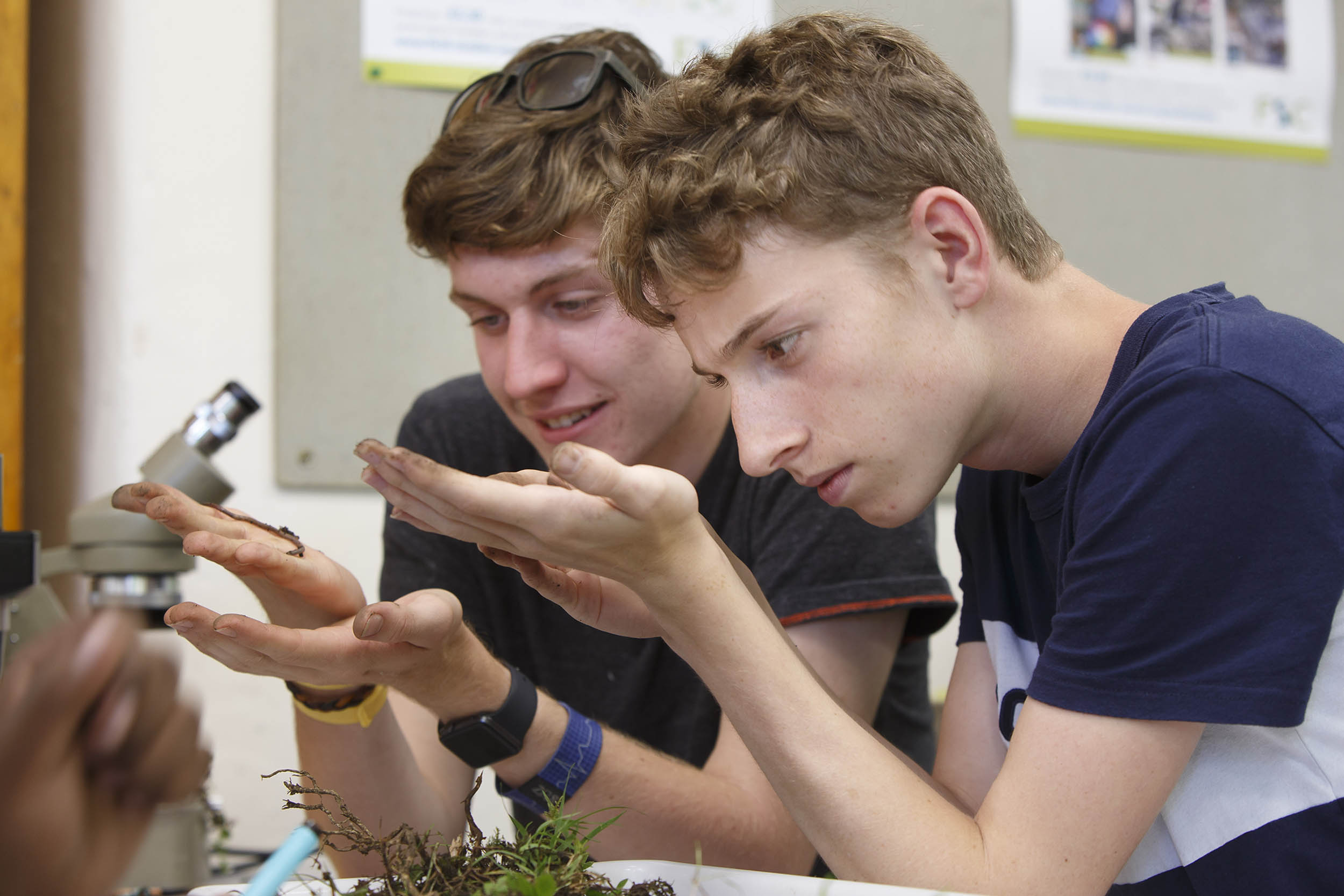
Even within a single day, there are many moments that illustrate the value of hands-on ecological learning. One highlight was the nature walk led by Dr. Daniel Forman, lecturer in Biosciences at Swansea University. Although I had walked the same route previously as part of the Pennine Way, Dr. Forman’s insights into the local ecology and species interactions offered students—and my photography—a new perspective on the landscape.
Photographs captured students observing habitats, taking notes, and interacting with instructors, emphasizing curiosity, engagement, and teamwork. These images help convey the hands-on learning experience to audiences who could not attend.


The Importance of Professional Photography for Educational Programmes
High-quality photography is essential for educational initiatives like the BES summer school. Images from even a single day:
Provide marketing material to promote future programmes
Document student engagement for internal review
Show the collaboration between students and instructors
Support social media, newsletters, and press coverage to demonstrate programme impact
Capturing these moments professionally ensures that BES can showcase both the learning outcomes and the immersive, field-based nature of the summer school.
Malham Tarn: A Unique Field Site
Malham Tarn in the Yorkshire Dales offers a diverse ecological setting, including wetlands, limestone landscapes, and surrounding habitats. Photographing students in this environment demonstrates how fieldwork brings theory to life and provides unique learning opportunities. Images from the day highlight the interaction between students, instructors, and the environment, which is central to BES’s mission.
Conclusion
Documenting one day of the British Ecological Society summer school allowed me to capture the energy, curiosity, and engagement of the students while providing BES with professional material for marketing, social media, and archival purposes. Working alongside expert instructors like Dr. Daniel Forman made the day both professionally and personally rewarding.
For more information about the British Ecological Society and their educational initiatives, visit britishecologicalsociety.org.
Carolyn Radford
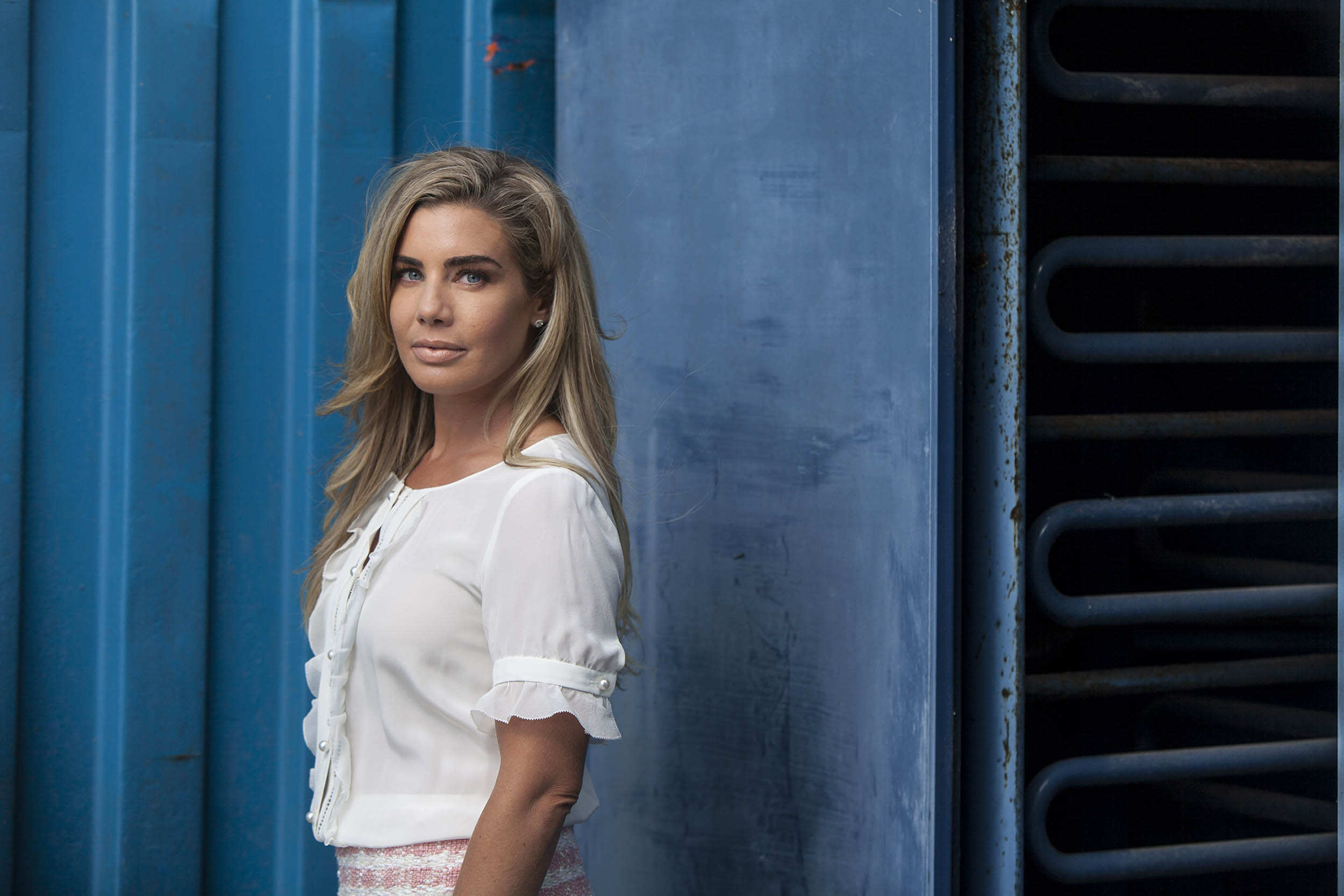
Portrait photographs for Carolyn Radford the CEO of Mansfield Town Football Club.
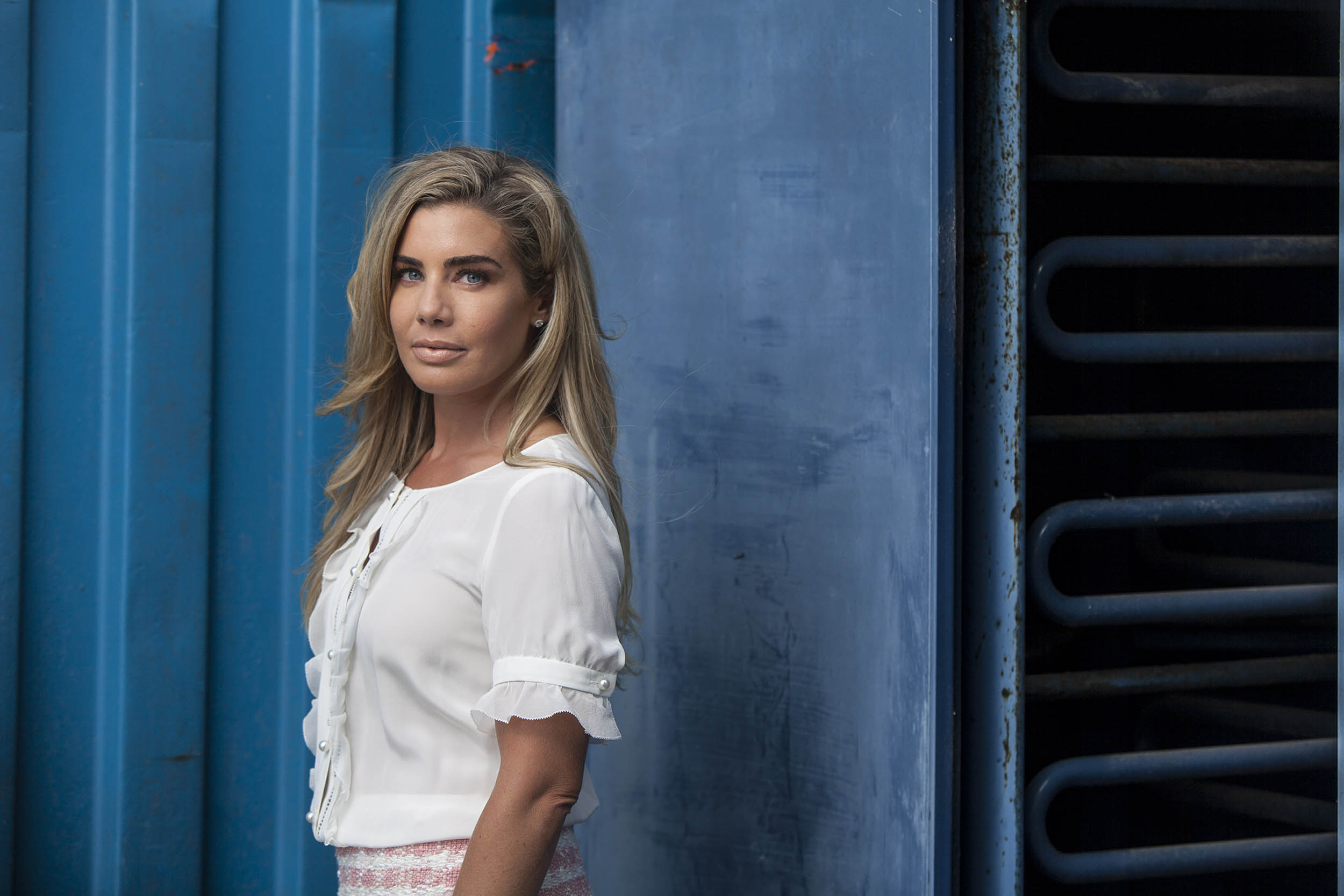
Portrait Photography: Carolyn Radford, CEO of Mansfield Town Football Club
I recently photographed Carolyn Radford, CEO of Mansfield Town Football Club, creating professional portrait images suitable for editorial, marketing, and corporate communications. These portraits capture her presence, leadership, and professionalism in one of the most visible executive roles in English football.
Carolyn Radford was appointed CEO of Mansfield Town at just 29, making her the youngest chief executive in English professional football at the time, and one of the very few female CEOs in the sport. Her role is groundbreaking in a male-dominated industry, highlighting her influence and leadership in football management, as well as her commitment to diversity and inclusion within the game.

Capturing Leadership Through Portrait Photography
Corporate and executive portrait photography is about more than a likeness; it conveys authority, confidence, and approachability. In Carolyn Radford’s session, the goal was to communicate her leadership style and professional presence while producing images suitable for club publications, press releases, and digital media.
Photography of football executives requires careful attention to context, branding, and tone. The portraits balance formality with accessibility, showing both the responsibilities of her role and her personality. These images provide a visual connection for fans, stakeholders, and partners, reinforcing her presence as a trailblazer in the sport.
Conclusion
Portrait photography of Carolyn Radford celebrates her pioneering role as one of the few female chief executives in British professional football while producing high-quality images for editorial, marketing, and social media use. Capturing executives in context ensures organisations can communicate their people, values, and leadership effectively, strengthening their visual presence both online and in print.

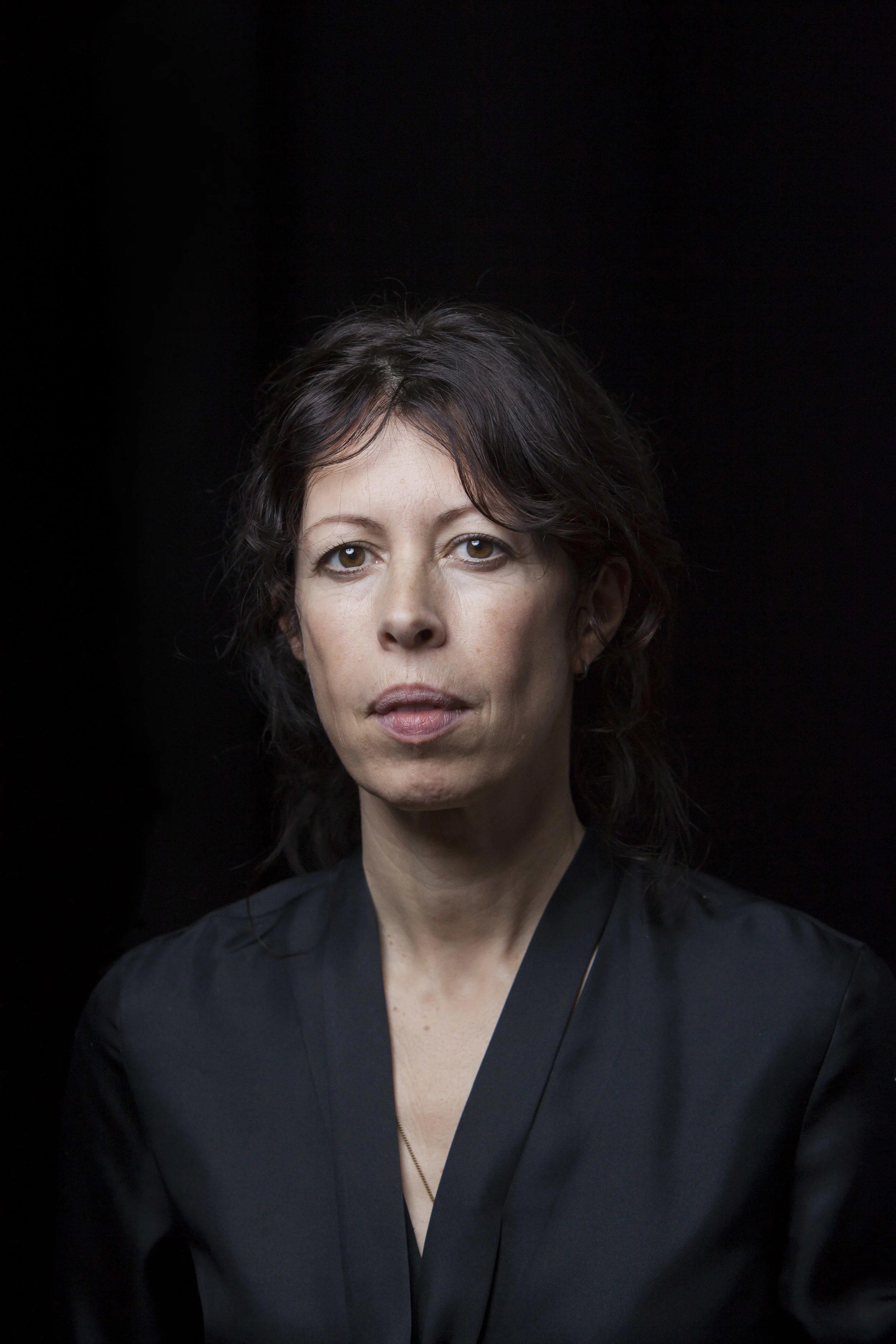
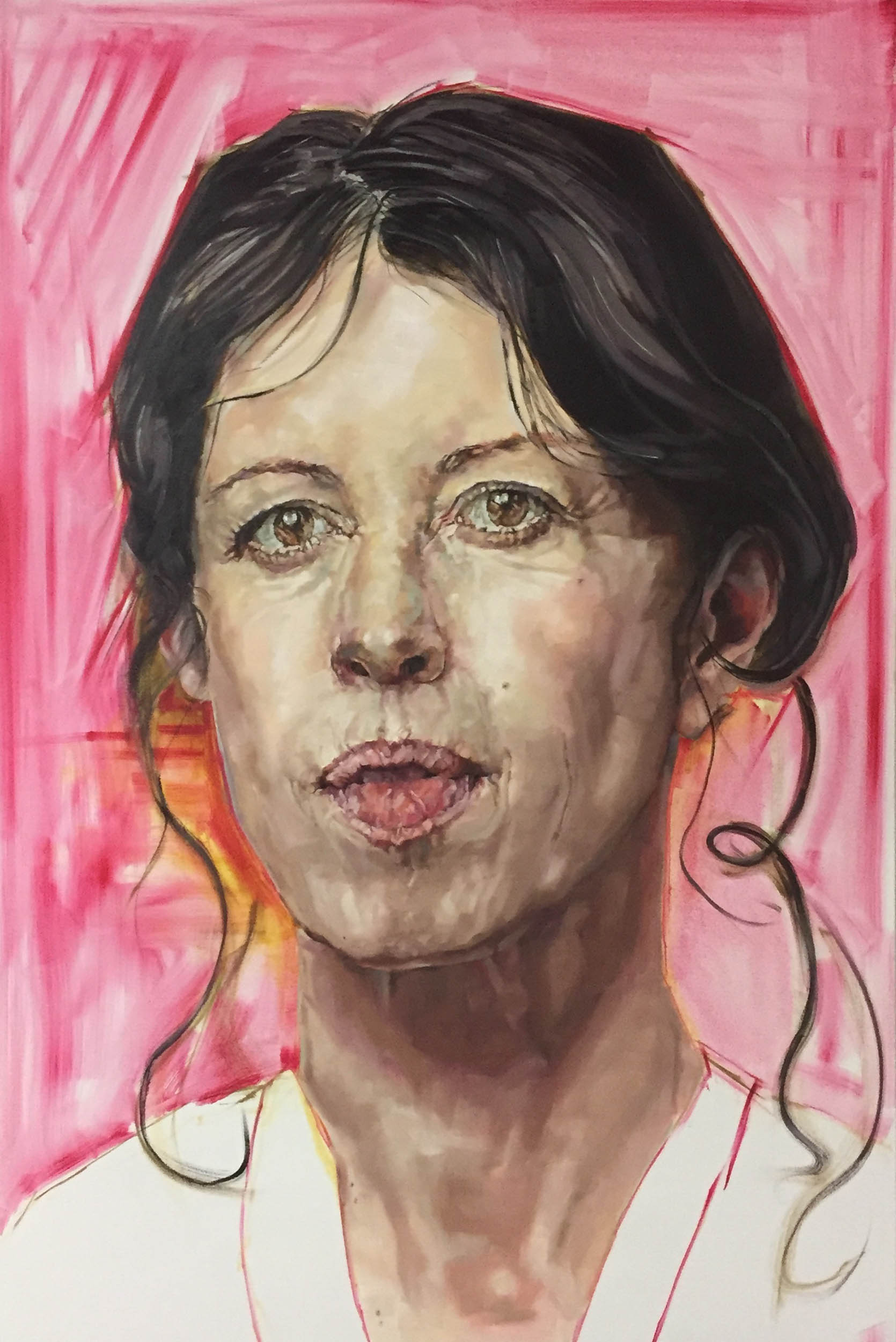
Cecily Brown by Shana Wilson
Shana Wilson approached me to use my portrait of artist Cecily Brown as the basis for a portrait in her series TribeShe promoting visibility and empowerment of women over 40.

Portrait of Cecily Brown | Featured in Shana Wilson’s TribeShe Series
Portrait Photography Shared and Reinterpreted by Shana Wilson
Earlier this year, artist and creator Shana Wilson approached me about using my portrait of the British‑born painter Cecily Brown as the basis for a new work in her ongoing TribeShe series. TribeShe is a portrait series dedicated to increasing the visibility and empowerment of women over 40, celebrating their resilience, creativity, and continued cultural impact. Wilson’s work reframes existing images by placing them in a broader narrative of visibility and representation, making the original photograph a starting point for a new visual dialogue.
My original portrait of Cecily Brown and Wilson’s nearly completed reinterpretation are featured below, showing how portrait photography can transcend its initial purpose to inspire creative reinterpretation and collaboration within the visual arts. You can find more of Shana Wilson’s work at her website: shanawilsonartist.com.
Who Is Cecily Brown and Why a Portrait of Her Matters
Cecily Brown is a highly influential British painter whose work has been central to the resurgence of figurative painting since the 1990s. Born in London in 1969, she studied at the Slade School of Fine Art before moving to New York in the mid‑1990s, where she quickly established herself on the international art stage. Her early exhibitions at Deitch Projects were met with critical and commercial success, and her career has included solo shows at major institutions such as the Hirshhorn Museum in Washington, D.C., Museo Reina Sofía in Madrid, and Blenheim Palace in the UK, among others.
Brown’s work is characterised by sweeping, gestural brushwork that blurs the boundary between abstraction and figuration. She draws on influences ranging from Abstract Expressionists like Willem de Kooning to Old Masters such as Rubens and Goya, combining historical references with a deeply personal exploration of movement, form, and perception. Her paintings often appear intense and kaleidoscopic, inviting sustained viewer engagement and reflection.
Brown’s paintings are included in the permanent collections of world‑renowned institutions including the British Museum, Tate Modern, the Museum of Modern Art in New York, and the Whitney Museum of American Art. Beyond her aesthetic achievements, her influence stems from how she revitalised painting at a time when conceptual and multimedia art dominated. Her commitment to paint as a medium, and her ability to synthesise figuration and abstraction, marks her as one of the most important painters of her generation.
TribeShe: Amplifying Women’s Voices Through Art
Shana Wilson’s TribeShe series focuses on women over 40, emphasising empowerment, legacy, and representation. By selecting portraits of women who have already made significant cultural contributions, Wilson reframes them in a way that foregrounds lived experience, agency, and continued relevance. Choosing a portrait of Cecily Brown — an artist with an influential career spanning decades and an international presence — aligns with TribeShe’s mission to highlight women whose voices deserve wider recognition.
Wilson’s reinterpretations are not merely aesthetic exercises; they position women’s stories within broader societal and artistic conversations, elevating subjects who have shaped their fields and whose work continues to resonate across communities.
The Power of Portraiture and Collaboration
Portrait photography captures more than a likeness; it reflects presence, influence, and context. A portrait of an artist like Cecily Brown carries weight not just because of her stature in the art world but because her career embodies sustained creativity and a commitment to her medium. Through Wilson’s reinterpretation, the original photographic work becomes part of a larger exploration of identity, ageing, and leadership in the arts.
This kind of artistic dialogue — where photographic portraiture becomes a catalyst for further creation — demonstrates the dynamic interplay between image, interpretation, and cultural narrative. It highlights the ways in which visual representation can both document and reframe the significance of influential figures.
Conclusion
Being approached by Shana Wilson to contribute to her TribeShe series through my portrait of Cecily Brown was a reminder of how photography can extend beyond its initial purpose, becoming part of new artistic stories and collaborations. The partnership between photographer and painter, between original image and reinterpretation, reflects the fluid, ongoing conversations within contemporary art about identity, visibility, and empowerment.
Explore more of Shana Wilson’s work at shanawilsonartist.com.
Nick Freeman
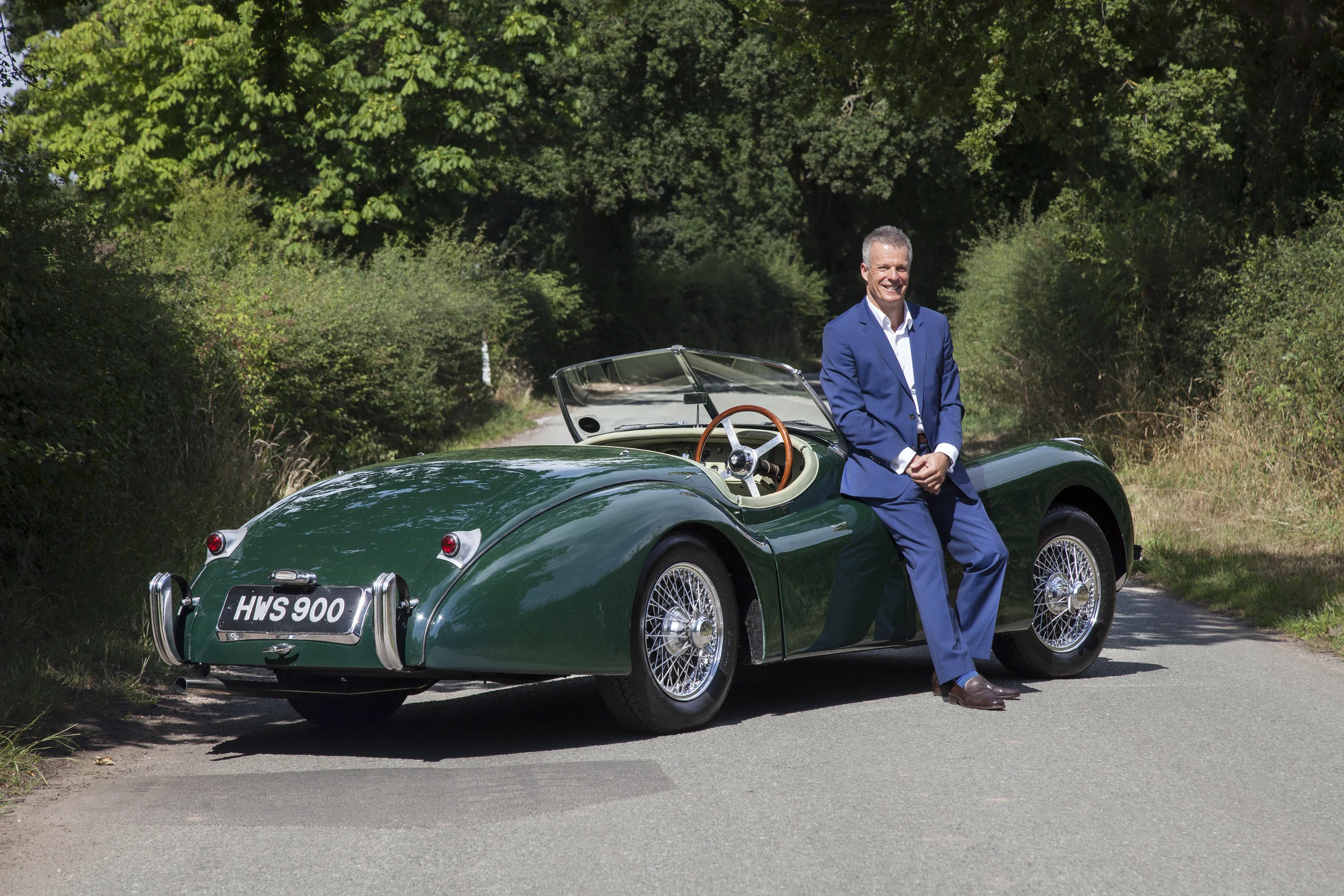
It’s not everyday you get to cruise around Cheshire in a Jaguar XK120, let alone when its 28 degrees outside. Happily, they were the conditions when I photographed motoring lawyer to the stars Nick Freeman for the Sunday Times ‘Me and My Motor’ section.

It’s not everyday you get to cruise around Cheshire in a Jaguar XK120, let alone when its 28 degrees outside. Happily, they were the conditions when I photographed motoring lawyer to the stars Nick Freeman for the Sunday Times ‘Me and My Motor’ section.
We found out that classic cars don’t really enjoy idling in the baking heat, but after a bit of cooling off in the shade, we got the job done.

Ian & Andrew McMillan
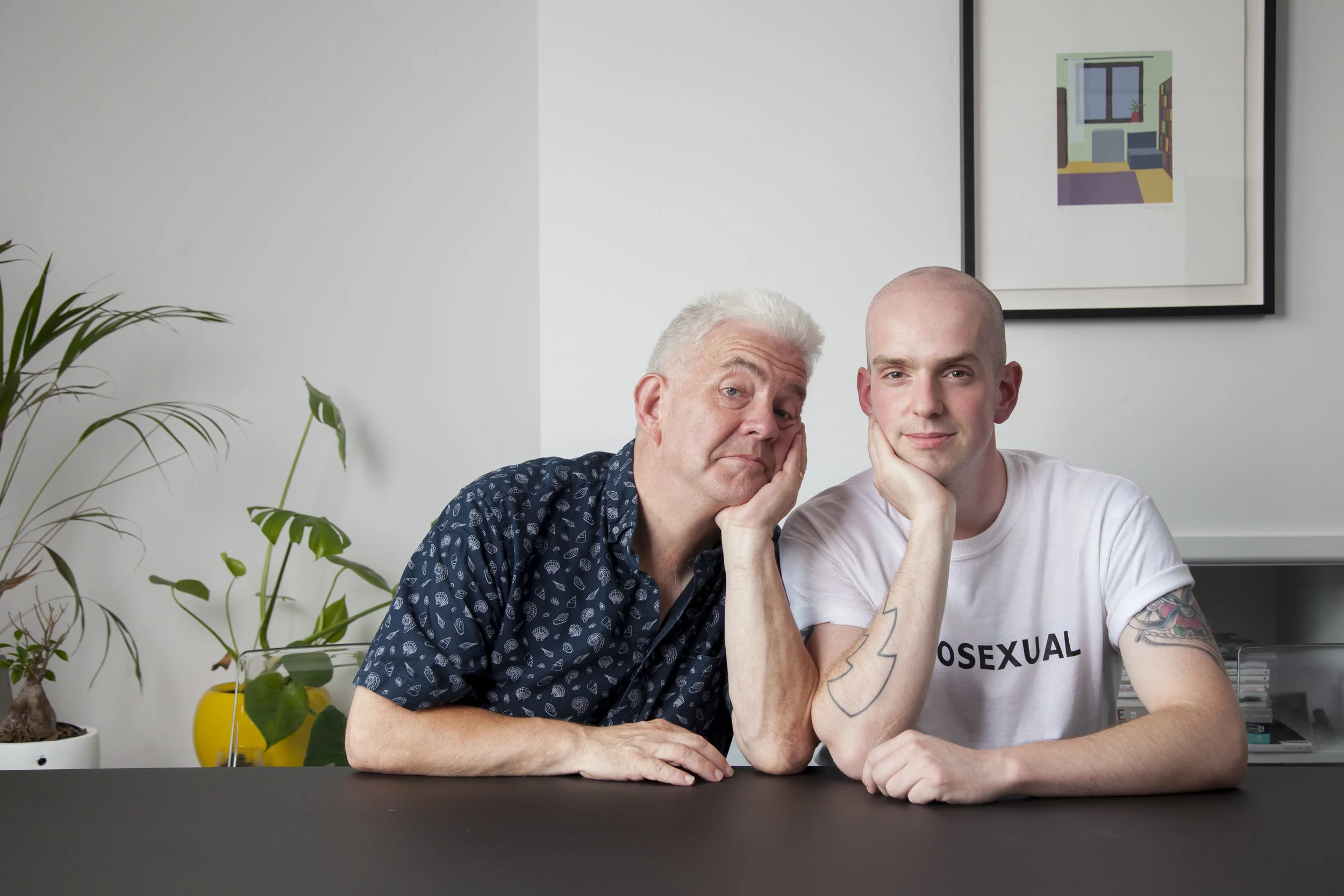
It was a real pleasure to photograph poets Andrew McMillan and his father Ian for the Sunday Times ‘Relative Values’ feature a few months ago.

A few months ago I had the real pleasure of photographing poets Andrew McMillan and his father Ian McMillan for the Relative Values feature in The Sunday Times. Spending time with the two of them was both humbling and enjoyable, and the resulting portraits reflect not just their connection as father and son but also their remarkable contributions to British poetry and culture.
I’ve known of Ian’s work from radio appearances throughout my youth and of course from his long‑standing role as the official poet of Barnsley Football Club. Born in Darfield, South Yorkshire in 1956, Ian McMillan is an English poet, journalist, playwright and broadcaster known for his warm Northern voice and distinctive Yorkshire accent. He has presented BBC Radio 3’s The Verb, written extensively for national publications, and remains deeply rooted in the cultural life of his home region.
His son Andrew McMillan is a leading voice in contemporary British poetry in his own right. Born near Barnsley in 1988, Andrew’s debut poetry collection Physical was published by Jonathan Cape and made history as the first poetry collection to win the Guardian First Book Award. Since then he has published multiple acclaimed works and serves as Professor of Contemporary Writing at Manchester Metropolitan University.
Photographing them together was an opportunity to explore both shared legacy and individual achievement. The session was unhurried and conversational, enabling us to create portraits that communicate personality, mutual respect, and the unique dynamic between two generations of writers. Much of our conversation, inevitably, turned to football — not surprising given Ian’s poetic celebration of sport and his unofficial title as Barnsley’s “Bard” — and it was fascinating to see how the everyday passions of life in Yorkshire inform both of their creative worlds.

The portraits were commissioned to accompany The Sunday Times feature, which invited readers inside the personal and professional lives of these two poets. Editorial portraiture like this goes beyond capturing a likeness; the aim is to reflect character and context, helping readers connect with the subjects on a deeper level. In this case, the images complement the written piece by conveying warmth, humour and the richness of a life spent in language.
Ian’s body of work spans poetry collections, plays, journalism and broadcasting, and he has long been celebrated for promoting poetry to wider audiences. Whether performing live, writing columns or bringing regional voices into national conversation, his career has been rooted in community and accessibility. Andrew’s work is both deeply personal and widely resonant, addressing themes of identity, belonging and emotion while winning recognition on major literary stages. The time spent photographing them offered a glimpse into how these creative lives intersect and diverge, making for a compelling visual story.
In the portraits, you’ll see expressions and gestures that hint at their personalities — Ian’s ease and characteristic humour, Andrew’s quiet intensity and reflective presence — and a sense of connection that only time spent in conversation can reveal. These images do more than illustrate a feature; they document a moment in the lives of two major voices in contemporary poetry.
It was a pleasure to be part of this project, and I’m grateful to The Sunday Times for the opportunity to shoot such thoughtful subjects.

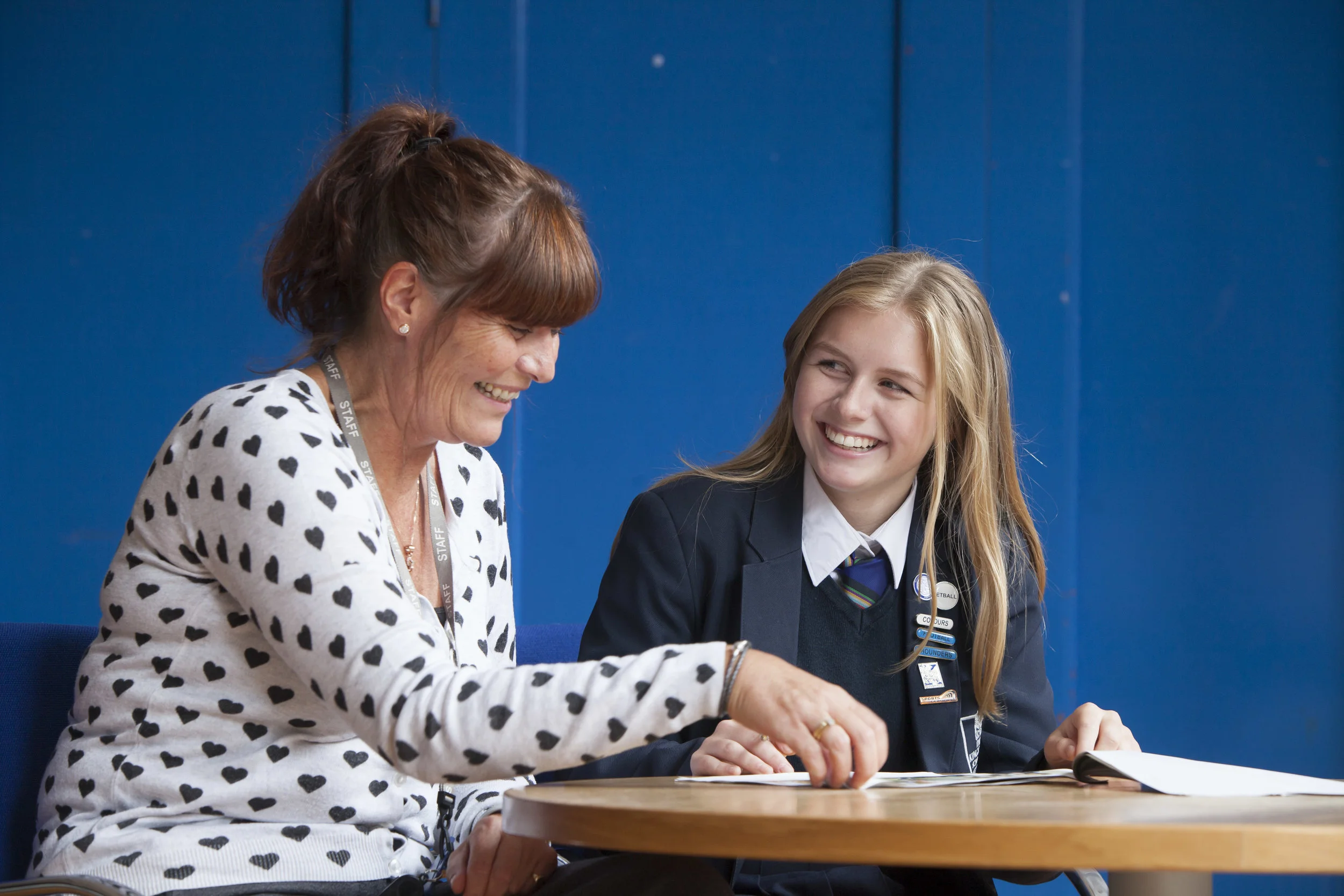
Kingsway School
Some pictures from my first commission for Kingsway School. I’m glad to have been back for a further shoot later this year.

Some pictures from my first commission for Kingsway School. I’m glad to have been back for a further shoot later this year.
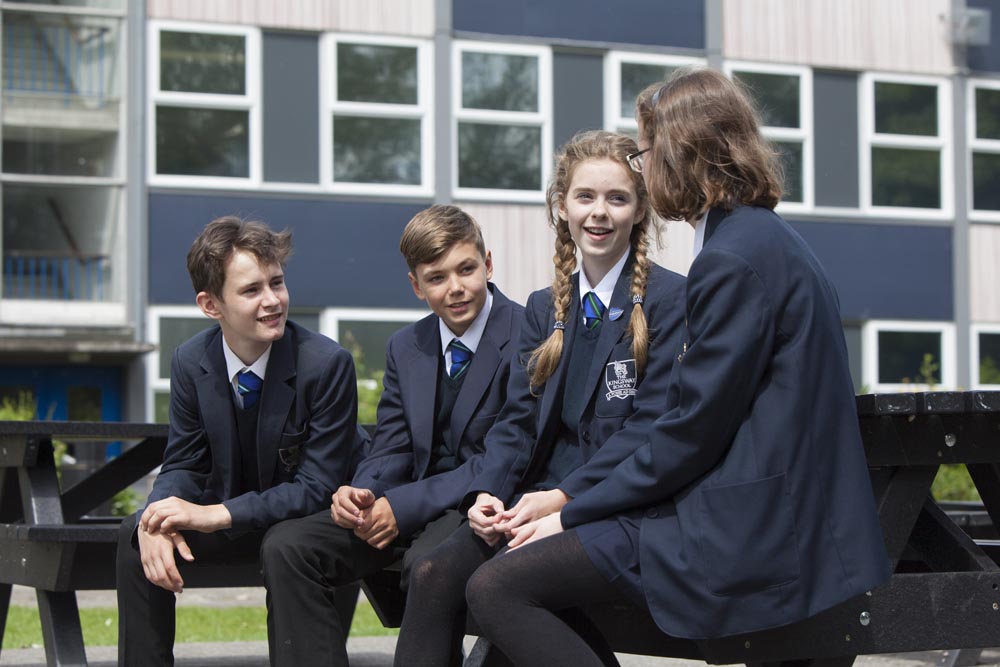
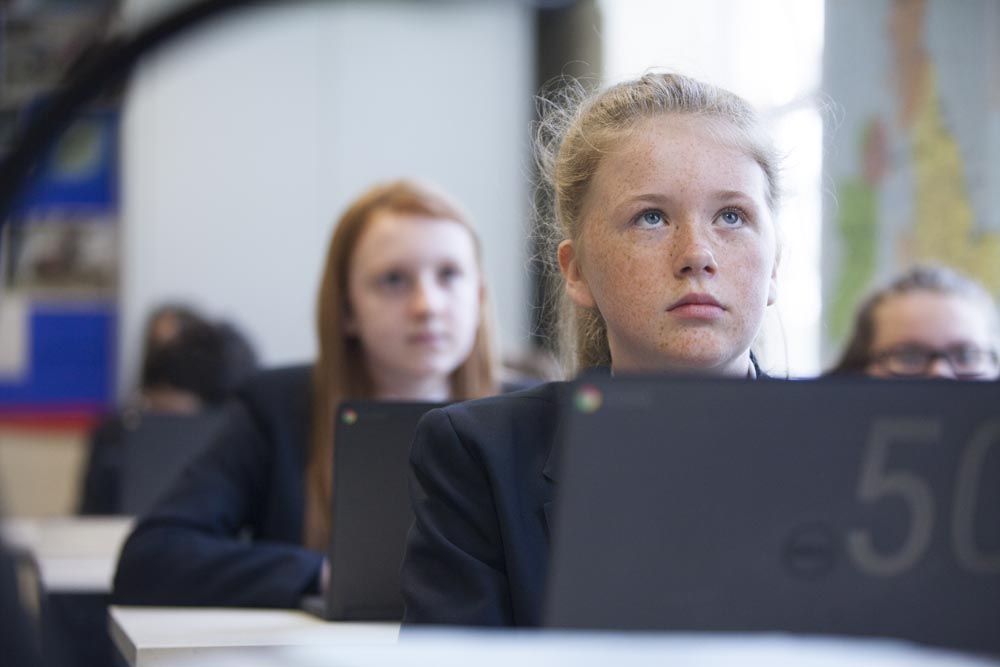


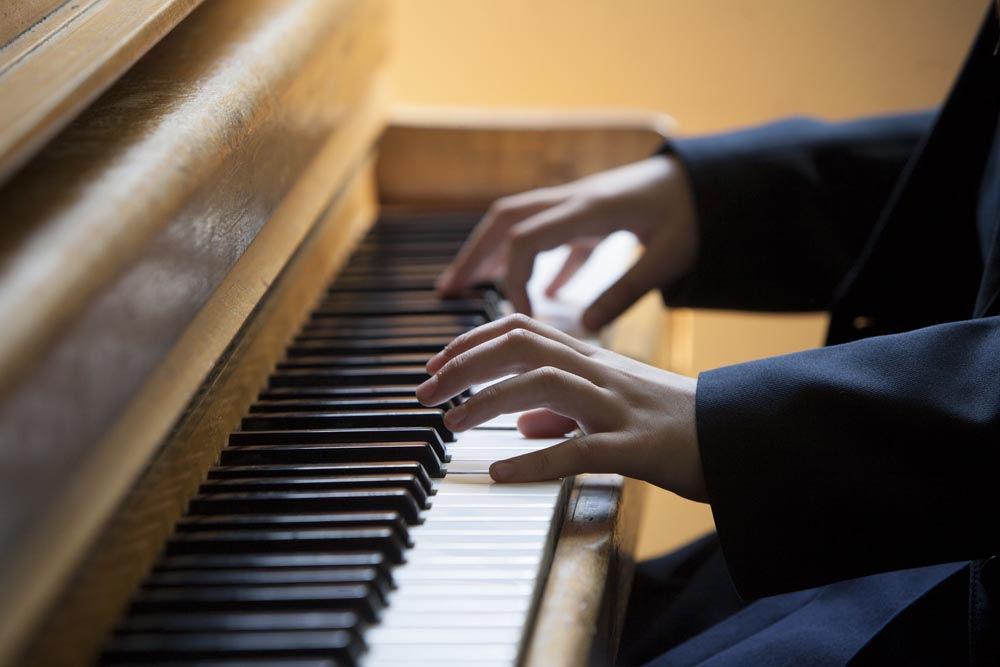


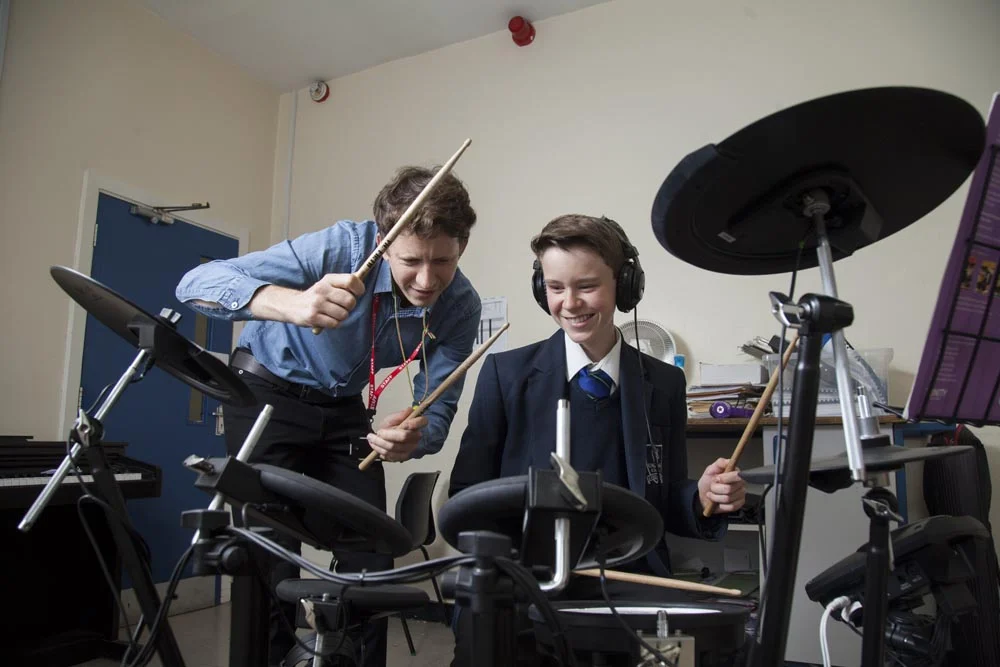
You can see the pictures in action on the school’s website: https://www.kingsway.stockport.sch.uk/
Nadia Nadim for Scandinavian Airlines
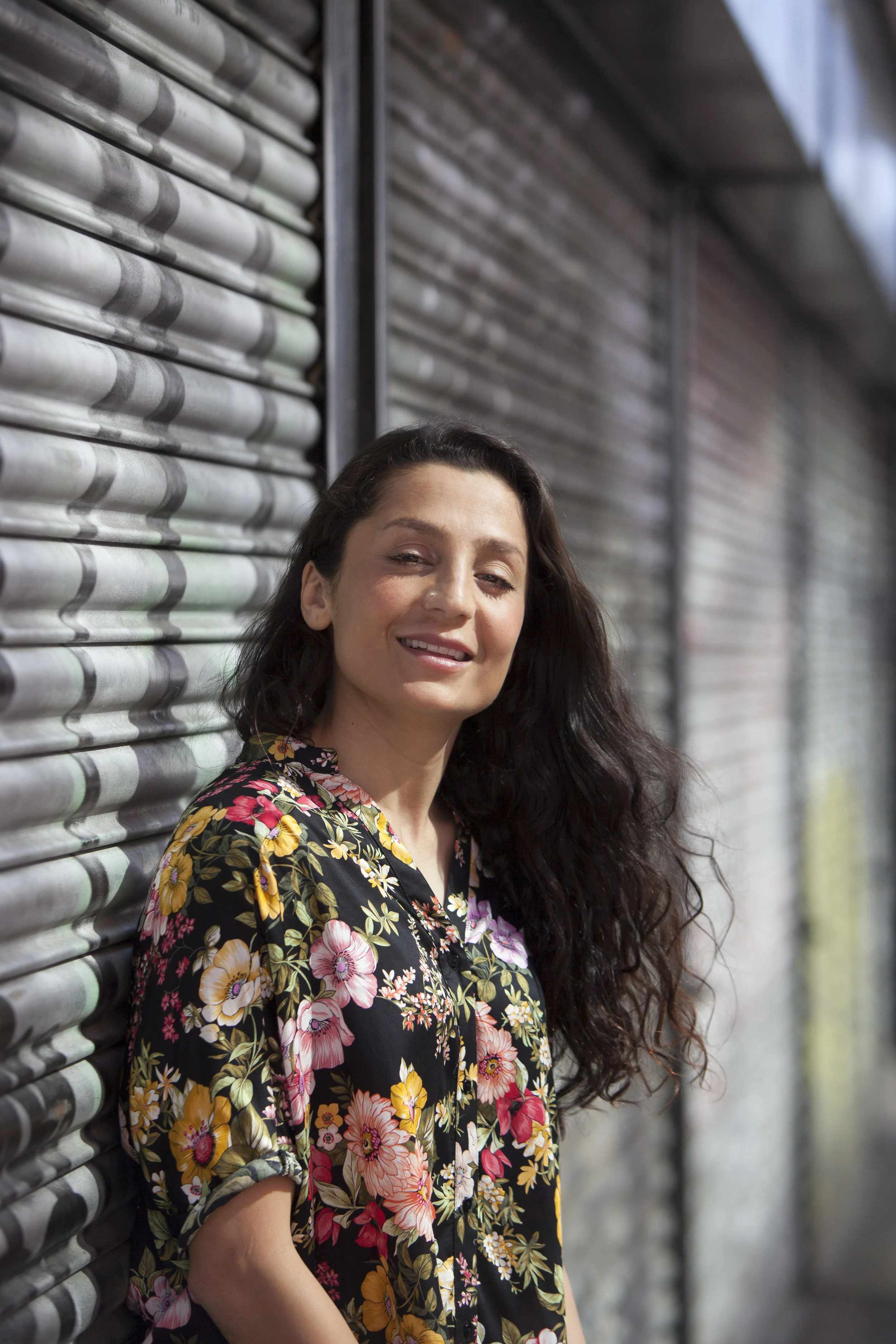
It was great to work with renowned sports journalist Claire Bloomfield and Swedish design agency Off The Wall on this commission for Scandinavian Airlines.

Nadia Nadim Photography for Scandinavian Airlines | Editorial Portraits
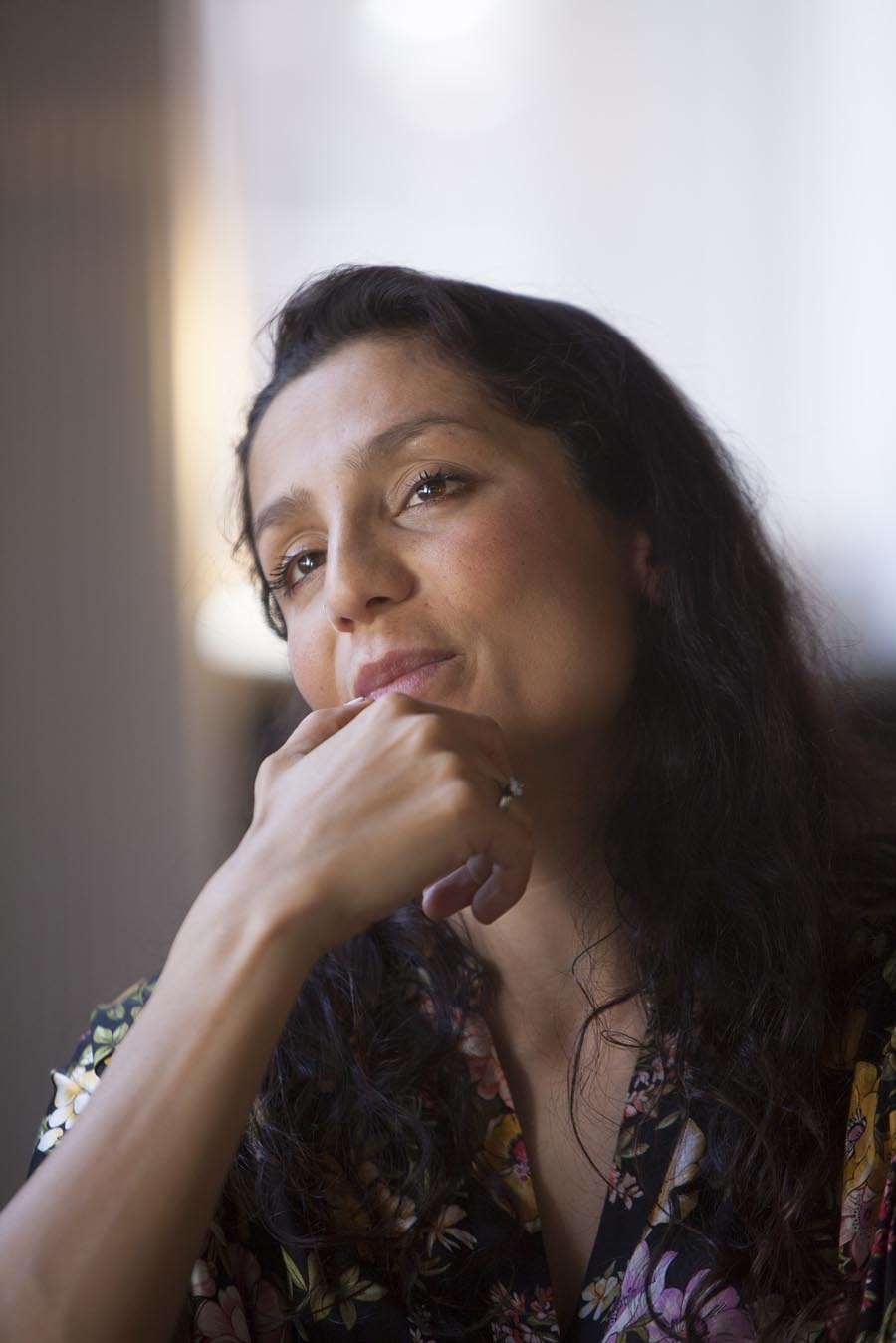
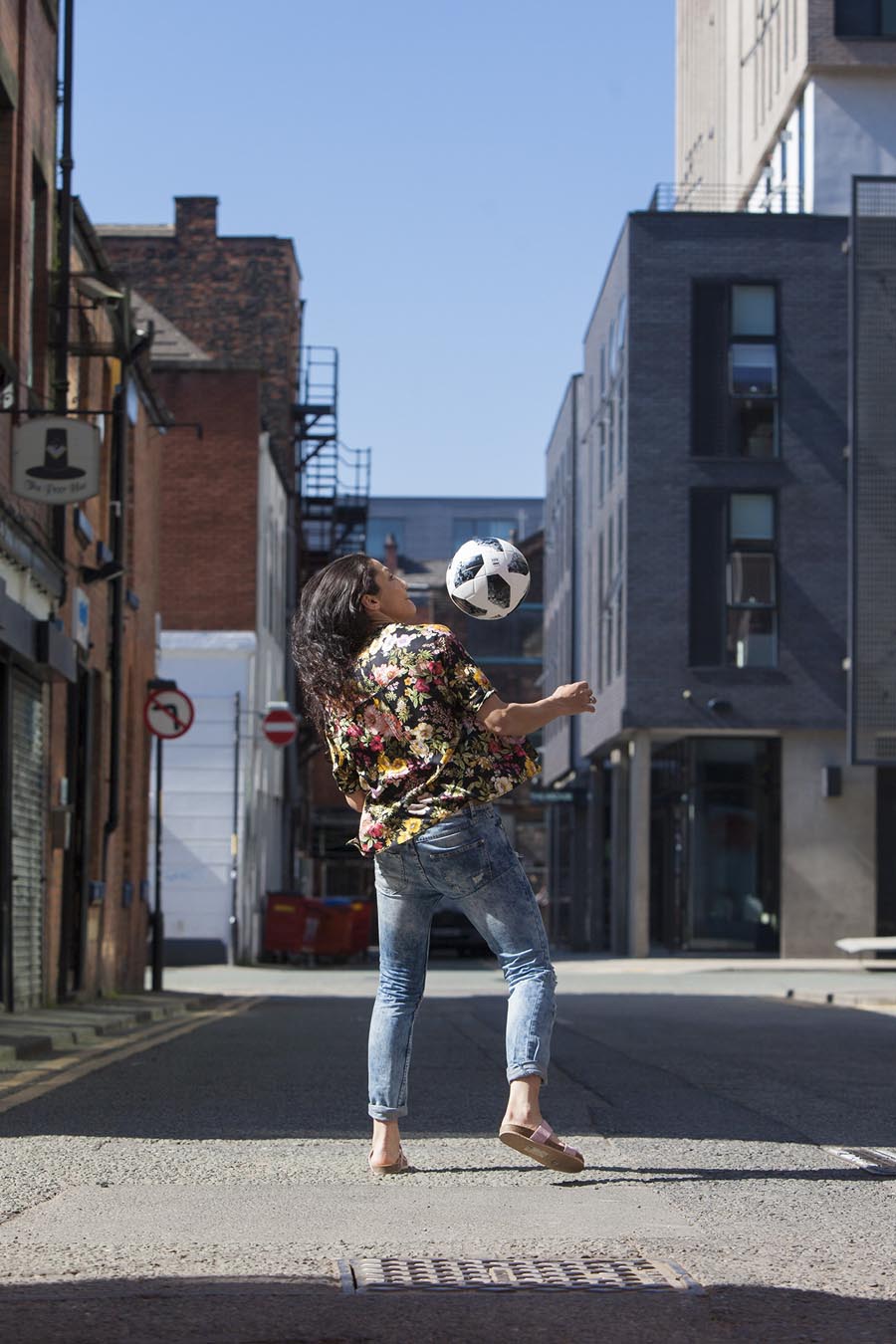
I recently photographed Nadia Nadim, the Danish international footballer and Manchester City midfielder, for a commission with Scandinavian Airlines. Nadim’s story is extraordinary: born in Afghanistan, she fled the country as a child after her father was executed, resettled in Denmark, and went on to become a professional footballer, a medical student training to be a surgeon, and a polyglot fluent in nine languages. Meeting and photographing her was genuinely inspiring.
This commission was a collaboration with sports journalist Claire Bloomfield and Swedish design agency Off The Wall. The photographs accompany a feature in Scandinavian Traveler magazine, capturing Nadim’s achievements, resilience, and extraordinary personal journey.
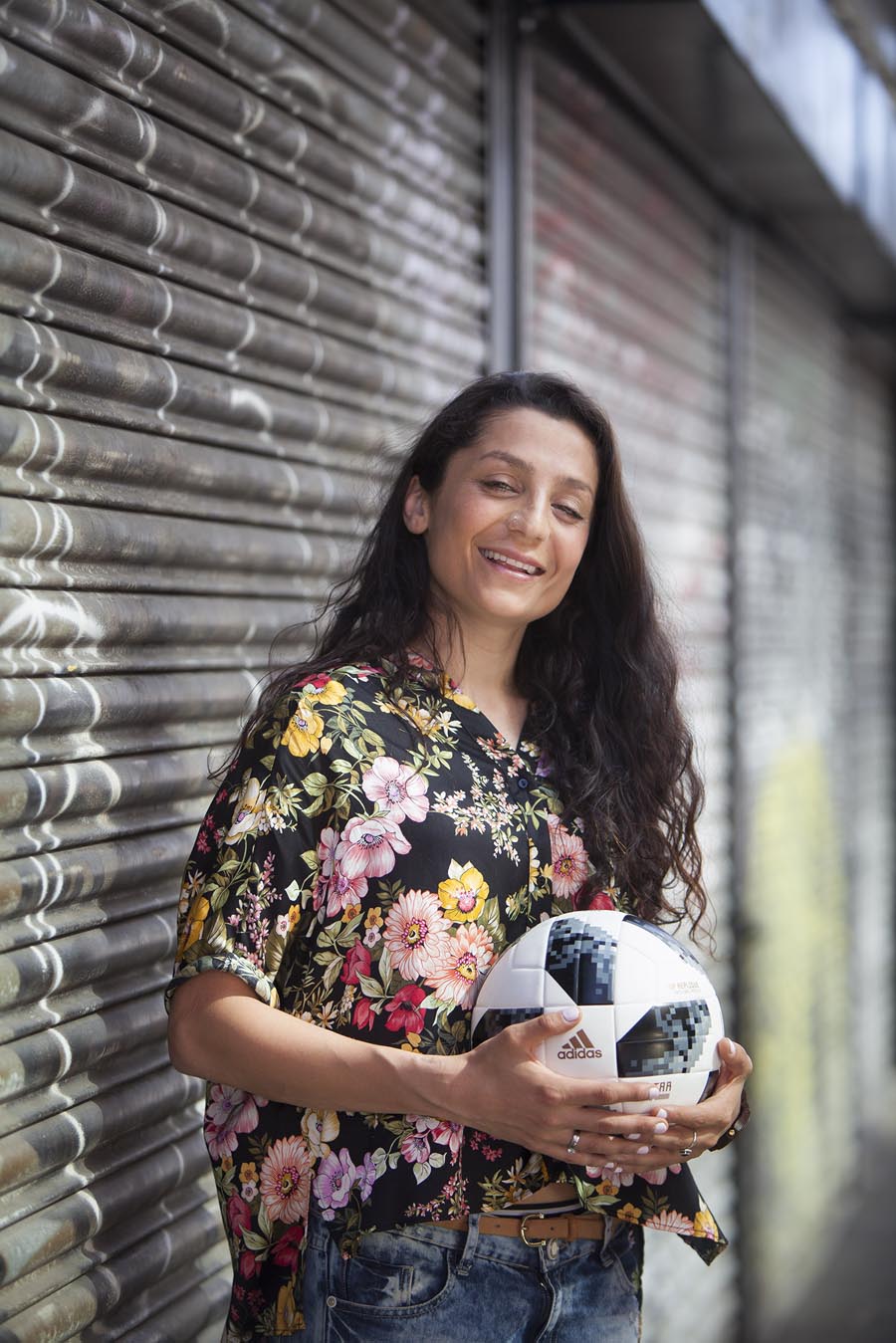
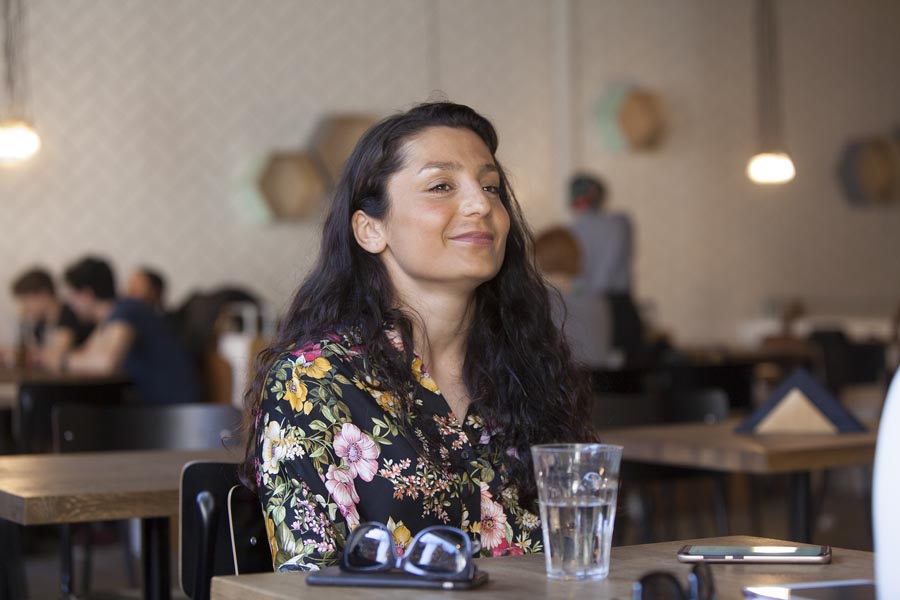
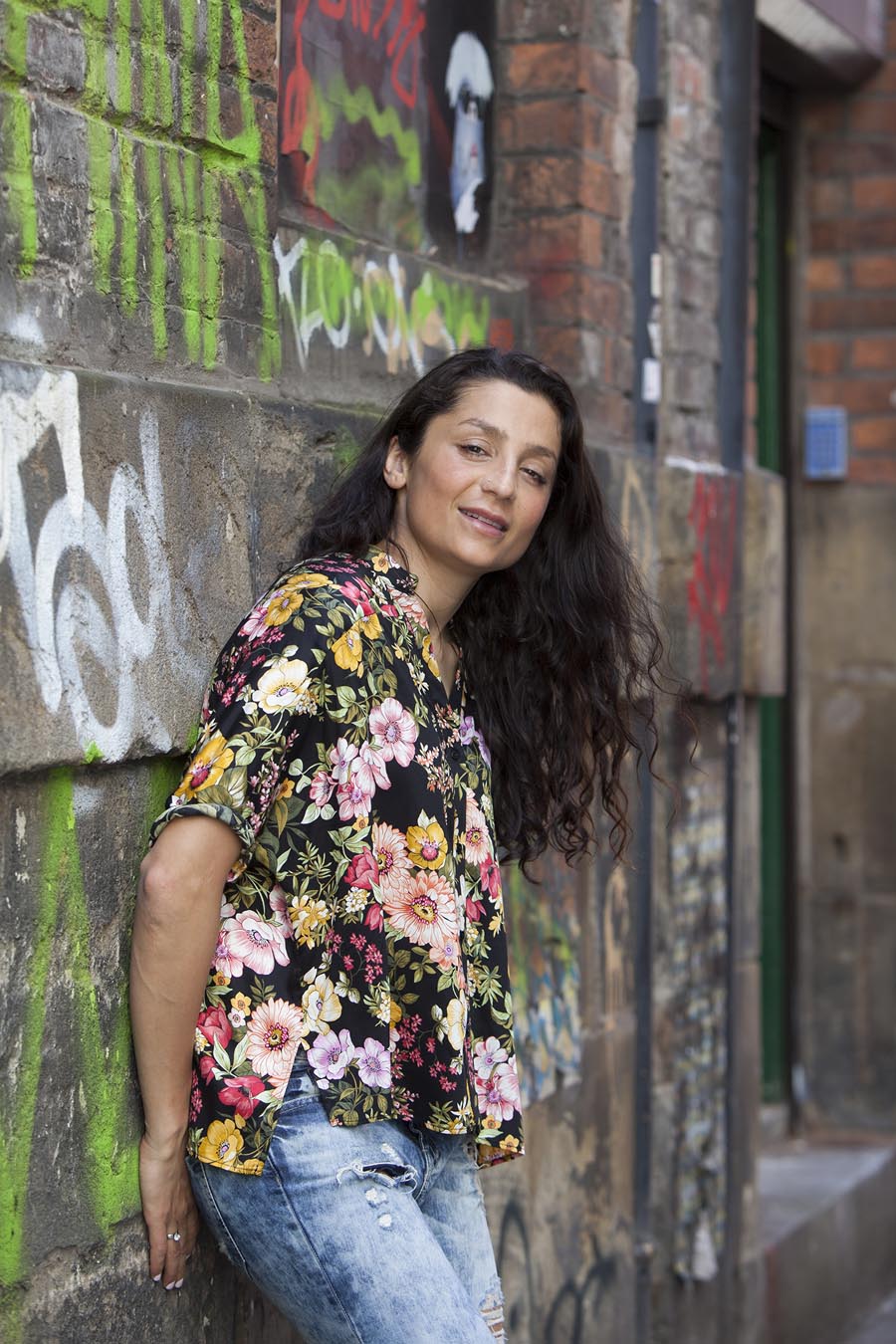
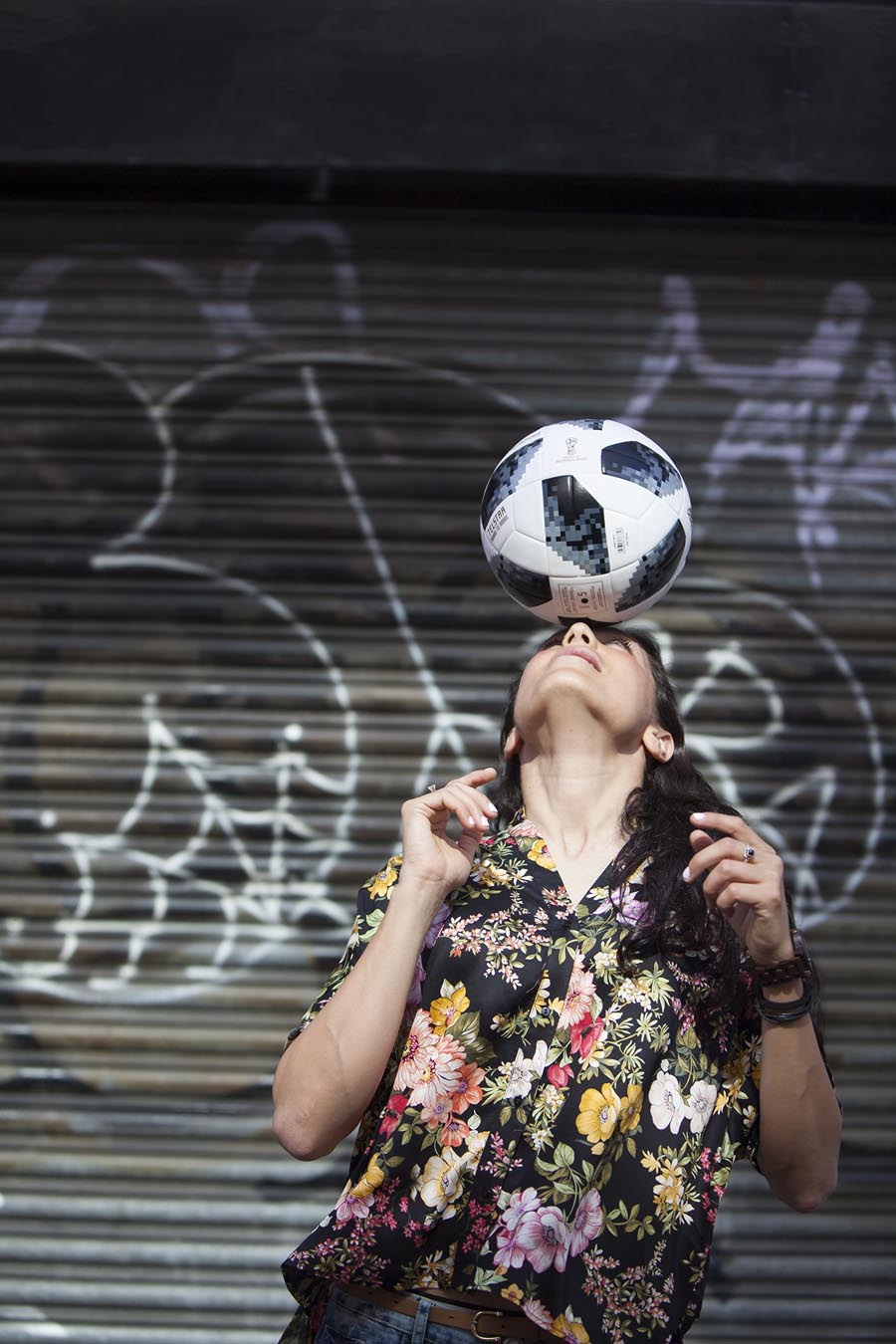
Capturing Nadia Nadim: Editorial and Portrait Photography
The photography focused on portraiture and environmental shots rather than on-pitch action. The aim was to convey Nadim’s character, determination, and life story, highlighting her journey from refugee to professional athlete, her academic pursuits in medicine, and her advocacy for social issues including refugee support and gender equality in sport. Professional editorial photography in this context brings her story to life, showing her as a role model, a global citizen, and an inspirational figure beyond football. The images were designed to engage audiences, complement the written profile, and be used across social media, print, and digital publications.
Nadia Nadim: An Inspirational Life Story
Nadim’s achievements extend far beyond football. She has represented Denmark in multiple UEFA European Championships and FIFA World Cups while balancing her studies in medicine, reflecting a remarkable dedication to both sport and education. Fluent in nine languages, she uses her platform to advocate for refugees, gender equality, and social responsibility. Her experiences as a refugee, professional athlete, student, and humanitarian make her an inspirational figure whose story resonates across sports, education, and social advocacy. Capturing her in portraits allowed the photography to reflect both her achievements and her personal strength, portraying the resilience and leadership that define her career.
Collaboration with Claire Bloomfield and Off The Wall
Working alongside Claire Bloomfield and Swedish design agency Off The Wall ensured that the images complemented the editorial narrative for Scandinavian Traveler magazine. The session was carefully directed to highlight Nadim’s personality, presence, and inspirational journey, creating photographs that communicate both her character and the story behind her achievements. In editorial projects like this, professional photography supports storytelling, engages audiences, and conveys the context, personality, and impact of the subject.
Conclusion
Photographing Nadia Nadim for Scandinavian Airlines and Scandinavian Traveler magazine was a unique opportunity to highlight her achievements, resilience, and global influence. By focusing on editorial portraiture, the photography captured her inspirational story and personality rather than football action, providing a lasting visual record of her remarkable journey.
Read the full feature in Scandinavian Traveler magazine here.
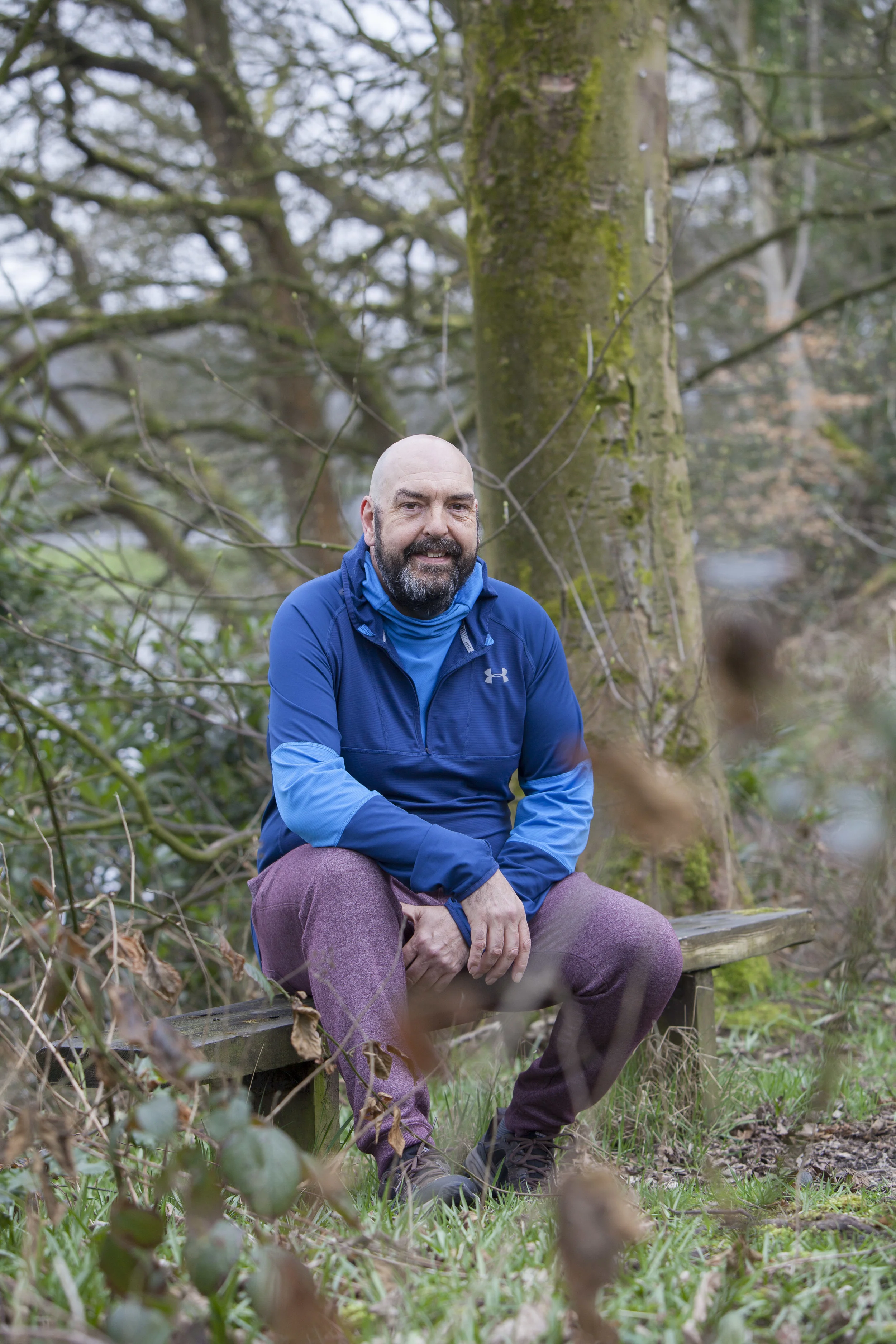
Jimmy Banks for Royal Bank of Scotland
Portrait photographs of Jimmy Banks for the Royal Bank of Scotland magazine. Jimmy transformed his life through healthy eating and exercise. We shot these pictures at Worthington Lakes in Wigan, Jimmy's usual running route.

Portrait photographs of Jimmy Banks for the Royal Bank of Scotland magazine. Jimmy transformed his life through healthy eating and exercise. We shot these pictures at Worthington Lakes in Wigan, Jimmy's usual running route.

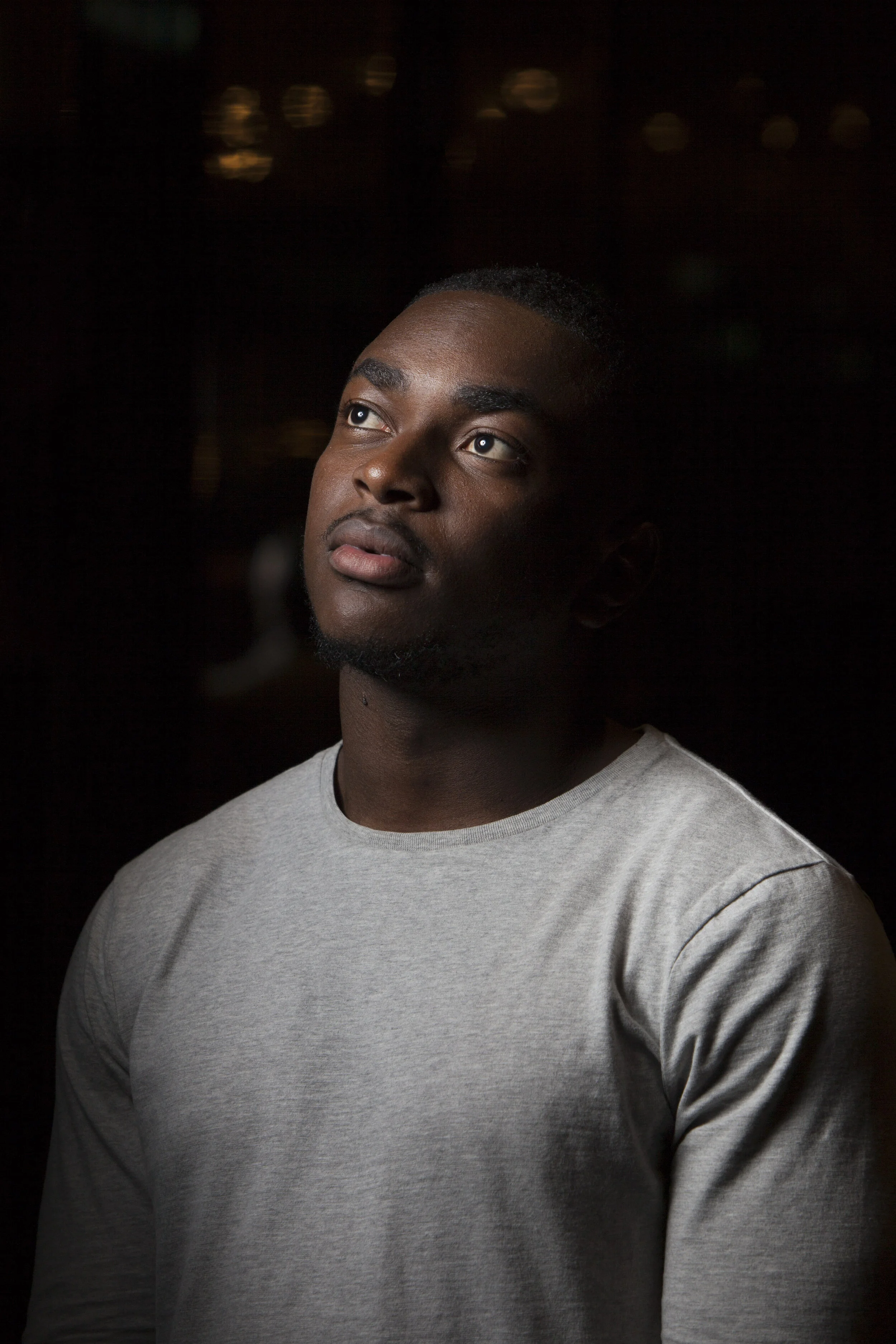
Whitworth Young Contemporaries
Portrait photographs of some of the Whitworth Young Contemporaries

Portrait Photography: Whitworth Young Contemporaries
I recently photographed some of the Whitworth Young Contemporaries, a programme at the Whitworth Art Gallery in Manchester that supports emerging artists and creatives. The portraits capture the diversity, creativity, and individuality of the participants, highlighting both their artistic identity and their connection to the gallery community.
Capturing Young Artists
Portrait photography for programmes like the Whitworth Young Contemporaries focuses on personality, presence, and storytelling. The aim was to create images that are authentic and engaging, reflecting the unique qualities of each participant while providing professional material for marketing, social media, and archives.

By photographing the artists in a relaxed and creative environment, the portraits convey both confidence and curiosity, giving audiences a sense of the talent and potential nurtured through the Whitworth’s programme.

Why Professional Portrait Photography Matters
High-quality images of young artists help showcase the impact of programmes like the Whitworth Young Contemporaries. Photographs communicate the individuality of participants, illustrate the gallery’s support for emerging talent, and provide content for exhibitions, press, and online platforms.
Professional portrait photography creates a visual narrative that complements the programme’s goals, connecting audiences with the people behind the art and highlighting the gallery’s role in fostering creative development.
Conclusion
Photographing the Whitworth Young Contemporaries was a rewarding experience, providing portraits that capture the personality, creativity, and individuality of emerging artists. These images help the gallery communicate the energy and talent of its participants while creating a lasting visual record of the programme.

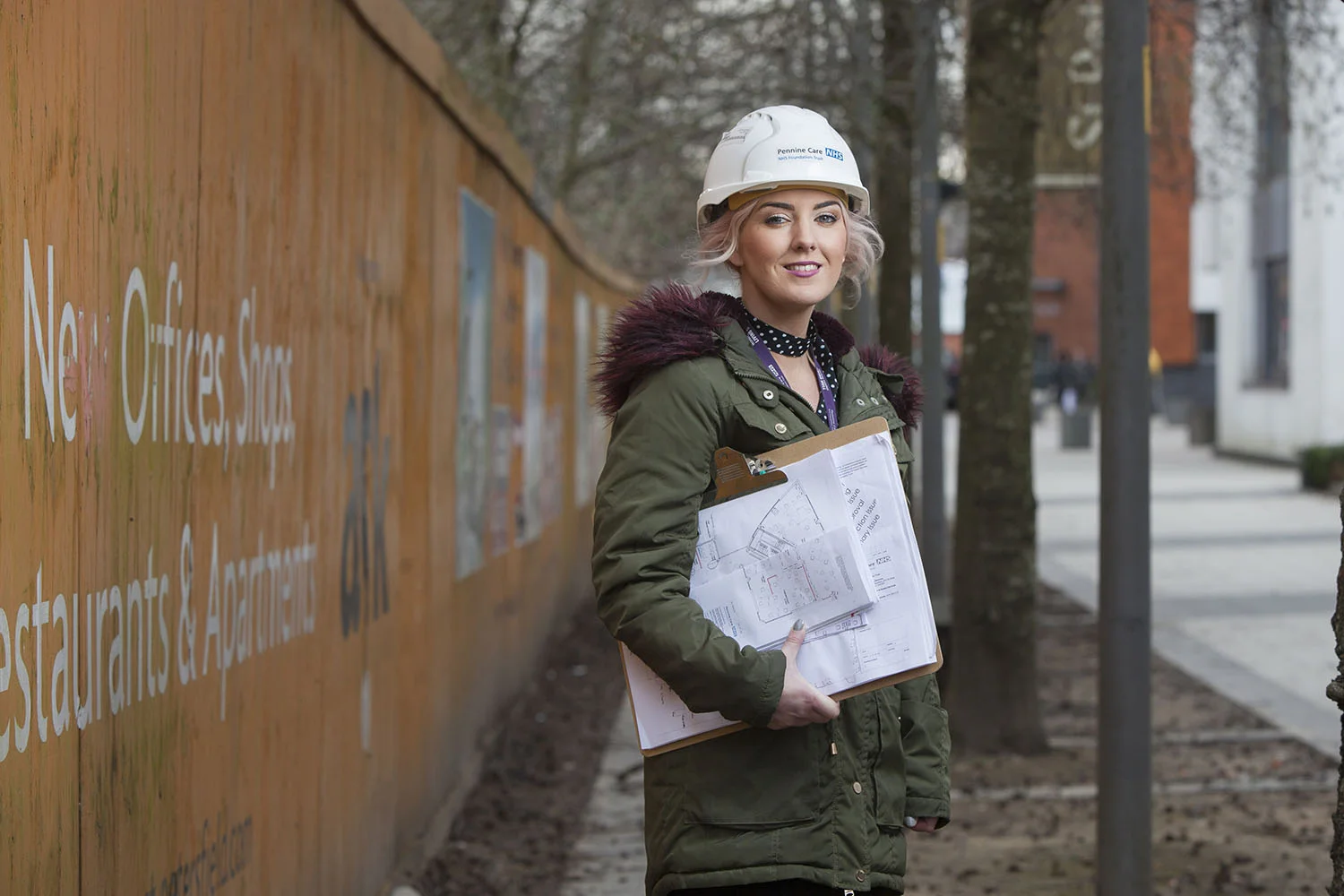
Victoria Jordan

Victoria Jordan photographed in Greater Manchester for Pennine Care NHS Foundation Trust and Manchester Metropolitan University
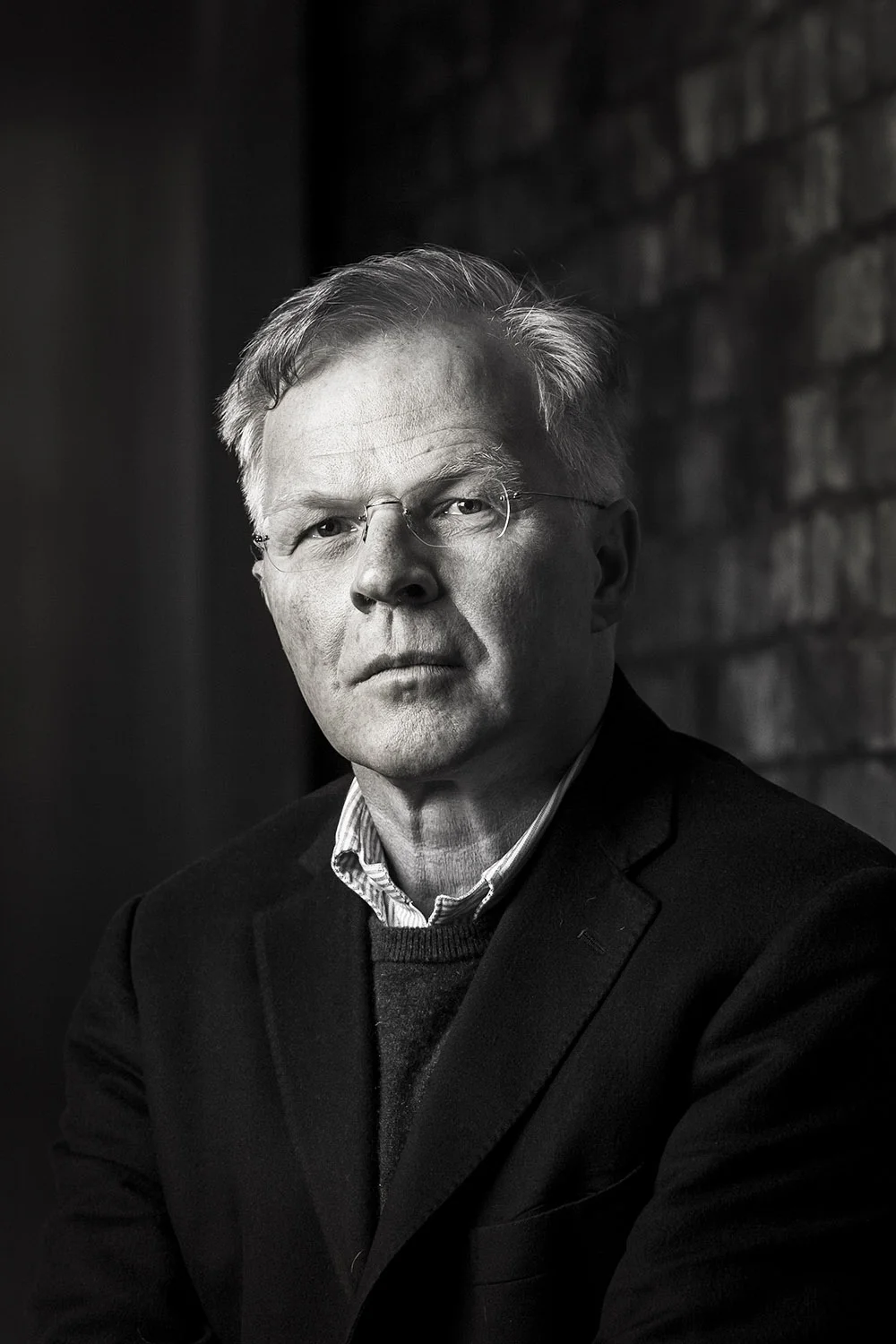
Karsten Schubert
Karsten Andreas Schubert, art dealer and gallerist, born 12 August 1961; died 30 July 2019
Gallerist who played an important part in promoting the Young British Artists

Karsten Andreas Schubert, art dealer and gallerist, born 12 August 1961; died 30 July 2019
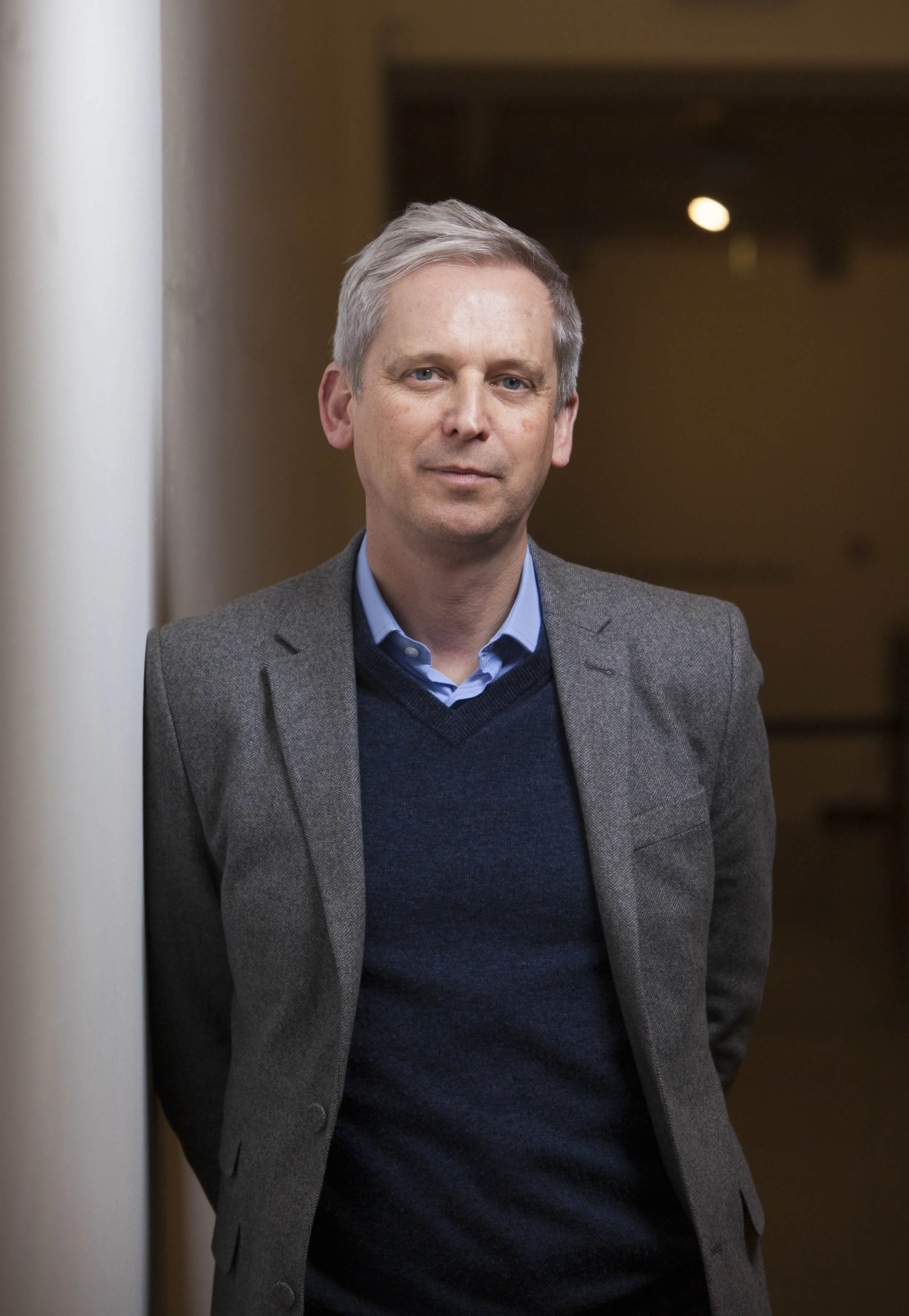
Alistair Hudson
Alistair Hudson, Director of Manchester Art Gallery and the Whitworth photographed during the opening of Alison Wilding's exhibition at the Whitworth, February 2018.

Portrait of Alistair Hudson, Director of Manchester Art Gallery and The Whitworth
I photographed Alistair Hudson, director of Manchester Art Gallery and The Whitworth, during the opening of Alison Wilding’s exhibition at the Whitworth in February 2018. The exhibition, including her work in the Wyoming series, brought together gallery staff, artists, and visitors to celebrate one of the most significant contemporary sculpture presentations at the gallery in recent years. The Wyoming works exemplify Wilding’s exploration of material, form, and spatial relationships, making this exhibition a key moment in the Whitworth’s programme.
Alistair Hudson is a British curator and museum director with a long career in the cultural sector, known for championing the role of art as a tool for social change and education. Before taking up the dual directorship of Manchester Art Gallery and The Whitworth, he was director of the Middlesbrough Institute of Modern Art (mima), where he developed the concept of the “Useful Museum,” positioning the institution as a centre for community engagement and artistic relevance. Prior to that he spent a decade as deputy director of Grizedale Arts in the Lake District, recognised for radical approaches to working with artists and communities. Earlier in his career he worked at the Anthony d’Offay Gallery in London and at The Government Art Collection, devising public art strategies.
During his time in Manchester, Hudson also held an honorary professorship at the University of Manchester, promoting a vision of cultural institutions as active spaces for social engagement and learning. In 2023 he moved on to become the Artistic‑Scientific Director and Chairman of the Zentrum für Kunst und Medien (ZKM) in Karlsruhe, Germany, a leading institution at the intersection of art, technology, and media.
Photographing Hudson at the opening involved capturing both formal and candid moments, documenting his presence, interactions with guests, and the dynamic environment of the Whitworth during this key exhibition launch. The images provide a visual record of the event, supporting the gallery’s marketing and archival needs while illustrating the presence and role of the gallery director.