Latest Editorial, Portrait & Commercial Photography Projects
A selection of my most recent commissions and ongoing projects.
The work shown here spans editorial assignments, portrait commissions, documentary projects and commercial photography for organisations and publishers. It reflects current areas of focus and the range of contexts in which I am working.
New projects are added regularly.
Delaine Le Bas: Un-Fair-Ground Exhibition Photography at The Whitworth
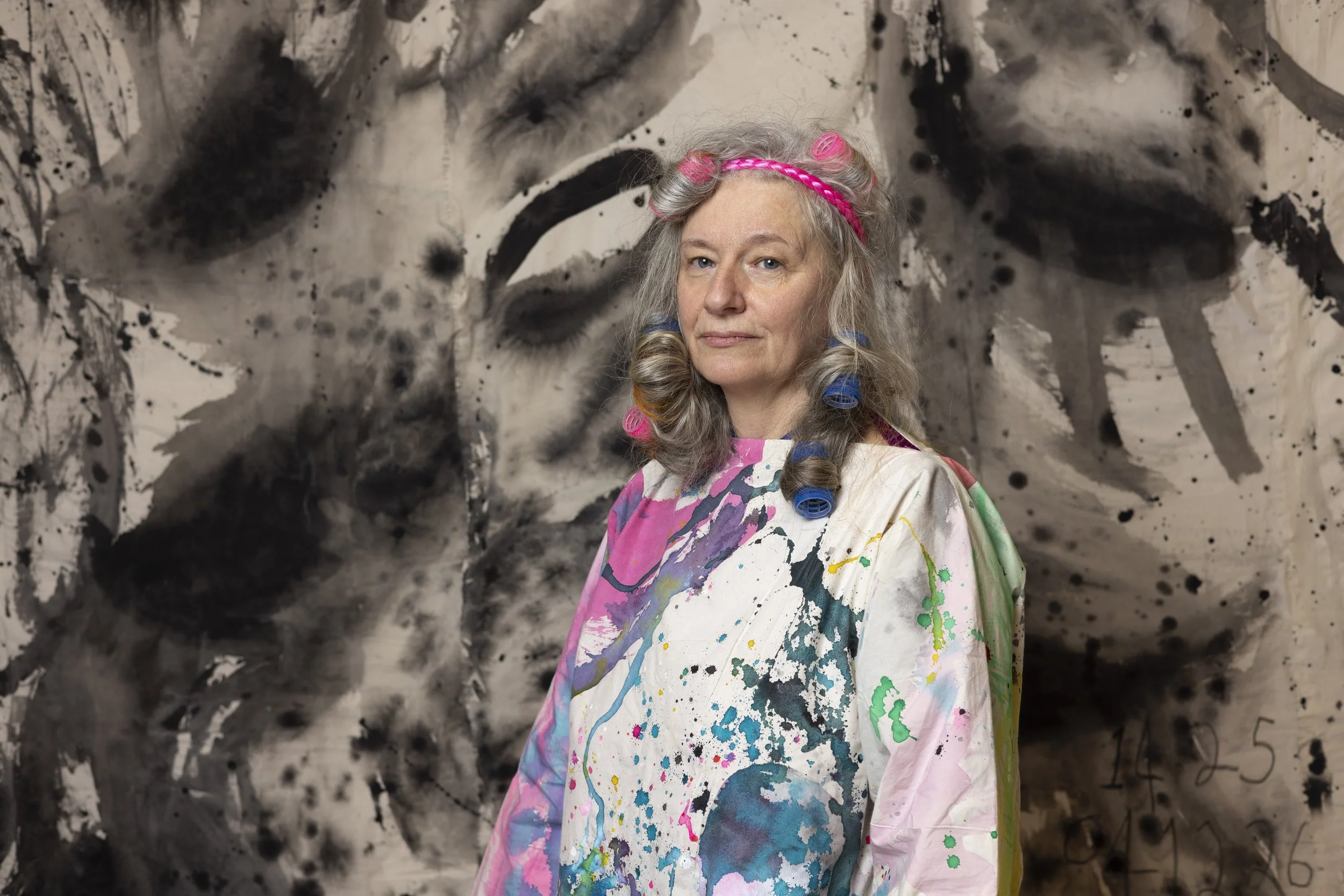
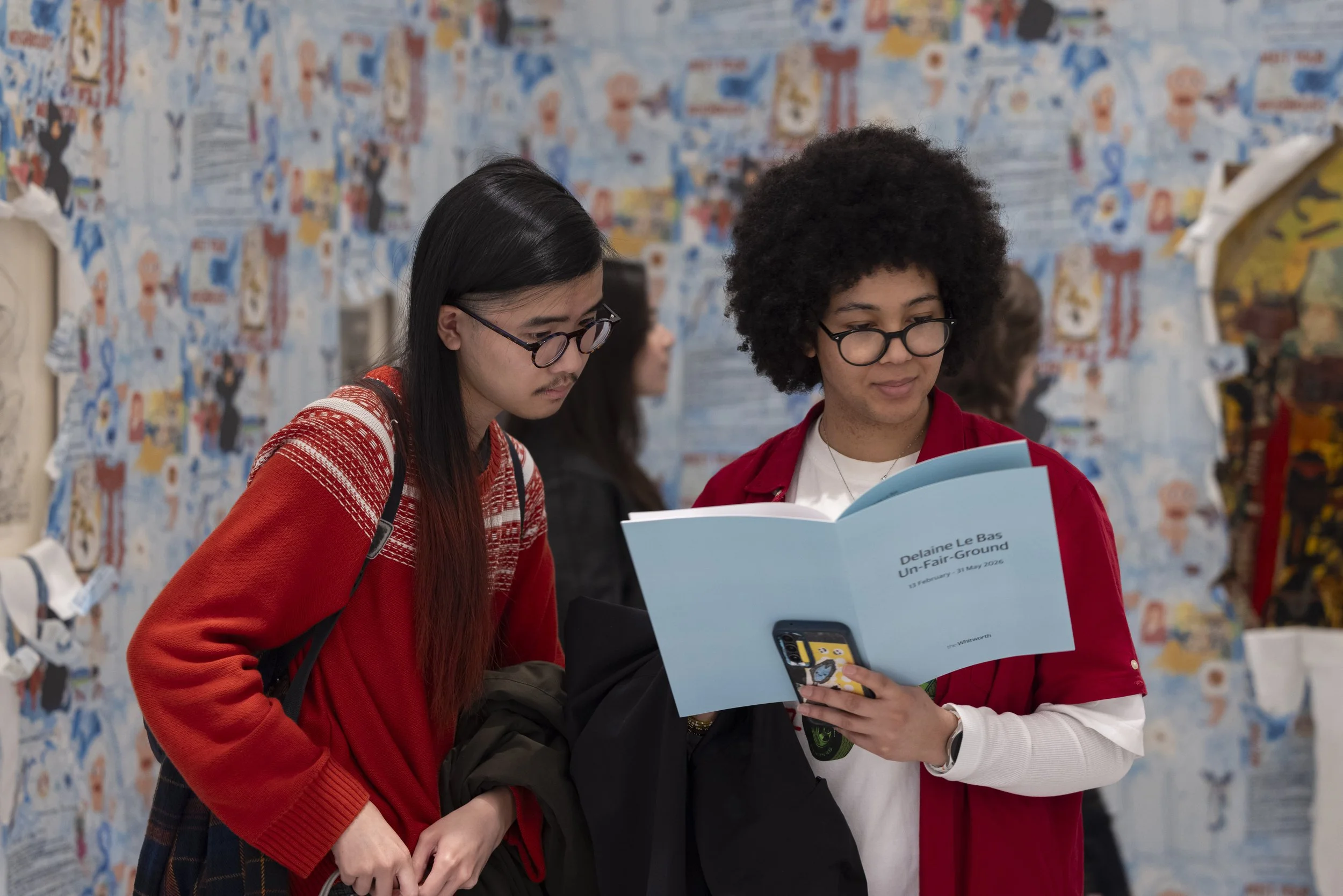
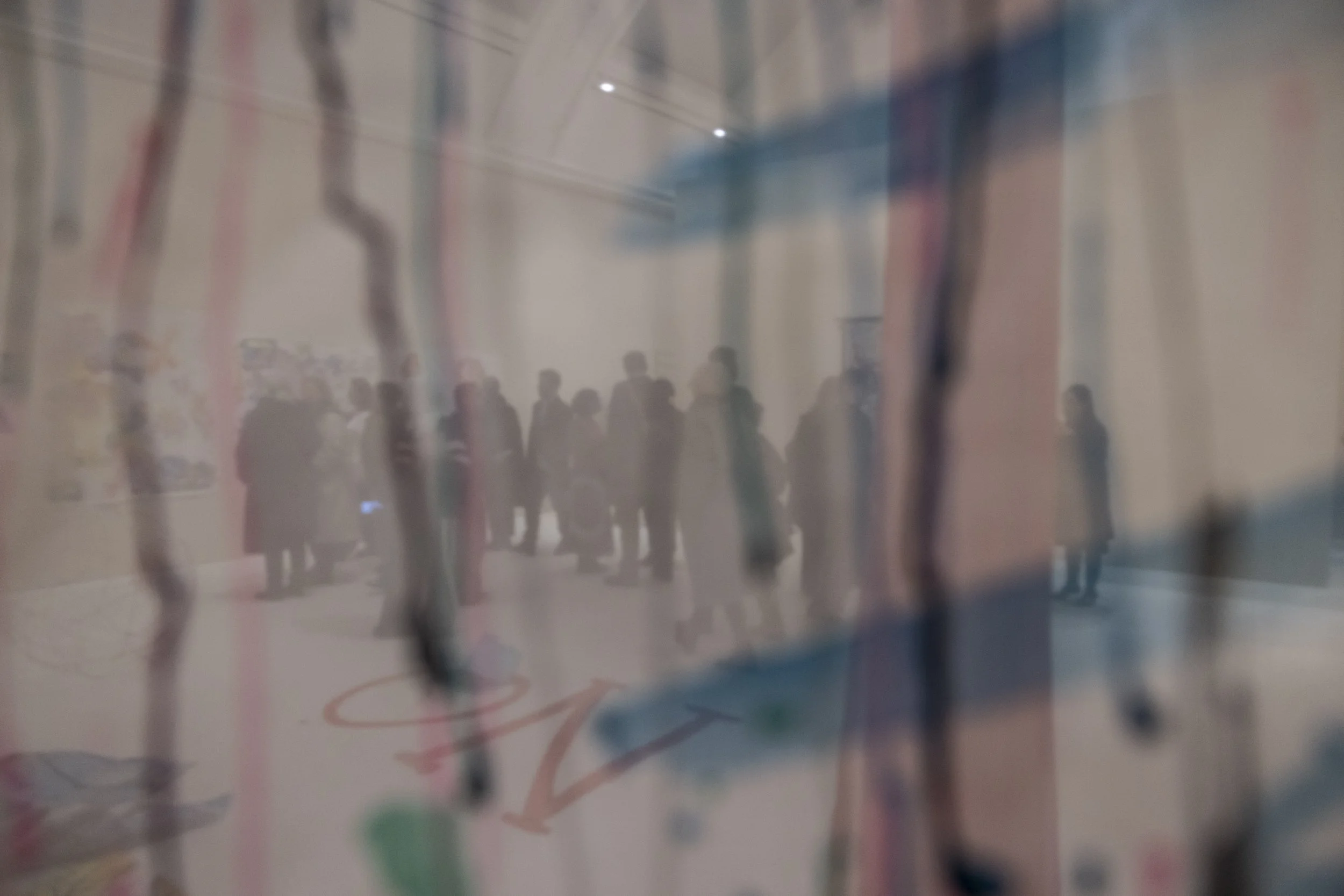
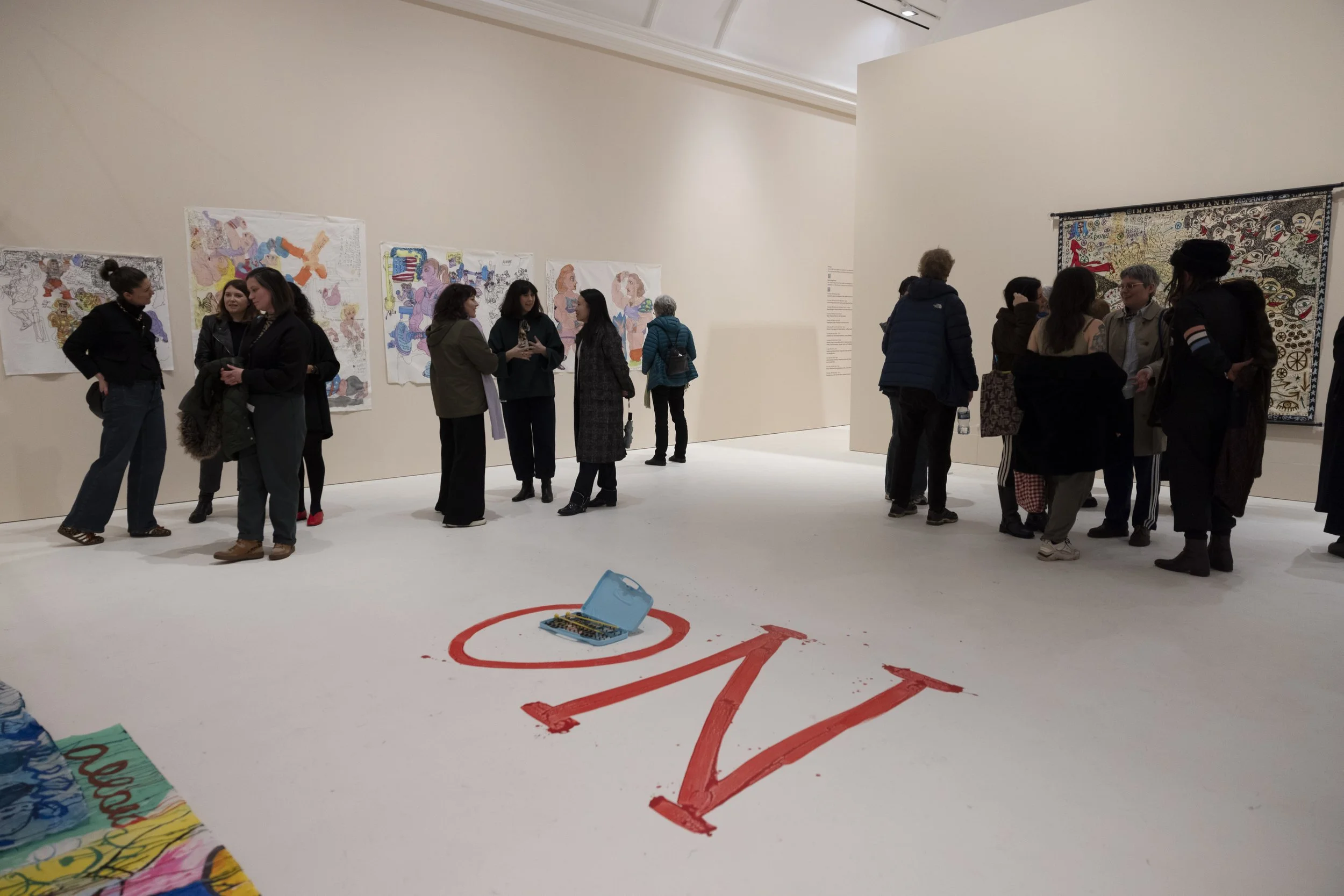
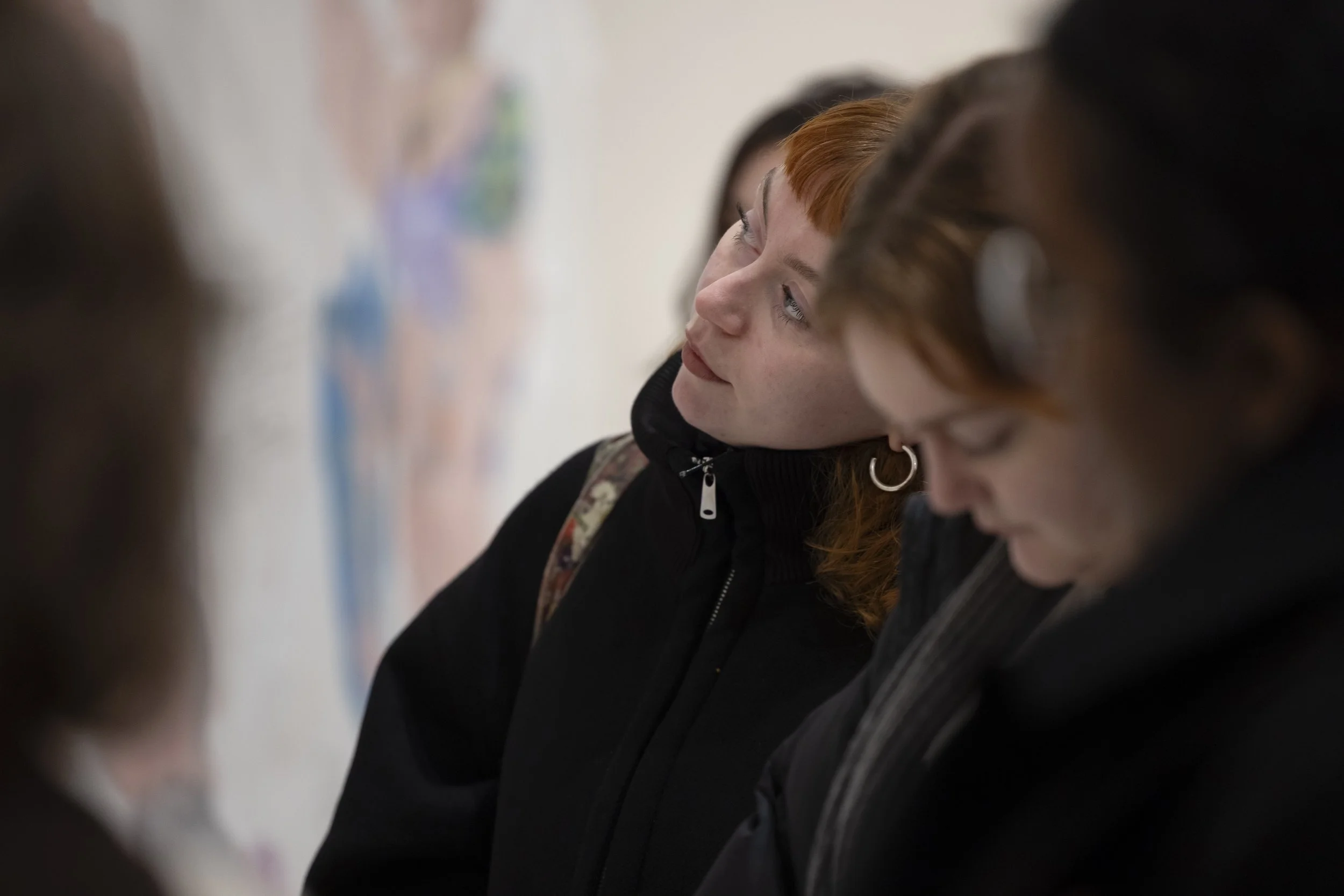
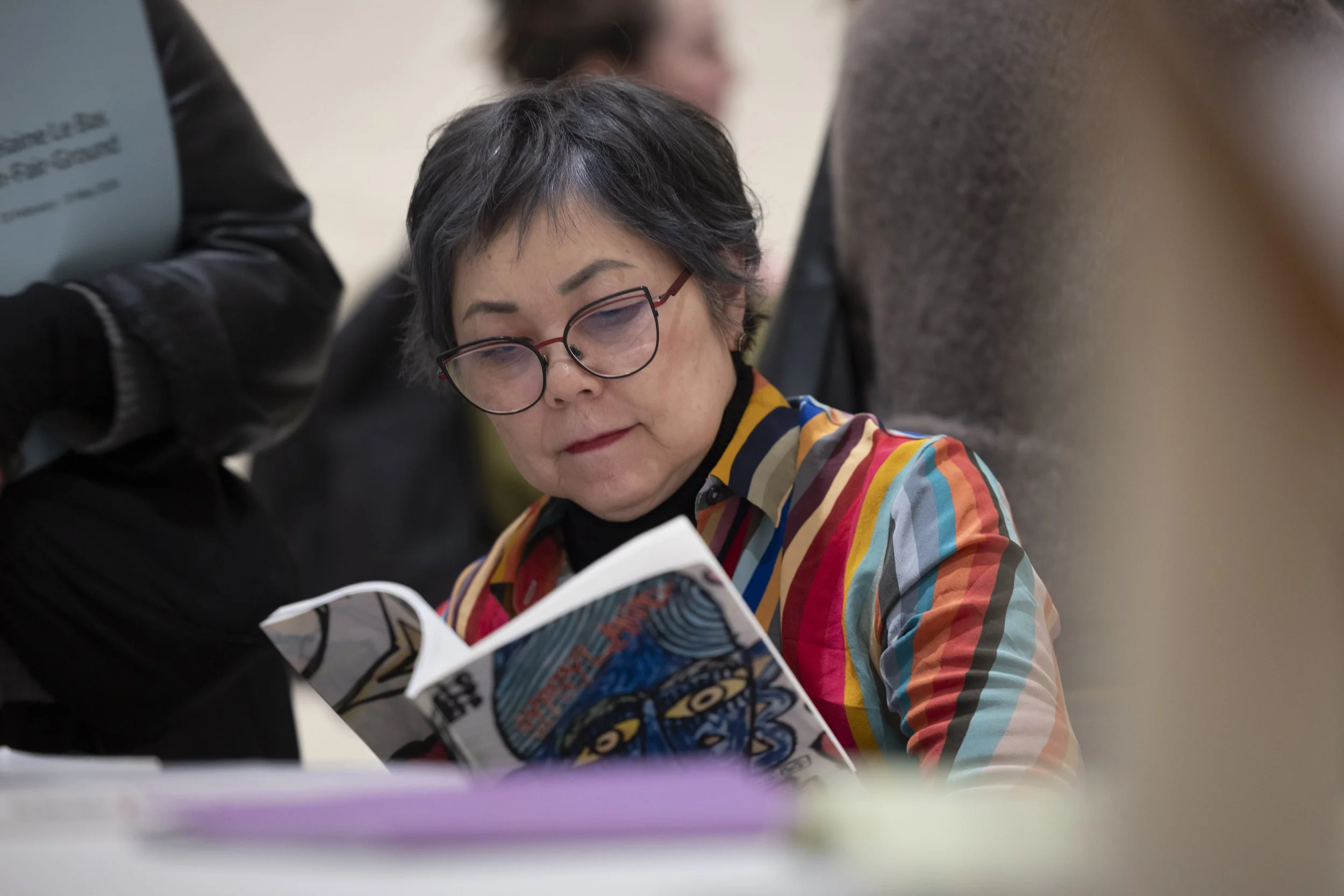
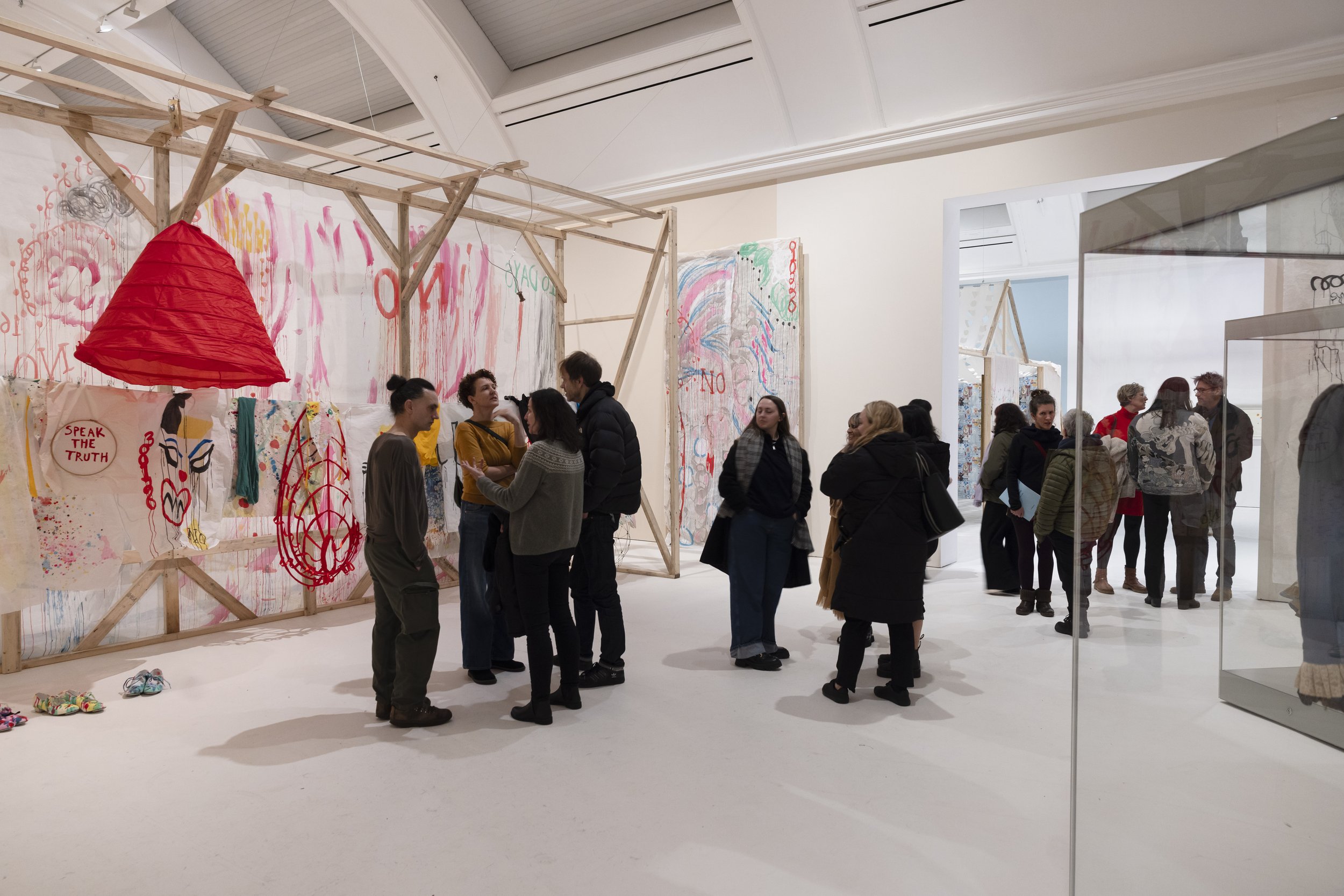
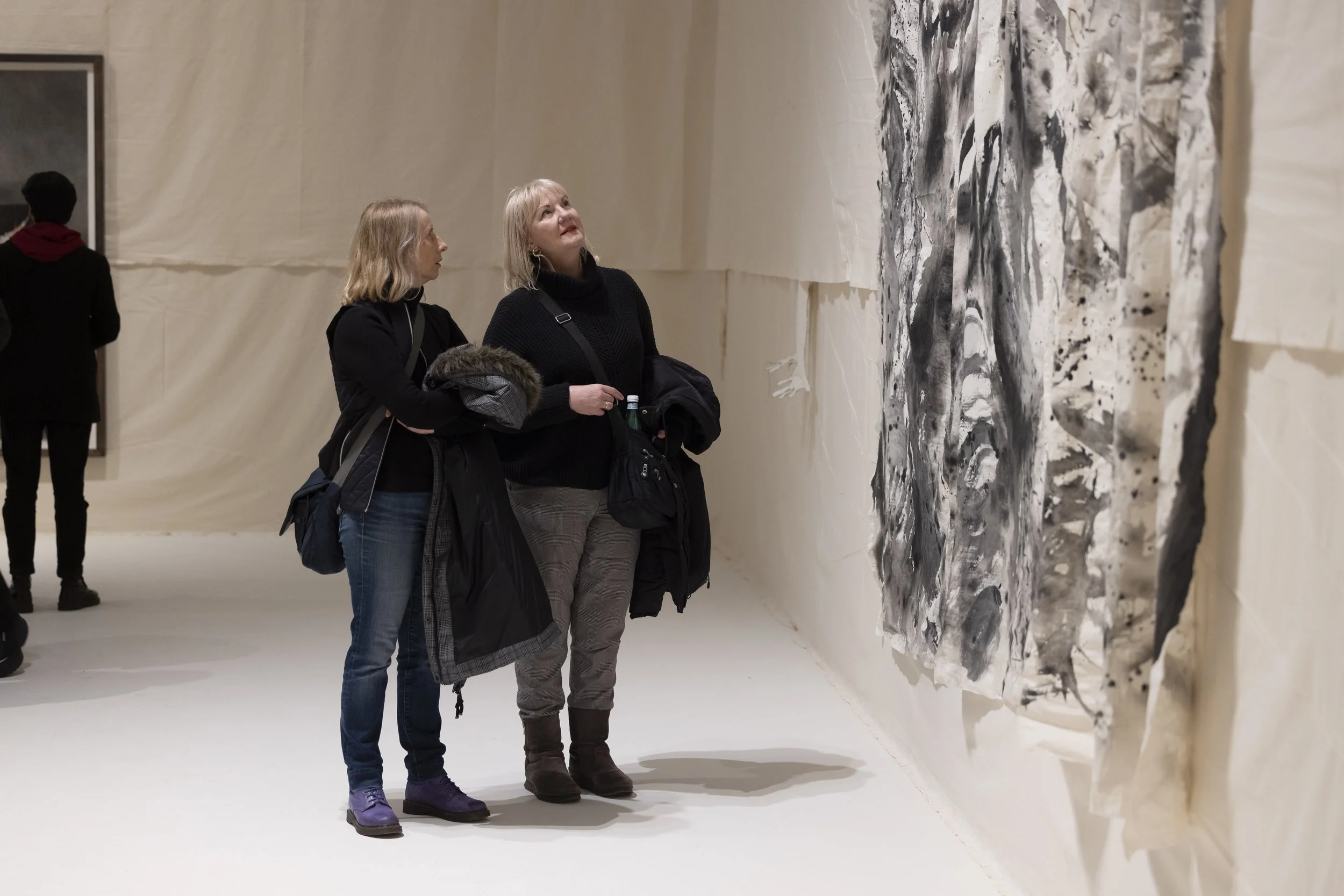
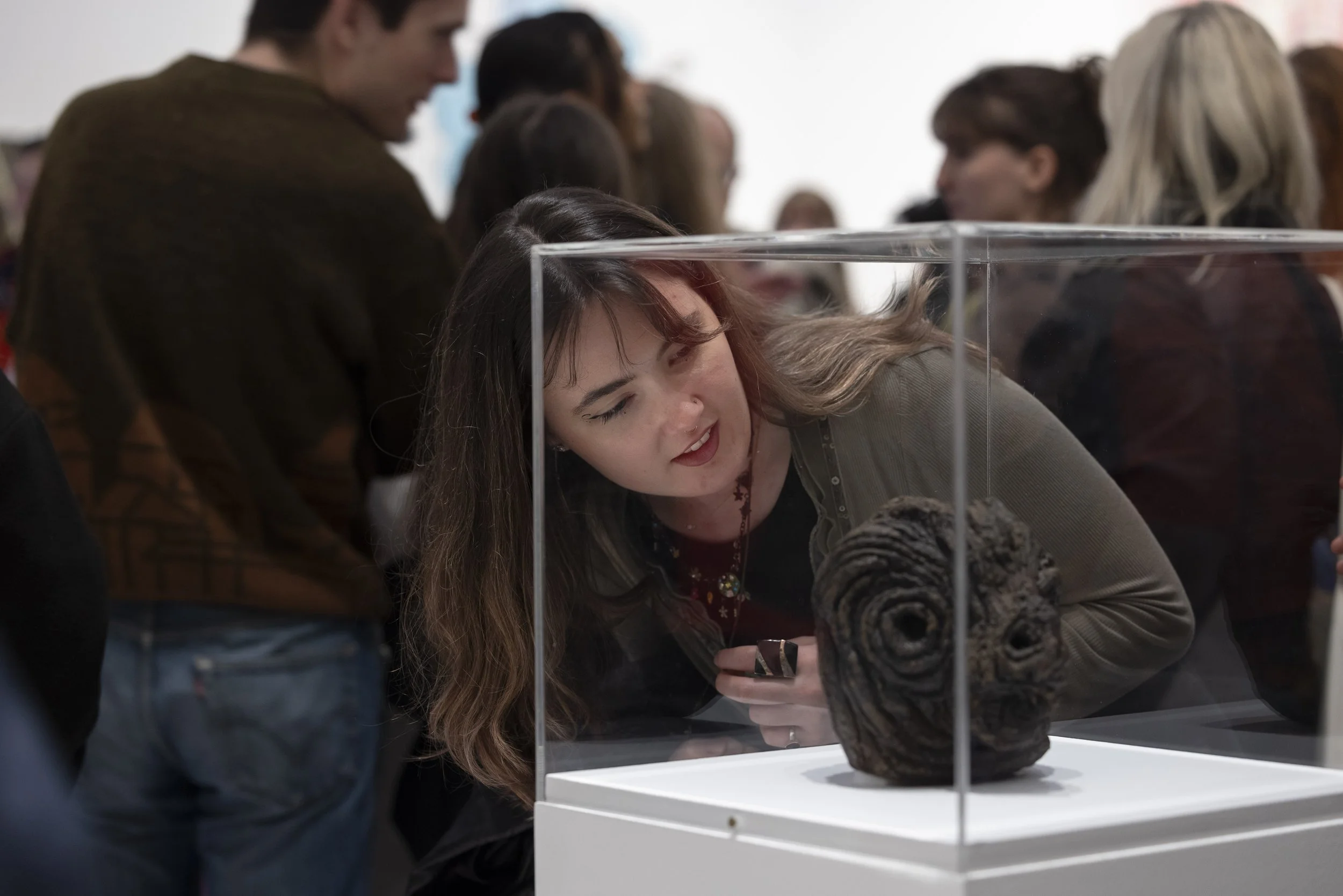
At the opening of Un-Fair-Ground at The Whitworth in Manchester, artist Delaine Le Bas transformed the gallery into an immersive environment using layered textiles, painted slogans, and fairground imagery. The exhibition is designed to be experienced as a single, cohesive space rather than a series of separate works, inviting visitors to engage with themes of visibility, representation, and resistance.
At the opening of Un-Fair-Ground at The Whitworth in Manchester, artist Delaine Le Bas transformed the gallery into an immersive environment using layered textiles, painted slogans, and fairground imagery. The exhibition is designed to be experienced as a single, cohesive space rather than a series of separate works, inviting visitors to engage with themes of visibility, representation, and resistance.
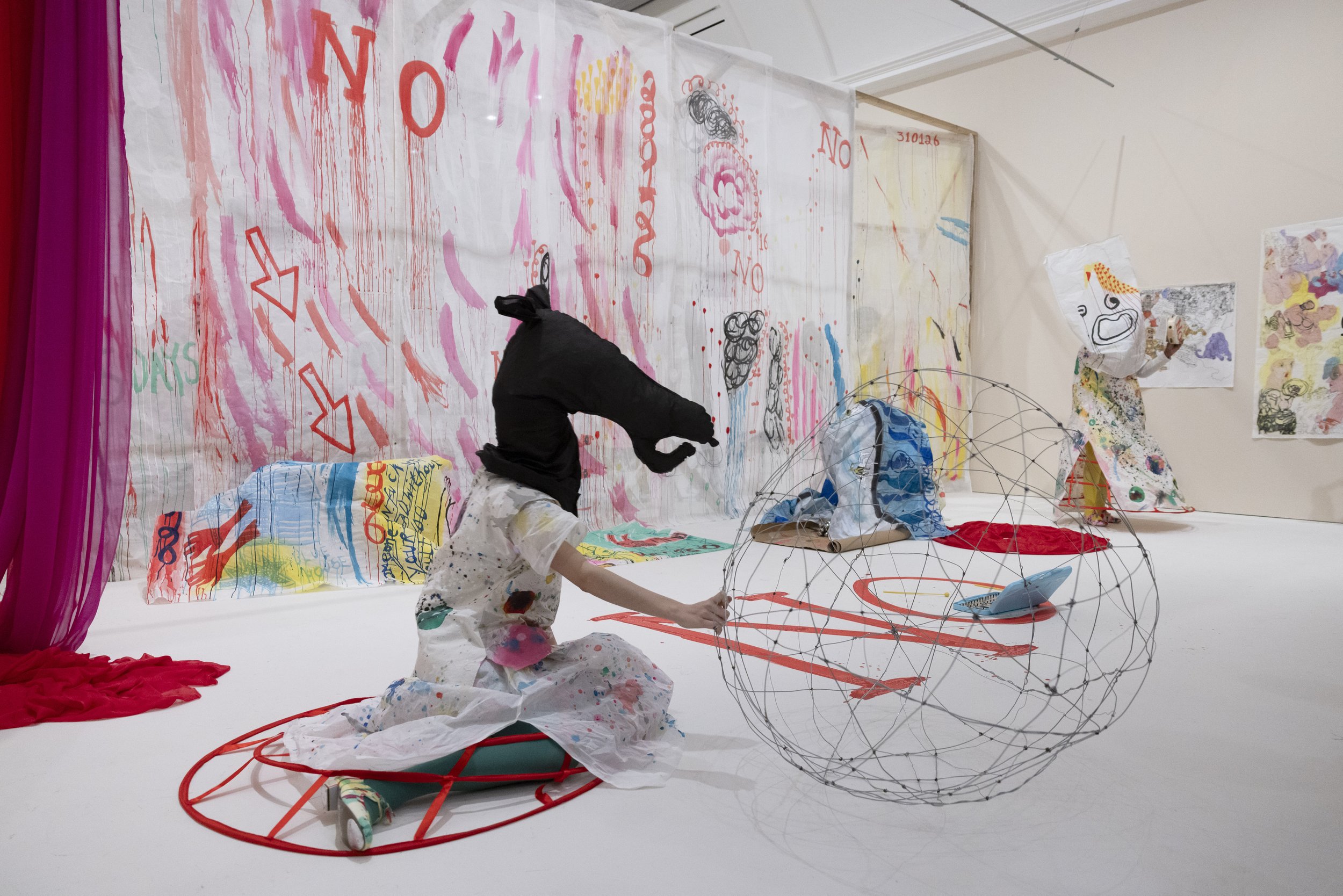
The Un-Fair-Ground Mural
The centerpiece of the exhibition is the large-scale mural Un-Fair-Ground, originally created for Glastonbury Festival and reworked for The Whitworth. Its bold graphic style and dramatic lettering create a sense of spectacle while provoking reflection on social and cultural visibility. Photography captured the scale and intricacy of the mural, emphasizing how the work dominates the gallery space and anchors the exhibition’s narrative.
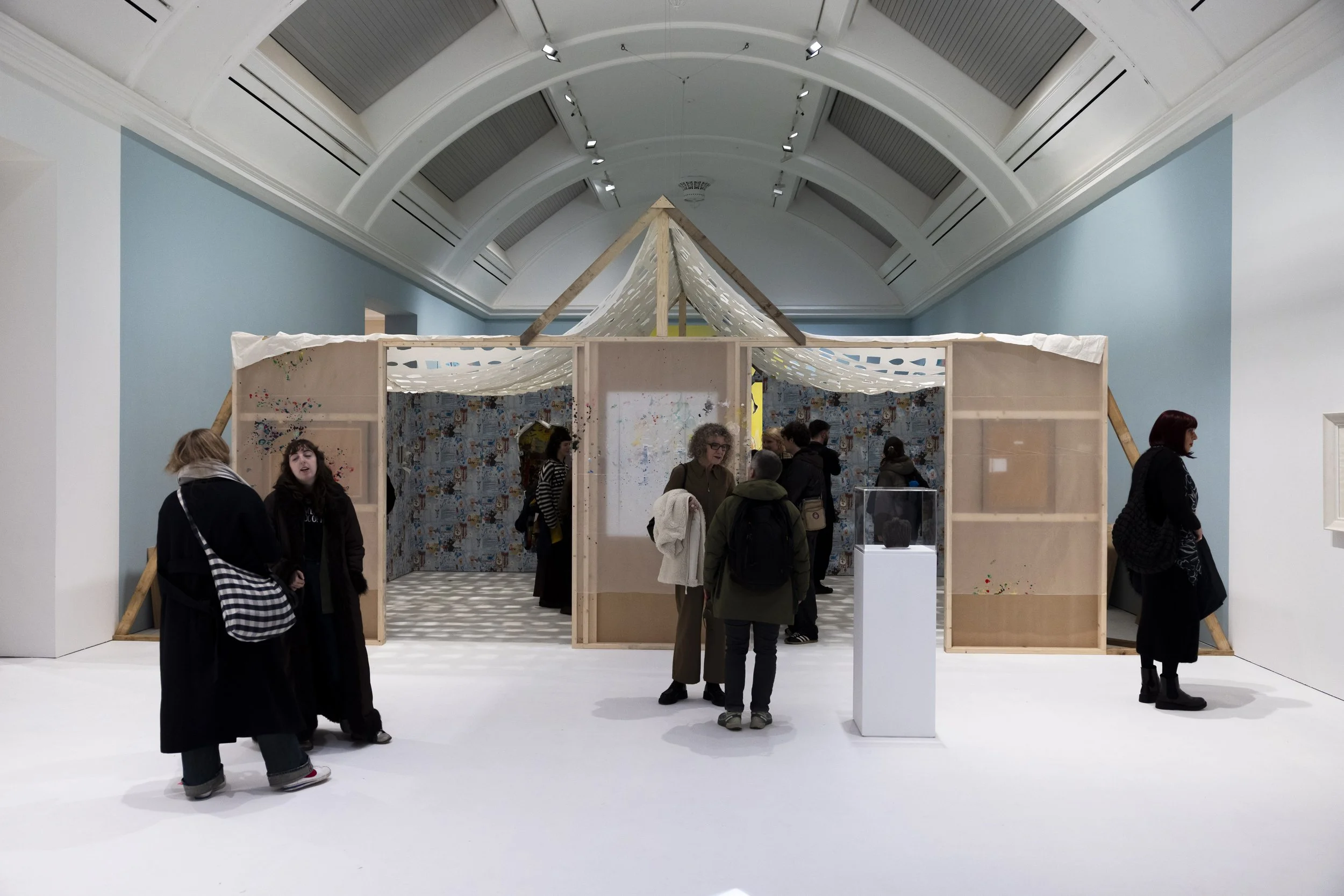
Witch House and Domestic Resistance
Another significant work, Witch House, incorporates wallpaper and stitched phrases to reframe domestic space as a site of resistance. Photography highlights the layered textures, hand-crafted details, and the way Le Bas uses domestic motifs to explore complex social commentary.
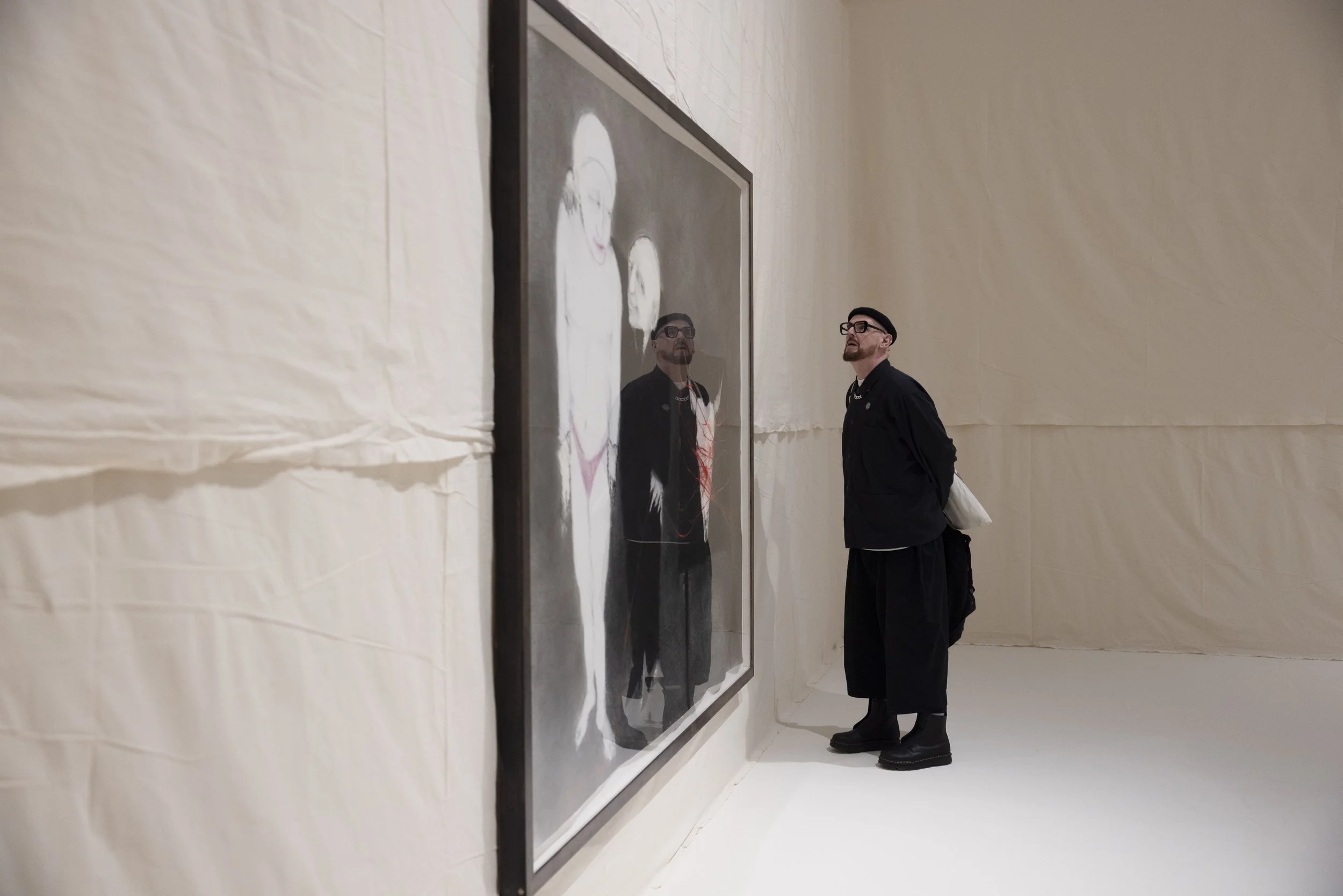
Performance and Shared Experience
During the opening evening, performance elements brought the exhibition to life, shifting the atmosphere and drawing audiences together. Photography captured these moments of interaction, reinforcing the exhibition’s focus on shared experience and the dynamic relationship between art, space, and visitor engagement.
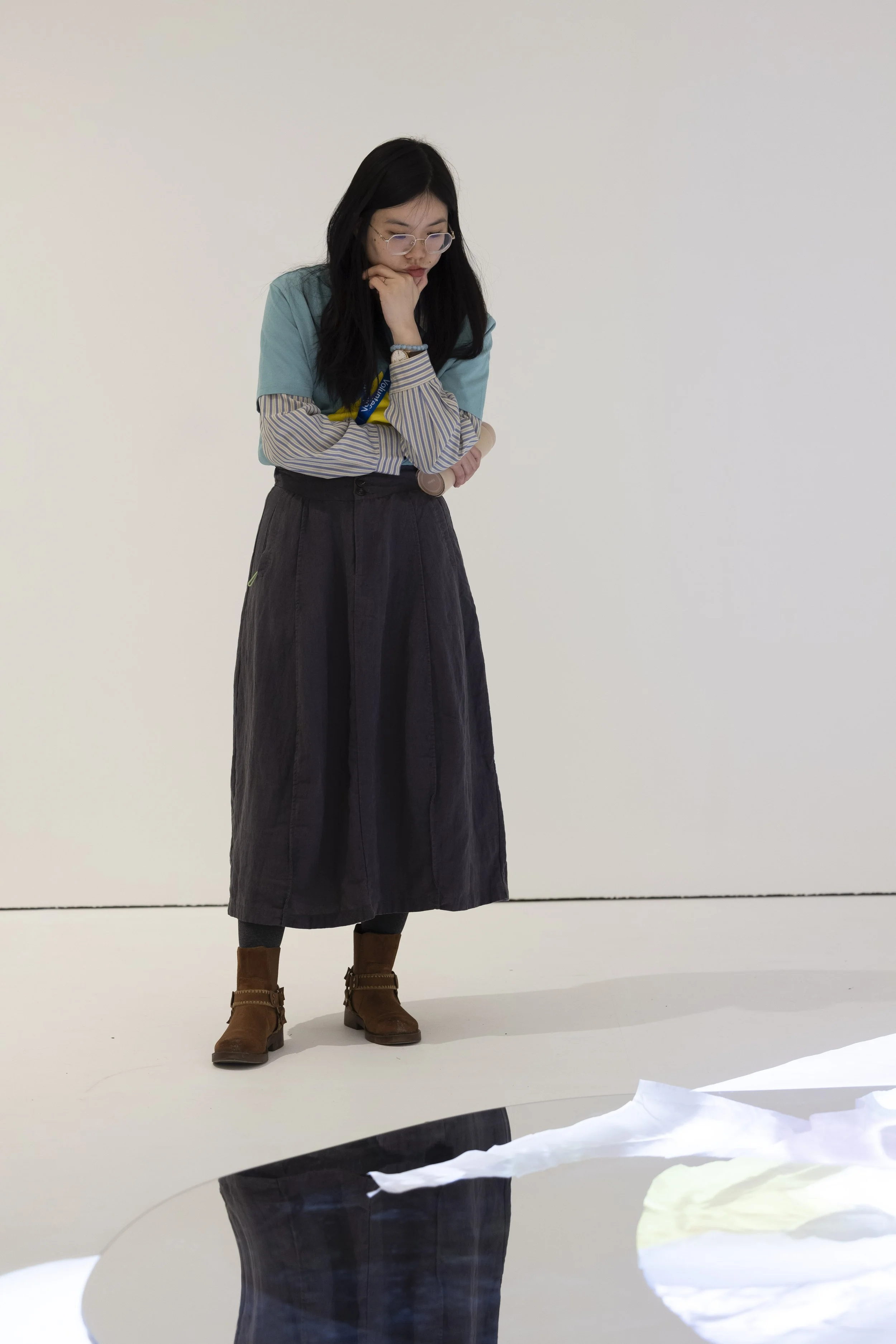
Exhibition Details
Delaine Le Bas: Un-Fair-Ground is on display at The Whitworth, Manchester until 31 May. Visitors can experience a thought-provoking combination of textile art, murals, and performance that challenges traditional notions of visibility, community, and representation.
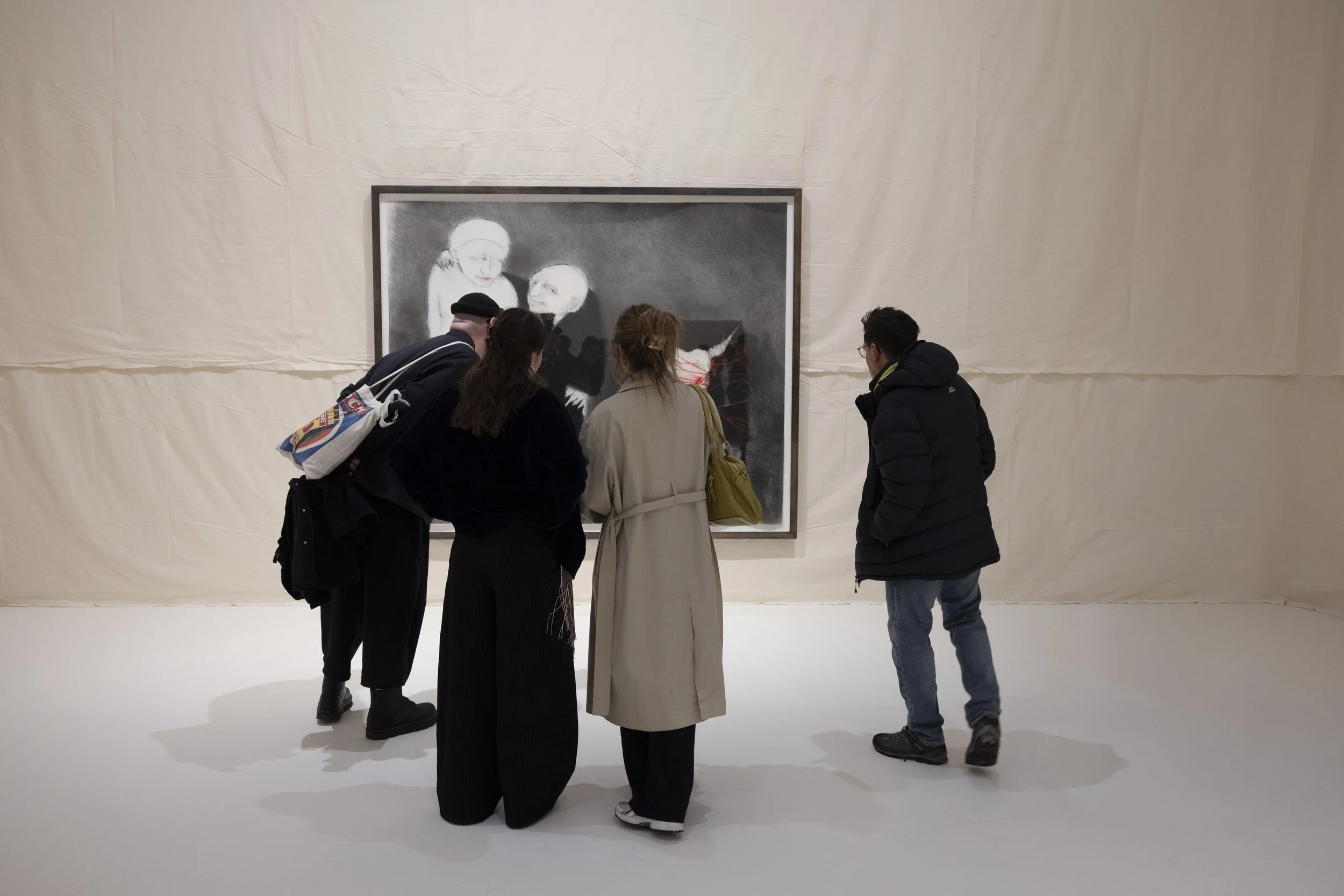

Documentary photography of Manchester School of Art - End of Year shows
As a freelance photographer, I’ve had the privilege of covering a range of events, from high-profile gallery openings to intimate artist workshops. But there’s something uniquely electric about photographing the Manchester School of Art’s Final Year Shows. This annual event is a visual feast—a whirlwind of creative expression that radiates youthful energy and bold experimentation.
As a freelance photographer, I’ve had the privilege of covering a range of events, from high-profile gallery openings to intimate artist workshops. But there’s something uniquely electric about photographing the Manchester School of Art’s Final Year Shows. This annual event is a visual feast—a whirlwind of creative expression that radiates youthful energy and bold experimentation.


Stepping into the show, you can’t help but feel a sense of anticipation. It’s like walking into a sprawling gallery where every corner has something surprising to offer. The exhibition sprawls across different spaces, showcasing the work of students from various disciplines—painting, sculpture, digital design, fashion, and more. As someone tasked with documenting these moments, I need to quickly assess where the magic is happening and how best to capture it.
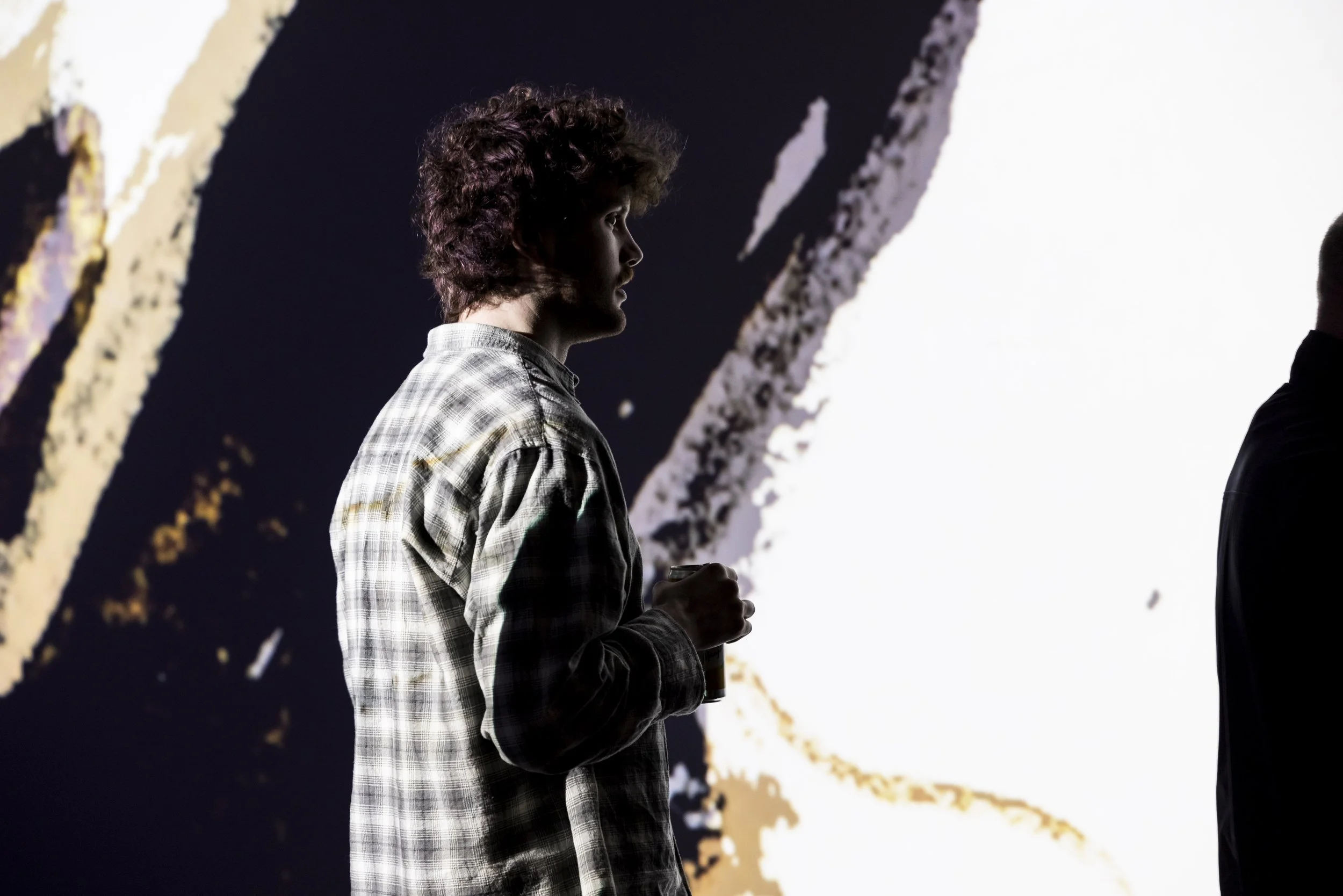
The first challenge is the sheer variety of the work. Each student has spent months, if not years, developing their final pieces, and no two are alike. One moment, I’m photographing a vibrant, abstract painting that dominates an entire wall, the next I’m crouched low, focusing on the intricate details of a conceptual sculpture made of recycled materials. As a photographer, I need to adjust my approach with every shot—switching between wide angles to capture the scale of installations and close-ups to highlight the craftsmanship.

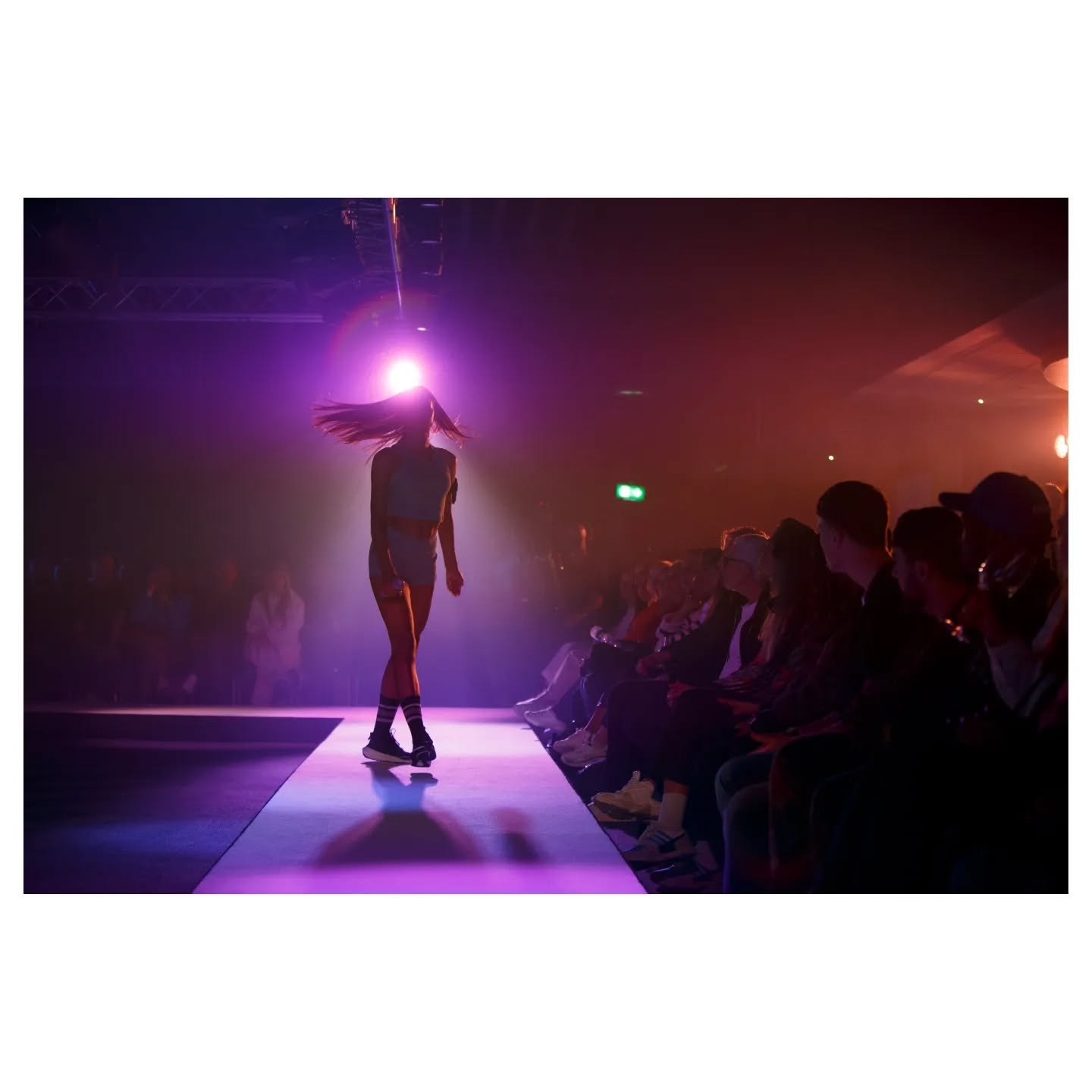
The diversity of mediums can also be tricky to capture, especially when moving between 3D pieces and digital displays. I find myself drawn to the fashion design section, where students have created garments that blur the lines between art and wearable expression. Models wearing the students’ designs wander through the space, and this creates dynamic, live-action moments that require quick reflexes. I follow the models closely, framing shots that showcase both the fluidity of the fabric and the confidence of the wearer.

What’s particularly challenging, but also rewarding, is photographing interactive art. Many pieces invite the audience to participate—whether it’s a digital installation that reacts to sound or a sculptural piece that encourages touch. It’s hard to convey the essence of these works in a single image, but I try to focus on capturing people’s engagement with the art. A hand reaching out, a thoughtful expression as someone studies a piece, a child laughing in delight at an unexpected moment—all these interactions are just as important as the art itself.

The lighting conditions add another layer of complexity. In one room, the lighting might be bright and natural, ideal for capturing crisp, clean images. In another, the mood might be much darker, with spotlighting used to create dramatic shadows. I constantly adjust my settings, ensuring that the photos not only reflect the technical aspects of the work but also evoke the intended emotional response.

As the evening draws to a close, and I scroll through the hundreds of images I’ve taken, I feel a sense of accomplishment. Capturing the essence of the Manchester School of Art’s Final Year Shows isn’t just about photographing the art—it’s about documenting the passion and energy that these young creatives bring to their work. Every image tells a story, not just of the art itself, but of the moment in time when it was unveiled to the world.

Leaving the exhibition, I know that I’ve been part of something special. The Manchester School of Art’s final shows are a glimpse into the future of art and design, and I feel privileged to have witnessed, and captured, the first steps of these emerging talents.


Cloud Studies by Forensic Architecture
Photographs from the excellent new exhibition Cloud Studies by Forensic Architecture currently showing at Whitworth Art Gallery as part of Manchester International Festival.
https://forensic-architecture.org/investigation/cloudstudies
‘Cloud Studies’ was made for the exhibition Critical Zones: Observatories for earthly politics at ZKM Centre for Art and Media in Karlsruhe. Alongside the physical exhibition, our work is also presented on the virtual exhibition platform.

Event Photography: Cloud Studies by Forensic Architecture | Whitworth Art Gallery, Manchester
I recently photographed the opening of Cloud Studies by Forensic Architecture, currently on display at Whitworth Art Gallery as part of the Manchester International Festival. The exhibition presents a powerful investigation into the politics, dynamics, and consequences of toxic clouds, from chemical dispersals to herbicides and smoke, highlighting their impact on communities, environments, and urban spaces.

Cloud Studies was originally created for the exhibition Critical Zones: Observatories for Earthly Politics at ZKM Centre for Art and Media in Karlsruhe. Alongside the physical installation, the project is also accessible via the virtual exhibition platform, offering multiple perspectives on how clouds, both literal and metaphorical, shape and are shaped by social and political forces.

Photographing the Exhibition Opening
Documenting exhibitions like Cloud Studies requires attention to detail, context, and the conceptual framing of the work. At the opening, I captured the interaction between visitors and the installation, as well as moments from the curatorial introduction and discussions with the artists. Photography in this context provides a professional record for press, marketing, and digital archives, while also helping audiences engage with the critical and often challenging themes of the work.

In exhibitions addressing complex and politically charged subject matter, event photography plays a key role in communicating the atmosphere of the exhibition, the scale and detail of the works, and the audience’s engagement with them.

Understanding Cloud Studies
Forensic Architecture’s Cloud Studies investigates the mobilization of toxic clouds across scales, durations, and geographies. Tear gas is used to disperse crowds in protests, white phosphorus and chlorine gas are deployed in cities to spread terror, herbicides are sprayed from airplanes to displace populations, and fires are set to erase forests for industrial plantations. These clouds, deployed by state and corporate powers, demonstrate the entanglement of environmental and political violence.

The project challenges traditional forms of analysis by highlighting that “every contact leaves a trace.” Clouds are not only transformations of air, smoke, and chemicals—they are dynamic systems governed by complex, nonlinear, and multi-causal processes. Forensic Architecture traces these invisible dynamics, making the intangible visible and measurable.

Photography as a Record of Critical and Experimental Art
Professional photography is essential for exhibitions that operate at the intersection of art, research, and activism. In Cloud Studies, capturing the installation, its visual elements, and audience interaction helps convey the conceptual depth and urgency of the work. Photography preserves both the formal qualities of the artwork and the experiential response of the visitors, providing a lasting record for the artists, the gallery, and future audiences.
Photographs of installations like Cloud Studies also help bridge physical and virtual experiences, allowing online audiences to understand the spatial, visual, and political dimensions of the work.

The Epistemological Dimension of Clouds
Historically, clouds have posed challenges for painters and artists, often moving faster than artistic techniques could capture. Today, toxic and politically charged clouds operate on both physical and epistemological levels. Climate denial, chemical attacks, and industrial pollution create uncertainty and confusion, requiring new ways to observe, document, and respond.

Cloud Studies positions the viewer in relation to these dynamics, and through photography, we can translate the abstract and diffuse nature of clouds into a visible, comprehensible form. Images document how audiences experience the installation and how the exhibition communicates critical insights about environmental and political crises.

Conclusion
Photographing Cloud Studies at Whitworth Art Gallery allowed me to capture the intersections of art, research, and social investigation central to Forensic Architecture’s work. These images provide a professional record of an exhibition that interrogates how clouds—chemical, environmental, and epistemological—shape our world, and how art can make these forces visible, tangible, and actionable.

British Ecological Society Conferences
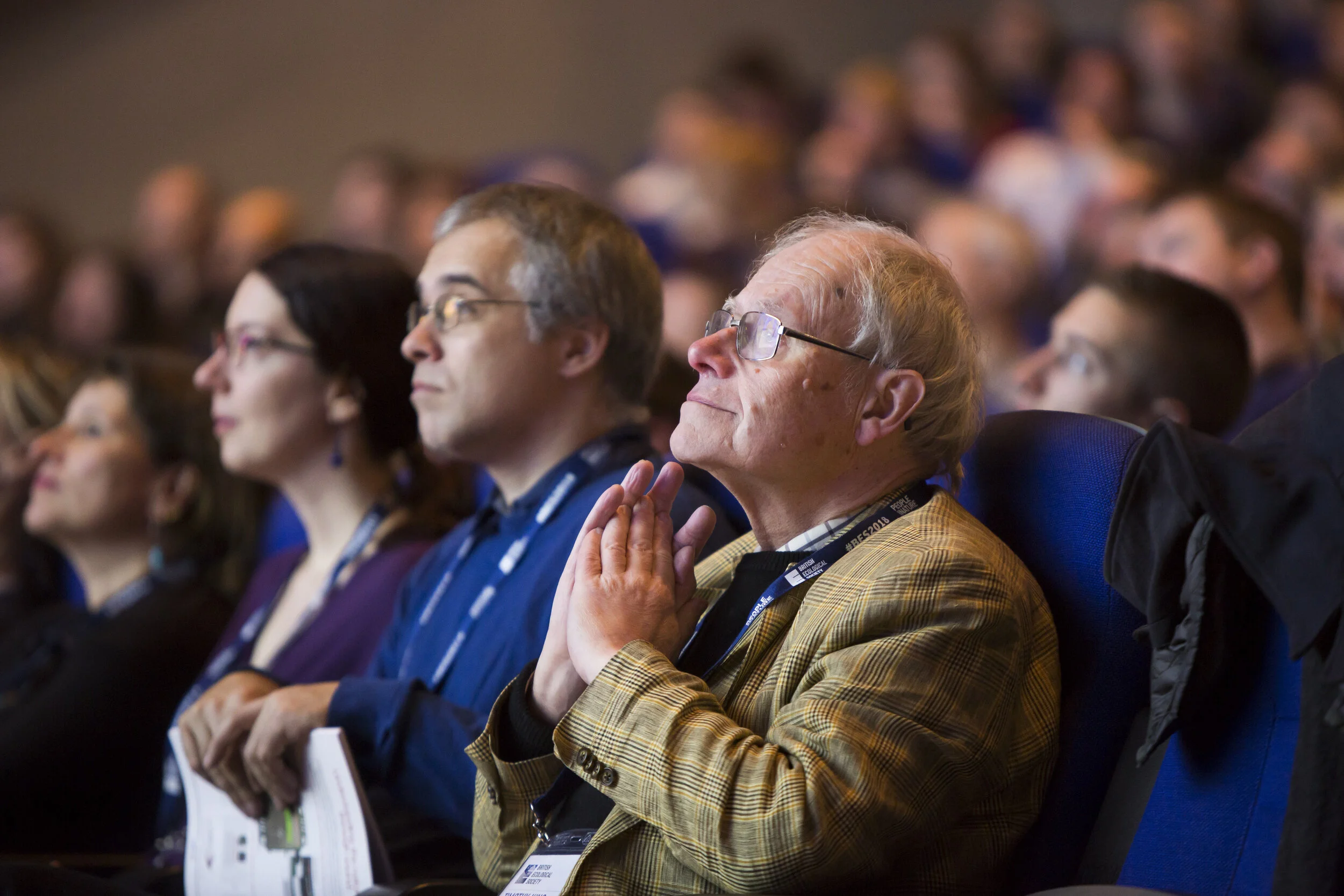
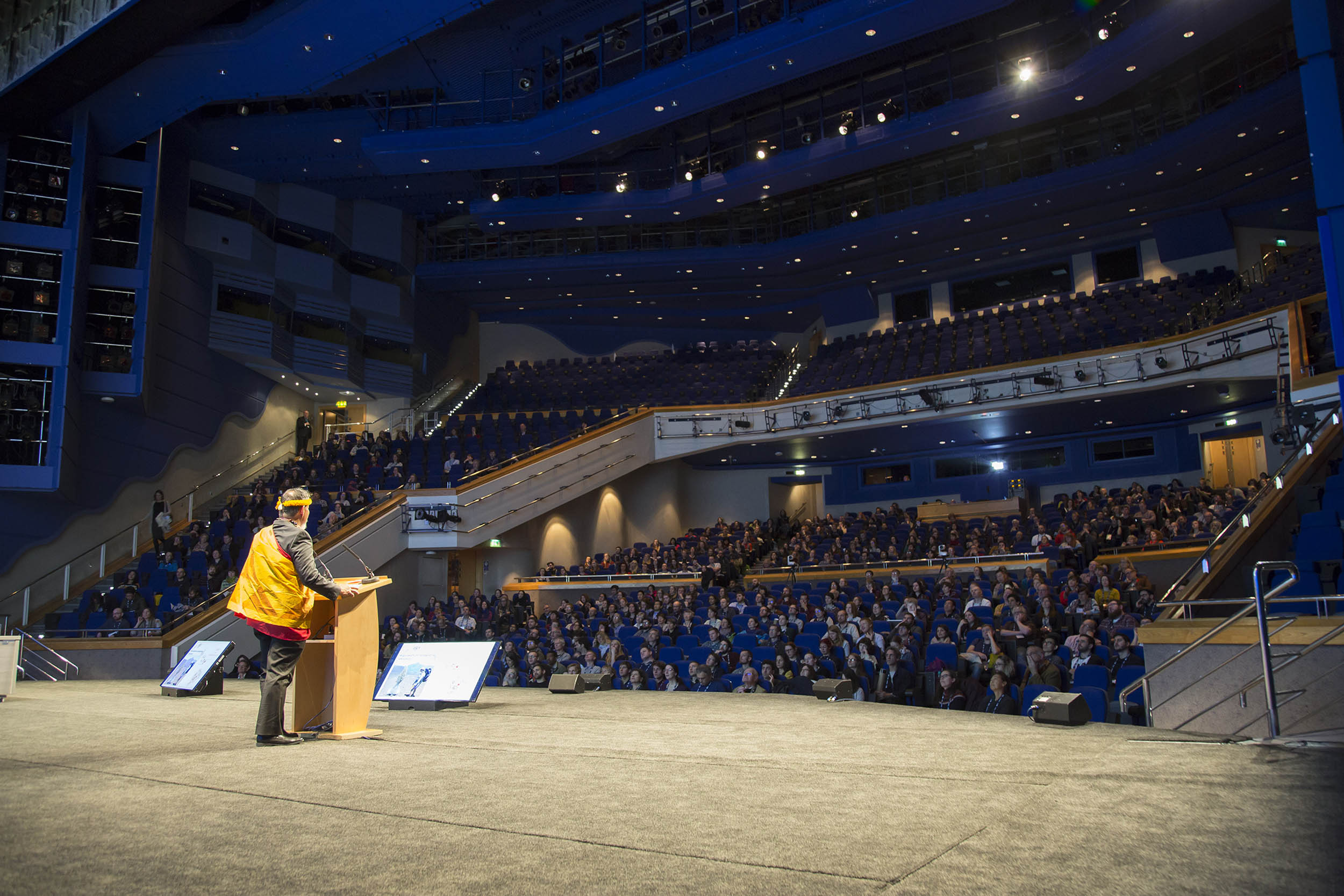
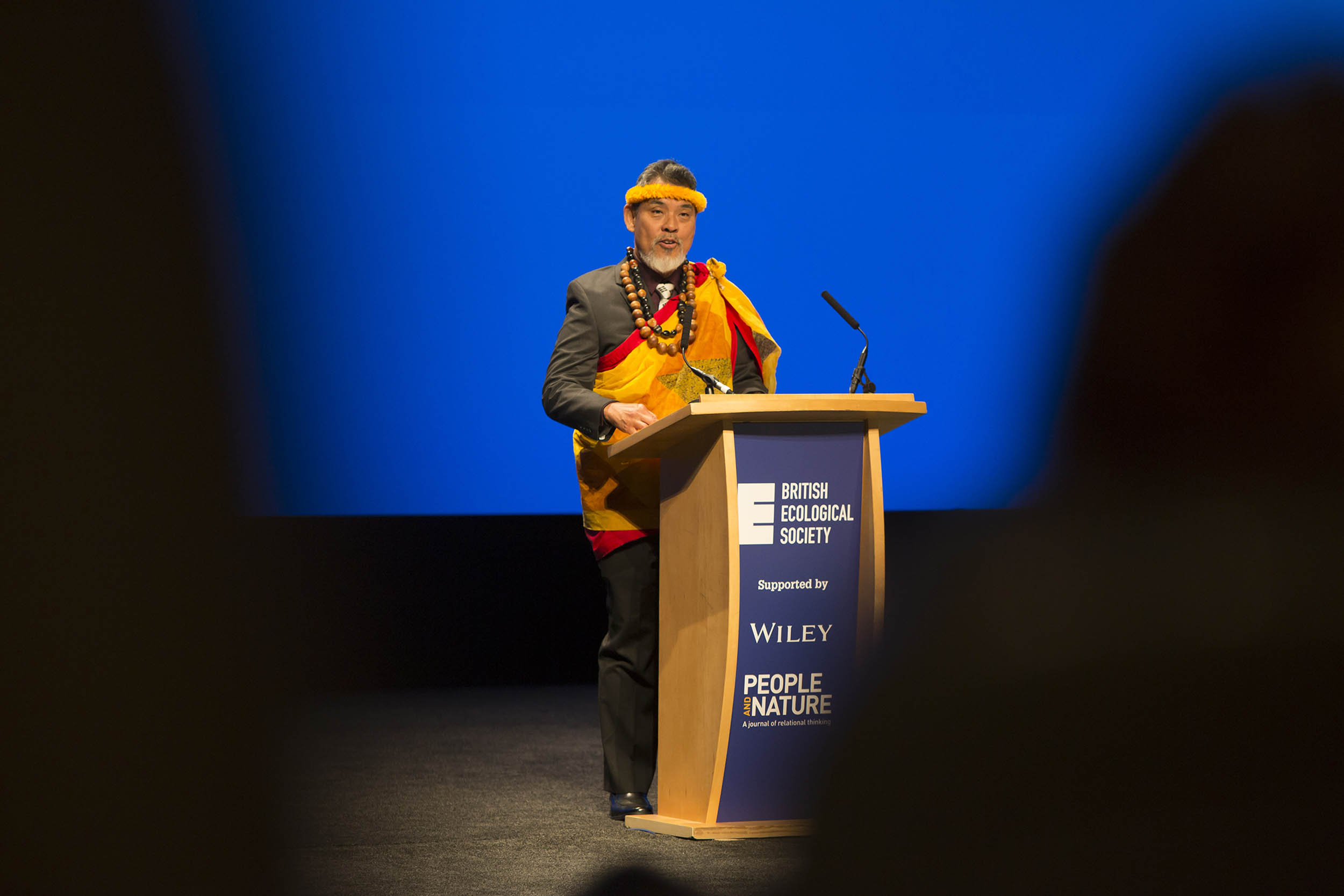
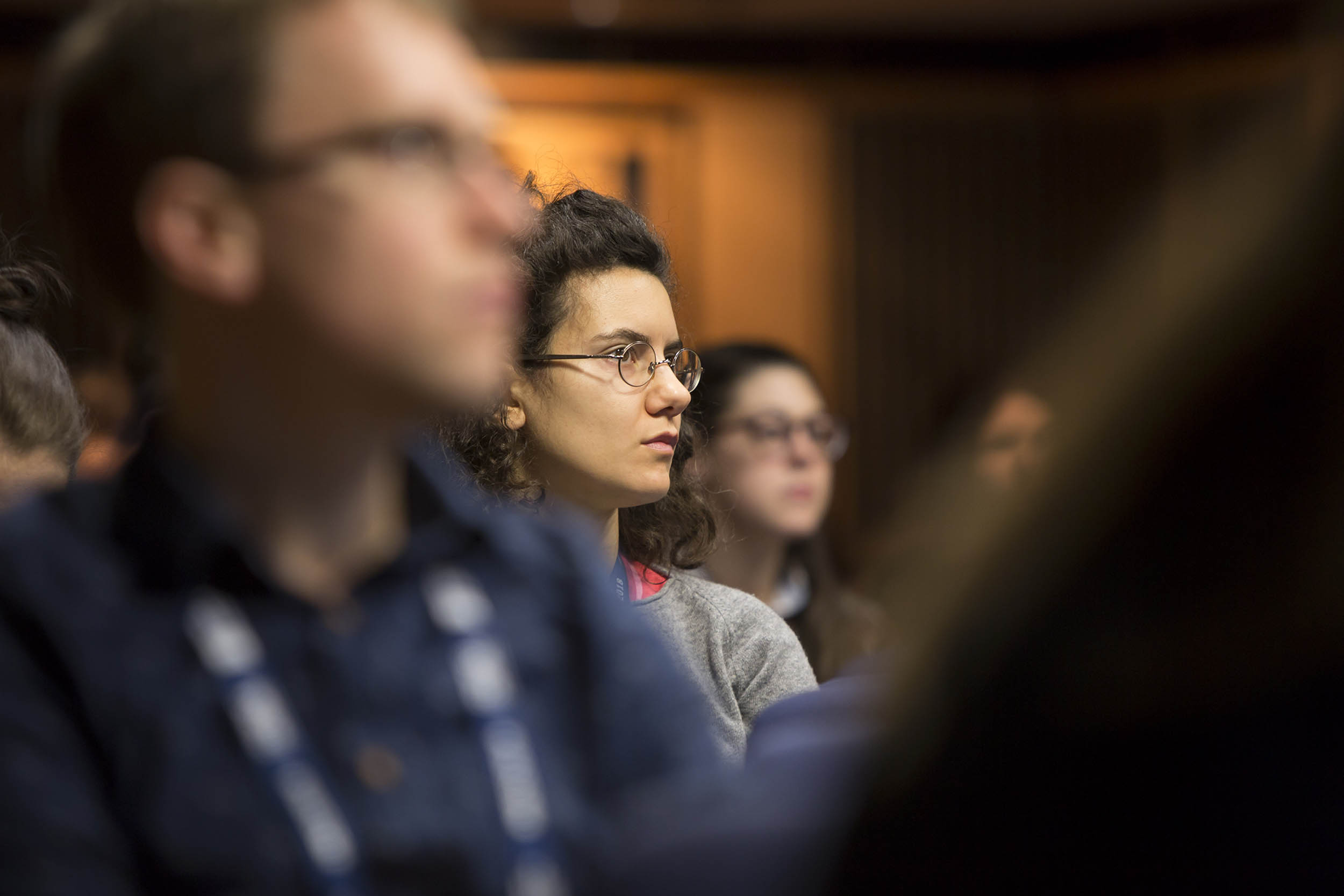
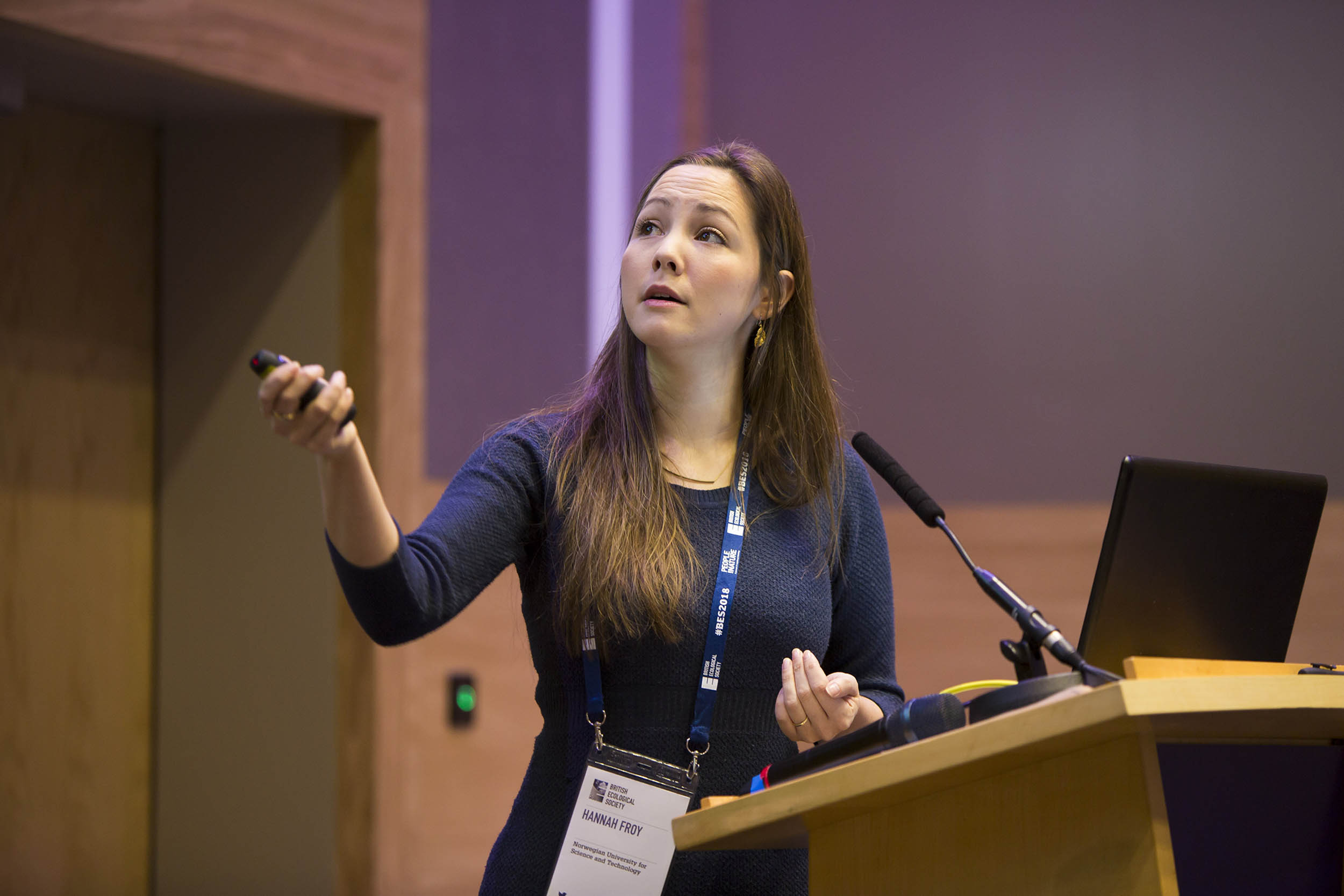
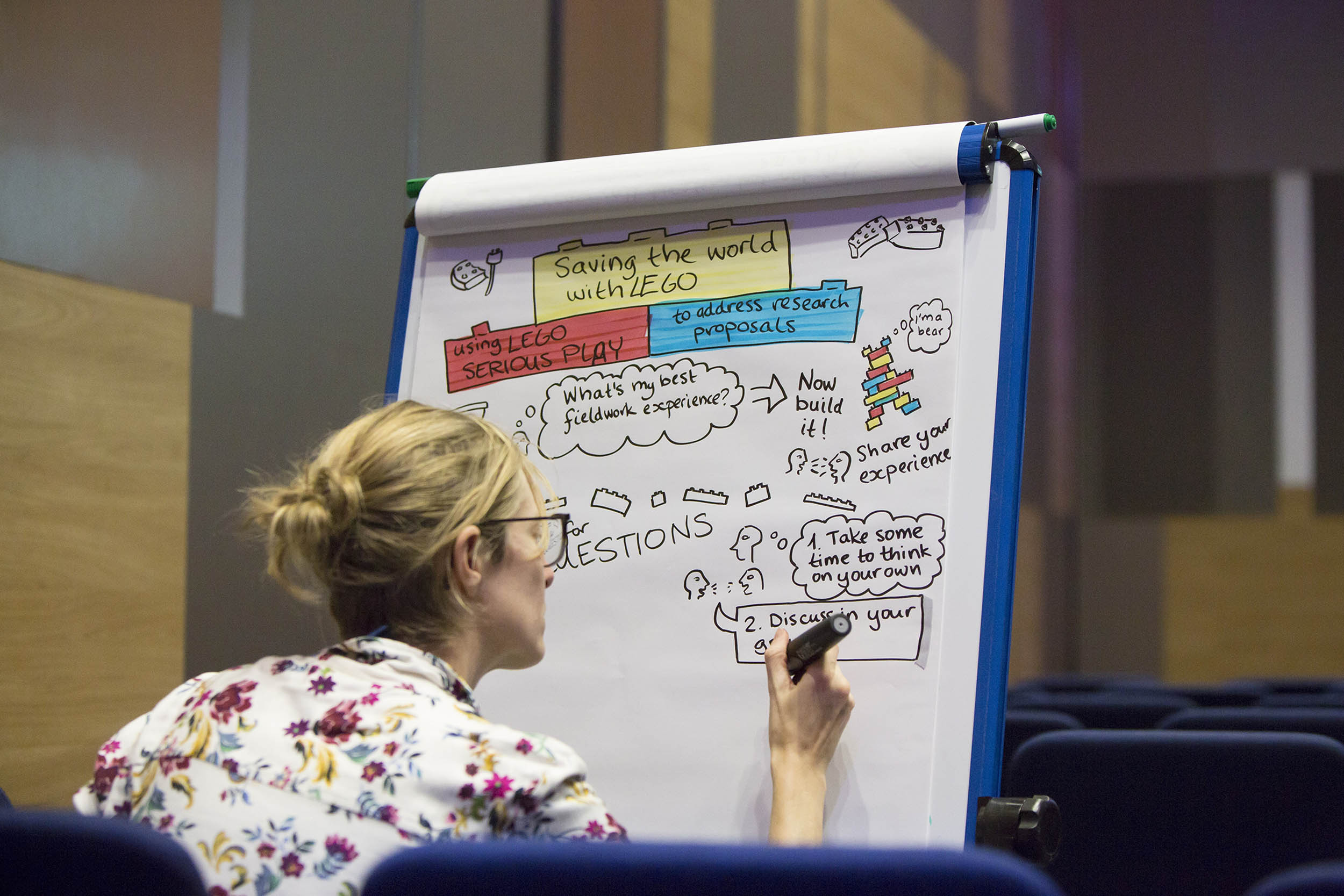
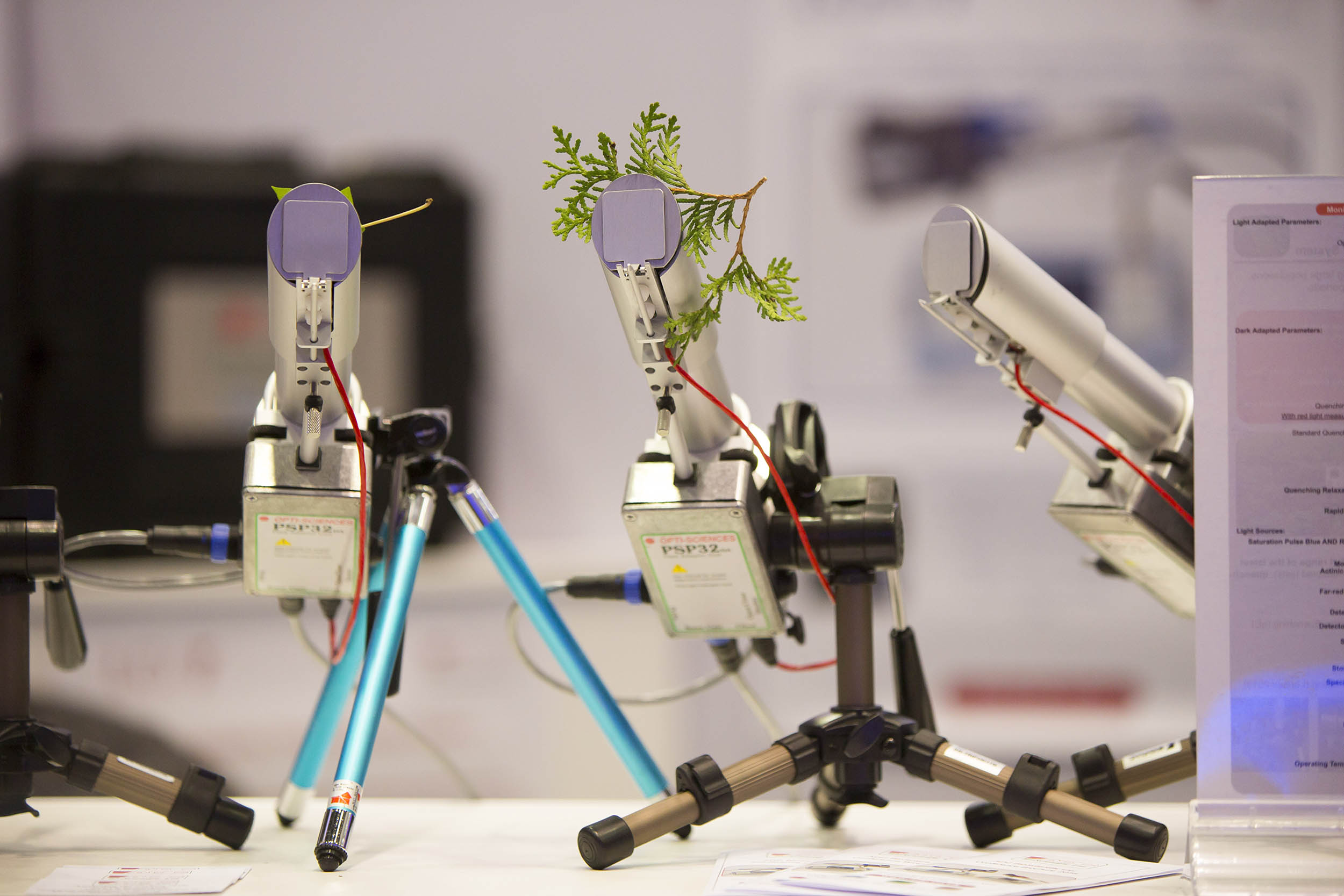
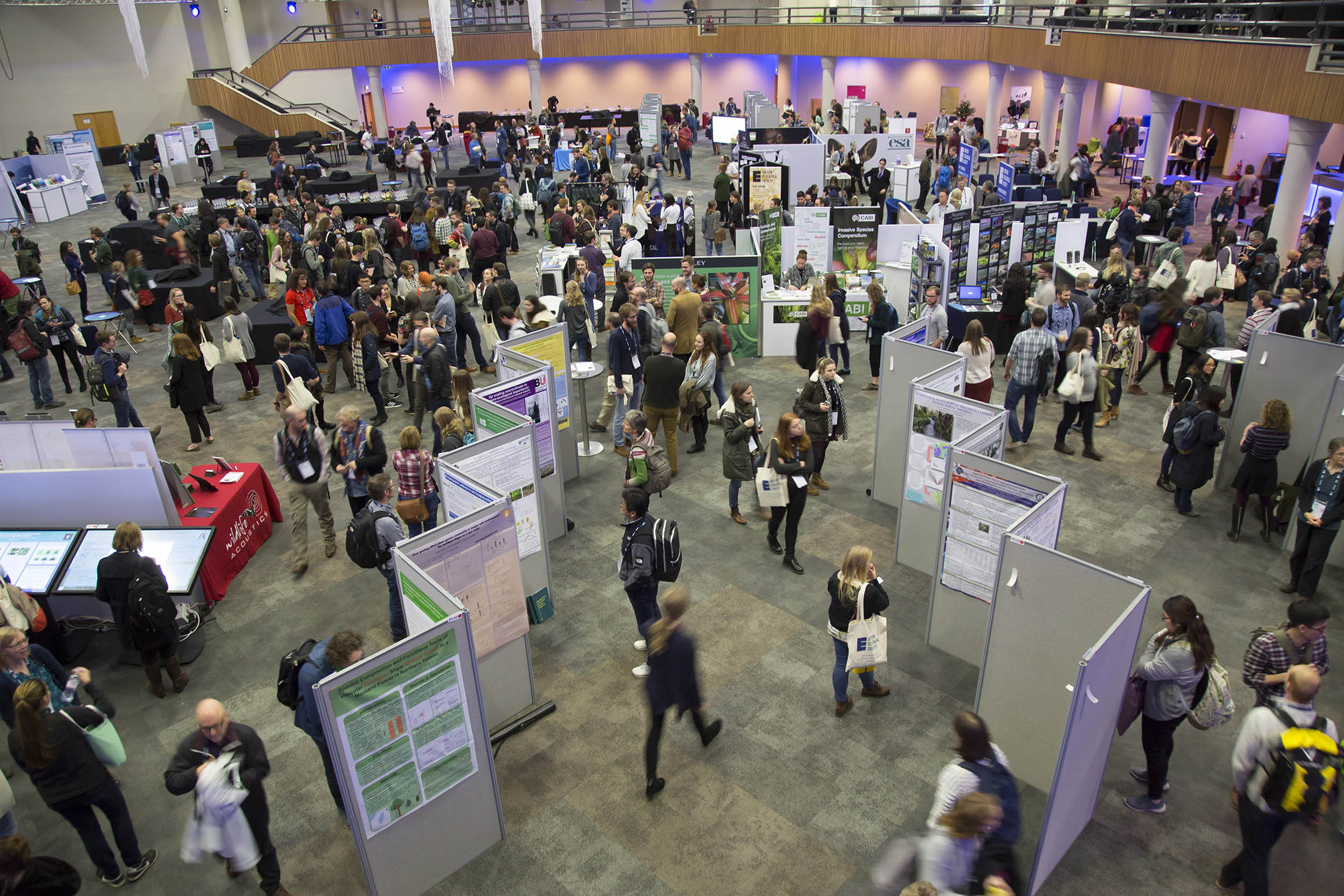
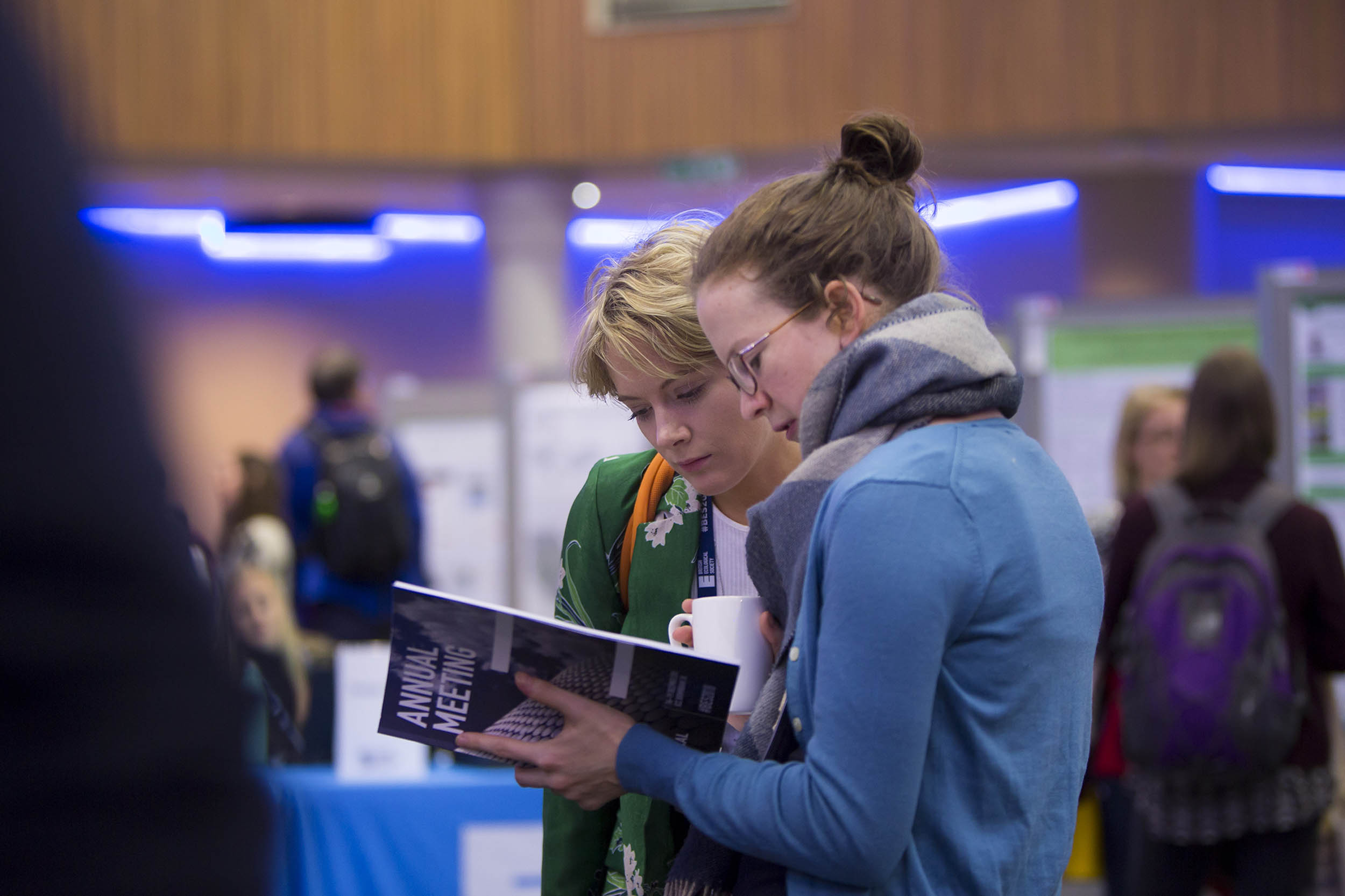
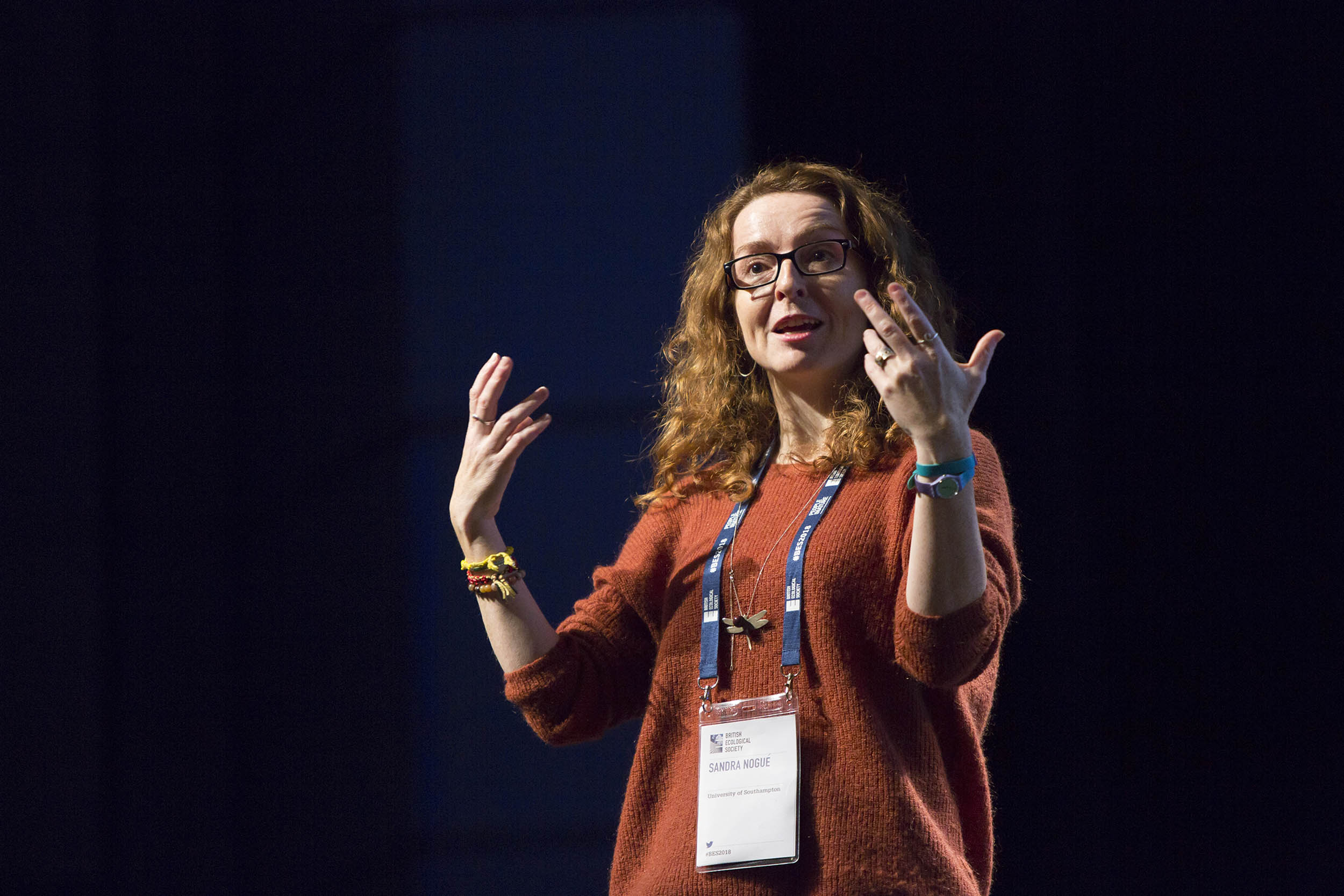
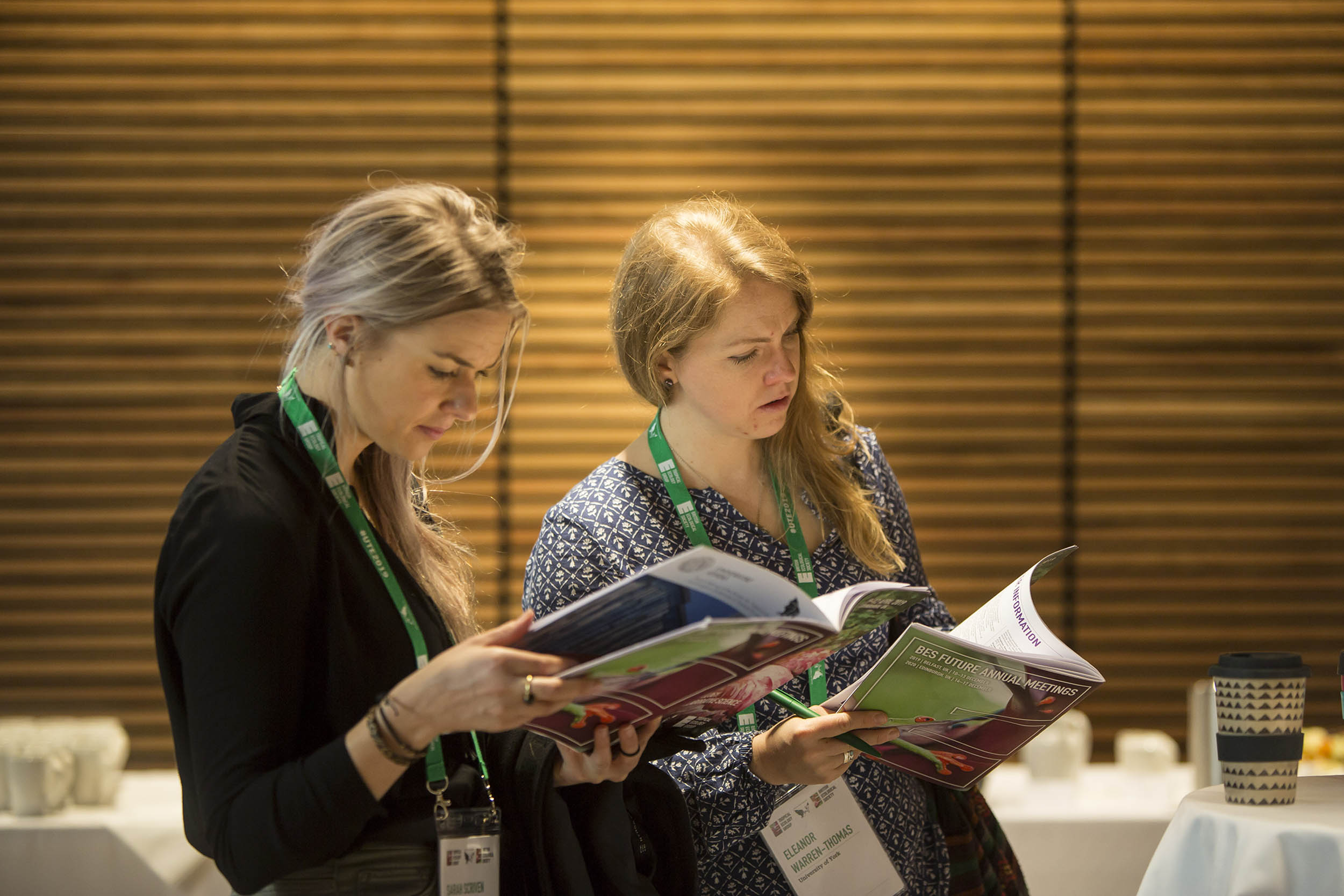
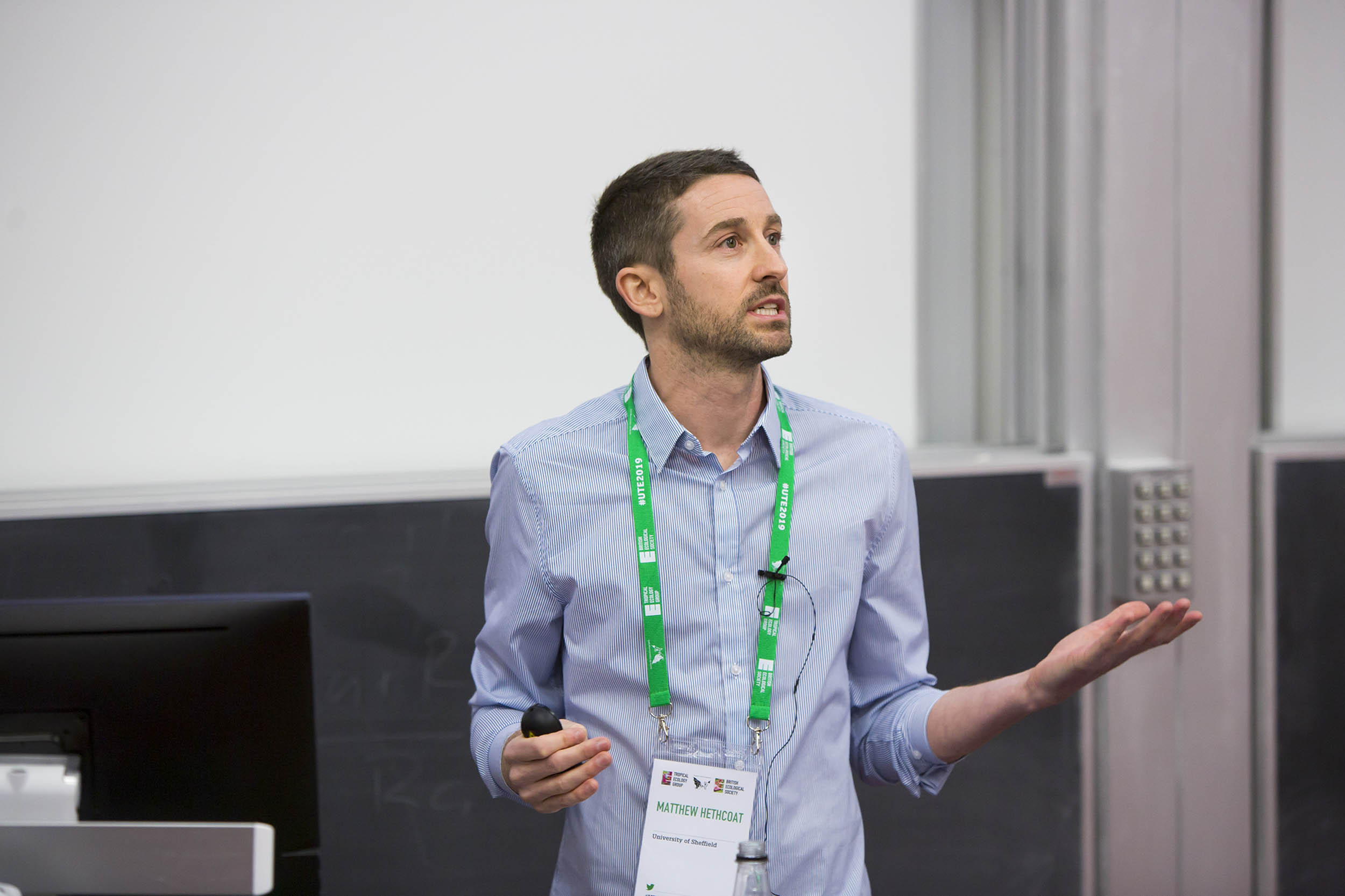
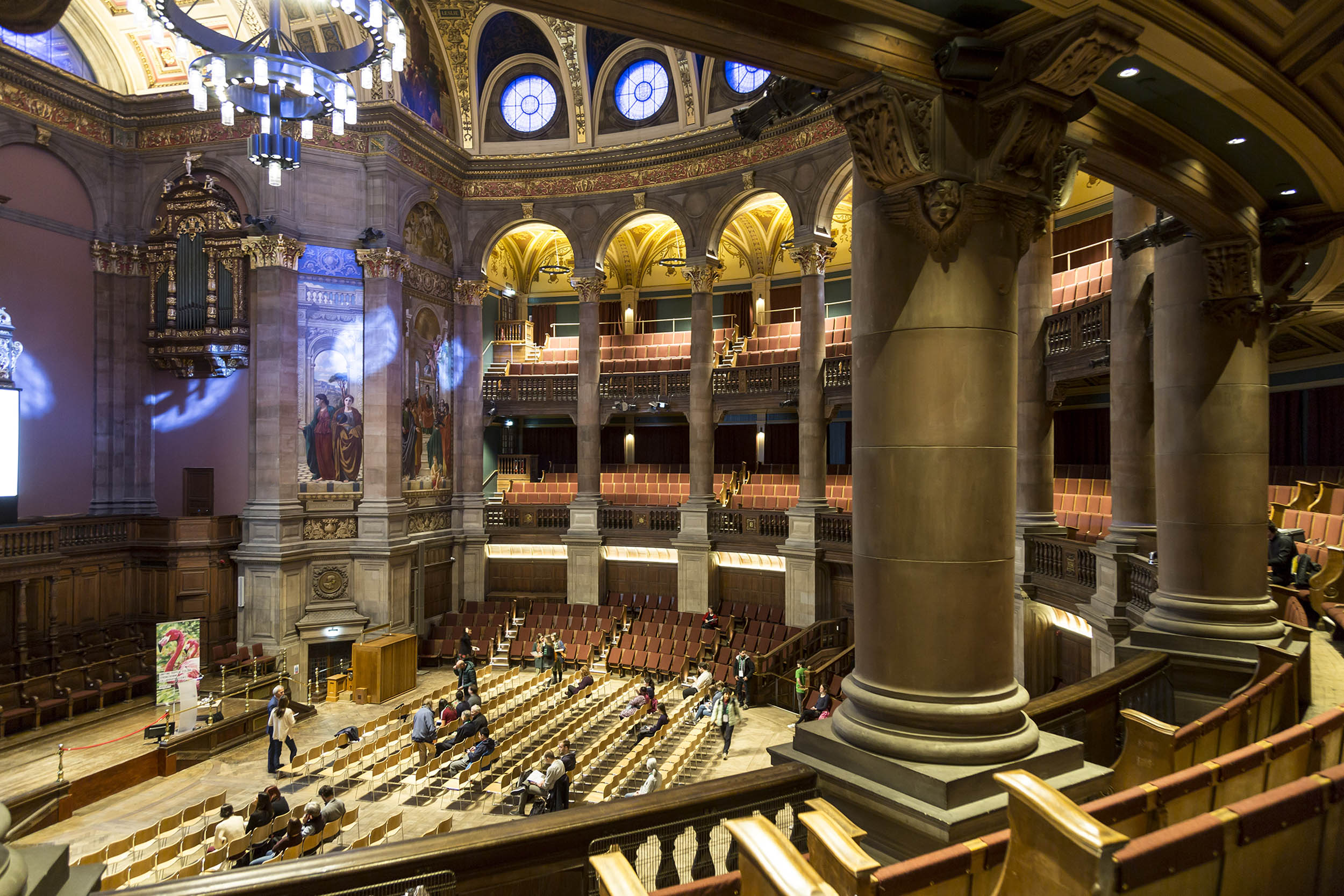
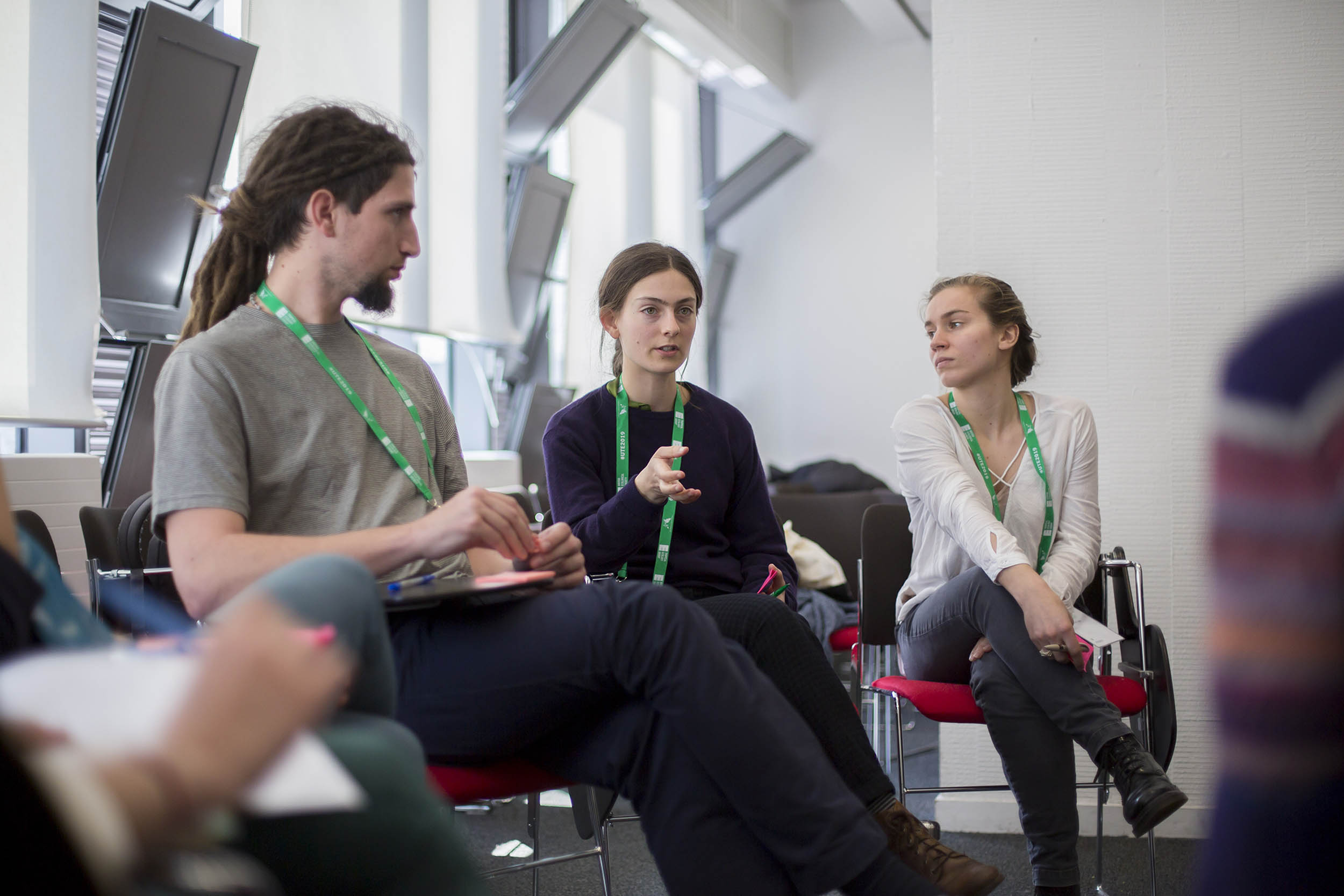
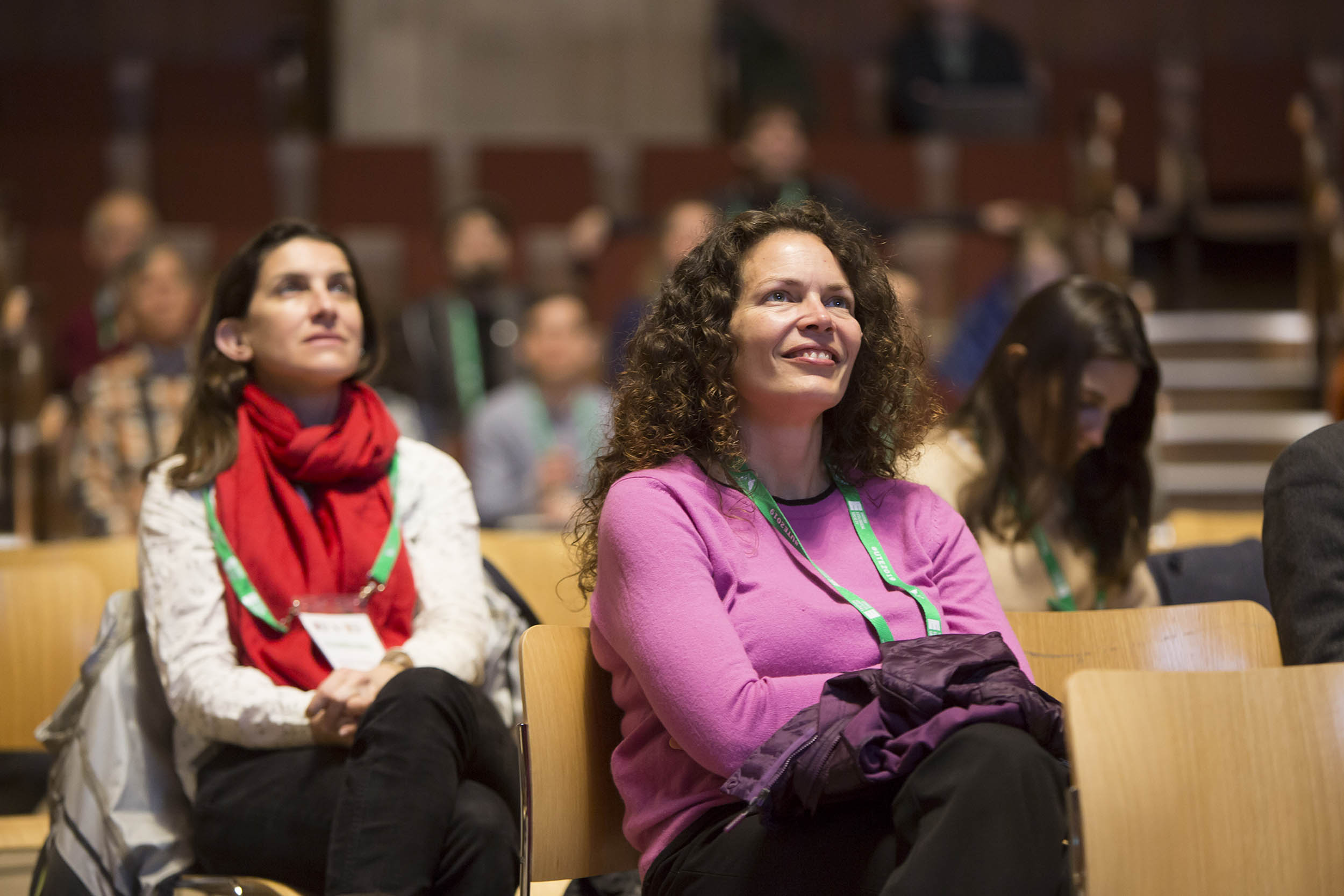
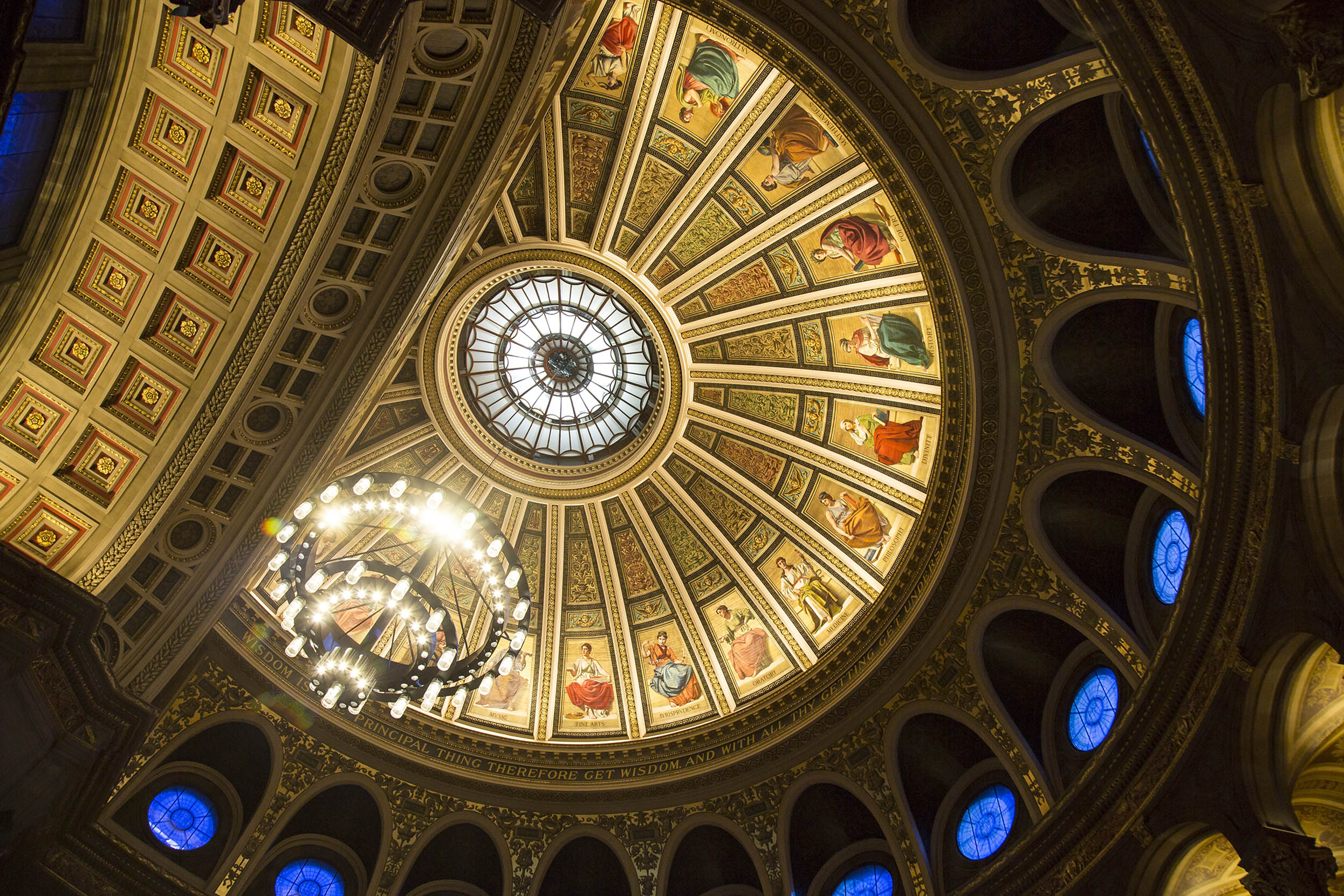
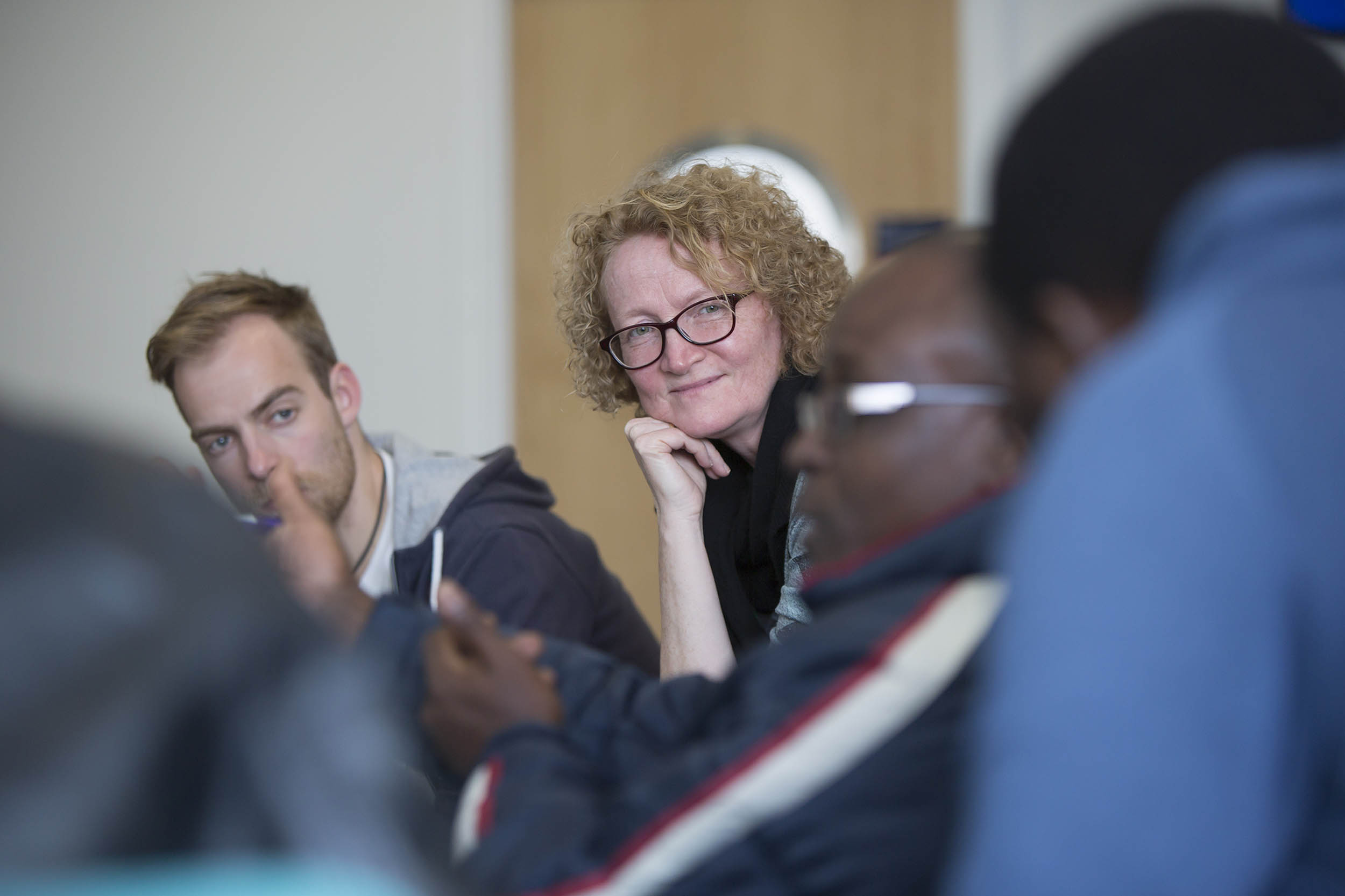
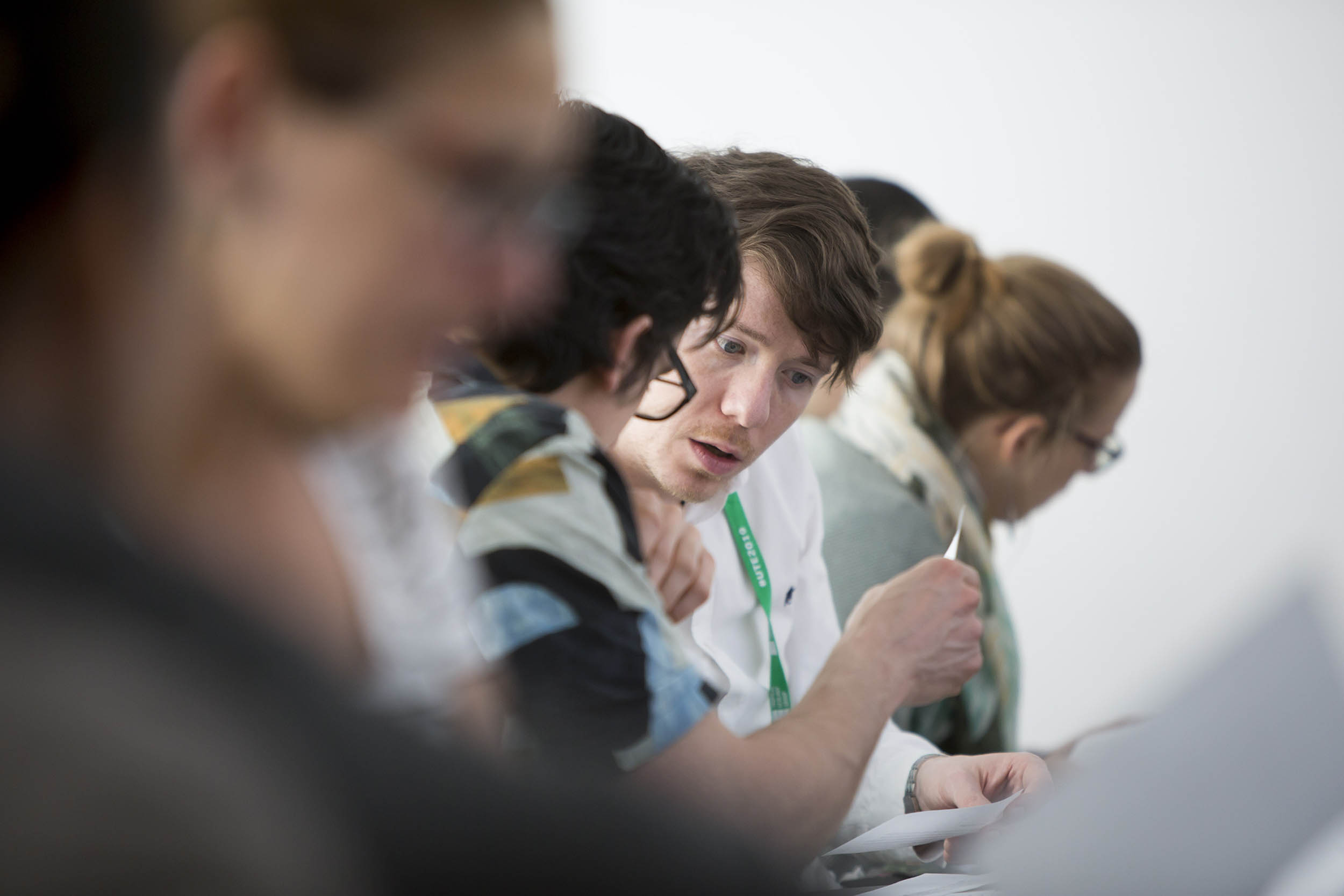
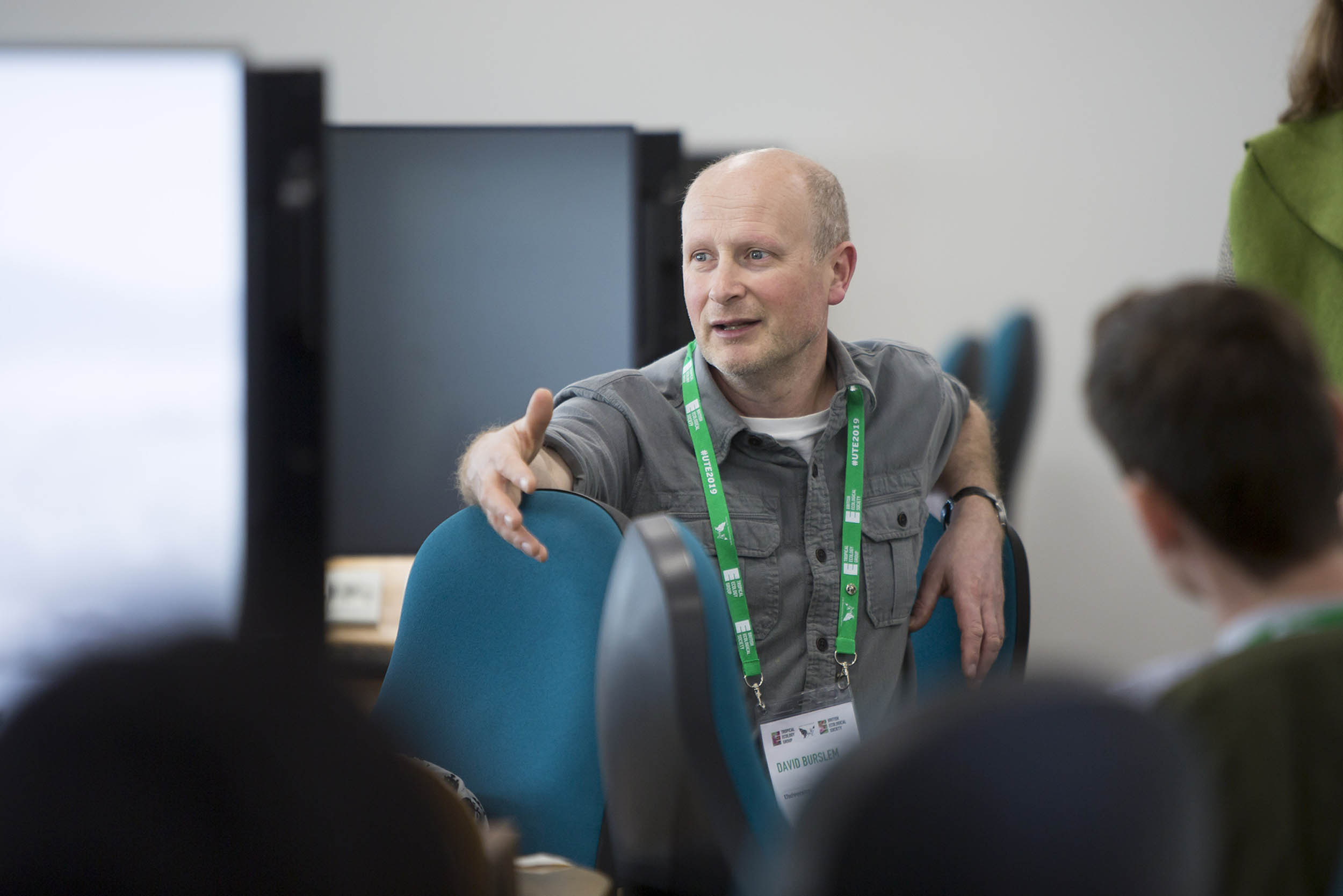
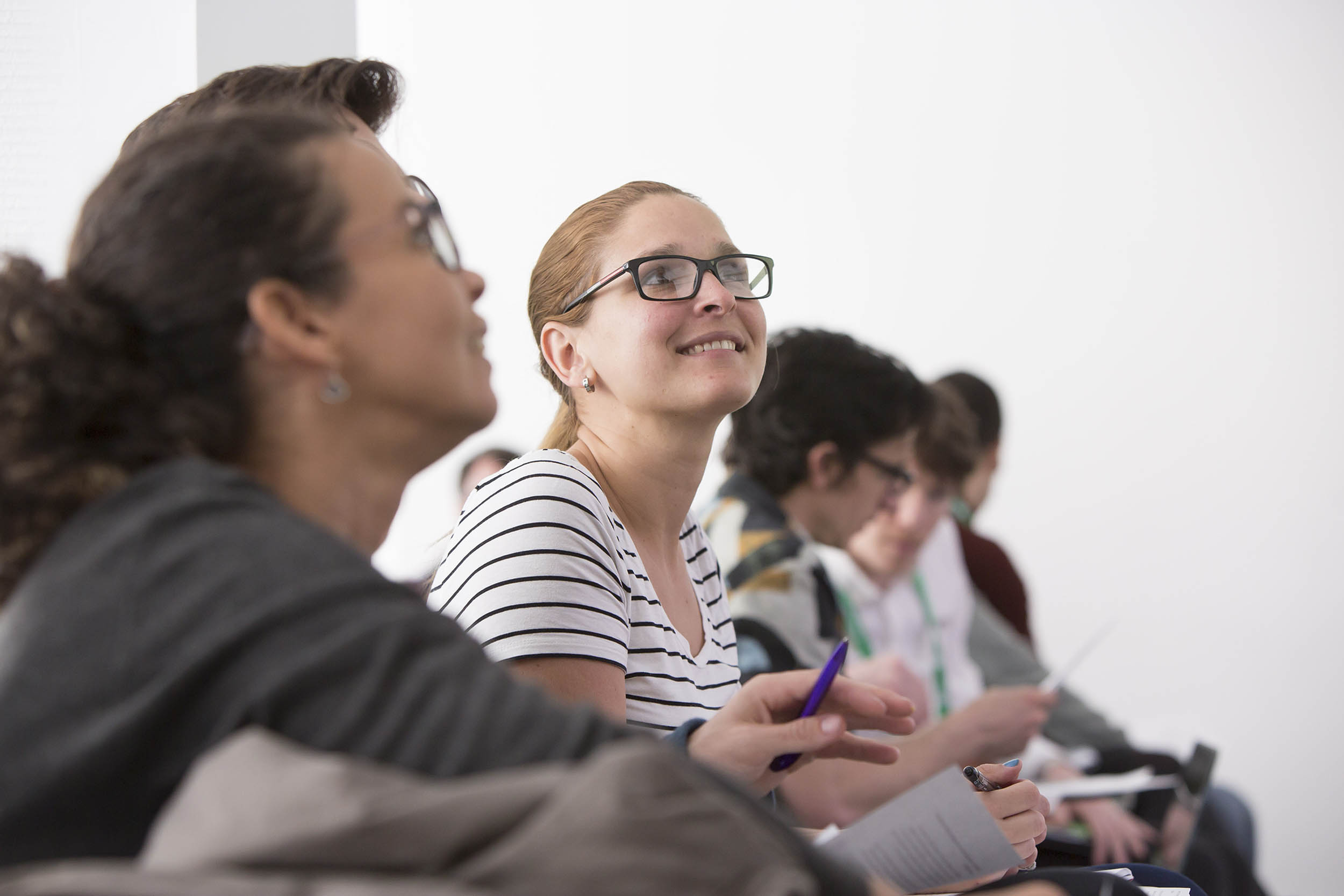
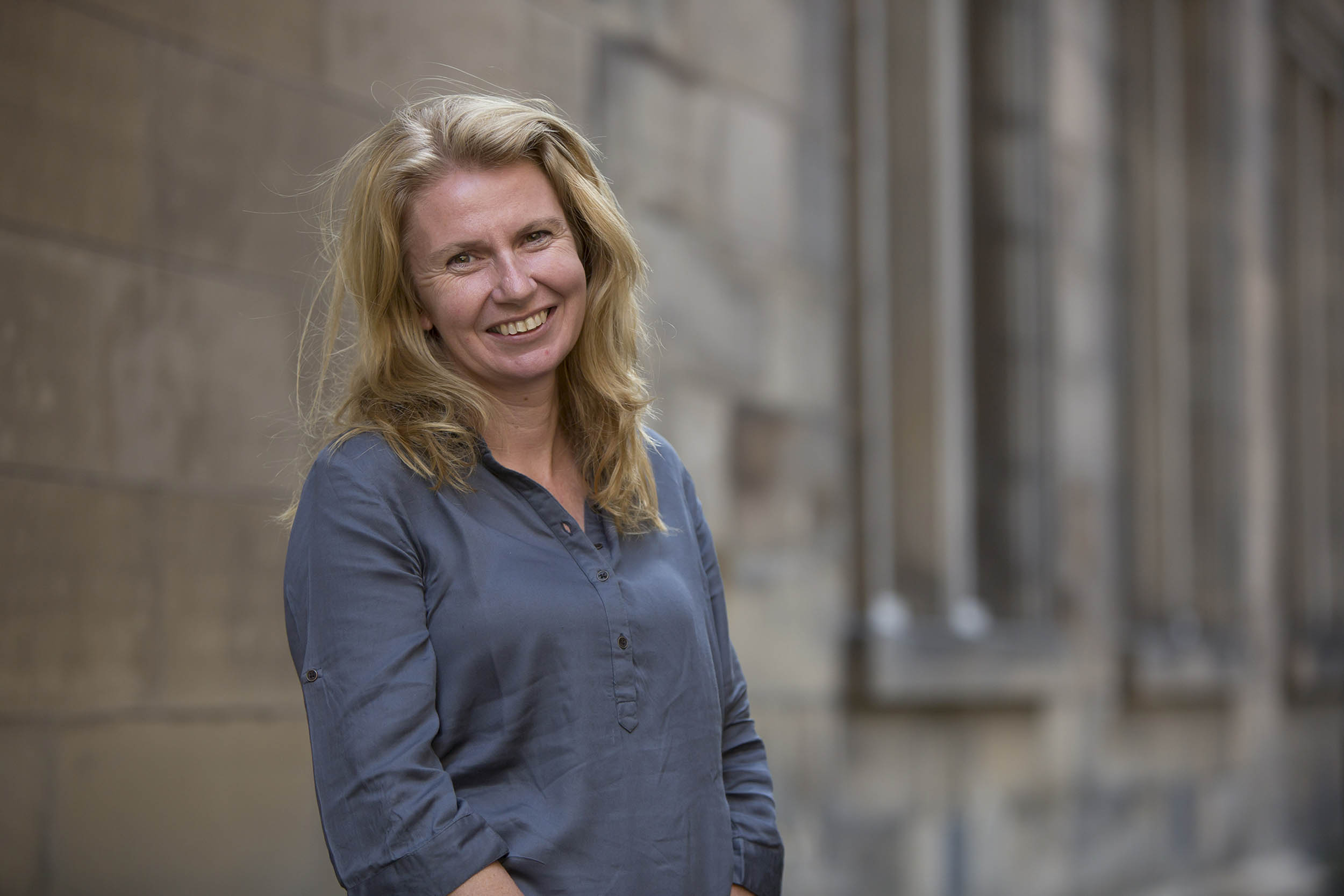
It’s always fascinating to carry out the conference photography for the British Ecological Society and often easy to forget to take pictures while listening to the presentations. Here are a selection of photographs from their and the Society for Tropical Ecology’s joint annual conference in the magnificent McEwan Hall, Edinburgh.
Event Photography: British Ecological Society and Society for Tropical Ecology Annual Conference | McEwan Hall, Edinburgh
I recently photographed the joint annual conference of the British Ecological Society (BES) and the Society for Tropical Ecology, held in the magnificent McEwan Hall in Edinburgh. Covering conferences like this is always fascinating, and it can be a challenge to balance listening to presentations with capturing key moments for documentation and promotional purposes.
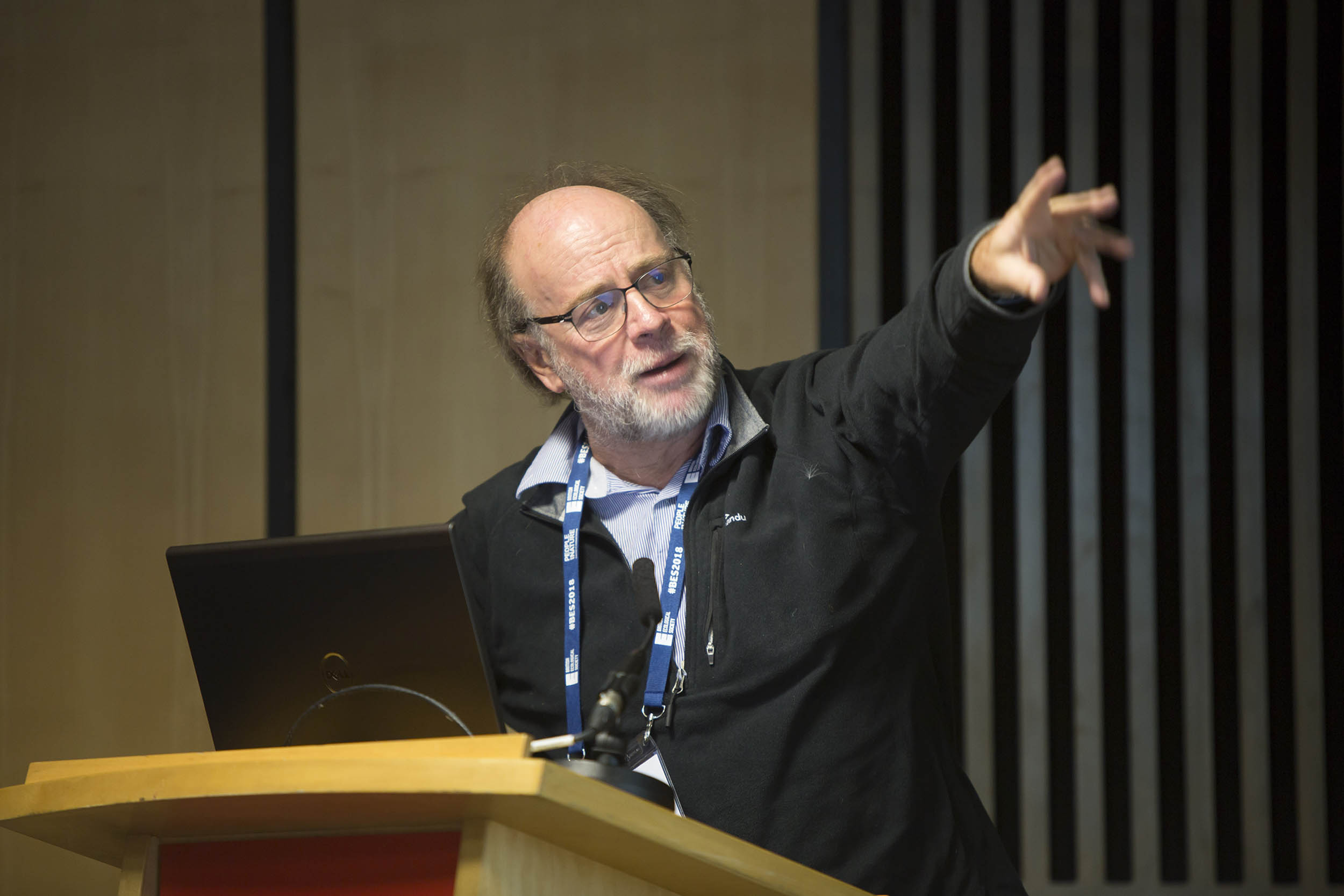
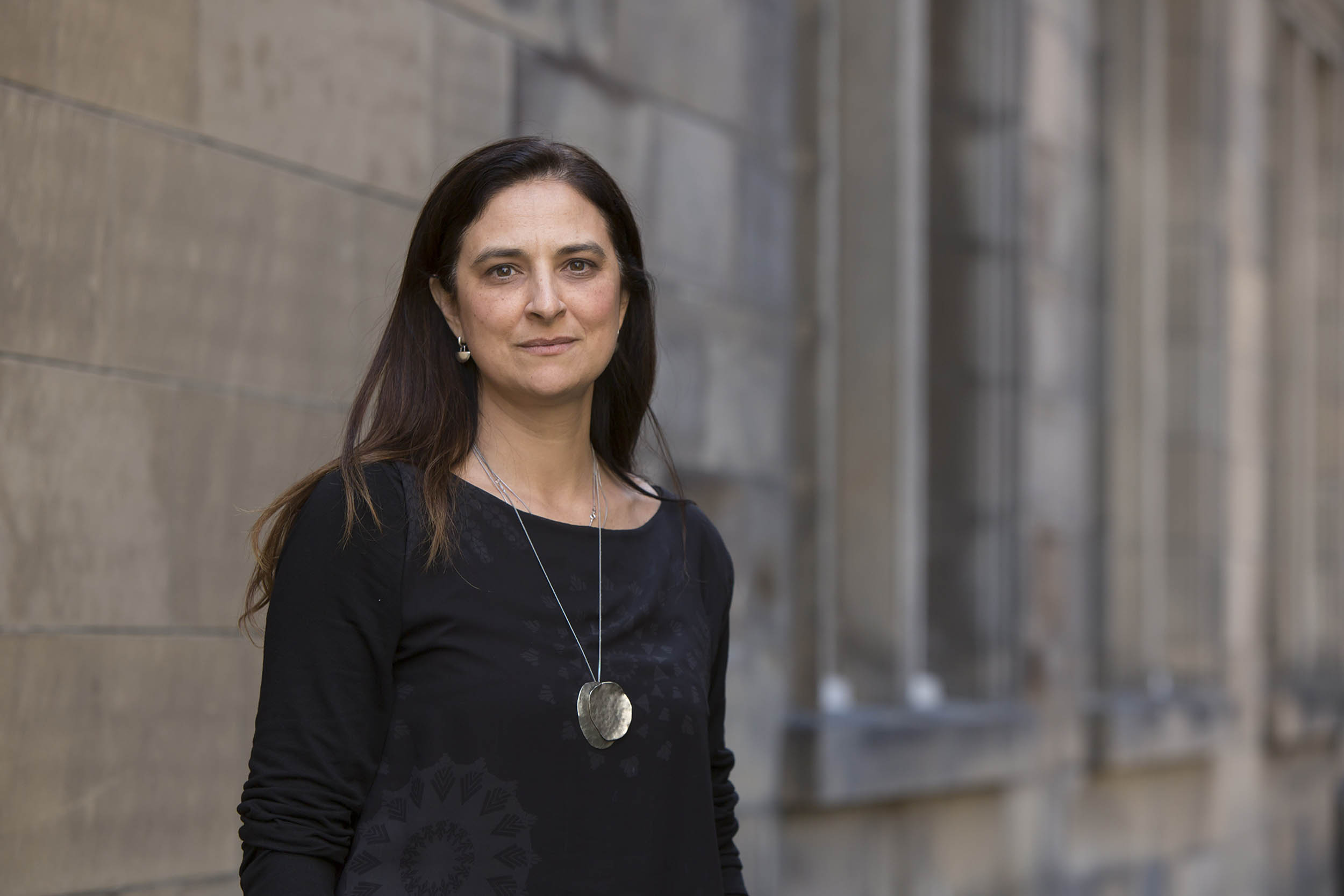
The photographs provide an overview of the event, highlighting the diversity of attendees, the atmosphere of the sessions, and the architectural grandeur of McEwan Hall. Capturing these moments visually helps illustrate the importance of the conference as a space for scientific exchange, networking, and engagement with current ecological research.

Capturing Academic Conferences
Event photography for academic and professional conferences requires attention to context, detail, and storytelling. I focused on capturing presenters during talks, delegates engaging in discussions, and the overall environment of the hall. These images are used for marketing, social media, and post-conference reporting, providing a visual record of the event that complements the written proceedings.
Documenting conferences also allows for the dissemination of the event’s energy and significance, giving future participants and collaborators a sense of the professional and social interactions that define such gatherings.
McEwan Hall: A Historic Backdrop
McEwan Hall in Edinburgh provides a dramatic and inspiring setting for conferences, combining historic architecture with modern event functionality. Photographing within this space adds visual interest, framing the attendees and speakers against the grandeur of the venue while highlighting the professional nature of the conference.
Conclusion
Photographing the joint BES and Society for Tropical Ecology annual conference offered an opportunity to create a visual record of scientific collaboration, lively discussion, and academic engagement. These images communicate the scale, professionalism, and atmosphere of the conference, providing valuable content for the societies’ marketing, archives, and social media.
Night at the Museum
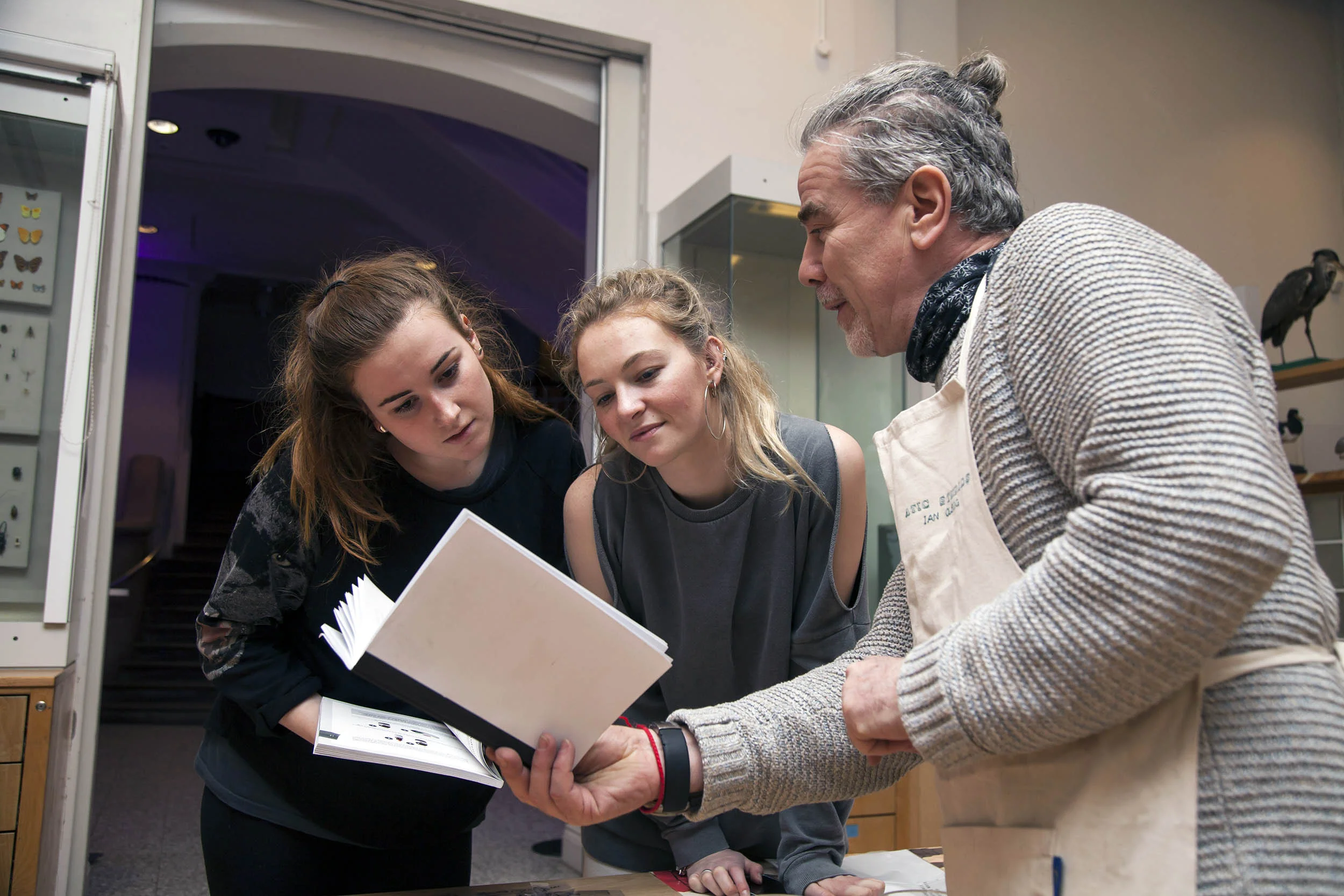
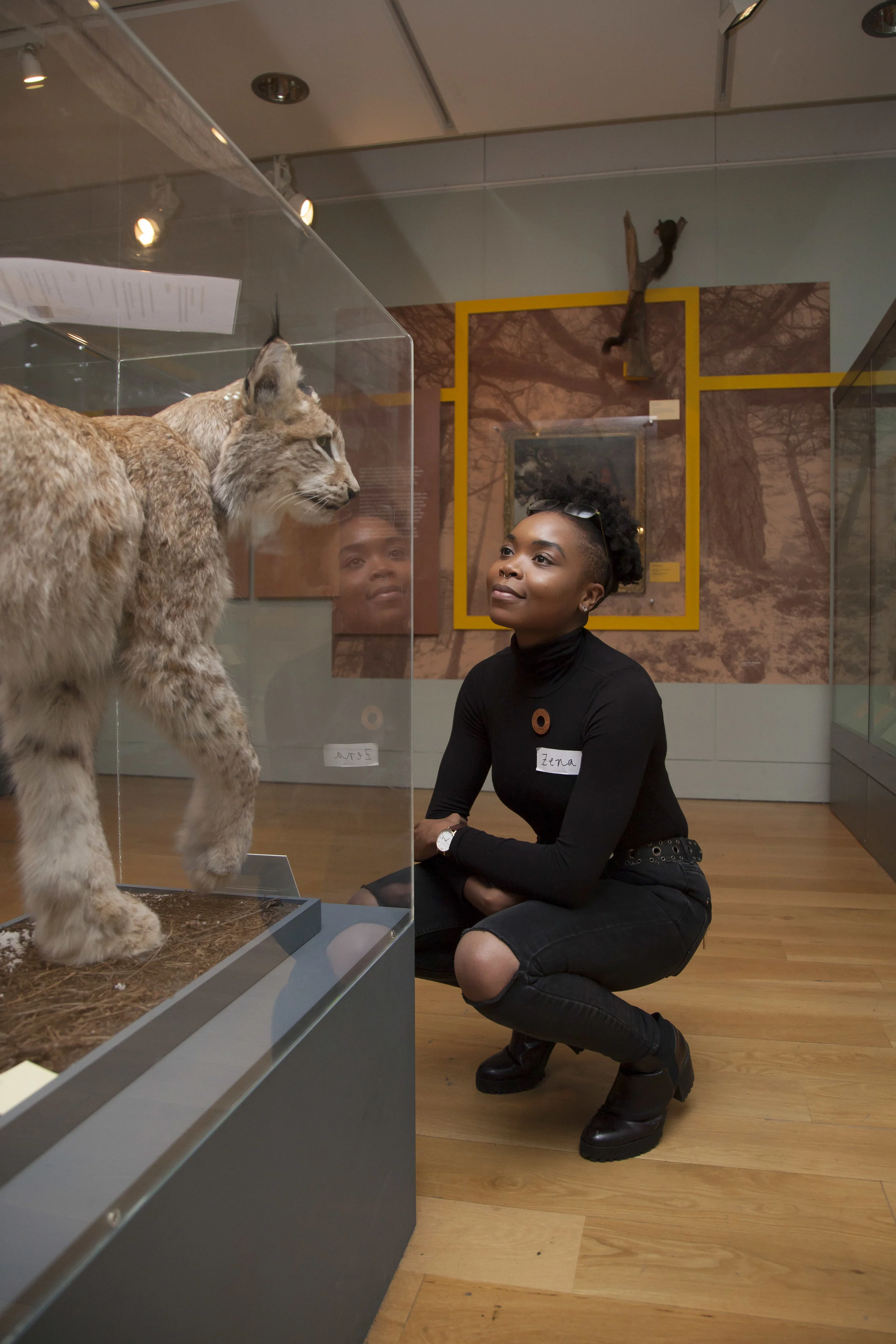
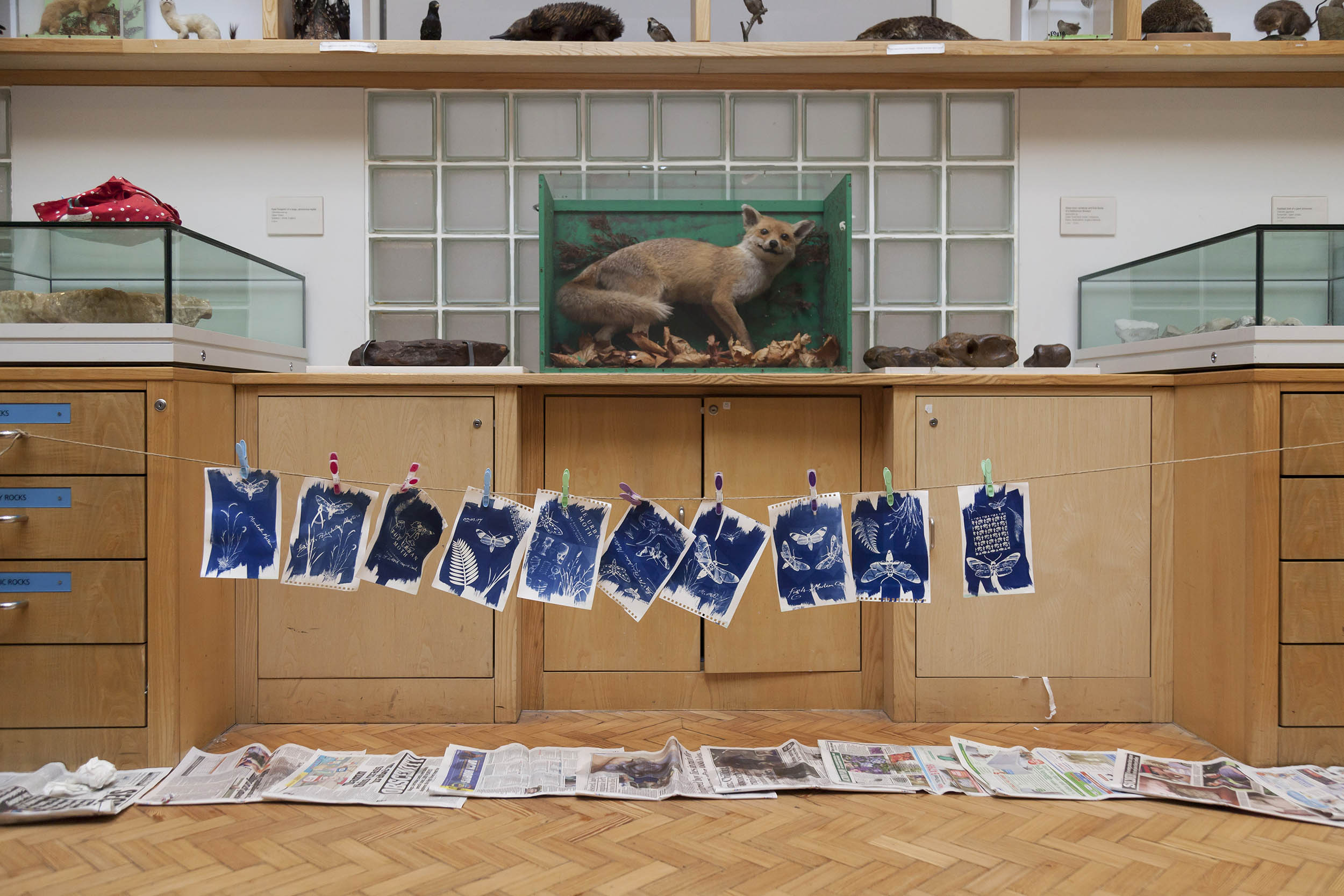
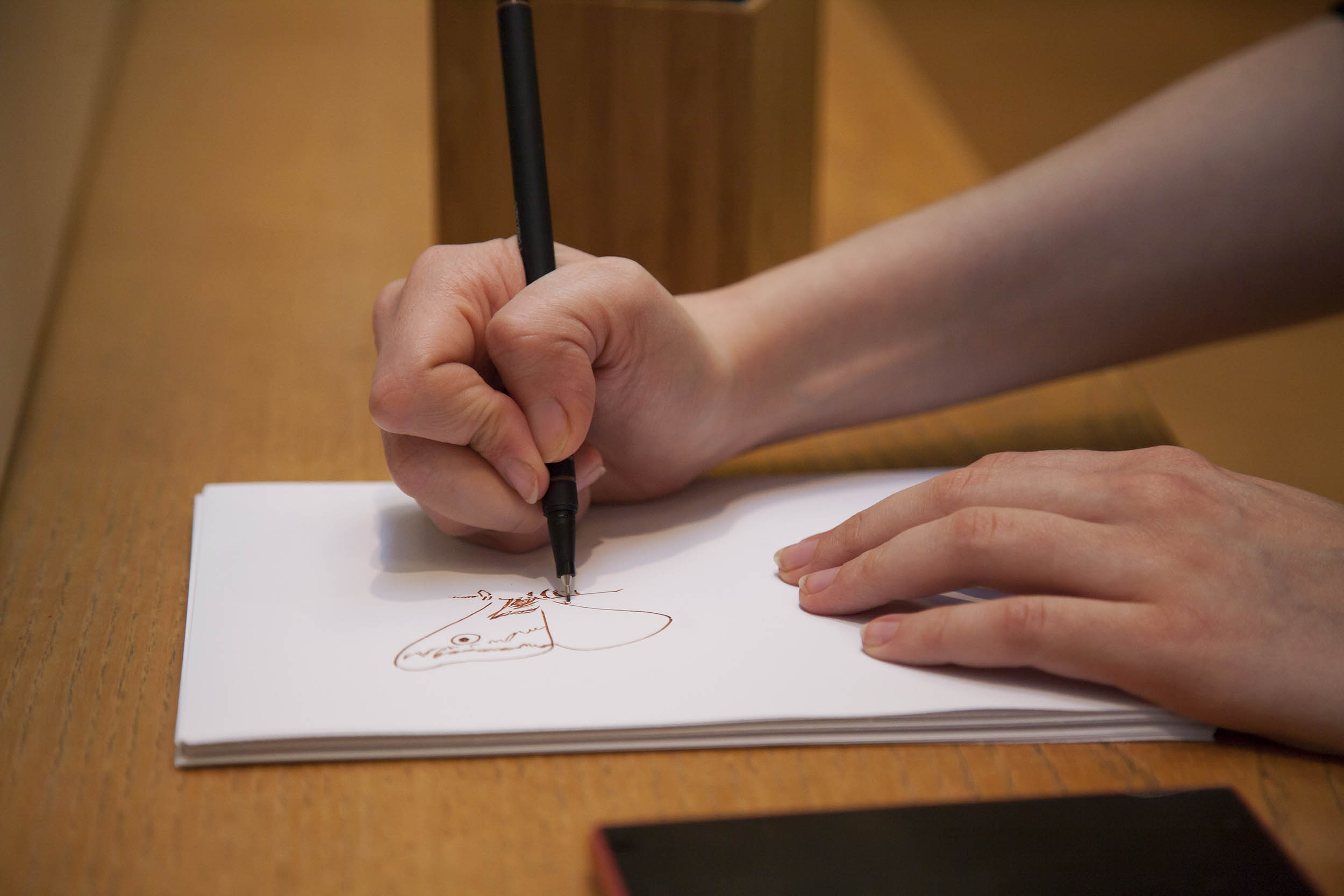
A commission from Manchester Museum to document a recent evening event as part of the Adult Programme. The highlight for me was a cyanotype workshop by Angela Tait and Ian Clegg of ATIC. These days the UV tubes they use to expose the images are considered a Health & Safety concern, yet it wasn't long ago they were used in sunbeds!
Event Photography: Manchester Museum Adult Programme | Museum Meets Evening Events
I was commissioned by Manchester Museum to document a recent evening event as part of their Adult Programme. The highlight of the evening was a cyanotype workshop led by Angela Tait and Ian Clegg of ATIC. Cyanotype is a historic photographic printing process, and while the UV tubes used in the workshop are now considered a Health & Safety concern, it’s fascinating to reflect that similar equipment was once widely used in sunbeds.

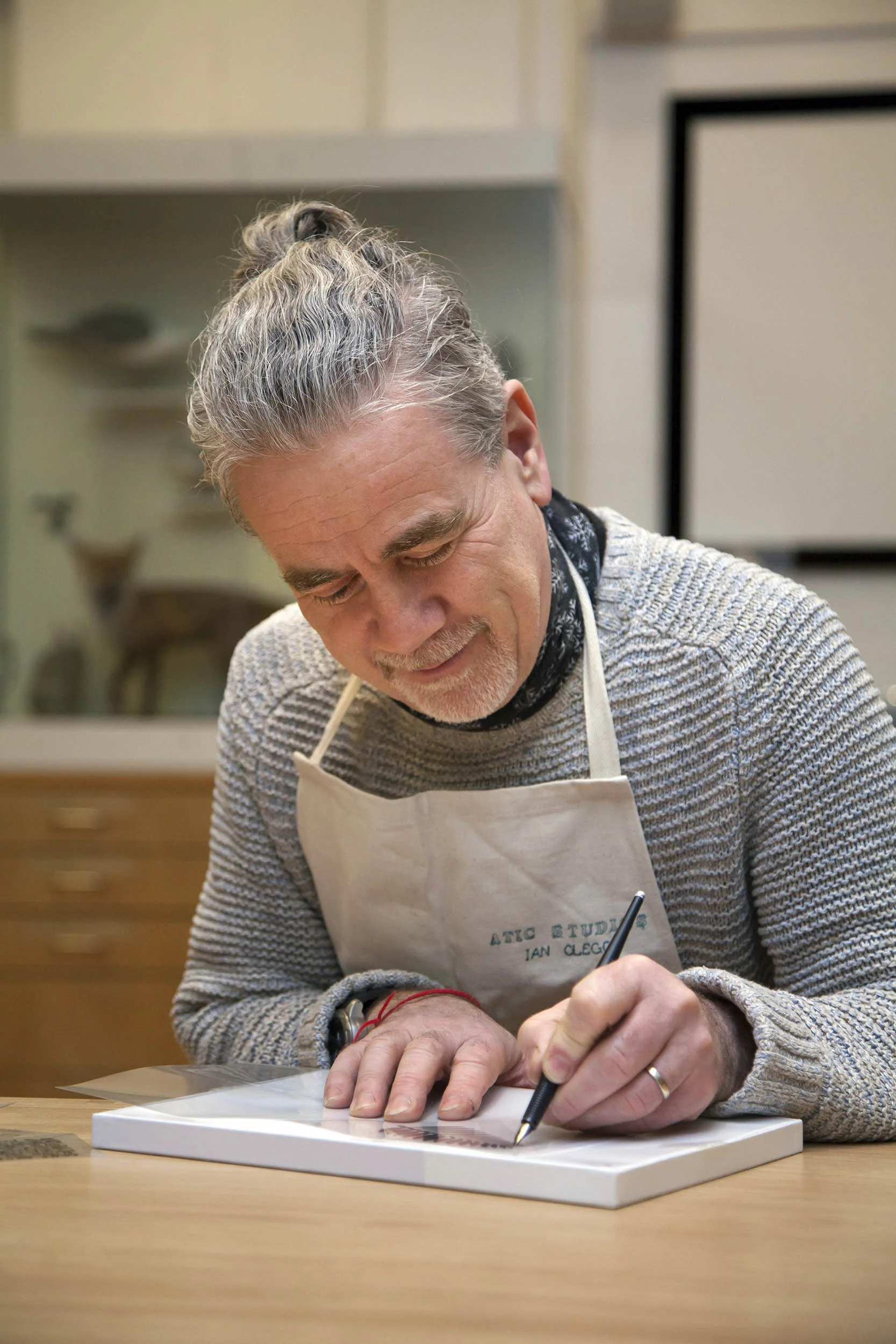
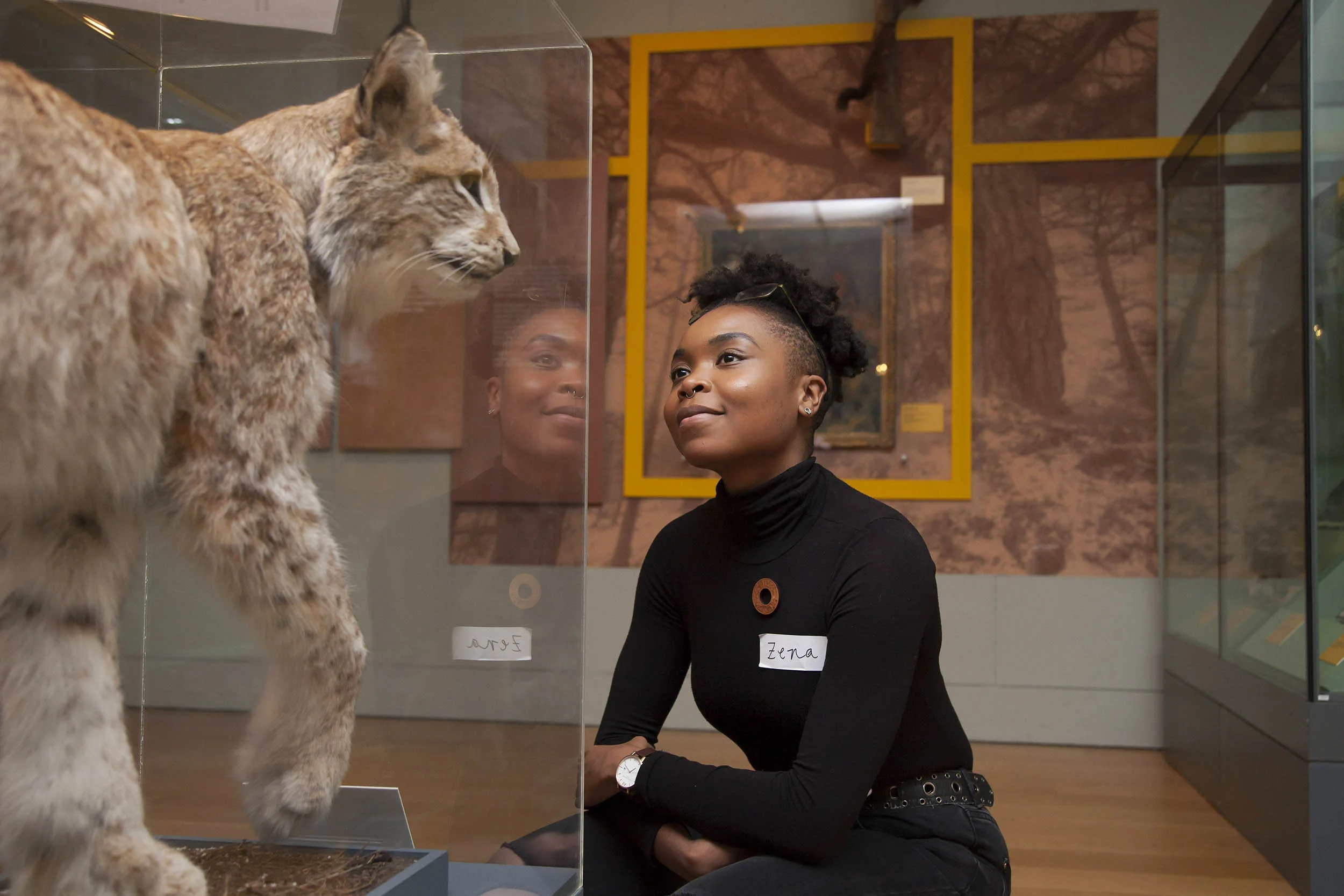
The Museum Meets programme offers a unique opportunity to experience the museum after hours, combining art, science, music, and performance. These evening events bring together artists, scientists, filmmakers, writers, and musicians to animate the museum collections in immersive one-off performances. My role was to capture the atmosphere of the event, participants engaging with the workshops, and the creative energy of the space.
Capturing Museum Events and Workshops
Event photography in a museum setting requires careful attention to lighting, composition, and storytelling. At the Adult Programme evening, I focused on photographing participants at the cyanotype workshop, interactions with facilitators, and the ambience of Manchester Museum’s galleries. Documentary images like these provide a visual record for the museum, helping to promote future events and showcase the diversity of the programme.
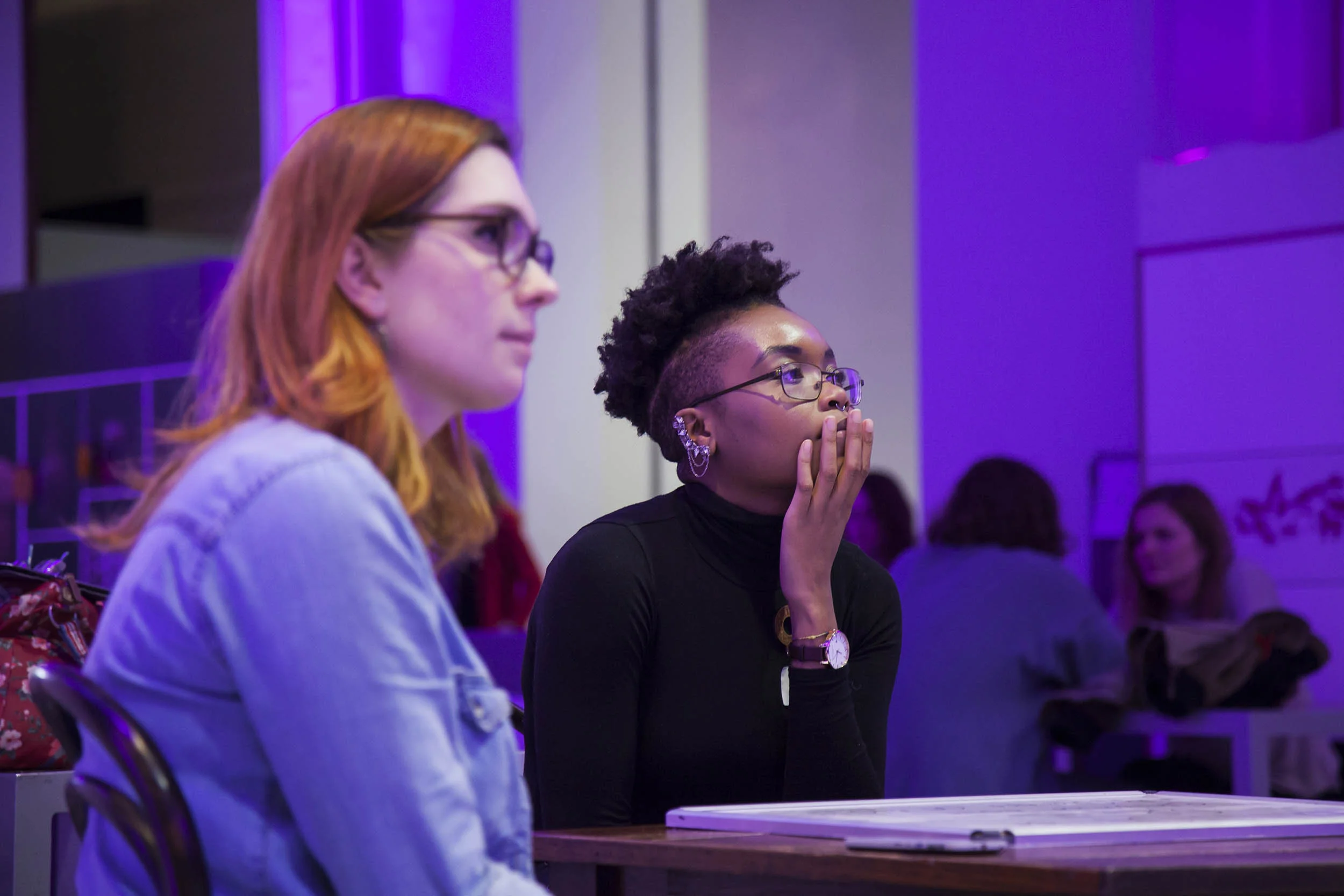
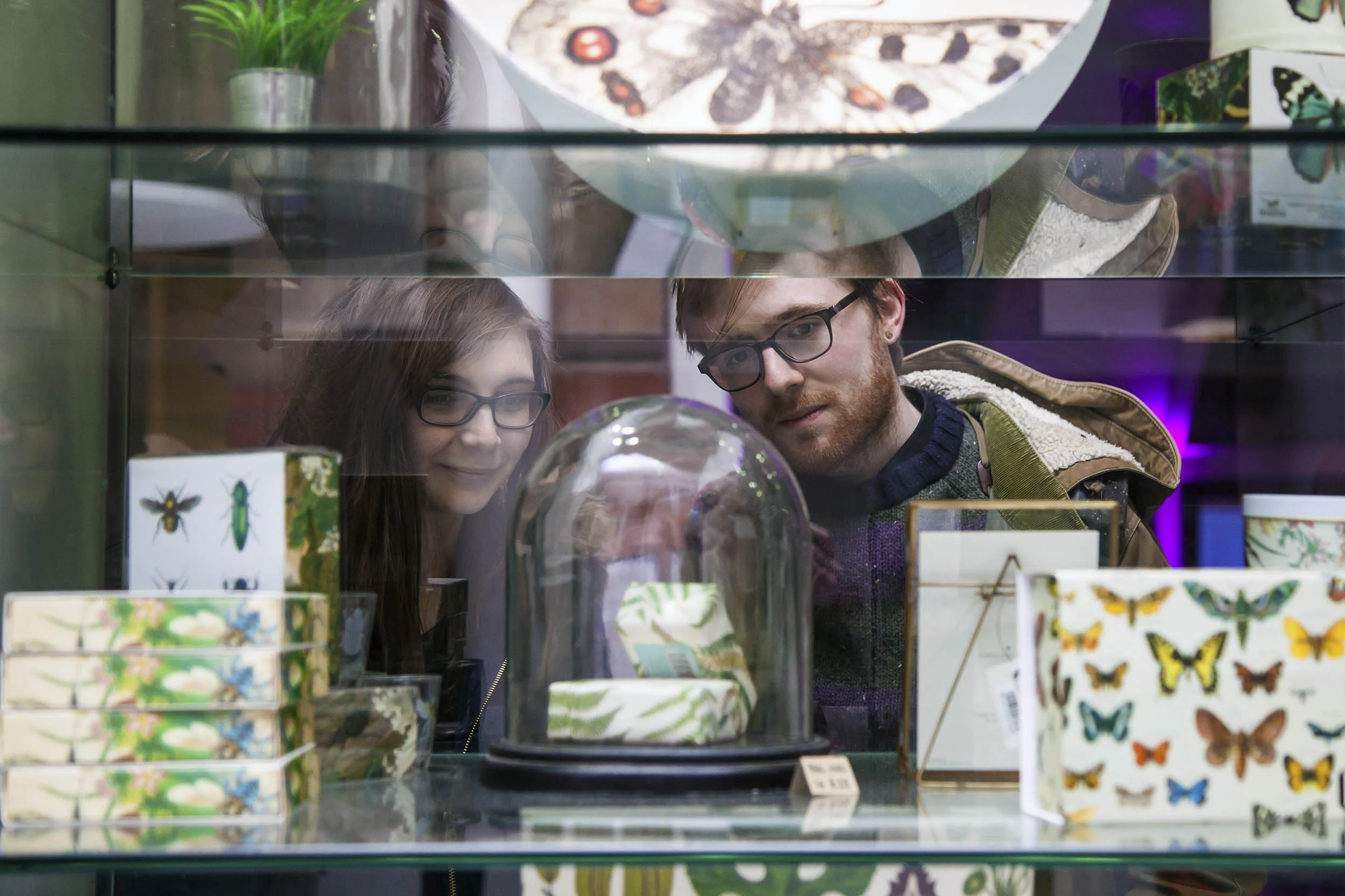
By capturing both candid moments and staged shots, the photography communicates the creativity, engagement, and collaborative spirit of the museum’s Adult Programme. These images support marketing materials, social media content, and editorial coverage, demonstrating how museums can connect audiences with collections through innovative programming.

Conclusion
Photographing Manchester Museum’s Adult Programme highlighted the unique opportunities provided by the Museum Meets evening events. From workshops like cyanotype printing to performances that animate the collections, professional event photography documents these experiences, creating a lasting visual record that promotes engagement and celebrates creativity.
Check out the Museum Meets programme for upcoming events that explore the intersection of art, science, and performance in inspiring ways.