Latest Editorial, Portrait & Commercial Photography Projects
A selection of my most recent commissions and ongoing projects.
The work shown here spans editorial assignments, portrait commissions, documentary projects and commercial photography for organisations and publishers. It reflects current areas of focus and the range of contexts in which I am working.
New projects are added regularly.
Michaela Yearwood-Dan at the Whitworth, Exhibition Opening
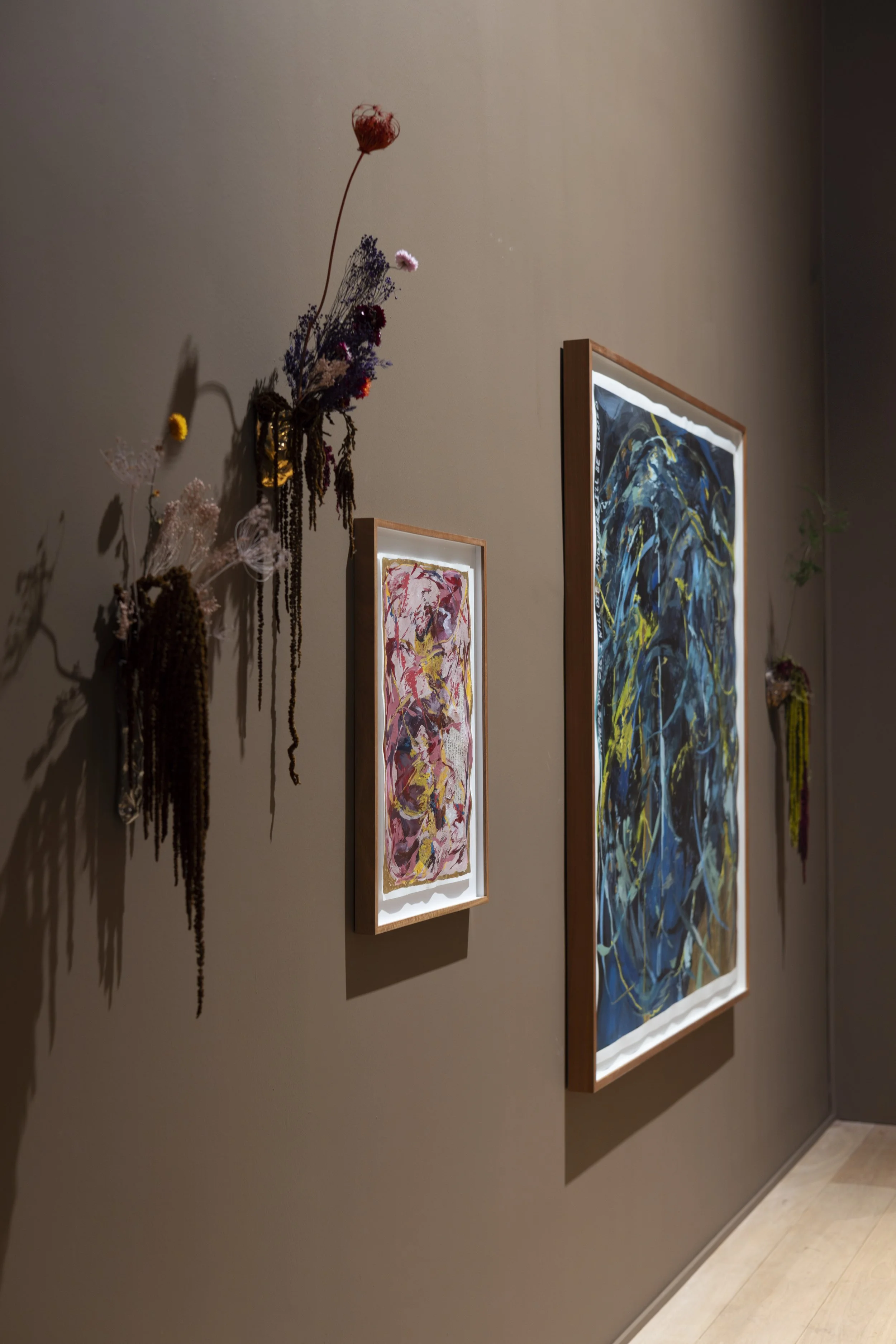
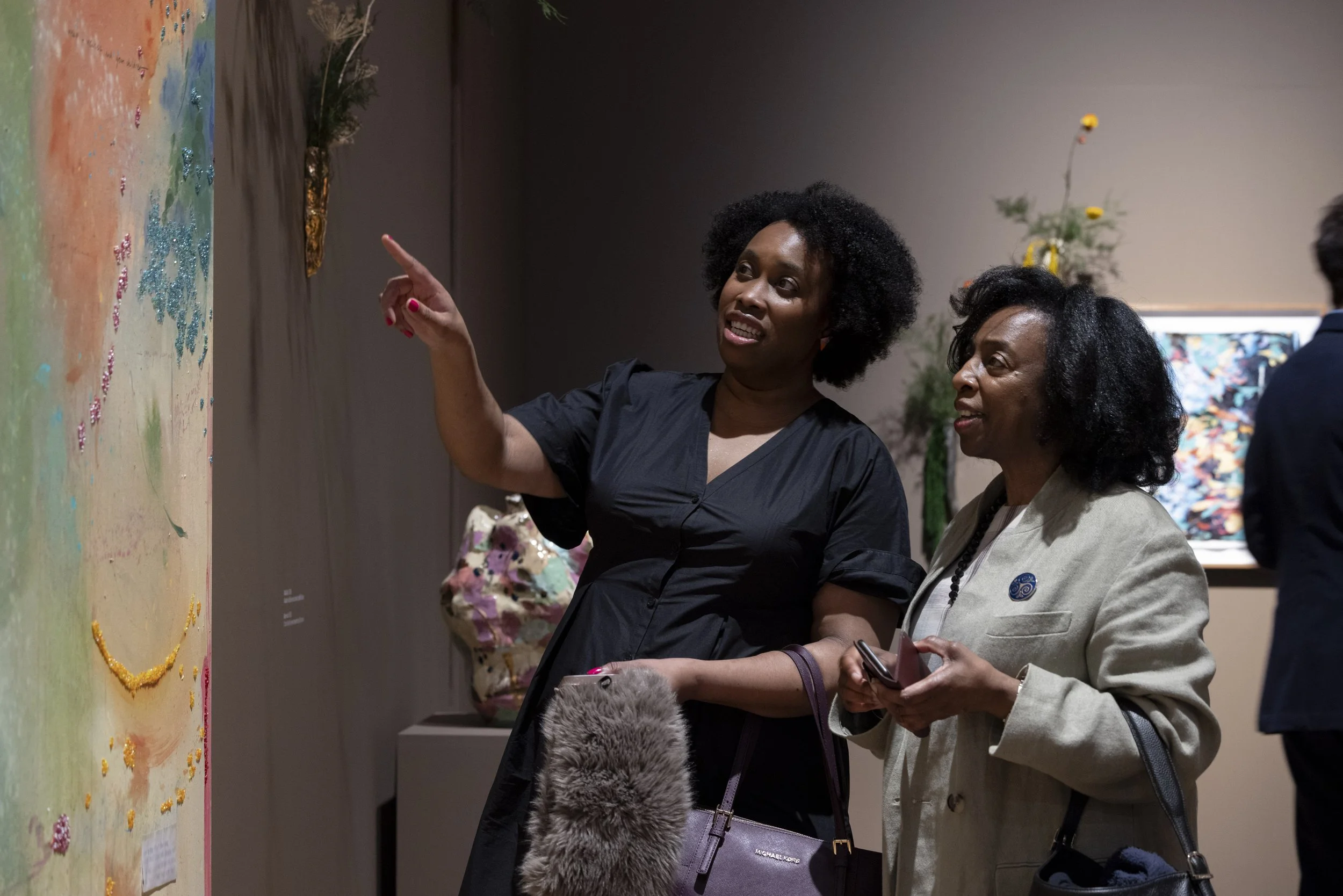
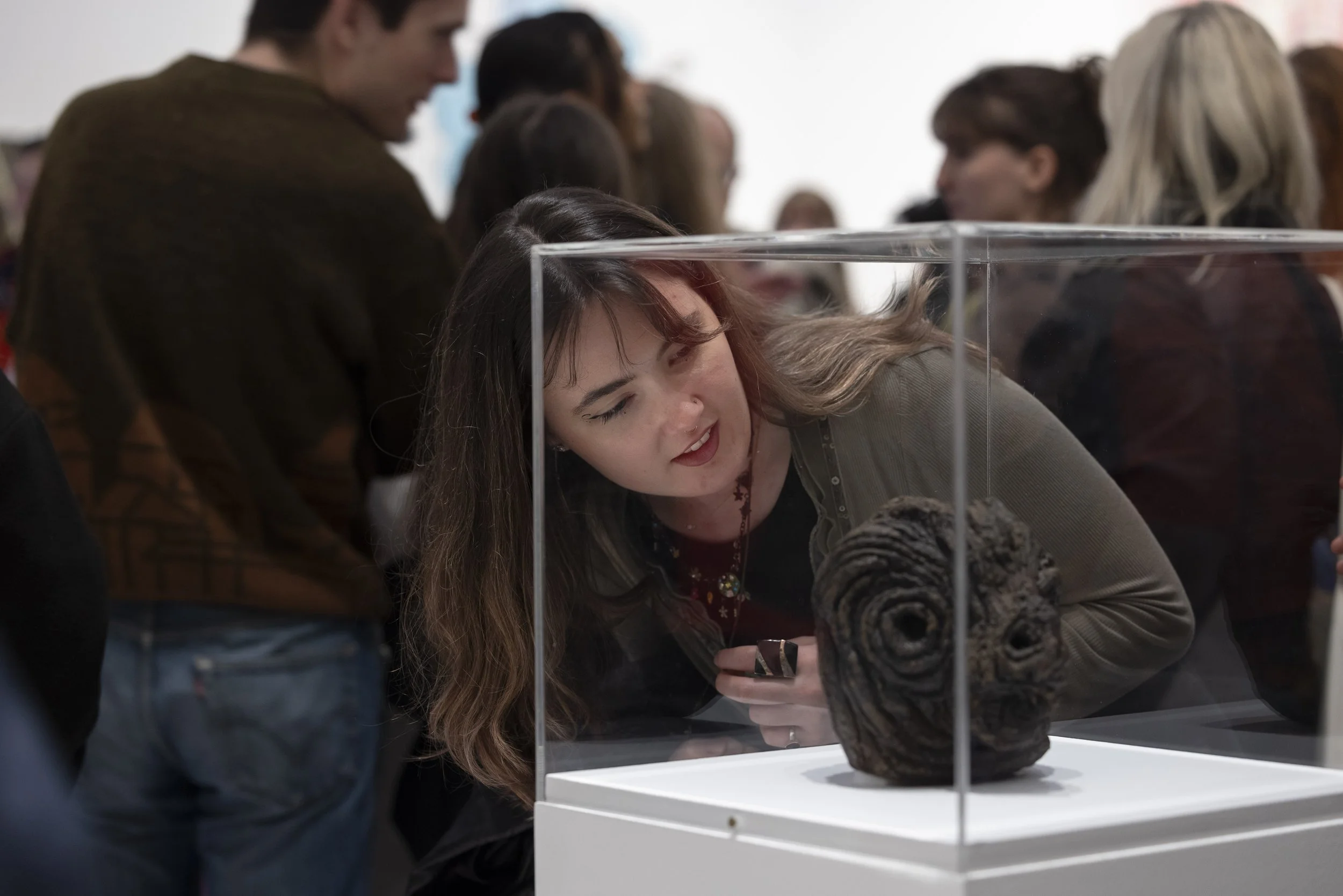
I photographed the opening of Michaela Yearwood-Dan’s exhibition at the Whitworth Art Gallery in Manchester. The exhibition brings together painting, ceramics and sound across several rooms in the gallery, with works placed so the installation shifts as you move through it.
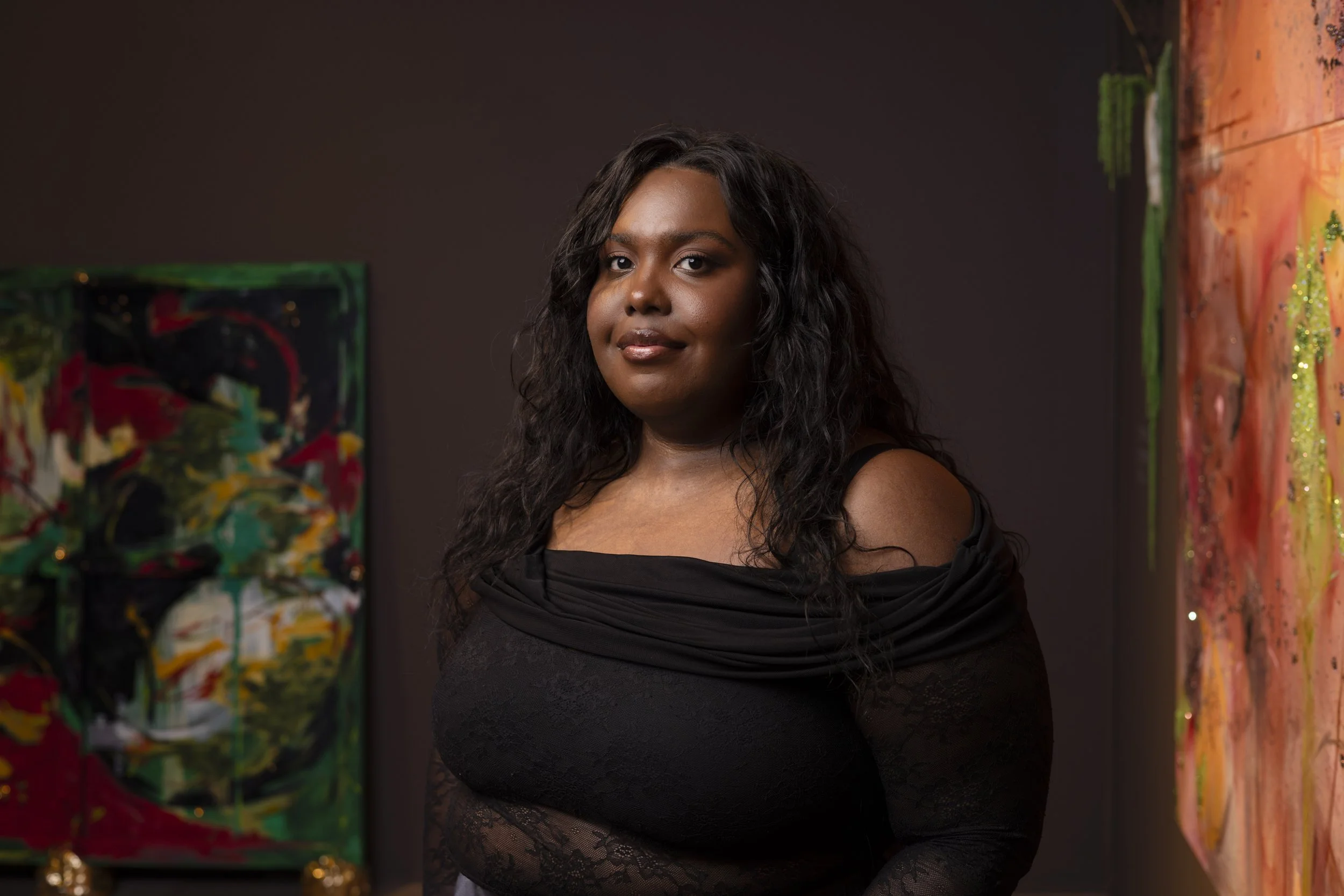
Exhibition opening at the Whitworth, Manchester
I photographed the opening of Michaela Yearwood-Dan’s exhibition at the Whitworth Art Gallery in Manchester. The exhibition brings together painting, ceramics and sound across several rooms in the gallery, with works placed so the installation shifts as you move through it.
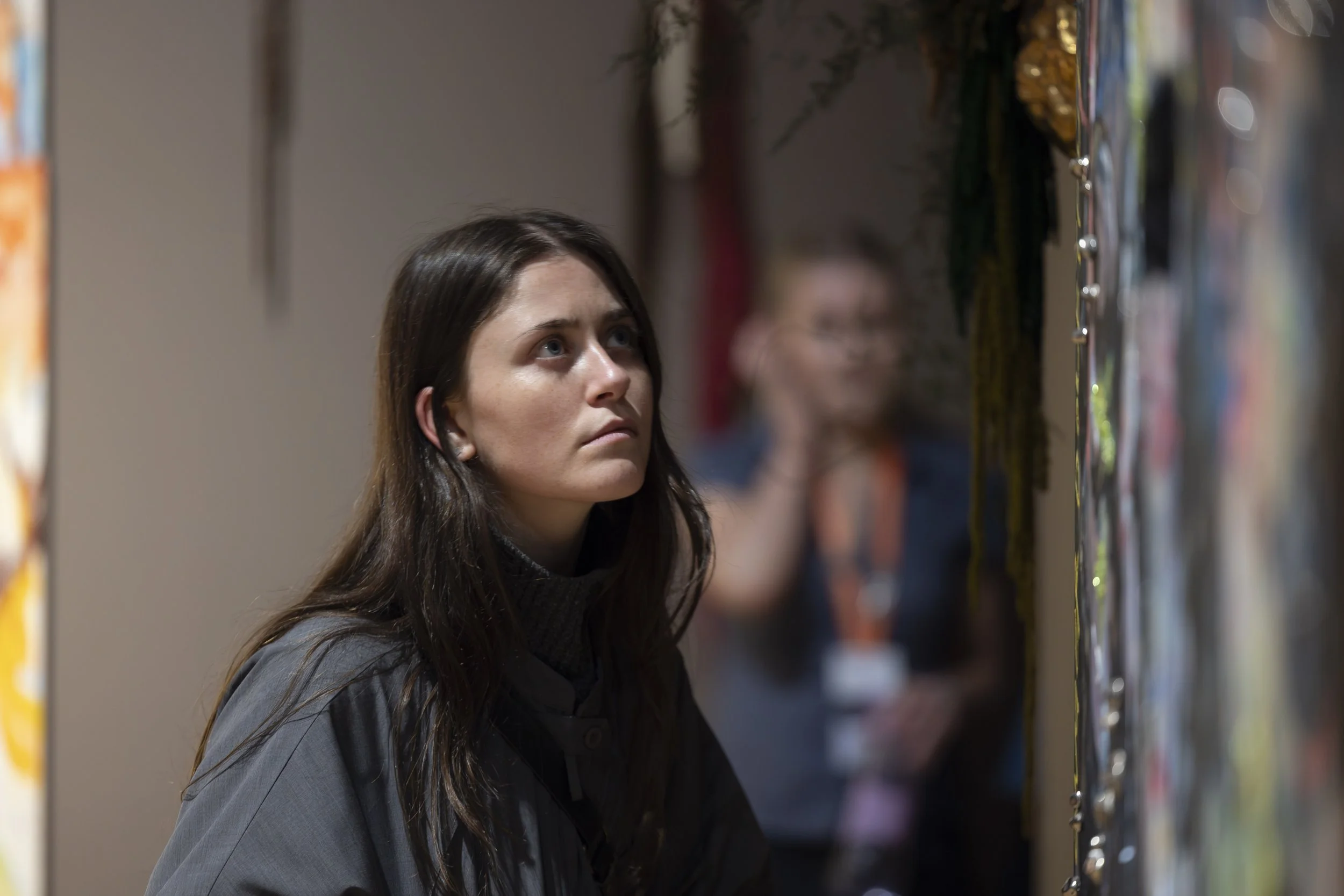
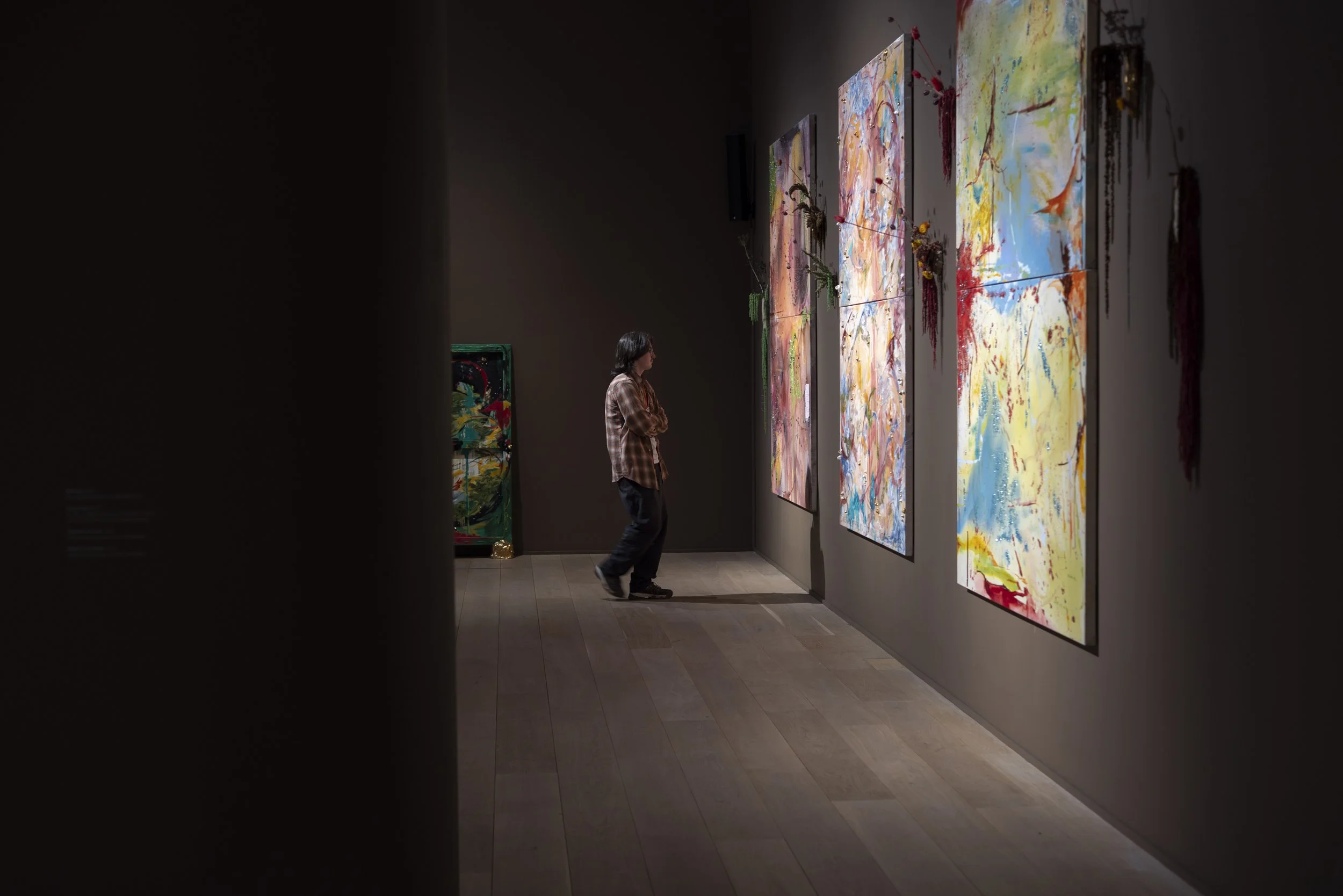
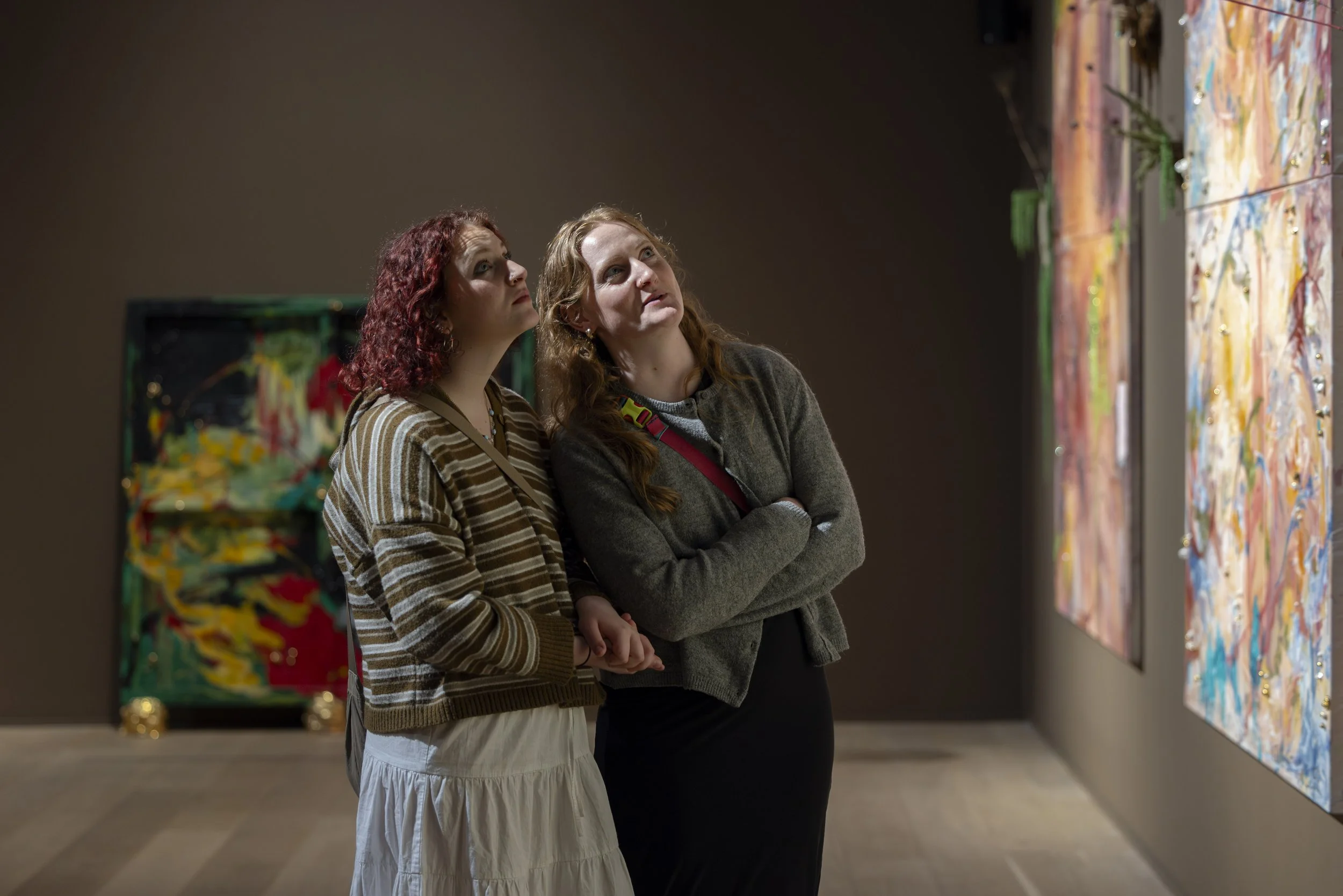
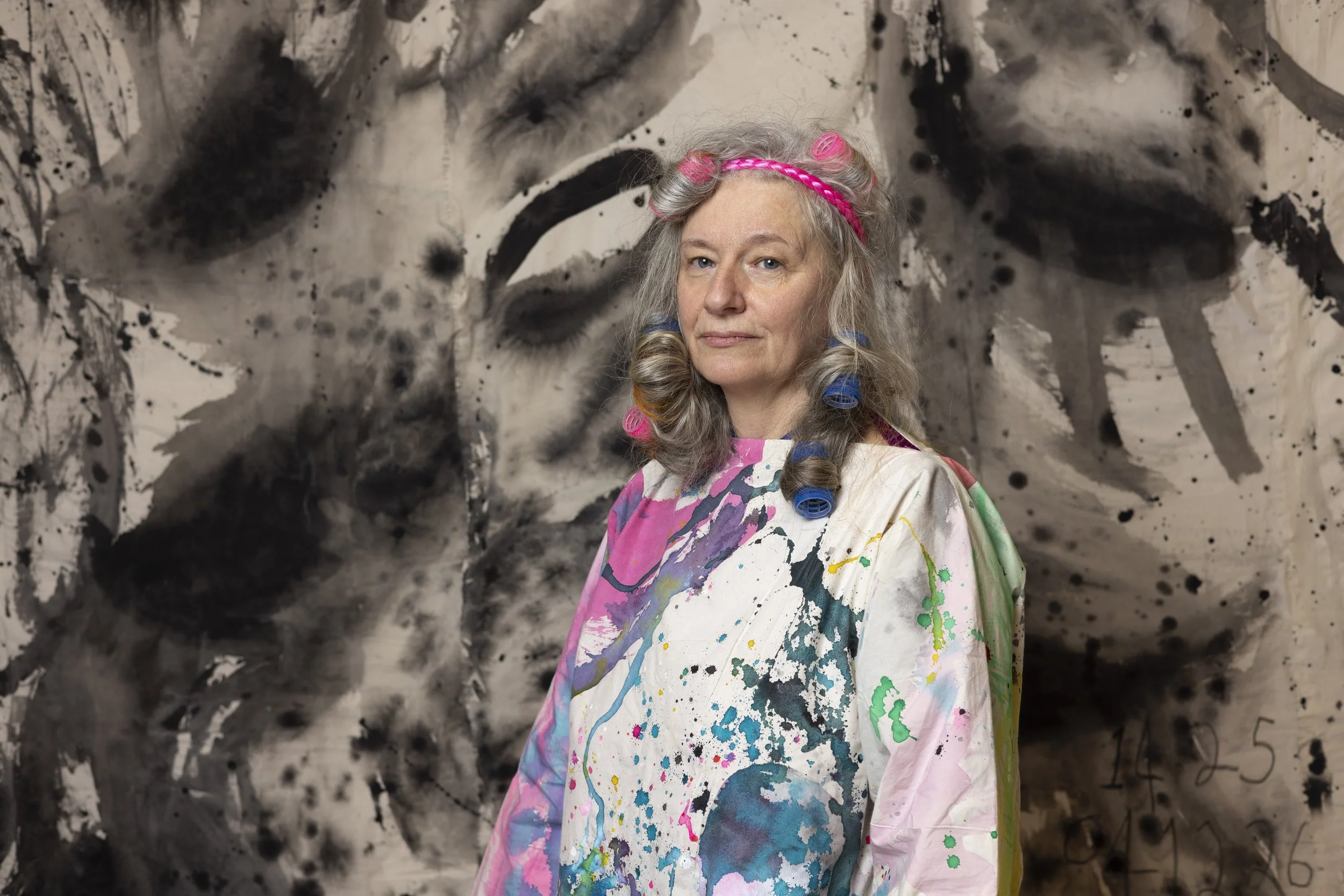
I photographed the opening as it unfolded across the evening. I photographed the artist, Michaela Yearwood-Dan, in formal portraits within the space, as well as in more informal moments with friends and visitors during the opening. Alongside that, I photographed people moving through the exhibition, stopping to look closely at the work, talking, and circulating between rooms.
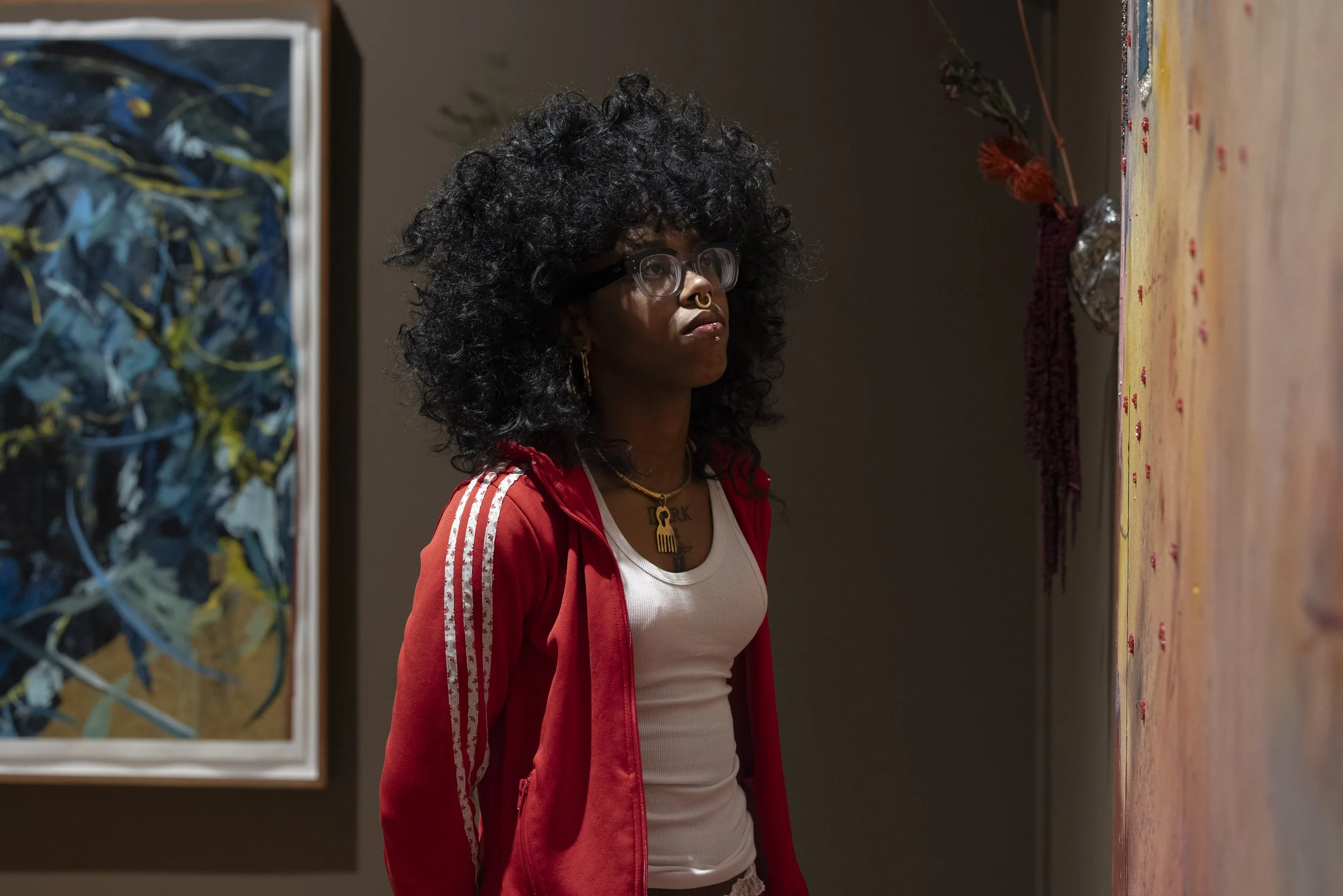
Michaela Yearwood-Dan
Michaela Yearwood-Dan works across painting, ceramics, installation and sound. Her paintings are built through layered surfaces of colour, gesture and handwritten text that sits directly within the image rather than as separate annotation. The work often holds fragments of writing within dense painterly surfaces, where image and language sit together.
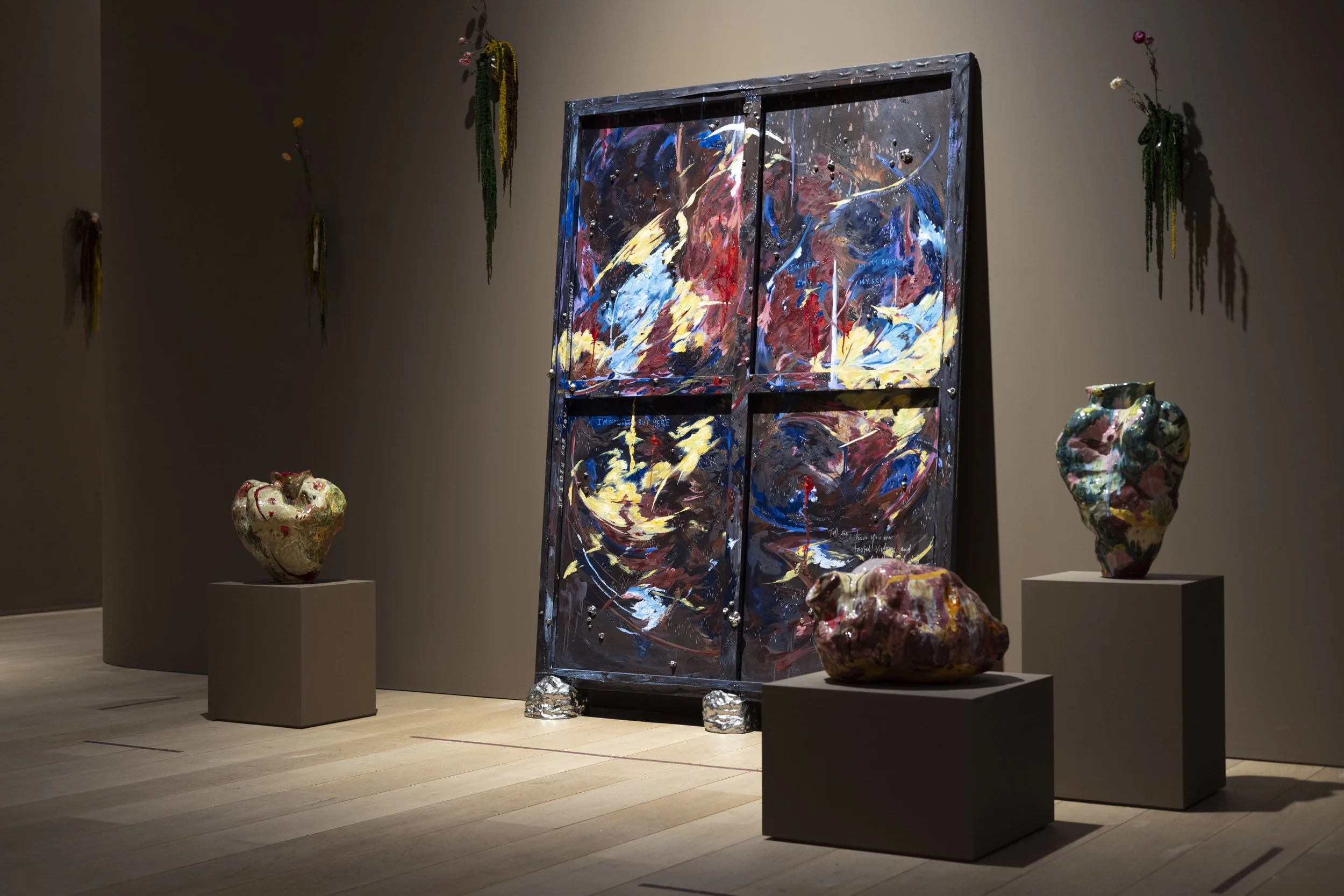
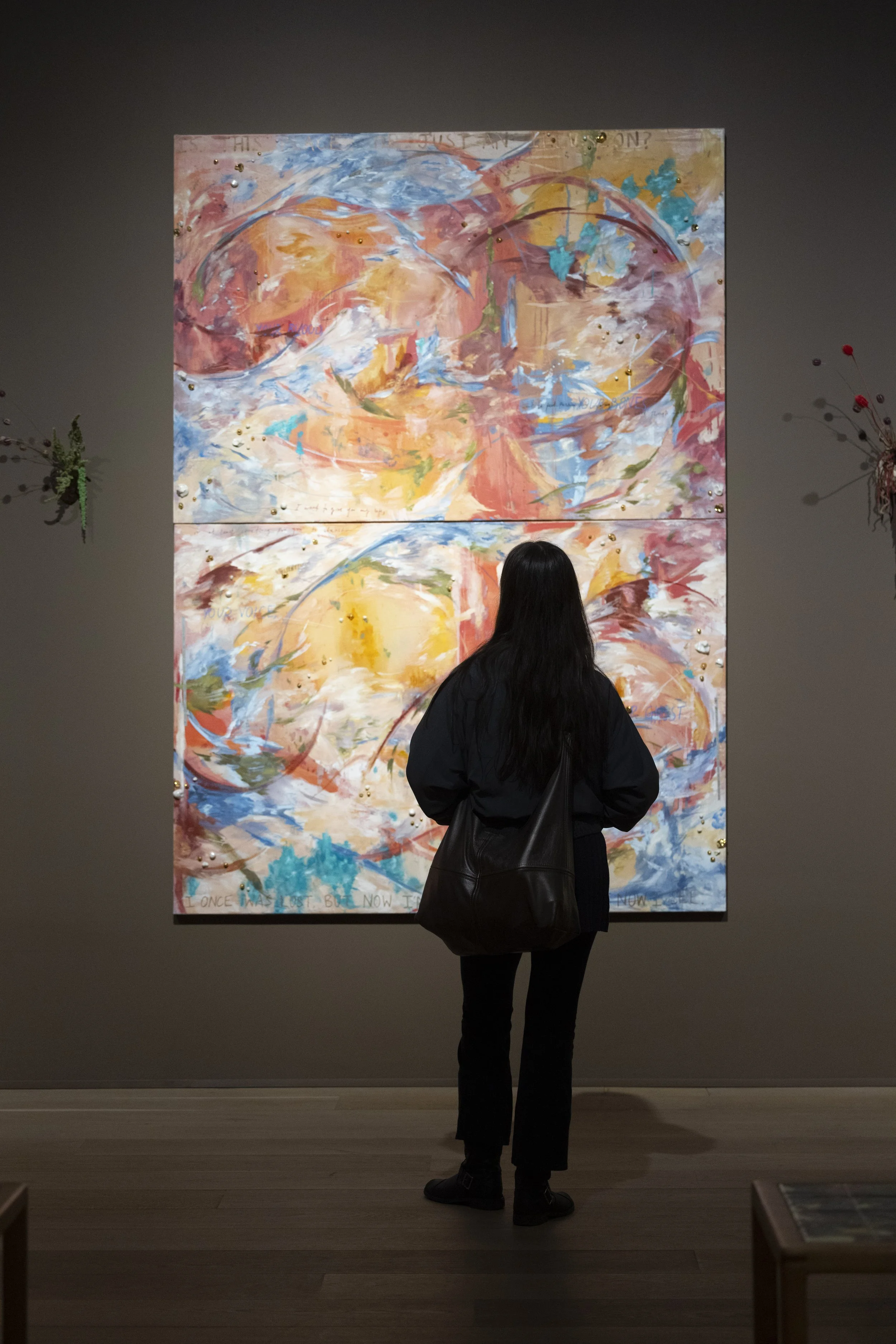
She is represented by Hauser & Wirth and Marianne Boesky Gallery, and her work is shown internationally across institutional and gallery contexts.
Critical writing on the work
Writing on her practice often focuses on how abstraction and language sit alongside personal and cultural reference. In British Vogue, Charlotte Jansen describes her paintings as combining “confession, nostalgia and identity.”
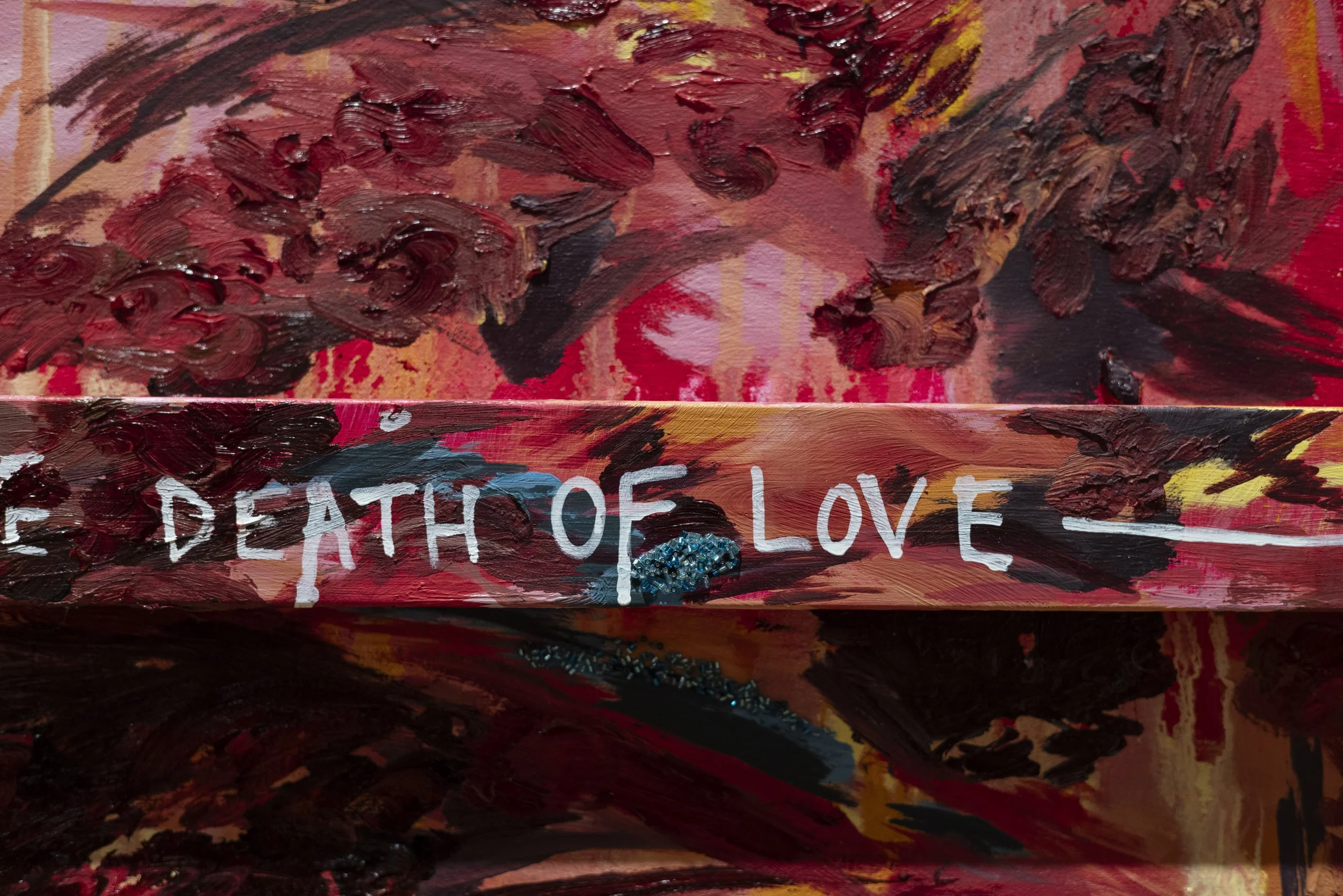
The same article also notes the range of references within her work, from “queer communal spaces and carnival to Caribbean flora and fauna, to spiritual rituals and, very often, music.”
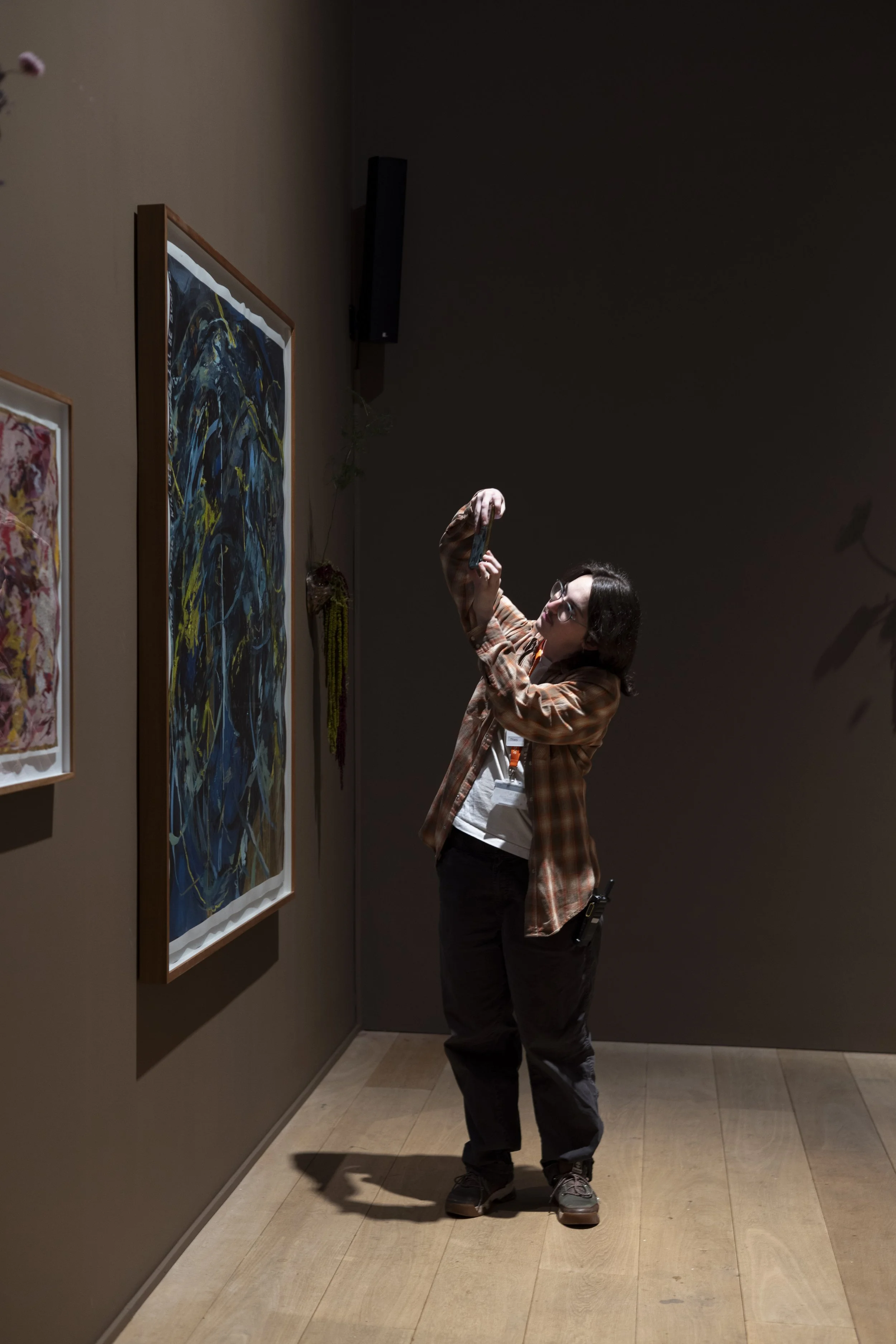
In exhibition texts for The Practice of Liberation at the Whitworth, her use of language is described as “fragments of diaristic writing alongside adapted and borrowed texts and lyrics,” which are integrated directly into the surface of the paintings.
Photographing the opening
I always enjoy working at the Whitworth. The building has a natural ease for photographing people within it, and the way exhibitions sit within its architecture supports that. There is a steady flow of movement during openings like this, which allows for a mix of portrait work, observation and social documentation without needing to separate those approaches.
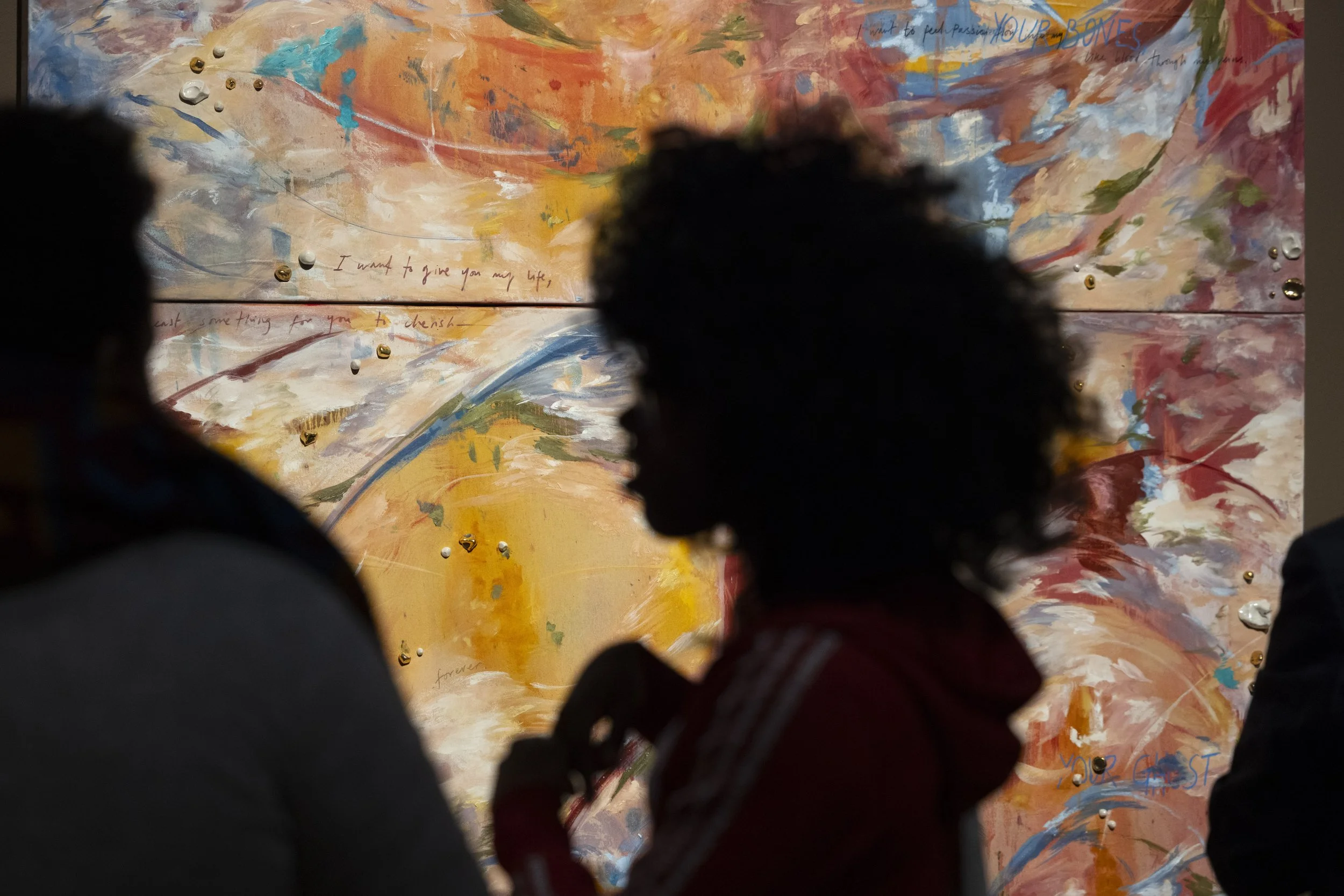
It’s a privilege to work in environments where the architecture, the exhibition, and the people all sit together in the same frame. I am currently accepting commissions for exhibition photography, artist portraits and cultural documentation.
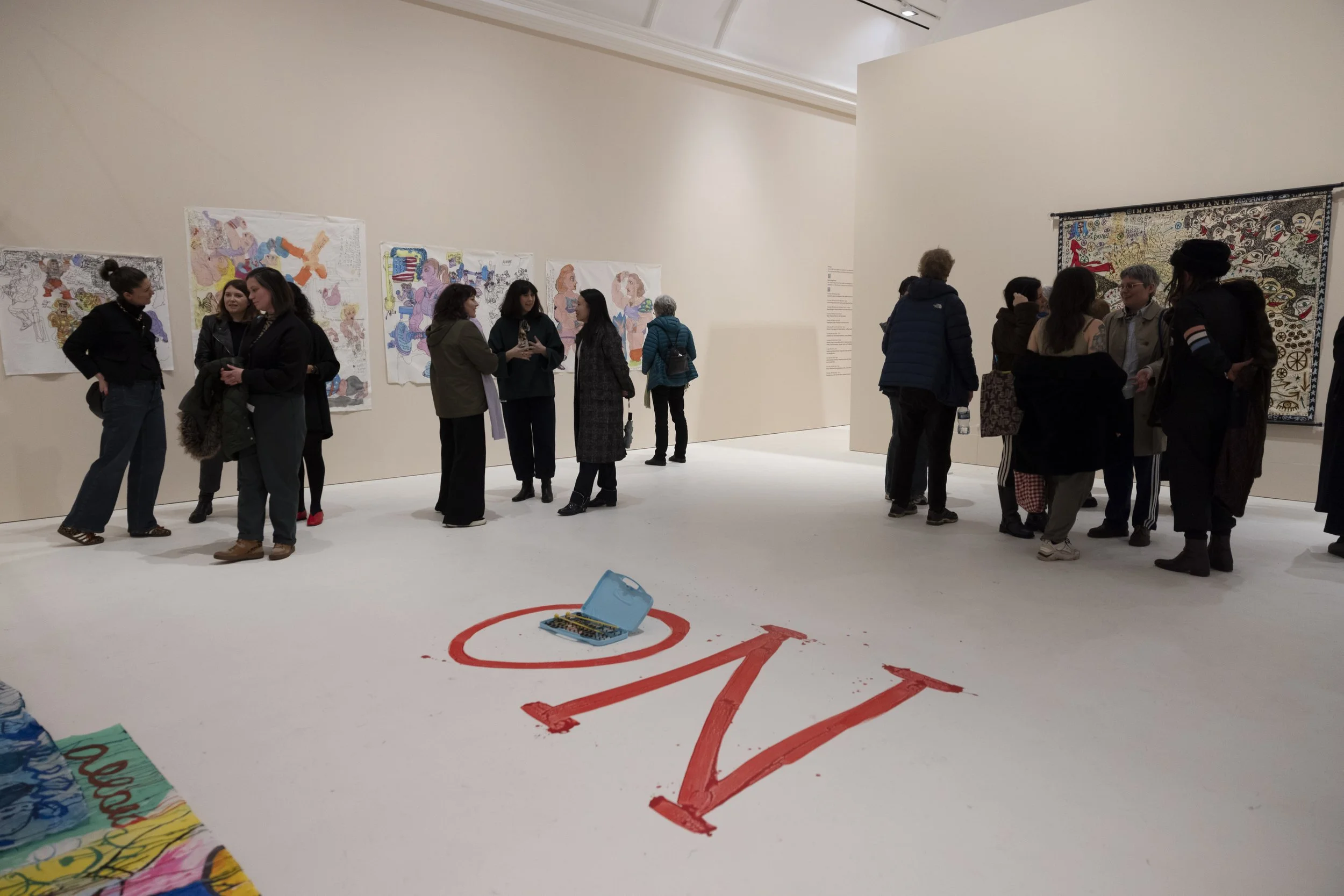
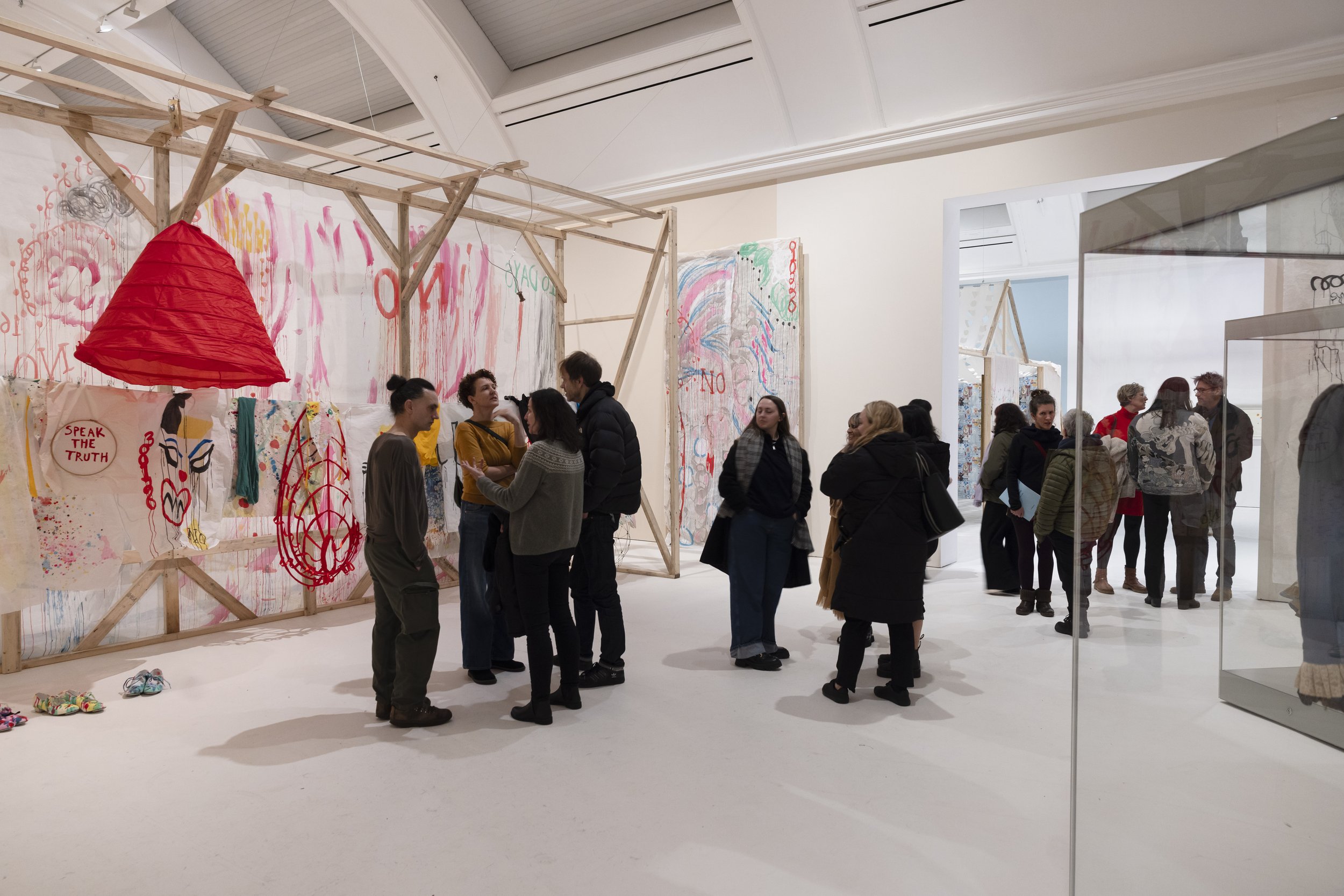
Delaine Le Bas: Un-Fair-Ground Exhibition Photography at The Whitworth
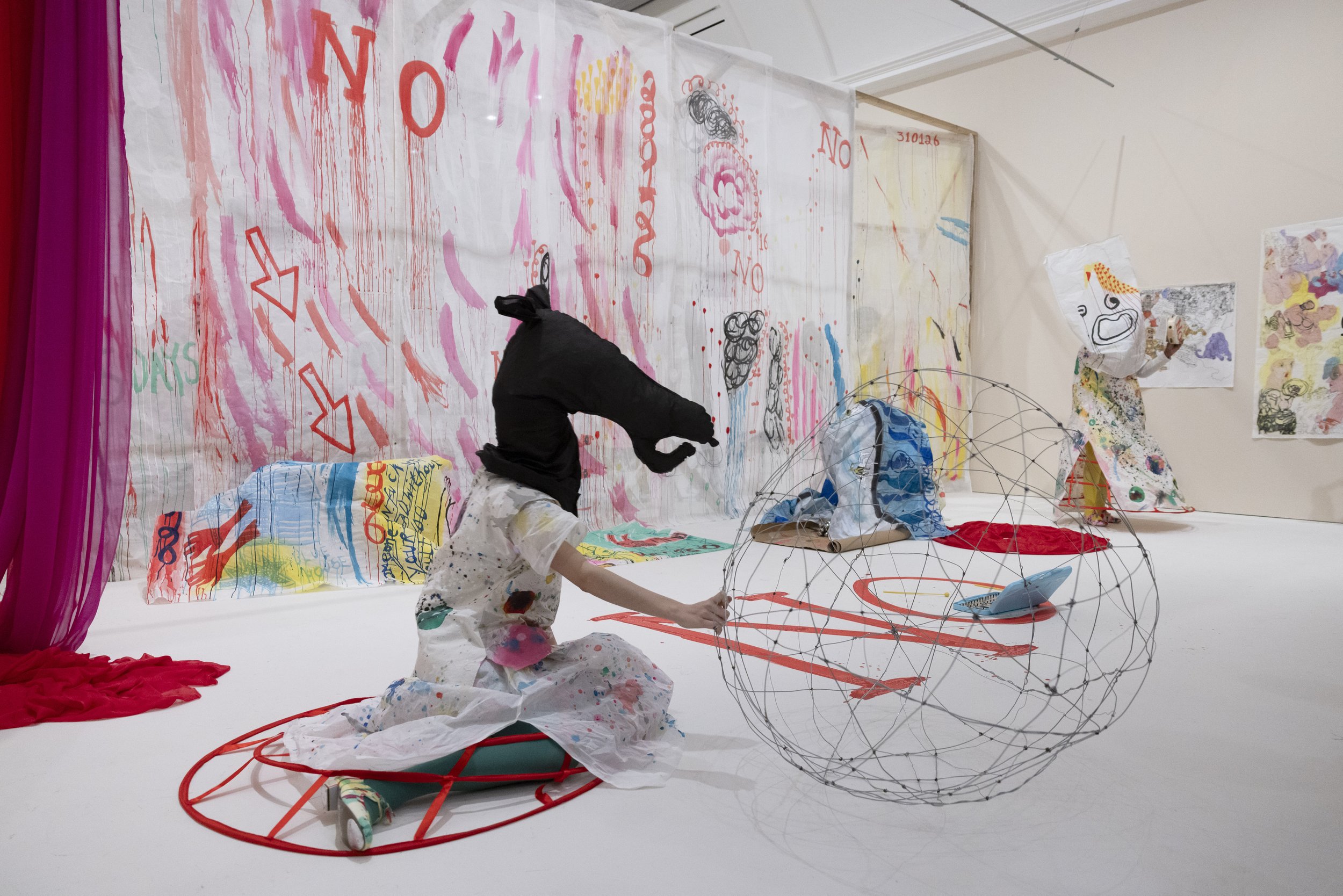
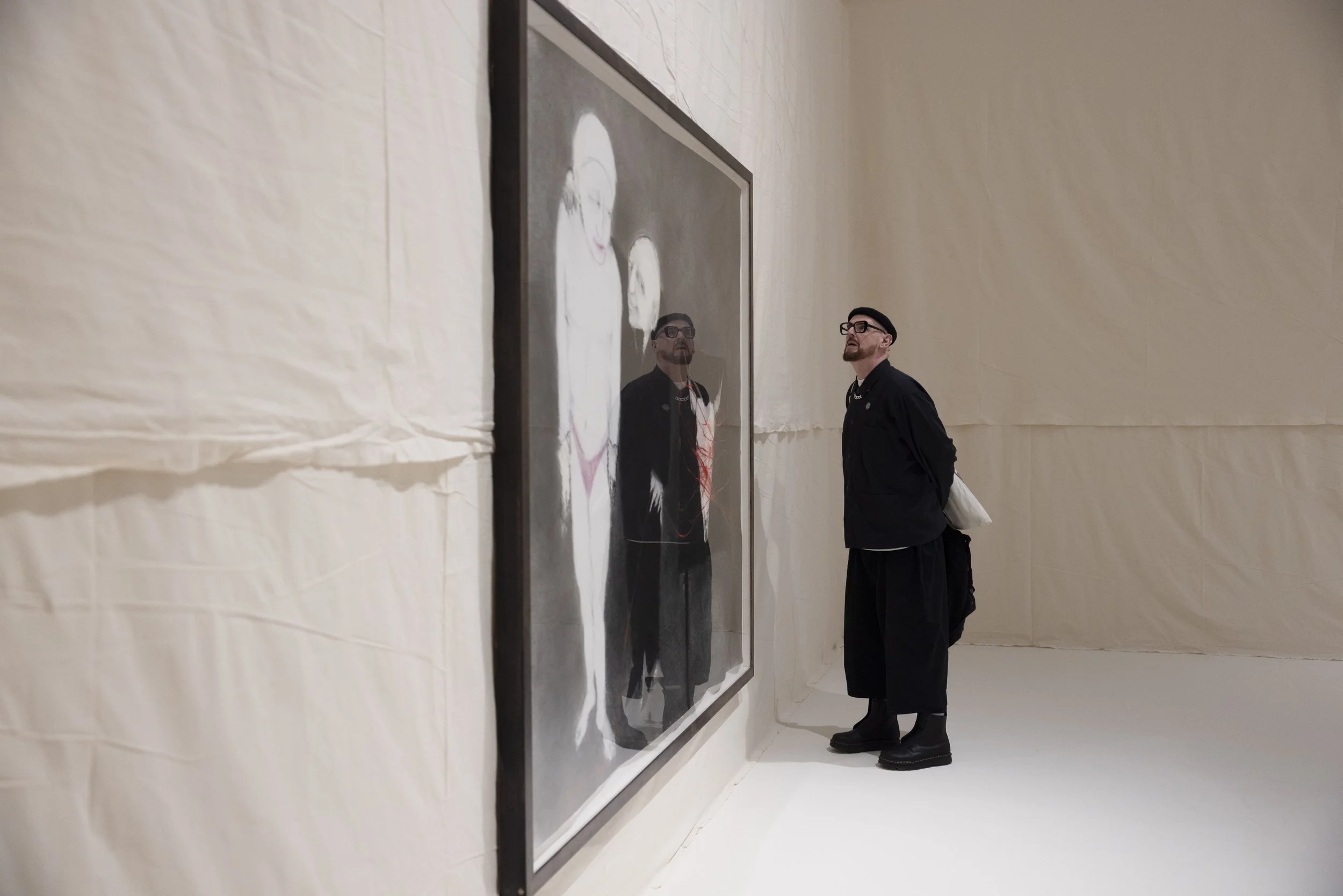
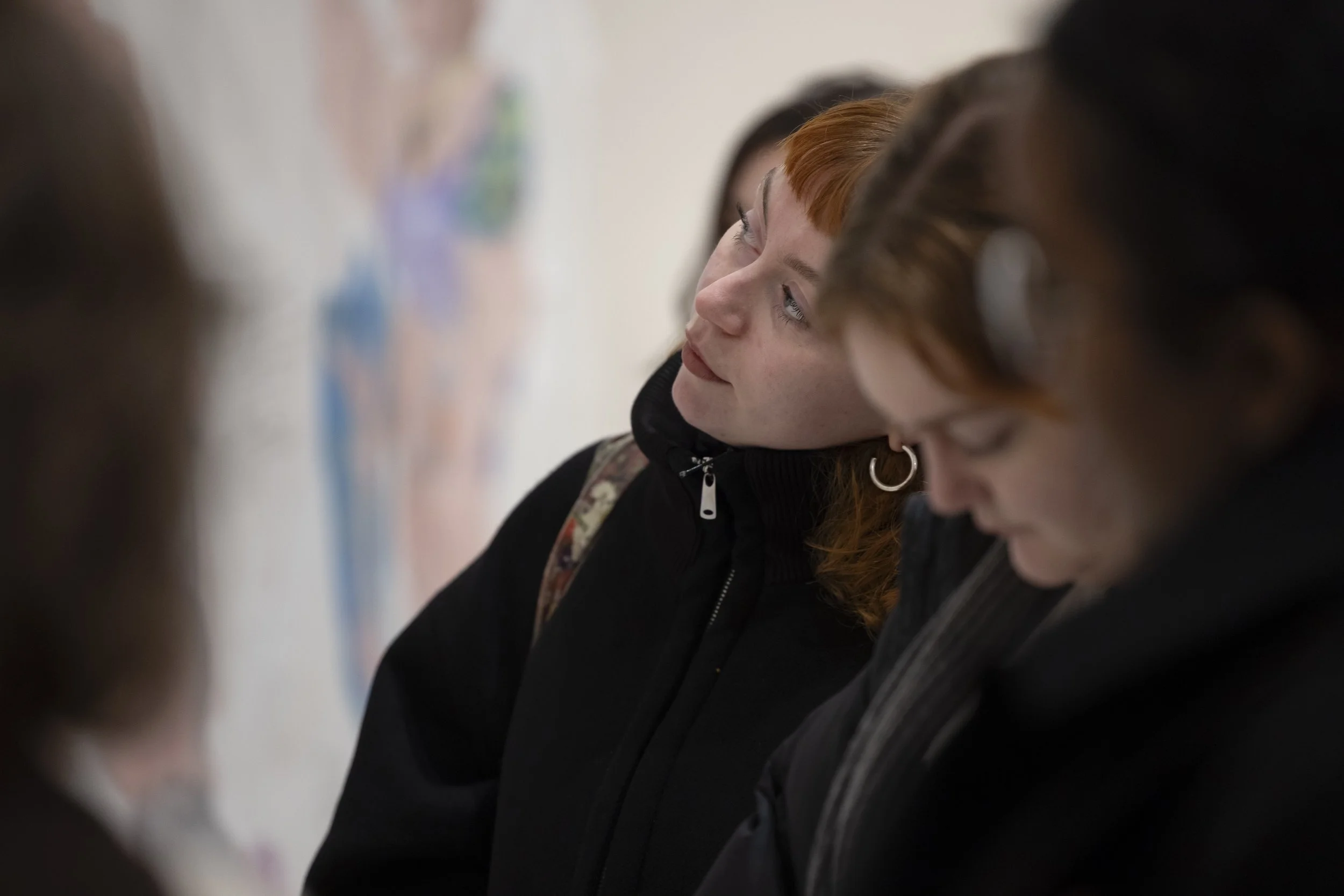
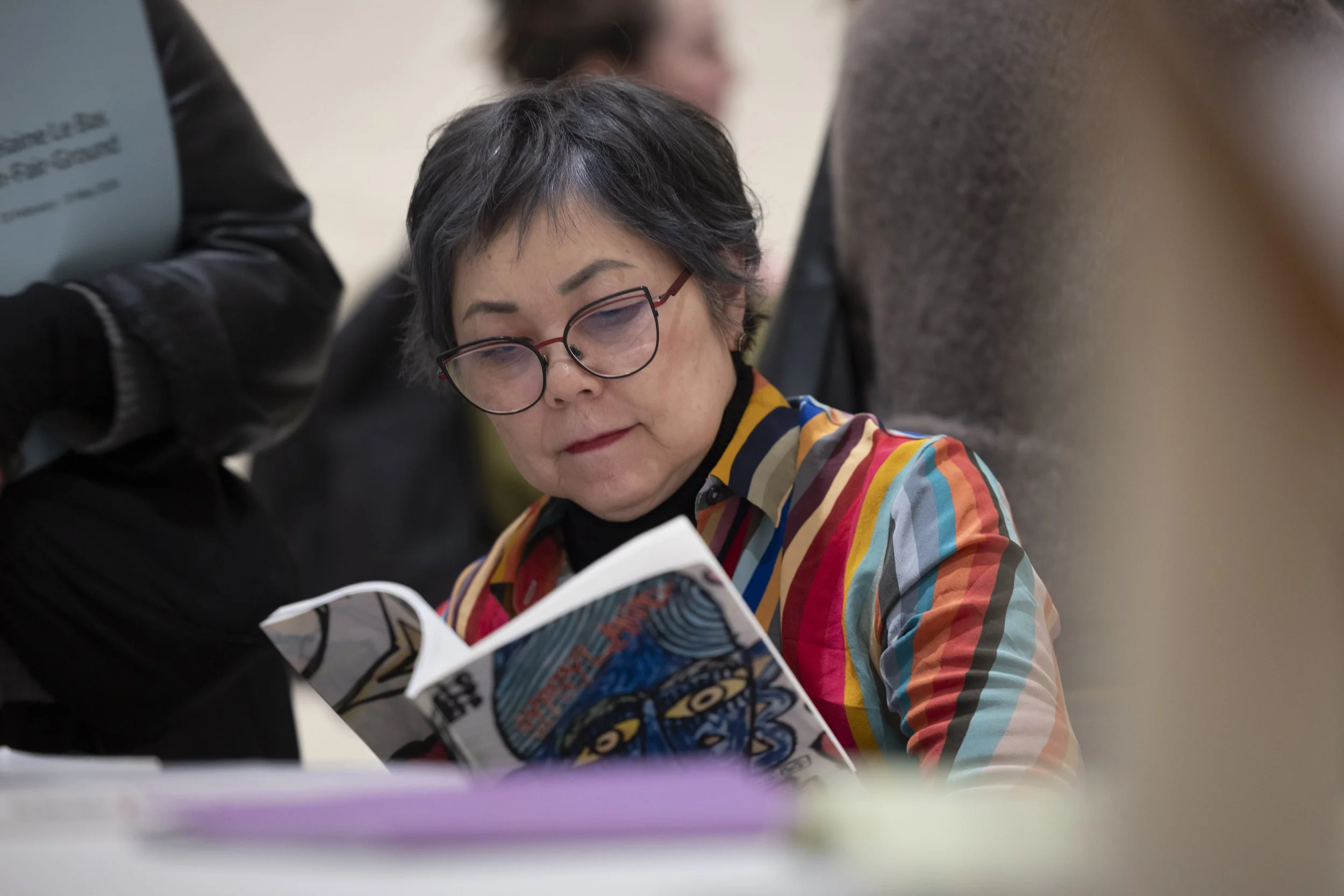
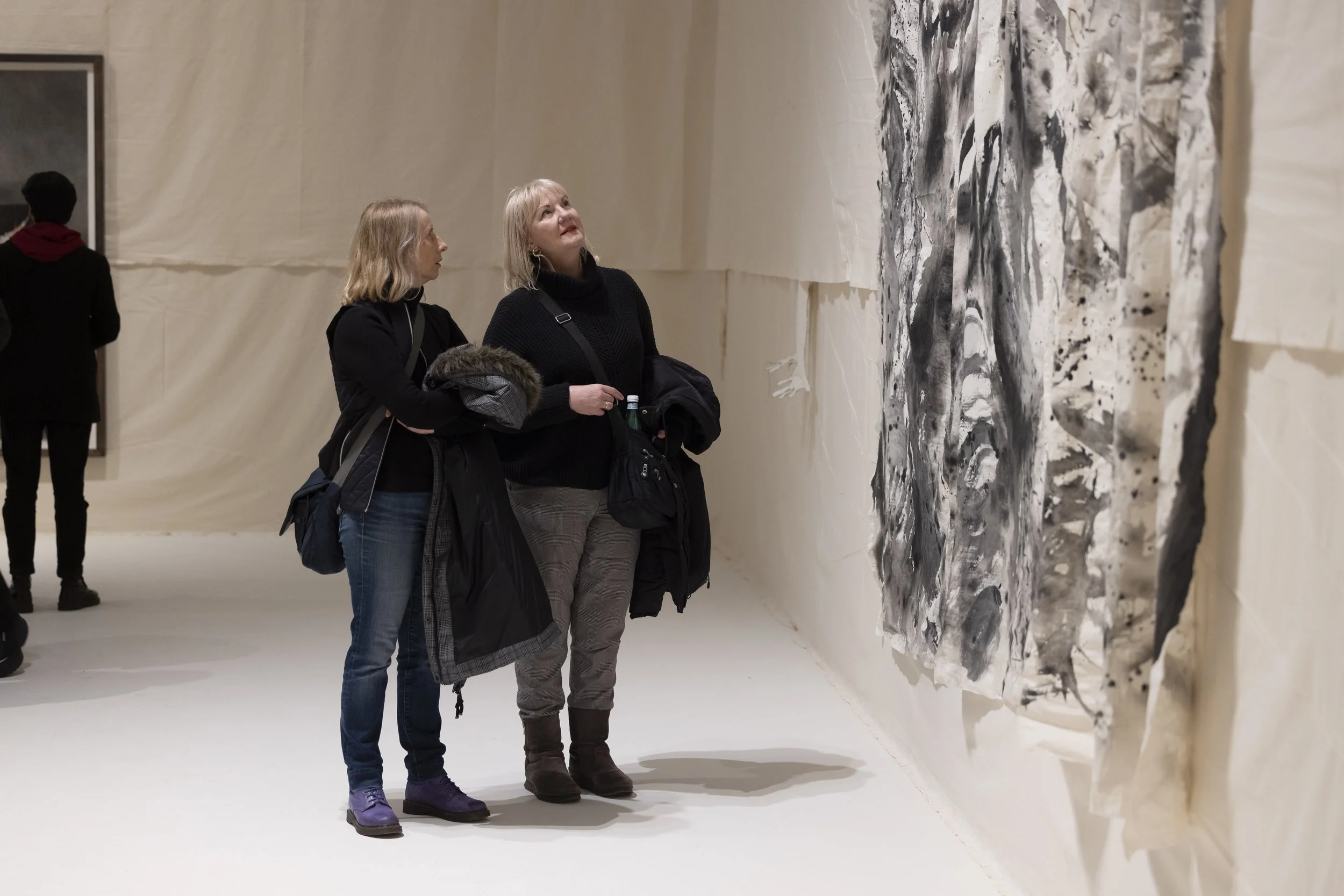
At the opening of Un-Fair-Ground at The Whitworth in Manchester, artist Delaine Le Bas transformed the gallery into an immersive environment using layered textiles, painted slogans, and fairground imagery. The exhibition is designed to be experienced as a single, cohesive space rather than a series of separate works, inviting visitors to engage with themes of visibility, representation, and resistance.
At the opening of Un-Fair-Ground at The Whitworth in Manchester, artist Delaine Le Bas transformed the gallery into an immersive environment using layered textiles, painted slogans, and fairground imagery. The exhibition is designed to be experienced as a single, cohesive space rather than a series of separate works, inviting visitors to engage with themes of visibility, representation, and resistance.
The Un-Fair-Ground Mural
The centerpiece of the exhibition is the large-scale mural Un-Fair-Ground, originally created for Glastonbury Festival and reworked for The Whitworth. Its bold graphic style and dramatic lettering create a sense of spectacle while provoking reflection on social and cultural visibility. Photography captured the scale and intricacy of the mural, emphasizing how the work dominates the gallery space and anchors the exhibition’s narrative.
Witch House and Domestic Resistance
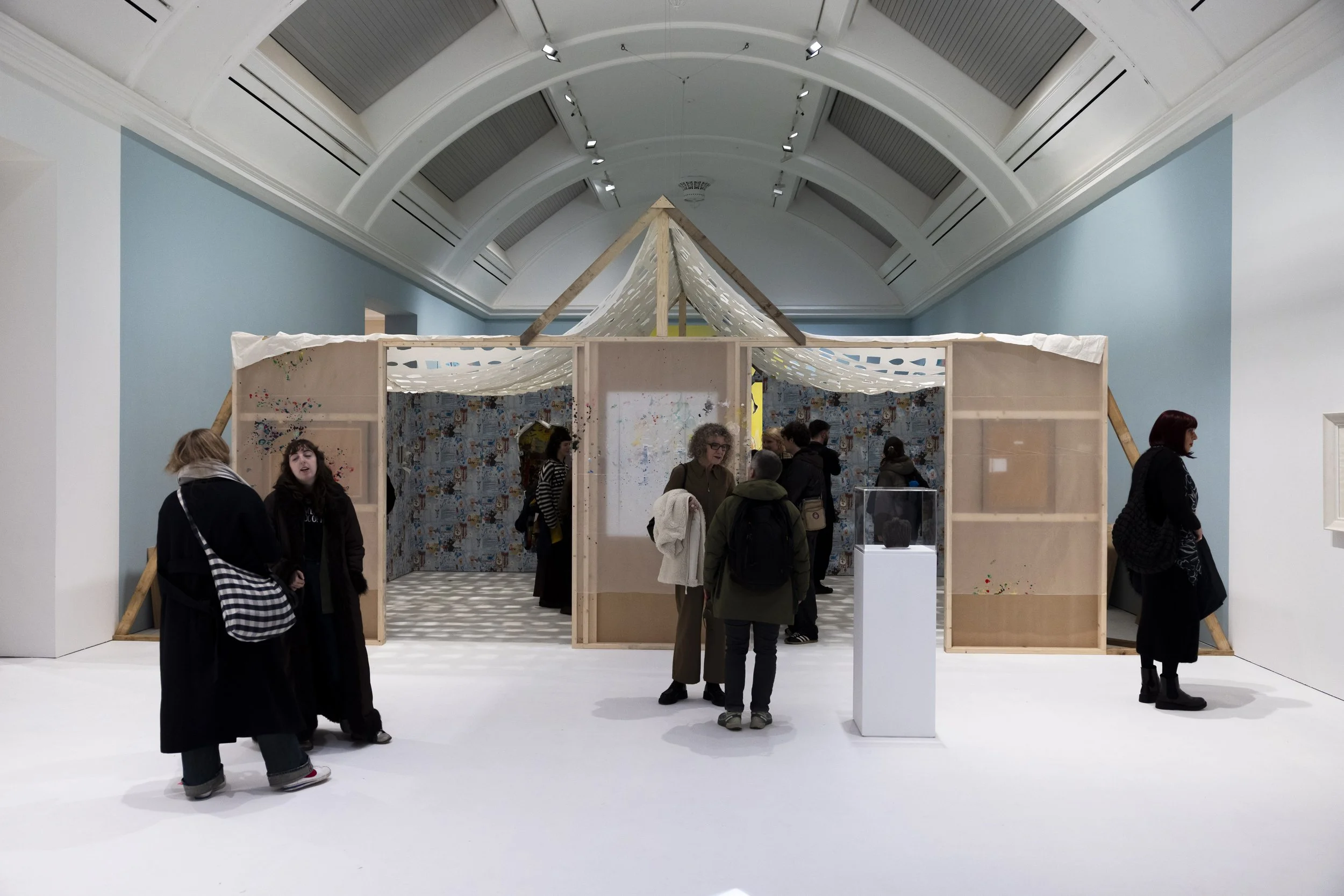
Another significant work, Witch House, incorporates wallpaper and stitched phrases to reframe domestic space as a site of resistance. Photography highlights the layered textures, hand-crafted details, and the way Le Bas uses domestic motifs to explore complex social commentary.
Performance and Shared Experience
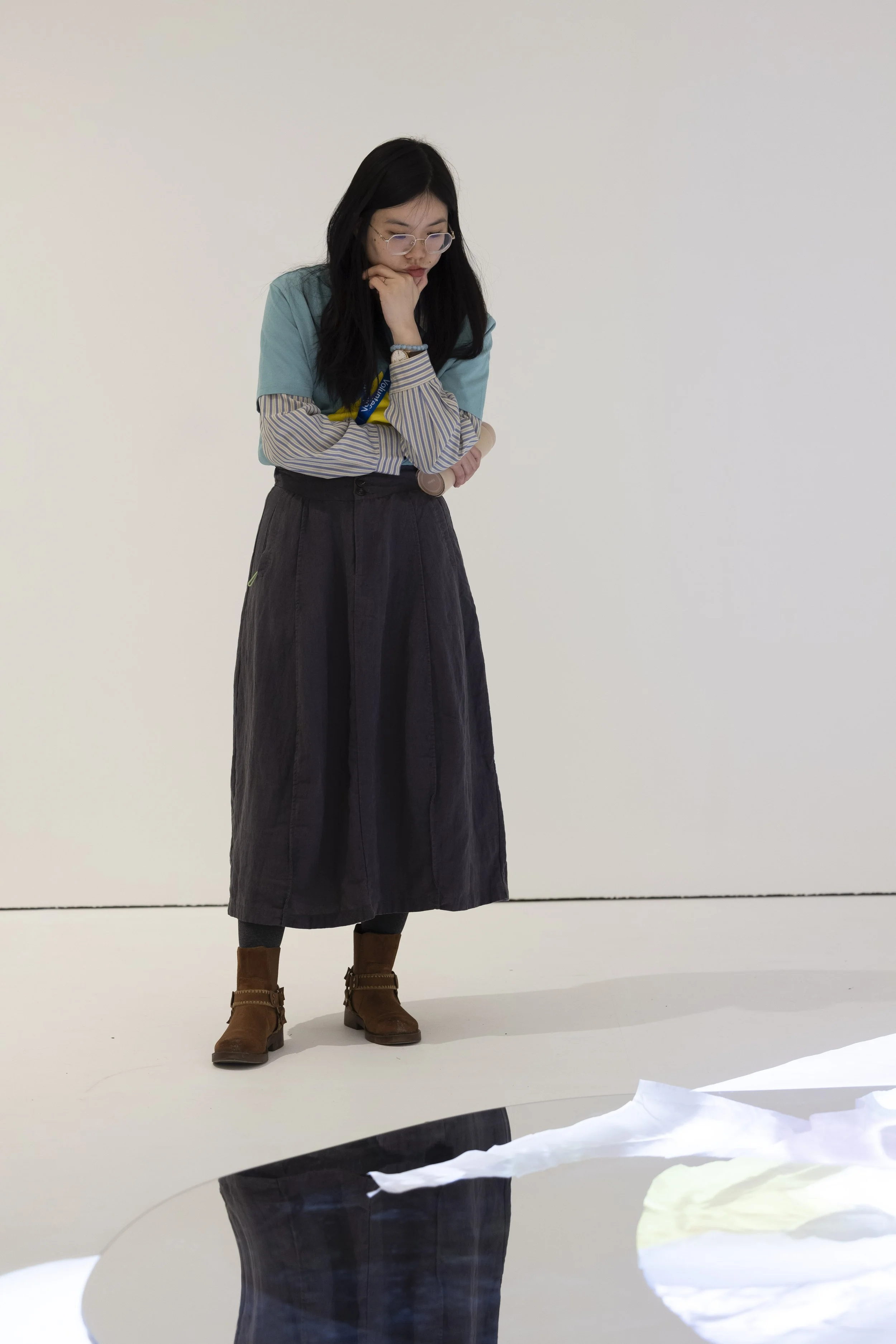
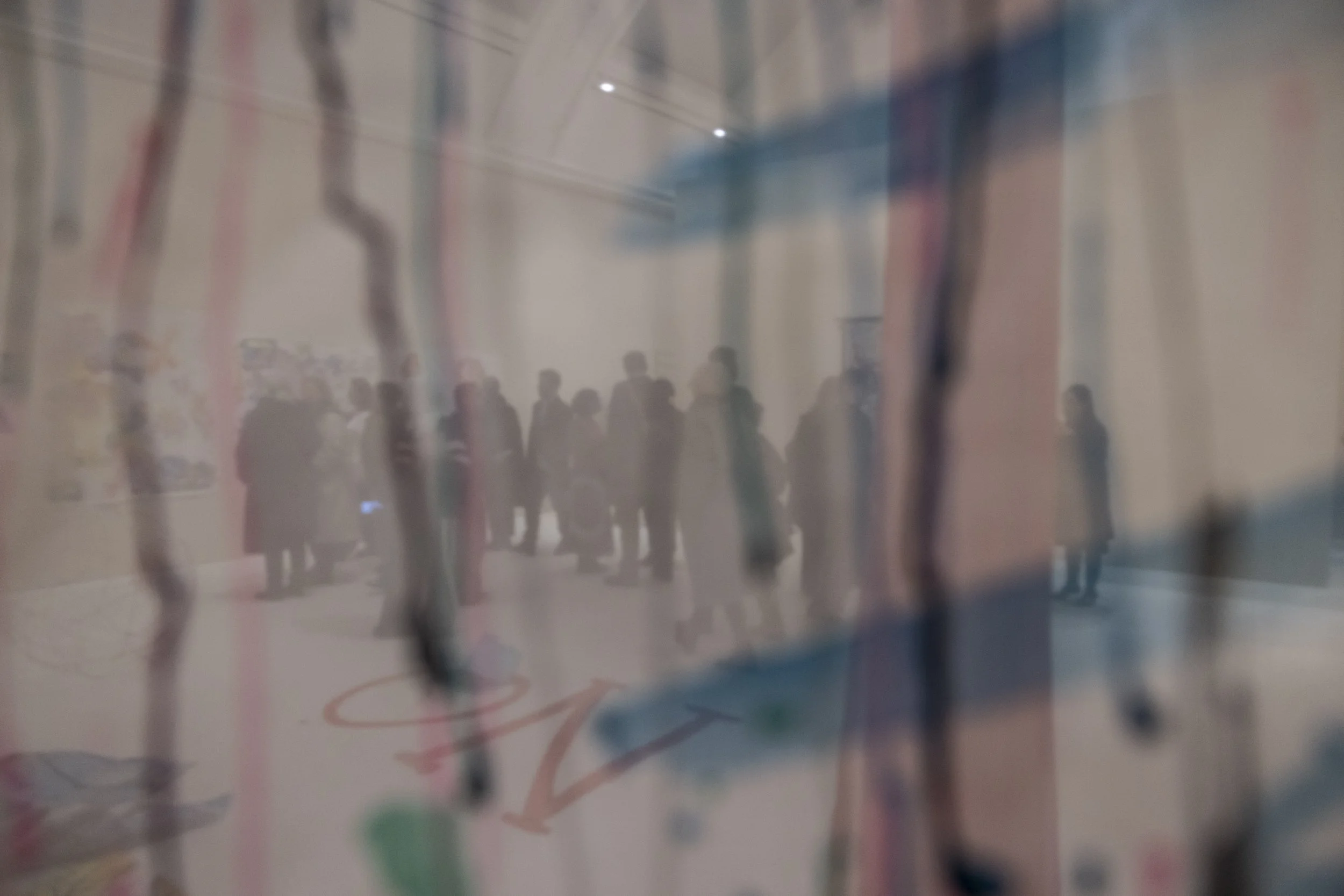
During the opening evening, performance elements brought the exhibition to life, shifting the atmosphere and drawing audiences together. Photography captured these moments of interaction, reinforcing the exhibition’s focus on shared experience and the dynamic relationship between art, space, and visitor engagement.
Exhibition Details
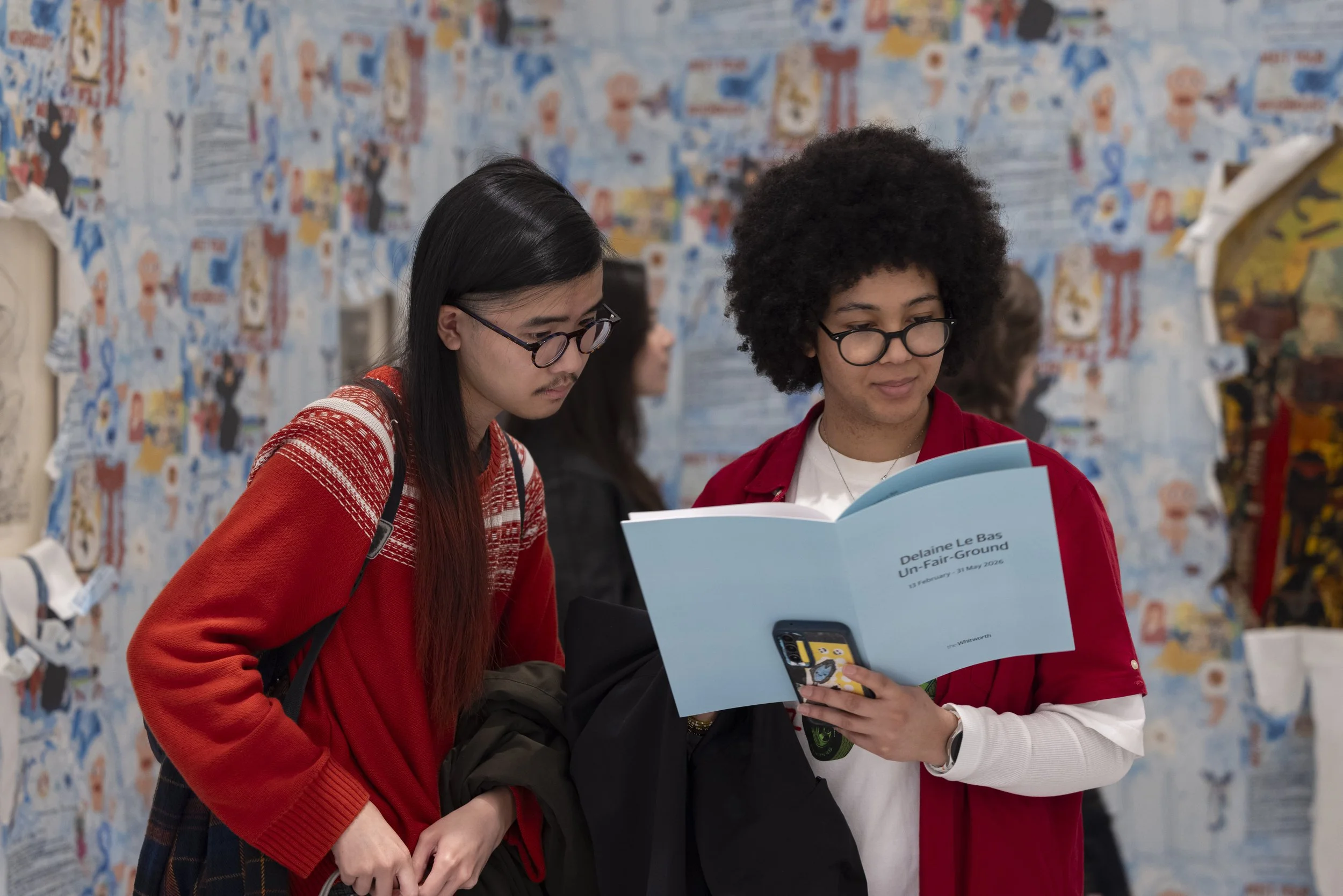
Delaine Le Bas: Un-Fair-Ground is on display at The Whitworth, Manchester until 31 May. Visitors can experience a thought-provoking combination of textile art, murals, and performance that challenges traditional notions of visibility, community, and representation.

Photographing the 2024 Fine Art Masters Show at the Reopened Holden Gallery
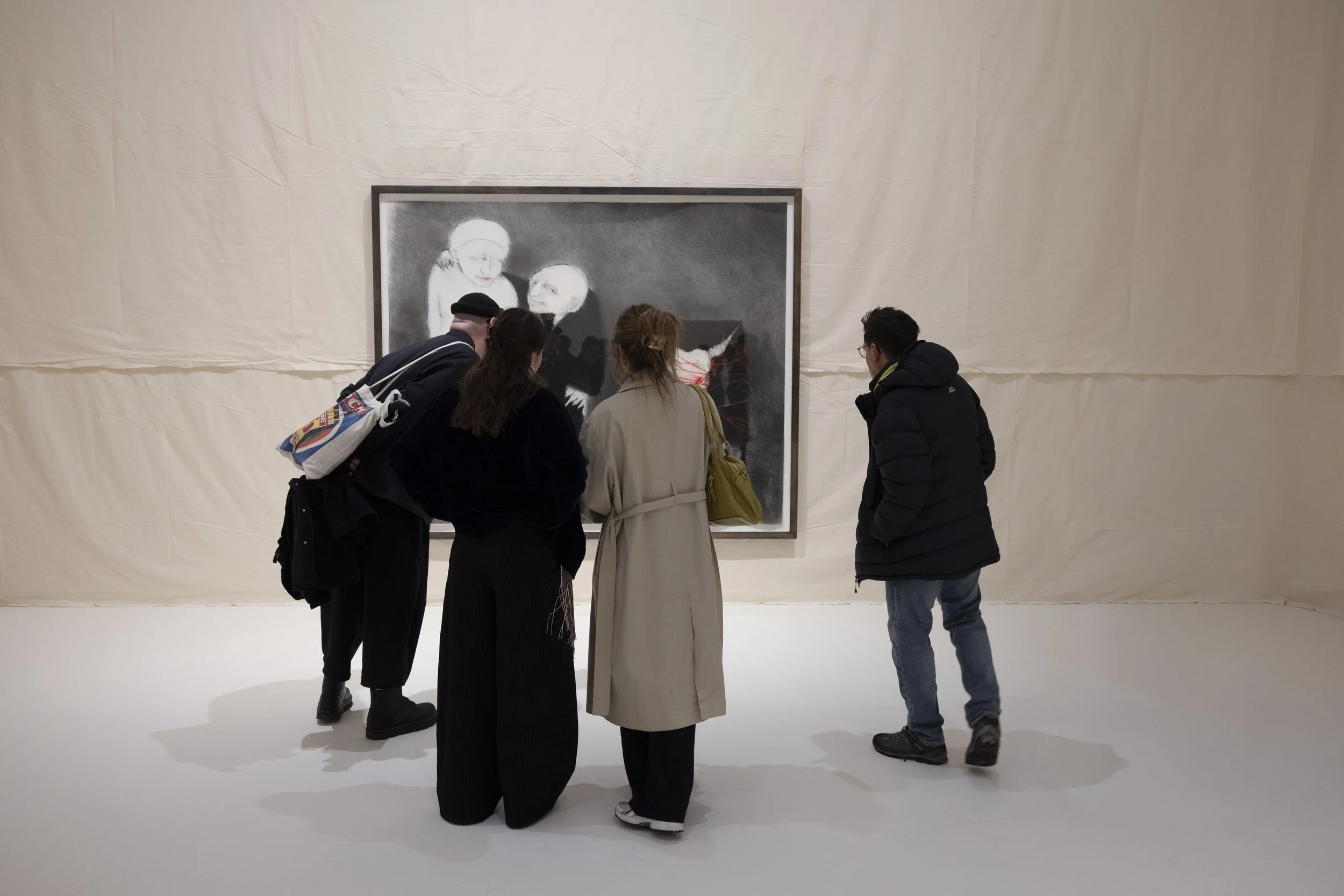
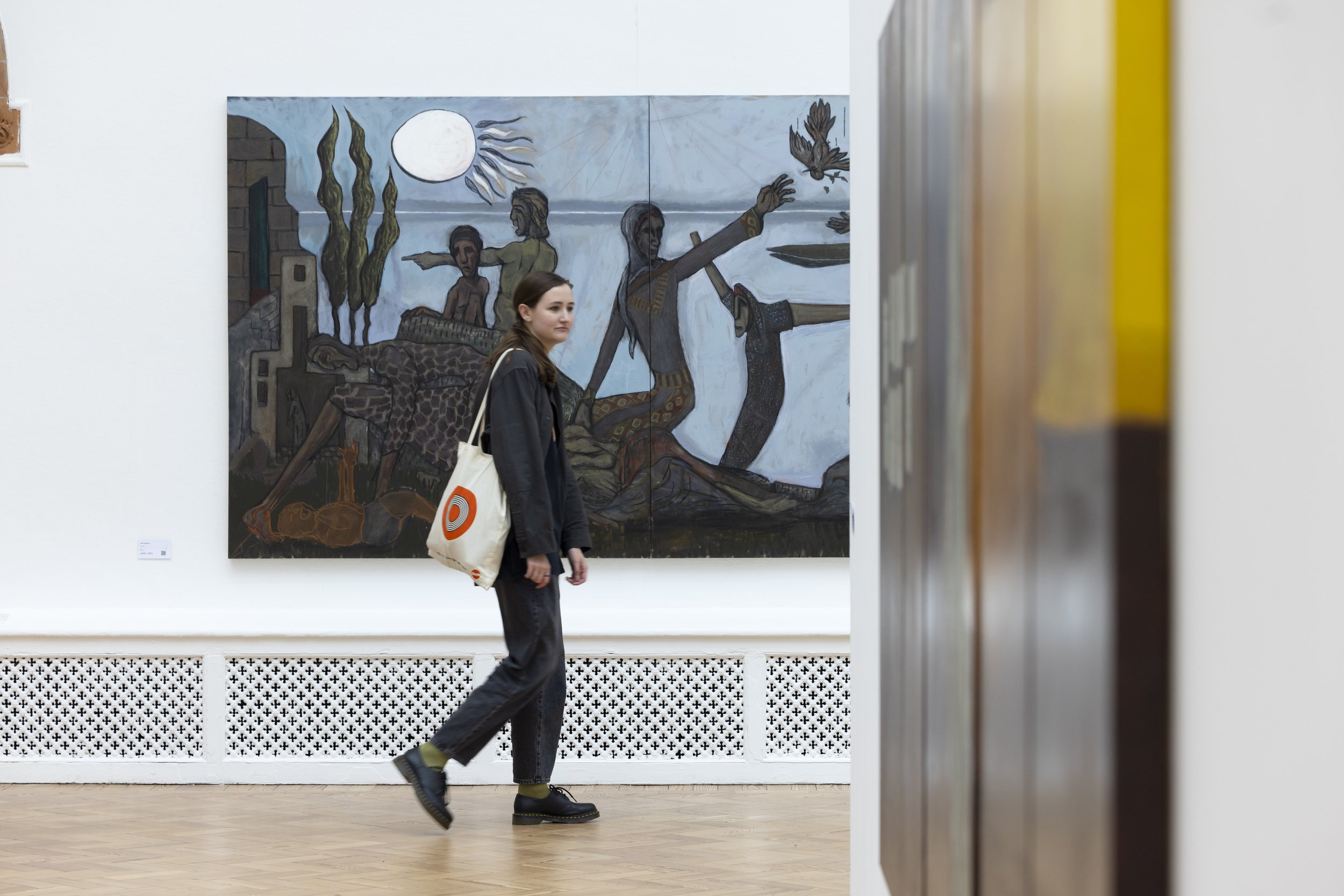
The Holden Gallery in Manchester has now reopened following a major two-year refurbishment of the historic Grosvenor building, revitalizing its exhibition spaces and offering a fresh, contemporary setting for art. I was recently back at the gallery to photograph the 2024 Fine Art Masters Show, an annual highlight that showcases the incredible talent of emerging artists from across the UK.
The Holden Gallery in Manchester has now reopened following a major two-year refurbishment of the historic Grosvenor building, revitalizing its exhibition spaces and offering a fresh, contemporary setting for art. I was recently back at the gallery to photograph the 2024 Fine Art Masters Show, an annual highlight that showcases the incredible talent of emerging artists from across the UK.
It was inspiring to capture the energy and creativity on display, from striking paintings and sculptures to experimental media works. The refurbished Holden Gallery provides a perfect backdrop for photography, with its modernized lighting and restored architectural details enhancing the visual impact of each piece.
For photographers documenting art, exhibitions like this are a wonderful opportunity to explore the interplay of artworks, space, and lighting. Each image tells a story of both the artist’s vision and the gallery’s commitment to presenting contemporary practice in a beautifully maintained historic setting.
Whether you’re an art enthusiast, student, or fellow photographer, the Holden Gallery Fine Art Masters Show 2024 is not to be missed. The reopening of the gallery marks a new chapter for Manchester’s vibrant art scene, and I’m delighted to have documented this important moment.

Manchester has a chronic lack of spaces for art for a city of its size and status, so it’s great to see this gallery reopen and I’m looking forward to seeing what the new programme holds in store.


Cloud Studies by Forensic Architecture
Photographs from the excellent new exhibition Cloud Studies by Forensic Architecture currently showing at Whitworth Art Gallery as part of Manchester International Festival.
https://forensic-architecture.org/investigation/cloudstudies
‘Cloud Studies’ was made for the exhibition Critical Zones: Observatories for earthly politics at ZKM Centre for Art and Media in Karlsruhe. Alongside the physical exhibition, our work is also presented on the virtual exhibition platform.

Event Photography: Cloud Studies by Forensic Architecture | Whitworth Art Gallery, Manchester
I recently photographed the opening of Cloud Studies by Forensic Architecture, currently on display at Whitworth Art Gallery as part of the Manchester International Festival. The exhibition presents a powerful investigation into the politics, dynamics, and consequences of toxic clouds, from chemical dispersals to herbicides and smoke, highlighting their impact on communities, environments, and urban spaces.

Cloud Studies was originally created for the exhibition Critical Zones: Observatories for Earthly Politics at ZKM Centre for Art and Media in Karlsruhe. Alongside the physical installation, the project is also accessible via the virtual exhibition platform, offering multiple perspectives on how clouds, both literal and metaphorical, shape and are shaped by social and political forces.

Photographing the Exhibition Opening
Documenting exhibitions like Cloud Studies requires attention to detail, context, and the conceptual framing of the work. At the opening, I captured the interaction between visitors and the installation, as well as moments from the curatorial introduction and discussions with the artists. Photography in this context provides a professional record for press, marketing, and digital archives, while also helping audiences engage with the critical and often challenging themes of the work.

In exhibitions addressing complex and politically charged subject matter, event photography plays a key role in communicating the atmosphere of the exhibition, the scale and detail of the works, and the audience’s engagement with them.

Understanding Cloud Studies
Forensic Architecture’s Cloud Studies investigates the mobilization of toxic clouds across scales, durations, and geographies. Tear gas is used to disperse crowds in protests, white phosphorus and chlorine gas are deployed in cities to spread terror, herbicides are sprayed from airplanes to displace populations, and fires are set to erase forests for industrial plantations. These clouds, deployed by state and corporate powers, demonstrate the entanglement of environmental and political violence.

The project challenges traditional forms of analysis by highlighting that “every contact leaves a trace.” Clouds are not only transformations of air, smoke, and chemicals—they are dynamic systems governed by complex, nonlinear, and multi-causal processes. Forensic Architecture traces these invisible dynamics, making the intangible visible and measurable.

Photography as a Record of Critical and Experimental Art
Professional photography is essential for exhibitions that operate at the intersection of art, research, and activism. In Cloud Studies, capturing the installation, its visual elements, and audience interaction helps convey the conceptual depth and urgency of the work. Photography preserves both the formal qualities of the artwork and the experiential response of the visitors, providing a lasting record for the artists, the gallery, and future audiences.
Photographs of installations like Cloud Studies also help bridge physical and virtual experiences, allowing online audiences to understand the spatial, visual, and political dimensions of the work.

The Epistemological Dimension of Clouds
Historically, clouds have posed challenges for painters and artists, often moving faster than artistic techniques could capture. Today, toxic and politically charged clouds operate on both physical and epistemological levels. Climate denial, chemical attacks, and industrial pollution create uncertainty and confusion, requiring new ways to observe, document, and respond.

Cloud Studies positions the viewer in relation to these dynamics, and through photography, we can translate the abstract and diffuse nature of clouds into a visible, comprehensible form. Images document how audiences experience the installation and how the exhibition communicates critical insights about environmental and political crises.

Conclusion
Photographing Cloud Studies at Whitworth Art Gallery allowed me to capture the intersections of art, research, and social investigation central to Forensic Architecture’s work. These images provide a professional record of an exhibition that interrogates how clouds—chemical, environmental, and epistemological—shape our world, and how art can make these forces visible, tangible, and actionable.

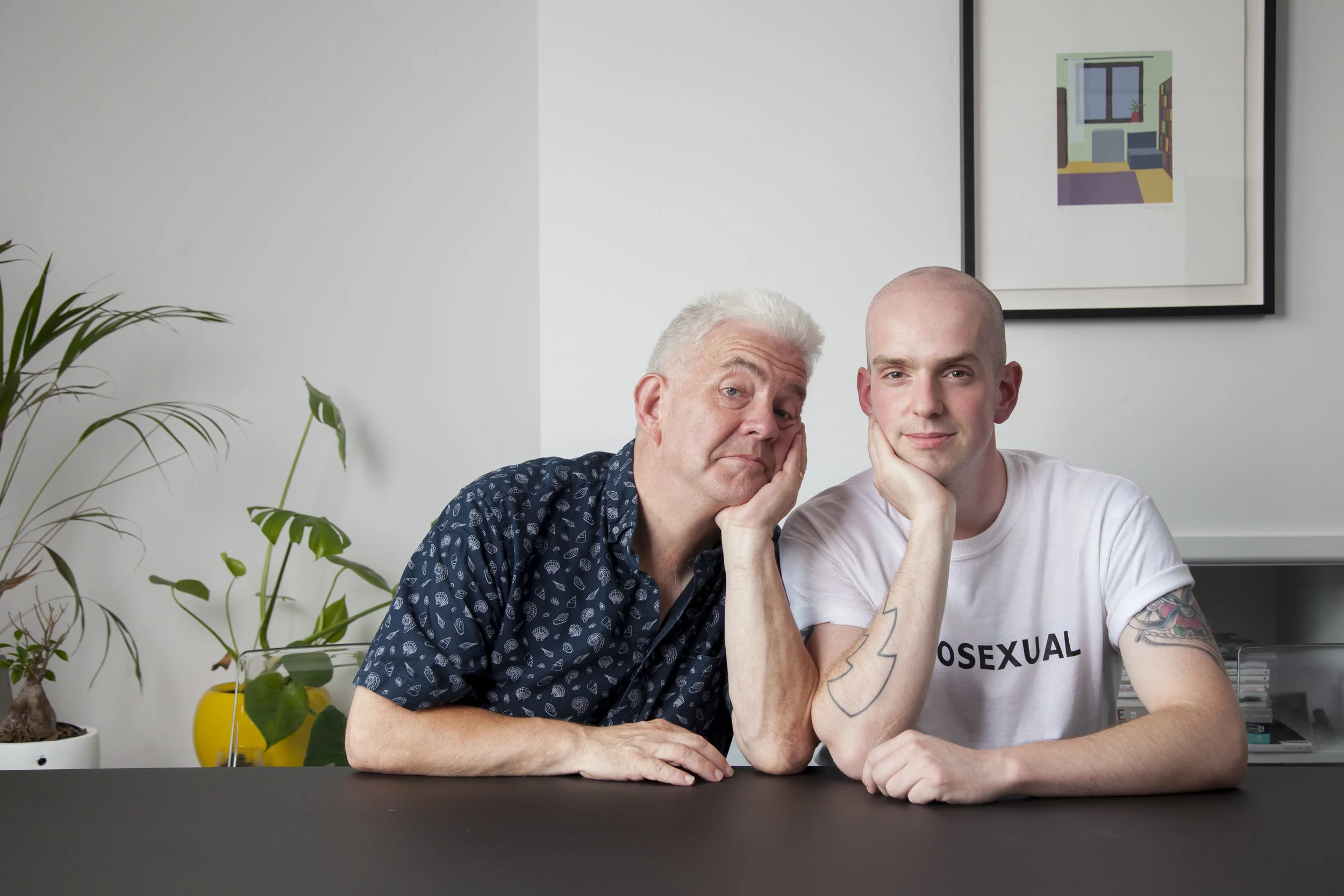
Ian & Andrew McMillan
It was a real pleasure to photograph poets Andrew McMillan and his father Ian for the Sunday Times ‘Relative Values’ feature a few months ago.

A few months ago I had the real pleasure of photographing poets Andrew McMillan and his father Ian McMillan for the Relative Values feature in The Sunday Times. Spending time with the two of them was both humbling and enjoyable, and the resulting portraits reflect not just their connection as father and son but also their remarkable contributions to British poetry and culture.
I’ve known of Ian’s work from radio appearances throughout my youth and of course from his long‑standing role as the official poet of Barnsley Football Club. Born in Darfield, South Yorkshire in 1956, Ian McMillan is an English poet, journalist, playwright and broadcaster known for his warm Northern voice and distinctive Yorkshire accent. He has presented BBC Radio 3’s The Verb, written extensively for national publications, and remains deeply rooted in the cultural life of his home region.
His son Andrew McMillan is a leading voice in contemporary British poetry in his own right. Born near Barnsley in 1988, Andrew’s debut poetry collection Physical was published by Jonathan Cape and made history as the first poetry collection to win the Guardian First Book Award. Since then he has published multiple acclaimed works and serves as Professor of Contemporary Writing at Manchester Metropolitan University.
Photographing them together was an opportunity to explore both shared legacy and individual achievement. The session was unhurried and conversational, enabling us to create portraits that communicate personality, mutual respect, and the unique dynamic between two generations of writers. Much of our conversation, inevitably, turned to football — not surprising given Ian’s poetic celebration of sport and his unofficial title as Barnsley’s “Bard” — and it was fascinating to see how the everyday passions of life in Yorkshire inform both of their creative worlds.

The portraits were commissioned to accompany The Sunday Times feature, which invited readers inside the personal and professional lives of these two poets. Editorial portraiture like this goes beyond capturing a likeness; the aim is to reflect character and context, helping readers connect with the subjects on a deeper level. In this case, the images complement the written piece by conveying warmth, humour and the richness of a life spent in language.
Ian’s body of work spans poetry collections, plays, journalism and broadcasting, and he has long been celebrated for promoting poetry to wider audiences. Whether performing live, writing columns or bringing regional voices into national conversation, his career has been rooted in community and accessibility. Andrew’s work is both deeply personal and widely resonant, addressing themes of identity, belonging and emotion while winning recognition on major literary stages. The time spent photographing them offered a glimpse into how these creative lives intersect and diverge, making for a compelling visual story.
In the portraits, you’ll see expressions and gestures that hint at their personalities — Ian’s ease and characteristic humour, Andrew’s quiet intensity and reflective presence — and a sense of connection that only time spent in conversation can reveal. These images do more than illustrate a feature; they document a moment in the lives of two major voices in contemporary poetry.
It was a pleasure to be part of this project, and I’m grateful to The Sunday Times for the opportunity to shoot such thoughtful subjects.

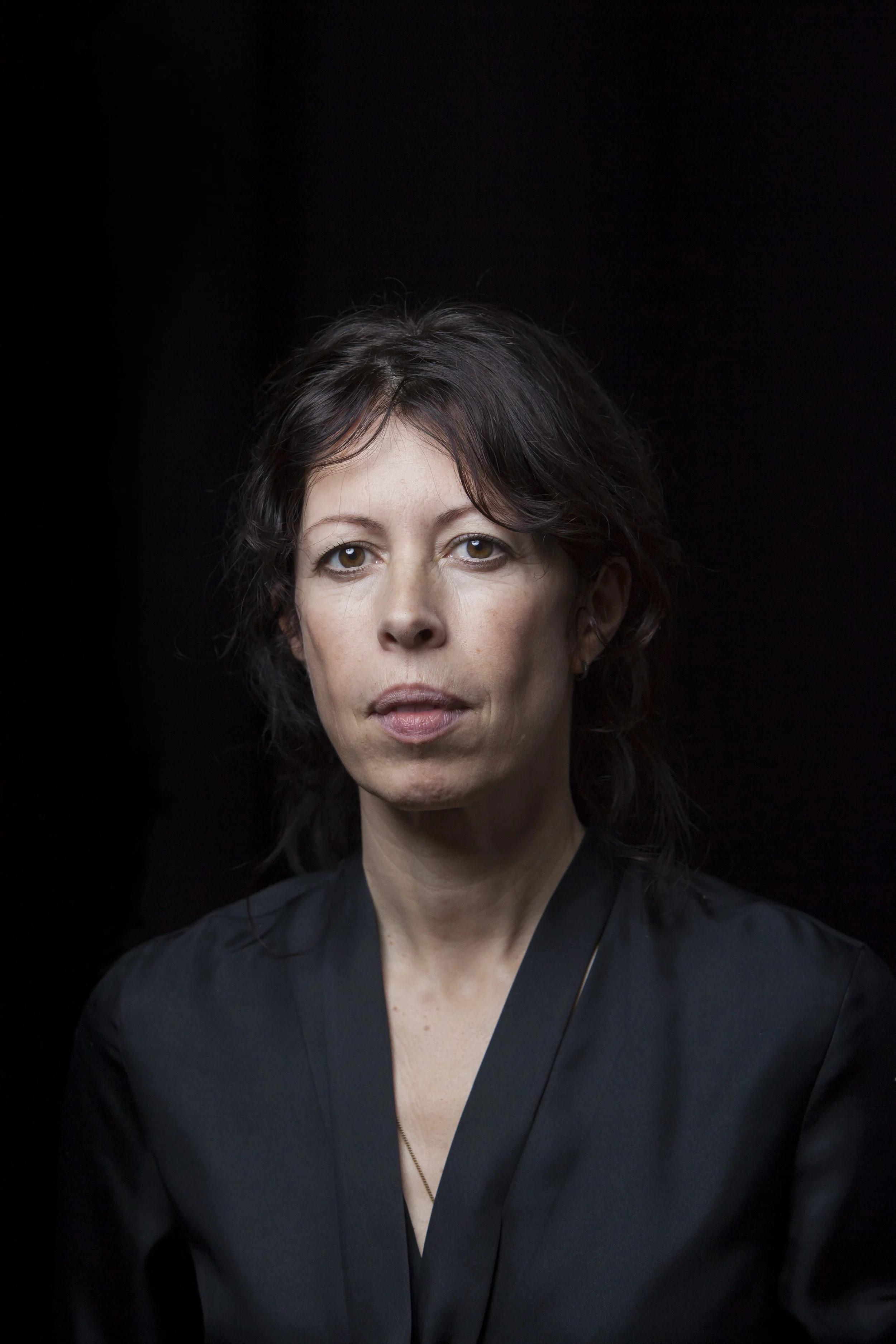
Cecily Brown
Shot at the opening of Shipwreck Drawings at Whitworth Art Gallery, Manchester

Cecily Brown: Shipwreck drawings
This is an exhibition of a extraordinary series of drawings by Cecily Brown, of wrecked ships and their passengers. Brown’s practice of painterly interrogation of an existing image, here takes on one of the most celebrated paintings in the world; Gericault’s The Raft of the Medusa, 1819. Also taking inspiration from other Old Masters, notably Delacroix, Brown re-examines human presence, figuration and representations of maritime tragedy throughout history
17 November – 15 April 2018
Shot at the opening of Shipwreck Drawings at Whitworth Art Gallery, Manchester