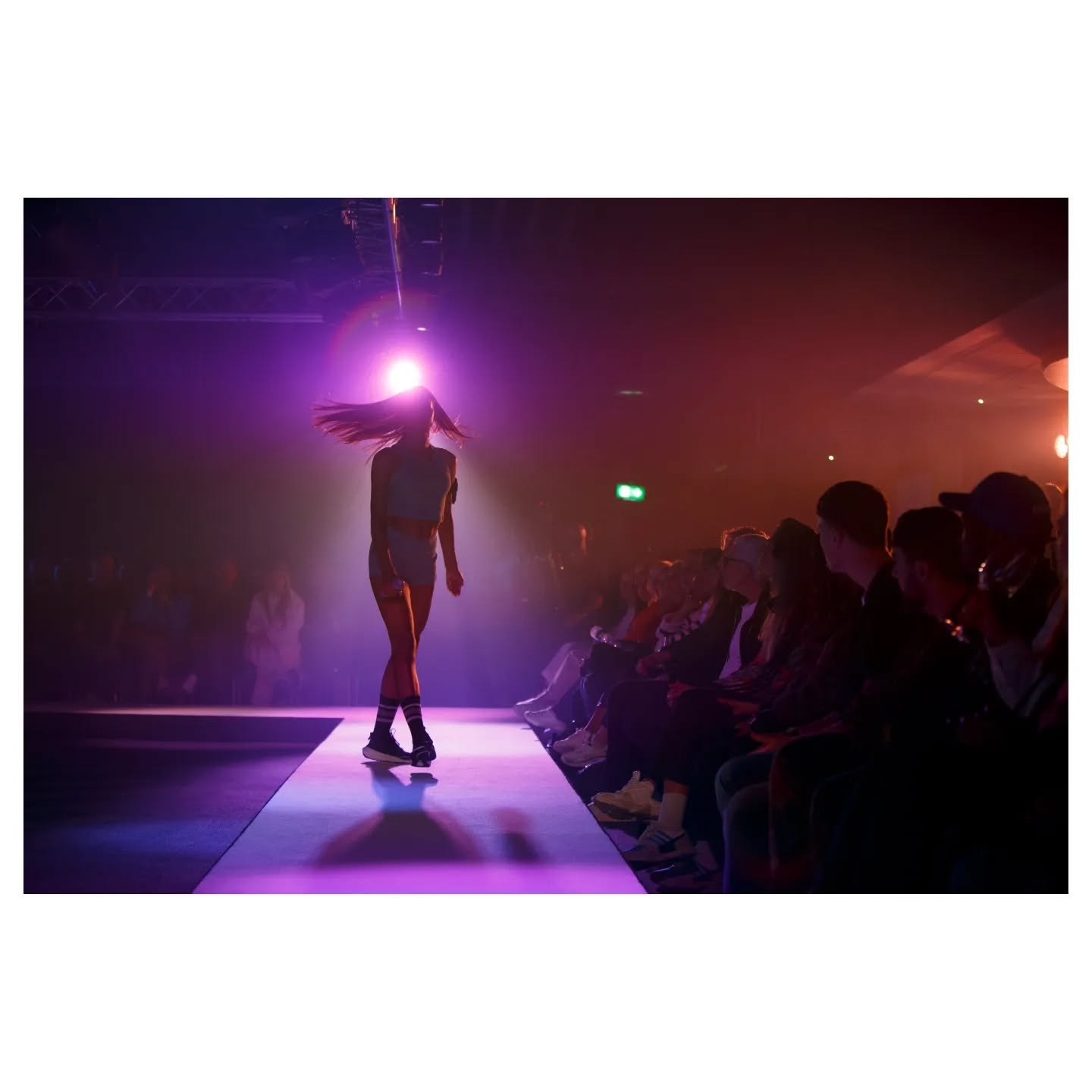
Latest Editorial, Portrait & Commercial Photography Projects
A selection of my most recent commissions and ongoing projects.
The work shown here spans editorial assignments, portrait commissions, documentary projects and commercial photography for organisations and publishers. It reflects current areas of focus and the range of contexts in which I am working.
New projects are added regularly.

Documentary photography of Manchester School of Art - End of Year shows
As a freelance photographer, I’ve had the privilege of covering a range of events, from high-profile gallery openings to intimate artist workshops. But there’s something uniquely electric about photographing the Manchester School of Art’s Final Year Shows. This annual event is a visual feast—a whirlwind of creative expression that radiates youthful energy and bold experimentation.
As a freelance photographer, I’ve had the privilege of covering a range of events, from high-profile gallery openings to intimate artist workshops. But there’s something uniquely electric about photographing the Manchester School of Art’s Final Year Shows. This annual event is a visual feast—a whirlwind of creative expression that radiates youthful energy and bold experimentation.


Stepping into the show, you can’t help but feel a sense of anticipation. It’s like walking into a sprawling gallery where every corner has something surprising to offer. The exhibition sprawls across different spaces, showcasing the work of students from various disciplines—painting, sculpture, digital design, fashion, and more. As someone tasked with documenting these moments, I need to quickly assess where the magic is happening and how best to capture it.
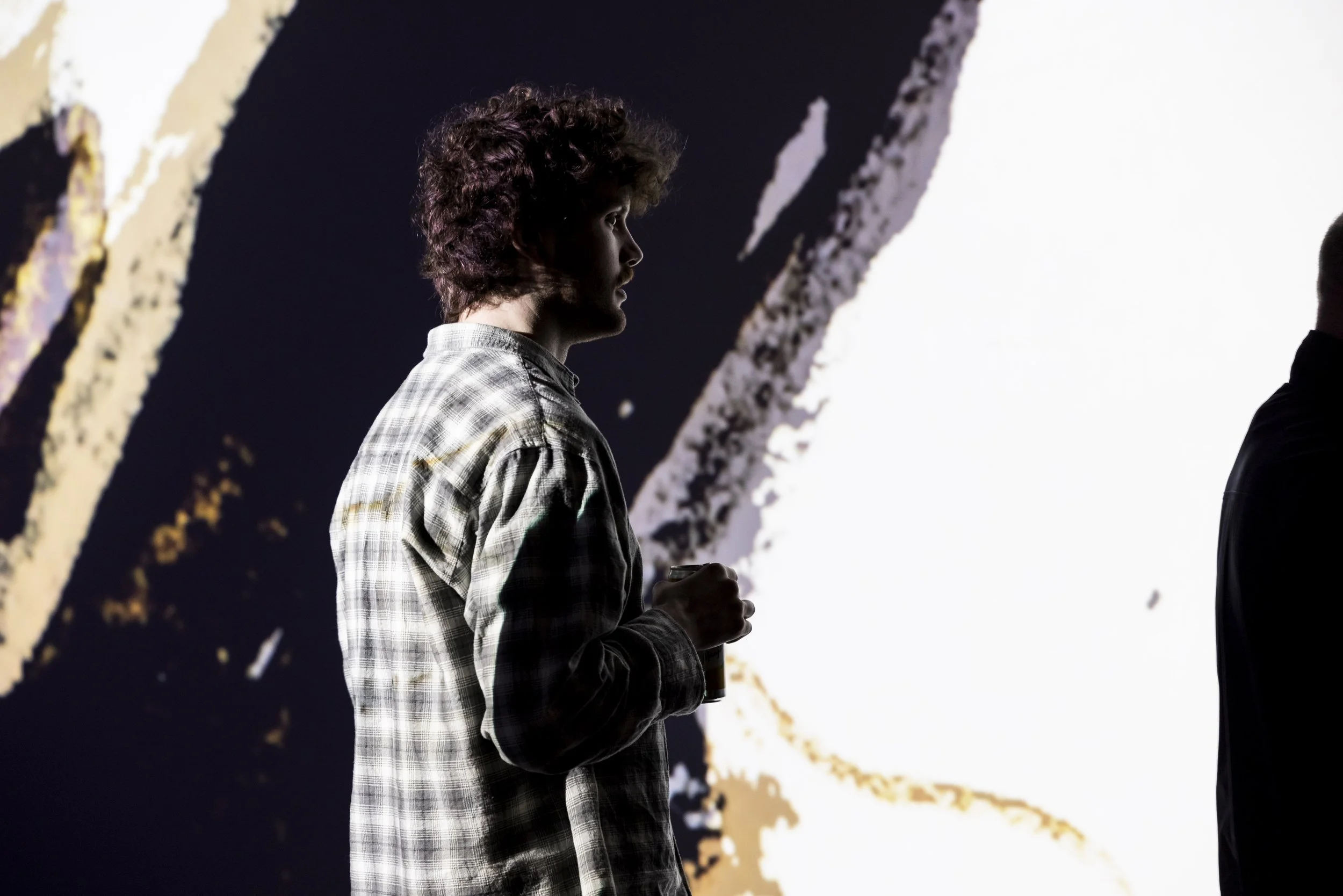
The first challenge is the sheer variety of the work. Each student has spent months, if not years, developing their final pieces, and no two are alike. One moment, I’m photographing a vibrant, abstract painting that dominates an entire wall, the next I’m crouched low, focusing on the intricate details of a conceptual sculpture made of recycled materials. As a photographer, I need to adjust my approach with every shot—switching between wide angles to capture the scale of installations and close-ups to highlight the craftsmanship.

The diversity of mediums can also be tricky to capture, especially when moving between 3D pieces and digital displays. I find myself drawn to the fashion design section, where students have created garments that blur the lines between art and wearable expression. Models wearing the students’ designs wander through the space, and this creates dynamic, live-action moments that require quick reflexes. I follow the models closely, framing shots that showcase both the fluidity of the fabric and the confidence of the wearer.

What’s particularly challenging, but also rewarding, is photographing interactive art. Many pieces invite the audience to participate—whether it’s a digital installation that reacts to sound or a sculptural piece that encourages touch. It’s hard to convey the essence of these works in a single image, but I try to focus on capturing people’s engagement with the art. A hand reaching out, a thoughtful expression as someone studies a piece, a child laughing in delight at an unexpected moment—all these interactions are just as important as the art itself.

The lighting conditions add another layer of complexity. In one room, the lighting might be bright and natural, ideal for capturing crisp, clean images. In another, the mood might be much darker, with spotlighting used to create dramatic shadows. I constantly adjust my settings, ensuring that the photos not only reflect the technical aspects of the work but also evoke the intended emotional response.

As the evening draws to a close, and I scroll through the hundreds of images I’ve taken, I feel a sense of accomplishment. Capturing the essence of the Manchester School of Art’s Final Year Shows isn’t just about photographing the art—it’s about documenting the passion and energy that these young creatives bring to their work. Every image tells a story, not just of the art itself, but of the moment in time when it was unveiled to the world.

Leaving the exhibition, I know that I’ve been part of something special. The Manchester School of Art’s final shows are a glimpse into the future of art and design, and I feel privileged to have witnessed, and captured, the first steps of these emerging talents.


Manchester Met SODA Modal gallery opening
The Modal Gallery at the Manchester School of Digital Arts (SODA) is a unique space that has become a hub of creativity, innovation, and collaboration. Through its immersive exhibitions, cutting-edge technology, and interactive displays, the gallery has had a significant impact on the SODA community, helping to foster a sense of community and connection among students, faculty members, and industry professionals.

The Modal Gallery at the Manchester School of Digital Arts (SODA) is a unique space that has become a hub of creativity, innovation, and collaboration. Through its immersive exhibitions, cutting-edge technology, and interactive displays, the gallery has had a significant impact on the SODA community, helping to foster a sense of community and connection among students, faculty members, and industry professionals.
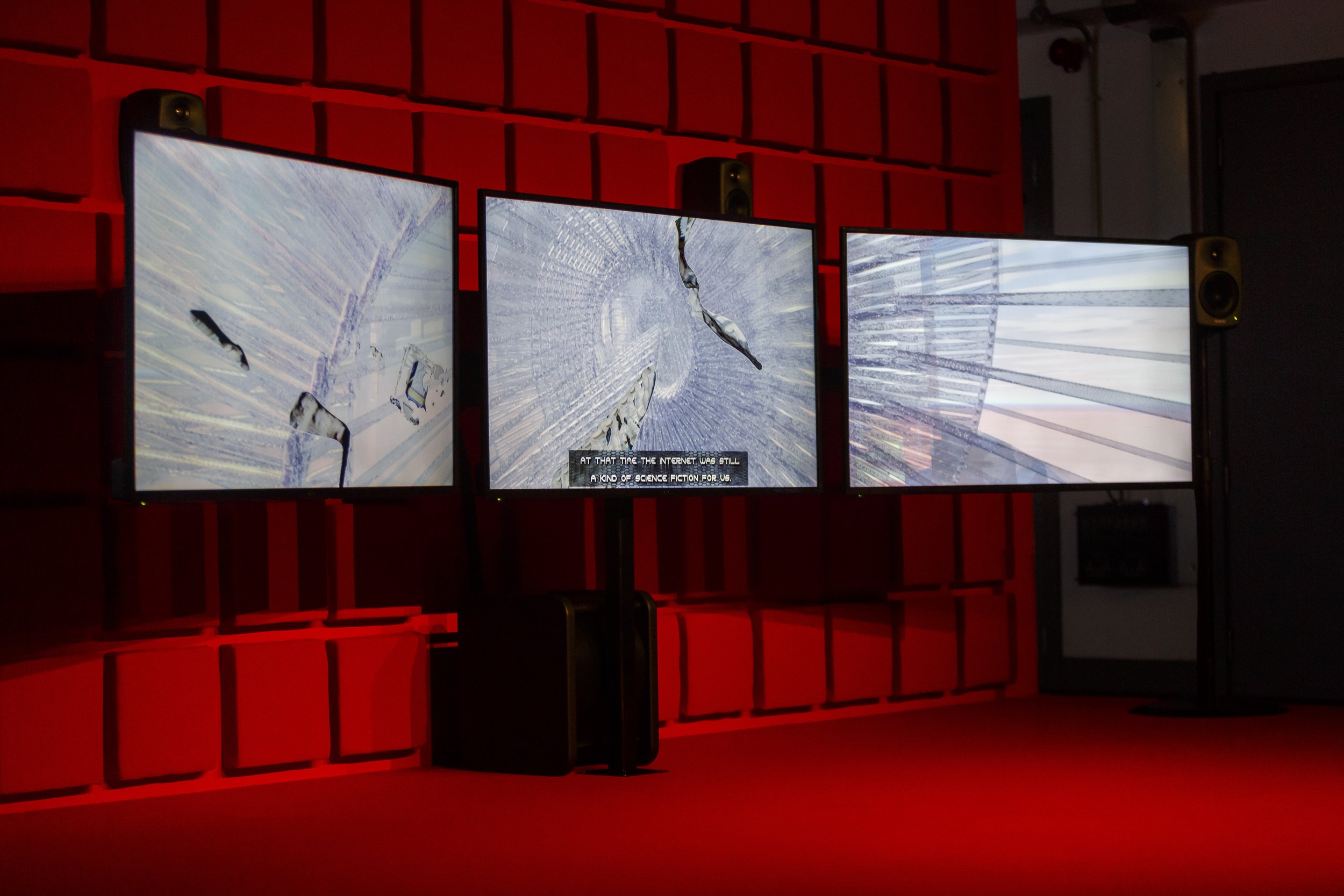
One of the key features of the Modal Gallery is its cutting-edge technology. The gallery is equipped with the latest digital tools and equipment, allowing students and faculty members to experiment with new forms of digital art and explore the boundaries of creativity. From virtual reality experiences to interactive installations, the gallery provides a platform for students to push the limits of what is possible in the digital arts.

In addition to its technology, the Modal Gallery is also known for its immersive exhibitions. The gallery's exhibitions are designed to engage visitors and create a sense of connection with the artwork. Through its immersive installations, the gallery invites visitors to explore new worlds and perspectives, challenging them to think differently about the digital arts.
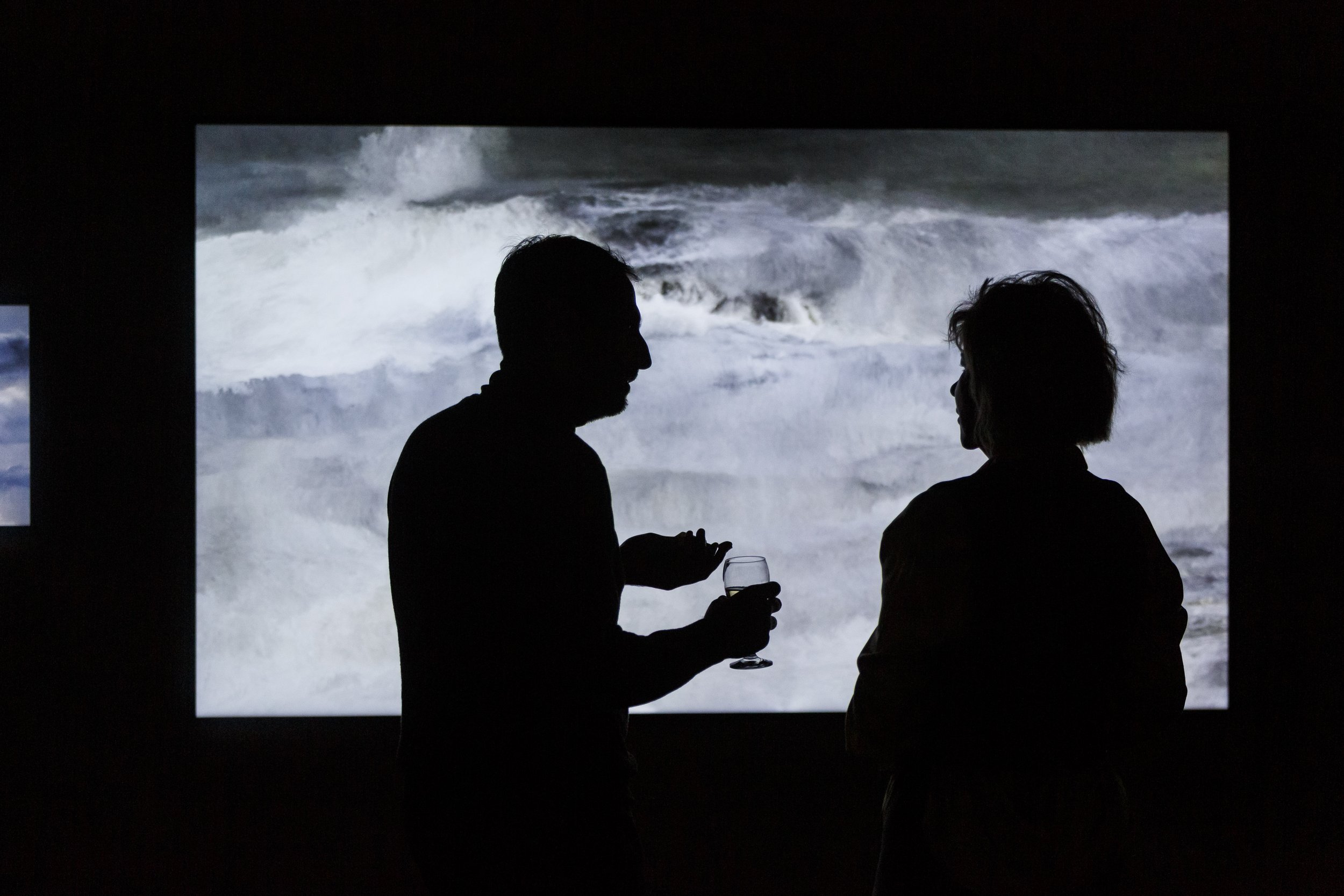
Another key feature of the Modal Gallery is its role in promoting SODA to the wider community. The gallery has become a key component of SODA's marketing and outreach efforts, showcasing the school's state-of-the-art facilities, cutting-edge curriculum, and commitment to innovation. By attracting visitors from across the region and beyond, the gallery has helped to position SODA as a leader in the digital arts and a key contributor to the creative economy.

The Modal Gallery has also had a significant impact on SODA's students. Through its exhibitions, the gallery provides students with a space to showcase their work and receive feedback and guidance from their peers and faculty members. The gallery has helped to foster a sense of community and collaboration among students, creating a supportive and dynamic environment that encourages experimentation and growth.
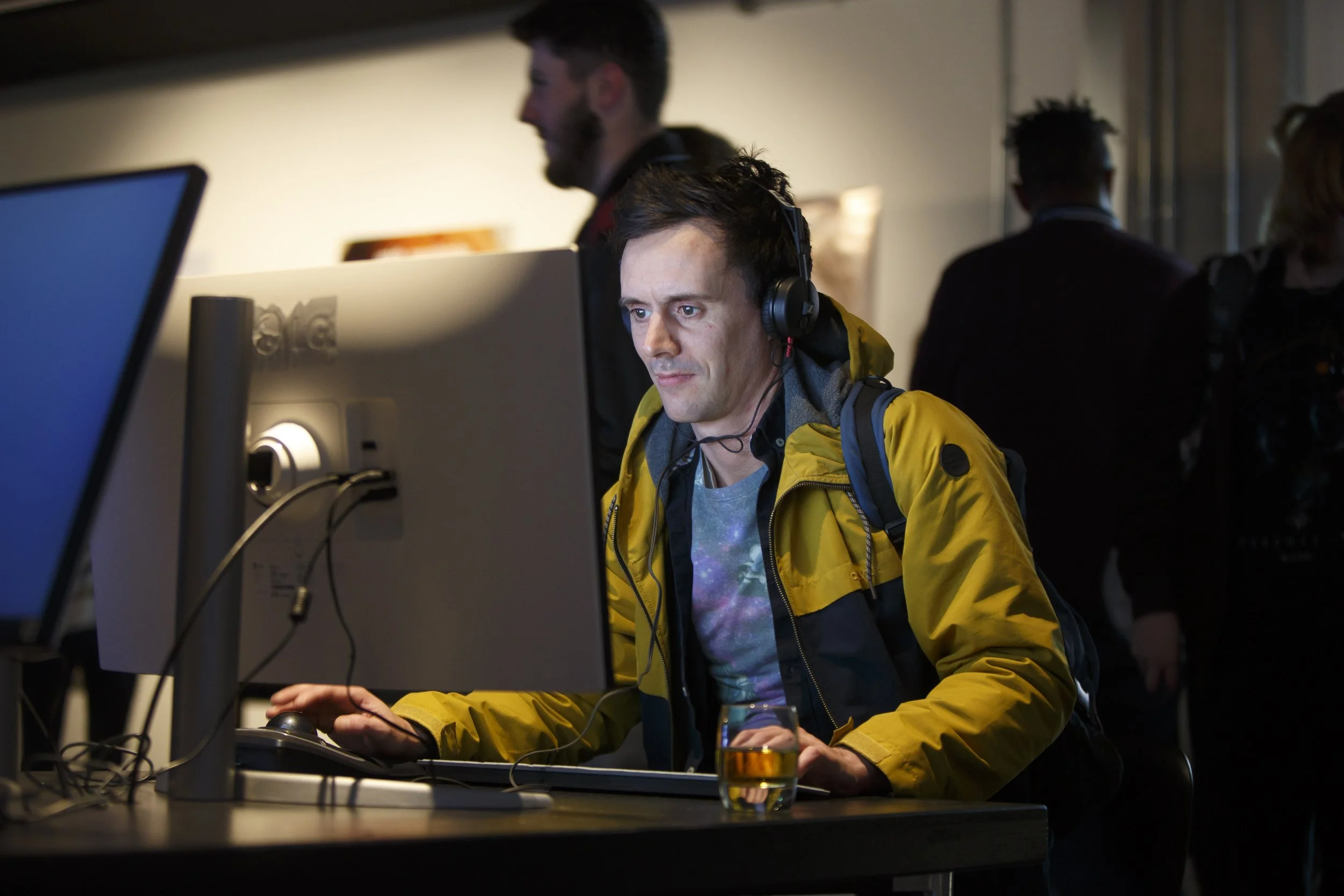
Furthermore, the Modal Gallery has helped to connect SODA's students with industry professionals and potential employers. Through partnerships with leading companies such as BBC, Channel 4, and Google, the gallery provides students with valuable networking opportunities that can help them launch their careers in the digital arts. The gallery has become a bridge between academia and industry, providing students with a clear path to success in the digital arts.
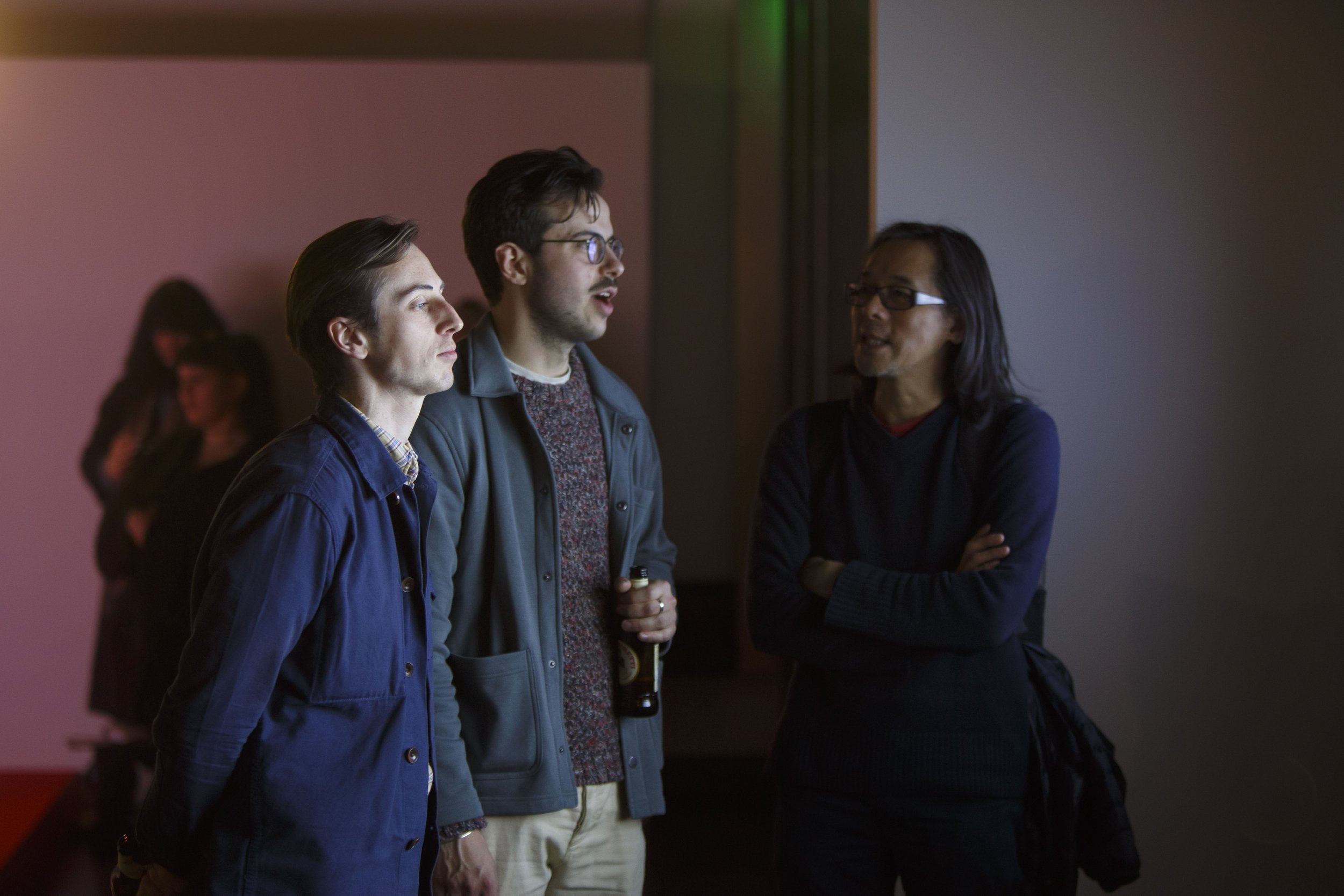
It’s been a pleasure to attend the exhibitions and photograph the events here over the past year, I always look forward to opening nights.
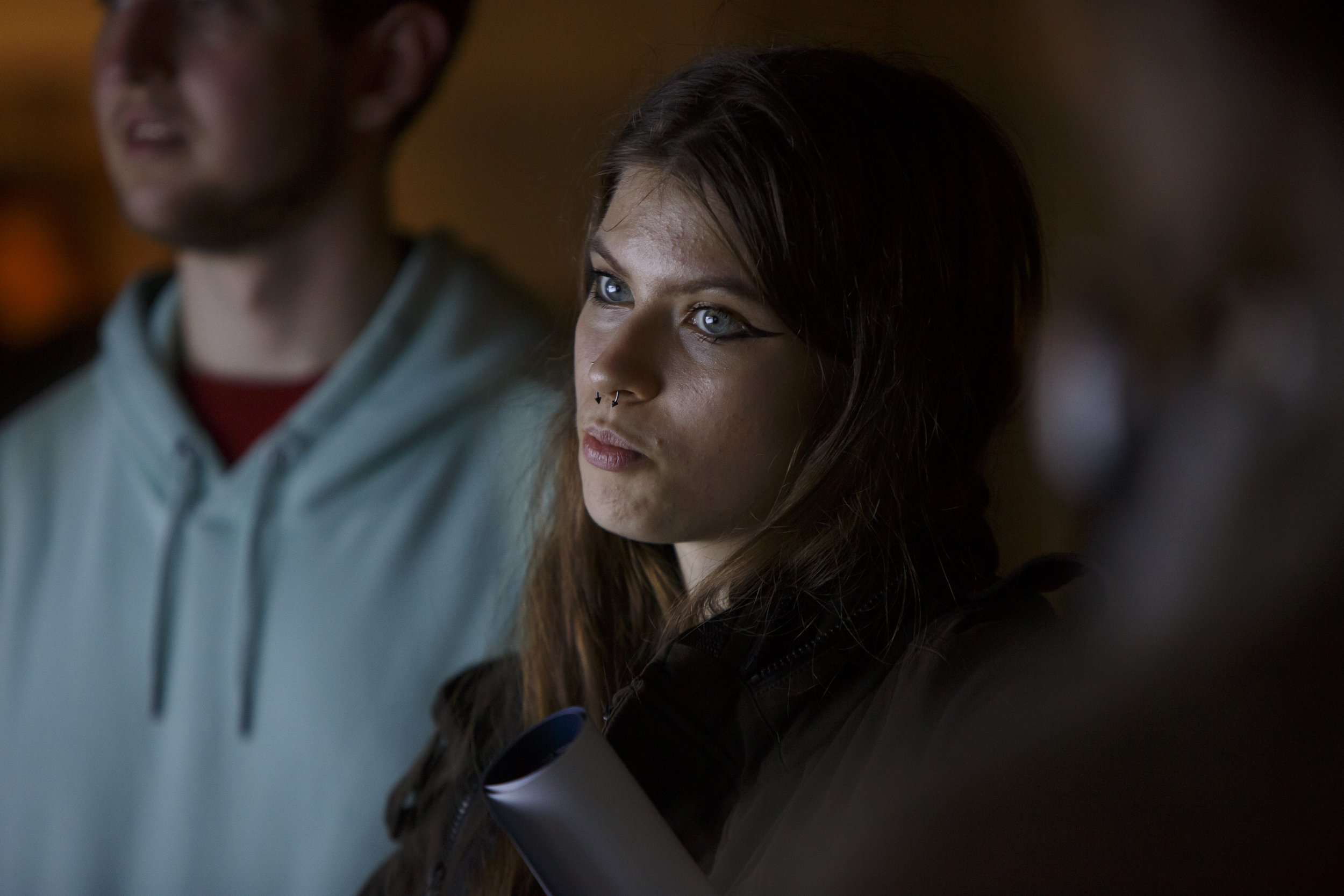


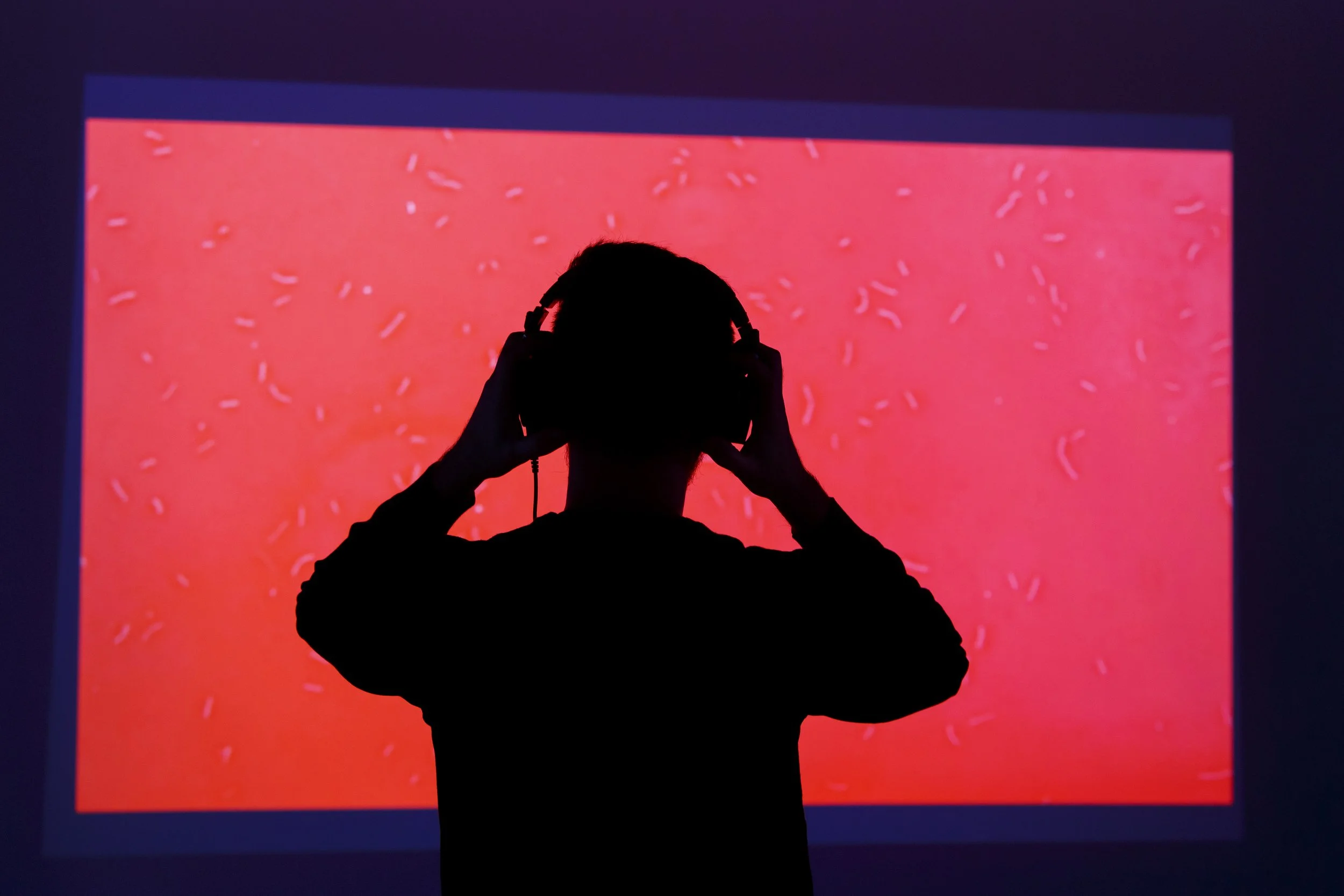
School of Digital Arts (SODA) Opening at Manchester Metropolitan University – Event Photography
The opening of the School of Digital Arts (SODA) at Manchester Metropolitan University marked an important moment for creative education in the UK and for the cultural life of Manchester itself. Designed as a centre for innovation in digital storytelling, film, animation, photography, sound, gaming and immersive media, the new SODA building represents a major investment in the future of the creative industries.

The opening of the School of Digital Arts (SODA) at Manchester Metropolitan University marked an important moment for creative education in the UK and for the cultural life of Manchester itself. Designed as a centre for innovation in digital storytelling, film, animation, photography, sound, gaming and immersive media, the new SODA building represents a major investment in the future of the creative industries.

Events like this are significant not only for the institutions involved but also for the wider cultural landscape of the city. Documenting them through professional photography ensures that these moments are preserved as part of Manchester’s evolving creative history.

A Major Milestone for Creative Education in Manchester
The new School of Digital Arts at Manchester Metropolitan University was created to bring together students, researchers and industry professionals working across digital and creative disciplines. Located in the centre of Manchester, the building provides purpose-built studios, production spaces and collaborative environments designed to support the next generation of filmmakers, photographers, designers and digital artists.
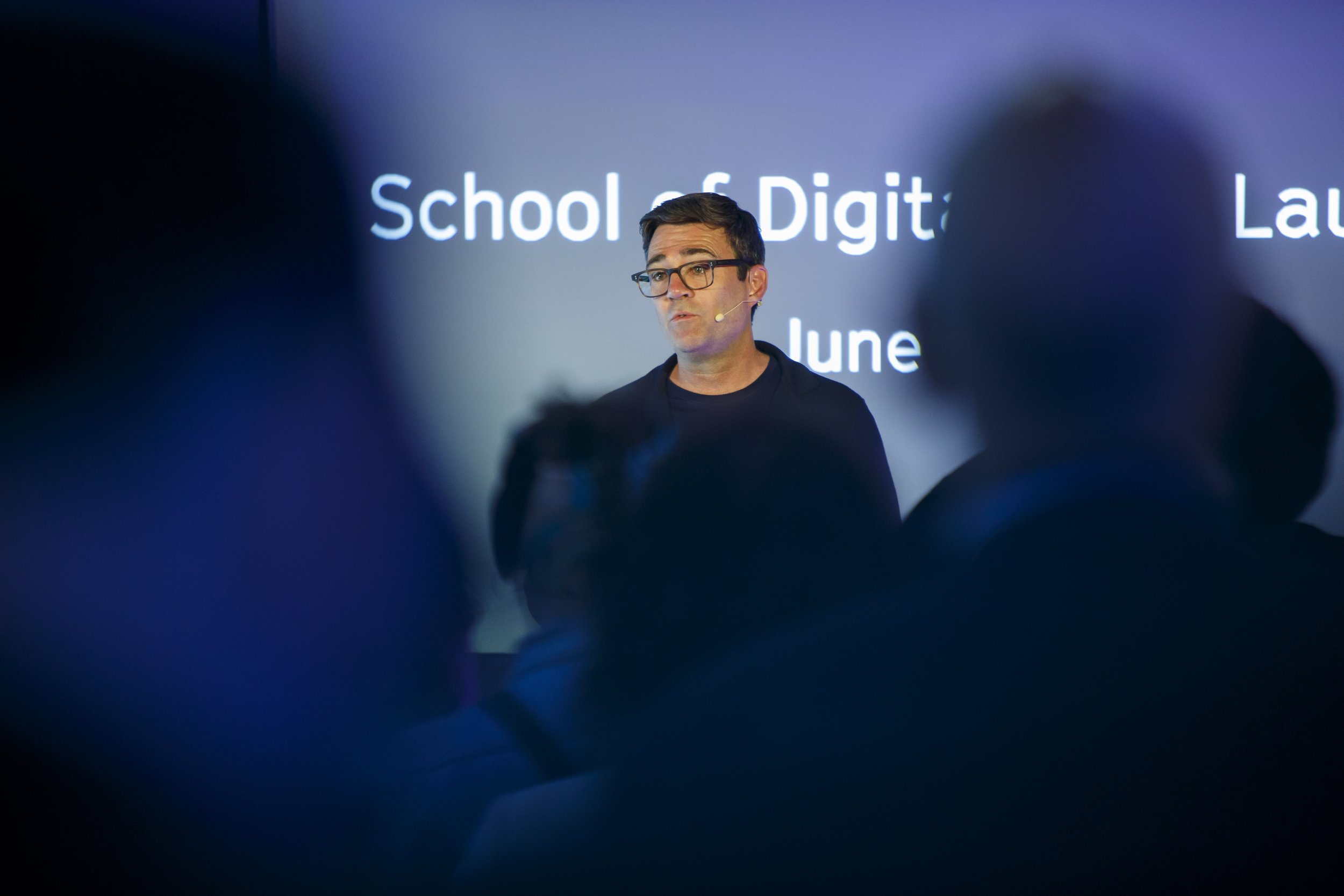
The official launch event attracted an impressive range of guests from politics, film and music. Among those attending were Peter Mandelson, Andy Burnham, Oscar-winning director Danny Boyle, and Manchester musician and composer Barry Adamson.
Their presence highlighted the importance of the project and the role that institutions like SODA will play in shaping the future of digital creativity in the UK.

The Importance of Photographing Cultural and Institutional Events
Photography plays a vital role in documenting events that mark significant moments for universities, cultural organisations and cities. While speeches and announcements define the official narrative of an event, photography captures the atmosphere, the people and the interactions that bring those moments to life.

Images from the opening of a new building or institution quickly become part of an organisation’s visual archive. Years later they are often used in publications, exhibitions, press features and anniversary retrospectives. A well-observed photograph can communicate the significance of an occasion instantly, providing a visual record that will remain relevant long after the event itself has passed.

Professional event photography also allows institutions to communicate their identity and ambitions. In the case of the SODA launch, the photographs reflect the collaboration between academia and the creative industries, the architectural identity of the building, and the sense of energy surrounding the new school.
These visual narratives help organisations present themselves to prospective students, partners and the media.

Capturing the Atmosphere of the SODA Launch
The opening event for the School of Digital Arts was filled with moments that reflected both the prestige of the occasion and the creative spirit of the institution. Guests explored the building’s studios and digital facilities, viewed demonstrations of student work and spoke about the future of creative education in Manchester.

From a photographic perspective, events like this require careful observation and an ability to anticipate moments before they happen. Conversations between prominent figures, reactions from audiences during speeches and informal interactions between guests all contribute to the visual story of the event.
Alongside documentary images of people, the architecture of the SODA building itself also becomes an important subject. The spaces in which creative work will take place in the future are part of the narrative of the launch, providing context for the institution’s ambitions.

Manchester’s Role in the Creative Industries
The opening of the School of Digital Arts reinforces Manchester’s reputation as one of the UK’s most important creative cities. For decades the city has been a centre for music, film, television and digital media, producing artists, filmmakers and innovators whose work has had international impact.

Institutions like SODA strengthen that ecosystem by providing students with direct connections to industry and access to the technology shaping the future of storytelling. The launch of the school represents another step in Manchester’s continuing evolution as a hub for digital creativity.
Photographing events connected to these developments contributes to the broader visual history of the city. Images captured at these moments become part of the record of how Manchester continues to reinvent itself as a centre for culture, media and innovation.

The Role of the Event Photographer
Photographing high-profile events requires a combination of documentary awareness, portraiture skills and editorial judgement. The photographer must be able to move through the event discreetly while remaining alert to moments that reveal the significance of the occasion.

The most effective images often emerge from small details: a conversation between guests, the expression of an audience listening to a speech, or a quiet moment that reflects the atmosphere of the room. These photographs collectively build a visual narrative that goes beyond simple documentation.
For universities, cultural organisations and public institutions, this kind of visual storytelling is essential. Photographs from launch events, conferences and cultural gatherings are used across websites, publications, press releases and long-term promotional campaigns.

Preserving the Beginning of a New Chapter
The opening of the School of Digital Arts at Manchester Metropolitan University marks the beginning of a new chapter for creative education in the city. It brings together technology, storytelling and artistic practice in a way that reflects the direction of modern media industries.

Photographs from the event help preserve that moment. They record the people who were present, the atmosphere of the launch and the sense of anticipation surrounding the new institution.
In years to come, these images will remain as part of the visual history of both the university and the city of Manchester, documenting the moment when the School of Digital Arts opened its doors and began shaping the next generation of creative talent.
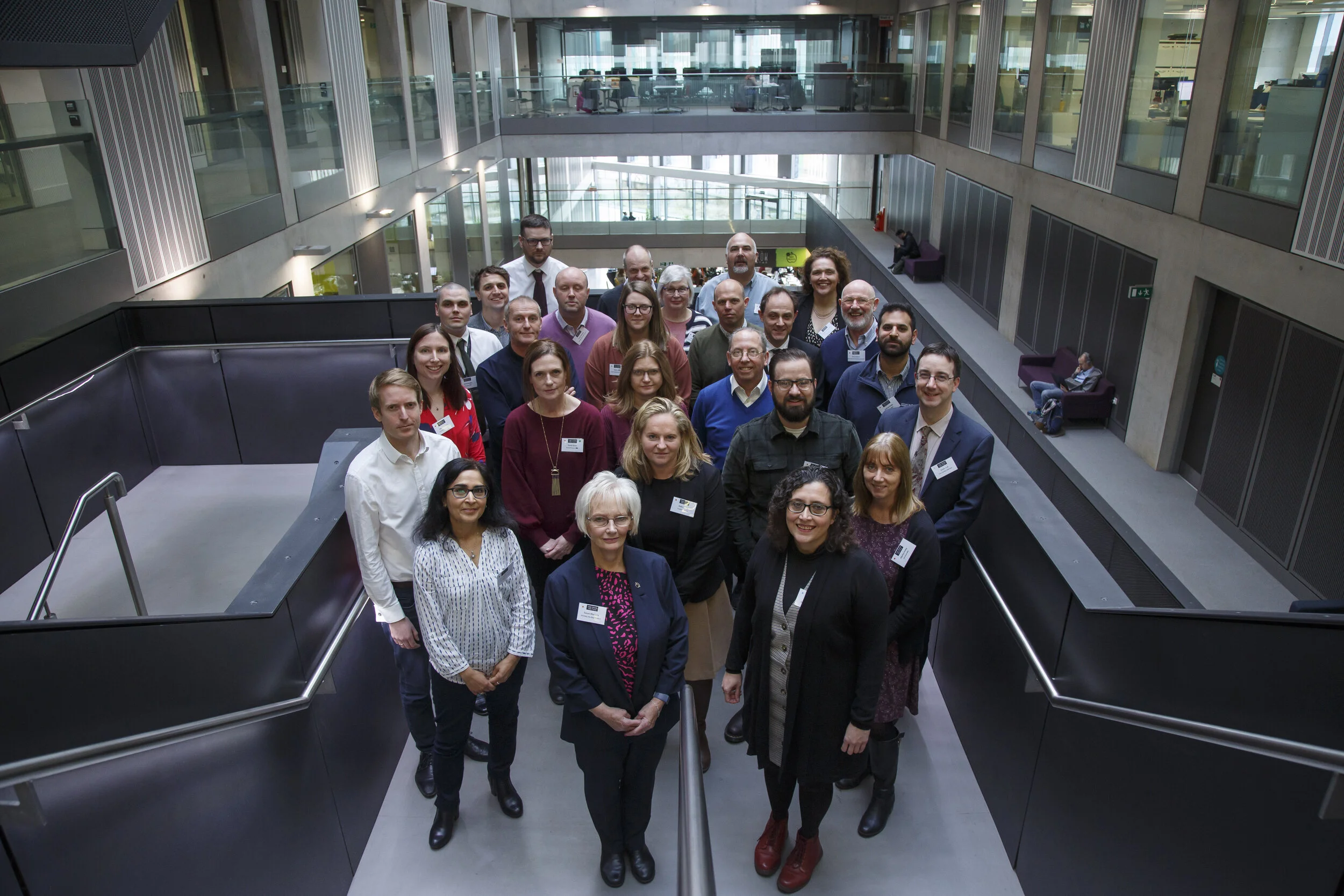
Photography of High Street Task Force
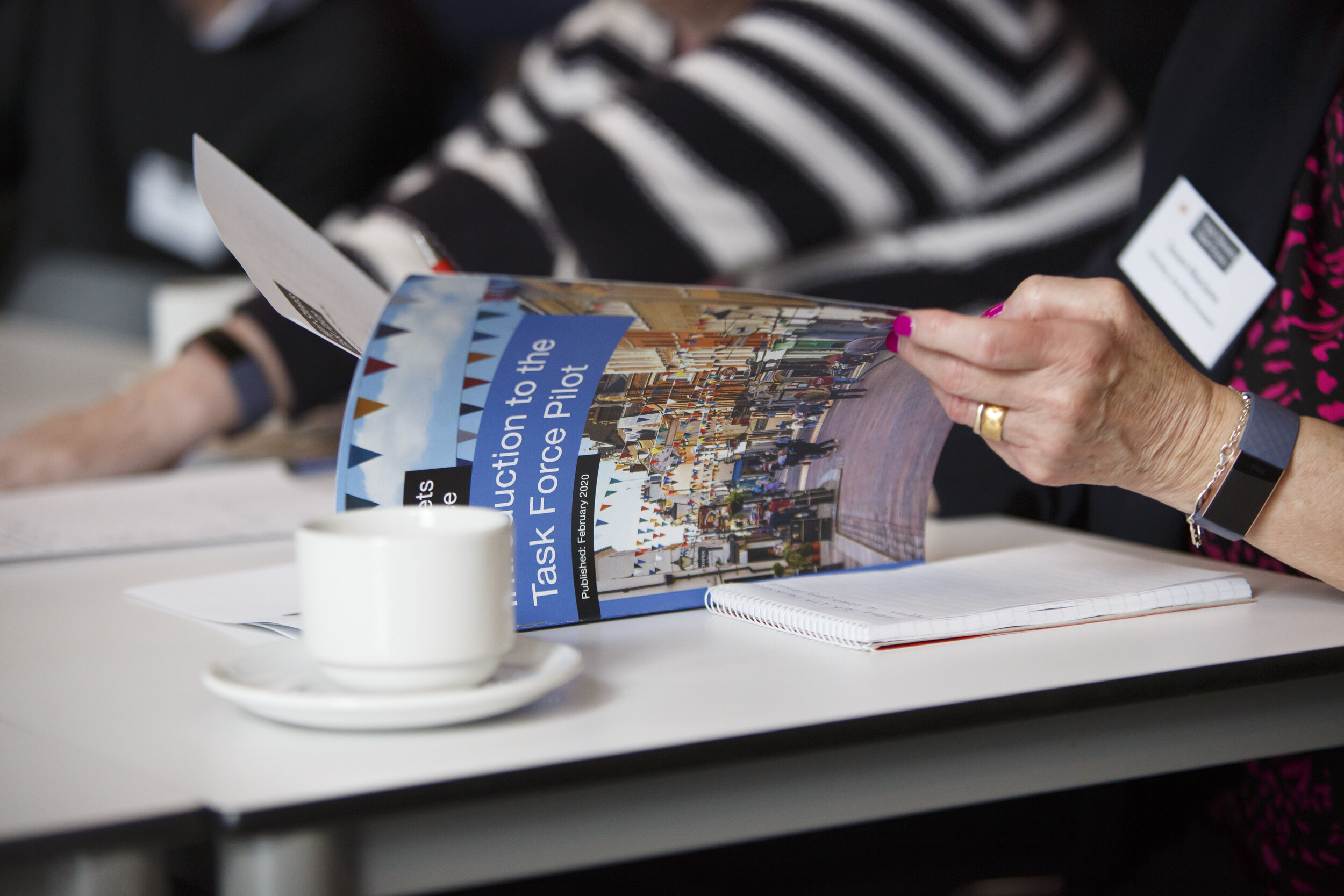
The High Streets Task Force was established to England's high streets and town centres to thrive - providing expert training, guidance data to the people who make them. Local leaders and partnerships are be able to access the latest data and evidence to inform their investment and regeneration decisions.
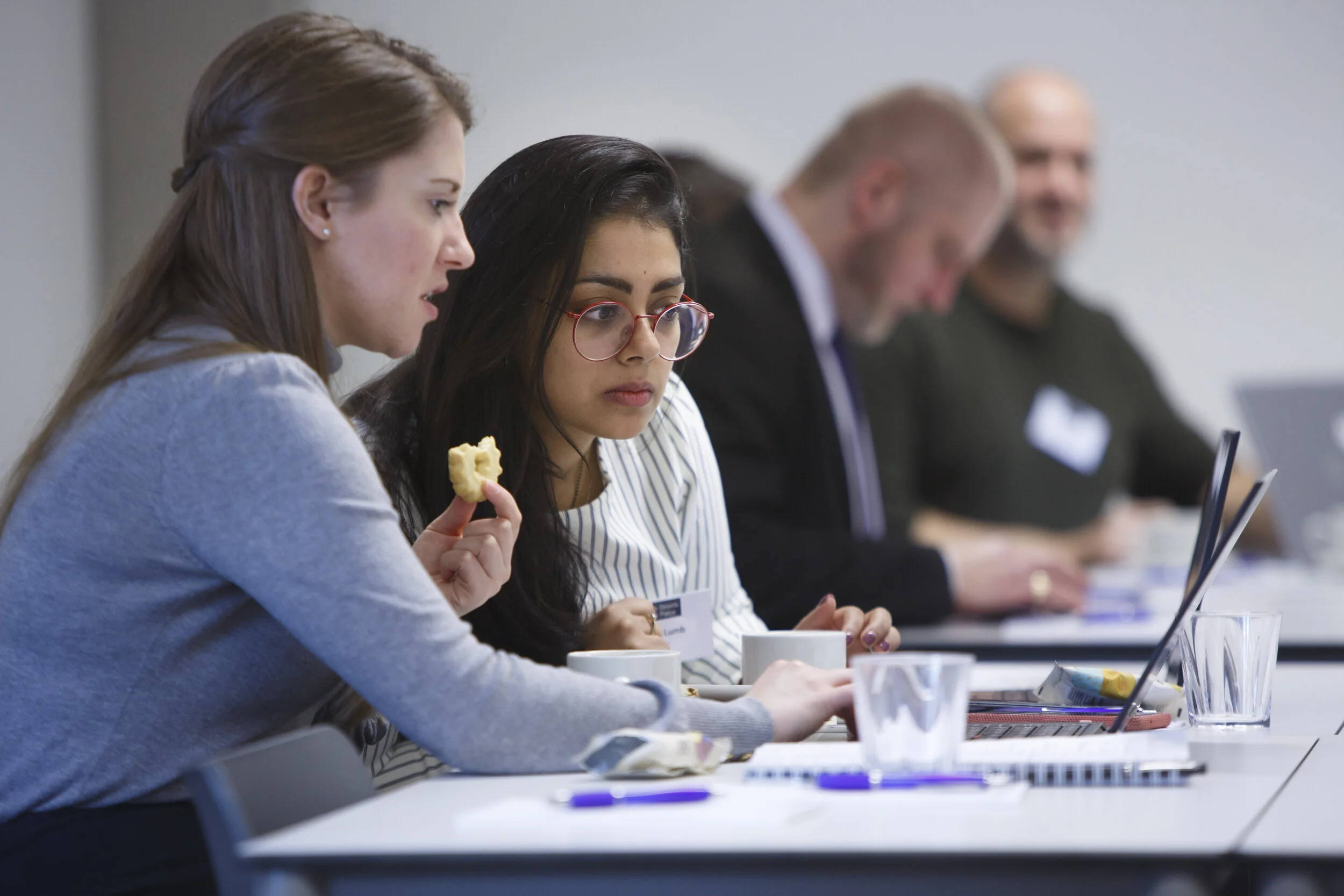
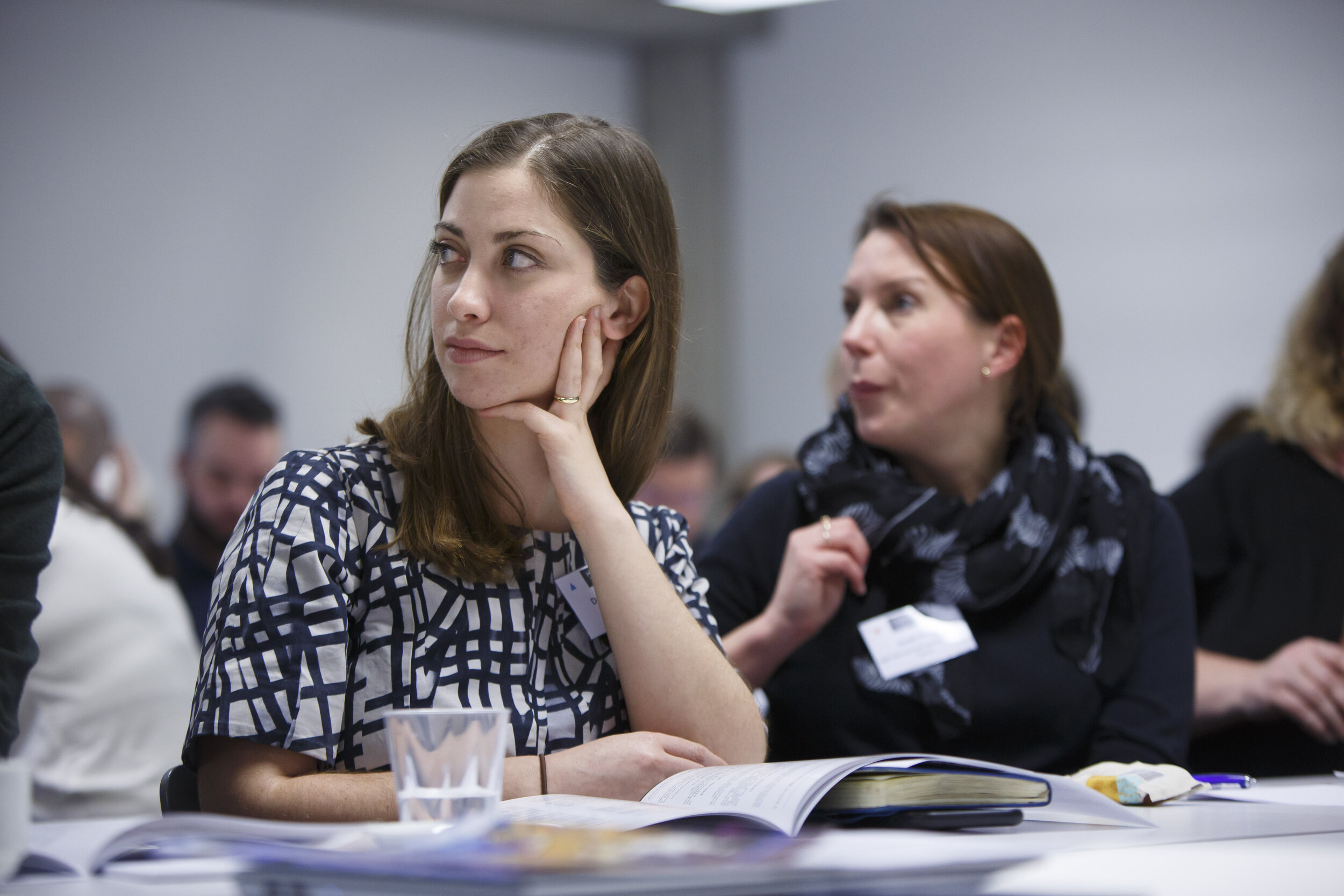
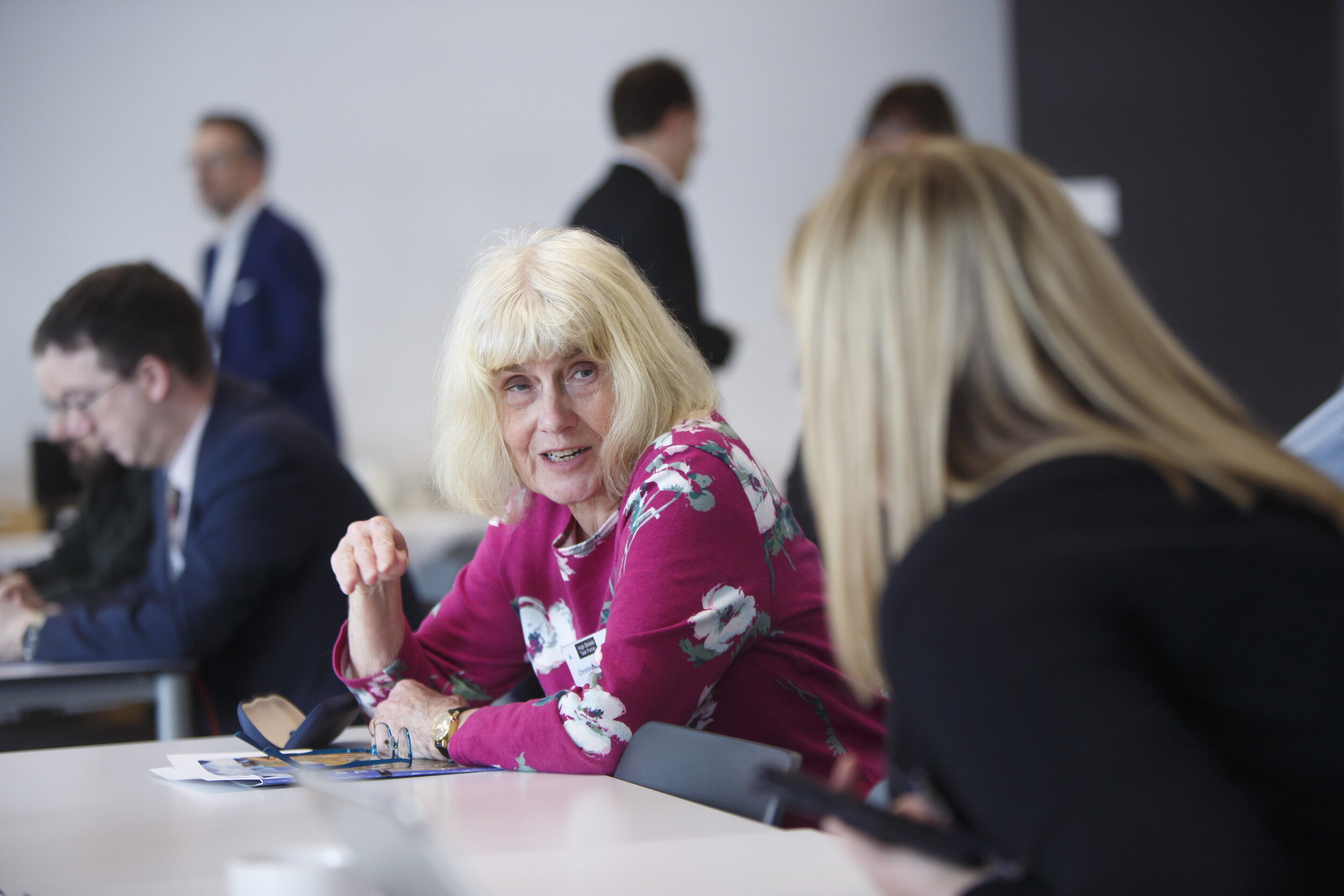
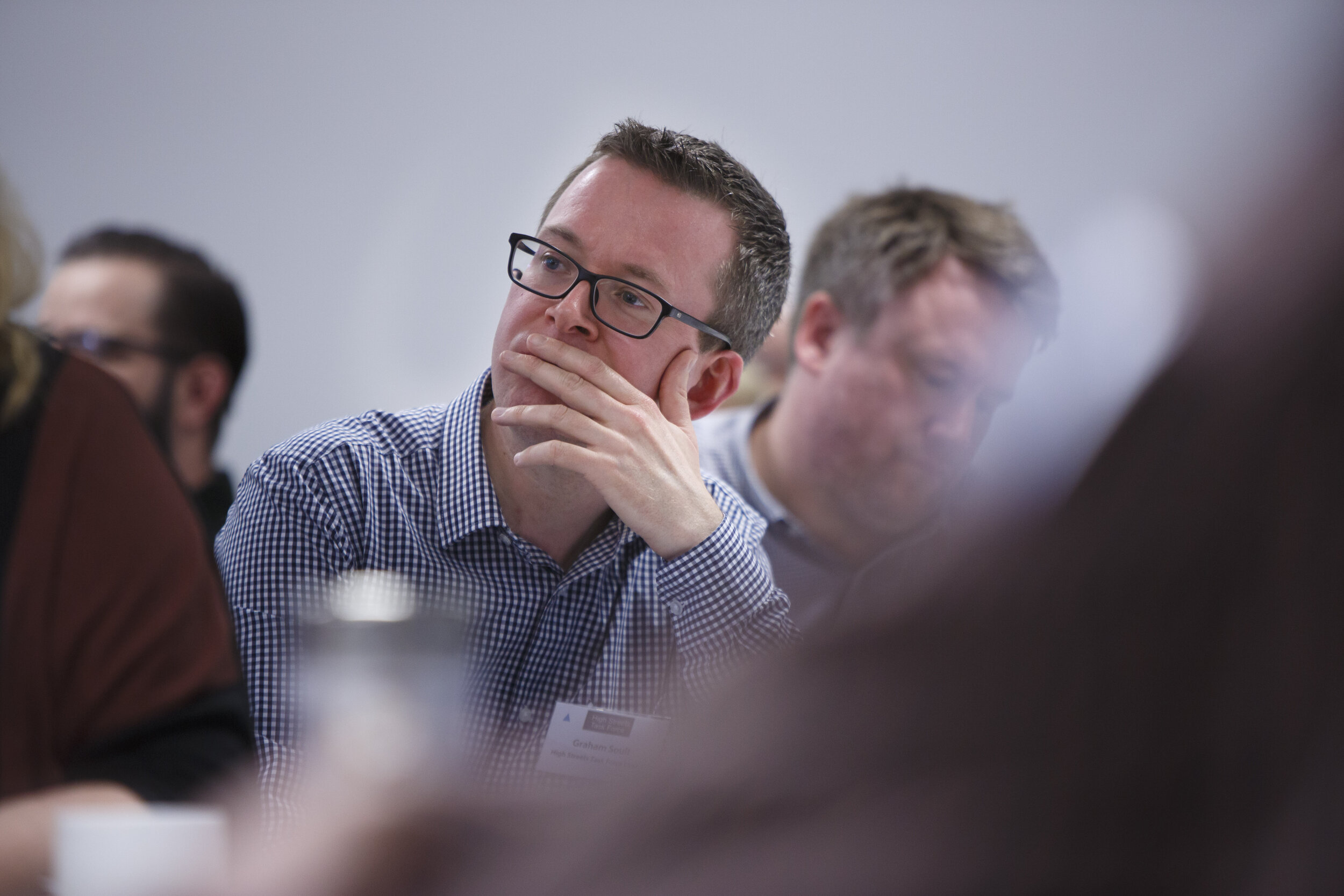
I was pleased to photograph the latest meeting of experts and representatives from the chosen towns at Manchester Metropolitan University business school. I was also able to photograph some portraits of the university staff at the conclusion of the meeting.

The High Streets Task Force was established to England's high streets and town centres to thrive - providing expert training, guidance data to the people who make them. Local leaders and partnerships are be able to access the latest data and evidence to inform their investment and regeneration decisions.
I was pleased to photograph the latest meeting of experts and representatives from the chosen towns at Manchester Metropolitan University business school. I was also able to photograph some portraits of the university staff at the conclusion of the meeting.
The funding will be piloted first in 20 town centres before being rolled out in 101 areas across the country.
The first 14 towns to take part in the pilot schemes and receive funding from the government will be:
Swinton Town centre – Salford, Thornton Heath – Croydon, Cheadle – Staffordshire Moorlands, Aldershot Town Centre – Rushmoor, Stirchley – Birmingham, Accrington Town Centre – Hyndburn, Kendal – South Lakeland, Friargate – Preston, Coventry City Centre – Coventry, Hartlepool Town Centre – Hartlepool, Ellesmere Port Town Centre – Cheshire West and Chester, West Bromwich Town Centre – Sandwell, Huyton Town Centre – Knowsley, Withington District Centre – Manchester.

“The Task Force will provide the tools they need to get the best advice possible and a dashboard of key local data,” Communities Secretary Robert Jenrick said.

Ministers will also launch a consultation on whether to build an online register of commercial properties, which could make it easier to bring empty shops back into use.
The government has also pledged to cut small retailers’ business rates bills by 50 per cent from April.

If you require photography of your conference, meeting or event please drop me a line at david@davidoates.net or fill out the form on the ‘Contact’ page of this website.




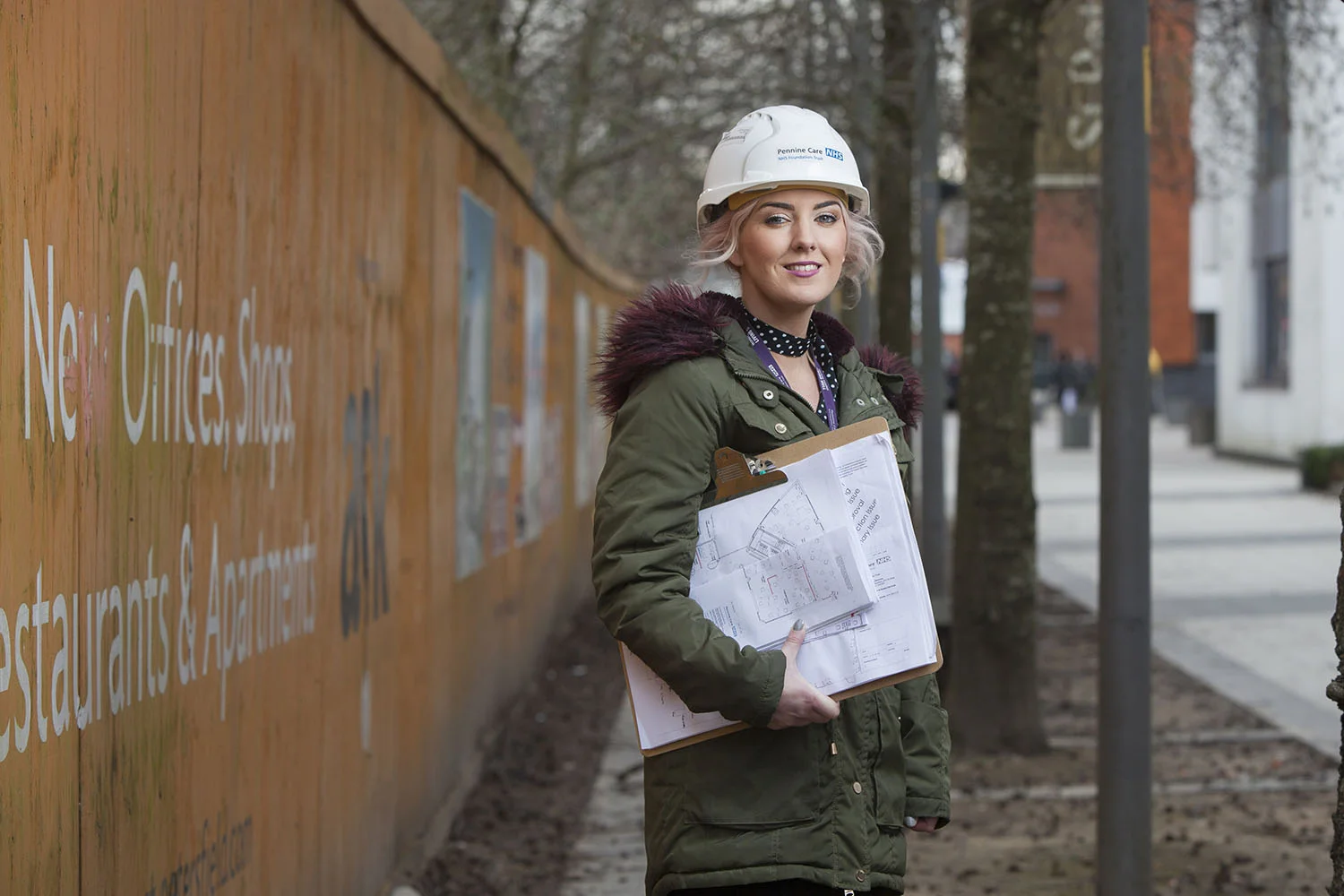
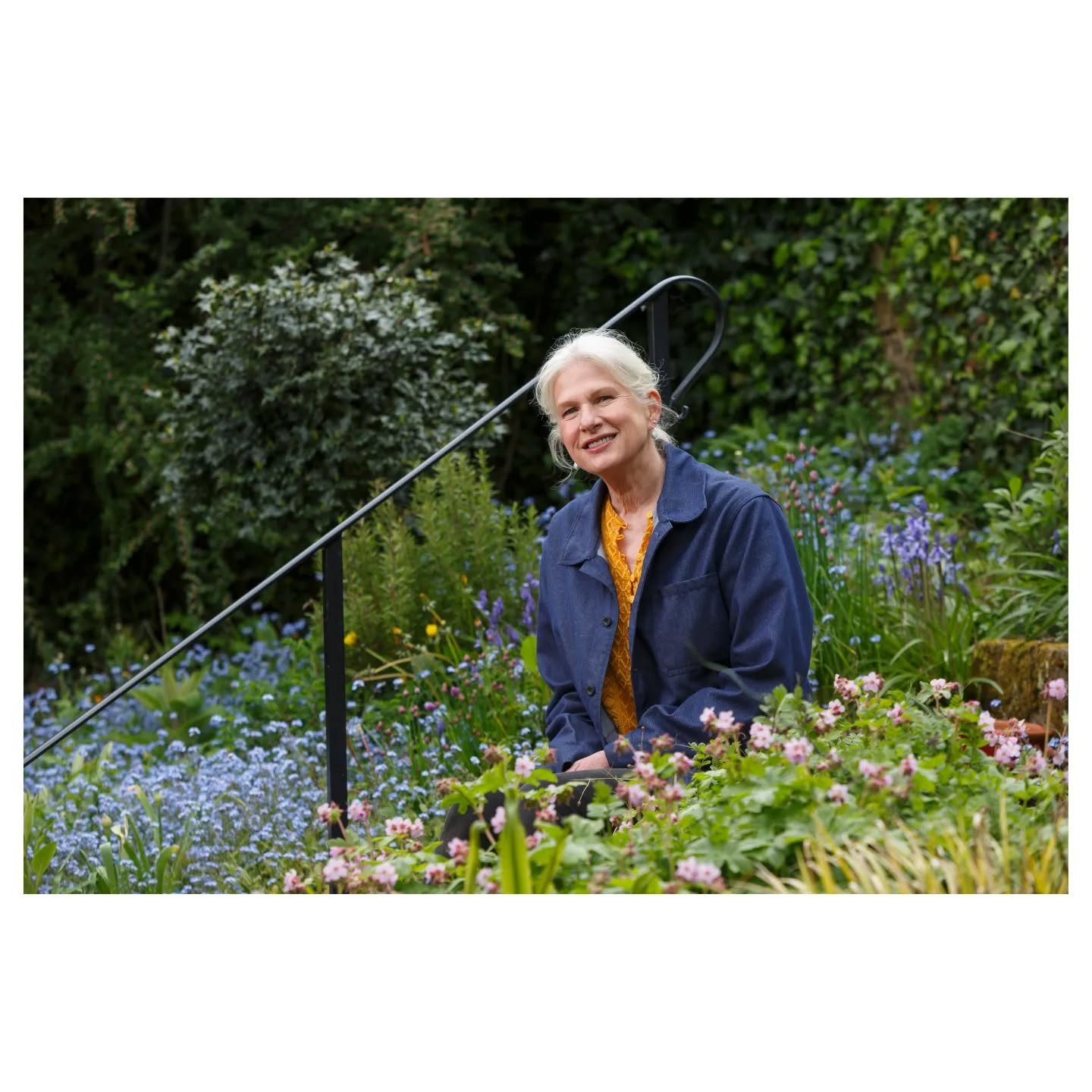
Victoria Jordan

Victoria Jordan photographed in Greater Manchester for Pennine Care NHS Foundation Trust and Manchester Metropolitan University