Latest Editorial, Portrait & Commercial Photography Projects
A selection of my most recent commissions and ongoing projects.
The work shown here spans editorial assignments, portrait commissions, documentary projects and commercial photography for organisations and publishers. It reflects current areas of focus and the range of contexts in which I am working.
New projects are added regularly.

Documentary Photography - BP's LiDAR buoy at Liverpool Docks
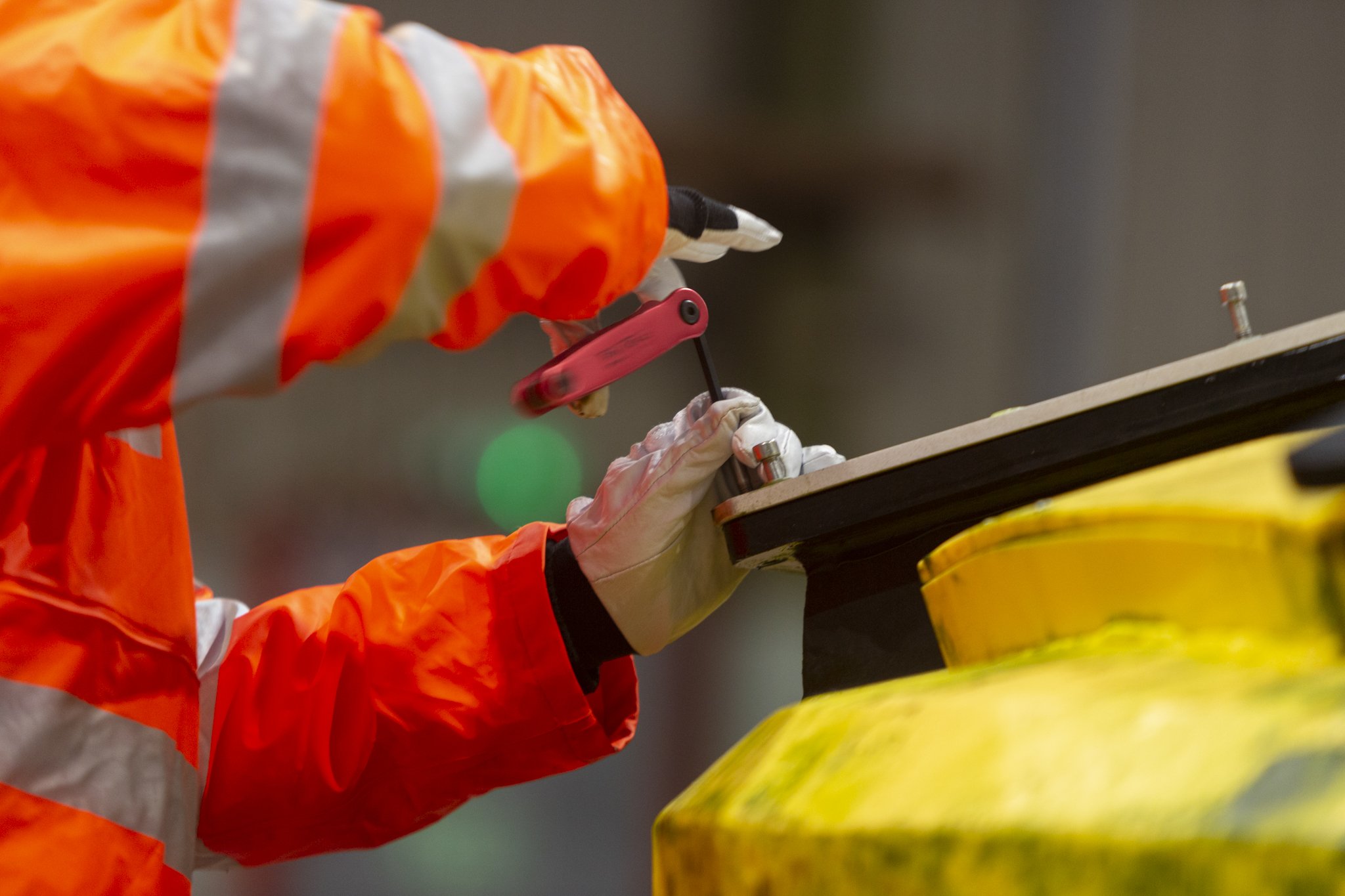
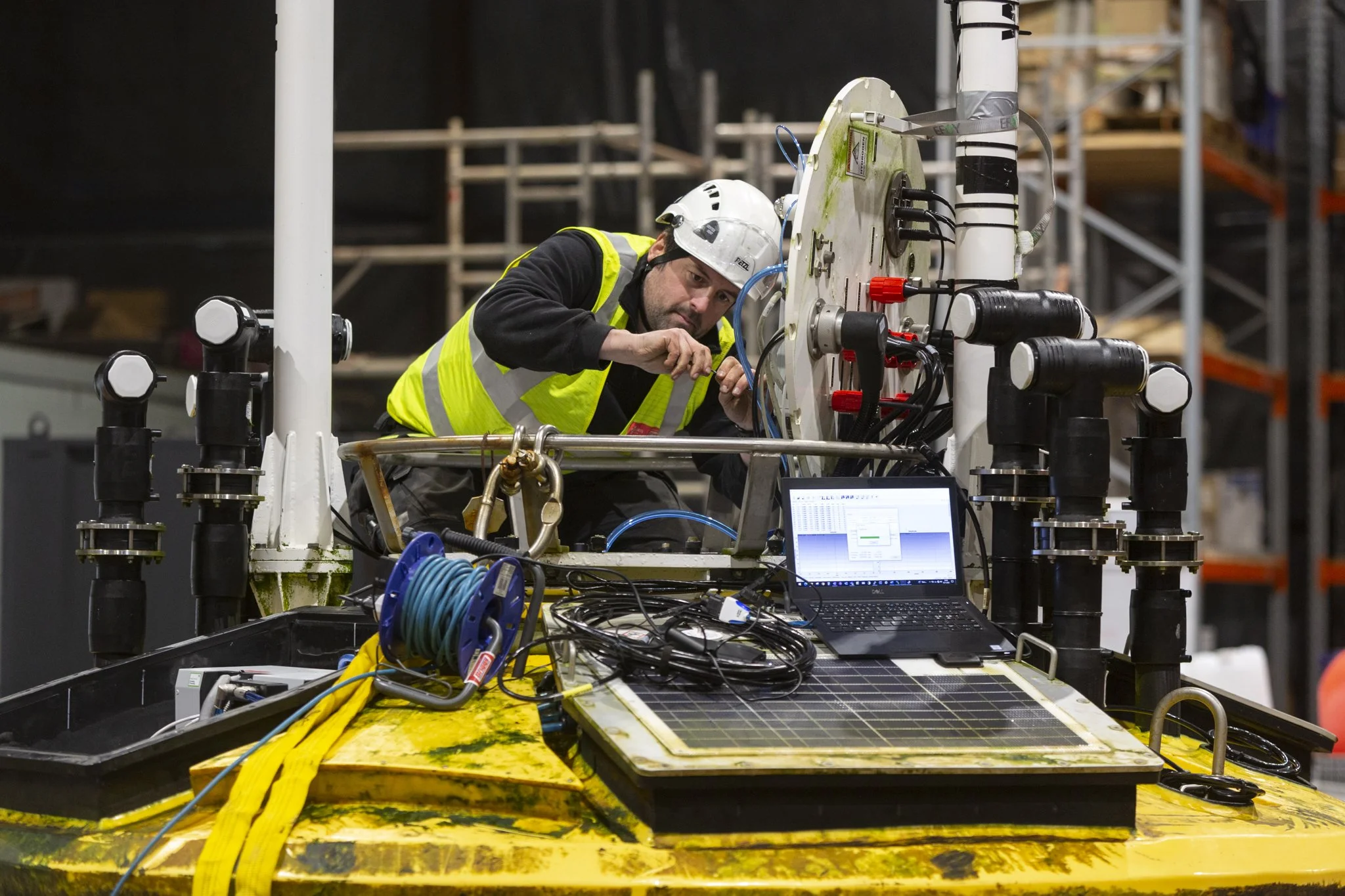
Another commission from BP as they work on the development of the Mona and Morgan Irish Sea wind farms. This time I was taking photographs to document the maintenance of one of their Fugro Seawatch LiDAR buoys which are surveying the field to find optimal wind turbine locations. The Seawatch buoys run on solar panels and fuel cells using methanol fuel. Although autonomous in the field the buoys need to be towed to shore for refueling and servicing.

Another commission from BP as they work on the development of the Mona and Morgan Irish Sea wind farms. This time I was taking photographs to document the maintenance of one of their Fugro Seawatch LiDAR buoys which are surveying the field to find optimal wind turbine locations. The Seawatch buoys run on solar panels and fuel cells using methanol fuel. Although autonomous in the field the buoys need to be towed to shore for refueling and servicing.
As an ex-engineer with a background in Physics, this was a really interesting - if freezing! - few days shooting in Liverpool.
LiDAR, or Light Detection and Ranging, can measure wind speed by using the Doppler effect. The Doppler effect is a phenomenon that occurs when the frequency of a wave changes as the source of the wave moves relative to the observer. This effect is commonly experienced in everyday life, for example, the change in pitch of a siren as an ambulance approaches and then passes by.
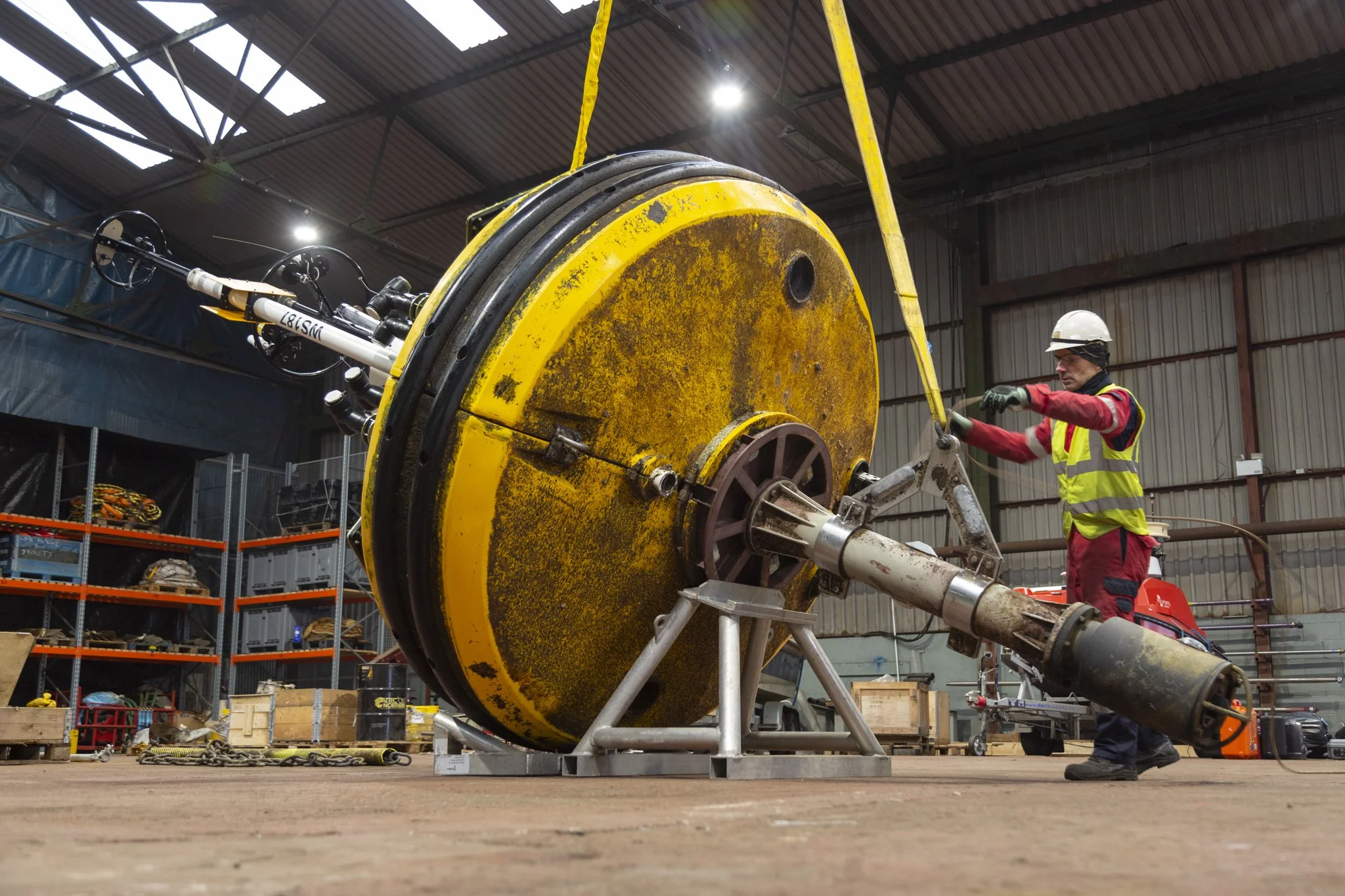
In the context of LiDAR, a laser beam is directed towards the atmosphere, and the reflected light is detected by a sensor. As the laser beam passes through the atmosphere, it interacts with particles in the air, such as dust or water droplets. These particles scatter the laser beam in different directions, and some of the scattered light returns to the sensor.

By analyzing the scattered light, LiDAR can detect the movement of air particles and calculate wind speed. The movement of the particles changes the frequency of the scattered light, and this change in frequency is detected by the sensor. The amount of frequency shift is proportional to the wind speed, allowing LiDAR to calculate the wind speed with high accuracy.

LiDAR can also provide information about the direction and turbulence of the wind, helping to identify potential challenges for wind turbine installations. This information is particularly useful in the development of wind farms, where accurate wind measurements are essential for identifying the most suitable locations for wind turbines.




Langfields
Langfields are specialist fabricators of process plant for the Pharmaceutical, Chemical, Offshore, Oil & Gas, Marine, Defence, Nuclear and other process industries. Based only one mile from Deansgate they demonstrate that there is still some manufacturing industry in the post-industrial city.
As a former engineer, I love visiting these places and finding out what’s being made and the techniques used.
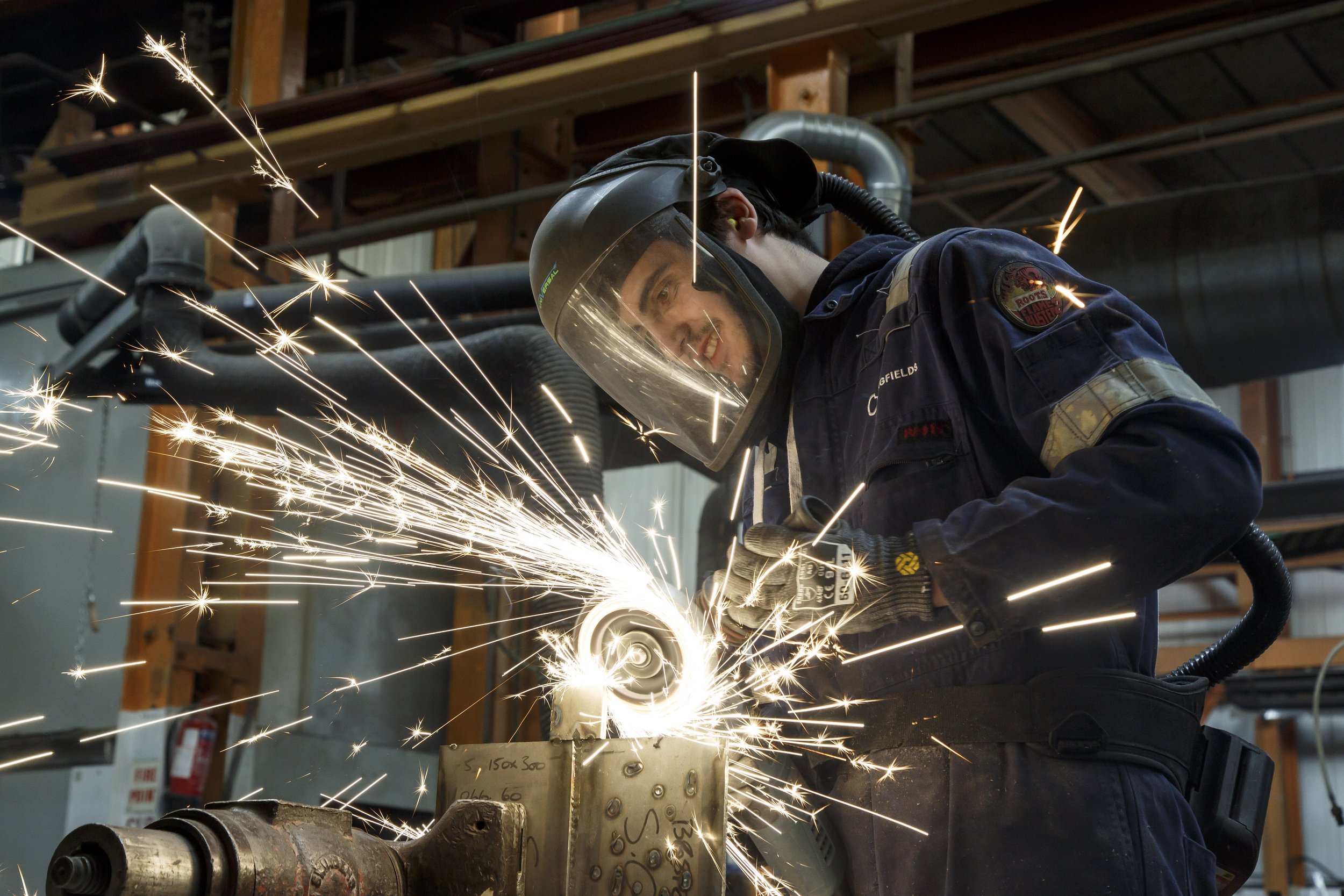
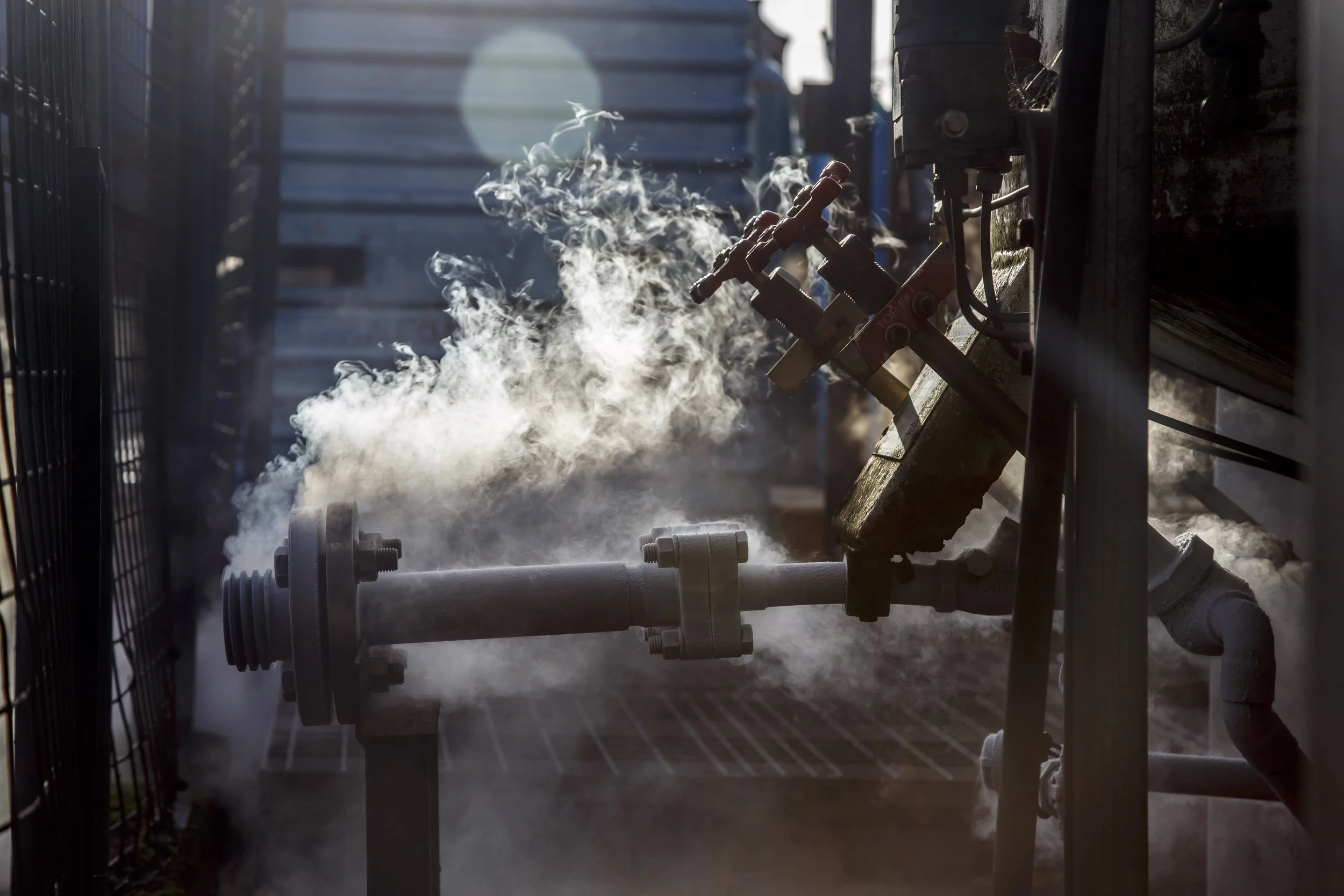
The fabricators at Langfields receive giant 18mm Aluminium plates and within the space of only 20 metres, cut, bend and weld it into complex, water-jacketed vessels according to the exacting specifications of high tech industries.
Langfields Process Plant Fabrication Photography | Manchester Industrial Photography
I recently visited Langfields, specialist fabricators of process plant equipment for the pharmaceutical, chemical, offshore, oil and gas, marine, defence, and nuclear industries. Based just one mile from Deansgate in Manchester, Langfields demonstrates that advanced manufacturing continues to play an important role in the city’s economy and industrial heritage.

As a former engineer, visiting facilities like Langfields is particularly rewarding. Photographing industrial operations captures both the technical processes and the human skill involved in producing high-specification equipment.
Advanced Industrial Fabrication at Langfields
Langfields transforms large 18mm aluminium plates into complex, water-jacketed vessels, following precise specifications required by some of the most demanding industries in the world. Within a compact production space, the plates are cut, bent, and welded with exceptional precision, showing the combination of craftsmanship and engineering expertise required for modern process plant fabrication.

The process highlights both the machinery and the skilled fabricators who operate it, demonstrating the scale, precision, and professionalism of high-tech industrial fabrication.

Precision Engineering for Pharmaceutical and Chemical Industries
The vessels and plant components produced at Langfields are used in critical applications across pharmaceutical production, chemical processing, offshore energy, nuclear technology, and other high-spec industries. Photography captures the company’s technical capabilities, quality standards, and expertise.
Every stage of fabrication, from cutting and bending to welding and finishing, reflects the attention to detail and precision engineering that underpin Langfields’ operations. These processes illustrate the combination of modern technology and human skill required to meet exacting industry standards.

Manchester’s Post-Industrial Manufacturing Scene
Langfields’ location near the centre of Manchester highlights the ongoing relevance of manufacturing in a post-industrial city. Facilities like this provide skilled technical employment while maintaining advanced production capabilities that support a wide range of industries. Capturing these processes visually helps tell the story of a city that continues to innovate and manufacture complex equipment.

Documenting Industrial Expertise and Human Skill
Visiting Langfields provides an opportunity to record the intersection of engineering excellence, technical innovation, and human skill. From raw aluminium plates to fully fabricated vessels, the facility offers a rich visual narrative of high-tech industrial processes. The images reflect both the technical and human dimensions of manufacturing, illustrating the expertise and care involved in producing equipment for demanding industries.

Barnfather Wire for HTP Digital
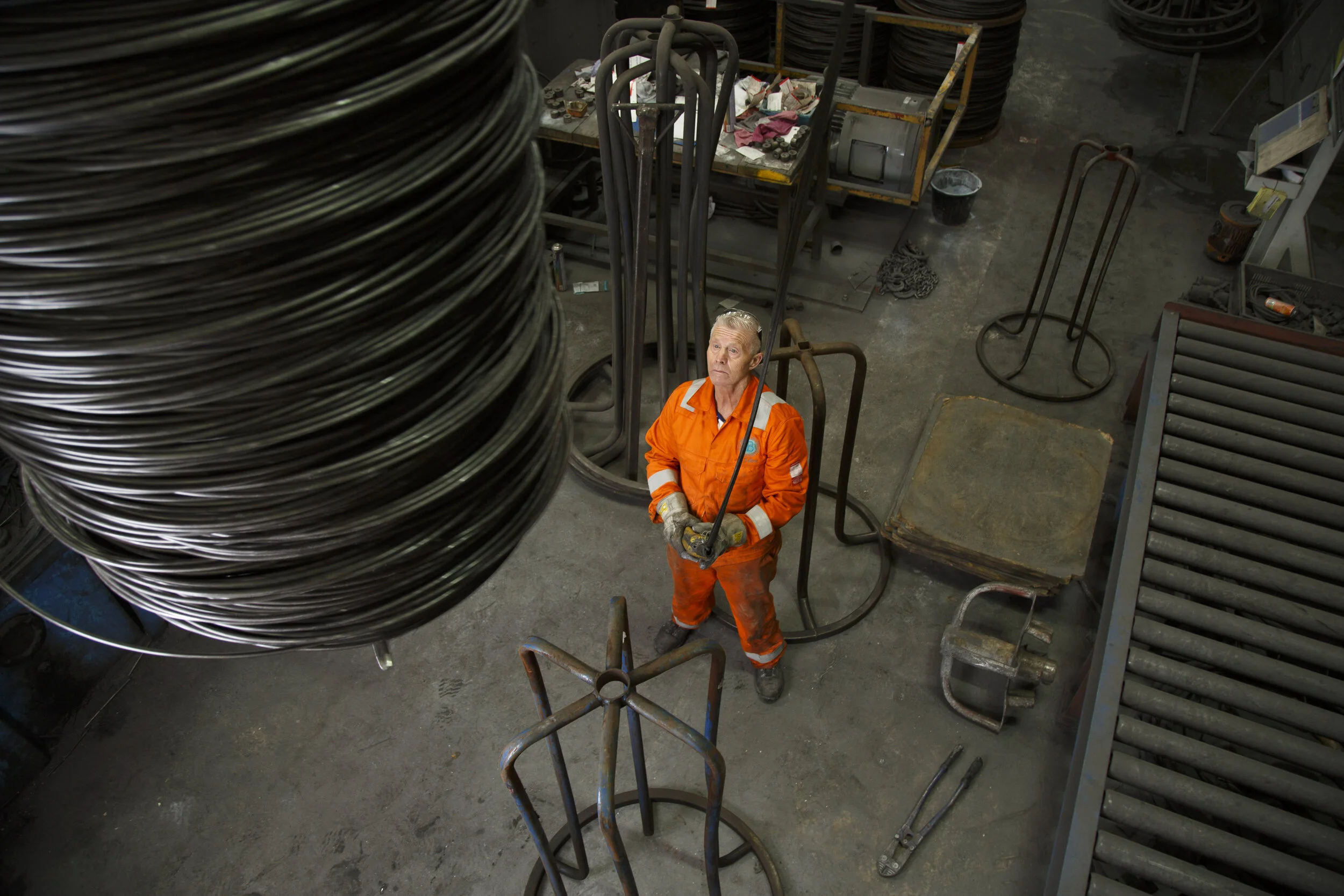
Barnfather Wire is the UK’s largest independent wire production company. I was commissioned by long-time collaborators HTP Digital to visit the factory in Wednesbury to produce images for the company’s new website.

Barnfather Wire Factory Photography | Industrial Wire Manufacturing in Wednesbury
I was commissioned by long‑time collaborators HTP Digital to photograph Barnfather Wire, the UK’s largest independent wire production company, for imagery to support the company’s new website. The assignment took place at Barnfather’s factory in Wednesbury, West Midlands, capturing the facility, production operations, and skilled workforce that make Barnfather a leader in the wire manufacturing industry.

About Barnfather Wire and Its Manufacturing Expertise
Barnfather Wire specialises in the production of high‑quality drawn wire products, serving a diverse customer base that includes blue‑chip companies supplying major global brands as well as small and medium British manufacturers. The company manufactures a wide range of wire types, including baling wire, bright mild steel, cut lengths, cold heading quality wire, galvanised wire, and bespoke wire solutions tailored to specific industrial needs.

The company’s state‑of‑the‑art facility and experienced team enable it to deliver reliable products that meet and often exceed industry standards. One notable achievement was supplying the wire used to create the stems for the ‘Blood Swept Lands and Seas of Red’ Tower of London poppy installation, demonstrating both production capacity and technical quality.

In recent years Barnfather Wire has invested in advanced machinery, including high‑speed precision drawing equipment, expanding production capacity and reinforcing its position as a leading wire producer in the UK and Europe.

Industrial Photography at Barnfather Wire
Photographing industrial environments like the Barnfather Wire factory involves more than simply documenting machines. The images capture the scale of operations, the precision of manufacturing processes, and the human skill that drives production. By including shots of raw materials, machinery, production lines, and operators at work, the photography provides a visual narrative of what makes the company’s output reliable and high quality.

These photographs can be used across Barnfather Wire’s new corporate website, in marketing materials, sales brochures, technical documentation, industry catalogues, and investor communications, helping customers and partners understand the company’s capabilities at a glance.

The Importance of Industrial Photography for Manufacturers
Industrial photography plays a critical role in how modern manufacturers present themselves online and in print. Quality images allow companies to visually communicate professionalism, facility standards, production processes, and workforce expertise. Showing the operations behind the products helps build trust with potential customers who need assurance about quality and capability before entering into commercial relationships.

Well‑executed industrial imagery also strengthens brand identity by humanising the business, showing the people behind the products and the environments where engineering and manufacturing happen. When customers see detailed and authentic visuals of a factory floor or production line, it can reinforce the perception of quality and transparency, helping differentiate a manufacturer in a competitive market.

Beyond websites, these photographs can be leveraged across marketing channels including social media, trade show displays, printed catalogues, press releases, and corporate reports. Consistent, high‑quality visuals increase engagement and support brand recognition across digital and offline platforms.

Creating a Visual Narrative for Customers and Partners
For businesses like Barnfather Wire, industrial photography provides visual proof of technical expertise, production capability, and operational scale. Detailed images of machines in action, technicians at work, and finished products help prospective clients quickly assess whether the company meets their requirements. High‑quality photography is a tool that supports sales, improves engagement, and reinforces credibility with customers, suppliers, and partners alike.



Phoenix Healthcare distribution for Fagan Jones
A shoot documenting the high technology pharmaceutical facility in Preston Brook commissioned by the wonderful Vicky at film production company Fagan Jones. I was once again shooting stills alongside the exceptionally talented film cameraman Dan Lightening.
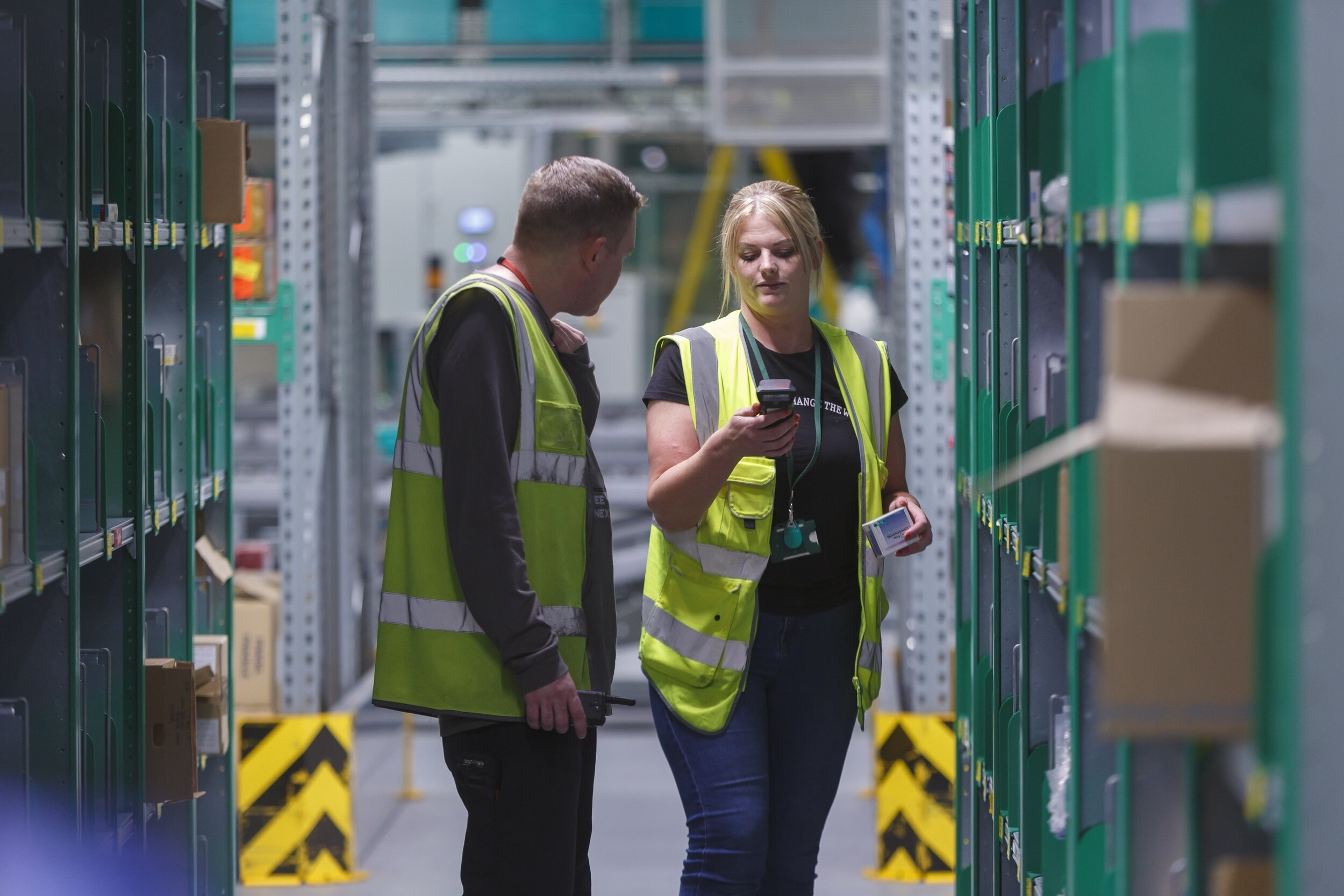
Miles and miles of robotised, computerised conveyors pick, sort and pack drugs for distribution to pharmacies around the country.
An enjoyable and very busy day that reminded me that running shoes are required equipment for photography professionals.

Pharmaceutical Facility Photography in Preston Brook | Automated Drug Distribution and Logistics
I was commissioned to photograph a high-technology pharmaceutical distribution facility in Preston Brook on behalf of the film production company Fagan Jones. The shoot was organised by producer Vicky at Fagan Jones, and I was working alongside the exceptionally talented cinematographer Dan Lightening, who was filming moving footage for the same project.

My role on the day was to create a set of still photographs documenting the scale, infrastructure and day-to-day operations of the site. These images would complement the film production while also providing a visual record of the facility for marketing, communications and corporate use.

Inside a High-Technology Pharmaceutical Logistics Facility
The distribution centre in Preston Brook is an impressive example of the level of automation now present in modern pharmaceutical logistics. Within the facility, miles of robotised and computer-controlled conveyor systems move medicines through a carefully designed network of routes. These automated systems pick, sort and pack drugs before they are dispatched to pharmacies across the UK.

From a photographic perspective the site offered a remarkable environment to document. Long corridors of conveyors run through the building, with automated picking machines selecting products at speed before they are routed through packing stations. Containers glide through the system in a constant flow, guided by computerised logistics software that ensures the correct medication reaches the correct destination.
Facilities like this are essential parts of the national healthcare supply chain. The efficiency and reliability of the logistics systems ensure that pharmacies and healthcare providers receive the medicines they need quickly and accurately. Photographing such environments provides a glimpse into the highly organised infrastructure that underpins pharmaceutical distribution.

Photographing Automation, Robotics and Industrial Systems
Industrial photography in environments like this requires a combination of wide architectural views and detailed documentary images. Wide photographs show the scale of the operation, with long lines of conveyors stretching across large warehouse spaces. These images help communicate the sheer size of the facility and the complexity of the logistics network.

At the same time, close-up photographs reveal the precision of the machinery involved. Sensors, scanners and robotic arms guide containers along the system, while packing stations assemble shipments ready for distribution. Capturing these smaller details helps explain the process visually, showing how individual components of the system work together to form a seamless operation.

Lighting conditions in large industrial buildings can also present interesting challenges. High ceilings, mixed light sources and moving machinery require careful attention to exposure and timing in order to produce clear and dynamic images.

Stills Photography Alongside a Film Production
One of the most enjoyable aspects of the commission was working alongside a film crew. While Dan Lightening focused on capturing cinematic footage of the logistics process, my role was to produce still images that documented the same environment from a complementary perspective.

Working in parallel with a film crew requires a degree of coordination. Film productions often involve lighting setups, rehearsed camera movements and multiple takes, whereas still photography typically requires more mobility in order to capture spontaneous moments. The aim is always to work collaboratively so that both the stills and the moving images can be produced efficiently without interrupting the workflow of the facility itself.

Photographs created during these types of productions are often used in a wide range of contexts, including websites, press releases, annual reports and promotional material. They provide organisations with a visual record of the project that can be used long after the filming itself has been completed.

Documenting the Scale of Modern Logistics
Large automated facilities like the one at Preston Brook are fascinating places to photograph because they combine architecture, engineering and human expertise. Despite the high level of automation, the site is still supported by skilled staff who oversee the systems, monitor quality control and ensure that everything runs smoothly.

Capturing both the human and technological aspects of the environment helps create a more complete narrative of how the facility operates. Images of staff interacting with the machinery, monitoring computer systems or managing packaging operations provide context to the vast automated infrastructure surrounding them.

The visual rhythm of the conveyors, the repetition of containers moving through the system and the geometric lines of the machinery all contribute to a distinctive aesthetic that is unique to industrial and logistics photography.

A Fast-Moving Day on Location
Facilities of this scale are rarely static environments. Conveyors are constantly moving, robots are continuously sorting products, and staff are working across different areas of the building to keep operations running smoothly. For a photographer, this means covering a significant amount of ground in a limited amount of time in order to capture the full story of the site.

By the end of the day it was clear that running shoes should probably be considered essential equipment for photographers working in environments like this. Moving quickly between different areas of the facility, keeping pace with both the film crew and the production schedule, makes for a busy but very rewarding assignment.

Documenting the combination of advanced technology, logistics infrastructure and human expertise that keeps a pharmaceutical distribution centre operating is always fascinating. It also offers a reminder of the enormous systems working behind the scenes to ensure medicines reach pharmacies and patients across the country.

New website photography for Nufox
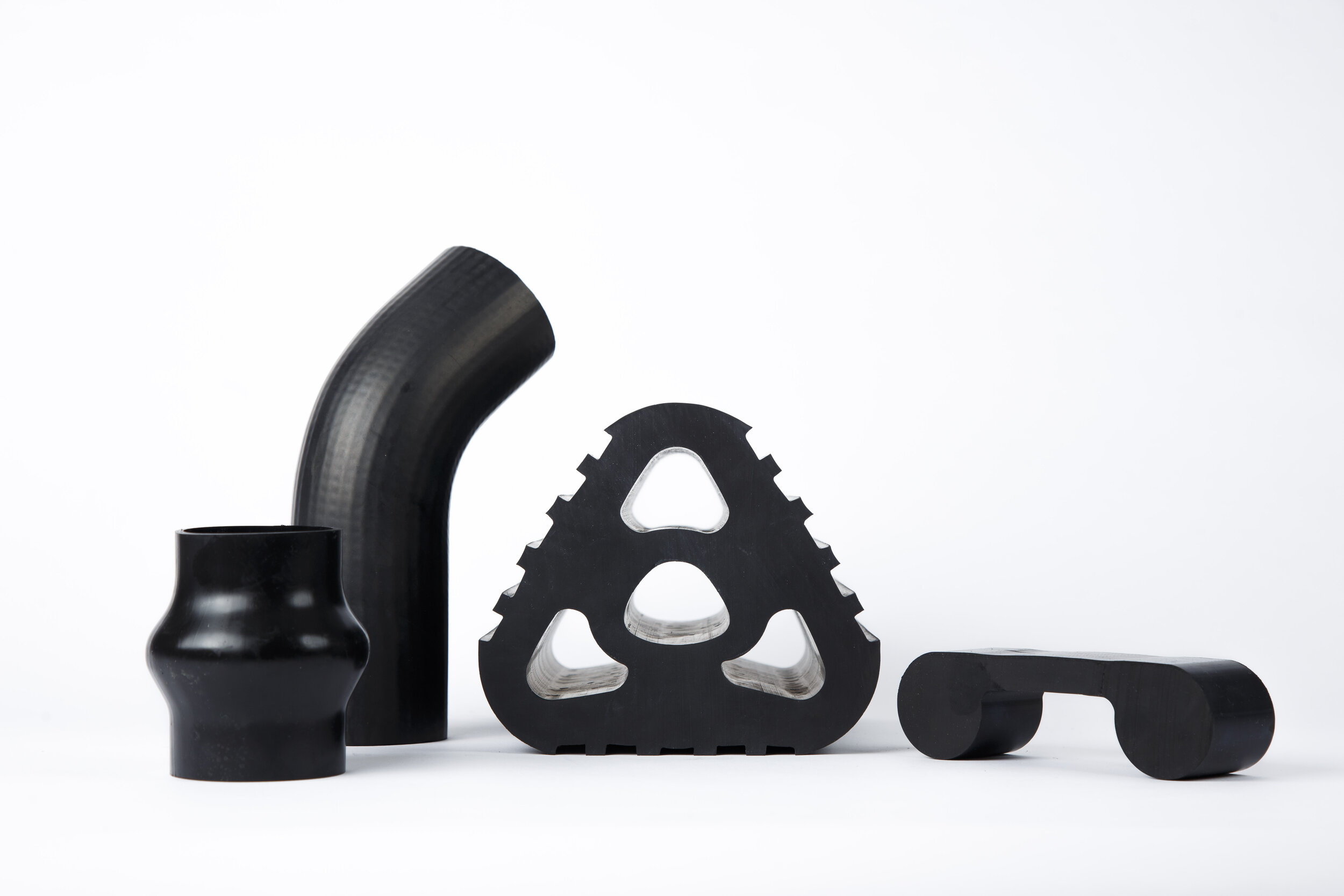
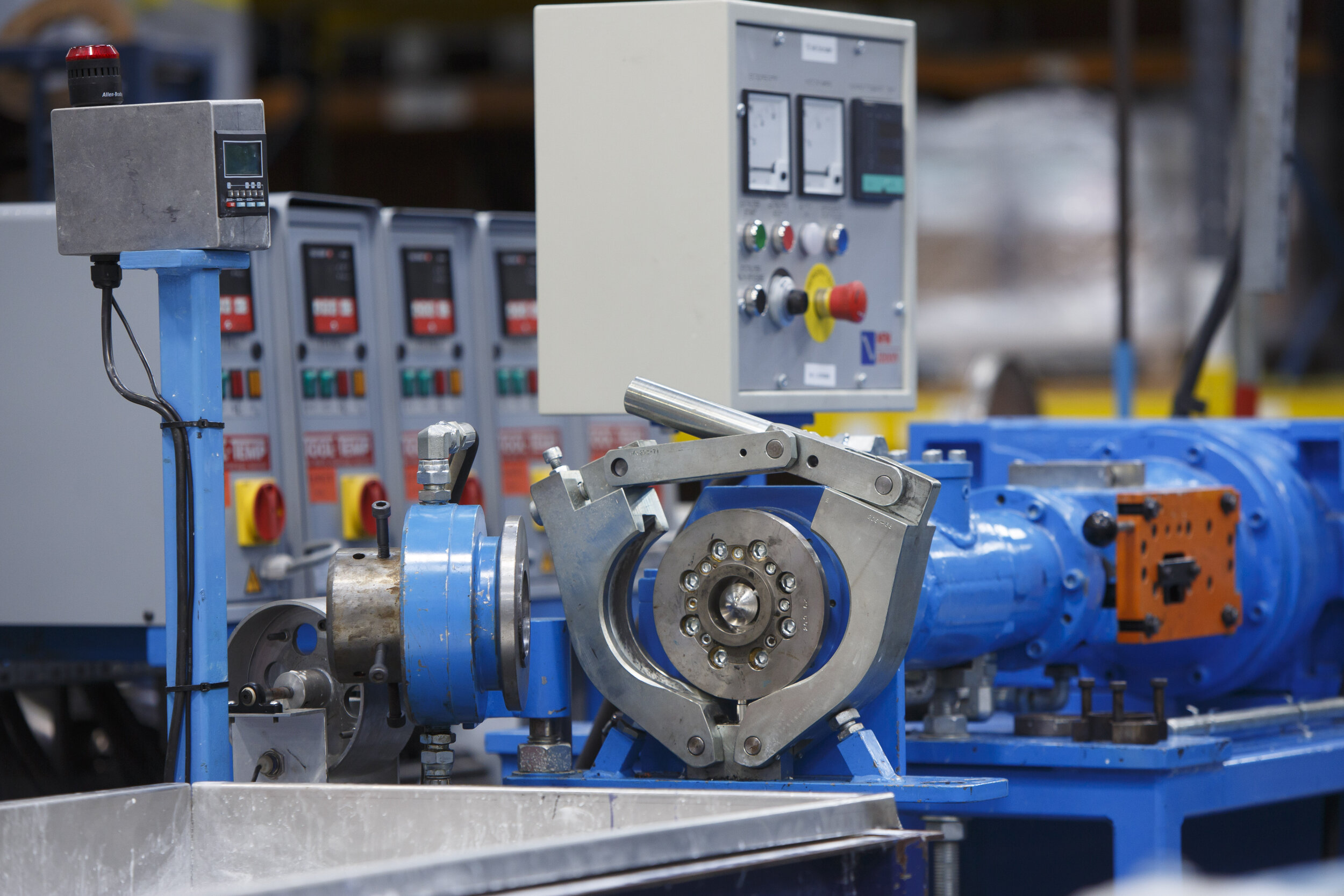
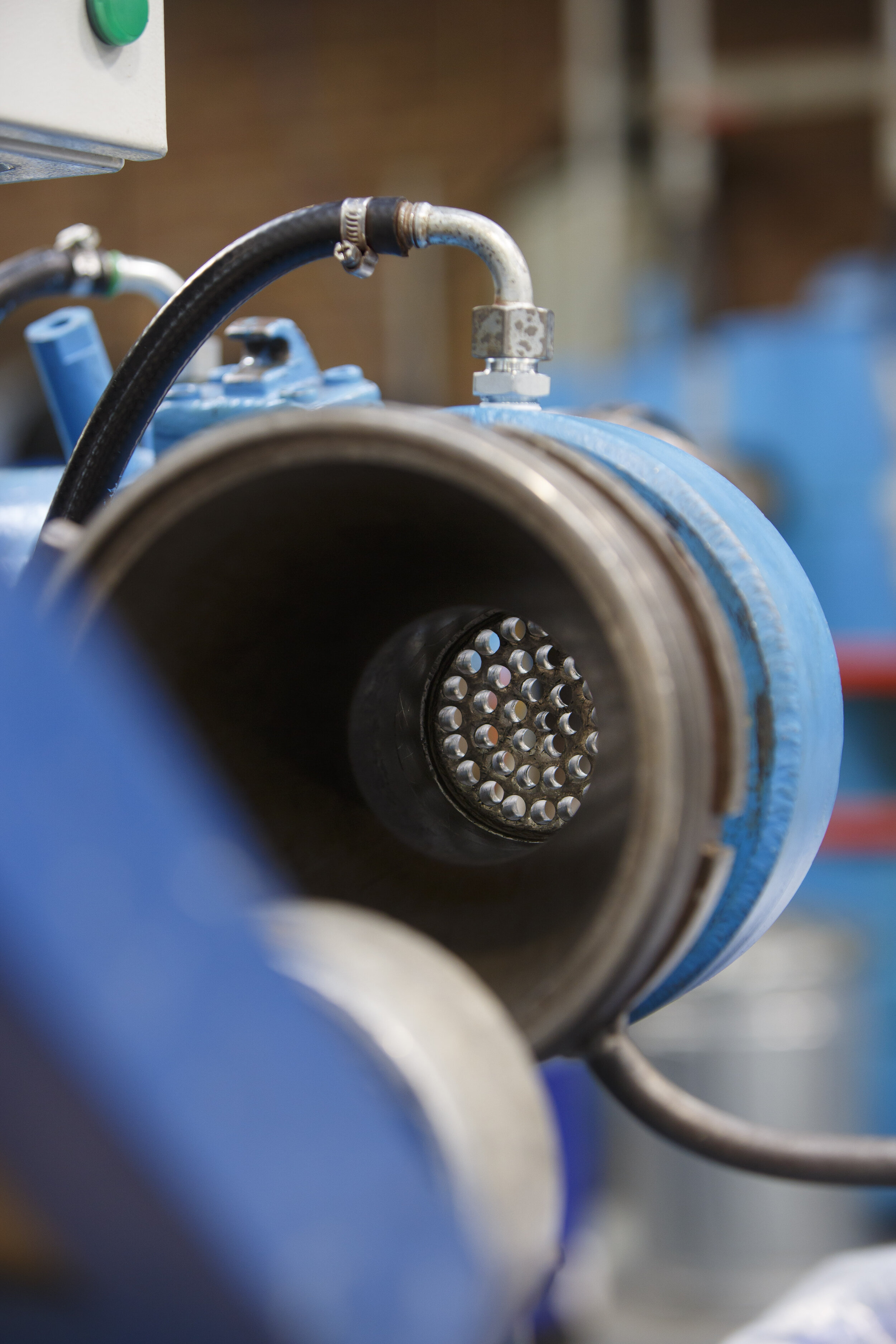
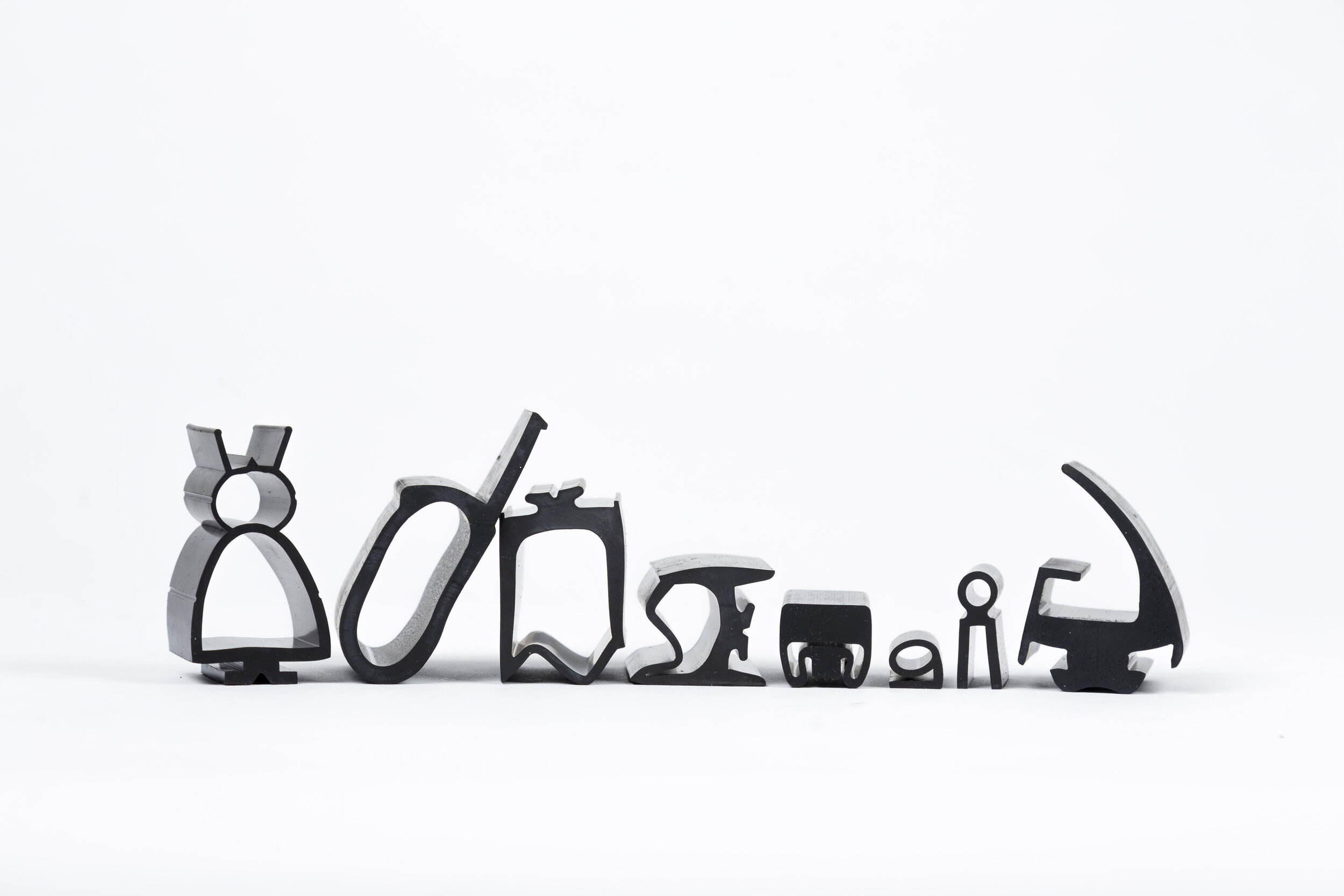
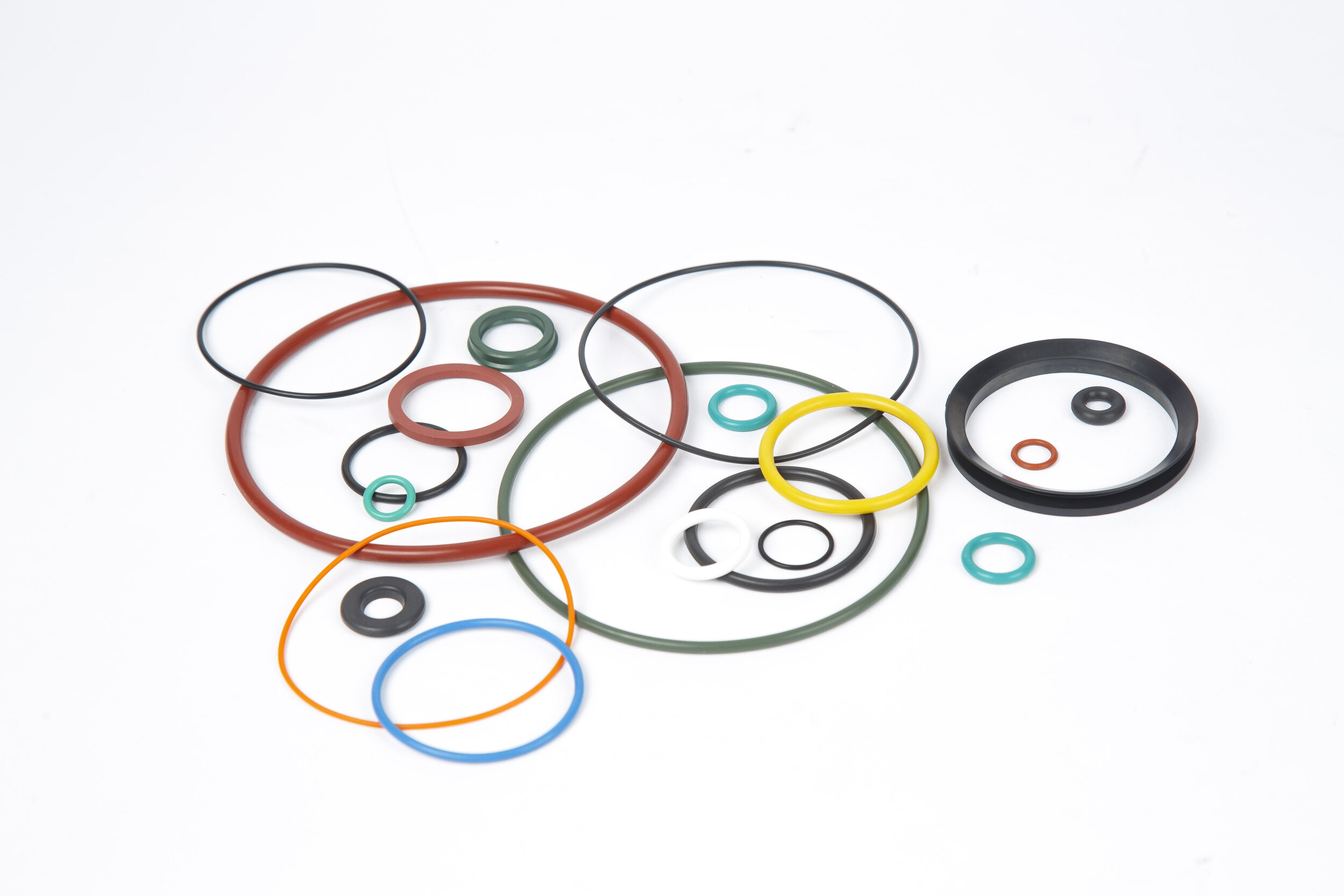
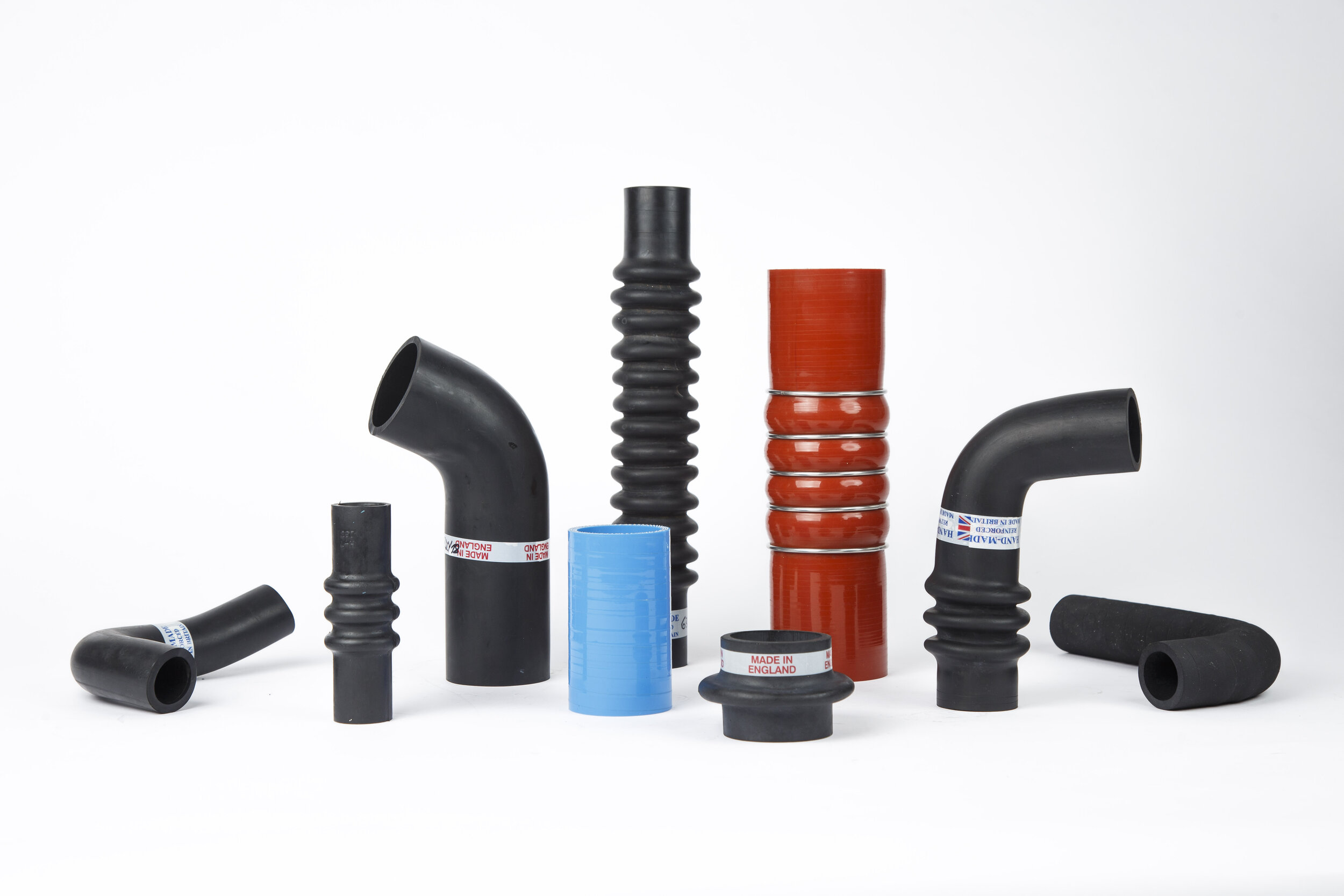
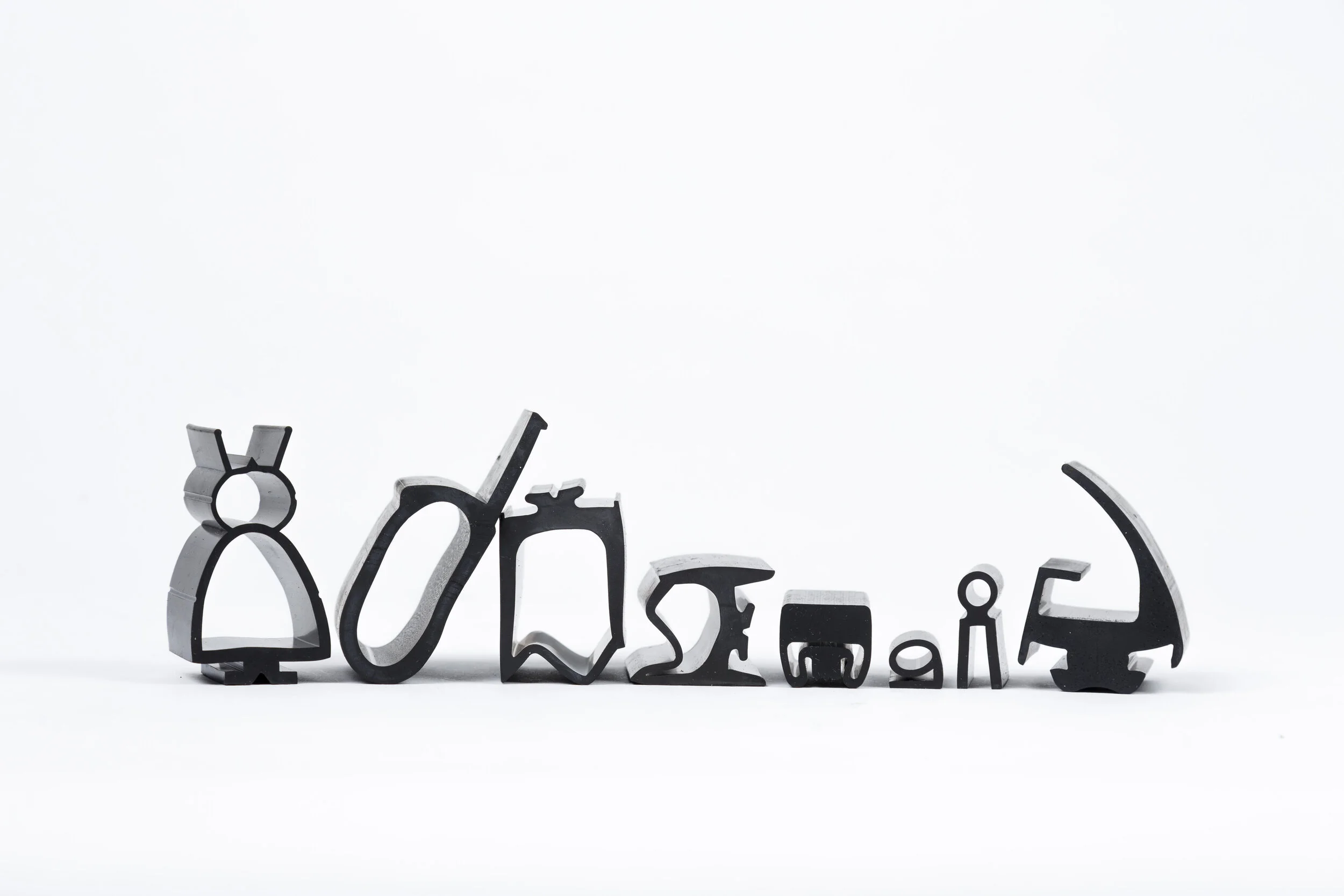
It’s long time ago since I finished my PhD in Materials Science, my subject was high temperature materials yet my office was not in the upper rooms with the furnaces and laser flash equipment but in the basement with the polymer engineers and the extruders and that weird persistent smell of all things rubbery. So it was with a feeling of nostalgia that I was once again amid the extruders and waterbaths at Nufox in Manchester to photograph their people, processes and products for their imminent website redesign.

Industrial Photography at Nufox | Manufacturing, Materials and Polymer Engineering
It has been a long time since I finished my PhD in Materials Science. My research focused on high-temperature materials, yet my office was not in the upper laboratories with the furnaces and laser flash equipment. Instead, I was based in the basement alongside the polymer engineers, surrounded by extruders, water baths and the persistent, slightly rubbery smell that seems to accompany plastics processing everywhere.
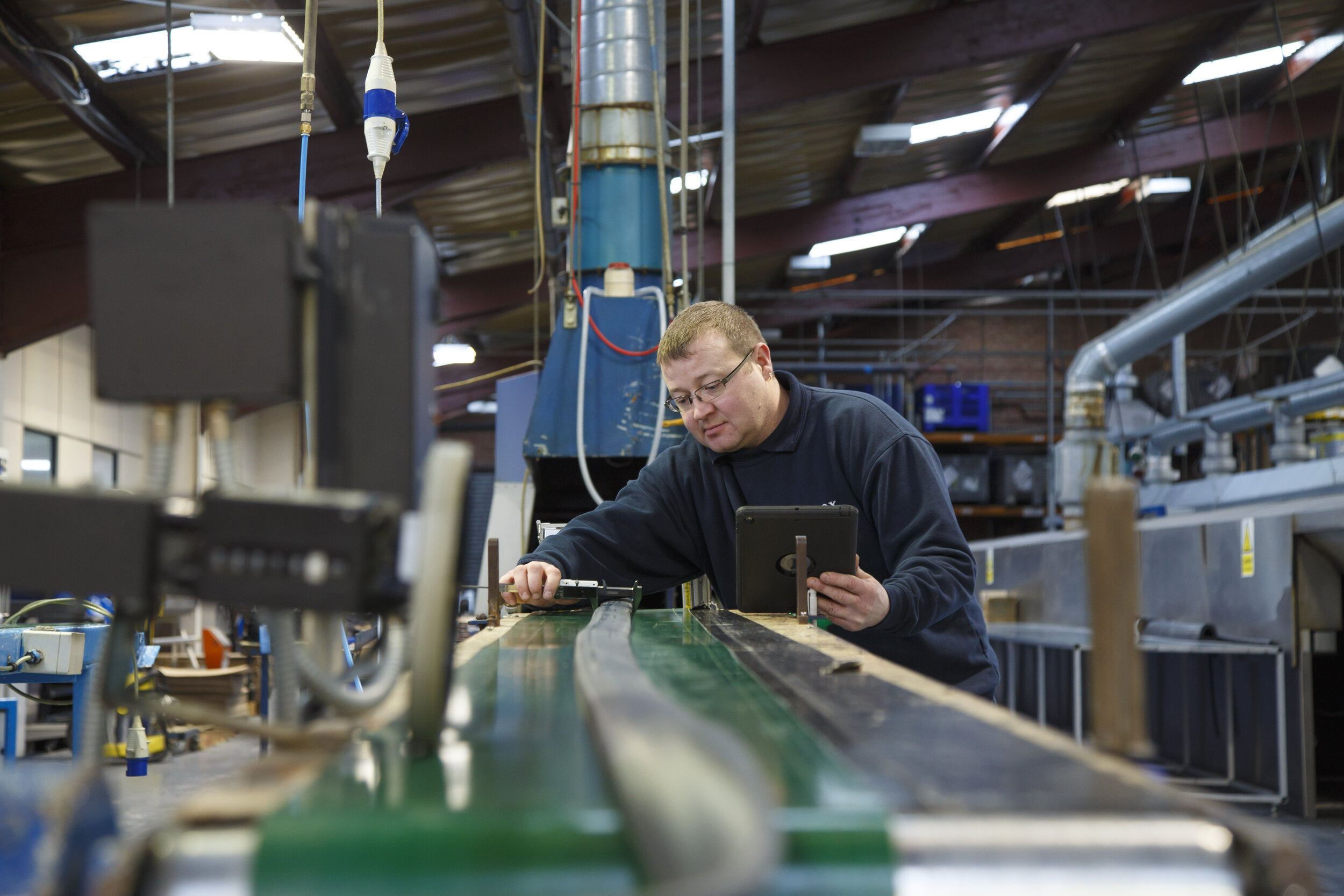
So it was with a certain sense of nostalgia that I recently found myself once again among the extruders and cooling baths while photographing the manufacturing processes at Nufox. The commission involved creating a set of industrial and documentary images of their people, processes and products as part of an upcoming redesign of the company’s website.

Photographing Manufacturing and Industrial Processes
Industrial photography often involves documenting complex production environments in a way that is both visually clear and technically accurate. At Nufox, the focus was on capturing the interaction between machinery, materials and skilled operators working across the production line.

Extrusion processes are particularly interesting to photograph because they combine movement, heat and material transformation. Polymer compounds pass through heated extruders before being shaped, cooled in water baths and processed into finished products. Visually, these processes create strong lines, textures and contrasts that lend themselves well to documentary industrial photography.

Materials Science and Manufacturing Context
Having previously worked in a materials science environment made it especially enjoyable to return to this type of setting. Many of the sights and sounds of a polymer processing facility are instantly familiar: the steady rhythm of extruders, the cooling lines running through water baths, and the careful monitoring of materials as they move from raw compound to finished product.
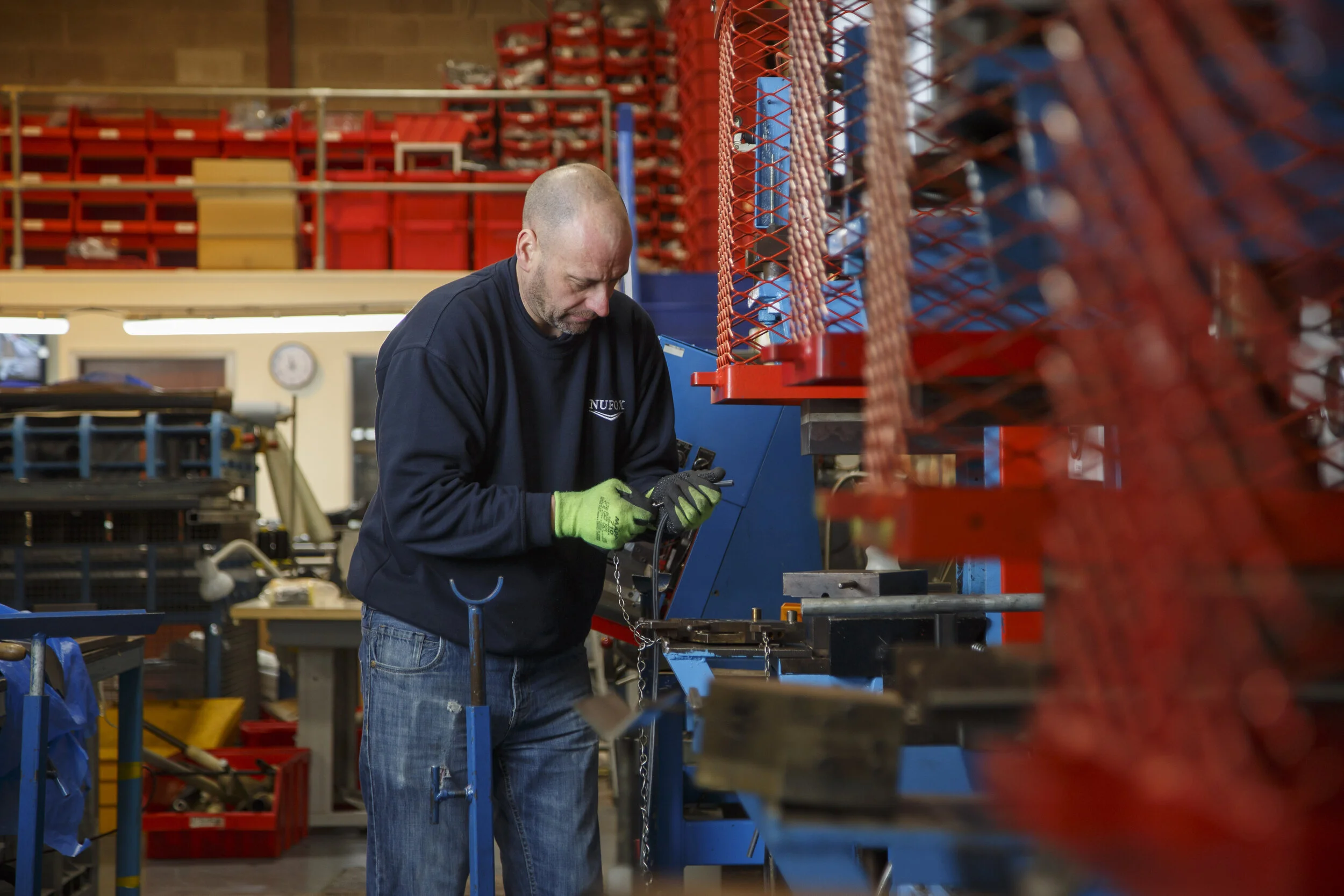
That background also helps when photographing technical environments, where understanding what is happening in the process can make it easier to anticipate key moments and capture meaningful images of both equipment and people at work.

Industrial Photography for Website and Marketing Use
The images produced at Nufox were designed primarily for their forthcoming website redesign. For manufacturing companies, professional photography plays an important role in communicating capability, scale and expertise to potential clients and partners.

Photographs of production environments, staff and finished products help create a clear visual narrative of how a company operates. These images are typically used across websites, marketing materials, recruitment campaigns and corporate communications.

Documenting facilities like Nufox provides an authentic visual record of the manufacturing process while helping companies present their work clearly and professionally online.