

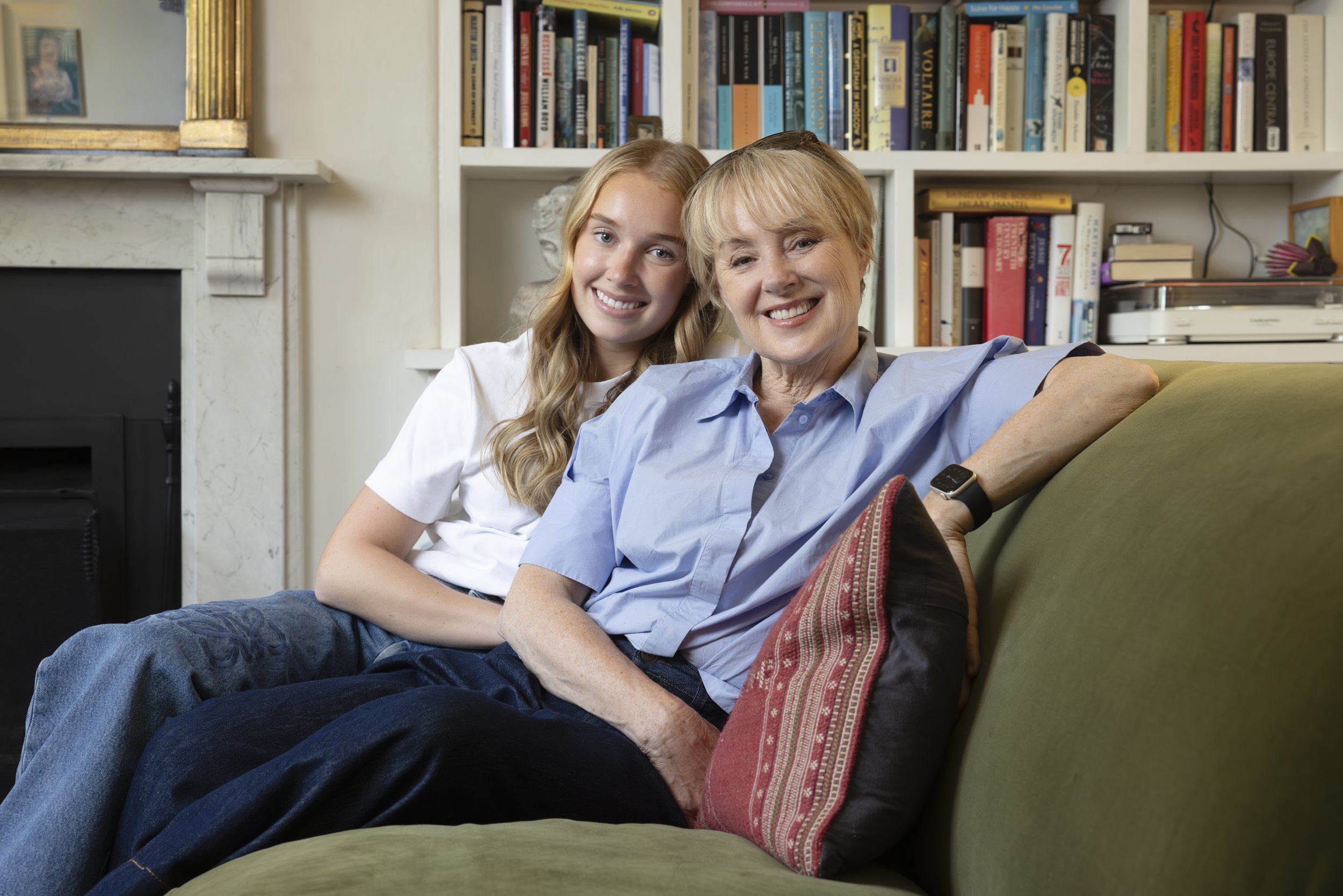
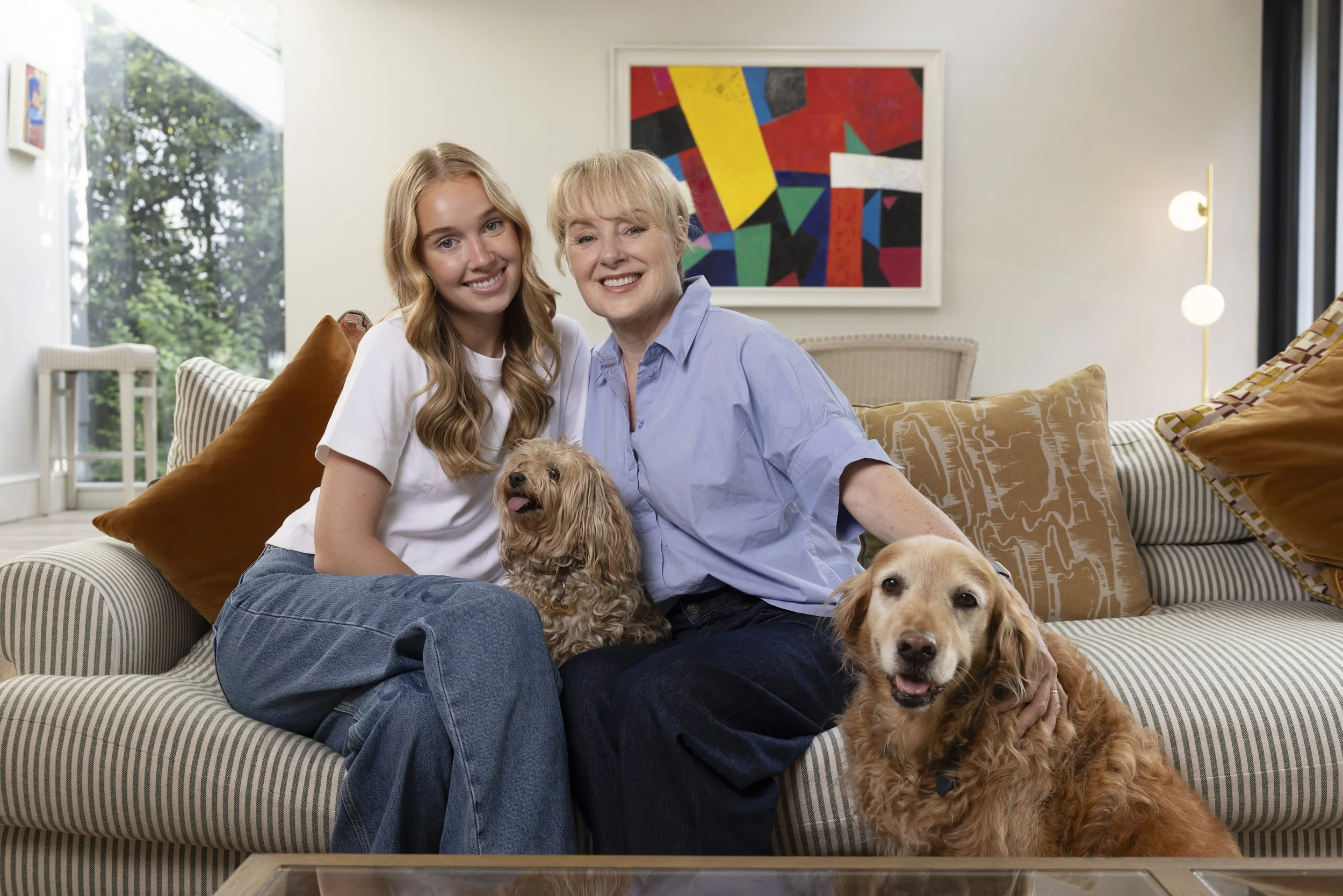
I recently photographed Sally and Hattie Dynevor for The Sunday Times as part of its Family Values series. The assignment was to make a series of portraits of the mother and daughter, photographing them in their homes and using the domestic setting as part of the story.
Portrait photography is often about much more than simply finding somewhere to stand and taking a good picture. The setting, the light and the relationship you establish with the people you're photographing all have an impact on the final images. Even when you're working with people who are very used to being in front of a camera, I think it's important to create an atmosphere where people can relax and the photographs can happen fairly naturally.

Finding the right location
We started at Hattie's new house, photographing in the kitchen before going outside into the garden. Hattie had only recently moved in, though, so the house wasn't really furnished yet.
The brief was to make photographs in a domestic environment, so we had to think about whether the house was actually going to give us what we needed. After discussing it, we decided to move on to Sally's house, which was already furnished and gave us a lot more options.
It's a fairly ordinary part of working on location, but it's something I think is important. You can arrive with a plan, but you have to be prepared to change it when the situation calls for it. In this case, moving to a different location gave us a much better chance of making the kind of photographs the newspaper was looking for.
Working with people
Sally and Hattie are both very experienced in being photographed, but that doesn't mean you can just put someone in front of a camera and expect everything to fall into place.
For me, a lot of portrait photography is about establishing a rapport. I want people to feel comfortable enough that they're not constantly thinking about where they're putting their hands or whether they're doing the right thing. Talking to people, making small adjustments and giving them time to settle into a situation can make a big difference.
I'm usually looking for something that feels fairly natural rather than heavily posed. Sometimes that means giving quite specific direction, while at other times it's better to step back and let something happen. Often the photograph I want comes after the formal setup, when people have relaxed a little and stopped thinking about the camera.
Light, space and the domestic setting
At Sally's house we made some photographs in the drawing room and then moved into a smaller room at the back of the house, looking out towards the garden. The different spaces gave us a few variations without taking us away from the domestic setting that was important to the story.
I use artificial light when I need it, but I don't automatically light every portrait. Sometimes the existing light is exactly what you need. On other occasions, adding a little light can help shape the photograph or separate someone from their surroundings.
A lot of the work is simply looking at what's around you. Where is the best light? What does the background look like? Is there somewhere the person can sit or stand that feels natural? How does the space relate to the person you're photographing? Those decisions can be just as important as the camera and lens.
Adapting to the assignment
One of the things I enjoy about editorial portrait photography is that you're always having to respond to the situation in front of you. There is a brief, but the reality of the shoot can be quite different from what you imagined beforehand.
The change from Hattie's house to Sally's was a good example of that. It wasn't something we'd planned, but by talking it through and deciding together what would work best, we were able to solve the problem and carry on.
That communication is a big part of the job. Good portrait photography depends on working with people, and that means listening as well as directing. It means being able to adapt when something isn't working, while still keeping the purpose of the shoot in mind.
For this shoot, that meant finding the right spaces, working with the available light and spending a little time getting Sally and Hattie comfortable in front of the camera. The result was a set of portraits that felt connected to them and to the story, while still having the sense of a real domestic environment.