
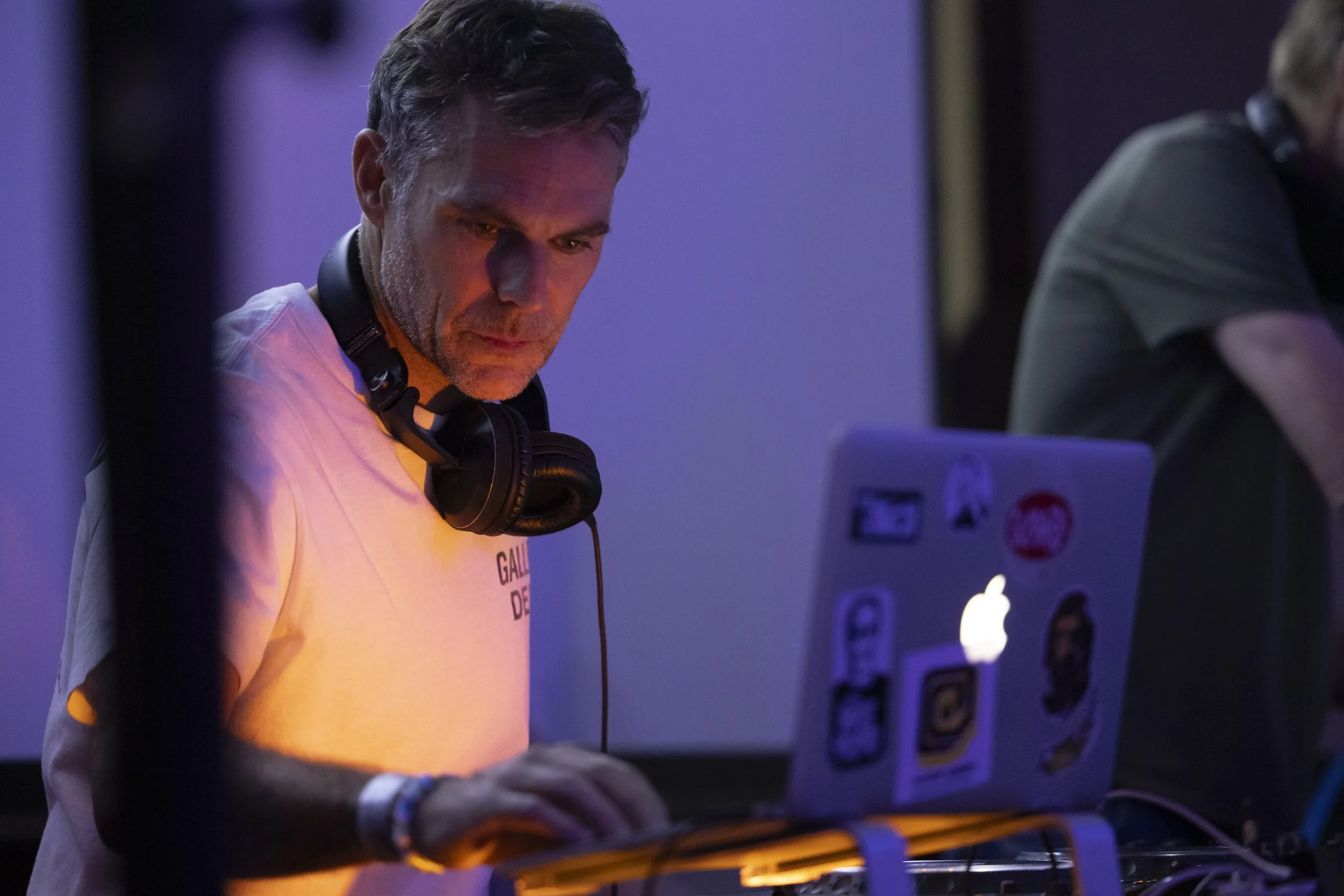
EarthSonic Live at Manchester Museum
EarthSonic Live at Manchester Museum was a full-day and evening programme of talks, workshops, performances and installations exploring the relationship between music, nature and climate. The event brought together artists, scientists, activists and audiences in a shared space, combining cultural programming with environmental themes.
The event was part of the wider EarthSonic project, which focuses on using sound and music as a way to engage people with biodiversity and climate issues.
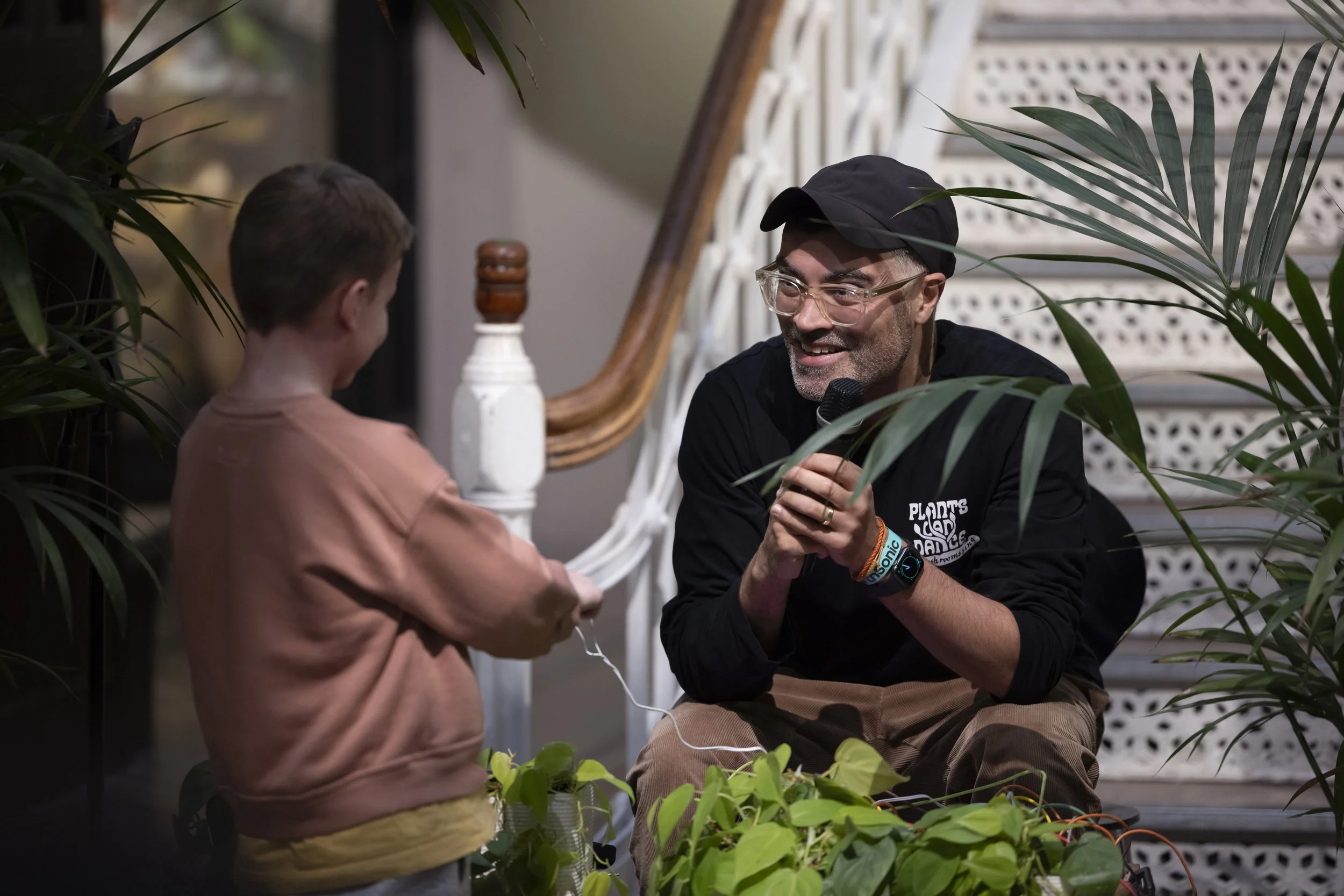
The EarthSonic Project and Its Organisers
EarthSonic Live is developed through the EarthSonic initiative, connected to the Manchester-based organisation In Place of War. The project brings together global artists, researchers and communities to explore how sound can communicate environmental change and inspire action.
The programme is supported by organisations including Arts Council England, Wellcome Trust and Ableton, alongside a network of environmental and cultural partners.
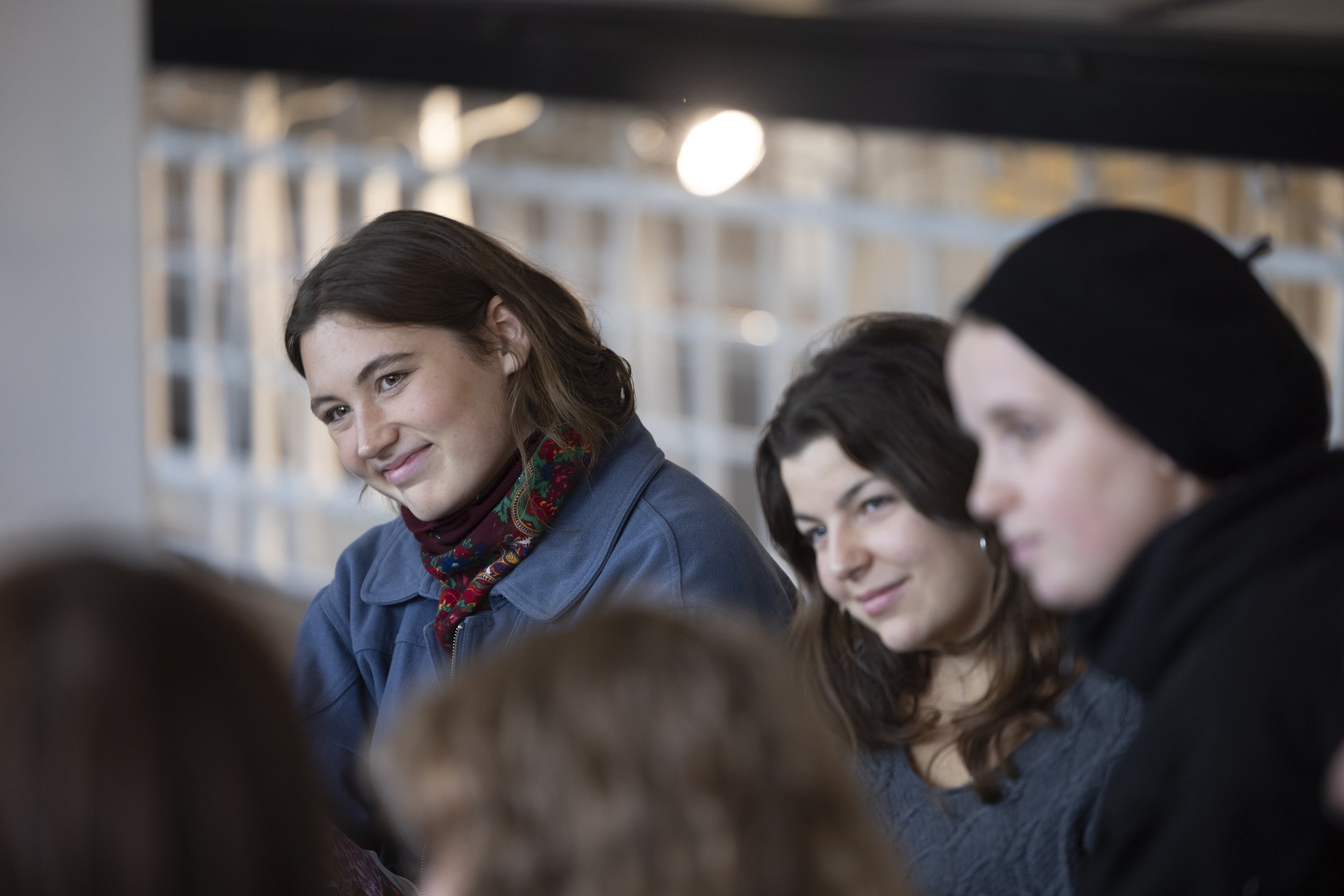
A Full Day of Talks, Workshops and Performances
The structure of EarthSonic Live moved across the entire museum, with activity running throughout the day before transitioning into an evening performance programme. Visitors engaged with talks, installations and hands-on workshops exploring sound, ecology and climate.
The scale of the event was significant, with thousands of attendees moving through the museum across the day.
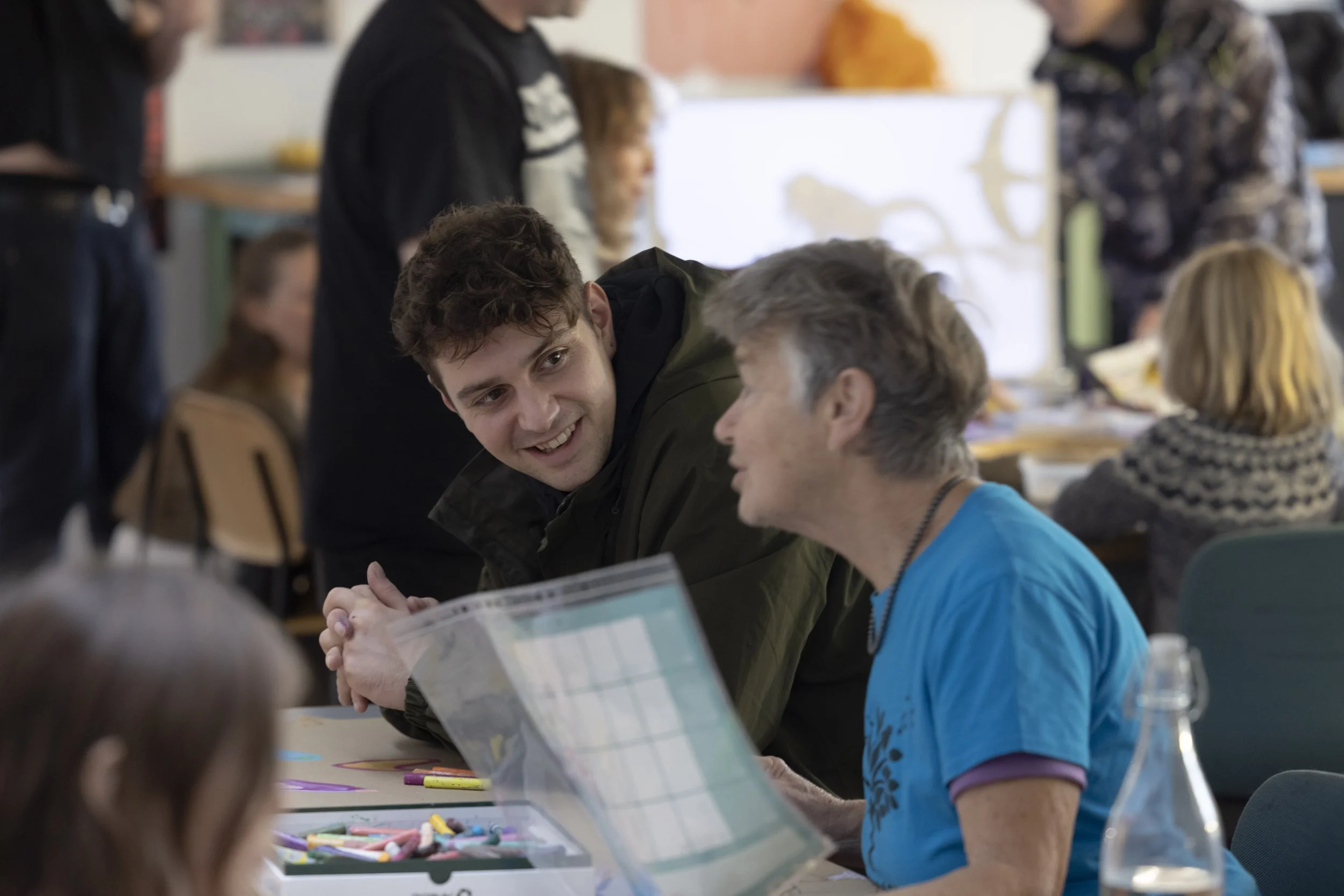
Artists, Speakers and Contributors
The programme included a wide range of contributors working across music, environmental activism and research. Participants included Andy Cato of Groove Armada, broadcaster Nihal Arthanayake, climate activist Tori Tsui, and artist Jason Williams, known as The Cloud Gardener.
Other contributors included Luke Wallace, Brian d’Souza (Auntie Flo), Sam Lee, Werkha, and a range of artists and researchers exploring sound and ecology through performance and discussion.
Installations, Performances and Live Work
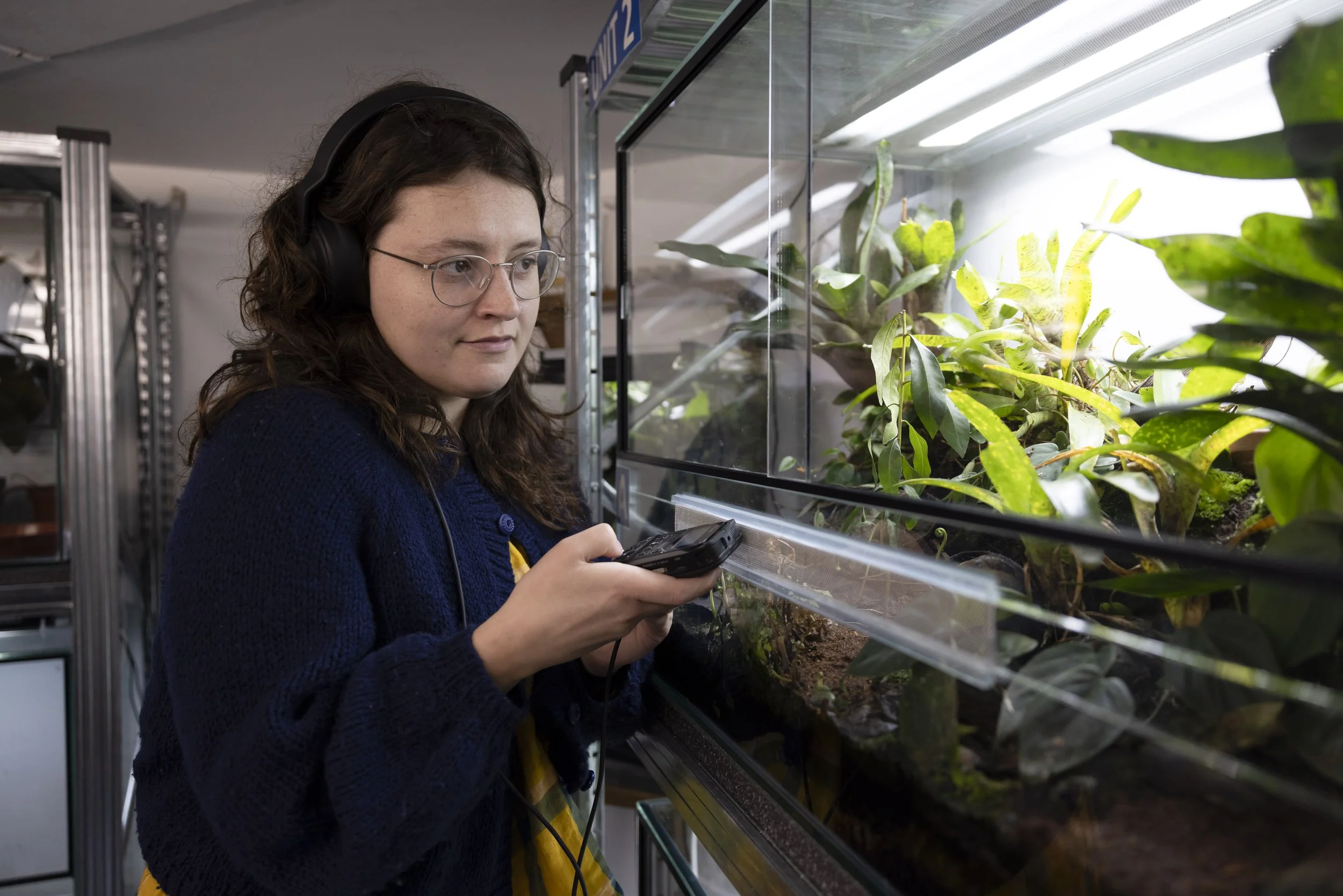
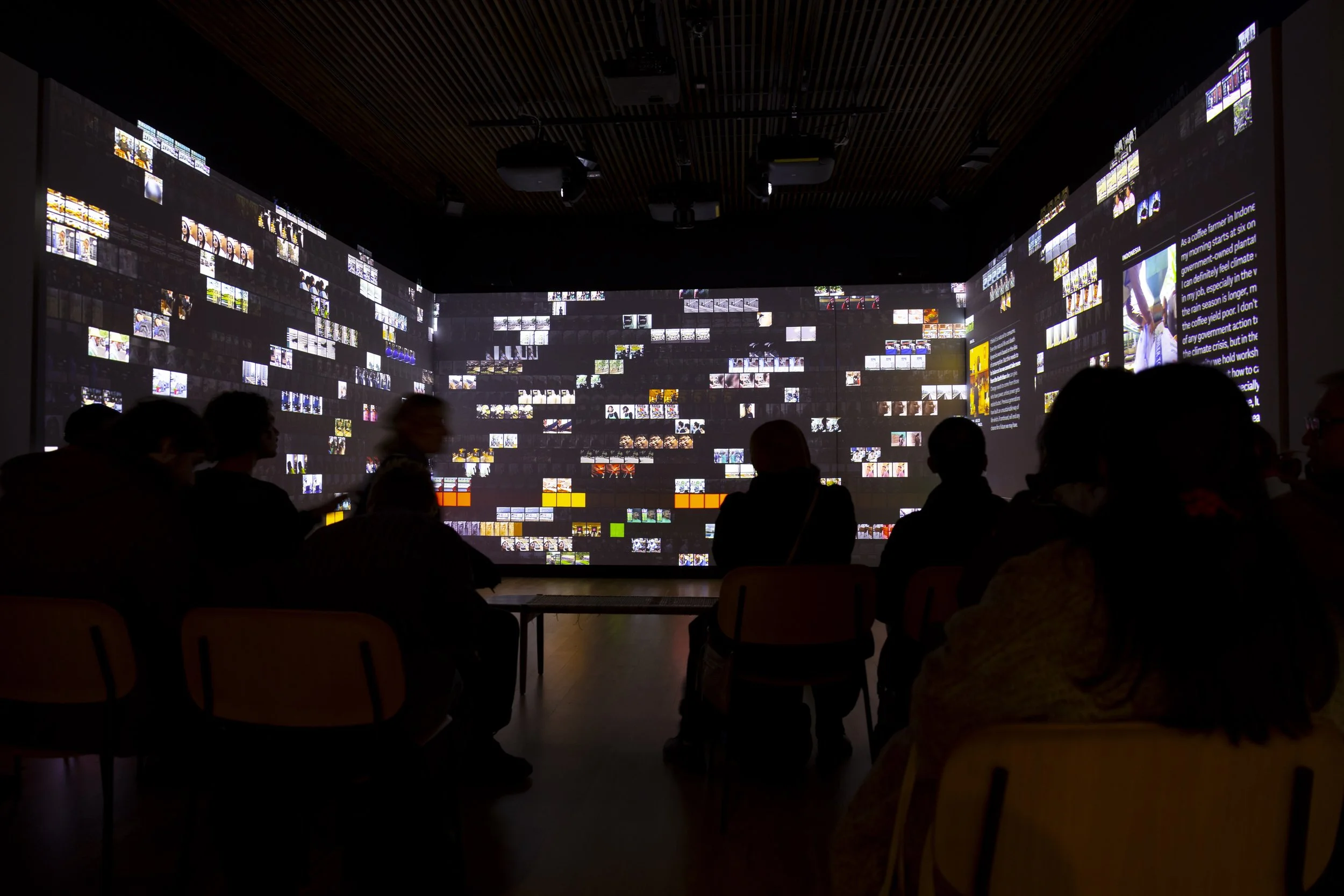
Throughout the museum, installations and performances ran continuously. Sam Lee’s nightingale-based sound installation, D-FUSE’s immersive work Nine Earths, and Flow’s live vocal performances created a constantly shifting environment.
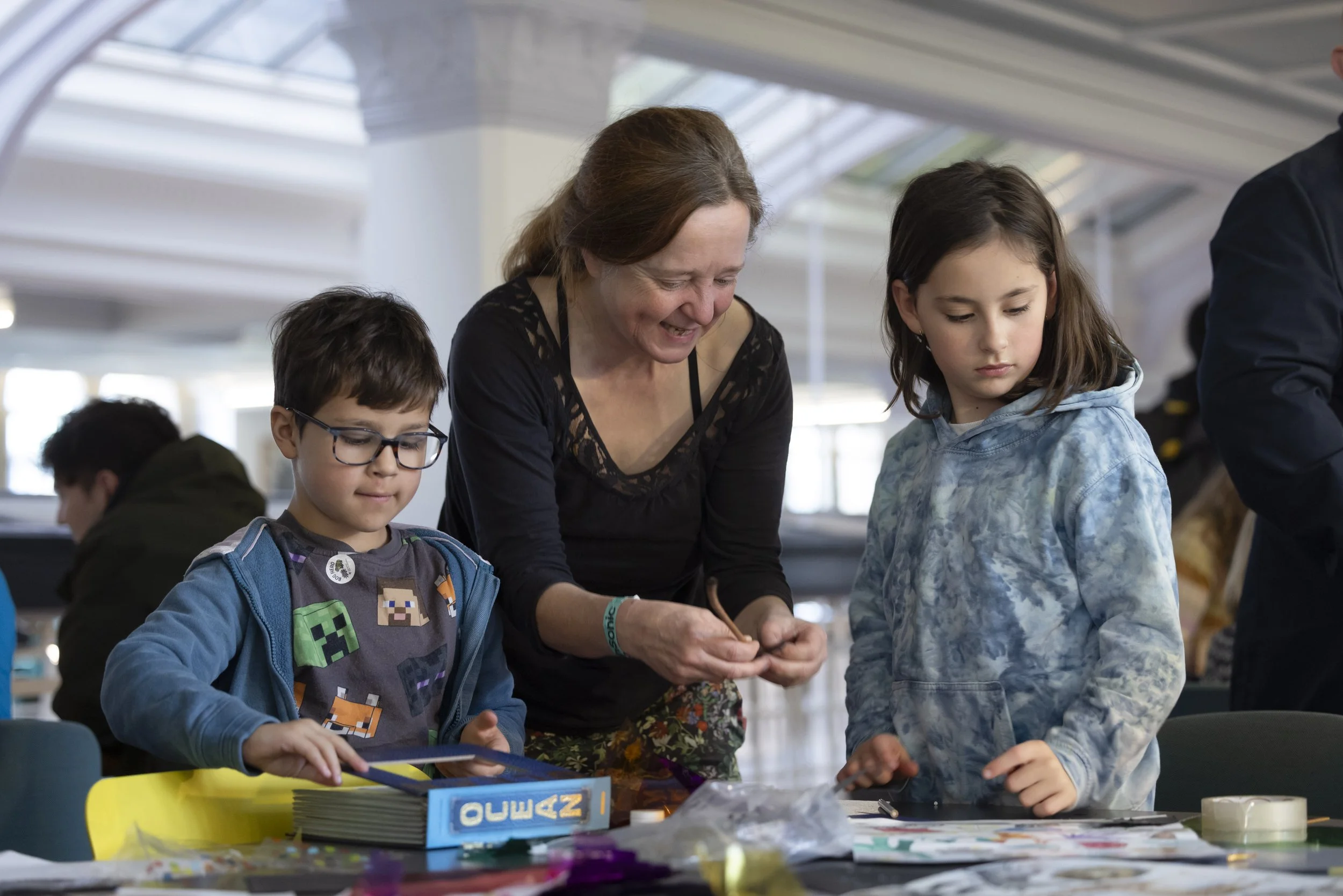
The Climate Choir appeared across the building in a series of moving performances, while projects such as biosonification workshops explored how plant data could be translated into sound.
Environmental Organisations and Public Engagement
Alongside the artistic programme, a large number of organisations were present, including the RSPB, The Wildlife Trusts, Music Declares Emergency, Young Wilders and the Woodland Trust.
These groups created a layer of direct public engagement, allowing visitors to connect creative work with practical climate action and environmental advocacy.
The Evening Programme and Live Music
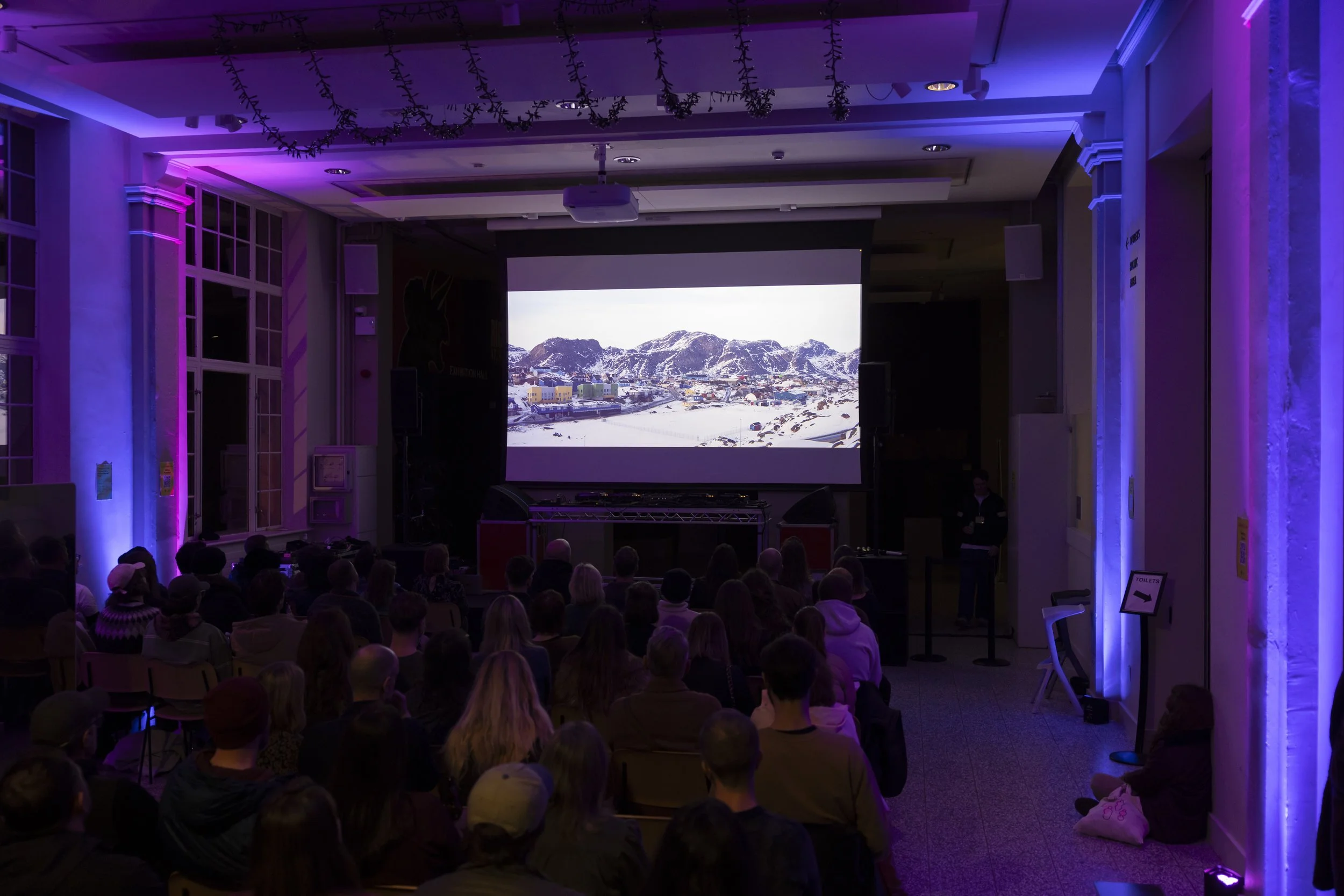
The evening transformed the museum into a live music venue, culminating in a DJ set from Groove Armada. The programme also included a screening of BICEP’s TAKKUUK, Werkha’s Saturama installation and performances from Natural Symphony.
This shift from daytime programme to evening event created a different photographic environment, with changes in lighting, energy and audience behaviour.
Photographing EarthSonic Live as a Documentary Event
My approach to photographing EarthSonic Live was based on documentary principles, working across multiple spaces and responding to what was happening in real time. The event required continuous movement between talks, installations, performances and audience interactions.
Rather than directing or staging images, the focus was on observing and capturing the event as it unfolded.
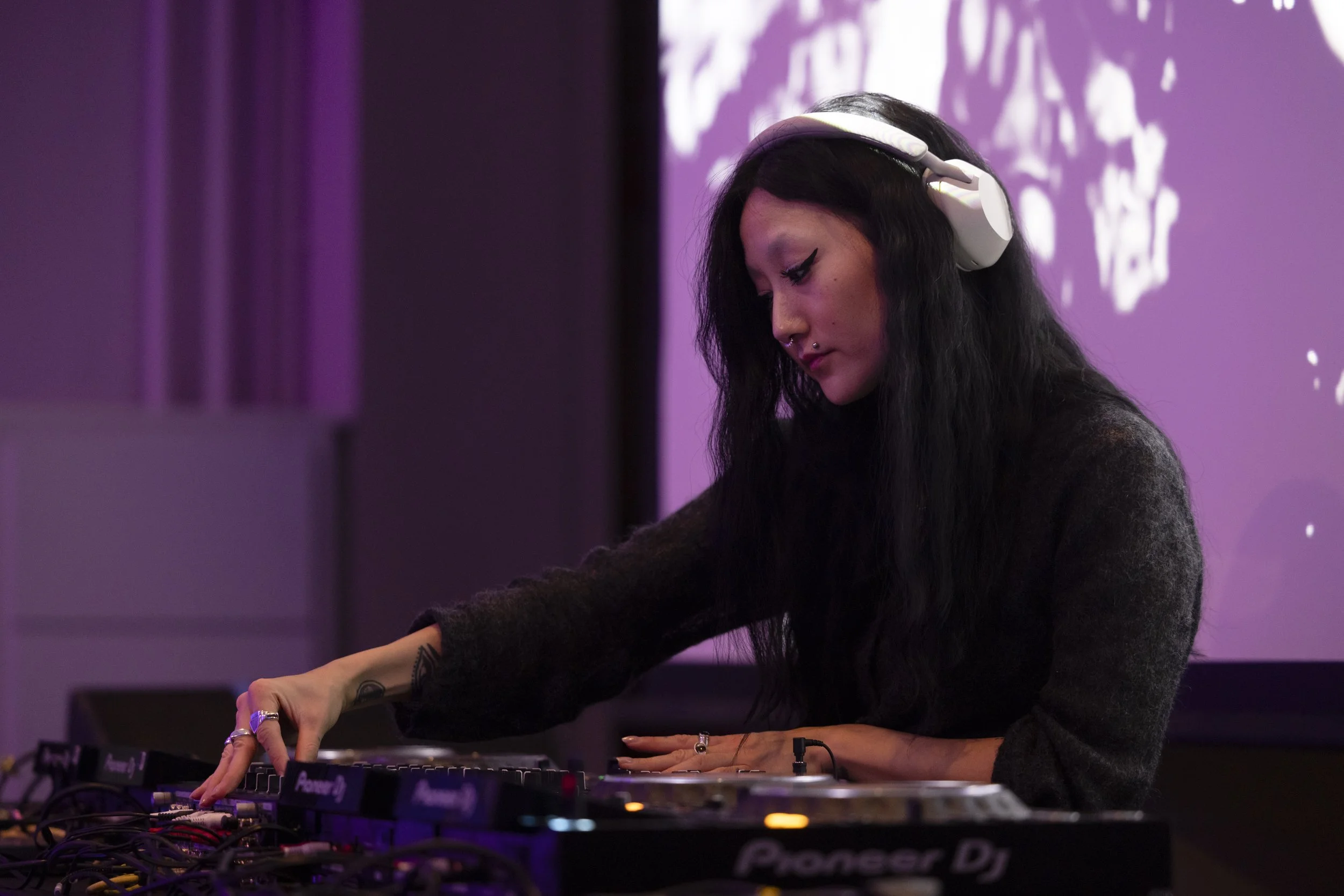
Working Across Multiple Spaces and Conditions
The event took place across the full museum, from gallery spaces to lecture theatres and large open halls. Each space presented different lighting conditions and ways of working, from quiet talks to fast-moving performances.
This required a flexible approach, adapting quickly while maintaining consistency in the visual narrative.
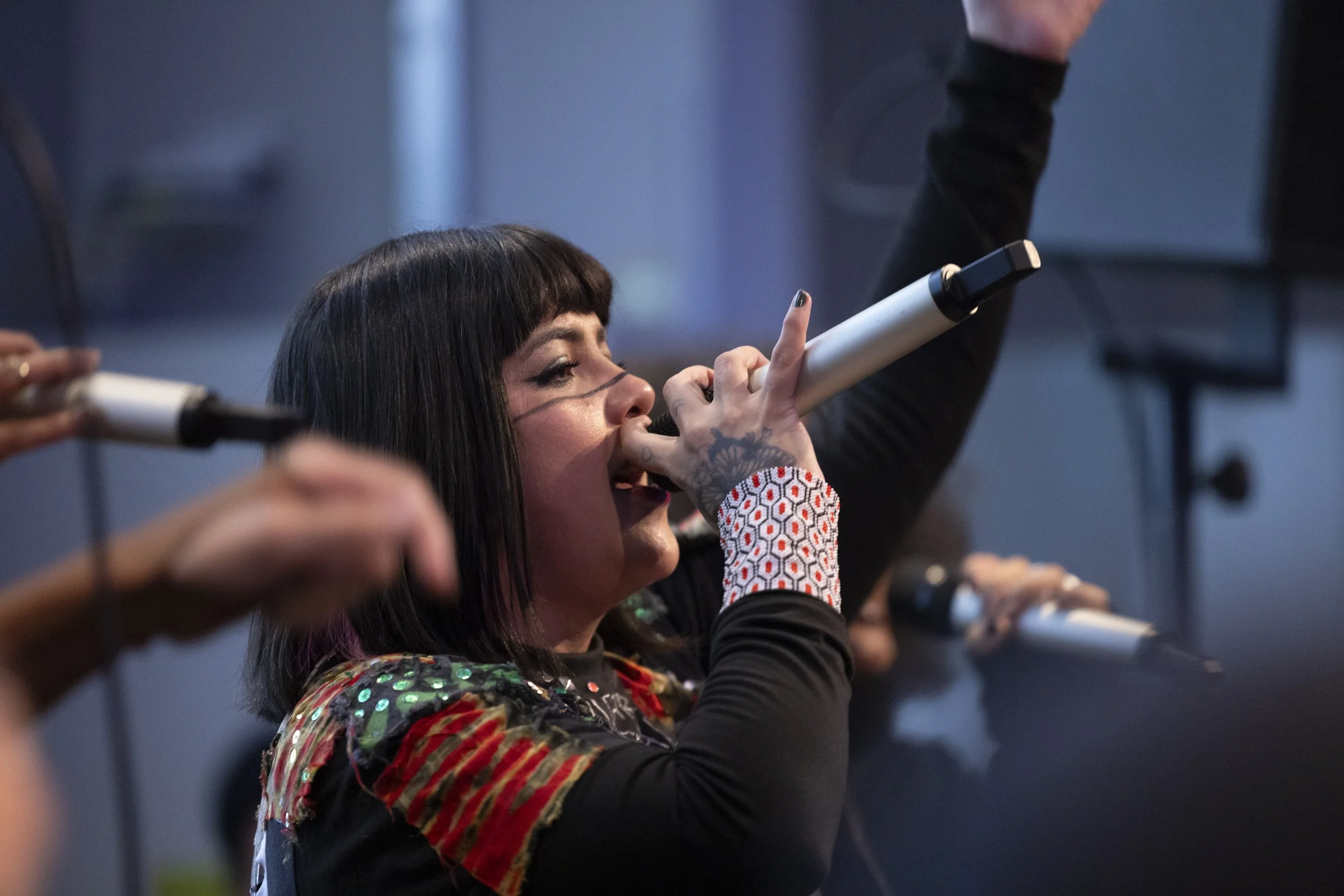
Capturing Audience Interaction and Atmosphere
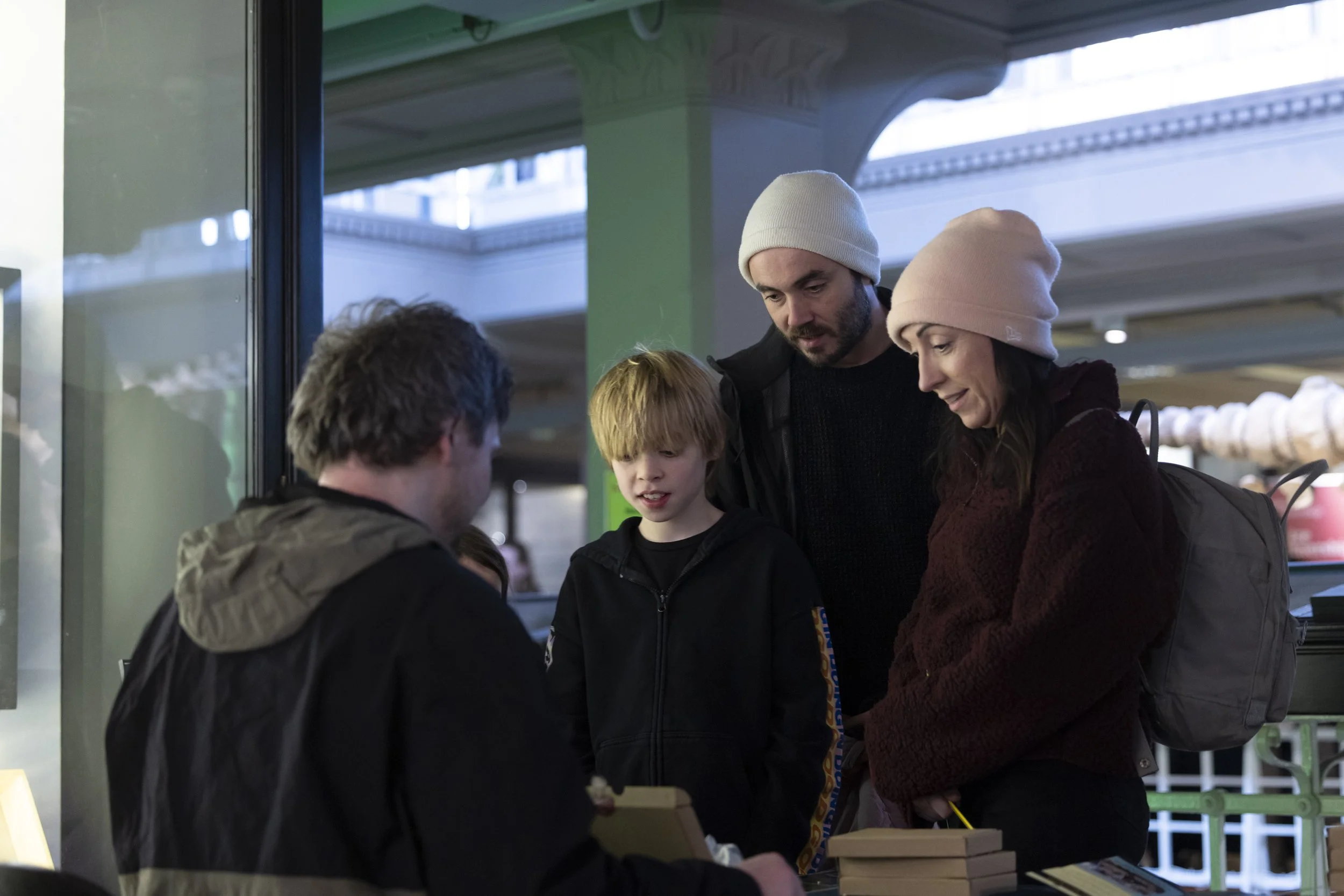
A key part of documenting EarthSonic Live was the interaction between people and the event itself. Audiences were not passive, moving between installations, taking part in workshops and engaging directly with performers and organisations.
Photographing these interactions helps communicate the scale and purpose of the event beyond individual performances.
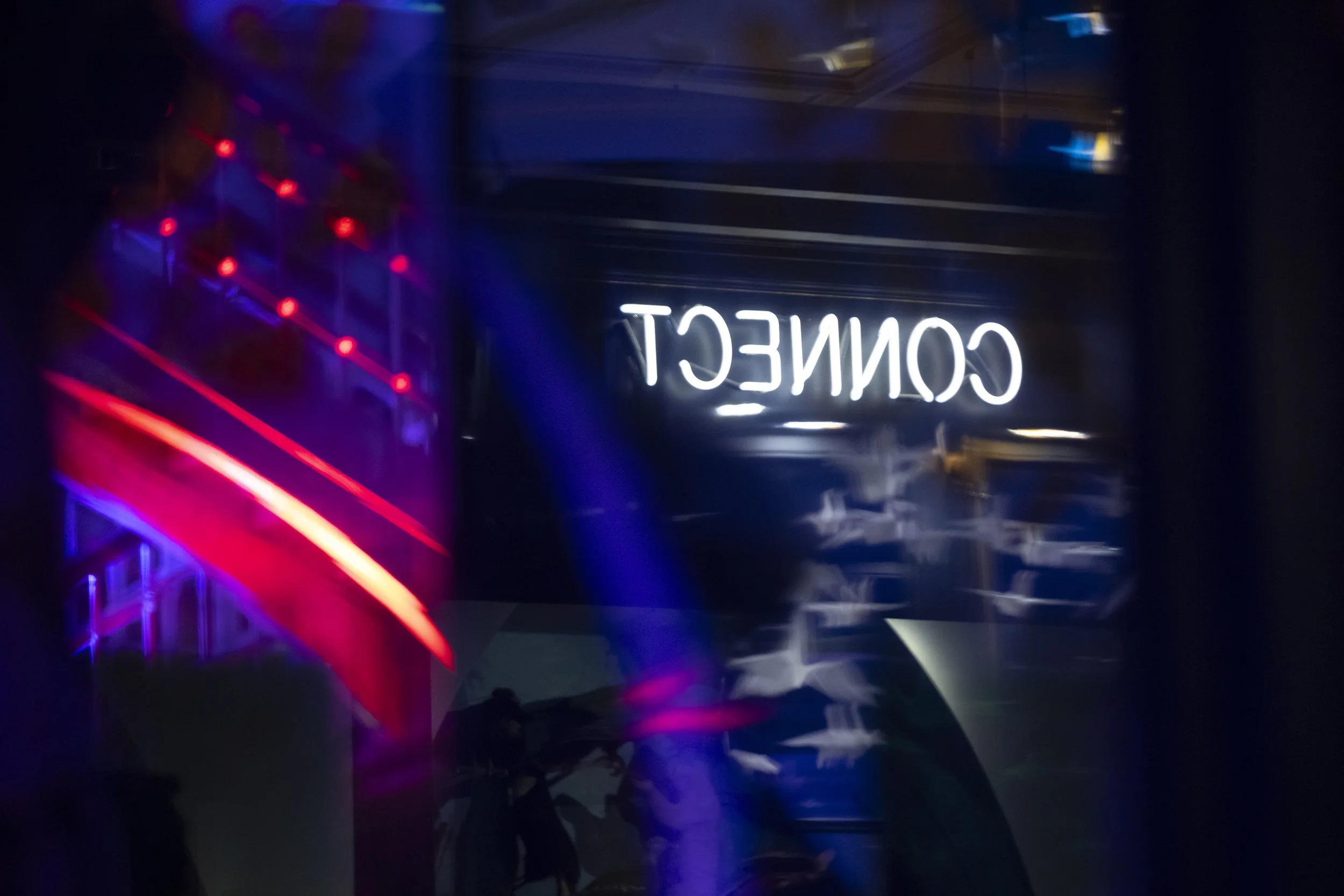
Ongoing Work with Manchester Museum
EarthSonic Live builds on my ongoing work with Manchester Museum, documenting exhibitions, public programmes and live events.
Working regularly with the museum allows for a clear understanding of how events function within the space and how imagery is used across press, marketing and archive.
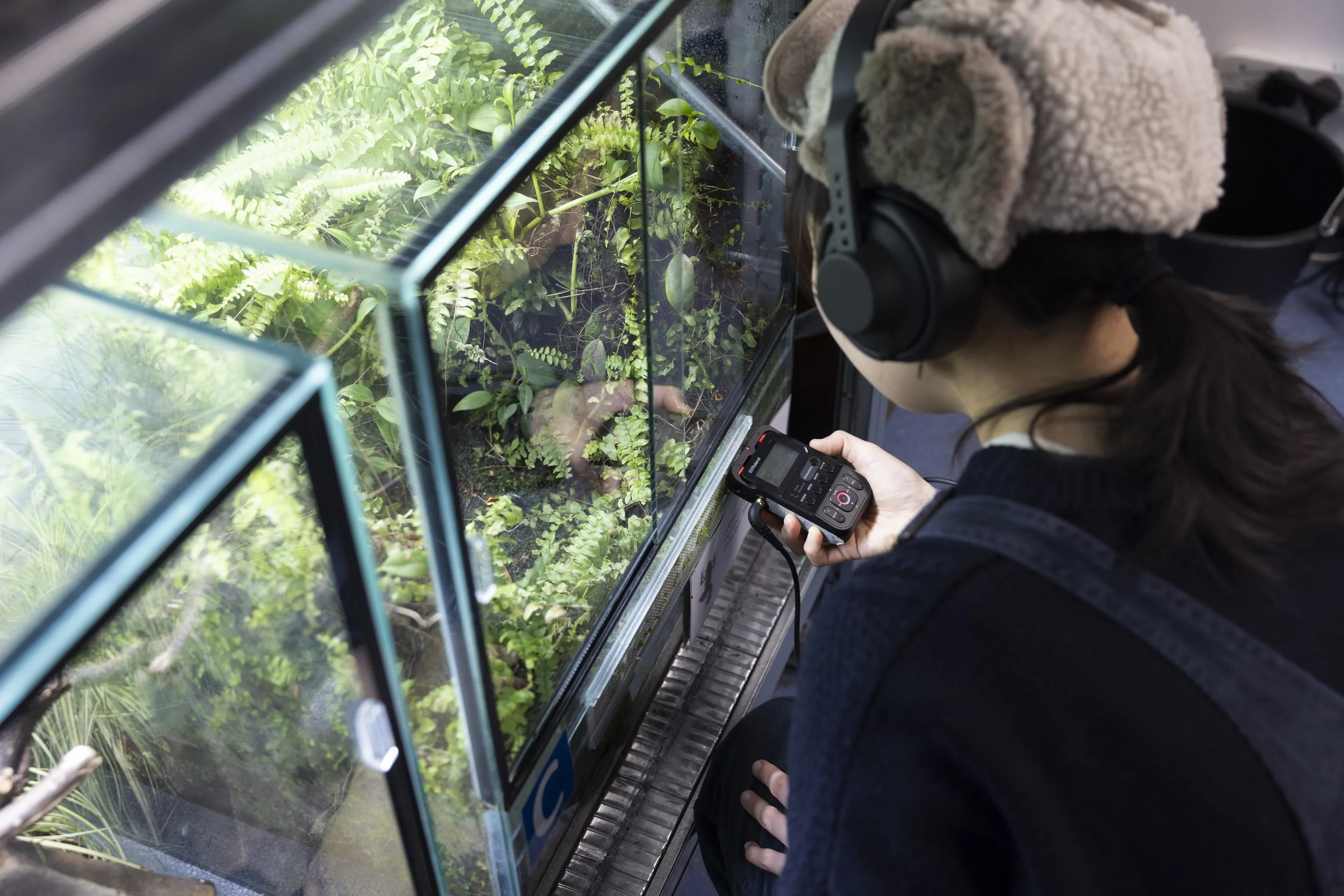
Documenting Cultural Events Through Photography
Events like EarthSonic Live bring together multiple disciplines, audiences and ideas in a single space. Photography plays a role in recording that complexity, creating a visual record that can be used long after the event itself.
For large-scale public programmes, this kind of documentation supports future programming, communication and wider engagement.
Manchester Event Photography and Documentary Approach
As a Manchester-based photographer specialising in documentary event photography, my work focuses on capturing real moments within live environments.
EarthSonic Live is an example of how this approach can be applied to complex, multi-layered events, documenting not just performances but the wider context in which they take place.