

Event Photography: Suzanne Lacy – What Kind of City? A Manual for Social Change | The Whitworth, Manchester
I had the privilege of working with The Whitworth to photograph the opening of What Kind of City? A Manual for Social Change, the first major UK presentation of works by US artist Suzanne Lacy, a pioneer of socially engaged practice and community organising for nearly five decades.
The exhibition brings together multiple projects from Lacy’s extensive career, highlighting her commitment to using art as a tool for social change. Across her work, Lacy has consistently explored issues such as youth engagement, gender equity, social cohesion, and civic participation. What Kind of City? continues this focus by presenting works that encourage dialogue and collective action around the structures, challenges, and opportunities that shape urban life.

Photographing the Exhibition Opening and Artist’s Talk
Documenting exhibition openings requires capturing the atmosphere of the event, the artist in conversation, and audience engagement with the works. At the Suzanne Lacy opening, I photographed Lacy interacting with attendees, leading discussions during her artist’s talk, and engaging with curators and participants.
Event photography in this context provides a record that serves multiple purposes. Images are used for press coverage, marketing, social media, and archival documentation while conveying the essence of the exhibition: its ideas, engagement, and impact on the public.

Situating What Kind of City? in Suzanne Lacy’s Oeuvre
Suzanne Lacy has spent decades exploring the intersection of art, activism, and social practice. From her early performances in the 1970s addressing gender and public space, to large-scale public interventions in the 1990s and 2000s, her work consistently involves collaboration with communities, creating participatory experiences that address societal issues directly.
What Kind of City? reflects this legacy by focusing on pressing themes including youth agency, borders, social cohesion, and opportunities for older women. The exhibition frames these issues through Lacy’s lens of engagement and empowerment, presenting her work as both artistic practice and a guide for social action. Photography captures this interplay between artwork, artist, and audience, showing the exhibition not just as a collection of objects but as an active space of dialogue and reflection.

The Whitworth’s Role in Community Engagement
The Whitworth has long been committed to socially engaged programming and public participation. By presenting Suzanne Lacy’s work, the institution positions itself as a space where art intersects with civic dialogue.
Documenting the exhibition opening and artist’s talk demonstrates the Whitworth’s dedication to fostering connections between artists, communities, and audiences. Professional photography captures the human dimension of the event, reflecting both the ideas of the exhibition and the engagement of participants.

Why Professional Photography Matters for Exhibitions
High-quality photography is essential for institutions to communicate the significance of exhibitions. Images capture the artworks themselves, audience responses, and the environment in which these interactions take place. For socially engaged work like Lacy’s, photography is particularly important, as it records collaborative, performative, and participatory elements that might otherwise exist only in the moment.
Photographs from What Kind of City? provide a visual record for press, marketing, social media, and archives while highlighting the ways in which art can inspire dialogue and social action. By documenting both the artist and the audience, photography demonstrates the exhibition’s reach and impact.

Capturing the Dialogue Between Art and Community
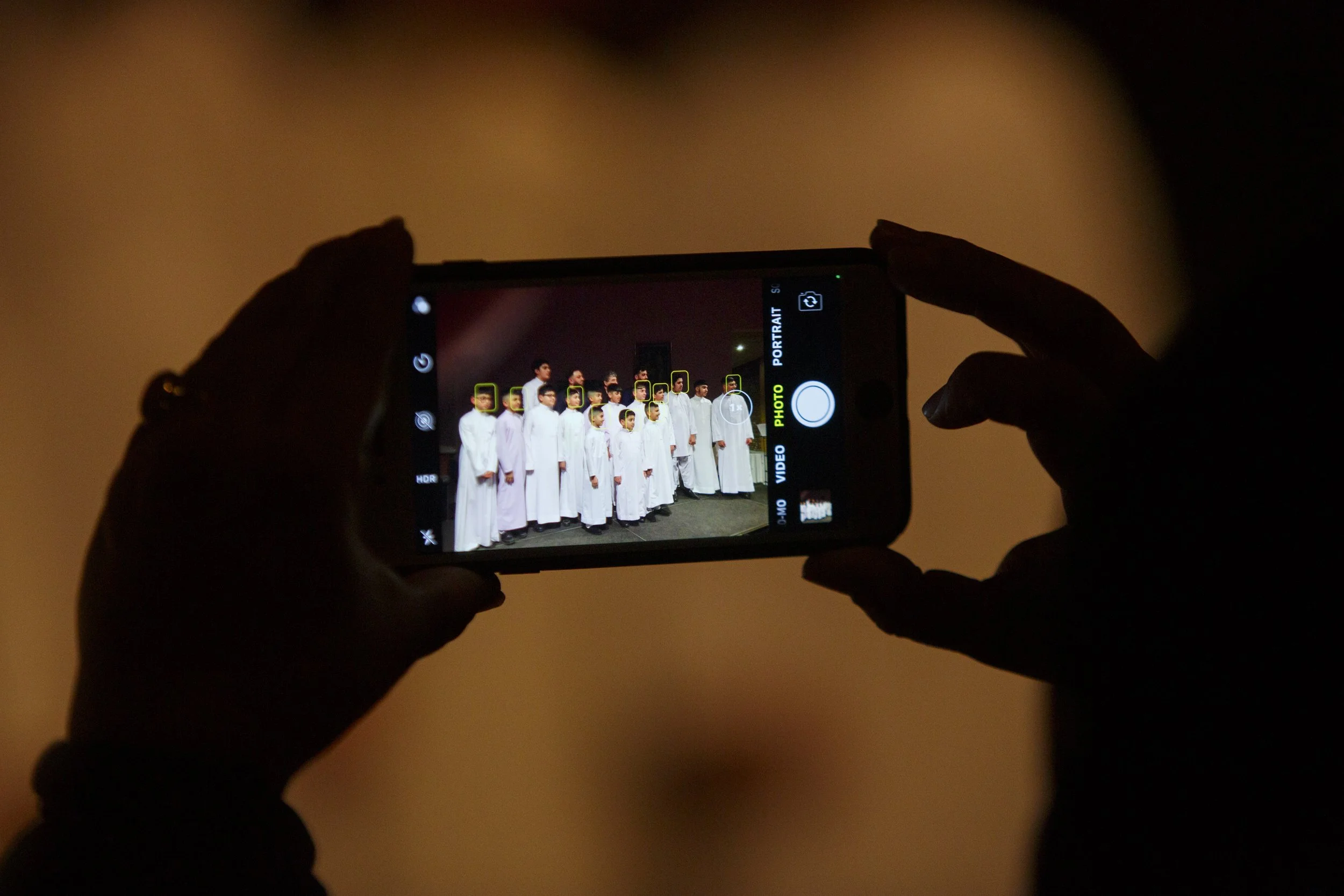
What Kind of City? is designed to operate as a manual for equitable transformation. Photographing the opening involved documenting Lacy’s talk, audience interactions, and the curatorial context of the exhibition. These images show how art can facilitate civic engagement, prompt discussion, and provide insight into the challenges and opportunities facing urban communities.
Through careful observation and composition, the photographs preserve the exhibition’s central idea: that art can be a catalyst for dialogue, reflection, and action, situating Lacy’s practice as both relevant and influential within contemporary socially engaged art.
Conclusion
Thanks again to The Whitworth for inviting me to document this important exhibition. Photographing What Kind of City? A Manual for Social Change offered an opportunity to capture Suzanne Lacy’s longstanding commitment to social practice while highlighting the interaction between her work, the audience, and the wider community. The images serve as a professional record of an exhibition that exemplifies the power of art to foster dialogue, participation, and meaningful social engagement.
