Latest Editorial, Portrait & Commercial Photography Projects
A selection of my most recent commissions and ongoing projects.
The work shown here spans editorial assignments, portrait commissions, documentary projects and commercial photography for organisations and publishers. It reflects current areas of focus and the range of contexts in which I am working.
New projects are added regularly.
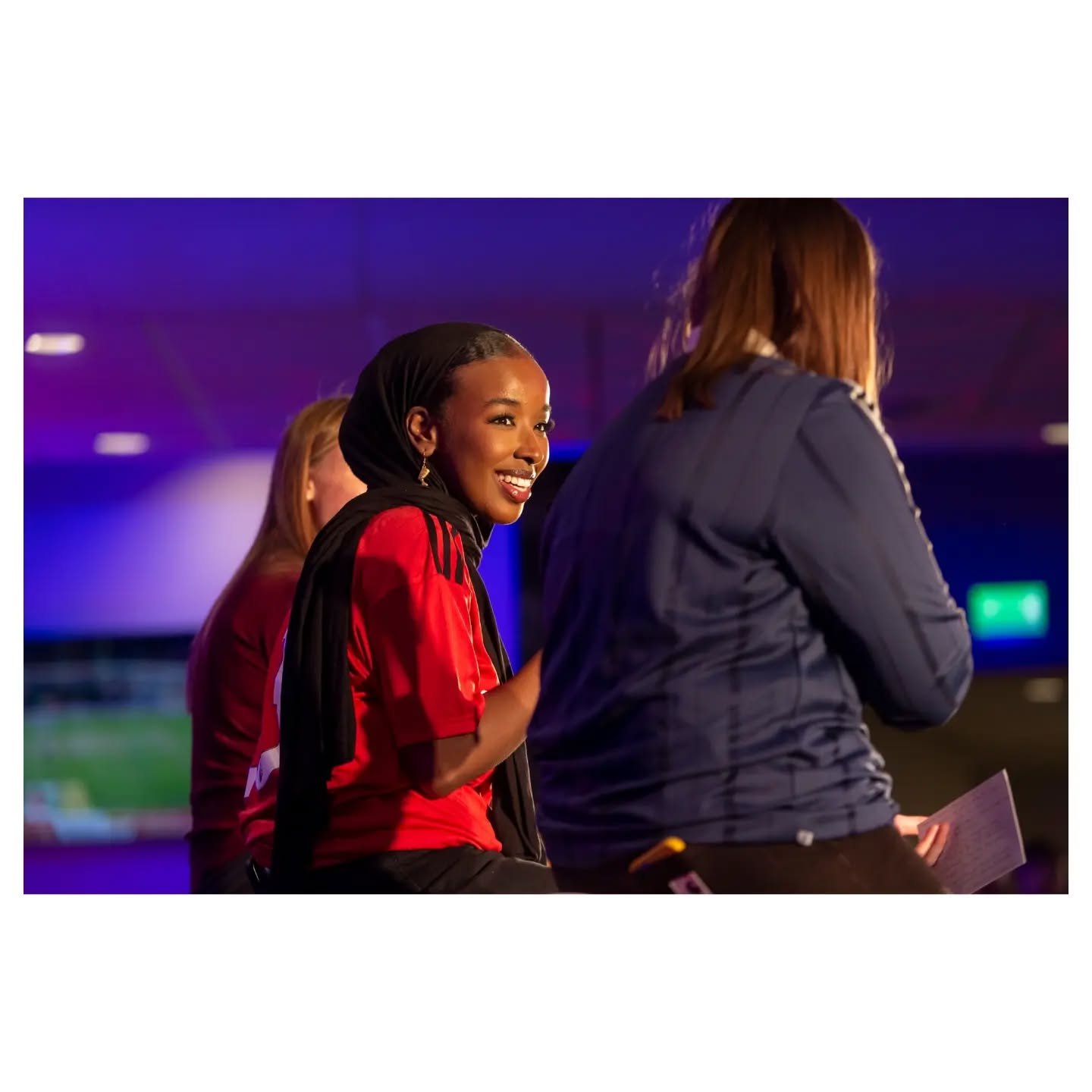
Michaela Yearwood-Dan at the Whitworth, Exhibition Opening
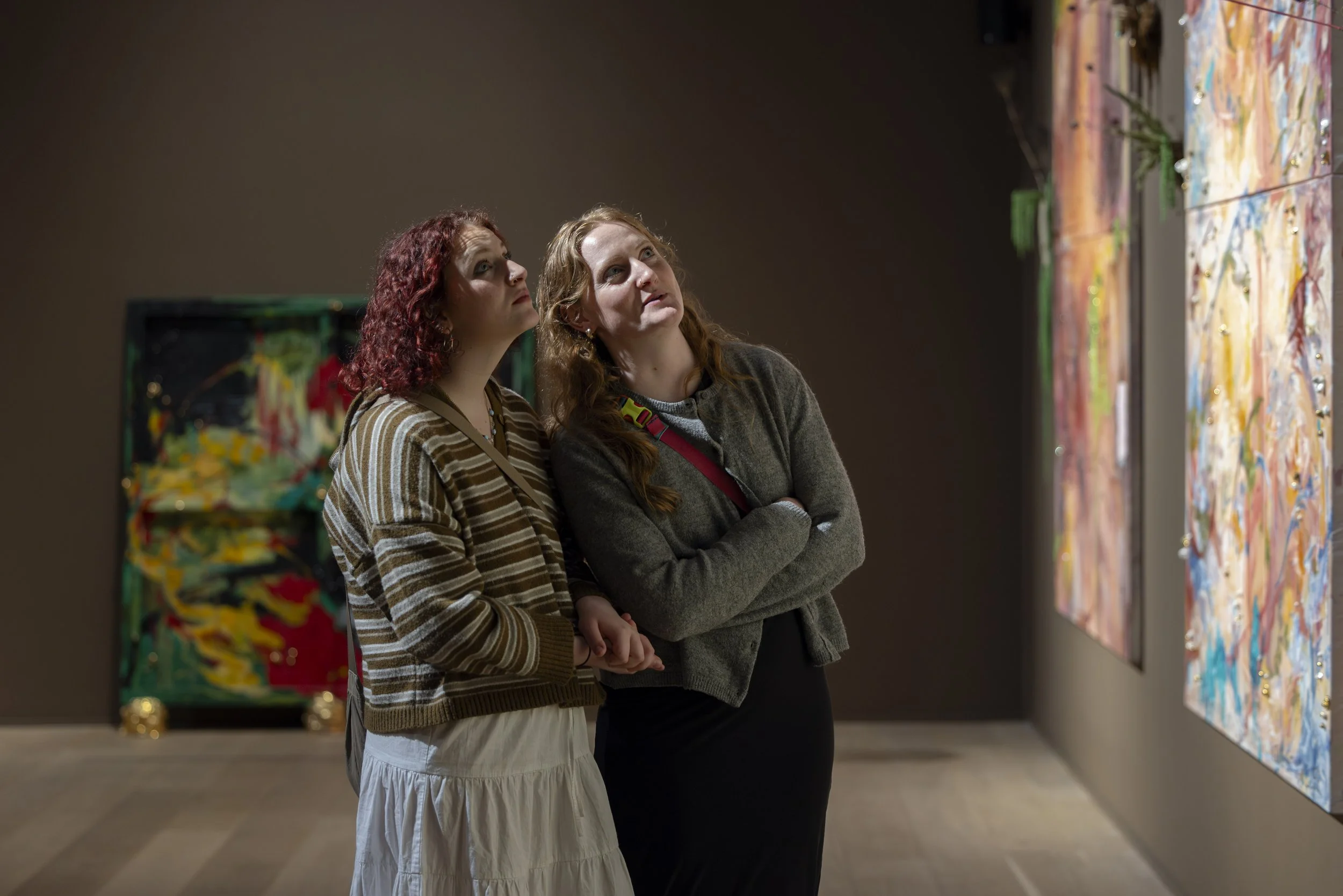
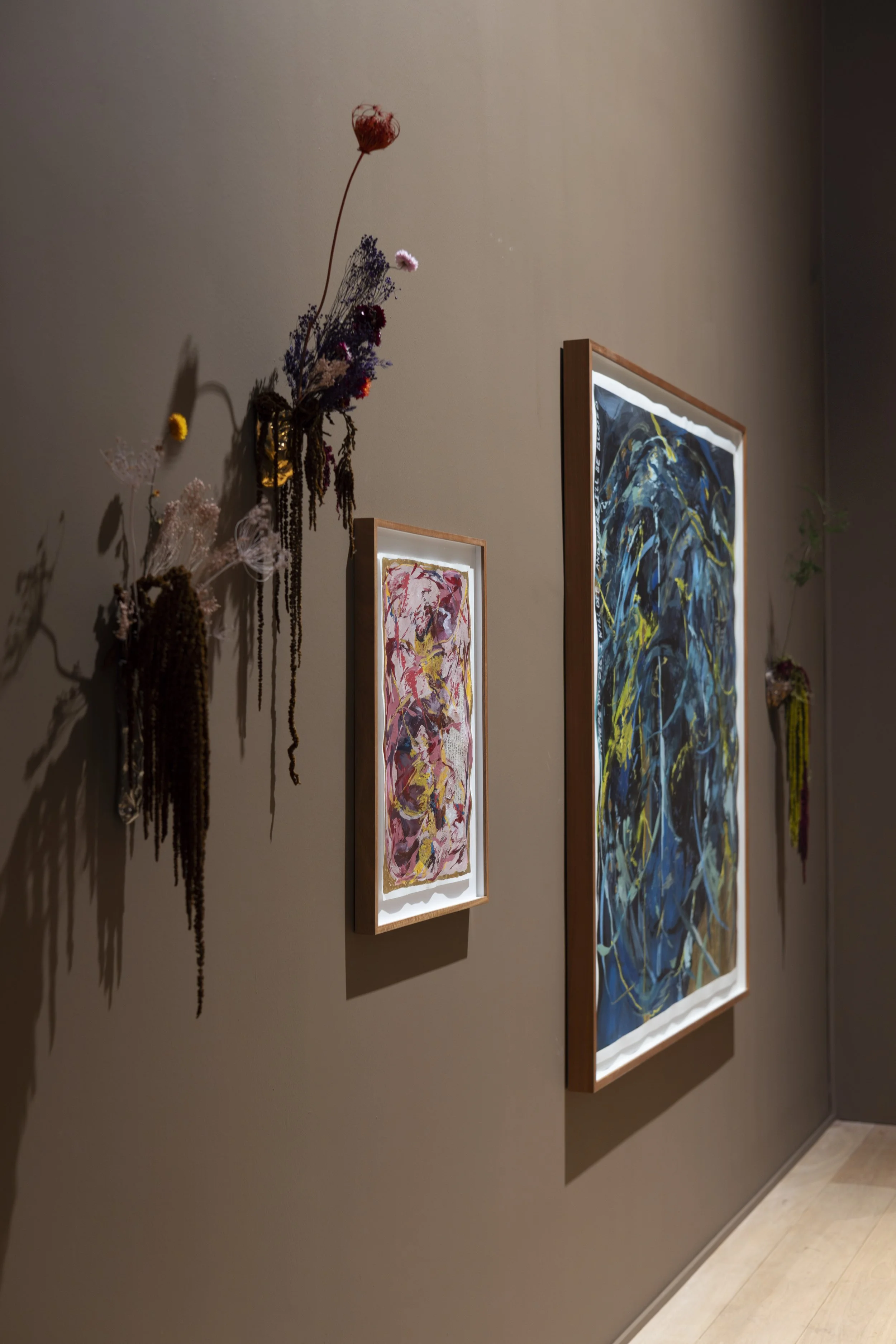
I photographed the opening of Michaela Yearwood-Dan’s exhibition at the Whitworth Art Gallery in Manchester. The exhibition brings together painting, ceramics and sound across several rooms in the gallery, with works placed so the installation shifts as you move through it.
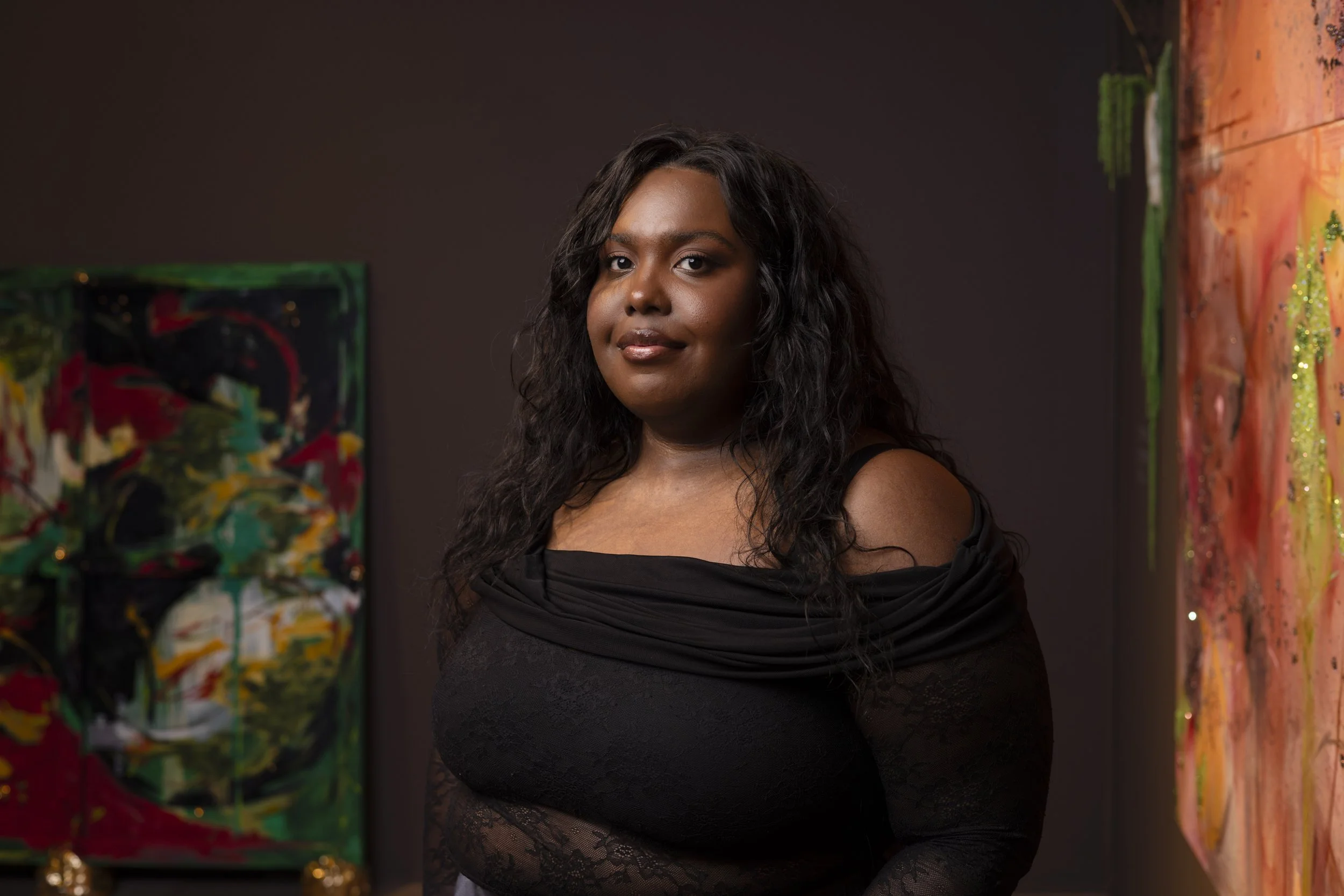
Exhibition opening at the Whitworth, Manchester
I photographed the opening of Michaela Yearwood-Dan’s exhibition at the Whitworth Art Gallery in Manchester. The exhibition brings together painting, ceramics and sound across several rooms in the gallery, with works placed so the installation shifts as you move through it.
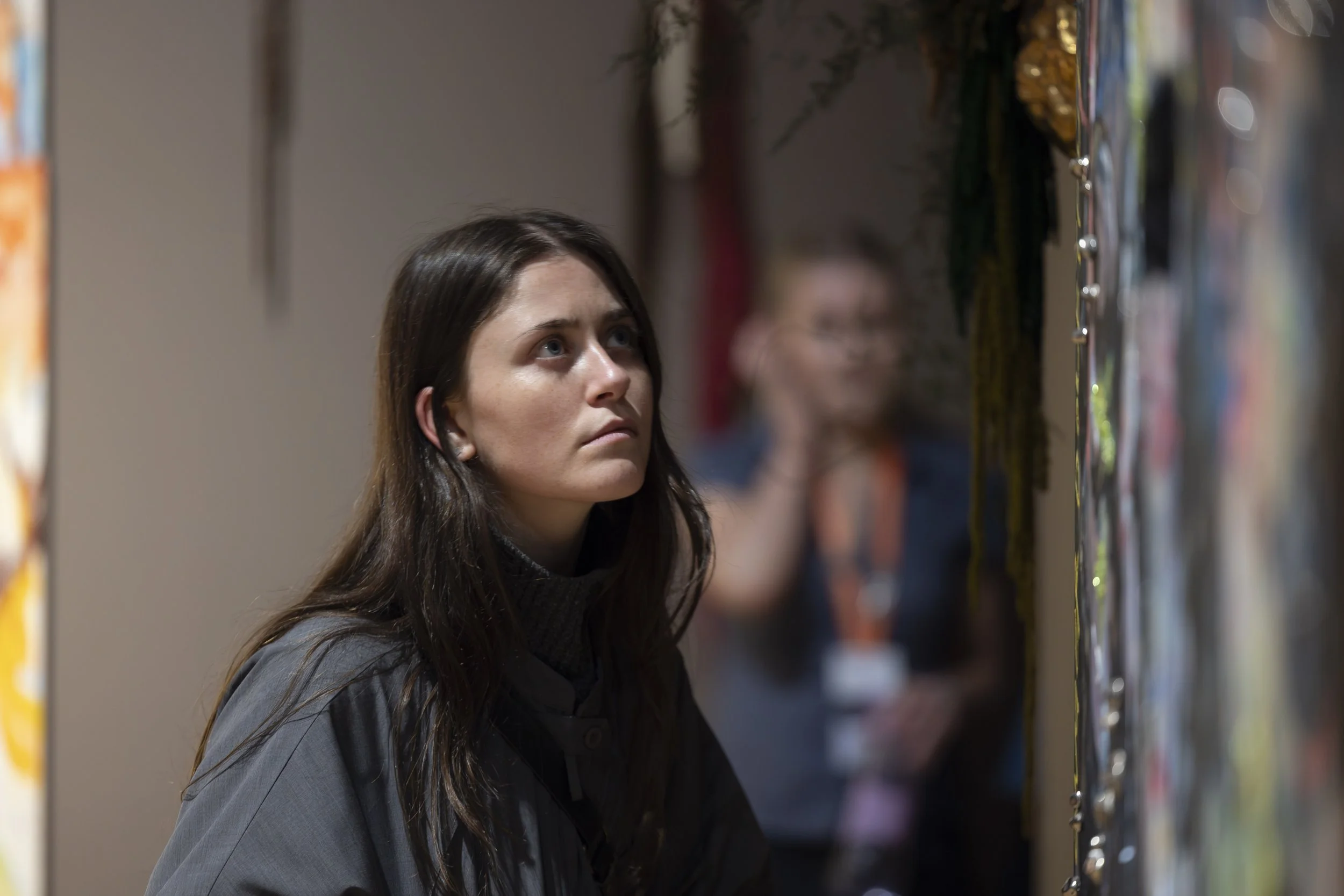
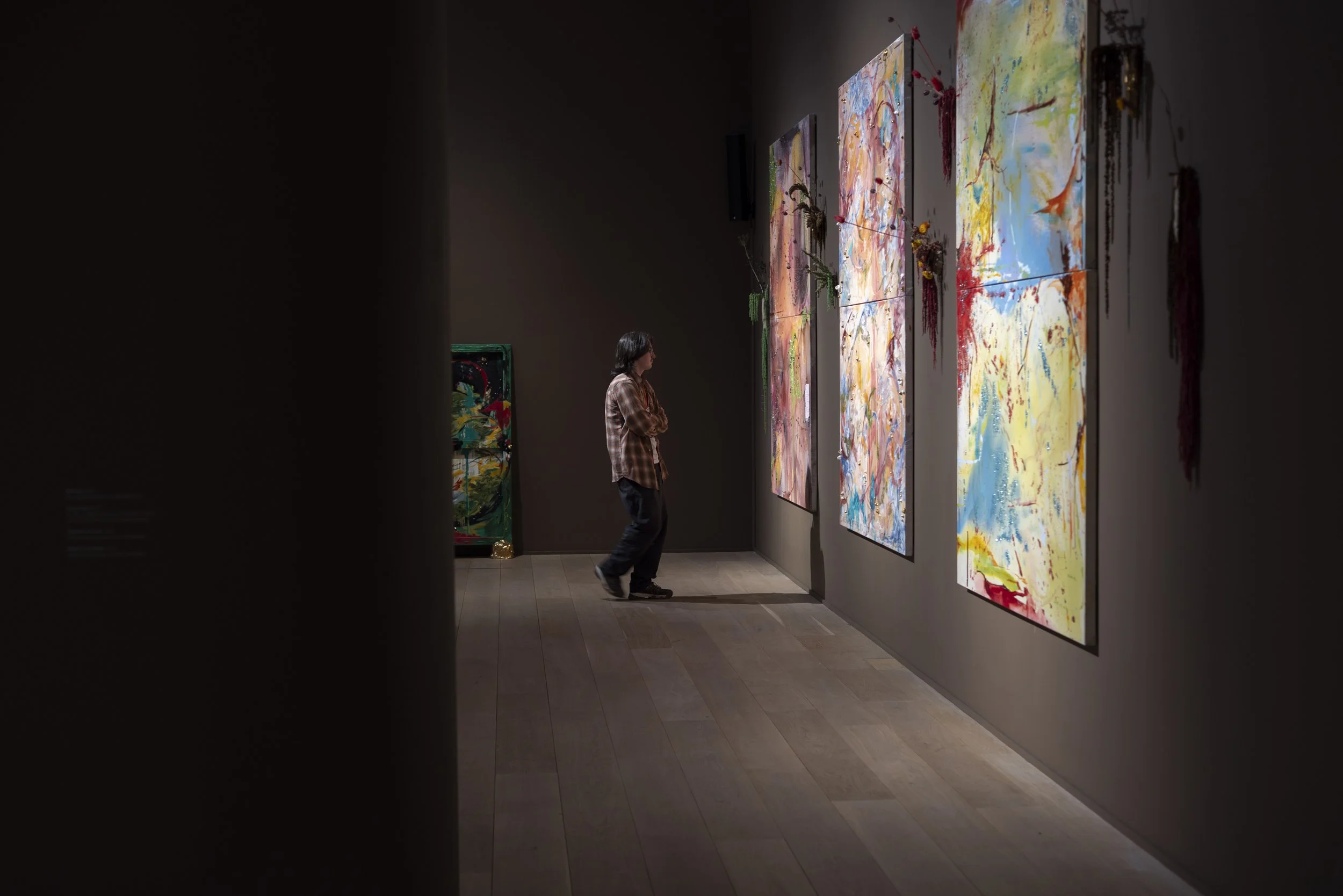
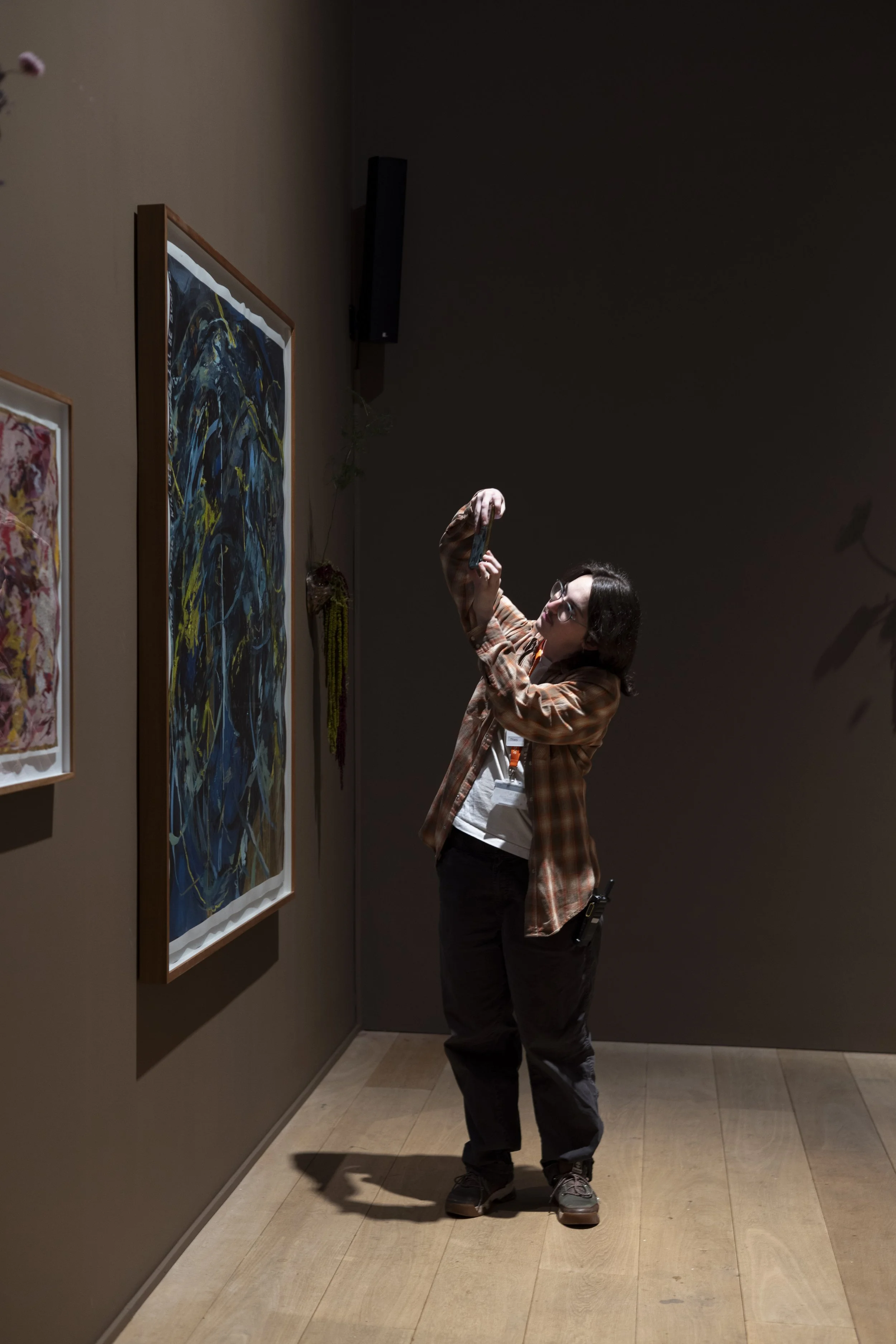
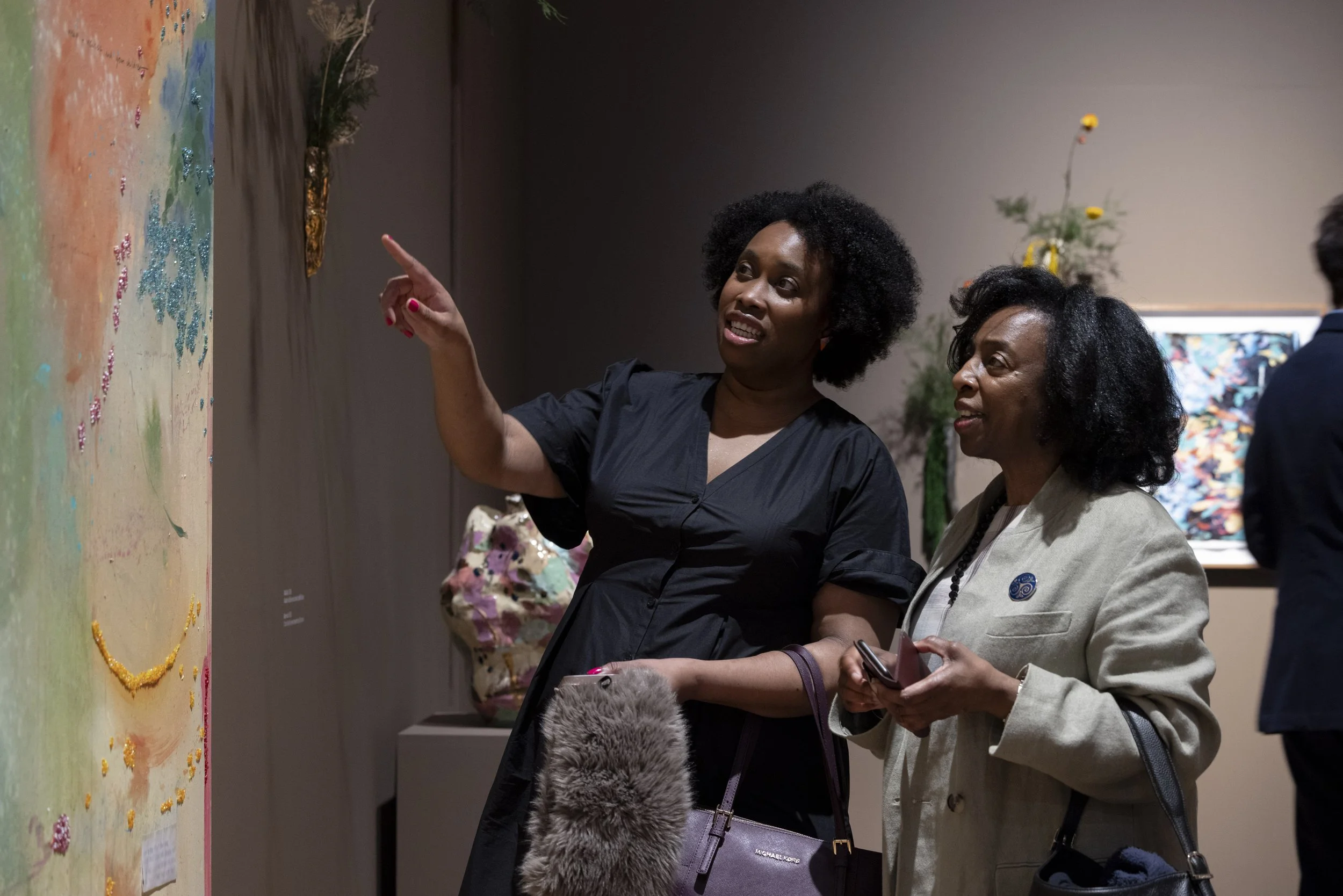
I photographed the opening as it unfolded across the evening. I photographed the artist, Michaela Yearwood-Dan, in formal portraits within the space, as well as in more informal moments with friends and visitors during the opening. Alongside that, I photographed people moving through the exhibition, stopping to look closely at the work, talking, and circulating between rooms.
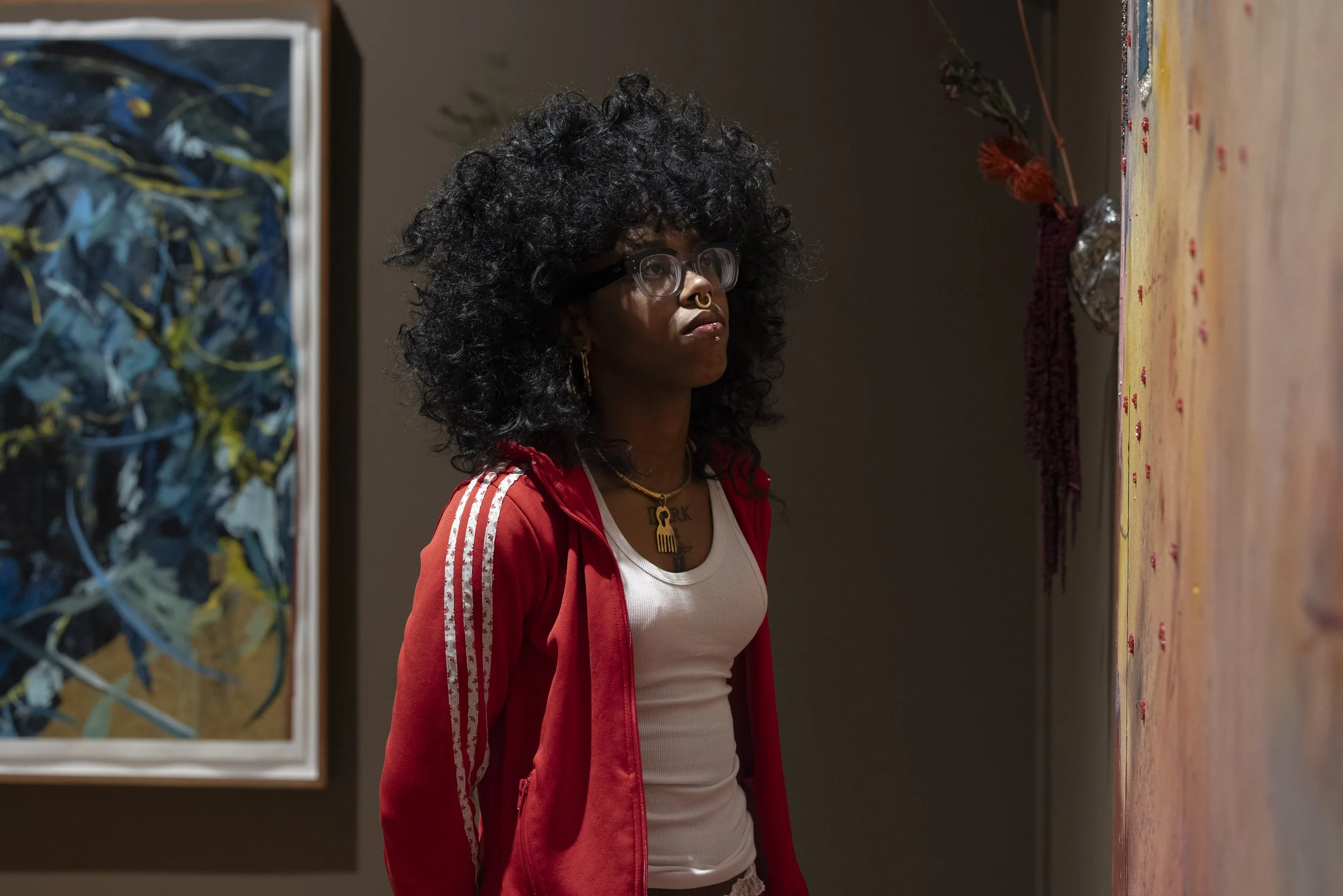
Michaela Yearwood-Dan
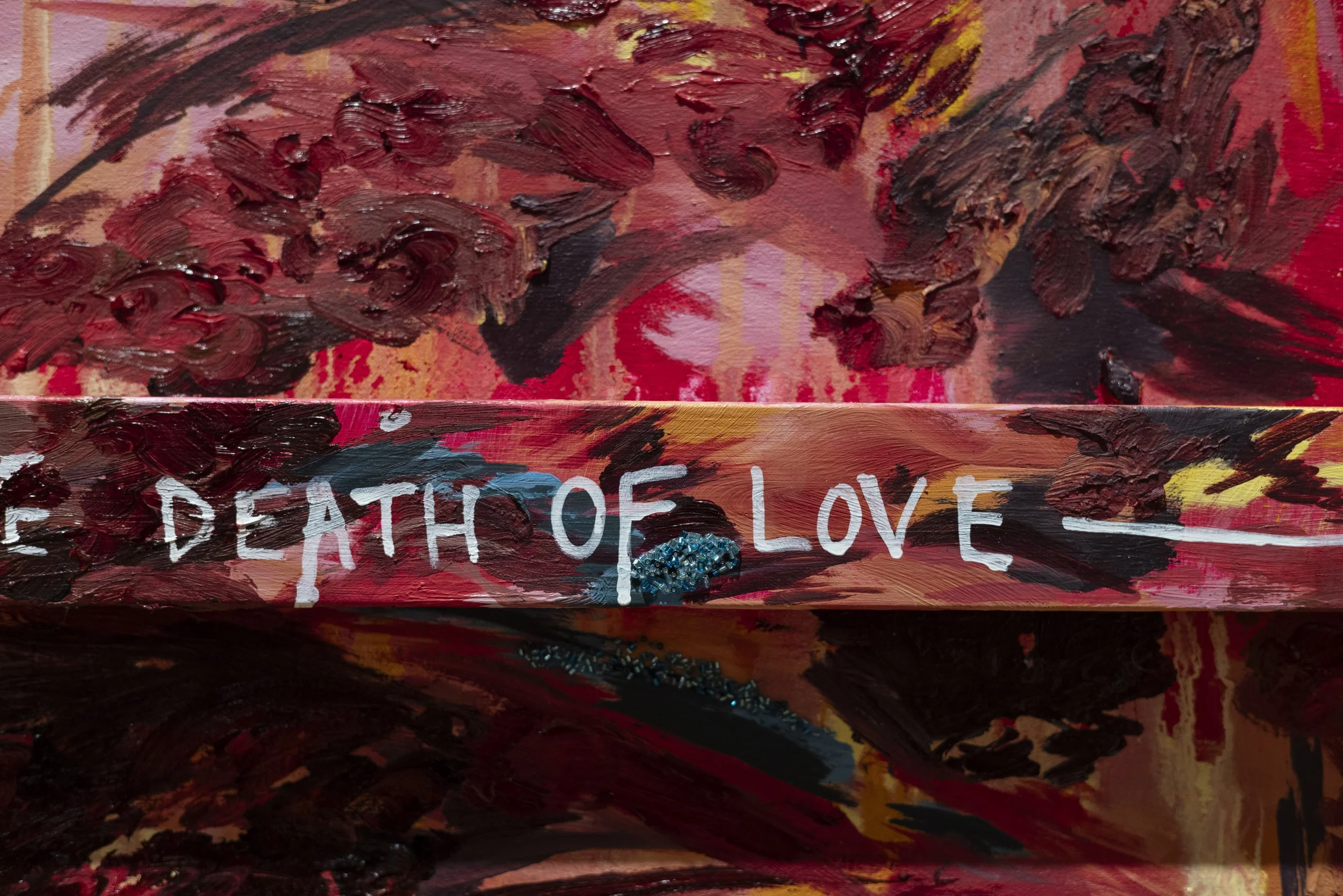
Michaela Yearwood-Dan works across painting, ceramics, installation and sound. Her paintings are built through layered surfaces of colour, gesture and handwritten text that sits directly within the image rather than as separate annotation. The work often holds fragments of writing within dense painterly surfaces, where image and language sit together.
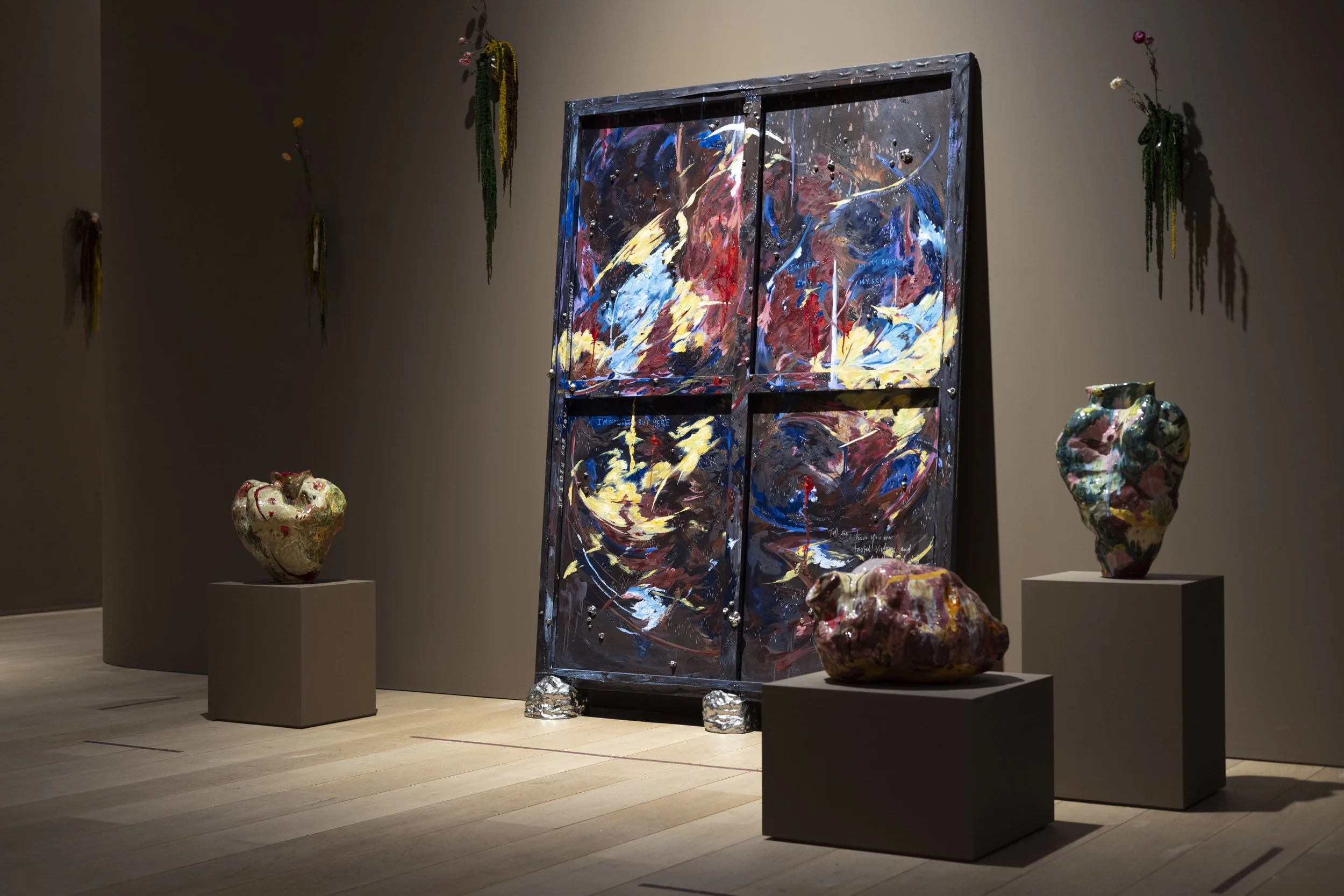
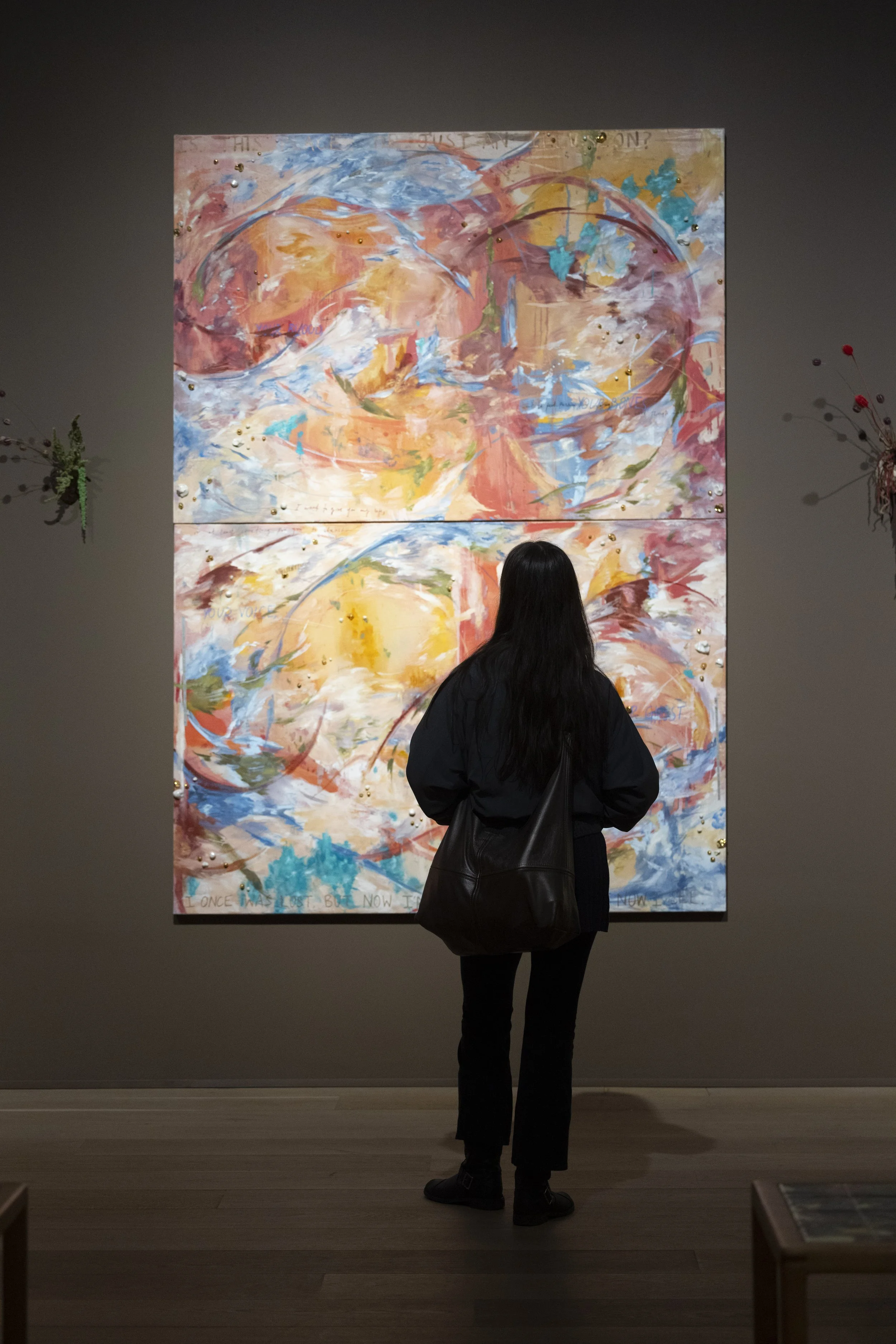
She is represented by Hauser & Wirth and Marianne Boesky Gallery, and her work is shown internationally across institutional and gallery contexts.
Critical writing on the work
Writing on her practice often focuses on how abstraction and language sit alongside personal and cultural reference. In British Vogue, Charlotte Jansen describes her paintings as combining “confession, nostalgia and identity.”
The same article also notes the range of references within her work, from “queer communal spaces and carnival to Caribbean flora and fauna, to spiritual rituals and, very often, music.”
In exhibition texts for The Practice of Liberation at the Whitworth, her use of language is described as “fragments of diaristic writing alongside adapted and borrowed texts and lyrics,” which are integrated directly into the surface of the paintings.
Photographing the opening
I always enjoy working at the Whitworth. The building has a natural ease for photographing people within it, and the way exhibitions sit within its architecture supports that. There is a steady flow of movement during openings like this, which allows for a mix of portrait work, observation and social documentation without needing to separate those approaches.
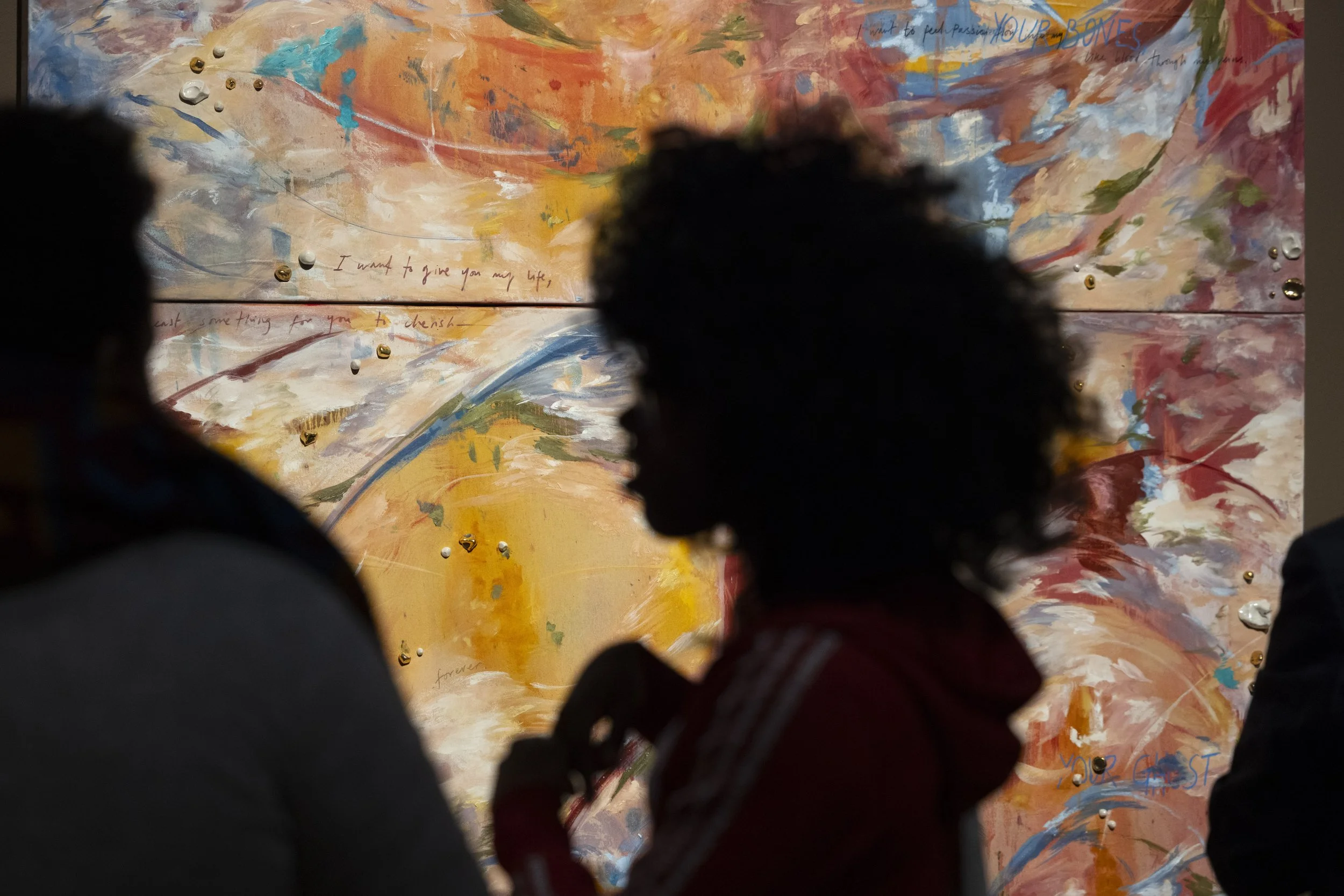
It’s a privilege to work in environments where the architecture, the exhibition, and the people all sit together in the same frame. I am currently accepting commissions for exhibition photography, artist portraits and cultural documentation.

Documentary photography of Manchester School of Art - End of Year shows
As a freelance photographer, I’ve had the privilege of covering a range of events, from high-profile gallery openings to intimate artist workshops. But there’s something uniquely electric about photographing the Manchester School of Art’s Final Year Shows. This annual event is a visual feast—a whirlwind of creative expression that radiates youthful energy and bold experimentation.
As a freelance photographer, I’ve had the privilege of covering a range of events, from high-profile gallery openings to intimate artist workshops. But there’s something uniquely electric about photographing the Manchester School of Art’s Final Year Shows. This annual event is a visual feast—a whirlwind of creative expression that radiates youthful energy and bold experimentation.


Stepping into the show, you can’t help but feel a sense of anticipation. It’s like walking into a sprawling gallery where every corner has something surprising to offer. The exhibition sprawls across different spaces, showcasing the work of students from various disciplines—painting, sculpture, digital design, fashion, and more. As someone tasked with documenting these moments, I need to quickly assess where the magic is happening and how best to capture it.
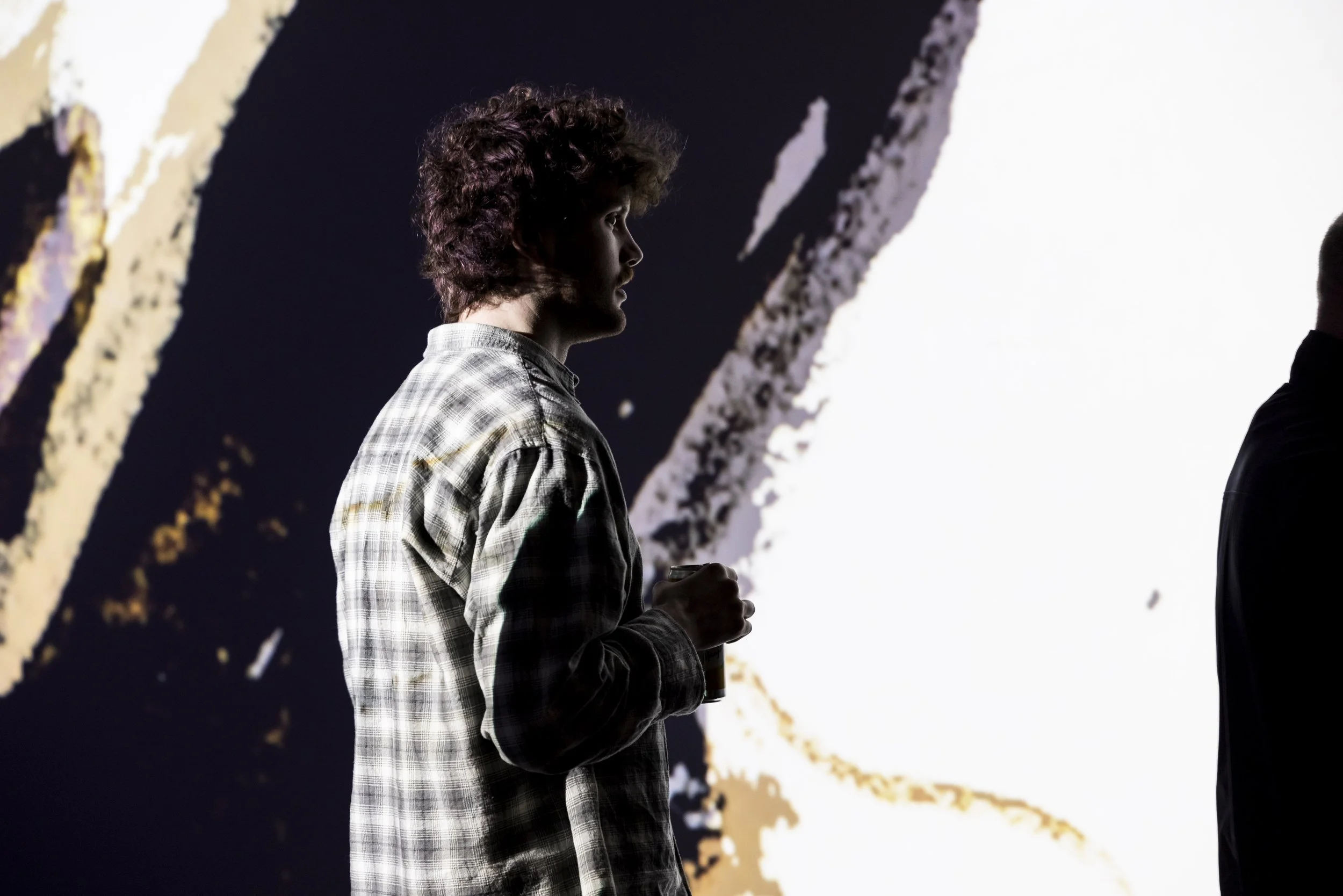
The first challenge is the sheer variety of the work. Each student has spent months, if not years, developing their final pieces, and no two are alike. One moment, I’m photographing a vibrant, abstract painting that dominates an entire wall, the next I’m crouched low, focusing on the intricate details of a conceptual sculpture made of recycled materials. As a photographer, I need to adjust my approach with every shot—switching between wide angles to capture the scale of installations and close-ups to highlight the craftsmanship.

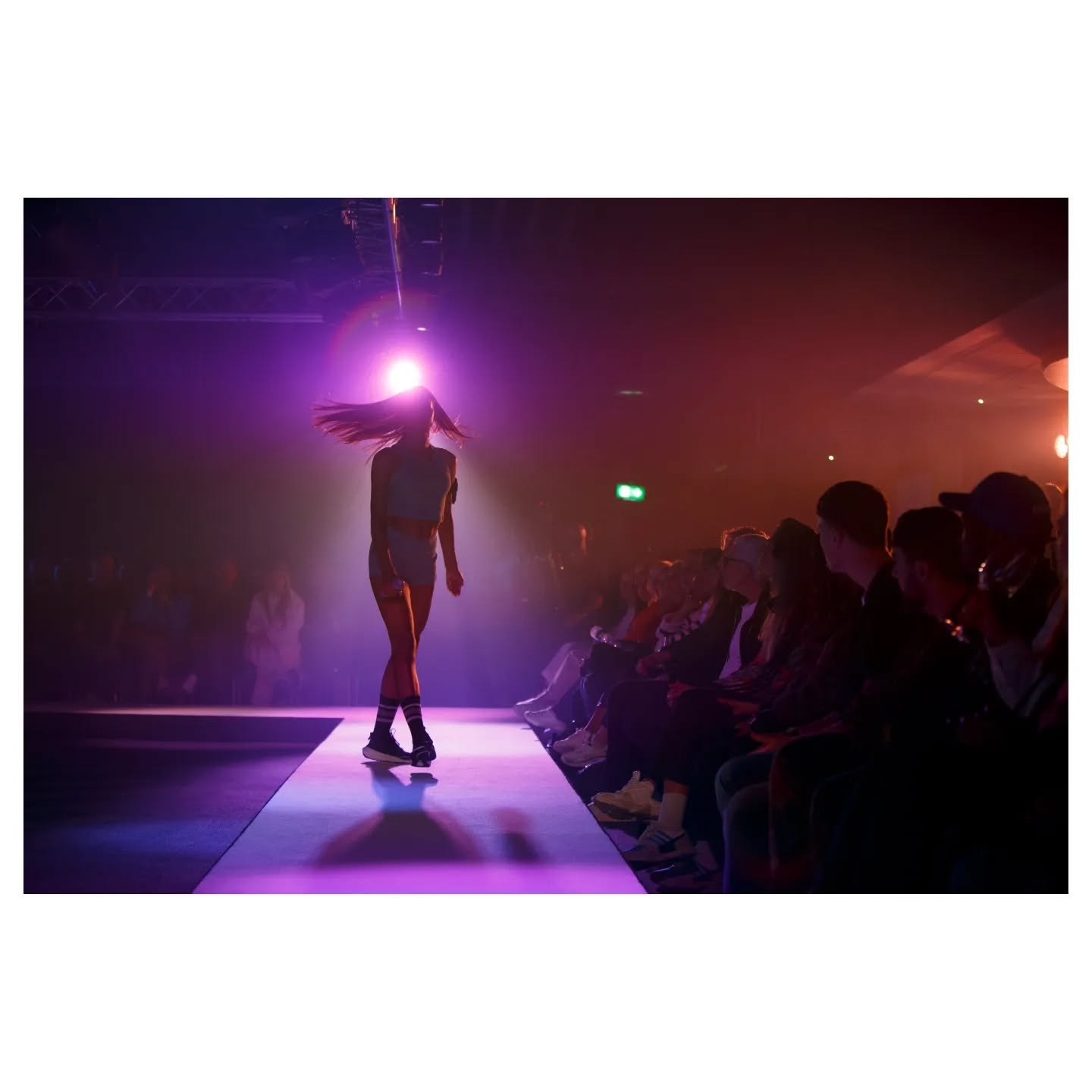
The diversity of mediums can also be tricky to capture, especially when moving between 3D pieces and digital displays. I find myself drawn to the fashion design section, where students have created garments that blur the lines between art and wearable expression. Models wearing the students’ designs wander through the space, and this creates dynamic, live-action moments that require quick reflexes. I follow the models closely, framing shots that showcase both the fluidity of the fabric and the confidence of the wearer.

What’s particularly challenging, but also rewarding, is photographing interactive art. Many pieces invite the audience to participate—whether it’s a digital installation that reacts to sound or a sculptural piece that encourages touch. It’s hard to convey the essence of these works in a single image, but I try to focus on capturing people’s engagement with the art. A hand reaching out, a thoughtful expression as someone studies a piece, a child laughing in delight at an unexpected moment—all these interactions are just as important as the art itself.

The lighting conditions add another layer of complexity. In one room, the lighting might be bright and natural, ideal for capturing crisp, clean images. In another, the mood might be much darker, with spotlighting used to create dramatic shadows. I constantly adjust my settings, ensuring that the photos not only reflect the technical aspects of the work but also evoke the intended emotional response.

As the evening draws to a close, and I scroll through the hundreds of images I’ve taken, I feel a sense of accomplishment. Capturing the essence of the Manchester School of Art’s Final Year Shows isn’t just about photographing the art—it’s about documenting the passion and energy that these young creatives bring to their work. Every image tells a story, not just of the art itself, but of the moment in time when it was unveiled to the world.

Leaving the exhibition, I know that I’ve been part of something special. The Manchester School of Art’s final shows are a glimpse into the future of art and design, and I feel privileged to have witnessed, and captured, the first steps of these emerging talents.


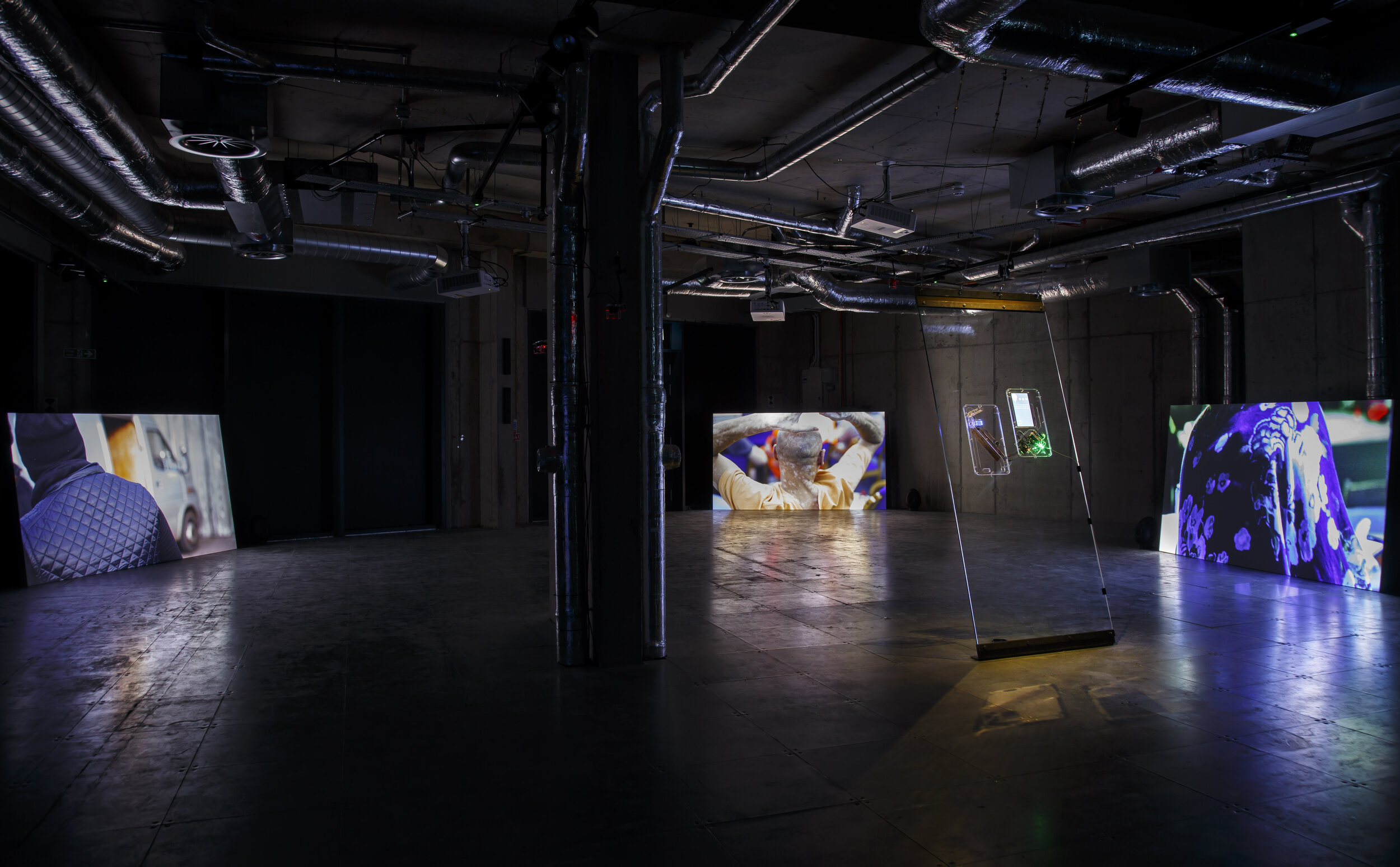
Documentary photography of Helen Knowles 'Trickle Down', Arebyte Gallery, London
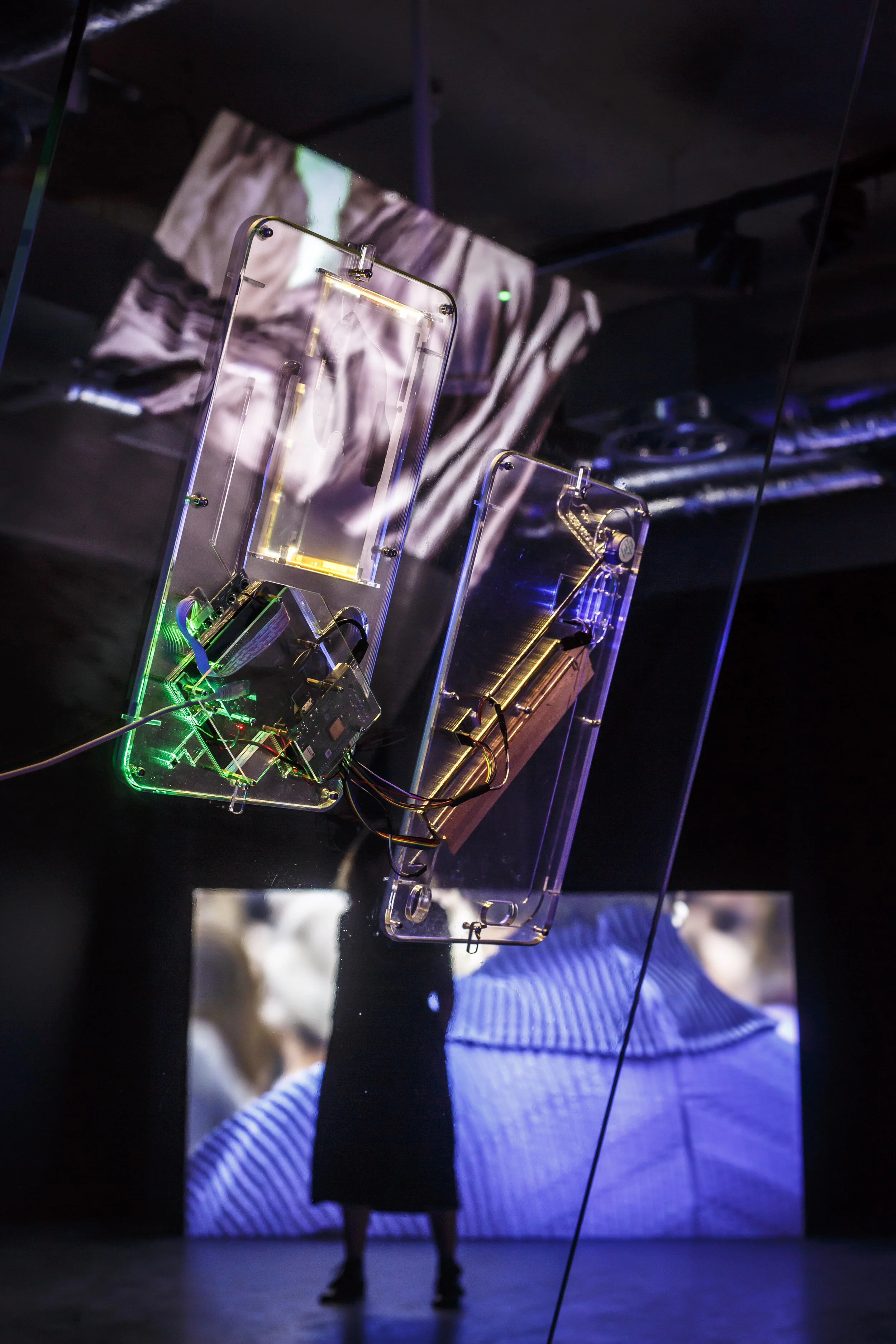
Trickle Down, A New Vertical Sovereignty is a tokenised four-screen video installation and generative soundscape, which explores value systems and wealth disparity. The artwork is composed of auction scenes, performances and choral interludes by different communities such as prisoners, blockchain technology employees, market sellers, and Sotheby’s auction bidders.
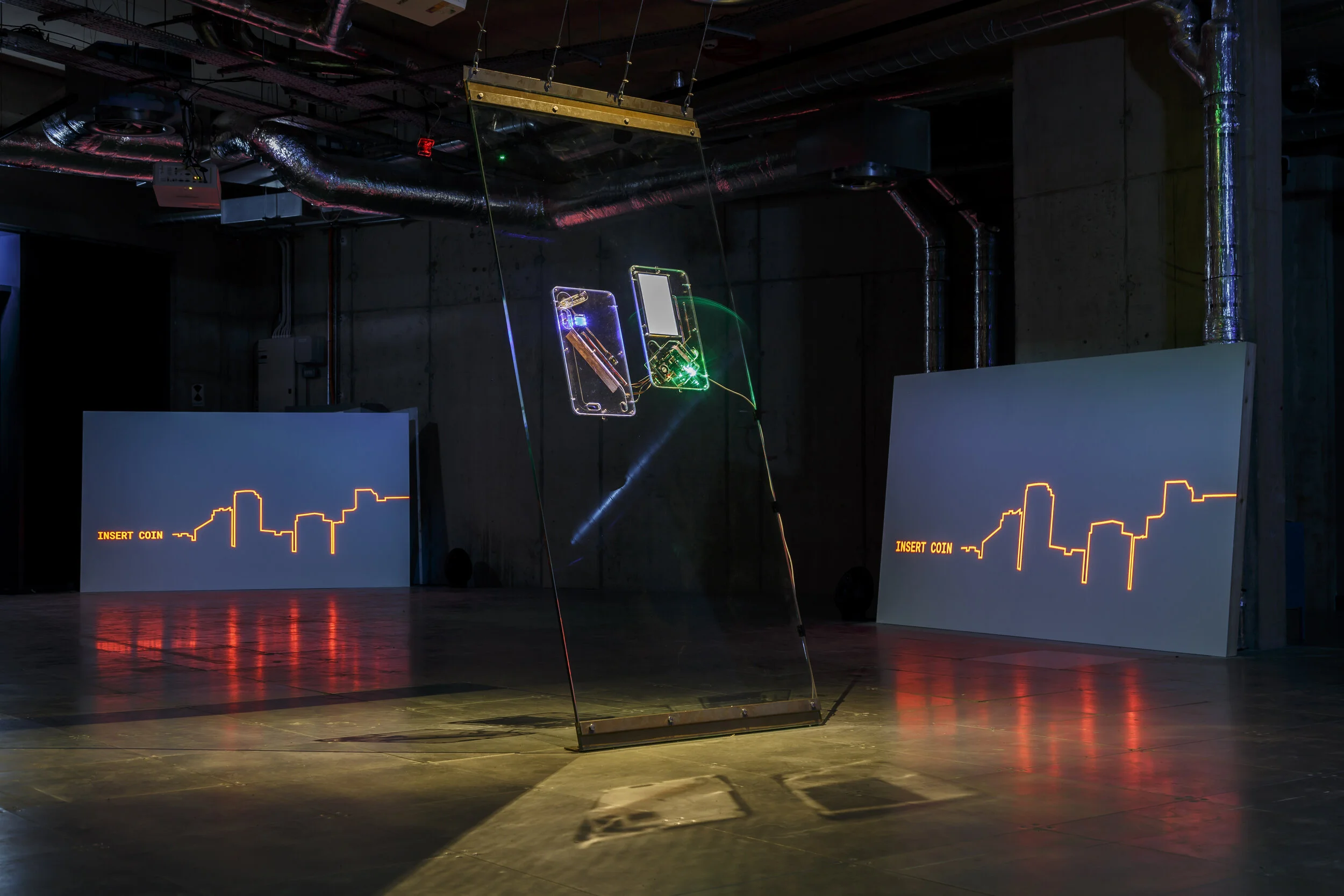
Helen Knowle’s immersive four-screen installation ‘Trickle Down’ opened on 23rd January.
I attended the final set-up day to photograph the completed installation ahead of the opening night.
Trickle Down, A New Vertical Sovereignty is a tokenised four-screen video installation and generative soundscape, which explores value systems and wealth disparity. The artwork is composed of auction scenes, performances and choral interludes by different communities such as prisoners, blockchain technology employees, market sellers, and Sotheby’s auction bidders.

The installation commences when a visitor drops a pound coin into a machine designed to expose the mechanisms needed to convert fiat currency into crypto-currency. The sensors, software and electronic components along with a read out of the blockchain ledger are exposed, embedded in a large sheet of glass. Each and every member of the Trickle Down community, who has helped the work come to fruition, will receive a share of the ETH via a crypto-currency wallet, questioning: can technology be a unifying force to enable more equality in society or does technology only work effectively for those who are educated to navigate it?

Knowles documented a series of auctions in widely different settings, which reflect the disparities in wealth and financial power individuals in different communities have. These include prisoners at HMP Altcourse in Liverpool, Ethereal Summit attendees, employees at blockchain company ConsenSys in New York, shoppers at Openshaw market in North Manchester and the Russian community in central London buying cultural artefacts at Sotheby’s auction house. Knowles photographed members of these communities during the bidding process, documenting their attire rather than identities.

Images of expensive handbags, jewels, fur and beautifully woven fabrics accompany sounds of rising numbers as cultural artefacts are offered for sale. At the opposite end of the wealth spectrum, bric a brac and basic goods are being bought in bulk at the north Manchester market and prisoners bid with their labour for plants to send to relatives for Christmas, during an auction staged by the artist exploring prison economies.
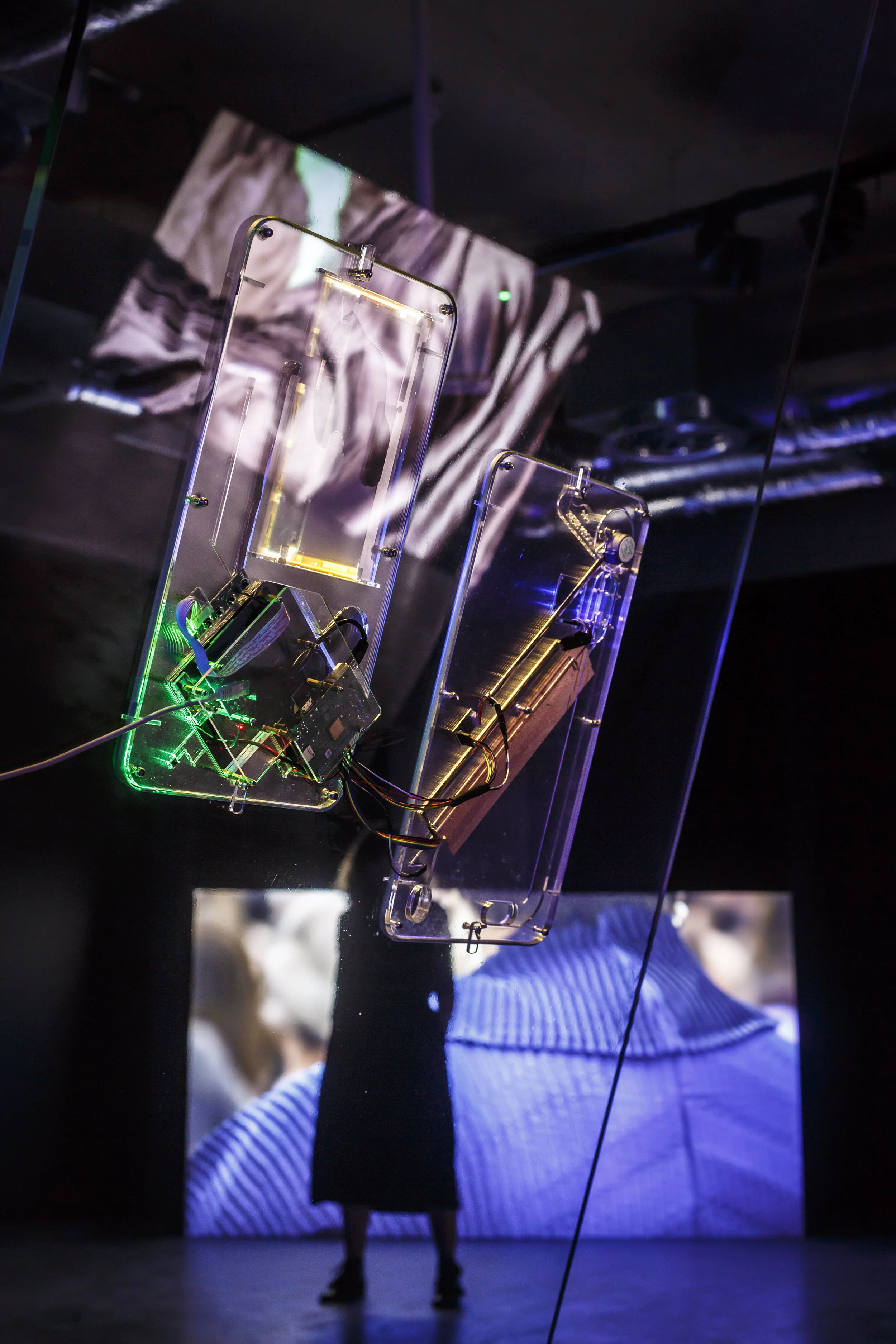
Trickle Down, A New Vertical Sovereignty seeks to explore and provoke questions about labour, automation, value in art, decentralised sharing economies and distribution of wealth.
https://www.arebyte.com/trickle-down-a-new-vertical-sovereignty