Latest Editorial, Portrait & Commercial Photography Projects
A selection of my most recent commissions and ongoing projects.
The work shown here spans editorial assignments, portrait commissions, documentary projects and commercial photography for organisations and publishers. It reflects current areas of focus and the range of contexts in which I am working.
New projects are added regularly.
Michaela Yearwood-Dan at the Whitworth, Exhibition Opening
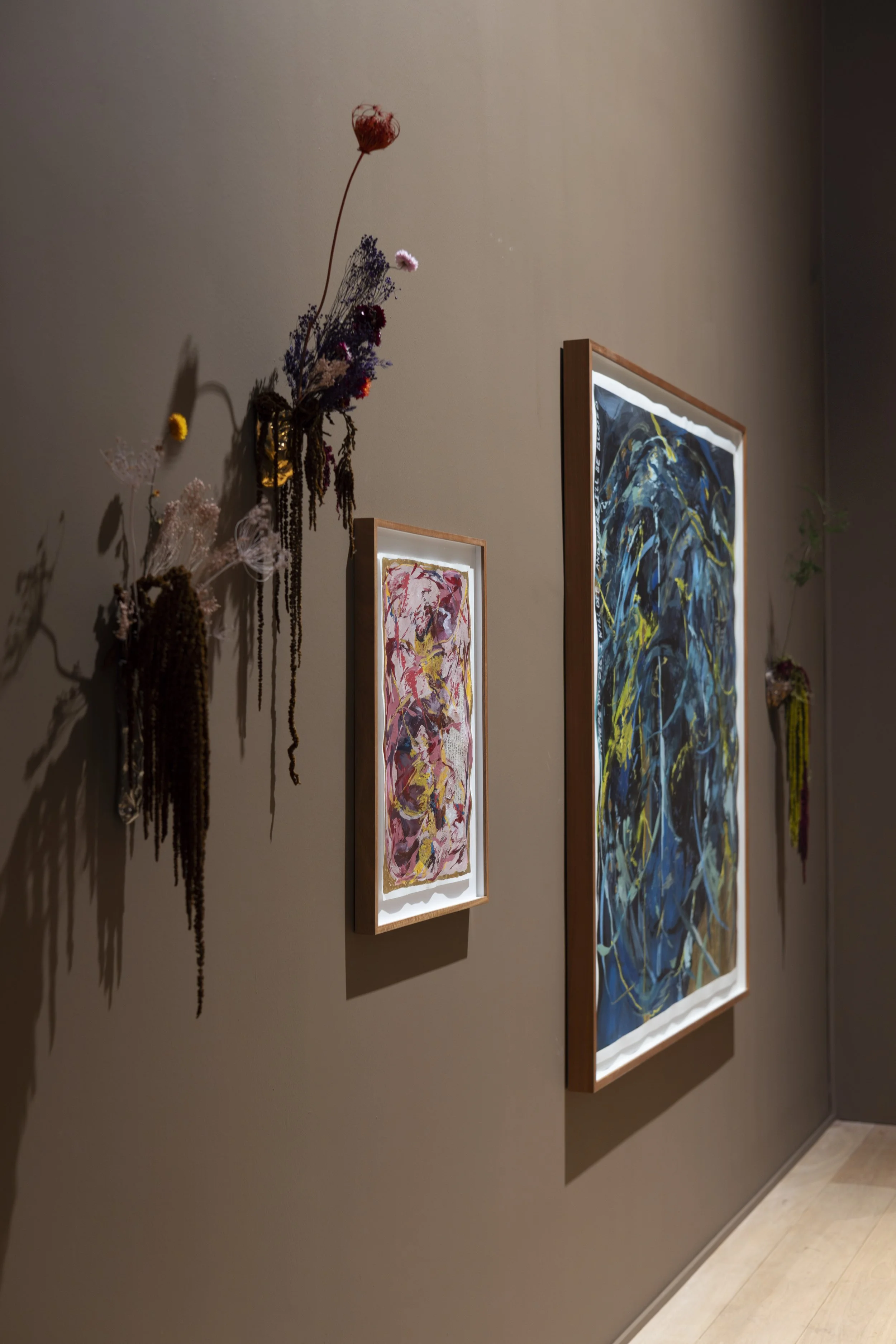
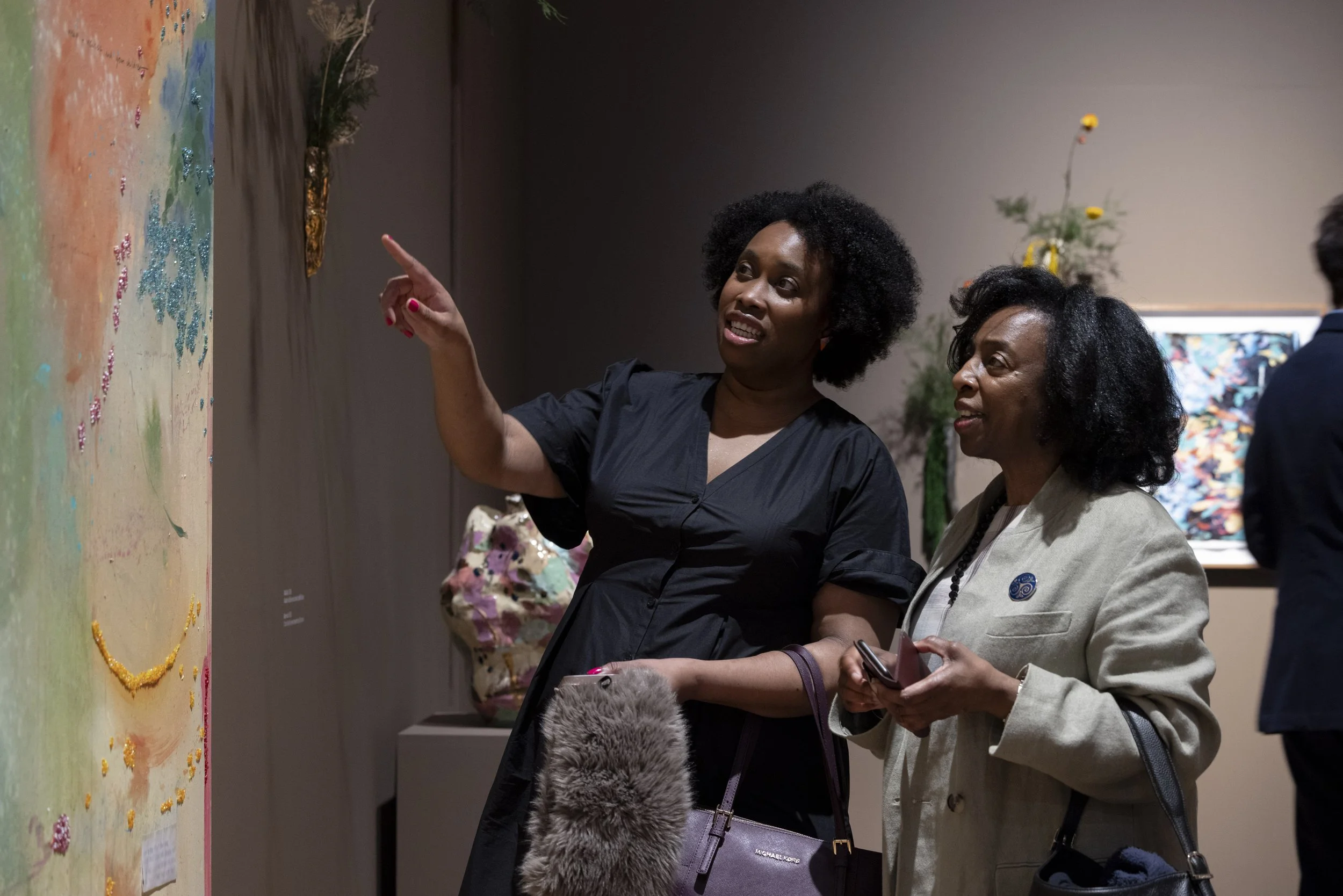
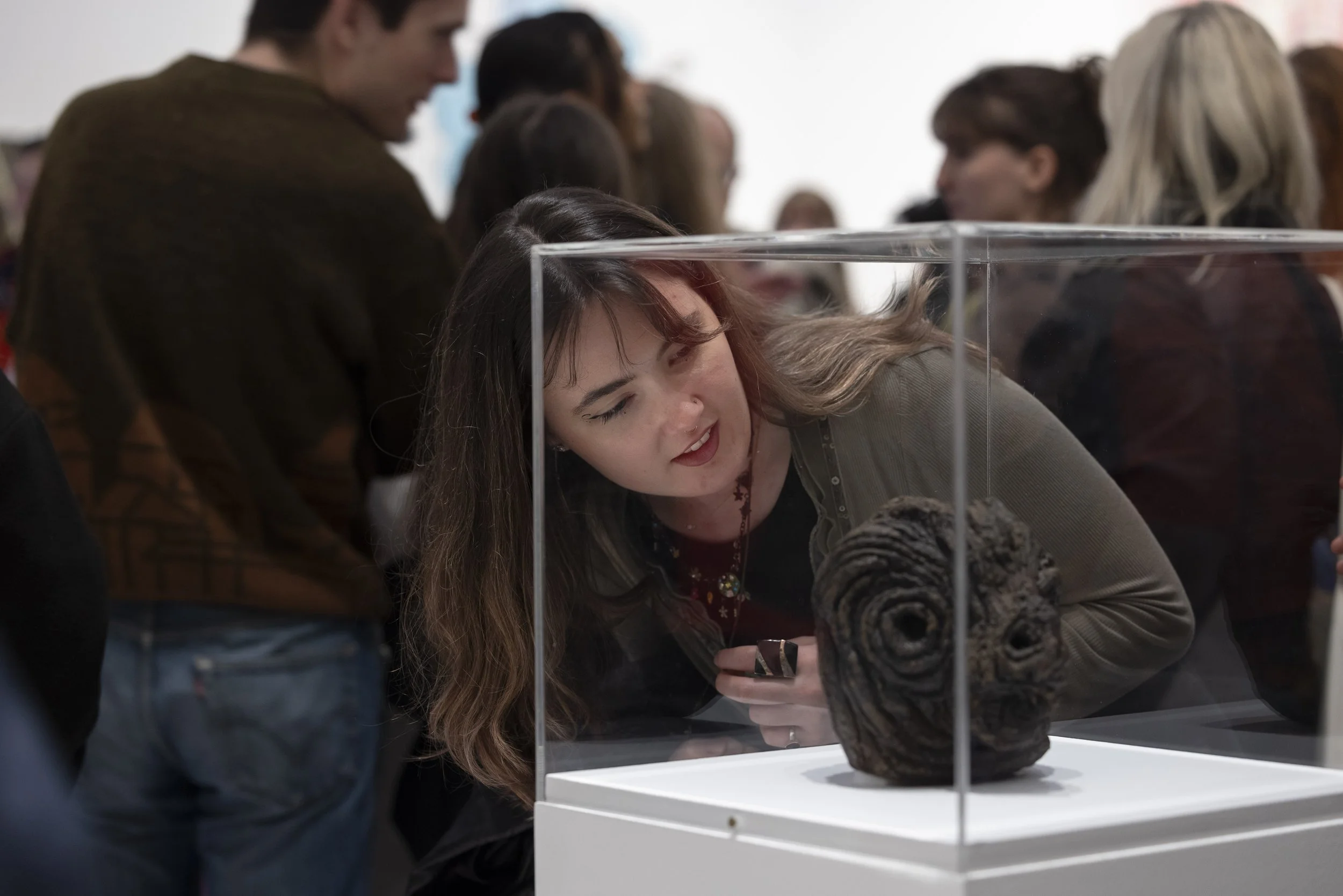
I photographed the opening of Michaela Yearwood-Dan’s exhibition at the Whitworth Art Gallery in Manchester. The exhibition brings together painting, ceramics and sound across several rooms in the gallery, with works placed so the installation shifts as you move through it.
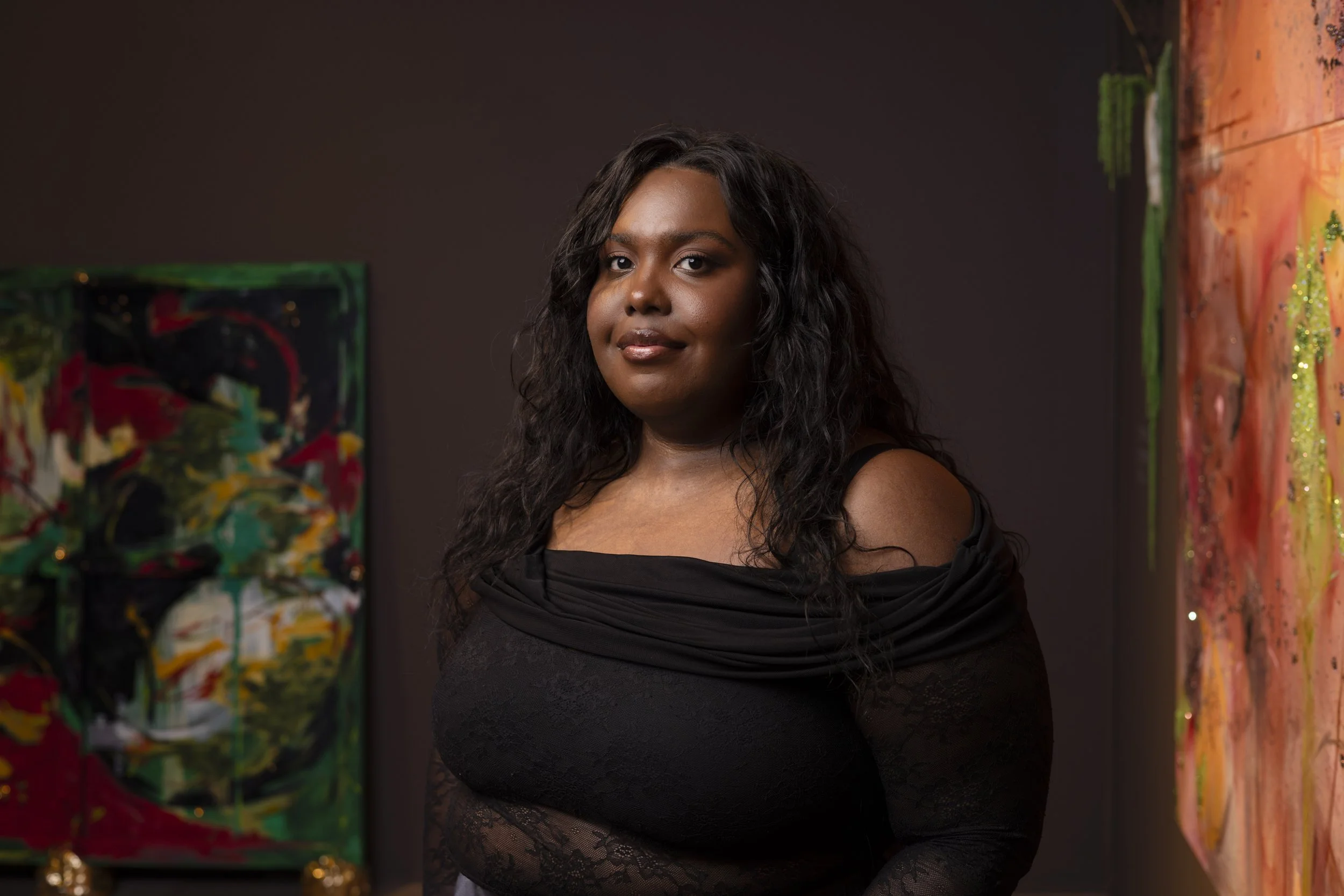
Exhibition opening at the Whitworth, Manchester
I photographed the opening of Michaela Yearwood-Dan’s exhibition at the Whitworth Art Gallery in Manchester. The exhibition brings together painting, ceramics and sound across several rooms in the gallery, with works placed so the installation shifts as you move through it.
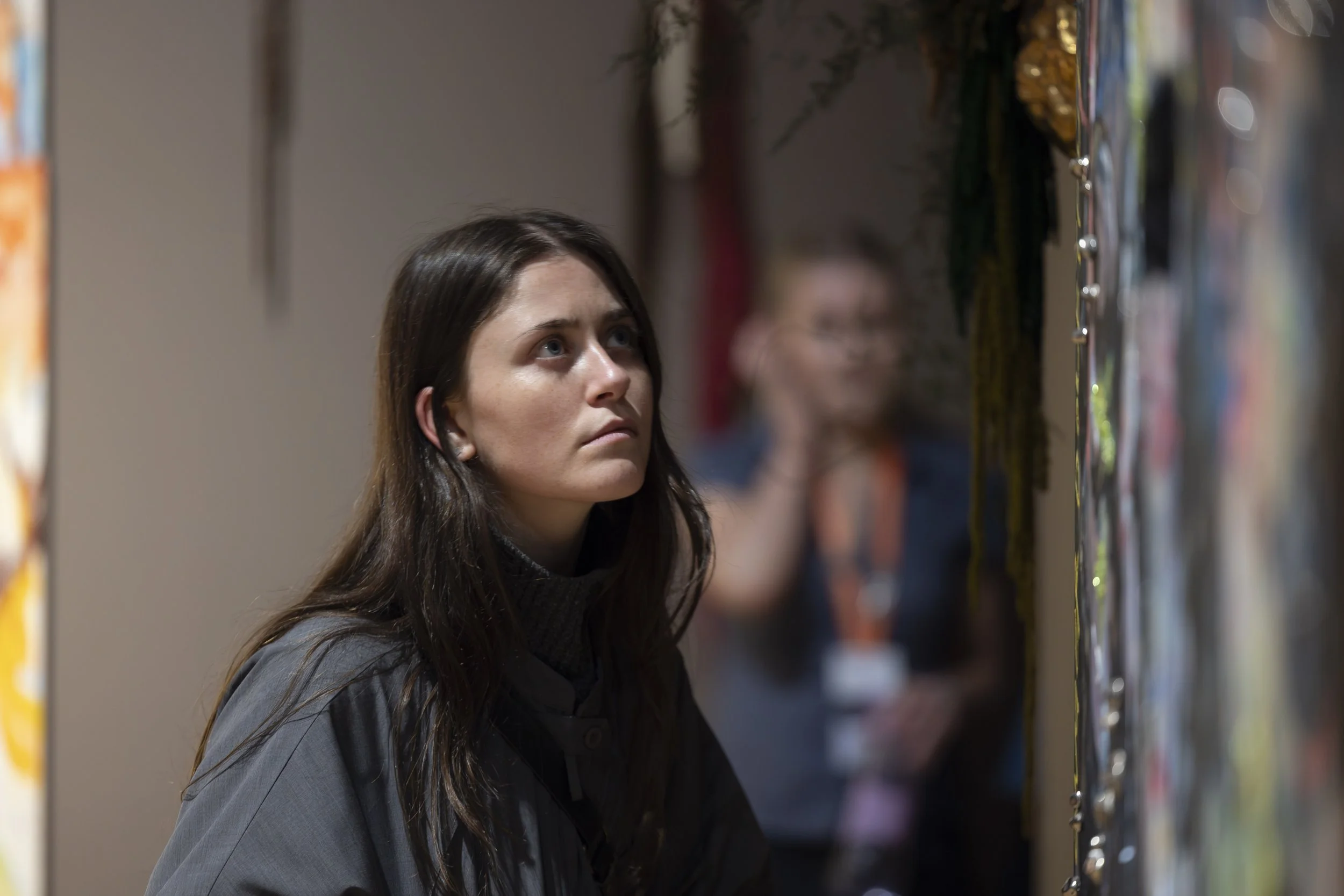
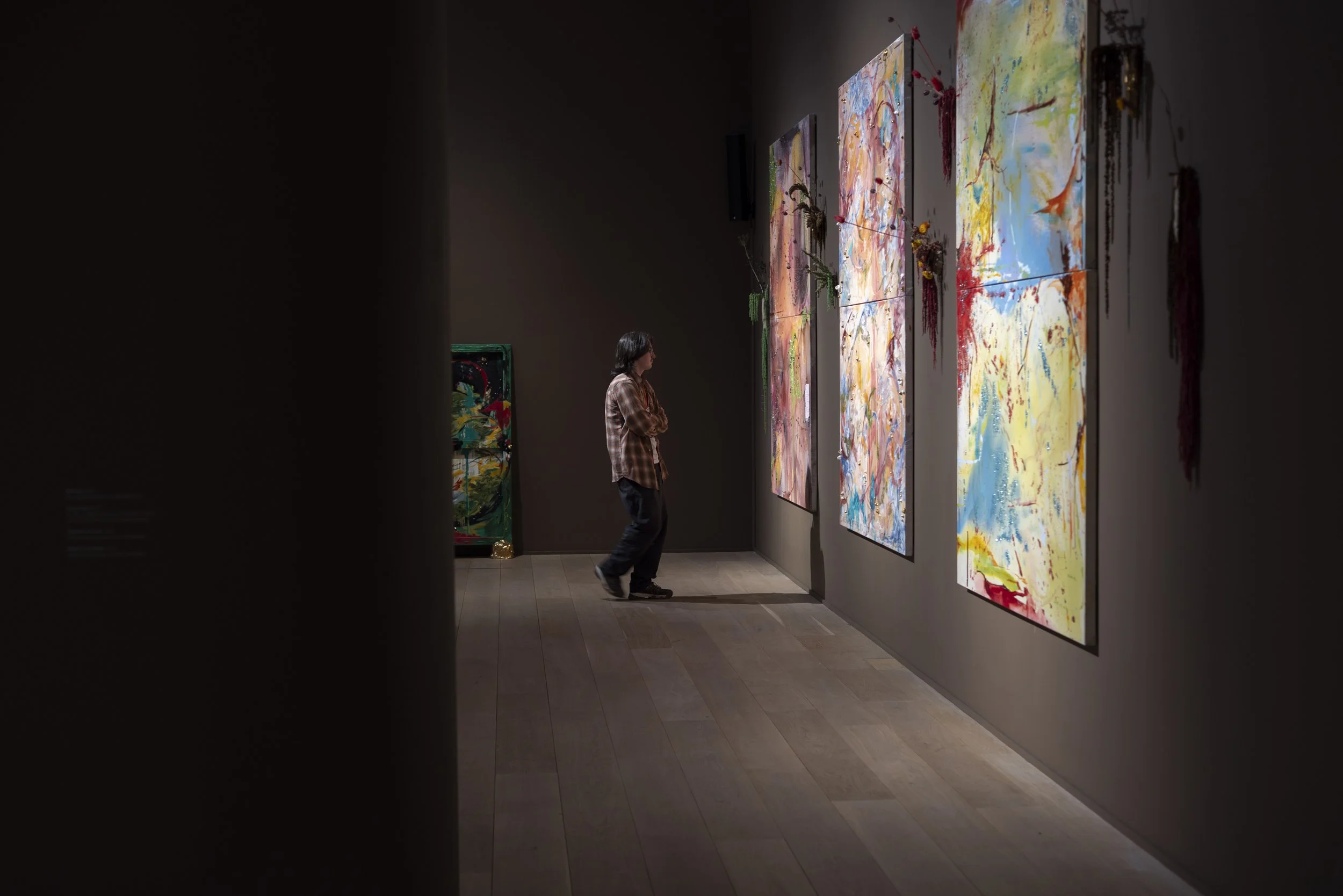
I photographed the opening as it unfolded across the evening. I photographed the artist, Michaela Yearwood-Dan, in formal portraits within the space, as well as in more informal moments with friends and visitors during the opening. Alongside that, I photographed people moving through the exhibition, stopping to look closely at the work, talking, and circulating between rooms.
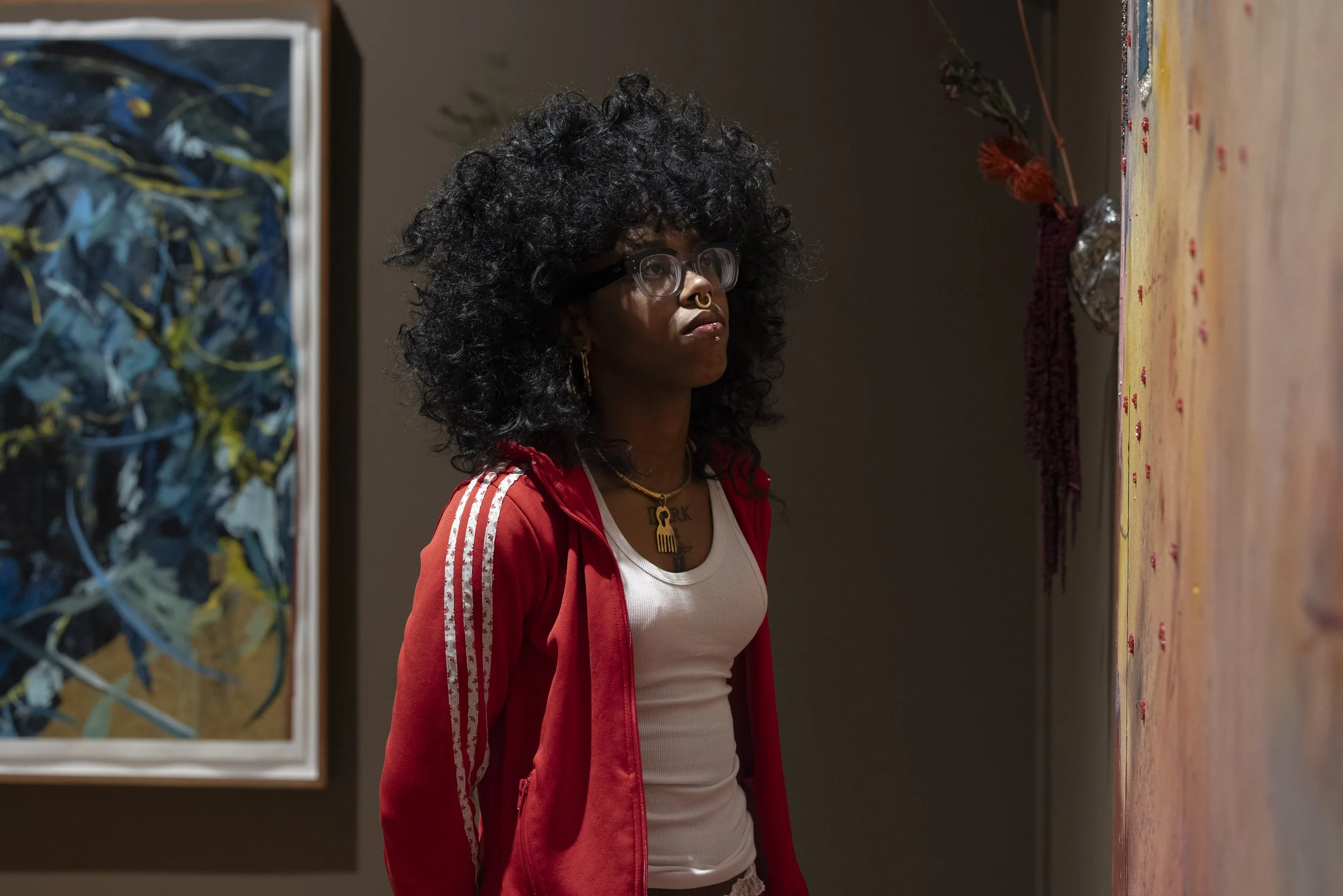
Michaela Yearwood-Dan
Michaela Yearwood-Dan works across painting, ceramics, installation and sound. Her paintings are built through layered surfaces of colour, gesture and handwritten text that sits directly within the image rather than as separate annotation. The work often holds fragments of writing within dense painterly surfaces, where image and language sit together.
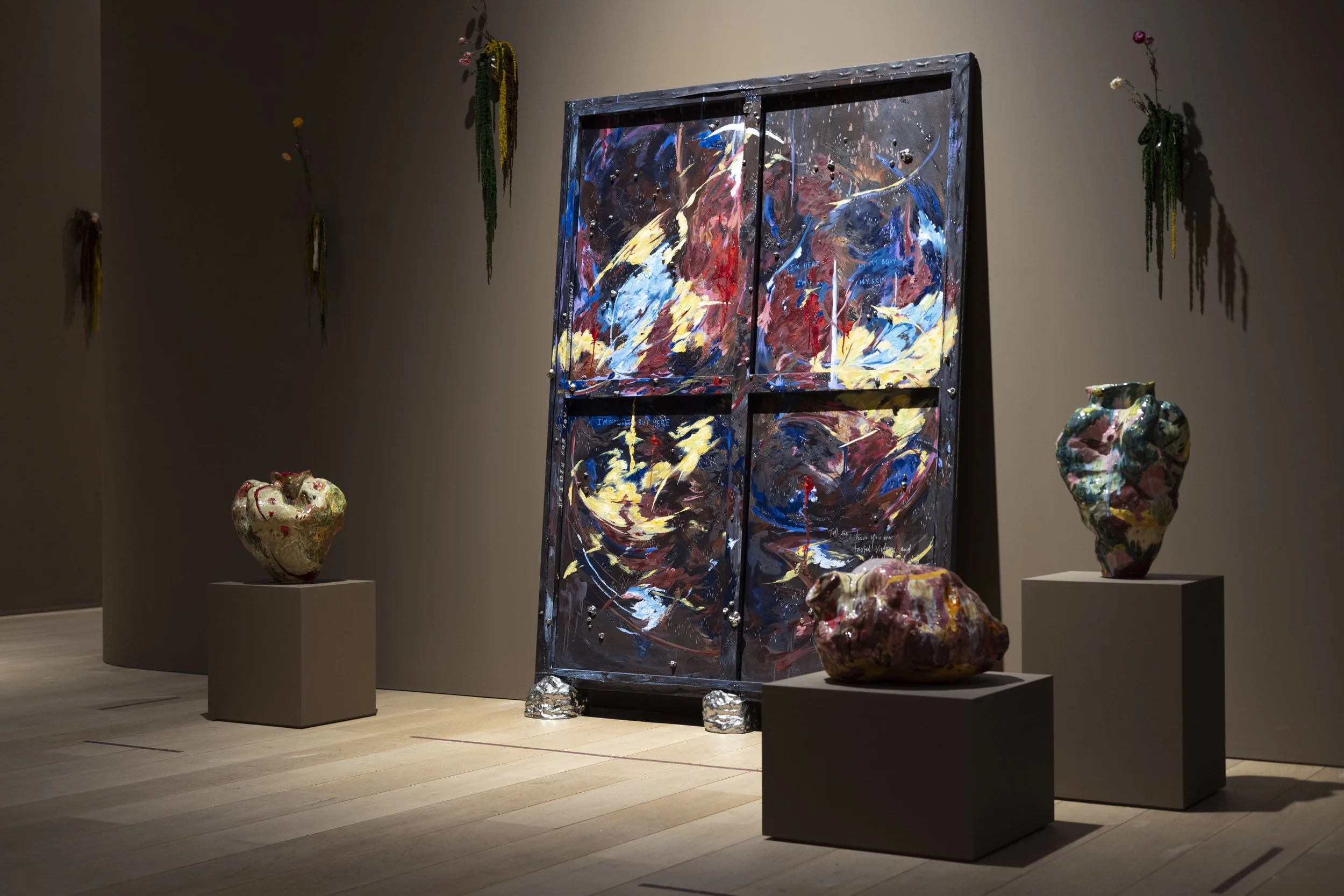
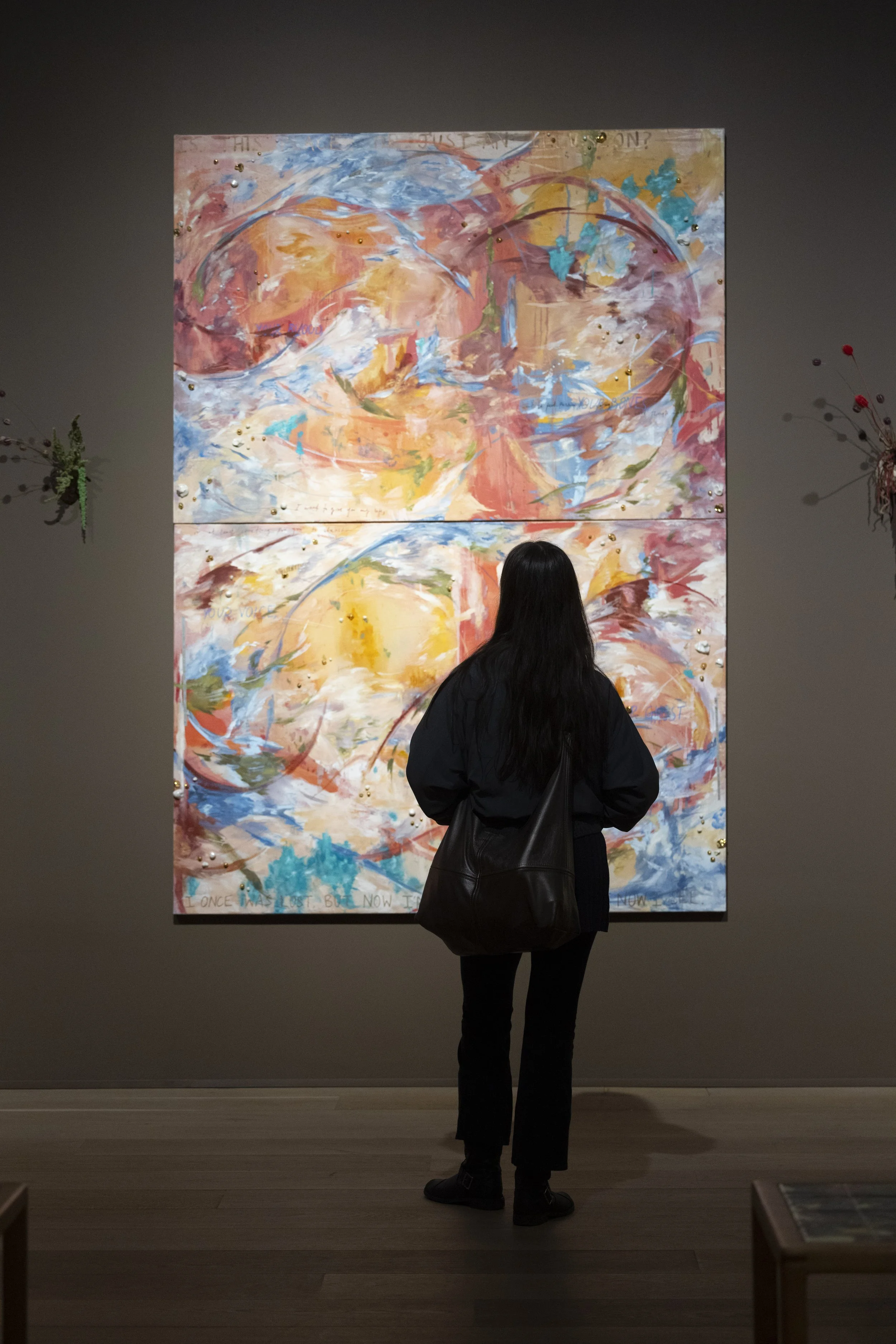
She is represented by Hauser & Wirth and Marianne Boesky Gallery, and her work is shown internationally across institutional and gallery contexts.
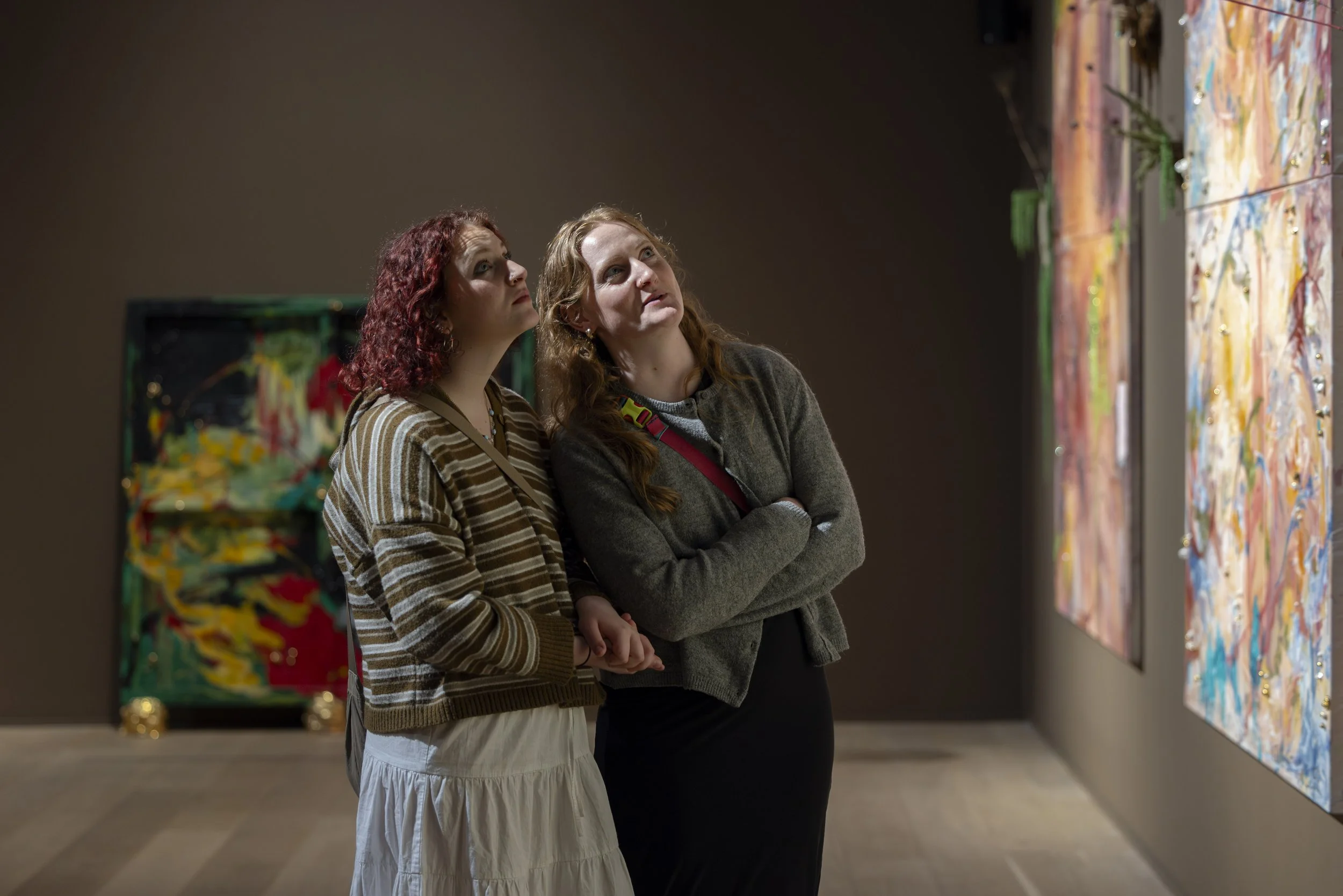
Critical writing on the work
Writing on her practice often focuses on how abstraction and language sit alongside personal and cultural reference. In British Vogue, Charlotte Jansen describes her paintings as combining “confession, nostalgia and identity.”
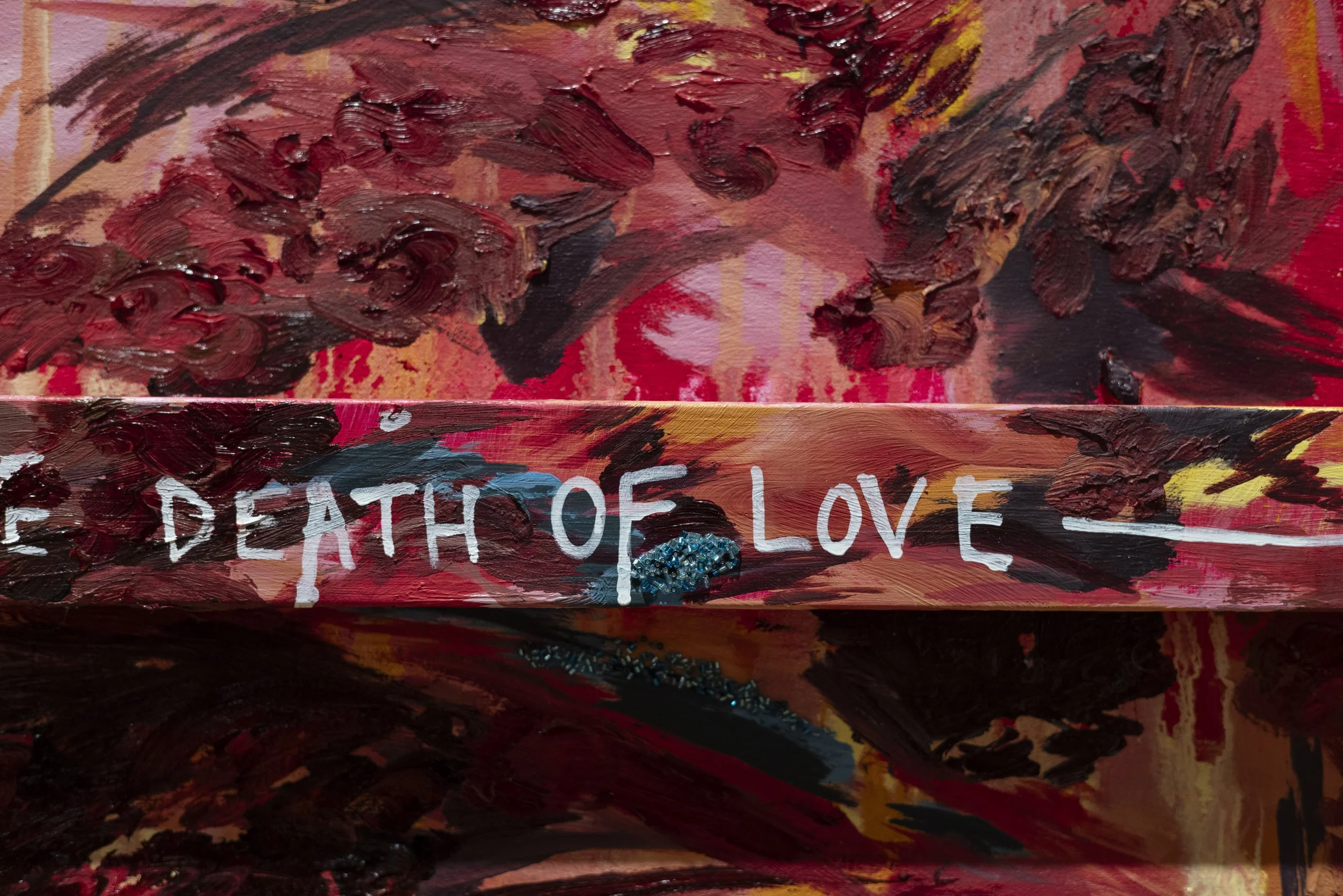
The same article also notes the range of references within her work, from “queer communal spaces and carnival to Caribbean flora and fauna, to spiritual rituals and, very often, music.”
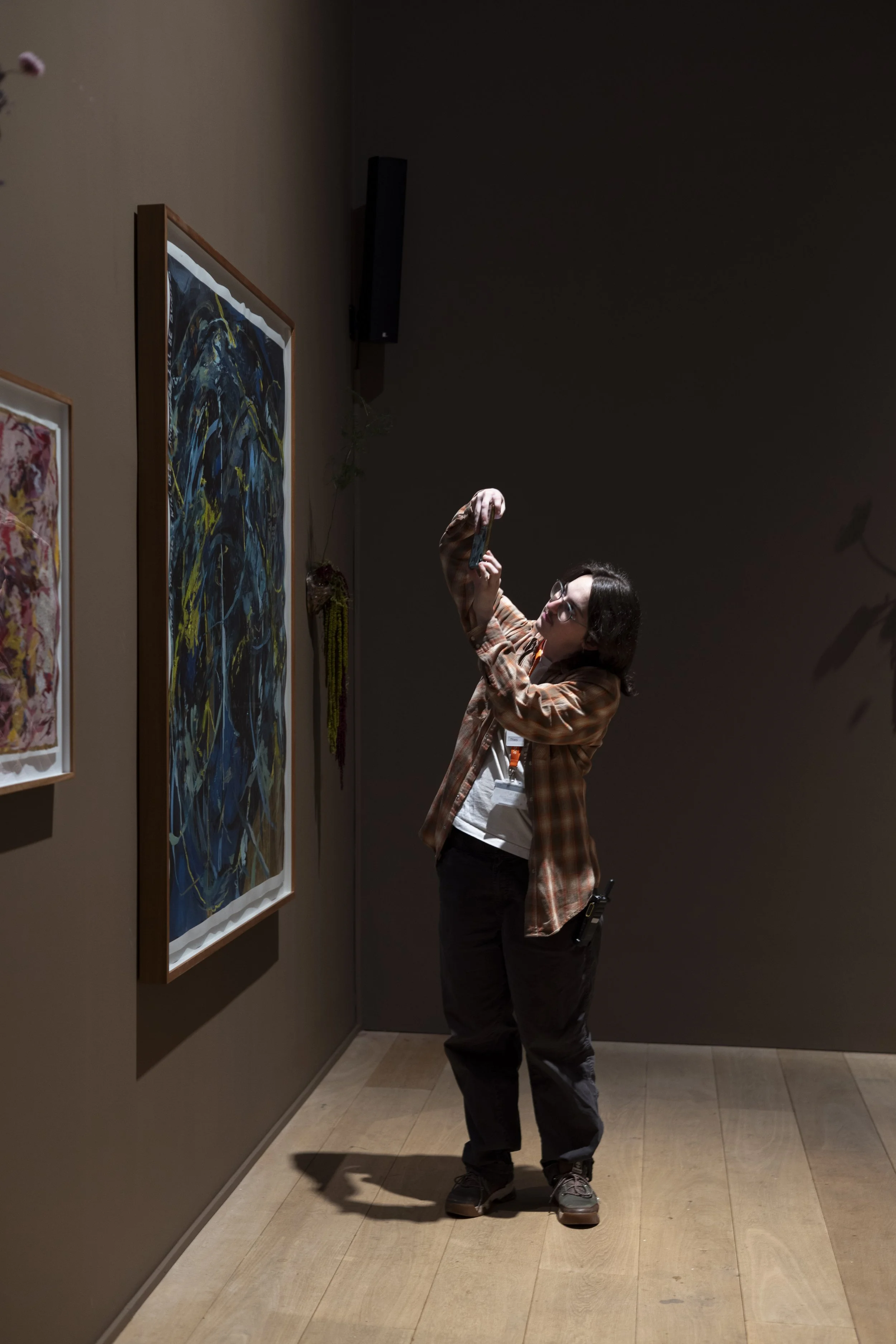
In exhibition texts for The Practice of Liberation at the Whitworth, her use of language is described as “fragments of diaristic writing alongside adapted and borrowed texts and lyrics,” which are integrated directly into the surface of the paintings.
Photographing the opening
I always enjoy working at the Whitworth. The building has a natural ease for photographing people within it, and the way exhibitions sit within its architecture supports that. There is a steady flow of movement during openings like this, which allows for a mix of portrait work, observation and social documentation without needing to separate those approaches.
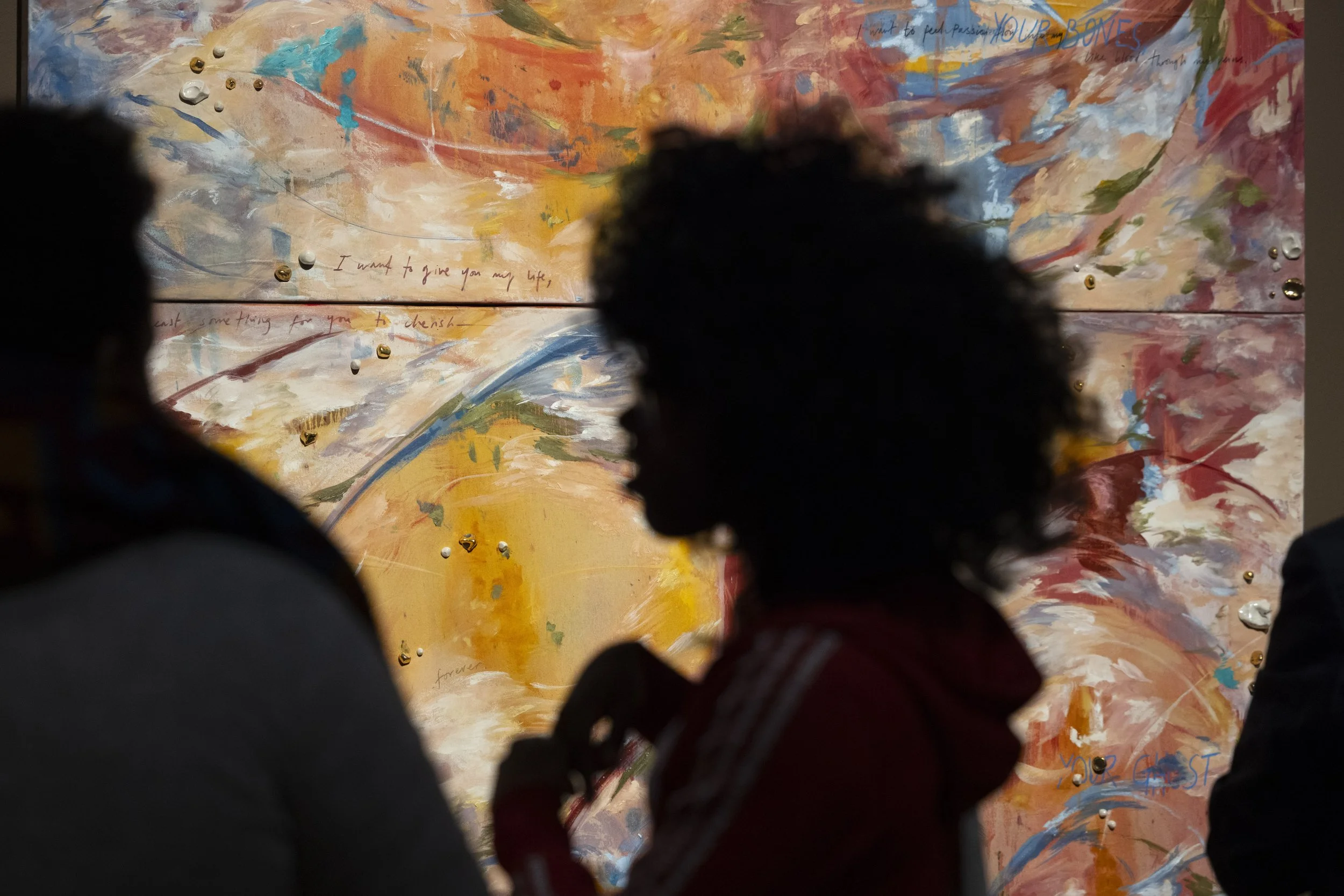
It’s a privilege to work in environments where the architecture, the exhibition, and the people all sit together in the same frame. I am currently accepting commissions for exhibition photography, artist portraits and cultural documentation.
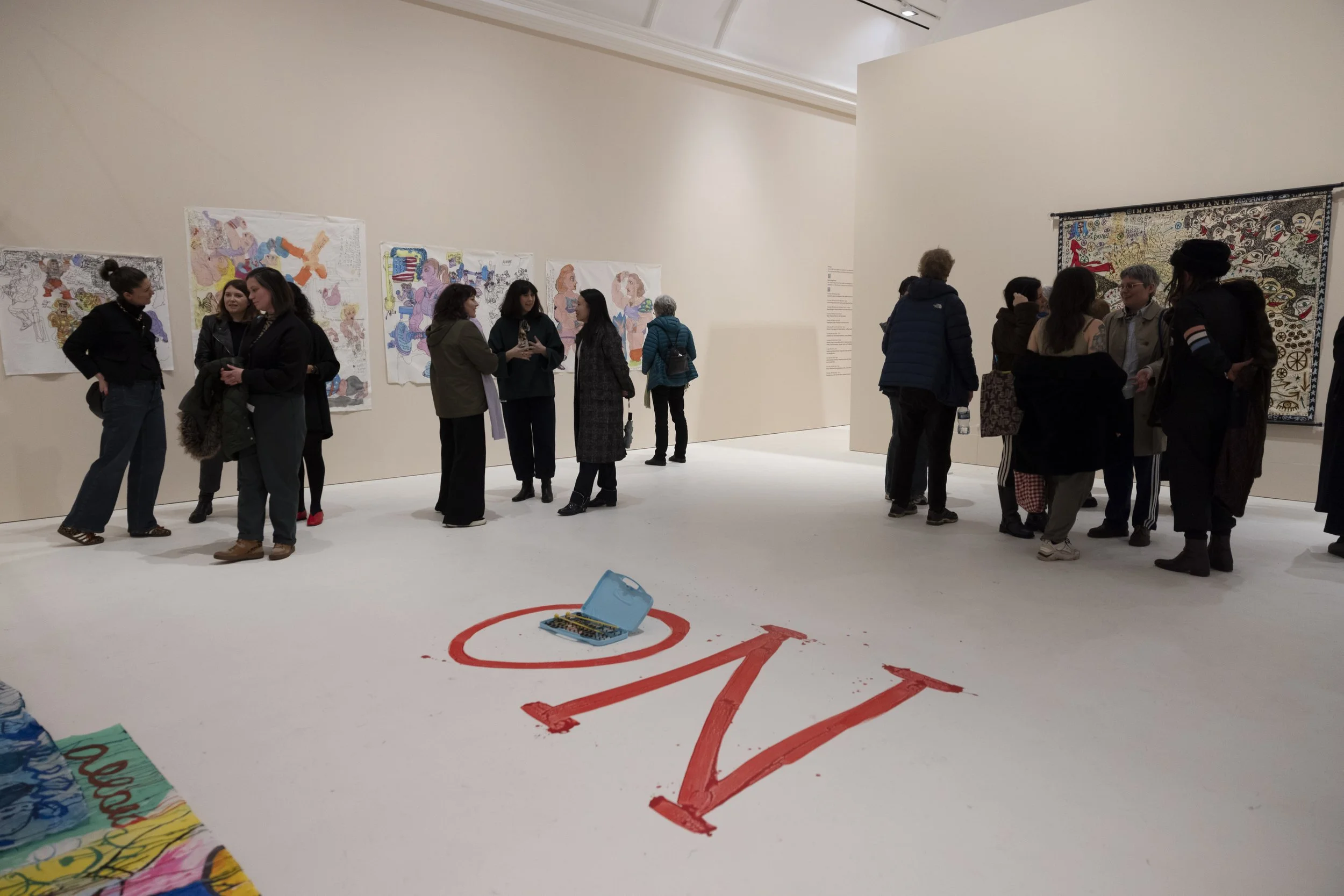
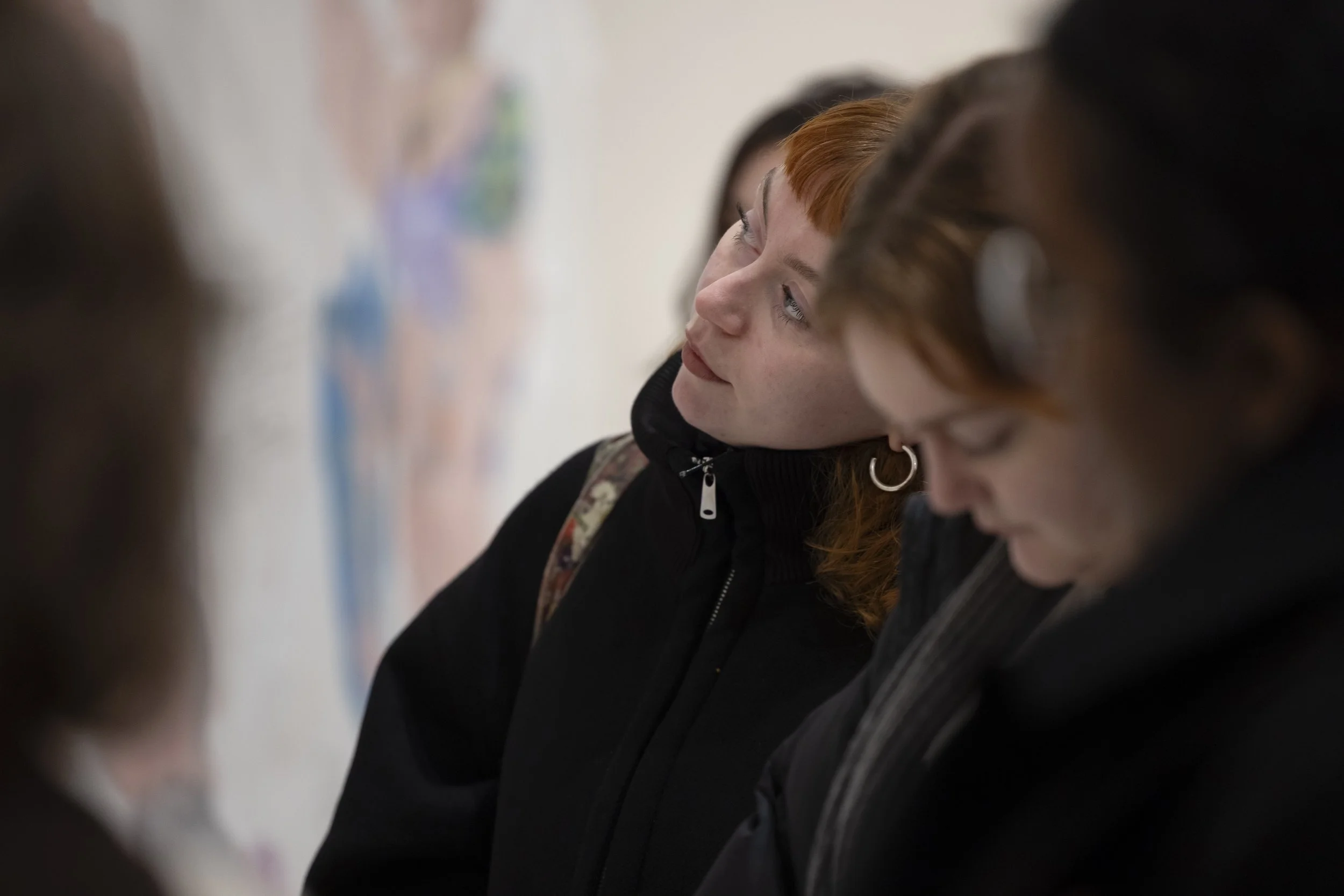
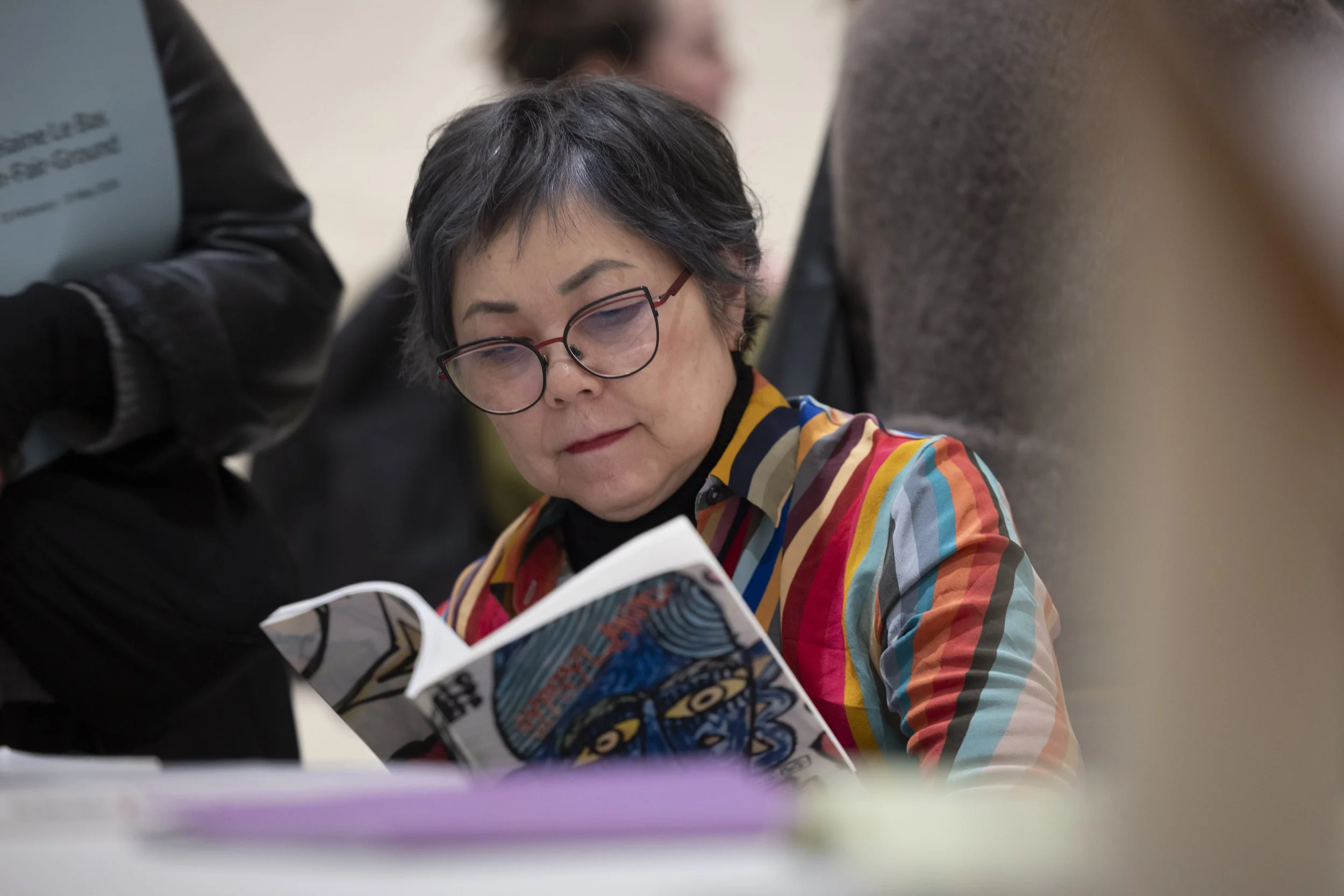
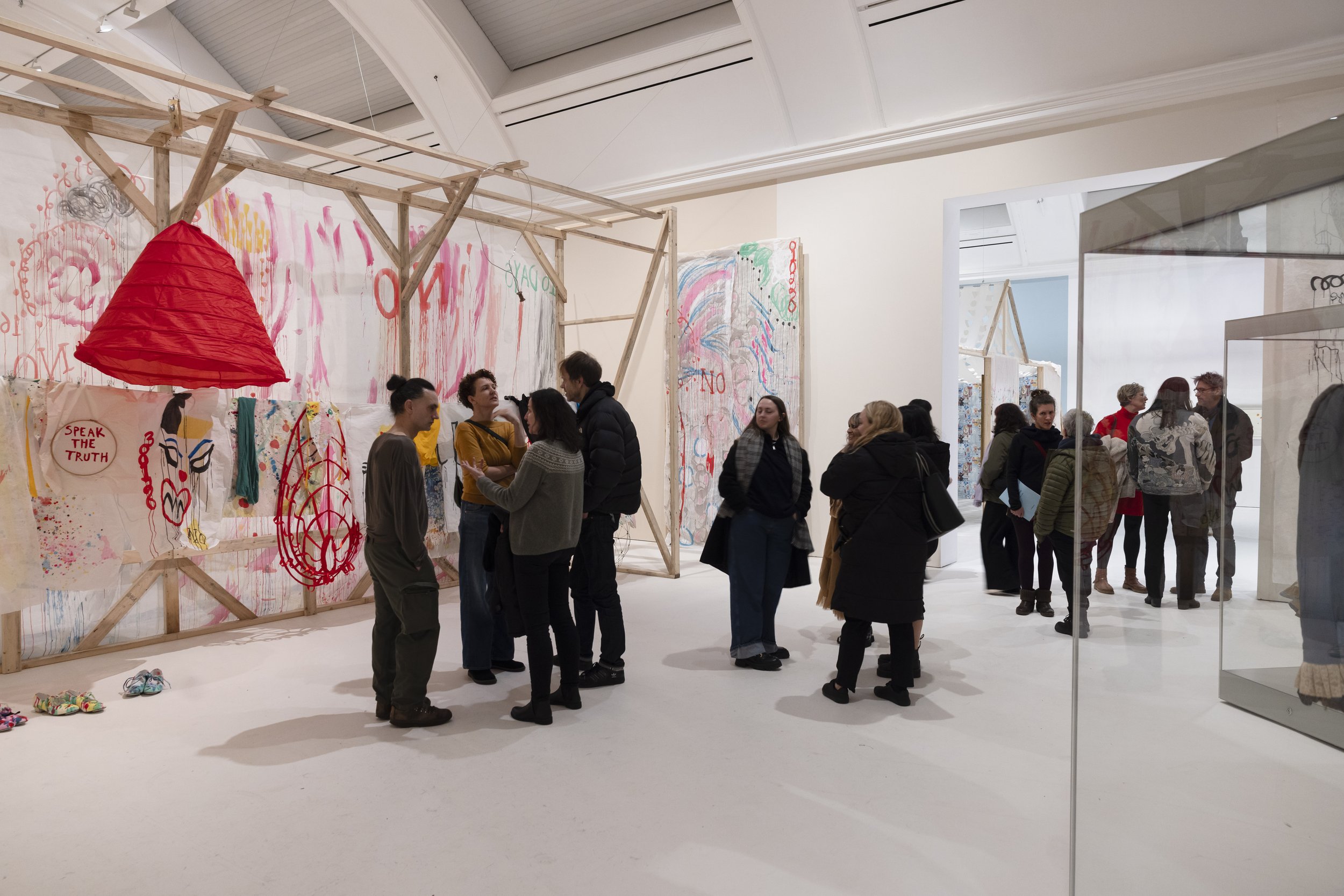
Delaine Le Bas: Un-Fair-Ground Exhibition Photography at The Whitworth
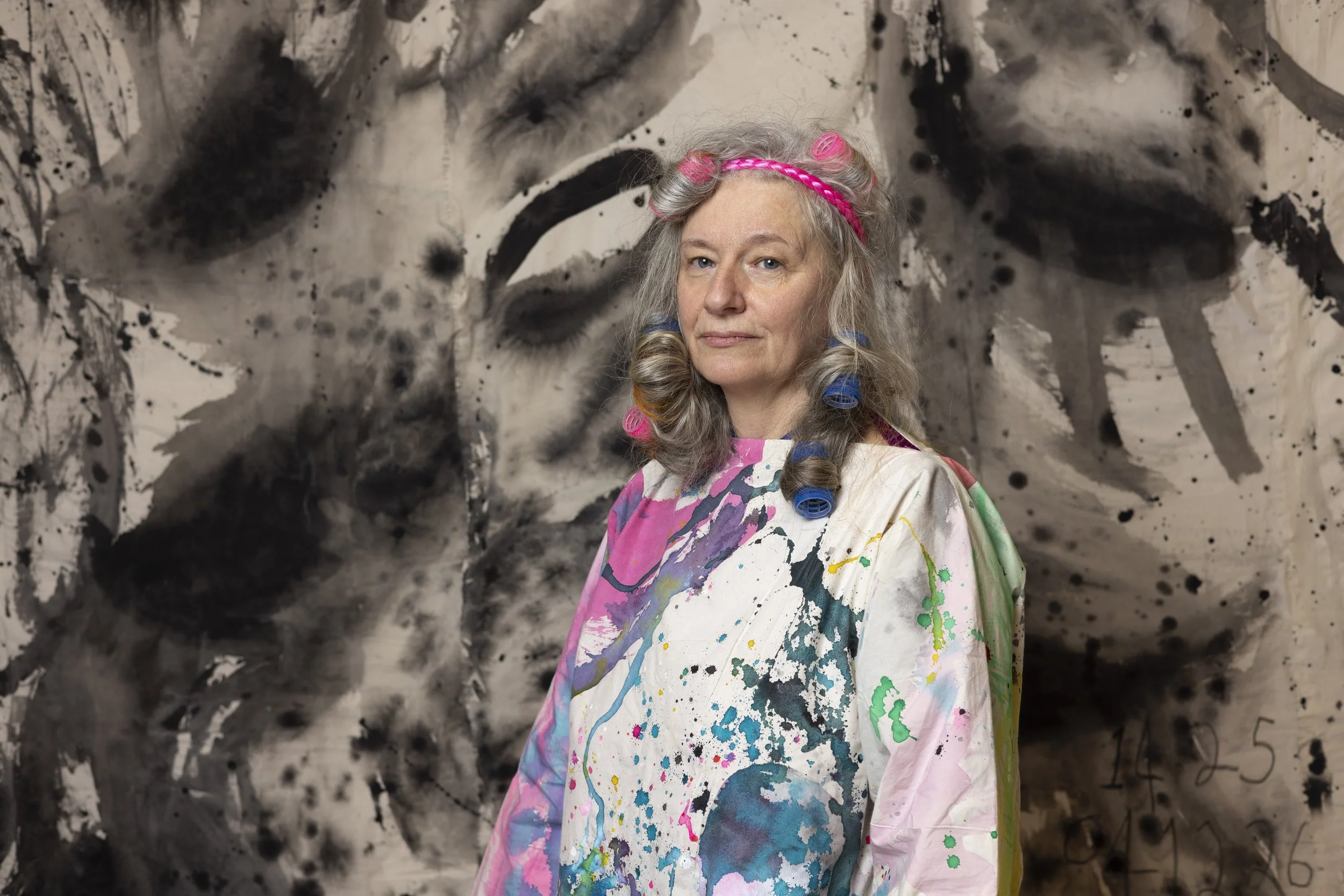
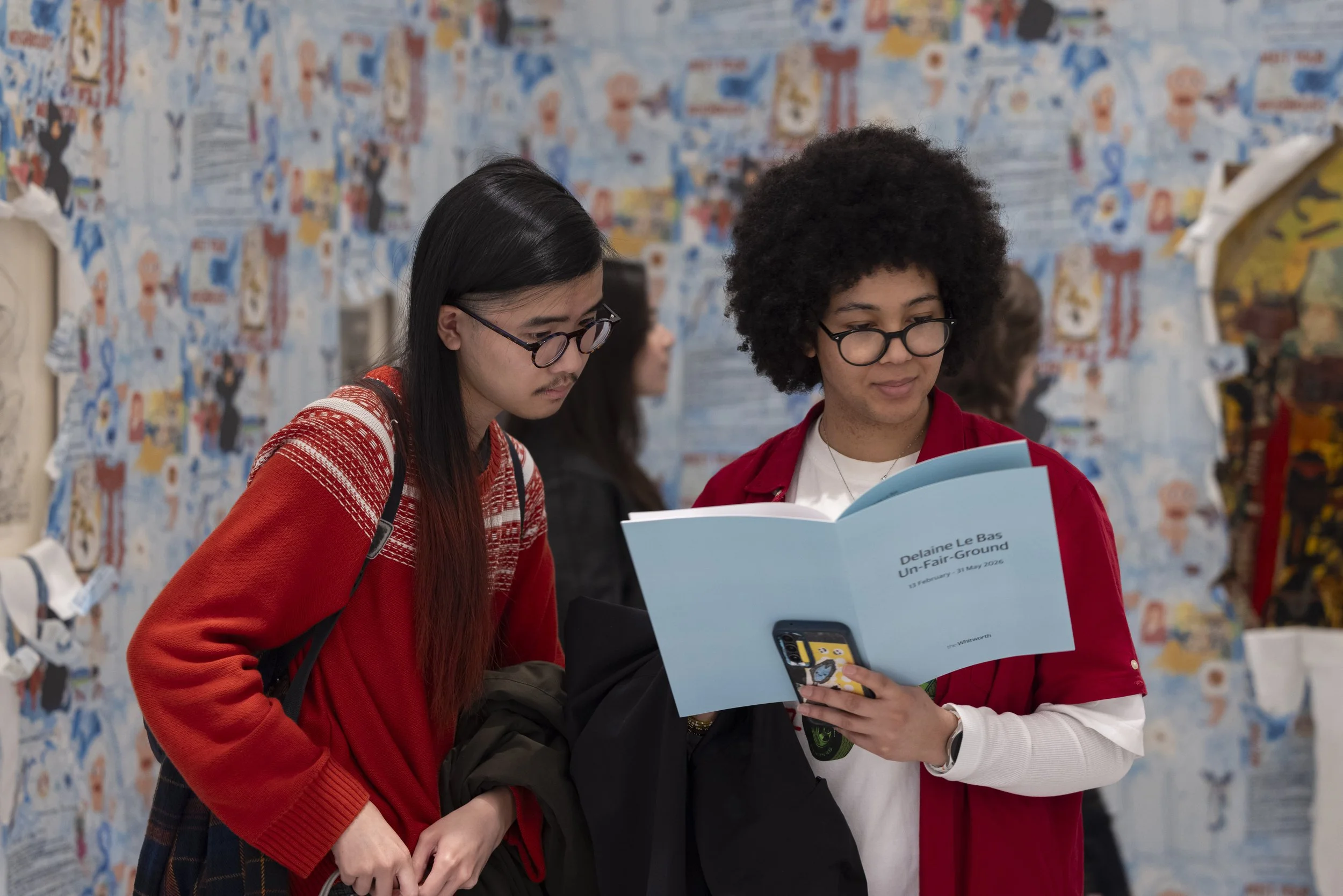
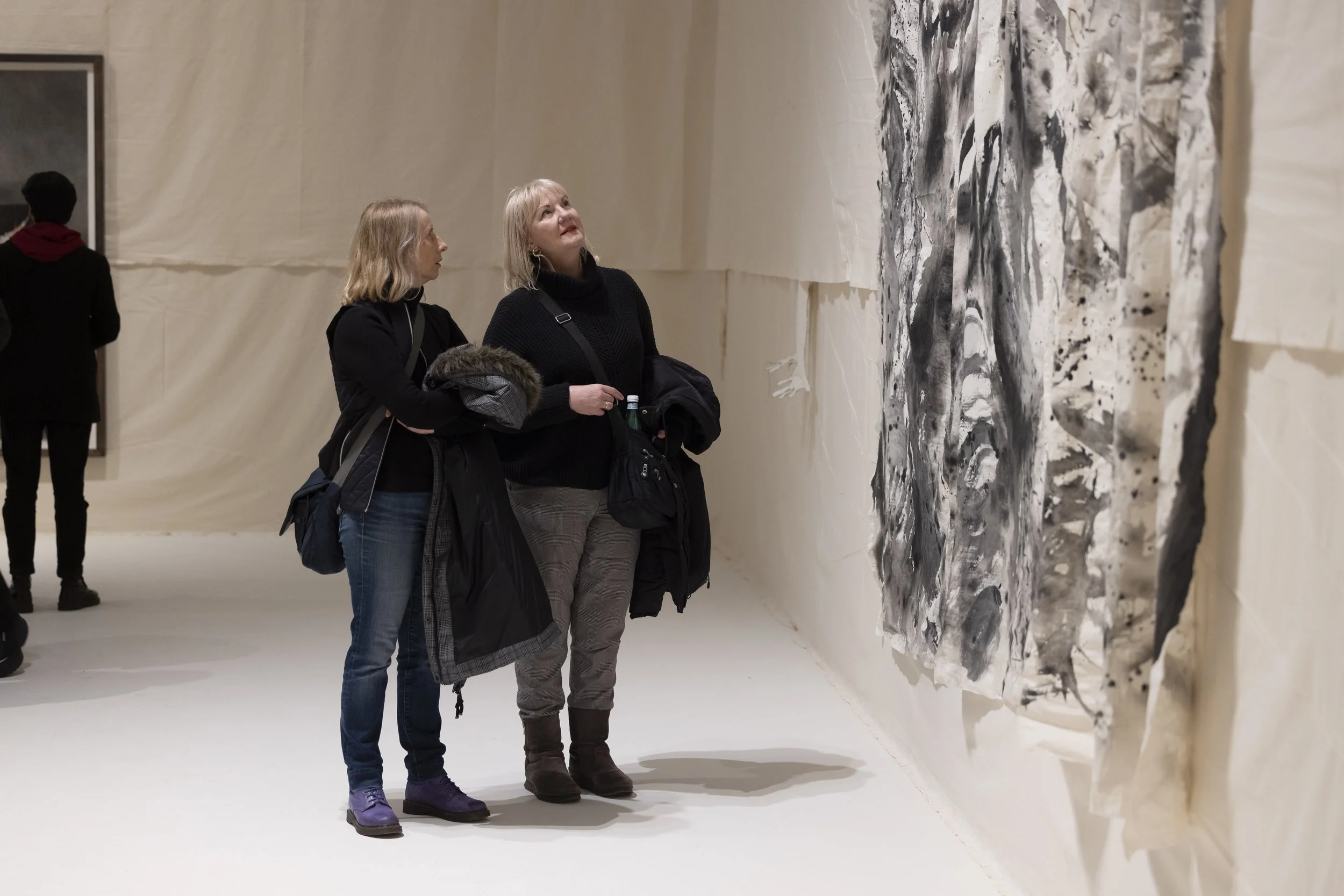
At the opening of Un-Fair-Ground at The Whitworth in Manchester, artist Delaine Le Bas transformed the gallery into an immersive environment using layered textiles, painted slogans, and fairground imagery. The exhibition is designed to be experienced as a single, cohesive space rather than a series of separate works, inviting visitors to engage with themes of visibility, representation, and resistance.
At the opening of Un-Fair-Ground at The Whitworth in Manchester, artist Delaine Le Bas transformed the gallery into an immersive environment using layered textiles, painted slogans, and fairground imagery. The exhibition is designed to be experienced as a single, cohesive space rather than a series of separate works, inviting visitors to engage with themes of visibility, representation, and resistance.
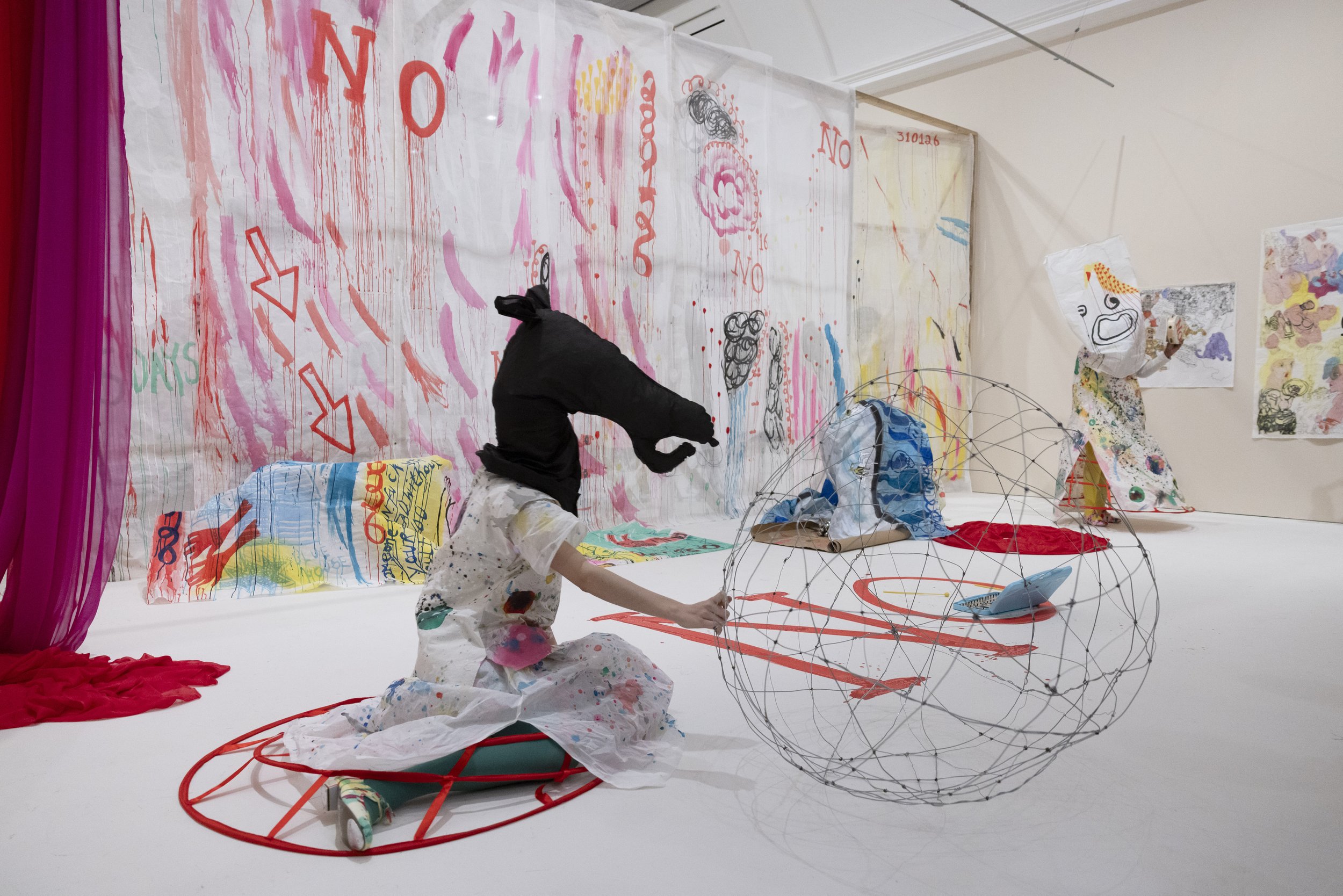
The Un-Fair-Ground Mural
The centerpiece of the exhibition is the large-scale mural Un-Fair-Ground, originally created for Glastonbury Festival and reworked for The Whitworth. Its bold graphic style and dramatic lettering create a sense of spectacle while provoking reflection on social and cultural visibility. Photography captured the scale and intricacy of the mural, emphasizing how the work dominates the gallery space and anchors the exhibition’s narrative.
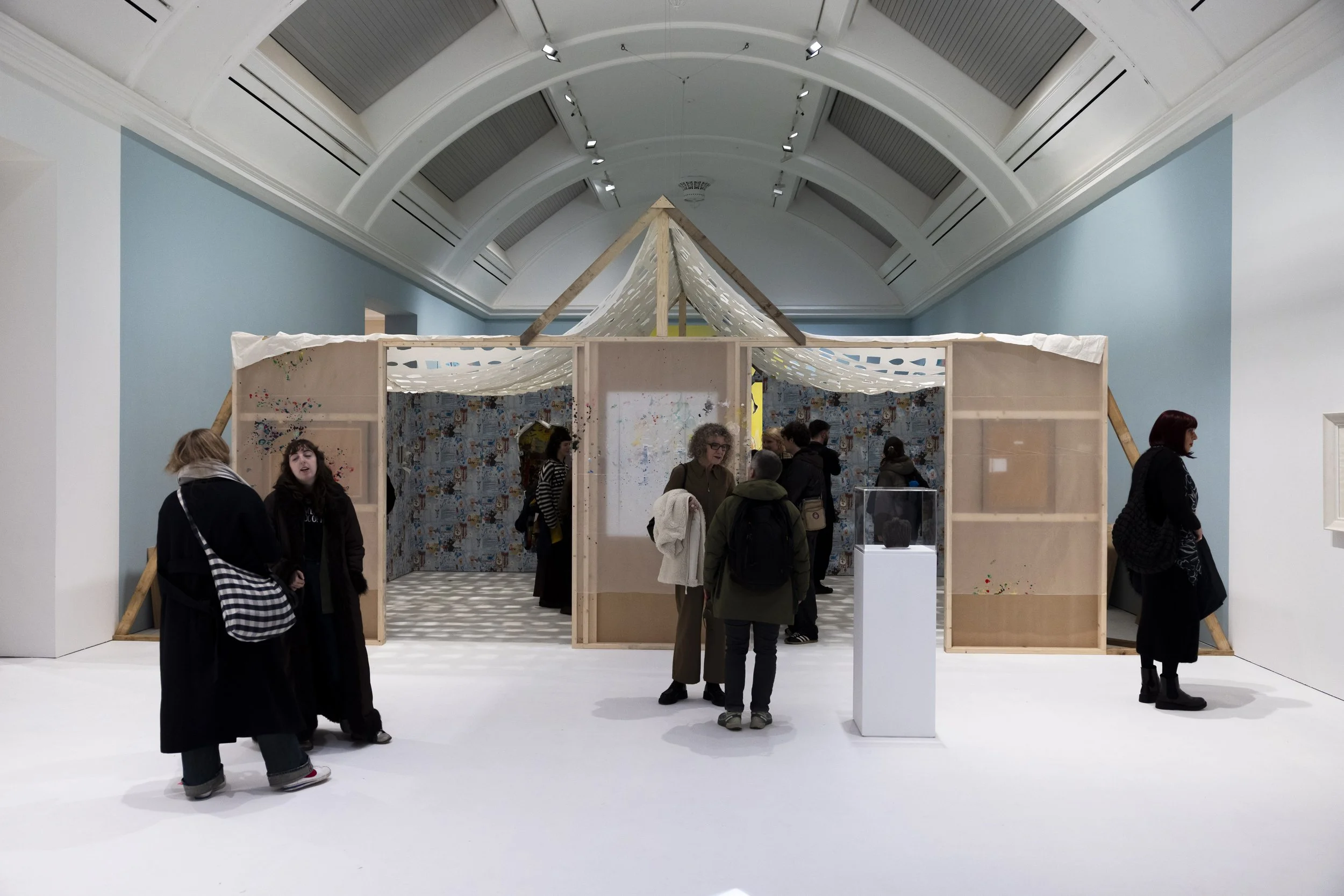
Witch House and Domestic Resistance
Another significant work, Witch House, incorporates wallpaper and stitched phrases to reframe domestic space as a site of resistance. Photography highlights the layered textures, hand-crafted details, and the way Le Bas uses domestic motifs to explore complex social commentary.
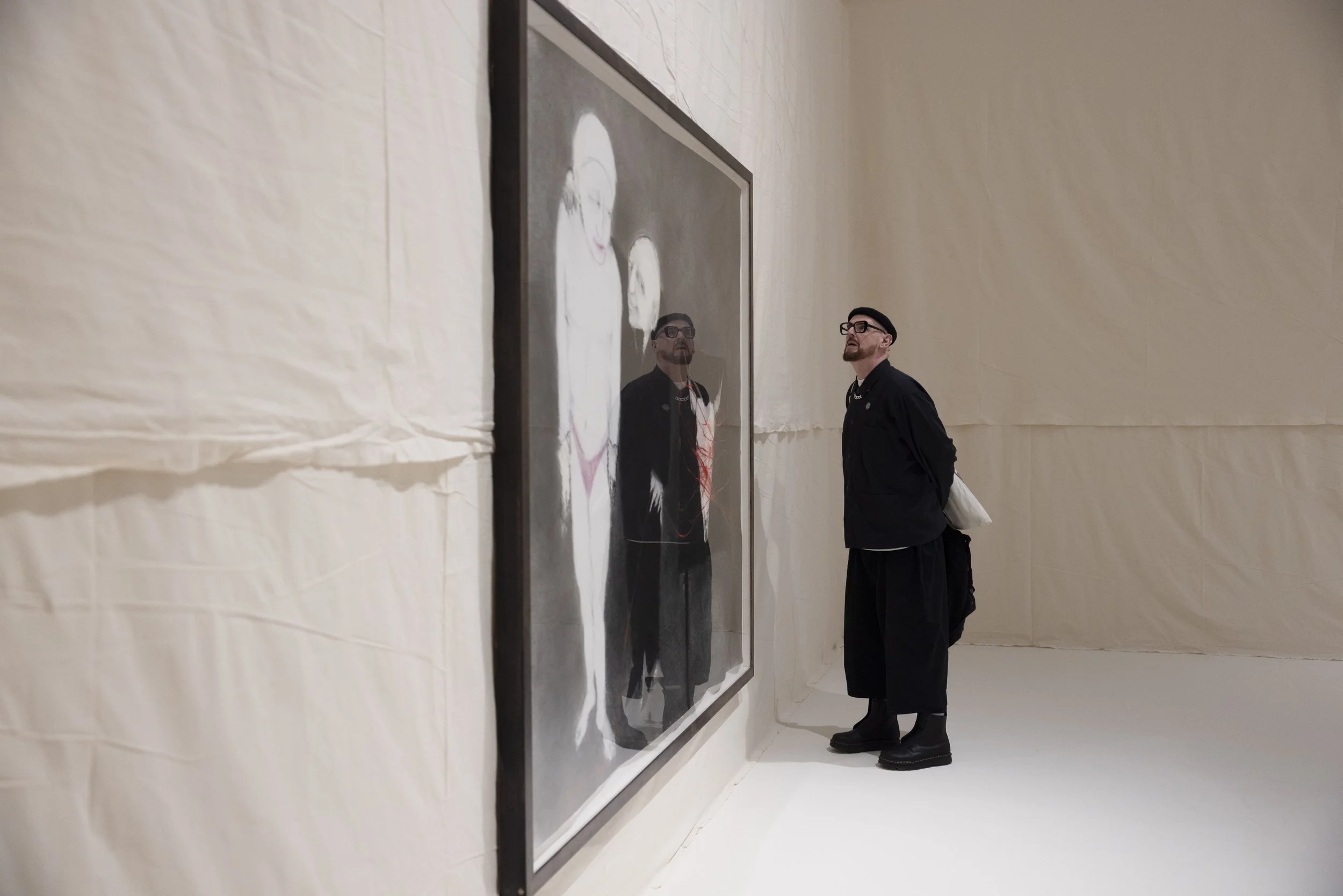
Performance and Shared Experience
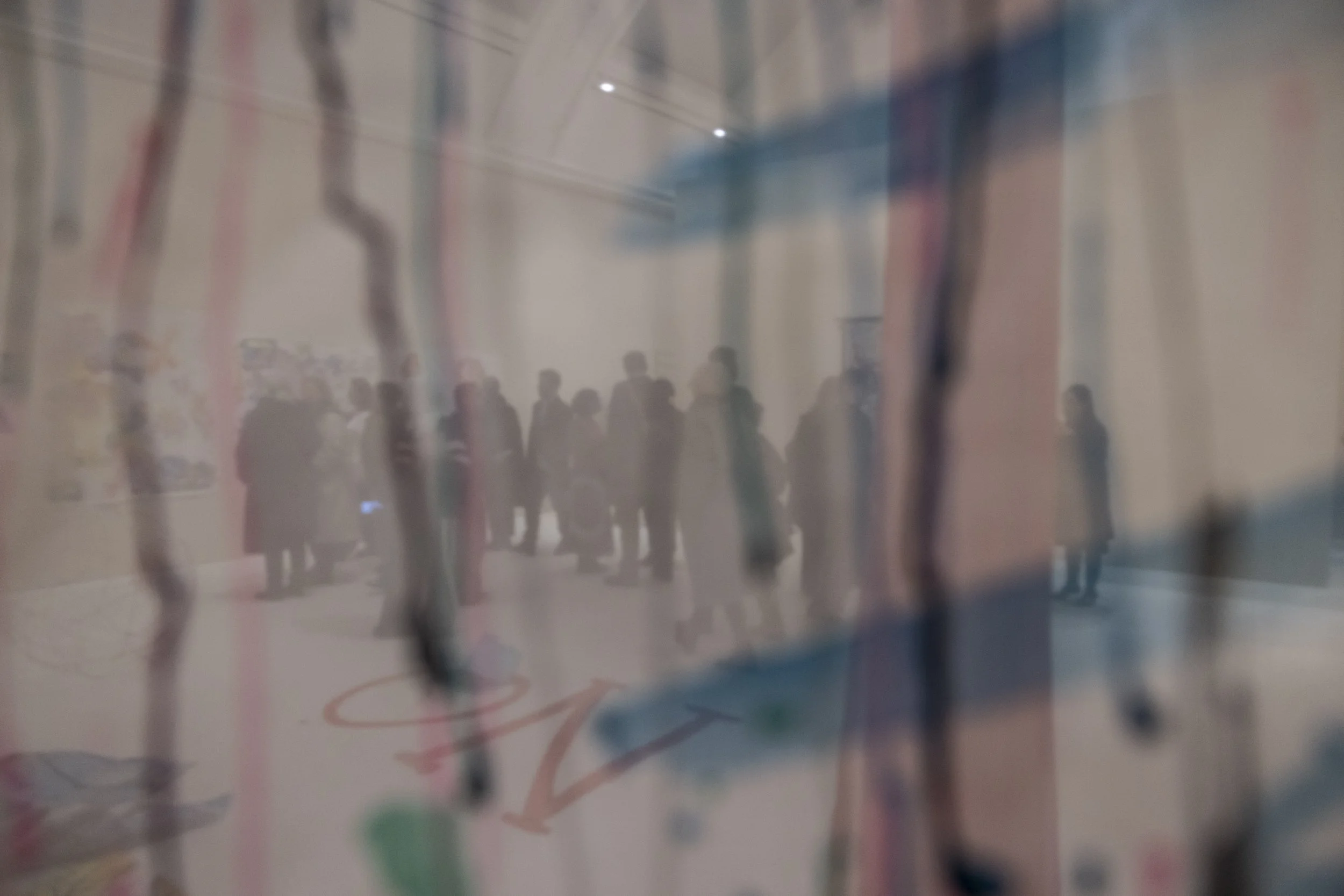
During the opening evening, performance elements brought the exhibition to life, shifting the atmosphere and drawing audiences together. Photography captured these moments of interaction, reinforcing the exhibition’s focus on shared experience and the dynamic relationship between art, space, and visitor engagement.
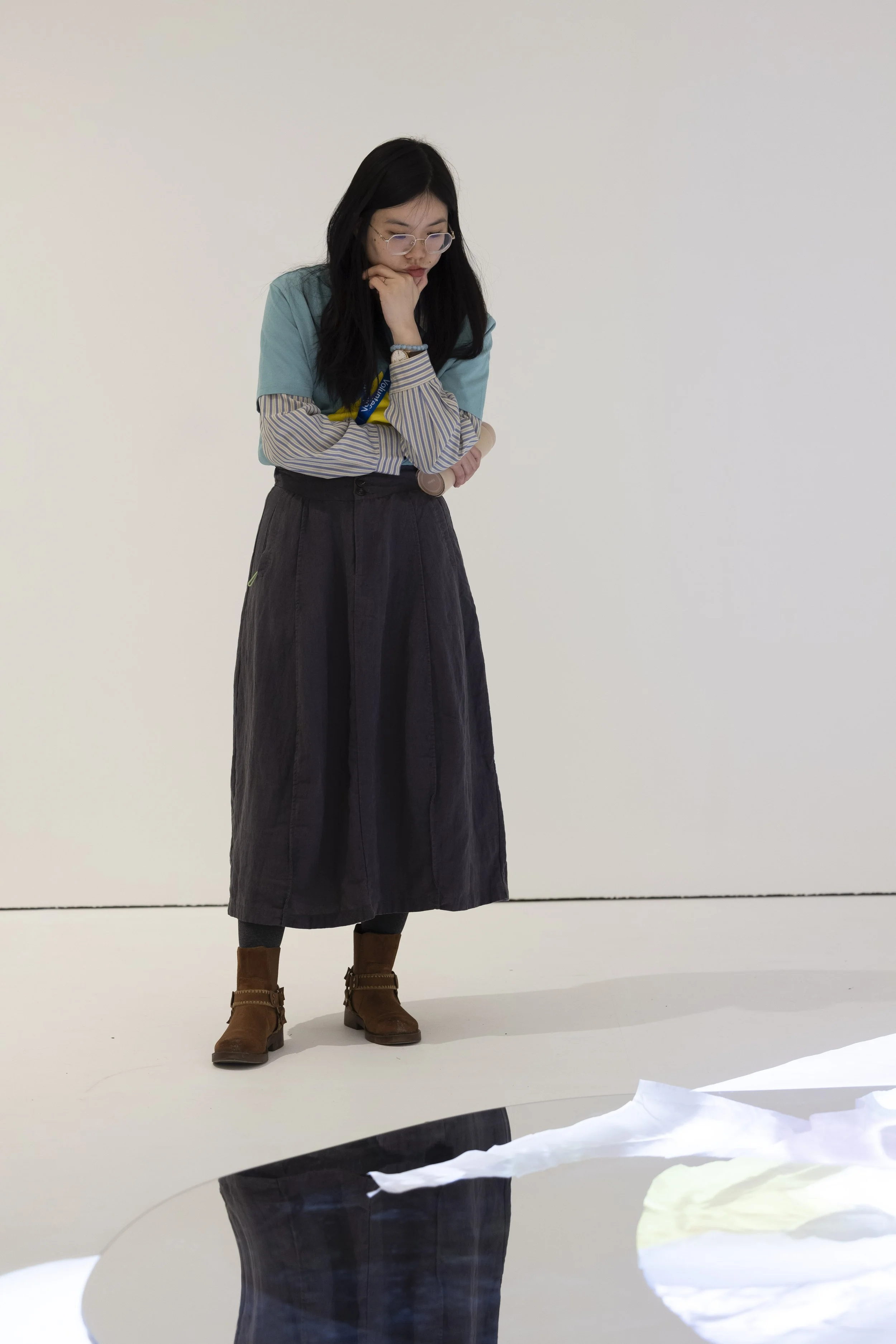
Exhibition Details
Delaine Le Bas: Un-Fair-Ground is on display at The Whitworth, Manchester until 31 May. Visitors can experience a thought-provoking combination of textile art, murals, and performance that challenges traditional notions of visibility, community, and representation.

Photographing the 2024 Fine Art Masters Show at the Reopened Holden Gallery
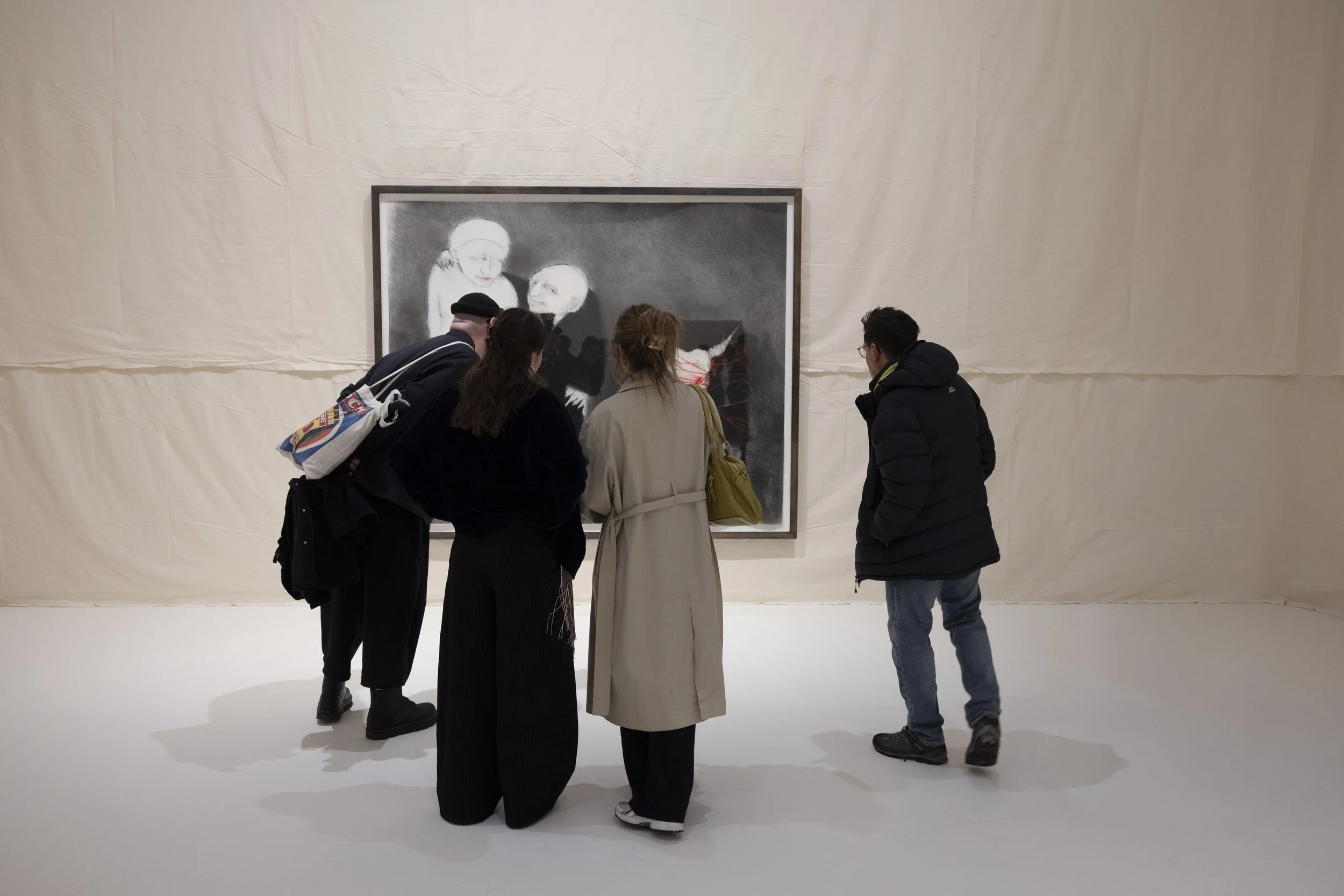
The Holden Gallery in Manchester has now reopened following a major two-year refurbishment of the historic Grosvenor building, revitalizing its exhibition spaces and offering a fresh, contemporary setting for art. I was recently back at the gallery to photograph the 2024 Fine Art Masters Show, an annual highlight that showcases the incredible talent of emerging artists from across the UK.
The Holden Gallery in Manchester has now reopened following a major two-year refurbishment of the historic Grosvenor building, revitalizing its exhibition spaces and offering a fresh, contemporary setting for art. I was recently back at the gallery to photograph the 2024 Fine Art Masters Show, an annual highlight that showcases the incredible talent of emerging artists from across the UK.
It was inspiring to capture the energy and creativity on display, from striking paintings and sculptures to experimental media works. The refurbished Holden Gallery provides a perfect backdrop for photography, with its modernized lighting and restored architectural details enhancing the visual impact of each piece.
For photographers documenting art, exhibitions like this are a wonderful opportunity to explore the interplay of artworks, space, and lighting. Each image tells a story of both the artist’s vision and the gallery’s commitment to presenting contemporary practice in a beautifully maintained historic setting.
Whether you’re an art enthusiast, student, or fellow photographer, the Holden Gallery Fine Art Masters Show 2024 is not to be missed. The reopening of the gallery marks a new chapter for Manchester’s vibrant art scene, and I’m delighted to have documented this important moment.

Manchester has a chronic lack of spaces for art for a city of its size and status, so it’s great to see this gallery reopen and I’m looking forward to seeing what the new programme holds in store.


Suzanne Lacy at Whitworth Art Gallery
Suzanne Lacy
What kind of city?
A manual for social change
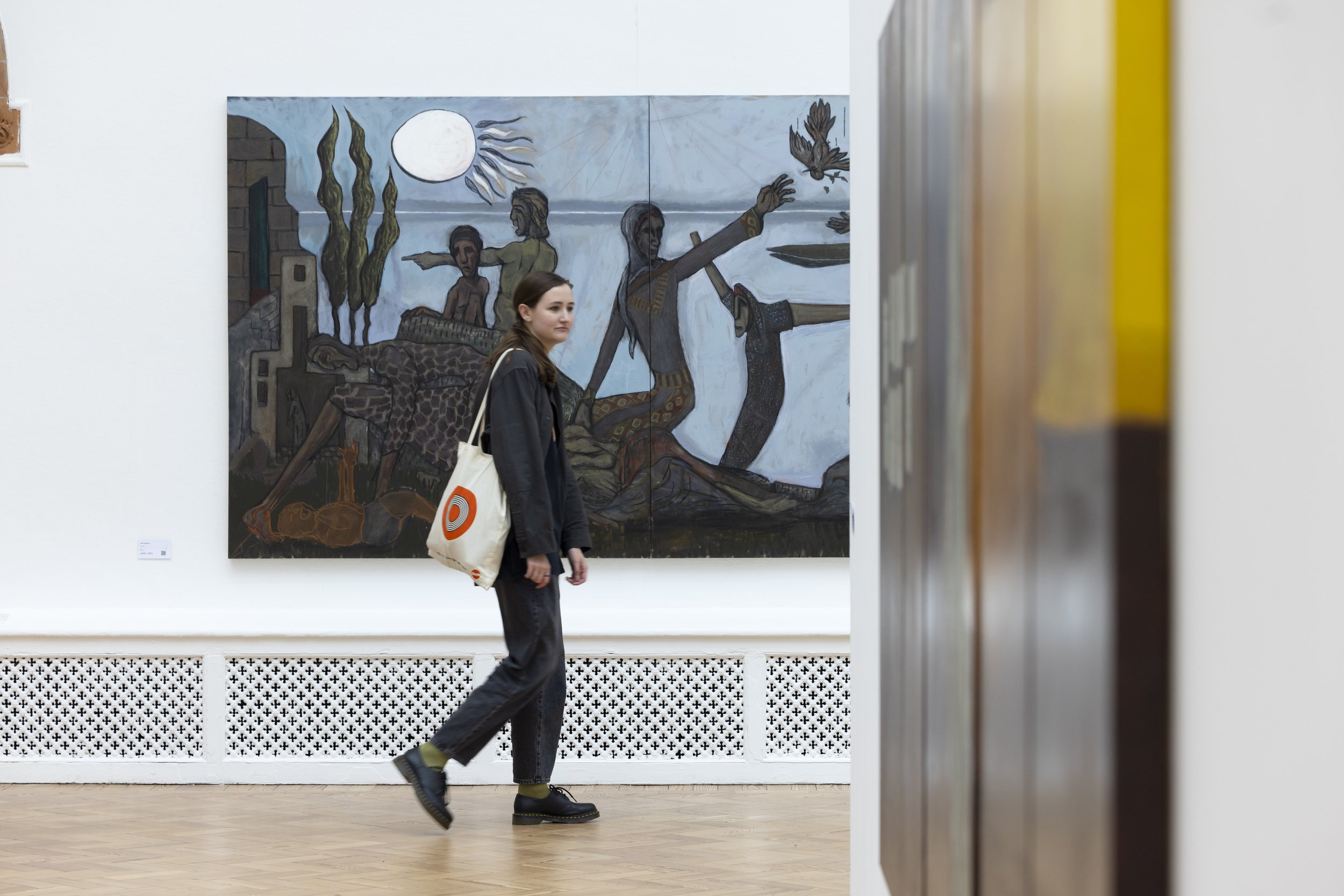
The Whitworth presents the first major UK presentation of multiple works of US artist Suzanne Lacy, a pioneer of social practice and community organising for almost five decades. In the wake of the Coronavirus pandemic, What kind of city? has been conceived with the artist as a project that is more than an exhibition, one that takes key works with relevance to our current context and uses them to convene people in order to start new initiatives that will actively help rebuild our city. Working around fundamental themes such as youth agency, borders, social cohesion, and work prospects for older women, the exhibition is designed to operate as an evolving manual for how we create equitable transformation. This underpins a new direction of travel for the Whitworth, as an institution that actively works for and with people across the city, one that begins with the question: after Covid, what kind of city can we make together?
Thanks again to my friends at the Whitworth for asking me to document the event opening and associated artist’s talk.
Event Photography: Suzanne Lacy – What Kind of City? A Manual for Social Change | The Whitworth, Manchester
I had the privilege of working with The Whitworth to photograph the opening of What Kind of City? A Manual for Social Change, the first major UK presentation of works by US artist Suzanne Lacy, a pioneer of socially engaged practice and community organising for nearly five decades.
The exhibition brings together multiple projects from Lacy’s extensive career, highlighting her commitment to using art as a tool for social change. Across her work, Lacy has consistently explored issues such as youth engagement, gender equity, social cohesion, and civic participation. What Kind of City? continues this focus by presenting works that encourage dialogue and collective action around the structures, challenges, and opportunities that shape urban life.

Photographing the Exhibition Opening and Artist’s Talk
Documenting exhibition openings requires capturing the atmosphere of the event, the artist in conversation, and audience engagement with the works. At the Suzanne Lacy opening, I photographed Lacy interacting with attendees, leading discussions during her artist’s talk, and engaging with curators and participants.
Event photography in this context provides a record that serves multiple purposes. Images are used for press coverage, marketing, social media, and archival documentation while conveying the essence of the exhibition: its ideas, engagement, and impact on the public.

Situating What Kind of City? in Suzanne Lacy’s Oeuvre
Suzanne Lacy has spent decades exploring the intersection of art, activism, and social practice. From her early performances in the 1970s addressing gender and public space, to large-scale public interventions in the 1990s and 2000s, her work consistently involves collaboration with communities, creating participatory experiences that address societal issues directly.
What Kind of City? reflects this legacy by focusing on pressing themes including youth agency, borders, social cohesion, and opportunities for older women. The exhibition frames these issues through Lacy’s lens of engagement and empowerment, presenting her work as both artistic practice and a guide for social action. Photography captures this interplay between artwork, artist, and audience, showing the exhibition not just as a collection of objects but as an active space of dialogue and reflection.

The Whitworth’s Role in Community Engagement
The Whitworth has long been committed to socially engaged programming and public participation. By presenting Suzanne Lacy’s work, the institution positions itself as a space where art intersects with civic dialogue.
Documenting the exhibition opening and artist’s talk demonstrates the Whitworth’s dedication to fostering connections between artists, communities, and audiences. Professional photography captures the human dimension of the event, reflecting both the ideas of the exhibition and the engagement of participants.

Why Professional Photography Matters for Exhibitions
High-quality photography is essential for institutions to communicate the significance of exhibitions. Images capture the artworks themselves, audience responses, and the environment in which these interactions take place. For socially engaged work like Lacy’s, photography is particularly important, as it records collaborative, performative, and participatory elements that might otherwise exist only in the moment.
Photographs from What Kind of City? provide a visual record for press, marketing, social media, and archives while highlighting the ways in which art can inspire dialogue and social action. By documenting both the artist and the audience, photography demonstrates the exhibition’s reach and impact.

Capturing the Dialogue Between Art and Community
What Kind of City? is designed to operate as a manual for equitable transformation. Photographing the opening involved documenting Lacy’s talk, audience interactions, and the curatorial context of the exhibition. These images show how art can facilitate civic engagement, prompt discussion, and provide insight into the challenges and opportunities facing urban communities.
Through careful observation and composition, the photographs preserve the exhibition’s central idea: that art can be a catalyst for dialogue, reflection, and action, situating Lacy’s practice as both relevant and influential within contemporary socially engaged art.
Conclusion
Thanks again to The Whitworth for inviting me to document this important exhibition. Photographing What Kind of City? A Manual for Social Change offered an opportunity to capture Suzanne Lacy’s longstanding commitment to social practice while highlighting the interaction between her work, the audience, and the wider community. The images serve as a professional record of an exhibition that exemplifies the power of art to foster dialogue, participation, and meaningful social engagement.