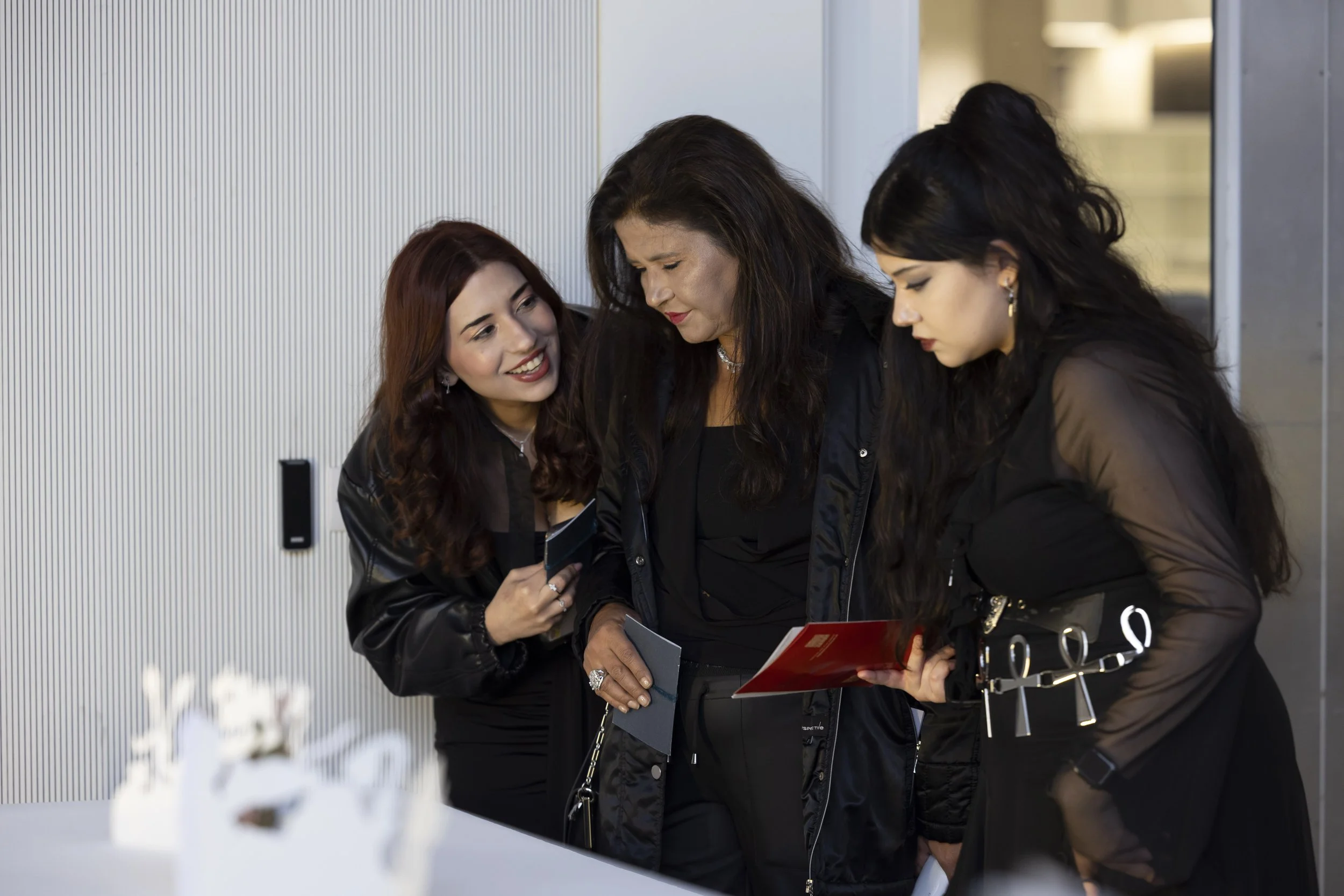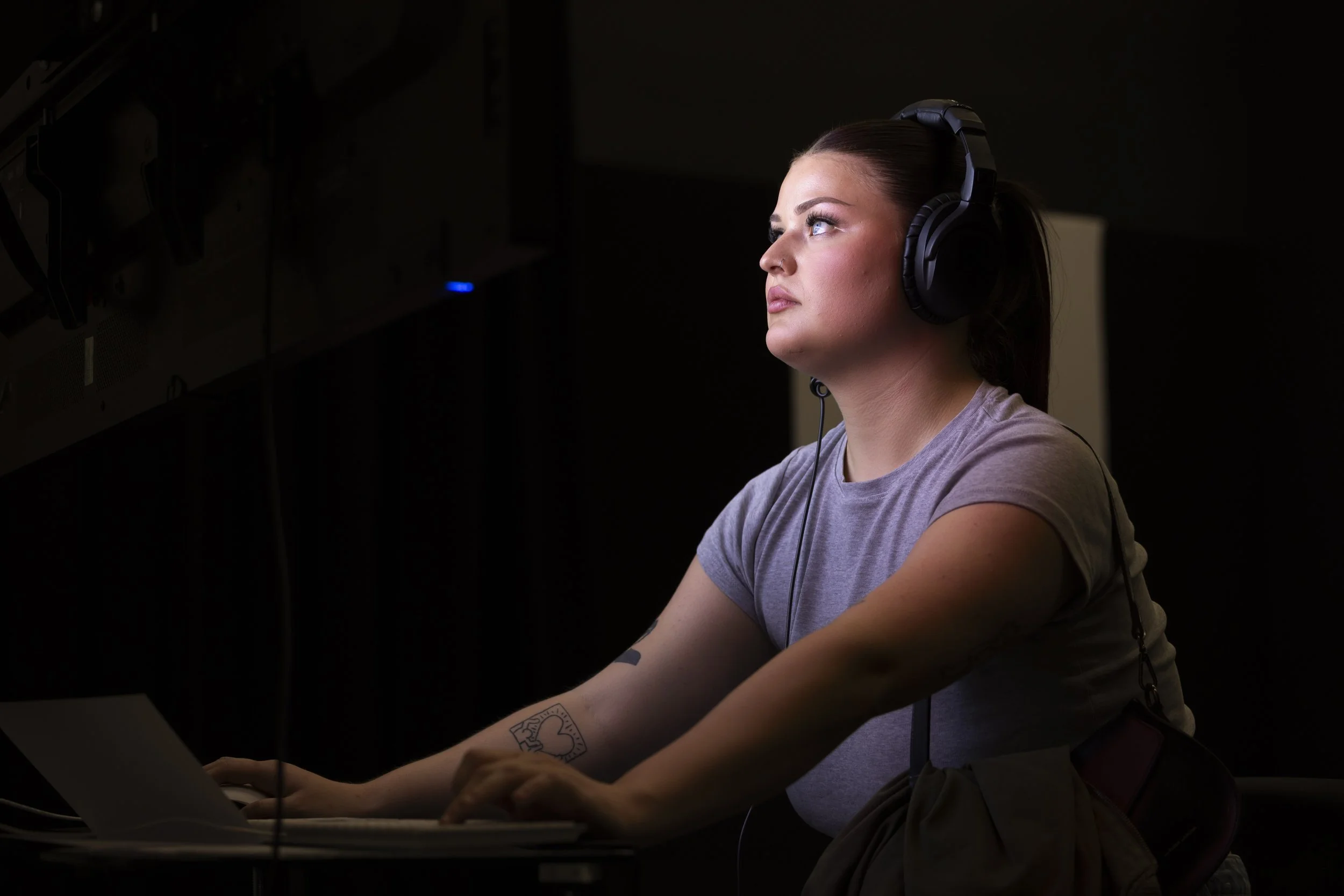
I recently photographed More to Come, the postgraduate degree show at Manchester Metropolitan University’s Manchester School of Art. The commission involved two visits: the opening night, followed by a return visit to document the exhibition in more detail. As a Manchester event photographer, I regularly work with universities and cultural organisations, producing images that support their communications and provide a lasting record of their activities.
The two visits had different purposes. The opening-night photography captured visitors exploring the exhibition and provided promotional images for the University to use in publicising the show. The second visit focused on the artwork, its installation and the gallery spaces, creating a record of how the exhibition looked in 2026.
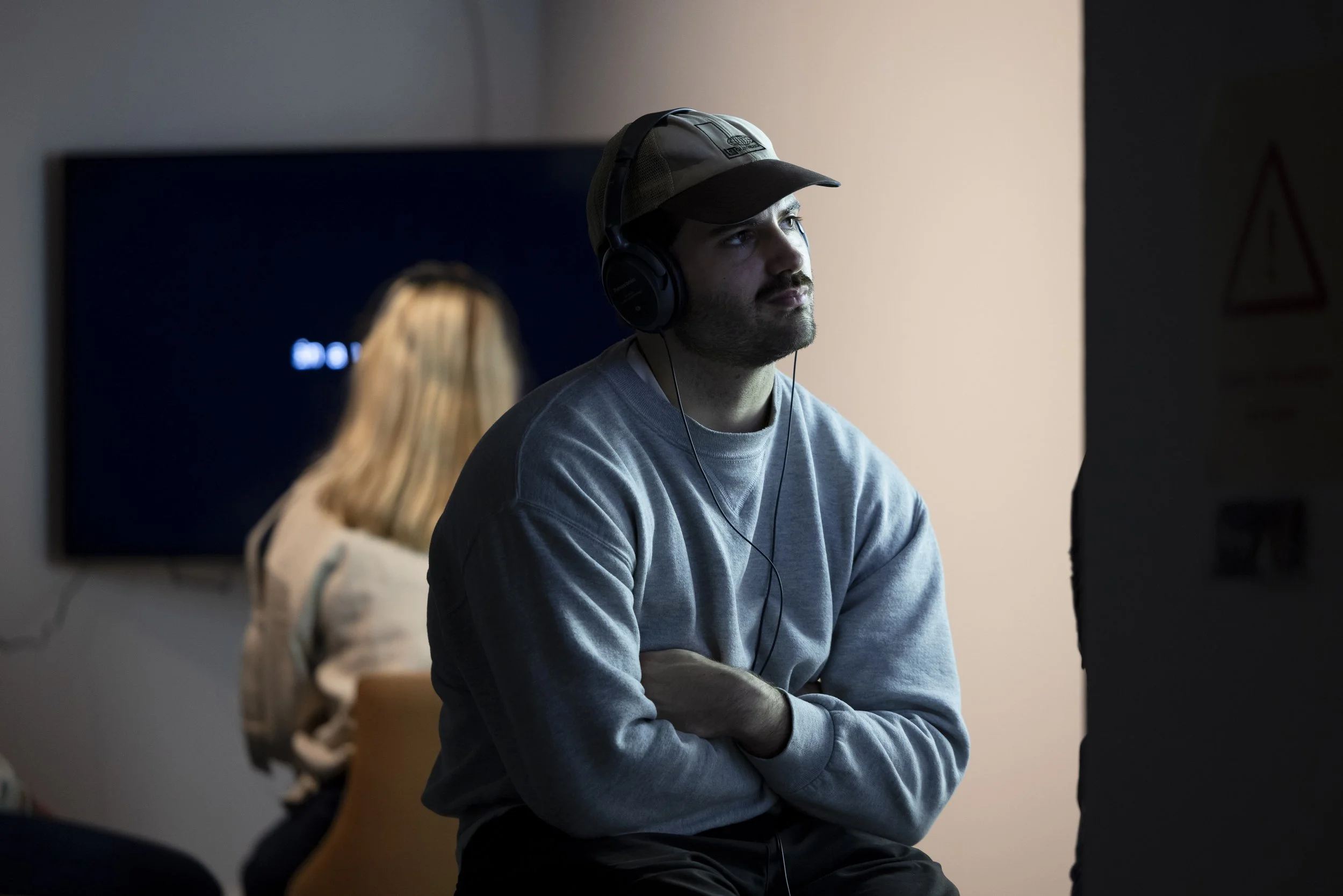
More to Come: Manchester Metropolitan University's Postgraduate Art Show
The More to Come postgraduate degree show brought together work produced by students completing their postgraduate studies at Manchester Metropolitan University. The exhibition offered an opportunity to see a range of creative projects presented together within the University's gallery spaces.
The annual degree shows are also an opportunity for people outside the University to visit and experience the work. Photography plays an important part in communicating these exhibitions to a wider audience, helping prospective visitors discover what is on and giving the University material to promote the show through its website and other communications.
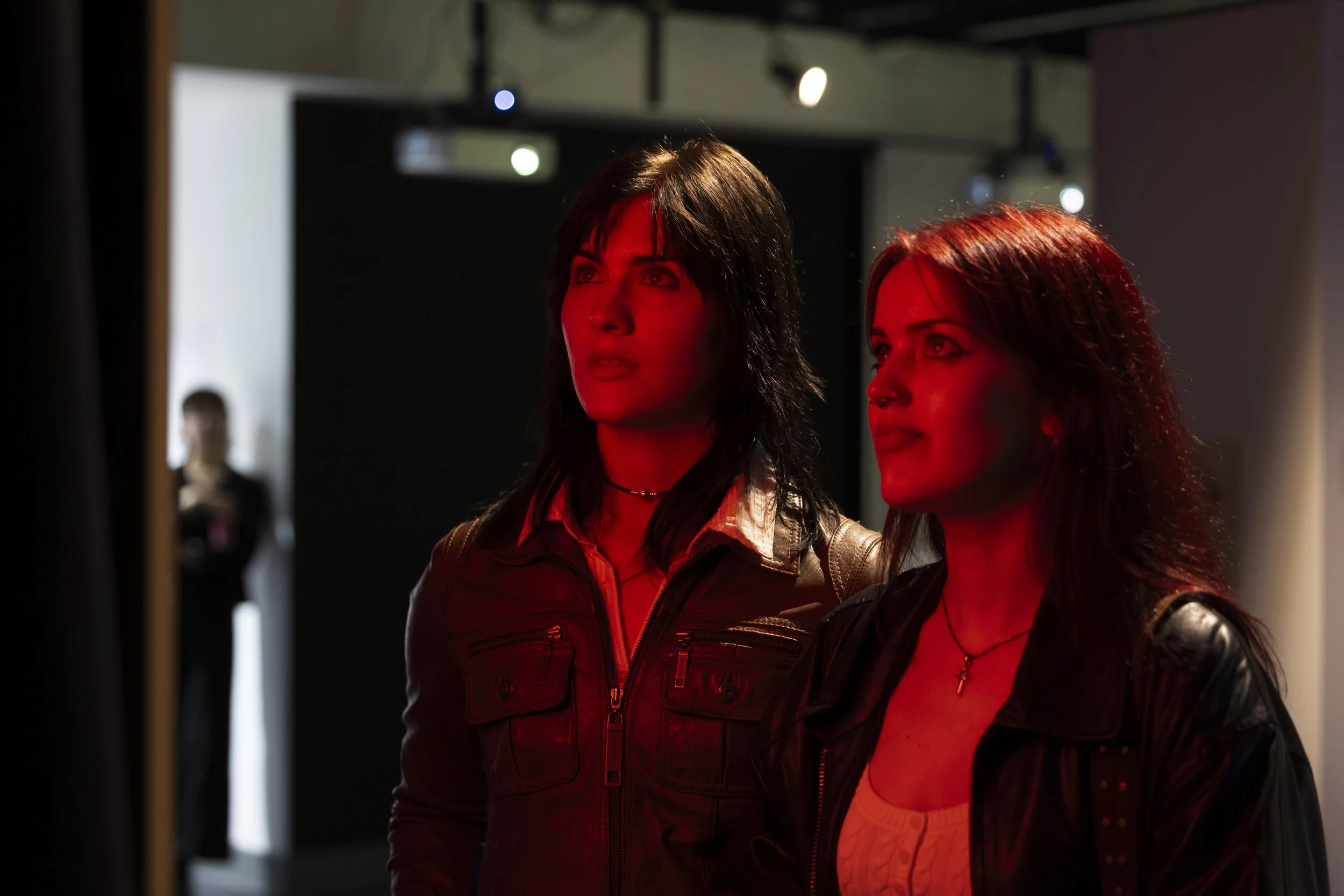
Opening Night Photography to Promote the Exhibition
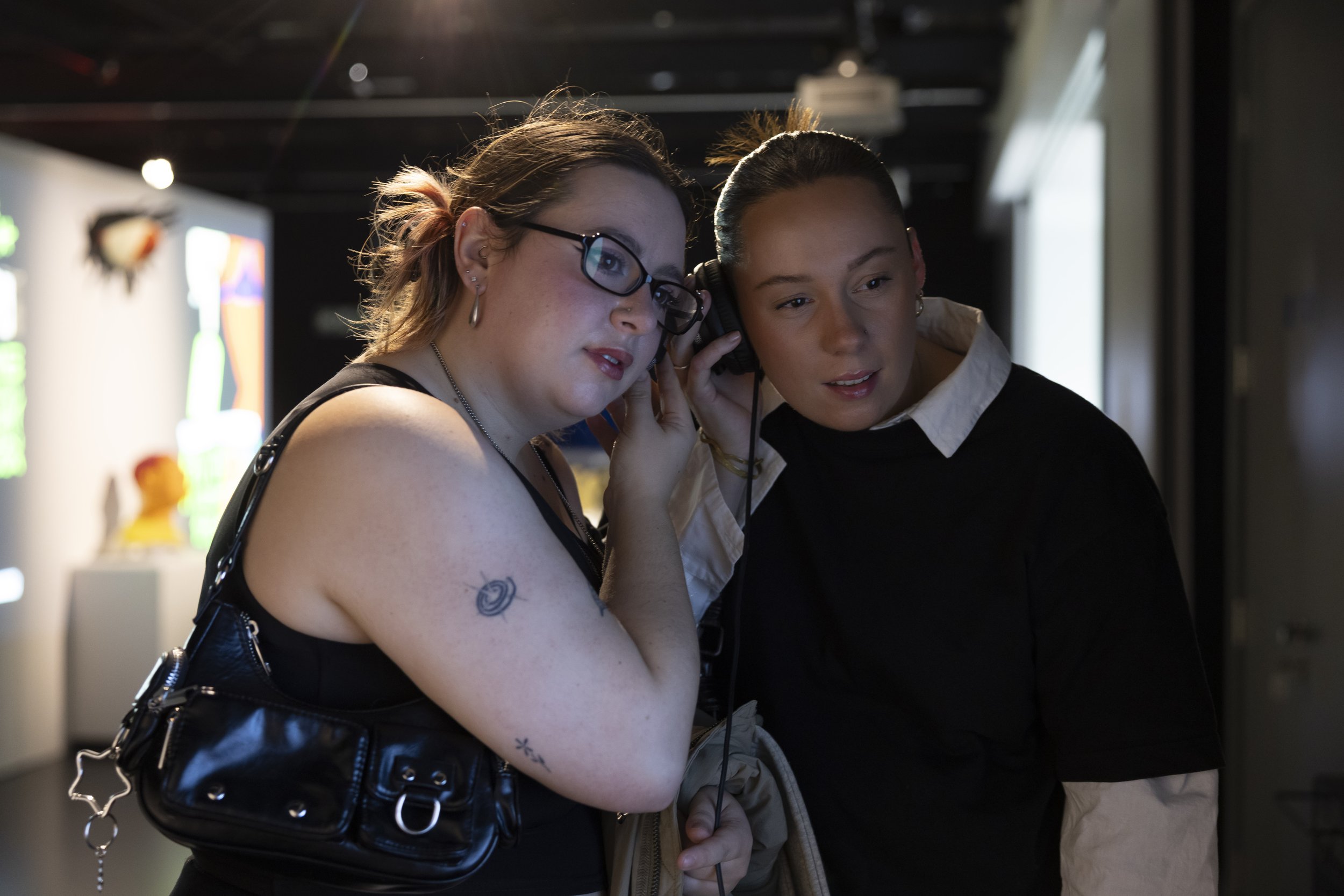
The opening night was an opportunity to capture the exhibition as visitors experienced it. People moved through the galleries, looked at individual pieces, discussed the work and met other visitors.
The photographs needed to convey the atmosphere of the evening and give people an idea of what they could expect to see if they visited. Used in the University's marketing and communications, these images help publicise the exhibition and encourage people to attend, including those who may not otherwise have an opportunity to visit Manchester School of Art.
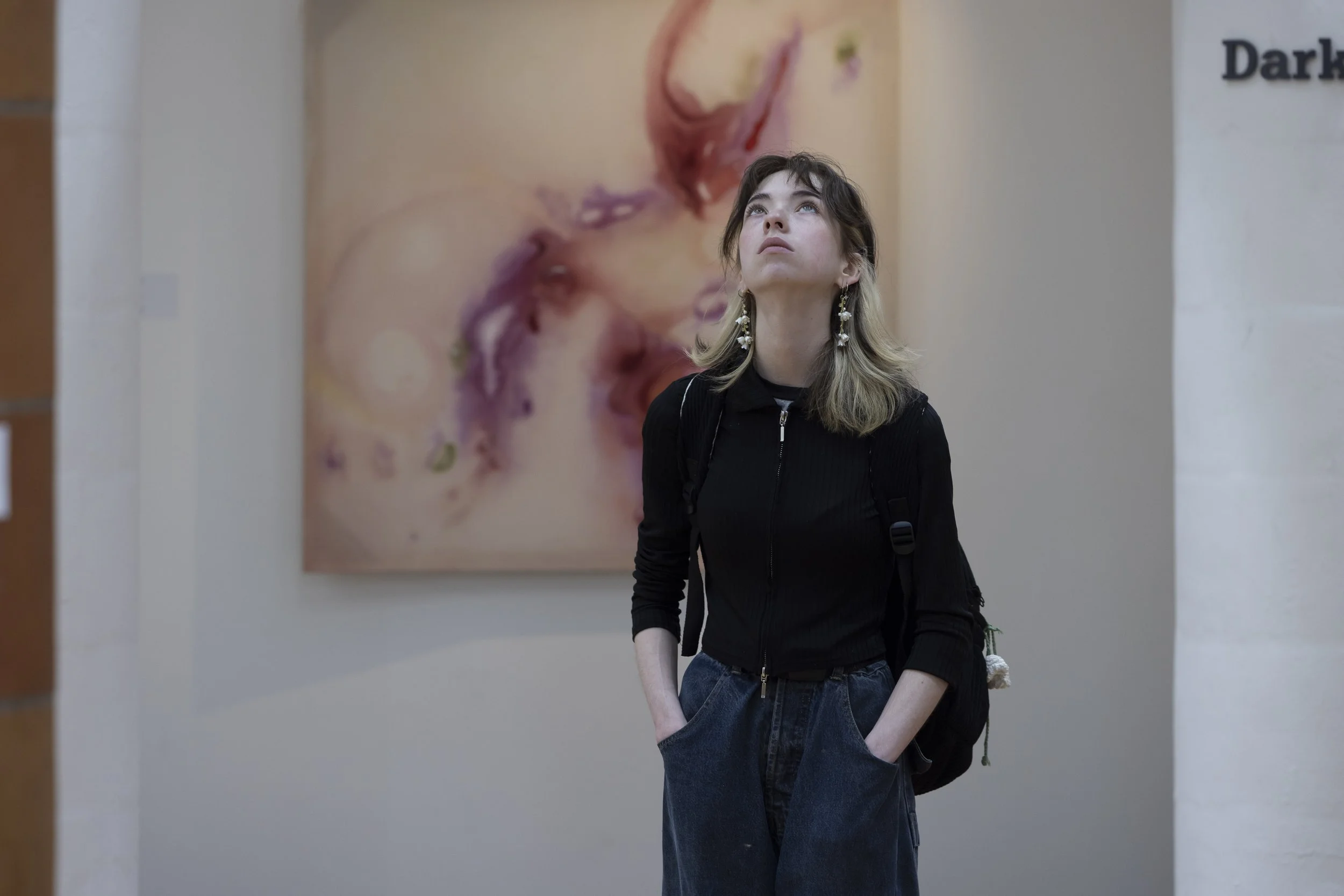
Manchester Event Photography: Visitors and Artwork in Context
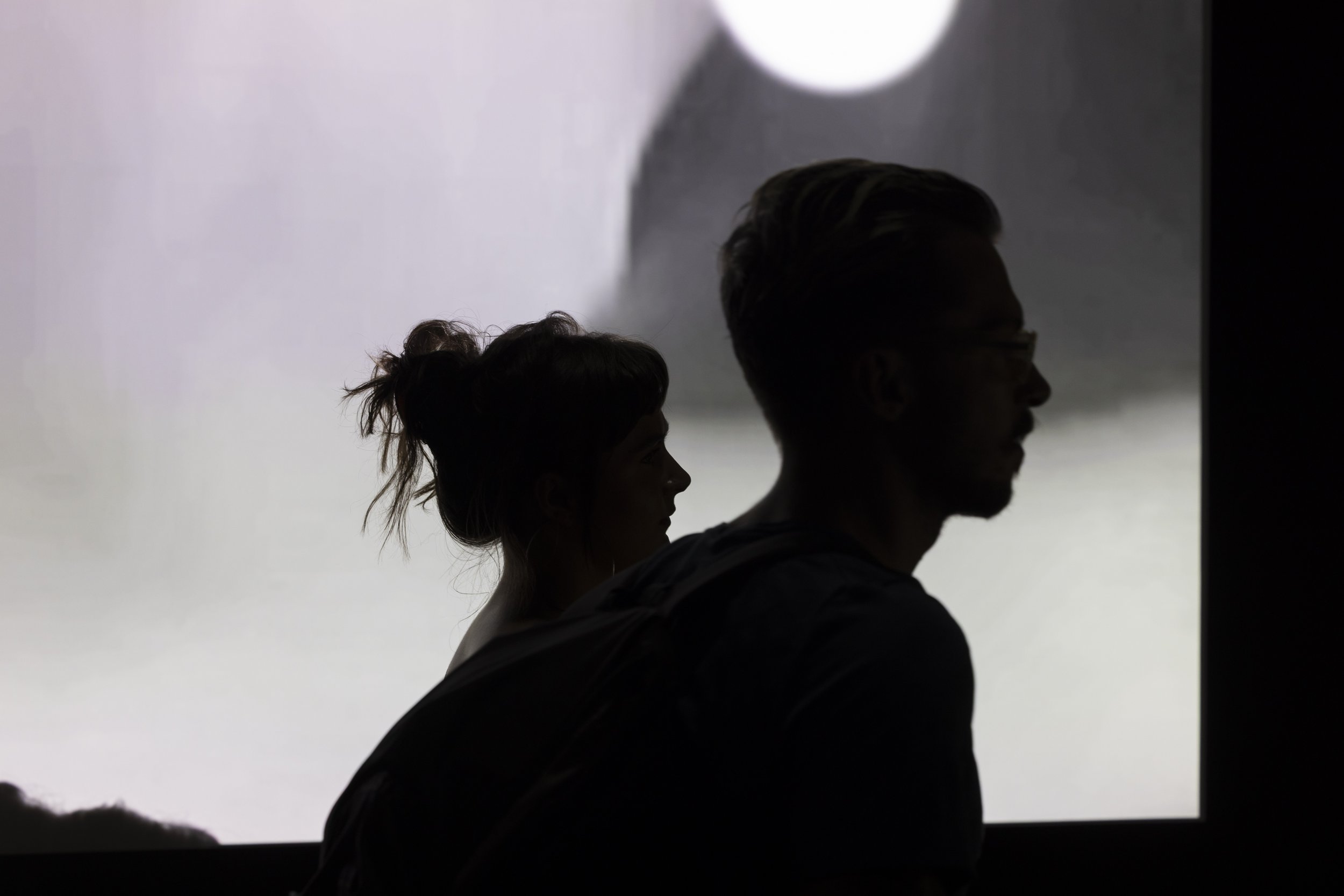
Photographing people alongside the artwork was an important part of the opening-night coverage. Visitors provide a sense of scale and show how the exhibition was experienced, whether looking closely at a particular piece, talking about a project or moving between the different displays.
Working in a documentary style, I photographed the activity as it unfolded, aiming to give an accurate impression of the event. The resulting images show both the work on display and the people who came to see it, providing useful promotional material for the University.
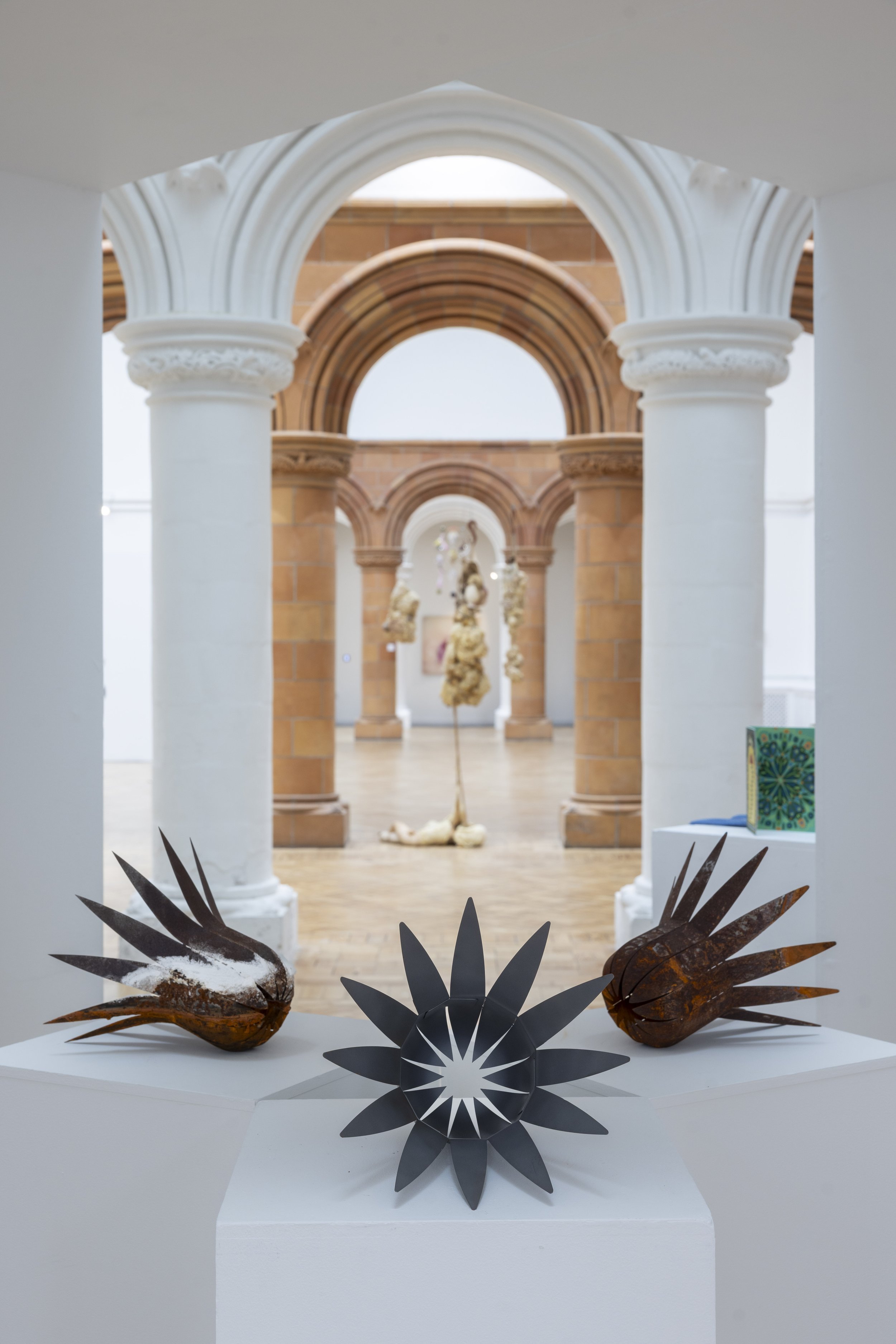
Returning to Photograph the Completed Exhibition
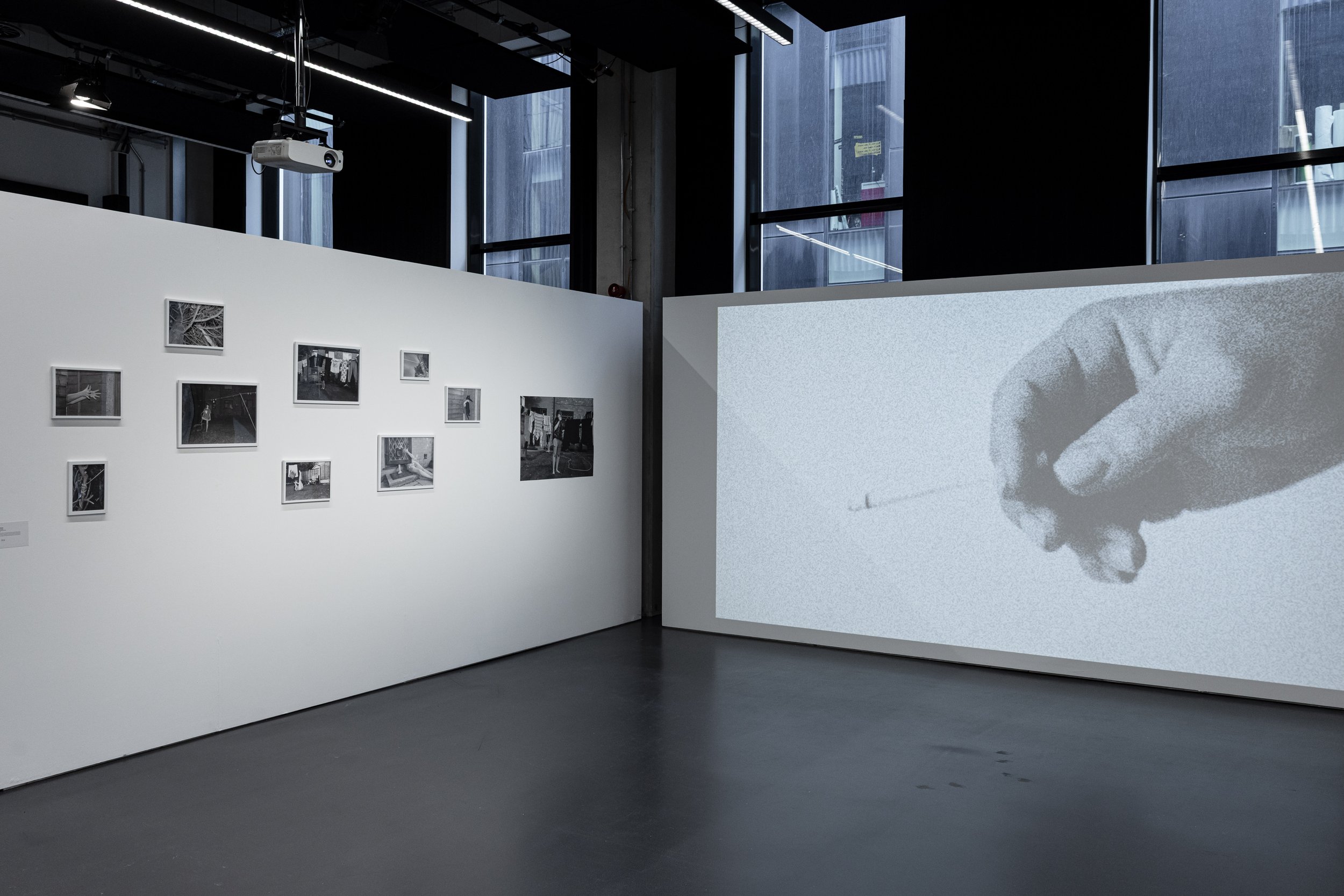
A few days later, I returned to photograph the exhibition without the activity of the opening night. This second visit allowed me to concentrate on the finished installation and make a more comprehensive photographic record of the work.
I photographed individual pieces, groups of artworks and wider views of the galleries, paying attention to how the exhibition had been arranged. The aim was to preserve a record of the show as it appeared in 2026, giving the University a reference that can be revisited after the exhibition has closed.
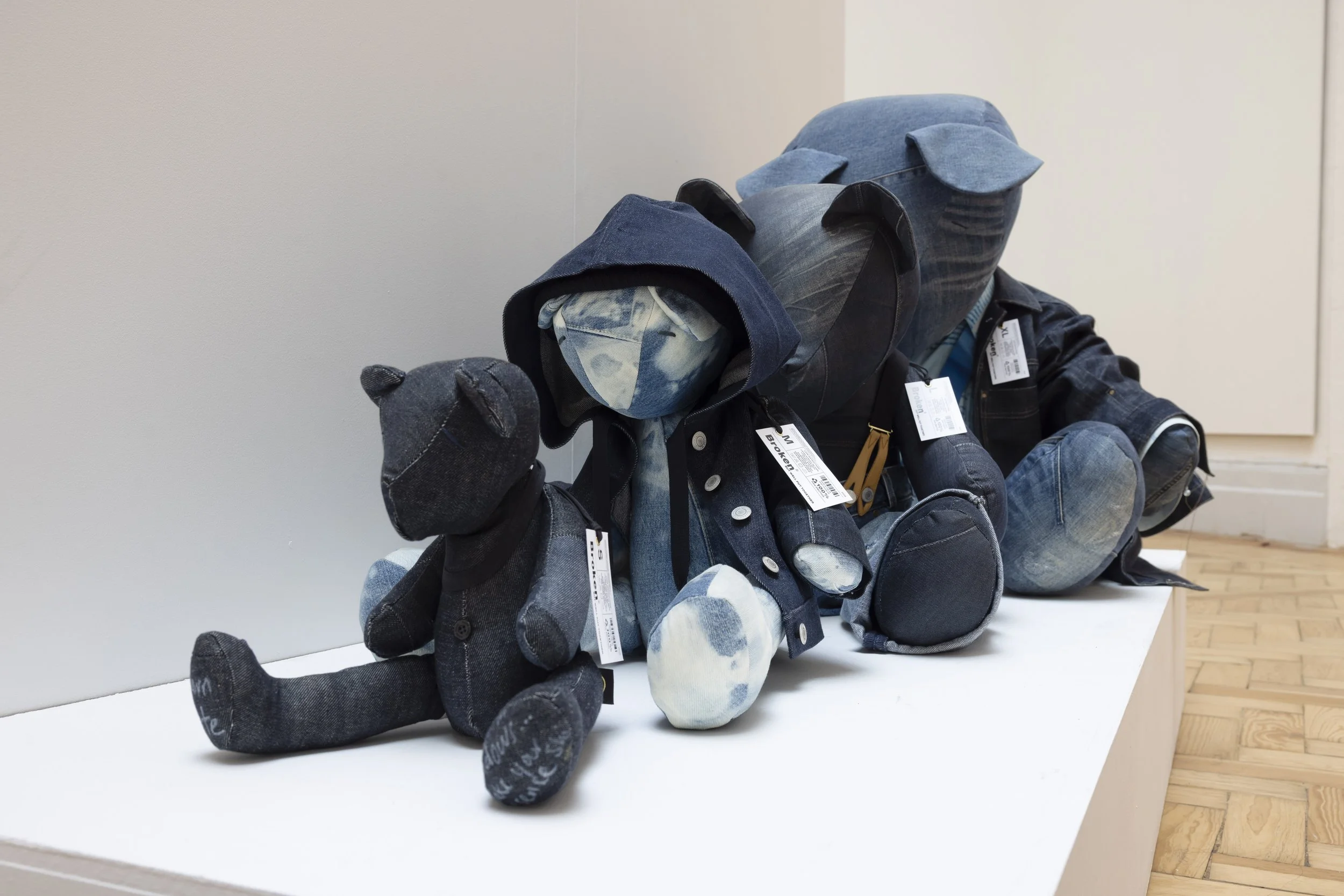
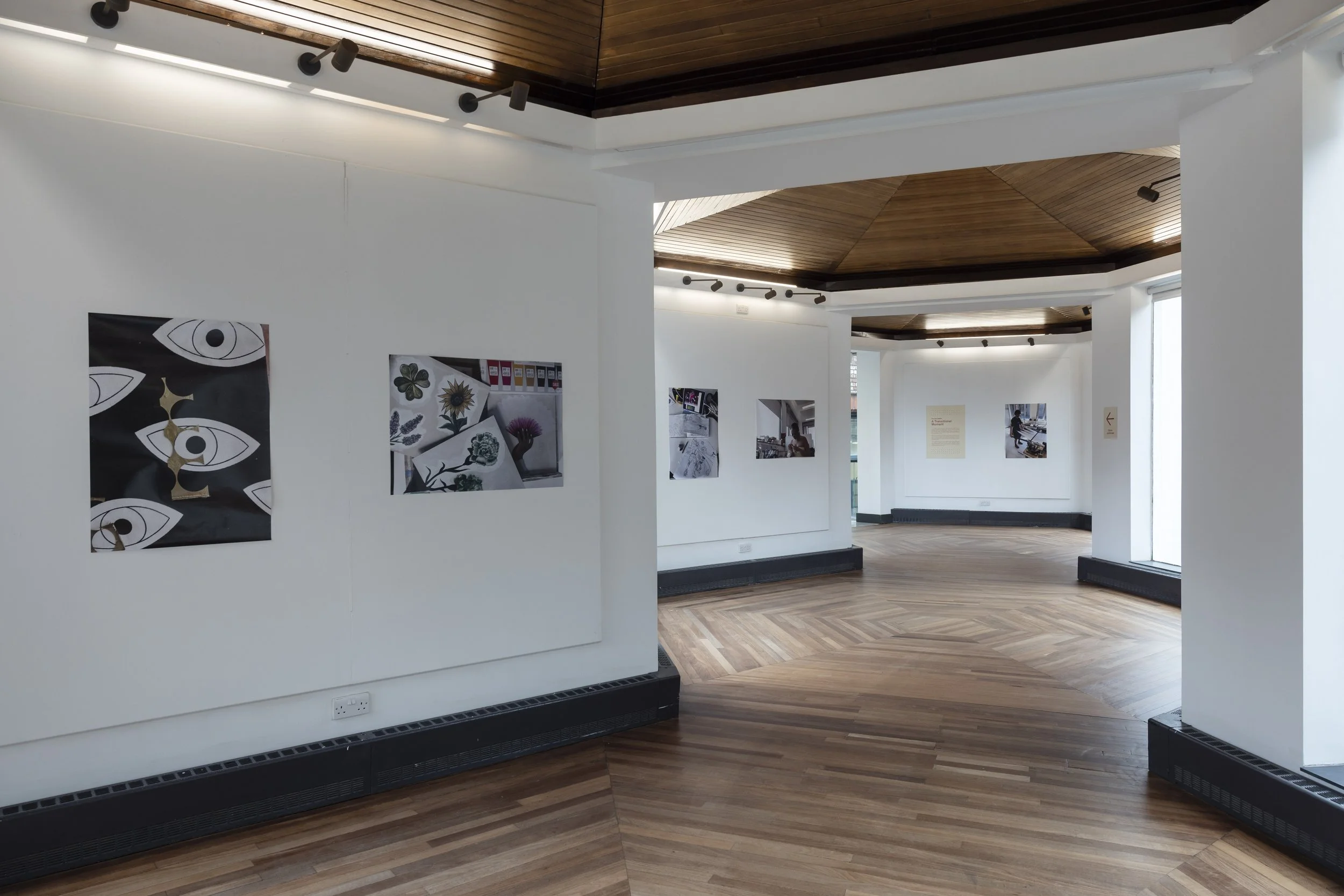
Exhibition Photography: Recording Gallery Layout and Installation
The way an exhibition is arranged is an important part of its presentation. The position of individual pieces, the spacing between displays and the use of the available walls and floors all contribute to the appearance of the finished show.
The photographs recorded these details through views of individual gallery rooms, wider installation shots and images showing several works together. This provides Manchester Metropolitan University with a visual reference for how the spaces were used, which may be useful when planning future exhibitions or reviewing previous installations.
Photographing Individual Artworks, Details and Materials
Alongside the wider gallery views, I photographed selected artworks more closely. These images show details of the work, including materials, textures and individual elements that might be difficult to appreciate in a wider photograph.
Combining close-up photographs with images of the work in its surroundings provides a more complete record of the exhibition. The photographs can also be useful for future university communications, student profiles and features about particular projects.
University Photography for Marketing and Historical Records
This commission demonstrates two important uses of photography for universities. Images made during an opening night help promote an exhibition while it is running, reaching audiences through websites, social media and other communications. They give prospective visitors a sense of the event and the work they can expect to see.
The documentation made during the second visit serves a different purpose. It preserves the appearance of the completed exhibition, allowing the University to look back at previous shows and see how its gallery spaces were used. Over time, these photographs can form a valuable visual archive of the University's exhibitions and creative programmes.
For this project, bringing the two approaches together meant producing images for immediate publicity as well as a record that will remain useful long after More to Come has finished.
Exhibition and Event Photography in Manchester
Photographing More to Come brought together my work in event photography, exhibition documentation and commissioned photography for an educational institution. The opening-night images captured the people and activity surrounding the show, while the later visit recorded the artwork and the way it had been installed.
As a Manchester-based editorial, commercial and event photographer, I work with organisations that need photography for their communications, public events and institutional records. For universities, galleries and cultural organisations, a considered combination of event coverage and exhibition photography can provide both the images needed to promote an event and a lasting record of the work itself.