Editorial & Commercial Photography Blog – Insights & Projects
Photography blog featuring gear reviews, photographer profiles, photo book reviews, professional insights, and observations from the world of editorial and documentary photography.
The Evolution of Photographic Lighting Techniques: Past, Present, and Future
Photography is an art that has been shaped by light since its inception. From the earliest days of the camera obscura to the modern era of high-speed LED lighting, the techniques used to illuminate subjects have evolved significantly. The history of photographic lighting is a testament to human ingenuity, scientific progress, and the ever-growing desire to capture the world in its best light. This essay explores the journey of photographic lighting, from its humble beginnings to the innovations of today and the exciting possibilities of tomorrow.

Early Lighting Techniques: Natural Light and Simple Enhancements
In the early 19th century, when photography was in its infancy, natural light was the primary source of illumination. Photographers relied on sunlight streaming through windows or outdoor settings to capture their subjects. The first photographic processes, such as the daguerreotype, required long exposure times, sometimes lasting several minutes. This meant that early photographers had to carefully position their subjects in well-lit areas and use reflective surfaces, such as mirrors or white walls, to bounce light onto the subject.
As the demand for portrait photography grew, studios were designed with large north-facing windows to provide soft, even light. The use of diffusers, such as sheer curtains, helped control the intensity of sunlight and reduce harsh shadows. However, this dependence on natural light limited the flexibility of photographers, especially in poor weather or at night.
The Advent of Artificial Lighting: Oil Lamps and Gas Lights
In the mid-19th century, photographers began experimenting with artificial lighting. One of the earliest forms of artificial illumination was the use of oil lamps and gas lamps. These provided a consistent light source, though they were dim compared to sunlight and required long exposure times. The quality of light was warm and flickering, often producing an uneven illumination that photographers struggled to control.
The introduction of magnesium flash powder in the 1860s revolutionized artificial lighting. This highly combustible mixture produced an intense burst of light when ignited, allowing photographers to capture images in much shorter exposure times. While effective, flash powder was hazardous, producing smoke and posing a fire risk. Despite these dangers, it remained a popular lighting solution until safer alternatives were developed.
Electric Light and the Rise of Studio Photography
The late 19th and early 20th centuries saw the advent of electric lighting in photography. The invention of the incandescent light bulb by Thomas Edison in 1879 provided photographers with a more stable and controllable light source. Studios began incorporating tungsten lamps, which emitted a continuous warm light that could be adjusted in intensity.
The 1920s and 1930s marked the golden age of studio photography, with Hollywood and fashion photography leading the way in lighting innovation. Large, powerful arc lamps and tungsten floodlights allowed photographers to achieve dramatic, high-contrast images. Three-point lighting—comprising a key light, fill light, and backlight—became a standard technique to sculpt and define subjects.
Chiaroscuro Lighting and its Influence on Hollywood Portraiture
Chiaroscuro lighting, a technique originating from the Renaissance era and famously used by painters like Caravaggio and Rembrandt, found a significant place in photographic portraiture. The method, which emphasizes strong contrasts between light and dark, creates a dramatic effect that enhances depth and emotion in an image.
In Hollywood's Golden Age, chiaroscuro lighting was extensively used by portrait photographers such as George Hurrell and Clarence Sinclair Bull, who crafted iconic images of silver-screen legends like Marlene Dietrich and Humphrey Bogart. The interplay of highlights and shadows in their portraits gave the subjects a mysterious and glamorous appeal that became synonymous with classic Hollywood photography.
Today, many contemporary photographers continue to employ chiaroscuro techniques in innovative ways. Photographers like Dan Winters, known for his moody and cinematic portraits, and Gregory Crewdson, whose meticulously lit scenes resemble stills from film noir, use dramatic lighting to create depth and emotion. Their work demonstrates the enduring power of chiaroscuro lighting in modern photography.
The Evolution of Flash Photography
Flash technology continued to evolve, with the introduction of the flashbulb in the 1930s. Flashbulbs contained magnesium or aluminium filaments that burned in an oxygen-filled glass bulb, producing a brief but intense burst of light. This innovation eliminated the dangers of flash powder while offering more predictable results.
By the 1950s, electronic flash units became widely available. These strobes, powered by capacitors, could be triggered instantaneously, making them ideal for freezing motion and capturing sharp details. The development of portable flash units enabled photographers to work outside of studios and document fast-paced events such as sports, journalism, and street photography.
The Rise of Ring Flash Photography
The ring flash was developed in the 1950s by Lester A. Dine for use in dental photography, providing even, shadow-free illumination for clinical images. However, its unique aesthetic—a striking, shadowless look with a halo-like catchlight in the eyes—soon caught the attention of fashion and portrait photographers.
By the 1970s and 1980s, the ring flash had become a popular tool in high-fashion photography. It was championed by photographers such as Helmut Newton and Richard Avedon, who used it to achieve a crisp, high-contrast look that emphasized facial features and skin texture. The technique became synonymous with edgy, hyperreal portraiture and has remained a staple in fashion and beauty photography.
Contemporary photographers such as Rankin and Juergen Teller continue to use ring flash to create bold, direct, and sometimes surreal images. Its signature aesthetic—flattening the subject while producing a bright, stark quality—makes it a favourite for editorial and commercial work.
The Influence of Disposable Cameras and Snapshot Aesthetics
The rise of cheap disposable cameras in the late 20th century led to a raw, spontaneous style of photography that emphasized imperfection, overexposure, and high contrast. This unpolished aesthetic, once considered amateurish, became a deliberate choice in fashion photography, where it was used to capture candid, intimate moments that felt authentic and unfiltered.
In the 1990s and 2000s, photographers such as Terry Richardson and Corinne Day popularized the snapshot aesthetic in high fashion. Richardson’s direct-flash style, often shot with compact point-and-shoot cameras, became a defining look for campaigns by Gucci and Supreme. Meanwhile, Corinne Day’s documentary-style images of Kate Moss in the early ’90s helped redefine beauty standards in fashion, favouring naturalism over polished perfection.
Today, this aesthetic continues to be influential, with photographers like Juergen Teller and Petra Collins incorporating elements of the snapshot style into editorial and advertising work. The accessibility of smartphone cameras and social media has further cemented the appeal of this raw, unfiltered look in contemporary visual culture.
The Return to Naturalism: The Dusseldorf School
The late 20th and early 21st centuries witnessed a resurgence of interest in natural light and a more straightforward approach to photography.
1 This shift was significantly influenced by the Dusseldorf School, a group of photographers who emerged from the Kunstakademie Düsseldorf in the 1970s and 1980s.
Figures like Andreas Gursky, Thomas Ruff, and Thomas Struth, among others, championed a style characterized by a cool, almost clinical aesthetic. They often employed available light, eschewing dramatic studio setups and artificial illumination. Gursky, for example, captured vast landscapes and architectural structures with a stark, almost documentary-like approach, emphasizing the inherent beauty of the subject matter rather than manipulating it with elaborate lighting. Ruff's portraits, meticulously composed and often shot in daylight, sought to strip away artifice and reveal the underlying essence of his subjects, whether they were self-portraits or portraits of strangers.
This return to naturalism reflected a desire to move away from the artifice and manipulation often associated with commercial and fashion photography. The Dusseldorf School sought to establish photography as a more objective and documentary form of art, emphasizing the inherent truthfulness of the image. Their work challenged the prevailing trends of the time, which often involved elaborate staging, heavy retouching, and the use of artificial lighting to create idealized and often unrealistic representations of reality.
The influence of the Dusseldorf School can be seen in the work of countless contemporary photographers. Their emphasis on natural light, careful composition, and a focus on the inherent beauty of the subject matter has become a significant force in contemporary photography, inspiring a new generation of artists to explore more authentic and less manipulated approaches to image-making.
Future Innovations in Photographic Lighting
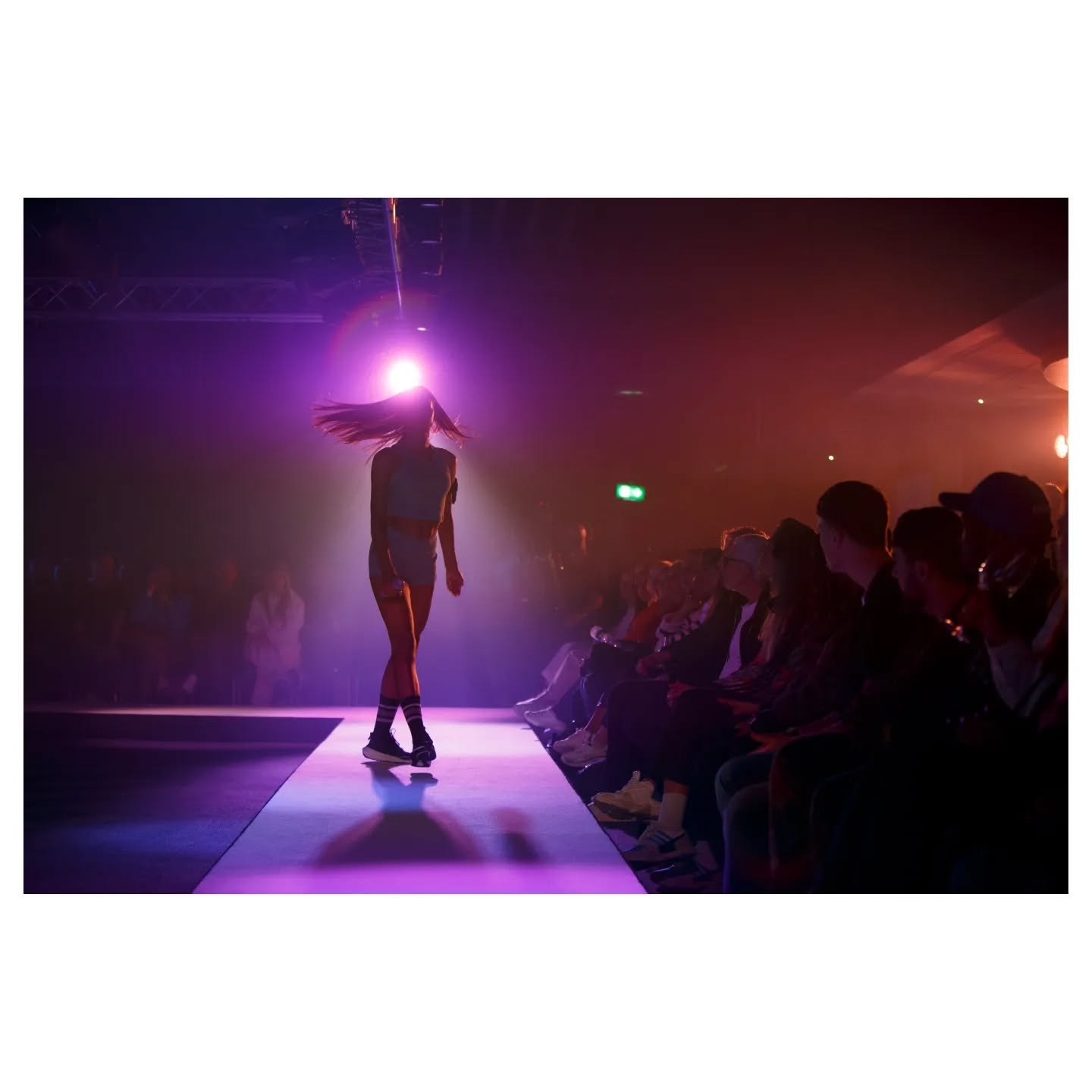
As technology continues to progress, the field of photographic lighting is undergoing exciting transformations. LED lighting has become increasingly popular due to its energy efficiency, adjustable colour temperatures, and portability. Photographers like Lindsay Adler and Jake Hicks are known for their creative use of coloured LED lights, producing bold and dramatic imagery that pushes the boundaries of traditional lighting techniques.
Other innovations include the use of programmable lighting setups, such as DMX-controlled LED panels, which allow for dynamic, cinematic effects that were once only possible in high-end film production. Additionally, photographers like Erik Almas and Benjamin Von Wong are experimenting with unconventional light sources, including neon lights and fibre optics, to create unique visual aesthetics.
Looking ahead, advancements in AI-driven lighting, holographic projection, and even bioluminescent sources could revolutionize the way photographers shape and manipulate light. As technology continues to evolve, the future of photographic lighting will be defined by an ever-expanding palette of creative possibilities, allowing photographers to craft images that are more immersive and visually striking than ever before.
Transform Your Brand with Stunning Photography Services
Elevate Your Brand with Eye-Catching Imagery
In today's digital world, the right photography can transform your brand's identity. Aligning your photography style with your brand's essence is crucial. It ensures your visuals resonate with your target audience and reflect your core values.
Crafting Your Brand Story Through Imagery
Captivating images do more than just look good; they narrate your brand's story. A single photograph can evoke emotions, spark curiosity, and create connections. Here are some ways stunning photography can enhance your brand:
Showcase your products in an engaging light.
Capture authentic moments that reflect your brand's personality.
Create a consistent visual language across platforms.
Highlight the unique features that set you apart.
Utilise colours and styles that align with your brand's message.
Build trust through professional and polished visuals.
Encourage social sharing with striking imagery.
Enhance storytelling through powerful visual narratives.
Embrace the art of photography to elevate your brand presence and connect meaningfully with your audience.
Let’s Talk About Why Great Photography is a Game Changer for Your Brand
In today’s digital landscape, high-quality visuals play a pivotal role in establishing your brand's credibility. Imagine walking into a shop where everything looks polished and professional. You’d feel confident about making a purchase, right? The same principle applies online. Stunning photography captures attention and builds trust. Customers are more likely to engage with brands that showcase clear, well-composed images. When your visuals reflect quality, it signals to potential clients that you value your work and theirs.
The Clear Distinction: Amateur vs Professional Photography in Branding
Consider the difference between a snapshot taken on a smartphone and a carefully crafted photograph by a skilled professional. While both may depict the same subject, the impact is worlds apart. Amateur images often lack the finesse that comes from an understanding of lighting, composition, and storytelling. On the other hand, professional photography brings your brand to life. It conveys emotion and tells a story that resonates with your audience.
When you invest in professional photography services, you’re not just getting images; you’re getting an asset that enhances your brand’s narrative. Think about the last time you scrolled through social media. What caught your eye? Most likely, it was an image that stood out due to its vibrant colours or striking composition. This is the power of professional photography—it transforms ordinary moments into captivating visuals that draw customers in.
In a crowded market, where competition is fierce, how can you ensure your brand stands out? The answer lies in stunning imagery that reflects your unique identity. Don’t settle for less when it comes to showcasing what you offer. Elevate your brand with exceptional photography that not only attracts customers but also builds lasting relationships.
Make a Lasting Impression with Stunning Imagery
Unique photography can forge deep emotional connections with your audience. When visuals resonate, they tell stories that words often can't convey. For instance, a vibrant image of a family enjoying a picnic can evoke feelings of nostalgia and warmth. This connection encourages customers to engage with your brand on a personal level.
Brands That Shine Through Visuals
Many brands have successfully transformed their image using striking visuals. Think of how a tech company showcased its innovative gadgets through sleek, minimalist photography. This approach not only highlights the products but also positions the brand as cutting-edge and stylish.
Visual storytelling enhances brand identity and recognition.
Emotional imagery can boost customer loyalty and trust.
High-quality photos elevate product appeal significantly.
Unique visuals differentiate you from competitors in the market.
Compelling images encourage social media sharing and engagement.
In today’s digital landscape, investing in professional photography is essential for any brand looking to stand out and connect with its audience effectively.
How to Elevate Your Brand with Exceptional Photography Services
When it comes to showcasing your brand, stunning visuals can make all the difference. That's where david oates.net steps in, offering tailored photography solutions designed just for you. Imagine a portfolio that not only captures your products but tells your brand's unique story. It’s time to consider how professional photography can transform your image.
"Stunning visuals can make all the difference in showcasing your brand, transforming your image into a powerful tool that resonates with your audience."
What to Look for in Branding Photography Services
As you explore photography services, keep an eye out for a few key elements. First, look for a photographer who understands your vision and style. They should be able to adapt their techniques to suit your brand's personality. Additionally, check their portfolio for versatility; a good photographer can capture everything from lifestyle shots to detailed product images.
Communication is also vital. You want someone who listens and collaborates closely with you throughout the process. This partnership can spark creativity and lead to captivating results that resonate with your audience. Finally, consider their approach to post-production. The best photographers enhance images without losing authenticity, ensuring that the final product aligns perfectly with your brand identity.
In conclusion, investing in professional photography services can significantly elevate your brand presence. By choosing david oates.net, you're not just getting pictures; you're gaining a powerful tool to connect with your audience. Don't underestimate the impact of high-quality imagery—it's time to showcase your brand in the best light possible!
Why Professional Images for Websites Matter
The Magic of Great Images: Why They Make Your Website Shine
Have you ever landed on a website and been instantly impressed? Maybe the photos were so beautiful they stopped you in your tracks. Or perhaps they made you feel instantly welcome, like you were browsing a friend's curated Instagram feed. That's the power of high-quality visuals on a website.
Think about it: in today's digital world, first impressions are everything, and your website is often your first chance to make a good one. Great images aren't just about making things look pretty; they're about creating an experience that connects with visitors on an emotional level.
Images that Draw You In
Imagine walking into a beautifully decorated store. Everything feels inviting, and you can't wait to explore. That's the feeling you want to create on your website. Professional photos can set the mood, showcase your brand personality, and make people want to learn more about what you do.
Let's say you're looking for a new restaurant. You come across two websites with similar menus. One has blurry cellphone pictures of the food, while the other features mouthwatering close-ups of perfectly plated dishes. Which one are you more likely to click on? The clear winner is the one that makes your stomach rumble with anticipation.
Building Trust with Stunning Photos
Great photos aren't just about aesthetics; they also build trust. When someone sees professional images on your website, they subconsciously perceive your business as more reliable and established.
Think about a local bakery that revamped its website with mouthwatering photos of their pastries and cozy cafe interior. Not only did it attract more customers, but it also boosted their reputation online. People started raving about the place and sharing pictures of their delicious treats on social media.
Here's the bottom line: professional photos can:
Grab attention and make a positive first impression
Help you tell your brand story in a captivating way
Get people sharing your content on social media
Set you apart from competitors who rely on generic stock photos
Increase sales by making visitors feel confident about buying from you
Reflect the quality of the products or services you offer
Investing in professional photography shows your customers that you take pride in what you do. It's a way of saying, "We care about every detail, and we want to provide you with the best possible experience."
The Search Engine Secret
Great photos aren't just good for visitors; they can also help your website rank higher in search results. Search engines love websites that are easy to navigate and provide a positive user experience. One way to do this is to use what's called "alt text" and descriptive file names for your images.
Imagine searching for baking tips online. You find a website with amazing recipe photos, but none of them have any descriptions. Search engines won't be able to understand what those photos are about, which could hurt your ranking. By adding a few keywords to your alt text and file names, you're basically giving search engines a cheat sheet to your content.
For example, instead of naming a photo "IMG_0078.jpg" try something like "luscious-red-velvet-cupcakes.jpg". This small change can make a big difference in how easily people can find you online.
The Power of Pictures: It All Adds Up
Great photos can do wonders for your website's SEO, but that's not the whole story. When your images load quickly and are the right size, they create a smoother experience for visitors. People are more likely to stick around and explore a website that's visually appealing and easy to navigate.
Great photos can also lead to more backlinks, which are essentially links from other websites to yours. If people love your images and share them on social media or blogs, it drives traffic back to your site and establishes you as an authority in your field.
The Bottom Line: Pictures are Worth a Thousand Clicks
Investing in professional photography isn't a luxury; it's a smart investment in your brand's success. High-quality visuals can elevate your website, making it more trustworthy, engaging, and ultimately, profitable. When visitors see beautiful, professional photos, they're more likely to connect with your brand and become loyal customers.
Choosing the Perfect Pictures: It's All About You
The key to unlocking the magic of images is to choose ones that resonate with your target audience. Start by thinking about your brand identity. What kind of feeling do you want to evoke? Are you playful and quirky, or sophisticated and elegant? Once you know your brand voice, look for photos that reflect that personality.
For instance, if you run an eco-friendly clothing company, you might want to use photos that showcase nature or sustainable practices. Remember, consistency is key! Use a similar style and color palette throughout your website to create a cohesive and professional look.
Think Beyond the Stock Photo
While stock photos can be tempting, they often look generic and lack the personality of custom photography. Consider investing in a professional photographer to capture unique images that truly represent your brand. This could include photos of your team, your workspace, or your products in action.
Don't Forget Mobile
In today's mobile-first world, it's crucial to ensure your images look great on all devices. Optimize your images for different screen sizes to avoid blurry or pixelated images.
The Future of Visual Storytelling
The use of visuals in online marketing is constantly evolving. From interactive 360-degree product tours to augmented reality experiences, the possibilities are endless. By embracing innovative visual storytelling techniques, you can stay ahead of the curve and create truly memorable experiences for your audience.
In conclusion, investing in professional photography is not just an expense; it's an investment in your brand's future. High-quality visuals can transform your website from ordinary to extraordinary, building trust, driving engagement, and ultimately, boosting your bottom line. So, ditch the blurry stock photos and embrace the power of professional imagery to elevate your brand to new heights.